Tag: jewellery

  • As platinum gains popularity, more outlets set to come up

    As platinum gains popularity, more outlets set to come up

    As platinum gains popularity in India, the Platinum Guild India expects to see the number of outlets going up from 800 now to over 1200 by March 2016.

    Vaishali Banerjee, India Manager of Platinum Guild India, told that within a short span, India has become the fourth largest market for platinum jewellery in the world and this can only get bigger as more youth take to this precious metal.

    The growth in India has been particularly rapid in the past 5 years and has grown to over 5 tonnes last year as against about 400 kg in 2008. This speaks volumes of how young people are embracing Platinum jewellery, whose trade is getting extremely organised with big retail stores setting up exclusive zones for display of platinum jewellery, she said.

    What started with platinum couple bands has gradually gained with men’s jewellery spanning chains and bracelets and now has grown into the Evara range of bridal jewellery segment. Introduced about six months ago, it is gaining popularity as its charm is in co-existence with popular gold jewellery in India. Though gold jewellery is tops when it comes to bridal jewellery, a number of youngsters are taking to platinum jewellery, she said.

    Vaishali said, “We are pleased at the way Platinum Evara has been received by consumers and trade, as platinum symbolises love and resonates well with the new bride and groom. There is huge appeal for platinum amongst youngsters.”

    Varghese Alukka, Managing Director of Jos Alukkas Jewellery said, “From 34 stores in the southern market in the country, we are looking at growing this to 50 stores in the next two years.”

  • Jewellery and watch firms top performers in luxury space

    Jewellery and watch firms top performers in luxury space

    India has bounced back and is confidently growing in the luxury markets as other BRIC countries struggle to gather pace, says Deloitte’s annual Global Powers of Luxury Goods report. By the end of last fiscal, world’s 100 largest luxury goods companies had generated sales of $214.2 billion despite currency headwinds and intense technological disruption.

    Developed economies like the US and Europe appear to be on the rebound, thus, boosting the purchasing power of upscale customers.  The Indian economy, too, is recovering from its slump. Jewellery and watch companies are top performers, producing the second-largest share of the luxury goods sale. Companies like Titan, Gitanjali Gems and PC Jeweller all make the cut as newcomers in the Deloitte’s top 100 luxury brands.

    The study also established that the channels on which luxury consumers shop are constantly evolving, making it critical for companies to understand the changing desires and buying behaviours.  “Several key aspects of the luxury sector will be unrecognisable in the next few years. The travelling luxury consumer will change the concept of national boundaries; millennial consumers will represent a significant percentage of sales volume in luxury; and the competitive forces driven by technology will continue to disrupt at a faster pace.” said Gaurav Gupta, senior director, Deloitte, India.

  • David Morris to open second Hong Kong boutique

    David Morris to open second Hong Kong boutique

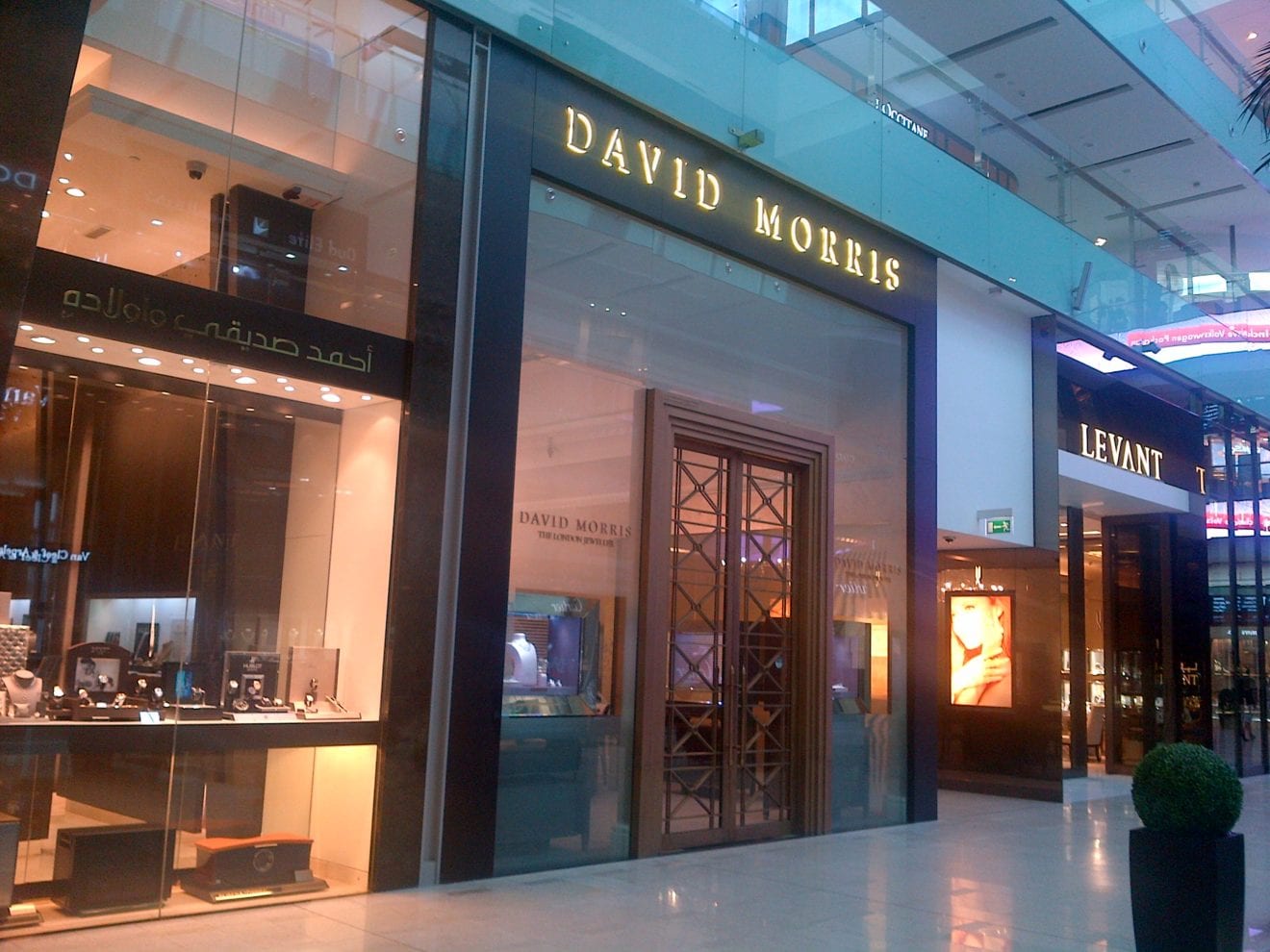
    British jewellery brand David Morris will open its second Hong King boutique at The Galleria on 9 Queen’s Road Central at the end of July.

    Jeremy Morris, son of founder David Morris and managing director of the eponymous brand, said: “Hong Kong has two markets; the local Hong Kong residents and the international market. To truly serve the local market it’s important to have a base in the Central District, where they are based.

    “Our designs are extremely sought-after by our locally based clients and our additional expansion in the area will enable us to enhance our service to our burgeoning international clientele.”

    Since Morris assumed the role of marketing director several years ago, he has expanded the brand’s presence to Dubai, Abu Dhabi, Moscow, Baku and Riyadh.

    The boutique joins the brand’s first flagship boutique, which opened at The Peninsula, Kowloon, in 2011.

    The family-run jewellers has served its clientele of royalty, including Princess Royals Margaret and Ann and the Eighth Earl Spencer and international collectors from its London flagship on Bond Street for more than 50 years.

    A further David Morris boutique is scheduled to open in Doha later this year.

  • Foreign visitors giving Hong Kong’s ‘shopping paradise’ a miss

    Foreign visitors giving Hong Kong’s ‘shopping paradise’ a miss

    The days of double-digit sales growth seem like a mirage now.

    Not long ago retailers were blasé about such numbers when mainland visitor arrivals were at their peak. Now, of the 10-odd shops in a prime stretch of Yee Wo Street in the Causeway Bay shopping district, three premises lie vacant. Prime outlets are also a lot less affordable because of Hong Kong’s rising dollar.

    High-spending tourists are disappearing in droves. Retail bosses and hoteliers are feeling the effects of weak demand and fear the challenging business environment will weigh on them even more in the months ahead.

    Many say that the tourism and retail sectors are affected inevitably by external factors. But few in either industry can predict when the downturn will end. As they wait for the next boom, an increasing number of companies are trying to identify their weaknesses and problems and shift their business focus to adapt to the changing environment.

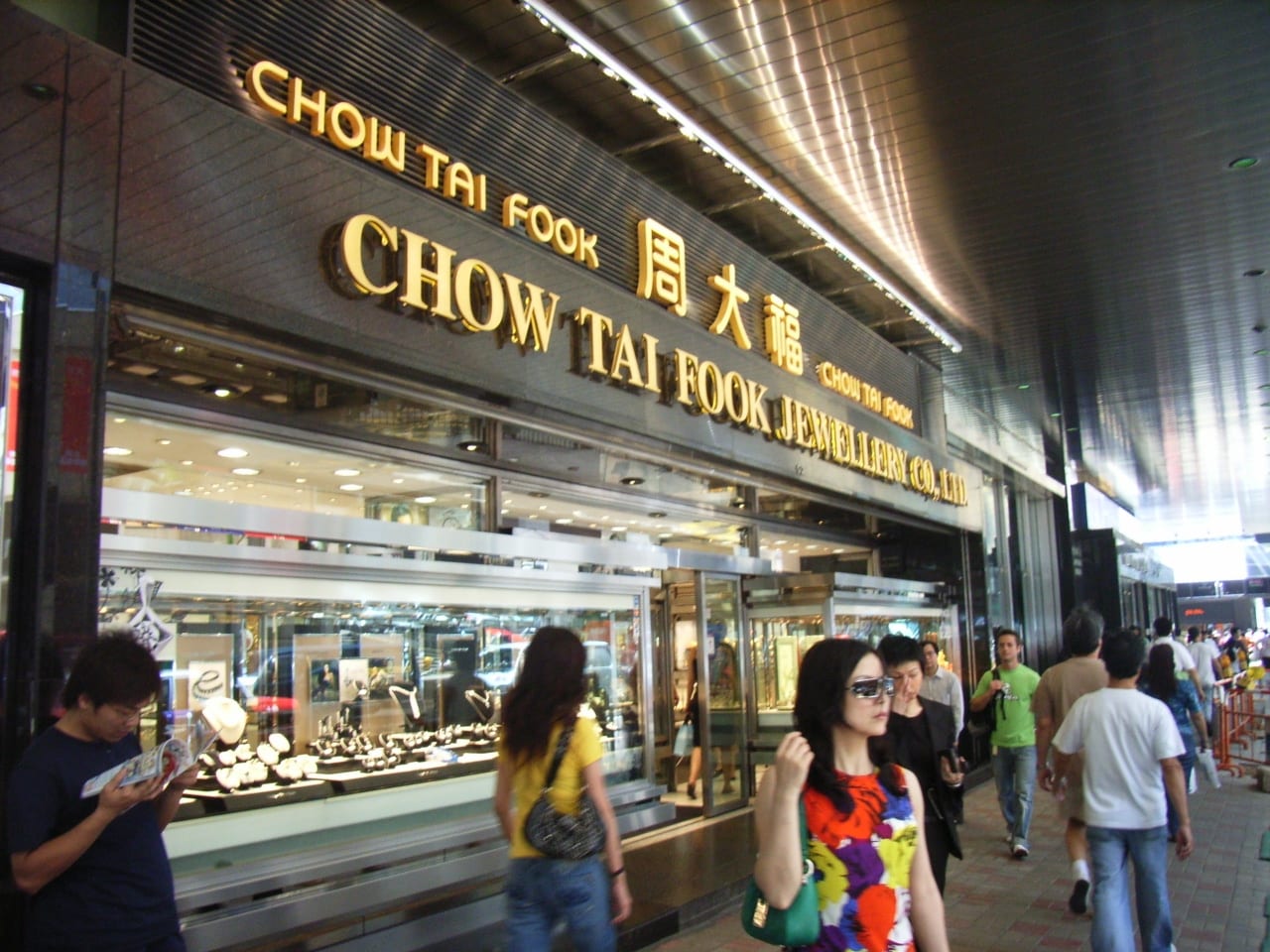
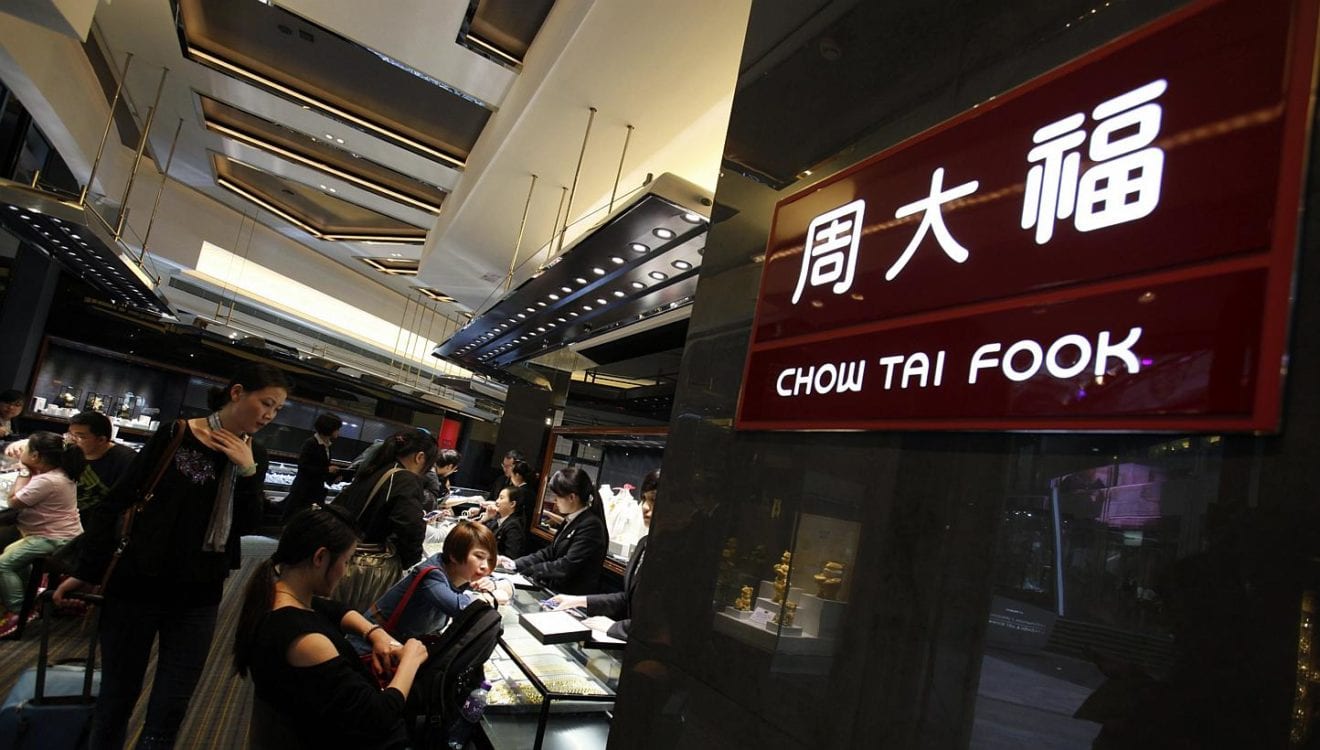
    Chow Tai Fook Jewellery, the world’s largest jewellery retailer, says in its annual results announcement that relatively weak consumer sentiment in Hong Kong and Macau is reflected in decreasing customer traffic.

    In the financial year ending March 31, customer traffic at its outlets in tourist areas shrank by around one-third year on year.

    It says mainland tourists may be opting for other destinations, and the possible change in inbound tourism from mainlanders “may pose structural changes to the retail industry in Hong Kong and Macau and arouse uncertainty” over its business.

    To adjust to the changes, the retailer will focus on enhancing the operational efficiency of its outlets and consolidate them.

    Cosmetics chain SaSa says the average spending per head mainland tourist customers dropped about 11 per cent in the past fiscal year owing to the weaker purchasing power of tourists from lower-tier cities.

    Another reason was the increasing demand for cheaper products, such as Korean goods, which dilutes sales growth even though it may drive store traffic, the company says.

    It rues the appreciation of the US dollar and the ensuing difference in the relative strength of the yuan and Hong Kong dollar, saying it is encouraging more mainland tourists to travel to markets with weaker currencies, such as Europe and South Korea.

    “The ongoing anti-corruption campaign on the mainland is impacting demand for high-priced items and gift sets,” SaSa adds.

    But the group has identified some new opportunities, such as cross-border e-commerce facilitated by the development of free trade zones on the mainland.

    Oriental Watch, a leading retailer in the city, notes the impact of rising social tensions and conflicts between Hong Kong and mainland China, saying these social events have further dragged down Hong Kong’s sluggish luxury sector.

    The company says it has opted for stringent cost-control measures to prepare itself for the challenges that lie ahead.

    “By closing down non-performing retail stores on their lease expiry, resources could be better allocated in fine-tuning our existing retail network,” says Oriental Watch.

    It points out that the pace of rent increases in Hong Kong has slowed down in the past few months, given the fragile economic outlook.

    “This positive sign suggests a perfect juncture for the group to negotiate for a reasonable rental rate,” it adds. It says rental costs for the year ending March 31 accounted for 39 per cent of the group’s operating expenses.

    Many retailers have long blamed high rents for pushing up the cost of doing business in Hong Kong.

    CBRE, a real estate services company, points out in a research report that Hong Kong was still the world’s most expensive retail market in terms of rent in the first quarter of the year. The average annual rent reached US$4,334 per sq ft. But rents are softening.

    Daniel Wong Hon-shing, chief executive at commercial property agency Midland IC&I, says shop rents are under pressure as sales of consumer goods continue to decline.

    He says rents at prime locations in major shopping districts such as Causeway Bay and Tsim Sha Tsui have fallen as much as 25 per cent year on year.

    “Cosmetics chains and jewellers have started consolidating business and stopped expansion,” Wong says. “The vacancy rates are rising.”

    He says even international brands are less willing to pay a high premium for shops in key retail areas, given the sluggish growth in the number of high-spending mainland visitors coming to the city.

    Neither are Hongkongers in a mood to go shopping.

    Caroline Mak Sui-king, chairwoman of the Retail Management Association, says an increasing number of high-earning Hongkongers are more likely to holiday in cheaper neighbouring destinations, such as Japan and South Korea.

    “It’s good value to travel to such places and have fun as the Hong Kong dollar remains strong,” she explains. “Hong Kong’s reputation as a shopping paradise has been put to the test.”

    CLSA, a brokerage and investment group, says in a research report that shopping is a key reason for mainlanders to visit Hong Kong.

    It believes the mainland’s decision to cut import tariffs will also hit Hong Kong’s retail sector, because the price gap between the two markets is narrowing.

    Its study found that 70 per cent of experienced mainland travellers surveyed said they would prefer to buy domestically if prices were lowered by 25 per cent.

    The firm says import tariffs and consumption taxes on the mainland add up to as much as 40 per cent for cosmetics and 25 per cent for apparel, adding that a reduction of taxes in such times would narrow the price gap between the mainland and Hong Kong markets and discount the city’s price advantage.

    The total value of Hong Kong’s retail sales in May, provisionally estimated at HK$39 billion, was down 0.1 per cent compared with the same month last year. It was the third monthly decline in a row, despite a smaller drop than the revised decrease of 2.1 per cent in April.

    The jewellery, watches and valuable gifts category continued to record a double-digit fall, with sales value declining 14.9 per cent to HK$6.7 billion.

    Mariana Kou, senior investment analyst at CLSA, says the retail sector in Hong Kong is facing “a structural decline”. She says the city lacks new tourist attractions and anti-mainland sentiment is hurting tourist spending.

    “Even luxury brands are struggling,” she says. She expects some retailers to cut costs by closing shops and laying off staff in the coming months.

    Meanwhile, the Hong Kong Tourism Board, in reply to queries from the Post, says it “continues to focus its resources on 20 key markets” in promoting the city as a tourist destination.

    A spokesman says the board “is investing most of its marketing budget in the international markets, especially short-haul ones. One hundred per cent of our marketing budget in international markets is used to draw overnight arrivals”.

    It has joined hands with hotels, airlines and other trade partners to roll out tourism products and accommodation offers.

    For the rest of the year, the board plans to stage a number of mega events to highlight Hong Kong’s tourism strengths. They include the “Hong Kong Wine & Dine Festival” in late October and “Hong Kong WinterFest” in December.

    “Through staging a series of mega events, the [board] hopes to uphold Hong Kong’s image as the events capital of Asia, enrich the visitor experience, and provide a business platform for the travel and related trade,” the spokesman says.

    The numbers will tell soon enough if the strategies work. If not, a rough ride lies ahead for Hong Kong’s much vaunted tourism and retail scene.

    This article appeared in the South China Morning Post print edition as They’re not buying it

  • Chow Tai Fook Quarterly Retail Sales Fall 6% on Hong Kong, Macau

    Chow Tai Fook Quarterly Retail Sales Fall 6% on Hong Kong, Macau

    Same-store sales fell by 7 percent in mainland China, and were down 24 percent in Hong Kong and Macau in the fiscal first quarter ending June, the jeweler said in a statement Thursday.

    Hong Kong-based Chow Tai Fook has been hurt by China’s slowing economic and a government-led austerity campaign, which prompted shoppers to cut back on luxury purchases. The jeweler saw net income plunge 25 percent for its fiscal year ending March as stores in mainland China, Hong Kong and Macau suffered.

    The jeweler had cut prices for some of its diamond-set products by as much as 30 percent in June, in a bid to reduce inventories bloated by weaker-than-expected sales in the city.

  • King Fook blames protesters for purple ink

    King Fook blames protesters for purple ink

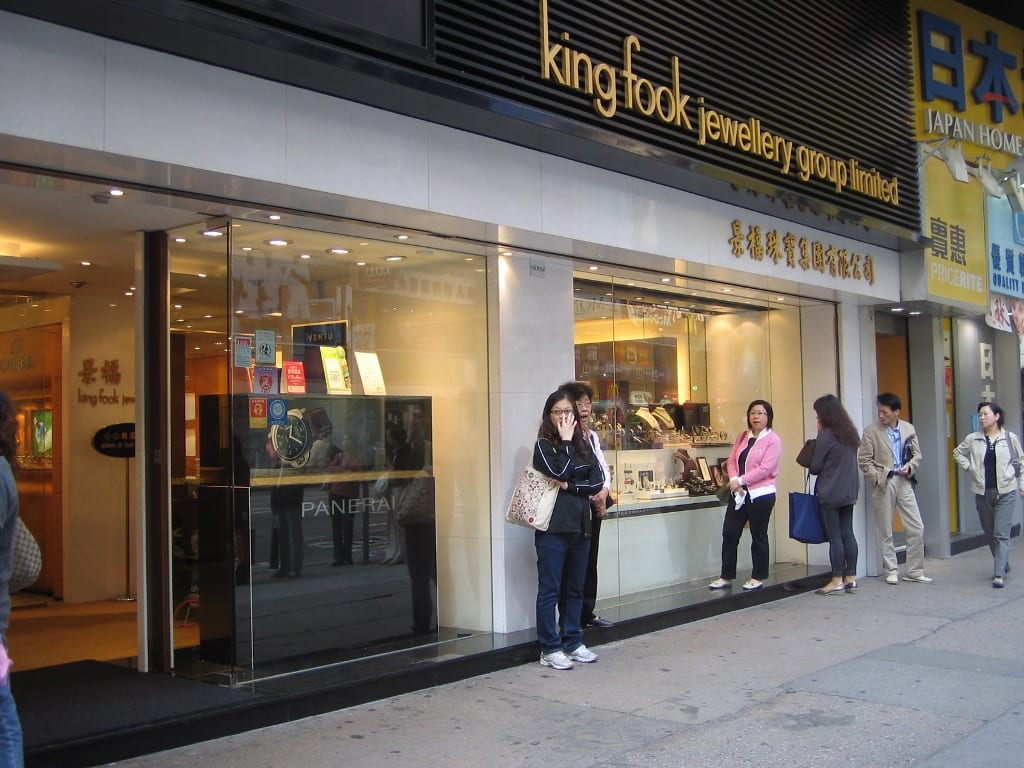
    Luxurious jeweller King Fook says it misplaced $149.25 million within the yr to March 31, blaming the Occupy Central protest motion and the decline in cashed up Mainland buyers.

    The group’s turnover from its retail enterprise plunged 27.eight per cent to $817.6 million (from $1.13 billion the earlier yr) “following the overall decline of the Hong Kong luxurious items retail market”.

    As the corporate discounted inventory to extend gross sales, its gross revenue margin fell from 23.7 per cent to 20.9 per cent.

    It closed or downsized 5 underperforming shops to consolidate its flooring area.

    In its submitting, King Fook stated the spending of vacationers from Mainland China was adversely affected by the Chinese language Authorities’s anti extravagance marketing campaign, which in flip critically affected the posh items retail market.

    “Furthermore, native consumption sentiment was negatively impacted by the outbreak of the Occupy Central protests through the interval from September to December 2014.

    “The Hong Kong luxurious items retail market has not recovered because the outbreak of Occupy Central and has additional deteriorated by weakened consumption patterns and deceased spending of vacationers from Mainland China. The group expects the sluggish market circumstances will proceed and the problem to the posh items retail market is extreme.”

    It says it can “improve its competitiveness by cautiously reviewing and adjusting its retailer places, working prices and product combine in order to raised tackle the altering vacationers’ wants and the native market”.

    The corporate expects lease reductions within the yr forward reflecting the slowdown of the posh items retail market.

    It should additionally develop a web-based platform in order to not miss out on the development in the direction of on-line buying. It hopes a web-based presence will direct web customers to go to the group’s bodily shops.

  • Luk Fook’s gem-set focus pays off

    Jeweller Luk Fook says regardless of a 17.1 per cent fall in gross sales within the final monetary yr, it nonetheless achieved its second greatest gross sales yr on report.

    And it says specializing in gem-set gross sales, with larger margins, meant its revenue for the yr to March 31 fell simply 9.1 per cent.

    The group recorded income of HK$15.923 billion (2014: HK$19,214,930,000). With its gross margin up by 2.2 factors to 24.1 per cent, because of strong progress in gem-set gross sales, gross revenue reached HK$three.832 billion. The revenue attributable to fairness holders decreased by 13.four per cent to HK$1.61 billion, which was higher than anticipated and marked the group’s second highest document.

    All jewelry retailers have posted declining gross sales by greenback worth, largely because of the ‘gold rush’ of 2014 which created a excessive baseline to match 2015 gross sales towards.

    “Though the excessive base impact because of the gold rushes has pale within the second half of the yr, the difficult international financial system, foreign money depreciation and relaxed visa necessities in different in style vacationer locations hampered the buyer sentiment of Mainland Chinese language vacationers in Hong Kong and Macau,” Luk Fook chairman and CEO Wong Wai Sheung stated.

    “However, with the group’s excellent gross sales technique, gross sales mixture of gem-set jewelry merchandise which bear larger gross margin has been efficiently elevated. The expansion in general gross margin resulted in a revenue enchancment of the retail enterprise in Mainland China. Along with the passable efficiency within the wholesale enterprise, it mitigated the influence of the drop of retail income in Hong Kong and Macau market.”

    Wong Wai Sheun stated the group carried out past expectation for the yr, coming off the ‘gold rush’ of 2014.

    The retail enterprise continued to be the first gross sales driver for the group with its income down 22.three per cent to HK$12.552 billion, accounting for 78.eight per cent of the group’s complete income. After the completion of the acquisition of 50 per cent curiosity within the issued share capital of China Gold Silver Group, an working firm partaking in jewelry retailing and franchising beneath the brandname of “3D-Gold”, the group turned certainly one of its suppliers.

    Along with the rise in variety of licensed outlets, the wholesale income grew by 14.eight per cent over the earlier yr to HK$2.794 billion, 17.6 per cent of the group’s complete income. Licensing revenue decreased by 6.6 per cent to HK$578 million, primarily as a result of gold gross sales returned to a comparatively regular degree.

    All year long, gold merchandise remained probably the most favorite merchandise amongst clients and along with platinum merchandise contributed roughly 60.2 per cent of gross sales.

    Similar retailer gross sales for Hong Kong and Macau fell 28.2 per cent and for Mainland China by 29.eight per cent.

    Mainland Chinese language guests continued to be the key driver for the retail enterprise in Hong Kong, which remained the important thing income for the group, contributing roughly 59.eight per cent of complete gross sales.

    Through the yr Luk Fook opened 115 new licensed outlets and closed 4 self-operated outlets. As at March 31, the group had a complete of 1383 outlets globally in Mainland China, Hong Kong, Macau, Korea, Singapore, the US, Canada and Australia.

    Wanting ahead, Wong Wai Sheung stated Mainland China’s financial slowdown, the adjustment to the coverage of Particular person Go to Scheme, and the abroad foreign money devaluation have brought on the Mainland Chinese language vacationers to modify to neighbouring nations for consumption, which affected the enterprise progress of the group.

    “The group stays prudent about our enterprise improvement briefly time period. Nevertheless, we’re nonetheless optimistic concerning the mid- to long-term enterprise improvement. We’ll proceed to utilise cross-selling methods and supply extra product collection that are diversified and should meet mass market wants. This helps to entice clients’ want for consumption and increase the gross sales of gem-set jewelry merchandise which bear comparatively larger gross margin.”

  • How Chow Tai Fook is setting Hearts on Hearth

    How Chow Tai Fook is setting Hearts on Hearth

    A yr on from shopping for Hearts on Hearth, Hong Kong headquartered jeweller Chow Tai Fook stays bullish concerning the model’s prospects in Mainland China, regardless of the static jewelry market.

    Chow Tai Fook has three standalone shops in China and, one concession there, together with one other concession in Hong Kong. It plans 10 standalone shops in China by the yr’s finish and the corporate will proceed to search for alternatives for brand spanking new concessions.

    “Hearts of Hearth is a really younger model, however we’ve got expertise with the Chinese language group in Taiwan the place Hearts on Hearth is ranked as probably the most desired and sellable diamond model,” stated Chow Tai Fook MD Kent Wong in an interview with Rapaport News revealed on-line.

    “Chinese language shoppers in Taiwan like perfection. Subsequently, the perfectly-cut diamond is one thing that they should have. The identical style applies in Mainland China,” Wong defined.

    “Hearts on Hearth can leverage Chow Tai Fook’s big buyer base. Chow Tai Fook manages about 1.5 million VIP clients in China. Their repeat purchases account for about 35 per cent of our complete gross sales, and about 65 per cent of our repeat buy clients need gem-set jewelry, particularly with diamonds.

    “For Hearts on Hearth, we have now already set a three-year improvement plan. We need to improve the purchasing expertise within the retailer by way of promoting campaigns and packages to help the model.”

    Chow Tai Fook purchased the Hearts on Hearth luxurious diamond model final June for US$150 million.

    Kent stated Hearts on Hearth is an effective complement to Chow Tai Fook as a result of it’s a premium luxurious diamond model that has been within the business for many years.

    “Chow Tai Fook can profit from Hearts on Hearth’s expertise in creating a luxurious model. It has wonderful jewelry design and brings extra of a worldwide imaginative and prescient to our design group,” he informed Rapaport News.

    He stated the Chinese language authorities’s anti-graft marketing campaign had affected the posh watches, attire and drinks sectors, however not jewelry.

    “Our analysis exhibits that about 70 per cent of girls in China’s Tier I and Tier II cities, need to obtain a diamond engagement ring. Yearly, we’ve got about 12 million to 13 million couples getting married in China so the bridal market supplies secure demand, regardless of the market state of affairs.”

    In a broad ranging interview Wong talks concerning the distinctive RFID tagging Chow Tai Fook is utilizing instore to review buyer behaviour when taking a look at jewelry, advertising initiatives for Hearts on Hearth and benefiting from on-line to drive retail gross sales.

  • Jewelry and watch companies prime performers in luxurious area

    Jewelry and watch companies prime performers in luxurious area

    India has bounced again and is confidently rising within the luxurious markets as different BRIC nations wrestle to collect tempo, says Deloitte’s annual International Powers of Luxurious Items report. By the top of final fiscal, world’s 100 largest luxurious items corporations had generated gross sales of $214.2 billion regardless of foreign money headwinds and intense technological disruption. Developed economies just like the US and Europe look like on the rebound, thus, boosting the buying energy of upscale clients.

    The Indian financial system, too, is recovering from its stoop.Jewelry and watch corporations are prime performers, producing the second-largest share of the posh items sale. Corporations like Titan, Gitanjali Gems and PC Jeweller all make the minimize as newcomers within the Deloitte’s prime 100 luxurious manufacturers. The research additionally established that the channels on which luxurious shoppers store are always evolving, making it crucial for corporations to know the altering wishes and shopping for behaviours.

    “A number of key points of the posh sector shall be unrecognisable within the subsequent few years. The travelling luxurious shopper will change the idea of nationwide boundaries; millennial shoppers will characterize a big proportion of gross sales quantity in luxurious; and the aggressive forces pushed by know-how will proceed to disrupt at a quicker tempo.” stated Gaurav Gupta, senior director, Deloitte, India.

  • Chow Tai Fook takes on landlords

    Chow Tai Fook takes on landlords

    Hong Kong jeweller Chow Tai Fook is flexing its muscle in a softening retail rental market, in search of lease cuts of as much as 20 per cent.

    The listed firm says some 30 leases throughout the territory will come up for renewal later this yr and the corporate will probably be in search of reductions within the wake of a difficult retail market which has seen gross sales plunge in some luxurious classes.

    In an interview revealed on Bloomberg on-line, MD Kent Wong stated the corporate has already been granted reductions of between 10 per cent and 20 per cent in renewal negotiations this yr, however he didn’t reveal the variety of leases concerned.

    He advised Bloomberg that circumstances in 2015 are “very particular”.

    “We’re demand pushed; we anticipate we will have a 20 per cent rental discount.”

    Chow Tai Fook has reported a fall in same-store gross sales in Hong Kong and Macau of 26 per cent within the first quarter of this yr – the fifth consecutive quarterly fall.

    Wong stated his firm might shut some shops this yr – singling out its Peak outlet for instance.

    The jeweller has 90 shops in Hong Kong, interesting largely to Mainland Chinese language vacationers. However customer numbers from China have been falling, and people nonetheless coming are much less prosperous than the standard guests of previous years. These with larger disposable incomes have began travelling additional afield, many spooked by the Occupy Central protests of the second half of final yr.

    The mainland authorities’s clampdown on present giving has additionally affected gross sales of upper priced luxurious items in Hong Kong.

    Regardless of a lower in complete retail gross sales of two.three per cent in Hong Kong in the course of the first three months of 2015, Wong expects a restoration later within the yr.

    “The market basically wants six months to at least one yr to restructure the product combine catering to the altering style of consumers,” he advised Bloomberg.

    “We stay optimistic about Hong Kong within the mid- to long-term.”

  • Tesco Lotus confirms expansion plans

    Tesco Lotus confirms expansion plans

    Tesco Lotus remains committed to Thailand and will continue to invest in expanding its retail and online channels, according to a report in the Bangkok Post newspaper.

    Tesco Lotus has previously announced plans to open five large stores and 50 express stores over the coming year.

    But a cloud descended over the company’s future in the wake of parent Tesco UK’s financial turmoil, with talk the Thai division may be sold off to pay off debt in the UK.

    However, in an interview with the Bangkok Post, CEO John Christie said Tesco will also increase investment in programs to help reduce the prices of fresh food, groceries and household items.

    It would appear that any plan to liquidate Tesco’s Asian assets are at least on ice.

    In its annual result announced last week Tesco said its combined Asian operations posted a profit of £565 million, down 18.4 per cent largely on falling sales in China, where the brand is being phased out. That’s considerably more than the £467 million profit in the UK and £164 million in Europe.

    Christie also said Tesco Lotus has so far invested over 4 billion baht (US$30.6 million) under its Roll Back price campaign to help cut product prices, and another 600 million baht ($18.37 million)to help slash the price of fresh food.

    “Tesco Lotus has made huge investments over the years to help Thais save on their cost of living. We are confident that our investment plan will strengthen our leadership in the modern retail sector, while we continue to work with Thai suppliers and business partners to grow together with us and help Thai people cut the cost of living,” Christie said.

    “Thailand is a strategic market for the Tesco Group. Growth opportunities here remain promising and we will continue to invest to grow our business”.