Tag: jewellery

  • Chow Tai Fook Jewellery Boosts Globalization Strategy with New Global Creative Director, David Tse

    Chow Tai Fook Jewellery Boosts Globalization Strategy with New Global Creative Director, David Tse

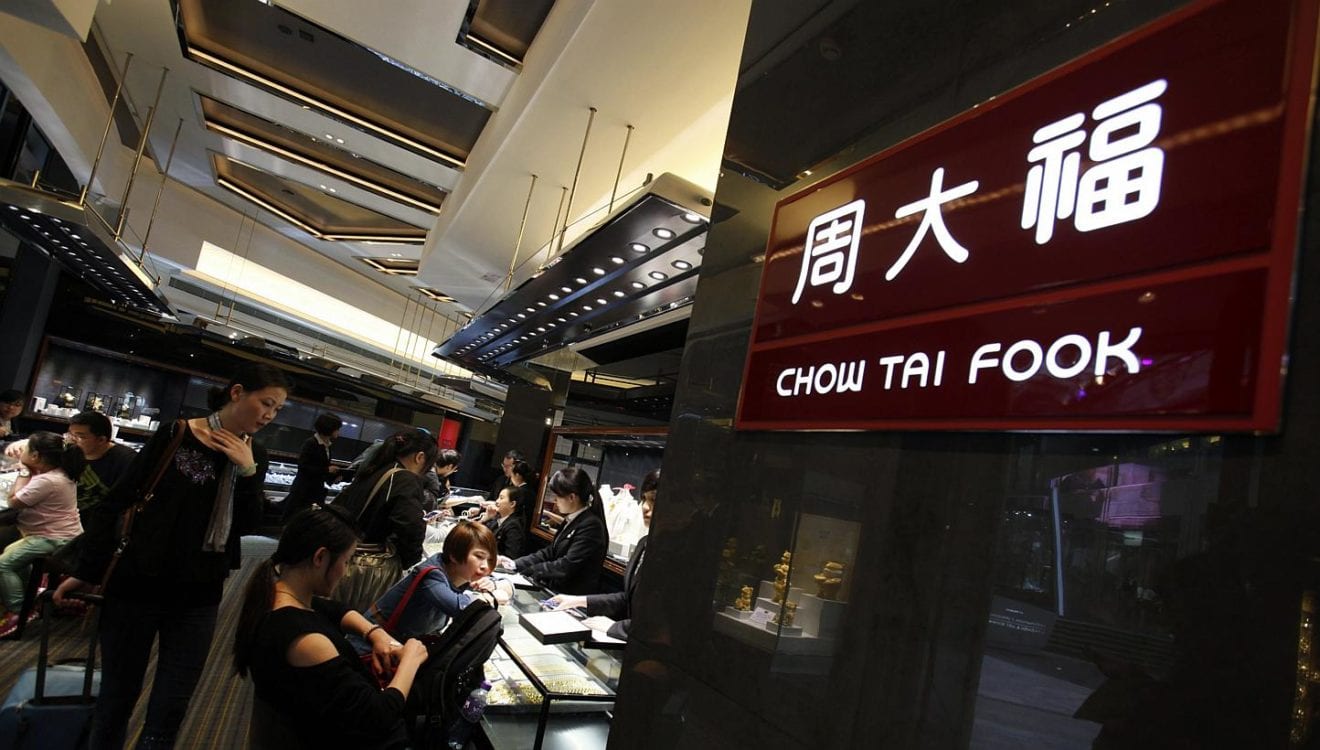
    Chow Tai Fook Jewellery Group has announced the appointment of David Tse to the newly created role of Global Creative Director. This strategic move is intended to bolster the company’s ongoing globalization efforts.

    Strengthening Position as a Leading Chinese Luxury Brand

    David Tse will be at the forefront of solidifying Chow Tai Fook Jewellery Group’s standing as a premier Chinese luxury brand. His responsibilities will encompass shaping the brand’s creative identity and spearheading its overall creative strategy across all customer interactions.

    The decision to bring Tse on board is considered quite timely as the company is in the throes of transforming and globalizing the brand. Tse’s profound understanding of luxury, remarkable creativity, and demonstrated ability to transform brand strategy into compelling narratives are expected to significantly contribute to enhancing the brand’s global reputation.

    An Experienced Leader in Creative Direction

    Tse boasts a wealth of international experience in both the luxury and lifestyle sectors, with an impressive career that spans China and various international markets. He launched his career as an entrepreneur, focusing on creative production, and subsequently led projects for an array of renowned brands, such as Burberry, Golden Goose, Uniqlo, Google, PayPal, Volvo, and Starbucks.

    In his most recent role, Tse was the Creative Director at Hermes in Shanghai, having the distinction of being the first Creative Director appointed outside the brand’s Paris head office.

    In his new role at Chow Tai Fook Jewellery, Tse plans to honor the brand’s rich heritage and encourage innovation and creativity, while always prioritizing customer needs.

    Expansion Amid Slow Domestic Demand

    Earlier this year, in response to decelerating domestic demand, market saturation, and pricing pressure in the world’s second-largest economy, Chow Tai Fook Jewellery Group expanded overseas, opening a flagship store at Siam Paragon in Bangkok. This movement forms part of a wider trend of Chinese and Hong Kong consumer brands seeking growth opportunities outside their traditional markets.

    Questions & Answers

    What will David Tse’s role be at Chow Tai Fook Jewellery Group?
    As the Global Creative Director, Tse will be responsible for shaping the brand’s creative identity and leading its overall creative strategy across all consumer interactions.

    What experience does Tse bring to the role?
    Tse brings international experience from the luxury and lifestyle sectors, having worked in both China and international markets. He has led projects for a range of well-known brands and was most recently the Creative Director at Hermes in Shanghai.

    Why is Chow Tai Fook Jewellery Group expanding overseas?
    The group is expanding overseas in response to slowing domestic demand, market saturation, and pricing pressure in the world’s second-largest economy. Opening a flagship store in Bangkok is part of these ongoing globalization efforts.

  • Hong Kong Luxury Real Estate Shuffle: Prince Jewellery Director Trades up with $6.4M Duplex Purchase

    Hong Kong Luxury Real Estate Shuffle: Prince Jewellery Director Trades up with $6.4M Duplex Purchase

    Tang Yick-ki, a director of Prince Jewellery and Sky Regal Properties, has recently engaged in significant real estate transactions in Hong Kong. He sold an apartment in Kowloon and obtained a two-story home in the vicinity for HKD50 million (US$6.4 million). These deals were completed in just over a month.

    Real Estate Transactions

    Tang sold his three-bedroom apartment, boasting 95 square meters of living space, located on the 71st floor of The Cullinan on Austin Road West in West Kowloon. The selling price was HKD46 million (US$5.9 million). Land Registry records confirmed the deal was finalized on January 5. Tang originally bought the apartment in 2016 for HKD32.5 million, meaning the property has increased in value by 41% in the intervening years.

    Roughly three weeks after this sale, Sky Regal Properties, where Tang serves as the sole director, purchased a duplex in The Waterfront, a residence within the same vicinity. According to the Land Registry, the transaction was completed last week for a cost of HKD50 million. Real estate agents specified that the duplex is 145 square meters and situated on the 45th floor.

    Prince Jewellery and the Hong Kong Property Market

    Prince Jewellery, with a 40-year history in Hong Kong, operates 16 retail stores and hosts over 60 globally recognized brands. The company’s recent real estate transactions come at a time when the Hong Kong property sector is gradually recovering from a prolonged slump. Despite persisting uncertainties, affluent homeowners like Tang are anticipated to continue seeking home upgrades.

    Some industry experts indicate that wealthier residents may choose to improve their current residences. However, this trend might not extend to those who invest in properties purely for financial gain. Additionally, home upgrades tend to become more popular during periods of market instability.

    Land Registry records also showed that another duplex in The Waterfront was sold for HKD50 million last week. The property was acquired by an entity known as Tung Tak, which had purchased it for HKD48.8 million in 2023.

    Questions & Answers

    What recent real estate transactions has Tang Yick-ki engaged in?
    Tang Yick-ki, a director of Prince Jewellery and Sky Regal Properties, has recently sold an apartment in Kowloon and bought a two-story residence nearby for HKD50 million.

    How is the Hong Kong property sector performing currently?
    The Hong Kong property sector is gradually emerging from a prolonged downturn. Despite ongoing uncertainties, affluent property owners are expected to pursue property upgrades.

    What is the trend concerning home upgrades in Hong Kong?
    Home upgrades tend to become more popular during periods of market instability. However, this trend might not apply to those who acquire property solely for investment purposes.

  • Jewellery Demand Sparkles in Singapore, Driving Retail Sales Growth

    Jewellery Demand Sparkles in Singapore, Driving Retail Sales Growth

    In recent data from Singapore’s Department of Statistics, there has been a resurgence of retail sales growth in October, rebounding from a deceleration experienced in the prior month.

    Retail Sales Overview

    Retail sales, with the exclusion of motor vehicles, witnessed a 3.7% rise in October. This rate is notably quicker than the revised growth of 1.8% seen in September, yet it lags behind the 4.7% increase witnessed in August.

    The estimated worth of these retail sales was approximately SG$3.8 billion (US$2.9 billion), with online channels contributing to 16.8% of this total revenue.

    Industry Growth

    A majority of the sectors reported an annual growth in their sales for this month. The watches and jewellery sector retained its position at the top for the third consecutive month. Sales in this sector surged by 25%, largely credited to a spike in jewellery sales.

    Recreational goods saw the second-highest increase at 20.4%, followed by optical goods and books, and cosmetics, toiletries, and medical goods, both of which reported a 6.9% increase.

    Declining Sectors

    On the other end of the spectrum, petrol service stations experienced a 17.4% decrease in sales. This was followed by wearing apparel and footwear, which fell by 3.7%, and food and alcohol sales, which fell by 2.5%.

    Food and Beverage Services

    On a brighter note, the sales of food and beverage services in October saw a 2.4% increase, amounting to $1 billion. This contrasts with the 1.6% decline that was recorded in September.

    Questions & Answers

    Which sector had the highest growth in sales?
    The watches and jewellery sector saw the highest growth, with sales up 25%, largely due to higher jewellery sales.

    What was the estimated worth of retail sales in October?
    The estimated worth of retail sales for October was approximately SG$3.8 billion (US$2.9 billion).

    Which sectors saw a decrease in sales?
    Petrol service stations reported a 17.4% sales drop, while wearing apparel and footwear dropped by 3.7%, and food and alcohol sales decreased by 2.5%.

  • Singapore Retail Sales Rise in September, Pace Moderates: Jewellery and Watches Lead Growth

    Singapore Retail Sales Rise in September, Pace Moderates: Jewellery and Watches Lead Growth

    Retail sales in Singapore continued their upward trajectory in September, albeit at a slower rate than in August.

    Retail Sales Trend

    In September, retail sales, excluding motor vehicles, rose by 2 per cent. This is a slight dip compared to the 4.7 per cent increase witnessed in August. The total value of retail sales for September was estimated at SG$3.5 billion ($2.67 billion USD), with online sales accounting for 17.6 per cent of that figure. However, on a seasonally adjusted basis, retail sales in September saw a decline of 2.3 per cent when compared to August.

    Industry Performance

    The watches and jewellery sector remained at the forefront of sales growth in September with a substantial year-on-year increase of 16.6 per cent. This growth was primarily fueled by a surge in jewellery sales. The recreational goods sector trailed behind in second place with an 11 per cent increase, followed by supermarkets and hypermarkets, which saw a 5.1 per cent rise.

    On the other hand, petrol service stations and retailers of clothing and footwear saw a drop in sales by 8 per cent and 3.6 per cent respectively. The food and beverage services also experienced a decline, with sales slipping by 1.6 per cent, a steep fall from the 0.2 per cent decrease reported in the previous month. This slump was largely attributed to the underperformance of the restaurant sector.

    The overall sales value of food and beverage services was estimated at SG$966 million, with online sales representing 26.3 per cent.

    Questions & Answers

    Q: How did the retail sector perform in Singapore in September?
    A: Retail sales, excluding motor vehicles, rose by 2 per cent in September, a slower pace compared to the 4.7 per cent increase in August.

    Q: What sectors led the growth in retail sales in September?
    A: The watches and jewellery sector led the growth with a 16.6 per cent year-on-year increase, followed by the recreational goods sector and supermarkets and hypermarkets.

    Q: Which sectors experienced a decline in sales in September?
    A: Petrol service stations and clothing and footwear retailers saw a decrease in sales, with declines of 8 per cent and 3.6 per cent respectively. The food and beverage services sector also experienced a drop in sales, declining by 1.6 per cent.

  • Singapore’s Retail Sector Sustains Growth in September, Led by Watch and Jewellery Sales Surge

    Singapore’s Retail Sector Sustains Growth in September, Led by Watch and Jewellery Sales Surge

    In September, retail sales in Singapore continued their upward trajectory, albeit at a slower pace than in August.

    Overview of Retail Sales

    Singapore’s retail sales, excluding motor vehicles, witnessed a 2% growth in September. This figure is slightly lower than the revised 4.7% increase recorded in August. The total retail sales value for the month was estimated at SG$3.5 billion (US$2.67 billion), with online sales accounting for 17.6% of this value.

    However, when adjusted for seasonal factors, there was a 2.3% decrease in retail sales in September compared to August.

    Sector-wise Breakdown

    The growth in retail sales was majorly driven by the watches and jewellery sector, which saw a year-on-year increase of 16.6%, largely due to increased jewellery sales.

    Next in line was the recreational goods sector, which exhibited an 11% rise in sales, followed by supermarkets and hypermarkets with a 5.1% increment.

    In stark contrast, both petrol service stations and retailers of apparel and footwear experienced a decline in sales by 8% and 3.6% respectively.

    Food and Beverage Services Sales

    Sales in the food and beverage services sector also declined, registering a 1.6% drop, a more significant decrease compared to the 0.2% drop in the previous month. This downturn was primarily attributed to the underperformance of the restaurant sector. The total sales value for the F&B services sector was estimated at SG$966 million, with online sales constituting 26.3% of this value.

    Questions & Answers

    What was the percentage increase in Singapore’s retail sales for September?
    The retail sales in Singapore saw a 2% increase in September.

    Which sector led the sales growth in September?
    The watches and jewellery sector led the sales growth in September with a 16.6% increase year-on-year.

    Did all sectors see an increase in sales?
    No, the sales of petrol service stations and retailers of apparel and footwear saw a decline, as did the food and beverage services sector.

  • Chow Sang Sang Joins Forces With Nuvei For North American Market Expansion

    Chow Sang Sang Joins Forces With Nuvei For North American Market Expansion

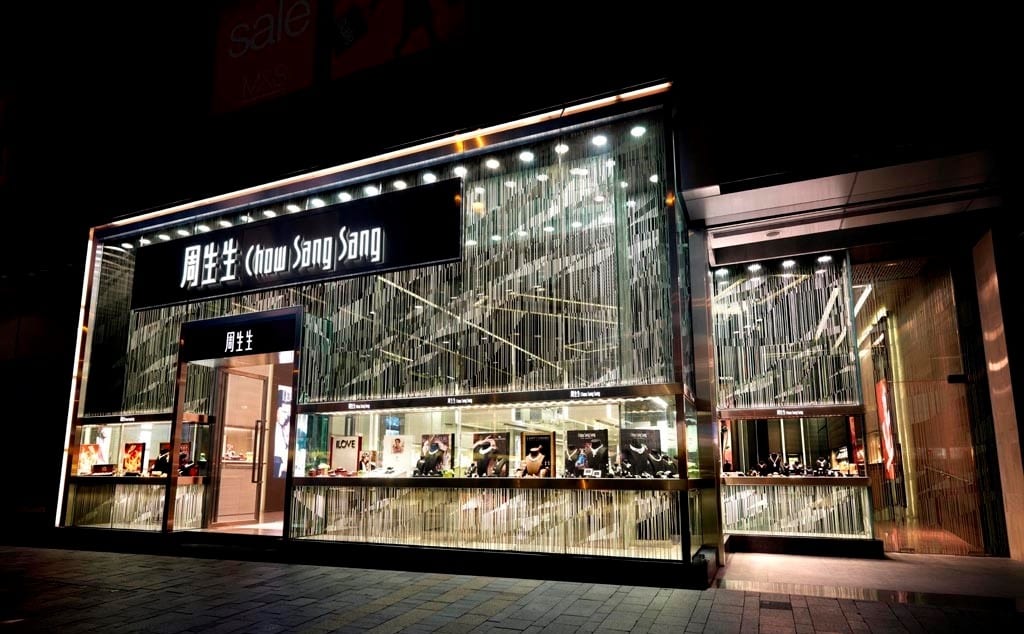
    Hong Kong’s renowned luxury jewellery brand, Chow Sang Sang, has announced its foray into the North American market. This expansion is made possible through a strategic partnership with Nuvei, an international payments company.

    Genevieve Chow, the Chief Brands Officer at Chow Sang Sang, shed light on the decision to collaborate with Nuvei. She explained that the company was chosen for its localised, secure and seamless payment system. “As we embark on our international expansion, particularly targeting North America, it’s crucial for us to have a payments partner that upholds our commitment to excellence,” she said.

    Nuvei’s platform is set to provide Chow Sang Sang with opportunities to penetrate into 50 markets. It also extends support for over 150 currencies and 720 alternative payment methods. This comprehensive system directly connects to global card networks, enhancing the approval rates and minimising payment friction.

    “Nuvei’s cutting-edge technology, local expertise, and global reach equip us to provide the premium experience our customers anticipate, both online and in-store,” Chow further stated.

    Nuvei’s recent attainment of a Money Services Operator (MSO) license in Hong Kong strengthens its position. The license enables Nuvei to offer local acquiring and settlement services in the market. This significant move supports Nuvei’s broader expansion goals in the Asia-Pacific region, including Greater China, Japan, Singapore and Australia.

    Phil Fayer, CEO of Nuvei, expressed his outlook on the partnership with Chow Sang Sang. He said, “Luxury brands like Chow Sang Sang are destined for global growth. With our MSO license and the expanding footprint in the APAC region, we’re excited to support the region’s most promising companies with payment technology designed for scalability.”

    Chow Sang Sang is a significant player in the luxury jewellery market, operating over 900 self-run stores spread across Mainland China, Hong Kong, Macau, and Taiwan. Its portfolio includes notable brands such as Chow Sang Sang, Promessa, MintyGreen, and Emphasis.

    Questions & Answers

    What is the significance of Chow Sang Sang’s partnership with Nuvei?
    The partnership enables Chow Sang Sang to expand its operations into North America, backed by Nuvei’s seamless and secure payment system.

    What advantages does Nuvei’s platform offer to Chow Sang Sang?
    Nuvei’s platform provides access to 50 markets, supports over 150 currencies and 720 alternative payment methods, and directly connects with global card networks, improving approval rates and reducing payment friction.

    What does Nuvei’s recent acquisition of a MSO license mean for the company?
    The MSO license empowers Nuvei to offer local acquiring and settlement services in the Hong Kong market, supporting its broader expansion in the Asia-Pacific region.

  • Titan Acquires 67% Stake In Damas Jewellery: A Strategic Move To Expand Beyond Gulf Market

    Titan Acquires 67% Stake In Damas Jewellery: A Strategic Move To Expand Beyond Gulf Market

    The Indian lifestyle retail giant, Titan, known for owning the Tanishq jewellery brand, has recently made a significant acquisition. The company bought a 67% stake in Damas Jewellery, which is based in Dubai, for a total of US$189 million (AED695 million). This purchase from Qatar’s Mannai Corporation is the second-largest acquisition Titan has made thus far and represents a major strategic move for the company to grow beyond its principal customer base in the Gulf region.

    Damas Jewellery Background

    Damas Jewellery has a long and storied history that began in 1907. The company currently operates 146 stores in six Gulf Cooperation Council (GCC) countries, including the UAE, Saudi Arabia, Qatar, Oman, Kuwait, and Bahrain. However, the British brand Graff’s franchise business is not part of the acquisition agreement with Titan.

    The Impact of Acquisition

    Titan’s Managing Director, C K Venkataraman, has been quite vocal about the benefits of this acquisition for the company. According to him, this strategic move not only opens up significant new global opportunities but also boosts the company’s standing in the GCC’s jewelry market.

    “After successfully establishing Tanishq in the GCC and the US, our ambition for global jewelry play is moving to the next stage,” Venkataraman said. “With the Damas acquisition, Titan is expanding its focus beyond its traditional diaspora customers to target other nationalities and ethnicities.”

    Transaction Details

    The acquisition transaction was based on Damas’ enterprise valuation of $283 million. Additionally, it includes a provision for Titan to buy the remaining 33% stake from Mannai after December 31, 2029, subject to certain conditions.

    Titan, a joint venture between the Tata Group and the Tamil Nadu Industrial Development Corporation (TIDCO), first entered the GCC market in 1993 with Tanishq. Today, it operates 15 stores across the region, with a flagship store in Dubai that was launched in 2020.

    Questions & Answers

    What is the significance of Titan’s acquisition of Damas?
    The acquisition enables Titan to expand its customer base, enhance its position in the GCC jewelry market, and increase its global market opportunities.

    What does Damas bring to the table?
    Damas, founded in 1907, brings longevity and a strong presence in the GCC region with 146 stores in six countries.

    What future options does the acquisition offer?
    The agreement includes an option for Titan to acquire the remaining 33% stake in Damas from Mannai after December 31, 2029, subject to certain conditions.

  • Luk Fook sales drop 10 per cent in latest quarter

    Luk Fook sales drop 10 per cent in latest quarter

    Luk Fook sales in the third quarter fell 10 per cent on a same-store basis. “Recent market sentiment has been adversely impacted by the US-China trade war, the depreciation of Renminbi, and downward pressure in the stock and property markets,” said chairman Wai Sheung Wong ina  stock exchange filing. Luk Fook says same-store sales of gold products fell by 9 per cent and of gem-set jewellery by 8 per cent.

    The company’s disappointing figures come in the same week as rival jeweller Chow Tai Fook reported an 11 per cent decline in sales across Mainland China, Hong Kong and Macau.

    Wong said the Renminbi’s depreciation led to higher tendency for customers to purchase lower-value items, resulting in a double-digit drop in the average selling price of gem-set jewellery products.

    Same-store Luk Fook sales in Mainland China fell by 14 per cent, with gold products down 16 per cent and gem-set jewellery down 5 per cent.

    As at December 31 the company operated 221 of its own Lukfook stores, including 150 on the mainland, 49 in Hong Kong, 11 in Macau and 11 overseas. It supplied 1573 licensed shops on the mainland, one in Cambodia and one in the Philippines, making a total of 1796 worldwide.

  • Pop Mart launches jewellery concept store

    Pop Mart launches jewellery concept store

    Pop Mart, the renowned creator of the globally popular “blind box” toys featuring the unique and charming Labubu character, unveiled its debut jewellery store in Shanghai last Friday.

    The new concept store, known as Popop, offers a variety of accessories embellished with Pop Mart’s most popular characters, which include Labubu, Molly, and Skullpanda.

    Despite the ongoing property downturn and sluggish economic growth, Chinese consumer expenditure has remained somewhat muted. However, the demand for Pop Mart’s delightful yet economical toys continues to thrive both domestically and internationally, which has contributed to an over 200% rise in its share value so far this year.

    Zhang Zhanming, a 34-year-old investor who owns Pop Mart shares valued at 100 million yuan (US$13.92 million), made the journey from his home in Chongqing, a city in southwestern China, to witness the store’s launch. He wanted to evaluate the new storefront and consider whether to expand his investment in the company.

    Zhang expressed his belief that Pop Mart’s pricing strategy and target audience are a perfect match. He also expressed confidence in Pop Mart’s potential to evolve into China’s counterpart of Disney. He also predicted that the company, currently valued at US$45.65 billion, could potentially double its market capitalization.

    Pop Mart’s characters, along with a selection of Disney characters and others from the realms of anime, comics, and popular video games, are seen as exemplifying “emotional consumption”. This concept involves young consumers purchasing affordable luxury items that bring happiness into their lives.

    Fang Ke, a 35-year-old woman who will be celebrating her birthday this month, decided to indulge herself by purchasing a 699 yuan Labubu bracelet at the launch. She has been a long-time fan of Pop Mart, citing its visually appealing, brightly coloured products that also deliver a visual impact, a sentiment echoed by her daughter.

    At Popop, pricing begins at around 350 yuan for charms or a simple silver ring. Prices can climb up to 2699 yuan for necklaces decorated with metallic representations of the characters, with the majority of items priced under 1000 yuan.

    In a typical Pop Mart store, the famous “blind box” toys generally retail for a starting price of 69 yuan. However, consumers have demonstrated a willingness to spend more on limited-edition items.

    Earlier in the week, a human-sized Labubu figurine sold for a record-breaking 1.08 million yuan at a Beijing auction house, signifying the toy’s transition from a fad to a collector’s item.

    Questions & Answers

    What is the name of Pop Mart’s new jewellery store?
    The jewellery store is named Popop.

    Who is Zhang Zhanming?
    Zhang Zhanming is an investor who owns Pop Mart shares valued at 100 million yuan.

    What is the concept of “emotional consumption”?
    Emotional consumption refers to the trend of young consumers purchasing affordable luxury items that bring happiness into their lives, such as Pop Mart’s toys and accessories.

  • Gold Market Set for Exciting Competition as Bullion Monopoly Comes to an End!

    Gold Market Set for Exciting Competition as Bullion Monopoly Comes to an End!

    Dao Xuan Tuan, the director of the Foreign Exchange Management Department at the State Bank of Vietnam, has announced exciting developments in the nation’s gold bullion landscape. In a recent statement to the Lao Dong (Labour) daily, Tuan revealed that the central bank is finalizing a draft government decree aimed at gradually liberalizing the gold bullion market while maintaining rigorous regulatory oversight.

    Opening the Gates to Competition

    One of the most significant proposals in the draft is the plan to permit eligible banks and enterprises to import raw gold and produce bullion, a privilege that has historically belonged to a single entity. This shift not only breaks the monopoly but is poised to inject vitality into the market. Tuan explained that licenses will be issued to credit institutions and enterprises that fulfill specific conditions, enabling them to import raw gold for both bullion production and jewelry-making.

    Material import quotas will be granted based on macroeconomic conditions, monetary policy, and market fluctuations, aiming to strike a balance between liberalization and regulatory control. Tuan emphasized that this new approach will enforce strict oversight while dismantling existing monopolistic structures.

    Accountability and Transparency in Production

    According to the proposed regulations, licensed bullion producers must publicly disclose quality standards and maintain detailed transaction logs that interface with regulatory authorities. Tuan firmly asserted that producers will be held accountable if the quality of their products fails to meet the proclaimed standards, underscoring the emphasis on transparency in bullion transactions, which will be subject to audits at any time.

    This initiative to introduce multiple bullion brands is expected to foster competition, reduce price discrepancies among brands, and ultimately benefit consumers, much like a thrilling game show where everyone walks away with a prize!

    Enhancing the Jewelry Sector

    Turning to the thriving jewelry sector, Tuan highlighted that over 6,000 enterprises are active in this field, most of which are small and struggle to secure import licenses due to financial constraints. The draft decree intends to address this by permitting only credit institutions and bullion producers authorized to produce gold bullion to import raw gold. They can then pass on raw materials to domestic jewelry manufacturers, promising to increase the availability of raw gold while keeping import activities under tight supervision.

    Licensed importers will also need to implement transparent internal processes, meticulously maintain transaction records, and ensure their information systems are connected with relevant authorities, fortifying inspection and monitoring protocols.

    The revised decree is expected to herald a new era for Vietnam’s gold market, paving the way for a more competitive and transparent marketplace that is in sync with evolving market conditions and legal frameworks.

    Questions & Answers

    What is the main goal of the proposed government decree?
    The decree aims to gradually liberalize the gold bullion market in Vietnam while ensuring thorough regulatory oversight.

    Who will be allowed to import raw gold under the new regulations?
    Eligible banks and enterprises that meet specific conditions will be granted licenses to import raw gold for bullion production or jewelry-making.

    How will the proposed changes impact the jewelry sector?
    The new regulations aim to increase the supply of raw gold and provide greater opportunities for small-scale jewelry manufacturers while ensuring that import activities remain controlled and transparent.

  • Italian jewellery brand Vhernier enters Vietnam

    Italian jewellery brand Vhernier enters Vietnam

    Italian luxury jeweller Vhernier will make its physical debut in Vietnam in collaboration with local distributor Runway Vietnam.

    The brand’s collection, which includes Abbraccio, Calla, and Eclisse, will be available at the Runway Rex Hotel in Ho Chi Minh City.

    Vhernier, founded in Milan in 1984, specialises in hand-sculpted, design-driven jewellery. Richemont acquired the brand entirely in a private transaction in May.

    Vhernier currently has physical operations in Dubai, New York, and Paris. The brand’s products are also available via authorised dealers worldwide.

  • Sustainable Jewellery in Asia: A Growing Consumer Appetite?

    Sustainable Jewellery in Asia: A Growing Consumer Appetite?

    As the most populous continent in the world, home to over 4.7 billion people, as well as some of the fastest growing economies, the environmental impact of Asia is enormous. And while it is commonly believed that the western world is more environmentally-friendly and sustainability-conscious, recent surveys have found that Asia Pacific consumers care equally about the environment and healthy living, if not more. One specific area of concern for customers is in the fashion world: sustainable jewellery.

    What is sustainable jewellery and why is it so important in Asia?

    Sustainable and ethical jewellery includes all jewellery that is made keeping sustainability and ethics in consideration. In other words, it’s not harming the planet or its inhabitants. This awareness, part of the slow fashion movement, includes evaluating the impact of all the processes involved, such as sourcing or mining materials, as well as designing, producing and delivering the products.

    Environmental issues of traditional jewellery

    The traditional jewellery industry caused an uproar in recent years due to both its environmental impact on Earth as well as societal and human harm. The reason it can be considered even worse than fast fashion in some ways is because of the mining of gems and metals. Lots has been spoken and written about blood diamonds or conflict diamonds, those that are mined in war zones and used to fund insurgencies and finance illegal activities. It is estimated by Amnesty that 3.7 million people have died in civil war fuelled by these unethically produced diamonds.

    Another factor to consider in sustainable purchasing is the environmental concerns related with mining, which accounts for 95% of the jewellery industry’s carbon footprint. Mining a single carat of diamond releases more than 125 pounds of carbon, and gold and silver mining is not far behind in terms of pollution. Mining also uses a lot of water while contaminating water supply and soil with chemical waste such as cyanide, mercury and sulphuric acid.

    While sustainable fashion practices such as recycling or refashioning old clothes or passing precious heirloom jewellery down generations have long histories in Asian countries like India and China, the focus on ethically produced, eco-friendly jewellery is more recent. In fact, searches for terms such as ‘sustainable jewellery’ and ‘ethical jewellery’ in countries such as India, Thailand, Vietnam, and Indonesia outperform searches in western countries.

    Eco-friendly buying trends amongst Asian consumers

    Buying trends are changing across the world, but specifically in Asia, there is a concern towards not just environmental but also health-related, social, and corporate governance issues. Based on recent research, the most important elements to consumers include healthy ingredients, natural, additive/chemical free, organic, sustainable packaging, sustainability symbols and local sourcing. This increased awareness led to all-round eco-friendly purchases, penetrating all aspects of shopping, not just fashion and jewellery.

    There is a drive amongst consumers in Asia to shop organic or locally grown products, especially produce, both for their health benefits and also to reduce the impact on the environment that importing exacerbates. With the carbon footprint of meat products being more widely known, more people are becoming vegetarian and vegan, with the plant-based market expected to increase 200% by 2025. In the beauty industry, individuals, especially millennials and Gen Z are opting more and more for products that are vegan or cruelty-free in order to align with their values.

    The internet has made gaining access to information a lot easier, and with this transparency and knowledge, people are trying to make informed decisions. However, this is just the beginning and there is a long way to go. Despite wanting to invest in brands that are ‘doing good’, it’s hard for consumers to trust marketing completely as there isn’t always enough information or they don’t believe the company’s sustainability or ethics claims.

    When 16,000 consumers in Asia were surveyed on their consumption habits, it was found that they didn’t buy sustainable goods because there was low availability (10% of participants) or it was expensive (16% of participants).

    For eco-friendly and ethically sourced jewellery, there are ways to find out if the brand really does practice what they preach. First, look out for certifications such as Fair Trade, The Kimberly Process and Fairmined; these accreditations are usually a good indication of ethical practices. It’s also a good idea to check how the materials are sourced – recycled metals and gems have the lowest environmental impact, whereas mined diamonds in war-torn zones where workers face forced labour have the worst overall effects.

    Conclusion

    We live in a world where eco-conscious living and a healthy planet is of utmost importance to today’s generation. Consumers everywhere, but particularly Asia, have started to take matters in their own hands and are voting with their dollars. Green purchasing is one way, but an important method, of contributing to creating a better world. Purchasing sustainable jewellery is the perfect avenue to exercise this awareness and care, and we will surely see a dramatic rise in this market in the upcoming years.

  • Pandora jewellery sales top pre-pandemic levels as US shoppers splash out

    Pandora jewellery sales top pre-pandemic levels as US shoppers splash out

    Danish jewelry maker Pandora said on Tuesday that a strong performance in the United States spurred rapid sales growth in the second quarter but sales in China fell. Pandora, which aims to strengthen its brand in the world’s two biggest economies, said its total comparable sales in April-June jumped 7 percent compared to the same quarter of 2019 before the pandemic.

    In the United States quarterly sales more than doubled from a year earlier and were up 63 percent compared to 2019 as massive government stimulus and vaccinations against Covid-19 fuelled spending on goods and services.

    Pandora said it saw indications that it was gaining more market share in the United States, its biggest market, but cautioned that the high growth would come down in the second half of the year.

    “We have dampened the expectations on the US growth versus the first half and then we have raised expectations in Europe when the stores reopen and we are seeing that play out,” Chief Executive Alexander Lacik told Reuters in an interview.

    Pandora’s shares, which have gained around 25 percent this year, fell around 1 percent in early trade.

    “The questions arise for how long growth in the US operation can offset continued weakness elsewhere, and can Pandora stabilize its European operations to coincide with slower US growth?” Handelsbanken said in a research note.

    Sales in China, the world’s largest jewelry market, fell 13 percent in the second quarter compared to 2019.

    “It will take time so this is not a quick fix. The first attempt to try to turn this around is going to happen later this year,” Lacik said, adding that Pandora would announce further details on its brand repositioning in China at its capital markets day in September.

    Pandora earlier this month raised its full-year sales and profit margin forecasts as fewer stores would have to close due to Covid-19 than initially assumed.

    On Tuesday, Pandora also announced a new share buyback programme, the latest European company to repurchase stock in the wake of a strong earnings season.

  • Triple-whammy sees jeweller Tse Sui Luen post US$11.6m loss

    Triple-whammy sees jeweller Tse Sui Luen post US$11.6m loss

    Tse Sui Luen Jewellery has reported a US$11.6 million loss attributable to shareholders for the year to March. Sales declined by 28.3 percent to $376 million. The previous year the company turned a profit of $7 million.

    The company cited the trade dispute between the US and China, which weakened consumer sentiment in the company’s main markets, followed by social unrest on the streets of Hong Kong from June and then the “devastating” impact of the arrival of Covid-19 from the end of last year, for the disappointing result.

    Tse Sui Luen responded by negotiating rent relief with landlords, minimizing staff costs and administrative expenses, and streamlining its store network.

    Chairman Annie Yau said that in addition to those steps, the group adjusted its product portfolio and marketing strategies to stimulate sales and lowering its inventory level to reduce holding costs. The company’s payroll reduced from 3300 to 2870 during the year to March.

    During the year, the turnover of Hong Kong and Macau retail businesses decreased by 44.6 percent and same-store sales fell by 41.6 percent.

    The group opened four new stores in Hong Kong – at Tsim Sha Tsui, Tung Chung, Nam Cheong, and North Point – stores it had committed at the beginning of the year, prior to the social unrest and coronavirus pandemic.

    “In the face of the exceptionally high rentals in Hong Kong, following negotiations, many landlords have offered us rental cuts to help us tide over the current tough operating period, though far from comparable to our decrease in sales. We will keep on negotiating with landlords for further rental concessions as and when required,” said Yau.

    Self-run stores on the mainland recorded a year-on-year decrease of 20.8 percent in sales and same-store sales fell by 21.3 percent. The company opened 12 new self-operated stores and 78 new franchised stores, but there was a net gain of just 10 stores for the year as poor-performing outlets were shuttered.

    Sales in Malaysia grew by 19.3 percent through the year, despite the nationwide retail shutdown to halt the spread of Covid-19 from mid-March. The company now has six stores there, the newest at Mid Valley South Key Megamall.

    Online sales grew 17.2 percent during the year, boosted by a presence on marketplaces including JD, Tmall, Taobao and HKTV Mall, and growth of its own direct-to-consumer site.

    “As the retail landscape transforms, we believe that e-business will become a significant and sustainable source of revenue for the group,” said Yau.

  • JewelleryNet relaunches with new features

    JewelleryNet relaunches with new features

    B2B online community JewelleryNet has launched a series of new features on its platform for sourcing, market intelligence, industry updates and trade fair information.

    The new JewelleryNet’s faster speed and mobile-responsive interfaces are expected to allow for faster, targeted searches; more productive visits; greater user convenience and efficiencies as well as a better user experience altogether.

    The online resource brings together professional buyers and sellers, based on Informa Markets’ Jewellery Group. It has more than 147,000 registered users from 190 countries and regions.

    “As we enter a new decade, a reinvigorated JewelleryNet is ready to help the international gem and jewelry industry address current business realities and explore more avenues of growth,” said Informa Markets’ director of jewelry fairs Celine Lau.

    JewelleryNet hosts the online showrooms of more than 4000 suppliers from around the world, featuring more than 10,000 products across nine categories. The platform’s showroom services and business solutions are available to non-trade-fair exhibitors through a supplier membership plan.

    JewelleryNet also provides market intelligence and industry updates produced by trade publication JNA. Aside from regular news stories on the latest developments in the international gem and jewelry industry, the site carries content from the bimonthly, bilingual (English & Simplified Chinese) magazine and its various titles along with their digital versions.

    The platform likewise supports more than 10 major international jewelry trade fairs and provides details of other trade shows and events all over the world. More projects, initiatives, and events in Informa Markets’ Jewellery Group portfolio will eventually have a presence on the platform.

    JewelleryNet now also offers its members and visitors more opportunities for business development. Suppliers on the platform receive marketing exposure through online showrooms backed by strategic, sustained promotions online, onsite and on social media, among others.

    Another key component of the new JewelleryNet is its online-to-offline solutions to facilitate business dealings on the platform and at trade fairs. Interactive features allow buyers and suppliers to connect and communicate directly.

    The platform has also introduced business matching services for more efficient and effective sourcing. Buyers can submit quotation requests for specific items seeking suppliers; the program likewise assists buyers in planning their sourcing activities at trade fairs by allowing them to examine suppliers’ backgrounds, preview their goods, preschedule onsite meetings efficiently and then conduct business at the show.

    “JewelleryNet’s expanded business solutions reaffirm Informa Markets’ unwavering commitment to the growth and continued development of the international jewelry industry,” said Lau. “Its new interactive functions and business matching program complement our trade fairs and events by enabling buyers and sellers to conduct preliminary discussions and due diligence prior to negotiating business deals at our shows. These align with our corporate philosophy to create platforms for international markets to trade, innovate and grow.”