Retail News CRM

Tag: jewellery

  • How much do Hongkongers spend on Valentine’s Day?

    How much do Hongkongers spend on Valentine’s Day?

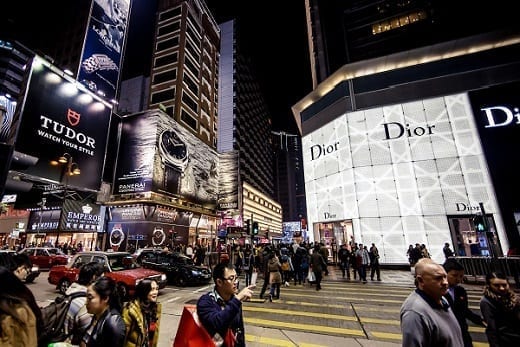
    If you were in Hong Kong for Valentine’s Day you must have seen cascades of flowers around the city, couples flooding the restaurants, and inevitably thought: “love is definitely in the air”. You were actually right. Hong Kong is one of the top Asian markets for sentimental spending according to the Mastercard Love Index, showing continued growth since 2016 and some intriguing behavioural insights.

    Now, whether you think of it as the most romantic day of the year or a sickening slog, it’s undeniable that Valentine’s Day is a big deal for people splurging on their loved ones, and in Hong Kong even more so. The Mastercard Love Index has gathered data from credit, debit, and prepaid card transactions from the last three Valentine’s Day holiday periods(11th-14th February 2016-18) to discover the change in how fluffy feelings have translated into cold hard cash.

    The results show that since 2016, Hong Kong ranks third in growth for sentimental spending at 62%. China takes the top spot at 88% followed by Japan at 68%, which had a 35% surge. Overall across Asia-Pacific, sentimental spending has jumped up 33% with Valentine’s Day period transactions rising by 37% since 26%

    What was the biggest increase seen? Flowers of course. Since 2016 spend value on the holiday staple has gone up by 89% with 73% more transactions. In comparison, Hong Kong transactions for the pretty petals went up by 46% with total spend rocketing up by 93%.

    Here are some other interesting insights about Hongkongers from the research:

    Hongkongers aren’t early Valentine’s shoppers. Last minute buys for gifts are the norm with the 28% majority of sales happening on the day itself.

    Restaurant dates are still a growing favourite and getting flashier. Transactions in restaurants have grown by 20% since 2016 with the amount spent at meals up by 30%.

    More romantically, there has been a huge increase in couples popping away for romantic trips for Valentine’s Day. Transportation transactions showed a 205% increase in 2018, making up a significant 23% of the total spend for the day.

    Hotel rendezvous are also on the rise with 63% growth in transactions since 2016 and a boost to the total spend by 66%.

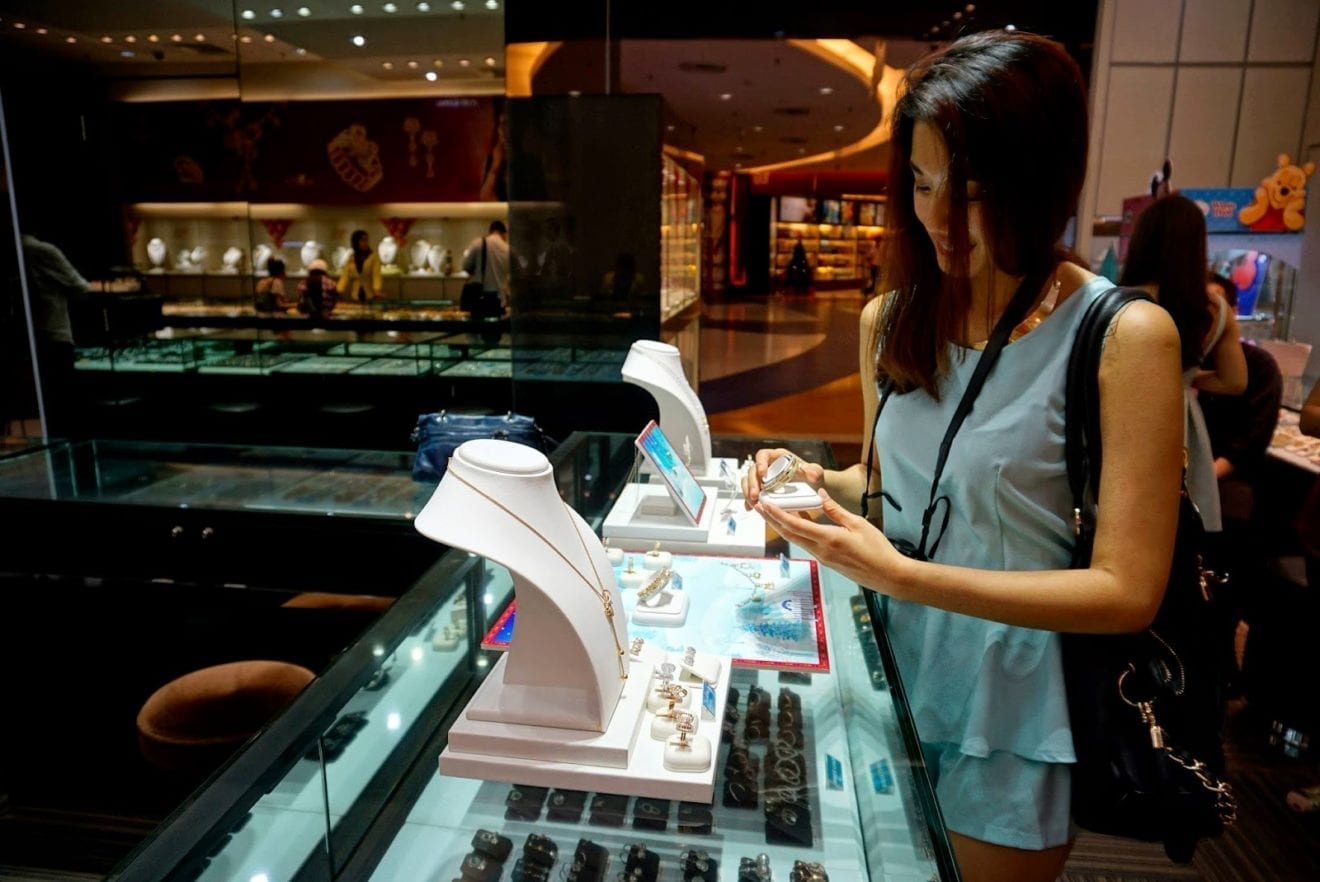
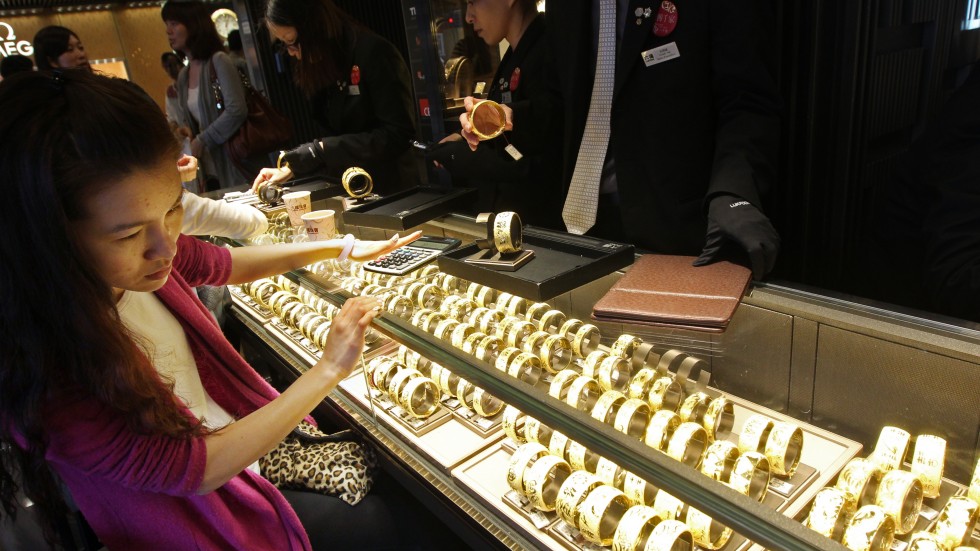
    Bling is still in. Jewellery transactions for Valentine’s Day have climbed with spend up 43% since 2016.

    Hongkongers like the personal touch when it comes to gifts for Valentine’s Day. 88% of gifts were bought in face-to-face transactions versus 6% online. However, online shopping for Valentine’s Day is still rising with a 146% increase in online transactions over the period since 2016.
  • India’s  jewellery brand opens new outlet

    India’s jewellery brand opens new outlet

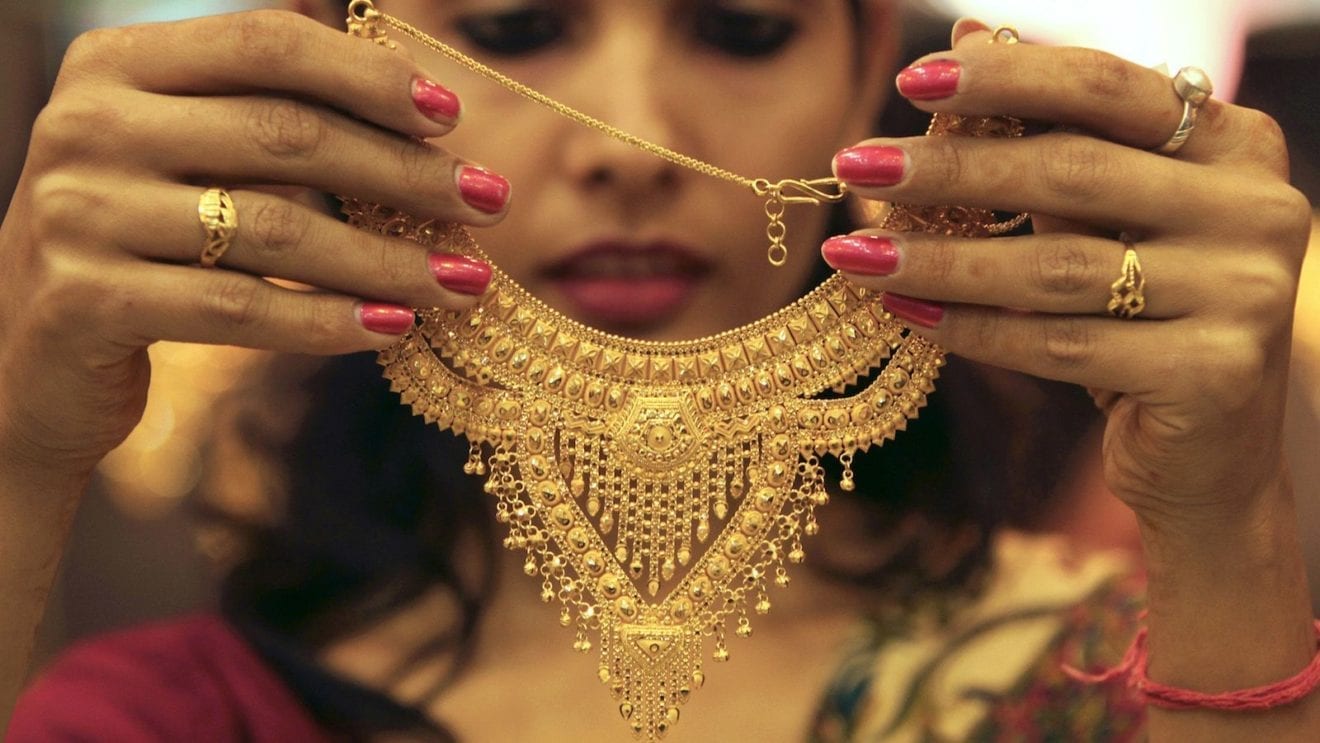
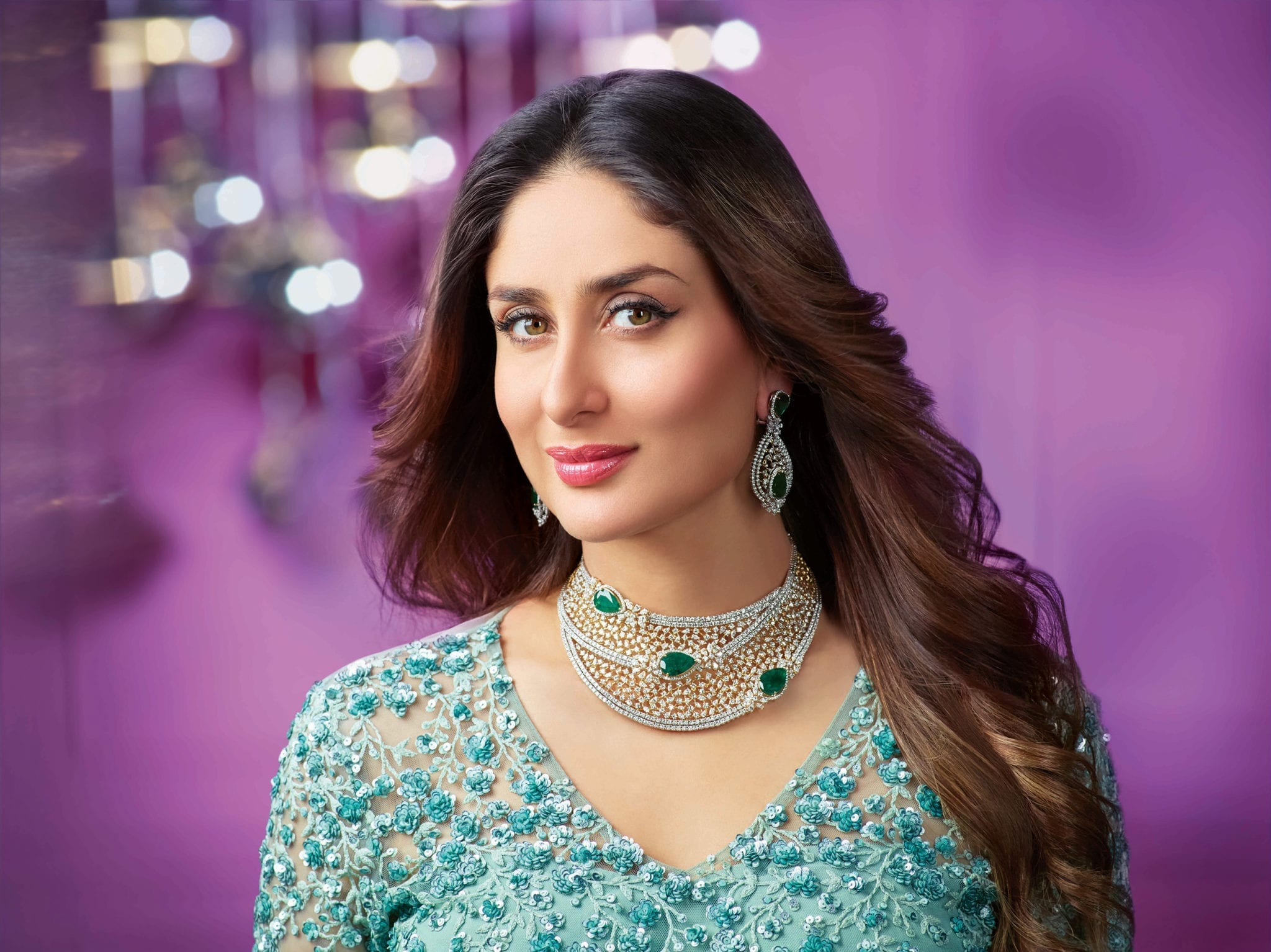
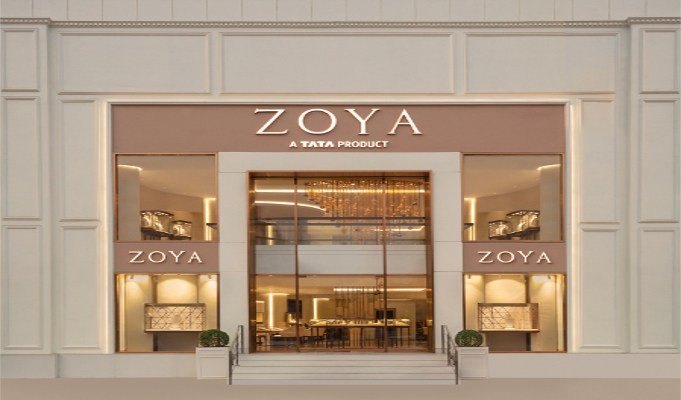
    Zoya, the exquisite diamond boutique from the House of Tata, has reopened its flagship store in Delhi, amidst a glittering celebration, graced by connoisseurs of design from Delhi’s high society. Located in the iconic South Extension neighbourhood, the new boutique of India’s homegrown luxury brand spreads luxuriously over 4,600 sq.ft. Designed as a minimalist gallery of fine art, where each piece resonates with reflections of Zoya’s inspirations from its journey around the world, the boutique is home to Zoya’s rare masterpieces.

    In keeping with the brand’s unwavering focus on fine design and impeccable craftsmanship, celebrated designer Gauri Khan was guest of honour for the evening and joined CEO of Titan’s Jewellery Division, CK Venkatraman, and guests, in raising a toast to the boutique’s many treasures.

    A splendid, two-part, fashion showcase by Zoya in collaboration with ace couturier Monisha Jaising showcased her elegant designs and a spectacular array of Zoya’s collections. Embellished gowns and cocktail dresses were paired with Zoya’s dramatic ‘6299 Hollywood Blvd.’, a collection that draws design direction from the panache of three iconic Hollywood eras translating the undying glamour of film into an absolutely unique take on jewellery.

    Fusion lehengas and sarees in pleasing pastels highlighted the mood for Whispers from the Valley, a collection that captures the poetic beauty of Kashmiri seasons and picturesque icons of the land, from the gentle shikara to falling chinar leaves.

    Stark black and navy created dramatic flair for the presentation of ‘Musee Du Luxe’ – Museum of Luxury, a collection that looks towards the sublime architecture, rich culture and inherent joie de vivre of Paris, blending a modern style palette with vintage charisma while summery whites paired with Zoya’s Pezzo D’Arte,a versatile line of 37 pieces inspired by rich Italian history and style. As visionary as art, the collection uses geometry in design, to create an edgy fashion statement, imbued with a distinctly modern vibe.

    The evening gave guests a chance to explore the purposefully planned navigation of the boutique and opportunities to appreciate each splendid piece. With three floors in Zoya’s signature tones of mushroom, champagne and orange, the store opens onto the ground floor presenting guests with its newer collections. A wide staircase or elevator leads to the basement unveiling a gallery of Zoya’s most iconic pieces. The first floor reveals the breadth of Zoya’s fine collections with an exclusive presentation of high value jewellery.

    Zoya travels the world to seek varied inspirations for its fine collections in the culture and art of historic periods like Awadh, Rajputana or the Romanov era. Iconic destinations like Banaras, Kashmir, Italy, Paris, Greece and Spain, are Zoya’s muse as much as legends and myths such as those of Krsna. Guided by a personal jewellery specialist, an indulgent walk-through of the thoughtfully-designed boutique is a tryst with luxury quite unlike any other; an opportunity to be regaled with tales of lands far and near, as the inspiration behind every creation of Zoya is brought vividly to life.

    The showcasing of jewellery with storytelling, visual merchandising, and varied lighting enhances the intricacy and beauty of each piece. Panels and partitions have been created by local artisans to tell the Zoya story, and clean, uncluttered lines and display units, showcase the treasures of this exclusive gallery of fine design.

    Thoughtful touches to make the customer feel special are a hallmark of luxury, and the store is designed to ensure valued guest experience the highly personalised service Zoya is known for. Private viewing areas with sheer curtains add softness while allowing customers to peruse the collections at leisure and with discretion, or to converse intimately with Zoya’s master designers at call to help them customize their favourite pieces. Once seated for a private viewing, chosen pieces of Zoya are individually showcased with an expert designer in attendance to fulfil bespoke desires. All while personally-curated gourmet hors d’oeuvres and sparkling flutes of bubbly flow in abundant luxury.

    CK Venkatraman, CEO, Jewellery Division, Titan Company, says “Zoya is a home-grown luxury brand, with an Indian heart and an eye on the world. It holds a cherished spot in the Titan story. With the aesthetic value of unique design and refined craftsmanship becoming sought after benchmarks of selection, we see great potential in Zoya’s growth. Delhi has always been a very important market for all of Titan’s jewellery brands, and we are delighted to offer our customers this beautiful new space to explore Zoya’s splendid treasures.”

    Added Gauri Khan, “Zoya’s products are very artistic. They are thoughtfully designed and meticulously crafted. This attention to detail and commitment to quality is similar to my own approach to design. I am happy to be here for the opening of Zoya’s new boutique in Delhi.”

  • Diamanti Per Tutti makes debut in Singapore

    Diamanti Per Tutti makes debut in Singapore

    Belgian jewellery brand Diamanti Per Tutti has launched its first standalone store in Singapore at Raffles City Shopping Centre. Positioned as an affordable luxury label, Antwerp-based Diamanti Per Tutti retails 925 Sterling Silver items gilded with 18 carat pink or yellow gold vermeil or white rhodium, set by hand with real, ethically-sourced natural diamonds and gems.

    The brand, which has outlets in Beijing, Shanghai and Hong Kong, plans to open its second Singapore location in March.

  • Tiffany sales reported drops

    Tiffany sales reported drops

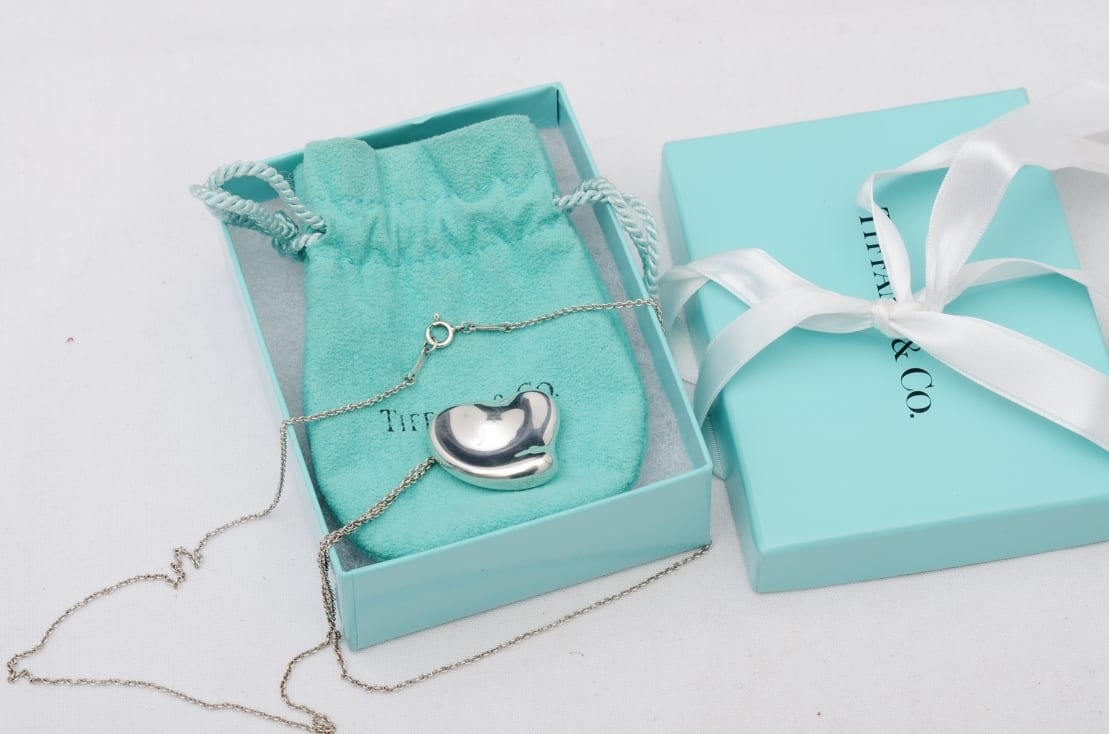
    US jewellery retailer Tiffany & Co has reported a 1 per cent drop in worldwide net sales and 2 per cent drop in comparable sales for the two months to December 31. While Tiffany sales grew strongly in China over the holiday period, softening in other markets that are more dependent on foreign tourist spending led total net sales across Asia Pacific to fall 3 per cent from the prior corresponding period to US$226 million. Comparable sales in the region fell 4 per cent.

    “With continued strong sales growth in mainland China (by a double-digit percentage), solid results in Japan and healthy growth in e-commerce sales, overall holiday sales results came in short of our expectations which had called for modest year-over-year growth,” Tiffany CEO Alessandro Bogliolo said.

    “We attribute the difference partly to lower sales to foreign (primarily Chinese) tourists globally, and to softening demand attributed to local customers in the Americas and Europe, which we believe may have been influenced more than expected by external events, uncertainties and market volatilities.”

    Total sales across the Americas declined 1 per cent to US$514 million, while Europe dropped 4 per cent to US$132 million.

    Japan, however, saw positive growth over the period of 4 per cent – increasing to US$150 million, attributed to higher spending by local customers.

    Based on these results, the business now expects worldwide net sales for fiscal 2018 will increase by 6 to 7 per cent compared to the prior year, as opposed to the high-single digits previously expected.

    “Now the focus is to grow to new heights,” Bogliolo said. “To this purpose, we will continue to pursue the six key strategic priorities we introduced earlier in 2018 … which will require our ongoing effort and commitment for years to come.

    “We acknowledge that external pressures, difficult year-over-year sales comparisons and annualised internal spending are expected to have some negative effects on fiscal 2019 results, mostly in the first half of the year, but we believe Tiffany is on a solid path for improved sales, margins, earnings and cash flow generation over the long term.”

  • Poh Kong Malaysia to open three more stores

    Poh Kong Malaysia to open three more stores

    Malaysian jeweller Poh Kong plans to open three more stores this year, boosting its profit. The improved profit is also likely to be driven by  higher gold prices, tipped by some to range from US$1300–$1400 per ounce later this year. The firm’s new stores will open in IOI Mall Puchong, Aeon Nilai and South Key Mall in Johor, taking its network to 95 outlets nationwide.

    “We are aware of the US-China trade war, as well as the anticipation of the US interest rate hikes and currency fluctuations that alter consumer sentiments that could lead to market uncertainty,” said MD Eddie Choon Yee Seiong. “Yet, we are optimistic to maintain or do better in 2019 as compared to the previous financial year.”

    Indicators of upward movement for the company include the improving economy and the strength of the Malaysian ringgit against the American dollar.

    While burgeoning demand saw the firm’s performance improved during the last financial year, fluctuations in gold prices and a weaker ringgit saw a steep drop in actual profits at 20.75 per cent lower than the previous year.

    “We reckon gold will benefit from the ongoing concerns looming around the US-China trade war concerns, as investors may find the precious metal a safe haven,” said Choon.

  • Chow Tai Fook sales slip amid consumer uncertainty

    Chow Tai Fook sales slip amid consumer uncertainty

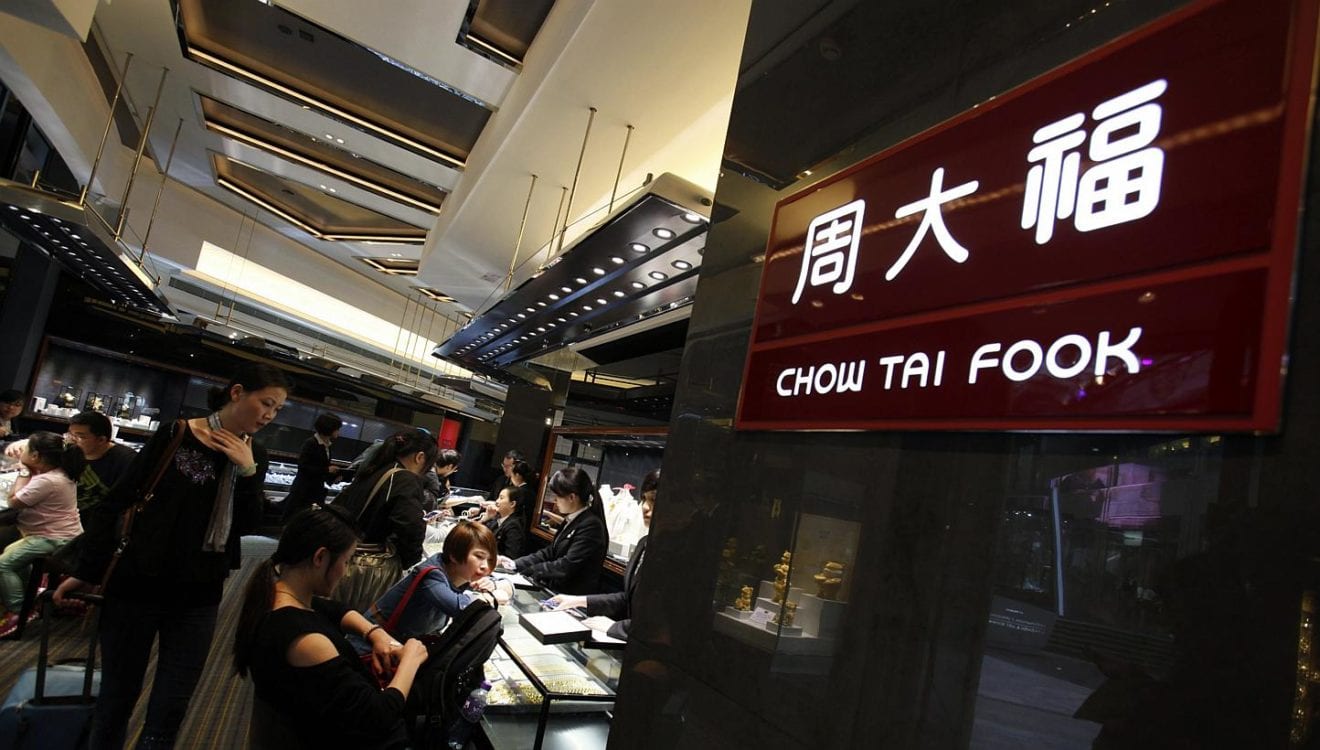
    Chow Tai Fook sales declined by 11 per cent in same-store sales volume in both Mainland China and Hong Kong & Macau in the December quarter. However the decline in value was less, at 7 per cent in Mainland China and 6 per cent in Macau. Retail sales on the mainland rose by 1 per cent, which seems a modest rate given the company opened 259 new points of sale there during the quarter. Total retail sales value in Hong Kong fell by 1 per cent, despite five new stores opening there.

    In a stock exchange filing, the company said the decline in same-store sales came “amid an uncertain macro environment”.

    In Mainland China, same-store sales of gem-set jewellery declined by 5 per cent, while the average selling price (ASP) fell from HK$6900 in the preceding quarter to $6600.

    In Hong Kong and Macau, gem-set jewellery sales fell by 8 per cent and the ASP from $11,800 to $11,500.

    Sales of gold products in both markets was affected by a decline in volume growth as the gold price strengthened, the company reported. That drove the ASP from $7000 to $7400 in Hong Kong and Macau and from $3900 to $4300 in Mainland China.

  • The Indian Luxury Outlook 2019

    The Indian Luxury Outlook 2019

    As 2018 comes to a cold & wintry end, as political environment hots up, as new alliances, mergers and acquisitions take shape in business & politics, as GST corrections & FDI norms in ecommerce are tinkered, what is it that the Indian Luxury Industry can look forward to?

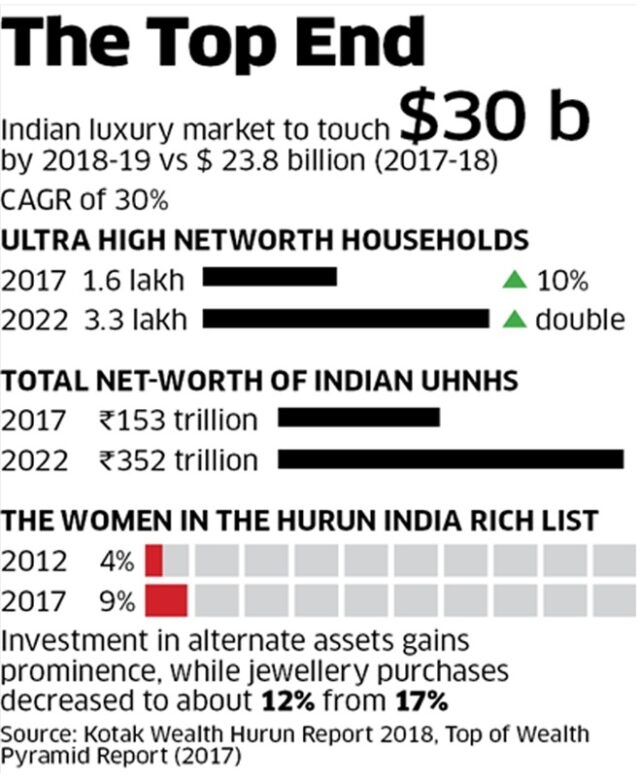
    Assocham figures continue to be optimistic and bullish. As per last projection, not only is the industry expected to be of a size of USD 30b by the year end 2018, but is also to continue its growth trajectory unhindered. But alas, the suddenly disturbed seemingly stable political applecart, the floundering rupee, the growing uncertainty, and the eminent global slowdown of 2020 looms large. Ground reality for luxury could be different. Industry insiders, trade analysts and brands all alike seek the pot of gold at the end of the rainbow.

    A seeming direction that the Indian Luxury Industry could take or adopt from the rest of the world appears as under:

    1. Consolidation is the key: With Reliance brands having taken over Genesis Retail in 2018, the largest fashion and accessory conglomerate of Indian Luxury and premium space has taken shape. With almost no competition, the all-powerful group is set to be the only point of entry into India. Surely independent brands and smaller groups continue to offer their wares, the sheer strength, negotiation powers and might of Reliance will perhaps be the single most driver of the fashion & Luxury space.
    2. Power of the Common Man: Someone wise enough once said ‘don’t underestimate the power of the common man’. Sure enough, luxury has slowly spread its wings to the hitherto sleepy tier I & tier II towns. The fast emerging Indian market is not only witnessing demand for luxury products from the Metros but also Tier I and Tier II cities which have a sizable number of HNIs (High Net-worth Individuals). Alongside, an increase in wealth for the middle class coupled with internet penetration has resulted in newer segments of first-time luxury buyers. This has given ample space for a whole lot of brands to set up shop in India, retail their brands through distribution networks. This surely will be the next growth driver for Luxury in India.
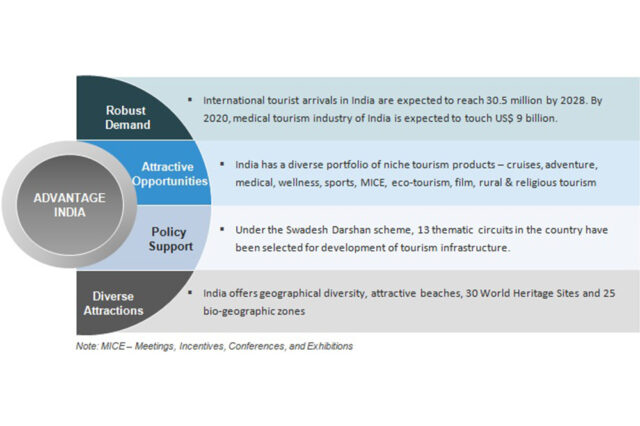
    3. Travel, Tourism &Hospitality will drive further growth to the value pie: With increased e-visa processing, faster on the ground arrival support, eye catchy Incredible India campaigns, the tourist inflow from within and outside is likely to further increase. Statistics according to a new report of the World Travel and Tourism Council (WTTC) reveal that India’s travel and tourism sector ranks 7th in the world in terms of its total contribution to the country’s GDP.During January-October 2018 FEEs from tourism increased 8.30 per cent year-on-year to US$ 23.54 billion.


      Source : www.ibef.or


    4. The Great Big Fat Indian Wedding carnivals will drive luxury: The wedding industry and the wedding service industry sets unprecedented benchmarks. According to a 2017 KPMG report titled Market Study of Online Matrimony and Marriage Services in India, the marriage services industry is estimated to be worth approximately US $53.77 billion (Rs 3, 68,100cr).This is one sector which adds incremental sales to all sectors of the industry – from beauty, fashion, accessories,  photography, jewellery, travel, hospitality, gifting to also the cuisine segment. With high standards being set by the likes of stars like Anushka Sharma – ViratKohli ; Priyanka Chopra – Nick Jonas& finally the Ambani weddings, the aspiration of average Indian to splurge on weddings is reaching a new peak. With Rolex watches as gifts to the entire wedding procession to bespoke clothing from super luxury brands to not only the entire family but the whole procession adds further fillip to the trade.
    5. Technology and Luxury: From high end home appliances such as Sub Zero Wolf to tech controlled homes like Home Automat, luxury and technology seem to marry and create an inseparable union. What was earlier restricted to high end laptops and computer systems demand has now invaded the mobile space, the home entertainment space besides the affluent kitchens. Super expensive mobiles from Iphone X to Hanmac are finding a demand que beyond their imagination in India.
    6. Technology and Retail: Omni-presence now means beyond just available everywhere to also be ‘Phygital’. A merger of the physical and digital retail is quietly invading the global retail. Amazon Go has already launched 8 number of cashier less stores& plans to ramp up to 3000 by 2021. Can India, the tech brain of the world be far behind? In Bangalore, Decathlon launched a similar store by introducing a ‘phygital experience’- an innovative mix of physical retail and digital touch points. From virtual reality to digital payments the intent is to create a fun, unique and immersive user experience designed to engage and add value to for them at every step of the way while choosing their favourite sports gear.On other hand, another concept store called ‘Watasale’ went further to create cashier less store, its first store in Kochi and have plans to expand to other cities including Bengaluru and New Delhi in the near future. Can Indian Luxury ignore this anymore?
    7. Predictive Analysis to Predictive Selling: The Indian fashion industry proudly receives its first futuristic analysis software, ‘Stylumia’. Created by ex Myntra founder Ganesh Subramanium, the software will assist in better buying to be able to improve efficiencies and sell through ratios. Most Luxury brands dependent on the human predictions of the buyer can now resort to technology and manage their budgets better. This coupled with predictive selling, could bring in the much needed correction in stocks over load with luxury brands.
    8. Experiential retail, Virtual Reality and Artificial Intelligence: These three aspects will come to the forefront: Brands like Arvind have introduced Magic Mirrors through its brand Creyate Custom Clothing. Also, Shoppers Stop has launched an innovative augmented reality-based dressing room: ‘The Magic Mirror’. It is an intelligent photo booth that gives customers the option to select and view apparel and accessories on themselves without having to physically ‘try on’ the desired products. Apart from this, ecommerce players such as Lenskart(Eyewear) and Caratlane (Jewellery) are already into Virtual trial of the products by customers.
    9. Rent a Luxury / Reusable Luxury are a reality: What started as a trickle two years back, is now a stream with more ventures offering specialised product categories arriving at the horizon.Websites such as Confidential Couture offer usable Luxury Goods while Ziniosa & Rent A Closet offer fashion on rent.And now, even the affluent women are renting high end jewellery for their wedding. The fashion rental market is becoming the biggest trend. A wedding suit or gown worth Rs. one lakh could be rented for as low as Rs. 2000 to Rs. 2500! It is estimated that the online wedding rental  business is worth Rs. 100 crore and the existing players have claimed a 25 to 50 per cent year-on-year surge in business (Black Book).
    10. Sustainable, Authentic and Responsible Luxury is being sought forGrassRootby Anita Dongre and Nicobar by Good Earth are few names that are famous for their Sustainable offerings.Slowly but surely, the well exposed Indian consumer seeks value over mere brand name. Value definitions are shifting rapidly in line with global shifts. A brand who pays heed to such demands will perhaps go a long way.
    11. SUVs take over the roads Various variants of SUVs have been introduced by automakers of all categories. From Mahindra XUV 500 to Lamborghini Urus, Rolls Royce Cullanin to Porsche Cayenne, almost all Luxury brands have come up with their SUV variant. Sale of SUVs grew seven times faster than that of passenger sedans. While small cars and sedans managed a growth of 3% in the last financial year, the sales of SUV grew 21%. The share of SUVs in overall passenger vehicle sales rose to nearly 30 % in 2017-18, compared to 14% recorded at the end of March 2017-18.According to numbers released by Society of Indian Automobile Manufacturers (Siam), 9.2 lakh SUVs were sold in 2017-18 against 7.6 lakh units in the previous year.
  • Chow Tai Fook Jewellery Group, WeChat signed agreement deal

    Chow Tai Fook Jewellery Group, WeChat signed agreement deal

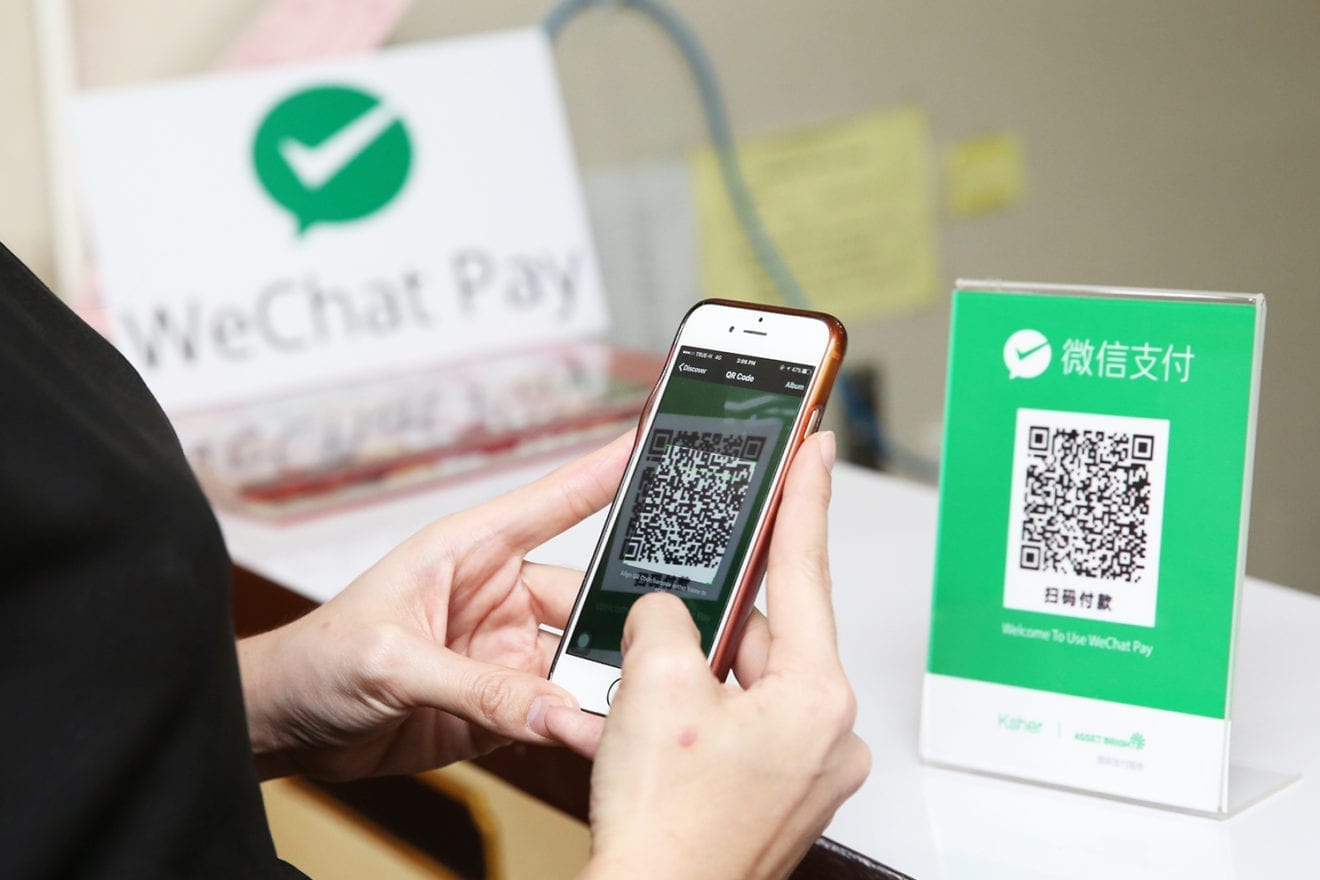
    Chow Tai Fook Jewellery Group has signed a memorandum of understanding with Chinese online platform Tencent to allow jewellery purchases using WeChat Pay. In a move to promote “seamless cross-border intelligent consumption”, the agreement allows Hong Kong WeChat users to use the platform’s digital payment solution to make purchases at specified Chow Tai Fook jewellery stores in Mainland China.

    The group is planning steps to activate WeChat Pay HK within more Chow Tai Fook Jewellery stores in the Greater Bay Area, as well as other cities throughout Mainland China. It is also seeking to extend the payment agreement to its other brands.

    “Striving for innovations and breakthroughs, we are committed to providing seamless and exceptional consumer experience through a wide range of innovative projects,” said Chow Tai Fook executive director Bobby Liu. “The introduction of advanced technology has made the convenience in offering cross-border consumption, online payments and an integrated online-to-offline shopping experience available to customers from Hong Kong.”

    Tencent Financial Technology VP Royal Chen said the collaboration with Chow Tai Fook Jewellery Group will fully make use of the available mobile payment technology.

    “Tencent Technology will vigorously promote cross-border financial cooperation. Leveraging financial and technological advancements, we aim to build a truly integrated service platform for those living in both Hong Kong and Mainland China.”

    Tencent Fin-Tech and Chow Tai Fook will also jointly explore and research proposals for ID verification in order to ease the flow of capital and manpower resources across the border.

  • Ebay expands authentication platform to luxury jewelry

    Ebay expands authentication platform to luxury jewelry

    U.S. e-commerce giant Ebay announced plans to extend its product authentication program to cover luxury jewelry, in a bid to stem the resale of counterfeit jewels across its global marketplace. Dubbed “EbayAuthenticate”, the luxury jewelry category is the newest addition to Ebay’s new verification platform, which first launched in 2017 with the resale of luxury handbags. Following its success, Ebay went on to add luxury watches to the authentication service in early 2018.

    This month, Ebay confirmed it wants to offer “holiday shoppers more than 45,000 high-end diamond and other gemstone jewelry, verified by professional authenticators,” according to press release.

    Ahead of the busy Christmas period, Ebay customers can browse for high-end necklaces, earrings, rings, and bracelets, which are now all marked with an “Authenticity Verified” label.

    That’s in addition to engagement and wedding bands, loose diamonds and gemstones, and fine, vintage and fashion jewelry.

    Much like the verification its luxury handbags and watches already go through, all jewelry items will be approved by third-party authentication experts and sourced from more than two dozen of Ebay’s top-rated sellers.

    “Ebay is home to the largest selection of luxury goods, which includes tens of thousands of jewelry items, fine watches, and rare and designer handbags,” said James Hendy, Senior Director of Ebay Authenticate.

    “Expanding the Ebay Authenticate service provides customers an added layer of trust and confidence as they shop for fine jewelry this holiday and beyond.”

    The popularity of Ebay’s jewellery, and an industry-wide crackdown on fake goods across online marketplaces, means the authentication of goods is fast-becoming a perquisite for customer satisfaction and therefore, sales growth.

    Some 50,000 jewelry items are sold per day on Ebay (approx. 2,000 item sold per hour), with one diamond ring sold every minute, according to figures released by Ebay.

    Ebay said its most popular jewelry stone is diamonds, followed by sapphires, acquamarine, amethysts and onyx rounding out the top five precious stones sold online.

  • Gucci fine jewelry new style revealed

    Gucci fine jewelry new style revealed

    These are flush times for Gucci, the 96-year-old house that in recent years has become fashion’s all-conquering luxury brand. And amid booming sales, Alessandro Michele, Gucci’s creative director since 2015, has introduced the brand’s first high-end fine jewelry line, a series of extravagant styles that present the designer’s florid evocations of flea market finds as gem-encrusted treasures.

    Talking of the nostalgic inspiration behind many of his creations, Mr. Michele said, “I’ve dressed a number of women in things that were gathering dust in vintage archives — they no longer existed.”

    “That includes jewelry as well,” he added. “It’s beautiful to bring them back to life and give them importance once again.”

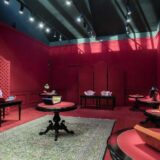
    At the Gucci Hub, a former aeronautical factory here where the brand opened its headquarters last year, the jewelry showroom reflects Mr. Michele’s opulent touch: red velvet-covered walls, red velvet room dividers, red velvet-topped tooled wood tables around a densely floral Oriental rug, and bright-toned velvet coffers lined in silk to showcase the designer’s well-established motifs rendered as precious jewels.

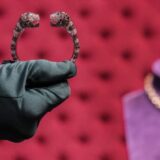
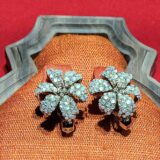
    Tigers, snakes, lions and foxes form necklaces, bracelets and rings, mirroring earlier versions that Mr. Michele created for both the costume and the mid-market fine jewelry lines at Gucci. But the new higher-end collection — which has no specific name — is more elaborate, its 25 design styles accented with a range of gemstones.

    The new line appears to expand the reach of Mr. Michele’s remarkably successful universe for his most ardent and wealthy collectors. It’s Gucci style for Cartier spenders — at a time when Gucci has pledged to go fur-free, eliminating what had been the brand’s biggest-ticket items.

    Mr. Michele, who calls himself “a passionate student of antique jewelry,” has resurrected animalier styles, like those of the midcentury American jewelry designer David Webb, and for this new collection he has employed some vintage techniques like the intricate hand engraving used to create the animals’ faces, skipping the rhodium plating now common on white gold so it retains a yellowish cast, and the use of old-fashioned raised settings for the tiny diamonds spangled across the fishtail of a ring.

    “When you see the way I combine things with each other, you perceive everything together as a new language,” he said, referring to his fashion aesthetic that mashes up the animal motifs with Chinese silks and Mexican embroideries, Renaissance gowns, Victoriana, disco drama, high ’80s glam, shades of Elton John and Dapper Dan, and more. “There’s a complete fusion of ideas. This ‘disruption’ that everyone’s talking about is found in the dialogue between these elements.”

    From the new collection, Marco Bizzarri, the chief executive of Gucci, wears a woven gold bracelet with black diamonds that is embossed with the phrase “Blind for Love” in capital letters across the top.

    Mr. Michele himself has a gold ring with a fox’s head, a large brown diamond set between its ears.

    Though the pieces look like styles that, in their antique forms, were made for women, in the Gucci context, anyone can wear them.

    “Clothes, like jewelry, don’t have very revolutionary roots, meaning that what’s revolutionary is the way you wear a piece of jewelry,” the designer said.

    So far the collection, with prices that mostly range from 15,000 euros to 70,000 euros (US$17,900 to US$83,500), has been offered only to favorite clients through private sales in Japan, China and the United States and private appointments that began in July.

    Gucci refers to the pieces, which are not high jewelry (typically starting in the $100,000 range and going into the millions), as “medium-high,” or as “unique pieces” when it repeats designs using different gems.

    However, the brand says it is considering a move into the bigger stones and larger price tags of true high jewelry for its next collection.

    Gucci is not the first fashion house to enter the upper echelons of jewelry.

    Chanel, Dior and Louis Vuitton have all made it big business, as the high jewelry market has flourished through and beyond the economic downturn of the last decade.

    And the brand’s fortunes have been growing at a clip that has shocked industry watchers.

    Kering, its parent group, reported that Gucci’s revenue soared 42 percent to €1.5 billion in the three months to the end of September. And its biggest boost has been coming from millennials, who, Kering says, account for at least half of its 2017 sales thus far.

    “The new generation is going to want a more modern jeweler,” said Maurizio Pisanu, the house’s director of jewelry merchandising. “So it’s up to the brand that realizes that first, and Gucci already had the right intuition two years ago — to break the rules.”

    Gucci has hired its first staff gemologist to search for stones worldwide and maintains a jewelry workshop with about 30 goldsmiths and stone-setters near Milan.

    All of the brand’s existing fine jewelry and now most of its high-end fine jewelry pieces are made there, with some help from an external atelier in Valenza, a center of Italian jewelry fabrication about 60 miles to the south.

    According to the brand, sales of the initial pieces have been brisk (although it won’t provide specifics).

    So if the collection does expand, Mr. Michele’s antique-tinged, everything-is-precious aesthetic might disrupt the higher stratospheres of the jewelry sector in the way that he has already reset Gucci and the fashion desires of a vast public.

    The collection has arrived at a moment when the codes of high jewelry are in flux — important stones are becoming more difficult to find, and a new generation of customers is more interested in showing off wearable (and possibly recognizably branded) design than owning the special occasion gem-encrusted parures of the past.

    Mr. Pisanu said design-driven jewelry customers “benefit a brand like Gucci, where jewelry isn’t our core business but we have the ability to make high-quality jewelry like the other brands — and with a different aesthetic that’s much more innovative than what a classic brand would ever dare to make.”

  • Malabar Gold to expand into Hong Kong market

    Malabar Gold to expand into Hong Kong market

    Indian jewellery firm Malabar Gold & Diamonds is making plans to open 500 more outlets globally over the next five years – and Hong Kong is among the targets. The jeweller currently operates more than 250 outlets in 10 countries, 75 of which are in the Gulf region, including 12 in Qatar.

    The firm’s immediate expansion plans are to open more branches in Malaysia in the coming months, where the group started operations last year.

    Malabar Group chairman M P Ahammed said jewellery customers in Malaysia are showing enormous interest in the company’s ornaments and now the brand is gaining remarkably good acceptance in the country.

    “As part of our expansion, we are also looking at markets such as Hong Kong where there is increasing activity at present. The Chinese are buying both gold and diamonds in large quantities unlike what they used to, say, some three decades ago.”

    Speaking about the state of the business in general, Ahammed said: “From a modest beginning in Kozhikode in 1993, we have now expanded our operations even to the US, where our first outlet was opened earlier this year in Chicago.

    “Wherever there are strong family traditions and customs, there is hope for expansion in this business. A husband may want to gift something precious to his wife on a memorable occasion, a mother to his daughter and a son to his mother. No wonder, the choice of everyone in such moments – of strengthening bonds – continues to be gold or diamond.’

  • October retail sales tide in Hong Kong turns up

    October retail sales tide in Hong Kong turns up

    October retail sales in Hong Kong rose by 5.9 per cent year on year, more than double the pace of September, which was affected by Typhoon Mangkhut. A government spokesman indicated that growth in retail sales picked up somewhat in October after a deceleration in the preceding month, supported by the faster increase in visitor arrivals and continued income growth.

    The Census and Statistics Department (C&SD) estimated the total value of October Hong Kong retail sales at HK$39.7 billion.

    After netting out the effect of price changes over the same period, the volume of October retail sales in Hong Kong increased by 5.2 per cent.

    C&SD’s revised estimate of the growth in the value of retail sales in September was unchanged at 2.4 per cent, the lowest figure year to date.

    For the first 10 months of this year retail sales rose by 10.6 per cent year on year, while the volume (netting out inflation) rose by 9.1 per cent.

    The spokesman strong inbound tourism and favourable job and income conditions should continue to support the retail sector in the near term.

    “Yet, consumer sentiment could increasingly be affected by the external uncertainties and weaker asset markets.”

    By broad type of retail outlet (in descending order of the category’s impact on the overall figure) sales of jewellery, watches and valuable gifts increased by 3.3 per cent in October. This was followed by electrical goods and other consumer durable goods, not elsewhere classified (up 16.1 per cent); commodities in department stores (up 3.5 per cent); apparel (up 2.3 per cent); medicines and cosmetics (up14.9 per cent); other consumer goods, not elsewhere classified (up 12.7 per cent); motor vehicles and parts (up 13.6 per cent); fuels (up 10.3per cent); footwear and accessories (up 9.3 per cent); books, newspapers, stationery and gifts (up 5.8 per cent); furniture (up 0.8 per cent); Chinese drugs and herbs (up 0.6 per cent); and optical shops (up 3.2per cent).

    The only categories to record a decline in sales were commodities in supermarkets, down 0.9 per cent, and food, alcoholic drinks and tobacco, down 2 per cent.

  • Chow Tai Fook reveals massive China expansion plan

    Chow Tai Fook reveals massive China expansion plan

    Chow Tai Fook opened 233 stores in Mainland China in the first half – and is planning another 400 next financial year. The Hong Kong-listed jeweller is targeting shopping malls for its new stores, and second-tier cities. The latest additions took the company’s global network to 2822, with 2682 of those located on the mainland. By the end of the 2020 financial year, the company will have more than 3000 stores on the mainland alone.

    In Hong Kong and Macau, the network remained stable during the first half, the company closing one store in Hong Kong’s tourist district and opening another in a residential neighbourhood targeting locals.

    The jeweller has reported robust growth of 20 per cent year-on-year backed by the buoyant consumer demand. Same-store sales in Hong Kong and Macau soared 24.4 per cent in what the company described as “stellar” growth, driven by gold products, gem-set jewellery and platinum/karat gold products.

    On the mainland, same-store sales were up 4.9 per cent. Core operating profit rose 24.7 per cent to HK$2.989 billion.

    However the company has warned of a slowdown in sales growth in the second half of the year “as the escalating comparison base, rising US-China trade tensions and foreign exchange fluctuations could cloud the performance”.

    Meanwhile, the company says its new jewellery retail brand Monologue, targeting younger customers, is going well and the T Mark diamond brand achieved a 134 per cent increase in sales in Mainland China and 156 per cent increase in Hong Kong and Macau.

  • Tiffany & Co sales soars, China shines

    Tiffany & Co sales soars, China shines

    Tiffany & Co sales grew 10 per cent worldwide in the third quarter, with China performing strongly. Management of the luxury American jewellery retailer attributed sales growth to higher spending by local customers in all regions, partly offset by lower spending attributed to foreign tourists, primarily Chinese, in some markets. Worldwide net sales rose 10 per cent to US$3.1 billion, due to increased sales in all regions and product categories.

    Tiffany & Co sales in Asia-Pacific rose 4 per cent to $294 million in the third quarter, highlighted by strong sales growth in Mainland China.

    CEO Alessandro Bogliolo noted that third-quarter sales attributed to local customers (as opposed to tourists) continued to grow at a strong rate worldwide and were positive in every region, with particularly strong growth in Mainland China.

    “Jewellery volumes also increased in the quarter and year to date. This resulted in mid to single digit net sales growth in the quarter and even higher growth year to date, despite lower-than-expected spending in the third quarter attributed to Chinese tourists in the US and Hong Kong and lower wholesale travel-retail sales in Korea.”

    The increase in sales was counterbalanced by a drop in operating income of 22.9 per cent over the past year, attributed to higher spending on marketing, and investment in technology and its new digital channel.

    Neil Saunders, MD of GlobalData Retail, said his company’s consumer tracking shows that Tiffany’s brand recognition and affinity has increased sharply among consumers aged 35 and under.

    “A few years ago, this group was largely apathetic to Tiffany, viewing the brand as old-fashioned and irrelevant to their needs and tastes. In a relatively short space of time, Tiffany has started to shift that perception and demonstrate that it has something fresh to offer to younger consumers.”

  • Luk Fook sales soar despite challenges ahead

    Luk Fook sales soar despite challenges ahead

    Thanks to positive Hong Kong market sentiment and lower gold prices, Luk Fook Holdings has reported a 25.1 per cent boost in sales in the September half year. The company says sales totalled HK$7.859 billion (US$1 billion) compared with $6.283 billion in the same period last year. Profit attributable to shareholders soared 27.9 per cent to $665.4 million.

    Sales in the Hong Kong market, the company’s key source of revenue, rose 31.2 per cent as mainland Chinese visitor numbers continued to grow and retail sentiment improved.

    Sales in Macau rose 19.9 per cent.

    However the company has warned that the US-China trade war and the depreciation of the Renminbi are starting to impact on sales in the second half.

    “Same-store sales growth in the Hong Kong and Macau markets … started to see a decline since the second half of October and recorded a single-digit drop for the period from October to [the] first three weeks of November,” the company said. “In Mainland China there was a double-digit drop.

    “Therefore, the group remains prudent about its business development in the second half of the financial year. Nevertheless, with the anticipated considerable growth of the middle-class population in Mainland China, the group remains optimistic about the mid- to long-term business prospects.”

    Luk Fook said that during the coming year, it will focus on enriching its product offer, expanding its footprint in Mainland China and adopting market-oriented strategies to penetrate into the mass market, covering the middle-class, wedding couples as well as kids.

    “The group’s target for net shop addition in Mainland China for this financial year will maintain at not less than 120 shops. The group is also committed to further developing its e-commerce business and strengthening cooperation with e-commerce platforms in Mainland China.”

    Targeting younger shoppers

    In light of the enormous spending potential of young consumers on online sales platforms, the company plans to step up its efforts to promote the sales of affordable-luxury jewellery products to expand its footprint in the young consumer market.

    “By understanding customers’ spending habits, the group will adopt holistic approach to penetrate into the markets for the middle-class, wedding couples and kids. It will also continue to attract customers and encourage local consumption by visual merchandising enhancement, cross-selling boosting and VIP promotional activities, so as to improve sales and profits. Given the importance of social media in product promotion, the group will continue to showcase and promote its products on mobile applications and social media platforms such as Facebook and WeChat.”

    During the first half of the financial year, Luk Fook added a net 94 stores to its ever-growing network, including 90 in Mainland China, where is closed six self-operated stores and opened 96 licensed stores. Two company-owned stores opened in Hong Kong, one in Macau, and one in Malaysia, with a new licensed shop opening in the Philippines, However, one licensed store closed in South Korea.

    The group now boasts a global network of 1725 Lukfook shops spanning Hong Kong, Macau, Mainland China, Singapore, Malaysia, Cambodia, the Philippines and the US.