Tag: JV

  • Alibaba and Bailian JV Ego stores Debut

    Alibaba and Bailian JV Ego stores Debut

    Take a look inside the first of 500 fresh-food and convenience stores planned by Alibaba and Bailian, which has opened in Shanghai. The fruits of Alibaba’s joint venture with Bailian Group are on show in Shanghai where the first of 500 Ego stores planned this year is now trading.

    According to mainland media reports, the joint venture has leased space for up to 30 outlets under the Ego brand already. Two formats are planned – larger central stores with footprints of between 300sqm and 500sqm, and smaller satellite stores of about 100sqm.

    Analysts say the Ego format – the stores are bannered Ego 逸刻 (which translates to Escape) – will bring together the back-end expertise of Alibaba Group with Bailian’s brick-and-mortar convenience experience.

    Bailian and Alibaba announced their strategic cooperation in February 2017 jointly creating what they described as a “New Retail, new consumption, new future” concept. They pledged to work together to use big data and internet technologies in areas including efficient supply chain integration, customer membership systems, seamless payment interconnections, and logistics synergy.

    “More than two years after Alibaba’s RMB1 billion deal with Bailian Group, we can finally see some fruits of this collaboration,” observed China-based entrepreneur, speaker, coach, and author Dr Mirko Wormuth, who posted these accompanying photos on LinkedIn.

    About two-thirds of the Ego store area is dedicated to fresh or hot products, including coffee, baked bread, and hot meals. The remaining space sells bottled and packaged foods.

    The first store in Shanghai is equipped with three self-checkout machines, in addition to Alipay checkout, and encourages consumers to pay by Bailian wallet.
    The fruits of Alibaba’s joint venture with Bailian Group are on show in Shanghai where the first of 500 Ego stores planned this year is now trading.

    According to mainland media reports, the joint venture has leased space for up to 30 outlets under the Ego brand already. Two formats are planned – larger central stores with footprints of between 300sqm and 500sqm, and smaller satellite stores of about 100sqm.

    Analysts say the Ego format – the stores are bannered Ego 逸刻 (which translates to Escape) – will bring together the back-end expertise of Alibaba Group with Bailian’s brick-and-mortar convenience experience.

    Bailian and Alibaba announced their strategic cooperation in February 2017 jointly creating what they described as a “New Retail, new consumption, new future” concept. They pledged to work together to use big data and internet technologies in areas including efficient supply chain integration, customer membership systems, seamless payment interconnections, and logistics synergy.

    “More than two years after Alibaba’s RMB1 billion deal with Bailian Group, we can finally see some fruits of this collaboration,” observed China-based entrepreneur, speaker, coach, and author Dr Mirko Wormuth, who posted these accompanying photos on LinkedIn.

    About two-thirds of the Ego store area is dedicated to fresh or hot products, including coffee, baked bread, and hot meals. The remaining space sells bottled and packaged foods.

    The first store in Shanghai is equipped with three self-checkout machines, in addition to Alipay checkout, and encourages consumers to pay by Bailian wallet.

  • Comvita Honey wholly acquires China joint venture

    Comvita Honey wholly acquires China joint venture

    New Zealand honey business Comvita has entered into a conditional agreement to acquire the remaining 49 per cent of its China joint venture, Comvita Food Ltd and Comvita China Limited.

    The acquisition will be funded through the issuing of 4.05 million new shares, as well as a payment of $3.19 million.

    “This completes the ‘final piece of the jigsaw’ with respect to our China Strategy, which we have been working on for a number of years,” Comvita chief executive Scott Coulter said.

    “Our goal has been to gain full control of our brand across all key channels into China. This acquisition significantly strengthens our direct to China business, the key building block in our China strategic plan.”

    According to Coulter, China remains Comvita’s strongest consumer base, with its success in the region underpinned by its efforts to get closer to the Chinese consumer.

    This was initially done through a distribution relationship for 12 years, before the business entered a 51 to 49 per cent joint venture in 2017. This acquisition is the culmination of that effort.

    “China is moving into a direct trade and a formalised cross border e-commerce model, to ensure both consumer protection and fairness in taxation between online and offline ‘players’ are in place,” Coulter continued.

    “This acquisition will provide Comvita with much more flexibility to optimise sales and channel profitability in this fast evolving environment.”

    For the remainder of the year, the brand issued three goals for the China market: to achieve price harmonisation between its channels and markets, to supply key cross border e-commerce platforms directly, and to build its e-commerce and marketing capability in the region.

    Comvita chair Neil Craig noted that while the recent period had been tough on shareholders due to the execution of the brand’s strategy in China impacting its short term earnings, the brand now expects revenue from its consolidated China business to be greater than $200 million in sales annually.

  • CapitaLand forms JV to acquire prime CBD in Shanghai for RMB2.75 billion

    CapitaLand forms JV to acquire prime CBD in Shanghai for RMB2.75 billion

    CapitaLand has formed a 50:50 joint venture with an unrelated third party to acquire approximately 70% of Pufa Tower in Shanghai, China, for RMB2,752 million (about S$546.3 million). The operational office property has been identified as a seed asset for a value-add fund which CapitaLand is setting up to invest in commercial real estate in key gateway cities in Asia. The acquisition also marks the Group’s first office property in Shanghai’s core Lujiazui central business district (CBD) in Pudong New Area.

    Pufa Tower is 34-storey tall with three basement levels of car park. Post transaction, CapitaLand and its joint venture partner will own levels 8 to 19 and levels 21 to 32 with a total gross floor area (GFA) of 41,773 square metres (sq m), as well as 61 car park lots with property title. Pufa Tower’s ground floor lobby and refuge floor on level 20 are co-owned with Shanghai Pudong Development Bank, which owns the rest of the building.

    Lujiazui CBD, where Pufa Tower is located, is Shanghai’s most coveted office location for financial and professional services companies. With an unabating demand for office space and limited new supply, Lujiazui CBD commands the highest office rents in the city. In view of a sharp decline in Pudong’s office supply from 2019, office rents in Lujiazui CBD are expected to continue trending upwards over the next few years.

    Mr Lucas Loh, President (China & Investment Management), CapitaLand Group, said: “We are pleased to enter Shanghai’s core Lujiazui CBD soon after securing our third Raffles City development in the city. Shanghai is the top investment destination in China, with strong end-user demand for commercial properties. The acquisition of Pufa Tower, an operational asset, will immediately contribute to the Group’s recurring income. It will also strategically diversify CapitaLand’s commercial portfolio into a key CBD to capture new growth, while entrenching the Group’s leadership as the foreign developer with the largest portfolio under management in Shanghai.”

    Mr Loh added: “Continual high demand for quality commercial properties in China’s top tier cities, coupled with low supply, have made the renewal of ageing commercial assets a compelling investment strategy in these markets. Pufa Tower is a prime asset to be seeded into the commercial value-add fund we are raising. We see significant potential in enhancing its asset value by upgrading specifications, tenant mix and improving operational efficiencies. By tapping on third party equity, we are driving capital efficiency to provide CapitaLand with the financial impetus to further accelerate our growth.”
    2

    Mr Puah Tze Shyang, Chief Investment Officer, CapitaLand China, said: “Pufa Tower has not had a major renovation since its completion in 2002. While the building is properly maintained, the interior finishes offer room for improvement. After acquisition, we will focus on extracting greater value from the property through a comprehensive asset enhancement initiative. Leveraging CapitaLand’s asset enhancement capabilities and track record, we are confident of rejuvenating Pufa Tower in ways that will increase and maximise the efficiency of this well-located property.”

    With more than 1,300 multinational companies headquartered in Shanghai, the city continues to power ahead as China’s financial and business centre. In 2017, Shanghai became the first Chinese city to top GDP of RMB3.0 trillion1, of which contribution from Pudong accounted for about 30%2. The continual expansion of Shanghai’s financial sector is expected to drive the demand for prime office space in Pudong2.

    Including this latest acquisition, CapitaLand now owns/manages 21 commercial properties in Shanghai that span close to 1.9 million sq m in GFA. Shanghai is part of the five core city clusters under CapitaLand’s China strategy, which comprises Beijing/Tianjin, Shanghai/Hangzhou/Suzhou/Ningbo, Guangzhou/Shenzhen, Chengdu/Chongqing/Xi’an, and Wuhan.

    In 2018, CapitaLand actively reconstituted its portfolio to enhance its readiness to seize new growth opportunities. During the year, CapitaLand divested close to S$2 billion worth of assets in China, including a group of companies that held 20 non-core retail assets. CapitaLand subsequently redeployed the capital into a mixed-use site Chongqing, one mixed-use site and two residential sites in Guangzhou, as well as a stake in Shanghai’s tallest twin towers – the Group’s third Raffles City development in the city – through Raffles City China Investment Partners III.

  • Yonghui, Parknshop and Tencent to jointly establish JV

    Yonghui, Parknshop and Tencent to jointly establish JV

    Tencent has teamed up with ParknShop and Yonghui Superstores to create a new combined grocery chain ParknShop Yonghui. The joint venture, valued at US$170 million, aims to help Shanghai-listed Yonghui expand its business outside of the southern province of Guangdong, as well as consolidating Yonghui and ParknShop’s businesses in the province.

    Yonghui gains half of the joint venture with $89.6 million while ParknShop will hold a 40 per cent stake with cash and equity contributions amounting to $72 million, and Tencent will pay $18 million yuan for a 10 per cent stake.

    Tencent spent $750 million to buy a 5 per cent stake in Yonghui last December, with ambitions to shake up the bricks-and-mortar shopping market and compete with rival Alibaba Group.

    Yonghui operates more than 830 supermarkets in 24 provinces, 21 of them in Guangdong.

    ParknShop, a member of the AS Watson Group, has more than 50 shops in the southern province.
    This is the first time companies within the group have formed a joint venture with mainland Chinese firms.

  • BMW plans to take control of China joint ventures

    BMW plans to take control of China joint ventures

    German luxury carmaker BMW announced a plan to take control of its China joint-venture, the first foreign automaker to take advantage of Beijing’s new ownership rules for the sector. BMW will acquire a further 25 per cent stake in the venture with Brilliance China Automotive for €3.6 billion (US$4.2 billion), the company said, bringing its stake to 75 per cent by 2022.

    Foreign automakers have long been restricted to holding no more than a 50 per cent stake in their China operations, but Beijing decided to relax the ownership caps this year.

    The reforms are part of Beijing’s plan to further open its economy to foreign business, after years of facing pressure from the United States and Europe.

    But US and European business groups say the reforms have still not gone far enough, and have pushed for further opening.

    To force the issue, and to hit back at China for alleged theft of American intellectual property, US President Donald Trump has slapped tariffs on roughly half of the imports from China.

    The joint-venture “is the cornerstone of the BMW brand’s sustained success in its largest single market,” said Harald Kruger, BMW’s chairman.

    “BMW Group and Brilliance continue to set a good example of successful cooperation in China,” he said.

    TRADE WAR EFFECT

    The changes in ownership rules are a boon for foreign automakers which will gain a greater share of control and profits from their China operations, but hurt prospects for their Chinese partners.

    Brilliance China’s shares in Hong Kong have plummeted this year, and were suspended from trading on Thursday.

    The two companies had extended their joint venture contract until 2040 and announced a plan to pump €3 billion (US$3.5 billion) into expanding their auto plants in northeast Liaoning province – ramping up production capacity to 650,000 cars early next decade while creating 5,000 new jobs.

    BMW has been hit particularly hard by the US-China trade war with many of its SUVs imported from the US facing new 25 per cent taxes, while cars imported from other countries have benefited from China’s tariff cut for vehicles from 25 per cent to 15 percent.

    With the new production capacity, the China joint-venture will start to produce BMW vehicles like fully-electric BMW iX3 for export globally from 2020, BMW said.

    China’s auto market, the world’s largest, has faced headwinds this year as the economy slows.

    In August, China’s new vehicle sales continued to fall, following a drop in July.

  • Japan’s Inagora inks agreement with Thailand’s CP

    Japan’s Inagora inks agreement with Thailand’s CP

    Japan-based e-commerce platform Inagora is teaming with Thailand’s CP (Charoen Pokphand) Group to boost its China business.

    The joint venture is also researching expansion into Southeast Asia.

    Inagora targets Chinese shoppers seeking Japanese goods. It boasts 4 million registered users and an inventory of about 40,000 SKUs, ranging from food and household goods through to more luxury items. Last year, its turnover totalled about US$98 million.

    Inagora opened a brick-and-mortar store in Zhengzhou this month as it broadens its market reach and eyes new markets. Japanese trading house Itochu and others invested about $68 million into the business last year to help fund expansion.

    By teaming with CP, whose operations include the 10,500-strong 7-Eleven convenience-store network in Thailand, Inagora hopes to start offering Chinese shoppers products from other markets. It may also look to sell Japanese and other Asian products to people living in Southeast Asia.

  • Mulberry Group looking for a JV Parter in Korea

    Mulberry Group looking for a JV Parter in Korea

    Despite a profit decline for its latest year, UK luxury leathergoods company Mulberry Group plans to form a JV to develop its business in South Korea.

    It says it has signed an agreement with SHK Holdings to form Mulberry (Korea) Co. It will own 60 per cent of the new entity and the two companies will invest £4.6 million (US$6.1 million) to buy assets and to develop the business in South Korea.

    Mulberry last year had plans to launch an equal-share JV with another company as well as plans to launch into Hong Kong.

    Meanwhile, for the financial year to March 31, Mulberry made a profit of £6.9 million, down from £7.5 million the year earlier.

    Revenue rose 1 per cent to £169.7 million, it said. Retail sales grew 3 per cent, with UK sales broadly flat and international sales up 20 per cent. Digital sales grew 14 per cent, making up to 17 per cent of group revenue, the company said.

    For current trading, Mulberry says retail like-for-like sales fell 7 per cent in the 10 weeks to June 2 with international sales up 1 per cent. However, UK sales were down 9 per cent because of lower footfall.

  • Mulberry FY profit falls; to form South Korea JV

    Mulberry FY profit falls; to form South Korea JV

    Mulberry Group PLC (MUL.LN) said Wednesday that fiscal 2018 pretax profit declined 8% and that it will form a new majority-owned joint venture to develop its business in South Korea.

    The luxury leather-goods company said it has signed an agreement with SHK Holdings Ltd. to form a new entity called Mulberry (Korea) Co.

    Mulberry said it will own 60% of the new entity and the two companies will invest 4.6 million pounds ($6.1 million) to buy assets and to develop the business in South Korea. Mulberry expects to incur around GBP3 million of costs in the current financial year for the joint venture.

    Meanwhile, for the financial year ended March 31, Mulberry said it made a profit of GBP6.9 million compared with GBP7.5 million the year earlier.

    Revenue rose 1% to GBP169.7 million from GBP168.1 million, it said. Retail sales grew 3%, with U.K sales broadly flat and international sales up 20%. Digital sales grew 14% making up to 17% of group revenue, the company said.

    For current trading, Mulberry said retail like-for-like sales fell 7% in the 10 weeks to June 2 with international sales up 1%. However, U.K. sales were down 9% due to lower footfall in the period, it said.

    London-listed Mulberry maintained the dividend at 5 pence a share.

    “Following another period of cash generation, our balance sheet is strong. Although the U.K. market remains challenging, we will continue to invest in our strategy to develop Mulberry into a global luxury brand to deliver increased shareholder value,” Mulberry Chief Executive Thierry Andretta said.

  • Bic Camera, Rakuten looking at JV

    Bic Camera, Rakuten looking at JV

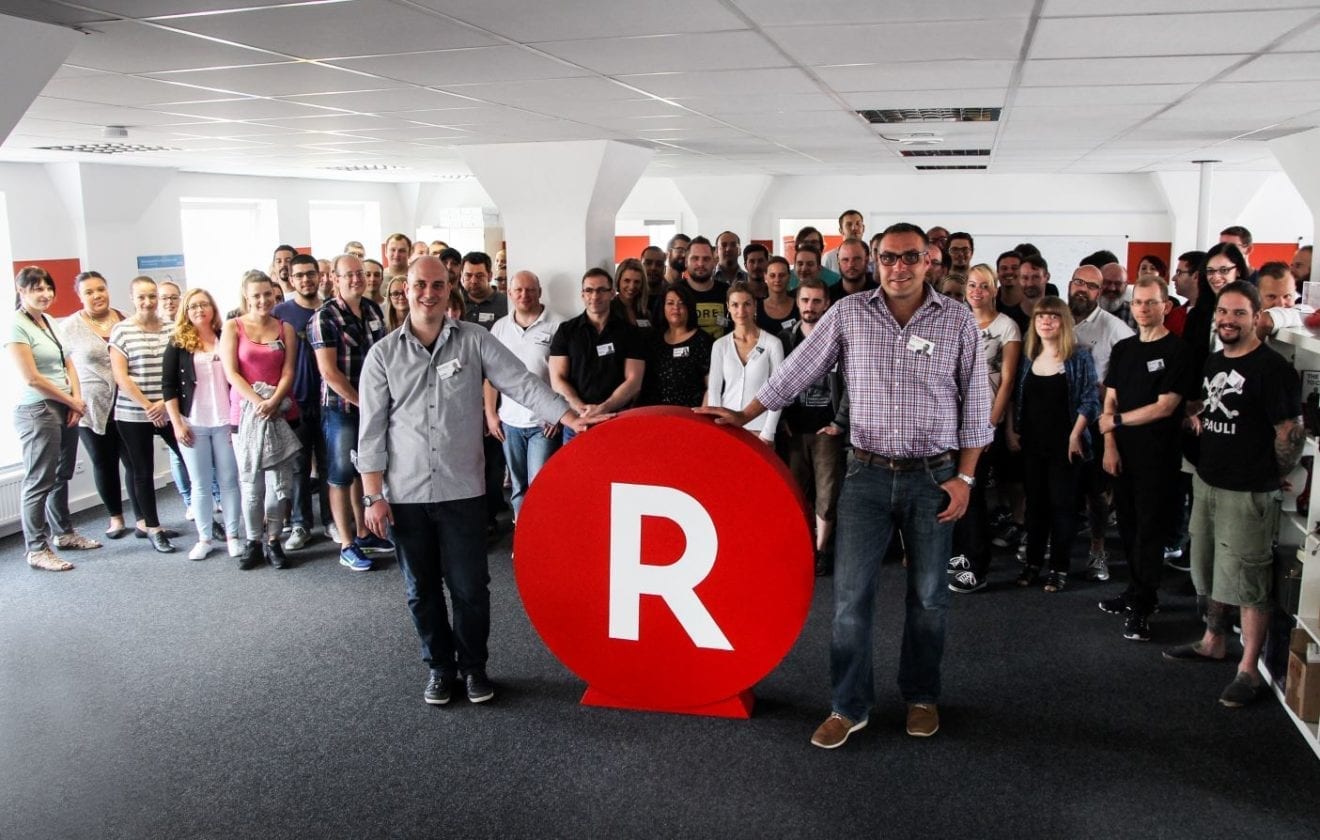
    Japanese e-commerce site Rakuten and consumer electronics retailer Bic Camera are considering a JV that will marry virtual and real stores.

    They expect to sign a basic agreement soon with a view to setting up their partnership early next year to work toward launching their e-commerce site in April.

    Bic Camera already has an online store on Rakuten Ichiba virtual mall. Through integrating their systems, Bic Camera will upgrade its online store into a joint site that will offer improved services, such as easy booking for delivery and installation.

    Buyers will also be able to search for brick-and-mortar Bic Camera locations that carry the product that interests them. Eventually, the scope of their cooperation will be expanded to cover in-store pickups of online orders, common shopping points and joint delivery services.

    While online sales account for nearly 30 per cent of consumer electronics  and appliance sales in Japan, shoppers say they want to touch and see products before buying. They also criticise the lack of attentive delivery and installation services they can find at physical stores.

    For Bic Camera, 9.2 per cent of its sales, at ¥72.9 billion (US$643 million), were online for the year to the end of August. While the company has its own e-commerce site, it does not anticipate much negative impact from launching the store with Rakuten.

    “Most of the Rakuten Ichiba shoppers will be new customers for us, because people who buy in the ‘Rakuten economic zone’ are different from those who buy from our website,” says a Bic Camera official.

  • Air France and Vietnam Airlines to set up joint venture

    Air France and Vietnam Airlines to set up joint venture

    Air France and Vietnam Airlines are establishing a joint venture for their services between Paris Charles de Gaulle and both Hanoi and Ho Chi Minh City.

    The two SkyTeam carriers say in a joint statement that the arrangement, effective 1 November, will allow for better onward connections in Europe and Vietnam.

    “Our aim is to maintain and develop our position as European leader in this region with very strong growth potential,” states Air France chief executive Franck Terner.

    Via three hubs – Hanoi’s Noi Bai, Ho Chi Minh City’s Tan Son Nhat, and Paris CDG – passengers will be able to travel to 50 European destinations on Air France flights (compared with 14 today) and 20 Vietnamese destinations on the local flag carrier’s services.

    FlightGlobal schedules show that Vietnam Airlines and Air France are the only airlines operating direct services between Vietnam and France. Vietnam Airlines is the sole operator on the Hanoi-Paris route, conducting a six-times-weekly service with Airbus A350-900s.

    Both airlines fly thrice weekly on the Ho Chi Minh City-Paris route, with Air France operating Boeing 777-300ERs and Vietnam Airlines A350-900s.

    Schedules indicate that the two carriers already codeshare extensively. Air France places its code on 20 Vietnam Airlines services, including the Paris-Hanoi route. It also places its code on services from Ho Chi Minh City and Hanoi to other Vietnamese cities, as well as to the Cambodian destinations of Phnom Penh and Siem Reap.

    Vietnam Airlines, for its part, places its code on 30 Air France services, including the Paris-Ho Chi Minh City route. It also places its code on Air France services to destinations in France and Europe.

  • UPS-SF Holding joint venture receives regulatory approval in China

    UPS-SF Holding joint venture receives regulatory approval in China

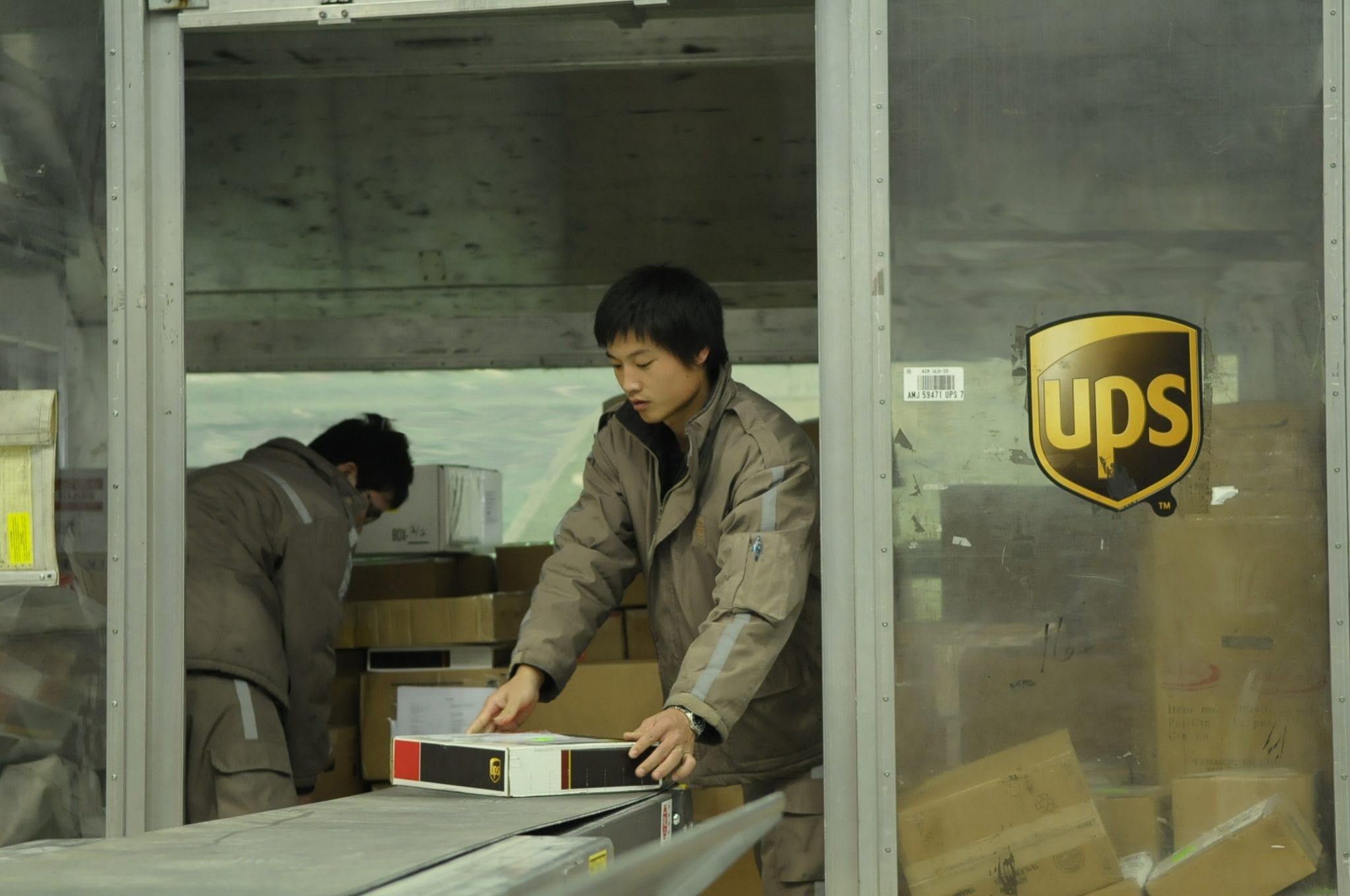
    UPS and SF Holding, the parent company of SF Express, have announced the approval of their planned joint venture by China’s Ministry of Commerce (MOFCOM). The JV enables UPS and SF to collaborate on development and provision of international delivery services from, initially, China to the US and, in the future, to other trade lanes. The JV approval is a positive development for international trade and allows the two leading companies to leverage their complementary networks, service portfolios, technologies and logistics expertise.

    UPS is one of the world’s largest express delivery companies and a leading global supply chain integrator. SF is a market leader in express delivery in China, with extensive China-wide network coverage, comprehensive service capabilities, and the highest brand recognition in the Chinese small package industry. The newly approved joint venture is a continuation of UPS and SF’s collaboration that began in 2015, when UPS Worldwide Express service was made available at SF’s Heike retail stores in Shanghai and Shenzhen.

    “We’re delighted to help the many customers in China who will now be in a position to trade more easily across borders and better compete on the global stage thanks to product offerings from the UPS and SF joint venture,” said Ross McCullough, president of UPS Asia Pacific. “UPS has an aggressive multi-year growth plan in China. Aligning our two networks will increase our market presence by connecting China’s consumers and manufacturers to the US and around the world with logistics solutions that strengthen cross-border B2B and B2C capabilities. This JV is highly symbolic of UPS’s confidence in long-term growth opportunities in China.”

    “The establishment of this joint venture boosts global expansion of Chinese enterprises beyond local borders,” said Alan Wong, group vice president of SF. “SF and UPS are able to maximise the strengths of both companies to continuously innovate and create more competitive products that deliver strong value for customers.”

    The alignment of UPS’ and SF’s transportation networks provides customers with greater coverage, additional routing options, increased capacity, and more choice in transit times and service options.

    With the joint venture approved, customers seeking an economical solution for less urgent shipments can opt for Global Reach Plus, the new joint venture deferred express product that features the full visibility and reliability of a premium express service. Customers are expected to gain:

    • Time-in-Transit Reliability with 5-7 business days deliveries jointly powered by UPS & SF’s combined networks.
    • End-to-End Visibility: Visibility from door-to-door using SF’s tracking tool, integrated with UPS’s industry-leading technologies.
    • Single Point of Contact for customer service via SF; shipment pick-up by SF at the origin & delivery by UPS at the destination.
    • Flexibility: Late order cut-off time for shipment pick-ups, and multiple delivery options including the use of UPS My Choice and UPS Access Point network.

    The joint venture supports these highly competitive joint service offerings on the China-to-US lane, with planned expansion to markets in the rest of the world. Both companies can now utilize their own assets to boost operational effectiveness and efficiency for businesses while aligning business processes in order to provide seamless customer care for all parties shipping out of China.

  • JD Sports Fashion forms JV for Korea

    JD Sports Fashion forms JV for Korea

    British sportswear retailer JD Sports Fashion has formed a joint venture to enter the South Korean market.

    It is partnering with footwear retailer Shoemarker and its J&S Partners unit, which trades as Hot-T . It has bought an initial 15 per cent of Hot-T fo r £ 5.5 million (US$7.4 million ) and has a call option to buy a further 35 per cent stake following the finalisation of Hot-T’s accounts for the year ending December 31.

    JD said it intends to exercise the option and rebrand the Hot-T stores as JD, though the business will continue to be run by its existing management.

    With 23 stores and a website, Hot-T had about  £17.2 million in revenue last year.

    JD executive chairman Peter Cowgill says the JV will further strengthen the company’s global presence, and gives it the opportunity to enter a market with more than 50 million people with a proven partner.

    As well as the UK, JD has stores in Ireland, France and Spain.

  • Central Pattana forms JV with Tesco

    Central Pattana forms JV with Tesco

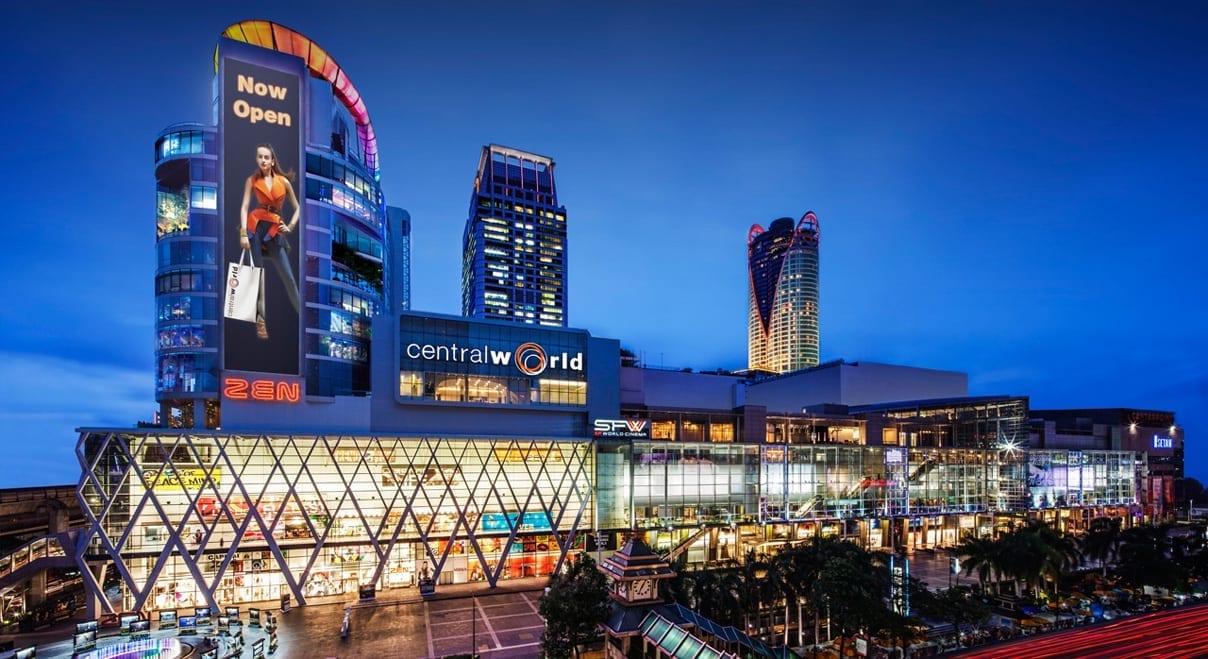
    Retail property developer Central Pattana (CPN) has set up a JV with British retail giant Tesco to co-develop property in the Thai market.

    The  Central Group subsidiary has told the Stock Exchange of Thailand (SET) that the new company, Synergistic Property Development, will support business expansion. It has registered capital of THB100,000 (US$3000) with ordinary share capital of 1000 shares at a par value of THB100 each.

    CPN holds a 50 per cent stake in the JV company while the other 50 per cent belongs to Ek-Chai Distribution System, which runs Tesco Lotus hypermarkets in Thailand.

    Details of the business model to be developed under the new company are under study, says CPN executive VP for marketing Nattakit Tangpoonsinthana.

  • China Telecom to expand JV with AT&T

    China Telecom to expand JV with AT&T

    China Telecom has agreed to extend its partnership with AT&T to cover the development of more advanced network services for multinational companies operating in China.

    The operators have signed a framework agreement to explore ways to develop new IoT, cloud-based big data, VoLTE roaming and SDN based services.

    AT&T, China Telecom and Shanghai Information Investments entered a joint venture in 2000, Shanghai Symphony Telecommunications (SST). The companies now plan to expand the scope of SST as well as the locations it serves.

    Under the agreement, China Telecom and AT&T aim to help establish industry standards for SDN, explore ways to collaborate on IoT platforms and solutions, launch bilateral roaming tests and explore the potential of VoLTE roaming.

    “Working with AT&T, China Telecom is creating future business solutions that use enterprise mobility, cloud, IoT and other technologies,” China Telecom executive director and EVP Gao Tongqing commented.

    “Global businesses have to be innovative and agile to succeed today. Growing our relationship with China Telecom, AT&T is helping multinational customers have consistent access to the advanced solutions they need in China,” added Thaddeus Arroyo, CEO of AT&T Business Solutions and International segment.

  • UPS and SF Holding To Establish a Joint Venture

    UPS and SF Holding To Establish a Joint Venture

    UPS and SF Holding, the parent company of SF Express, today announced plans to establish a joint venture and collaborate to develop and provide international delivery services initially from China to the US, with expansion plans for other destinations. Through this agreement the parties will leverage their complementary networks, service portfolios, technologies and logistics expertise. The joint venture is subject to regulatory approval.

    UPS is the world’s largest express delivery company and a leading global supply chain integrator. SF is a market leader in express delivery in China, with extensive China-wide network coverage, comprehensive service capabilities, and the highest brand recognition in the Chinese small package market.

    “UPS is excited to form a joint venture with SF.  This joint venture will support products that provide competitive benefits to our Chinese customers who trade or seek to trade internationally,” said Ross McCullough, President of UPS Asia Pacific. “Our combined efforts will result in new logistics products and services to simplify and accelerate B2B and B2C customers’ cross-border trade.”

    The joint services offerings combine the strengths of SF’s extensive Chinese network, encompassing more than 13,000 service points in the world’s largest and fastest growing package delivery market, with UPS’s market leading globally integrated network with coverage between more than 220 countries.

    Alignment of the partners’ shipping networks will provide customers with greater coverage, additional routing options, increased capacity, and more choice in transit times and service options.  The joint venture will initially focus on supporting these highly competitive joint service offerings on the China-to-US lane, with planned expansion to markets in the rest of the world.

    “China is leading the world in terms of e-commerce market size, growth, penetration and mobile business usage[i]. Coupled with a rapidly growing and internet-savvy consumer base, it’s imperative thatSF and UPS collaborate to revolutionize the logistics sector.  Together, we aim to bring greater competitive advantages to our customers in China, to succeed globally,” said Alan Wong, Group Vice President of SF.

    The joint venture supports the creation of competitive synergies for UPS and SF through the combined scope and scale of both companies’ complementary networks.  Both companies will utilize their own assets to enhance operational effectiveness and efficiency while aligning business processes in order to provide seamless customer care for all parties shipping out of China.