Tag: KFC

  • Apple Pay Launched in Hong Kong With American Express, Mastercard Support

    Apple Pay Launched in Hong Kong With American Express, Mastercard Support

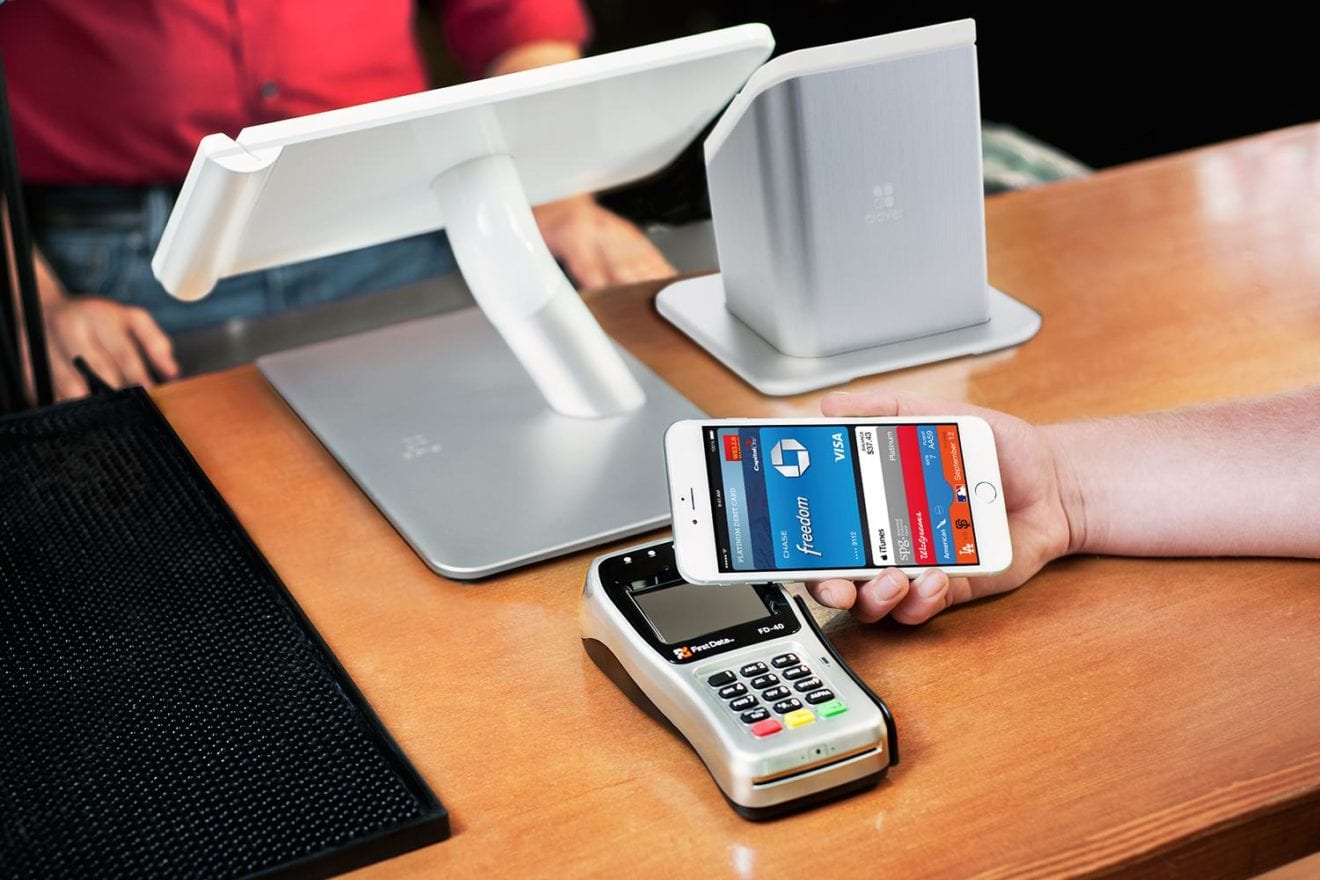
    Apple Pay has arrived in Hong Kong, allowing the Apple users to use the company’s mobile payment system.

    Apple’s payment system has been rolled out to American Express, Visa and MasterCard cardholders in Hong Kong. Other participating banks are Standard Chartered, DBS, Hang Seng Bank, HSBC, Bank of East Asia, and BOC Credit Card, a subsidiary of Bank of China (Hong Kong). Apple’s website notes that the system would be compatibile with BEA and HKT touchless payment network Tap & Go in the future, as reported.

    Apple users can add their cards to Apple Pay by just tapping “Add Credit or Debit Card” option in the Wallet app on devices running the iOS 8.1 or higher. Hong Kong’s Apple Pay works fine with the iPhone 6, iPhone 6s, iPhone 6 Plus, iPhone 6s Plus, and iPhone SE. It is also available on the iPad Air 2, iPad mini 3, iPad mini 4, and both iPad Pro models. However, iPhone 5, 5c, and 5s users need an Apple Watch to make Apple Pay work.

    Greg Hingston, the head of retail banking and wealth management at HSBC in Hong Kong, said the number of HSBC’s active mobile banking customers has increased by almost 50 percent over the past three years, according to the South China Morning Post.

    “We expect this to rise as customers continue to migrate to digital banking and as we roll out innovative offerings such as Apple Pay. Digital is an integral part of our strategy as technology and mobility are changing the way our customers access information, products and services,” Hingston said.

    In Hong Kong, Apple Pay can be used where contactless payment is accepted and at a wide range of retail partners, including 7-Eleven, KFC, McDonald’s, Pizza Hut, Pacific Coffee, Su-Pa-De-Pa, Taste, ThreeSixty, Uny, and more.

    The Cupertino-based company’s payment system has also debuted in France, which is compatible with Mastercard and Visa credit and debit cards issued by Carrefour Banque and Ticket Restaurant as well as Banque Populaire and Caisse d’Epargne, an assemblage that includes France’s second largest banking group.

    Apple Pay is now available in nine countries including the United States, the United Kingdom, China, Australia, Canada, Switzerland, and Singapore. In addition, Apple plans to launch Apple Pay to Spain through a partnership with American Express later this year.
  • Yum China divestment on track

    Yum China divestment on track

    The Yum China divestment is expected to be completed by October 31.

    The US fast food giant released the target date along with second quarter figures showing solid sales growth across most Asian markets, especially within the KFC division.

    CEO Greg Creed said he was particularly pleased with “the continued sales momentum at KFC China,” which delivered better-than-expected same-store sales growth of 3 per cent.

    “Yum! Brands delivered second-quarter (global) core operating profit growth of 7 per cent and earnings-per-share growth, excluding special items, of 9 per cent. Given our strong first-half results and current trends in China, I’m pleased to raise our full-year core operating profit growth forecast to at least 14 per cent.”

    Creed said the China result represented its fourth-consecutive quarter of positive same-store sales growth at KFC China.

    “Importantly, our China Division is off to a good start in the third quarter for both KFC and Pizza Hut Casual Dining, including a return to positive same-store sales at Pizza Hut in recent weeks.”

    Outside of China, challenging industry conditions in the US contributed to soft sales results.

    The separation of the China business would create “two powerful, independent, focused growth companies,” said Creed.

    “Our capital structure is fully in place and we plan to return a significant amount of capital to shareholders both prior to and after the spin.”

    Creed promised further information at an investor briefing on October 11.

    Yum China same-store sales were even, with an increase of 3 per cent at KFC, offset by a decline of 11 per cent at Pizza Hut. The China division opened 72 new stores during the quarter, taking its network there to 7246

    Meanwhile, in developing Asian markets – including Malaysia, Indonesia and the Philippines – which account for 7 per cent of KFC’s global turnover, sales rose 11 per cent in the quarter and are running 10 per cent ahead of last year for the first half.

    In Thailand, which accounts for 3 per cent of KFC’s global turnover, sales rose 17 per cent in both the second quarter and the first half.

    And in developed Asian markets – such as Japan, Korea and Taiwan – which accounts for 9 per cent of turnover, sales rose 6 per cent by quarter and half.

    Pizza Hut sales in developing Asian markets rose 5 per cent in the second quarter and 3 per cent in the first half. In developed Asian markets, sales fell 7 per cent this year.

  • Yum! Brands China sale falters

    Yum! Brands China sale falters

    Following a missed deadline by potential investors, the sale of a minor stake in Yum! Brands China business has been delayed.

    Yum runs KFC and Pizza Hut outlets in China, while the potential bidders include Singapore state investment company Temasek Holdings and Chinese private equity firm Primavera Capital.

    One report says the suitors held off submitting bids after Yum tried to impose new terms on the investments. The investors have also indicated they disagree with Yum’s proposed valuation of $10 billion for the China unit.

    After a prolonged sales slump caused by food-safety scandals, Yum last year decided to spin off its China business into a separate publicly traded company. Since this was announced in October, Yum has had stronger same-store sales results from KFC in China.

    With the terms change, Yum would not be obliged to pay royalties to the China business for any products it developed, plus it would not share the burden for some of the Chinese unit’s advertising spend.

    Yum told potential investors of the new conditions just days before the bid deadline, and the company has yet to set a revised deadline.

    Meanwhile, Yum spokeswoman Virginia Ferguson says the company is making “great progress” toward the separation of the China business.

    At an investor conference this month, CEO Greg Creed said he expects the China separation to occur around the end of October.

    A group backed by sovereign wealth fund China Investment Corp withdrew a bid for control of the China business after failing to agree on a price. It claimed that initial due diligence showed Yum’s profit margins were under pressure in an increasingly competitive market.

    Yum’s market share in China fell to 24 per cent last year from 39 per cent in 2010, data from Euromonitor International shows.

    According to its website, the company plans to add 600 outlets this year to its more than 7200 restaurants across China.

  • Bidding starts for McDonald’s China business

    Bidding starts for McDonald’s China business

    Beijing Tourism Group, ChemChina and Sanpower are among bidders for McDonald’s China restaurants and the 20-year master franchise covering China and Hong Kong.

    The deal is said to be worth about US$3 billion, and bids close on Monday.

    Restrictions on the franchise agreement have discouraged such buyers as private equity firms, but others have entered the auction, reports CNBC.

    McDonald’s China partner Beijing Capital Agribusiness Group has been reported to be among companies preparing first-round bids ahead of the deadline, but an official has said the company is not participating in the bidding.

    Illinois-based McDonald’s has hired Morgan Stanley to run the sale of about 2800 restaurants in China, Hong Kong and South Korea. The South Korea sale is being run separately.

    McDonald’s announced in March that it was reorganising in Asia by bringing in partners to own restaurants within the franchise business. Competitor Yum Brands, which has the KFC and Pizza Hut chains, is also restructuring in China.

    Domestic rivals are becoming more competitive, and the two international fast-food giants have had food-safety scares.

    “Given the difficulties Western chains have had recently with public perception, local players have become a serious competitive threat,” says Euromonitor International foodservice analyst Elizabeth Friend.

    Meanwhile, McDonald’s will draw up a shortlist of bidders for the next round in the coming weeks.

    McDonald’s China and Hong Kong business posted about $200 million in earnings in its latest financial year.

  • Chains top China restaurant rankings

    Chains top China restaurant rankings

    Chains outperform independent eateries in China restaurant rankings, new research shows.

    A survey by global consulting firm OC&C Strategy Consultants shows that Chinese consumers dine out on average two or three times a week, with Hai Di Lao, Pizza Hut and Little Sheep ranking as their favourite brands.

    Western brands ranking in the top 10 are: McDonald’s (7), TGI Friday’s (8) and KFC (9). Others on the list are South Beauty (4), Shanghai Min (5), Waipojia (6) and Tairyo (10).

    Food quality, wide choice and service quality shows as the three critical factors in restaurant choice, while serving speed, convenience and pricing are rated as less important Chinese consumers actively seek out new restaurants and are receptive to new formats and concepts such as theming, healthy lifestyle menus and organic produce, as well as innovative, fusion cuisine.

    According to the report, Serving up a Winner – Establishing a Winning Proposition in China’s Restaurant Landscape, China’s restaurant market is more vibrant than ever, with growth outstripping other major markets despite higher volatility.

    “While other retail segments struggle in the face of ‘the new normal’, restaurants are becoming more innovative and reaping the benefits of the growing middle class,” says OC&C greater China partner Jack Chuang. “The arrival and rapid expansion of international chains in the past few years has increased the competitiveness of the market.”

    He says getting diners through the door of a restaurant is still challenging. “Restaurant staff need to ensure that service is authentic and make creative, personalised decisions to delight guests.”

    Chuang says restaurants should also offer a wide menu range with local flavour.

    The study canvassed 2600 respondents in 21 cities across China, with consumer surveys and restaurant audits in February.

    Founded in 1987, OC&C provides corporate and business strategy, channel, marketing, organisational and change strategy, as well as transactional support services. It has more than 400 consultants in 14 offices globally, including China and India. The greater China practice has offices in Hong Kong and Shanghai.

  • KFC tests its robot orders

    KFC tests its robot orders

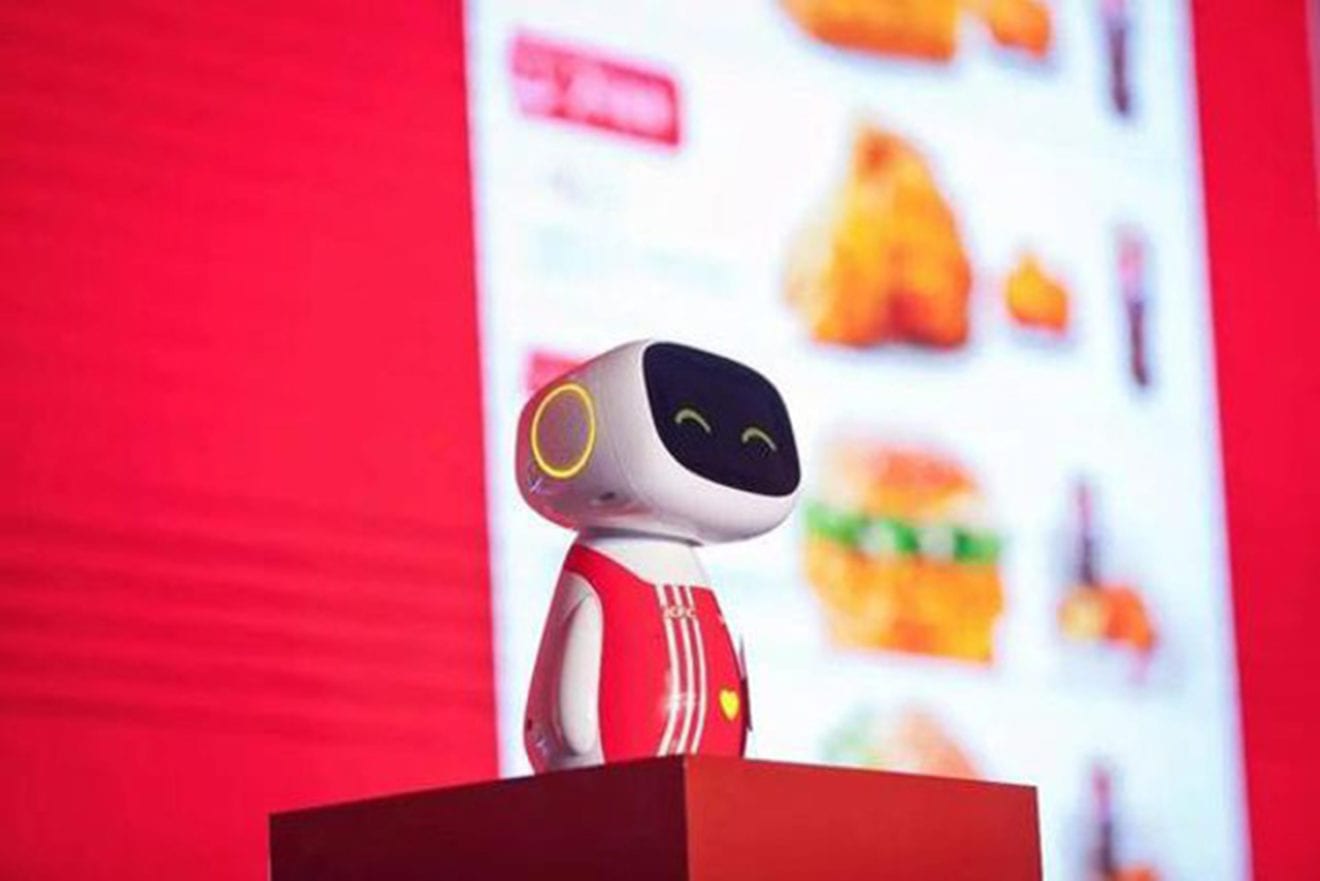
    Customers at a new digital KFC concept store in Shanghai give their orders to a voice-activated robot.

    Dumi the robot is sophisticated enough to handle changes and substitutions in orders.

    Dumi is the result of 10 years of research and development into artificial intelligence by Chinese web services company Baidu, which says the robot will appear soon in other real-world environments.

    Inside Shanghai’s National Exhibition and Convention Center, the KFC store has been designed to be completely digitalised. Called “Original+”, as a reference to the brand’s traditional recipe, it features wireless charging stations where customers can simultaneously stream music. They can also pay for their meals via mobile payment services including Alipay and Baidu Wallet.

    Introduced at last year’s Baidu World Congress 2015, Dumi integrates the company’s AI technologies such as voice recognition and intelligent search. The robot will use KFC’s customer behaviour data to gain a better understanding of users’ needs and improve business efficiency.

    As well as ordering and paying through Dumi, the customers can see how KFC dishes are made through the robot’s holographic imaging technology.

    Baidu VP Wang Haifeng says the robot may become a big part of the company’s application of more AI technology into fields that range from internet financing to driverless cars.

    There is only one problem with Dumi, admits Baidu: it has trouble distinguishing between certain dialects and accents. But then again, so might a human employee.

    Jason Yu, GM of the consumer research firm Kantar Worldpanel China, describes the Shanghai concept store as “a very interesting experiment”.

    “It is expected to generate increased customer experience, and raise efficiency for restaurants. And in turn it is expected to attract more young and middle class customers.”

  • KFC owner Yum profits boosted by China sales

    KFC owner Yum profits boosted by China sales

    Yum Brands, the parent company behind fast-food chains KFC, Pizza Hut and Taco Bell, has reported a surprise 8% rise in first-quarter net operating profit. One-time gains in the quarter from a Chinese New Year chicken bucket promotion helped boost sales in China and bring in profits of $391m (£273m; €346m) in the January to March period.

    Adjusted earnings per share came in at 95 cents, beating analyst forecasts for earnings per share of 83 cents. Sales at restaurants that have been open for at least a year in China — the company’s biggest profit-driving region — were up 6% from the same period a year ago, helped by a 12% sales jump at KFC China.

    Yum chief executive Greg Creed said 2016 was a “transformational year” for the company and announced that the China division would split into a separate business by the end of the year.

    The firm also upped its core operating profit growth forecast for the year to 12% from 10%. Yum shares jumped nearly 4% in after-hours trading in New York following the earnings release.

    Global sales up

    Worldwide same-store sales were up 2% in the quarter, with sales at KFC and Pizza Hut up 1% and 3% respectively. Same-store sales at the US Pizza Hut division were up 5%.

    “KFC China had an outstanding Chinese New Year bucket promotion,” Creed said in a statement. “While it’s early in the year and there may be bumps in the road, we’re confident in raising core operating profit growth guidance to 12% from 10% previously.

    Pizza Hut

    “This is a transformational year for our company as we remain on track to finalise the separation of our China business by year end. We look forward to establishing two powerful, independent, focused growth companies dedicated to building on our brand strengths and rewarding our shareholders.”

    Yum opened 68 new restaurants in China during the quarter, bringing the total number of its outlets in the country to nearly 7,000. It is the largest western restaurant brand in China and plans to spin-off the division into a separate publicly-traded company by year end to modernise services and streamline operations in other markets.

  • Private Equity eyes Yum! China

    Private Equity eyes Yum! China

    US private equity company KKR & Co tops a growing list of potential investors in Yum! China, the fast food giant’s planned spin-off.

    Bloomberg has named KKR, Baring Private Equity China and sovereign fund China Investment Corp as potential bidders for cornerstone stakes in the Chinese fast food company which will operate some 9000 franchised restaurants under the KFC, Pizza Hut and Taco Bell brands.

    Yum! Currently has 7100 restaurants in Mainland China and plans to open 600 more this year. It has also just announced plans to launch Taco Bell in China.

    Yum! Is reportedly planning to retain a controlling stake in the spun-off entity, perhaps limiting the stake sold to 20 per cent. That sized stake could attract an investment of US$2 billion.

    Bloomberg also identified Chinese private-equity firm Hopu Investment Management as another potential buyer.

    Such investments – still speculative at this stage – may offer Yum! Another means of raising capital without a formal float

    Yum! Prevously said it believes that where one united company would have targeted 10 per cent earnings per share growth, each of the two separated companies would achieve a 15 per cent growth rate independently (based on EPS growth and dividend yield).

    “We believe this transaction is a classic example of ‘one plus one equaling more than two’ as it will enable each company to realise its full potential and achieve greater value on a standalone basis,” said Greg Creed, Yum! Brands CEO, announcing the spin-off plan last December..

    “We continue to make solid progress on our planned separation into two independent, publicly-traded companies… each with compelling growth strategies, distinct investment characteristics, and optimised capital structures,” he said.

  • Taco Bell China on the way

    Taco Bell China on the way

    Mexican-inspired fast food is about to tickle Asian palettes, with the first Taco Bell China restaurant scheduled to open this year.

    Yum Brands! CEO Greg Creed, speaking at a consumer and retail conference in New York, says the first taco Bell China outlet will open in Shanghai.

    US-headquartered Yum! Is in the process of separating its China business into an independent, publicly traded company this year. It has about 7000 KFC and Pizza Hut restaurants in China and believes the spin-off will boost returns and increased asset value for shareholders of both companies post-split.

    Yum! plans to franchise 96 per cent of its outlets by the end of next year, and believes that model will enable it to nearly treble the store network from the present 6900 stores to 20,000.
    A subsidiary of Yum, Taco Bell is an American chain of fast-food restaurants based in Irvine, California. Founded in 1962 by Glen Bell, it has more than 6600 stores across mainland US with 175,000-plus employees.

  • Chicking Indonesia launched

    Chicking Indonesia launched

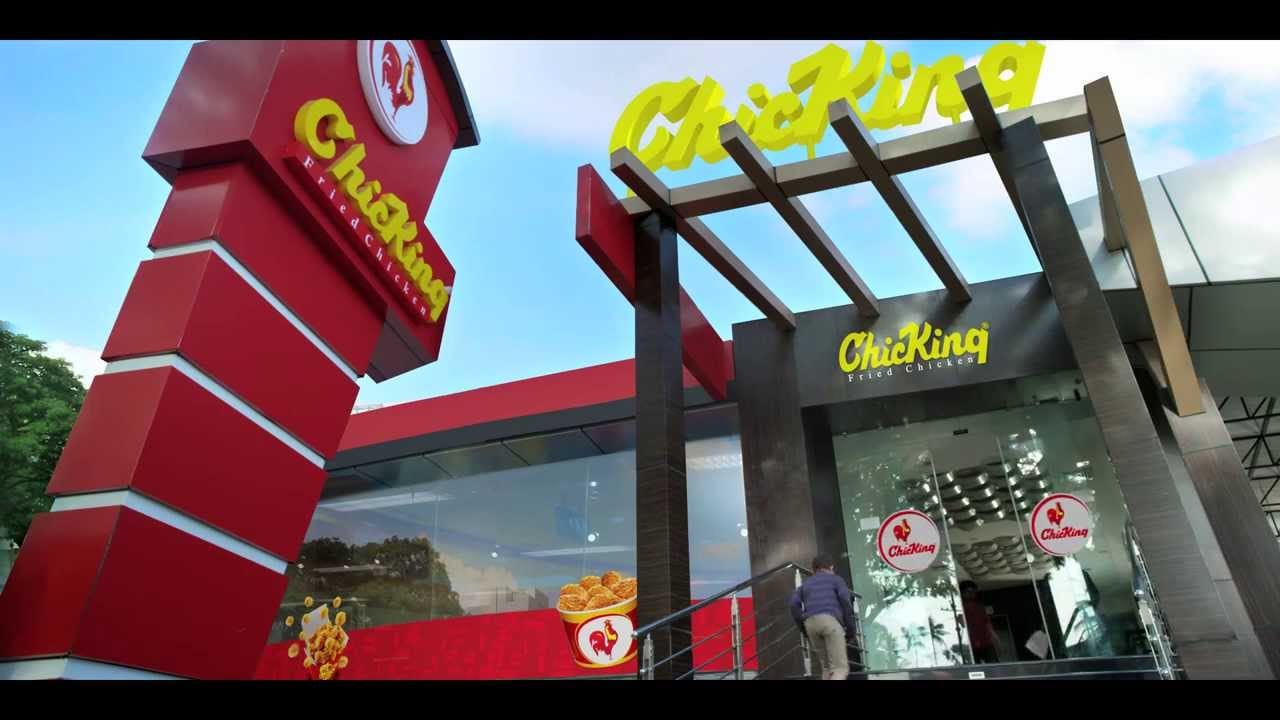
    UAE-based halal fast-food chain franchisee Chicking Indonesia has signed a master franchise agreement to open 20 outlets, starting with Java and Sumatra.

    Competing with major international brands like Burger King, KFC and McDonald’s, Chicking serves fried chicken and related products.

    The master franchise agreement is between BFI Management (DMCC), the franchise management division of Chicking, and PT Ayam Top Dubai for the Indonesian market. Chicking founder and Al Bayan Group MD AP Mansoor says the company will be opening its first European outlet in London next month as part of an aggressive global expansion.

    “We currently have 100-plus outlets in nine countries, and the plan is to reach 500 by 2020,” says Mansoor, who founded the brand 16 years ago.

    “In the UAE we will be opening three more outlets within a couple of months to add to the 17 we already have. We are very confident about the expansion in Southeast Asia after entering Malaysia last year.”

    DMCC CEO Fariq Halim says the appointment of an Indonesian master franchise is a major milestone. Shops will be opened throughout Indonesia, with its growing Muslim population of 200 million people. The flagship outlet will open in Jakarta by the end of the year, and PT Ayam Top Dubai will aim to have 20 outlets within five years.

    PT Ayam Top Dubai was founded by Raymond Bambang Widjaja with Hengki Setiawan and Hermanto Simon, who collectively have more than 75 years’ experience in doing business in Indonesia and Australia.

    “Indonesia has the largest Muslim population in the world and is one of the key markets we have been monitoring,” says Widjaja, who has F&B business and master franchises for national and international brands in Indonesia and Australia.

    “The QSR industry in Indonesia is diverse and predominantly controlled by domestic brands. It is a competitive and challenging market, but we believe we have the right partners to make Chicking a leading brand in Indonesia.”

  • CapitaLand China growth outpaces economy

    CapitaLand China growth outpaces economy

    Singapore-based shopping mall investment company CapitaLand Retail China Trust (CRCT) grew its income last year by 10.3 per cent to S$89.2 million ($63 million) from S$80.9 million.

    With China’s economy growing 6.9 per cent last year, the company’s retail sales drew 10.7 per cent of RMB30.1 trillion ($4.58 trillion), reports CRCTML chairman Victor Liew (CRCTML manages CRCT).

    “China’s slower growth is reflective of an economy undergoing transition, but it is expanding from a much larger base now and its growth is still considerably faster than those of most other economies,” says Liew. “CRCT’s family-oriented shopping malls are well-placed to benefit from China’s growing urban population and rising retail sales as domestic consumption becomes the country’s new growth engine.”

    It was the first time CapitaLand China’s gross revenue had crossed the RMB1-billion mark, says CRCTML CEO Tony Tan. “Portfolio occupancy remained high at 95.1 per cent  as at December 31, while rental reversion for the full year was 8.1 per cent.

    “Annual tenants’ sales increased 11.6 per cent and shopper traffic rose 1.8 per cent year-on-year.

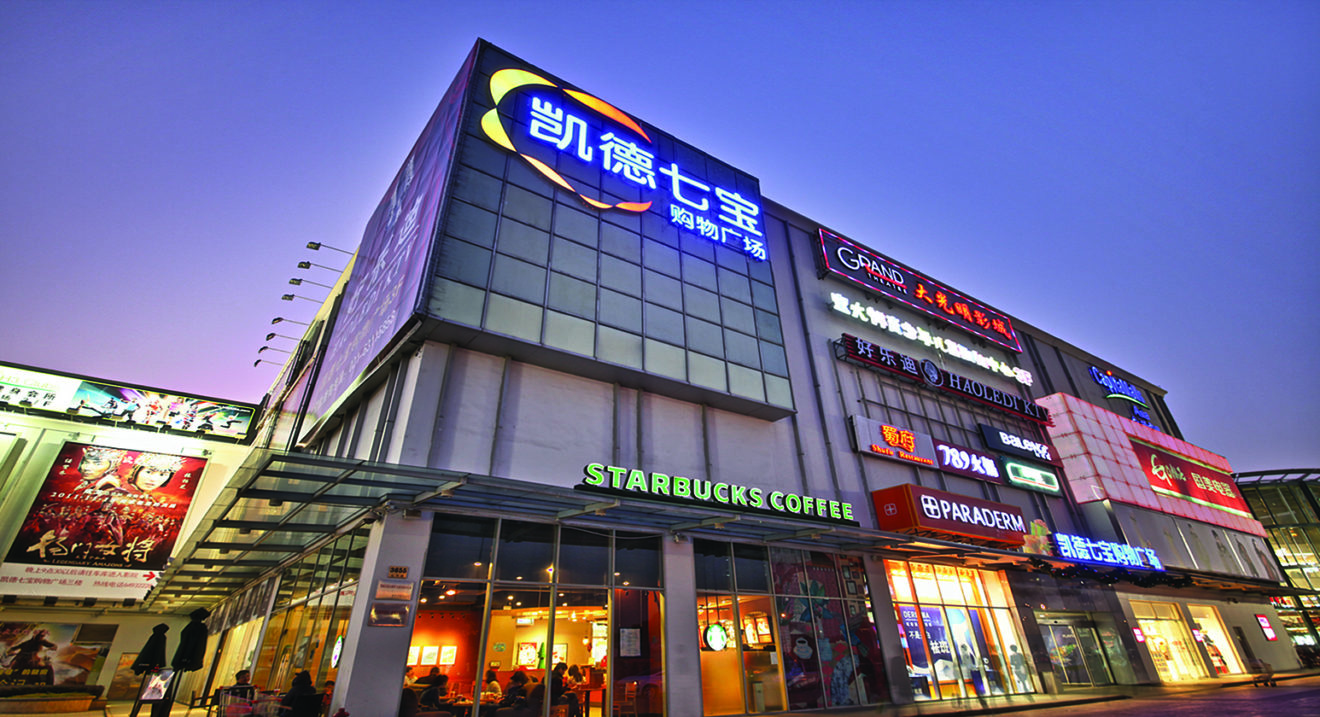
    “We continually refresh our mall offerings to stay relevant to our shoppers’ evolving preferences and needs. For example, CapitaMall Xizhimen (pictured) brought in the popular Jing Ge Steamboat to increase the variety of its F&B offerings, while CapitaMall Qibao introduced a water park.

    “To improve sustainability and the shopping experience, CapitaMall Grand Canyon installed energy-saving LED lights in common areas and upgraded its car park with new flooring.

    “CapitaMall Wangjing is carrying out renovation work to rejuvenate its façade, and is on track to unveil its new look by June.

    “We will continue to strengthen our malls’ tenant mix and uplift the shopping experience through continual asset enhancement initiatives.”

    Gross revenue for the year increased RMB17.5 million, or 1.8 per cent, over the previous year. This was attributed mainly to rental growth from the multi-tenanted malls, partially offset by lower revenue fromCapitaMall Minzhongleyuan, which was impacted by road closure for the building of a subway line, and from CapitaMall Wuhu, where tenancy adjustments are being introduced to achieve stronger positioning and better trade mix.

    CRCT is the first China shopping mall real estate investment trust (REIT) in Singapore, with a portfolio of 10 malls. Listed in Singapore in 2006, its objective is to establish long-term investments in a diversified portfolio of real estate used primarily for retail in China, Hong Kong and Macau.

    A significant portion of CapitaLand China’s properties’ tenancies comprises major international and domestic retailers such as the Beijing Hualian Group, Carrefour and Wal-Mart. The anchor tenants are complemented by specialty brands such as BreadTalk, Innisfree, KFC, Nanjing Impressions, Nike,Sephora, Starbucks, Uniqlo, Watsons and Zara.

  • Yum! China fortunes rebound

    Yum! China fortunes rebound

    Yum! China has showed progress with a system wide sales increase of 3 per cent in the latest quarter – or 7 per cent on a constant currency basis.

    Same restaurant sales are now in positive growth, although by a fairly meagre 2 per cent given the 16 per cent decline in the same quarter last year. Nevertheless, the strong pace of 743 new restaurant openings, combined with some good productivity gains, helped to swell operating profit by 200 per cent.

    Given the big differential in growth prospects and the fact that China faces a very different set of problems and opportunities, it is hardly surprising that Yum! is looking to split its business into two separate companies. This is a sensible step that will allow Yum! and Yum! China to focus on their respective priorities. However, without the boost to growth provided by China, the legacy business will need to work much harder to reestablish its relevance if it is to grow in a much more competitive market.

    Globally, Yum! produced a set of results that exactly mirrors those of last quarter.

    KFC has ended its fiscal year with a fairly solid set of numbers. That said, the growth figures are expressed on a constant currency basis and so exclude the negative impact of the strong US dollar. When this is factored in the outcome is a little less rosy with total revenue for the quarter falling by 1.2 per cent over the prior year.

    Behind the numbers, both KFC and Pizza Hut continue to struggle with system wide sales, including the impact of exchange rates, falling by 5 per cent and 2 per cent respectively. Fortunately this has been somewhat offset by the rebuilding of restaurant margins, but not by sufficient enough a degree to prevent profits at KFC dipping and profits at Pizza Hut virtually flatlining. Across the quarter, these two traditional engines of growth simply failed to propel the company forward.

    One of the key issues for both brands is the relatively slim growth within the US, which in the case of KFC is the division’s single largest market, and in the case of Pizza Hut accounts for the majority of the division’s sales. In our view both suffer from the challenge of maturity and, while they remain popular, the rather tired nature of the brands and a lack of meaningful menu innovation means they struggle to compete against rivals like Chick-Fil-A which are seen as more interesting by consumers. In many ways, both brands need to take a leaf out of the McDonald’s playbook in terms of reinventing themselves to become more relevant to diners.

    In contrast the Taco Bell division saw a strong rise in sales on at both total and same restaurant level. Restaurant margins also increased thanks to some favorable cost changes for commodities. While the combination of these things should have resulted in a good uplift in operating profit, a number of one-off costs – which included investment spending, legal fees, and the creation of a scholarship program – put pay to that. For the quarter Taco Bell operating profit declined by 7 per cent.

  • Burger King Vietnam ‘not shutting down’

    Burger King Vietnam ‘not shutting down’

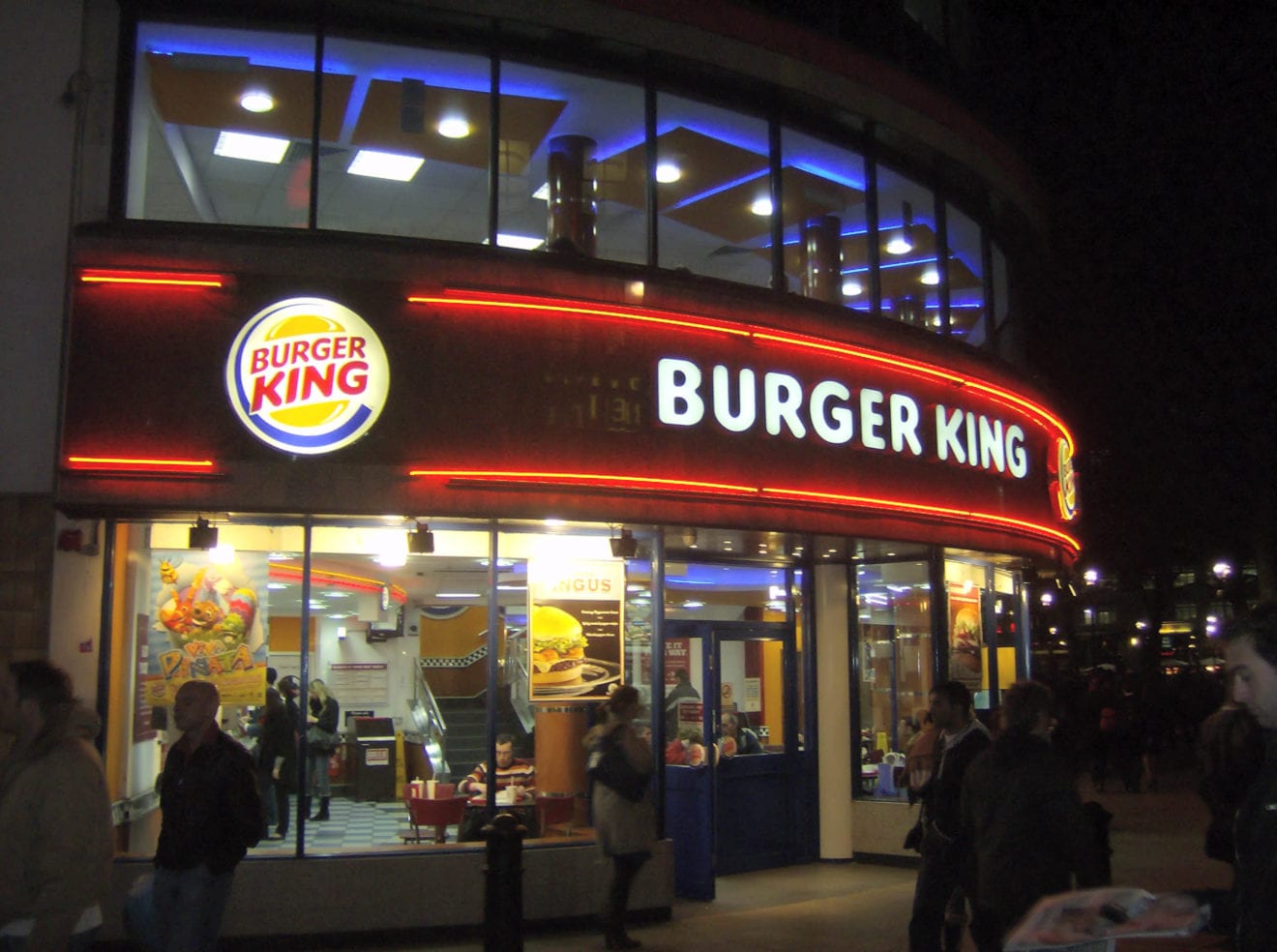
    Burger King Vietnam has refuted media claims the company is planning to exit the Southeast Asian nation.

    The US fast food chain entered Vietnam in 2012, initially opening in Ho Chi Minh City’s Tan Son Nhat international airport, before progressively moving into suburban locations in the city.

    At the time the company projected it would open 60 stores within five years, but three-quarters of the way into that timeline, it still has just 16.

    The closure of three stores in recent months has fuelled speculation the brand may exit the market. But CEO Nguyen Gia Thanh told news website Dau Tu this week that was not the case.

    He said two stores in Ho Chi Minh City were closed to relocate in better sites with more affordable rents.

    The third store closed was in the capital, Hanoi.

    Thanh said Burger King will continue to expand in both cities and is not closing down in Vietnam.

    Vietnamese are not known as big consumers of burgers and Burger King arrived in the market with higher price points than established rivals Jollibee from the Philippines, Lotteria from Korea and fried chicken and burger chain KFC from the US.

    Rival Carl’s Jr has also struggled to make an impression in the market, largely targeting the expat market in districts of Ho Chi Minh where foreigners reside.

  • KFC wins China payout over mutant chicken rumours

    KFC wins China payout over mutant chicken rumours

    A Shanghai court has fined three local tech firms for helping spread rumours about Yum Brands Inc’s KFC fast food chain that included doctored photos of deformed chickens and allegations the birds had six wings and eight legs.

    In a statement on its official microblog, the Xuhui District People’s Court said Yingchenanzhi Success and Culture Communication, Taiyuan Zero Point Technology and Shanxi Weilukuang Technology had “damaged KFC’s reputation” and “caused it economic losses” by permitting the allegations to be posted on their social messaging accounts.

    The companies were ordered to make an official apology and fined a combined 600,000 yuan ($91,191), an amount that fell far short of the 1.5 million yuan ($227,977) Yum had asked each company to pay in damages.

    “We brought suit against these individuals for making false statements about the quality of our food and we are pleased with the outcome,” China-based Yum spokeswoman Cindy Wei said in emailed comments sent to Reuters.

    Reuters was unable to find contact numbers or websites for the three companies fined by the court.

    Yum is battling to turn around its fortunes in China, its largest market, where its sales have taken a serious hit after a series of food safety scares since the end of 2012. The firm is planning to spin off its China unit by the end of this year.

    KFC China brought the suit against the firms in June last year for using ten accounts on Tencent Holdings Ltd’s popular messaging platform WeChat to spread the defamatory posts.

    Food safety is a major concern in China, with frequent scandals ranging from recycled “gutter oil” and years-old “zombie meat”, to dairy laced with industrial chemicals.

    A food scandal in 2014 that dented Yum and rival McDonald’s Corp came to a close earlier this week when a Chinese court fined US food supplier OSI Group and handed jail terms to ten of its executives over allegations it had reused returned food products to avoid losses.

  • First KFC Tibet store to open in 2016

    First KFC Tibet store to open in 2016

    It’s been more than 10 years since US fast food giant Yum! Brands first mooted opening a store in Tibet.

    But next year the plan is set to come to fruition following the appointment of a franchisee there.

    KFC dropped plans to open an outlet there in 2004 on economic grounds – but the plan was opposed at the time by Tibet’s exiled leader the Dalai Lama, who is a staunch vegetarian.

    Now, the first KFC Tibet outlet is scheduled to open in the first half of next year – part of a massive expansion program for the deep fried chicken brand.

    Yum! is preparing to spin off its China operations and almost treble the current 6900-strong store network to about 20,000 through a franchising program.

    The first KFC Tibet store will open in the capital city, Lhasa.