Tag: Kia

  • Kia India Plans $2 Billion Andhra Pradesh Plant to Add 200,000 Cars

    Kia India Plans $2 Billion Andhra Pradesh Plant to Add 200,000 Cars

    Kia plans to invest about $2 billion to build a second vehicle manufacturing plant in Andhra Pradesh, managing director and chief executive Gwanggu Lee said on Thursday.

    The investment will add 200,000 vehicles to the carmaker’s annual Indian output, taking total yearly production capacity to 630,000 units from 430,000.

    Expanding Southern Assembly

    Lee disclosed the expansion budget at the Confederation of Indian Industry’s Partnership Summit in Visakhapatnam. The project will generate approximately 12,000 jobs across assembly lines and component networks in the southern state. Kia did not publish a construction timetable or state when the first commercial models will leave the line.

    Building out a second site gives the carmaker room to scale its domestic dealer inventory while protecting overseas shipments. The current Anantapur facility assembles the Seltos and Sonet sports utility vehicles, splitting output between regional buyers and export channels.

    Automakers Contest Indian Assembly

    Car companies are pouring capital into India as domestic passenger vehicle purchases push the country deeper into its position as the world’s third-largest automotive market. Suzuki Motor, the majority shareholder in Maruti Suzuki, committed about $8 billion in 2025 to scale local operations. Rivals Toyota and Honda have also budgeted factory expansions to retain share against local champions and new market entrants.

    For tier-one suppliers and parts distributors across southern India, the extra capacity locks in long-term tooling contracts and higher component volumes. The immediate execution risk sits in infrastructure delivery and supplier coordination, where rapid factory expansions regularly test local logistics networks and vendor balance sheets.

    Building on the Anantapur Base

    Kia entered Andhra Pradesh in 2017 through an initial investment agreement with the state government. Mass assembly at the existing Anantapur plant started in August 2019, giving the South Korean group its first manufacturing footprint on the subcontinent.

    State authorities and automotive suppliers now await the formal ground-breaking date and environmental filings for the site, which will outline the exact production mix between domestic sport utility vehicles and export-bound models.

  • Hyundai Opens UK Orders for Ioniq 3 Compact EV at £18,495

    Hyundai Opens UK Orders for Ioniq 3 Compact EV at £18,495

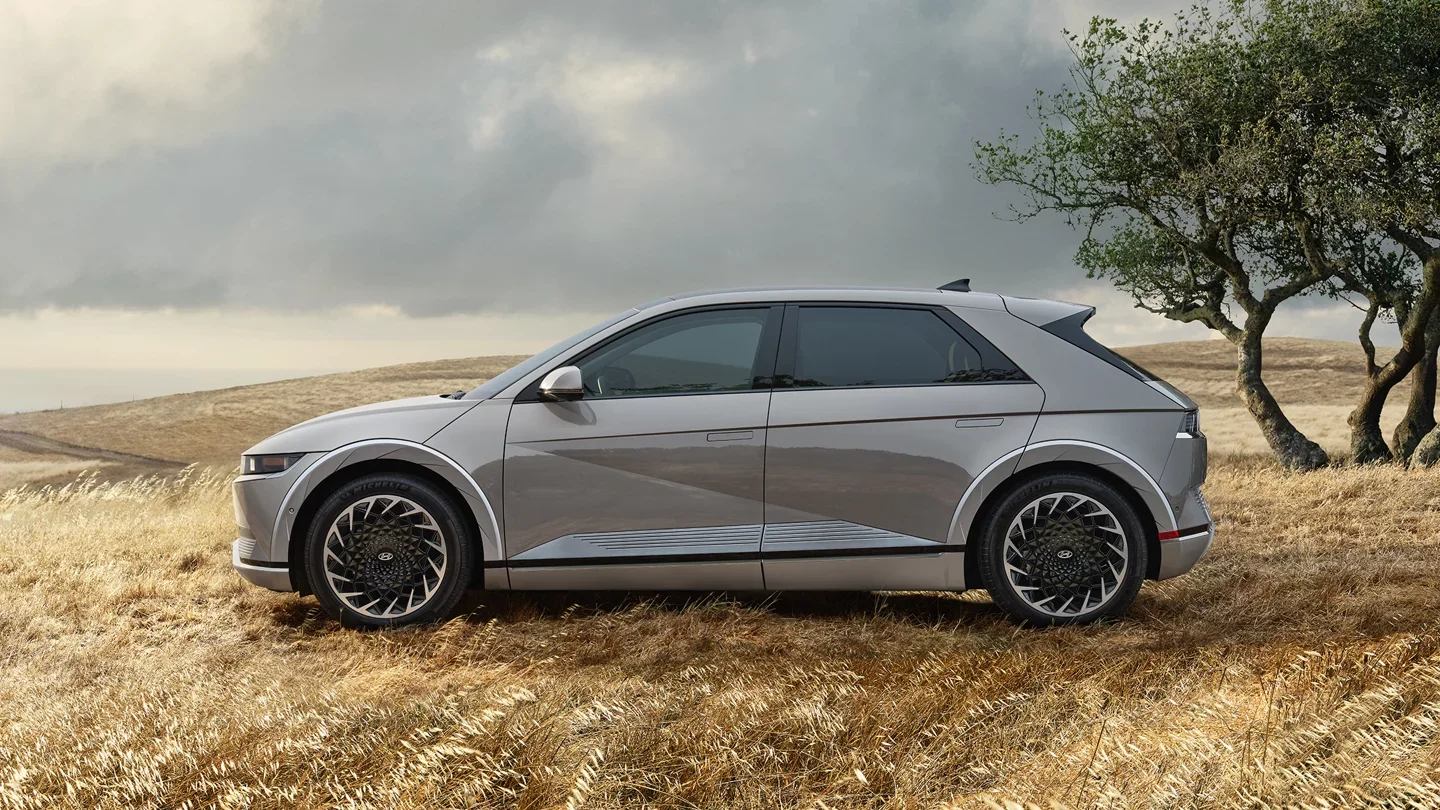
    Hyundai Motor opened UK order books on Monday for its Ioniq 3 electric hatchback. Entry pricing starts at £18,495 on the road after government subsidies.

    The sub-£20,000 opening price applies to the base Advance 42 kWh trim. That reflects the £3,750 UK Electric Car Grant deducted from its £22,245 list price.

    Buyers choosing the larger 61 kWh pack pay £21,995 after the grant, down from £25,745. The top-tier N Line Evo tops the range at £28,195. Existing reservation holders who switch to binding orders get the full £3,750 state subsidy rather than the £1,500 promotional factory discount Hyundai initially planned. Showroom deliveries in the UK begin this month.

    Powertrain splits and charging specifications

    Engineering teams in Rüsselsheim, Germany, developed the 4.15-metre hatchback on a 400-volt variation of the group’s E-GMP electric architecture. Production for European and British markets goes to the carmaker’s plant in Izmit, Turkey. Dimensions run 4,155 mm long, 1,800 mm wide, and 1,505 mm high on a 2,680 mm wheelbase. The car pairs a 0.263 drag coefficient with 441 litres of rear cargo capacity.

    Two lithium-ion battery capacities determine performance across five model configurations. The entry 42.2 kWh pack pairs with a 108 kW front motor producing 145 horsepower. That delivers up to 344 kilometres, or 213 miles, of WLTP driving range. For 61 kWh long-range models, a 99.5 kW motor produces 133 horsepower and delivers up to 496 kilometres, or 308 miles, per charge.

    Both packs support direct-current fast charging at peak rates between 110 kW and 119 kW. A 10 to 80 per cent charge takes 29 minutes for the base battery and 30 minutes for the larger pack. Buyers can also specify an optional 22 kW onboard alternating-current charger for faster depot and home charging. Standard equipment includes the Android Automotive OS-based Pleos Connect interface with screens up to 14.6 inches, bidirectional Vehicle-to-Load capability, and the SmartSense driver-assistance suite.

    Pricing structure and retail financing

    Cash pricing and monthly personal contract purchase rates target high-volume retail buyers seeking long range on tighter budgets. Stepping up from the 42 kWh Advance to the 61 kWh version adds £3,500, taking post-grant pricing to £21,995. Mid-tier Premium trims with the 61 kWh pack cost £23,695. The top Ultimate trim costs £26,195 and adds matrix LED lighting alongside highway driving assistance systems.

    Hyundai Finance paired the launch with an entry personal contract purchase plan for the 61 kWh Advance model. The 48-month contract requires a £355 customer deposit and £355 monthly payments at an 8.9 per cent representative APR. In continental Europe, order books opened simultaneously. Base German retail pricing starts at €28,950 before regional incentives, backed by a €209 monthly leasing offer.

    Securing the full £3,750 Electric Car Grant across every version means we can now turn that interest into orders at a price that puts a genuinely spacious, long-range electric car within reach of far more drivers.

    Asian export strategy and segment competition

    Pricing the 308-mile long-range version at £21,995 places direct pressure on European incumbents and Chinese battery-electric imports in Britain. The Ioniq 3 arrives below the Renault 5 E-Tech, which retails from £21,495 with shorter range. It also undercuts the £23,990 entry price of BYD’s Dolphin G DM-i plug-in variant. Against sister brand Kia’s EV2, which shares the E-GMP 400V platform but caps range at 448 kilometres, the car holds a clear aerodynamic range advantage.

    South Korean automakers are adjusting European production footprints to protect margins against shifting tariffs and shipping costs from East Asian plants. Assembling the Ioniq 3 in Turkey while keeping software and battery design at group technical centres lets Hyundai avoid punitive import duties faced by Chinese pure-play EV makers. It also protects retail price parity. For Asian automotive suppliers, the high-volume rollout creates steady demand for 400-volt motor units, wiring harnesses, and battery management modules.

    Focusing on Europe reflects a deliberate geographic split in Seoul’s electric vehicle catalog. Larger 800-volt models like the Ioniq 5 and Ioniq 6 anchor brand volume in North America and Asia-Pacific markets. In the United States, where buyers favor larger crossovers, Hyundai confirmed it has no plans to introduce the smaller Ioniq 3.

    Earlier platform milestones and factory ramp

    The UK order launch follows an August preview where Hyundai tested customer appetite with a temporary £1,500 reservation incentive before securing category certification under the British grant scheme. Over the prior twelve months, the group converted capacity at its Izmit plant to build the E-GMP architecture alongside internal combustion superminis. German engineering trials had locked in the 0.263 drag profile earlier.

    British dealership demonstrator fleets will complete registration by the end of October. Factory delivery times for custom orders and wholesale shipments from Turkey through the first quarter of 2027 will show whether Hyundai converts early UK reservations into sustained European market share.
  • Kia pins hopes on overhauled K9

    Kia pins hopes on overhauled K9

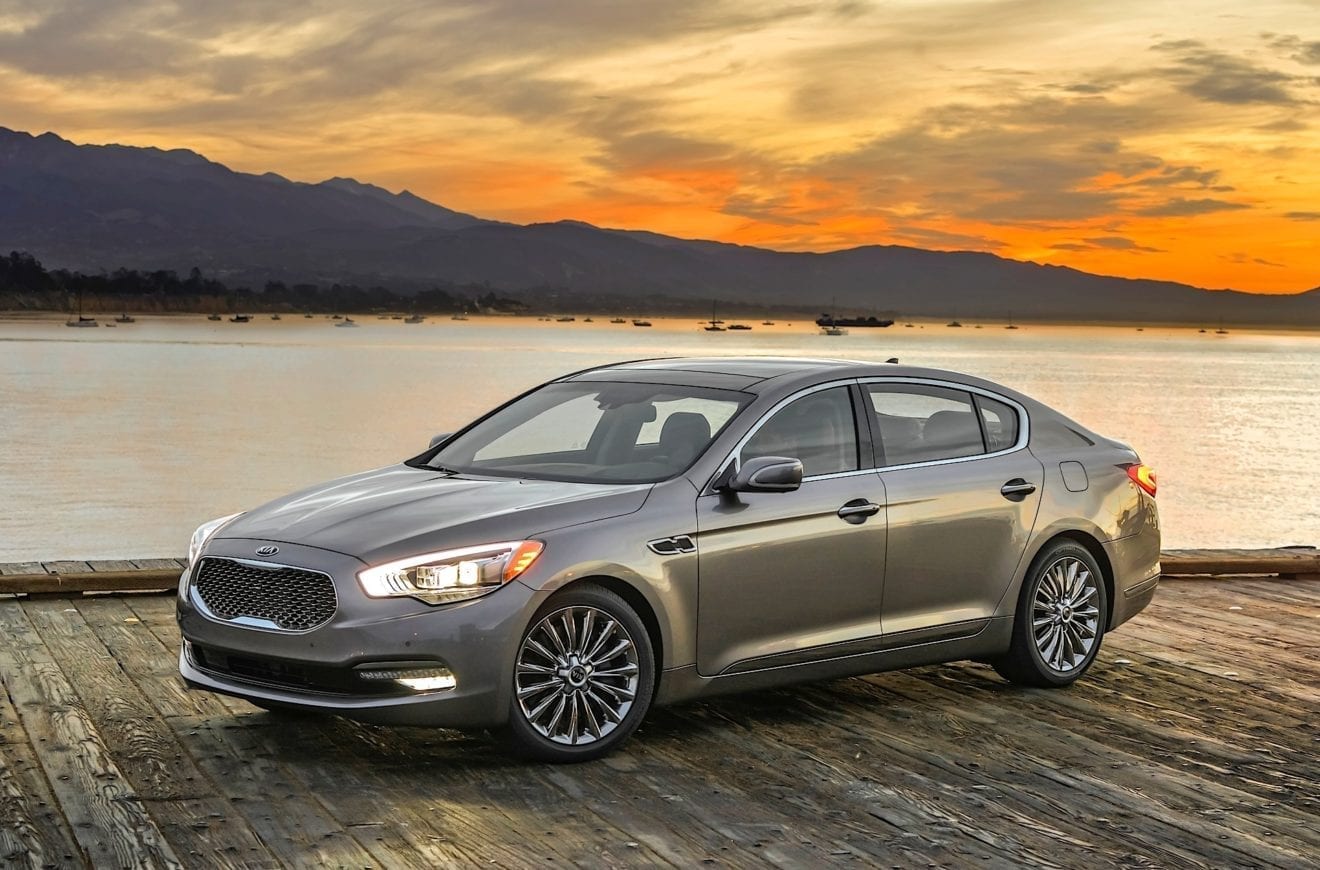
    Kia Motors on Tuesday started to receive preorders for the overhauled version of its K9 large-size sedan, a model which is expected to play a decisive role as the company seeks to change its image and diversify its brand.

    The automaker sees the success of the K9 as representative of the entire K series. If the K9 sells well, the company will be free to shift its resources from revitalizing the struggling K lineup to introducing an electric car lineup, a segment which the automaker has not yet had the chance to fully enter.

    “Kia Motors needs to build up its brand since it is still more known for its recreational vehicle lineup,” said Kwon Hyug-ho, executive vice president at the auto company at a media event for the K9 on Tuesday.

    “After successfully launching the overhauled K9, Kia Motors may make a separate brand for the electric vehicle lineup. The K series survives only when the K9 survives,” he added.

    Kia Motors, the second-largest carmaker in Korea by sales figures, is not particularly well known for its eco-friendly vehicles, while its affiliate Hyundai Motor has been arduously developing a range of emission-free vehicles including the hydrogen-fueled Nexo.

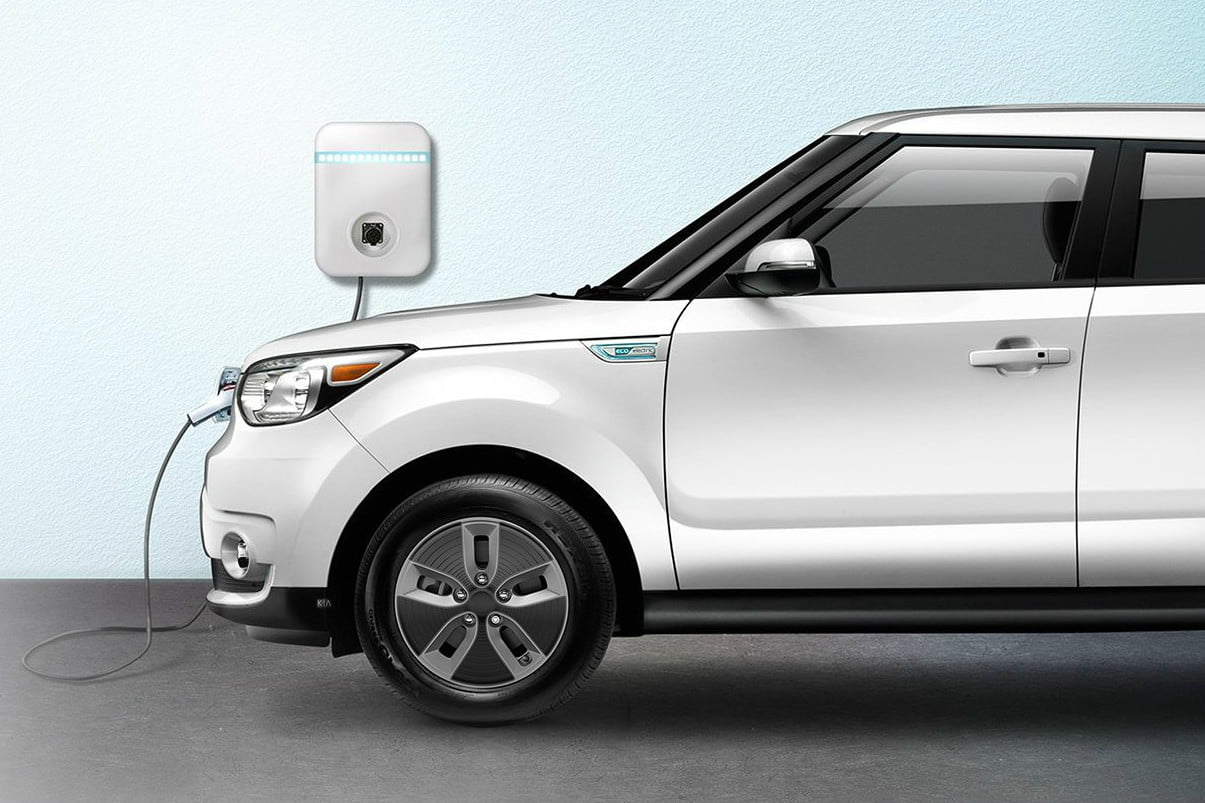
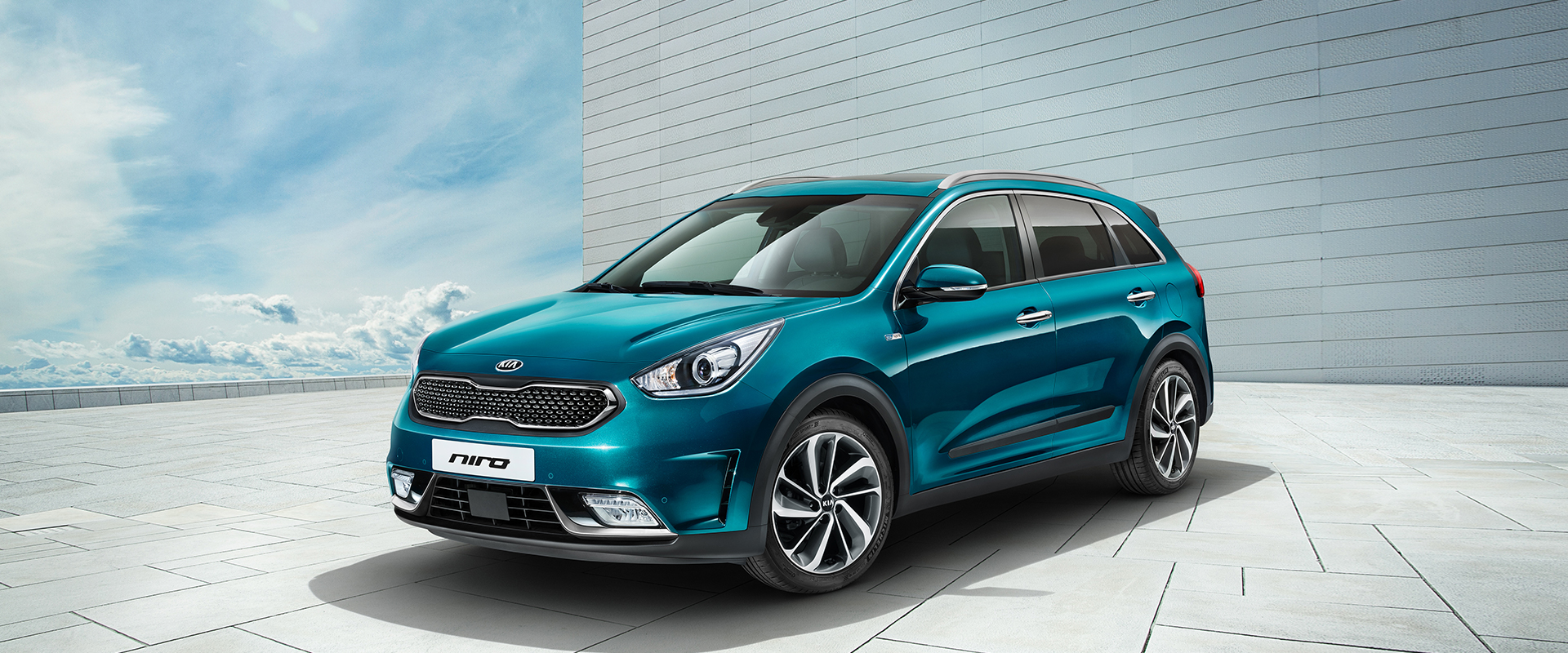
    Kia Motors has only one fully electric car model under its roof, the Soul, and a couple more models with hybrid engines such as the Niro SUV and the K5 and K7 sedans.

    “The premium E emblem at Kia Motors is currently exclusive to the Stinger,” Kwon said. “We may incorporate the future electric car range under the E brand,” he added.

    Kia Motors is known to have considered launching the Stinger as an independent premium brand last year just like Hyundai Motor did with Genesis. Concluding that the global market still lacks understanding of the Kia brand, the automaker resorted to launching it topped with the distinctive E emblem.

    The new K9 is the first fully overhauled version since it was introduced to the Korean market in 2012.

    Standing at the top of the auto company’s K series – the name of its sedan lineup – the latest K9 came with a range of new design elements and top-notch safety technology.

    Changes in the front and rear lamp design stand out among the upgrades, with dual LED lights featured within the lamps. Kia Motors calls the new design “Duplex lamps.”

    The new K9 also came with a revamped grille design that offers a more energetic and dynamic ambience, according to the carmaker.

    In terms of safety features, Kia Motors officials said the new K9 is equipped with some of the most cutting-edge technology.

    One notable new feature in the K9 is the windows, which automatically close when the car goes through a tunnel. The K9 is the first vehicle produced by Hyundai Motor Group to include the feature.

    The technology has been designed to operate on Korean roads and is linked with domestic map data. It is also equipped with other functions such as lane following assist, blind-spot view monitor and rear cross-traffic collision-avoidance assistance systems.

    The automaker plans to sell some 20,000 units of the K9 per year in Korea, rivaling not only domestic models such as the Genesis G80 and EQ900 and SsangYong Motor’s Chairman, but also imported cars such as the Mercedes-Benz’s E-Class.

    Kia Motors plans to sell 6,000 units overseas this year, though the exact timeline for exports has not been determined.

    The price for the lowest trim equipped with a 3.8-liter petrol engine starts at 54.9 million won ($51,600). There are two other engine options: the 3.3-liter turbo petrol and 5.0-liter petrol.

  • Hyundai Opening An EV Factory In Georgia

    Hyundai Opening An EV Factory In Georgia

    Hyundai has been outlined as one of the greatest threats to Tesla’s dominance in EVs. Its Ioniq 5 not only won the world car of the year award this year but it also forms the basis for cars like the Kia EV6 and the Genesis GV60. The Kia EV6 is even coming to India as Tesla is shelving its plans on entering the market. Now, doubling down on its focus on electric vehicles, Hyundai is committing to a new EV first factory in the US which the rumour mill points towards being in the state of Georgia.

    Already, the South Korean giant has started production of the GV70 by Genesis in its factory in Alabama. Genesis is its premium luxury brand. Overall, Hyundai has announced an investment of $7.4 billion with a focus on electrification. A new EV factory has been on the cards for a while.

    Hyundai was negotiating incentive packages with the various governments of states. Georgia was already mentioned to be one of these states as Hyundai and Kia both have manufacturing facilities in the state.

    “We are excited to announce a new EV plant plan in the United States soon, but we do not have details to share at this stage,” said a Hyundai spokesperson confirming the new facility.

    Hyundai is said to be in an advanced stage of discussions with officials in Georgia for the dedicated electric car factory. So far in the case of the Ioniq 5, it is only being produced in South Korea and Indonesia. It will also be manufacturing the Ioniq 5 in India. Localizing the car in the US will make it more competitive with Tesla.

    Already the car has received a great response in the US. It is sold out for up to a year in some regions of North America. There are plans for bringing more cars under the Ioniq brand and even the Kia EV6 is doing quite well.

  • Kia Workers Accept Wage Deal Without Strike For The First Time In A Decade

    Kia Workers Accept Wage Deal Without Strike For The First Time In A Decade

    Workers’ Union at Kia Motors has voted to accept the company’s wage proposals without a strike for the first time in 10 years. According to a report from IANS, the carmaker said that 68 percent of 26,945 workers have voted in favor of the wage, which includes an increase of 75,000 won ($64.30) in monthly basic pay, two months of wages in performance-based pay, and cash bonuses worth 5.8 million won. The report also mentioned that over 1,600 out of the 28,604-member union abstained.

    The company has rejected the Union’s demand to extend the retirement age from current 60 to 65, however, the company reinstated fired workers.

    The automaker and the workers’ Union reached a tentative wage deal early this week without staging a strike amid the ongoing COVID-19 pandemic. This is the first time that Kia will sign a wage deal without industrial actions. They will sign the wage agreement on Monday.

    Last month, Hyundai Motor Company and its union signed this year’s wage deal without strikes for the third consecutive year.

  • Kia Teases Its First Dedicated Electric Vehicle The EV6

    Kia Teases Its First Dedicated Electric Vehicle The EV6

    Kia has revealed the first official images of the EV6 – its first dedicated battery electric vehicle. Now, we have to tell you here that it’s not the company’s first EV, because if you remember, it already has the e-Niro and the Soul EV in its all-electric portfolio. The EV6, however, is built on a platform that has been developed specifically for electric vehicles. The new platform Electric-Global Modular Platform, or E-GMP, will see Kia build next-generation electric cars under a new design philosophy that embodies Kia’s shifting focus towards electrification.

    The teaser images give us an idea of what to expect in terms of design. It is sleek and the coupe-like roofline integrates well into the rear spoiler. The silhouette also points out at a slight ducktail too. The front end is sleek and modern and it looks like the EV6 has a short overhang. The headlights are slim and the LED pattern gives it a unique look.

    Karim Habib, Senior Vice President and Head of Kia Global Design Centre said, “EV6 is the embodiment of both our brand purpose, ‘Movement that inspires’, and our new design philosophy. It has been designed to inspire every journey by offering an instinctive and natural experience that improves the daily lives of our customers, and provide user ownership that is simple, intuitive, and integrated.”

    As part of the company’s brand transition, Kia’s new dedicated battery electric vehicles will be named according to a new naming strategy. All of Kia’s new dedicated BEVs will start with the prefix ‘EV’ which makes it easy for consumers to understand which of Kia’s products are fully electric. This is followed by a number that corresponds to the car’s position in the line-up.

  • Kia Motors India Issues A Recall For Seltos Diesel Over Faulty Fuel Pump

    Kia Motors India Issues A Recall For Seltos Diesel Over Faulty Fuel Pump

    Kia Motors India has issued a recall for the diesel models of the Seltos compact SUV to fix potential damage to the fuel pump. While the company is doing this a service campaign, it has notified its dealer partners to inspect the fuel pump of the diesel Seltos that come for servicing and if its damaged, the part needs to be replaced. When reached out to Kia Motors India, the company said, “The recent communication, involves inspection of fuel pump and in-case of any observation dealer is required to carry out repair/replacement as the case may be.” It’s certainly encouraging to see manufacturers take such proactive initiatives.

    Furthermore, according to a leaked service bulletin that’s circulating the internet, the affected Kia Seltos units were manufactured between October 1, 2019, and March 31, 2020. The damaged fuel pump could cause problems like excessive vibrations, poor pick-up, or in some cases, the vehicle might face a starting problem. So, Seltos owners facing similar issue should reach out to their nearest service centre and get the vehicle examined. As of now, the company is not sending out any communication to vehicle owners, but the faulty part will be replaced by the service centres free of cost.

    According to a leaked service bulletin, the damaged fuel pump could cause problems like excessive vibrations, poor pick-up, or starting problem.

    The Kia Seltos diesel is powered by a 1.5-litre four-cylinder diesel engine that is tuned to produce 113 bhp and 250 Nm of peak torque. The motor comes mated to a 6-speed manual gearbox and an option 6-speed automatic torque converter unit. It worth mentioning that the same engine is used in the Hyundai Verna, and the Kia Sonet, however, considering both these models were launch after March 2020, they are not likely to be affected by this problem.

  • Kia Sonet Subcompact SUV Pre-Bookings Begin In India

    Kia Sonet Subcompact SUV Pre-Bookings Begin In India

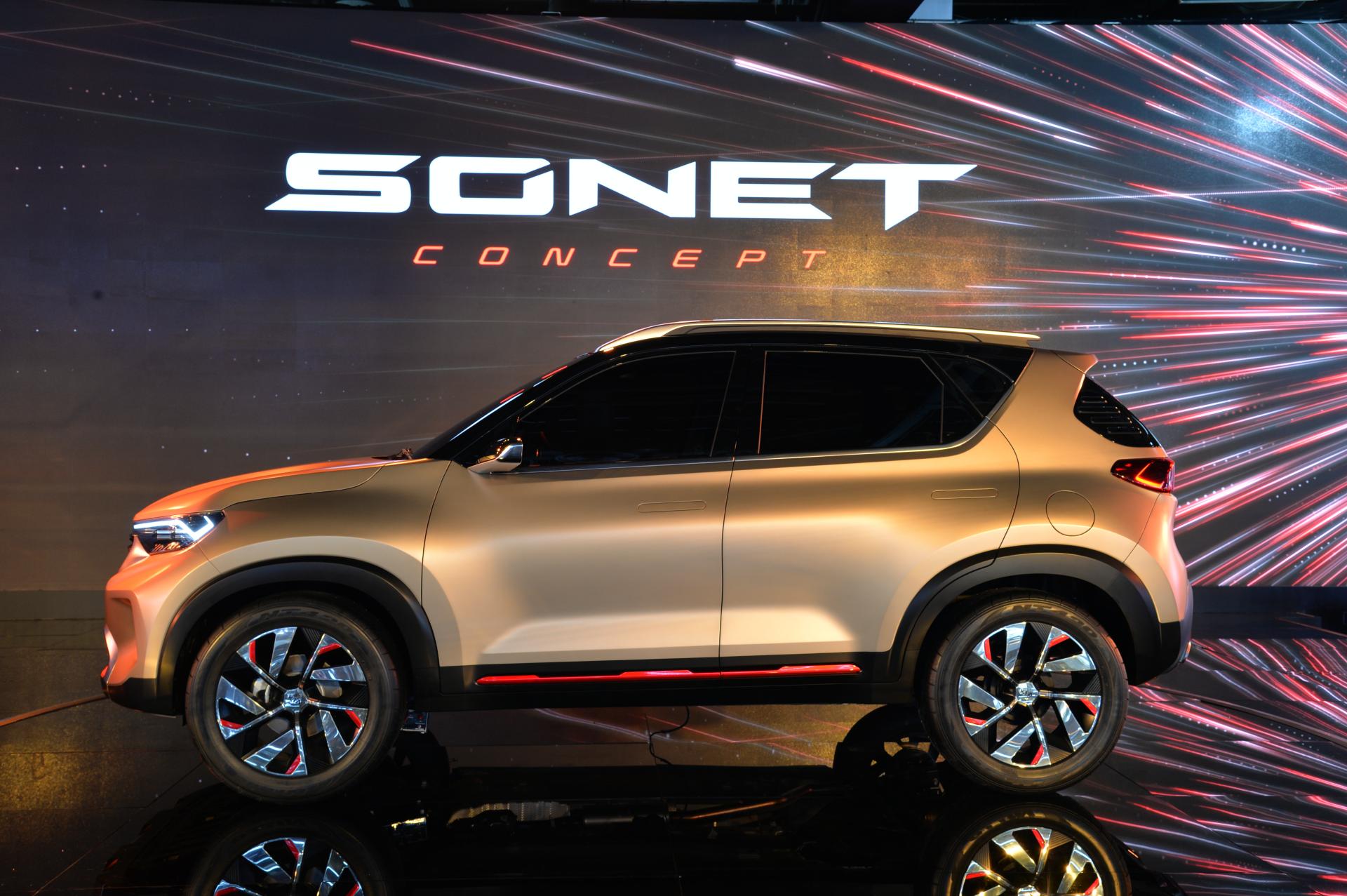
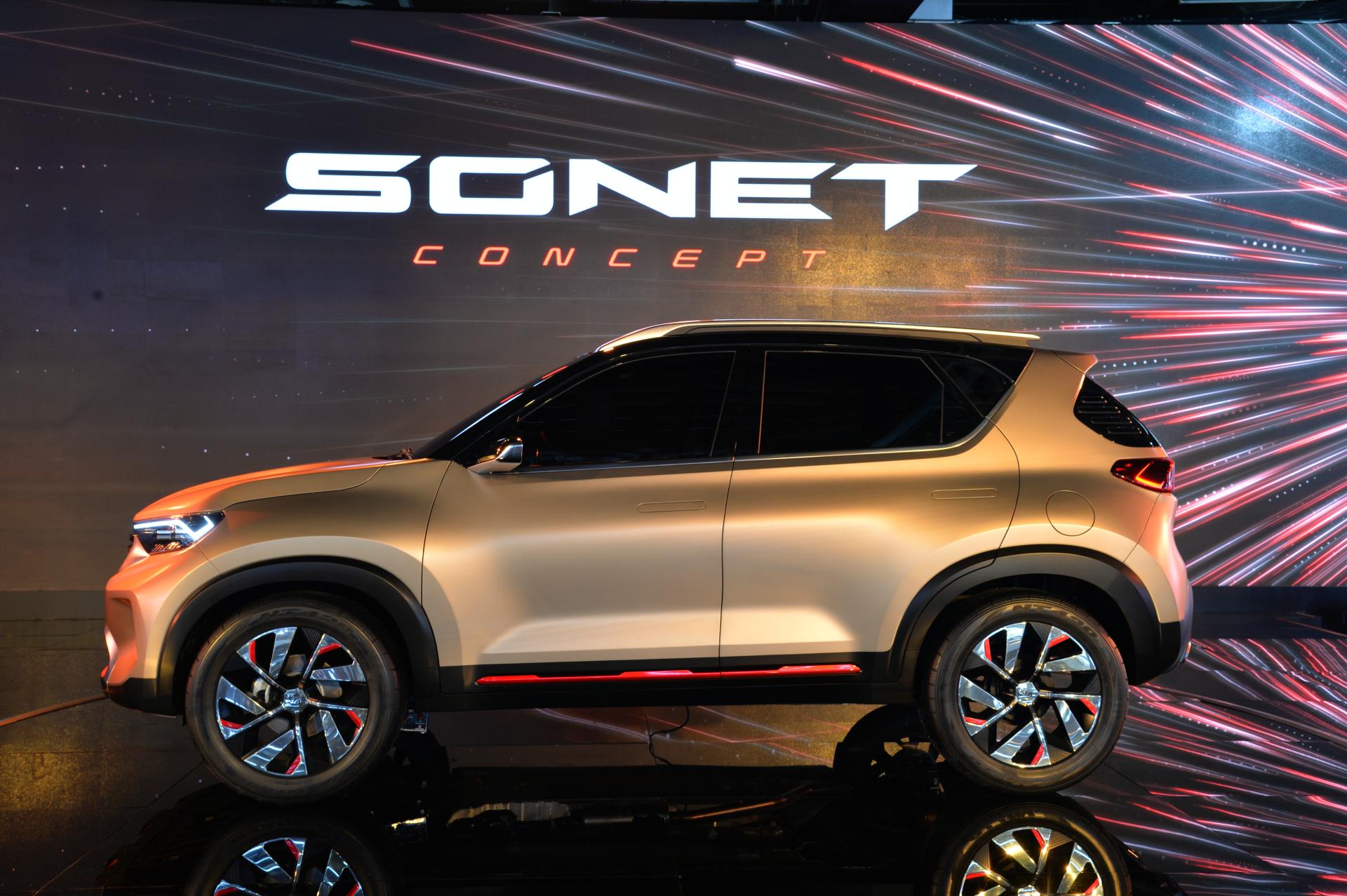
    Pre-bookings for the Kia Sonet subcompact SUV will begin August 20, 2020 onwards. Interested customers can pay ₹ 25,000 and pre-book the Sonet at any Kia Motors dealership or even online on the company’s website. The Kia Sonet made its global debut on August 7, 2020 and is slated to be launched in September 2020. The Sonet will be the first sub-four-meter vehicle from Kia and will take on established rivals such as the Hyundai Venue, Maruti Suzuki Vitara Brezza, Tata Nexon, Ford EcoSport, Mahindra XUV300 and the upcoming Nissan Magnite.

    Like the Seltos, the Sonet will also come in two trim options – GT Line and Tech Line. Kia promises that the Sonet will offer a bunch of class-leading features such as ventilated seats, Bose Surround audio system, a 10.25-inch HD touchscreen with smartphone connectivity, integrated air purifier with virus protection, ambient lighting and wireless charging for mobile phone with cooling function. Like the Seltos and the Carnival, the Kia Sonet will have the company’s UVO connect technology with over 57 connectivity features which include voice assist and over-the-air updates for maps.

    Kookhyun Shim, Managing Director & Chief Executive Officer, Kia Motors India said, “The Sonet is Kia’s answer to customers in the compact SUV segment who want style and substance, quality and features, performance and technology, comfort and safety in one compelling package. The Sonet has been engineered and built with Indian inputs and is a global model for Kia from India. India is the first country in the world where the Sonet goes on sale, and with the commencement of pre-bookings, we are confident our smart urban compact SUV will be warmly received in the country.”

    The Kia Sonet is likely to get four engine options which are – 1.2-litre petrol, 1.0-litre turbo petrol and a 1.5-liter diesel engine in two states of tune. Expect the Sonet to get a 7-speed dual-clutch automatic, 6-speed manual, 6-speed automatic and an iMT or intelligent manual transmission option as well. All three engine options are the same as on the Hyundai Venue, a sibling of the Kia Sonet. We expect the Kia Sonet prices to between ₹ 7 lakh and ₹ 12 lakh (ex-showroom).

    Kia says that in phase-I, the Sonet will be manufactured exclusively in India and then exported to over 70 countries around the globe, a beautiful example of make-in-India, for the world.

  • Upcoming Kia Sonet Spotted In A New Unlisted Orange Shade

    Upcoming Kia Sonet Spotted In A New Unlisted Orange Shade

    New spy photos of the Kia Sonet have surfaced online, and while we know that the SUV has already been unveiled, these new ones warrant attention. The Kia Sonet in these photos comes in a special orange exterior color, which is not listed on the company’s website among its official colors. It’s possible this could be a one-off, or a special color will be introduced at the time of the launch or sometime in the near future. As of now, Kia dealers have opened unofficial pre-bookings for the new subcompact SUV, while the official bookings will commence later this month. The launch, of course, is slated for September 2020.

    The new Kia Sonet will be offered in both GT-Line and Tech-Line trims, and the former will come with sportier styling with different bumpers, black exterior details, and red accents. The SUV also comes with Kia’s signature Tiger Nose grille with LED headlights, LED daytime running lamps, sporty 16-inch alloy wheels, LED taillamps, roof trails, and more. The cabin too will come with a premium design, offered in either a dual-tone beige/black treating (Tech-Line) or all-black interior with red accents (GT-Line). The GT-Line trim will also come with a flat-bottom steering wheel.

    On the features front, the upcoming Kia Sonet will come with a segment-first 10.25 inch HD infotainment display with Kia’s UVO connected car tech, premium Bose 7 Speaker sound system with mood lights, segment-first ventilated front seats, air purifier which claims to come with virus protection, wireless phone charger, and an electric sunroof among others. Kia says the Sonet will feature an extensive list of active and passive safety equipment, including up to six airbags – including front, side, and curtain airbags.

    Powertrain wise, the new Kia Sonet will share its engines with the Hyundai Venue, so it will come with a 1.2-liter naturally aspirated petrol engine, a 1.5-liter diesel motor, and a 1.0-liter turbocharged petrol engine. Transmission options will include a 5-speed manual, a 6-speed manual gearbox, a DCT automatic, 6-speed Intelligent Manual Transmission (iMT) unit, and an automatic torque converter unit for the diesel model.

  • Kia Motors Resumes Production At Anantapur Facility

    Kia Motors Resumes Production At Anantapur Facility

    Kia Motors India has announced the resumption of production at its Anantapur manufacturing facility in Andhra Pradesh. The company is operating in a single shift at present and will resume full operations once the Coronavirus pandemic subsides. The Anantapur plant resumed operations on May 8, 2020 and has been catering to both domestic and export demand with the production of the Seltos and Carnival models. The automaker had temporarily suspended production on March 23, 2020, following the government’s decision to impose the nationwide lockdown. The company has received the necessary permissions from the Anantapur local municipal corporation.

    Commenting on restarting production, Kookhyun Shim, MD & CEO, Kia Motors India said, “These are unprecedented conditions and we are committed to adapting to the new norms of the world while we work towards normalcy. Our initial focus is to keep our employees motivated, retain a positive outlook, and deliver on our promises to our customers. Kia Motors India priorities are to clear pending orders for the best-selling Seltos and luxurious Carnival, and also to prepare the line for the eagerly anticipated compact SUV, Sonet. Our stakeholders, including suppliers and logistics partners, are all in-line with the current production and have assured us support in case we have to increase production volumes over the coming days.”

    Kia India is maintaining high health and hygiene standards. The company is conducting sanitization drives by spraying disinfectants on common computers, biometric systems, and in common areas. Social distancing is being followed in the canteen, team meeting areas, walkways, washrooms, meeting rooms, and more. The automaker is distributing masks and has made it mandatory to wear the same, while regular temperature checks and medical check-ups are being done before entering the facility. Kia is also following social distancing in company-run buses, while interstate and inter-district employees are not being called at the plant.

    Keeping up with the times during the lockdown, Kia India has commenced the online sale of its cars, while dealerships are following a detailed guideline with regards to the hygiene and distancing protocols. The South Korean auto giant has also announced several support initiatives for its dealer partners including improved cash flow and distribution of 50,000 masks. The automaker more recently also started the delivery of its vehicles at select locations.

  • Kia Motors Europe Post Record Electrified Vehicles Sales In Q1

    Kia Motors Europe Post Record Electrified Vehicles Sales In Q1

    Electric and electrified vehicles are gradually picking up the pace in the global car market and carmakers that already have already ventured into that space have been gaining traction as well. Kia Motors has posted record sales of new hybrid and electric vehicles in the European market in the first quarter of 2020, despite a decline in total vehicle sales owing to the coronavirus crisis. Kia also captured its highest-ever share in the European market in the same period.

    Kia’s total sales in Europe declined by 14.5 percent at 1,13,026 units in the first quarter of 2020 compared to 1,32,174 units sold in the same period last year. However, the decline was lesser compared to last year helping Kia to achieve an all-time high market share of 3.7 percent. Sales of hybrid, plug-in hybrid, and electric vehicles grew by 20.8 percent to 21,340 units in the same period. Electrified models now account 18.9 percent sales in the European market, up from 13.4 percent.

    Emilio Herrera, Chief Operating Officer (COO)- Kia Motors Europe said, “The first three months of 2020 have been challenging for the whole industry due to social distancing and lockdown measures adopted across many European markets. However, we have seen growing sales for Kia’s range of hybrid and electric cars – every electrified model line we sell in Europe has seen sales growth this quarter. The arrival of new plug-in hybrid models, improved availability of EVs, and an expanded Ceed model family has also boosted our sales and market share this quarter.”

    In the first three months of 2020, Kia’s battery electric vehicles, the e-Niro and e-Soul, accounted for 32 percent of all electrified vehicle sales, up from 22 percent in 2019. Plug-in hybrid models, including new Plug-in Hybrid variants of the XCeed and Ceed Sportswagon, also grew in popularity, and now account for 30 percent of all electrified Kia sales.

  • Kia Compact Vehicles Contractor Suspends Production

    Kia Compact Vehicles Contractor Suspends Production

    A South Korean contract manufacturer for Kia Motors’ compact vehicles has suspended production, a company official said on Monday, citing a drop in overseas demand as the coronavirus outbreak has spread across Europe.

    Donghee Auto, which produces Kia’s Picanto and Ray models, has suspended production at its plant in Seosan, South Korea, until April 13, the official said.

    Of the 195,516 Picanto vehicles produced in South Korea last year 73% were exported, mostly to Europe, Korea Automobile Manufacturers Association data shows.

    Hyundai Wia, which produces engines for the Picanto and Ray, also said in a regulatory filing on Monday that it will suspend operations at its plant in Pyeongtaek, South Korea, from April 6 to April 9.

    Kia did not reply immediately to a request for comment.

  • Kia Motors Receives Over 32,000 Bookings For Seltos Compact SUV

    Kia Motors Receives Over 32,000 Bookings For Seltos Compact SUV

    The Kia Seltos compact SUV has been launched in India, with prices starting at ₹ 9.69 lakh and going up to ₹ 15.99 lakh (ex-showroom, Delhi). Kia has received over 32,000 bookings in India since it started taking bookings for the Seltos July 16, 2019 onwards. In fact, the company received more than 6,000 bookings on the first day itself. By the first week of August 2019, the number of bookings went up to 23,000 units. Kia says that over one-fifth of the bookings have been done online, from Kia’s website. The company has already manufactured over 5,000 units of the Seltos from its Anantpur facility in Andhra Pradesh! Kia’s production plan for the Seltos is set and the company will start the deliveries of the Seltos from today itself. Manohar Bhat, Head, Sales & Marketing, Kia Motors India, said that the company will not stop taking bookings for the Seltos. The Anantpur plant currently has production capacity of 300,000 units annually.

    There will be a total of 16 variants on offer with three engine options and two trims. The three engine options which are the 1.4-litre GDI turbo petrol, the naturally-aspirated 1.5-litre petrol, and 1.5-litre diesel engine will be conforming to Bharat Stage 6 (BS6) emission norms right from the beginning. All three motors will be BS-6 (Bharat Stage VI) complaint from the time of the launch. The 1.4-litre GDI turbo petrol motor is tuned to produce 138 bhp and 242 Nm of peak torque, and comes paired with a 6-speed manual and a 7-speed automatic transmission. The 1.5-litre NA petrol belts out 113 bhp and 144 Nm of peak torque, and is paired with a 6-speed manual and an IVT (Intelligent continuously variable transmission) automatic transmission. Lastly, the 1.5-litre VGT diesel produces 113 bhp and 250 Nm of torque, and is paired with a 6-speed manual and a 6-speed torque converter automatic transmission.

    The Seltos will also be equipped with the UVO (Your Voice) connected car tech that can be controlled via a 10.25-inch touchscreen infotainment system. The SUV also gets an 8-speaker sound system by Bose, segment-first a 360-degree surround camera, an 8 inch heads up display, and a 7-inch colour TFT unit for the instrument console. Other features include – LED headlamps and fog lamps, rear reclining seats, ventilated seats, eight-way power-adjustable driver seat, wireless charging, electric sunroof, rain-sensing wipers and more.

  • Kia To Start Second Shift At Anantapur Plant To Reduce Waiting Period

    Kia To Start Second Shift At Anantapur Plant To Reduce Waiting Period

    Kia Motor India has finally introduced the Seltos compact SUV in India and the all-new offering has been launched at a disruptive pricing of ₹ 9.69 lakh (ex-showroom). The company has already garnered over 32,000 bookings for the Kia Seltos in five weeks and the pricing, which undercuts all its rivals, is only going to fill the order books faster. The automaker has confirmed that the current waiting period stands at about six to eight weeks for the Seltos, and Kia plans to add a second shift at the Anantapur plant to meet the growing demand.

    Manohar Bhat, VP – Marketing and Sales, Kia Motor India confirmed the details on the growing demand for the Seltos SUV. The carmaker has about 5,000 models ready that have been dispatched to dealers, while the new shift is expected to churn out consistent volumes to meet the overwhelming number of bookings. Bhat also confirmed that it won’t stop bookings for the Seltos, taking a slight dig at MG, which has stopped accepting bookings for the Hector owing to the current demand.

    The Kia facility in Andhra Pradesh is spread over 536 acres and has an installed capacity of three lakh units per annum across three shifts. The Seltos is currently the only car to be produced at the facility and will largely cater to the domestic demand, while exports are also being planned from here to markets like South America, Africa and neighbouring countries.

    The Kia Seltos is a made-in-India, made-for-India model and has witnesses heavy localisation, which has prompted the competitive pricing on the SUV. The model is offered in a total of 16 variants across two petrol and one diesel engine options. There are two key trims – Tech Line and GT Line with four sub variants in each. Clearly, the manufacturer has put in a lot of thought of packaging different variants to meet the different customer requirements.

    Kia is currently operating out of 192 outlets spread across 160 cities in India. At least one out of five bookings for the Seltos was received online, and the manufacturer is anticipating consistent demand via the online booking platform, despite it being a novel form of booking vehicles in India. Kia’s online booking platform also helps prospective customers with financing options. Deliveries for the Kia Seltos start from today.

  • Kia Seltos Starts Arriving At Dealerships Across India

    Kia Seltos Starts Arriving At Dealerships Across India

    Kia Motor India is all set to introduce its first product – Seltos – later this month and the compact SUV has started arriving at dealerships across the country. The Kia Seltos was unveiled to the public at the company’s Hyderabad dealership recently, along with Bangalore, Ahmedabad and Siliguri among other major metros. Kia is commencing operations with 256 touchpoints across 160 cities pan India in a bid to reach out to customers more effectively right from the start. The Kia Seltos is scheduled for launch on August 22, 2019, while bookings are already open for a token amount of ₹ 25,000.

    Speaking at the inauguration of the dealership in Hyderabad, Manohar Bhat, Vice President and Head of Sales & Marketing said, “Kia Motors oozes contemporary and stylish design language to make sure that the customer feels this luxury with ease. We have a great product and now to show our care for the customers, we are prepared to provide world-class vehicle maintenance and repair services with the availability of spare parts across the country. Entering India as a global premium brand, we understand the expectations of the customers, so we are prepared to ensure optimum service quality and customer satisfaction.”

    Located in Hitec City and Nagole, Automotive Kia is a 5000 sq.ft. facility that will include sales, service and spares under one roof. The Hyderabad dealership is one of the company’s 192 dealerships that are currently operational. The manufacturer’s 256 touchpoints will be operated by Kia dealer partners and promise a state-of-the-art experience through Internet of Things (IOT) technology. The company will also connect with customers via the Kia Link App that will notify owners about upcoming service reminder, and also set an appointment with their preferred dealer via the Dealer Management System (DMS) on the app. Kia has also partnered with eight leading banks for financing solutions.

    We’ve already had a close look at the Kia Seltos at the global show earlier this year and only the fine details of the SUV are yet to be revealed including the pricing. The Seltos looks promising with a butch yet urban design language and a host of features including connected car tech, wireless charging, mood lighting, electric sunroof, rear share curtain, 360-degree camera, and a whole lot more.

    Power will come from the new Smartstream family of engines that includes the 1.4-liter turbocharged petrol and 1.5-liter petrol and diesel engines that will be BS6 ready right from the start. The compact SUV will be available with four transmission options including a 6-speed manual, Intelligent continuously variable transmission (IVT), 7-step DCT, and a 6-speed automatic.

    The Kia Seltos registered an impressive 6046 bookings on the first day itself and the manufacturer has a capacity of three lakh units per annum at its newly developed manufacturing facility in Anantapur, Andhra Pradesh. The Seltos will be the first offering from Kia in India, which will be followed by a new car in every six to nine months, lining up at least five vehicles by 2021.