Tag: launching

  • Gaming gadget New Razer Phone 2 is launched

    Gaming gadget New Razer Phone 2 is launched

    Razer, a Singaporean gaming gadget company, unveiled the Razer Phone 2 – a smartphone specifically designed for gaming – on Friday in Seoul. Korea is the fourth-largest gaming market in the world with more than 28 million game users, according to the company.

    The Razer Phone 2 is equipped with a 5.7-inch display and offers a 120 Hz refresh rate, allowing users to enjoy mobile game with less delays and disconnections. The upgraded refresh rate helps the touch screen to react more precisely to user demands, according to the company.

    The screen is 50 percent larger than its previous version – the Razer Phone 1 – which launched last year.

    The Razer Phone 2 comes with a 400mAH battery which allows the phone to play games for 10 hours.

    Playing mobile games is not the only entertainment available on the Razer Phone 2. It is also optimized for watching videos.

    The company said the new phone includes Dolby Atmos technology in its dual speakers that are equipped on bezels both on the top and bottom of the devcie, providing a richer sound.

    In terms of camera, the Razer Phone 2 is equipped with a dual camera on the back – a wide-angle lens and telephoto lens – that offer 12 megapixels each. The front of the phone has an 8 megapixel camera.

    To optimize the display, Razer teamed up with popular games including PlayerUnknown’s Battlegrounds, Rival: Crimson x Chaos and Marvel’s Future Fight, among others.

    The Razer Phone 2 will go on sale on Dec. 4 in Korea in partnership with local distributors All Life Technology and CJ Hello.

    The phone sells for 990,000 won ($882.87). With subsidies from CJ Hello’s payment plan, the price can go down to as low as 599,000 won.

    “Razer was able to pull off a huge success last year with Razer Phone 1 by paving a new sector in the smartphone industry,” said Min-Liang Tan, CEO of Razer in a written statement Friday. “The new Razer Phone 2 will help us set a new standard in the gaming industry.”

  • Hyundai’s Palisade premiers at LA Auto Show

    Hyundai’s Palisade premiers at LA Auto Show

    The Palisade, Hyundai Motor’s latest effort to rework its lineup in the direction of globally-popular SUVs, was premiered at the 2019 LA Auto Show on Wednesday. Chung Eui-sun, Hyundai Motor’s executive vice chairman, was in attendance. The eight-seat vehicle is the biggest model in Hyundai Motor’s SUV lineup, which includes the small Kona, the midsize Tucson and the Santa Fe.

    The vehicle “looks good,” Chung said after the introduction at the LA Convention Center.

    When asked if the Palisade will boost sales in the U.S. market, Chung replied “it remains to be seen” and estimated the carmaker’s sales target next year to be “similar to this year’s or a little more than that.”

    Hyundai Motor, with its sedan-oriented lineup, is seen as being behind the curve with its a-bit-too-late SUV launches. In attending the event in LA, Chung missed the launch of the Genesis G90 in Korea, suggesting that the priority lies with the Palisade.

    With a spacious interior and convenient features throughout the three rows in the back, the Palisade has been developed to suit families.

    “From the driver’s seat to the third row in the back, [the Palisade] suits contemporary customers who have a desire for individual space while also providing comfortable space just like home,” Brian Smith, chief operating officer of Hyundai Motor America, said at the press event Wednesday.

    The car is equipped with a roof air ventilation system, which circulates the air inside the car from the first row to the third row to enhance the air quality. It enables passengers in each row to control the air conditioning on their own. There are USB ports for charging electronic devices in each row as well.

    Two engine types are available: the 2.2-liter diesel and 3.8-liter gasoline. Hyundai Motor started taking preorders in Korea on Thursday and will launch the vehicle officially in December. It will launch in the United States next year.

    The diesel version price starts at 36.2 million won ($32,300) and the gasoline model 34.7 million won.

    Kia Motors, an affiliate of Hyundai Motor, premiered the fully-revamped version of its Soul at the LA Auto Show. It unveiled the electric version of the car as well as the Niro EV.

    The new Soul and the Soul EV will launch in Korea and in global markets in the first quarter of next year.

    Some hefty SUV models from global carmakers were on display at the LA Auto Show. BMW premiered the X7 SUV and Mercedes-Benz unveiled the Maybach GLS, the first SUV model under the premium Maybach label.

    Lincoln, a premium Ford brand, unveiled the seven-seater, three-row Aviator SUV, and Jeep showcased the Gladiator, a midsize pick-up truck.

  • Samsung Galaxy A9 to debut in Indian market

    Samsung Galaxy A9 to debut in Indian market

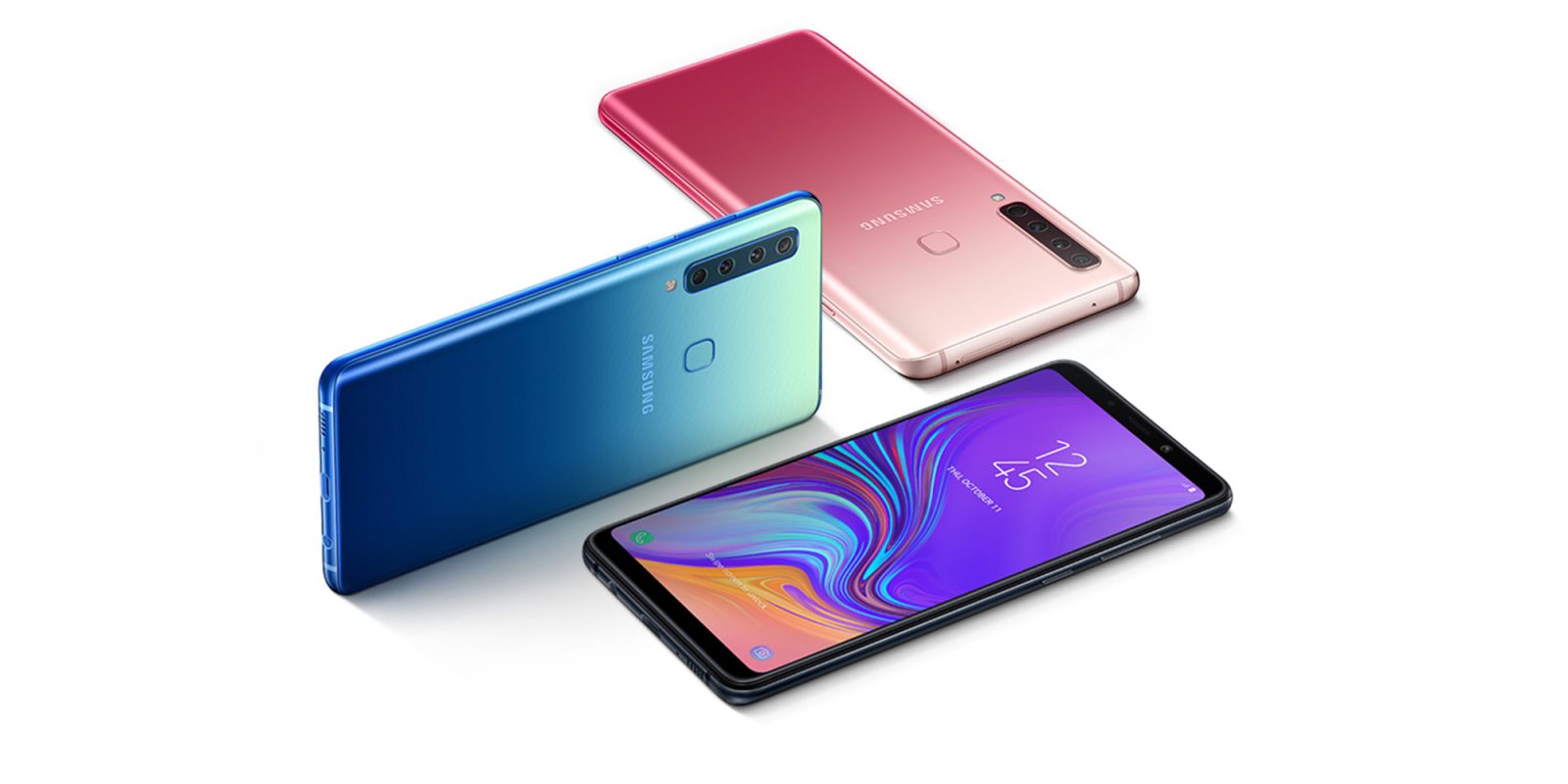
    Samsung Electronics has chosen India as the first country in which to release its Galaxy A9 mid-range smartphone. The company is set to begin sales of the model on Nov. 28.  The A9, introduced on Oct. 11 in Kuala Lumpur, in the presence of some 1,000 journalists and businessmen, is the first Samsung smartphone with four cameras on the back.

    “We are beefing up the smartphone lineup and marketing activities in India,” a Samsung spokesman said. “We plan to churn out smartphones best optimized for the Indian market at the newly established factory in India and supply directly to the local market.”

    In July, Samsung completed the expansion of its smartphone factory in Noida, south of the Indian capital of New Delhi. Work began on the 800-billion-won ($707,780) project in June 2017.

    Once the No. 1 smartphone vendor in India, Samsung has been overtaken by Chinese rookie Xiaomi, the world’s fourth-largest smartphone vendor. India is the world’s third-largest smartphone market.

    According to Counterpoint Research in October, Xiaomi accounted for 27 percent of the India smartphone market, up 5 points year on year, whereas Samsung captured 23 percent, the same share as a year earlier.

    India is a crucial market for Samsung, given that the company lost China to Chinese players. According to Strategy Analytics, Samsung’s market share in China slumped to a mere 0.8 percent in the second quarter, with Huawei taking 27 percent.

    Samsung launched eight models in its low-end Galaxy J series alongside premium models, such as Galaxy S9 and Note9, in India this year. The J series is the company’s the most popular lineup in India

    The A9 is a part of the trend of adding as many cameras as possible to smartphones. Its four cameras on the rear boast four different resolutions – 24, 10, eight and five megapixels. The first one is regular, the second has a telephoto lens and the third is for ultra-wide angle shots. The fourth, with the lowest resolution, serves as a depth camera that gives users the ability to manually adjust the depth of field of their images. That helps create so-called bokeh-effect photos, whereby the subject is in focus but the background is blurred.

    Xiaomi is betting aggressively on India. Its Indian unit promised to open 500 offline stores under the Mi brand and hire more than 15,000 staff by the end of 2019. Huawei followed suit, vowing to expand production facilities and open over 1,000 stores.

  • Hong Kong Post issuing shopping-street stamps

    Hong Kong Post issuing shopping-street stamps

    Hongkong Post is issuing a set of special stamps with Hong Kong’s shopping streets as their theme, together with associated philatelic products.

    The six stamps introduce shopping streets with a special local history and culture – in Mong Kok, shops in the Goldfish Market and others in the Flower Market; Chinese Medicine Street in Sheung Wan, which is more than a century old; Yau Ma Tei’s Jade Market; the wholesalers in Kitchenware Street; and the Yau Ma Tei Wholesale Fruit Market.

    The official first-day covers are available now at all post offices, while the stamps and associated products will be displayed at the General Post Office, Tsim Sha Tsui Post Office, Tsuen Wan Post Office, Sha Tin Central Post Office and Tuen Mun Central Post Office.

  • One more Japanese retail brand comes to Vietnam

    One more Japanese retail brand comes to Vietnam

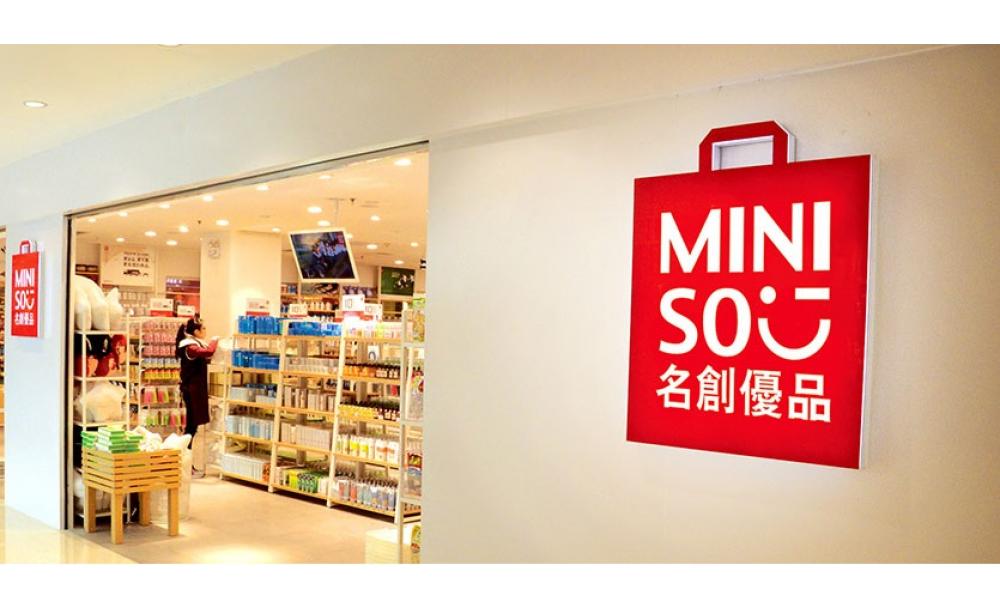
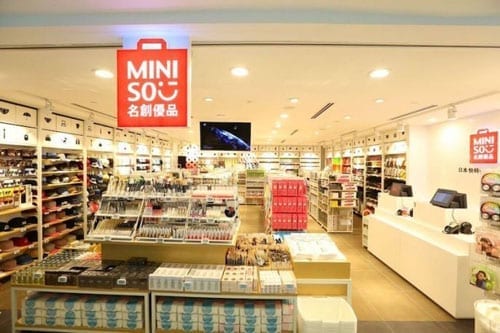
    Miniso, a Japanese lifestyle and fast fashion brand that sells merchandise such as homeware, bags and electronics at low prices, will be in Vietnam through a franchise deal inked with Vietnamese group Le Bao Minh.

    Le Thi Ngoc Hai – Chairwoman of Le Bao Minh Group – said the two sides signed the franchise deal in April 2016. “In August, we will open the first three stores in Hanoi and the number will double after a month. At the end of this year we will have 13 stores in Hanoi, Ho Chi Minh City, Da Nang, Vinh, Can Tho and Hai Phong,” she said.

    Le Bao Minh is the exclusive distributor of Canon brand in Vietnam.

    Explaining the group’s expansion into the retail sector, Hai said this plan has been implemented for three years.

    “We set up a team of experts to find opportunities for cooperation from world-renowned brands. When learning about Miniso, we find its appropriate to Vietnamese people. This Japanese brand has been very successful in Korea, Malaysia, China, the Philippines, and Thailand,” Hai said.

    Hai said with its own characteristics, Miniso will not directly compete with other retail brands in Vietnam. The targeted customers of Miniso are young people. This will be a new retail model in Vietnam.

    This group aims to open 200 shops in almost all provinces in Vietnam, creating stable jobs for about 5,000 workers in the next 5 years.

    miniso vietnam

    Miniso was founded in Japan in September 2013 by Miyake Jyunya and his Chinese partner and president of the company, Ye Guo Fu. They opened Miniso’s China office in Guangzhou the following month.

    Mr Jyunya leads a design team of about 30 in Japan, while the brand and business development team is based with Mr Ye in Guangzhou.

    The company’s first priority is to globalize the brand as they see greater business potential in other countries.

    To date, there are more than 1,110 stores in China, 25 in Hong Kong and four each in Macau and Japan. The Dubai store is currently under construction and the company will be expanding to countries such as Vietnam, Malaysia, South Korea, the United States and Italy.

    The company has increased its revenue five-fold in the past three years and reported a revenue of US$1 billion last year.

  • ShopBack Singapore enhances the “Shop-and-Save” lifestyle with mobile app launch

    ShopBack Singapore enhances the “Shop-and-Save” lifestyle with mobile app launch

    Before ShopBack Singapore hits its two-year mark, the local start-up revs up its presence with a mobile app launch today. From now onwards, shoppers are able to shop with greater convenience, at anytime, anywhere from computers and tablets to Apple iOS and Android apps.

    Expanding its move beyond desktop and mobile-optimised sites, ShopBack aims to make the “Shop-and-Save” lifestyle ubiquitous and accessible not only in Singapore, but in the rest of its markets. Currently, ShopBack is present in Singapore, Malaysia, the Philippines, Indonesia and India.

    “Today, we help consumers save on their shopping with up to 30% Cashback offering. When we give shoppers Cashback, we’re returning them some of the money that they’ve used for their purchases via ShopBack,” said Ms. Josephine K Chow, Country Head of ShopBack Singapore. “An average shopper can save about $500 a year with just an extra click on desktop.”

    ShopBack SG - Mobile App - Pic 2

    “With ShopBack app, shopping smart just gets simpler. Now you only need to download one app to shop and access offers at over 500 online stores like LAZADA, Groupon, ASOS and more,” said Ms. Chow.

    Key Features of ShopBack Singapore Apple iOS and Android apps

    • Cashback Shopping – Earn up to 30% Cashback at over 500 stores.
    • Upsized Cashback – View stores offering upsized Cashback to access better deals! Simply look out for the money bag icon on the top left corner of the store front.
    • Coupon Codes – Get access to unique coupon codes that can be easily copied and applied before checkout.
    • Popular Stores – Check out what other ShopBack Singapore users frequently shop at.
    • Staff Picks – Staff recommendations of the latest stores as well as latest deals served in a tab.
    • Highest Cashback – Find out the shops that offer the highest amount of Cashback to gain the most out of shopping trips.
    • My Total Cashback – Access ShopBack wallet to view the amount of savings earned. Consumer can also easily trace their Cashback using this function.
    • Notification Settings – Stay updated with trending deal, Cashback earned and payment alerts.

    To encourage user adoption of the “Shop-and-Save” lifestyle, ShopBack Singapore is offering a $5 cash bonus which can be unlocked with a minimum purchase of $25 for any necessities and niceties from 4 July 2016 (midnight onwards) to 5 July 2016 (before the clock strikes twelve).

    Topped with up to 80% in-store clearance offers as well as ShopBack’s up to 30% Cashback, users can achieve as high as 50% savings for their steals using a single app.

    Cathay Cineplexes, Guardian and Uber amidst the latest stores riding the “Shop-and-Save” wave

    With more than 250,000 ShopBack Singapore shoppers championing the “Shop-and-Save” lifestyle, the start-up begins to see more online retailers joining the league. ShopBack Singapore refreshes its store offerings with new partnerships of up to three stores per week, including the traditionally brick-and-mortar brands that are seeking effective ways to get a piece of the growing e-commerce pie.

    “Our retail partners pay us on a performance-driven commission model. If we don’t channel sales to them, they’re not required to pay us,” said Mr. Henry Chan, Co-Founder of ShopBack. “This attractive business proposition allows us to bring actual measurable value to our retail partners in the online space.”

    Apart from brands that are established in the brick-and-mortar realm, renowned online stores like Naiise and Honestbee are the latest additions to ShopBack Singapore – all signing up to provide the “Shop-and-Save” way of life to shoppers.

    Entirely developed in-house in Singapore, the mobile app has gone through several rigorous rounds of testing before its launch as a power-up to boost ShopBack’s status as The Smarter Way to Shop.

    With the app, ShopBack Singapore expects users to double their engagment with the brand and aims to achieve app downloads from at least 20% of ShopBack Singapore’s users within the first day of launch.

  • Samsung to launch cheapest smartphone Galaxy On7 in Korea

    Samsung to launch cheapest smartphone Galaxy On7 in Korea

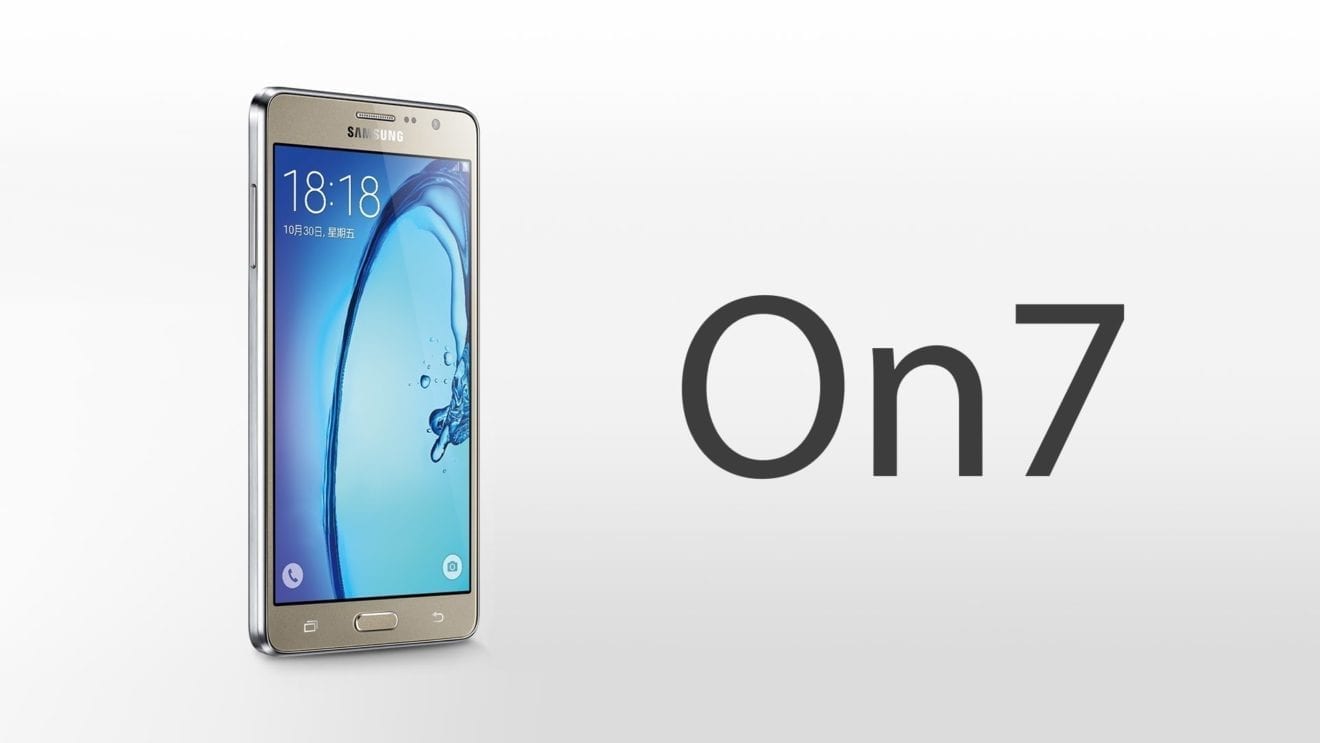
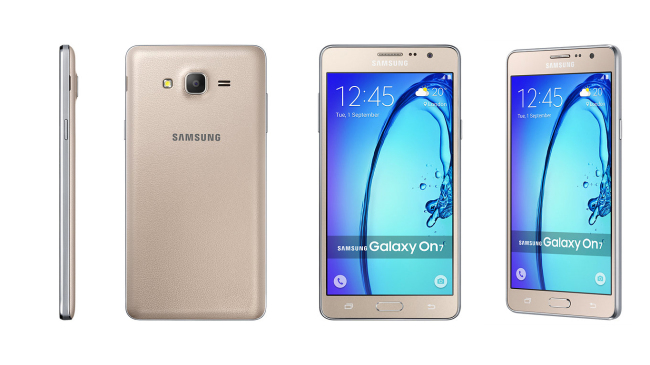
    Samsung Electronics is expected to launch another budget smartphone Galaxy On7 in Korea in the coming weeks via SK Telecom, sources said on June 15.

    The model is the Korean tech giant’s cheapest smartphone that is sold at 10,190 rupees ($153) exclusively in India currently.

    Launched in November, the phone features a 5.5-inch HD Display, a 13 million pixel rear camera, a 5 million pixel front camera and a 3000mAh battery.

    Samsung’s cheapest smartphone Galaxy On7

    Sources said the Korean version could upgrade some features, with its retail price being slightly raised.

    In Korea, Samsung’s cheapest smartphone is Galaxy J3 with a price tag of 231,000 won ($196).

  • E-commerce firm Shopmatic launches in Hong Kong

    E-commerce firm Shopmatic launches in Hong Kong

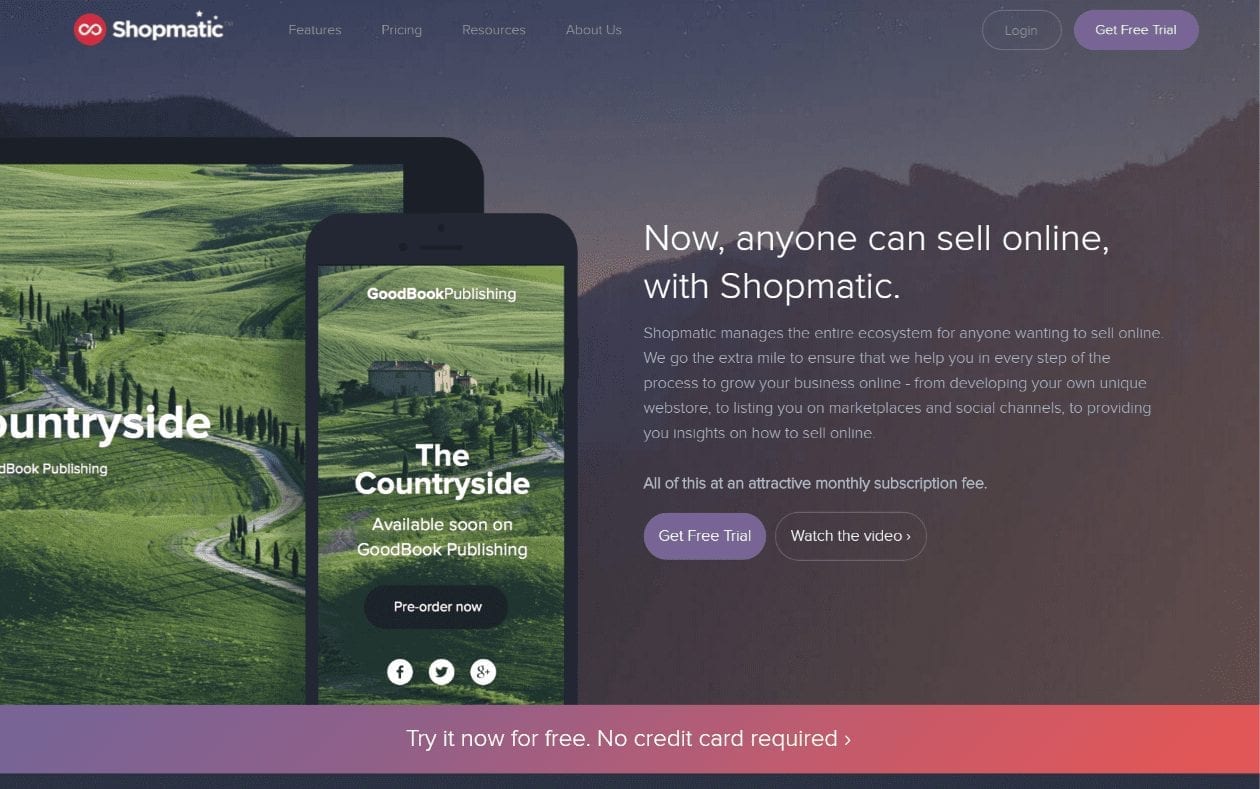
    Following its recent investments in India and Singapore, e-commerce solutions provider Shopmatic launched its Hong Kong business operations recently.

    This move is expected benefit Hong Kong online stores, SMEs and entrepreneurs as the platform enables business owners to build and manage their businesses on one single platform.

    Services encompass an entire ecosystem from developing a unique web store to listing businesses on marketplaces and social media channels, to giving insights on how to sell online.

    At a fixed monthly subscription rate of only US$38 per month, businesses can conveniently and easily sell products and services online in Hong Kong and the region.

    As an incentive for new subscribers, Hong Kong merchants who sign up for Shopmatic for the first time will get to enjoy a 15-day trial period during which they can establish their site and experience the entire service.

    Industry analysts have estimated that almost 90 percent of Hong Kong consumers shopped online in the past 12 months, while one-third of the e-shoppers made online purchases within the same week a survey was conducted by Nielsen.

    Shopmatic said it will further strengthen its Asia network by expanding into other countries in this region such as Australia, Indonesia, Malaysia and the Philippines later this year.

    “We are confident that we can help the Hong Kong online stores expand into the region. We also see huge potential in the ways in which we can help Hong Kong SMEs expand their businesses from offline to online for its mature traditional retail model,” Anurag Avula, CEO and Co-Founder, Shopmatic, said.

  • Samsung Pay e-wallet to launch in Singapore on June 16

    Samsung Pay e-wallet to launch in Singapore on June 16

    Samsung Pay, the Korean electronics giant’s e-wallet system, will launch in Singapore on June 16.

    At launch, those holding Visa and MasterCard credit or debit cards issued by POSB Bank, DBS Bank, OCBC Bank, Standard Chartered Bank and Citibank will be able to use a compatible Samsung phone to pay at almost all retail outlets that accept credit cards.

    Singapore will be only the fifth country to have Samsung Pay. It was launched in South Korea last August, followed by the United States in September. In March this year, Samsung Pay made its debut in China, while it was launched in Spain just earlier this month.

    “We are excited to bring this service to Singapore consumers and we hope to introduce value-added services to drive and lead innovation in mobile commerce,” said Mr Thomas Ko, vice-president and global general manager of Samsung Pay.

    Samsung Pay allows users to register their credit card details on selected Samsung smartphones with Near-Field Communication (NFC) wireless technology. Once registered, users can tap the phones for payment on almost all credit card payment terminals here.

    This is because Samsung Pay uses a proprietary Magnetic Secure Transmission (MST) technology that works with both traditional magnetic-stripe credit-card terminals and NFC contactless payment terminals.

    Unlike other contactless payment methods that are limited to transactions of $100 or less, Samsung Pay does not have this limit due to its MST technology.

    Four Samsung Galaxy smartphones – the S6 edge+, Note 5, S7 and S7 edge – are compatible with Samsung Pay at launch. Fingerprint authentication is required for each transaction.

    As of February this year, Samsung Pay has over five million registered users and recorded more than US$500 million (S$672 million) worth of transactions globally.

    Rival mobile payment service Apple Pay was launched in April with support for American Express-issued cards only. But as of last month, Apple Pay also accepts Visa and MasterCard credit and debit cards issued in Singapore from five major banks – POSB, DBS Bank, OCBC Bank, UOB Bank and Standard Chartered Bank.

    Apple Pay only works with contactless NFC payment terminals. This limits Apple Pay to only around 30,000 payment terminals in Singapore.

    It also has a $100 cap for most transactions. But UOB has lifted this limit for some merchants, such as Singapore Petroleum Company, Caltex, Metro and The Coffee Bean & Tea Leaf.

  • Samsung Gear 360 Camera Goes On Sale In South Korea

    Samsung Gear 360 Camera Goes On Sale In South Korea

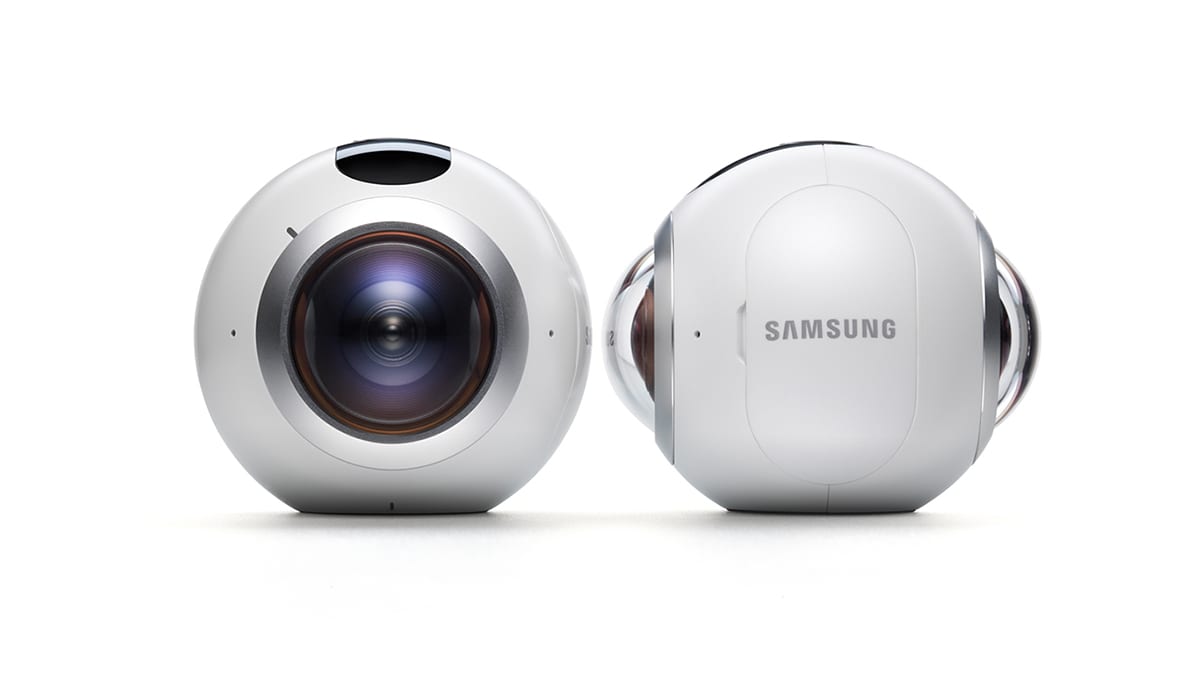
    The new Samsung Gear 360 VR camera is now available to buy in South Korea an we finally have some confirmation on how much it will cost.

    The Gear 360 is now available in KRW 399,300 which is around $350 at the current exchange rate, Samsung has not announced an international pricing for the device as yet, although it is expected to be around the $350 mark in the US when it launches.

    Samsung are now selling the device online in South Korea from today, it will, also be made available in more than 450 retail stores in the country on the 1st of May.

    The Samsung Gear 360 is designed to record 360 degree videos and also snap 360 degree photos, it has two cameras on on the front and one on the back and it can snap 25.9 megapixel photos and record video at a 3840 x 1920 resolution.

    The video below is a 360 degree video that was shot using the camera and it shows what the device is capable of.

    As yet Samsung have not given an exact launch date for the device in the US and Europe, as soon as we get some more information on when it will be made available, we will let you guys know.

  • 3 Hong Kong to sell iPhone 6s, iPhone 6s Plus for HKD 0

    3 Hong Kong to sell iPhone 6s, iPhone 6s Plus for HKD 0

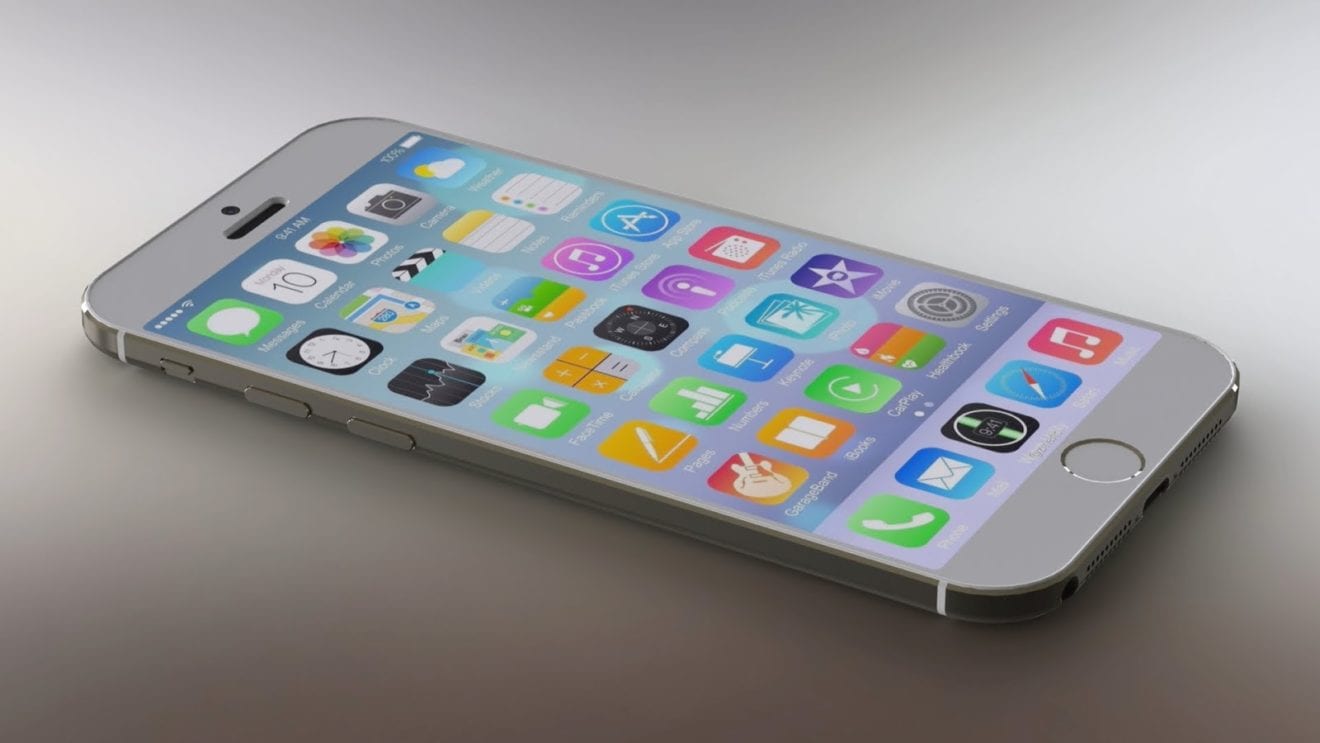
    3 Hong Kong will launch Apple’s iPhone 6sand iPhone 6s Plus smartphones on the local market. Stating 25 September, 3 Hong Kong will offer the iPhone 6s 16GB and the iPhone 6s Plus 16GB for HKD 0 with a refundable deposit on the iPhone monthly plan.

    Customers will be able to acquire the iPhone 6s 16GB for HKD 0 for HKD 408 or above iPhone monthly plans. The iPhone 6s Plus 16GB will also be available for HKD 0 for HKD 498 or above iPhone monthly plans. The iPhone 6, iPhone 6 Plus and iPhone 5s will also be available.

    Customers who acquire the iPhone 6s and iPhone 6s Plus from 3 Hong Kong will be able to connect to the operator’s LTE network with VoLTE HD voice functionality. Users will also have internet access at 3 Hong Kong’s over 16,000 Wi-Fi hotspots.

    Customers can buy the iPhone 6s and iPhone 6s Plus at 3 Hong Kong’s retail shops and online at the iphone.three website.