Retail News CRM

Tag: Lenovo

  • Lenovo reveals new MotoAI personal assistant for Motorola smartphones

    Lenovo reveals new MotoAI personal assistant for Motorola smartphones

    At the Lenovo Tech World ’23, the Chinese company revealed a bunch of new AI features and flexible hardware that are already in development or in the concept phase.

    Among the many interesting technologies announced by Lenovo earlier today such as foldable and rollable devices in both the smartphone and PC categories, there’s one that seems to be almost ready for primetime, the MotoAI.

    The newly revealed MotoAI is a personal assistant already in development at Lenovo. Aimed at both PCs and smartphones, the MotoAI is supposed to never stop learning and features a foundational model personalized to the user, yet it still protects privacy.

    More importantly, Lenovo’s MotoAI has a large knowledge base that adapts continuously to patterns and usage with natural voice or text interaction capabilities.

    According to Lenovo, users will be able to engage with their personal MotoAI assistant to answer questions, draft messages, schedule tasks, and do other activities that can involve the use of such an AI-powered tool.

    Another interesting aspect about Lenovo’s MotoAI is that unlike other similar products that run cloud-based operations, this one can process data and run tasks locally on-device, which should translate into enhanced data privacy for the user.

    Promising to be a more dynamic, personal and helpful over time personal assistant, MotoAI is supposed to power all Motorola smartphones in the not-so-distant future, so we’ll probably be hearing more about Lenovo’s AI-powered tool in the coming months.

  • A new Lenovo Legion gaming phone leaks with a new Snapdragon chip

    A new Lenovo Legion gaming phone leaks with a new Snapdragon chip

    In his tweet, Evan Blass said that the Lenovo Halo would be equipped with the Qualcomm SM8475 chipset. Although there is little information available for this chip, it is suspected that it may be an improved version of Qualcomm’s current flagship SoC, the Snapdragon 8 Gen 1. The Snapdragon 8 Gen 1’s model number is SM8450 – very close to the SM8475 which the Lenovo Halo is rumored to have.

    Other possible specs of the Lenovo Halo include:

    • 6.67-inch, 2220×1080 pixels (FHD+) POLED display, which is basically an OLED display with a plastic substrate. Lenovo Halo’s display may also support a 144Hz refresh rate with a 300Hz touch sampling rate.
    • 8, 12, or 16GB of RAM, with 128 or 256GB of UFS 3.1 storage space, which offers fast read and write speeds and can also be found in the Samsung Galaxy S21 Ultra 5G and OnePlus 9 Pro 5G.
    • 5,000 mAh battery, 68W wired charging, and 8mm thickness

    It looks like Lenovo is aiming for a more simplistic design with the Lenovo Halo. At the front of the phone, we can see a hole-punch front-facing camera, and at the back we see a triple camera array. Bearing the “Legion” label on its back means that the Lenovo Halo will be aimed at gamers, as Legion is Lenovo’s gaming brand.

    According to Evan Blass, the Lenovo Halo is suspected to be released in Q3 2022. There is currently no information regarding the phone’s price. Evan Blass also didn’t say if the Lenovo Halo would be available worldwide or only in certain markets.

  • Lenovo Philippines opens second Legion concept store

    Lenovo Philippines opens second Legion concept store

    Tech brand Lenovo has opened its second Legion concept store in the Philippines at SM City Cebu.

    The company has launched the outlet near the mall’s cyberzone area to showcase its gaming devices and accessories. It will also serve as an event space for monthly gaming tournaments.

    Lenovo Philippines GM Michael Ngan says it wants to introduce the Legion brand to Filipinos living outside the national capital. He indicated that further branches are likely to open in the country.

    The Legion concept store is offering a range of promotions to mark its Cebu launch.

  • Lenovo and JD plan to sell US$1.4 billion of B2B products over three years

    Lenovo and JD plan to sell US$1.4 billion of B2B products over three years

    Lenovo and JD have announced a plan to sell US$1.4 billion in enterprise products over the next three years.

    Lenovo will offer its full line of products for enterprise clients via JD’s enterprise-procurement platform. Lenovo and JD will also launch a business-to-manufacturer (B2M) platform to provide enterprise clients with customised products and services.

    “JD is one of Lenovo’s most important retail partners in China. We have maintained a deep strategic cooperation for years,” said Zheng Liu, GM of Lenovo Enterprise Products. “The launch of the B2M platform is an important milestone for the enterprise procurement industry, and it will further take the industry to a new level.”

    Apart from large companies, JD Business customisation will soon be available to small-to-medium sized companies through the B2M initiative.

    More than 2000 of Lenovo’s service stations and its smart-service system will provide customer service to enterprise clients nationwide.

    “The digital transformation has greatly impacted the enterprise procurement sector,” said Chunzheng Song, president of JD Business.

    “As China’s largest retailer, JD is committed to efforts to streamline the procurement process for enterprises of all sizes. The partnership of Lenovo and JD provides a pioneering solution, and we expect to leverage JD’s big data ability to continuously improve the customisation for the traditional enterprise procurement sector.”

    JD has more than 7 million enterprise clients on its platform. Its enterprise procurement business, JD Business, aims to help 100 suppliers surpass $143 million in sales next year and bring together 200 technical partners and 20,000 enterprise service partners on its platform.

  • Lenovo Experience Store opens in Singapore

    Lenovo Experience Store opens in Singapore

    Lenovo has opened an Experience Store opens at Singapore’s Funan mall, offering an online-to-offline experience.

    The 4500sqft store has dedicated areas for product showcases, workshops and pop-up events.

    “The opening of our new flagship store, together with the launch of the four new devices, embodies our Intelligent Transformation strategy to bring a new experience to our customers in Singapore,” said Eddie Ang, Lenovo Singapore’s country GM.

    “We hope this Lenovo Experience Store will be a platform, where we can continue to build meaningful relationships with our customers and provide them with new and engaging ways to experience our brand.”

    Smart Retail is applied by using solutions to track footfall analytics and optimization. The data captured can map areas frequented by customers and calculate the average amount of time spent at each. This can help in planning the positioning of store employees to provide assistance.

    In-store cameras and product webcams that capture facial expressions will help in understanding customer preferences and their reactions to the various products. Analyzing the data can also showcase demographic trends among customers and assist stores to push targeted content that is relevant.

    Self-service kiosks will be available in-store to drive automation and free up employees to provide personalized services, where required.

    Products are also tagged with radio-frequency identification tags, supplying store employees with inventory information right at their fingertips through their hand-held tablets.

  • Indians bought 50% more 4G devices in 2018 says CMR

    Indians bought 50% more 4G devices in 2018 says CMR

    The latest CMR report, the Annual 4G LTE Devices India Market Review Report 2018, revealed that Indian consumers purchased 50% more 4G LTE devices in 2018 year-on-year, with shipments surpassing 200 million units. 4G devices include mobile phones, tablets and data cards. In 2018, 4G devices had a 64% market share.

    While 4G LTE enabled mobile device shipments crossed 60%, the 4G LTE tablets accounted for 44% of the total tablet shipments. 4G LTE contributed for 100% of the data cards shipped in calendar 2018.

    “4G is enabling Indians everywhere to raise above their social and economic challenges and connect with new possibilities. The 4G device penetration in India continues to gain traction, with 4G mobile phone and 4G tablet shipments on the rise. Reliance Jio Infocomm has been the X-factor,” said Prabhu Ram, head – Industry Intelligence Group (IIG), CMR.

    During the year, LYF led in the 4G LTE mobile handset segment with 33% market share, while Lenovo dominated the 4G LTE tablet market with 40% market share. LYF is the only Indian brand in the leaderboard shipping 4G LTE mobile handsets.

    Narinder Kumar, lead analyst-IIG, CMR, predicts 4G adoption will continue in CY2019 driven by 4G feature phones and bundled offerings at the entry level contributing to growth in 4G device shipments. Video and music streaming will fuel this 4G growth. “Over the long run, we anticipate 4G to play a major role in smart cities, and especially smart homes,” said Kumar.

    CMR analysts see 4G continuing to dominate the Indian market until 2024. That said, 5G should see a spike in adoption in India by 2023. CMR anticipates a modest spike for 5G by 2023, with CMR internal estimates pointing to 5G smartphone shipments in India to top 140M by 2025.

    “At CMR, our internal research estimates point to the 5G enabled devices contributing to 3% of the total smartphone shipments by 2021, and potentially reaching 16% by 2025. The course of 5G in India will be driven by how Jio plays its cards,” added Prabhu.

  • First Lenovo Legion store in Philippines

    First Lenovo Legion store in Philippines

    The first Lenovo Legion concept store in the Philippines has opened as the tech company strengthens its gaming business.

    The Quezon City outlet, at less than 40sqm on the fourth floor of the Annex Building, showcases the brand’s Legion gaming machines in a setting that allows customers to personally examine and experience the products. Lenovo intends to host mini tournaments at the venue to “engage the local gaming community,” according to its statement on the opening.

    Lenovo Philippines GM Michael Ngan expressed the firm’s intentions to open as many such stores in the territory as possible, depending on available spaces, with a possible four outlets planned for this year. He added that the Philippines is seen as a strong growth space for the company’s Lenovo Legion gaming sub-brand. He hinted that the firm’s Legion of Champions e-sports tournament may be held in the Philippines.

    “We’ve had a lot of customers asking why don’t we host in the Philippines … so I’m lobbying that we can have the opportunity to host the fourth edition here in Manila,” he said.

  • Lenovo achieves world records in fund raising event

    Lenovo achieves world records in fund raising event

    Lenovo achieves a new GUINNESS WORLD RECORDS™ title for the “Most people performing the warrior I pose (yoga) simultaneously (multiple venues)” on Sunday, 16 December 2018, across three cities doing a Warrior I Yoga pose simultaneously. Taking place at Boost in Yoga Style, a fundraising event co-organised by Lenovo and Pure Yoga, the event saw a turnout of over 600 participants across Singapore, Hong Kong and Taiwan region. Locally, 116 participated in setting the record at the National Gallery of Singapore.

    Boost in Yoga Style aimed to increase awareness on heart wellness and cardiovascular disease, and all proceeds from the event were donated to the Singapore Heart Foundation, totaling S$4,500.

    ‘This event represents a unique partnership between Lenovo and Pure Yoga and is aligned with our shared goal of enriching and enhancing lives in the community. We are glad to see such a positive turnout today and are delighted to have achieved the GUINNESS WORLD RECORDS™ title together with Pure Yoga. We hope that the money we’ve raised goes a long way in helping patients at the Singapore Heart Foundation,’ said Eddie Ang, Country General Manager, Singapore, Lenovo. ‘Partnering with a consumer-focused brand like Lenovo is important for us to deliver a differentiated experience for our members, and Boost in Yoga Style was a great way to drive awareness by leveraging the power of yoga to benefit the community,’ said Miryam Acosta, Pure Yoga Singapore.

    The GUINNESS WORLD RECORDS™ achievement is aligned with Lenovo’s shift toward becoming a customer-centric organisation with the belief that ‘different is better’, exemplified through partnerships that deliver better value and unique experiences to users.

  • Lenovo opened an unmanned store in Beijing

    Lenovo opened an unmanned store in Beijing

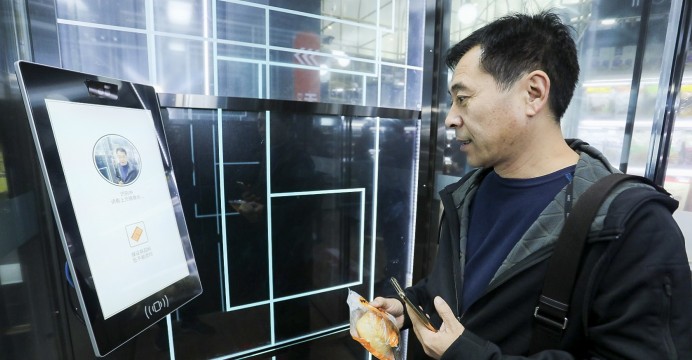
    Lenovo China has launched an automated store in Beijing based on facial recognition technology. The Lenovo Go store also features a mobile payment system. A blog post put out by the Taiwanese tech giant reads: “Shopping at the store is quite simple. You walk up to the door, cameras recognise your face, you browse the aisles, pick out what you want as usual, then – and here’s the magic – you just walk out, and your account is automatically settled via your mobile payment.”

    Lenovo’s head of research and technology Daryl Cromer said: “We can now understand some of the technologies and challenges our customers face, allowing us to make better devices and tailored solutions.

    The store becomes a powerful pilot program for technologies that move beyond the Lenovo campus.”

    Lenovo plans to use data gathered at the store to power future technologies, such as an espresso machine that can brew coffee to individual preferences based on facial recognition.

  • JD.com e-commerce joint venture launches officially in Thailand

    JD.com e-commerce joint venture launches officially in Thailand

    The JD Thai JV with Central Group has been formally launched this week under the brand JD Central.

    “Our partnership with Central Group – a one-of-a-kind union between China’s biggest retailer and Thailand’s strongest retail player – will provide Thai customers with a truly world-class e-commerce experience and guarantee 100 per cent product authenticity,” said Vincent Yang, CEO at JD Central.

    The new online platform officially debuts today, September 28, and will further extend JD’s footprint in the Southeast Asia region, which already includes an established e-commerce platform in Indonesia and a strategic investment in Tiki, Vietnam’s leading B2C e-commerce business.

    Central Group, Thailand’s largest retail conglomerate, offers JD instant critical mass through customer loyalty program and brand recognition, as well as merchandise. The site has been in testing mode since June 18, offering both direct sales and marketplace models. Pre-launch sales were described as having “exceeded expectations”.

    The JD Thai JV site includes categories for electronics, digital products, fashion, home appliances, books and music through to groceries, cosmetics, toiletries, beverages and processed foods.

    During the pre-launch phase, about 80 per cent of shopper accessed the site via phones, with FMCG products, mobile phones and fashion the most popular items purchased. Products from Chinese companies have proved especially popular, with leading brands including Xiaomi, Huawei, OnePlus and Lenovo.

    Yang said the JD Thai JV will “transform the local market and unlock the boundless consumer potential of the nation’s large population, with the ultimate goal of becoming the most trusted brand in Thailand”.

  • From Smartphones To Smarthomes, Xiaomi’s Resurgence As A Global Hardware Leader

    From Smartphones To Smarthomes, Xiaomi’s Resurgence As A Global Hardware Leader

    Xiaomi relied a lot on online sales in its first years, selling competitively-equipped smartphones at cost. With that strategy, Xiaomi managed to rise to the top of the smartphone charts in China and India within four years of its establishment, becoming the third largest smartphone maker in the world by 2014.

    However, the rising giant hit a rough patch at home in 2015, dealing with a crowded, slowing Chinese market. Xiaomi’s smartphone shipments grew by 226 percent in 2014, slowing to just 17.6 percent growth in 2015. Shipment volume declined in 2016 to a rumored 41 million (down from over 70 million in 2015) scaling back global expansion and giving its investors something to worry about.

    That setback didn’t last. Xiaomi has since expanded its smartphone shipments to Europe, becoming the fourth largest company behind Samsung, Huawei, and Apple in Central and Eastern Europe in Q2 2017.

    But the world outside of China was not enough. As the world’s largest smartphone market, China is strategically important to Xiaomi, but its strategies for early success in this ever-changing region were unsustainable. Today we’ll explore how the combination of platform, offline retail, and marketing expansion has allowed Xiaomi to regain traction back in China and expand globally.

    Xiaomi’s China Struggle

    Xiaomi’s 2015 stagnation and 2016 shipment decline was due to a number of factors. Slowed growth in the Chinese smartphone market in 2015, for one, contributed to the setback. However, the changing competitive landscape in the region was possibly the unicorn’s biggest challenge.

    Competitive Advantage Disappears

    Xiaomi maintained a strategy of flash sales and relying on its loyal user base to bypass traditional marketing expenses combined with online sales to forgo the costs of brick and mortar retail stores.

    Xiaomi’s business strategy proved to be a strength in its first couple of years, but contributed to its struggle in 2015 and 2016 as the flash sales system has for other e-commerce companies in the past. Furthermore, with online sales its primary means of attracting users, Xiaomi potentially neglected key consumers in lower-tier cities and rural areas of China, where individuals relied more on local retailers because of logistical barriers.

    Emerging players like Oppo and Vivo filled the gap left by Xiaomi’s absence in these areas in 2015 and 2016, selling low-end smartphones, but also offering offline retail stores in rural areas. Oppo now has a reported 200,000 brick and mortar retailers in rural China.

    Furthermore, unlike Xiaomi, with an offline approach to sales and no online fanbase, Vivo and Oppo relied on aggressive advertising and retail subsidies to market their products and gain users. This strategy worked well for the two companies. Oppo became the leading smartphone supplier in China in 2016, with a year over year growth in shipments of 122.2 percent.

    After Xiaomi’s slowed growth in 2015, the company had to prove its viability to investors, especially with a $45 billion valuation riding on its back. It declined to release its sales numbers in 2016, with CEO Lei Jun admitting that the company “grew too fast and drew on some long-term growth.” Xiaomi refocused on switching strategies, playing off of its branding as a company for the Internet of Things (IoT), responding to retail challenges, and refocusing its marketing techniques.

    Xiaomi Responds With Investments, Brick And Mortar, And Celebrities

    As he stated stated in the early days of the company, Lei Jun always claimed to imagine Xiaomi as less of a smartphone provider and more of a smart home device innovator. Xiaomi started selling TVs back in 2014, adding to the list of non-smartphone items that it had already offered, including portable batteries, set-top boxes, and fitness trackers. The company also developed online media and gaming content.

    With players like Oppo, Vivo, Huawei, and Lenovo taking note of the company’s low-end smartphone approach, Xiaomi aimed to do more to brand itself as a tech company for the Internet of Things.

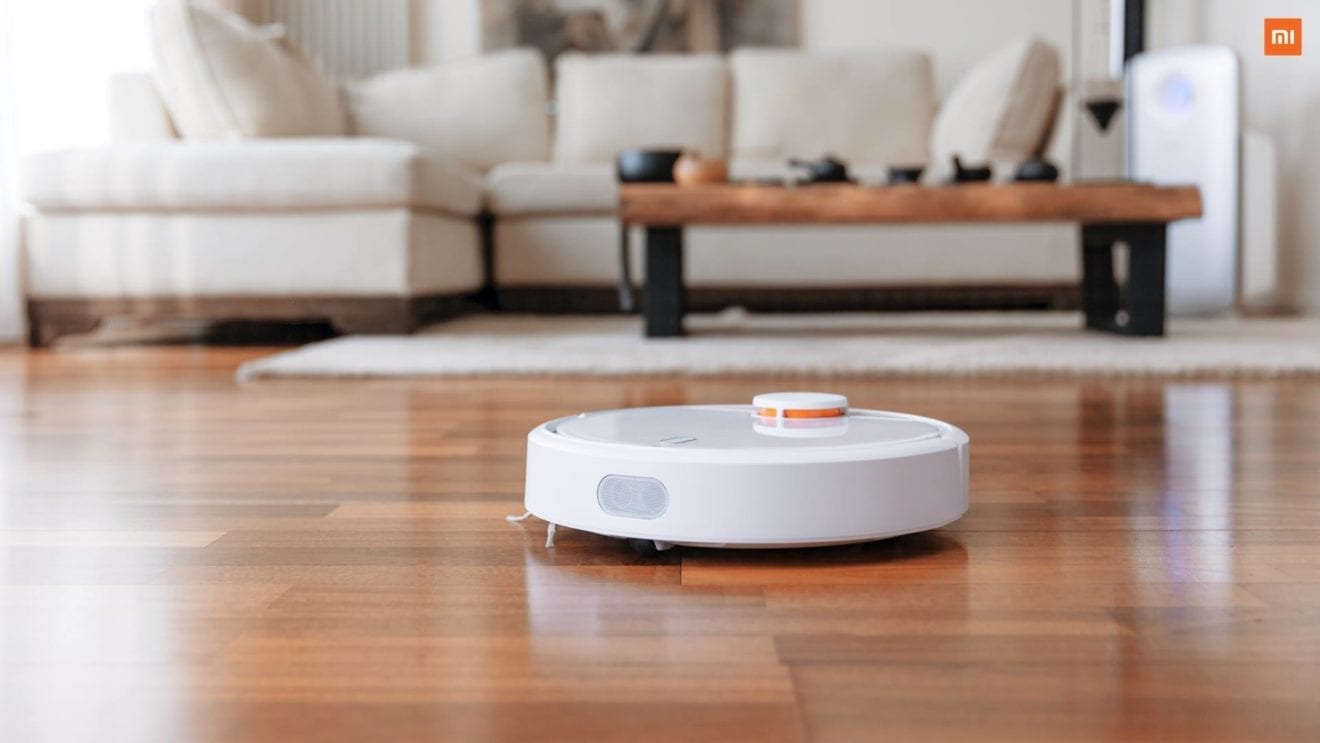
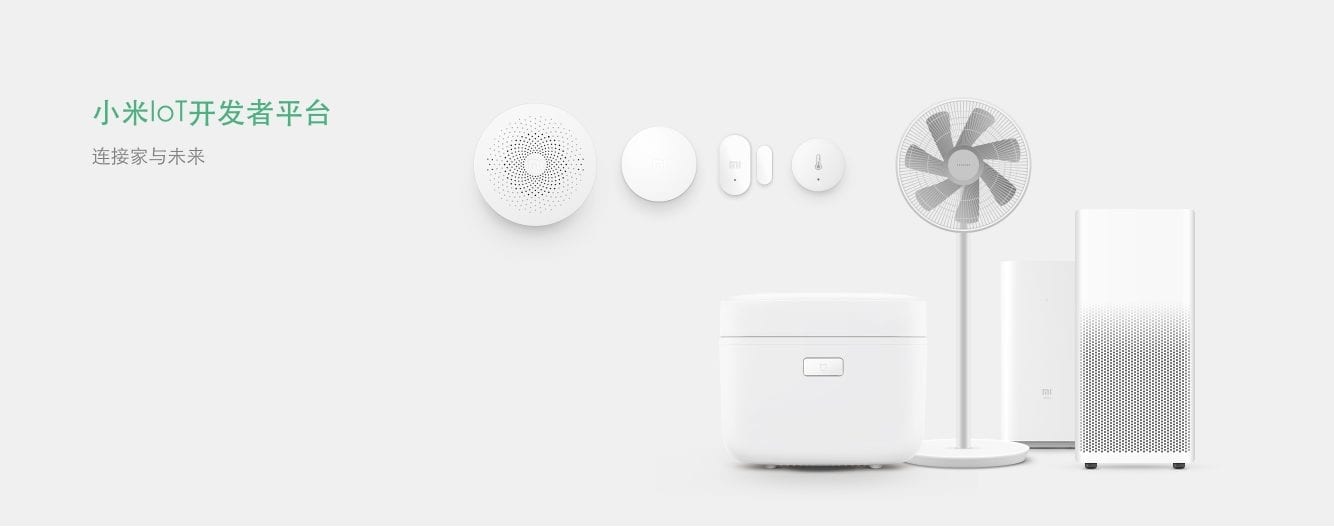
    In 2016, it launched a mobile payment service, an electric bicycle, a thin MacBook Air-like computer (the creatively-named Mi Notebook Air), a drone, a smartphone-connected rice cooker, a new, thinner MiTV, and an electric ukulele. Xiaomi’s Mainland China website is filled with connected devices, including everything from smartphone-controlled water purifiers and vacuum cleaners to story-telling kids toys and GoPro-like cameras—all connected through the Xiaomi Mi Home app exclusively on its smartphones.

    Xiaomi managed to build out its smart home platform by investing in hardware-focused startups and “giving them access to its designers, marketers, and massive supply chain in exchange for a 10- to 20-percent stake and the right to brand and sell those products.” This outsourcing strategy allowed the company to develop its smart home ecosystem. Further, the company maintained its goal of selling its flagship, increasingly innovative smartphones at lower prices than its competitors, as its earnings are driven by its other devices.

    Offering the lowest priced smartphone was key to smartphone shipment growth, but by linking its smart ecosystem exclusively through its smartphones, Xiaomi could drive growth even more. However, if the company wanted to compete with Oppo and Vivo, it could no longer neglect those retail customers outside of the urban landscape. The second part of Xiaomi’s comeback involved a huge platform shift.

    Brick And Mortar Expansion

    “Xiaomi has great ambitions, and we are not satisfied with just being an e-commerce smartphone brand,” Jun told Techcrunch in 2017. “So we have to upgrade our retail model, and incorporate offline retail for a new retail strategy.”

    The company that was built upon a platform that eschewed brick and mortar retail decided to bring its sales offline.

    Following through with this plan, by the end of 2016 Xiaomi opened more than 50 Mi Home stores in Mainland China. In 2017 it expanded that effort, opening stores in major metropolitan areas, like Beijing, with plans to launch 1,000 stores in China, and 2,000 stores globally by 2019.

    Xiaomi differentiated its brick and mortar effort from that of Oppo, Vivo, Lenovo and Huawei by essentially combining Apple’s physical retail setup with product variety. It packed its stores with its smartphones and new smart home devices to entice customers to return to the store frequently and spend more time and money buying its products.

    The People’s Smartphone

    Xiaomi met its new retail and platform expansion projects with a reinvigorated marketing approach– a marked shift from relying on its online fanbase. An IDC analyst said that the company is directing more of its funds to marketing and advertising.  In 2016, more billboards and ads popped up in public areas calling its Redmi line of smartphones the “People’s Smartphone.” In July 2017, the company unveiled its new dual-camera flagship the Mi 5X along with a flashy endorsement by Chinese musical sensation, Kris Wu.

    With its shifted strategy, Xiaomi began to regain some ground in the Chinese market in 2017.

    Looking at quarterly data in the Chinese smartphone industry, Canalys analyst Hattie He told Crunchbase News that the company led in the under $200 market in China in Q3 2017 with 22 percent of the market share in the segment. In Q4 it ranked second in that category by a small margin, with Huawei taking 25 percent and Xiaomi 24 percent, followed by Vivo and Oppo at 12 and 8 percent, respectively.

    Even so, Apple overtook Xiaomi in 2017 for fourth place in China. With a decline in smartphone sales in the region in 2017, competition is only going to heat up in the industry. Companies that heavily rely on their home market for cashflow will likely face significant difficulties in 2018, with Lenovo and ZTE refocusing on the Chinese market.

    Hattie expects Xiaomi to stick to its current strategy.

    “Xiaomi will keep paying attention to in-house hardware investments, including smartphones and IoT devices… [It] will partner with other well-known hardware and software companies to go into different sectors and provide customized experiences for [the Chinese] market,” Hattie explained.

    She also expects the company to continue its online-offline approach by establishing more MiHome stores in sub-tier cities in 2018 to reach a broad consumer base and build a reliable brand image.

    Xiaomi’s Global Expansion

    In 2017, Xiaomi’s rebound was mirrored in its efforts and successes abroad. After scaling back its global efforts in 2016, the company has since expanded again to markets in South East Asia and elsewhere, taking a top five spot in Central and Eastern Europe in 2017. It increased its offline activity and partnered with local smart device companies in India in 2017, and overtook Samsung as the lead player in the region that year.

    Of course, even with these global wins, the company has a long way to go to compete with Apple in the West. It launched an online store for the U.S. and has been selling its globally successful fitness wearable and battery packs in the U.S. since 2015. It started selling set-top boxes in Walmarts beginning in 2016, and in November 2017 released a few of its products on Amazon.

    However, expanding smartphone sales to the U.S. is something the company has considered carefully. If Xiaomi entered the U.S., it would compete with Apple and Google in their home markets, but that isn’t its biggest problem. Xiaomi’s past experiences with the companies regarding intellectual property and design theft mean that the company will have to come into the market patented up and prepared for legal backlash– something Xiaomi has dealt with before. When it entered India in 2014, its sales were initially halted when it was slapped with an IP lawsuit. Coming from China, where regulations surrounding IP are significantly more lax, to the U.S. will be quite a shift.

    Beyond IP, the company will also have to face the mounting security concerns surrounding Chinese tech companies which have intensified over the past few months. As we reported, a move to the U.S. didn’t work out for Xiaomi competitor Huawei, who was abandoned by AT&T before CES 2018. Xiaomi has made efforts in the past to overcome the narrative surrounding Chinese companies by placing the data of global users in data centers outside of China. However, with the U.S. government increasingly concerned about cybersecurity, it isn’t likely that carriers will be willing to partner with Chinese companies in the near future.

    Despite these challenges, Xiaomi may prove to be the dark horse in a global competition with Apple, Google, and Samsung, as it continues to dominate in markets like India where highly-priced devices aren’t the consumer’s choice. Focusing on becoming the “People’s Smarthome” of emerging communities around the world may very well be its winning
  • Legion Concept Store to Open Soon in Kuala Lumpur

    Legion Concept Store to Open Soon in Kuala Lumpur

    Technology company Lenovo Group plans to open a Legion concept store in Kuala Lumpur.

    Skewed toward gaming, the store will also offer an experiential area where customers can try Legion’s gaming products.

    Lenovo central Asia Pacific GM Ivan Cheung says a site has already been chosen and renovation work has started. The opening is expected to be within the next quarter.

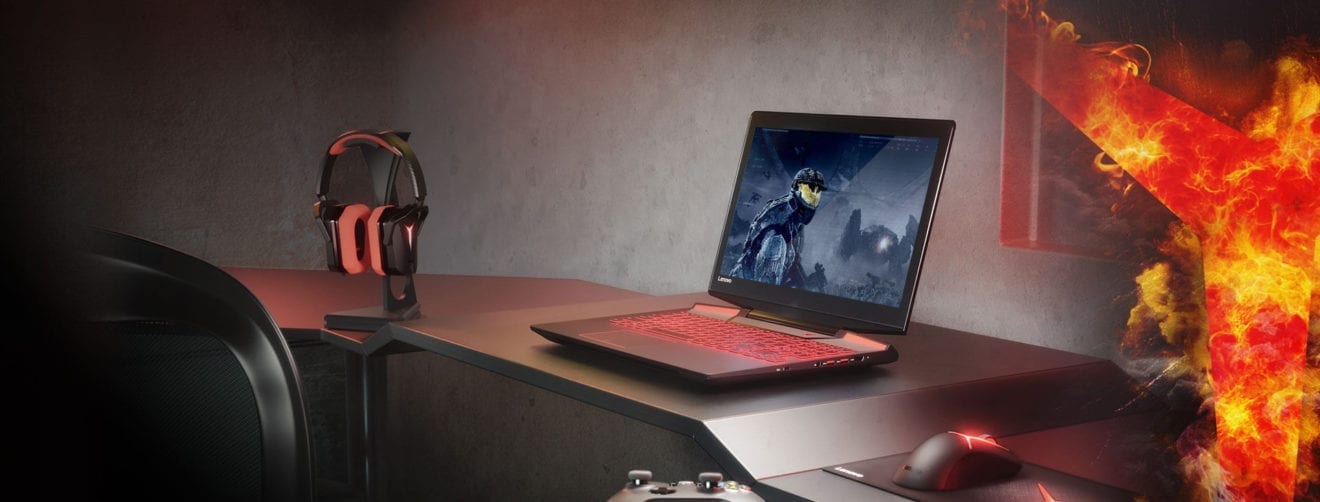
    With the Legion brand established just a year ago, the company believes it is important to give customers the chance to test and experience the products. The portfolio includes gaming laptops and desktops as well as peripherals such as specialised mice, keyboards and even backpacks.

    Lenovo has identified Malaysia as a high-potential market for gaming.

  • Courts Singapore getting serious with flagship store

    Courts Singapore getting serious with flagship store

    Courts Singapore has redesigned its flagship megastore in Tampines, offering a new immersive experience for customers.

    For the upgrade, the retailer of home electronics, IT and furniture products has put a particular focus on the needs of modern apartment living.

    With its official grand opening on Saturday, the store offers 136,000sqft (12,600sqm) over three floors, with experiential areas making up most of the space.

    In conjunction with the makeover, Courts has also unveiled its relaunched online store which now seamlessly unifies the offline/online shopping experience. The webstore is the largest in its network, offering more than 17,000 SKUs as well as introducing intuitive navigation, search and a faster check-out experience. There is also the option to collect purchases in its physical stores.

    Courts Singapore - Tampines flagship - The newly redesigned Level 1 atrium at COURTS Megastore Tampines

    “We are making good living and great in-store experiences accessible and affordable to all Singapore homeowners – a vision we’ve stayed true to since we first opened 43 years ago,” says group CEO Dr Terry O’Connor.

    Courts Singapore - Tampines flagship - 50 per cent of COURTS online shoppers choose to buy online and collect in-store, at convenient Click and Collect counters

    $10 million investment

    The flagship upgrade is part of Courts Singapore’s S$10 million (US$7.3 million) investment into a series of store refurbishments for the financial year with a focus on new retail concepts and experiential areas. Courts has also launched a new brand slogan, “Better Living, Better Prices”.

    “The Courts Megastore transformation is the result of a year of planning and two months of renovation work, combining the expertise of the commercial, visual merchandising and store operations teams,” says Courts Singapore country CEO Ben Tan.

    Courts Singapore - Tampines flagship - Four new chef demonstration areas bring culinary delights and in-store theatre to shoppers

    “We’ve curated every aspect of the shopping journey,” he says. This includes online integration, a new range for lifestyle and smart technology trends, complementary furniture customisation and three-week delivery.

    Courts Singapore - Tampines flagship -Smart home link-up is demonstrated at Design Studio by COURTS, and available for purchase at COURTS' one-stop solutions provider GURU

    Courts Singapore - Tampines flagship -Customising your sofa is as easy as 1-2-3 with over 2,500 COURTS-exclusive fabrics and over 150 leather and half-leather options to pick from

    With every furniture consultation customers are offered a free cup of artisanal coffee. Bespoke options are available for every furnishing need from sofas, curtains and blinds to wardrobes, bedding and dining tables.

    In its bedding department Courts offers more than 1000 types of mattresses from 23 brands. Shoppers can customise their bed frames and headboards. The revamped bedding area has 11 galleries including new brand for healthy living.

    Courts Singapore - Tampines flagship- A wide array of dining tables in various materials, finishes and bases are offered on the floor

    Design services

    For new homeowners, the Courts Design Studio offers services covering interior design, renovation, furnishing, flexible finance and smart-home connectivity. Consultants are on hand from two award-winning interior-design firms. The studio houses a full-size four-room HDB apartment and studio apartment showroom, integrated with smart-home automation.

    Courts Singapore - Tampines flagship - COURTS is the largest bedding retailer with over 1,000 mattresses from 23 brands

    On the same level, the new Home Gallery is an adaptable showroom space that will be regularly refreshed with room settings and also doubles up as a furniture photoshoot studio. The showroom has two movable walls.

    There is also a Dulux Paint Experience area where shoppers can experiment with colours.

    Four new interactive cooking demonstration stations will feature chefs and cooking hosts. Hungry shoppers have the new Mo Cafe for single-origin coffee and cakes, and a Subway with a window overlooking the third level.

    Samsung Open House 2.0 is an experiential retail concept offering an interactive and connected smart-home experience. It showcases the brand’s range of digital appliances on a 85in. UHD display, allowing shoppers to visualise how each appliance might look in their home. The neighbouring LG Home Entertainment area showcases a range of setups.

    Hands-on gaming

    Courts Singapore - Tampines flagship - The new Gaming Zone at COURTS is a space hosting multiplayer gaming tournaments and a key experiential zone in the store

    Courts has also expanded its gaming zone with such brands as Acer Predator, Alienware, Asus Republic of Gamers, Lenovo Legion, MSI and Razer. shoppers can try out the latest PC games, and there is a space designed to host multiplayer gaming tournaments.

    Also launched at the megastore is Guru, which offers more than 100 repair and maintenance services for more than 20 home-product categories. It will be open 365 days a year with its own in-store service counter as well as a phone hotline, and will also offer home cleaning, painting and fix-it services with warranties.

    COURTS has expanded its gaming retail area with nine PC, console and augmented reality gaming brands

    To mark the flagship’s official opening, a four-week celebration will offer discounts of up to 90 per cent, and deals such as a free Xbox One, worth $499, with the purchase of any gaming laptop computer.

    There will also be a celebrity line-up including Arsenal and Liverpool football stars, singer Joanna Dong, Running Man star Kim Jong Kook and Singapore’s first boxing champion, Muhamad Ridhwan.

    Free public Wi-Fi as well as complimentary parking are also available.

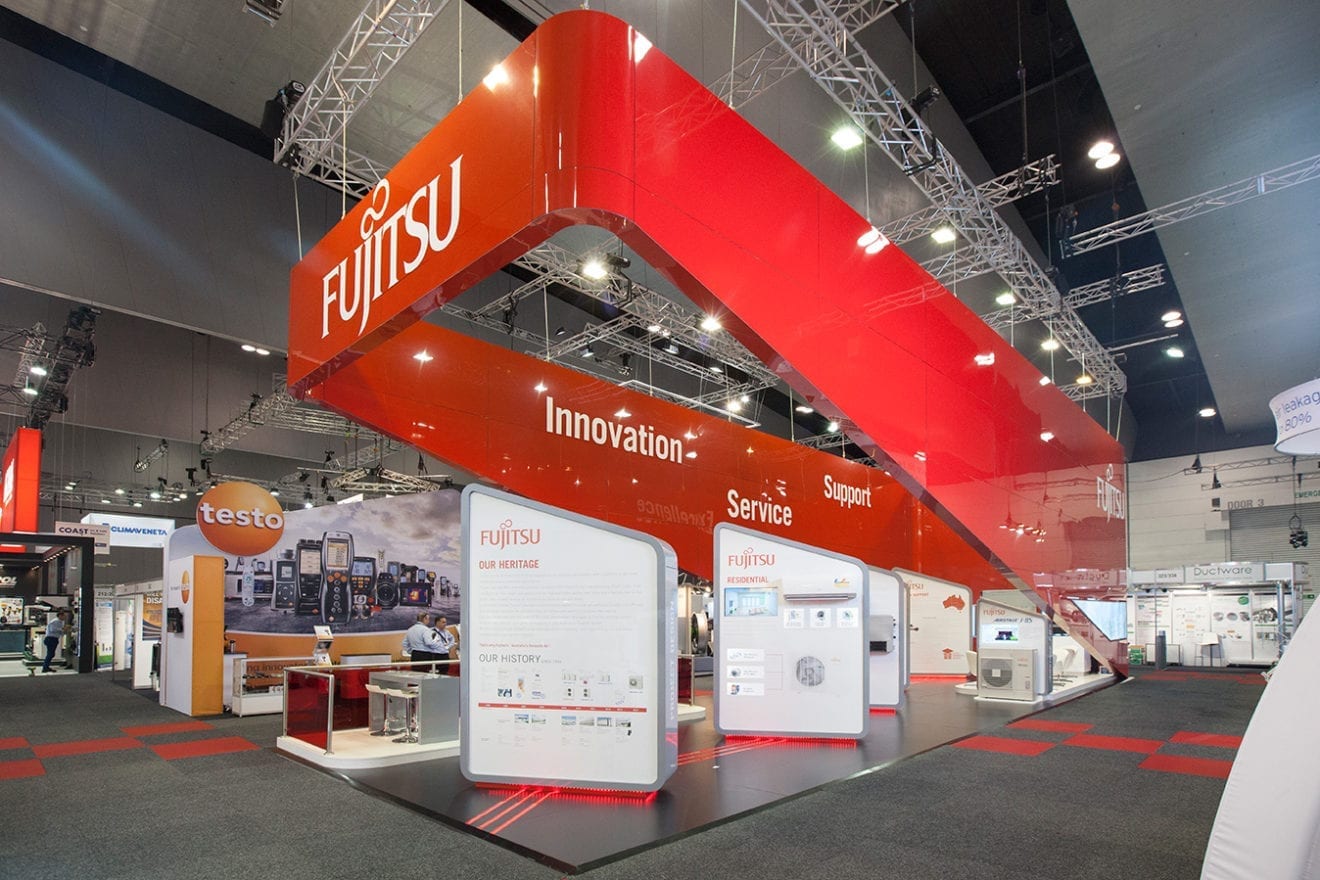
  • Fujitsu, Lenovo agree to PC merger

    Fujitsu, Lenovo agree to PC merger

    The deal should allow Fujitsu to pour more resources into its profitable IT services operations. Japan’s Fujitsu said on Thursday it had agreed to merge its struggling PC business with Lenovo, giving the Chinese computer giant a controlling share of the business.

    Tokyo-based Fujitsu said it had “decided to formally sign a deal” with Lenovo, the world’s largest PC maker, and the government-backed Development Bank of Japan (DBJ) on a “strategic partnership” to develop and sell PCs.

    Lenovo will hold 51 percent of the shares in Fujitsu’s PC subsidiary, while the DBJ will hold five percent, Fujitsu said in a statement.

    The deal should allow Fujitsu to pour more resources into its profitable IT services operations, while also pushing ahead with a sweeping restructuring program that will see 3,200 job cuts.

    The decision came after Fujitsu said last month it was in talks with Lenovo over a potential deal, which pushed Fujitsu shares up by 7.8 percent.

    After the announcement however, Fujitsu shares were trading down 2.44 percent at 874.1 yen.

    The company had been in talks with Toshiba and Vaio to merge their once high-flying personal computer businesses, but those negotiations failed to result in a deal.

    Once-mighty Japanese firms have struggled in the face of stiff competition from lower-cost rivals overseas, including in China and South Korea.

    Earlier this year, Taiwan’s Hon Hai, better known as Foxconn, took over struggling Japanese electronics maker Sharp after it faced huge losses and mounting debts.

  • Huawei will leapfrog Apple and HP to lead the PC market in five years

    Huawei will leapfrog Apple and HP to lead the PC market in five years

    Huawei will become the top personal computer maker in the world in three to five years, leapfrogging the likes of Apple, Lenovo and HP, a top executive at the firm told on Wednesday, just days after launching new notebook devices.

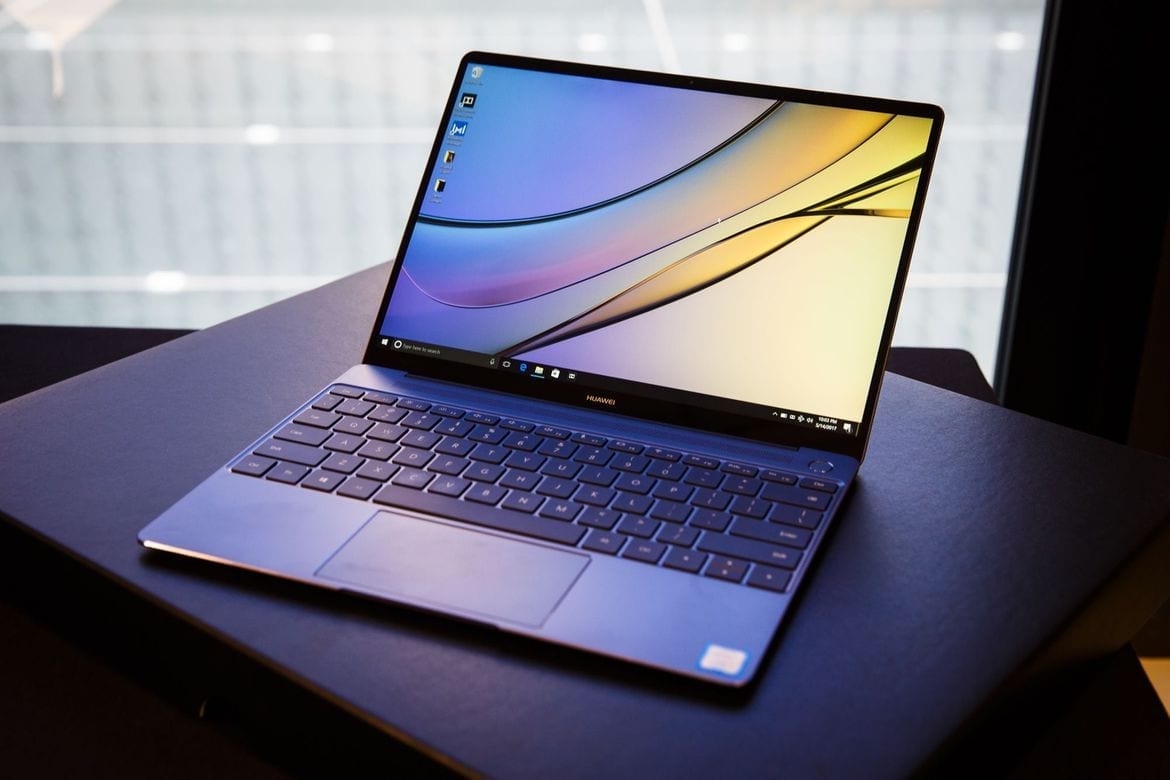
    In May, the Chinese firm took the wraps off of the MateBook X, MateBook D and MateBook E — the X is a laptop that competes directly with Apple’s MacBook line of products. For its part, the company says it is bullish on its plans in the PC space.

    “Whenever Huawei decides to enter an area, make a product, our target is always to be a global leader,” said Wan Biao, chief operating officer of Huawei’s consumer business group. “I think this comes from Huawei’s unswerving input in R&D, and our innovation capabilities. I think these has already been proven in our smartphone products.”

    When asked how long it will take to sit at the top spot in the market, Wan said the “process would take about three to five years.”

    The PC market has been declining for several years, but it recorded 0.6 percent growth in the first quarter of 2017, according to data from IDC. Given that low growth, it’s an incredibly tough market.

    HP, Lenovo, Dell, Apple, and Acer make up the top five players in the world by market share, IDC said. So if Huawei becomes number one, that would mean beating out those top players. Wan, however, said he’s confident.

    “Of course, we are confident because of Huawei’s powerful innovation capabilities. In fact, in the laptop space some technologies are the same with smartphone. In the meantime, with the development of AI, AR and VR [artificial intelligence, augmented reality and virtual reality] technologies, the chance to succeed will only grow bigger for a strong innovative company,” Wan told.

    Huawei’s consumer business is relatively young and began with smartphones. The Chinese giant is seeing success: reported revenues in its consumer business group were up 42 percent year-on-year in 2016 to 178 billion yuan ($26.19 billion). Smartphone shipments were up 29 percent to 139 million units, and Huawei is now the third-largest smartphone vendor in the world by market share.

    Wan’s projection of being the top PC maker in only a few years mirrors similar bullishness from the company about smartphones. In 2016, Richard Yu, the CEO of the consumer division at Huawei, told that the firm would be number one in smartphones by 2021.

    It may seem odd that Huawei is entering a stagnant market, but the tactic is to try and create an ecosystem of products for consumers. Not only does Huawei have smartphones, but it also sells smartwatches and Wi-Fi routers. Laptops are another edition to the portfolio.

    “I think for Huawei’s strategy, one of the most crucial points is the connectivity of all things. Every object in the world should be able to connect … Therefore Huawei is also developing our business over these notions,” Wan said.