Retail News CRM

Tag: Lenovo

  • Lenovo Set To Open Retail Stores In Asia Pacific, Gaming Brand Push

    Lenovo Set To Open Retail Stores In Asia Pacific, Gaming Brand Push

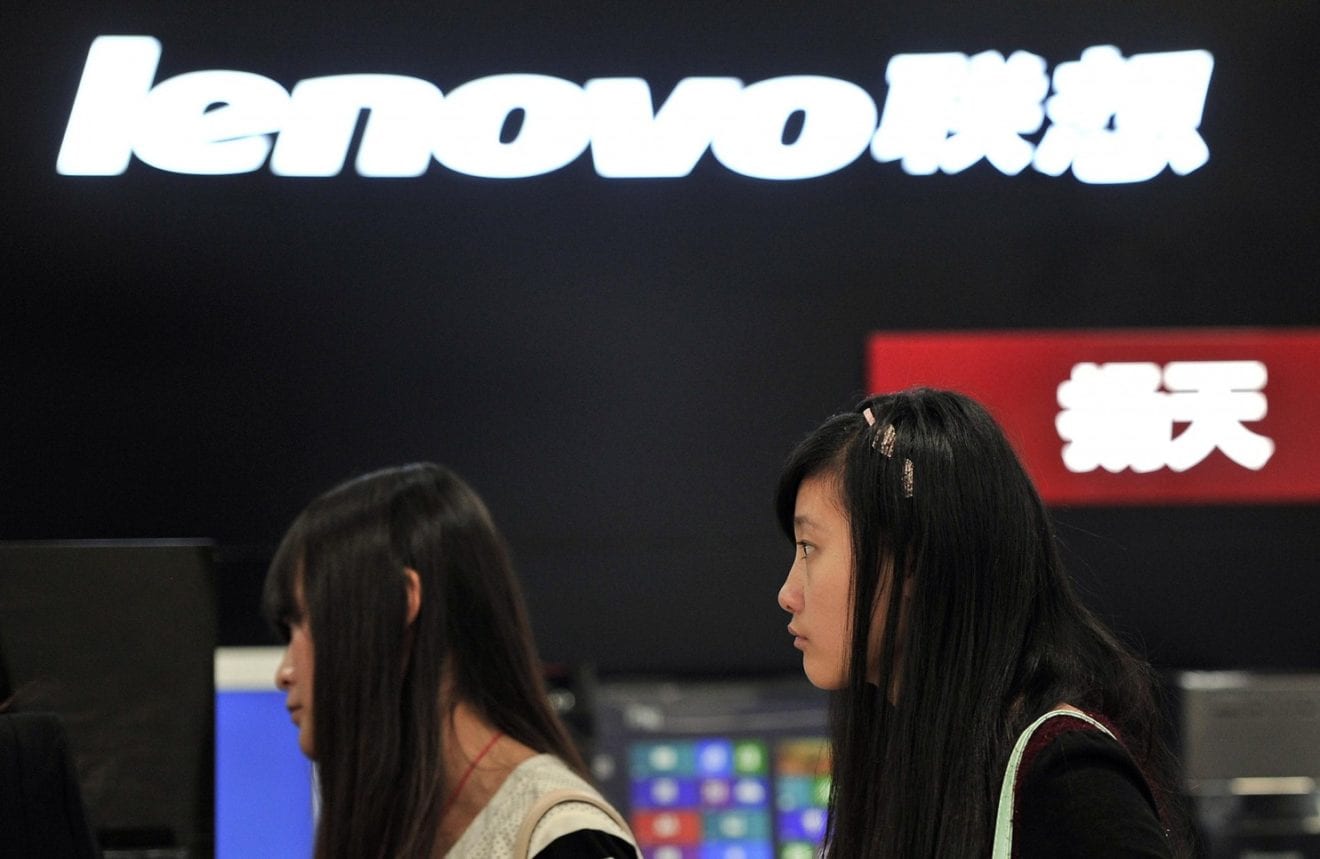
    Lenovo has said that they are looking to establish over 100 Lenovo gaming stores in the Asia Pacific region, it’s not known if or when any Australian stores will be established.

    Currently JB Hi Fi has an exclusive deal with Harvey Norman who are not seen as a destination for hard core gamers. The decision to go exclusive with the mass retailer was made by Brandan Lau the Director of Consumer PC’s at Lenovo Australia.

    Initially JB Hi Fi was going to range Lenovo gaming products but dropped the Chinese brand in favour of staying with the Alienware brand from Dell, which has been highly successful for the retailer.

    According to Lenovo sources in Hong Kong, the new Asia Pacific stores will sell a range of gaming products including workstations, notebooks, accessories including mouse and keyboards as well as gaming bags.

    We also understand that the Company who are successful direct sell operators in Australia, are also looking to sell their B2B PC range which includes Think Pads and 2 in 1 products via the new stores.

    Currently Lau is banking on heavy discounting to drive consumer PC sales while at the same time investing in extensive direct sell marketing in mass newspapers and online, for Lenovo PC products a move that has not gone unnoticed by Lenovo consumer PC retail partners.

    The Company are also major partners with Amazon.

    Combined Lenovo’s consumer and enterprise product lines each contributes 50% of Lenovo’s PC sales in Asia Pacific with the Chinese Company set to shortly market a 25th anniversary range of ‘Think’ enterprise products to lift awareness of their enterprise offering.

    What Lenovo are looking to achieve with their direct sell retail format, according to sources, is uptake for a new gaming brand called Legion. All their new gaming products including a new range that will be released at IFA in Germany in September will be branded Legion.

    Ivan Cheung Asia Pacific President at Lenovo said recently that excluding Japan and China that gaming products made up 75% of the Asia Pacific’s overall consumer PC sales, Retail News understands that this is not the case in Australia due in part to Lau’s decision to consolidate his gaming sales primarily via Harvey Norman.
  • Two Moto Concept Stores open in Manila

    Two Moto Concept Stores open in Manila

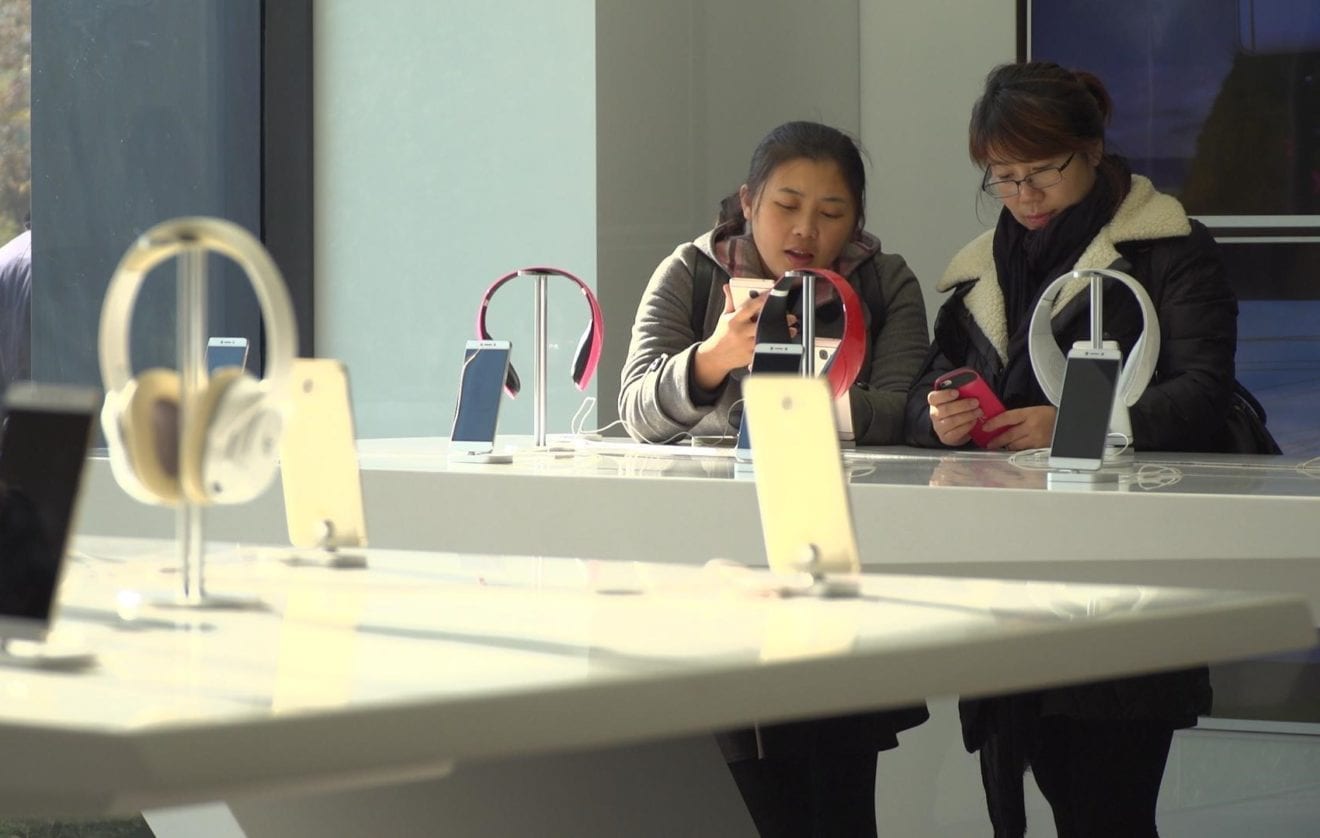
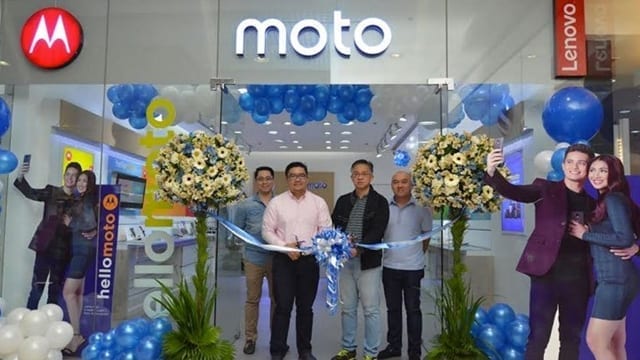
    Lenovo has opened two Moto Concept Stores for its mobile phone brand in Metro Manila as part of its Philippine “full-throttle” expansion.

    Both run by smartphone retailer MemoXpress, the stores are in the Cyberzone areas of SM North Edsa Annex and SM Megamall.

    “The Philippines is a very important market for Moto,” says Lenovo Mobile Business Group Philippines country manager Dino Romano.

    Lenovo says it aims to become the No. 3 player in the global smartphone market through expanding its Moto line across emerging markets, including the Philippines. Currently the fastest-growing smartphone market in the region, the Philippines had 3.5 million smartphone shipments in the first quarter of last year, according to the latest report of the International Data Corporation (IDC).

    Both Moto Concept Stores carry the latest Moto smartphones.

  • Top 30 Chinese global brands: Lenovo, Huwaei, Alibaba rank first

    Top 30 Chinese global brands: Lenovo, Huwaei, Alibaba rank first

    Lenovo is the most powerful Chinese global brand builder, followed by Huawei and Alibaba, according to new research released this week.
    The first “Brand Top 30 Chinese Global Brand Builders”, released by WPP and Kantar Millward Brown in collaboration with Google, said the personal computer and mobile technology firm is the most powerful Chinese export brand with a Brand Power score of 1,682. Lenovo was followed by consumer electronics brand Huawei (1,256) the e-commerce marketplace giant Alibaba (1,047).

    Kantar Millward Brown calculated the Brand Power (the BrandZ measure of consumer predisposition to choose a particular brand) of Chinese brands outside of China across seven countries, supported by research conducted using Google Surveys in September 2016, to find the ranking. The evaluation looked at 167 Chinese brands, the median Brand Power score of which is 85.

    The biggest find was how the Made in China brand is shifting. While established brands currently have an edge over the emerging internet-lead brands, with 57% of the total Brand Power in the ranking, digital brands were the biggest winner.

    Collectively, consumer electronics and mobile gaming lead the ranking, both in terms of the number of brands in the ranking (17) and combined Brand Power (59%). The result reflects the transformation of Chinese brands, which consumers abroad increasingly associate with innovative digital devices and services.

    One challenge facing Chinese brands is that international consumers are generally less aware of, and less likely to consider purchasing, a Chinese brand than a local or globally recognised one, said the research.

    However, awareness and consideration gaps vary, with consumers in France, Germany and Spain more aware of and likely to consider Chinese brands than consumers in Japan, Britain or America, said report authors.

    “The study shows that the movement of ideas and product leadership has expanded globally, with consumers increasingly looking to China as a potential source for the newest and most innovative products and brands,” said David Roth, CEO of EMEA & Asia, The Store WPP.

    “This is the opportune time for Chinese brands to expand abroad, despite the many obstacles and this is why in collaboration with Google we have produced the ground-breaking “BrandZ Top 30 Chinese Global Brand Builders 2017” report. By analysing consumer perceptions of Chinese and non-Chinese brands, we have been able to identify gaps in Chinese brand performance and provide recommendations for brand building strength.”

  • LeEco Cuts 60 Jobs In Hong Kong

    LeEco Cuts 60 Jobs In Hong Kong

     LeEco may be one of the best-known Chinese smartphone vendors globally after Lenovo, Huawei and Xiaomi, but the company has been in severe financial stress in recent times. The Beijing-based firm recently ventured out of China to establish a global footprint, and towards that end, have entered quite a few new markets over the past couple of years, including India and the U.S.

    However, even as LeEco was marching ahead with its global ambitions, its holding company, Leishi Internet Information and Technology Corp, was struggling financially, with its shares recently halted from trading at the Shenzhen Stock exchange. LeEco itself has been facing a severe cash crunch, with the company’s CEO, Mr. Jia Yueting, even admitting that the expansion efforts “have gone too far”.

    With its finances starting to become a major issue, LeEco was recently rumored to have laid off 1,400 of its employees globally, with the bulk of the job cuts coming in India. While about 200 people at LeEco’s sports video-streaming subsidiary, LeSports, lost their jobs in China as part of an organizational restructuring, almost a thousand LeEco employees were reported to have been laid off in India, mostly in the company’s sales and retail divisions. Reports out of Hong Kong now suggests that the company is also laying off as many as 60 of its employees in its Hong Kong office, although, its existing businesses and membership services will all reportedly continue to function as usual.

    Even in the midst of all this doom and gloom, though, there is a glimmer of hope for LeEco if a recent interview by a senior company executive is anything to go by. According to the president of LeEco’s smart TV business, Mr. Liang Jun, the company has received a fresh round of funding from strategic investors, although, he’s refused to give out any specifics about the reported investments until now. Meanwhile, even though the company’s finances are in a mess right now, reports indicate that at least three LeEco devices with model numbers LE X920, LE X850 and LE X622 are all set to be launched in the coming months. Right now, there’s no timeframe for the launch, but it should happen sooner rather than later if everything goes well from here for the struggling company.

  • CityOn.Zhengzhou to open fully leased

    CityOn.Zhengzhou to open fully leased

    Taubman Asia, a subsidiary of US shopping centre group Taubman Centers, and China’s Wangfujing Group, have announced the line-up of retailers for its CityOn.Zhengzhou mall in Henan province, set to open on March 16.

    When it opens, the centre will be 100 per cent leased and 90 per cent occupied with nearly 200 stores and restaurants. In the heart of Zhengdong New District, the six-level, 94,000 sqm shopping and dining destination will offer domestic, international and lifestyle brands from fast fashion to accessible luxury, anchored by a four-level Wangfujing department store.

    “We are thrilled to see our second China project coming to life in Zhengzhou,” says Taubman Asia president Rene Tremblay.

    Local, regional and international cuisine at all price points and in both seated restaurants and quick-serve formats will be a feature of the centre, which will also offer family-friendly experiential, educational and entertainment offerings.

    Many international brands will be making their central China debut at the centre, says Taubman Asia group VP Paul Wright.

    Outlets at the mall include…

    Fashion: Adidas, Ajidou, Basic House, Bershka, Charles & Keith, Columbia, Converse, Ecco, Five Plus, Forever 21, H&M, Innisfree, Jack & Jones, KIKC, Kipling, La Chapelle, Lee, Levi’s, Mango, Massimo Dutti, Miniso, Mishka, Mobi Garden, Nike, Pandora, Polo, Sand & Foam, Sephora, Skechers, Stradivarius, The North Face, Uniqlo, Vans, Vero Moda, Westlink and Zara.

    F&B/entertainment/kids/lifestyle/electronics: Acasia Food Village (featuring 14 food vendors), Benfu Sushi, Boat Noodle, Chatime, Chez Choux, Chicken Container, Coco, Dollar Shop, FrozenYo, GB Kids Station, Gong Cha, Grandma’s Kitchen, Guoguo Mutton Soup Restaurant, Guxiang No. 9 Catering, Hallmark Babies, Homao, Huawei, iSpace, La Chapelle Kids, Lenovo, MagicSalad, MM by Haircode, Mr Wish, NaughtyKids, New York Fries, Oscar CityOn Cinema, PapaBubble, Pizza Zone, Rbike, Siwuke Tea, Starbucks, Strawberry Forever, Subway, Teppanyaki Xiang, Toot Science, Udon & Tempura, Uncle, Wan Quan Bu Tong, Xiang Tian Xia Huo Guo, Xiao Liu Jia, Xiao Zhu Zhu Kao Rou, Xue Mi Da, Yang Xiang Dou Pi Shuan Niu Du, YuYuTo, ZBX Fresh Fish Hot Pot, Zheng Shi Yi and Zoo Steak.

  • Lenovo may release more Motorola smartphones in Indonesia

    Lenovo may release more Motorola smartphones in Indonesia

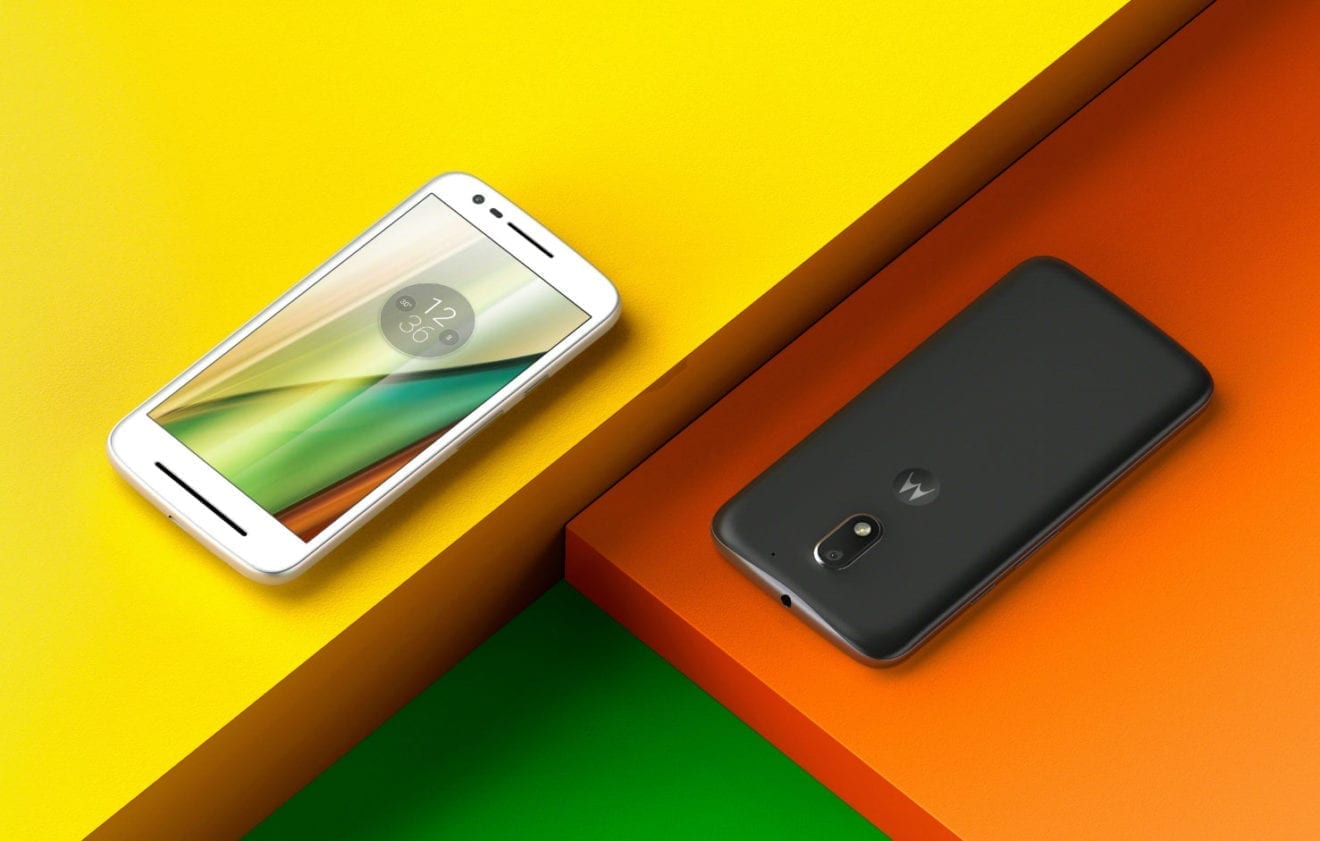
    Lenovo started marketing on Thursday the latest Motorola-branded phone in Indonesia that targets the middle- and high-end market.

    The Moto E3 Power will be marketed under the Lenovo brand as Motorola is now a subsidiary of the Beijing-based tech company following an acquisition in 2014.

    Lenovo Indonesia mobile business group country lead Adrie R. Suhadi told last Wednesday that the two brands would have different segmentation, with Lenovo targeting  the middle and affordable market.

    Despite the higher target market, Moto E3 Power is priced at Rp 1,899,000 (US$146). Among its highlighted features is a 5-inch display, dual SIM, Android OS v6.0 Marshmallow, quad-core 1.0 GHz Cortex-A53 CPU, 16 GB and 2GB RAM internal memory, 8MP front camera and removable Li-ion 3500 mAh battery.

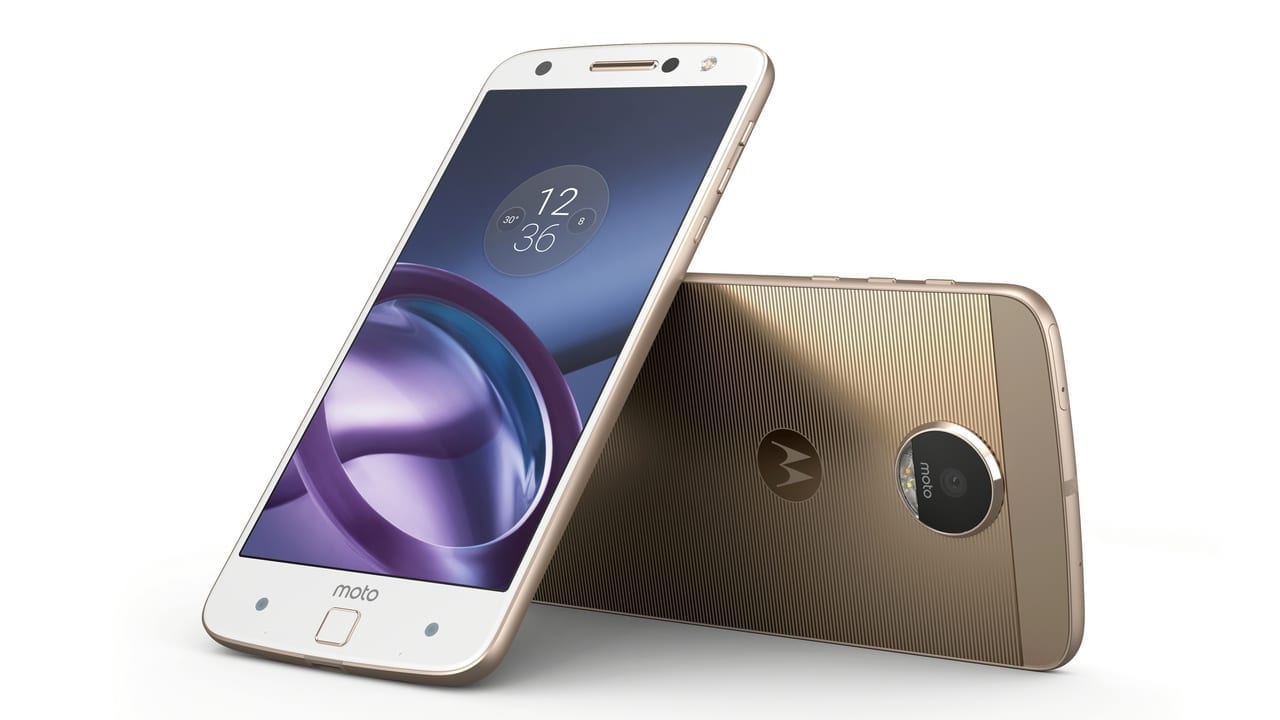
    Regarding the possibility of other Motorola-branded phones entering the country, Lenovo Indonesia mobile business group 4P manager Anvid Erdian said the company might launch the more premium Moto Z.

  • Lenovo launches transit app in China

    Lenovo launches transit app in China

    Lenovo has commercially launched its transit application in China with the electronic payment and settlement service provider BMAC (Beijing Municipal Administration and Communications Card).

    The service is supported  on Lenovo X3 smartphones driven by the eSE PEARL by OT (Oberthur Technologies).

    Thanks to OT’s NFC embedded Secure Element, end-users can now use their Lenovo X3 smartphone to install the Beijing Municipal Administration Traffic Card in their Lenovo Transit application and commute simply by waving their phone in front of contactless transit terminals.

    PEARL by OT is described as  the most advanced embedded Secure Element on the market, offering a yet unattained level of security and the largest memory on the market. It allows easy deployment of secure mobile contactless payment, transit, governmental and automotive applications, as well as secure access to online services for enterprise and consumer markets.

    In addition to its eSE, OT provides its Key Management System to Lenovo to manage security domains on the eSE in which partners can securely load, install and run their applications.

    Via its China Secure Hub, a platform used to connect handset makers and their partners in different cities in China, OT also securely ensures the connectivity between Lenovo and BMAC’s TSM provider, Beijing eNFC science and technology.

    “China is often at the forefront of new technologies and we are happy to offer Lenovo users with a convenient, secure and easy-to-use way of commuting with the BMAC application” said Viken Gazarian, deputy managing director of the connected device makers business at OT.

    “PEARL by OT is the best eSE on the market to address the fragmented market of transport systems throughout the world and is the sole component to support international as well as Chinese transit technologies,” said Gazarian.

  • China still strong for Lenovo Group

    China still strong for Lenovo Group

    While sales fell 9.8 per cent in China for technology giant Lenovo Group for its first quarter ending June 30, the country accounted for 28.4 per cent of the company’s worldwide sales.

    Consolidated sales reached US$2.9 billion, and pre-tax profit margins were flat at 4.8 per cent amid softening PC demand.

    Lenovo says its mobile business is moving the portfolio to higher price bands and improving user experiences in China. Data-centre revenues grew 14 per cent year-over-year, a premium for the market, supported by growth from hyperscale and contributions from new partnerships.

    Sales in the Asia Pacific region reached US$1.7 billion, 16.7 per cent of the worldwide figure, while pre-tax profit margins were down 1.2 points to 1 per cent, mainly because of a weaker PC market in Japan and the impact of currency fluctuation.

    PC market share again edged up, by 0.4 points to reach 16.4 per cent. The mobile business outgrew the market in key countries, including India and Indonesia, while the data centre group continues to work on improving profitability.

    Overall revenue for Lenovo was US$10.1 billion, down 6 per cent, with a net income of US$173 million, up 64 per cent.

    During the quarter Lenovo’s core markets saw either slow growth or year-over-year industry declines: PCs were down 4.1 per cent and tablet shipments fell 11.1 per cent, while server industry shipments were flat and smartphone markets grew 0.7 per cent.

    “Going forward, in PCs we will focus on high-growth segments and leverage industry consolidation,” says chairman/CEO Yuanqing Yang. “In smartphones, we will leverage innovative, differentiated products and continue to shift to higher price bands to drive growth and turn around this business.”

    Lenovo’s Data Center Business Group (DCG), which covers servers, storage, software and services sold under both the Lenovo ThinkServer and the System X brands, continues to face stiff challenges in mature markets, it strengthened its lead in the market in China, increasing revenue 14 per cent.

  • Lenovo-­Motorola India seeks to open showrooms

    Lenovo-­Motorola India seeks to open showrooms

    The Lenovo-­Motorola India combine has applied for single-­brand retail licence to open company­- owned showrooms.

    This comes on the heels of the Chinese company’s mobile sales in India crossing the US$1 ­billion mark.
    Lenovo India’s director Sudhin Mathur says the turnover from mobile-phone sales in the year ended March 31 stood at $1.3 billion, nearly double the $700 ­million of the previous year.

    “Sales have been growing at a healthy pace and we expect to maintain a strong momentum.”

    According to industry tracker IDC, the Lenovo­-Motorola combine sold about 10 million units last year, accounting for a nearly 10 per cent share of the market.

    Mathur says smartphone industry sales in India are expected to grow by 30 per cent this
    year.

    The company’s units for India are being contract ­manufactured by Flextronics at Sriperumbudur. Lenovo is also looking at having its own phone plant in India.

    Mathur says eight or ­nine new models will be introduced in India over the coming months as the company beefs up its portfolio ahead of the festive season.

    Other companies to have applied for the single-­brand retail licence include Apple and Chinese company LeEco.

  • Lenovo announces ambitious telecoms push

    Lenovo announces ambitious telecoms push

    Lenovo has launched an ambitious plan to develop integrated solutions for the telecommunications industry that provide the backbone for rich mobile content, 5G networks and IoT workloads.

    The company aims to help operators build out next-generation data centers using open source technologies to address the growing demand for agile, cost-effective and flexible architectures.

    As part of this initiative, announced at the Red Hat Summit, the company unveiled plans for Open Platform@Lenovo (OP@L), which will be powered by Red Hat’s software stack for network function virtualization (NFV) and run on hardened, OCP-compliant infrastructure.

    Leveraging OP@L, Lenovo plans to advance open NFV architectures that can be customized and are highly secure to address the demanding needs of service providers.

    To advance its plans for the telecommunications industry, Lenovo is joining the Open Platform for NFV (OPNFV) project as a Platinum member. OPNFV is a carrier-grade, integrated Open Source platform that is spawning advanced solutions and services using NFV. As a Platinum member, Lenovo will hold seats on the project’s Board and Technical Steering Committee.

    Lenovo’s offerings leverage Red Hat, Linux, OpenStack and OPNFV technologies, among others. The company already is a member of Open Compute Platform (OCP), and its work within OPNFV will build upon this foundation.

    As part of its efforts, Lenovo also plans to work with Red Hat to develop a certified solution stack based on Red Hat’s NFV Platform, built on Red Hat OpenStack Platform.

    The integration of Red Hat NFV platform with Lenovo’s OP@L is the latest development in an expanding strategic collaboration between the companies, which was announced late last year.

    The two companies are collaborating to develop and deliver open and flexible solutions for service provider clients, as well as those in other industries. Lenovo already offers Red Hat Enterprise Linux, Red Hat Enterprise Virtualization and CloudForms software within its portfolio.

  • Lenovo eyes India as sales plunge in China

    Lenovo eyes India as sales plunge in China

     As part of its plans, Lenovo aims to increase its market share from less than 10% during the January-March quarter by expanding its reach of smartphones in retail outlets. (Reuters)

    As sales slide in its home country China, Lenovo Group is planning to ramp up its presence in India, the world’s second largest smartphone market including expanding its retail presence for its smartphones, extending apps for the local market, and increasing local manufacturing.

    “India for most of our product categories is a key strategic market” said Aymar de Lencquesaing, senior vice president, Lenovo Group, who also leads the Chinese company’s mobile business including R&D, product and supply chain management.

    “We believe this market will continue to grow not only in volume but also in the line-up of premium products,” he said.

    As part of its plans, Lenovo aims to increase its market share from less than 10% during the January-March quarter by expanding its reach of smartphones in retail outlets.

    The company had been predominantly focussing on selling through online channels to increase sales, since it gives better margins by saving on inventory and supply chain costs.

    Lenovo also plans to increase manufacturing of its handsets within India as and when the demand increases, he said.

  • Massive O2O plan by Alibaba and Suning

    Massive O2O plan by Alibaba and Suning

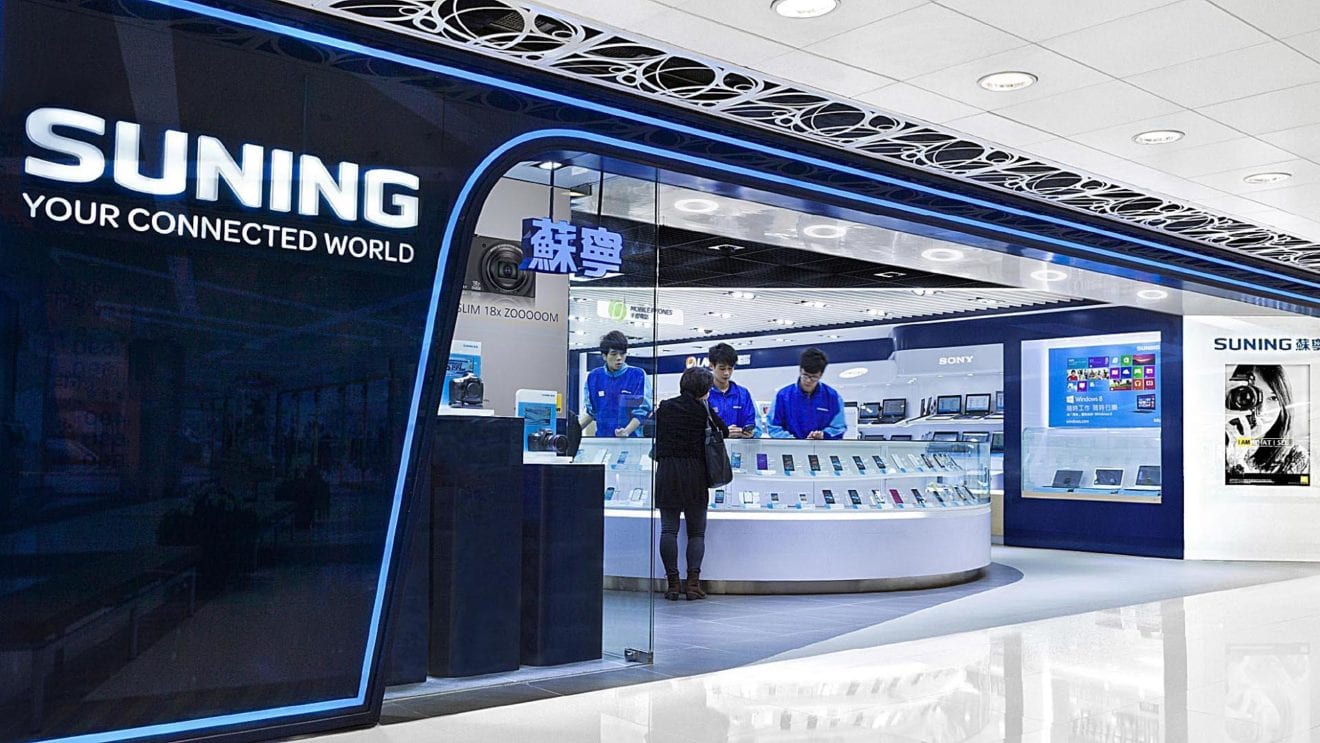
    Alibaba and Suning, one of China’s largest electronics retailers, plan to fuel Chinese and international consumer electronics brands sales over the next three years by investing in an online-to-offline (O2O) retail initiative.

    The pair will work together to build out an O2O, or “omni-channel,” network combining the former’s online retailing assets with the latter’s physical stores and distribution facilities to make purchasing of consumer electronics and home appliances easier for consumers, officials for the companies said at a press conference in Beijing.

    The two companies expect to quadruple sales of major electronics brands – including Haier, Samsung, Xiaomi and Lenovo – over the next three years, using big data from both businesses, said Alibaba Group CEO Daniel Zhang.

    “This can be achieved by integrating the online and offline sales channels under a digitalisation process,” Zhang said.

    Alibaba and Suning began working together on omni-channel retailing last year after Alibaba agreed to invest RMB 28.3 billion (US$4.63 billion) for a near 20 per cent stake in the bricks-and-mortar retailer. Suning’s network of 1600 stores and 5500 after-sales service centers are linked with Alibaba’s online platforms, and Suning’s distribution network, which includes 4.55 million sqm of warehouse space, is used to deliver products purchased online by consumers via Alibaba’s Taobao Marketplace and Tmall.com shopping sites.

    Working with Alibaba’s logistics affiliate Cainiao, Suning and Alibaba currently offer 12-hour delivery of appliances and consumer electronics in Beijing, Shanghai, Guangzhou, Hangzhou, Shenzhen and Nanjing.

    Alibaba and Suning said they will also support electronics brands by allowing them to leverage consumer data on Alibaba’s 423 million annual active buyers and Suning’s 250 million members. Big data technology can enable more targeted sales and marketing campaigns and even provide insights that allow electronics manufacturers to make products that better meet consumer needs, the companies said. Using consumer data, German electronics company Siemens launched a refrigerator customised for Tmall users in March and Chinese appliance maker Midea in May began selling a rice cooker that was designed partly based on Tmall data.

    “We build a bridge between brands and consumers by leveraging data,” Zhang said.

    International and domestic brands joining the Alibaba-Suning support program, called the Super Brand Alliance, include Midea, Haier, Samsung, Hisense, Huawei, Xiaomi, Lenovo, Siemens, Sony, Skyworth and Canon.

  • Lenovo, Juniper enter data center alliance

    Lenovo, Juniper enter data center alliance

    Lenovo and Juniper Networks have inked a global partnership to jointly build new converged, hyper-converged, and hyper-scale data center infrastructure.

    As part of the partnership, customers will be able to purchase Juniper’s networking products directly from Lenovo for easier acquisition, as well as consolidated support.

    In line with the move to disaggregate of hardware and software in the data center, the two companies intend to bring open, flexible solutions to market, leveraging the ONIE (Open Network Install Environment) model.

    To meet customer needs for fast provisioning and easy administration, both companies expect to collaborate to offer simplified management and orchestration in the data center leveraging Lenovo’s xClarity management software as well as Juniper’s Network Director and Contrail SDN software.

    In addition, the two companies plan to collaborate around go to market on a worldwide basis targeting enterprise customers, service providers, channel partners as well as system integrators.

    Lenovo and Juniper aim to develop joint go-to-market plans and a tailor-made resell model to address unique localization requirements in China.

  • Lenovo launches Moto 360 (2nd Generation)

    Lenovo launches Moto 360 (2nd Generation)

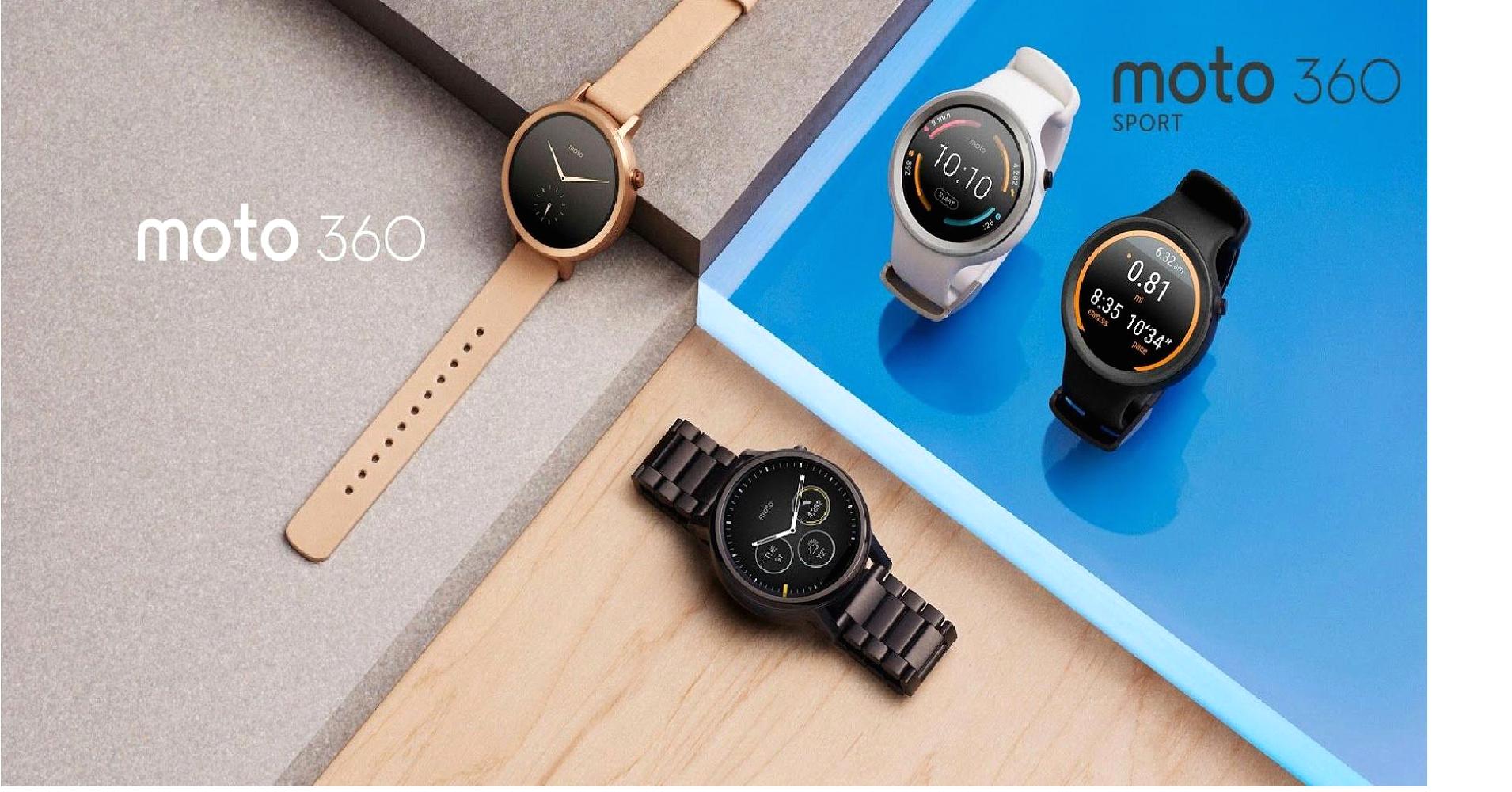
    Lenovo is bringing the new Motorola Moto 360 smartwatch to the local market, making it the first time that the Chinese company is launching a Motorola product in Singapore.

    The second generation Moto 360, which was announced at IFA 2015 in September, is available in two sizes and will go on sale from Dec 15 at retail stores Newstead and Challenger, and from online retailer Lazada.

    The 46mm silver and cognac leather version will retail at $549. The 42mm rose gold and blush leather model is retailing at $499, while the 42mm black and black leather model is priced at $479.

    The circular device is one of the latest smartwatches to run Android Wear. It comes with 4GB of storage, and the larger version houses a 400 mAh battery, while the smaller one has a 300 mAh battery.

    Lenovo, which bought Motorola Mobility in 2014, had previously focused on launching its own devices for the local market.

  • Lenovo Indonesia flagship opens

    Lenovo Indonesia flagship opens

    Lenovo Indonesia has opened its first flagship store in Jakarta.

    It is the first time the Chinese technology giant has showcased products from all the categories it competes in under the one roof in Indonesia.

    The new store is located in Ratu Plaza Jakarta, providing customers with an integrated one-stop service.

    Lenovo store Jakarta


    Lenovo Indonesia GM Rajesh Thadani said the company’s existing stores in Indonesia tended to focus on specific categories.

    “With this flagship store concept, we can provide our customers with all Lenovo products from servers, PCs, smartphones and tablets through end-to-end [sales],” he said.

    Another 11 flagship stores are planned for Indonesia over the next three years, three of them within six months.

    Intel and IT Gallery are partnering in the stores’ development.

    Lenovo is actively building its brand awareness across Asia with a goal to become a major vendor of smartphones as well as building upon its market leadership in laptops.