Retail News CRM

Tag: levi’s

  • Levi’s Makes a Fashion Statement: Weaving into the Cultural Fabric of Australia

    Levi’s Makes a Fashion Statement: Weaving into the Cultural Fabric of Australia

    At the 2025 National Gallery of Victoria (NGV) Gala, an unexpected element caught everyone’s attention – a denim carpet. This unusual red carpet replacement was not just a whimsical twist, but a calculated move by Levi’s, the clothing brand sponsor, showcasing its deep-rooted connections within the cultural matrix of today.

    The NGV Gala, one of Australia’s most esteemed events, is a grand celebration of art, fashion, and food. Levi’s participation in the grand event extended beyond a mere brand appearance. It signaled a strategic step in its plan to establish itself firmly at the confluence of culture in the Australasian region. Levi’s seized this opportunity to position itself not just as a heritage brand but as a proactive player in shaping modern creativity.

    A Strategy Rooted in Authenticity

    The General Manager of Levi’s ANZ, Michael Baer, had highlighted the crux of the partnership prior to the Gala. He stressed the importance of cultural credibility, maintaining that it had to be genuine and earned rather than contrived.

    Baer insisted, “It is of utmost importance that every partnership we form feels authentic and reciprocal.” This philosophy was at the heart of Levi’s strategy: forging ties that mirrored the brand’s ethos and resonated with its community.

    This authenticity was evident in every decision made during the Gala, starting with the Levi’s Denim Carpet. This innovative centerpiece replaced the traditional red runway with a deep indigo denim sprinkled with the iconic red tab, a subtle yet powerful homage to the brand’s heritage. It represented Levi’s 150-year-old legacy of turning workwear into something functional yet fashionable, ordinary yet iconic.

    Fashion, Music, and Art Fusion

    Levi’s aimed to transcend mere visibility. It sought to establish a presence where its audience already existed – in music, art, and fashion. The Gala offered the ideal environment for this.

    Manly-based musician Don West, known for his effortless cool and natural affinity for denim, was the star attraction of the night. He performed with his seven-piece band, all bedecked in bespoke Levi’s pieces fashioned in collaboration with designer Karen Walker.

    This performance highlighted Levi’s capacity to leverage live culture as a narrative medium – one that amalgamated sound, style, and substance.

    Complementing the concert was a fashion runway featuring designs by RMIT’s top fashion students. Their designs, a fusion of innovation and sustainability, mirrored Levi’s ongoing commitment to nurture young talent and advocate environmentally friendly design.

    Local Connections, Global Resonance

    The NGV Gala partnership reflected Levi’s broader regional strategy: forming meaningful collaborations with local creative communities to expand its cultural influence.

    Levi’s aspired to reflect the diversity and creativity of its consumers in Australia and New Zealand, from collaborating with visual artists to engaging musicians. This strategy aimed to solidify Levi’s enduring presence within Australia’s cultural institutions, ensuring the brand remained not just relevant, but central to the country’s creative dialogues.

    Heritage Melding with Modern Culture

    The NGV’s star-studded exhibition featuring Vivienne Westwood and Rei Kawakubo provided a fitting backdrop. Like Levi’s, both these fashion houses embody a rebellious spirit and a lasting impact on style and identity.

    By the end of the event, it was evident that Levi’s wasn’t merely a sponsor – it was a story weaver. Levi’s impact at the NGV Gala showcased a disciplined strategy founded on authenticity, creativity, and cultural partnerships.

    Questions & Answers

    What was the significance of the Levi’s Denim Carpet at the 2025 NGV Gala?
    The Levi’s Denim Carpet, replacing the traditional red carpet, signified the brand’s deep-rooted connection with the cultural fabric of society. It was also an homage to the brand’s heritage.

    What was the intention behind Levi’s partnership with the NGV Gala?
    Levi’s aimed to establish itself firmly at the crossroads of culture in the Australasian region, positioning itself as a proactive player in shaping modern creativity.

    How did Levi’s reflect its commitment to authenticity and creativity at the Gala?
    Levi’s showcased its commitment to authenticity and creativity by creating meaningful collaborations with local creative communities, nurturing young talent, advocating environmentally friendly design, and leveraging live culture as a narrative medium.
  • Levi’s launches its largest Asian store yet, in India

    Levi’s launches its largest Asian store yet, in India

    Iconic denim and lifestyle brand Levi’s today announced the launch of its largest store in Asia. Situated in Bengaluru’s bustling shopping hub of Brigade Road, the store advances Levi’s direct-to-consumer strategy and expansion focus in Asia. With this store, Levi’s continues to elevate brand experience to consumers through digital innovation, unique shopper experiences and an unmatched product assortment that is catered to the local consumer.

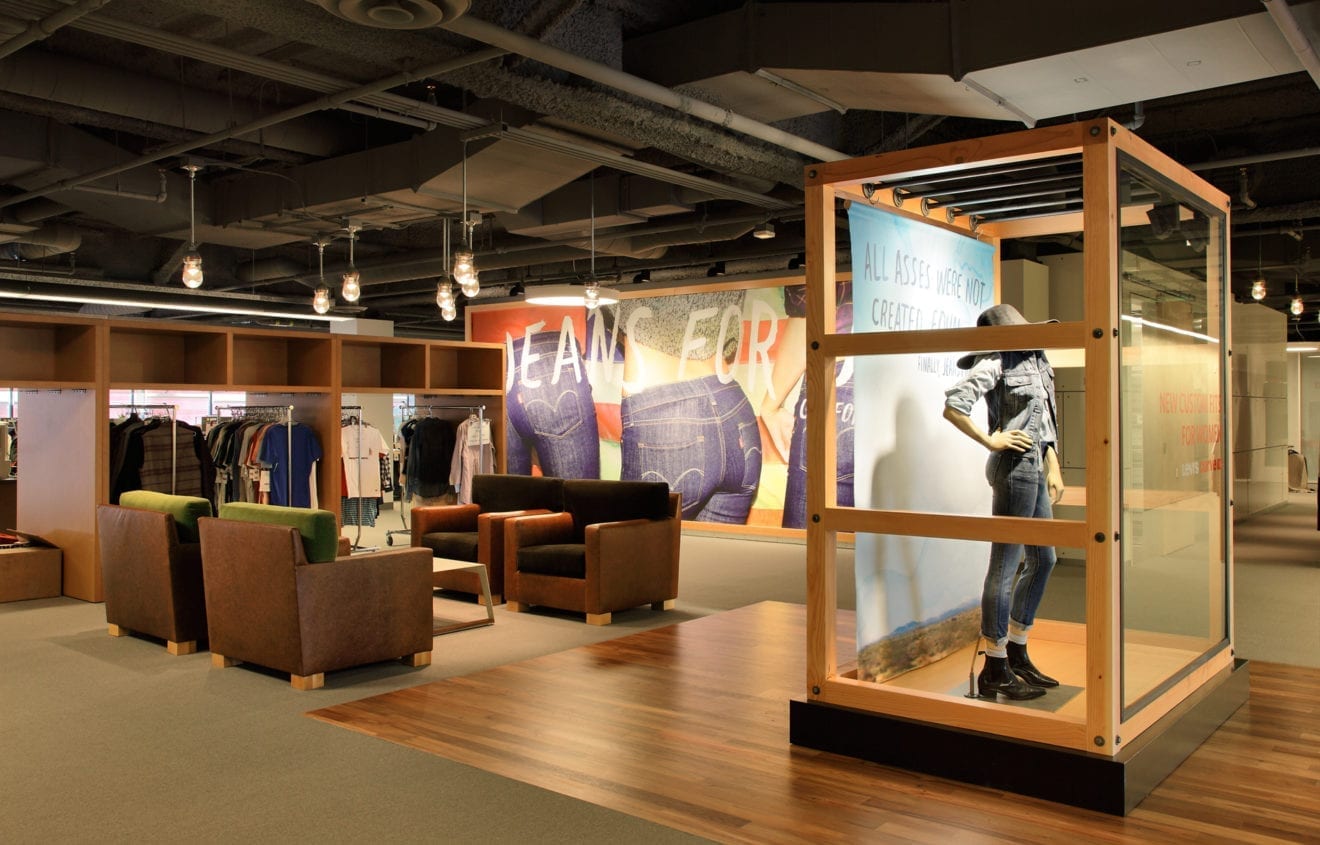
    Spread over a total retail space of 7521 square feet, the Levi’s Brigade Road store features the brand’s cutting-edge NextGen store format and retails some of its most beloved products – from its iconic 501 ,which celebrates its 150th anniversary this year, to its classic Trucker jackets. The store will also showcase the newest range of fits for both men and women, more relaxed silhouettes in line with the latest trends, and premium collections and collaborations.

    At the store’s heart is the Levi’s Tailor Shop helmed by skilled tailoring professionals, which seeks to allow consumers to personalize their purchases, especially with self-expression being key for today’s consumers. In addition to tapping on expert alteration and restoration services, customers can further customize their Levi’s apparel through embroidery, patches, pins, and more. From reinventing existing jeans to elevating a newly-purchased pair, the Tailor Shop unlocks a spectrum of personalization for Levi’s customers looking for unique pieces tailored to their taste and expression.

    “With consumer behavior shifting in the ever-changing retail landscape, we at Levi’s continue to prioritize how we deliver our iconic products and an impactful brand experience, especially to our growing base of young, savvy consumers in India and across Asia. With this year marking the 170th anniversary of Levi Strauss & Co., the Brigade Road store – our largest in Asia – aims to be a premium one-stop shop in one of the region’s most vibrant cities. It will allow us to engage with Levi’s fans who are looking to create a style statement and connect with one of the most well-loved apparel brands in the world,”  said Amisha Jain, Managing Director & SVP, South AsiaMiddle East & Africa at Levi Strauss & Co. “India, in particular, is a priority growth market for Levi Strauss & Co. “As we look to scale up our investments in Asia, the opening of the Brigade Road store signifies our commitment towards offering quality and innovation in the latest fashion to consumers in both India and the wider Asia region. ”

    The Brigade Road store in Bengaluru is yet another step in Levi’s inroads within Asia, and marks another milestone in the brand’s strategy of diversifying its business across geographies, apparel categories and distribution channels. It brings the brand closer to its goal of making its stores premium destinations worldwide by delivering premium shopping experiences to its customers across the globe.

    For the store’s launch weekend, Levi’s worked with artists Sachin BhattOsheen Siva, The Doodle Mafia and public art collective, The Aravani Project to create artworks that showcase the city from past, present, and future perspectives. Delving into the city’s evolution, the artworks blend vintage and futuristic elements to capture the local culture and subtleties of the city. These designs can be customized onto the store’s Levi’s trucker jackets & t-shirts.

  • Levi’s largest Southeast Asia store lands in Singapore

    Levi’s largest Southeast Asia store lands in Singapore

    Levi’s will be launching new stores and rolling out existing store refreshes as well as new in-store services throughout the East Asia Pacific (EAP) region. New stores are expected to launch this year in Singapore, Malaysia, Indonesia, Japan, Australia, and Thailand. This is part of the company’s plans to accelerate sustainable business and commercial growth in the EAP region.

    Its stores and shop-in-shops will be refurnished into NextGen Indigo stores, and this will be done using digital tools to streamline the consumer journey, including installing LED portal entry archways and LED screens for marketing content. Levi Strauss & Co. managing director and senior vice president of EAP, Nuholt Huisamen, said that in Thailand alone, close to 100 new retail stores will be introduced in the new NextGen Indigo format, eight of which opened on 1 April. This marks the pivot towards a 100% owned-and-operated business model in the country, added Huisamen.

    Select stores in the region will also introduce in-store tailoring services to offer greater personalization of apparel. According to Levi’s, as the retail market finds its new equilibrium, the company will focus on omnichannel engagement, leveraging the hybrid customer experience model. Some of the brand’s marketing plans for 2022 include leveraging the brand experiences with initiatives such as 501 Day and the Levi’s Music Project. 501 Day is a global campaign that commemorates the iconic blue jean receiving its official patent. Similarly, the Levi’s® Music Project is a programme that connects with and supports artists and aims to leave a more global footprint.

    Exciting consumer-facing events and activities in Bangkok will also be announced, Huisamen said, adding that more localised activities will be rolled out in key markets this year.

    D2C focus played a role in financial success

    Levi Strauss & Co., which owns Levi’s, Dockers, and Beyond Yoga, reported an 11% increase in net revenue on a reported basis in Asia during the first quarter of the year. The increase was driven by both its D2C and wholesale channels and most markets, despite a few markets continuing to experience COVID-related impacts.

    Direct to consumer (D2C) net revenues for the region increased 17% driven by strong performance in its company-operated stores, as well as eCommerce, which was up 22%. Wholesale net revenues increased 5% driven by strength of the Levi’s brand across several markets. Net revenues through all digital channels grew 17% and represented 14% of the segment’s sales in the quarter.

    Huisamen credits its success with placing consumer at the centre of everything it does and its focus on D2C. Huisamen cited the recent expansion into Thailand as an example of this. With Levi’s global D2C eCommerce increasing by 22% in the past year, the company prioritised its Thai eCommerce site and created a dedicated CRM programme as well, to respond to the omnichannel behaviour of its younger, digitally savvy target audience.

    With young consumers becoming a priority audience, Huisamen said that it is important the brand continue to adopt a digital-first mindset to better serve and appeal to them – both from a marketing and consumer standpoint. Levi’s has thus dialled up its social media presence locally with newly launched channels on platforms such as LINE, Facebook, Instagram and Twitter. On top of that, there are brand collaborations and collections with other brands such as The Simpsons, BEAMS, Human Made and Levi’s® Fresh. These have already been rolled out in the region, and reflect the brand’s push to connect with younger audiences.

  • New Levi’s store in Indonesia is its largest in SEA

    New Levi’s store in Indonesia is its largest in SEA

    The store represents the brand’s largest store yet in Southeast Asia, and features the brand’s new ‘Next Gen’ design concept.

    The new store is located in Grand Indonesia East Mall and features a range of technology features including Levi’s first associate ordering system, which is part of a broader omni-channel shopping experience. The new store also features a Tailor Shop where customers are able to customize their own items; options available include embroidery, hemming and alterations. Customers can also create their own t-shirt at the store’s print bar.

    Sameer Koul, Country Manager at Levi Strauss Indonesia, commented: “We are focused on bringing a highly personalized shopping experience to consumers and in a large format. This store can embody a bold brand image and vision for Indonesia. Levi’s Next Gen Store offers the most diverse products and brings our brand story to life with the feeling of being in a theatre.”

  • Levi’s boosts margins by retaining same price levels online

    Levi’s boosts margins by retaining same price levels online

    Denim brand Levi’s plans to scale back shipments to off-price retailers in the US as it targets a further improvement in gross margin and long-term ambitions in the growing Chinese market.

    The company ended the year reporting US$1.57 billion in sales, slightly behind analyst estimates, but with a gross margin up by 100 basis points compared to the prior year.

    Sales in Europe rose by 5 percent and its operating profit thereby a healthy 47 percent, but sales in Asia rose by just 1 percent, and operating profit there took a 43-per-cent hit, largely due to civil unrest in Hong Kong and India.

    While the company expects to take a hit in Mainland China after closing about half of its stores there in response to the coronavirus outbreak, the company says its sales there account for just 3 percent of its global turnover.

    “It probably puts a damper – at least in the short-term – for our growth plans in China, but we are here for the long-term,” CFO Harmit Singh said. “We are still long on China.”

    Singh said the company would restrict shipments to off-price retailers like Ross Stores and TJ Maxx, which erode profit margins. It will sell more products into a joint venture with discount department store Target and into other higher-priced retailers like department stores.

  • Levi Strauss ‘deliberate’ in moving production away from China

    Levi Strauss ‘deliberate’ in moving production away from China

    Levi Strauss & Co has been “deliberate and diligent” in moving production out of China because of uncertainty hanging over tariffs on goods imported from China, CEO Chip Bergh has told Reuters in an interview.

    Just 1 percent or 2 percent of Levi’s product sold in the US are manufactured in China, Bergh said, compared to 16 percent two years ago. Bergh was speaking one day before President Donald Trump said he would impose tariffs on another US$300 billion of Chinese goods, including apparel.

    Trump has used tariffs as a tool to negotiate better trade terms, saying bad deals cost millions of US jobs. Along with apparel, the new tariffs hit consumer goods such as electronics and toys and come in addition to those already imposed on $250 billion of other goods imported from China.

    The on-again, off-again nature of the US tariffs on Chinese goods had created uncertainty for many US retailers, Bergh said.

    “Every day is a new day,” he said. “Sometimes it looks like it’s definitely going to happen and then other days you think it’s off, it’s not going to happen.”

    San Francisco-based Levi’s, which returned to the public markets in March, is part of a wave of retailers that have been shifting supply chains out of China to countries such as Vietnam and Bangladesh. The trend was initially in response to higher Chinese wages but the exodus is expected to be accelerated by the new tariffs, which Trump said will go into effect September 1.

    They are expected to increase consumers’ costs and have an impact across the entire retail industry.

    Apparel retailers like Gap Inc, shoes and accessories brand Steve Madden and department store Macy’s have also acted to move production out of China.

    However, China still is a big supplier to the industry with 42 percent of apparel and 69 percent of footwear sold in the US made in China, according to the American Apparel and Footwear Association.

    Following the latest tariff news, several large retail trade groups warned the levied tariffs will hurt consumer purchases, raise prices and limit hiring.

    Levi’s has two of its own factories in Poland and South Africa but mostly uses third-party vendors or suppliers spread across 22 different countries, said Bergh, who joined the company in September 2011.

    “We’ve narrowed down our supplier base during the time that I’ve been here to really develop deeper, more strategic relationships with many of our suppliers,” he said.

    Many of Levi’s suppliers in China are publicly traded companies that have multi-country footprints, said Bergh, that have diversified risk by building factories in places like Vietnam and Cambodia.

    Levi’s also has put contingency plans in place “not just for China but also for Mexico in the event that NAFTA gets ripped up in a moment of rage or something,” Bergh said.

  • Levi’s to opening 100 extra stores this year

    Levi’s to opening 100 extra stores this year

    San Francisco-based retailer Levi Strauss announced plans to open 100 new company-operated stores this year.

    The apparel maker, which launched on the US stock market last month, announced its plans for the store openings alongside a well-received debut batch of earnings as a public company.

    Company chief executive Chip Bergh told that most of the store openings would be in Europe and Asia, though mainline and outlet stores would open in the US as well.

    Levi’s posted a 7 per cent jump in net revenue to US$1.43 billion for the quarter ending February 24. The company produced a net income of US$147 million compared with the losses of US$19 million a year ago, when the results were hit with a tax-related charge.

    “We delivered our sixth consecutive quarter of double-digit constant-currency revenue growth,” Bergh said.

    “Growth was broad-based across all three regions and all channels, demonstrating that our strategies are working and our investments are paying off.”

    The 166-year-old brand operates 824 standalone stores, including 74 the retailer opened last year.

  • Sales, profit soar for Levi Strauss & Co in Asia

    Sales, profit soar for Levi Strauss & Co in Asia

    Levi Strauss & Co Asia boosted operating income by 30 per cent in the latest quarter as sales rose 10 per cent and margins improved.

    Asia proved to be the US-headquartered denim retailer’s best-performing of three geographical regions, even after excluding a $4 million unfavourable change in currency year on year.

    In Europe, operating profit rose 25 per cent on sales up 17 per cent and in the US income rose just 4 per cent on sales up 9 per cent in the three months to August 26.

    Levi Strauss & Co Asia sales increased across all channels – wholesale, retail and online – and the strong operating profit performance came despite increased direct-to-consumer investments across key markets.

    Chip Bergh, president and CEO at Levi Strauss & Co, said the result marked the fourth consecutive quarter of double-digit sales growth, at 11 per cent worldwide, after adjusting for unfavourable currency movement.

    “This growth was broad-based across virtually every part of our business, including all four brands, men’s, women’s, tops and bottoms, and all regions and channels, with results that put us among the top performers in the industry.”

    The company had 65 more company-operated stores at the end of the third quarter of this year than it did a year ago. Wholesale revenues grew 8 per cent, reflecting improved sales in all regions.

    Globally, Levi Strauss & Co’s gross margin for the quarter was 53.2 per cent of net revenues compared with 51.8 per cent in the same quarter of last year, reflecting the benefit from achieving more direct-to-consumer sales.

    Operating income for the third quarter of US$159 million was up 8 per cent year on year.

  • Jin Amy Yang appointed to lead Levi’s success in Greater China

    Jin Amy Yang appointed to lead Levi’s success in Greater China

    Effective 20 August, Jin Amy Yang will be taking over Nic Versloot’s position as Managing Director of Greater China as he moves on to a new role within the company.

    Alumni of the University of International Business & Economics in China with a Bachelor in Economics, Jin Amy Yang has over 20 years’ experience driving strategy and execution with top consumer brands.

    Formerly in charge of the global business development division of The Coca-Cola Company, Yang is now responsible for leading Levi’s commercial operations across all brands and channels while accelerating the brand’s growth in Greater China.

    Yang will report to David Love, Executive Vice President & President of Levi Strauss Asia, Middle East and Africa.

    Love says he is “confident she’ll unlock the company’s full potential in this market” which “represents a major growth opportunity for Levi Strauss & Co” and defines it as a “must-win market” for the company.

    Prior to joining Coca-Cola, Yang spent 13 years at P&G holding various global and regional leadership roles in both China and the U.S before becoming vice president of marketing for L’Oreal Paris.

  • New phase of Sands Cotai Central opens with Apple anchor

    New phase of Sands Cotai Central opens with Apple anchor

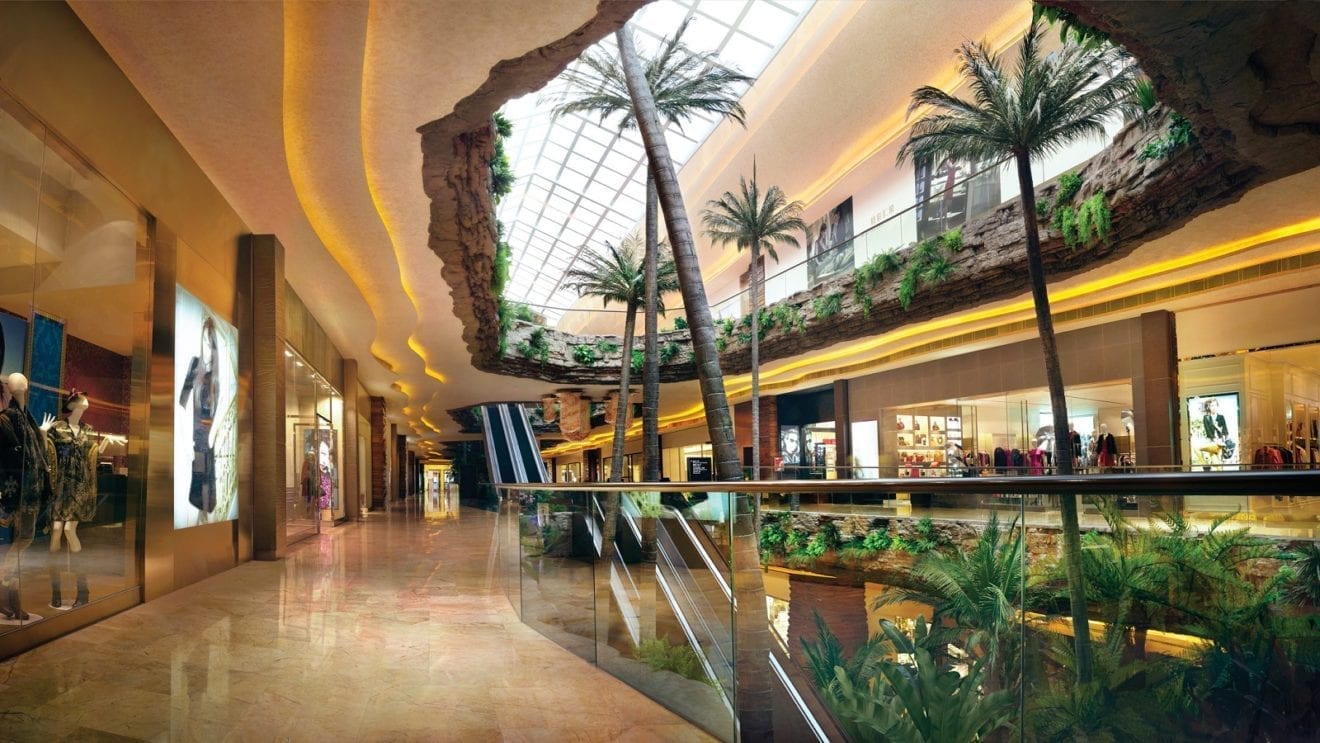
    Sands Cotai Central has opened phase four of its retail offer, adding almost 100,000sqft of retail space and 25 retailers.

    At the heart of the expansion is an Apple store, which opens today.

    The new space is home to several brands new to Macao: Calvin Klein Performance and Razzle. Other stores to open are MLB, Esprit, Guess, Watson’s, Noble Mart, Levi’s, Florsheim, Timberland, The North Face, Boy London, Zaxy and Bauhaus.

    Later this year, several restaurants will be added to the line-up, including Chiado, a modern yet authentic Portuguese concept developed in partnership with celebrity chef Henrique Sa Pessoa, and Crystal Jade La Mian Xiao Long Bao, which brings a contemporary twist to classic Beijing, Szechuan and Shanghai cuisine.

    “The addition of these new stores, especially the introduction of an iconic Apple Store, continues to ensure we provide our customers with more new-to-market brands, more choice and more amazing experiences,” said David Sylvester, executive VP of global retail at Las Vegas Sands Corp.

    Sands Cotai Central, which celebrated its sixth anniversary in April, has been the focal point of a wide range of products, offerings and experiences on the Cotai Strip, with access to four hotels since it opened in 2012.

    Earlier this year Sands China revealed plans to transform Sands Cotai Central into The Londoner Macao, which will feature new attractions including some of London’s most-recognisable landmarks.

  • Levi’s Indonesia Presents Special Collections for Ramadan and Idul Fitri

    Levi’s Indonesia Presents Special Collections for Ramadan and Idul Fitri

    Denim jeans might not be the first thing that pops into our minds when we prepare our wardrobes for Ramadan and Idul Fitri. But let’s admit it, these are among the most versatile clothing items, which we can easily mix and match and wear to almost every occasion.

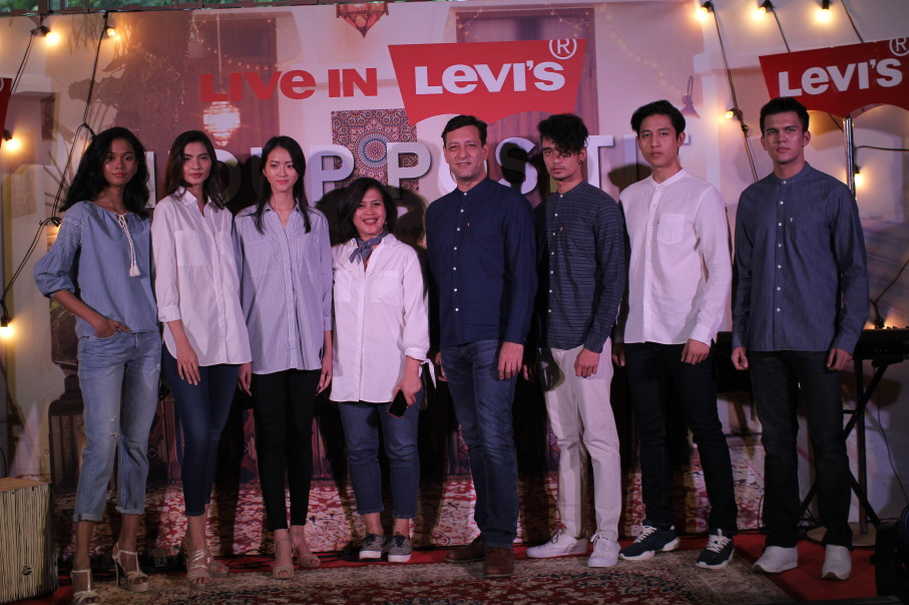
    Pioneering jeans brand Levi’s presented its special collections for Ramadan and Idul Fitri in Jakarta on Tuesday (22/05).

    “Ramadan and Idul Fitri are among the most important moments for Indonesia’s fashion industry,” said Adita Idris, head of marketing at Levi’s Indonesia. “And that’s why we’re now launching new collections specially for this season.”

    The collections are named after three main activities usually associated with Ramadan and Idul Fitri, which are Buka Puasa (Iftar), Mudik (Homecoming) and Lebaran (Idul Fitri).

    In the Buka Puasa collection, Levi’s features casual looks that combine regular and slim-fit denim pants with button-up shirts for men and women in a variety of indigo hues.

    Classic plaid patterns enhance some of the shirts in the collection.

    “People usually go straight from their campuses or offices to restaurants for iftar, so [in this collection], we’re presenting something that they can easily wear from day to night.”

    Levi’s presented more relaxed looks in its Mudik collection.

    Presenting this collection, the female models wore light cotton tank-tops and loose-fitted blouses with floral prints, matched with Levi’s 710 skinny cropped jeans that extended to just above their ankles.

    The male models on the other hand, wore a combination of regular-fit denim pants, T-shirts with simple graphics and trucker jackets. A scarf tied around the neck added a macho touch to the overall look.

    “All denim pants in this collection are made with our latest Performance Cool technology, which makes the jeans lightweight and breathable,” Adita said. “The fabric also moves perspiration away from the skin, keeping it cool and comfortable all day.”

    In the Lebaran collection, female models sported elongated and oversized tie-cuff shirts in hues of white and gray, which were matched with black and dark-blue skinny denim pants.One of the outfits in the Lebaran collection.

    “Simple dark-wash denim pants are more suitable to wear during respectful occasions, such as silaturahmi [visiting relatives’ homes] on Lebaran day,” Adita said.

    In the Lebaran collection, the male models presented long-sleeved shirts with Mandarin collars in plain white and denim hues, which were paired with Levi’s 505 regular-fit jeans.

    “As you can see, with our rich variety of clothing items, we can surely accommodate your every need for this festive season,” the head of marketing said.

    These special Ramadan and Idul Fitri collections are available in Indonesia and Malaysia.

    “In Indonesia, these items are available at all original Levi’s stores, as well as Sogo and Matahari Department Stores,” Adita said.

    ‘Hidup Positif’ Campaign

    Levi’s also used the occasion to launch a video campaign titled “Hidup Positif” (Positive Lifestyle).

    “Ramadan is a moment for introspection,” Adita said. “Therefore, in this special moment, we would like to encourage our customers to see things from a positive point of view and to always choose love, rather than hate.”

    The video campaign features a song with the same title by Yogyakarta-based band Batiga, which won last year’s Levi’s Band Hunt, and Malaysian actress-singer Daiyan Trisha.

    “I think the song is especially good and necessary, especially in the light of recent incidents in Indonesia,” said Riosa Oktaf, the band’s vocalist. “And it’s also in line with our vision as a band, which is to touch the hearts of our listeners and encourage positive values among them.”

    The video campaign is currently aired on Levi’s social media accounts, as well as by various TV channels and in cinemas.

    As winner of last year’s Levi’s Band Hunt, Batiga is also entitled to a record deal with Universal Music Indonesia.

  • New shopping center opened in Ho Chi Minh City

    New shopping center opened in Ho Chi Minh City

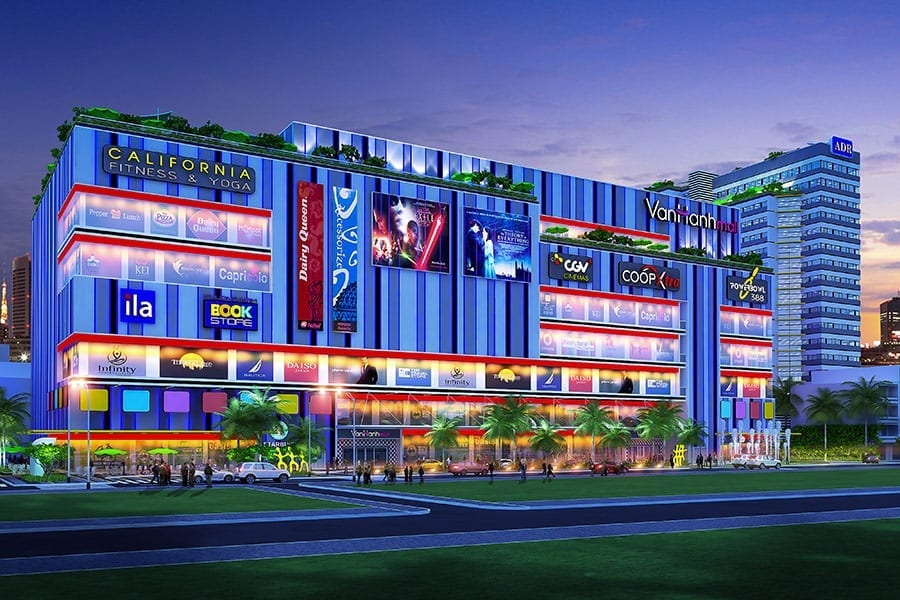
    Vietnam’s newest shopping centre, Van Hanh Mall, has opened in Ho Chi Minh City, on Su Van Hanh Street in District 10.

    Built on a 90,000sqm site, the shopping complex has 55,000sqm of retail space, which is 90 per cent occupied already, by more than 200 international and local brands.

    Tenants include Bata, Charles & Keith, Levi’s, Mujosh and Nike and a raft of dining options, including Buffalo Wild Wings, Crystal Jade, Sushi Kei, Starbucks and Phuc Long coffee.

    For entertainment, there is a CGV multiplex cinema, a Superbowl amusement center and a giant European-themed bookstore.

    A Co.opXtra hypermarket, operated by Saigon Co.op and Singapore’s NTUC FairPrice, also opened, marking the brand’s third outlet in the city.

    There are nine parking floors from basement to fifth floor, enough space for 350 cars and 3000 bikes.

    Built at the cost of VND1 trillion (US$43.9 million), Van Hanh mall rentals range from US$30-60 per sqm.

  • Is denim coming back?

    Is denim coming back?

    It began at Paris Fashion Week two in 2015, when Vetements sent its Autumn/Winter 2015 collection down the catwalk, full of its instantly familiar oversized silhouettes: grunge ditzy-print dresses, bulky bikers and bombers, thigh-high leather rodeo boots and those re-worked vintage Levi’s, now the brand’s signature jeans.

    Certainly, the denim market has been enjoying a long-awaited rebound. Sales in the $13.5 billion US women’s and men’s jeans market grew 4 percent in 2016, according to market research company the NPD Group — the category’s best performance in years.

    Globally, following three years of declines, the jeans market, valued at $92.9 billion, is also expected to grow this year, with men’s and women’s categories forecast to rise this by 4.2 percent and 3.7 percent respectively, according to Euromonitor.

    And as the athleisure trend begins to cool — presenting challenges for gym-to-street brands like Lululemon, Sweaty Betty and others — it would seem denim is clawing sales away from the sportswear category.

    According to data from retail technology company Edited, the first half of 2017 saw the women’s jeans market grow by 79 percent compared to the first half of 2016. Athleisure leggings, by comparison, grew just 35 percent.

    High-fashion brands such as Calvin Klein, Y/Project, Off-White, Balenciaga and, of course, Vetements, have helped along denim’s comeback, says Kurazawa, by catering to Millennial tastes, offering customization and a move away from the typical five pocket.

    Denim stalwart Levi’s is in a prime position to capitalize on consumer demand for vintage styles, given its 164-year heritage, recent collaborations with hot labels including Off-White, Gosha Rubchinskiy and Supreme, and a licensing agreement with luxury label Re/Done, which “up-cycles” vintage Levi’s denim, revamping old designs appeal to a younger generation. “We’re seeing a huge revival in ’90s-style fashion and ‘near-now nostalgia’ sentiment,” confirms Karyn Hillman, chief product officer at Levi’s, who points to the popular high-rise Wedgie model — inspired by the vintage 505, but updated with a little more stretch — as an example. “I think collaborations have really added some sort of equity to the brand,” adds chief marketing officer Jen Sey.

    In response to the success of re-worked styles, the heritage denim label is ramping up investment in customization services. This includes expanding in-store “tailor shops,” where shoppers can customize purchases. (Currently, tailor shops are in 100 percent of Levi’s UK doors with a heavy presence across Europe; the brand is now looking to recreate this success in the US.) Beyond stores, it has also installed customization pop-ups at key music festivals, from Glastonbury to Coachella. Sey says the activation “brings value to the consumer,” who, more often than not, is already wearing a pair of Levi’s.

    In November 2017, the company launched Levi’s Authorised Vintage, a collection of 50,000 pairs of dead-stock denim it bought back from the secondary market. “Levi’s has had the number one share of the vintage market forever,” Sey says. “We just haven’t actively participated in it [before], so we think it’s high time that we did.”

    Other denim brands are also capitalizing on the demand for an authentic, vintage-style product. Frame, for example, launched a limited Rigid Re-Release collection that catered to the nostalgia aesthetic in February 2017. While the limited-edition range will not continue into Spring/Summer 2018 due to limited availability, stiff fabrics will still be a key focus for next season’s denim collection.

    American brands Lee and Wrangler — both of which come under the umbrella of US apparel company VF Corp. — are also banking on reissues and archive-inspired designs to capture a younger consumer’s attention. “One of the latest capsules that we’ve done with Lee is we’ve gone into the archive to reproduce a retail product from 70, 80 years ago,” explains VF Corp’s jeanswear president Massimo Ferrucci. Wrangler’s Retro Glory collection boasts a similar missive; European stockists of the line include Asos, Urban Outfitters, De Bijenkorf and La Rinascente. “The younger consumer is attracted very much by Americana, by originality and authenticity, by product that comes from the archive.”

    But while retro silhouettes and rigid fabrics are on the rise in denim, it would seem that athleisure’s influence has had lasting impacts on the category’s basics, which account for the volume of the market.

    When the athleisure craze first blew up, many denim brands responded by investing heavily in stretch denims to try and compete with the fast-growing sector, a focus that continues to pay off. “Stretch is here to stay,” asserts Sey, who notes that Levi’s has actually seen an increase in demand for stretch denim as the fabric has transitioned into men’s lines.

    “Consumer preferences have changed — comfort has become much more important than in the past,” agrees Hillman. “Women generally wear their jeans a little tighter today compared to the past, so we’ve evolved the fits and fabrics to cater to these evolving tastes.” She notes that skinny jeans are still Levi’s best-selling style. “We don’t see that changing anytime soon,” she adds.

    Consumer desire for comfort has given birth to the rise of performance denim, another innovation that has become a growth driver for the denim sector. Brands that range from 7 For All Man Kind to Joe’s Jeans are utilizing new technologies to enhance existing fabrics and styles.

    VF Corp’s Ferrucci says that growth of performance denim at Wrangler — which includes a range of technical fabrics that are water resistant, insulating, cooling, or extremely flexible — has been accelerating fast, “because it is actually used as a workwear item.” Levi’s too has ramped up investment in similar initiatives, most notably its recent Commuter Trucker jacket, created in partnership with Google. “[It’s] about creating products that meet a consumer need,” says Hillman of the line that was originally created for cyclists in the noughts. “It is about purposeful design and creative lifestyle solutions to improve people’s lives.”

    The casualization of dress codes — not just in the workplace, but also for smarter occasions (one has four-figure jeans to thank for that) — has given denim a space to become an every-day go-to in a way that athleisure leggings may never be. “She might wear [leggings] to brunch with her friends on a Sunday, but she wasn’t going to wear them out on a date on a Saturday night, and she wasn’t going to wear them to work,” notes Sey.

    “Denim has a foothold in certain occasions that leggings never will,” she concluded.

  • Levi’s exec says eCommerce forcing focus on inventories

    Levi’s exec says eCommerce forcing focus on inventories

    Retailers can no longer accept a lack of shelf level inventory in-stocks and inaccurate inventories, according to Carrie Ask, executive VP and president of global retail at Levi Strauss & Co.

    Speaking at this month’s NRF Big Show in New York, Ask said that after travelling the world and observing consumers purchasing intent and behaviour in-store, the 164 year old brand’s executive team had an ‘a-ha’ moment.

    “Now while store traffic is declining, we discovered something else, something that we think is fundamentally different about store traffic today,” she said.

    “We discovered the purchase intent of consumers visiting stores, is rising. Makes sense, they don’t have to go to a store anymore, so when they do, their intention is higher.

    “In addition, we found that ‘out of stock’ and ‘couldn’t find my item’ are the top barriers to purchase for consumers that plan to make a purchase, as well as consumers who purchase but didn’t get everything they wanted.”

    Ask said the opportunity and stakes are now higher than ever for physical retailers. On the opportunity side, Ask said Levi’s were underestimating the potential within its store traffic to drive sales and conversion. And on the stakes side, the clothing brand also realised that when out of stock, the opportunity to drive a planned or impulse purchase is removed, resulting in frustrated and disappointed consumers that may decide their next trip, time and energy wasn’t worth it – potentially jeopardising future traffic.

    “In-store inventory insights, specifically shelf level instocks and accurate inventories are an age old problem for retail,” said Ask.

    “While we’ve had inventory management and planning systems for some time but typically limited to telling us whether an item is in the store but not whether it’s on the sales floor in its designated location on the sales floor.”

    In addition, Ask said instore inventory is often inaccurate, with sales associates in-store stock checks using radio or POS often culminating in coming back empty handed, not able to find products ‘even though the system said there was one.’

    “The truth is, full stop, this happens all the time and as a retailer and an industry, we can no longer accept this lack of shelf level inventory instocks and inaccurate inventories, which are an Achilles heel for us.

    “In the bad old days the consumer didn’t have very many choices and they could either keep looking and keep shopping, maybe go to a competitor or they had to settle for a substitute item, waiting for it to come back in-stock or to go without but consumers don’t have to settle anymore.”

    Levi’s is trialling technology from Intel in its stores, including the RFID tagging of all products and ceiling mounted sensors, trigger replenishment actions and get staff away from focusing on inventory management and back onto its consumers.

    “The goal is real-time, all the time, inventory insights, which brings several benefits,” said Ask. “It also gives our planning and allocation teams more accurate information to guide inventory decisions.”

  • CityOn.Zhengzhou to open fully leased

    CityOn.Zhengzhou to open fully leased

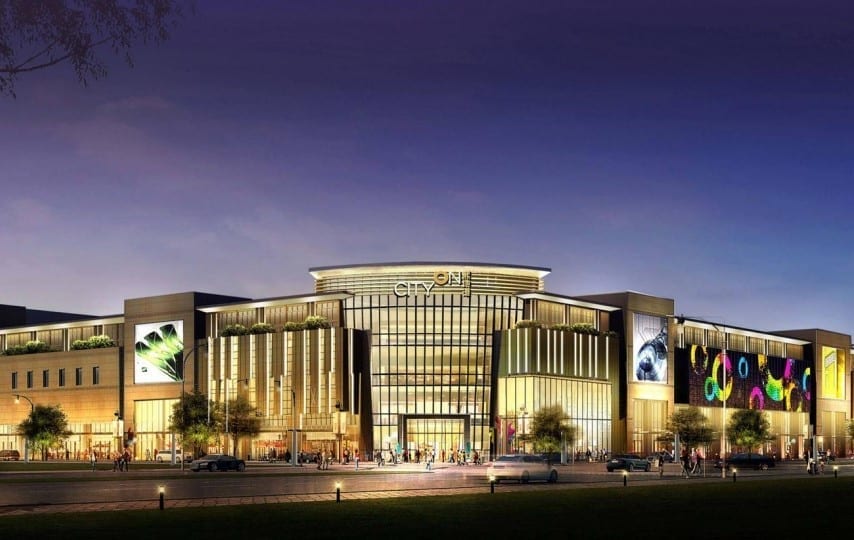
    Taubman Asia, a subsidiary of US shopping centre group Taubman Centers, and China’s Wangfujing Group, have announced the line-up of retailers for its CityOn.Zhengzhou mall in Henan province, set to open on March 16.

    When it opens, the centre will be 100 per cent leased and 90 per cent occupied with nearly 200 stores and restaurants. In the heart of Zhengdong New District, the six-level, 94,000 sqm shopping and dining destination will offer domestic, international and lifestyle brands from fast fashion to accessible luxury, anchored by a four-level Wangfujing department store.

    “We are thrilled to see our second China project coming to life in Zhengzhou,” says Taubman Asia president Rene Tremblay.

    Local, regional and international cuisine at all price points and in both seated restaurants and quick-serve formats will be a feature of the centre, which will also offer family-friendly experiential, educational and entertainment offerings.

    Many international brands will be making their central China debut at the centre, says Taubman Asia group VP Paul Wright.

    Outlets at the mall include…

    Fashion: Adidas, Ajidou, Basic House, Bershka, Charles & Keith, Columbia, Converse, Ecco, Five Plus, Forever 21, H&M, Innisfree, Jack & Jones, KIKC, Kipling, La Chapelle, Lee, Levi’s, Mango, Massimo Dutti, Miniso, Mishka, Mobi Garden, Nike, Pandora, Polo, Sand & Foam, Sephora, Skechers, Stradivarius, The North Face, Uniqlo, Vans, Vero Moda, Westlink and Zara.

    F&B/entertainment/kids/lifestyle/electronics: Acasia Food Village (featuring 14 food vendors), Benfu Sushi, Boat Noodle, Chatime, Chez Choux, Chicken Container, Coco, Dollar Shop, FrozenYo, GB Kids Station, Gong Cha, Grandma’s Kitchen, Guoguo Mutton Soup Restaurant, Guxiang No. 9 Catering, Hallmark Babies, Homao, Huawei, iSpace, La Chapelle Kids, Lenovo, MagicSalad, MM by Haircode, Mr Wish, NaughtyKids, New York Fries, Oscar CityOn Cinema, PapaBubble, Pizza Zone, Rbike, Siwuke Tea, Starbucks, Strawberry Forever, Subway, Teppanyaki Xiang, Toot Science, Udon & Tempura, Uncle, Wan Quan Bu Tong, Xiang Tian Xia Huo Guo, Xiao Liu Jia, Xiao Zhu Zhu Kao Rou, Xue Mi Da, Yang Xiang Dou Pi Shuan Niu Du, YuYuTo, ZBX Fresh Fish Hot Pot, Zheng Shi Yi and Zoo Steak.