Tag: levi’s

  • Lazada stays online

    Lazada stays online

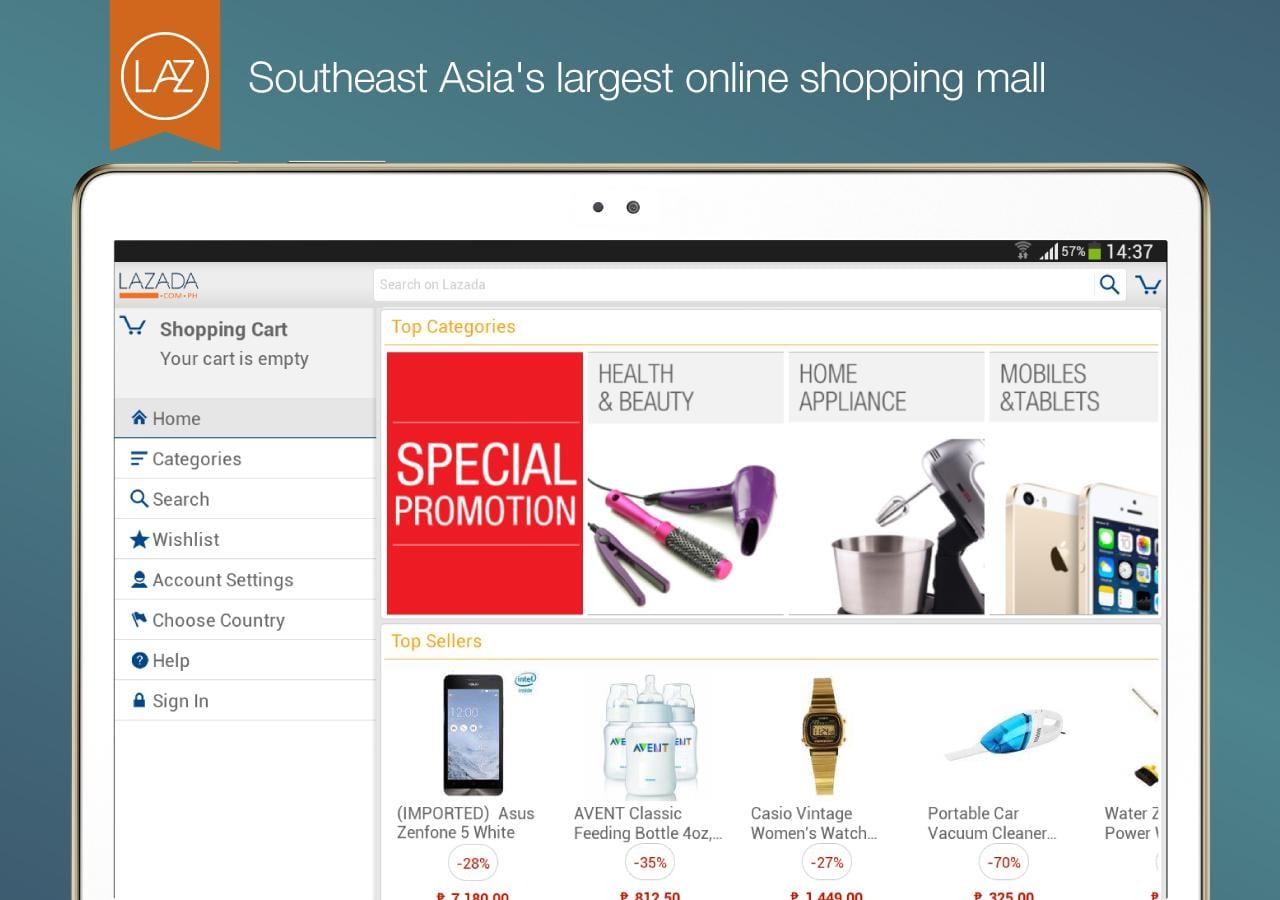
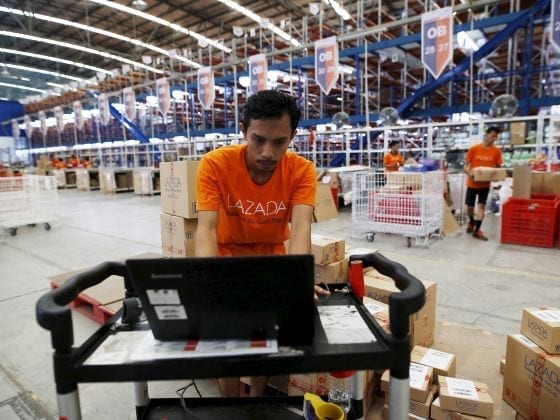
    While some global e-commerce giants, including Amazon Inc, are planning to build brick-and-mortar convenience stores, Lazada Malaysia will focus on things it does best — selling inventory to customers from its warehouses through its online platform.

    Its chief executive officer (CEO) Hans-Peter Ressel said Lazada Malaysia will concentrate on strengthening its online shopping business, rather than building physical stores to complement its online services.

    “We can’t comment on their (Amazon’s) strategy because we focus only on our products,” Ressel said in an interview last week. “We have decided to go this way, and if other players are doing other things, I’m happy to learn and observe how this works for them, but it doesn’t change our strategy.”

    Citing unnamed sources, The Wall Street Journal last week reported that Amazon stores will sell perishable goods, including milk and meats. The Seattle-based retail giant will also build drive-in locations for consumers in a rush where online grocery orders will be brought to the car, the newspaper said.

    Lazada Malaysia, which has achieved more than five million app downloads, is part of the Lazada Group which operates online shopping platforms in Indonesia, the Philippines, Singapore, Thailand and Vietnam. Its product offering covers diverse categories, including electronics, fashion, health & beauty, sports & travel, and groceries.

    Vienna-born Ressel, who is of Austrian and Filipino descent, had served as Lazada Malaysia chief commercial officer and chief operations officer since August 2012, before he became its CEO in March 2015.

    Lazada Malaysia, he said, would continue to collaborate with brand retailers, hypermarkets and offline flagship stores to sell their products.

    “If you want [to operate your own] store, how many stores do you need? What do you want to put on these stores? We don’t believe in doing everything by ourselves. We have partners; we have brands, and it is crucial to have their collaboration, that’s our focus,” he said.

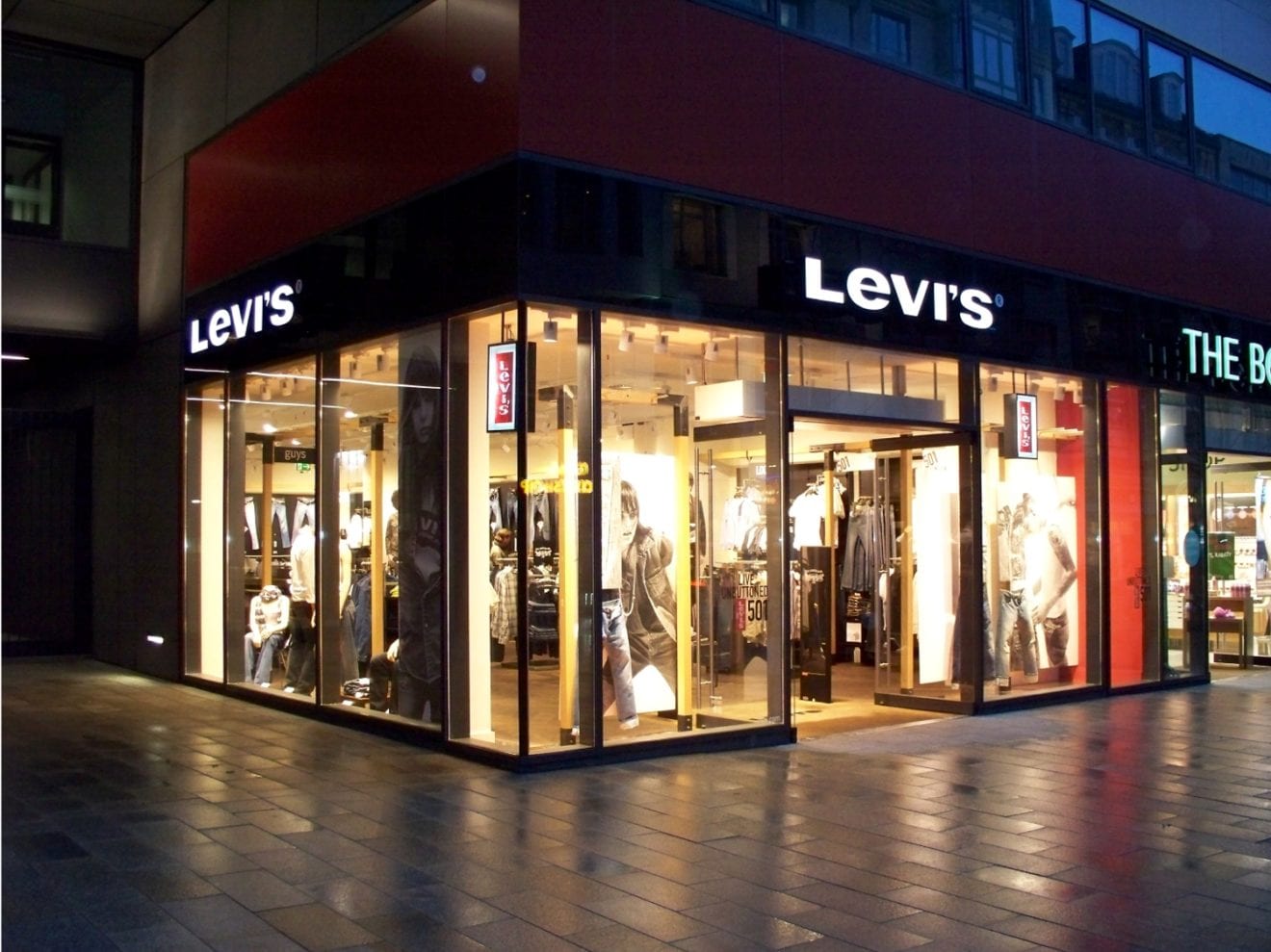
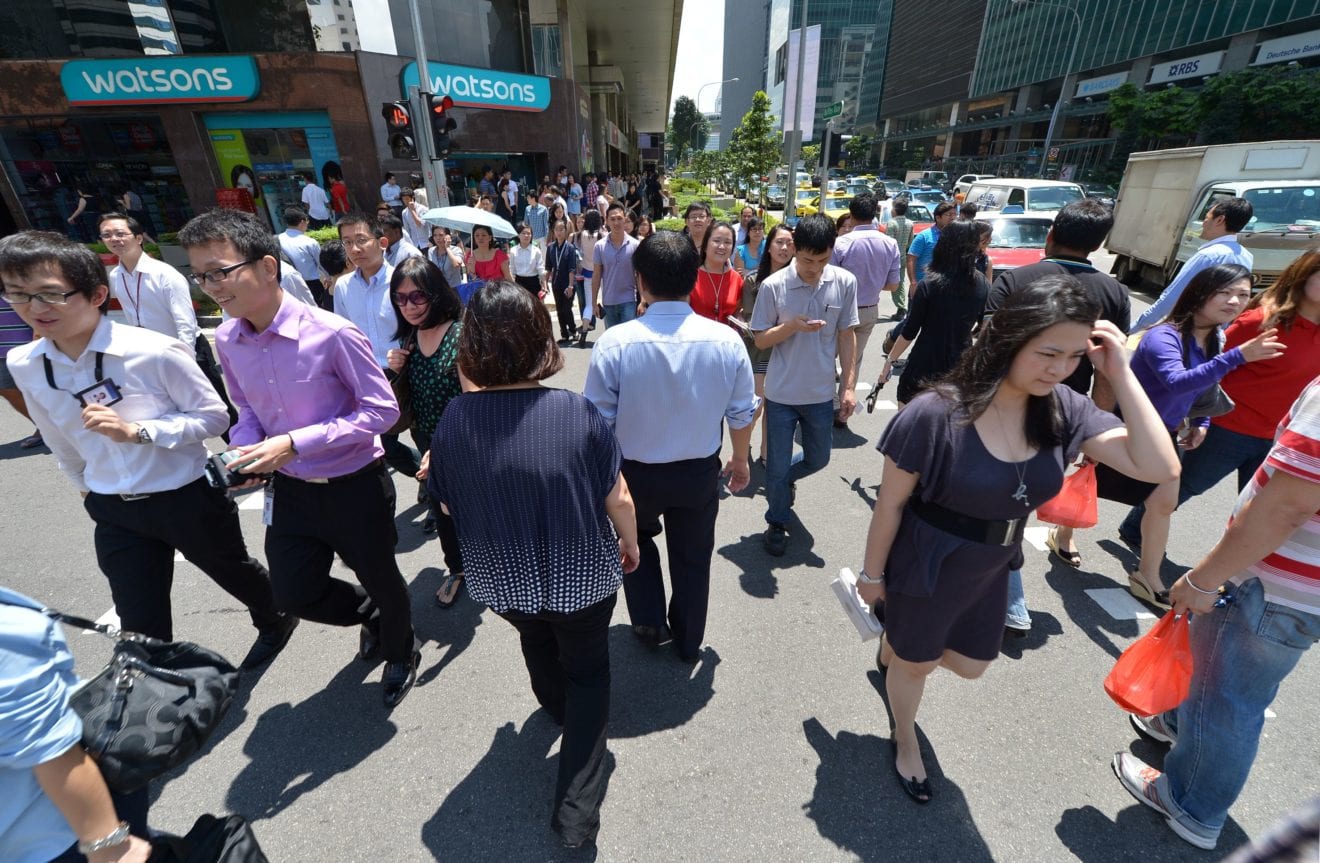
    Notably, Lazada Malaysia this year brought in top brands such as L’oreal, Levi’s and Samsung. It also formed partnerships with giant retailers such as Tesco, Watsons and Senheng.

    Ressel believes e-commerce is the way forward, considering that two-thirds of Malaysians have Internet access, with most of them spending more than four hours a day online.

    “If we didn’t believe in the future growth of e-commerce, we won’t be here. Today, 20 million out of 30 million Malaysians are online. The [Malaysian] e-commerce market will definitely grow towards a size that is similar to Western countries, China and Korea. It’s just a matter of time,” he said.

    According to an estimate by statistics portal Statista, total revenue for the Malaysian e-commerce market this year will hit US$894 million (RM3.75 billion) and revenue is expected to see an annual growth rate of 23.7% in the next five years, to reach US$2.58 billion by 2021.

    Currently, the market’s largest segment is electronics and media, with a market volume of US$380 million. User penetration is at 61.7% this year and is expected to hit 76.8% in 2021.
  • FMCG, fashion spur Lazada Indonesia growth

    FMCG, fashion spur Lazada Indonesia growth

    eCommerce group Lazada Indonesia says its current volume growth has accelerated to more than 150 per cent than at the same time last year.

    Key contributing categories are FMCG and fashion, which are both growing more than three times as much as last year. Also, about 80 per cent of the orders are via mobile devices.

    “Our rapidly growing orders in categories such as FMCG and fashion, being shipped all across the country, further demonstrates that Lazada has truly become the one-stop shopping destination of choice,” says Lazada Indonesia co-CEO Florian Holm.

    This success is also helping SMEs, which can now sell on Lazada free of commission – an initiative that will ultimately also benefit consumers through more competitive pricing, says Lazada. The initiative has helped SMEs achieve up to 10 times growth in sales since the beginning of the year.

    Brands are also benefiting from the growth through partnerships with Lazada Indonesia to offer exclusive products.

    In a recent Lazada collaboration with L’Oreal Paris, the My Superstar Look campaign – endorsed by celebrities Maudy Ayunda and Dian Sastrowardoyo – resulted in a 10-times increase in sales as well as engaging thousands of new customers for the cosmetics giant.

    Levi’s is now working with Lazada to create an onsite experience including product story videos, and fit and size guides to help consumers find the right jeans. This season the companies will run joint marketing campaigns for the Levi’s 511 Slim Fit Jean for men and Levi’s 711 Asia Skinny Jean for women.

    Free shipping

    Meanwhile, Lazada Indonesia has launched a free shipping service, enabled by its last-mile logistics arm and network of reliable delivery partners. The company has also extended its cash-on-delivery option to more products.

    Lazada Indonesia’s strong growth comes on the back of Alibaba Group’s investment, announced in April. To reduce lead-time to the consumer, Lazada has started using Cainiao, a logistics network 47 per cent owned by Alibaba which allows parcels to be picked up from Lazada merchants in China. Lazada has also entered into a partnership with Alibaba subsidiary UCWeb to drive more traffic to the platform.

    For the fourth quarter, Lazada Indonesia is planning more initiatives and preparing for the Online Revolution, an online event involving sellers and consumers. From November 11 to December 12, Indonesian consumers will be offered flash sales, special promotions, attractive deals and engaging activities.

    “Since we created the Online Revolution in 2012 to introduce consumers to online shopping, it has sparked a shopping frenzy that breaks records year after year. No other eCommerce player in Southeast Asia can claim a similar achievement,” says Holm.

  • Singapore Golden Week targets shoppers

    Singapore Golden Week targets shoppers

    Singapore Retailers Association (SRA) is launching the inaugural Singapore Golden Week (SGW), a lifestyle event to be held over three weekends from September 30  to October 16.

    Its aim is to heighten Singapore’s appeal as a lifestyle destination with a suite a retail privileges, shopping reward and pampering experiences as enticement.

    Global payment network UnionPay is the official card for the event, with special privileges for cardholders across more than participating outlets including retail, F&B, beauty and wellness, and hotels and attractions.

    As well as exclusive discounts, cardholders are offered gifts when making purchases at participating merchants using their cards. The merchants involved include department stores Isetan Scotts, Metro and Robinsons, clothing labels Dockers, Dorothy Perkins, Karen Millen, Levi’s, TM Lewin, Topman, Topshop and Warehouse; and attractions such as the Alive Museum.

    There is also a game in which cardholders can win shopping vouchers and prizes worth more than S$10,000 (US$7388) in all, based at Ion Orchard.

    Visitors – not just cardholders – are also welcome at the UnionPay Golden Pampering Lounge in Ion Orchard’s atrium, which offers gourmet coffee and free-flow gourmet cookies.

    Cardholders can access the VIP area, which has massage chairs plus gourmet coffee sprinkled with edible gold dust.

  • Levi Asia bullish

    Levi Asia bullish

    Asia will be the backbone of global denim wear brand Levi & Strauss growth in the short and long term according to its CEO.

    Despite the slowing economic growth in the region, driven by China’s marked slowdown, Levi CEO and global president Chip Bergh says his company remains upbeat about consumer spending regionally.

    “We are very optimistic,” Bergh told Channel News Asia in an interview, (you can read the full text and watch the video here).

    “Despite the reported (growth) slowdown in markets like China, this is still going to be our fastest growing region, both short- and long-term.”

    He says the main driver will be the rapidly growing ranks of young Chinese consumers joining the middle class, who have strong emotional attachments to brands and who are eager to buy branded goods.

    “The demographics work to our advantage and we are strategically focused on Asia as a result of that,” Bergh told Channel News Asia.

    The soaring value of the US currency has impacted on Levi & Strauss margins in the region – and its reported earnings in its home currency. As a result the company had adjusted product prices in some markets “to protect the long-term structural economics of our business”.

    “At the same time, we are also working on the cost side of the equation to protect our growth margins and so we’ve been able to continue to grow and grow profitably,” said Bergh.

    In the third quarter of 2015, Levi’s reported a 15 per cent jump in earnings to US$58.2 million, thanks to double-digit growth in its women’s apparel collection and continued strength of the international retail business, including Levi Asia.

  • Fashion brands targeted in Cambodian minimum wage push

    Fashion brands targeted in Cambodian minimum wage push

    Lobby group the Clean Clothes Campaign aims to shame the world’s large fashion brands into supporting a Cambodian minimum wage rise.

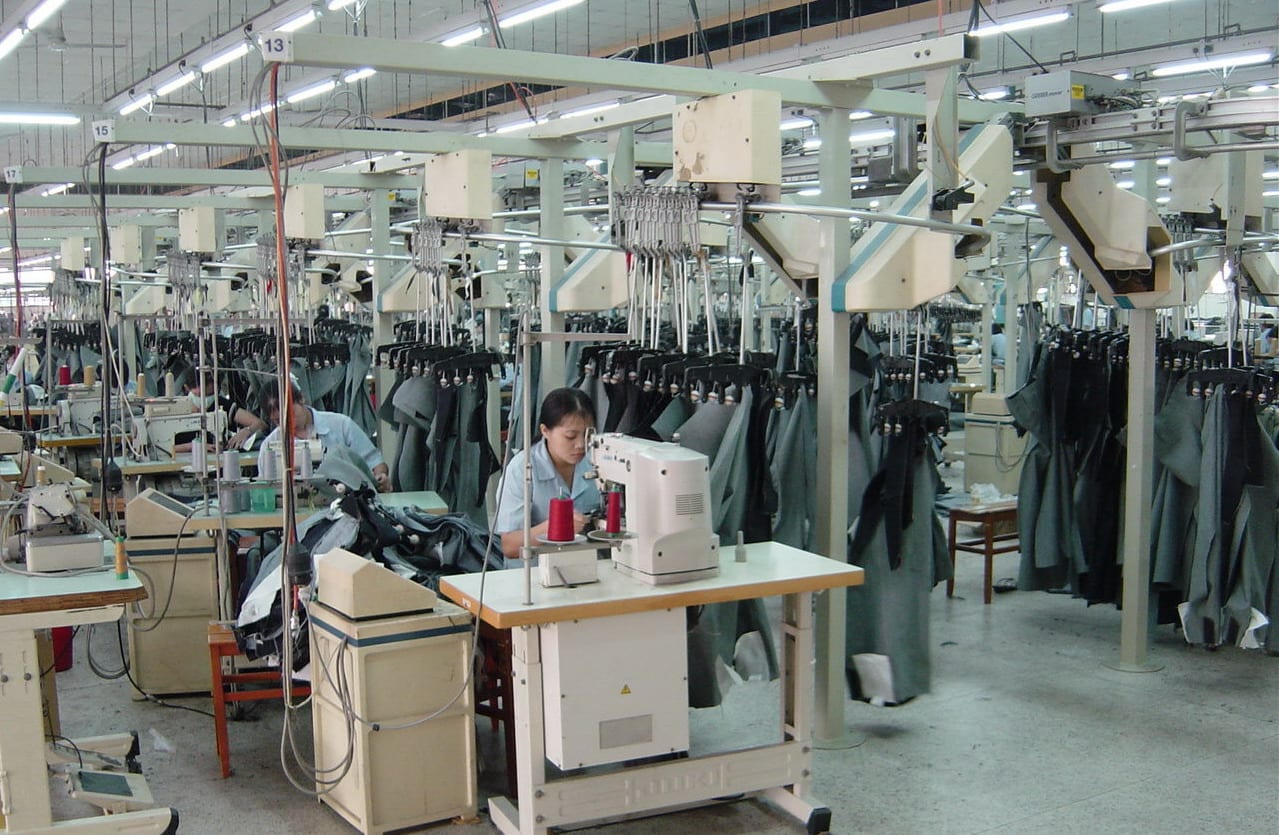
    The CCC says it is lobbying on behalf of a coalition of Cambodian unions that the multinational brands must ensure a minimum wage of US $177. Thousands of women and men in Cambodia and around the world, have worn stickers saying “brands must provide a living wage for workers!” in factories which produce apparel for major global brands such as H&M, Inditex, Levi’s and Gap.

    The campaign is co-ordinating ongoing action in Asia, the US and Europe.

    In October, the Labour Advisory Council (LAC), a tripartite wage-setting body, voted to approve a new minimum wage of $140, to be implemented in January 2016 for Cambodia’s 700,000 garment workers, despite objections from a number of unions.

    “This insufficient $12 wage increase is a slap in the face to workers who have been organising for over a year to demand a fair minimum wage of $177,” said the CCC.

    A coalition of Cambodian unions are joining together to demand that the brands immediately ensure a minimum wage of US $177 is paid in their Cambodian suppliers and negotiate directly with Cambodian unions a binding agreement to achieve living wages, decent purchasing practices, stable employment, and union rights for the long-term.

    “Some brands, such as H&M and Adidas, have made public statements that they support a living wage for workers in their supply chains. However, these assertions ring hollow to workers who often work excessive overtime and still cannot provide for the basic needs of themselves and their families.”

    Athit Kong, VP of C.CAWDU, an independent union in Cambodia, says the $12 increase does not reflect the real basic needs of the workers, “especially in light of the enormous profits of multinational brands”.

    “It is clear that the only solution to poverty wages in the garment industry is genuine collective bargaining between brands, as the principal employers, and the garment unions.”

    A Global Action Day is planned for December 10, International Human Rights Day. Workers and campaigners from all over the world will show support to the Cambodian workers with workplace actions, fashion mobs, catwalks, and other store actions.

    Mirjam van Heugten from CCC, says brands sourcing from Cambodia cannot expect the women and men working in their factories to accept “these bread crumbs”.

    “The workers effectively slave themselves at factories, only for the brands to make huge profits. The targeted brands such as H&M and Inditex must put their leadership claims into practice by making sure all garment workers receive a living wage.”

  • Levi, Google make sensible garments

    Levi, Google make sensible garments

    Google is working with denim maker Levi Strauss to create ‘sensible clothes’ permitting the wearer to work together with wearable units like watches, no matter how massive their fingers and thumbs are.

    The analysis has been carried out by a small Google analysis group, which specialize in area of interest tasks, referred to as Superior Know-how and Tasks (ATAP).

    The 2 corporations have launched a video explaining their particular partnership, dubbed Challenge Jacquard, in honour of the Frenchman who invented a loom. Watch it under.

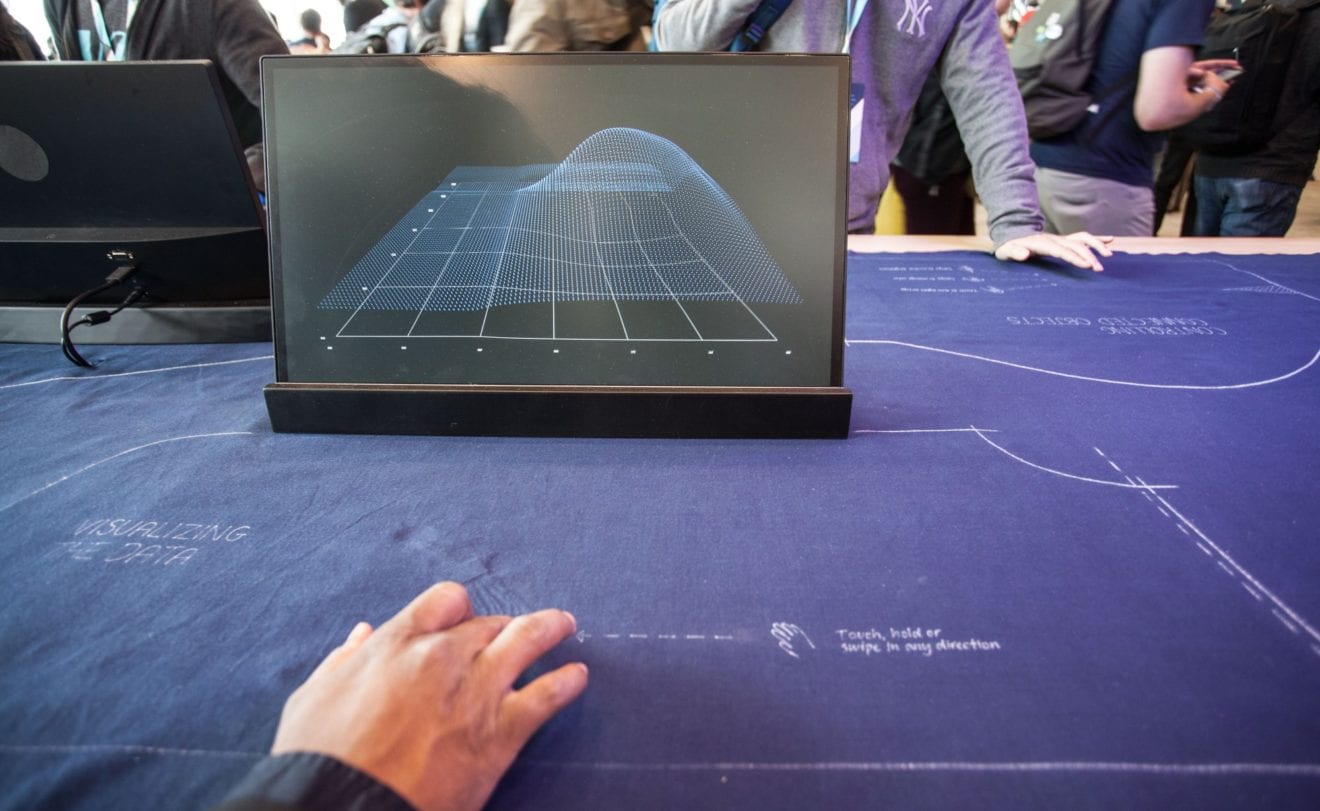
    The core of the innovation is weaving conductive threads into the denim.

    “We’re enabling interactive textiles,” Emre Karagozler of ATAP stated at a briefing presentation in Google’s annual developer convention.

    Conductivity could be restricted to only a sure a part of the clothes merchandise, or throughout complete material. It’s versatile and washable.

    In an indication, customers could be seen controlling a pc display by touching their garments.

    Google says Venture Jacquard makes it attainable to weave contact and gesture interactivity into any textile utilizing normal, industrial looms.

    Something involving material, from fits or clothes to furnishings or carpet, might probably have pc touch-pad type management capabilities woven.

    “Conductive yarn is related to tiny circuits, no greater than jacket buttons, with miniaturised electronics that may use algorithms to recognise touches or swipes,” the ATAP staff stated.

  • Levi Strauss aims to revive its past glory

    Levi Strauss aims to revive its past glory

    Founder Levi Strauss patented the blue jeans in 1873 but the brand itself was established in 1853, and today its jeans can be found in over 2,800 stores in 110 countries.

    Although long enjoying iconic status, it has been difficult for Levi’s to consistently stay relevant and be at the centre of culture. It was 1996 when Levi Strauss reached its peak year, amassing USD7.1 billion of global sales – even bigger than Nike, which booked USD6.5 billion in sales that year.

    Entering 2001, the denim maker saw its sales plummet to USD4.1 billion – which for the next decade became the norm. The challenge today is that customers in its biggest markets, the United States and Europe, are not out spending on retail. And CEO Chip Bergh sees that over the past decade, denim and apparel in general has been on the decline.

  • Gap, H&M and Levi’s among the most ethical brands

    Gap, H&M and Levi’s among the most ethical brands

    Gap, H&M and Levi’s are the three fashion brands that have been named on the Ethisphere Institute’s ninth annual list of the World’s Most Ethical Companies. The New York-based research firm listed 132 groups and companies that it believes foster a culture of ethics and transparency at every level from 21 countries, representing over 50 industries.

    Gap is one of only fifteen to have been honoured every year since the list’s inception. It received qualifying scores across five categories including ethics and compliance; corporate citizenship and responsibility; culture of ethics, governance, and leadership; innovation; and reputation. French cosmetic giant L’Oreal, Brazil’s Natura Cosméticos and Japanese brand Shiseido are also honoured in the list at the Health and Beauty category. Marks & Spencer and US pet food retailer Petco Animal Supplies are featured in the list at the retail category.