Retail News CRM

Tag: License

  • DBS Broadens China Market Dominance: Secures Principal Bond Underwriting License

    DBS, a Singaporean financial institution, is expanding its operations in mainland China by acquiring a bond underwriting license. With this license, the bank’s China division is now permitted to function as a principal underwriter for non-financial corporate bonds in the mainland’s interbank bond market. This authorization has been granted by China’s National Association of Financial Market Institutional Investors (NAFMII). Consequently, DBS can now manage all onshore corporate bond deals, which involves coordinating syndicates.

    The Role of DBS in China’s Bond Market

    DBS is a substantial foreign participant in the issuance of panda bonds. These are yuan-denominated bonds that are sold onshore by issuers who are not Chinese. As of the close of the previous year, DBS held a 38 percent market share in panda bonds.

    In 2025, the issuance of panda bonds in China’s interbank market amounted to 173.3 billion yuan, or $25.1 billion. This represents a compound annual growth rate of 26 percent over the past five years, a clear sign of the bond market’s rapid expansion.

    Questions & Answers

    What is the recent development for DBS in mainland China?
    DBS’ China unit has received a principal underwriting license for non-financial corporate bonds in mainland China’s interbank bond market from the National Association of Financial Market Institutional Investors (NAFMII).

    What does this license allow DBS to do?
    This license allows DBS to handle all onshore corporate bond deals, including the coordination of syndicates.

    What is DBS’ current standing in the issuance of panda bonds?
    DBS is a significant foreign participant in the issuance of panda bonds with a market share of 38 percent as of the end of last year.

  • Sun PhuQuoc Airways Soars Globally: Vietnam’s Airline Gains License for International Flights, Boosts Regional Tourism

    Sun PhuQuoc Airways Soars Globally: Vietnam’s Airline Gains License for International Flights, Boosts Regional Tourism

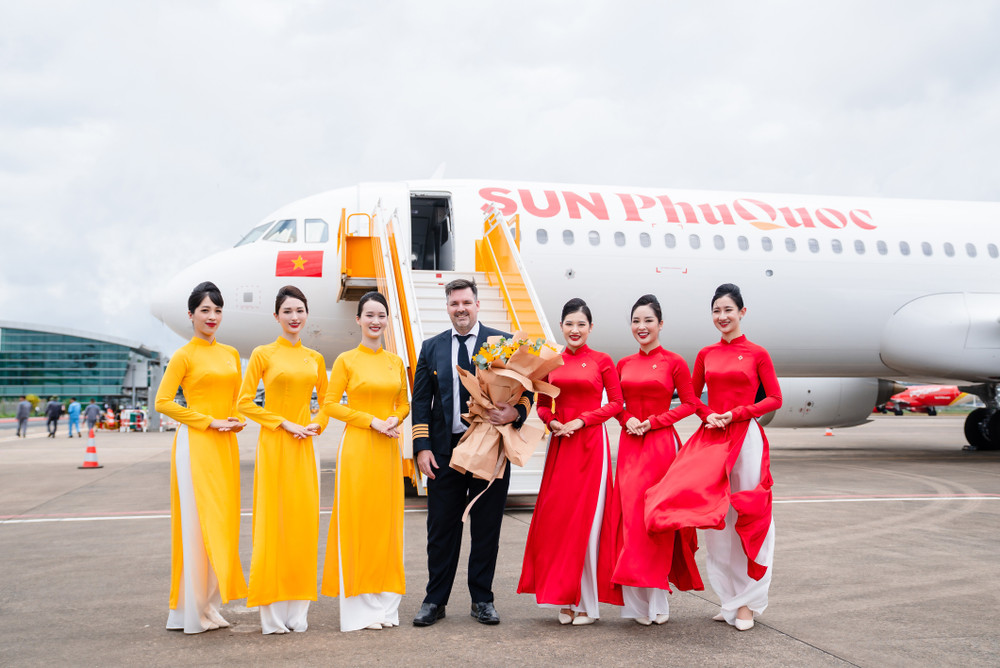
    Sun PhuQuoc Airways, a Vietnamese airline company, recently received extended certification from the Civil Aviation Authority of Vietnam, which now permits it to operate international flights. This significant development, following a stringent evaluation process involving the application of the highest safety standards, allows the airline to provide commercial flights to international destinations within the MID/ASIA region.

    Transition to International Services

    This certification marks a substantial milestone in Sun PhuQuoc Airways’ journey from being a domestic airline to becoming an international carrier. It opens up a wealth of opportunities in thriving tourism markets across the region.

    The airline is set to start offering international flights to South Korea and Taiwan in the upcoming year. Initially, the service will commence with flights from Phu Quoc to Seoul and Taipei in March, which will then be followed by flights to Busan in September and Kaohsiung in October. Tourist visits to Phu Quoc Island in Vietnam from these regions have witnessed a steady growth in recent years, making these markets a strategic choice for the airline’s expansion into major economic and tourism hubs in Northeast Asia.

    Strategic Partnerships

    To facilitate the smooth launch of its international services, Sun PhuQuoc Airways has aligned with general sales agents (GSAs) in both South Korea and Taiwan. The airline will be represented in South Korea by Pacific Air Agency, a reputable and experienced GSA group, which will be responsible for sales, distribution, and market development.

    In Taiwan, the airline has partnered with Hongyi Travel Service, a leading outbound operator and the first company to bring tourists from Taiwan to Vietnam in the 1990s. This collaboration will enhance the airline’s connectivity with the rapidly growing outbound travel market in Taiwan. These GSAs will facilitate the development of distribution networks, marketing activities, and tailored products for each customer segment before the new routes are launched.

    Fleet Expansion

    In addition to its service expansion, Sun PhuQuoc Airways has been investing in its fleet. On November 24, the airline’s fourth aircraft, an Airbus A321NX, was officially put into commercial service to accommodate the increased travel demand during peak seasons. The airline also expects to add another aircraft to its fleet this month.

    The airline views these developments as strategic steps toward establishing Phu Quoc as a new regional hub for tourism and aviation. The introduction of direct international routes will not only improve market access to two of Vietnam’s largest visitor sources but will also contribute to the integrated tourism ecosystem of Phu Quoc. Travellers will enjoy a seamless journey that encompasses flights, resorts, dining, entertainment, and leisure.

    The airline’s expansion into international markets aligns with Phu Quoc’s selection as the host city for APEC 2027. The island is making rapid strides in infrastructure and urban development projects to prepare for this global event. The airline’s growth is expected to enhance the island’s competitiveness and attract a higher calibre of visitors to Vietnam in the future.

    Questions & Answers

    What significant milestone has Sun PhuQuoc Airways recently achieved?
    Sun PhuQuoc Airways has recently been granted certification to operate international flights, marking a significant transition from being a domestic carrier to an international airline.

    Which international routes is Sun PhuQuoc Airways planning to introduce next year?
    Sun PhuQuoc Airways is planning to introduce flights to South Korea and Taiwan next year, beginning with Seoul-Phu Quoc and Taipei-Phu Quoc in March, followed by Busan-Phu Quoc in September and Kaohsiung-Phu Quoc in October.

    How is Sun PhuQuoc Airways preparing for the launch of its international routes?
    To facilitate the smooth launch of its international routes, Sun PhuQuoc Airways has appointed general sales agents in both South Korea and Taiwan to manage sales, distribution, and market development. Additionally, the airline is also expanding its fleet to meet the increased travel demand.
  • Alibaba Unveils Ambitious Expansion Strategy, Transforming Wholesale Business In Southeast Asia

    Alibaba Unveils Ambitious Expansion Strategy, Transforming Wholesale Business In Southeast Asia

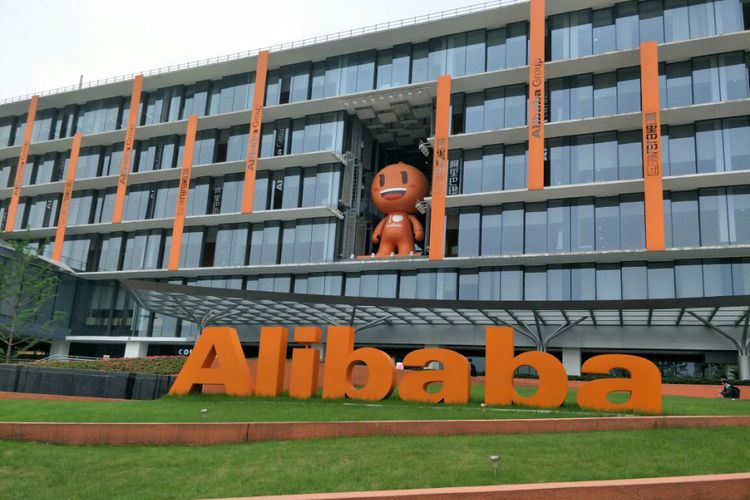
    Retail giant Alibaba Group is ramping up its game as it unveils plans to expand its wholesale business, unveiling a transformative strategy that aims to penetrate deeper into Southeast Asia’s burgeoning e-commerce market. With a firm belief in the region’s potential, Alibaba is investing heavily as part of its long-term vision, transforming the traditional wholesale model to meet the evolving demands of today’s consumer landscape.

    Innovations in Wholesale

    Rather than sticking to outdated practices, Alibaba’s latest initiative involves leveraging technology to streamline operations and enhance the customer experience. The company is introducing advanced tools and platforms that promise to simplify the wholesale purchasing process for small and medium-sized businesses (SMBs). Imagine a world where merchants can source products with the swipe of a finger, and you get a glimpse of what Alibaba is bringing to the table.

    This pivot is particularly timely, given the rapid changes in consumer behavior spurred by the pandemic. Retailers are no longer just looking for inventory; they’re seeking innovative solutions that offer flexibility and speed. By marrying traditional wholesale processes with cutting-edge technology, Alibaba aims to provide a seamless shopping experience that empowers SMBs to thrive.

    Regional Growth and Collaboration

    As part of this ambitious expansion, Alibaba is not just going solo. Building partnerships with local players is crucial to its strategy. According to the company, collaborating with regional retailers and distributors will provide invaluable insights into market nuances, enabling Alibaba to tailor its offerings more effectively. It’s a classic case of “together we are stronger,” and a strategy that could well redefine wholesale networks in the area.

    The company’s reach in Southeast Asia has received a notable boost through strategic investments and the establishment of localized platforms, which resonate with the unique cultural patterns of the region. Known for its active engagement with local communities, Alibaba plans to leverage its existing ecosystem to foster deeper relationships with customers and partners alike.

    The Road Ahead

    As Alibaba races ahead with its wholesale ambitions, the company faces competition from other e-commerce platforms that are equally keen to claim their share of the market pie. However, with its robust infrastructure and wealth of experience, Alibaba is poised to set the standard for wholesale in the region. Change is not just inevitable; it’s here, and Alibaba is all set to lead the charge.

    In a region where e-commerce and retail sectors are intertwined yet diverse, Alibaba’s innovative approach has the potential to spark significant change. If this strategy pays off, it could lay the groundwork for a new era in how businesses source products in Asia — and who knows, there might be a bidding war for your favorite new gadgets.

    Questions & Answers

    What is Alibaba’s new wholesale strategy focused on?
    Alibaba’s new wholesale strategy centers on integrating advanced technology into the purchasing process, aiming to streamline operations for small and medium-sized businesses.

    Why is Southeast Asia important to Alibaba’s expansion plans?
    Southeast Asia presents significant growth opportunities in e-commerce, and Alibaba aims to strengthen its presence through partnerships and tailored strategies that resonate with local markets.

    How does Alibaba plan to collaborate with local retailers?
    Alibaba intends to partner with local retailers to gain insights into regional market nuances, fostering deeper relationships that enhance its wholesale offerings.

  • English center in Vietnam forced to shut down for operating without license

    English center in Vietnam forced to shut down for operating without license

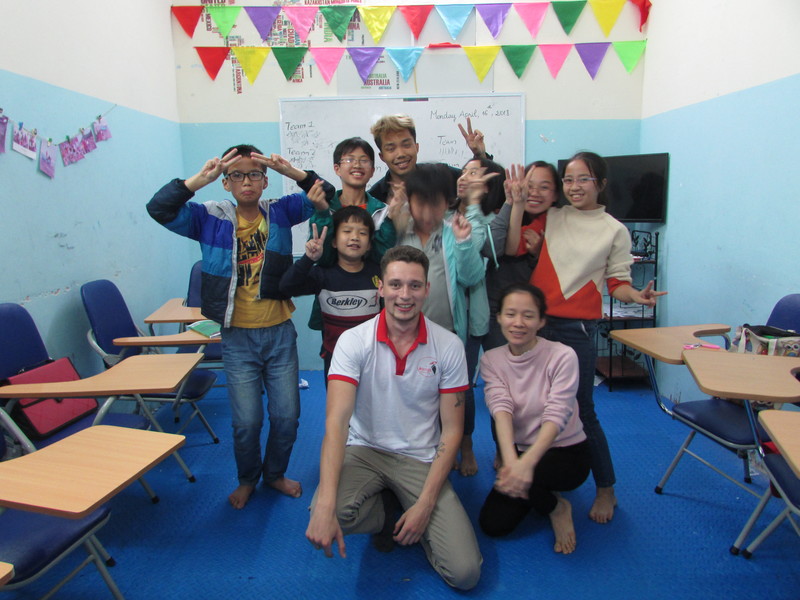
    The local authorities of Ho Chi Minh City recently suspended an English language center, Than Dong 8 branch, which was found to be operating without the necessary licenses. This action was taken after the center, situated in Go Vap District, was subjected to an impromptu inspection by the city’s Department of Education and Training.

    Inspection and Findings

    Officials, who conducted the inspection on Tuesday, reported that the center lacked a valid license to carry out educational activities. The facility also had no officially recognized director and failed to produce documents pertaining to its teaching personnel or tax obligations.

    Established in 2020, the center was already conducting four English classes for children at the time of the inspection. Following the findings, a directive has been issued to immediately cease all operations and to issue full tuition refunds to all the impacted families. The exact number of students affected and the total amount to be refunded, however, have not been revealed.

    The Than Dong English Center Network

    Than Dong 8 is a part of a larger network, the Than Dong English Center, which purports to operate 33 branches spread across Ho Chi Minh City and neighboring Dong Nai Province. The brand specializes in English language programs aimed at children aged between 3 and 14 years, including courses intended to prepare students for Cambridge English certifications.

    Other Similar Instances

    Enforcement against unlicensed and poorly managed education providers in Vietnam has seen a recent upswing. Just a few weeks prior to this, the Australia International English School (AIES) unpredictably closed several branches in Thu Duc City, leaving parents and staff in the lurch with no warning or explanation.

    This incident led to a surge in complaints and legal proceedings. Initial probes into the matter revealed that close to 200 families might have lost prepaid tuition fees amounting to over VND6.58 billion (US$258,000). Authorities are still gathering evidence as part of their ongoing investigation into this matter.

    Questions & Answers

    What was the outcome of the inspection at the Than Dong 8 branch?
    The inspection revealed that the center was operating without a valid license, didn’t have an officially recognized director, and couldn’t produce any documents about its teaching staff or tax obligations. As a result, it has been ordered to cease all operations and refund the tuition fees to all impacted families.

    How many branches does the Than Dong English Center network claim to operate?
    The Than Dong English Center network claims to operate 33 branches across Ho Chi Minh City and neighboring Dong Nai Province.

    What was the incident involving the Australia International English School (AIES)?
    The Australia International English School (AIES) had abruptly closed several of its branches in Thu Duc City, leaving parents and staff without any warning or explanation. The incident led to a spate of complaints and lawsuits, with preliminary investigations revealing that around 200 families could have lost their prepaid tuition fees.

  • Baidu Bags China’s First Fully Driverless Robotaxi Licenses

    Baidu Bags China’s First Fully Driverless Robotaxi Licenses

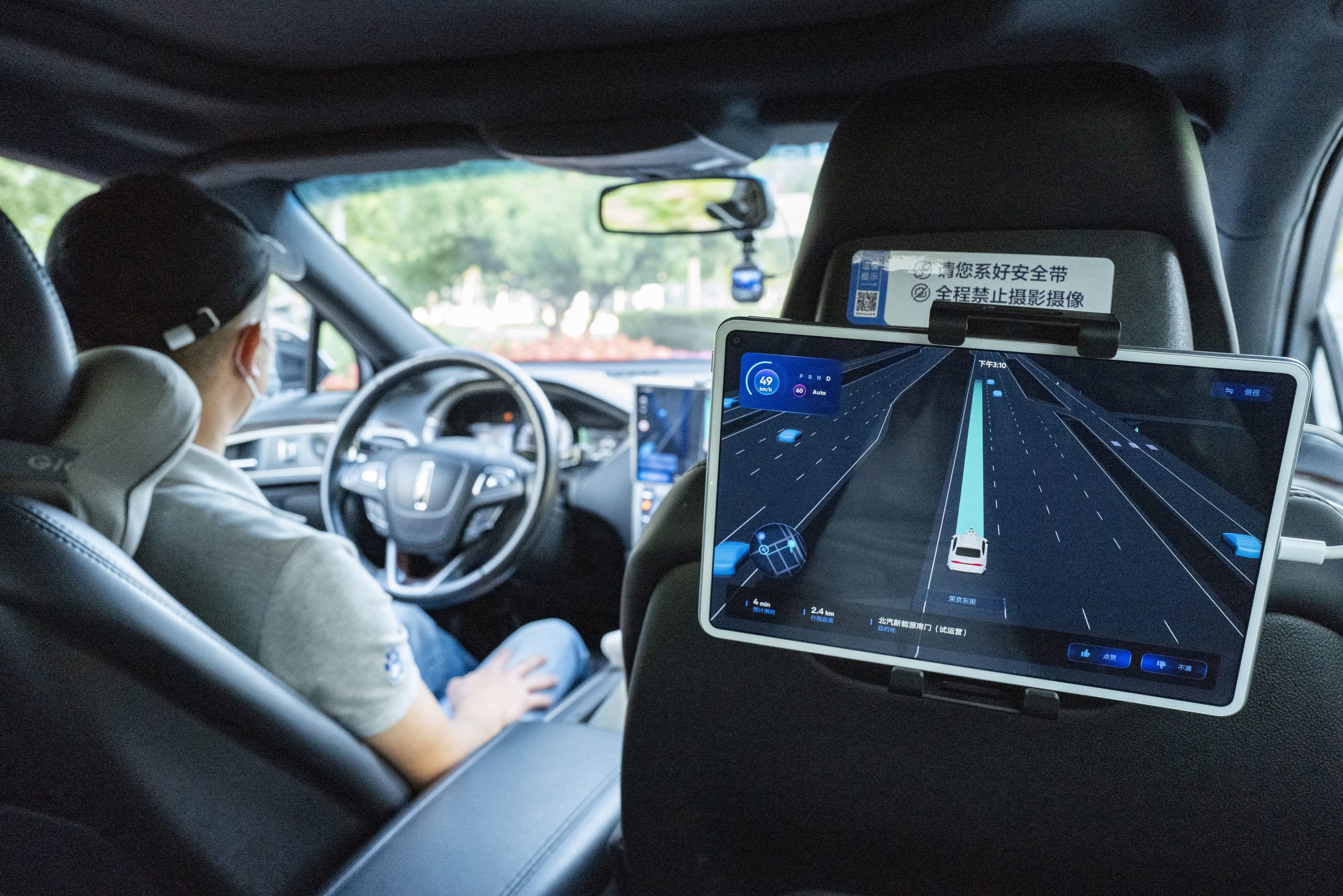
    China search engine giant Baidu Inc said on Monday it has obtained permits to operate fully driverless robotaxi services on open roads from two Chinese cities, the first of their kind in the country.

    The permits, awarded by the southwestern municipality of Chongqing and the central city of Wuhan, allow commercial robotaxis to offer rides to the public without human safety drivers in the car. They come into effect on Monday.

    Baidu said they marked a “turning point” in China’s policy-making towards autonomous driving.

    “These permits have deep significance for the industry,” Wei Dong, chief safety operation officer of Baidu’s Intelligent Driving Group, told Reuters in an interview. “If we think of the exploration of space, this moment is equal to landing on the moon.”

    At first, Baidu will deploy a batch of five fee-charging robotaxis in each city, where they will be allowed to operate in designated areas from 9 a.m. to 5 p.m. in Wuhan and 9:30 a.m. to 4:30 p.m. in Chongqing, the company said in a statement.

    The service areas span 30 square km (11.58 square miles) in Chongqing’s Yongchuan District and 13 sq km in the Wuhan Economic & Technological Development Zone.

    In April, Baidu’s Apollo and Toyota Motor Corp-backed Pony.ai said that they received permits in Beijing to deploy robotaxis without safety drivers in the driver’s seat on open roads within a 60 sq km area. But the Beijing permits  still require them to have a safety driver in the passenger seat. These services have started.

    Baidu is also in talks with local governments in Beijing, Shanghai and Shenzhen, to secure licenses within a year to test fully-driverless and unpaid robotaxis in those cities, according to Wei.

    China’s efforts to fast-track autonomous vehicle trials and permits come as U.S. regulators are also pushing ahead with milestone-setting autonomous driving policies.

    In January, self-driving company Cruise received a permit from the California Public Utilities Commission that allows it to offer paid and fully driverless rides from 10 p.m. to 6 a.m. in select streets in San Francisco.

    Apollo Go, Baidu’s robotaxi service, has operated over 1 million rides across 10 Chinese cities since its launch in 2020.

    Baidu has not reported any problems with the service and has not given a breakdown for how much it has invested in the project.

  • Samsung invests another $920 mln in northern plant

    Samsung invests another $920 mln in northern plant

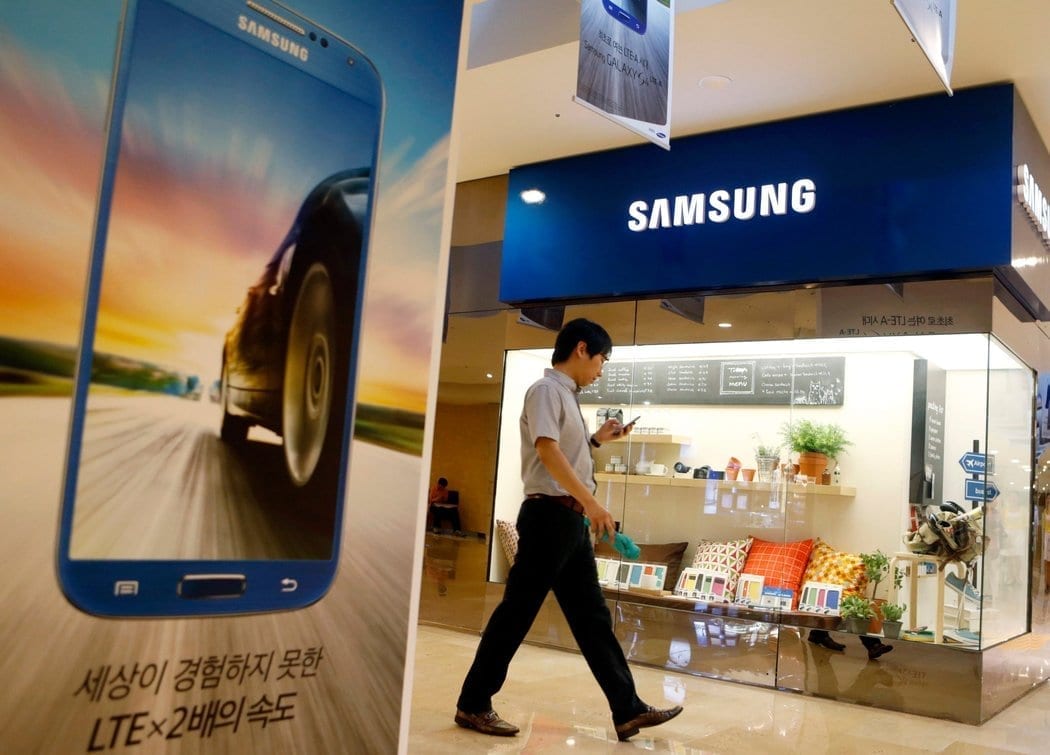
    Samsung has received permission to invest an additional $920 million in its electronic components plant in the northern province of Thai Nguyen.

    The license, awarded to the South Korean’s electronics giant’s Samsung Electro-Mechanics unit, will increase its total registered investment in the province by 68 percent to $2.27 billion.

    Samsung, Vietnam’s biggest foreign direct investor, first invested $1.3 billion in the electro-mechanics unit in 2013. The unit produces mainboards and other electronics components.

    As of last year, Samsung had invested $18 billion in Vietnam. It has six plants in the country and is building a new research and development center in Hanoi.

  • Bitmex Announces CEO for Swiss Business

    Bitmex Announces CEO for Swiss Business

    After announcing plans to expand in Switzerland, the trading crypto exchange has now found someone to lead its Swiss business.

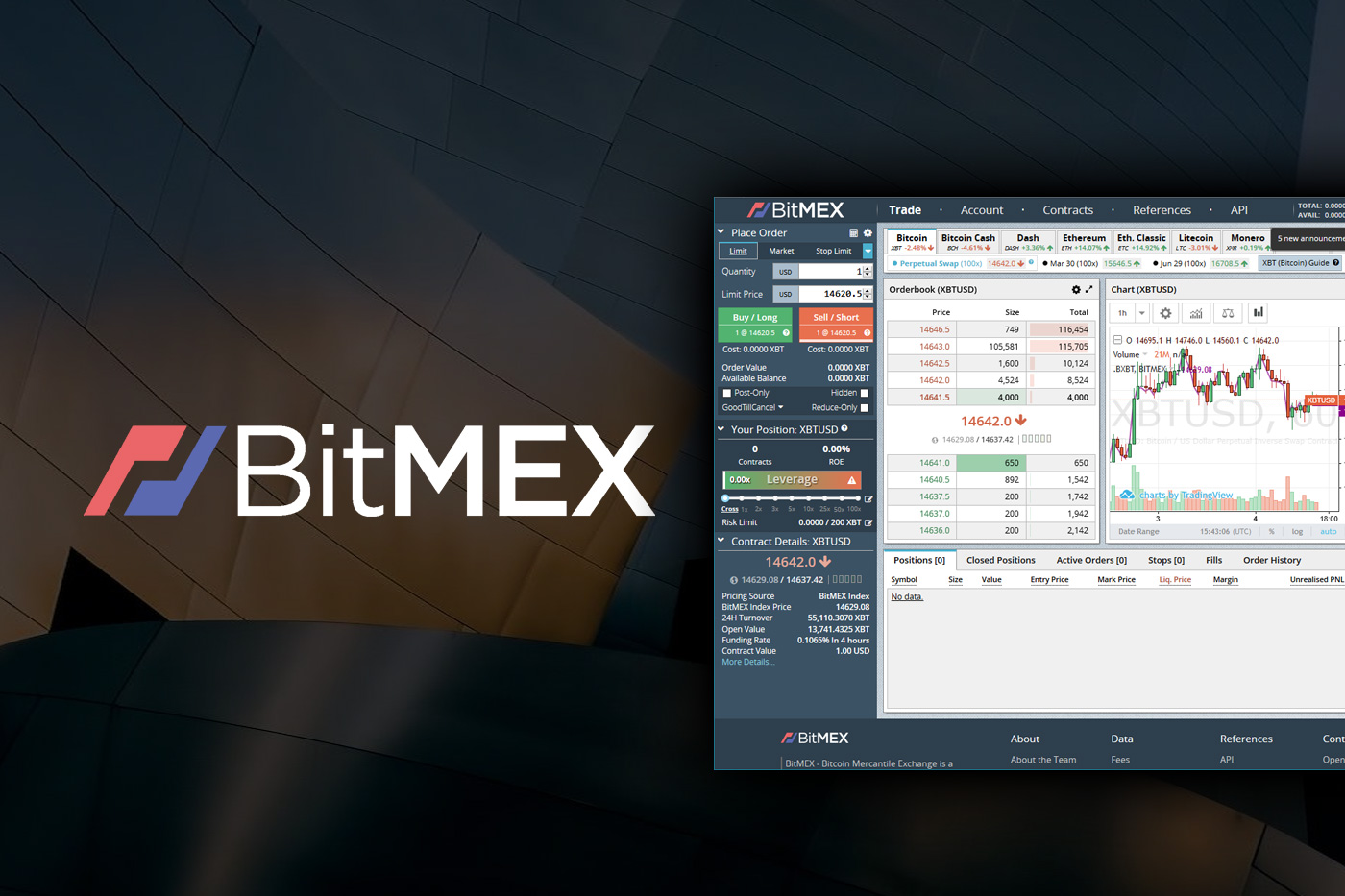
    Seychelles-based Bitmex is appointing Ivo Sauter as chief executive of Bitmex Link Switzerland, according to his Linkedin profile. Sauter joins the crypto trading exchange from Gazprombank where he worked as a chief digital, transformation, and strategy officer.

    Bitmex is a platform for crypto asset trading. Bitmex Link is the exchange’s digital trading asset service, which includes spot trading, brokerage, custody, information products and a so-called academy for digital asset and crypto trading training.

    The company announced its intention to launch a Swiss office last year, along with plans to apply for a Finma license.

  • TripleA Wins Singapore Crypto License

    TripleA Wins Singapore Crypto License

    The crypto payments firm is the fourth to receive a digital payments token (DPT) license in the city-state.

    The Monetary Authority of Singapore (MAS) has awarded a DPT license to TripleA, allowing the company to provide end-to-end cryptocurrency payment services, according to an announcement this week.

    Founded in 2017 by mobile and payments entrepreneur Eric Barbier, TripleA currently operates in Singapore, with a presence in Hong Kong and Europe.

    CEO Barbier said in the announcement that the license will enable the company to «expand cryptocurrency access to more residents and also strengthen TripleA’s positioning as a trusted and reliable crypto payments partner for businesses worldwide.

    MAS has awarded DPT licenses to DBS Vickers, Australian crypto exchange Independent Reserve and fintech firm Fomo Pay.

    It has received over 170 license applications from digital payment token service providers, including global crypto exchanges such as Coinbase and Kraken.

  • Huawei lands 4G licensing deal for Volkswagen cars

    Huawei lands 4G licensing deal for Volkswagen cars

    Huawei announced it has reached a license agreement with a supplier of Volkswagen Group. The agreement includes a license under Huawei’s 4G standard-essential patents (SEPs), which covers Volkswagen vehicles equipped with wireless connectivity. This agreement marks Huawei’s largest licensing deal in the automotive industry.

    Song Liuping, Chief Legal Officer of Huawei, says: “As an innovative company, we own a leading patent portfolio for wireless technologies, which creates great value for the automotive industry. We are pleased that key players from the automotive industry recognize that value. We believe this license will benefit worldwide consumers with our advanced technology.”

    Huawei expects more than 30 million vehicles to be licensed under its patents based on existing license agreements.

    Over the past 20 years, Huawei has entered into more than 100 patent license agreements with major global companies across Europe, the United States, Japan, and South Korea. Huawei will continue to bring digital connectivity to more vehicles globally to establish a fully connected, intelligent world.

  • Fintechs Challenge Traditional FIs in Malaysia Digital Bank Race

    Fintechs Challenge Traditional FIs in Malaysia Digital Bank Race

    A crowded field of contenders are vying for the five licenses on offer by Bank Negara Malaysia. The race for digital banking licenses digital banking license is heating up, with more than a dozen applications involving over 50 companies submitted before the closing date on Wednesday.

    With the exception of a few players, most of the digital banking aspirants have not publicized their aspirations. However, a Grab-Singtel joint venture and Singapore-based investment solutions firm iFAST Corporation confirmed their applications on Thursday.

    The notification on the grant of the license will be made by the first quarter of 2020, Bank Negara Malaysia said.

    Among the contenders are also Malaysian conglomerate Sunway, which teamed up with Tencent-backed Chinese firm Linklogis and Bangkok Bank. Likely applications also include e-commerce giant Sea Group, gaming company Razer Fintech and telco Axiata, which previously expressed an interest in the license.

    At least five banks — CIMB Group Holdings, Affin Bank, Hong Leong Bank, AMMB Holdings and Standard Chartered Bank Malaysia — had signaled their interest in pursuing a digital banking licence in Malaysia.

    AirAsia’s fintech unit BigPay also announced its bid for a license on Thursday. The company is partnering with Malaysian Industrial Development Finance – a unit of the country’s largest asset manager Permodalan Nasional – and Singapore-based private equity firm Ikhlas Capital.

    BigPay was launched in 2018 by AirAsia as an e-wallet, hoping to leverage the low-cost carrier’s dominance in regional air travel in Southeast Asia.

    BigPay Bank will allow us to execute deeper on our mission to build a connected financial future for Malaysian consumers and entrepreneurs, Salim Dhanani, CEO and founder of BigPay, said in the announcement.

  • Validus’ Indonesia Arm Wins Lending License

    Validus’ Indonesia Arm Wins Lending License

    The platform, which caters to the financing needs of micro, small, and medium enterprises (MSMEs) in the country, experienced strong growth in 2020.

    Batumbu, a subsidiary of Singapore-based Validus, has received regulatory approval to operate as a licensed digital financing platform in Indonesia, it announced in a statement.

    With the license, the startup will ramp up efforts to improve financing access and financial literacy within business ecosystems across provinces in Indonesia, Jenny Wiriyanto, CEO of Batumbu said.

    Batumbu has disbursed over S$207 million ($153.76 million) to MSMEs since starting its operations in April 2019. In the past year, it has grown by some 650 percent as MSMEs pivoted their businesses amid the COVID-19 pandemic.

    The strong performance is expected to continue as economic recovery and activity picks up, Validus said.

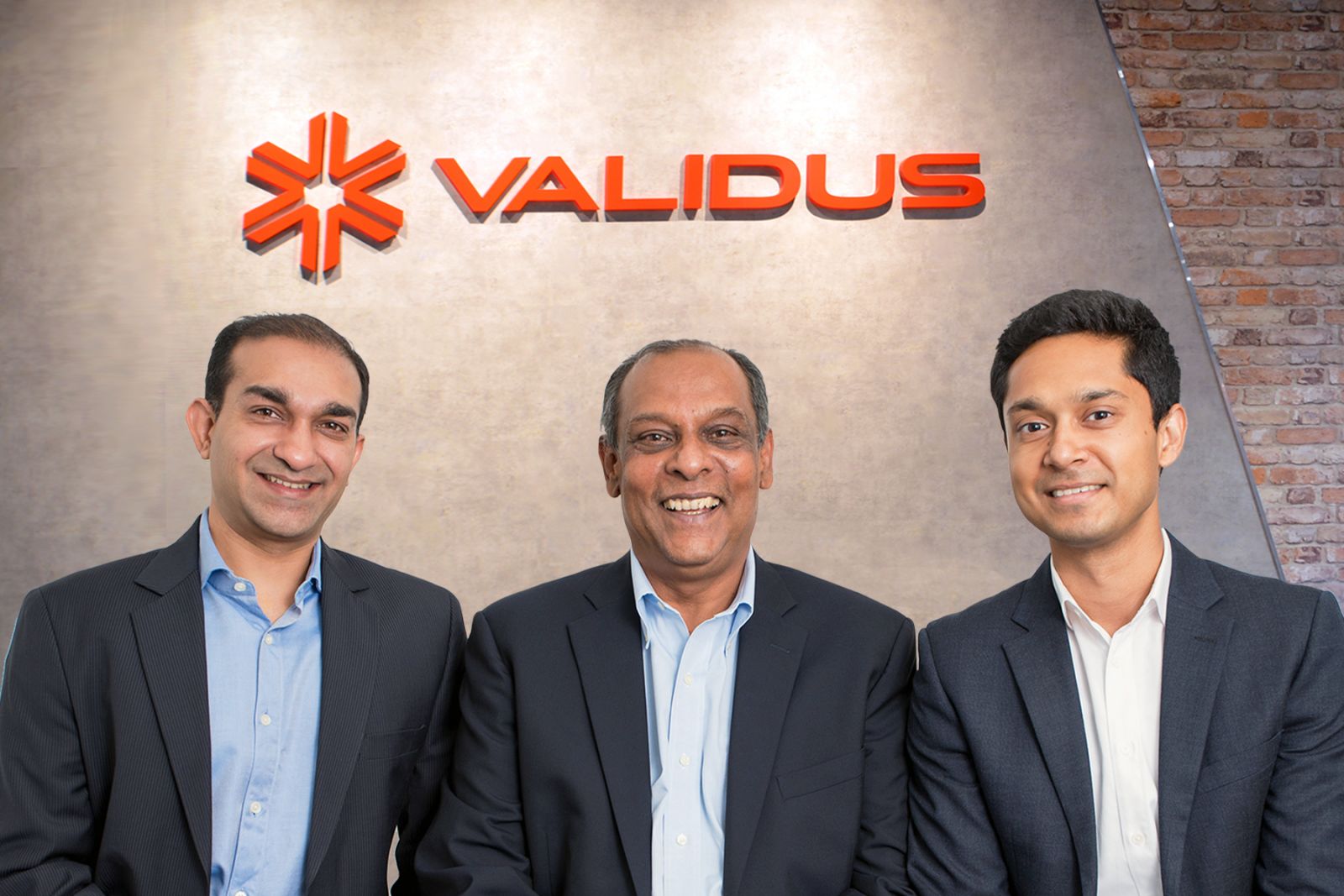
    Our “glocal” structure gives us a strategic advantage in implementing best practices, strong credit models and governance framework across our markets, Ajit Raikar, Validus’ co-founder and executive chairman, said in the announcement.

    Launched in 2015, Validus has since facilitated over S$775 million in SME financing through its entities in Singapore, Indonesia, Vietnam, and most recently, Thailand.

    Validus is backed by the likes of Netherlands development bank FMO and Temasek Holdings’ Vertex Ventures and Vietnam’s VinaCapital.

  • MyNews to open 500 CU convenience stores across Malaysia

    MyNews to open 500 CU convenience stores across Malaysia

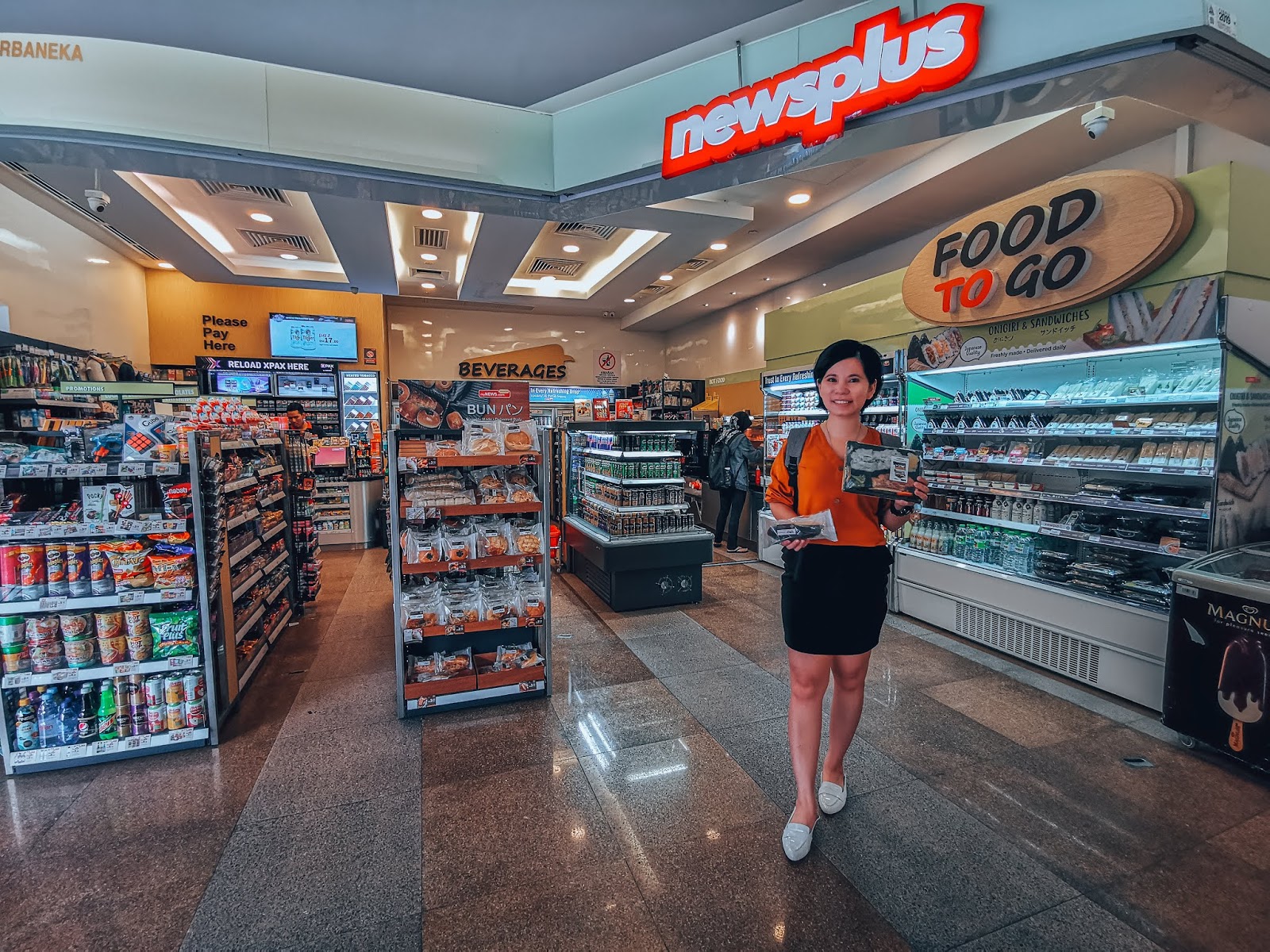
    Home-grown MyNews Holdings Bhd, which already operates some 570 stores, is bringing a South Korean convenient store brand to the Malaysian market.

    At its headquarters in Kota Damansara, the convenience store operator announced that its wholly-owned subsidiary MYCU Retail Sdn Bhd had signed a licensing agreement with BGF Retail Co Ltd, which runs the CU line of convenience stores in South Korea.

    There are some 15,000 CU stores in the republic.

    MyNews chief executive officer (CEO)-cum-founder Dang Tai Luk said the group will open 500 CU stores in five years’ time, with the first set of stores set to be open in Malaysia by early 2021.

    When asked about the geographical location spread of the new stores, Dang said the group will look at launching the stores in bigger cities first.

    “The Klang Valley is where we would start our CU journey,” he said, noting that onboarding the CU stores is part of the group’s expansion strategy.

    In the first year, Dang said, the group will be looking at opening 30 to 50 CU stores first to monitor how they perform.

    He noted that CU will be using MyNews’ food processing center (FPC) and, as a result of this, the center’s utilization rate will be increased to around 70%, partly aided by CU products at end-2021, from 35% currently.

    The group expects the CU stores to break even in two to three years’ time, with MyNews spending RM30 million to RM40 million in capital expenditure (capex) on the stores.

    In terms of earnings contribution, he noted that group will see higher revenue as a result of the new stores that are expected to achieve better gross margins when compared to the MyNews stores, whose margins tend to be 30% to 40% currently.

    He noted that there is a gestational period for the CU stores and that initially the MyNews outlets will continue to be the group’s main earnings contributors, but opined that as the CU stores grow, they will contribute more to the bottom line.

    Dang was not concerned about oversaturation in the convenience store market, noting that the market in Malaysia is still young and growing with the penetration rate still low.

    The licensing agreement will last for 10 years, with an option to renew for another 10 years.

    There are currently 570 MyNews stores at the moment. When queried about whether it will slow the launch of MyNews stores in favor of the CU stores, Dang noted that the group will monitor the situation and adjust its portfolios accordingly.

    MyNews was last traded at 67 sen, with a market capitalization of RM457.04 million.

  • Green light for carrier KiteAir likely delayed until 2022

    Green light for carrier KiteAir likely delayed until 2022

    The Planning and Investment Ministry has suggested that the PM delays his approval to new carrier KiteAir’s investment proposal over Covid-19 impacts. The establishment of the new airline would add to the business woes wreaked on the local aviation industry by the pandemic, the ministry said in a document recently sent to Prime Minister Nguyen Xuan Phuc. “A suitable time for a new carrier would be 2022 when the market has recovered.”

    The ministry added that the current priority and focus should be the restoration of domestic and international aviation markets and support for existing carriers.

    Earlier, in July, the Transport Ministry (MoT) had also proposed that the government not license any new carrier, including KiteAir, till 2022, when the local aviation market is expected to recover.

    Based on the MoT’s proposal, Deputy PM Trinh Dinh Dung in July “agreed in principle” with the temporary suspension as proposed by the MoT. Dung, however, assigned the MPI, as an investment proposal appraisal agency, to report to the PM about the KiteAir investment proposal which was already submitted by hospitality group Thien Minh.

    The MPI had said earlier that KiteAir has a sufficient legal basis to have its investment proposal appraised. The MoT, meanwhile, had said the establishment of the new carrier was in line with the orientation and development plans of the industry.

    But in April, amid the Covid-19 pandemic, the PM requested ministries to review and consider the establishment of any new carrier, including KiteAir, given the new context.

    KiteAir, which planned to take off in the second quarter of 2020, was to be headquartered in the central province of Quang Nam with a charter capital of VND1 trillion ($43 million), invested in by Thien Minh, a leading Vietnamese hospitality group.

    It planned to operate six short-haul ATR-72 aircraft with a capacity of 78 seats in the first year of operation and expand the fleet to 30 jets by the fifth year, including 15 narrow-body Airbus A320/321 aircraft.

  • Total’s Indian Joint-Venture To Seek Fuel Retailing License

    Total’s Indian Joint-Venture To Seek Fuel Retailing License

    A joint-venture by India’s Adani Gas and France’s Total will soon seek government permission to open retail fuel stations in India, Adani’s chief executive said on Wednesday. India has become a lucrative market for global oil majors after the government removed controls on the retail pricing of gasoline and gasoil and relaxed rules for setting up fuel stations in the country, the world’s third-biggest oil consumer and importer. The joint venture, Total Adani Fuels Marketing Pvt Ltd, will soon apply for a license under the new liberal fuel retailing rules, Manglani said.

    “Definitely we will take full benefit of the expertise and strength of Total,” Suresh Manglani told reporters on an earnings call, adding that the intent was to become a full-service operator, providing a multi-fuel offering.

    Fuel demand in India is expected to rise in the coming years as Prime Minister Narendra Modi pushes for Asia’s third-largest economy to grow from $2.9 trillion of gross domestic product in 2019 to $5 trillion by 2025.

    British oil major BP has already teamed up with Reliance Industries in a fuel retailing joint venture, and Shell and Abu Dhabi National Oil Co also both want to strengthen their presence in India.

    Total bought a 37.4% stake in billionaire Gautam Adani-promoted Adani Gas last year to capitalize on India’s push for cleaner sources of energy. Adani Gas, which has so far focused on selling gas to industry and households, also wants to sell liquefied natural gas (LNG) for transportation. Modi wants to raise the share of gas in India’s energy mix to 15% by 2030 from the current 6.2%.

  • Standard Chartered Prepares for Virtual Bank Launch

    Standard Chartered Prepares for Virtual Bank Launch

    Standard Chartered has released details of its virtual bank in Hong Kong, set to be launched later this year in partnership with PCCW, Hong Kong Telecom (HKT) and Trip.com.

    The Mox virtual bank will offer customers a suite of retail banking services, as well as travel, entertainment and mobile products from one platform. According to the bank, it is currently in beta testing by staff.

    Mox operates in a whole new way by listening to customers and focusing on heart share. We aim to empower Hong Kong customers to grow and unlock more possibilities by providing a truly digital and personalized banking experience, Mox chief executive Deniz Güven said in a blog post this week.

    Mox’s website currently lists vacancies for a number of roles, including data engineer, head of payment operations, cyber assurance lead, front end developer, UX research lead, operational risk manager, and more.

    Mox said it would be issuing an «all-in-one numberless bank card» together with Mastercard, which has been «re-defined with innovation, security and privacy in mind.»

    The physical card, which is linked to the Mox app, can be used for in-store purchases and ATM withdrawals, but the lack of printed card numbers, expiry date and card verification value (CVV) number reduces the risk of losing personal information.

    Mox was among the first to receive a virtual banking licence, and we feel it is our privilege and responsibility to continually improve banking accessibility and experience in Hong Kong, Güven said in another blog post this week.