Tag: License

  • Vietnam media giant could lose $20 mln as YouTube pulls plug on deal

    Vietnam media giant could lose $20 mln as YouTube pulls plug on deal

    Digital media conglomerate Yeah1 is set to lose 28 percent of future revenues after YouTube unilaterally terminated its content hosting agreement with it. The company’s financial statements for 2018 showed that activities connected to YouTube generated around VND462 billion ($19.93 million) for Yeah1, or nearly 28 percent of its revenues.

    Profit after tax from these activities were worth VND92 billion ($3.9 million), accounting for more than half of its total profits.

    The termination came after YouTube claimed SPRINGme Pte. Ltd, a Thai multichannel network (MCN) in which Yeah1 owns 16.93 percent had violated its policies with some of its channel management activities.

    Yeah1 Group shares plummeted on Monday following Youtube’s announcement, losing 7 percent. The share fell by 7 percent each in the next two trading sessions too.

    Yeah1 started offering entertainment services combined with advertising after becoming YouTube’s MCN partner in 2015.

    An MCN acts as an intermediary connecting creators of video content and YouTube for a cut. Content creators in return receive benefits such as copyright protection, income tax support, access to IP licensed contents to develop new products, and optimized advertising.

    For Yeah1, views from Vietnam account for nearly 73 percent of total views but only contribute about 18 percent of revenues. The rest comes from ad revenues generated in 150 other countries, with the U.S., Germany and Canada being the main contributors.

    Founded in 2006, Yeah1 is Vietnam’s largest MCN ecosystem, operating TV channels, movie studios, YouTube networks, and digital news.

    It was also the first media company to go public, listing on the Ho Chi Minh Stock Exchange (HOSE) last June.

  • India may allocate 5G trial spectrum in June

    India may allocate 5G trial spectrum in June

    The Indian government is reportedly planning to allocate spectrum to mobile operators for 5G trial services in June.

    A panel established to set the terms for 5G trials is expected to soon begin deliberations on the spectrum that will be allocated for the trials, as well as the trial time period and other factors, citing government sources.

    Operators could then commence trials in July or August, and a spectrum auction for commercial 5G services may take place from September onwards.

    According to the report, the Department of Telecom is currently in the process of appointing an auctioneer and drafting bid documents for the online auction.

    Incumbent operators Bharti Airtel and Vodafone Idea have reportedly engaged vendors including Huawei, Ericsson and Nokia over the proposed trials.

    But the mobile industry has expressed concern that the expected high cost of 5G rollouts could further damage the financial performance of what is already a highly indebted industry.

    The market’s three operators – which also include Reliance Jio Infocomm – have an estimated total net debt of nearly 8 trillion rupees ($114.15 billion), due in part to high spectrum prices during previous auctions.

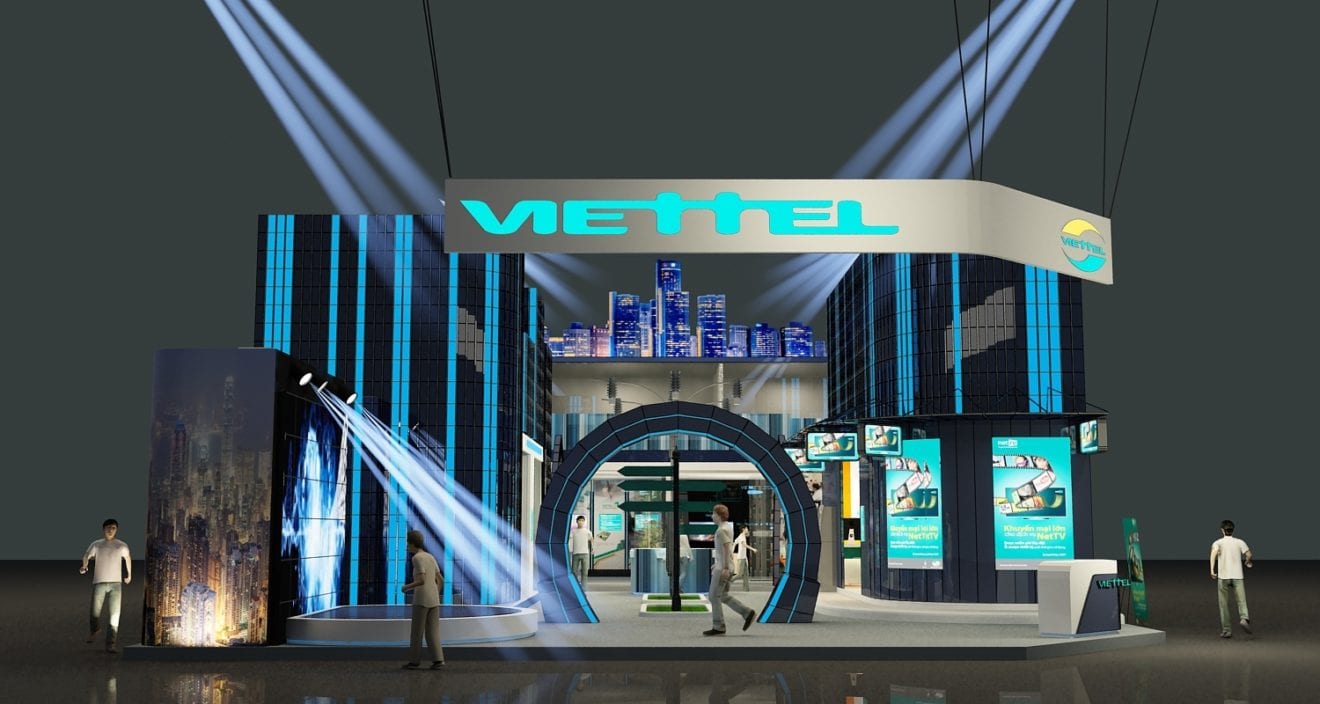
  • Viettel gets one-year 5G trial license

    Viettel gets one-year 5G trial license

    Vietnam’s largest telecommunications company Viettel has received a license to trial its 5G services. The trial is licensed for a period of one year until January 21 next year. Viettel is the first company in Vietnam to receive this license. The military-owned company is allowed to trial the sevices in Hanoi and HCMC at not more than 73 locations and without charging for the services.

    The company had earmarked $40 million for the development of its own 5G chipset, but was also considering using technology from Ericsson and Nokia, its president and CEO Le Dang Dung said.

    Viettel has around 60 million subscribers in Vietnam and over 30 million more in 10 other countries, predominantly in Asia and Africa.

    Speaking at a seminar on telecoms innovations at the end of 2018, Minister of Information and Communications Nguyen Manh Hung had expressed plans to introduce 5G by 2020, which would make Vietnam one of the first countries to deploy this technology.

    5G is the latest generation in of mobile Internet connectivity, and should offer much faster speeds and more reliable connections on smartphones and other devices compared to the current 3G and 4G technologies.

  • Vietnam’s peer-to-peer shopping and delivery platform gets South Korea license

    Vietnam’s peer-to-peer shopping and delivery platform gets South Korea license

    Vietnamese peer-to-peer delivery service XTayPro has been licensed in South Korea and expects this to be a stepping stone into East Asia. The app is a platform connecting people travelling by air with those who wish to buy or send products overseas.

    It creates a community of travelers who can make a little extra cash by buying and carrying stuff for others.

    Less than four months ago XTayPro had participated in the K-Startup Grand Challenge, a start-up accelerator program supported by the South Korean government.

    It has since signed 10 memoranda of understanding and letters of intent with funds and technology investment companies in South Korea.

    The K-Startup Grand Challenge has been held annually since 2016 to help start-ups grow and expand into Asian markets. It has so far supported 40 startups and solicited $26 million for them.

    At this year’s event Vietnam had 8 representatives who overcame 1,700 other start-ups from 100 countries to join a group of 80 in the 4-month Acceleration Program.

  • Genting Malaysia will act to mitigate impact of higher casino licence fee, duties

    Genting Malaysia will act to mitigate impact of higher casino licence fee, duties

    Genting Malaysia Bhd is assessing the full implications of additional taxes announced in Budget 2019 and will take appropriate action to mitigate their impact. The action includes a review of its marketing expenditure as well as cost structure, it told the stock exchange.

    Genting Malaysia said it has been advised by the Finance Ministry that the annual casino licence fee will be revised from RM120 million to RM150 million and casino duties will be revised to up to 35% of gross collection.

    “The increase in casino duties represents a 10 percentage point increase over existing duty rates. The amendments will take effect from Jan 1, 2019,” it added.

    On Bursa Malaysia today, Genting Malaysia closed 3 sen or 0.83% higher at RM3.64 after hitting limit down on Monday.

  • 3 HK wins permit for 26-GHz, 28-GHz 5G trials

    3 HK wins permit for 26-GHz, 28-GHz 5G trials

    Hutchison Telecommunications Hong Kong Holdings’ mobile division 3 Hong Kong has secured a temporary permit to conduct 5G new radio trials.

    Hong Kong’s Office of the Communications Authority (OFCA) has granted 3 Hong Kong permission to conduct network trials using 26-GHz and 28-GHz millimeter wave spectrum, the operator said.

    The permit will allow 3 Hong Kong to possess, establish, maintain and use transmitting and receiving stations for indoor and outdoor 5G trials, which are expected to commence in the third quarter.

    The operator successfully applied for a 5G indoor test permit for the 3.5-GHz band last August and completed a number of tests over the remainder of the year.

    “3 Hong Kong is determined to launch a 5G service at the earliest opportunity, after 5G spectrum specifications and standards have been finalized,” the company said.

    OFCA has previously announced plans to ensure Hong Kong is one of the earliest adopters of 5G technology by setting the regulatory groundwork for commercial services to be launched in 2020.

    In March, 3 Hong Kong activated Hong Kong’s first five-carrier aggregation (5CC CA) LTE-Advanced services, using its 900-MHz, 1800-MHz, 2100-MHz, 2300-MHz and 2600-MHz spectrum. During network trials, the company achieved speeds of 1.1Gbps over the network.

  • Pakistan’s Jazz secures 4G license

    Pakistan’s Jazz secures 4G license

    Pakistani mobile operator Jazz has formally secured its 4G license after submitting the sole bid for a 10 MHz block of 1800-MHz spectrum in May.

    The license was officially awarded to the company during a ceremony on Friday.

    Jazz has become Pakisan’s third operator to be granted a 4G license, after China Mobile’s Zong and Warid Telecom.

    Jazz submitted the minimum bid of $295 million for the block of spectrum just before the auction deadline. The company chose to pay the whole price upfront rather than taking the option of paying in six instalments with interest applied.

    While Ufone had been expected to participate in the auction as the only remaining operator without the capacity to launch 4G services, the company declined to take part citing the high cost of 4G services and handsets in the market that it claims are out of reach for the average Pakistani consumer.

    Zong also sat out of the auction after stating that the operator will not does not require additional bandwidth in the near future.

  • Ncell’s 4G license to be withheld

    Ncell’s 4G license to be withheld

    The Nepal Telecommunications Authority (NTA) has backtracked on its decision to grant Ncell a 4G license in response to a directive from the parliamentary Public Accounts Committee (PAC).

    The committee recently directed the regulator to prevent Ncell from launching 4G services until an ongoing dispute over capital gains tax is settled. The NTA has announced it will abide by this decision.

    Ncell was granted approval earlier this month to launch 4G services despite an earlier decision by the PAC not to allow the launch until the tax dispute is settled.

    In making its decision, the NTA said the directive has been issued in the spirit of Nepal’s technology neutral spectrum policy, as well as in response to a finding from Nepal’s Development Committee that withholding a license would negatively affect consumers and state funds.

    The tax dispute revolves around the sale of Sweden’s TeliaSonera’s indirect majority stake in Ncell to Malaysia’s Axiata for $1.03 billion in 2015.

    But the government has been split on whether the tax should be paid by the buyer or the seller and may require Ncell to pay on behalf of the international companies. There is also disagreement over whether Nepalese tax law even applies to the transaction, as it involved the sale of a holding company listed in a tax haven.

  • NBTC likely to postpone 5G auction

    NBTC likely to postpone 5G auction

    Thai regulator NBTC is likely to have to postpone the planned 2600-MHz 5G auction until 2018 due to regulatory and administrative hurdles.

    The regulator had planned to hold the 2600-MHz auction in September this year, but this process will probably need to be delayed, an NBTC commissioner told.

    Factors behind the delay include the fact that 190MHz of 2600-MHz spectrum has been allocated to state broadcaster MCOT and is currently unused.

    MCOT expects compensation for the return of 80MHz of spectrum for the auction, but the NBTC is currently not authorized to pay compensation to state agencies in return for spectrum.

    The new draft bill restructuring the NBTC is expected to give the regulator the power to do so, but the process of arranging compensation and drawing up the framework for these payments will take time. The new bill has yet to identify methodologies for calculating compensation.

    The NBTC restructuring is also likely to create its own issues that will impact the auction process due to the transition to new commissioners expected after the bill takes effect.

    Meanwhile Thailand still lacks a clear spectrum roadmap for the evolution to 5G will inevitably cause a delay in Thailand’s 5G ecosystem development.

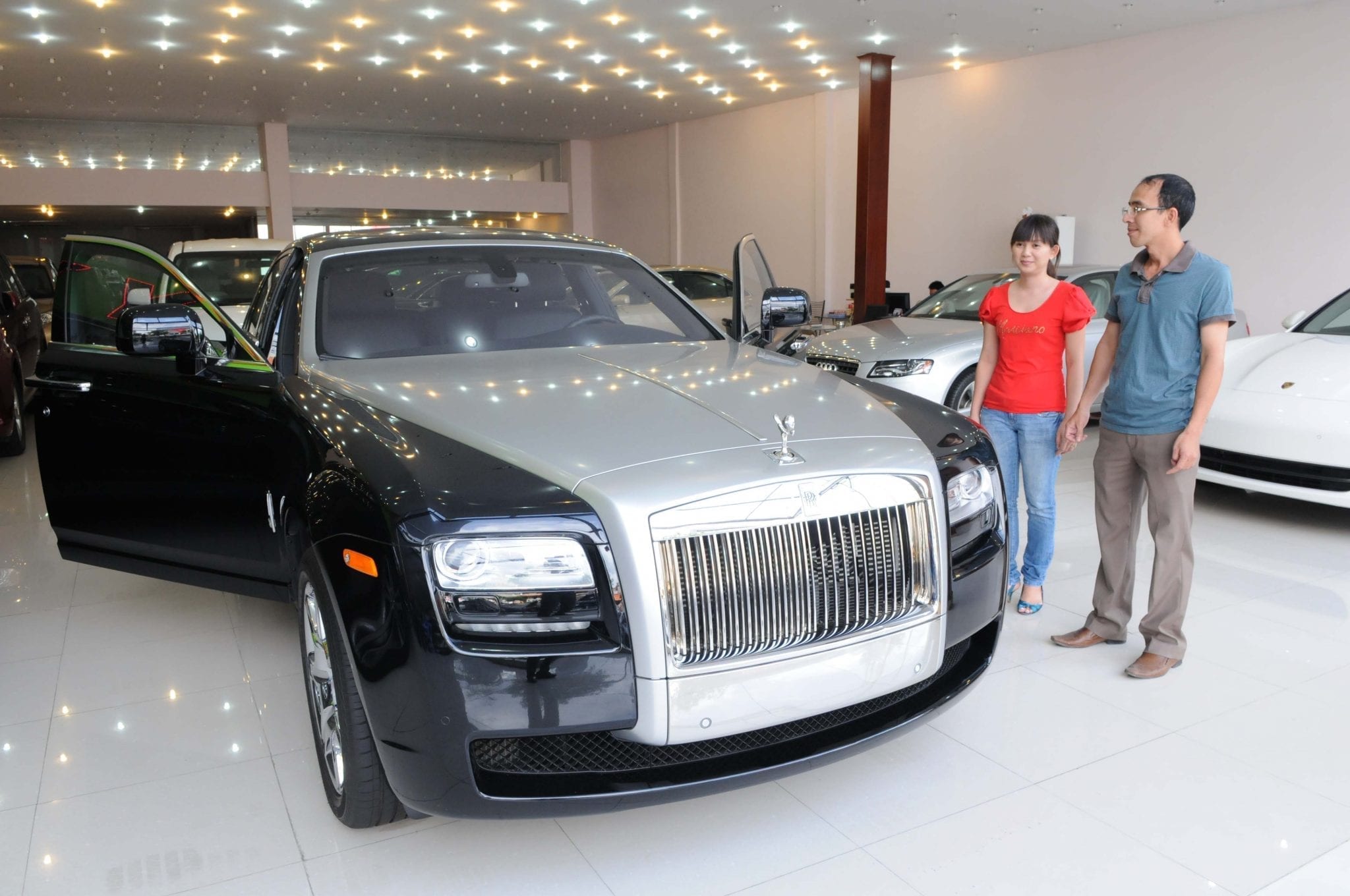
  • ‘Lucky’ license plates set to go under the hammer in Vietnam

    ‘Lucky’ license plates set to go under the hammer in Vietnam

    Channeling people’s love of lucky numbers into the state budget: Why not? Vietnamese people are die-hard fans of lucky numbers and are ready to pay a hefty price to obtain license plates or phone numbers with “meaningful” strings of digits.

    In that context, Vietnamese authorities have been pushing the country’s legislature for a new circular that would legalize the auction of personalized license plates to raise funds for the state budget.

    The Traffic Police Department under the Ministry of Public Security has been advocating the auction of license plates for many years but to no avail due to conflicts with the existing Property Auction Law, under which license plates are not listed as valid objects for auctioning.

  • Vietnam OKs casino gambling for locals

    Vietnam OKs casino gambling for locals

    Citizens over 21 years old with a monthly income of at least $445 will be allowed to enter local casinos from mid-March. Betters in gambling-mad Vietnam will soon be allowed to stake their fortune in some casinos across the country, the government said Friday, in a pilot scheme aimed at opening up the lucrative industry.

    The government has long-banned locals from gambling in casinos, despite their popularity among foreigners and hot demand from Vietnamese.

    The government said Friday it would allow citizens over 21 years old with a monthly income of at least 10 million dong ($445) to hedge bets in local casinos from mid-March under a three-year pilot program. Vietnam’s average annual income was around $2,200 last year.

    “After three years… the government will decide whether to continue Vietnamese people’s access to casinos,” a statement on the government website said.

    International casino developers, for whom Asia has become a global gaming engine following the stagnation in the U.S., have been circling Vietnam for some time now.

    With a population of nearly 92 million, analysts said that by lifting the gambling ban, Vietnam could reignite interest in investors who had previously pulled out of casino projects due to tough entry barriers.

    A study by Augustine Ha Ton Vinh, an academic who has researched Vietnam’s gaming industry extensively, showed the country is hemorrhaging as much as $800 million a year in tax revenue from gamblers who cross the border to Cambodia. Vietnamese authorities have endorsed this study.

  • Viettel-led consortium gets Myanmar telecoms license

    Viettel-led consortium gets Myanmar telecoms license

    Myanmar has formally awarded its fourth and final nationwide telecoms license to a joint venture consisting of Vietnamese military-run operator Viettel and local ICT companies.

    The consortium has been awarded a 15-year license to offer nationwide services in a move sure to heat up competition in the burgeoning market.

    The joint venture will be named Myanmar National Tele & Communications, and will compete against existing operators Telenor Myanmar, Ooredoo Myanmar and the joint venture between Myanmar Post and Telecom and Japan’s KDDI.

    Viettel was selected as the foreign partner for the new telecoms consortium in March last year, but the license has only now been allocated.

    Under the terms of the consortium agreement, Viettel will hold a 49% stake, while local companies Myanmar National Telecom Holding Public and Star High Public Company will own 23% and 28% respectively. Viettel has committing to investing around $1.5 billion in Myanmar’s telecoms sector.

    The report cites Myanmar’s Minister for Transport and Communications Thant Sin Maung as stating that the new operator “will help advance telecommunication in townships, rural mountain towns and will contribute to improving transportation, healthcare and education necessary for the people living in rural areas.”

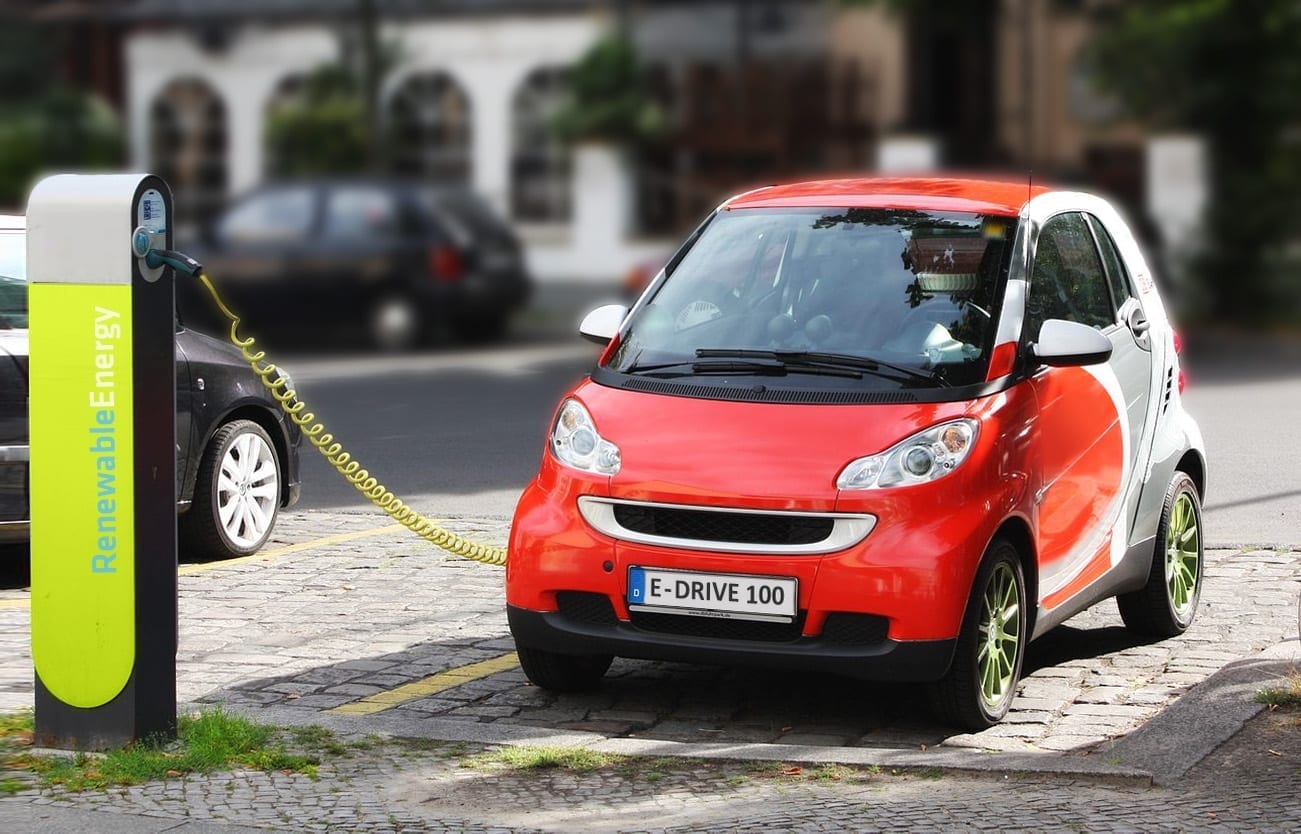
  • China’s Jiangling Motors unit awarded electric car licence

    China’s Jiangling Motors unit awarded electric car licence

    China has awarded its seventh electric vehicle production license to a unit of Jiangling Motors, according to a posting by China’s state planner, as the country accelerates approvals for green car projects.

    Jiangxi Jiangling Group New Energy Vehicle has permission to proceed with a project to make 50,000 pure electric cars, according to a notice dated Monday in a database administered by the National Development and Reform Commission (NDRC).

    The notice did not give further details. Government records separately show that Jiangling Motors is a shareholder.

    China’s government has employed a raft of policies that spurred a boom in electric and plug-in hybrid cars since 2015. It aims to cut air pollution that frequently blankets urban areas and to push its car industry to leap-frog ahead of global automakers with long experience making internal combustion engine cars.

    The country is accelerating approvals for electric vehicle-only projects under a special programme, having approved a license for Chinese auto parts supplier Wanxiang Group earlier this month, while officials say they will restrict new factories making traditional petrol cars.

  • Despite scandal, duty-free licenses to be issued Saturday

    Despite scandal, duty-free licenses to be issued Saturday

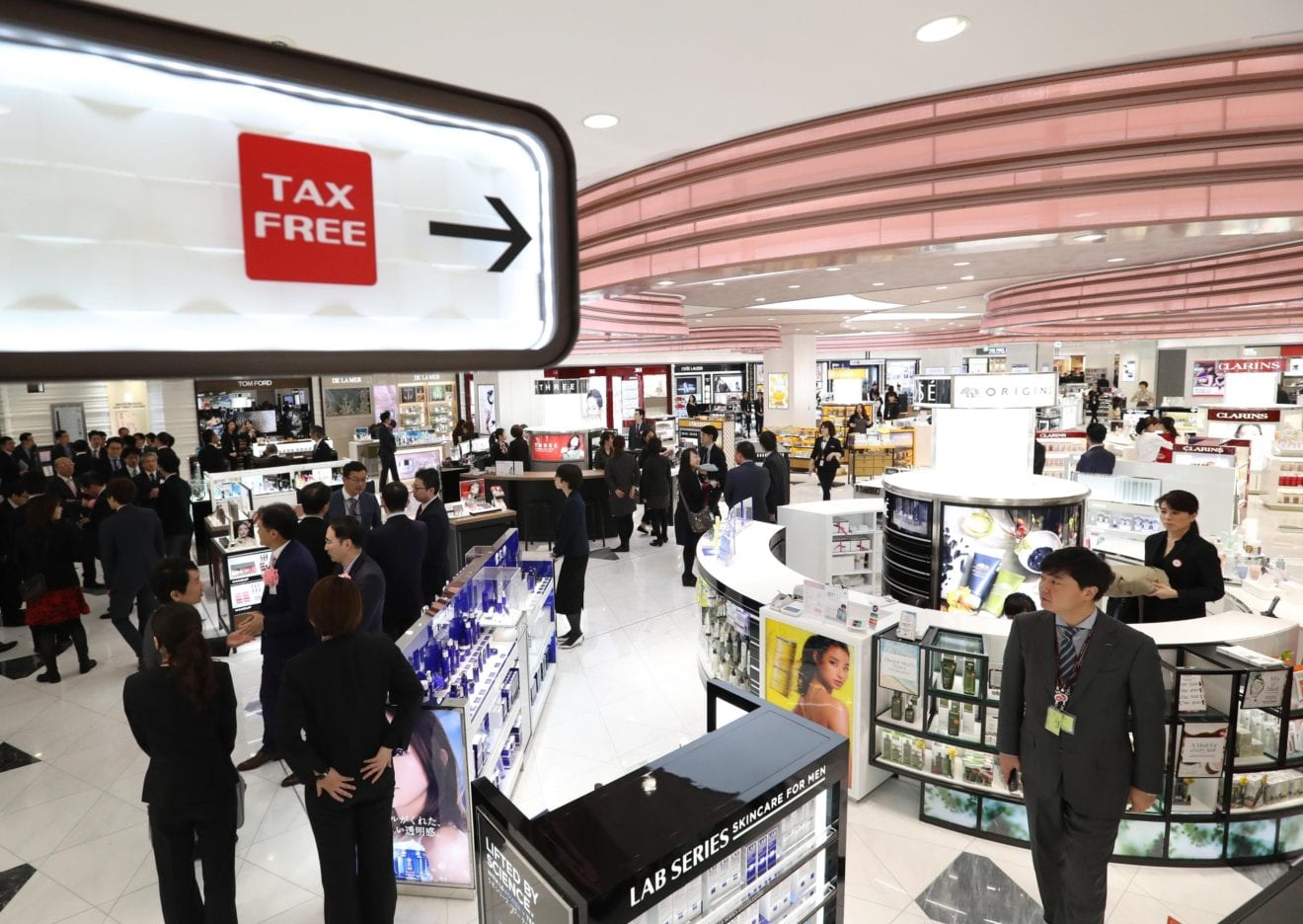
    The Korea Customs Service will begin evaluations for the much coveted duty-free licenses today, and the winners will be announced Saturday.

    Despite the political scandal surrounding the process, five bidders have been competitively releasing their plans for investment to gain favor in the selection process.

    Three out of four of the new licenses are allocated for conglomerates, for which five retail giants – Lotte Duty Free, HDC Shilla Duty Free, Shinsegae Duty Free, SK Networks and Hyundai Department Store – submitted bids in early October.

    Lotte Duty Free, which seeks to reopen a store at the Lotte World Tower in Jamsil, said it would invest 2.3 trillion won ($1.97 billion) over five years to establish tourism infrastructure in southern Seoul. The company intends to use the Seokchon River and Olympic Stadium nearby to organize a cherry blossom festival in April and a fall festival in November. The Lotte Duty Free in Jamsil would be the largest duty-free store in Korea.

    SK Networks wants to revive the Walkerhill Duty Free in Gwangjin District, near Seoul’s eastern end. One of the company’s grand plans is to open a resort spa that would add to the area’s scarce tourist sites. It was the only bidder to propose tourism development outside of Seoul in Gapyeong, Gyeonggi, which is popular with domestic tourists with venues such as Namiseom Island and Petit France.

    Shinsegae Duty Free promised to invest 350 billion won to expand the tourism infrastructure around Seocho and Gangnam District, near where it hopes to build its second branch. The company’s strength is in its location, Banpo-dong, in Seoul’s center. Its plans for tourism and cultural development are focused on promoting infrastructure in the area, such as pedestrian passages around landmarks like the Seoul Arts Center in Seocho-dong or the Floating Island, and a premium gourmet festival in Itaewon.

    HDC Shilla Duty Free, run by Hotel Shilla and Hyundai Development Company, has focused on IT and Korean culture, to attract young tourists to a second branch at Samseong-dong in Gangnam, southern Seoul. HDC Shilla’s focus is to collaborate with small and midsize shops in its second branch, particularly in cosmetics, accessories and food.

    Hyundai Duty Free is going for another shot to open in COEX. Its initial plan submitted in October said the company would invest 30 billion won in Gangnam’s tourism in the next five years. Hyundai’s plan focuses on Korean pop culture, including an idol theme park beside COEX. Last month, it said its 50 billion won plan includes support for Gangnam’s cultural development and donations to the needy.

    Meanwhile, 61 independent and opposition party lawmakers released a statement Tuesday requesting that KCS postpone selecting duty-free operators until suspicions about Lotte and SK Group are resolved. The companies are being investigated for promising licenses in return for donations this year to K-Sports Foundation, a nonprofit linked to President Park Geun-hye’s confidante Choi Soon-sil.

    However, the Korea Customs Service said that many companies have been awaiting a decision, which cannot be delayed over political matters. The office said Wednesday it would rather take back licenses afterward from companies found to have conducted illegal practices for the selection.

    It also said it will release detailed evaluations of companies selected as winners. In November 2015, the office was criticized after Lotte and SK lost their licenses without clearly being informed why, raising doubts on the procedure’s fairness.

  • MyRepublic, TPG to bid for Singapore mobile license

    MyRepublic, TPG to bid for Singapore mobile license

    Singapore’s Infocomm and Media Development Authority has pre-qualified ISP MyRepublic and Australian telecoms group TPG Telecom to participate in an auction for a fourth mobile license.

    MyRepublic and TPG will bid for a 60-MHz lot of spectrum in the 900-MHz and 2.3-GHz bands, in an auction expected to be complete by the end of the year.

    A third applicant for the auction, airYotta, has been disqualified for failing to meet the required pre-qualification criteria.

    The auction will be followed by a general spectrum auction open to existing mobile operators M1, Singtel and StarHub, as well as the winner of the new entrant auction. This second auction is expected to commence in the first quarter of next year.

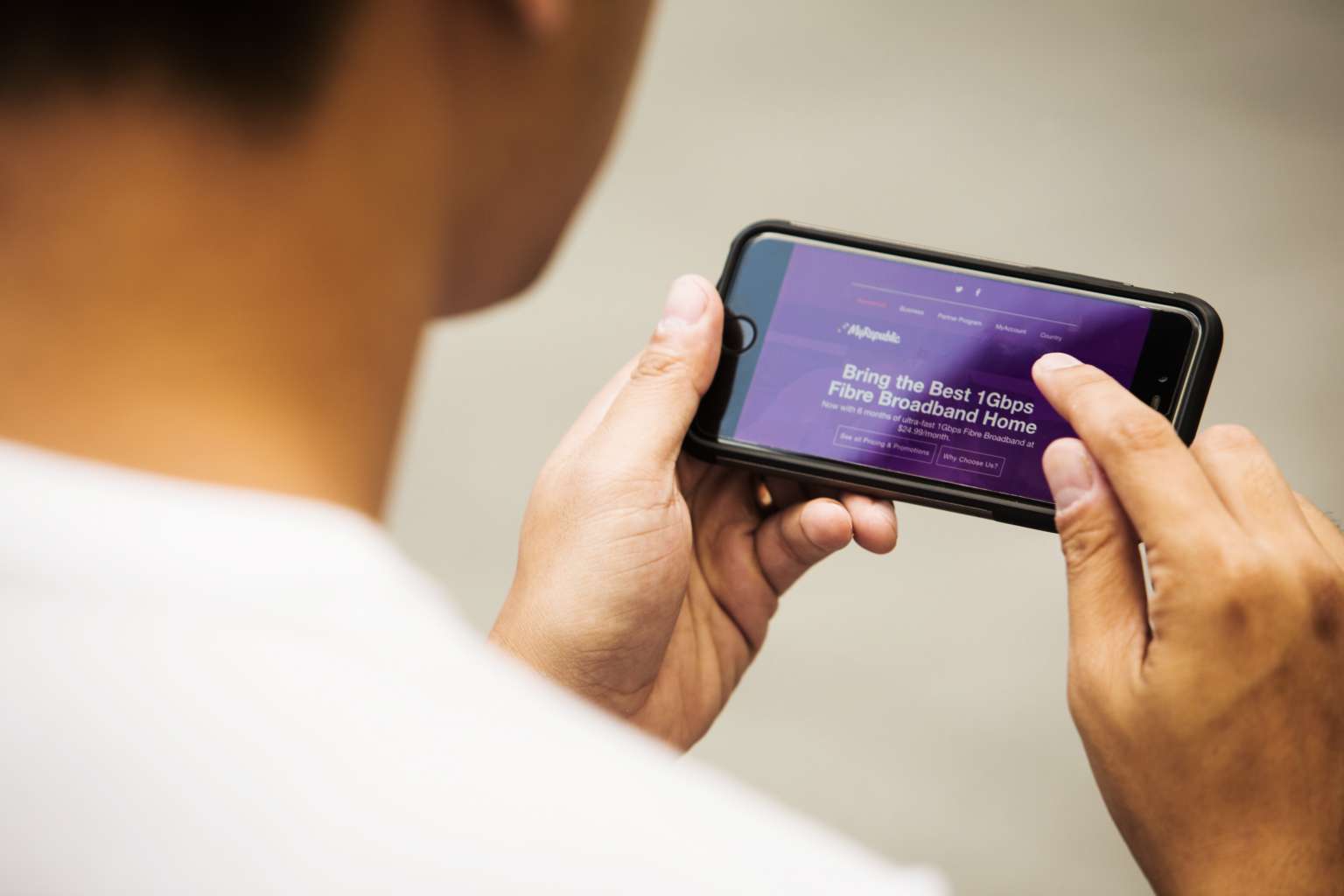
    MyRepublic is a fiber-based ISP with a solid presence in Singapore, and a growing regional reach. The company recently arranged to launch broadband services with speeds of up to 100Mbps in Australia over the national broadband network (NBN), and also has operations in New Zealand and Indonesia.

    TPG Telecom is Australia’s second largest fixed line ISP and largest MVNO. The company has been steadily expanding through acquisitions and organic growth.

    Singapore MVNO Circles.Life has announced it “ welcomes IMDA’s on-going efforts to support competition in the telco space.”

    Circles.Life entered this year as a digital telco and has been aiming to disrupt the market with innovative offers for data-savvy customers, and looks forward to further disruption if a new entrant arrives in the market, the company said in a statement.