Tag: Licensing

  • Sydney Plans 20 Entertainment Zones to Boost 5,000 Nightlife Businesses

    Sydney Plans 20 Entertainment Zones to Boost 5,000 Nightlife Businesses

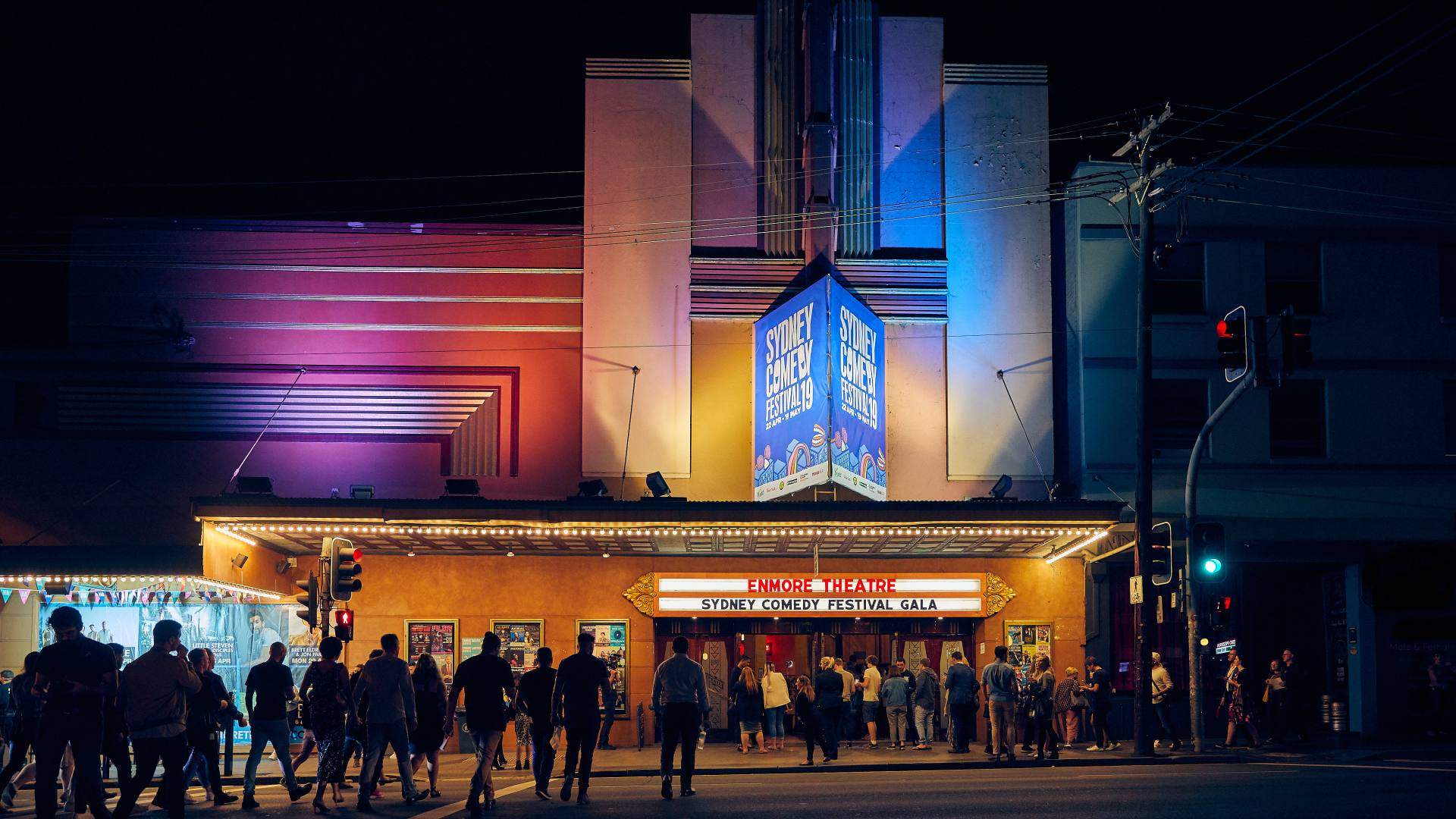
    The Council of the City of Sydney plans to establish more than 20 special entertainment precincts. The zones will support approximately 5,000 hospitality, dining and cultural venues across the city.

    Public consultation on the live music and late-night trading zones runs until November 26. Councillors will consider final endorsement after the review.

    Tailored Sound Rules and State Incentives

    Designated precincts will let the local council tailor sound rules and trading hours to individual streets. Operators inside the zones can also qualify for NSW Government incentives. These perks include extended trading hours and discounts on liquor licence fees.

    City leaders want to reverse foot traffic losses after Sydney dropped behind Melbourne in national nightlife rankings. Noise regulation will shift away from individual resident complaints. Clear precinct-level thresholds will replace them.

    “Special entertainment precincts are about supporting the live music, cultural and hospitality venues that make Sydney a global city, while ensuring residents continue to enjoy a high quality of life,” said Lord Mayor of Sydney, Clover Moore AO.

    Operating Pressures Across Commercial Districts

    Hospitality venues across Australian metropolitan centres face high rents, wage costs and restrictive licensing laws. These pressures have curtailed late-night patronage over the past decade. Blanket limits have also depressed commercial yields for landlords and food and beverage tenants during weekday and late weekend trading windows.

    The overhaul gives operators certainty to schedule live performances and extend dining shifts without facing sudden noise penalties. Execution risk centres on municipal coordination. Inconsistent enforcement across neighbouring council boundaries could dilute patron traffic.

    Enforcement Shift After Lockout Policy Repeals

    State and municipal authorities have spent years adjusting regulations to rebuild nighttime activity following the repeal of Sydney’s lockout laws. Previous piecemeal reforms struggled to deliver uniform foot traffic recovery across fragmented commercial strips.

    By grouping venues under statutory precincts, municipal planners now treat nightlife infrastructure as a commercial asset rather than a residential nuisance.

    Council Decision and Newtown Expansion

    Following the close of public feedback on November 26, the proposal will return to the Council of the City of Sydney for a final vote. The authority will then begin joint consultation with Inner West Council in early 2027 to establish a separate special entertainment precinct along King Street in Newtown.

  • Miniso Launches First Overseas Super Miniso Store in Canada

    Miniso Launches First Overseas Super Miniso Store in Canada

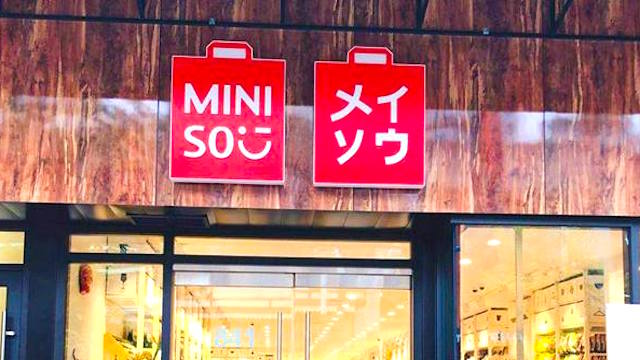
    Miniso opened its first overseas Super Miniso store on October 10 at Square One Shopping Centre in Mississauga, Ontario. The location spans 1,000 square metres.

    Shelves carry more than 5,000 intellectual property-driven stock keeping units. Categories span character merchandise, beauty, travel accessories and everyday lifestyle products.

    This debut brings the full Naruto collection and Stitch Hit Snooze range to Canada for the first time. Upcoming product drops feature Demon Hunter, Chiikawa, Mofusand and Marvel. Miniso will also roll out its proprietary character IP, YOYO, and more than 100 Hello Kitty and Friends products.

    Inside the 1,000-Square-Metre Format

    The Super Miniso concept departs from the chain’s traditional small-footprint layout. Utility shelving gives way to character-themed shows and experiential floor zones built directly into commodity aisles.

    Floor plans blur the line between discretionary collectibles and regular consumable household goods. High-margin licensed items sit in front-of-store lifestyle displays rather than back corners. The strategy targets higher basket sizes.

    The IP Economics of Variety Retail

    For Chinese value retailers operating abroad, licensed character merchandise is the primary lever to lift gross margins. Generic stationery and plastic organizers yield low ticket averages. Co-branded anime and Disney items command higher price points with minimal extra production costs, helping shed the discount dollar-store label.

    Risk lies in inventory turnover and licensing commitments. Securing regional rights for Japanese anime franchises and Western entertainment properties demands minimum guarantee payments that only large-format, high-footfall sites can support. If footfall drops or trends shift quickly, slow-moving licensed stock ties up working capital faster than basic household sundries.

    A Four-Store Canadian Cluster

    Mississauga represents phase one of a Canadian expansion running through October and November 2026. Four themed large-format stores will open across the country in that two-month window.

    Three locations in Mississauga, Winnipeg and Montreal will adopt the Super Miniso balance of curated lifestyle goods and IP collections. A fourth site in Toronto will debut the Miniso Land format. That entertainment-focused concept drops basic lifestyle items in favor of an immersive character park environment.

    West Edmonton Footprint and Next Openings

    Miniso tested large-scale Canadian demand in November 2025 with a 1,000-square-metre store at West Edmonton Mall. Featuring 5,000 IP lines, the opening set a single-day sales record for its North American operations. The chain followed that in April 2026 with a dedicated Hello Kitty and Friends pop-up in Toronto.

    Next up are store rollouts across the three remaining Canadian sites through November 2026, alongside initial sales performance data from the Toronto Miniso Land launch.

  • Superfan Spending Boosts Japan Annual Retail Turnover by 2%

    Superfan Spending Boosts Japan Annual Retail Turnover by 2%

    Superfan spending across Japan lifted the country’s annual retail turnover by 2 per cent, according to figures highlighted by Rick Kelsey on BBC Business Daily on 12 November 2025.

    Economists credit the surge to oshikatsu, the dedicated fan culture of spending money and time to support idols through merchandise, concerts, and streaming, with helping pull retail sales out of a long slump.

    How Superfans Drive Everyday Retail

    The practice stems from the Japanese verb osu, meaning to endorse or support, which evolved into a noun during the 2000s across domestic idol and anime communities. Today, the behaviour extends far beyond live entertainment venues into everyday high-street retail, convenience stores and food service.

    Consumers regularly purchase acrylic character stands, plush toys, key chains and branded photo cards designed to be carried and photographed in daily settings. Food and beverage operators capture direct spend through collaboration menus, where cafes offer themed items linked to character birthdays, anniversaries and content releases.

    Retailers also capture revenue through dedicated colour-coded apparel, accessories and travel packages tied to anime pilgrimages, where fans visit real-world locations featured in specific series.

    What the Shift Means for Store Operators

    For department stores, convenience chains and shopping centre landlords across Japan, the commercial impact alters basic merchandising strategy. Conventional retail relies on broad demographic appeal and seasonal discounting, but fan-driven retail operates on high price tolerance and non-negotiable loyalty to specific intellectual property.

    Operators that secure exclusive licensing rights and limited-run character merchandise generate immediate foot traffic without heavy promotional markdowns. The risk sits entirely in inventory timing and intellectual property selection, because secondary-market saturation or sudden shifts in fan interest leave unpartnered stock stranded on store shelves.

    Supply Chains Adapt to Collectibles Demand

    Capsule toy machines and blind-box collectibles have expanded floor space in major transit hubs and suburban malls to monetise this demand. Manufacturers now design goods specifically for social sharing, turning consumer photography into free marketing that drives secondary store visits.

    Domestic retailers increasingly structure product launches around character calendars rather than traditional shopping holidays. This predictable cadence gives suppliers steady manufacturing runs for small-format plastics, novelty textiles and packaged food collaborations throughout the year.

    From Niche Subculture to Economic Driver

    A 2024 academic study tracking linguistic use documented how the term transitioned from subculture slang in the early 2000s into a mainstream commercial category embraced by corporate marketing desks. What began as fan-club subscriptions and physical compact disc sales now spans digital streaming support, interactive virtual creators and cross-category retail licensing.

    Department store groups in Tokyo and Osaka that previously cut floor space for youth apparel have rebuilt those areas into rotating pop-up zones for licensed goods. The strategy mirrors broader structural changes across Asian consumer markets, where experiential and identity-driven purchases consistently outpace generic consumer staples.

    The Next Test for Fan Consumption

    Retail analysts are watching upcoming quarterly sales prints from major Japanese department store operators and convenience chains to determine whether the 2 per cent turnover lift holds against broader inflationary pressures on household budgets. Corporate earnings releases scheduled across the next reporting cycle will show whether licensed collaboration margins continue to outpace traditional retail lines.

  • Sega Shifts Strategy from Selling Games to Building Transmedia Ecosystems

    Sega Shifts Strategy from Selling Games to Building Transmedia Ecosystems

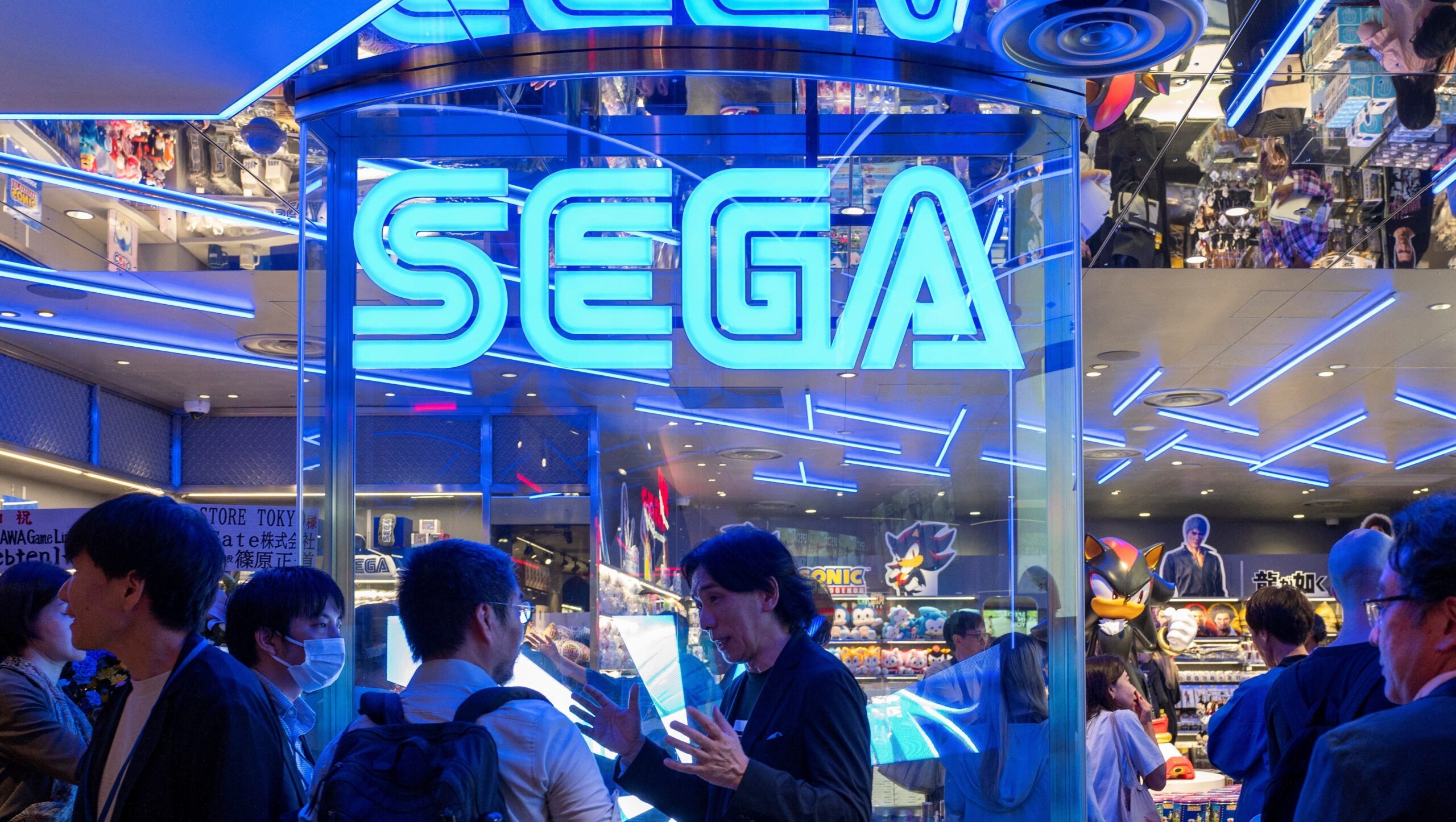
    In October 2026, Sega outlined a shift in its commercial strategy toward multi-channel intellectual property ecosystems, moving away from a traditional reliance on packaged video game releases to drive core revenue across consumer markets.

    President Shuji Utsumi confirmed the Tokyo-based entertainment company is deploying films, retail licensing agreements, and direct fandom engagement to anchor franchise values across physical and digital storefronts.

    Building beyond standalone software

    The transmedia push prioritises cross-platform character exposure over single-title release schedules. Film adaptations and character merchandise now serve as primary customer acquisition channels rather than secondary promotional spin-offs, feeding consumer demand directly into software catalogues, physical retail merchandise, and digital brand platforms.

    Executive leadership under Utsumi is aligning internal development studios with external film distributors and consumer product licensees. The operational framework treats each intellectual property portfolio as an enduring franchise ecosystem designed to retain audience spend across multiple entertainment touchpoints.

    The read across for Asian licensing and retail

    For toy manufacturers, apparel licensees, and retail buyers across the Asia-Pacific region, Sega’s multi-channel pivot establishes continuous consumer engagement throughout product life cycles. Traditional video game merchandising relied on volatile spikes during hardware generation launches or standalone sequel debuts, leaving shelf space vulnerable during development lulls.

    A coordinated release calendar spanning theatrical distribution, streaming content, and physical consumer goods reduces operational inventory risks for commercial partners. The challenge for Sega lies in maintaining franchise quality across external licensing partners while protecting brand equity from overexposure in competitive consumer categories.

    Competitive pressure across regional peers

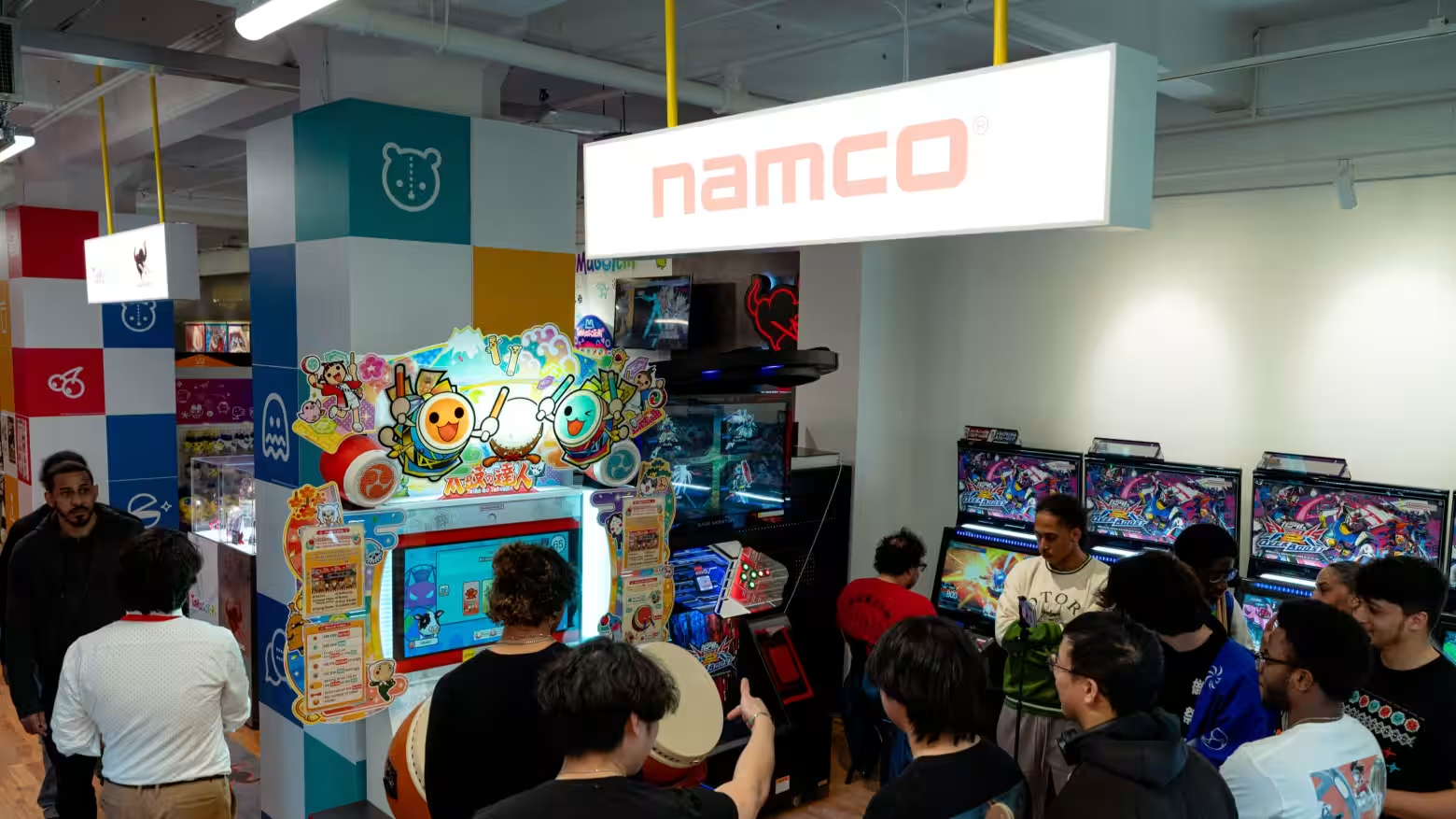
    Japanese entertainment conglomerates are systematically consolidating character portfolios to defend consumer wallet share against Western entertainment groups. Regional rivals such as Bandai Namco have accelerated cross-border licensing expansions across Southeast Asia to insulate balance sheets from domestic demographic contraction.

    Sega’s transmedia rollout establishes the operational benchmark for its upcoming pipeline of legacy properties, with management tracking audience engagement and cross-category licensing conversions as the next multi-platform releases enter international markets.

  • Bandai Expands Tamagotchi Licensing Across Asia Ahead of 30Th Anniversary

    Bandai Expands Tamagotchi Licensing Across Asia Ahead of 30Th Anniversary

    Japanese toymaker Bandai is expanding licensing partnerships for its Tamagotchi digital pet franchise across China and South Korea ahead of the device’s 30th anniversary next month.

    The Tokyo-based company is deploying the intellectual property across apparel, cosmetics and K-pop merchandise partnerships to build recurring revenue streams outside traditional toy hardware.

    Licensing Push Across Key Asian Markets

    Bandai’s regional push relies on third-party manufacturers and retail partners to adapt the egg-shaped digital pet identity into lifestyle categories. Instead of depending solely on standalone electronic device shipments, the company is licensing Tamagotchi character designs and branding to cosmetics producers, fast-fashion brands and entertainment agencies across East Asia.

    South Korea serves as a primary testbed for entertainment tie-ins, where collaborations with K-pop talent connect the vintage Japanese property with teenage and young adult demographics. In China, retail distribution leans heavily on character merchandise concessions and co-branded beauty collections aimed at millennial consumers who grew up with the original 1990s release.

    Shift from Hardware to Brand Royalties

    For toy manufacturers across Asia, hardware cycles carry inventory risk and seasonal sales volatility. Transitioning legacy electronic properties into multi-category licensing deals shifts capital requirements onto licensees while securing high-margin royalty streams for the parent company.

    Retail buyers and department store operators across Seoul and Shanghai gain proven nostalgia properties that drive foot traffic without requiring dedicated electronics shelf space. The primary commercial risk lies in overexposure, where indiscriminate brand placement across low-tier merchandise can dilute character value and shorten the commercial lifespan of anniversary campaigns.

    Building on Global Intellectual Property

    Japanese entertainment groups have steadily reoriented their international operations toward intellectual property monetisation. Bandai Namco Holdings has applied similar playbooks to its Gundam model kit franchise and video game properties, scaling retail pop-ups and branded apparel lines across mainland China, Taiwan and Southeast Asia.

    Tamagotchi first debuted in Japan in November 1996 before becoming a global consumer electronics phenomenon in the late 1990s. Bandai has revived the hardware line periodically with wireless and colour-screen iterations, but the latest regional campaign prioritises third-party consumer goods over device manufacturing.

    Milestones to Watch

    Commercial performance across the autumn retail calendar will show whether licensing revenue can sustain momentum beyond the initial anniversary marketing cycle. Bandai heads into the November 2026 anniversary window with additional Asian retail rollouts scheduled across specialty stores and regional e-commerce platforms.

  • Japan Oshikatsu Fan Economy Reaches 4.1 Trillion Yen as Retailers Target Youth Spending

    Japan Oshikatsu Fan Economy Reaches 4.1 Trillion Yen as Retailers Target Youth Spending

    Japan’s fan-merchandising market reached an estimated valuation of ¥4.1 trillion ($25 billion). Spending on character and idol devotion has turned into a steady retail pillar despite inflation.

    Locally known as oshikatsu, the sector spans manga figurines, Hello Kitty accessories, virtual streamers, and pop idols.

    Surging Supplier Participation at Tokyo Trade Show

    Commercial interest filled the Oshikatsu Expo in Tokyo last month. More than 240 supplier booths pitched products directly to talent agencies and intellectual property managers.

    Vendor participation grew twelvefold from roughly 20 exhibitors when the trade show launched two years ago. Mainstream manufacturers and novelty producers are shifting factory capacity toward licensed character goods.

    Central Bank Tracks Dedicated Youth Outlays

    Resilient category spending caught the attention of the Bank of Japan. The central bank flagged fan-support purchases as a sustained driver of consumption among younger demographics.

    Broader retail sales face pressure from domestic price inflation and real wage drops. Spending on favorite personalities and animated figures remains steady. Fans treat these purchases as essential monthly budget items.

    Shifting Inventory Dynamics for Retail Operators

    The expansion of oshikatsu changes floor space yields for store operators and merchandise distributors. Traditional mass-market novelties are giving way to higher-margin, specialized collectibles produced in limited runs.

    Supplier financial risk sits in licensing concentration. Production runs must synchronize tightly with fast-moving entertainment cycles. Vendors face losses if a character’s popularity fades before inventory clears distribution channels.

    Next Pipeline for Character Merchandising

    Agency managers expanded commercial licensing deals across everyday consumer categories over the past two years. The subculture hobby quickly became a mainstream retail channel.

    Attention now turns to autumn merchandising orders. Brand managers will see whether the 240 trade suppliers can maintain order volumes as production costs rise across Japan’s manufacturing sector.

  • Styld Partners with Mattel to Launch Limited-Edition Barbie Collection

    Styld Partners with Mattel to Launch Limited-Edition Barbie Collection

    Australian lifestyle brand Styld has partnered with Mattel to launch a limited-edition Barbie drinkware and homewares line across Australia this month.

    The range pairs Mattel’s entertainment rollout with everyday functional goods. Products are designed for adult nostalgia.

    Carafe design and product range

    A 750ml insulated stainless-steel carafe anchors the lineup. It represents the brand’s first build at that capacity. Features include a protective silicone bumper base and an integrated holder designed to carry lip gloss on the go.

    Other products include insulated cooler bags, stemware goblets, drink tumblers and kitchen chopping boards. Every piece carries Barbie’s pink-and-peppermint striped exterior finish.

    Mattel entertainment licensing pipeline

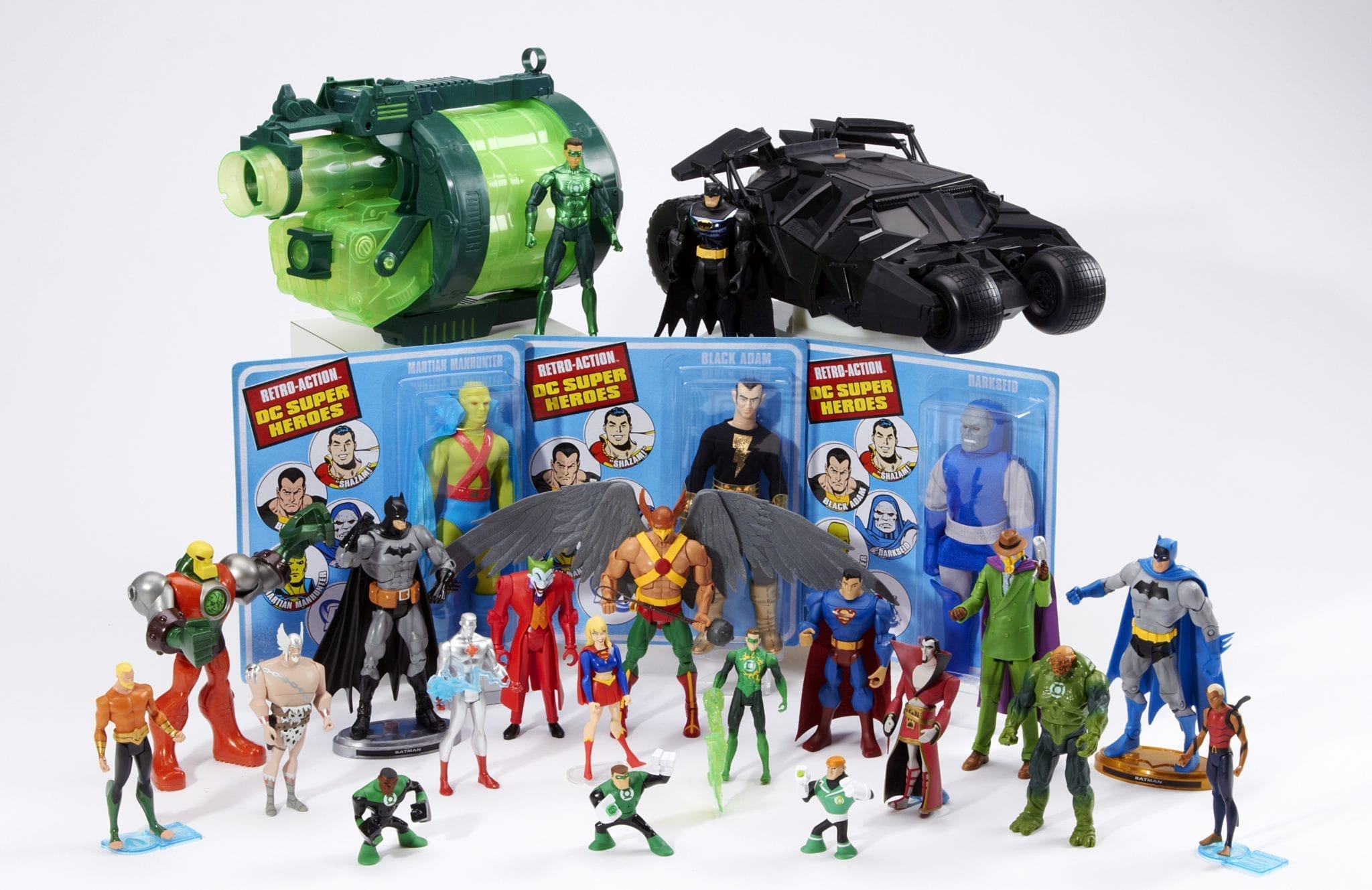
    The product release lands ahead of the premiere of Mattel’s Barbie Nutcracker film. Mattel continues to push its classic intellectual property into adult lifestyle, gifting and kitchenware rather than relying solely on traditional toy aisles.

    These collaborations give global entertainment groups access to domestic retail networks through local lifestyle labels. Alicia Stephens, founder and creative director at Styld, positioned the range to capture adult shoppers who grew up with the property alongside younger consumers.

    Commercial distribution and consumer response

    Retailers across the Asia-Pacific region have expanded licensed homewares shelf space over the past two years to capture higher-margin impulse gift purchases. Co-branded functional accessories give specialty lifestyle businesses immediate consumer recognition without the customer acquisition overhead required for unbranded launches.

    The rollout tests how effectively nostalgic entertainment properties convert into repeat purchases within Australia’s competitive insulated drinkware category this quarter.

  • Manchester City Scandal Puts $1 Billion Asian Merchandise Sales at Risk

    Manchester City Scandal Puts $1 Billion Asian Merchandise Sales at Risk

    Manchester City and the English Premier League face potential retail fallout across Asia, where massive fan followings support merchandise sales that could reach US$1 billion or more.

    A financial cheating scandal spanning English and European football threatens to dent the club’s commercial appeal over the coming months as ripple effects spread through the sport.

    The Value of Regional Fan Spending

    English top-flight clubs have spent years building direct retail pipelines in major Asian commercial centres. Licensing partnerships, local flagship outlets and regional e-commerce channels turn overseas fan followings into steady merchandise cash flows. Manchester City sits at the centre of that commercial network, driving jersey sales and co-branded retail deals across East and Southeast Asia.

    Financial compliance allegations now place that commercial apparatus under direct pressure. When sporting integrity comes into question, consumer sentiment can shift rapidly among neutral and casual buyers who account for a substantial share of non-domestic kit purchases.

    Commercial Exposure for Retail Partners

    Distributors, regional department stores and sportswear stockists face the immediate inventory risk. Retailers that allocate floor space and working capital to club-branded collections cannot easily redirect stock if reputation damage dampens consumer appetite.

    Rival European teams already competing for regional shelf space stand to benefit if retail buyers reallocate seasonal inventory budgets toward clubs with cleaner brand profiles. A prolonged inquiry leaves Asian retail partners holding commercial risk they cannot control.

    The Regulatory Background

    The development follows protracted investigations into Manchester City’s financial reporting by English and European football authorities. Scrutiny centres on alleged breaches of competition and financial regulations spanning multiple seasons of domestic dominance.

    Club executives have defended their financial conduct as formal hearings proceed. The commercial fallout, however, moves faster than regulatory tribunals, leaving consumer brands and Asian retail partners to weigh the immediate sales exposure.

    What to Watch Next

    Retail buyers in Asia are now tracking club apparel pre-orders and sell-through rates as the legal proceedings advance. The final determination from English football authorities will set whether official merchandise volumes hold or face a sharp contraction across regional distribution networks.

  • Toys R Us to Open 120 Stores in the US Ahead of Christmas

    Toys R Us to Open 120 Stores in the US Ahead of Christmas

    WHP Global and Go! Retail Group plan to open around 120 Toys R Us stores across the United States in the lead-up to Christmas.

    Most locations will operate on leases of 12 months or less, featuring footprints substantially smaller than the brand’s historic warehouse stores.

    Seasonal foot traffic drives the rollout rather than permanent anchor tenancies, with Go! Retail Group managing store operations and buildouts.

    Smaller footprints and short leases

    The strategy departs sharply from the sprawling suburban stores that defined the brand before its 2017 collapse. Short leases limit downside exposure if footfall drops in early 2027.

    Landlords gain temporary tenants for vacant mall space during peak trading months. Short-term agreements restrict investments in custom fixtures, so stores must generate fast sales to cover fit-out costs.

    The shift toward adult collectors

    New store assortments target adult buyers alongside children. Data from Circana shows overall toy sales climbed 17 percent in the first half of 2026. Adult purchases for personal use rose 25 percent.

    Key drivers include building sets, trading cards, and licensed character collectibles. Older consumers bring larger discretionary budgets than traditional child-focused shoppers.

    Adults are increasingly buying toys, collectibles, and trading cards for themselves, and fandom has become an important part of the category.

    Adult buyers now represent a core retail pillar rather than a secondary demographic, said Jamie Uitdenhowen, executive vice president at WHP Global.

    Rebuilding after liquidation

    Toys R Us filed for Chapter 11 bankruptcy nine years ago, which led to the closure and liquidation of over 800 North American stores.

    WHP Global acquired a controlling interest in parent company Tru Kids Inc. In 2021 to manage global licensing, retail partnerships, and digital extensions. Earlier revival attempts included airport shops and department store concessions.

    The test for temporary real estate

    Running more than 100 temporary stores simultaneously tests supply chains and staffing during the busiest quarter on the retail calendar. Inventory planning must balance collector goods with mass-market holiday toys across dozens of regional sites.

    Openings will run through November 2026. Holiday performance across the 120 locations will determine how many convert into multi-year leases in 2027.

  • Thai Cabinet Approves Medical Cannabis Bill with 3-Year Licences

    Thai Cabinet Approves Medical Cannabis Bill with 3-Year Licences

    The cabinet on Tuesday approved a cannabis control bill that will restrict cannabis and its extracts strictly to medical treatment and research.

    Public Health Minister Pattana Promphat said the legislation represents Thailand’s third attempt to plug regulatory loopholes since the country decriminalised cannabis in 2022, aiming to prevent abuse and protect youth.

    Under the draft law, the cultivation, production, import, export and sale of cannabis will require three-year licences issued by the Department of Thai Traditional and Alternative Medicine, a regulatory shift expected to reduce the nation’s 11,000 dispensaries to about 2,000 approved clinics.

    Three-Year Licences and Strict Retail Zones

    Commercial operators face tightly restricted trading boundaries under the new framework. Dispensaries cannot operate near schools, university dormitories, temples, public parks, zoos or amusement parks, and retail transactions to buyers under 20 years old or pregnant women are banned entirely.

    Marketing channels will close as well. The bill outlaws all commercial advertising and promotional campaigns for cannabis buds, resin and consumption paraphernalia, penalising unauthorised commercial operators with criminal fines and prison terms.

    “This is to protect the health of people, especially children and youth, and prevent cannabis abuse,” said Public Health Minister Pattana Promphat.

    Clinic Conversions Squeeze Independent Operators

    For store owners, the shift from retail commerce to medical dispensing creates severe capital hurdles. Transitioning a lifestyle weed shop into a licensed health clinic requires retained medical staff, diagnostic oversight and clinical record-keeping systems that small operators cannot easily fund.

    Landlords in major entertainment districts face an immediate tenant shakeout. Prime commercial corridors in Bangkok, Phuket and Pattaya that filled vacant retail footprints with lifestyle dispensaries after 2022 will see substantial vacancy as uncertified storefronts exit the market.

    Supply Chain Realignment and Wholesale Pressure

    Growers and wholesale distributors must adjust output to pharmaceutical specifications rather than commercial recreational volumes. The requirement for three-year operating licences gives regulators direct control over production quotas and processing standards across local supply chains.

    Institutional healthcare networks stand to gain the market share surrendered by independent retailers. Hospital operators and licensed wellness clinics already possess the compliance infrastructure needed to handle regulated extracts and patient consultations.

    Legislative Route Since Decriminalisation

    The draft represents the third attempt by Thai lawmakers to regulate the sector since the government removed cannabis from the Category 5 narcotics list in June 2022. That move, overseen by current Prime Minister Anutin Charnvirakul during his tenure as health minister, eliminated criminal penalties without establishing statutory retail controls.

    Previous legislative efforts under both the Prayut Chan-o-cha administration and the subsequent Pheu Thai government under Paetongtarn Shinawatra stalled before reaching final enactment. The current bill cleared regulatory impact assessments and public hearings earlier this year before Tuesday’s cabinet endorsement.

    Parliamentary Debate Sets Three-Year Countdown

    Parliament will take up the draft legislation for readings and committee scrutiny before it passes into law. Public Health Minister Pattana Promphat estimated that the transitional clinic rules will reduce the country’s 11,000 storefronts to approximately 2,000 licensed medical operators over the three-year licensing cycle.

  • Wego Scraps My Hero Academia Line After Backlash in China

    Wego Scraps My Hero Academia Line After Backlash in China

    Tokyo-based fashion brand WEGO has scrapped plans to launch an exclusive apparel range in collaboration with hit anime and manga franchise My Hero Academia in September 2026 following an angry backlash from Chinese consumers.

    Shoppers across Chinese social media condemned the planned launch, prompting the Japanese apparel retailer to cancel the release immediately.

    Controversy Over Wartime References

    WEGO had announced an exclusive clothing line based on the popular franchise, but Chinese users quickly cited a 2020 controversy involving a character linked to lethal human experiments that killed thousands of prisoners.

    Chinese audiences previously condemned the anime in 2020 over a storyline featuring a character who conducted lethal human experiments. Viewers linked the narrative to Unit 731. That covert Japanese military medical unit ran fatal biological warfare experiments on thousands of prisoners, most of whom were Chinese.

    Outrage centered on the character’s original name, Maruta Shiga. In Japanese, the word maruta means log. It served as the wartime code name for human subjects used in the unit’s experiments. Social media users also connected the surname Shiga to bacteriologist Kiyoshi Shiga.

    Brand Risk in Cross-Border Retailing

    Licensing domestic intellectual property carries acute reputational risks for Japanese apparel brands selling into Greater China. Fast-fashion chains rely heavily on anime collaborations to draw younger demographics. Even so, historical sensitivities in China frequently cut through commercial campaigns.

    Retailers that misjudge consumer sentiment in mainland China face rapid boycotts and online delisting. WEGO pulled the entire collection early to limit commercial fallout before production and distribution expanded.

    Previous Franchise Fallout

    Distribution for the My Hero Academia franchise previously broke down in China after the 2020 character name dispute. Chinese streaming platforms and digital manga distributors removed the series from their catalogues once that controversy emerged.

    WEGO has halted marketing for the collection across its retail network while clearing out promotional materials.

  • Funday Natural Sweets and Cotton on Kids Partner on Apparel Range

    Funday Natural Sweets and Cotton on Kids Partner on Apparel Range

    Confectionery brand Funday Natural Sweets has partnered with Australian childrenswear retailer Cotton On Kids in September 2026 to launch a limited-edition apparel collection based on its core product range.

    The apparel run is designed for children aged two to 10 years and sells exclusively through the Cotton On website. Graphic designs across the garments replicate four confectionery variants: Strawberry & Cream, Sour Peach Hearts, Sour Cola, and Fruity Koalas.

    Candy Graphics for Digital Shelves

    Cotton On is keeping the release confined to its online channels rather than distributing inventory across its physical store fleet. Digital exclusivity lowers supply chain overhead for short-run collaborative merchandise while testing customer demand before committing floor space in suburban shopping centres.

    For Funday, the partnership puts grocery-aisle branding into everyday childrenswear. Apparel licensing gives fast-moving consumer goods makers repeated household visibility without requiring an increase in trade marketing expenditure inside supermarkets.

    Brand Collaborations in Childrenswear

    Fashion retailers across Asia-Pacific continue to use branded novelty drops to drive direct web traffic. Cross-category partnerships between food brands and apparel chains have expanded rapidly as fast-fashion operators look for distinctive graphic intellectual property that appeals directly to parents buying for young children.

    The operational risk in food-to-fashion licensing sits squarely on inventory velocity. Themed capsule collections lose consumer appeal quickly once seasonal promotional cycles end, making web-only fulfillment a calculated choice to prevent discounted stock overhang in physical stores.

    Licensing Growth in Apparel

    Cotton On has built a steady business model around limited licensing deals across its adult and youth divisions, drawing on entertainment properties, beverage brands, and food labels to refresh basic garment blanks.

    Online performance data from this initial confectionery run will determine whether Cotton On expands the licensed grocery range into retail stores across Australia and its broader Asia-Pacific store network.

  • Miniso Starts Global Pop-Up Tour with Lisa Featuring 70 Products

    Miniso Starts Global Pop-Up Tour with Lisa Featuring 70 Products

    Miniso opened a global pop-up tour in Bangkok on September 1 with K-pop star Lisa. The rollout introduces more than 70 co-branded products across Asia and the Americas. It follows a 22.4 per cent jump in first-half revenue as the retailer expands its international store network.

    The lineup spans apparel, bags, blind boxes and lifestyle accessories. Central to the range is the YoYo x Lisa Collection Vinyl Plush Surprise Box series. That line pairs the artist’s brand directly with Miniso’s proprietary character IP, YoYo.

    Tour Schedule and Asian Locations

    Bangkok’s IconSiam shopping complex hosted the debut before the tour heads to East Asia. The next activation opens at Omotesando Hills in Tokyo, running from September 11 to October 5.

    Three flagship pop-up locations in Beijing, Shanghai and Shenzhen will open simultaneously on September 12. Jakarta hosts the final Southeast Asian stop in October.

    Beyond Traditional Licensing

    Merchandise strategy is shifting across the business. Instead of relying purely on third-party entertainment licenses, the chain couples its proprietary IP with celebrity partnerships. The approach aims to lift average selling prices and drive foot traffic into physical stores.

    For mall operators and rivals, the push raises competition for temporary space. Pop-up formats let Miniso test local demand and build shopper volume in prime retail corridors without immediate long-term lease commitments.

    Americas Rollout Follows Revenue Gains

    Financial results reported last month showed a 22.4 per cent revenue increase for the first half. Growth was driven by performance across mainland China and international markets.

    Overseas expansion follows the Asian run, with pop-up locations opening across the United States and Mexico in November.

  • Chelsea Stablecoin Shirt Deal Sparks Hong Kong Merchandising Regulatory Fears

    Chelsea Stablecoin Shirt Deal Sparks Hong Kong Merchandising Regulatory Fears

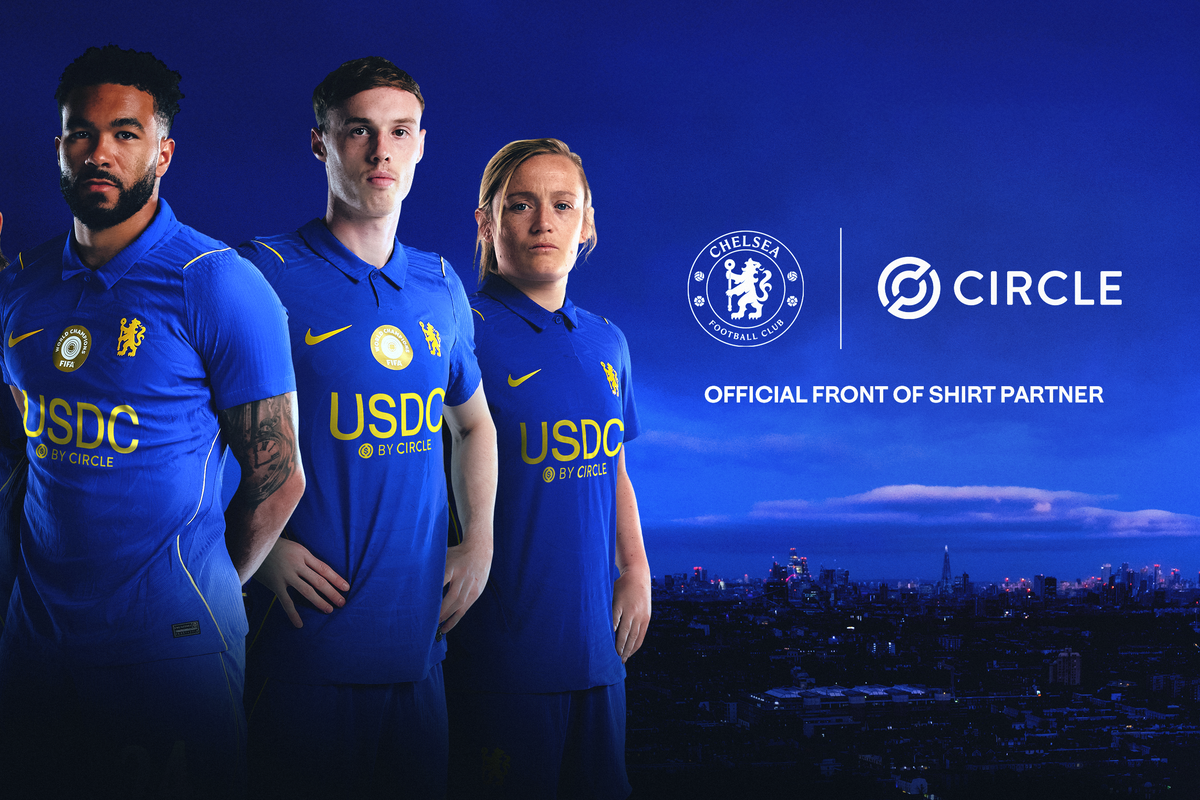
    English Premier League club Chelsea signed a front-of-shirt sponsorship deal with Circle in late August to display its USDC stablecoin logo across official jerseys for the 2026-27 season. The agreement has created immediate uncertainty for Hong Kong sports apparel retailers and consumers navigating the city’s strict digital asset marketing framework.

    Only two stablecoin issuers, Anchorpoint Financial Limited and HSBC, currently hold operating licences in Hong Kong. Circle’s USDC token is neither issued nor licensed under Hong Kong law, putting local replica jersey distributors in an uncertain regulatory position.

    Licensing Limits Under City Ordinance

    The legal friction stems from Hong Kong’s Stablecoins Ordinance, which took effect on August 1, 2025. Under guidelines issued by the Hong Kong Monetary Authority (HKMA), actively marketing unlicensed fiat-referenced stablecoins to the public is illegal.

    Regulators assess active marketing based on target audience, language, local domain usage, and whether an intentional promotional strategy exists. While the ordinance provides exemptions for live broadcast networks that do not control commercial content, it does not explicitly clarify whether physical apparel retail falls under promotional activity.

    Apparel stockists in major retail hubs are already weighing the commercial risk. Hammer Chung, owner of football apparel store DirectSoccer in Mong Kok, questioned whether stocking and retailing replica kits bearing unlicensed crypto logos exposes shop owners to regulatory enforcement.

    Retail Merchandising and Active Marketing Rules

    Supporter demand across Asia remains a vital revenue stream for European football merchandise, but grey areas in sports sponsorship compliance are multiplying. European teams continue to sign lucrative sponsorship contracts with global crypto firms, yet Asian jurisdictions are enforcing increasingly localised virtual asset licensing regimes to protect retail consumers.

    The UK Financial Conduct Authority warned Premier League clubs three months before the Chelsea deal about partnering with unregulated crypto platforms. In Hong Kong, consumer advocates and digital asset compliance specialists, including VerifyVASP, have called for clearer retail guidance and on-screen disclaimer requirements for televised fixtures.

    Retailers in the city are now waiting to see whether the HKMA issues formal enforcement guidance on replica sports merchandise before peak sales for the 2026-27 European football season get underway.

  • Esprit Posts HK$87.7 Million First-Half Loss as Licensing Pivot Stumbles

    Esprit Posts HK$87.7 Million First-Half Loss as Licensing Pivot Stumbles

    Esprit Holdings swung back into the red with a net loss of HK$87.7 million (US$11.2 million) for the first half of 2026. Revenue for the six months to June totaled just HK$14.9 million ($1.9 million), reflecting the brand’s radical downsizing into a pure licensing shell.

    The result reverses a brief HK$1.3 million profit recorded a year earlier. Esprit has booked a full-year profit only once since 2016, racking up more than $1 billion in cumulative losses while shuttering store networks and liquidating units across Europe and North America. In June, the company deconsolidated its Canadian business following local insolvency filings.

    Balance-sheet cash generation was minimal, with net cash inflow standing at $712,000 for the period. Total assets stood at HK$295.45 million against liabilities of HK$232.19 million, supported by HK$335 million in total credit facilities, of which HK$125.13 million was drawn at the end of June.

    Accumulating Legal Claims

    Legal liabilities from defunct operational entities continue to drain group reserves. In July, the International Court of Arbitration ordered Esprit to pay $3.93 million and HK$40,900 plus interest over disputed 2024 legal fees, forcing an additional HK$22.5 million charge on top of earlier provisions.

    A Dutch bankruptcy trustee handling the collapse of Esprit Europe is seeking up to 49 million euros ($57.1 million) over contested intra-company transfers. Esprit contends the claim is unenforceable in Hong Kong courts. A separate dispute over an early lease termination poses an estimated HK$14 million exposure.

    Retail Partners and Royalties

    Under acting chairman Bradley Wright, the company has staked its survival entirely on collecting royalties from third-party partners. Licensees handle inventory, logistics, and store operations across Asia and the Americas while Esprit trades as an asset-light trademark owner.

    In Hong Kong, Esprit’s licensee opened a second location with a flagship store at Olympian City. Mainland Chinese partners sell across Tmall, Douyin, Vip.com, and JD.com while pushing the brand into activewear. In North America, the local licensee placed retro logo fleece sweatshirts into Costco in the United States and Walmart in Canada in July.

    The shift mirrors the path taken by troubled apparel names across the region that abandoned direct retail in Asian markets in favor of wholesale brand licensing. Stripping away direct operating costs lowers overhead quickly, but the model leaves Esprit dependent on wholesale discounters and cut-price online channels that risk diluting whatever brand equity remains from its 1980s peak.

    Attention turns next to the legal jurisdiction dispute in Hong Kong, where proceedings on the 49 million euro Dutch trustee claim will test whether Esprit’s offshore corporate structure can protect its remaining HK$63.26 million in net assets from European creditors.