Tag: Licensing

  • Starlink Halts Operations in Papua New Guinea Amid Licensing Legal Battle

    Starlink Halts Operations in Papua New Guinea Amid Licensing Legal Battle

    Starlink, a satellite internet service, has ceased its operations in Papua New Guinea following a directive from the country’s telecommunications regulator. This halt in services comes amidst an ongoing dispute over licensing.

    The Regulatory Standoff

    The National Information and Communications Technology Authority (NICTA), has confirmed that they had instructed SpaceX, the parent company of Starlink, to stop all satellite services in Papua New Guinea due to a lack of a valid operating license.

    Starlink is currently not licensed to operate in Papua New Guinea. Despite this, NICTA reported witnessing continued importation, supply, installation, and use of Starlink terminals in the country over recent months.

    According to a statement by the regulator, anyone involved in these activities is violating the law and may face enforcement action, including prosecution. The regulator’s actions are limited due to an ongoing legal disagreement involving the Ombudsman Commission, which blocked the licensing of Starlink in March 2024 over worries related to regulatory oversight and governance.

    The matter has now been escalated to the National Court, with the regulator seeking judicial clarity that would allow it to proceed with licensing if approval is given.

    Starlink’s Commitment

    Despite the withdrawal of services, Starlink has expressed its continued commitment to Papua New Guinea. The company issued a service notification to its customers, encouraging them to voice their support for its approval.

    Starlink expressed its belief that high-speed, reliable internet would support homes, businesses, schools, and remote communities across the country.

    NICTA has confirmed that about 200 individuals have signed a petition advocating for Starlink to be permitted to operate in the country. However, for the time being, Starlink remains offline in Papua New Guinea as legal proceedings continue to influence the future of satellite broadband access in the country.

    Questions & Answers

    Why has Starlink ceased operations in Papua New Guinea?

    Starlink has stopped its services following a directive from the country’s telecommunications regulator, the National Information and Communications Technology Authority (NICTA), which stated that the company lacked a valid operating license.

    What has been the reaction of Starlink to this situation?

    Starlink has issued a service notification to its customers, urging them to express their support for its approval. The company has reiterated its commitment to Papua New Guinea and believes that high-speed, reliable internet will support various sectors across the country.

    What is the current state of this situation?

    Legal proceedings are ongoing, and the future of satellite broadband access in Papua New Guinea continues to be determined. In the meantime, Starlink remains offline in the country.

  • Reborn Coffee Seals $1.3m Licensing Deal For Expansion Into China’s Burgeoning Specialty Market

    Reborn Coffee Seals $1.3m Licensing Deal For Expansion Into China’s Burgeoning Specialty Market

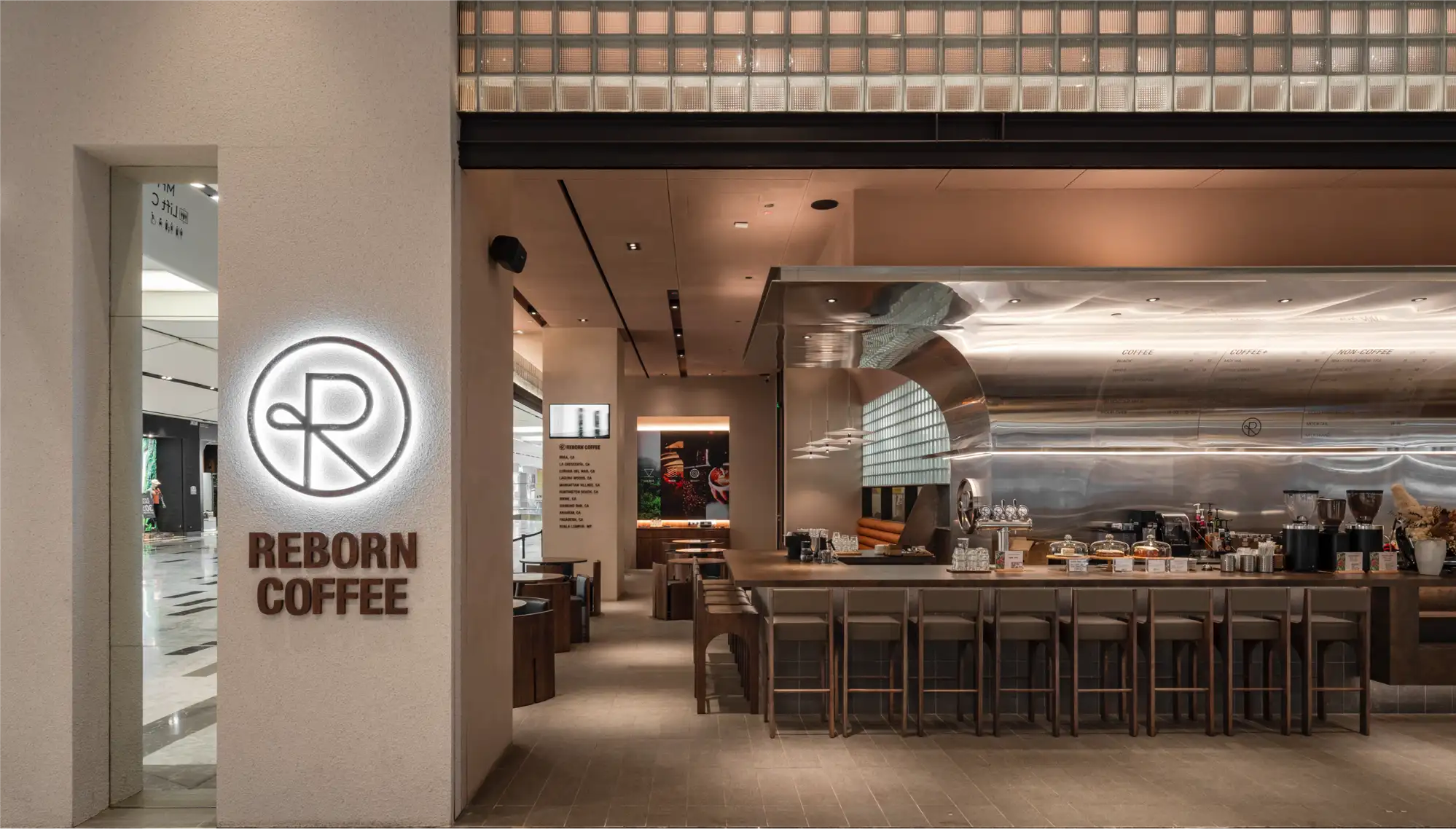
    Reborn Coffee, a specialty coffee retailer based in California, has entered into a licensing agreement valued at $1.3 million with Reborn Health Goods, a corporation situated in China. This alliance will facilitate the specialty coffee retailer’s expansion efforts throughout mainland China.

    Agreement Details

    Under this exclusive master licensing agreement, Reborn Health Goods will be responsible for the national operation and expansion of the Reborn Coffee brand. This includes directing store development activities and coordinating regional sublicensing partnerships, all in tune with the brand’s objectives for growth and maintaining its standards.

    Jay Kim, CEO of Reborn Coffee Inc., believes this agreement lays the groundwork for harmonized growth and consistency in branding across one of the most dynamic consumer markets globally. He said, “Our partner brings the scale, strategy, and operational excellence to lead Reborn’s multi-format rollout across key provinces and cities in China.”

    Reborn Health Goods will also work collaboratively with both existing and future regional licensees—including those in Guangdong and Liaoning provinces—to ensure Reborn Coffee’s branding is executed uniformly throughout the country.

    Strengthening Position in Asia-Pacific

    Asia-Pacific has seen a surge in demand for specialty coffee. By aligning with this trend, Reborn Coffee’s strategic partnership with Reborn Health Goods bolsters its presence in the region, aligning with its wider international vision.

    Questions & Answers

    What is the primary objective of the licensing agreement between Reborn Coffee and Reborn Health Goods?
    The main goal of the agreement is to facilitate the expansion of Reborn Coffee throughout mainland China while ensuring brand consistency.

    Who will be responsible for the national operation and brand expansion of Reborn Coffee in China?
    Reborn Health Goods, under the licensing agreement, will oversee the national operation and expansion of the Reborn Coffee brand in China.

    How does this agreement align with the increase in demand for specialty coffee in the Asia-Pacific region?
    With the rising demand for specialty coffee in the Asia-Pacific region, this agreement helps to solidify Reborn Coffee’s presence and supports its broader international expansion plans.

  • Apple, Ericsson kiss and make up while signing a new licensing deal

    Apple, Ericsson kiss and make up while signing a new licensing deal

    Apple and Ericsson have agreed to settle a patent battle between the two which started in 2015 when both companies sued each other claiming that they each had patents infringed on by the other. Also part of the legal issues were disagreements that both sides had relating to licensing their 2G, 3G, and 4G technologies.

    Both companies buried the hatchet, and peace reigned until October 2021 when Ericsson sued Apple over 5G patent licensing. Two months later, Apple sued Ericsson and accused the networking and telecom firm of using “strong-arm tactics” to renew licensing over expired patents.

    Today’s deal means that Apple and Ericsson shook hands, ending a legal fight over royalty payments for using 5G wireless patents in the iPhone. Ericsson said that the settlement includes granting a global patent license to Apple and global cross-licenses for standard-essential cellular technology patents. Standard-essential patents are required in order for a licensee to meet certain industry standards and as a result, they are licensed using royalty terms that are Fair, Reasonable, And Non-Discriminatory (FRAND).
    In a statement, Ericsson said, “The settlement ends all ongoing patent-related legal disputes between the parties.” The battle between Apple and Ericsson intensified when negotiations on a new seven-year licensing contract covering telecom patents broke down. But that is all in the past after today’s announcement and Ericsson noted that the settlement will “strengthen their technology and business collaboration,” meaning, of course, partnerships between Apple and Ericsson.

    If you’re wondering how Apple ended up owning some intellectual property related to mobile wireless modems, you might recall that during the summer of 2019 the company purchased Intel’s modem business for $1 billion. The transaction gave Apple ownership of some industry standard-essential patents.

    Including the effects of the settlement with Apple, Ericsson forecasts fourth-quarter intellectual property rights (IPR) licensing revenues of $530.3 million-$578.5 million. Besides today’s agreement with Apple, that figure includes intellectual property rights with other licensees.
    You may have experienced some deja-vu when reading this news because it might have reminded you of the last-minute settlement Apple and Qualcomm signed off on back in 2019 just as opening arguments were wrapping up for a trial between the two tech giants. Apple paid Qualcomm a chunk of cash and both firms agreed to a six-year licensing agreement with a two-year option. And both sides signed a multi-year chipset supply contract.
    Apple has been working on its own modem chips which were expected to debut in next year’s iPhone 15 line. But issues surrounding two patents owned by Qualcomm mean that the latter will continue to supply the vast majority of iPhone 15 handsets with the important component. Had Apple been able to use its own modem chip, Qualcomm’s share of modem chips used on the iPhone 15 series would have been reduced to 20%.
    But this goes to show how important licensing intellectual property is to Apple, even when it plans on producing its own modem chip. Certain key technologies could be covered by patents and licensing them, even when dealing with the complex licensing arrangements that Qualcomm demands (remember, “no license, no chips”) can make or break a big project. Even a company like Apple can be stymied by a patent.
    Eventually, Apple and Qualcomm will reach an agreement, or Apple will figure out a way to design its modem chips without having to license certain patents from Qualcomm. But for now, it is Qualcomm’s modems that you’ll find inside the iPhone including 2023’s iPhone 15 family.
  • Asian Licensing Conference lifting off in Hong Kong

    Asian Licensing Conference lifting off in Hong Kong

    The Asian Licensing Conference at the Hong Kong Convention and Exhibition Centre is being held this week.

    The event, organised by the Hong Kong Trade Development Council (HKTDC), focuses on the latest market trends and opportunities in the region through the lens of some of the industry’s top licensees and project owners.

    The 18th edition of the HKTDC Hong Kong International Licensing Show and the ninth Asian Licensing Conference opened on Monday, discussing the latest market trends and sharing licensing success stories.

    “As an increasing number of businesses explore licensing as a way to move up the value chain, Hong Kong will have a key role to play in facilitating the growth of the industry,” said Margaret Fong, executive director at HKTDC.

    The first session, Asian Licensing Market Outlook, featured Lisa Reiner, Beanstalk MD in Europe & Asia Pacific, who offered three key points of advice for brand owners: be open to products that are relevant to local consumers; be active in protecting trademarks; and be willing to explore other routes to consumers, such as e-commerce and multiple distributor networks.

    During the event, VP of Asia Pacific and Middle East at National Geographic, Mark Coleman and Claire Gilchrist, VP in Asia Pacific of Hasbro Consumer Products discussed how brand stories can provoke consumer interest.

    At the second plenary session of the Asian Licensing Conference, several enterprises shared their licensing success stories, including Royal Selangor Marketing, a Malaysian company with a 135-year history that specialises in quality pewter.

    Robert Goodchild, head of licensing at Aardman Animations, said: “We work with many brands all over the world and it is all about bringing colour and character to campaigns. By bringing character to a campaign we can reach new audiences and build commercially successful partnerships.”

    Aardman collaborated with premium British lifestyle brand Joules last Christmas, which celebrated the 30th anniversary of both Joules and Aardman’s hugely popular Wallace & Gromit animation. Aardman also created a bespoke photoshoot with British retailer Harvey Nichols, and used its characters and humour to bring a lifestyle brand to life in a collaboration with British sofa brand DFS, emphasising the fact that both brands produce everything in the UK.

  • Qualcomm, Apple go to war over licensing

    Qualcomm, Apple go to war over licensing

    Qualcomm and Apple will battle it out in court over patent licensing for technology used in the iPhone, with both filing suit against the other.

    Apple recently filed three lawsuits against Qualcomm, in the US, China and the UK, accusing the chipmaker of abusing its dominant market position to force Apple to pay billions in superfluous royalty payments for components that have nothing to do with Qualcomm baseband processors.

    These components include Touch ID and Apple Pay. The US lawsuit is seeking $1 billion in damages, while the lawsuit in China is seeking $145 million.

    Now Qualcomm is hitting back, filing an answer to Apple’s lawsuit as well as a counterclaim accusing Apple of failing to engage in good-faith negotiations regarding Qualcomm’s 3G and 4G standards-essential patents on fair, reasonable and non-discriminatory (FRAND) terms.

    Qualcomm has also accused Apple of breaching agreements and negotiations with the company, interfering with Qualcomm’s agreements with licensees that manufacture iPhones and iPads for Apple and encouraging “regulatory attacks” on Qualcomm’s business by making false claims.

    Apple also allegedly deliberately chose not to utilize the full performance of Qualcomm chips in the iPhone 7 to misrepresent the performance disparity between iPhones using Qualcomm’s modems and those using competitor-supplied modems, and threatened Qualcomm in an attempt to prevent it from making public comparisons about the relative performance of iPhones.

    “Over the last ten years, Apple has played a significant role in bringing the benefits of mobile technology to consumers with its popular products and services. But Apple could not have built the incredible iPhone franchise that has made it the most profitable company in the world, capturing over 90% of smartphone profits, without relying upon Qualcomm’s fundamental cellular technologies,” Qualcomm EVP and general counsel Don Rosenberg commented.

    “Now, after a decade of historic growth, Apple refuses to acknowledge the well established and continuing value of those technologies. It has launched a global attack on Qualcomm and is attempting to use its enormous market power to coerce unfair and unreasonable license terms from Qualcomm.”

  • Franchising and Licensing Awards 2016, a testament to the growth in internationalisation

    Franchising and Licensing Awards 2016, a testament to the growth in internationalisation

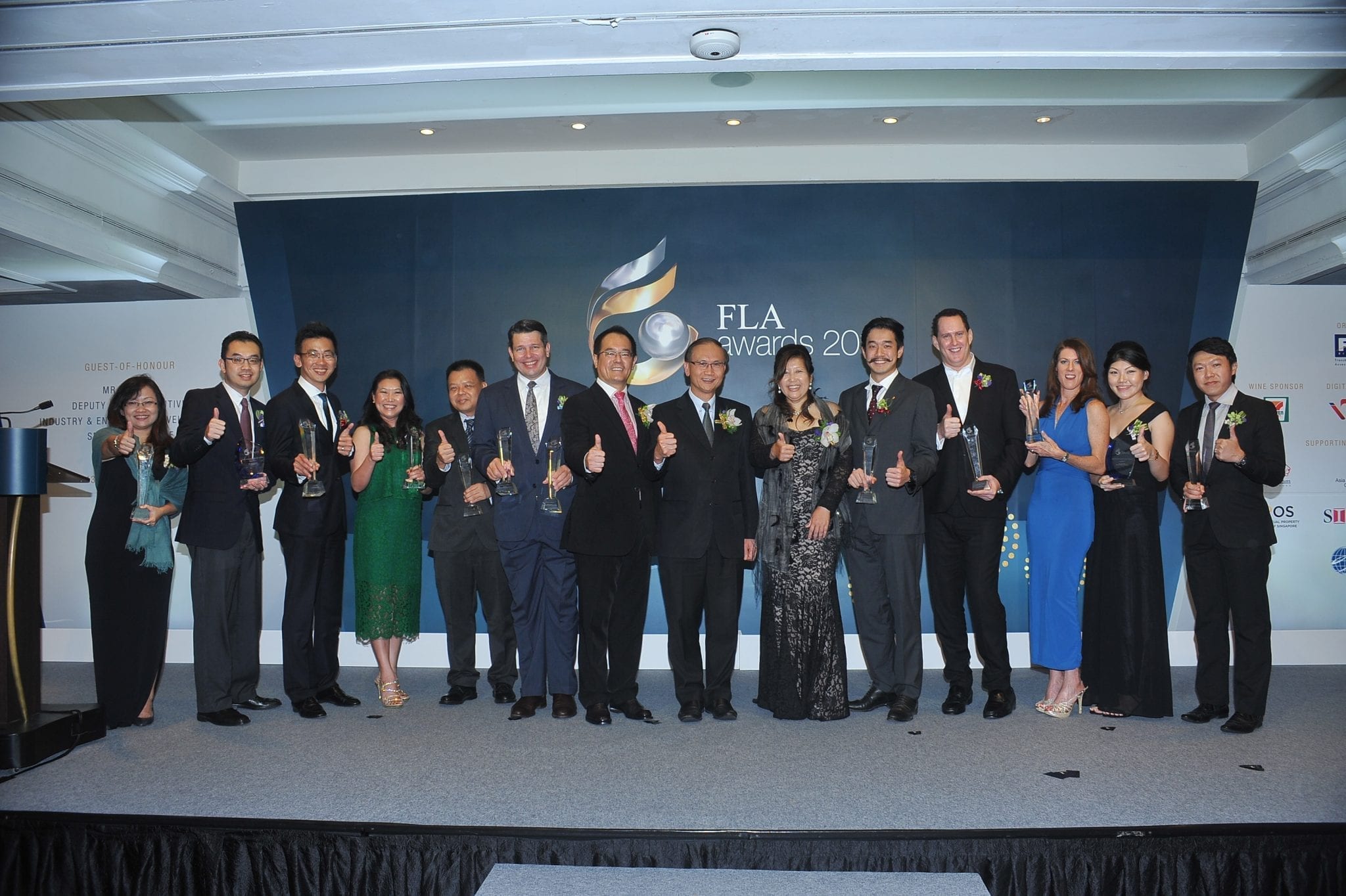
    Singapore’s top achievers in the franchising and licensing industry were recognised at the annual Franchising and Licensing Association (FLA) Awards 2016 held at the Marina Mandarin Ballroom last night.

    Currently in its 12th year, the FLA Awards continues to provide a formidable platform for successful franchise concepts and businesses to be showcased in the international arena. It also serves as a regional benchmark for franchise concepts aspiring to greater heights. The Awards, made up of both Competitive and Recognition Awards, comprises eight different categories that recognise and honour the various players in the industry – Franchisors, Licensors and Franchisees. 

    The 2016 Awards, which saw Sunflower Childcare clinching the title of ‘Overall Winner, Promising Franchisor of the Year’, had increased participation from the education sector. This reflects the continued growth of the education industry within the franchising and licensing scene. In line with the global trend of innovation, the Singapore-headquartered childcare group’s success can be attributed to its unique customisation model and record of constant innovation and development. Since starting its franchise business in 2005, Sunflower Childcare has opened 20 centres in total; 18 in Singapore and 2 in China.

    Sharon Lee, Director of Sunflower Childcare, said, “It is our first year participating in the awards and we are thrilled to have gotten the title of ‘Overall Winner, Promising Franchisor of the Year’. At Sunflower Childcare, we pride ourselves in the stringent process of acquiring franchisees and ensuring that they are well taken care of. We are looking to expand into international shores and FLA has been fundamental in enriching us with the relevant insights for expansion into our potential markets.”

    According to Donna Lee, Chair of FLA (Singapore), “The encouraging progress of our franchisors is a reflection of how companies can leverage on intangible assets like strong branding and innovative technology to penetrate new markets successfully. With the franchising and licensing landscape becoming increasingly diversified, it is key for companies to constantly innovate and expand into the global market in order to keep up with market trends and to remain competitive. FLA Singapore prides itself in equipping companies with the right toolset for internationalisation and we look forward to working with more businesses to help them successfully expand across markets and the region.”

    Earning the title of ‘Overall Winner, Franchisor of the Year’, veteran establishment 7-Eleven has constantly been at the forefront in the franchising and licensing playing field. Since opening its first franchised store in 1988, 7-Eleven has been offering entrepreneurs the unique opportunity to leverage on a renowned global platform to start a business. To date, it has a total of 207 franchised stores, forming 47% of its expanding network of 441 stores island-wide.

    David Goh, CEO of 7-Eleven, said, “Despite being in the franchising and licensing scene for more than three decades, we are continually learning and growing with the industry. Over the last few years, 7-Eleven has been constantly innovating and transforming its business model to be more relevant to its consumers and to add value to its franchisees. Our advice to franchisors looking to enter the industry would be to communicate with your franchisees, build a solid foundation of trust and constantly innovate your business model.”

    Traditional sectors like the Food & Beverage industry remained strong, with Thailand-established food service chain, The Pizza Company, being crowned ‘Overall Winner, International Franchisor of the Year’. Having adopted a master franchise model internationally, The Pizza Company has opened over 400 outlets in 9 countries in a span of 12 years.

    John Heinecke, Chief Operating Officer of Minor Food Group, said, “We are excited that The Pizza Company has been awarded ‘Overall Winner, International Franchisor of the Year’. This award showcases and recognises the systems that we have been building for the last 16 years to where it is today. With many of our brands operating in Singapore, we strongly believe in teaching our franchisees the art of learning to create wealth as we strive together towards success.”

    Donna Lee added, “FLA is proud to be able to bridge the gap between the global and local market with its strong government ties and prominent memberships in the World Franchise Council and Asia Pacific Franchise Confederation. Over the years, Singapore has been seen as a model test-bed and we are glad that we are able to assist international companies looking to penetrate the Singapore and Asian market.”

    The Awards were held in conjunction with FLAsia – an industry exhibition and conference, running from 13th to 15th October, showcasing both home-grown franchises and franchise opportunities from around the world. The exhibition this year saw participation from 17 countries, with international brands such as Swarovski, Delifrance, Gloria Jean’s Coffee and Coca Restaurant exhibiting. More information of the exhibition can be found on https://franchiselicenseasia.com/.

    Other Winners at the FLA Awards 2016 include Japan IPL Express, Mulberry Learning Centre, Anytime Fitness, Seoul Garden and Dancing Crab. The full winner list is attached separately and more information and images can be found on the FLA Awards website: https://www.flaawards.com/.