Tag: lifestyle

  • Louis Vuitton celebrates the launch of Virgil Abloh’s SS19 collection

    Louis Vuitton celebrates the launch of Virgil Abloh’s SS19 collection

    For those that have been patiently waiting to get their hands on Virgil Abloh‘s debut Louis Vuitton collection, the highly anticipated Spring/Summer 2019 offerings are now available online. The online release comes shortly after Virgil opened up an exclusive pop-up at Chrome Hearts’ New York City flagship.

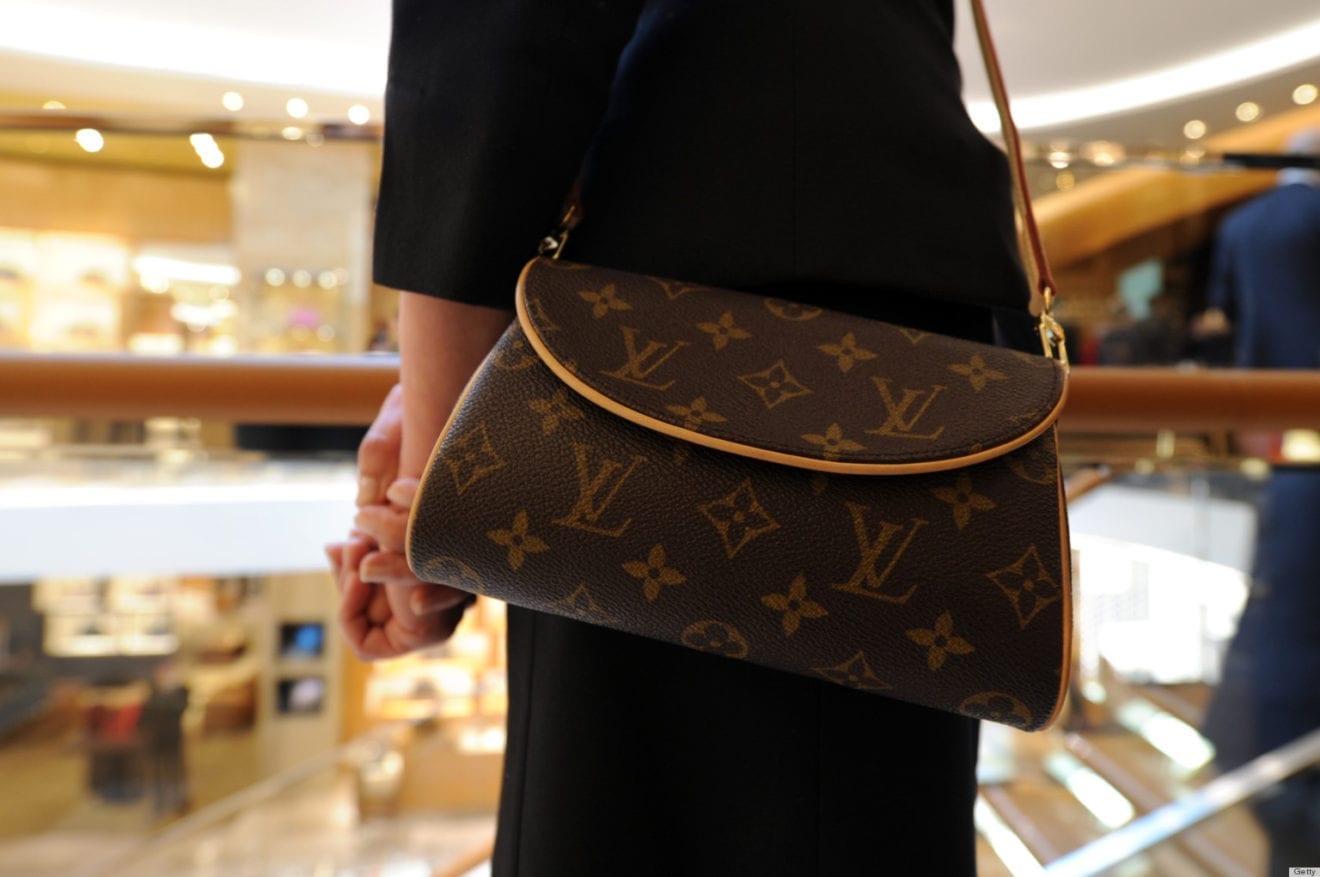
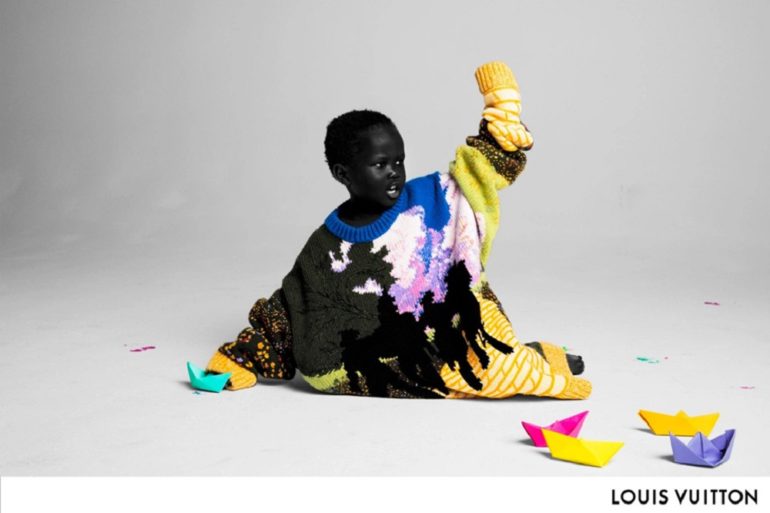
    The Yellow Brick Road Hand-Knitted Crewneck, Poppies Dorothy Graphic Windbreaker and colorful Calfskin Cut Away Vest serve as notable garments from the collection. Standout carrying options include the iridescent take on the classic Keepall Bandouliere 50, Soft Trunk Messenger Bag, Mini Polochon Messenger Bag and a host of holster-style utility pouches. Rounding things up is Virgil’s take on LV’s iconic Millionaire Sunglasses, early Jordan Brand model-inspired LV Trainer Sneakers, and the LV Creeper Ankle Boot Timberland homage.

    Check out some of the items above and head over to louisvuitton.com now to shop Louis Vuitton’s SS19 collection.

    In case you missed it, Virgil Abloh recently launched a comprehensive archive of his work.

  • Handsome markets brands in Paris Fashion Week

    Handsome markets brands in Paris Fashion Week

    Handsome, a Korean fashion brand owned by Hyundai Department Store, brought two of its labels to Paris Fashion Week in an effort to expand on the global stage. System for Women and System Homme, the two Handsome brands, showcased their fall and winter collections in a rented showroom for eight days starting from Jan. 17. The Handsome event included a presentation of the collections followed by showroom events, where item were modeled for clients.

    The brands are presenting their new collection one season early to major buyers in the fashion industry.

    In addition to 180 buyers, the event was attended by the Wall Street Journal, Vogue and GQ as well as by fashion influencers.

    It was the first time Handsome has taken its brands to a foreign showroom since being founded in 1987.

    System for Women debuted in 1990 and System Homme in 2008. The company has also introduced other names, including Time, Mine and SJSJ.

    Handsome was acquired by Hyundai Department Store Group in 2012.

    At the Paris event, which featured 200 items for men and women, around 40 department stores from 14 countries participated. Samples were purchased ahead of possible quantity orders.

    It was a buyers’ who’s who. The list included representatives from Bloomingdales, France’s Le Bon Marche, Hong Kong’s Lane Crawford, Japan’s Isetan and Shanghai’s 10 Corso Como. Inquiries also came in from parties in Switzerland and Israel.

    “We predicted the number of businesses that would visit our showroom would be 40 at maximum. But since System Homme was introduced via major media outlets and social media after the presentation on Jan. 18, a great number of fashion businesspeople visited,” said a source from Handsome.

    The company said that visitors appreciated the designs as being unique and set apart from other major Asian brands.

    “In the case of businesses that received the samples, they will decide on quantity purchases in February, and in June, the main products of System [for Women] and System Homme will be sold at department stores and in multibrand shops of each country,” said a source from Handsome.

    Handsome is planning to use the Paris showroom event as a stepping stone for its international expansion efforts.

    In line with the strategy, it will complete its product development earlier and present new design concepts to the market one season ahead.

    It is rare for a ready-made brand to utilize this sort of advanced development.

    “Our brand is still new in the global fashion market, but we will elevate awareness to the point where we could open an exclusive fashion show at a foreign fashion week,” said Kim Hyung-jong, the CEO of Handsome.

  • Shinesegae targets US$90 million with a new brand

    Shinesegae targets US$90 million with a new brand

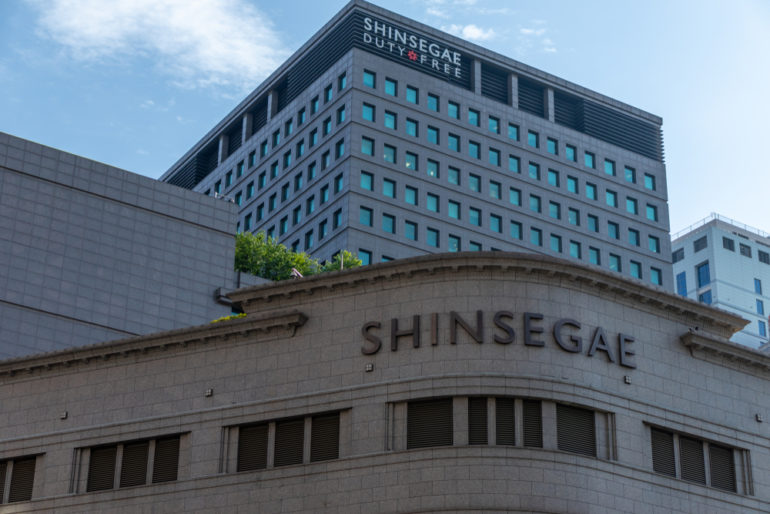
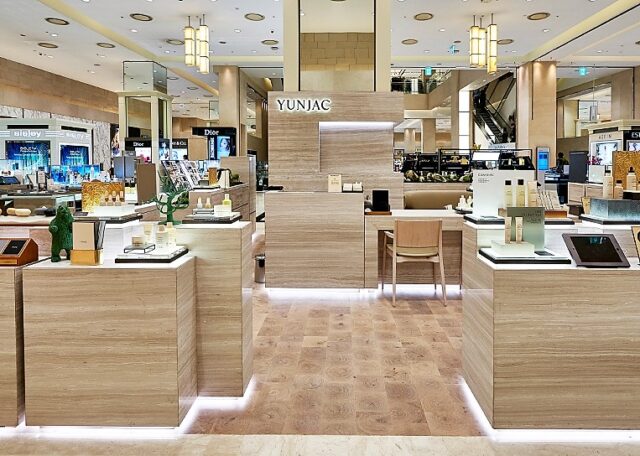
    Major South Korean travel retailer Shinsegae Group is set to launch an in-house developed cosmetics line, Yunjac, into the duty free channel at its Myeong-dong store in the capital city, Seoul. An ambitious sales target has been set for the brand. The opening on 2 February of an independent Yunjac cosmetics area adds to existing domestic market locations in Jung-gu and Gangnam in Seoul, and Centrum City in Busan. The brand was launched in October 2018.

    Fashion, beauty and lifestyle specialist, Shinsegae International, which developed the 42-strong product line, has told The Moodie Davitt Report that it aims to make US$90 million in sales by 2020. Four travel retail exclusive sets are part of the product range.

    The duty free exposure will promote Yunjac to a wider audience, with a particular focus on Chinese travellers. A Shinsegae Duty Free spokesman said: “The Myeong-dong store is a trendy shopping place where you can easily experience the world’s most popular brands. We will try our best to be the centre of world beauty. The line is targeting the global market including China.”

    Yunjac, which means ‘nature’s masterpiece’, is chiefly built around skincare with some makeup and other smaller segments, also part of the portfolio. It is the result of several years research and preparation by Shinsegae International. The product development was a joint effort with global cosmetics maker Intercos and world-renowned botanical research institute Vitalab.

    The manufacturing process involves extracting active ingredients from the best Korean herbs and combining them with state-of-the-art science. The end result is what Shinsegae describes as “the whole plant effect” which is claimed to restores the skin’s natural strength.

    Yunjac’s 42 products are priced at around US$30 for cleansing products, US$100 for skincare and US$50 for mother and infant items, according to Shinsegae Duty Free.

  • The coolest men’s sneakers from Paris Fashion Week

    The coolest men’s sneakers from Paris Fashion Week

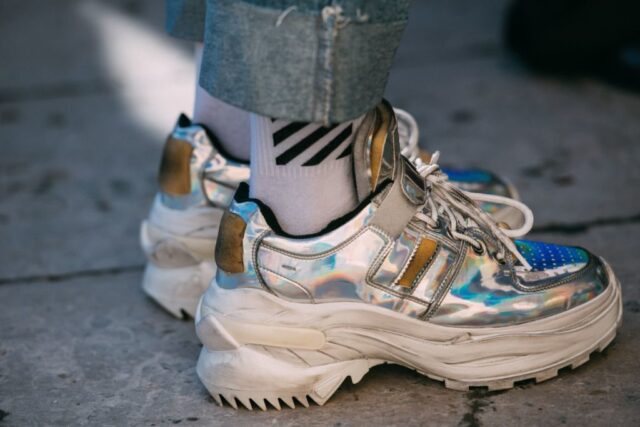
    Paris Fashion Week Men’s was not lacking in head-turning street-style looks this year. Attendees brought their sartorial A-game to take in new fall ’19 collections from the hottest designers. A guest paired trendy Off-White socks with shiny silver Maison Margiela sneakers that featured a chunky platform sole and an iridescent finish. Cuffed denim jeans highlighted the pairing perfectly.

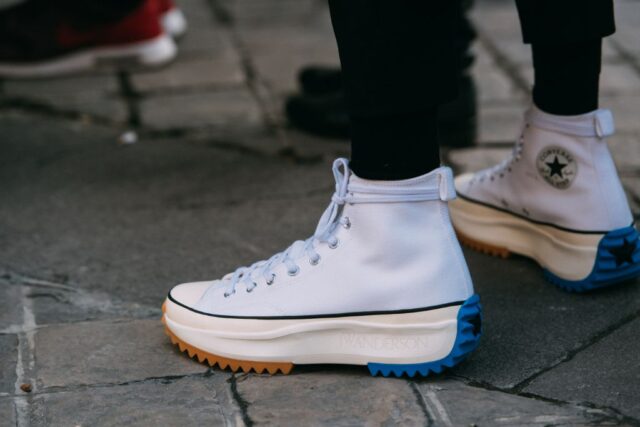
    Elsewhere, a guest showed off J.W. Anderson’s new Converse collab sneakers, which feature a rubber jagged platform sole. The high-tops debuted on the catwalk at Anderson’s spring ’19 show.

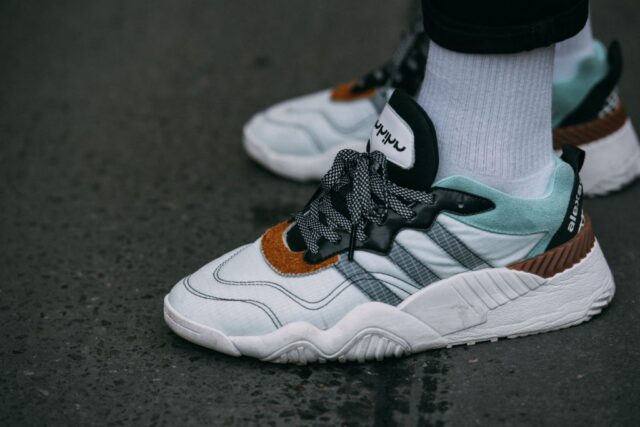
    Meanwhile, Adidas x Alexander Wang Turnout Mint White runners caught our attention with its chunky midsole design, a mash-up inspired by several previous Adidas sneakers.

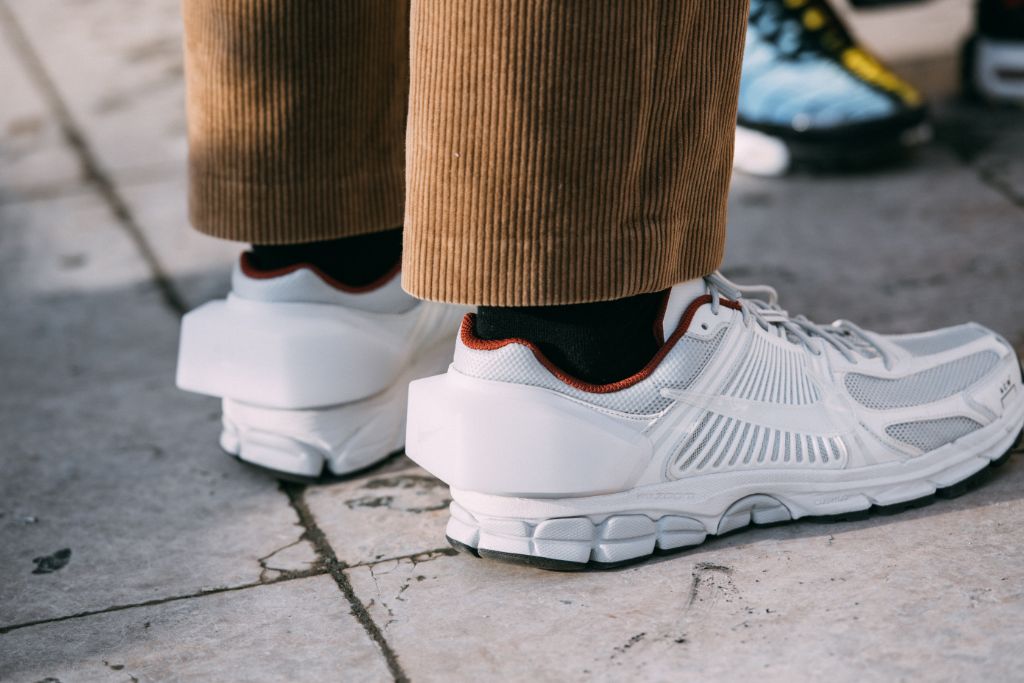
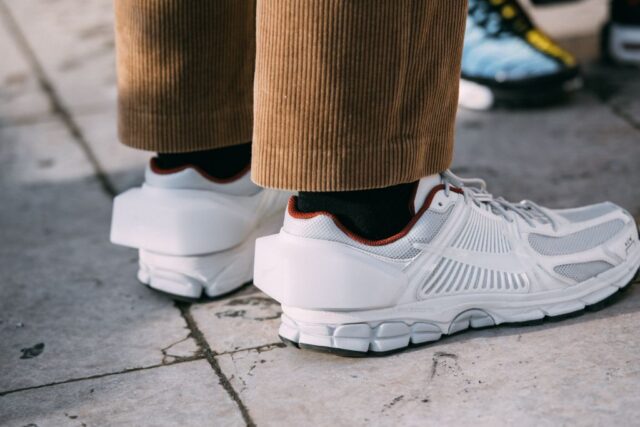
    The Nike x A-Cold-Wall Zoom Vomero +5, designed by Samuel Ross, undeniably stands out with its enlarged heel counter. The style, which dropped in November, blends retro and futuristic elements.

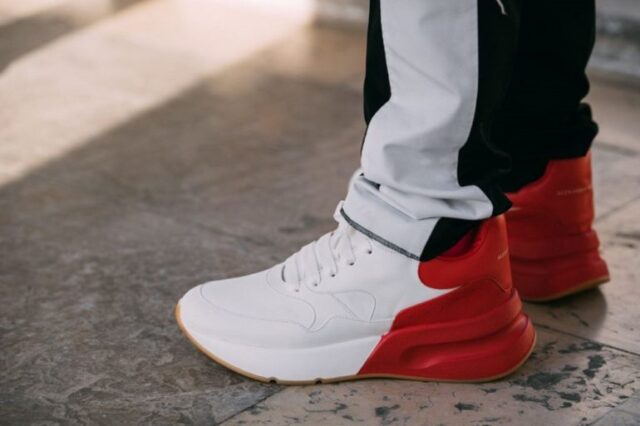
    Lastly, the oversized red and white contrast leather sneakers by Alexander McQueen, which Timothée Chalamet has worn on the red carpet, of course, made an appearance at fashion week.

  • Grofers crosses Rs 300 cr sales in single month

    Grofers crosses Rs 300 cr sales in single month

    Grofers, the low price online supermarket, announced the record revenue of Rs 310 crore in January 2019. With this, Grofers became the first online grocer to cross Rs 300 crore in monthly sales and also became the largest e-grocery company in the fast growing space. Aligned with its aim to drive the next wave of growth for e-commerce sector, the company has brought 2.5 lac new customers to its platform in January. The brand is eyeing a revenue target of Rs 2,500 crore for FY 2019.

    On the back of the industry’s biggest grocery sale – Grand Orange Bag Days, Grofers recorded an average of 14 lakh visits per day on the app. During this period, a total of 1.81 crore items worth Rs 207.5 crore were sold. With an average ticket size of Rs 2,640 and 20 items per cart, Grofers recorded highest customer engagement in Delhi NCR followed by Mumbai and Bengaluru.

    Speaking on the success Albinder Dhindsa, Co-Founder and CEO, Grofers said, “We are excited to emerge as India’s favourite e-grocer. We have received a tremendous response in the Grofers Orange Bag Days sale and we will sustain the momentum going forward. We are geared to bringing better priced grocery products to 100 million customers and this is just the start.”

    Customers received jaw dropping offers during Grofers Grand Orange Bag Days sale. Grocery and staples were the highest selling items followed by household items (detergents and dishwash bars) and personal care products. During this time period, Grofers recorded a 80 percent increase sales of Grofers branded products as well.

  • Sandro parent unphased by trade spat

    Sandro parent unphased by trade spat

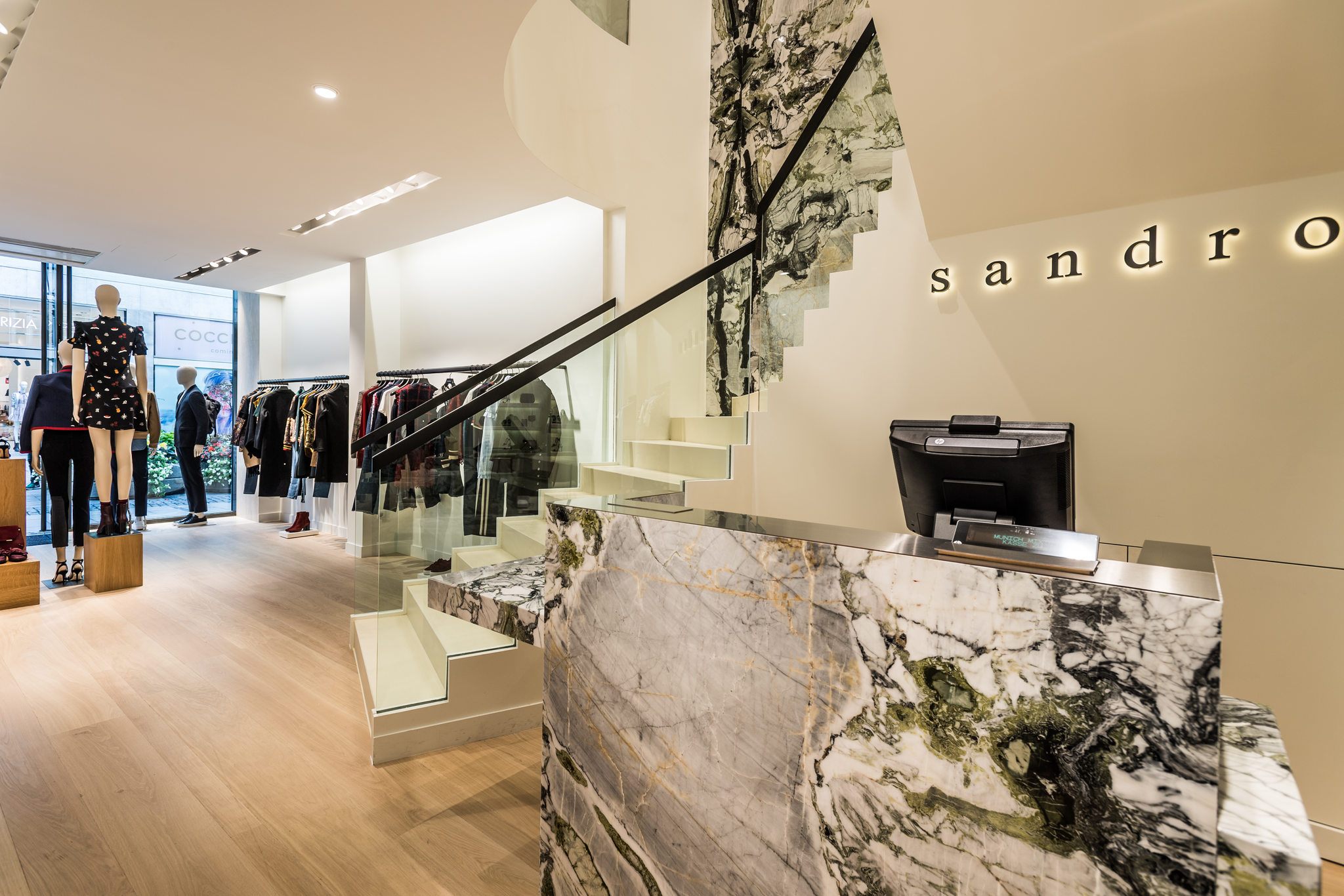
    The parent of affordable-luxury fashion labels Sandro, Claudie Pierlot and Maje appears unphased by the Sino-US trade spat, vowing to continue its expansion in the region. SMCP’s CEO Daniel Lalonde said in an interview that the company plans to continue to open new stores in Mainland China and invest in e-commerce across the region.

    “From our perspective, everything is still intact [in China]. Any slowdown in our business is related to the comparison base … and we still expect to grow that market by more than 20 per cent this year,” Lalonde said. “We’re still confident on the region.”

    France-based SMCP is controlled by Chinese company Shandong Ruyi. This week it reported an 8.1 per cent increase in fourth-quarter sales to €276.1 million.

    SMCP has doubled its annual sales during the past four years, reaching €1 billion last year, largely due to rapid expansion in Mainland China. Asia is now SMCP’s third-largest geographic market behind France and the rest of Europe, with China accounting for the bulk.

    However, he said sales in Hong Kong were “a little softer” as a result of currency fluctuations between the Hong Kong dollar and the renminbi.

  • LVMH is “eyeing stakes” in OFF-WHITE‘s parent company

    LVMH is “eyeing stakes” in OFF-WHITE‘s parent company

    LVMH is “eyeing stakes” in OFF-WHITE‘s parent company, New Guards Group, WWD reports. If the rumors are true, the move would bring LVMH Moët Hennessy Louis Vuitton even closer to fashion’s main man, Virgil Abloh, the founder of OFF-WHITE and artistic director of menswear at Louis Vuitton.

    New Guards Group Holding SpA is a Milan-based holding company that also looks after OFF-WHITE as well as Palm Angels, Heron Preston, and Marcelo Burlon County of Milan.

    This is not the only venture on the cards over at LVMH at the moment, either. The company is reportedly also making moves to create Rihanna her own luxury fashion house.

  • Oil rises as traders expect Venezuelan supply disruptions amid U.S. sanctions

    Oil rises as traders expect Venezuelan supply disruptions amid U.S. sanctions

    Oil prices rose on Wednesday as concerns about supply disruptions following U.S. sanctions on Venezuela’s oil industry outweighed downward pressure from a darkening outlook for the global economy. U.S. West Texas Intermediate (WTI) crude futures were at $53.54 per barrel at 0455 GMT, up 23 cents, or 0.4 percent, above their last settlement.

    International Brent crude oil futures rose 37 cents, or 0.6 percent, to $61.69 per barrel.

    The gains followed a 2 percent price jump in the previous session, when markets first digested the U.S. sanctions on Venezuela’s oil exports.

    Washington on Monday announced export sanctions against state-owned oil firm Petroleos de Venezuela SA (PDVSA), limiting transactions between U.S. companies that do business with Venezuela through purchases of crude oil and sales of refined products.

    “The sanctions so far have been mostly disruptive for refiners on the U.S. Gulf Coast, who are being forced to seek alternative heavy crude supplies, and have stepped up purchases from Canada,” said Vandana Hari of Vanda Insights, an energy consultancy.

    She added, however, that Canadian oil exports would be “constrained by pipeline capacity bottlenecks.

    The sanctions aim to freeze sale proceeds from PDVSA’s exports of roughly 500,000 barrels per day (bpd) of crude oil to the United States.

    Although the move pushed up oil prices, markets appeared relatively relaxed as the sanctions only affect Venezuelan supply to the United States.

    “The (Venezuelan) export volumes will not be eliminated from the market, but rather rerouted to other countries,” said Paola Rodriguez-Masiu, an analyst at consultancy Rystad Energy.

    With the United States dropping out as a customer for Venezuelan oil, she added that “China and India … will be able to pick up these oil volumes at great discounts.”

    Despite this, some analysts said that non-U.S. oil trading firms with operations in the United States may still avoid dealing with Venezuelan oil.

    The Schork Report, a daily oil and gas trading publication, said on Wednesday that many “international oil traders … have significant trading operations in the U.S. … At least in the short-term, these traders will undoubtedly quit buying from Venezuela until such a time that they are assured that they are not running afoul of U.S. sanctions.”

    TRADE TALKS

    Other analysts also pointed to economic weakness as countering supply-side efforts to tighten the market such as the voluntary supply restraint by the Organization of the Petroleum Exporting Countries (OPEC).

    “Pulling in the opposite (oil price) direction are heightened concerns about global growth, particularly that of China,” said Ole Hansen, head of commodity strategy at Denmark’s Saxo Bank.

    Global economic growth and fuel consumption are expected to slow this year amid a trade dispute between the United States and China, the world’s two biggest economies.

    Officials from Washington and Beijing are set to launch a new round of trade talks on Wednesday aimed at resolving their disputes amid which both sides have slapped hefty import tariffs on each other’s goods.

  • Ready-To-Eat Food: Millennial’s new favourite

    Ready-To-Eat Food: Millennial’s new favourite

    Convenience food is a concept that has been prevalent and popular in the western countries for a long time now. Globally, the demand for ready-to-eat (RTE) food products has been increasing over the last few years on account of busier lifestyle of consumers and their rising income levels. Similar factors are fuelling the growth in the packaged food sector in India.

    Increased employment opportunities have increased migration of people from tier 1 and tier 2 cities to metropolitans, which is an important driver for RTE food products in the country. Nuclear families and bachelors residing in metros for study or employment purpose are among the major consumers of RTE food products in India. The number of working women is particularly on the rise, which is again driving the demand. All these factors are creating significant awareness about ready meals among consumers. Growth in retail chains and outlets is also adding to the product awareness among consumers in the country’s, supermarkets, convenience stores and hypermarkets, which are emerging as the key points-of-sale for offering a wide range RTE food products.

    The Indian cooking styles have undergone considerable changes over the past few years owing to the advent of modern technology and several other changes such as urbanization, increasing working population, increase in female work population and the rise of nuclear families. People have been increasingly shifting to ready-to-eat food items in order to save the time involved in preparing meals.

    With the growing media awareness, literacy rates and standard of living, people have grown more responsive towards the health and hygiene standards associated with food products. There has been a shift witnessed in the customers focus from price to quality in the recent years, particularly in the urban and a few semi-urban areas. Consumers have been drifting from openly or loosely sold food products to the consumption of hygienically packaged fortified RTE foods.

    The Indian food and grocery market is the world’s sixth largest, with retail contributing 70 percent of the sales. The Indian food processing industry accounts for 32 percent of the country’s total food market, one of the largest industries in India and is ranked fifth in terms of production, consumption, export and expected growth. It is believed that the Food Processing industry will be a US$ 25 billion market in India by 2020. Out of which, the serviceable metro market is expected to be close to almost US$ 20 billion. The past couple of years have seen a tremendous growth of this segment due to high consumer acceptance for convenience food nationwide.

    A recent survey done by Assocham (Associated Chamber of Commerce and Industry of India) says about 79 percent of Indian households today prefer to have instant food due to time constraints. With two working parents and families becoming nuclear, people prefer authentic, nutritious store bought options rather than spending hours in the kitchen after work. In recent years, the focus of the ready-to-eat market has gradually shifted from just homemakers or students to young professionals and families.

    It is found that 76 percent of parents in big cities, mostly both working with children under the age of five, are serving easy-to-make meals in some form or the other, at least 10-12 times every month! No wonder that the RTE market continues to expand at a brisk pace. The market for spreads, sauces and dips is now close to US$ 2 billion and growing at 22 percent CAGR. The RTE meals market is currently valued at INR 23 crore. It grew at a compounded annual growth rate of 3-5 percent in the last five years. According to data research company Nielsen, the breakfast mixes market is growing at 17 percent and is currently pegged at Rs 275 crore.

    However, as fancy as the various breakfast cereals available in the market might be, we crave the satisfaction that only a traditional dish can give. And hence the traditional brands are coming up with options that are suitable for the Indian palate. The traditional brands such as ITC and MTR have forayed into items such as bhel bar, pot upma, poha which can be had on the go, anytime, anywhere.To fulfil the demand of this large section of consumers, one will find a lot of new RTE brands in the market.

    Unlike the giant brands though, the new entrants are trying to create a niche category for themselves, be it breakfast cereals, canned, frozen foods, spreads, chutneys, and so on. Companies are looking to attract consumers within areas like olive oil, spreads and ready meals by offering promotions, new product developments, health and nutritional benefits and attractive packaging.

    The Indian consumer behaviour has been influenced by exposure to other cultures primarily in the West through travels, and popular literature. The ready-to- eat market is somewhat saturated in the West, hence developing countries like India are attracting the majority of big players in the promise of a high growth opportunity. The booming food sector, multiple food outlets, the popularity of international brands and distinctive distribution channels adopted by players are expected to help the market grow at a continuous pace.

    Consumers are increasingly realizing that majorly RTE foods are loaded with preservatives for a longer shelf life. Increasing health awareness, particularly in the young generation, is hindering the growth of this market. Still a large Indian population is price sensitive and therefore the price factor of RTE food makes them affordable only to select economic classes of the society. Hence it becomes all the more essential for new players in this field to marry convenience with health benefi ts to ensure convenience food does not mean compromising on quality. The key is to provide RTE food options focused on Indian taste for everyday consumption, which are is not harmful in the long run.

    This is the challenge taken up specifically by food tech start-ups who want to be considered as serious players and are getting into the game after years of R&D. With state of the art technology in packaging and processing to ensure the end product is not just a world class product that can eventually be on the shelves in countries across the globe but a product that is a strong contender in being a game changer.

  • Patek Philippe may come up for sale

    Patek Philippe may come up for sale

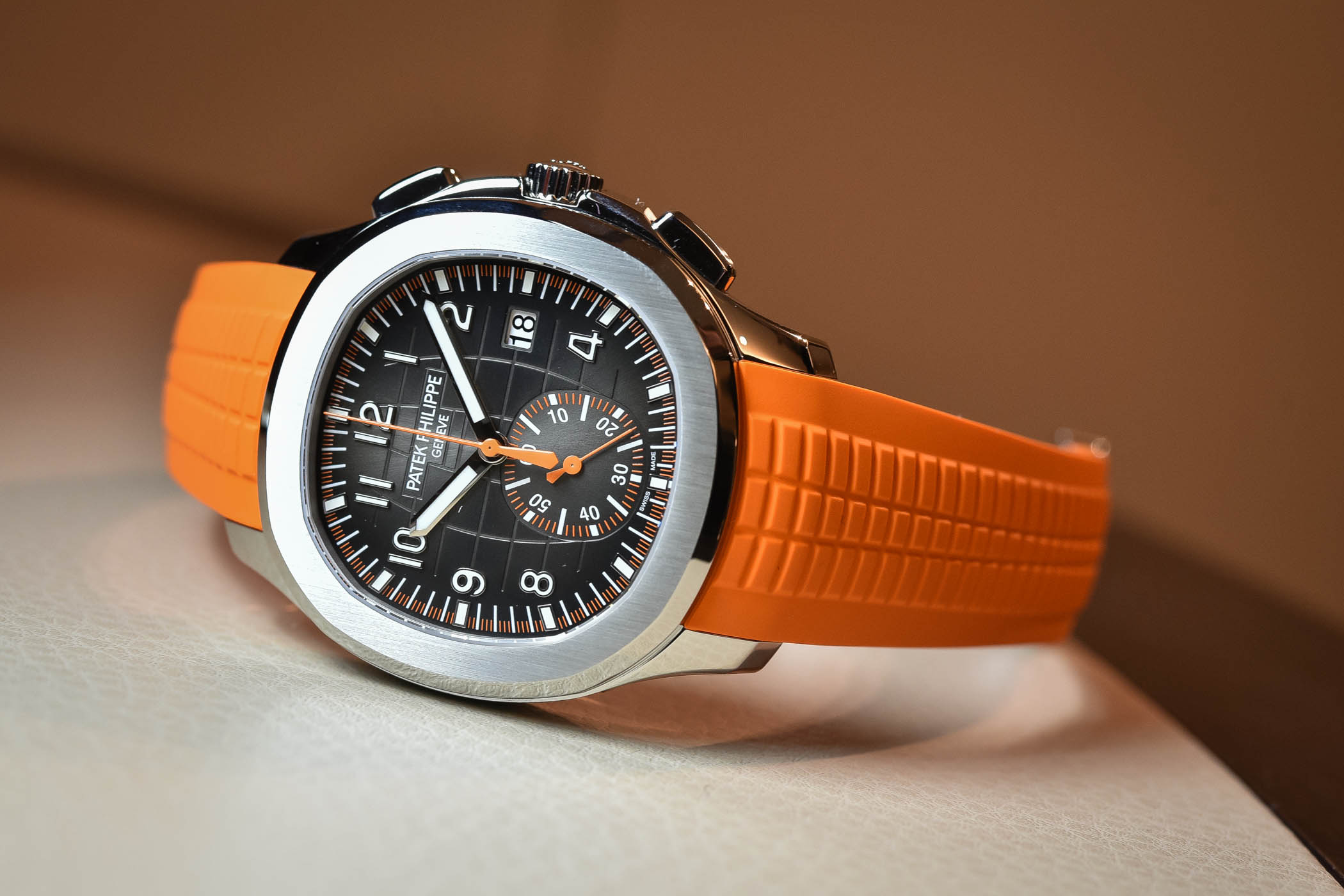
    Patek Philippe, the closely held maker of $10,000-plus Calatrava watches, may be coming up for sale, according to analysts at Berenberg who cited industry talk. The 180-year-old Swiss watchmaker could fetch 7 billion to 9 billion euros ($8 billion to $10 billion), analysts led by Zuzanna Pusz wrote in a note. Patek Philippe has been owned by the Stern family for almost a century, and Thierry Stern became the company’s chairman in 2009.

    A Patek spokeswoman declined to comment except to say deal speculation tends to occur during the annual watch fairs in Switzerland, including last week’s Geneva show. A sale of Patek Philippe would upend the watch industry and could lead to a bidding war, as it is one of the last prize assets that hasn’t fallen into the hands of a luxury conglomerate. Swatch Group AG, which has bought up brands including Omega, and Richemont, which owns Cartier, make more than half of Swiss watches.

    Patek Philippe has sales of 1.5 billion francs, according to Berenberg estimates. On its website, the company says its “intention is to independently pursue the path that led to its success.”

    “We understand that one of the largest conglomerates in the sector would likely be interested in the asset given its currently relatively low exposure to the watch category,” the analysts wrote. Pusz was not immediately available to comment further.

    Two years ago, family-owned Breitling was sold to private-equity owners CVC Capital Partners for more than 800 million euros.

    In 2014, Stern told Swiss newspaper Le Temps that the company may eventually need to leave Geneva or put itself up for sale if its tax burden was not reduced. Months later, the company announced a 450 million-franc ($451 million) investment plan in the canton.

    Stern’s wife, Sandrine, works in design at Patek Philippe. Their children are in their teens, and Patek’s chairman has said he wouldn’t push them into the business if they did not want to join.

  • Singapore Plum stops delivering food

    Singapore Plum stops delivering food

    Hong Kong food-delivery startup Plum has closed its Singapore operations. An email delivered to Plum’s customers read: “It is with great sorrow to announce that we are ceasing our operations in Singapore from 21st January. Plum would like to thank you for your past support and going on this wonderful journey with us. We would not have achieved what we had without you. Best wishes to the year ahead.”

    Plum’s Singapore operations lasted less than a year in a highly competitive market, which saw the exit of hawker food delivery service Fastbee several months ago. The firm’s entire Hong Kong staff were let go in November to “right size” operations.

    The market is set to get even more competitive this coming year as Grab and Go-Jek struggle for market share in the territory.

  • Kering faces €1.4 billion Italian tax bill

    Kering faces €1.4 billion Italian tax bill

    Kering is facing an Italian claim for €1.4 billion (£1.2 billion) in unpaid taxes. The company’s Swiss-based Luxury Goods International (LGI) subsidiary has been under investigation for allegedly avoiding tax on earnings generated elsewhere. The probe has largely centred on Gucci, Kering’s star brand and biggest revenue driver. Italy’s tax police carried out checks at Gucci’s Florence headquarters and Milan offices in 2017, and drew up the report that has now been handed to Kering, a source close to the investigation said.

    Kering has consistently denied avoiding tax, saying its activities were fully compliant with all tax obligations.

    In its statement on Friday, the group said the Italian tax authorities’ findings for the years 2011-2017 had yet to be finalised by their own enforcement team.

    “Kering challenges the outcome of the audit report both on the grounds and the amount,” the company said, adding that it “does not have the necessary information” to record a provision against any potential bill for back taxes or penalties.

    The company has said that LGI is a substantial firm in its own right, with 600 employees handling inventory, billing and supply-chain logistics, with a business model “known to French and other competent tax authorities”.

    According to reports by France’s Mediapart newspaper and Germany’s Der Spiegel, Kering’s wholesale activities – the sale of products to retailers such as department stores – have come under particular scrutiny.

    Some business carried out by Kering employees in locations including Milan and Paris was billed through the Swiss unit, incurring lower tax rates, according to those reports.

  • Record results for LVMH in 2018

    Record results for LVMH in 2018

    The world’s largest luxury retailer LVMH shrugged off broader market pessimism overnight reporting record revenue of €46.8 billion last year, up 10 per cent over 2017. Excluding the closure of the unprofitable Hong Kong airport duty-free business in December 2017, the group’s organic growth was 12 per cent. Every business division delivered what the company described as “excellent performances”.

    Group profit rose a staggering 21 per cent to €10 billion with operating margin reaching 21.4 per cent, an increase of 1.9 percentage points.

    “LVMH had another record year, both in terms of revenue and results,” said chairman and CEO Bernard Arnault. “The desirability of our brands, the creativity and quality of our products, the unique experience offered to our customers, and the talent and the commitment of our teams are the group’s strengths and have once again made the difference.”

    Arnault said this year the company would continue to innovate and target investments combining tradition and modernity.

    “In an environment that remains uncertain, we can count on the appeal of our brands and the agility of our teams to strengthen, once again, our leadership in the universe of high-quality products.”

    The company’s flagship Louis Vuitton business was a standout for the group, contributing much of the 15 per cent organic sales growth of the fashion and leather goods business division where profit from recurring operations was up 21 per cent.

    “Christian Dior had an excellent first full year within LVMH thanks to the creativity of Maria Grazia Chiuri for the women’s collections and to the arrival of Kim Jones, the new artistic director of Dior Homme,” the company said in its earnings statement.

    “Fendi and Loro Piana continued to assert their know-how throughout their collections. Celine entered a new and ambitious stage of its development with the arrival of Hedi Slimane as artistic, creative and image director of the brand.”

    Givenchy, Loewe and Kenzo “progressed well” while the other brands, Berluti and Rimowa continued to gain momentum.

    Watches and jewellery profit soars

    LVMH’s watches and jewellery business recorded organic revenue growth of 12 per cent – and a stunning 37 per cent increase in profit from recurring operations.

    “Bulgari performed very well and gained market share. Its iconic jewellery and watchmaking lines Serpenti, Diva’s Dream, B.Zero1, Lvcea and Octo grew strongly.”

    Chaumet’s growth was driven by the success of the Liens and Joséphine collections, particularly in Asia.

    In the watchmaking sector, Tag Heuer continued to expand its range and Hublot enjoyed strong growth, partly due to high visibility as the FIFA World Cup official timekeeper.

    DFS returns to profit

    A return to profitability for the travel-retail business DFS after it exited its Hong Kong airport concessions at the end of 2017 was a highlight of LVMH’s ‘selective retailing’ business unit last year. The business group achieved a 12 per cent improvement in organic revenue growth (excluding the airport business from the 2017 base comparison) and a 29 per cent improvement in profit.

    “DFS progressed strongly thanks to a particularly good performance in Hong Kong and Macau. The recently opened Gallerias in Cambodia and Italy also grew rapidly,” said LVMH.

    Sephora enjoyed unspecified growth in sales and market share, with strong online sales growth in Asia and North America. About 100 new stores opened worldwide, including the new Nanjing Road store in Shanghai and the first Sephora-branded stores in Russia.

    Scents of success

    The perfumes and cosmetics business division achieved organic revenue growth of 14 per cent, driven by the performance of its flagship brands, with profit from recurring operations up 13 per cent.

    “Parfums Christian Dior experienced remarkable growth and increased its market share in all regions of the world. The launch of its new perfume Joy and the exceptional worldwide success of Sauvage and the other iconic perfumes J’adore and Miss Dior are behind the strong growth of the Maison,” said LVMH.

    “Makeup and skincare also grew rapidly. Guerlain progressed well, driven in particular by the success of Abeille Royale in skincare and Rouge G in makeup. Benefit strengthened its leading position in the eyebrow segment and Parfums Givenchy accelerated its performance, thanks in particular to makeup and its new perfume L’interdit. Fresh and Fenty Beauty by Rihanna continued their exceptional growth.”

    Strong spirits

    The wines and spirits business group achieved organic revenue growth of 5 per cent and profit from recurring operations also increased by 5 per cent.

    “The business group reaffirmed its leadership position by pursuing its value strategy and balanced geographic development.”

    The Hennessy business enjoyed “strong momentum” in Mainland China, LVMH said.
  • Coca-Cola India launches grape based sparkling drink Colour

    Coca-Cola India launches grape based sparkling drink Colour

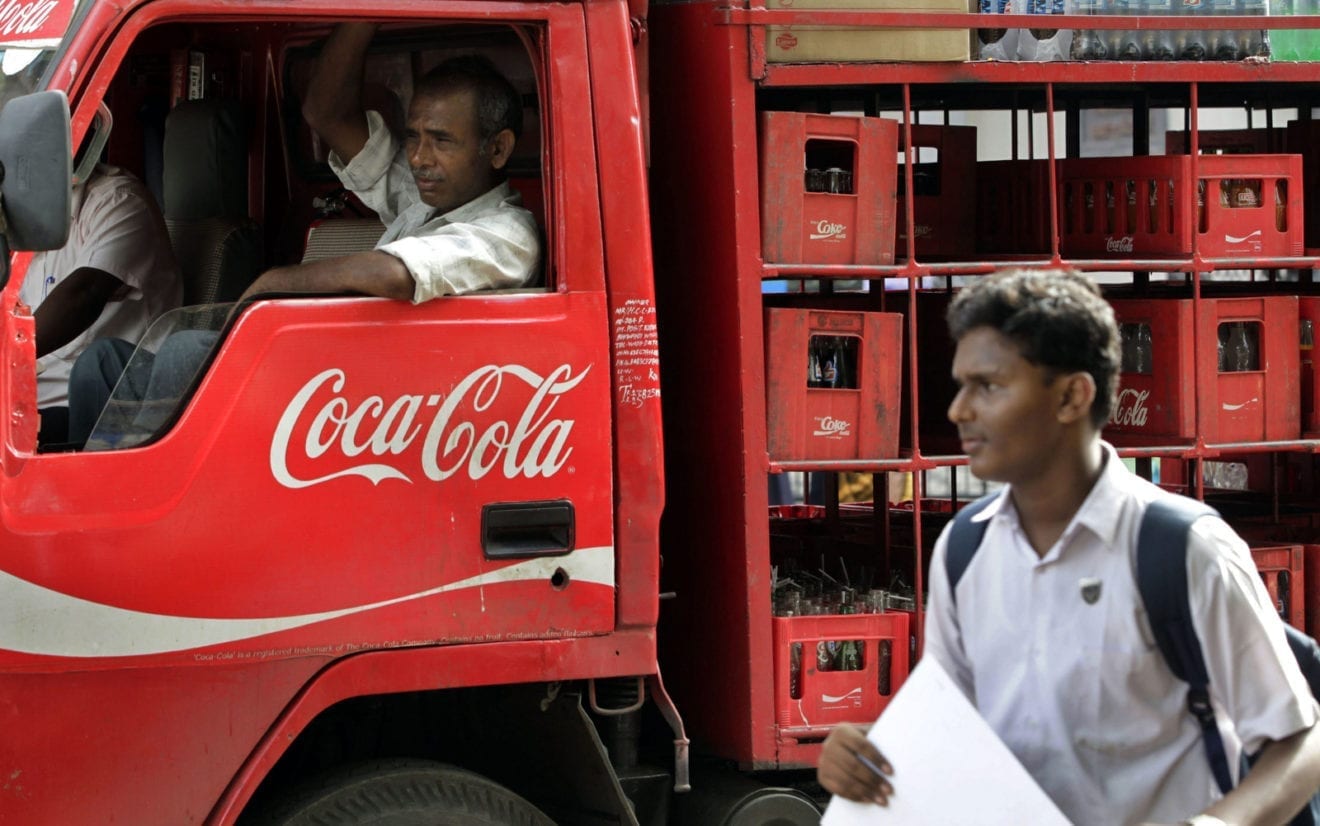
    Beverages major Coca-Cola India on Friday expanded its Minute Maid product range by launching a grape fruit based sparkling drink branded as Colour, said a top company official. People in Tamil Nadu towns and villages used to call soft drink ‘Colour’. Coca-Cola India has branded its new grape juice sparkler as ‘Colour’ to resonate with the local lingo.

    He also said the company would launch a new product in Andhra Pradesh that would be branded under a similar philosophy.

    “The new grape juice based Colour is launched here and will be focused on Tamilian population within India. The product is part of our strategy of expanding our fruit based beverages,” T.Krishnakumar, President, Coca-Cola India and South West Asia said.

    He said the company apart from focusing on its core products – carbonated drinks – also concentrates on launching products preferred in regional markets and also on expanding the ‘fruit circular economy’ – launching fruit based drinks made with domestically grown fruits.

    “The black grapes for the drink are sourced from grape farmers in South India,” Krishnakumar said.

    He did not agree that the new brand ‘Colour’ under the broader Minute Maid brand would reduce the latter’s brand equity. Minute Maid brand is known as a fruit based beverage brand.

    “We are expanding the products under the Minute Maid brand. The new product has 12 per cent grape juice content,” Krishnakumar said.

    According to Srideep Kesavan, Director-Juices, Coca-Cola India and South West Asia, research showed that grape juice was a fast moving product at fruit juice stalls in Tamil Nadu.

    Queried about cutting down on the sugar content in the company’s beverages, Krishnakumar said it will come down soon and a start has been made with the grape sparkler Colour with 9.5 grams of sugar.

    On the value of fruit pulp/products that Coca-Cola India would source under its ‘fruit circular economy’ he said the company had committed that a sum of Rs 5,000 crore would be spent on that head by 2023 and the company is in line with that commitment.

  • Lanvin names Bruno Sialelli as its new creative director

    Lanvin names Bruno Sialelli as its new creative director

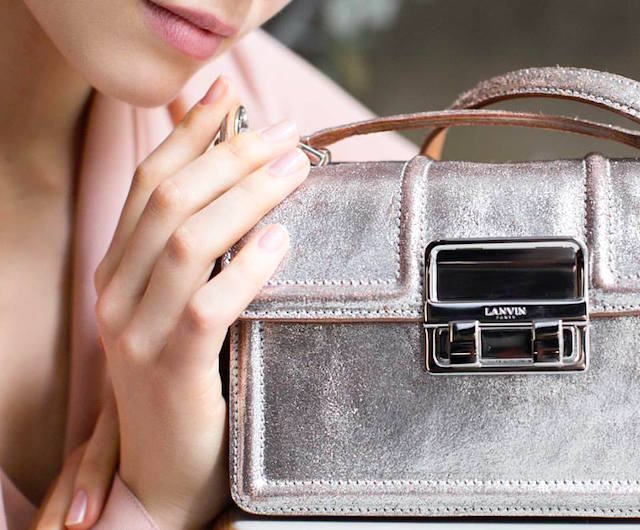
    Luxury fashion house Lanvin announced the appointment of Bruno Sialelli to the role of creative director. A relative unknown in the fashion world, Sialelli has worked for other luxury companies including most recently, Loewe, where he was head of menswear, under the guidance of the Spanish company’s creative director, Jonathan Anderson. Chinese conglomerate Fosun, who acquired Lanvin in 2018, said that the 31-year-old Frenchmen was hired to take the company in a “pivotal new direction,” a crucial call for the world’s oldest couture house.

    Lanvin’s chief executive Jean-Philippe Hecquet harmonised the sentiment.

    “We’re thrilled to welcome Bruno as the new creative director of Lanvin,” commented Hecquet. “His singular and very personal vision, his audacity, his culture, his energy and ability to build a strong creative team definitely convinced us. I can’t wait to discover Bruno’s first collections which will fully bring back to life this beautiful and unique fashion house, and once again inspire a passion among our customers.”

    In what has been a rollercoaster of a ride for the high-end French brand, Sialelli will take the top design spot as the fourth creative director to work at Lanvin in just four years.

    In 2015, Lanvin announced the shock departure of the label’s acclaimed designer Alber Elbaz, who was let go after disagreements with its previous owner, Taiwanese media magnate Shaw-Lan Wang. Elbaz had worked as Lanvin’s creative director for 14 years prior.

    Since then, it has been a tough slog for the 130-year-old company, which at its peak in 2012, was reportedly made 235 million euros, but sales have been steadily dropping ever since.

    In 2016, Lanvin reported a massive 18.3 million euro loss, after ten years of profitability.

    Following Elbaz’s departure, Bouchra Jarrar joined Lanvin, but quit as creative director after just a year-and-half, making way for Olivier Lapidus, who also quit, making way for Siaelli, the brand’s ray of hope.

    Before coming to Lanvin, Sialelli has also held design roles at brands like Paco Rabanne and Balenciaga. He is a fashion graduate of Studio Berçot in Paris.