Retail News CRM

Tag: lifestyle

  • Lifestyle plans third SOGO store

    Lifestyle plans third SOGO store

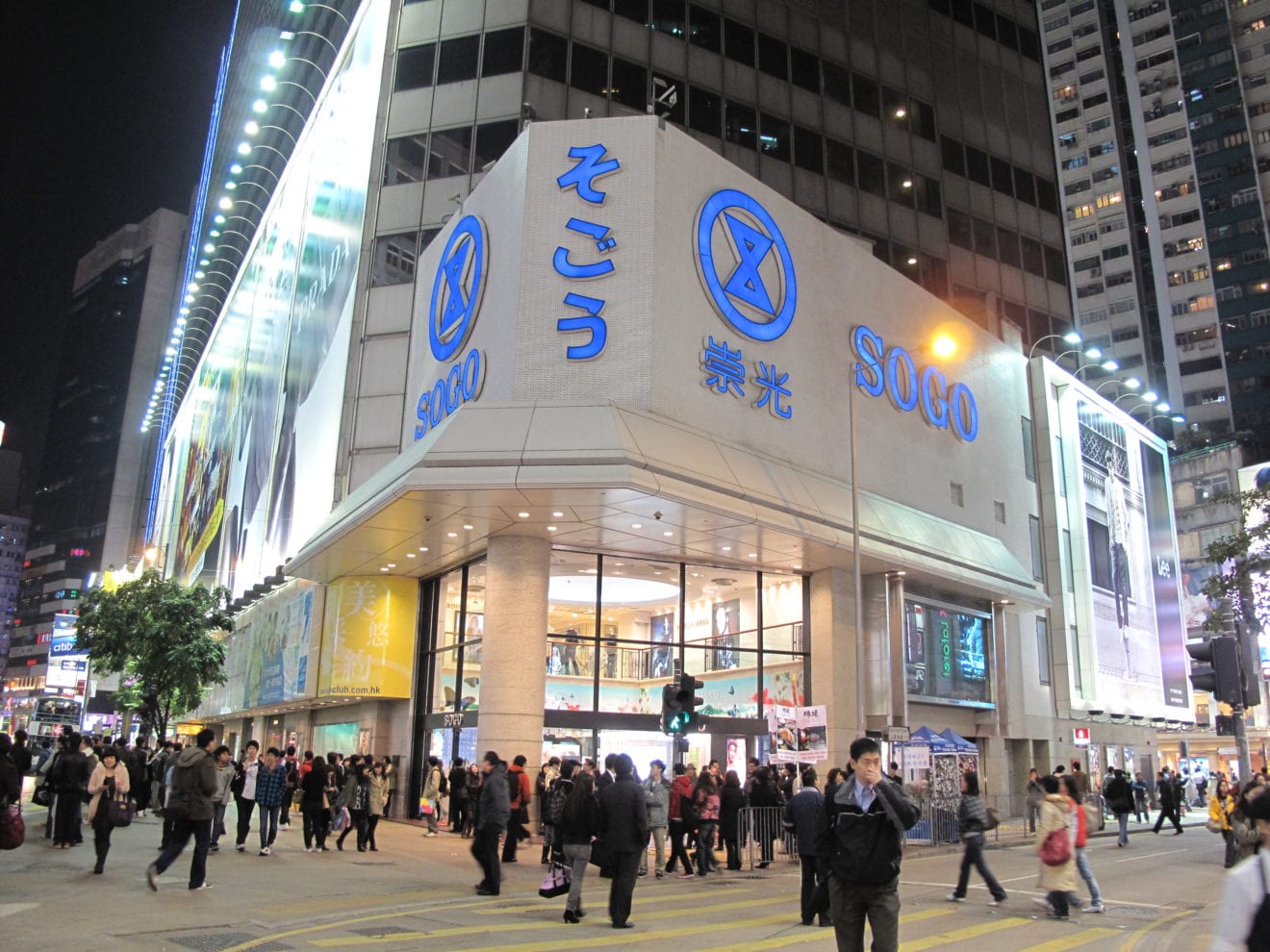
    Lifestyle International (1212) non- executive chairman Thomas Lau Luen- hung said the company is looking to open a third SOGO department store in Hong Kong and expects the investment to be no less than HK$5 billion.

    There are so far two SOGO branches in Hong Kong, one in Causeway Bay and one in Tsim Sha Tsui, Lau said.

    While the Tsim Sha Tsui branch focuses on selling cosmetics, Lau believes there is a market demand in Kowloon for a department store similar to the one in Causeway Bay.

    Lau said the company is still looking for a suitable location for the new store and that they would be more interested in opening and developing it through bidding for commercial sites rather than renting space from other companies.

    Lau said they have bid for commercial sites in the past without success but will continue to be involved as the government launches more commercial sites. He also did not rule out the possibility of partnering with other companies to develop the new store.

    He said the company is holding more than HK$6 billion in cash and has an investment portfolio of more than HK$4 billion which he said can be cashed in within 48 hours as the portfolio is comprised of mostly investments of high liquidity such as blue-chip stocks.

    Lifestyle International recorded a decline in net profit of 49.9 percent for the six months ended June 30 to HK$587 million compared to the same period last year, which the company said was attributable to the significant decline in investment income.

    Taking out the effect of net investment loss, the drop in net profit would be narrowed to 9.1 percent.

    The company proposed an interim dividend of 28.9 HK cents per share.

    Lifestyle’s landmark department store SOGO Causeway Bay’s same- store sales recorded a negative growth of 9.5 percent in the first half of this year compared to the same period last year as a result of weak local consumption, increased outbound travel and lower inbound tourists.

    Meanwhile, its Tsim Sha Tsui store recorded a 11.3 percent growth in same- store sales.

    Lau said the retail market was the worst in January and February and the decline bottomed out and remained flat during May and June.

    He does not expect there will be a rebound in retail market in the short term and retail sales will mostly likely remain flat in July and August.

    Lau said the fourth quarter will be an important indicator of the performance this year.

    Meanwhile, spinoff Lifestyle China (2136) recorded a decline in net profit of 6 percent to HK$157.4 million in the six months ended June 30.

    Lifestyle Properties Development (2183) recorded a drop in net profit of 67.9 percent to HK$148.6 million.

  • Telcos should follow teenagers’ digital lifestyle

    Telcos should follow teenagers’ digital lifestyle

    Only 12% of teenagers feel service providers understand their lifestyle and offer services to match it, according to a study from Amdocs.

    Conducted by Vanson Bourne , the study surveyed 4,250 respondents aged 15-18 from the United Kingdom, United States, Canada, Brazil, India, Germany, Russia, Mexico, Philippines, and Singapore.

    Among those polled, 30% report experiencing bad customer service from their CSP over the past year, and 46% say they will not use that CSP again. A third of respondents then shared this information with families and friends.
    Findings also show that 43% of teenagers believe their smartphone makes them smarter and “cooler”; 52% check their social media accounts first thing in the morning; and over 30% say they would probably not meet someone again if they lacked a Facebook or WhatsApp account.

    Almost half of respondents say they prefer using emojis (47%) and posting photos (45%) to sending emails as emojis express how they feel more clearly than words.

    Teens require constant internet connectivity, with respondents saying they are more likely to feel anxious and alone if separated from the internet (56%) than when separated from their family (52%. The value of internet access is so significant that the majority (55%) strongly believe fast internet access to be a human right.

    A majority stream movies (53% streaming; 17% downloading), TV (51% versus 11%) and music (47% versus 29%); and they are typically doing so for free with less than a third saying they ever pay for any content.

  • Reliance retail business thrives

    Reliance retail business thrives

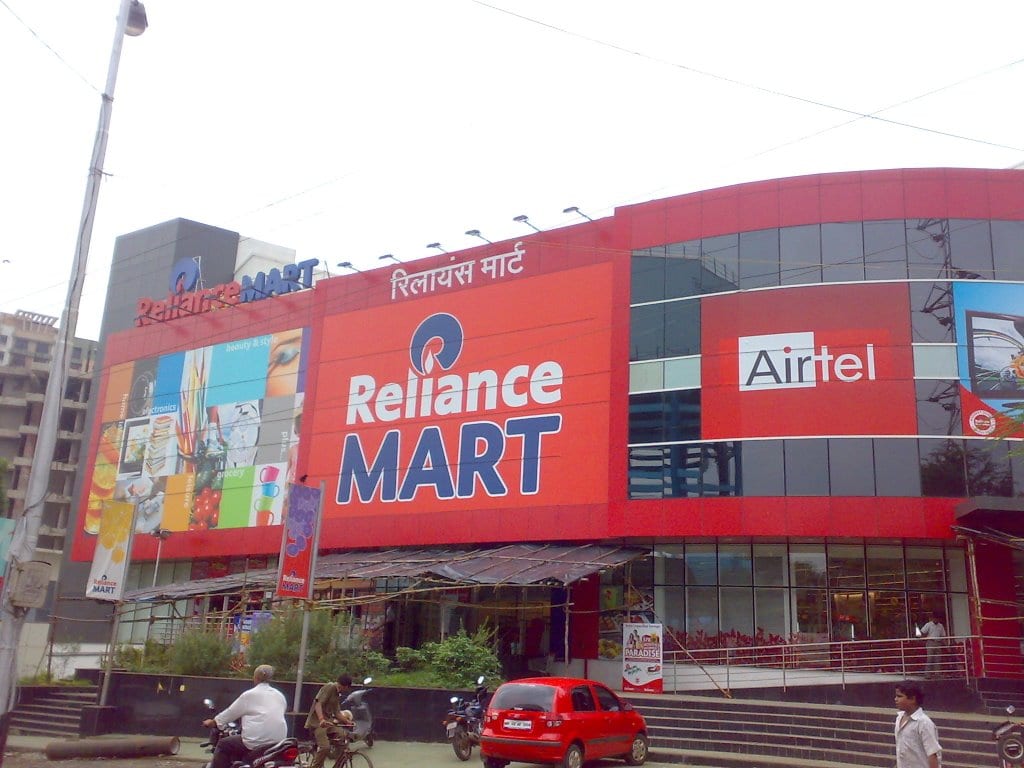
    Indian retailer Reliance Industries has reported a 50 per cent growth in sales in its consumer electronics category for the quarter to December 31.

    Reliance Retail also consolidated its leadership in the grocery category, optimising its network to enhance profitability. Several private-label products were launched in the grocery and general merchandise categories during the quarter. The contribution of private-label sales to overall sales increased to 14.6 per cent from 8.6 per cent in the same period the previous year.

    There are now more than 2 million registered members across 37 countries for Reliance Mart stores. These 1537 outlets specialise in consumer electronics. Strong year-on-year growth in this category was helped by Digital Express Mini rapidly scaling up during the quarter to reach more than 1250 outlets across the country in a short time since launch.

    Also delivering a strong performance, the fashion and lifestyle category was 16 stores opened byReliance Trends during the quarter.

    A Reliance Retail joint venture with Marks & Spencer continued to grow with new store openings, whileReliance Brands launched Dutch lingerie brand Hunkemöller, and also opened the first airport store in India for UK games and toys retailer Hamleys, in Delhi.

    Initiatives encompassing fashion and lifestyle e-commerce are also proceeding through beta testing. The development of a marketplace platform and distribution ecosystem for 4G devices are on track and being rolled out. It will be the largest distribution reach for devices in India, says the company.

    Meanwhile, the company is training 4G sales specialists while integrating supply chain and service centres. Reliance Retail also launched its own brand of 4G LTE smartphones, under the brand LYF, during the quarter.

  • Singaporeans love to shop overseas

    Singaporeans love to shop overseas

    Never mind that Singapore is renowned globally as a shopping destination.

    Singaporeans want to shop elsewhere.

    A survey by insurance company AIG conducted back in April found 36 per cent of the 1205 polled go on holiday solely to shop.

    When they take a holiday for retail therapy, Singaporeans spend an average of S$336 a day.

    The three most popular overseas shopping destinations are Bangkok, Hong Kong and Taiwan.

    AIG says it had received 7500 insurance claims between November 2014 and October 2015 for baggage lost on trips home from – in order – Thailand, Taiwan and Hong Kong.

    The insurer says people should keep receipts or photographs of their overseas purchases to ensure a smooth claims process.

    Other reasons for non-business travel by Singaporeans rated far lower than retail therapy, including a weekend getaway (21 per cent), to see somewhere exotic (12 per cent) or to indulge in a luxury break (four per cent).

  • Smart shopping list concept debuts

    Smart shopping list concept debuts

    Smart brands are quickly moving beyond simple eCommerce, using omni-channel retail to maximise their sales and customer relations.

    New from Australia, Booodl is a smart shopping list which helps consumers get the most out of their physical shopping trips by connecting the online and offline worlds.

    Booodl is a smartphone app that notifies consumers when they come in close proximity to products from their digital wish list. To begin, users create their list adding ‘wants’ online. Then, when they are out and about, the app notifies the customer when one of their ‘wants’ is stocked nearby: the user can then get directions to the shop, message the store or even order an Uber to the location, all within the app.

    They can then either pop in for a closer look or make the purchase and simply visit the shop to collect it.

    Booodl is currently available in Sydney where there are already over 1400 stores onboard. It plans to expand to other cities in the near future.

    Trend spotting service Springwise.com observes it has seen other products such as Amazon’s Dash button looking to create an effortless consumer experience and break down barriers between digital and physical retail environments.

    “How else could online be used to enhance real world purchasing, rather than competing with it?”

  • Nova LifeStyle boosts China focus

    Nova LifeStyle boosts China focus

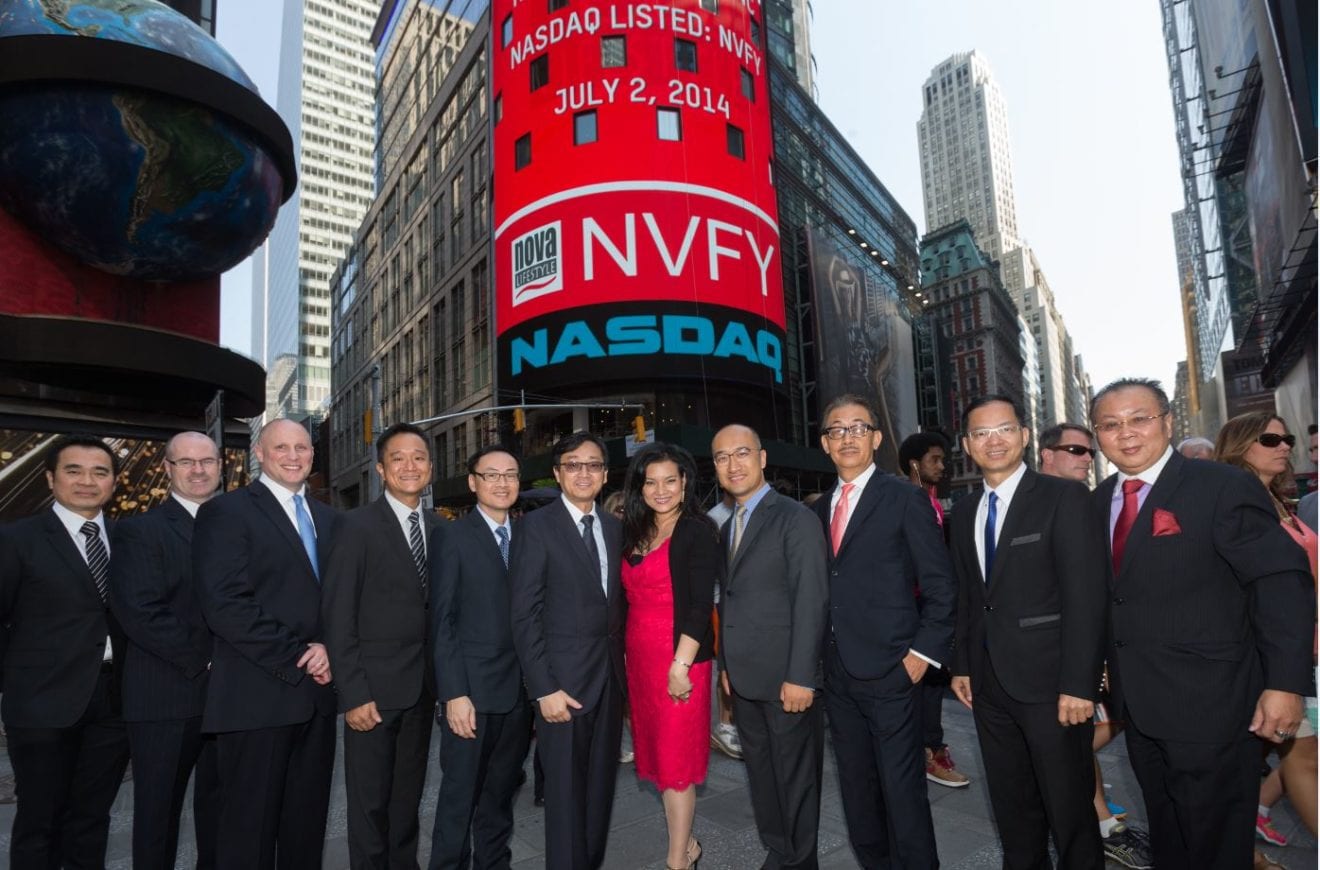
    US furniture designer, manufacturer and distributor Nova LifeStyle sees China as a key growth market as it feels a pinch in Europe.

    The company finished 2014 recording a 26 per cent year-on-year increase in net sales to US$98.7 million, with growth was primarily driven by a 46 per cent increase in sales in North America and 14 per cent in Asia Pacific, partially offset by a 20 per cent decline in Europe.

    Its gross profit was $19.4 million, also an increase of 26 per cent. Net income for the California-based, Nasdaq-listed company was $8.6 million.

    In China, overall sales increased by six per cent to $17 million, largely due to the opening of seven new franchised stores in the nation.

    “Throughout 2014, Nova LifeStyle implemented strategic initiatives to expand sales and distribution in China, a key growth market,” the company said in its earnings statement.

    Nova LifeStyle boosted sales on Alibaba’s B2C sites, TMall and JD.com and signed a franchise partnership with the Ablejoy Company of China, to provide Nova products to its 200-strong retail store network.

    Nova LifeStyle initiated shipping to Ablejoy in the third quarter of 2014 and will continue to supply current and future franchise stores. The company also successfully began manufacturing and shipping to Ikea China.

    Sales in other parts of Asia Pacific, including Hong Kong, Australia, and other countries, increased 46 per cent to $5.89 million in 2014.

    The company said it expects the China and US markets to contribute to top-line growth in the year ahead.

    “Sales in Asia increased significantly and we view the supply agreement with Ikea China as a testament to the quality of our products and manufacturing capabilities,” said CEO Jeffrey Wong.

    “We are witnessing the expansion of the retail furniture market in China as the growing middle class, increasing urbanisation and increased consumer spending fuel higher demand for household goods and furniture.

    “Due to our efforts in 2014, we believe that Nova LifeStyle is well positioned to take full advantage of any upturns in the global economy, both in Asia and in the domestic market,” concluded Wong.

    Nova’s products are made in the US, Europe, and Asia and include LifeStyle brands such as Diamond Sofa, Colorful World, Giorgio Mobili, Nova QwiK, and Bright Swallow International.