Retail News CRM

Tag: lifestyle

  • First duty-free space in Hyundai Department Store

    First duty-free space in Hyundai Department Store

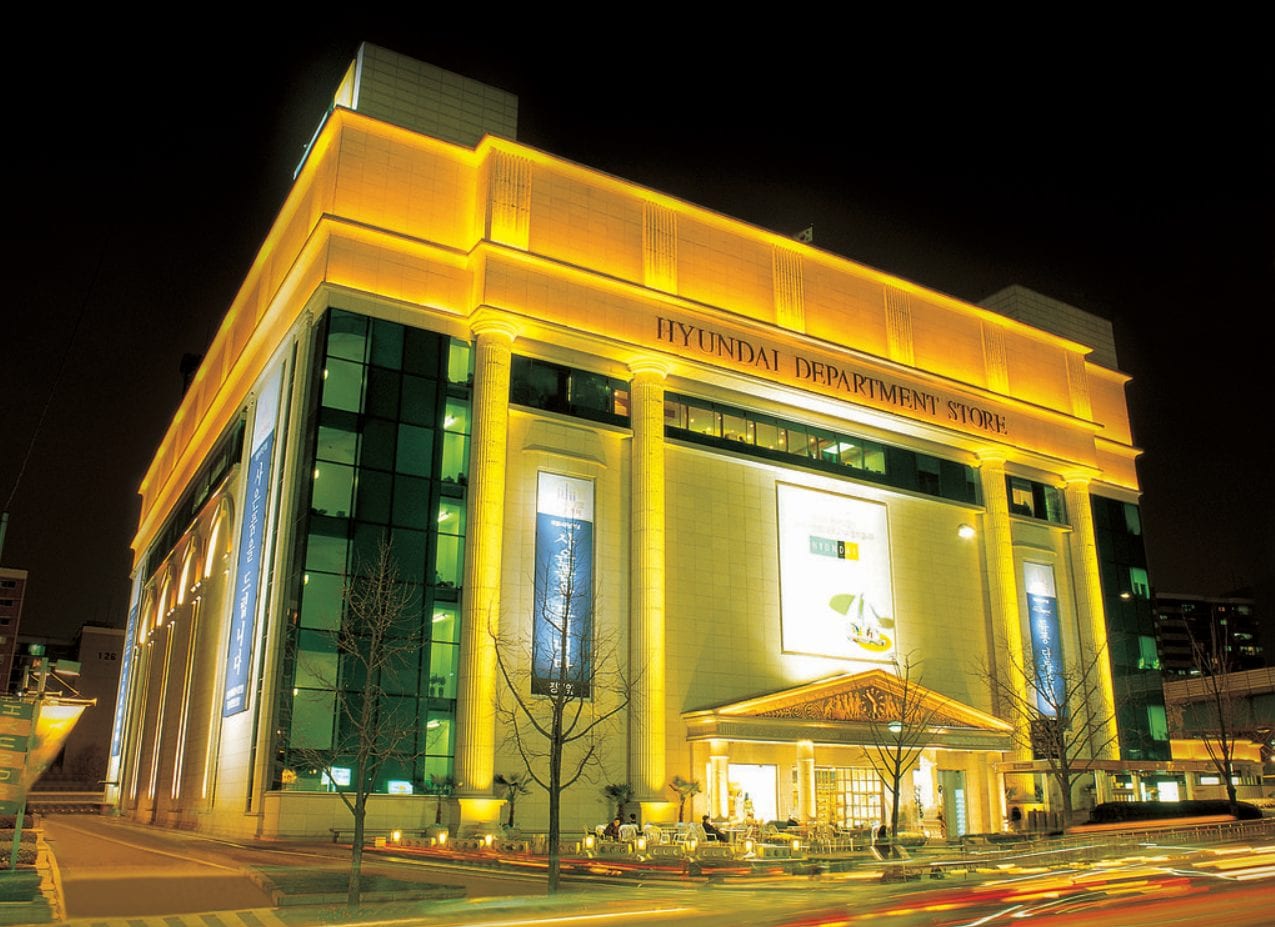
    South Korea’s retail conglomerate Hyundai Department Store Group opens its first duty-free store at its branch in Samseong-dong, southern Seoul, on November 1 as a newcomer into the lucrative duty-free race dominated by two other retail names, Lotte and Shinsegae.

    The new 14,250-square-meter duty-free store will open inside Hyundai Department Store’s Trade Center branch in Samseong-dong, an affluent business district in southern Seoul.

    It will take up three floors at the branch and offer 420 domestic and foreign brands.

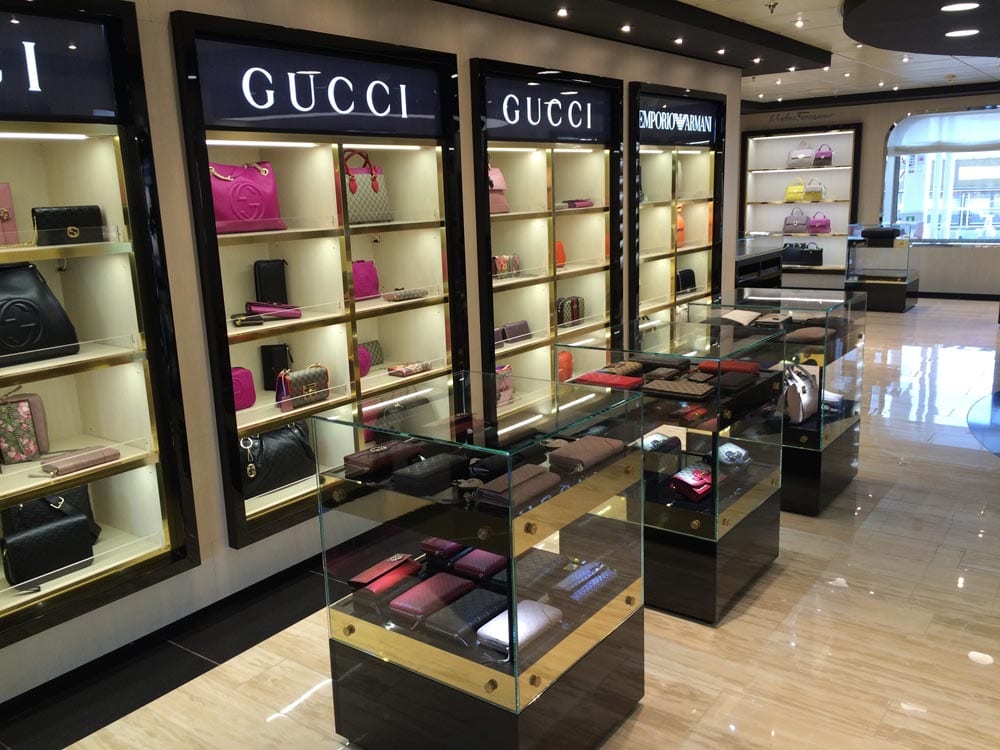
    The outlet will be the first to have an official Alexander McQueen store. It will also have a separate foreign fashion zone offering Max Mara and Versace brands.

    Luxury brands will be based on the eight floor, while the ninth floor is reserved for beauty products and fashion stores.

    The 10th floor will have a more various selection of products from character goods to food like red ginseng and dried seaweed that is popular with foreign duty-free shoppers.

    The project is a huge one for Hyundai Department Store, which has been relatively conservative in the last decade regarding business expansions.

    Other department store rivals Lotte and Shinsegae have already established a stable foothold in the duty-free industry.

    In a press conference held at the new store on October 31, Hwang Hae-yeon, president of Hyundai Department Store Duty Free Co., said that it will provide high-quality life-style duty-free store service to consumers by escaping existing business practices and introducing new perspective.

    Hwang said the new store is expected to raise 670 billion won (US$588.2 million) in sales next year and over 1 trillion won in 2020.

    Hyundai Department Store Group will also create a digital-exclusive space to provide differentiated customer experience.

    It will invest 10 billion won to install the country’s largest 37-meter-wide and 36-meter-high light-emitting diode digital signage on the exterior wall of Hyundai Department Store’s Trade Center branch in December.

    The retailer also plans to promote diverse marketing by linking other businesses in retail, fashion, and travel, with its duty-free store to solidify its presence as a comprehensive retailer.

    The new addition will be the fourth duty-free store in the Gangnam area, along with Lotte Duty Free stores in the Lotte World Tower in Songpa District and in COEX and the Shinsegae Duty Free near the Express Bus Terminal.

    Being closer to other duty-free stores has tended to work as an advantage in the past, as tourists, especially those in large groups, can visit all of the different venues in one outing.

    In the past, duty-free stores inside Seoul were mainly clustered the North of the river, but the recent shift toward the Gangnam area suggests that a new duty-free destination could develop in the south of the city.

    Hwang also expressed confidence in the Gangnam location beside COEX as the operation’s “main differentiation point.”

    The venue is located near three high-end hotels, an underground mall, a casino and a convention center that regularly hosts international fairs. SM Town, a well-known destination among K-pop fans that also sells SM Entertainment products, is also nearby.

    The launch of Hyundai’s duty-free store comes at a complicated time: Chinese group tours to Korea – which once accounted for 70 percent of local duty free revenue – haven’t fully recovered after the U.S.-led antimissile system Thaad deployment last year.

    There are mounting concerns that duty-free stores are in fierce competition for commission fees in order to attract Chinese resellers that purchase in bundles.

    “There’s excessive competition in the market now – I want it to normalize and we’re going to try to stay away from [contributing to] it,” said Hwang.

    “There are many challenges, including regulations in China, but things are getting better. Chinese resellers can’t be ignored at the moment but in the long run, our plan is to focus on attracting ordinary tourists.”
  • Ocean Park to open a luxury Marriott hotel in 2019

    Ocean Park to open a luxury Marriott hotel in 2019

    Ocean Park will soon open its first ever hotel next year with an aim of further boosting the number of visitors. Developed by Lai Sun Group, the hotel has launched its soft opening early this week. According to Peter Lam, chairman of Lai Sun Group, the hotel will undergo further testing and trials in the next two to three months before its grand opening.

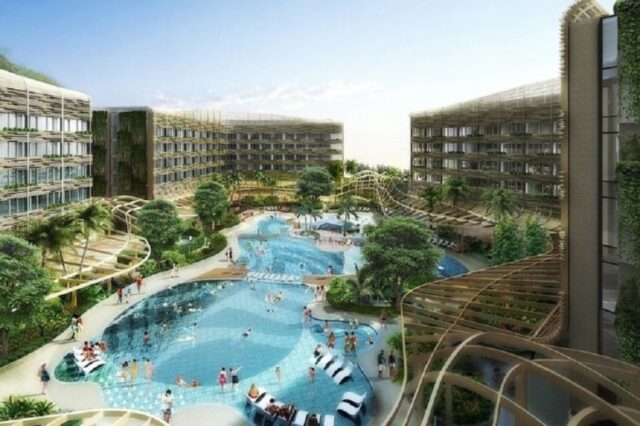
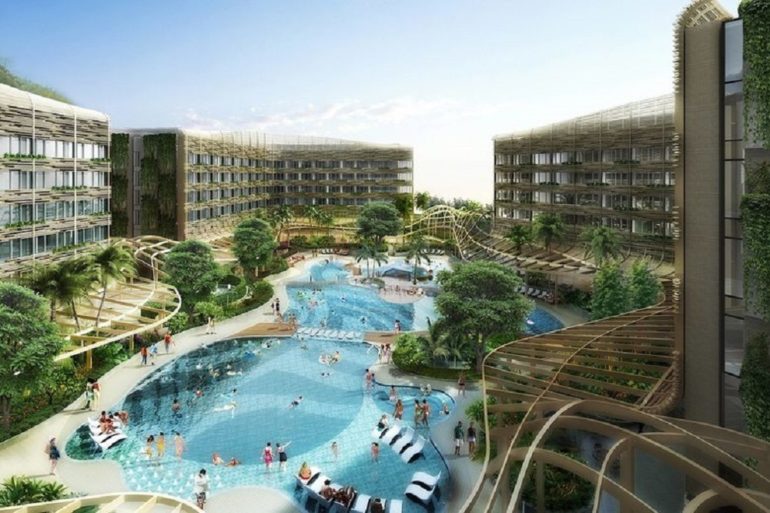
    Designed by Aedas, the Hong Kong Ocean Park Marriott Hotel comprises three towers – the Pier Wing, Club Wing and Marina Wing with 471 rooms.

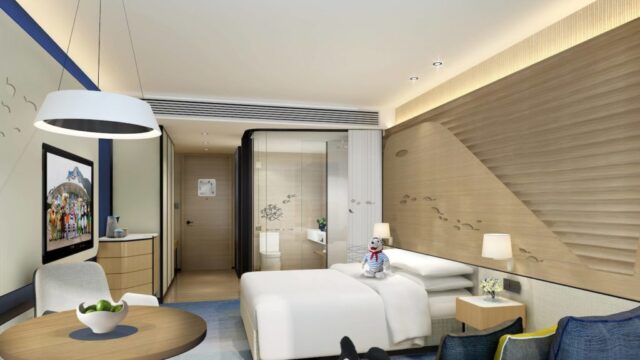
    Three types of Ocean Park-themed rooms (Whiskers Submarine, Bao Bao Paradise, Redd Forest) are featured at the Pier Wing and Marina Wing.

    The rooms are so far said to cost about HK$2,100 on average.

    Targeting families on leisure and business travellers, the hotel includes a pillar-free ballroom spanning 1,200 square metres – one of the largest hotel facilities for events and meetings, the executive M Club, a signature outdoor lagoon pool, four restaurants and bars, and Harnn Heritage Spa.

    “The new destination resort offers a unique getaway experience in Hong Kong and is a perfect example of what Marriott means by travelling brilliantly,” said Mike Fulkerson, vice president, brand and marketing Asia Pacific, Marriott International.

    “There’s adventure on the site of Ocean Park Hong Kong, one of Asia’s leading conservation theme parks, convenient access to Hong Kong’s lesser-explored green spaces and remarkable proximity to the city’s shopping and business districts, broadening our guests’ perspectives and experiences in this globally renowned city.”

    In line with Ocean Park Hong Kong’s core value of environmental protection, the hotel is designed with the initiatives of sustainable future and reducing its environmental footprint.

    The façade features energy-saving components to keep the building cool in summer, as well as rainwater collection and vertical planting systems.

    It will also launch its own green education programme for kids and guests.

    The hotel will also be rolling out “M Passport”, a pilot programme that aims to encourage young visitors to participate in various resort activities with educational and fun themes, such as seashell art, scavenger hunts and dinners.

    Completion of each activity is linked to rewards and treats that’s tracked using a specially designed passport.

    Customers will be able to book exclusive packages for Ocean Park, such as tailor-made educational programmes, breakfast with animal experience with seasonal offers and access to unique animal programmes at the park.

    Leo Kung, chairman of Ocean Park Hong Kong said that the integration of the first hotel into Ocean Park by Marriott International signified the park’s transformation into a resort destination and reinforced its position as a leading “edutainment” attraction in Hong Kong.

    “From planning the stay, savouring magnificent hospitality at the hotel to enjoying delightful entertainment and animal encounters at the park, guests can expect a seamless journey filled with the thrill of discovery. The resort will bring unique experiences for the community and our next generation of visitors,”Kung concluded

  • Charles & Keith is expanding in Hong Kong

    Charles & Keith is expanding in Hong Kong

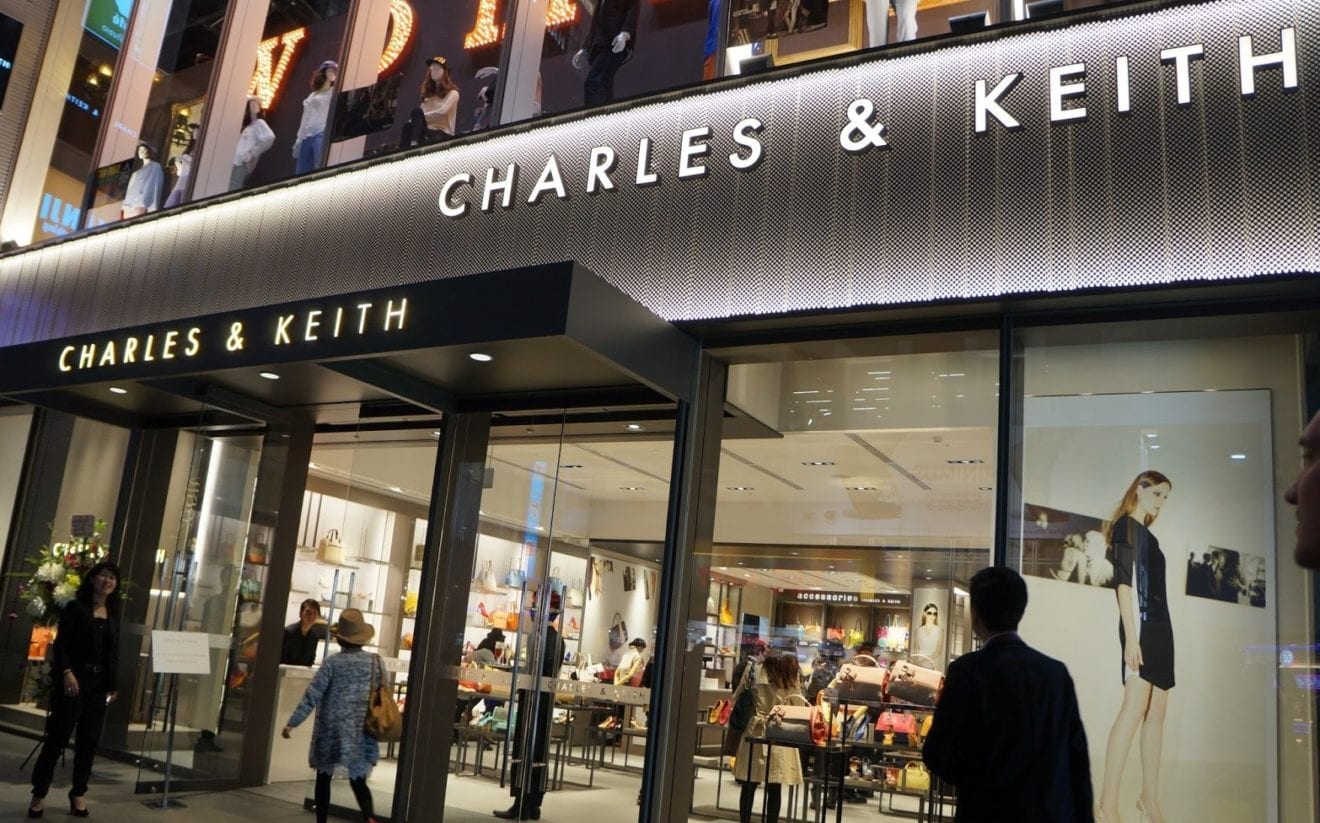
    Charles & Keith is the go-to label for accessible designs that are on the cutting edge of fashion. This October, Charles & Keith has expanded its retail reach by opening two new stores in Hong Kong. These stores would be the first to open in the city.

    The new stores are located at Parker House, Central and New Town Plaza, Sha Tin respectively.

    Parker House opened two days ago and it occupies a coveted spot in the prime CBD district while New Town Plaza is a trendy flagship shopping centre that offers an exceptional array of shopping, dining and lifestyle facilities.

    The aesthetics of the new Charles & Keith stores is inspired by the brand’s refined design philosophy and aim at reflecting a sophisticated simplicity.

    To provide customers with a curated experience, each section of the store communicates the different stories of the season.

  • N°21 signs with Lee & Han for South Korean distribution

    N°21 signs with Lee & Han for South Korean distribution

    N°21 has major expansion plans in South Korea. The Italian fashion label designed and led by Alessandro Dell’Acqua has signed a distribution agreement with Lee & Han, a Korean distributor managing a broad portfolio of lifestyle brands, and plans to open 18 stores in the country in the next five years.

    N°21 had already opened a series of retail corners in the country, but it is now stepping up the pace of its growth.

    The first stage of N°21’s expansion strategy was the opening of a flagship store of over 300 square metres, the brand’s largest, in the Cheongdam district of Seoul, a hub for fashion labels.

    The store extends on two levels and showcases N°21’s ready-to-wear, footwear and accessories collections for men and women.

    The store’s interior design replicates that of N°21’s Milan flagship: the chromatic contrast of black and white on the marble floor, the polycarbonate and raw concrete ceilings, and plenty of mirrors, steel and aluminium.

    The store’s façade is entirely black, riffing on that of the label’s Omotesando store in Tokyo and of its new Milanese headquarters.

    The South Korean partner chosen by N°21 to support its expansion the country is a shareholder and licensee of Converse and Kappa, and is very active in the multibrand retail business (with Han Style, Han Style Men, Han Style Kids and Han Style Shoe) and as an exclusive distributor of international fashion labels like Delvaux, Giambattista Valli, Emilio Pucci, Nina Ricci, MSGM, Mr & Mrs Italy, Premiata, and others.

    N°21 is distributed by the Gilmar group in over 600 multibrand stores worldwide, and in Asia it currently operates monobrand stores in Tokyo, Hong Kong and Beijing.

    In 2016, the latest year for which figures are available, N°21 generated a revenue of €52 million, up 117% compared to 2015.

  • Foot Locker Is Opening First Outlet In Malaysia

    Foot Locker Is Opening First Outlet In Malaysia

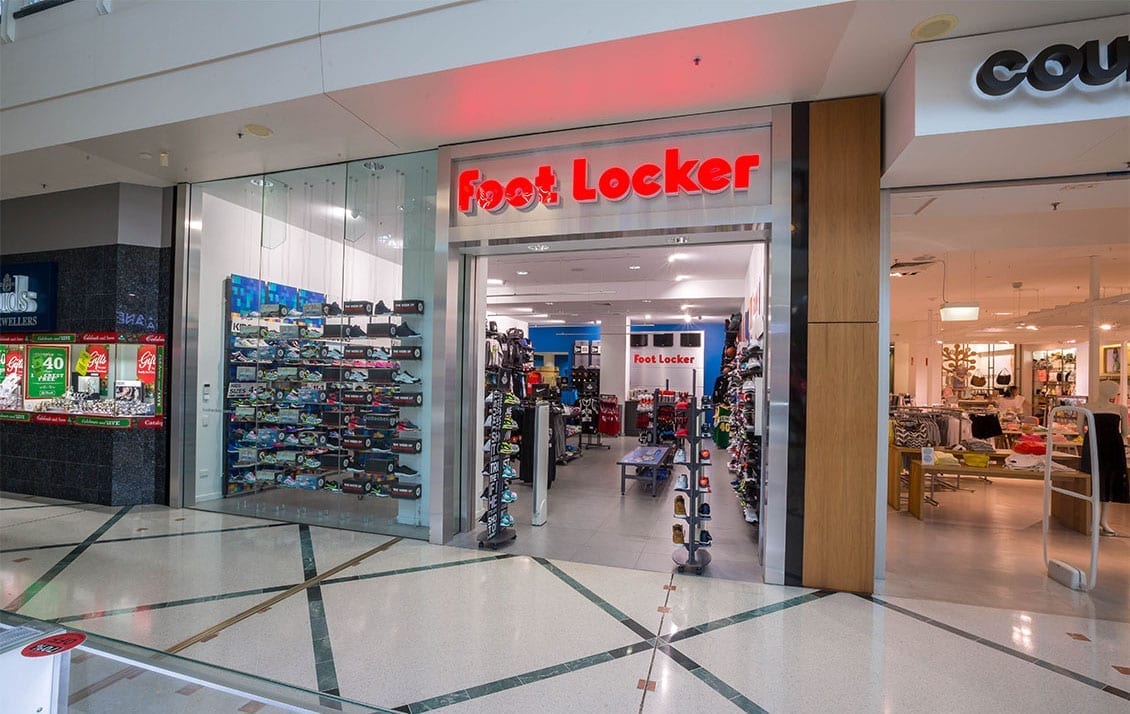
    Foot Locker Malaysia is set to open its first store. The American brand’s market-debuting outlet at 1 Utama will stock some exclusive items and collections and is also a regular collaborator with top sneaker brands. It is expected to start trading later this month.

    The Footlocker Malaysia move is part of a broader strategy to open in 40 new global locations. It has recently launched in Singapore and Hong Kong.

    The store’s location is currently under renovation and will open in the mall’s old wing on the ground floor.

  • Robinsons Retail income raised by nearly 10 per cent

    Robinsons Retail income raised by nearly 10 per cent

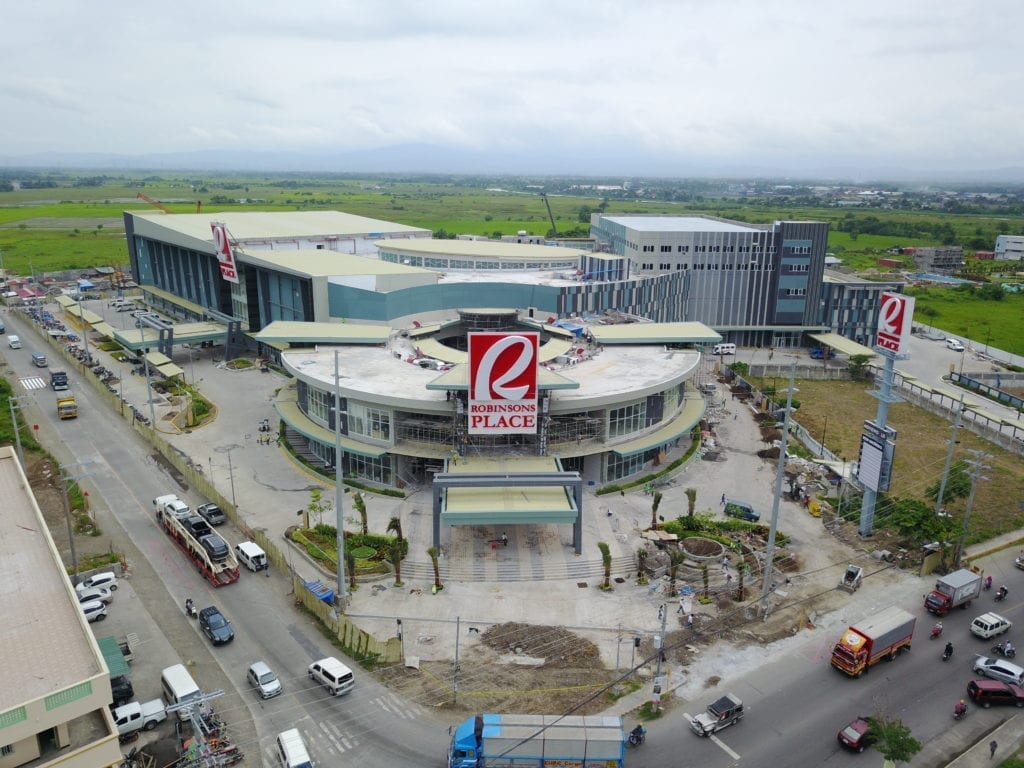
    Robinsons Retail Holdings has boosted net income by 9.8 per cent in the first nine months of this year, to PHP 3.8 billion (US$70.97 million). The improvement followed on from a 13.1 per cent increase in sales for the period, to PHP 91.8 billion ($1.71 billion) which the company said was due to “robust” same-store sales growth of 6.6 per cent across all store formats, along with a contribution from new stores.

    Same-store sales rose by 8.6 per cent in the company’s supermarkets division, which accounts for 46.5 per cent of the group’s total turnover, and by 7.8 per cent in specialty stores and 6.1 per cent in DIY. Same-store sales in the convenience divison rose by 4.5 per cent, in drugstores by a more modest 2.9 per cent and department stores 2.4 per cent.

    Excluding franchised branches of The Generics Pharmacy, Robinsons Retail ended September with 1778 stores, comprising 158 supermarkets, 51 department stores, 206 DIY stores, 496 convenience stores, 499 drugstores and 368 specialty stores. Gross floor area increased by 9 per cent year on year to 1.199 million square meters.

  • Goldwin to open first own-brand store

    Goldwin to open first own-brand store

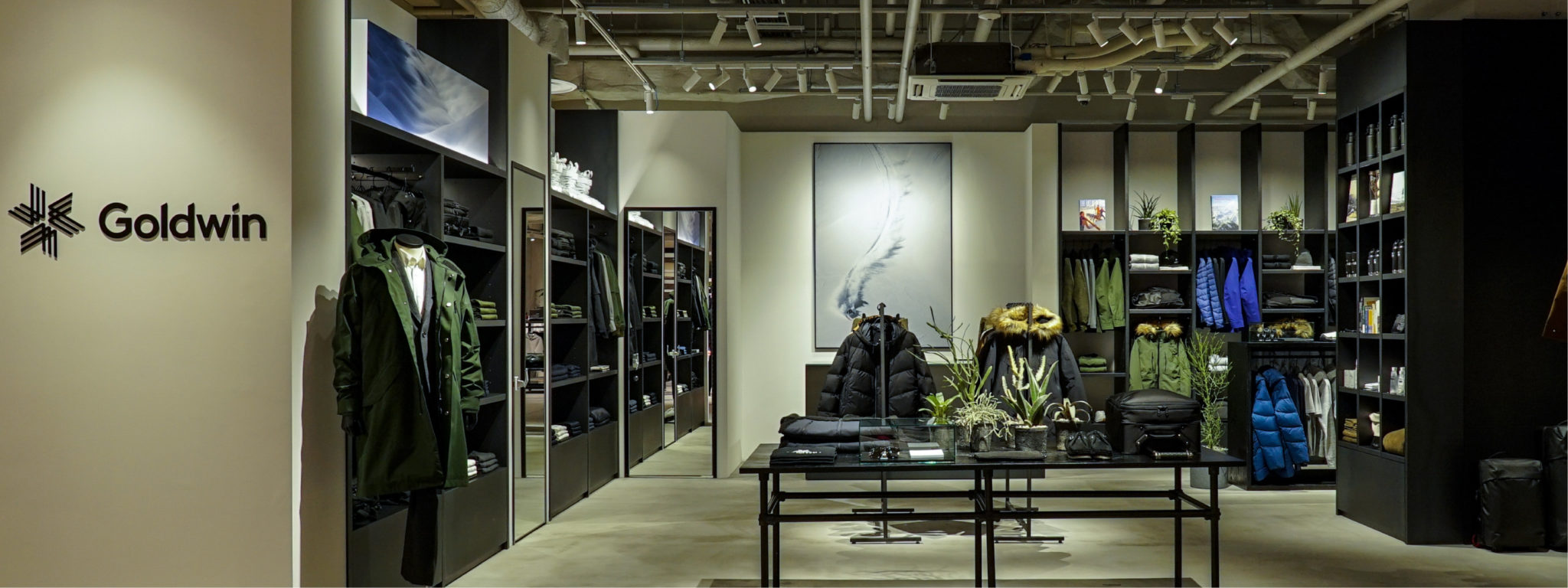
    Japanese outdoor apparel retailer Goldwin is set to open its first independent flagship store in Tokyo. The Marunouchi business district launch, scheduled for November 8, will introduce the brand’s new selection of high-performance sportswear, lifestyle and ski apparel. Highlighted will be two of Goldwin’s best-selling products, the Arris Jacket and the Hooded Spur Gore-Tex Down Coat.

    A Goldwin press release stated that the flagship will allow the firm “to expand its vision and introduce new values, creating a platform where sports and lifestyle merge”.

    Goldwin’s products have previously been made available at The North Face retail stores in Japan and other specialty stores worldwide.

    The company intends to follow this launch with more flagships to open in international locations.

  • Luxasia Vietnam targets generation z buyer

    Luxasia Vietnam targets generation z buyer

    Singaporean luxury beauty and lifestyle distributor Luxasia is making moves into Vietnam. The brand will be targeting younger millennial consumers who are thought to be responsive to social media and social media influencers.

    Luxasia Vietnam is focusing on the nation’s fast-growing economy and strong population of nearly 100 million. It currently offers 20 brands in the market, but is planning to introduce more incrementally. It also has designs on developing new distribution channels via small independent perfumeries, and building an e-commerce platform.

    Luxasia’s regional MD Karen Ong said of the Vietnamese market potential for beauty products, “It is still very much big brands focused. People want to use something other people recognise.”​

    Regarding the business climate, Ong commented: “In Singapore we take things for granted. We shake on it and we think it’s done and that everyone knows what to do. But there, you have to follow up and chase. There’s a lot of email back and forth. It reminds me of how we used to do business 10 to 15 years ago.”

    “It’s still very relationship based, the speed is much slower, and even if you plan way in advance, things may not always execute the way you have planned. The follow up has to be very close and you have to be very prescriptive in the way things want to be done.”​

  • Uniqlo acquires stake in Vietnamese brand

    Uniqlo acquires stake in Vietnamese brand

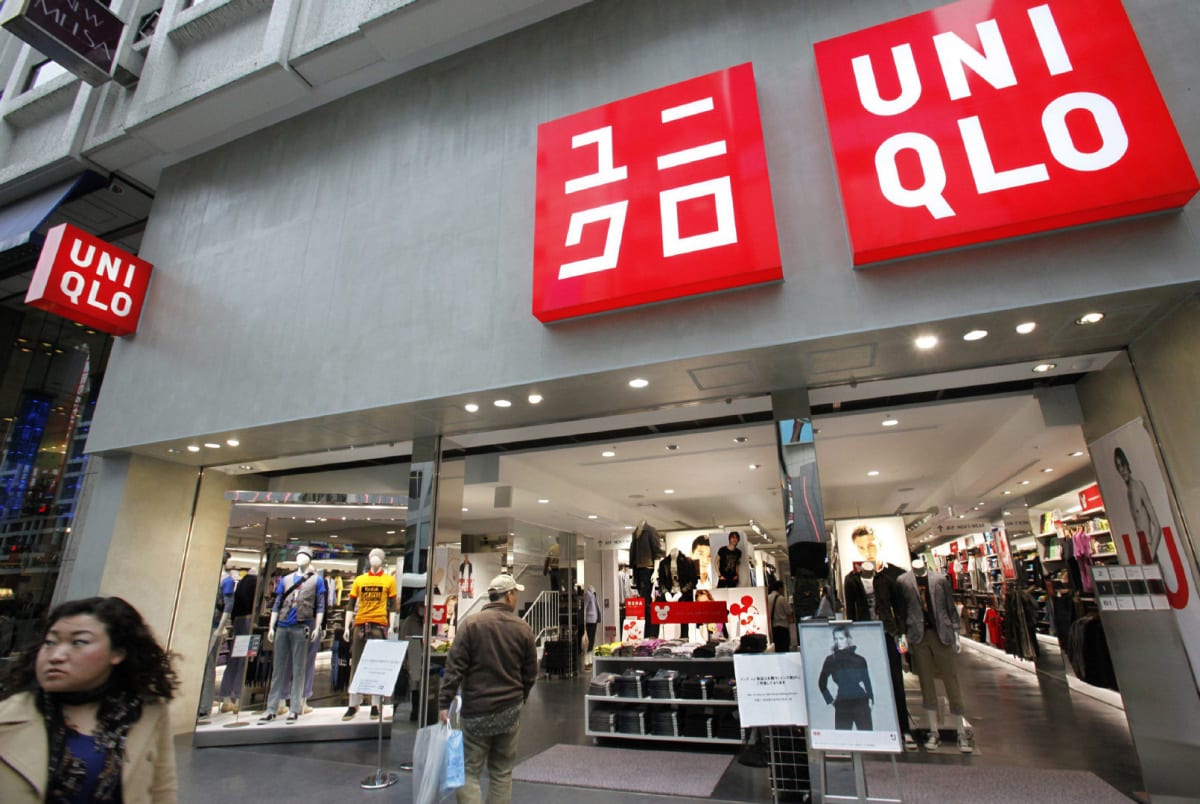
    Uniqlo’s parent, Fast Retailing, has acquired a 35 per cent stake in Hanoi-based women’s fashion brand Elise. Elise, which has more than 100 stores across the country, is said to have received tens of millions of dollars from the deal – a figure much higher than its entire charter capital.

    This is Fast Retailing’s first significant move into Vietnam since it announced it would launch its Uniqlo brand in Ho Chi Minh City next year.

    The store will be operated by a joint venture between Fast Retailing and Mitsubishi Corporation.

    Vietnam is one of the markets Uniqlo is counting on to double its store network in Southeast Asia and Oceania to around 400 by 2022.

    Uniqlo’s arrival in Vietnam will intensify competition for foreign brands as Zara and H&M who have already successfully launched there.

    According to German firm Statistics Portal, Vietnam’s fashion revenue will annually grow 22.5 per cent from 2017 to 2022, and its clothing sales will surge to an estimated US$245 million this year.

    Another fashion group from Japan, Stripe International, has reportedly bought NEM, a Vietnamese fashion brand which targets female office workers.

  • Myntra launches its in-house plus size brand, Sztori

    Myntra launches its in-house plus size brand, Sztori

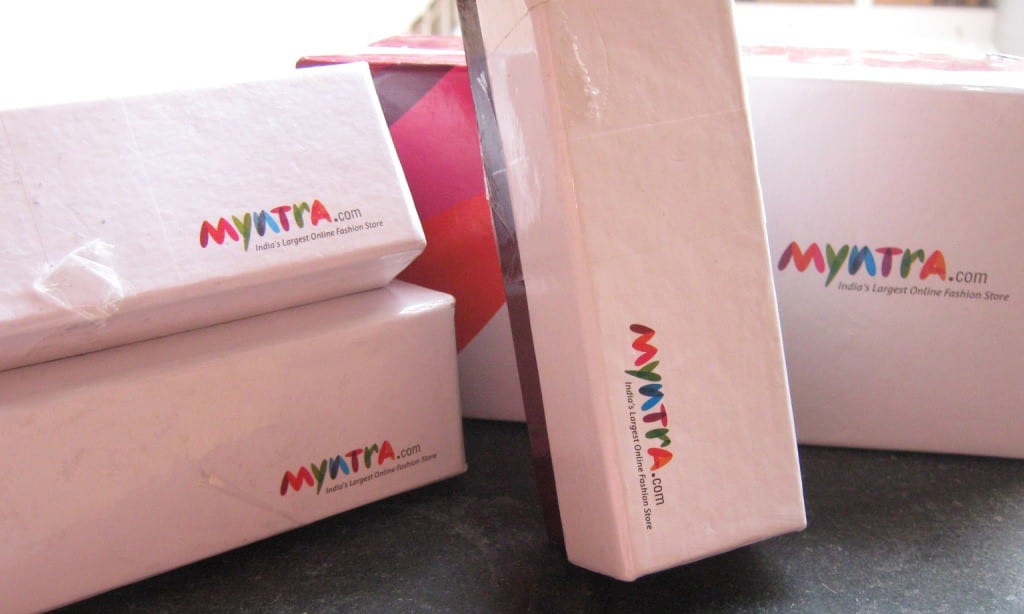
    Myntra has announced the launch of Sztori, its in-house plus size apparel brand, especially designed to suit a larger range of body shapes and sizes. It is essentially a designer wear in the plus size category, offering consumers, the perfect fit and multiple style options at affordable rates. The apparel is made to suit plus size body types rather than prove to be a mere extension in size on existing profiles, thus breaking the existing age-old norm in the Indian market.

    Post identifying a white space opportunity in the segment, Myntra set out to design and develop merchandise under a new brand to cater to the category and make wearers look fashionable with multiple style options at affordable prices, opening new avenues in the industry.

    Known for democratizing fashion across segments, the launch enables Myntra to go a step further and include size profiles into the ambit of ‘fashion for all’. It champions inclusivity in fashion, evaluating and emphasizing greater attention to styles, trends, designs, fit and fabric for plus sized apparel, in order to bring out the personality of the person wearing it. ‘Sztori’ derives its name and theme from Myntra’s ‘story’ of developing a brand that celebrates a person’s journey and spirit, helping to soar above shape and size.

    The brand offers a range of products for men and women, including, Tees, denims, tops, dresses and more in L to XXXXL (Large to 4 times Large) sizes. Shoppers can choose from over 225 styles and designs at prices ranging from Rs 799-1,999.

    Speaking on the occasion, Manohar Kamath, CXO and Head, Myntra Fashion Brands, said, “We are extremely delighted to announce the addition of Sztori to our portfolio of private brands. Plus size clothing is in great demand and it was time we offered something substantial in the category, opening up more avenues and possibilities for our customers. Research estimates that this segment will account for US$ 5-6 billion in the US$ 40 billion Indian online fashion apparel market, by 2020, which is approximately 10-12 percent of the overall market, making it an important proposition.”

  • Esprit sales continues to dive

    Esprit sales continues to dive

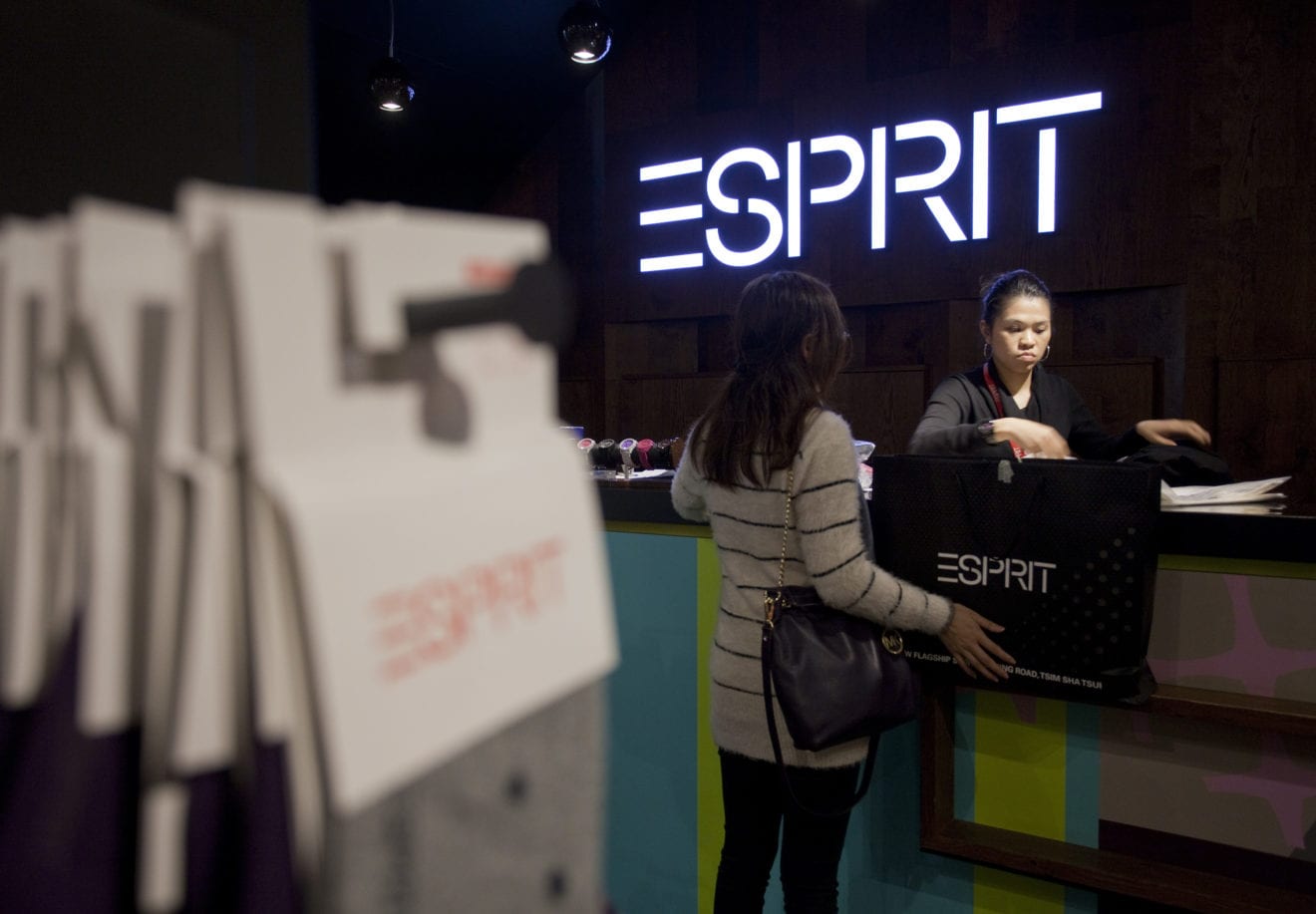
    Esprit sales slumped further in the first quarter as the embattled fashion brand’s store network continued to shrink. In a stock exchange filing on Friday, Esprit said group revenue for the quarter to September 30 slumped 16.2 per cent year on year in local currency while its own offline store sales area reduced by 10.6 per cent, to HK$3.34 billion (US$425.8 million). The company’s own-managed stores, which account for 37 per cent of the company’s total turnover, fell by 17.8 per cent.

    “The decline was due to a reduction in net sales area of 11.5 per cent year on year, a result of continued rationalisation of our distribution footprint, including the closure of the Australia and New Zealand markets and a decline in comparable retail store sales (excluding e-shop) of 14.1 per cent … mainly due to declining customer traffic to our stores and extended warm summer temperature in Europe which impacted sales of our autumn merchandise,” the company said.

    Offline same-store sales in Asia Pacific grew by 0.3 per cent, mainly due to promotional activities. But online sales, which accounted for 24.9 per cent of the company’s revenue, fell by 14.9 per cent globally.

    Eshop, almost entirely in Europe and representing 24.9 per cent of group revenue, recorded a decrease of 14.9 per cent. Online sales in Asia Pacific, which account for a mere 2.6 per cent of total e-shop sales, plummeted 36.7 per cent, largely blamed on the closure of the Australia-New Zealand business.

    Wholesale revenue, almost entirely from Europe, fell 15.5 per cent.

    The company reiterated comments made after its dire full-year results were released last month, which included a US$325.5 million loss in the year to June 30: “Corrective measures are in place to reignite sales momentum.”

    A strategy plan will be released on November 26 outlining how the company plans to sharpen its brand identity, putting the customer at the centre of everything it does; improve product offering and brand positioning; reduce complexity and improve accountability in the organisation; become a leaner organisation; and eliminate loss-making parts of the business.

  • Puma global sales grow on more stores number

    Puma global sales grow on more stores number

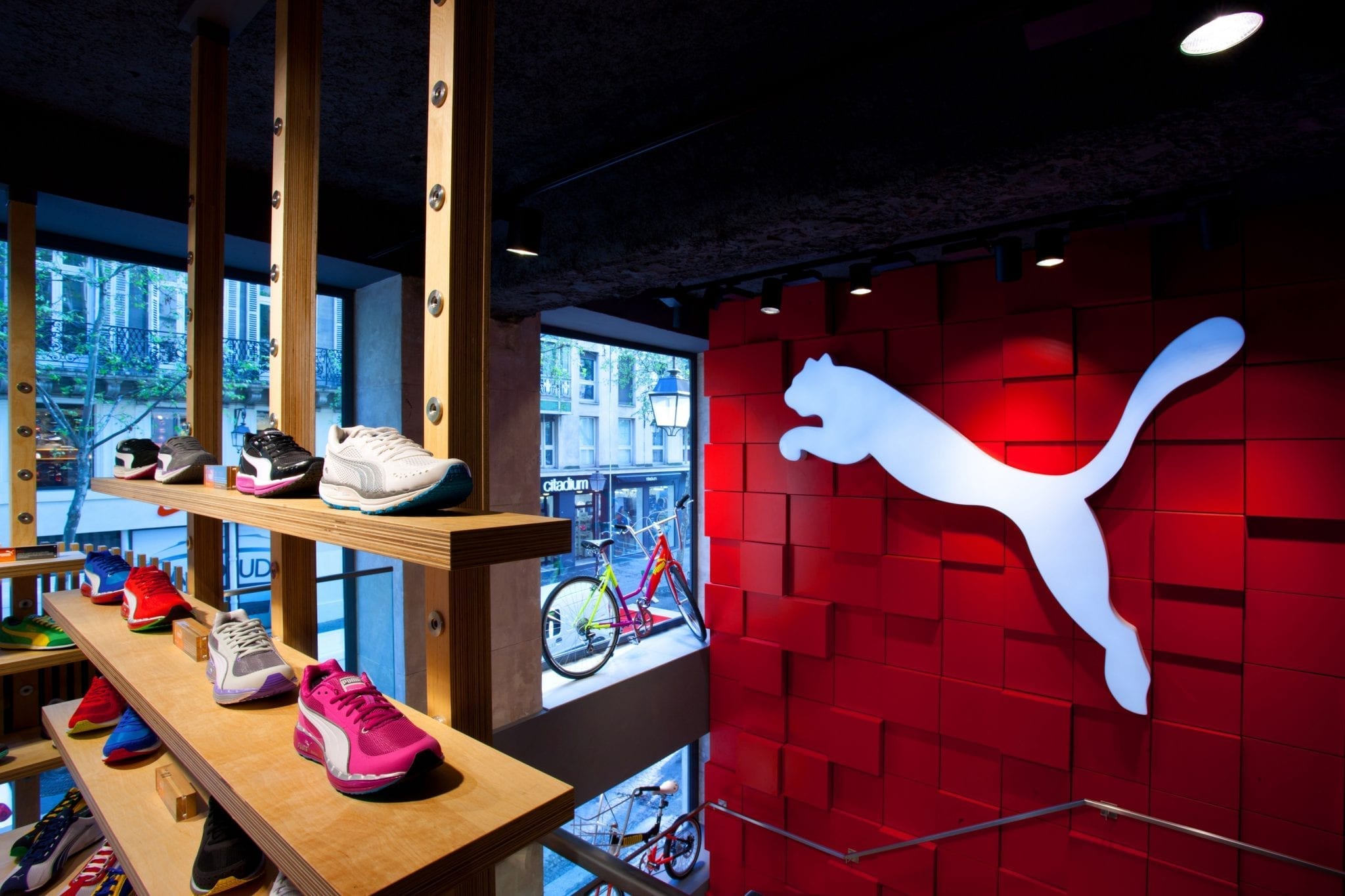
    Puma worldwide sales increased by 17 per cent on a constant currency basis in the first nine months of this year as the sportswear label achieved growth in every region. Asia and the Americas drove sales, with both markets achieving double-digit growth year-on-year.

    Sales for the period reached €3.422 billion, with gross profit margin by by 150 basis points to 48.8 per cent. Operating profit rose 40 per cent from €215 million to €300 million and net earnings from €134 million last year to €176 million.

    CEO Bjorn Gulden said Puma was still witnessing large shifts in product trends and consumer demand, “but feel we have reacted fast enough to continue our growth”.

    The company’s move to expand its own-operated store network is paying off, with sales up 22..5 per cent year to date, increasing the share of the company’s overall sales to 22.5 per cent. The company said additional stores, improving same-store sales and e-commerce all contributed to the increase.

  • Incheon to get on-arrival duty-free store in May

    Incheon to get on-arrival duty-free store in May

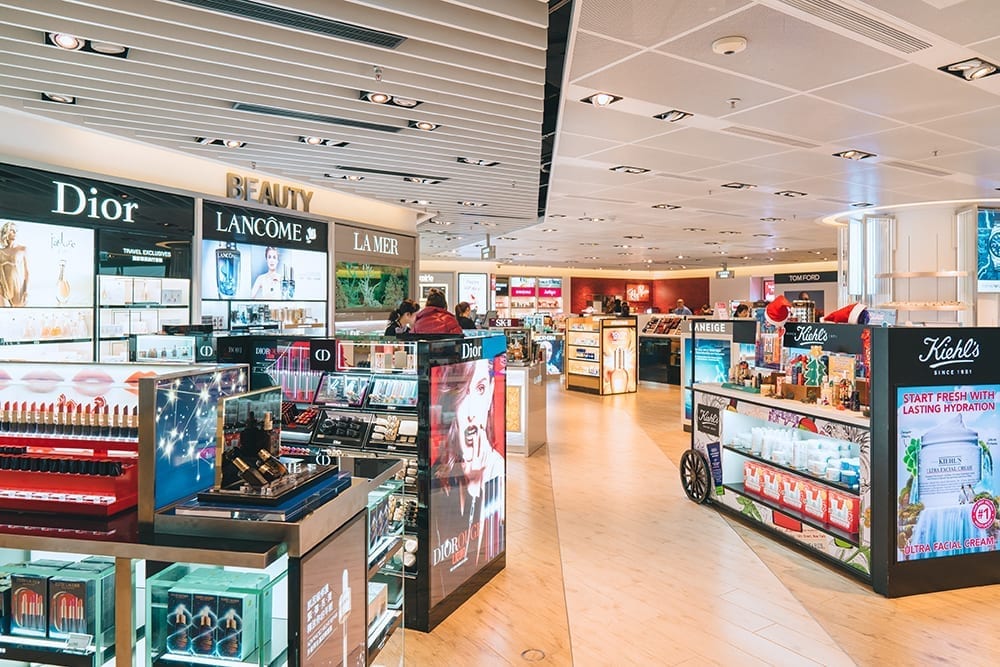
    The Incheon International Airport Corporation is planning to open Korea’s first on-arrival duty-free store in May next year. The airport operator announced on Sunday that it has commissioned a study to look into how it can optimize the duty-free service, which will be concluded by the end of the year.

    The study will focus on deciding the location and size of the shops in order to maximize customer experience by reducing congestion.

    Additionally, the research will consider the possibility of setting the rent for the duty-free shops based on revenue instead of unilaterally applying a fixed rate.

    In order to ease the burden on interior costs, Incheon airport will be responsible for basic interior constructions, while duty-free operators will only have to provide the finishing touches.

    This is because only SMEs will be allowed to bid for the slots.

    The Incheon airport said it will start taking bids for the duty-free shops in February and finalize candidates by April. It added that it will have a larger ratio of Korean companies controlling the arrival duty-free shops compared to departure stores. However, as the government earlier announced, the arrival duty-free shops will not sell cigarettes or products that are controlled by customs quarantine regulations such as fruit and meat products.

    The airport said it will work with the government to finalize plans to return some of the profits that it makes from renting the spaces to duty-free operators in March.

    Incheon airport Terminals 1 and 2 have units available for duty-free shops targeting customers arriving in Seoul. On the first floor of Terminal 1 there are two 190 square-meter (2,045 square feet) areas. On the first floor of Terminal 2 there is a 326 square-meter space. Currently these areas are not in use.

    The Ministry of Finance and Economy in late September announced plans to open the country’s first duty-free store available to returning travelers in May next year. The ministry was responding to an order from President Moon Jae-in to review the possibility of an on-arrival duty-free shop during a meeting he had with Blue House senior officials and secretaries in August.

    The purpose was to make travel less inconvenient for Korean tourists who were purchasing goods while departing Incheon and carrying them throughout their trip.

  • Gucci powers Kering third quarter sales

    Gucci powers Kering third quarter sales

    Kering sales growth significantly outpaced its rivals during the third quarter, up 27.6 per cent as reported and 27.5 per cent on a comparable basis, to €3.402 billion. In Kering-operated stores, Asia Pacific sales rose 33.3 per cent on a comparable basis, bettered only by North America’s 36.1 per cent increase. Growth in online sales exceeded 80 per cent and wholesale sales rose 27 per cent.

    “We are extraordinarily proud of the remarkable performances Kering delivers quarter after quarter,” said chairman and CEO Francois-Henri Pinault. “Our growth, whose pace is unprecedented in the luxury sector, is sound, well balanced and sustained across all regions and distribution channels.”

    Pinault said the company’s enduring success comes down to the talent of each of its brands in “creating strong emotional ties with its customers, conceiving a bold, generous creative universe, and reinventing its codes”.

    “Beyond short-term developments, we know that the secular growth of the luxury market, but particularly our solid fundamentals and the discipline with which we implement our strategy, will continue to support our operating and financial outperformance.”

    Gucci led Kering sales growth during the quarter, with sales up 35.1 percent and strong performance across all distribution channels, regions and product categories. Gucci Asia-Pacific sales soared 41.9 per cent.

    Yves Saint Laurent sales rose 16.1 per cent, driven by the strong performance of iconic lines and the success of new collections.

    While Bottega Veneta sales were down 8.4 per cent on a comparable basis, the label is in a transitional phase led by recently appointed creative director Daniel Lee (ex Celine). His first full collection will go on sale early next year.

    Kering’s other houses (labels) achieved a 32.3 per cent increase in sales, driven by  “exceptional momentum” at Balenciaga and ongoing growth at Alexander McQueen. New collections and extended iconic lines from Boucheron, Pomellato and Qeelin were “very well received”.

    The watches and jewellery categories delivered what the company described as “solid performances”.

  • Moncler sales boosted by China market

    Moncler sales boosted by China market

    Asia has proven to be the core driver of Moncler sales growth year to date. The edgy Italian fashion house which specialises in outdoor wear reported a 23 per cent increase in global sales this week in the nine months to September 30, measured in constant currency.

    But Asia and the ‘rest of world’ (which excludes Europe and the Americas) significantly outperformed the brand’s core markets, with sales up 39 per cent.

    And Chinese shoppers – who now account for about one-third of the world’s luxury goods market – are behind the trend, spending up at large in the brand’s new Hong Kong shops and on the mainland.

    “Chinese demand has been very strong in the third quarter, totally in line with the first half,” Moncler COO Luciano Santel said during an analyst conference call after the figures were released.

    Trading during the Golden Week holiday in early October was better than last year, signalling the growth trend will continue, said Moncler CEO Remo Ruffini: “The fourth quarter has just started, but we continued to see very positive signs in all our markets,” he said.

    Global sales topped €872.7 million euros for the nine months.