Tag: lifestyle

  • Swiggy India expands services in 16 new cities

    Swiggy India expands services in 16 new cities

    Food ordering and delivery platform Swiggy Thursday said it has expanded its presence in the country by launching services in sixteen new cities across India. The new cities include Thrissur, Tirupur, Warangal, Aurangabad, Agra, Mangalore, Manipal, Jalandhar, Trichy, Udaipur, Amritsar, Varanasi, Bhubaneshwar, Vellore, Thiruvananthapuram and Kota, Swiggy said in a statement.

    These cities join the 28 cities across India where Swiggy already has presence, it added.

    Commenting on the development, Vivek Sunder, COO, Swiggy said, “One of the reasons for the expansion across the country is because of the strong consumer demand that we have witnessed through thousands of Swiggy app downloads in cities where we were not even present.”

    In just four years, Swiggy has become a household name among Indian consumers by providing them the best food delivery experience in the country, he added. The growing consumer demand in tier 2 and tier 3 cities for quality food, convenience, and easy accessibility are one of the key reasons for the company to enter newer cities. Swiggy said.

    Founded in 2014, Swiggy currently has over 40,000 restaurant partners spread across 44 cities in the country.

  • Lacasa Hotel opens luxury style hotel in Gwangmyeong

    Lacasa Hotel opens luxury style hotel in Gwangmyeong

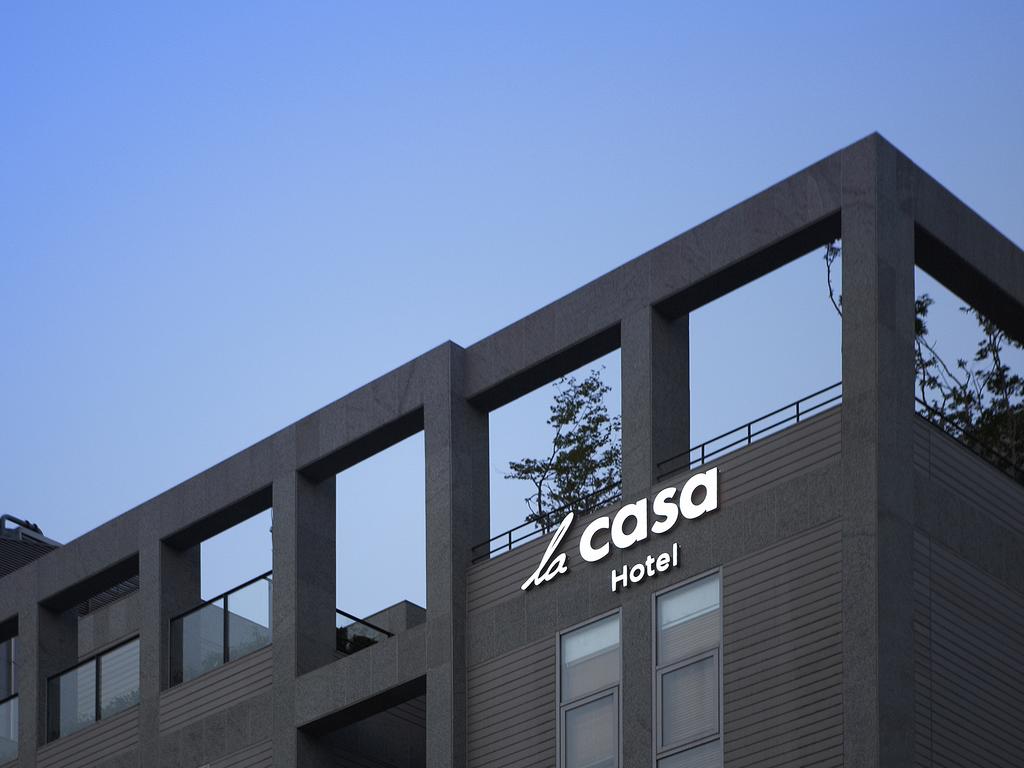
    The Lacasa Hotel Gwangmyeong opened its doors on Monday in Gwangmyeong, Gyeonggi. This is the second branch of the boutique hotel brand Lacasa which launched in Sinsa-dong, Gangnam District, southern Seoul in 2011.

    It is located inside the Lacasa Tower between the seventh and 16th floors, and has 191 rooms and three penthouses. The hotel offers a green view from its windows. On the seventh floor is an outdoor garden.

    “Our goal is to make Lacasa Hotel Gwangmyeong into a comprehensive space for rest, culture, shopping and business,” said Choi Yoon-kyung, the vice president of Lacasa Hotel.

    To celebrate the opening, Lacasa will hold a classical music concert for locals on Nov. 17 inside the new venue.

  • Forever 21 revamps Mall of India store with an international twist

    Forever 21 revamps Mall of India store with an international twist

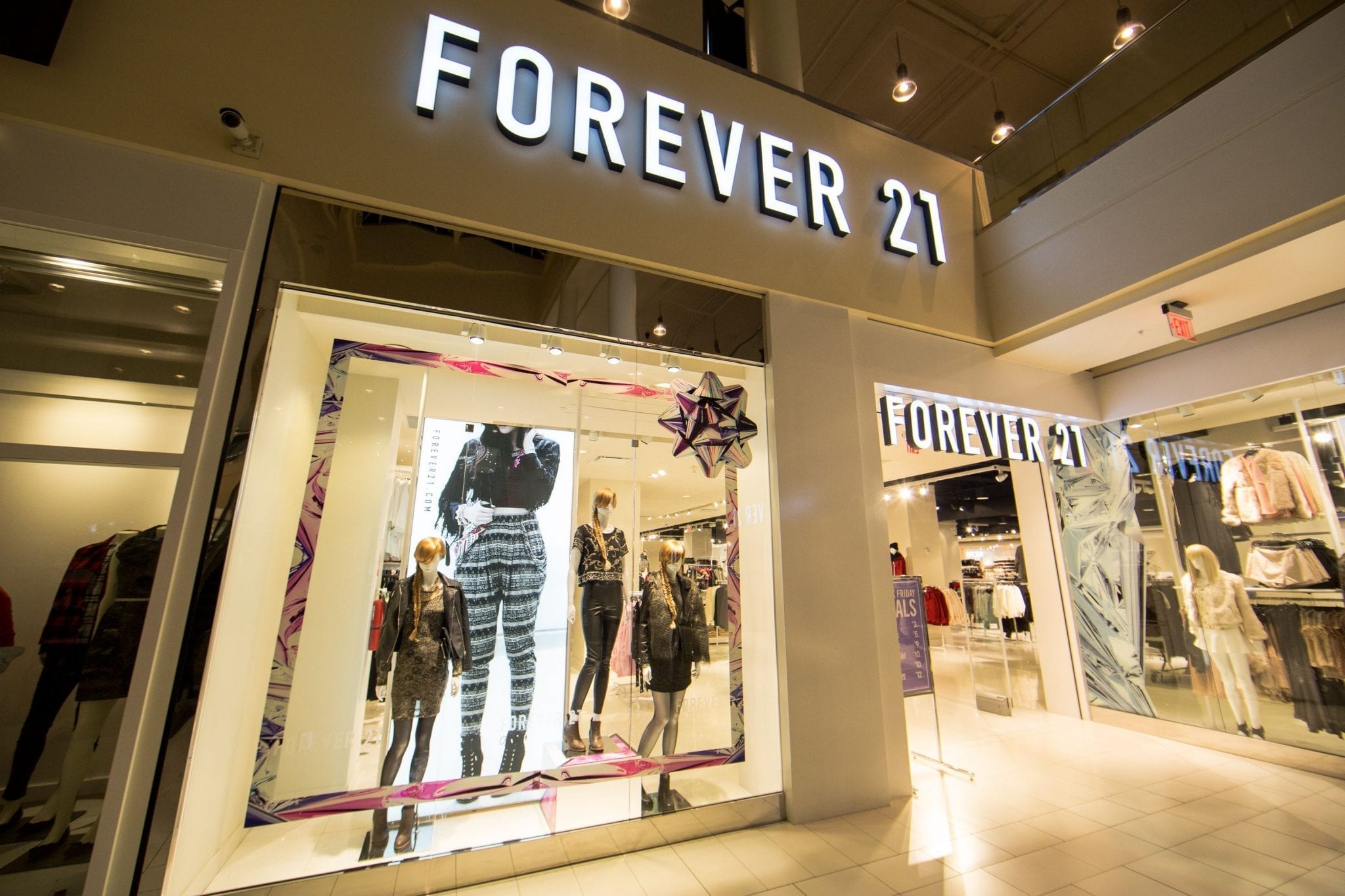
    Forever 21, the most loved international fast fashion destination from Los Angeles, California, and part of Aditya Birla Fashion and Retail Ltd. will be re-opening the store at Mall Of India on November 2, 2018. The refreshing new look gives the shoppers an unforgettable experience bringing classic, international designs with fresh and chic merchandise which effortlessly reflects the brand’s promise of an fulfilling shopping experience.

    The revamped store is best identified as ultra-modern, which houses fresh styles straight off the streets and fashion districts of LA.

    Customers can get their hands on the latest global, contemporary and chic designs loved by all under one roof. The new collection comprises of trendy party wear outfits, laid-back street wear styles, sophisticated contemporary outfits and edgy athleisure wear. They can step up their style quotient with a wide range of international footwear designs, which include – boots, slip-ons, sandals and much more.

  • DKSH adds 3 brands in path to double Thai luxury

    DKSH adds 3 brands in path to double Thai luxury

    Market expansion service provider DKSH Thailand has announced plans to double the scale of its Thai luxury and lifestyle business within two years. The firm has picked up three international brands this year, with another Italian lifestyle brand to be added to its portfolio next year.

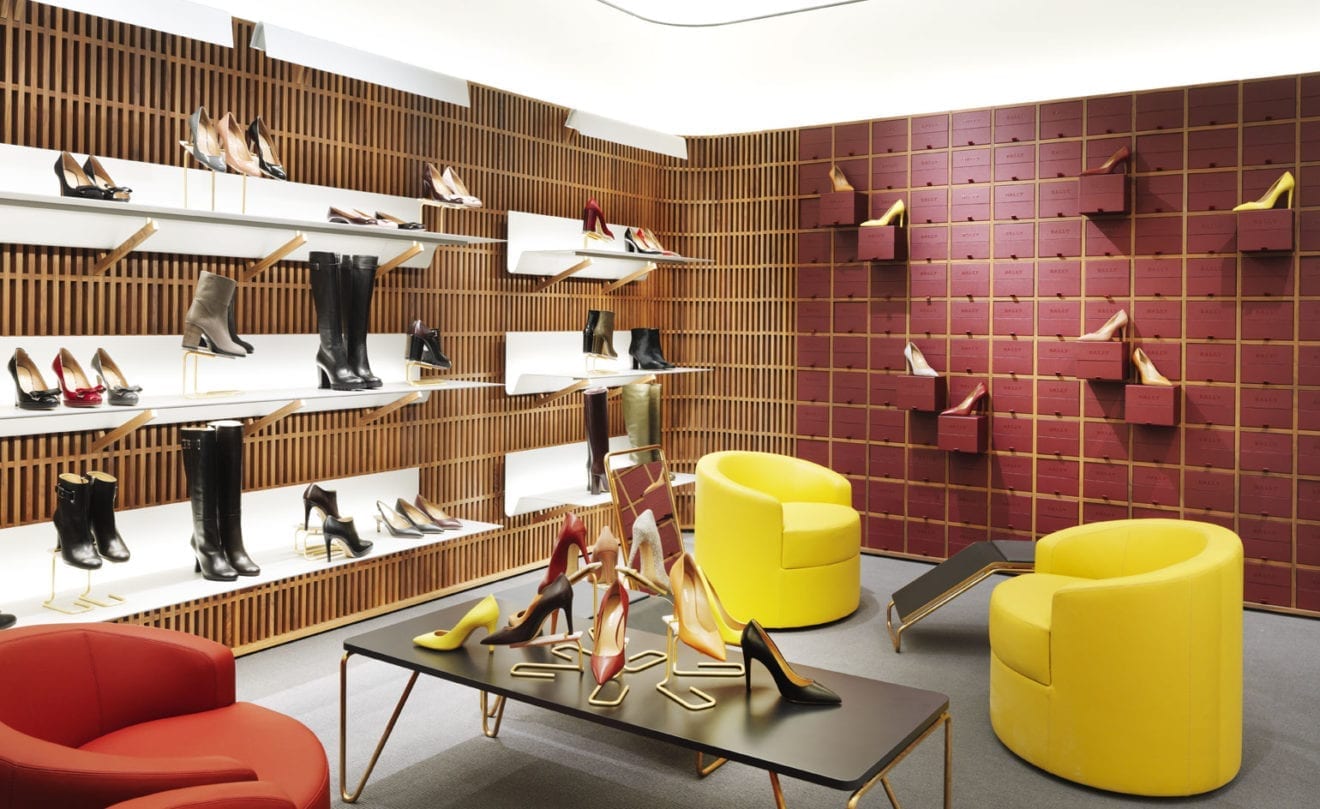
    Included in the expansion is a THB30 million (US$913,800) investment in a new 200sqm flagship Bally store in Thailand, opening at Iconsiam on Friday (November 9).

    DKSH regional VP of luxury and lifestyle business Franck Giacobini said luxury and lifestyle is picking up again and sales are strong.

    “DKSH’s luxury and lifestyle business in Thailand will strengthen in the next few years because the country has a young population with high spending power.”

    He added that DKSH will allocate a huge investment to the Thai market, considering the country’s high-end retail complexes and strong tourism.

    President of DKSH Thailand Douglas Humphrey added: “DKSH has been in Thailand for over a century. Our consumer product business in Thailand is the biggest market for the DKSH network globally. We will continue to invest here in terms of people, capability and supply chain in the coming years.”

  • Vogue Magazine makes debut in Hong Kong

    Vogue Magazine makes debut in Hong Kong

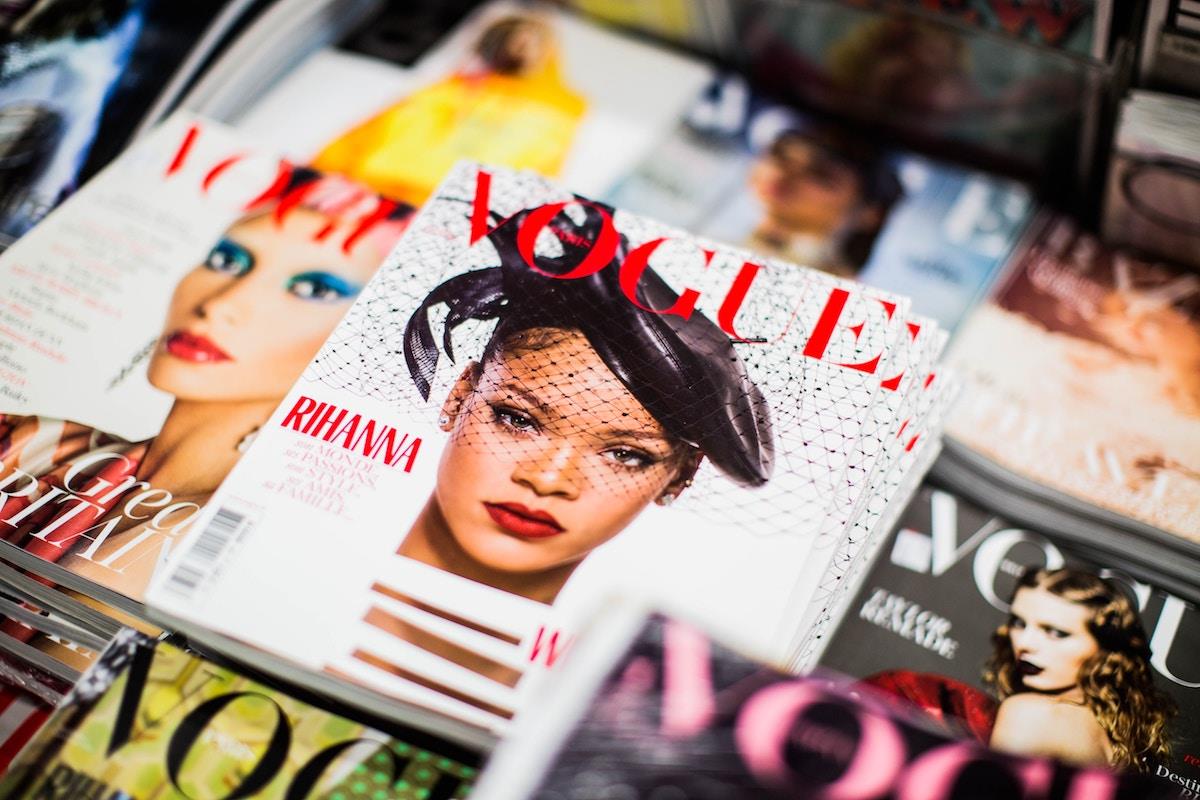
    International lifestyle magazine publisher Condé Nast has confirmed it’s entry into the Hong Kong market. It will launch a local edition of fashion bible Vogue, which is set to debut in spring 2019. Vogue Hong Kong will be the 26th edition of the glossy publication and will be published under a licensing agreement with Rubicon Media.

    Desiree Au has been appointed publisher of Vogue Hong Kong, whose fashion and lifestyle content will be distributed in print, online and on social media.

    The print edition of the magazine will be published in traditional Chinese, while its website will be bilingual (Chinese and English).

    This is not Condé Nast International’s first foray into Southeast Asia.

    In 2013 the company launched Vogue Thailand in partnership with Serendipity Media and, unbeknown to many, also started a Singapore edition of Vogue in 1994 before shutting down the title in January 1997.

    Hong Kong is a relatively mature market, especially when it comes to women’s fashion publishing.

    Just this year, Harper’s Bazaar Hong Kong celebrated its 30th anniversary (Elle Hong Kong reached that milestone in 2017 and Cosmopolitan Hong Kong in 2014), while Marie Claire has been around since 1990.

    This makes Vogue a latecomer to the city’s fashion and lifestyle publishing industry, but Markus Grindel, managing director of brand licensing at Condé Nast International in London, says that Hong Kong is big enough to sustain its own edition of Vogue, not only because of the size of its advertising and luxury business but most importantly because it has a highly educated demographic interested in reading a magazine such as Vogue.

    “Hong Kong has a very rich culture, and with Art Basel and a long history in fashion, it combines to create a very sophisticated reader,” he says. “That for us is the measurement that says that a market is ready for us.”

    In the past three years, Condé Nast International has entered emerging markets such as the Middle East, where it launched Vogue Arabia in 2016, and Eastern Europe, where it debuted Vogue Poland and Vogue Czech Republic and Slovakia earlier this year, all under licence.

    While Condé Nast International is ramping up its expansion plans around the world, Condé Nast in the United States has been grappling with significant challenges in recent years, shuttering print titles such as Gourmet in 2009 and, early this year, Teen Vogue (Teen Vogue still exists online); making repeated rounds of lay-offs; putting magazines such as W and Brides up for sale; and reducing the frequency of key publications such as GQ, Architectural Digest and Condé Nast Traveler. The latter will merge next year with Condé Nast Traveller, the UK version.

    This last development is the beginning of a global consolidation plan for the company, which until now has operated as two separate entities, one based in New York and the other in London, operating all the international titles.

    Grindel says that there’s bound to be some sharing of content between Vogue Hong Kong and its sister editions around the world, such as Vogue China, but he also emphasises the individual nature of each edition of Vogue.

    As for whether Condé Nast will expand further in the region – Singapore is said to be in the publisher’s sights – Grindel says the company likes to take a wait-and-see approach to new launches, especially when it comes to Vogue, its flagship title.

    Neither Condé Nast nor Au was able to elaborate on editorial appointments, which suggests that key positions have yet to be filled. While Au is said to have approached candidates from international publications in countries such as China, one name that has been bandied about for the coveted role of editor in chief is that of veteran journalist Peter Wong, formerly of Hong Kong Economic Journal and most recently the founder and editor of Magazine P.

    Meanwhile, Condé Nast has been acting to stay up to date with the growing roel taken by social media influencers.

    Condé Nast Italia has debuted the Social Talent Agency, a new agency focused on developing influencers.

    To start, the agency has enlisted 27 Italian and international influencers who span fashion, modeling, beauty, sport, travel and automotive.

    Some members previously participated in the Condé Nast Social Academy, a partnership between L’Oreal Italia’s luxury division and supported by Milan’s SDA Bocconi School of Management.

    Riccardo Pozzoli, serial entrepreneur and co-founder of TheBlondeSalad, is a Condé Nast Social Academy coach and will serve as the creative director of the newly formed agency.

  • Holiday boosts South Korean retail sales

    Holiday boosts South Korean retail sales

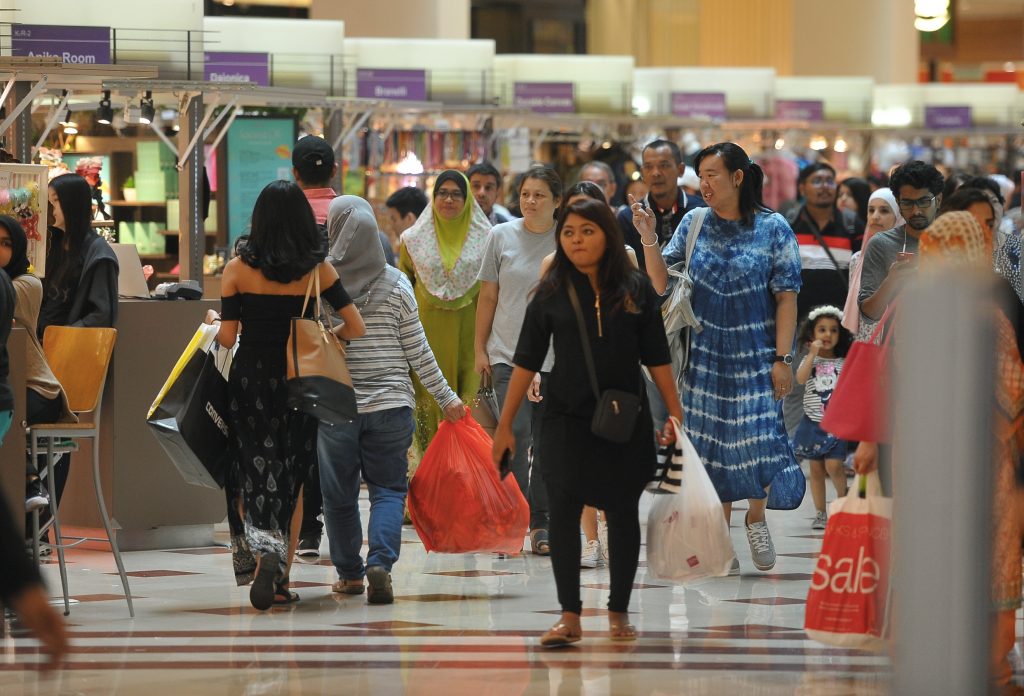
    A government report has shown a rise in South Korean retail sales of food during the Chuseok holiday. The holiday, likened to the Korean version of Thanksgiving, is thought to have sparked a 6.9 per cent spike in combined revenue for major online and offline retailers during September, compared with last year’s figures for the same period.

    Total online sales grew 8.6 per cent, with 6 per cent growth in offline sales during the holiday period.

    Ahead of the holiday, discount chain food sales increased by 8.1 per cent; department store food sales rose 4.7 per cent, and convenience stores saw 5.1 per cent increases in demand for imported beers and lunch boxes.

  • Insufficient measures to boost retail spending : RGM

    Insufficient measures to boost retail spending : RGM

    The latest budget announcement is not expected to stimulate consumer spending in the near term, as there is insufficient economic policies aimed at increasing retail spending, opined retail consulting firm Retail Group Malaysia.

    Managing director Tan Hai Hsin said that Budget 2019 is focusing more on managing government deficit and social programmes for the B40 group.

    “We hope the economic activities will improve significantly in the immediate future. Higher economic activities will lead to higher take-home pays (and higher retail spending subsequently),” Tan said.

    Prior to the Budget announcement, he said Malaysian consumers were told that they should not expect monetary incentives from the government in 2019. Malaysians were also informed that more taxes could be expected next year.

    “Based on the latest announcement, it should improve consumer confidence. At least in the next six months,” said Tan.

    For next year, the government continues to distribute one-off monetary incentives to Malaysians (including civil servants) to reduce their financial burden. About 4.1 million households are expected to benefit from it.

    Increment of minimum wage by RM50.00 will also lessen the financial burden of B40 group.

    “On the other hand, higher minimum wage will lead to higher cost of goods for retailers. It will lead to higher retail prices eventually.”

    He said the soda tax will not have major impact on retail spending, while noting that it is still early to comment on the impact of RON95 until more announcements have been made.

    “Same as previous budgets for many years, there were no direct incentive and new government policies related to retail industry.”

    Sunway Malls & Theme Parks Chan Hoi Choy said the 2019 Budget balances fiscal discipline while emphasising development in the right sectors.

    “Initiatives announced particularly with the emphasis on B40 group is lauded while efforts to grow Industry 4.0 especially knowledge transfer, artificial intelligence development, matching grants will drive higher productivity and cost rationalisation in mall & retail industries.”

    Similarly, it is encouraged by the government’s focus in housing, public transportation and education initiatives to form the bedrock for Malaysia’s economy into the future. The drive for greener adoption and women representation also signifies a greater sustainable and inclusive approach.

    “We take note of the significance of Malaysia’s economy projected GDP growth rate of 4.8% for 2018 and 4.9% for 2019, against IMF’s projected slowdown of global growth of 3.7% in 2019. This underscores the relative resilience of the Malaysian economy in face of global headwinds and protracted trade war. In the light of this and the current country’s fiscal position, the overall Budget 2019 is targeted while exercising prudence,” said Chan.

  • Alibaba’s second-quarter revenue jumps high

    Alibaba’s second-quarter revenue jumps high

    Alibaba’s second-quarter revenue grew 54 per cent year on year, reaching RMB 85.1 billion ($US12.3 billion). Net income attributable to shareholders was RMB 20 billion ($2.9 billion), a 13 per cent year-on-year increase. “Alibaba had another strong quarter of rapid growth,” said Alibaba Group CEO Daniel Zhang.

    “Annual active customers increased by 25 million to reach 601 million in the year ended September 30.”

    “Annual active customers increased by 25 million to reach 601 million in the year ended September 30.”

    Alibaba’s cloud-computing arm saw 90 per cent year-on-year growth to RMB 5.6 billion, launching more than 600 products and features during the quarter ranging from big data analytics, AI application innovation, security and internet-of-things enhancements.

    The business’s online Tmall operations saw a 30 per cent increase in gross merchandise value, driven by improved conversion rates and increased traffic in the fast-moving consumer goods, home furnishings and apparel categories.

    Alibaba’s New Retail strategy has continued to pay off across its Hema supermarkets network, with stores that have been in operation for at least 1.5 years seeing online sales account for 60 per cent of turnover for the September quarter. By the end of the quarter, 77 Hema stores had been opened in China.

    The group has dropped its forecast revenue guidance for the full year by 4 to 6 per cent to between RMB 375 billion and RMB 383 billion. As it stands, the group expects revenue to grow by 54 to 56 per cent.

  • Vietjet Air targets young aircraft fleet to keep costs low

    Vietjet Air targets young aircraft fleet to keep costs low

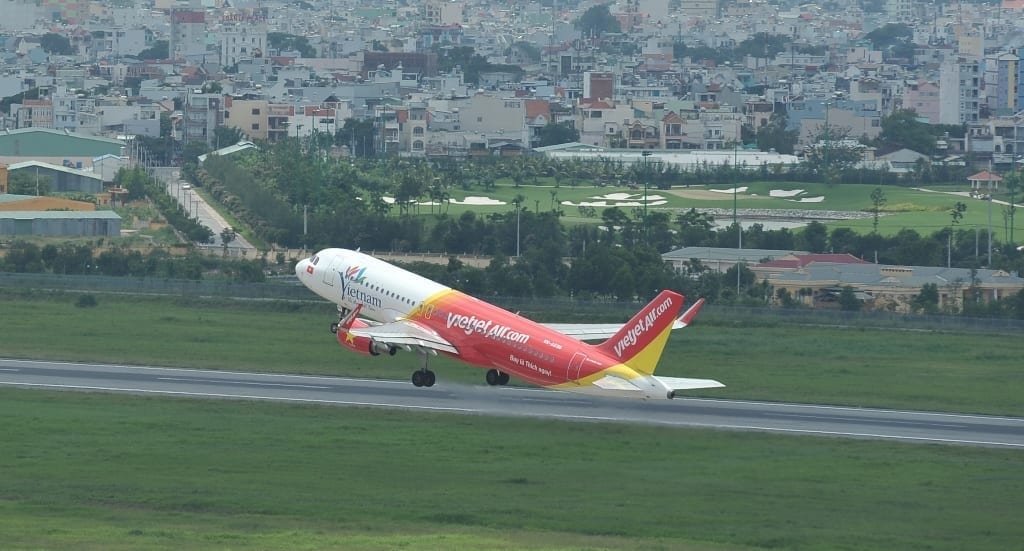
    Budget carrier Vietjet Air plans a fleet age average of three years to keep fuel and maintenance costs low. Vietjet Air is in negotiations to firm up the deal after ordering 100 Boeing 737 MAX aircraft and 50 Airbus A321neo aircraft at the Farnborough International Airshow in the U.K. in July.

    The planes are expected to be delivered between 2020 and 2025, Vietjet CEO Nguyen Thi Phuong Thao said recently.

    But some analysts have questioned whether Vietjet is equipping itself with way too much aircraft, given that it already owns 62 Airbus narrow body jets.

    The carrier, which leads the domestic market with a 45 percent share, expects to receive 30 new aircraft and “retire” 10 each year between 2020 and 2025 to keep its fleet young, Thao said.

    “The average age of Vietjet aircraft is three years now and we want to keep it that way,” she said on the sidelines of a CEO conference in Bangkok.

    The average age of Vietjet’s planes is half that of other low-cost and fast-growing carriers in Asia like Malaysia’s AirAsia, Indonesia’s Lion Air and India’s IndiGo, according to Airfleets.net.

    “The main reason for the young fleet is to keep the maintenance and fuel costs low and to ensure a good service for passengers on fresh, convenient planes,” said Thao.

    Deliveries of those planes are expected to happen from now until early next year.Last month, Vietjet inked a deal to buy 10 Airbus aircraft worth $1.24 billion from Japanese and French companies.

    Thai Vietjet, which operates under a franchise contract in Thailand, is flying with seven jets and expected to add ten more jets each year, the carrier had said this month.

    Vietjet runs 385 flights daily within Vietnam and to Japan, Hong Kong, South Korea, Taiwan, Singapore, mainland China, Thailand, Myanmar and Malaysia.

  • Korea’s Cafe24 launched in Japan

    Korea’s Cafe24 launched in Japan

    South Korean e-commerce platform Cafe24 has launched in Japan. The new Japanese service offers local businesses solutions to use online stores, payment gateways, logistics networks and marketing tools to reach global customers. Japanese businesses are able to use the service to build multilingual online stores and offer international and Japanese payment gateway services.

    The Japanese e-commerce market is currently the world’s fourth largest, growing in value at more than ¥1 trillion per year.

    Cafe24’s CEO Lee Jae-suk said: “Our expansion into Japan’s e-commerce market marks an important milestone and adds momentum to our growth as a global company … We will continue to rigorously sophisticate the Japanese platform in accordance with local situations to successfully set roots in Japan’s e-commerce market.”

    Cafe24 has indicated plans to expand into English-speaking countries and Southeast Asia, following Japan.

  • Karl Lagerfeld x Mood by Christofle

    Karl Lagerfeld x Mood by Christofle

    Karl Lagerfeld has collaborated with Christofle, the luxury Parisian silversmith, on an exclusive edition of the “MOOD” flatware set and decorative case. Taking inspiration from the Art Deco movement, Karl — himself a long-time connoisseur of Christofle — designed a striking, symmetrical pattern of graphic lines to appear on the elliptical egg shape.

    There are two versions that have been created: one in polished silver and one in black, lacquered stainless steel. The sleek MOOD opens to reveal a 24-piece silver-plated cutlery set.

    Each piece is stamped with a subtle linear print, the Christofle hallmark and the iconic Karl Lagerfeld silhouette logo.

    The Mood is Christofle’s most renowned design that reimages the classic codes of table setting; it reflects the brand’s vision for relaxed but refined entertaining.

    The partnership with Karl Lagerfeld marks the first time in Christofle’s 188-year history that it has worked with a fashion brand.

  • Parkson Retail Asia continues drowning

    Parkson Retail Asia continues drowning

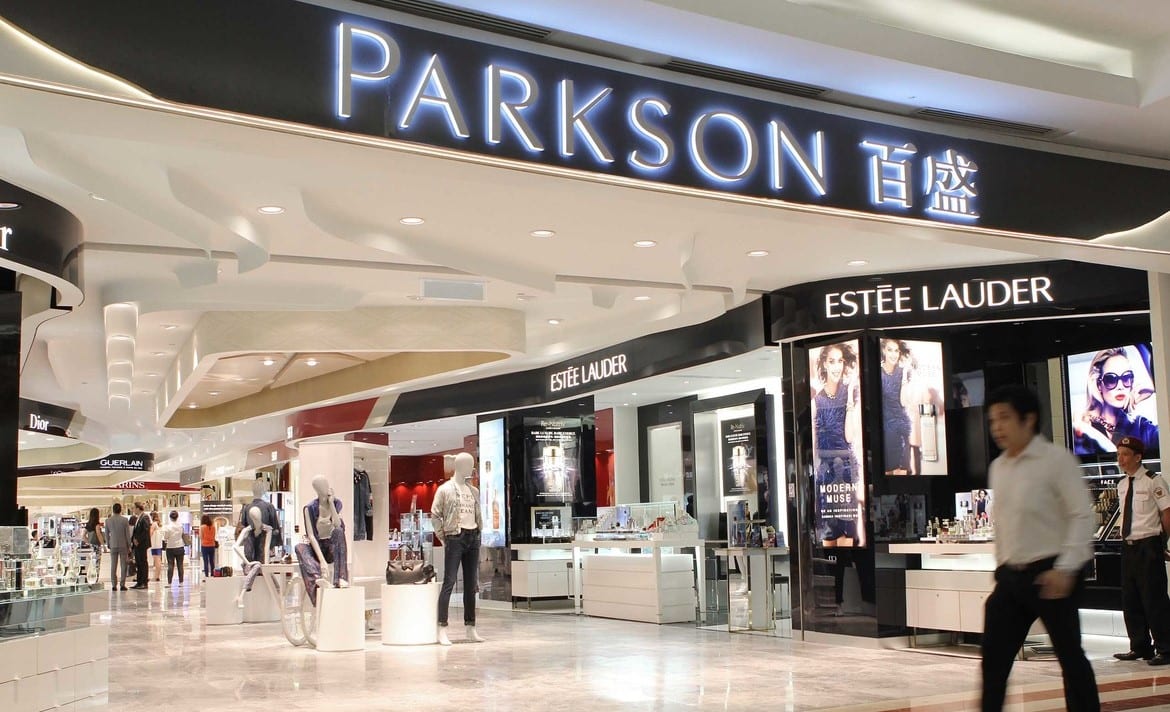
    Struggling department store operator Parkson Retail Asia has hinted it may close further stores as it posted yet another loss. For the first quarter of the new trading year, the Singapore headquartered company lost S$11.1 million, a slight improvement on the $12.9 million of a year ago.

    Last full trading year, the company lost $40.1 million for the full year.

    In a statement, the company said it would will continue to prioritise on enhancing product offerings “as well as on optimising both our operational efficiency and network of stores,” suggesting further exits, most likely in Vietnam where it has just five stores remaining from a peak of 10 and continues to lose money.

    Parkson credited the reduced loss on an improved performance of the Malaysian and Indonesian store networks, together with the effect of the closure of seven loss-making stores last financial year.

    Group sales rose 1.7 per cent to $92.6 million.

    On Friday the company announced the immediate resignation of its CFO Chia Cang Yang, with immediate effect. CEO Michael Remsen will oversee financial matters until a replacement is recruited.

  • Versus to merge into Versace Jeans line

    Versus to merge into Versace Jeans line

    It has only been a month since Versace announced it was to be sold to Michael Kors’ parent company Capri Holdings for a reported sum of 2.12 billion dollars. As an early indicator of change, and perhaps cost-saving measures under its new structuring, Versace is to integrate its Versus line into Versace Jeans.

    Versace Chief Executive Jonathan Akeroyd said “During the last few months we have studied how to simplify our business model with a view to focusing on the portfolio of our brands, continuing to ensure innovation and relevance in everything we do. We decided to integrate our two contemporary collections into one, merging Versus and Versace Jeans. This operation will allow us to further develop Versace Jeans’ proposals and, at the same time, not to lose the DNA and the codes that have made this iconic Versus “.

    The collection was notably absent from the catwalk and fashion week after it decamped to London to show its autumn winter 2018 collection.

    The Versace Jeans label is currently under license to Swinger International, also the licensing partner to brands including Genny and Cavalli Class.

    The unexpected move by Versace is indicative of the transformations and shakeups happening in luxury brand’s diffusion ranges.

    Earlier this week Blufin announced the launch of the new Be Blumarine label that will replace Blugirl; Missoni recently reported Margherita Missoni as the new creative director of its M Missoni diffusion line; Marc Jacobs famously shuttered his Marc by Marc Jacobs stores, integrating the label under a single brand umbrella.

    Donatella Versace will reportedly continue to lead the creative vision for the Versace brand.

    At the time of the acquisition it was reported she would become a shareholder of Capri Holdings, along with her brother and daughter.

  • Marriott International Wins AON Best Employer in APAC

    Marriott International Wins AON Best Employer in APAC

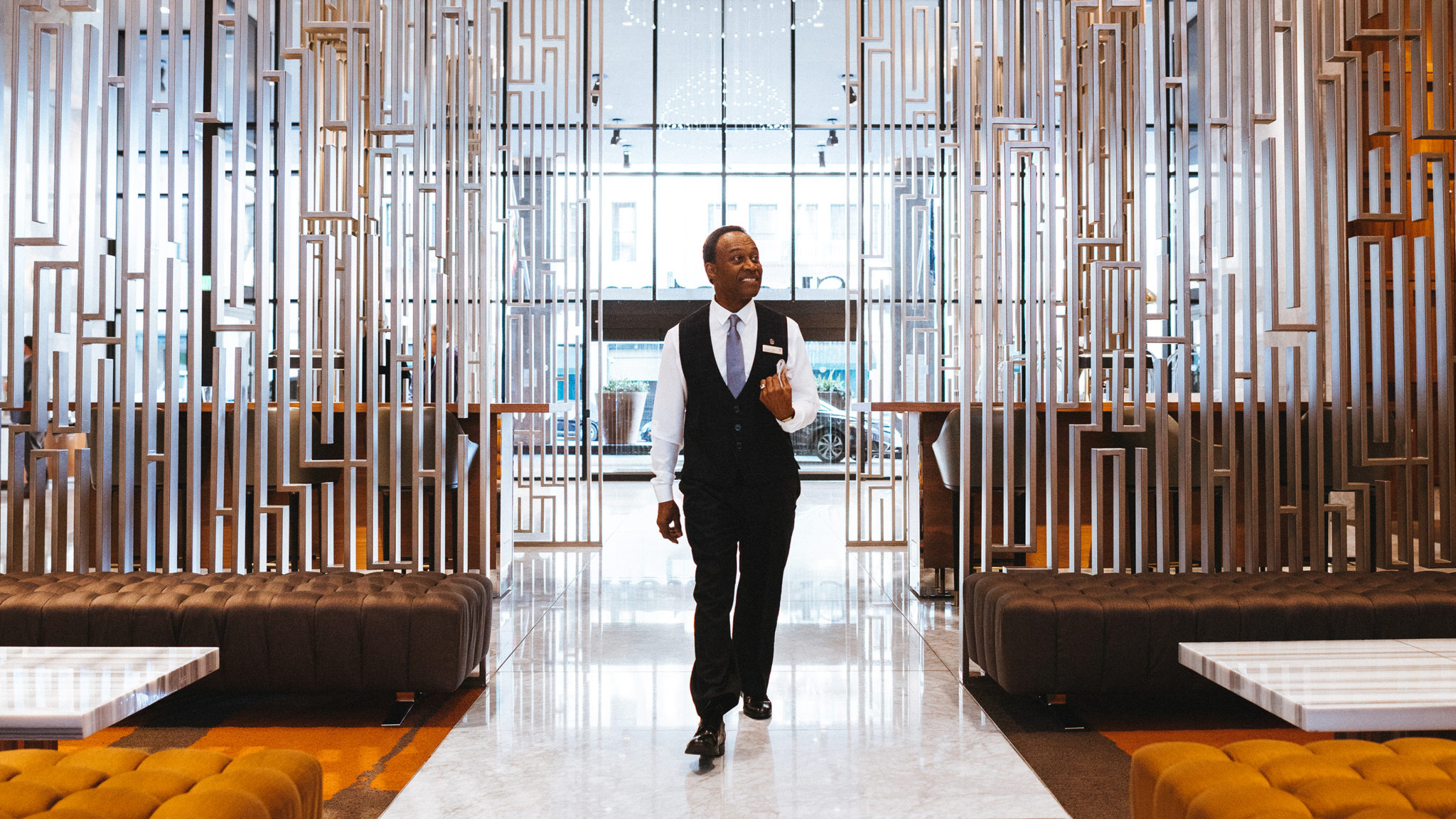
    Marriott International has once again been crowned Best Employer Asia Pacific by Aon plc (NYSE: AON). The company was also recognized as Aon Best Employer in 17 markets across APAC – an increase in four markets from last year. The accolades are testament to Marriott International’s commitment to its people and its active encouragement for them to be their best in both their professional and personal lives.

    Craig S. Smith, Marriott International’s President and Managing Director for Asia Pacific, said, “At Marriott International we put people first and take care of our associates so that they, in turn, take care of our guests. We are thrilled that this commitment to our people, which has been embedded in the company’s DNA from the outset, has been recognized yet again by Aon. We focus on training, developing and retaining our associates, creating a loyal and passionate workforce that is committed to offering the best service and experiences to our guests.”

    With over 680 properties across 23 brands in more than 20 markets and a further 530 plus properties in the pipeline, Asia Pacific is Marriott International’s second fastest-growing region. The organization’s approach to developing talent is central to this growth as increased opportunities in the company enable associates to progress their careers from within, retaining not only talent but also the legacy of service values and commitment to excellence throughout the entire operation.

    “We implement a systematic and purposeful approach to enable associates to realize their full potential through a structured human capital planning process,” said Regan Taikitsadaporn, Chief Human Resources Officer for Asia Pacific at Marriott International. “We see it as important to nurture and groom our talent with comprehensive training and leadership development programs to enable career growth and facilitate internal promotions that will empower the growth of our company. These initiatives help us attract best-in-class talent as well as create a positive and nurturing environment for all associates.”

    Marriott International also offers professional development programs for associates at every stage of their career, from the Global Voyage Leadership Development Program for recent university graduates to the Marriott Development Academy, which helps prepare aspiring and new managers for the leadership role of general managers. As part of its commitment to diversity and inclusion, Marriott also focuses on promoting and developing women leaders. In 2018 alone, the Asia Pacific region saw a 12 percent increase in the number of women general managers across Asia Pacific.

    Marriott International is the only company to receive global recognition consecutively since Aon began the program in 2014 – a testament to the group’s commitment to putting its people at the core of its business. In 2018, Marriott also achieved certification as Best Employer globally.

    With more than 15 years of experience in best employer studies across the world, backed by more than 20 years of experience in employee research, the Aon Best Employer program recognizes the achievements of organizations that demonstrate excellence in the workplace.

    The company’s research proves that Aon Best Employers drive a committed workforce and performance through a compelling employer brand, effective leadership, and a high performance culture and level of employee engagement.

    • Engagement: Employees speak positively about their employer, intend to stay, and are motivated to exert extra effort at work.
    • Leadership: Leaders treat employees as valued assets, engage employees in the vision, and lead the organization to success.
    • Performance Culture: Employees are aligned to organizational goals and are rewarded and recognized for their contribution.
    • Employer Brand: Employees are proud of being part of their organization and can clearly explain what makes their employer different from others.
  • Hyundai Motor sells more than 200,000 Genesis units

    Hyundai Motor sells more than 200,000 Genesis units

    Sales of Hyundai Motor’s premium Genesis marquee surpassed 200,000 units three years after its official launch, industry data showed Sunday. According to the data, total sales of Genesis vehicles reached 206,882 as of the end of October, touching the 200,000 mark for the first time since November 2015, when Hyundai Motor launched the sub-luxury brand.

    With global sales of 555 units of Genesis cars in the first year, 58,916 units were sold in the following year and 78,889 units in 2017.

    For the first 10 months of 2018, Hyundai saw sales of the brand rise 6.1 percent on year to 68,522 units.

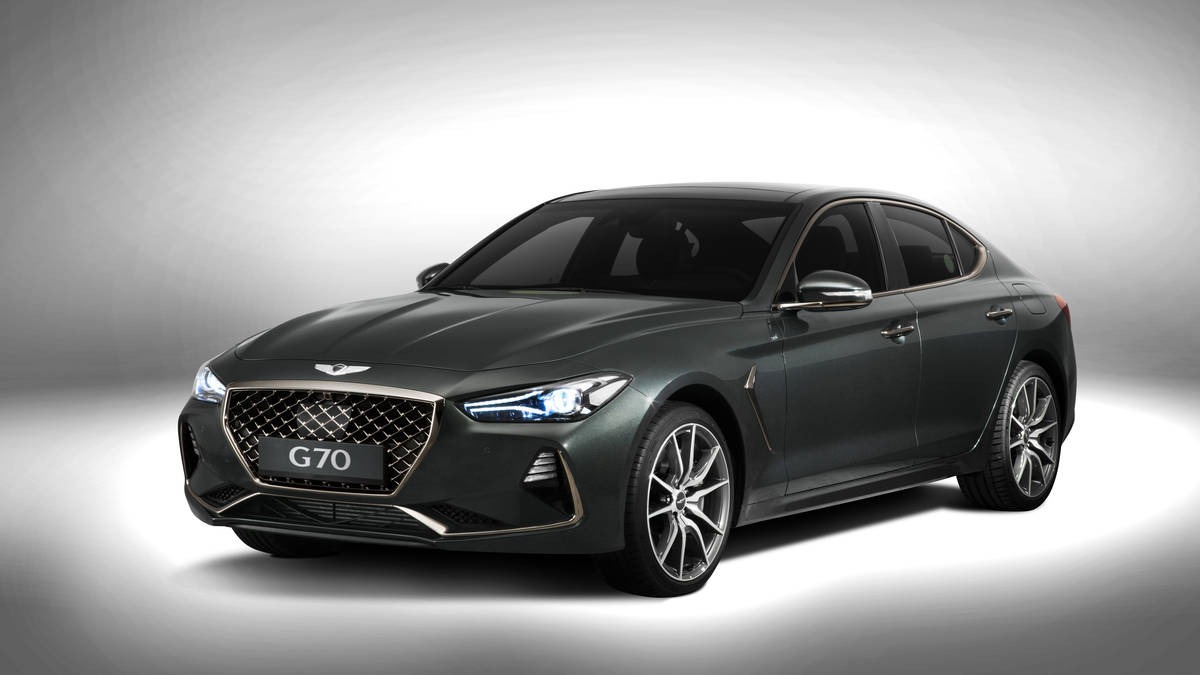
    The executive G80 model was the most popular in the Genesis lineup, with a cumulative 127,283 units sold worldwide, followed by the flagship G90 with 52,417 units sold and the G70 sports sedan with 27,182 units.

    Hyundai Motor said it will strengthen the Genesis lineup by upgrading popular models.