Tag: lifestyle

  • What is Singles’ Day like in the Philippines?

    What is Singles’ Day like in the Philippines?

    It all started with a few students from Nanjing University who decided to break away from the monotony of being single for one day. They chose 11.11 because of the solitary implications of the number 1 which symbolize being single. However, this simple celebration turned into one of the largest shopping days in the world.

    It turns out that this event gained great interest also in Southeast Asia.

    According to Google, in Philippines the popularity of Singles’ Day has increased more than four times in the last five years.

    Who’s taking part in Singles’ Day? What are the behaviours of consumers on that day? 

    Shopping therapy for the young and lonely

    Who shops on Singles' Day

    So, who exactly takes part in Singles’ Day?

    57% are actually women.

    In accordance with the event’s name, three out of four consumers are single.

    Of course, not only singles went on a shopping spree.

    An increase in interest, although not as significant as among singles, can also be noted in the group of people in relationships.

    The interest in Singles’ Day is especially apparent among young Filipinos.

    Compared to a regular day, the number of transactions on Singles’ Day among people aged 18-24 grew by 1022%.

    However, getting great discounts is not restricted to younger people as there is a noticeable interest in this shopping festival among all age groups.

    The day for singles to indulge themselves
    What and how Filipinos buy on 11.11

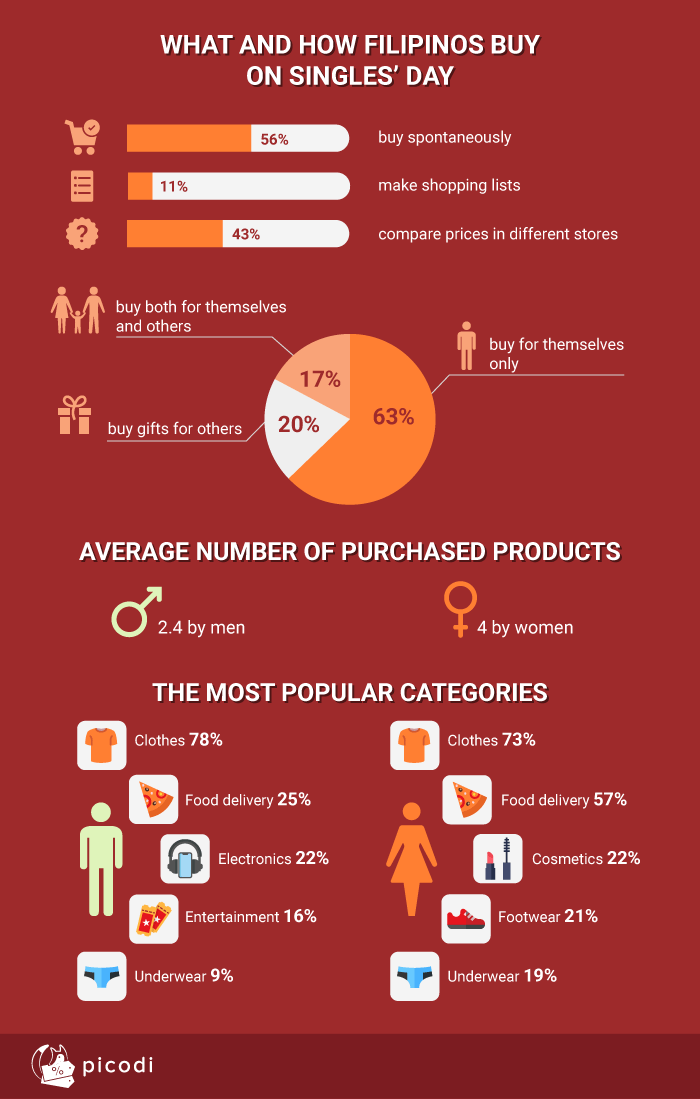
    More than half of Filipinos do not prepare for the Singles’ Day shopping craze but buy impulsively on that day.

    43% compare the prices in different stores while 11% make lists before shopping.

    It looks like most people treat 11.11 as an occasion to meet their desires rather than an opportunity to execute a well-thought-out shopping plan.

    On top of that, more than 60% of consumers buy things just for themselves and only one-third buy gifts for other people on that day.

    An average man buys less than an average woman—2.4 and 4 products respectively.

    The most desirable items among men are clothes, delivery food and electronics. Similarly, women buy mostly clothes, delivery food and cosmetics.

    Shopping fever in the middle of the day

    Shopping behaviours on Singles' Day

    It’s not surprising that Filipinos buy more than usual on Singles’ Day.

    The number of online transactions increased significantly with 970% more purchases compared to a regular day.

    On average, a Filipino is willing to spend 3050 PHP on a Singles’ Day shopping spree and sales reached a peak right in the middle of the day, at 1 PM.

    Mobile users far behind

    Singles' Day: Devices types and brands

    70% of consumers use desktops when doing their shopping on Singles’ Day.

    Only 26% of Filipinos make their purchases on mobile phones.

    Most of the transactions are made on Apple devices, followed by Samsung, OPPO, Asus and Huawei appliances.
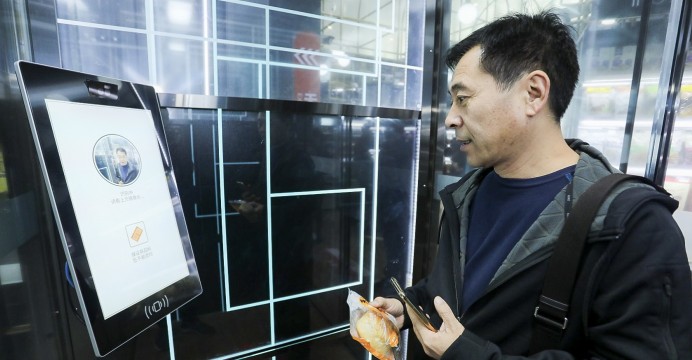

  • Lenovo opened an unmanned store in Beijing

    Lenovo opened an unmanned store in Beijing

    Lenovo China has launched an automated store in Beijing based on facial recognition technology. The Lenovo Go store also features a mobile payment system. A blog post put out by the Taiwanese tech giant reads: “Shopping at the store is quite simple. You walk up to the door, cameras recognise your face, you browse the aisles, pick out what you want as usual, then – and here’s the magic – you just walk out, and your account is automatically settled via your mobile payment.”

    Lenovo’s head of research and technology Daryl Cromer said: “We can now understand some of the technologies and challenges our customers face, allowing us to make better devices and tailored solutions.

    The store becomes a powerful pilot program for technologies that move beyond the Lenovo campus.”

    Lenovo plans to use data gathered at the store to power future technologies, such as an espresso machine that can brew coffee to individual preferences based on facial recognition.

  • Swarovski creates Victoria’s Secret Fantasy Bra

    Swarovski creates Victoria’s Secret Fantasy Bra

    Atelier Swarovski has partnered with Victoria’s Secret to craft this year’s 2018 Dream Angels Fantasy Bra. The bra, which will be modelled by Victoria’s Secret Angel Elsa Hosk at the 2018 Victoria’s Secret Fashion Show in New York, is crafted with more than 2100 Swarovski-created diamonds and topaz. Also, for the first time, the Fantasy Bra will place sustainability centrestage.

    Valued at US$1 million, the elaborate design took four craftsmen 930 hours to create, incorporating 71.05 carats of created diamonds with a pear-shape Swarovski created diamond centre stone weighing 2.03 carats. The bra’s casing is also set in sterling silver.

    Member of the Swarovski executive board Nadja Swarovski said the company was delighted to have been selected to collaborate with Victoria’s Secret on this year’s Fantasy Bra.

    “This stunning handcrafted Atelier Swarovski piece features thousands of Swarovski created diamonds set alongside responsibly sourced topaz. We hope it provides a bold new vision of luxury – mixing glamour and innovative materials – when it hits the runway at this legendary show.”

    Swarovski created diamonds are grown in a lab, yet have the same optical, chemical and physical attributes as mined diamonds – both are 100-per cent carbon and have the same hardness and brilliance.

    Elsa and the Fantasy Bra will walk the Victoria’s Secret Fashion Show runway on December 2.

  • Which are Vietnam’s most successful coffee chains?

    Which are Vietnam’s most successful coffee chains?

    Highlands Coffee reported sales of VND1.24 trillion ($53.23 million) last year making it Vietnam’s largest coffee chain in terms of revenues. The figure was four times that of Phuc Long’s, eight times that of The Coffee House’s and thrice that of Starbucks’.

    Founded in 2002 by a Vietnamese-American and sold to Philippine fast food giant Jollibee in 2012, Highlands Coffee now has 230 stores mostly in well-known buildings and malls.

    Local chain The Coffee House saw revenues double last year. Nguyen Hai Ninh, its founder, said the chain received over 20 million visitors.

    It now has over 100 stores nationwide, and Ninh said each store can serve 500 – 1,000 visitors on average daily. “We expect to double the number this year, and are looking to open 700 more across Vietnam in the next five years, at an average of 10 per month.”

    The chain’s differentiating factor is that the emphasis is not renting the best locations; rather, it seeks to attract clientele with a modern, striking shop design that appeals to younger customers.

    Its drinks are priced moderately, which helps it attract a wide range of customers.

    It recently bought the coffee business of Da Lat-based Cau Dat Farm and simultaneously launched a flagship store in downtown Saigon, The Coffee House Signature.

    Local brand Trung Nguyen’s highest revenue from any store is VND2-3 billion ($86,200-129,300) per month, while most make an average of VND400-500 million ($17,200-21,500).

    By the end of this year Trung Nguyen is expected to have a total of 100 outlets.

    Phuc Long, though a coffee chain associated with milk tea, has seen annual revenues grow at 7 percent in recent years, predominantly from the latter drink.

    With the rapid growth of coffee chains, coffee consumption by Vietnamese has also risen sharply.

    According to a study by BMI Research, a subsidiary of ratings firm Fitch, consumption grew from 0.43 kg per person in 2005 to 1.38 kg in 2015. This is the highest growth rate of any global coffee exporter, and the figure is forecast to reach 2.6 kg by 2021.

  • ‘Physical and online retail will co-exist in the future in India’

    ‘Physical and online retail will co-exist in the future in India’

    The retail sector in India has been evolving at a swift pace. Rapid urbanisation and digitisation, rising disposable incomes and lifestyle changes – of particularly the middle-class – are major contributors to the revolution of the retail industry.

    In a freewheeling chat, Anuj Puri, Chairman – ANAROCK Property Consultants talks about what canbe expected from the Indian retail industry going ahead. Excerpts:

    How do you see retail industry shaping up in India?

    Retail is back with a big push. A lot of foreign brands are looking to enter India, a number of Indian brands are expanding rapidly, a number of new Indian brands are opening up retail stores. Equally, I see a huge amount of promptness within the Indian retail real estate on the bounce back of organised retail in India. Modern retail is growing fast. 10 years ago, the contribution of modern retail format was only 2 percent and today it is getting into the double digits.

    Which retail format will come out clear-cut winner in future?

    There will be newer formats that will be very important to get into the retail real estate spaces. F&B and new formats in entertainment will continue to do very well.

    Anything which is experiential and cannot be bought online and has an ability to touch, feel, taste, hear and smell, those formats in the physical space will continue to do well.

    With e-commerce expanding at a rapid pace, what is future of malls in India?

    Expanding e-commerce in India has a positive impact on the physical retail real estate. E-commerce space cannot divulge into physical space. Both of them are integrating with each other like Walmart has recently bought Flipkart, Amazon in setting up its physical stores, there are number of e-commerce players which are planning to set up their retail stores and many e-retailers are also investing/ buying existing physical stores. We can say it is an integration of e-commerce and physical space.

    What is the future of malls a few years from now?

    Going ahead, technology is going to play a big role for both retailers and mall developers. The taste of the consumer coming in, the ability to drive the footfalls to the right stores, to understand the demographics of the people who are coming into mall are all going to be important learnings which the mall developer will pass on to his partners – the retail brands.

    In future, technology will integrate the experience, partners and will help in driving the sales, deriving right retail formats in the malls. Just like in the more mature markets, where technology plays a huge role in the mall operation, similarly it will be replicated in India as well.

    How can the malls stay relevant to the consumers for years?

    It is true that a mall has to continue to change its skin. It is necessary to bring something new to attract different retailers. Change is a perennial process. Malls must continue to attract footfalls by adapting to change.

    What is your outlook on retail spaces in Tier II cities and beyond?

    Big retailers are occupying a huge space in Tier II cities as the profit margins are very high and the rentals are low. Also, since consumers coming to these stores have more time to spend, they have an ability to experience on the entertainment, leisure, retail and food. We are not only bullish on Tier II cities but Tier III cities as well. Retailers are often seen complaining about lack of good retail real estate spaces in India.

    How do you see this changing in the future?

    At this point of time, we are starved for good quality retail spaces. It is absolutely true that there are more retailers who want to get into the malls which are successful. We are hopeful that over the next 2-3 years there will be a better equilibrium because there are number of malls that are under-construction and it is expected that these malls will be able to cater to the increasing requirement of retailers.

    I also think that these mall developers who are building up the malls have also learnt that how to build, operate good quality malls and how to attract right kind of retailers within those malls.

  • Asiana Airlines net profit jumps up 181% in Q3

    Asiana Airlines net profit jumps up 181% in Q3

    Asiana Airlines, Korea’s second-largest airline by sales, said on Tuesday that its third-quarter net profit skyrocketed 181 percent on improved financial status. Net profit in the July-September period came to 47.8 billion won ($42.5 million), up from 17 billion ($15 million) won a year earlier on a consolidated basis, the company said in a statement.

    Operating profit fell 15 percent to 101 billion won ($89.7 million), while sales increased 14 percent to 1.85 trillion won ($1.64 billion) over the cited period.

    The company attributed the rise in net profit to an improvement in its financial structure.

    Asiana said its debt reduced from 4.06 trillion won ($3.6 billion) by the end of last year to 3.14 trillion won ($2.68 billion) by the end of September.

    Profit from the summer peak season and sales of its group office building in downtown Seoul were reflected in the latest earnings, according to the company.

    Meanwhile, Asiana cited rising oil prices as the cause of the drop in operating profit.

    Shares of the flag carrier closed at 3,920 won ($3.48) on the Seoul bourse, up 1.16 percent from the previous session’s close.

  • Denny’s to open 20 more stores in Philippines

    Denny’s to open 20 more stores in Philippines

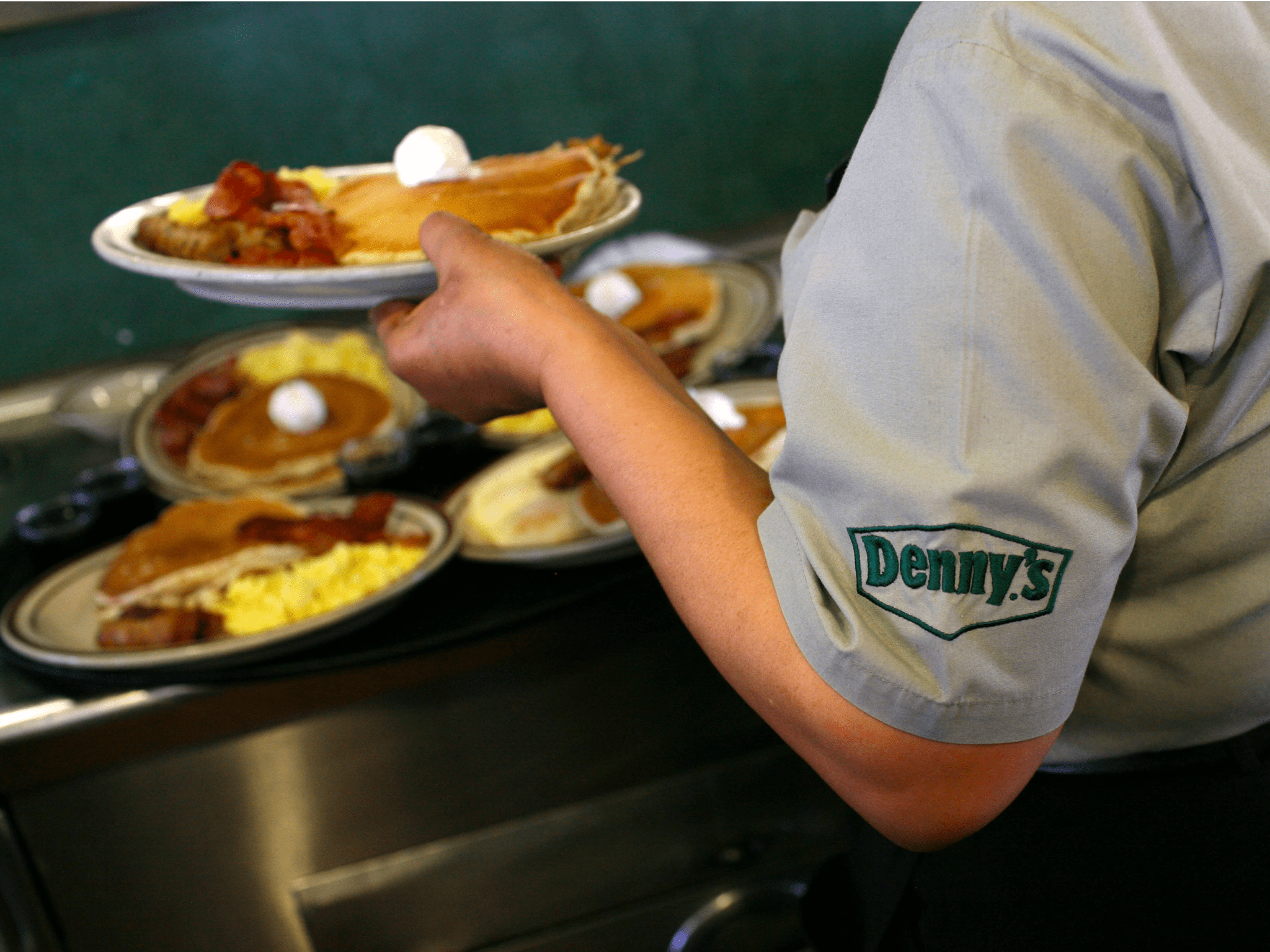
    Family dining chain Denny’s is poised to expand its operations in the Philippines. The move has involved an amendment to its development agreement with The Bistro Group, which became a franchisee three years ago. Bistro operates six Denny’s Philippines restaurants in the territory, which will be expanded by an additional 20 locations.

    Denny’s president and CEO John Miller said exciting growth enjoyed by a newer franchisee like The Bistro Group in the Philippines demonstrates the strength of the Denny’s brand beyond North America.

    Denny’s senior VP & chief global development officer Steve Dunn added: “Denny’s is one of the fastest-growing family-dining chains across the globe, and it is very exciting to see franchise partners commit to expand their existing development commitments. We continue to have an active pipeline for growth as we further expand Denny’s international footprint.”

    There are more than 1720 Denny’s restaurants around the world.

  • La Chapelle Vietnam launch gets closer

    La Chapelle Vietnam launch gets closer

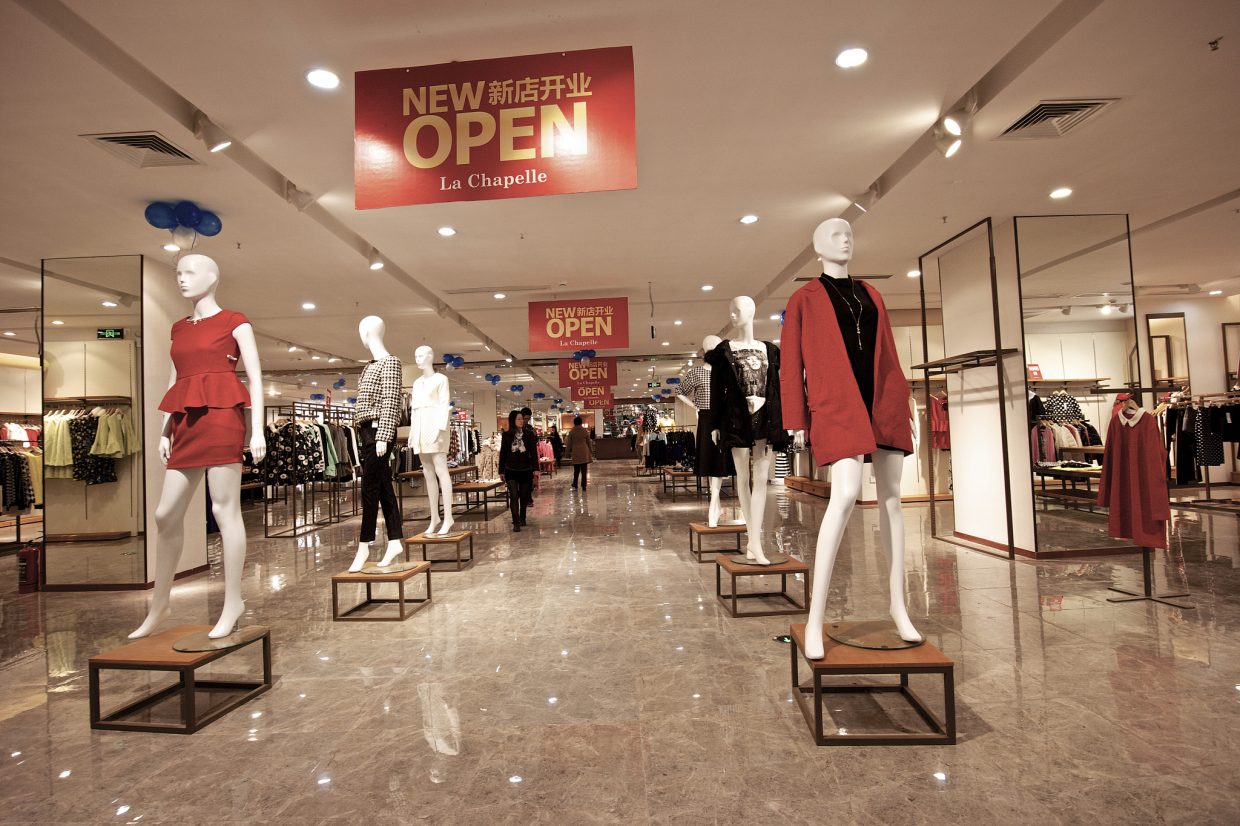
    Hong Kong-listed Chinese fashion retailer Shanghai La Chapelle is preparing to launch in Vietnam. A huge La Chapelle Vietnam standalone flagship store is under construction, next to Ho Chi Minh City’s VivoCity mall, facing to the front street of Nguyen Van Linh in District 7.

    While the opening date has not been revealed, branding has appeared on the store with the interior fitout almost complete and apparently only awaiting stock.

    The brand is using social media and online channels to recruit staff for the store and seek interest from potential nationwide distributors.

    La Chapelle Vietnam is operated by VV Mall Management Service, which owns the under-construction VV Mall in Danang. The 35,000sqm mall is set to open its doors in the second quarter of next year.

    Founded in 1998, La Chapelle has its own brands including menswear labels Jack Walk, Pote and Marc Ecko, childrenswear brand 8eM and womenswear labels La Chapelle, Puella and Candie’s.

    La Chapelle has struggled in the first nine months of this year, reporting a decline in sales of 0.5 per cent to US$889.94 million and a near 30-per-cent decline in profit to $34 million.

    Vietnam is the first country in the company’s Southeast Asian expansion plan.

  • Jimmy Choo takes trademark action against Chu

    Jimmy Choo takes trademark action against Chu

    Jimmy Choo is taking a preemptive strike at some potential competition. Xianjie Zhu, a 19-year-old from Guangdong Province in China, goes by Jerry Chu at Central Saint Martins, where he’s a fashion student specialising in menswear.

    Last year, at the recommendation of his father, he applied to register his English name in Beijing in case he decided to use it to start a clothing line in the future. With two years left of school, Chu had not yet given starting a line any serious thought, he said.

    Last week, the footwear and accessories brand Jimmy Choo filed a request to invalidate Chu’s trademark, arguing that the similarities between the names Jimmy Choo and Jerry Chu would cause confusion in the market.

    The company cited previous trademarks it has successfully invalidated, for trademarks including Jenny Choo and Ray Choo.

    Susan Scafidi, founder and director of the Fashion Law Institute at Fordham University’s School of Law, said these disputes are common — so much so that she always urges young designers not to name their businesses after themselves.

    “Designers with common names in particular often have to engage in protracted legal disputes with companies who already own the same or similar names,” she said.

    But fashion consumers today are accustomed to distinguishing between namesake labels with similar names, such as Alexander Wang and Vera Wang, said Scafidi, and there is hope for independent designers.

    Last month, Thaddeus O’Neil, the surf-inspired menswear label, reached a settlement with surfwear brand O’Neill after more than four years of legal disputes between the two companies.

    Scafidi explained that a significant difference between those disputes and Jerry Chu’s situation is that in the US, trademarks must be used in commerce in order to be valid. Having an active business can also help demonstrate that a brand with a similar name is not producing similar products or “trademark squatting” in order to get a payout from a larger brand. Brands with global name recognition like Jimmy Choo are especially vigilant about trademark protection.

    “Jimmy Choo may well have assumed that the Jerry Chu registration was just another attempt to trade on the established Jimmy Choo name, since soundalike registrations are a particular problem in countries like China, whose primary writing system uses characters rather than letters,” said Scafidi.

    Chu and his lawyers will wait to see what the trademark committee decides, he said, hoping that the situation can be resolved quickly.

    The student posted the legal papers on Instagram this week, catching the attention of fashion’s social media watch dogs, Diet Prada, who echoed his frustration and spread the word.

    “I’m surprised so many people would care about me, an independent designer, a student,” he said.

  • HK’s Goxip secures funding for massive expansion plan

    HK’s Goxip secures funding for massive expansion plan

    Hong Kong fashion e-commerce business Goxip has secured US$1.4 million from financial services firm Convoy Global Holdings. The investment will fund Goxip’s planned expansion in Southeast Asia and allow the establishment of new payment services, including installment loans to online shoppers. The initiatives are expected to make the firm’s products more affordable to a broader audience in the region.

    Goxip has already set up in Malaysia and Thailand.

    Goxip raised $5 million early this year from Chinese imaging/video app developer Meitu and Nan Fung Group along with input from three individual investors. Meitu, which is also bringing its 456 million active users into play, also invested in this round of funding.

    Goxip’s CEO Juliette Gimenez said: “With Meitu’s help, we’ve been growing faster than expected, especially with our Thailand launch ahead of schedule. Bringing Convoy on board will allow us to keep our momentum while also adding an important fintech component to our play, especially as we enter emerging markets across Southeast Asia where spending power still lags behind Hong Kong and Singapore.”

  • Chanel’s recipe for success revealed

    Chanel’s recipe for success revealed

    Last month, Chanel reported its financials for the first time in its 108-year history, lifting the company’s traditional veil of secrecy, in part, to quash speculation that it could be acquired. The disclosure revealed that the French luxury giant generated $9.6 billion in sales last year – just a shade behind LVMH cash cow Louis Vuitton.

    What’s no secret, though, is that Chanel holds immense allure to shoppers.

    In fact, it is one of the most desirable luxury fashion brand in the world fueled by the perception that it is amongst the most exclusive brands of all.

    This is paradoxical when one considers that Chanel is also one of the most accessible luxury brands, as measured by pricing.

    In fact, it has some of the lowest entry-level price points in the business, courtesy of its beauty products. Cosmetics and fragrances allow the middle class to get a whiff of the lifestyles embodied by Chanel’s couture and prêt-à-porter offerings.

    Indeed, Chanel is a master of category segregation.

    This strategy involves confining iconic, core category products to high-end price ranges, while deftly positioning other product categories (lipsticks, for example) at lower price points to address aspirational customers.

    Such segregation has allowed the house to maintain its air of exclusivity.

    It may sound like a simple strategy, but it has helped make Chanel by far the biggest luxury goods mega-brand in retail equivalent terms, and only marginally smaller than Louis Vuittonin reported sales.

    Critical to this success has been Chanel’s leading position in beauty, a category that is heavily dependent on multi-brand wholesale distribution.

    While there are some disadvantages to wholesale distribution, from smaller margins to less control over brand experience, leveraging wholesale also means the company can have a relatively compact retail network.

    Chanel had 338 stores in 2017, or nearly 30 percent fewer than Louis Vuitton.

    As for profitability, Chanel reported an earnings before interest and taxes, or EBIT, margin of 28 percent, compared to 40 percent at Louis Vuitton.

    This suggests Chanel has much room to push its profit margins higher, especially considering its sheer scale and the economics of beauty.

    Chanel seems to be vastly outspending its peers on marketing support and communication, boosting its profile on both traditional and social media.

    All this, and a traditional focus on organic growth rather than acquisitions, means the group boasts returns on invested capital that approach those of Hermès.

    This is despite selling, general and administrative expenses equivalent to nearly half of Chanel’s sales as opposed to roughly a third at Hermès.

    Again, this suggests there is room to rise further.

    When Chanel announced its financials last month, the company said it did so to dispel the notion that it would ever be up for sale.

    While the size of the company means only very large — and ambitious — players might be able to pull off such a deal, that still leaves potential contenders should it ever decide to open its doors.

  • Why did Under Armour stock rise by 27% ?

    Why did Under Armour stock rise by 27% ?

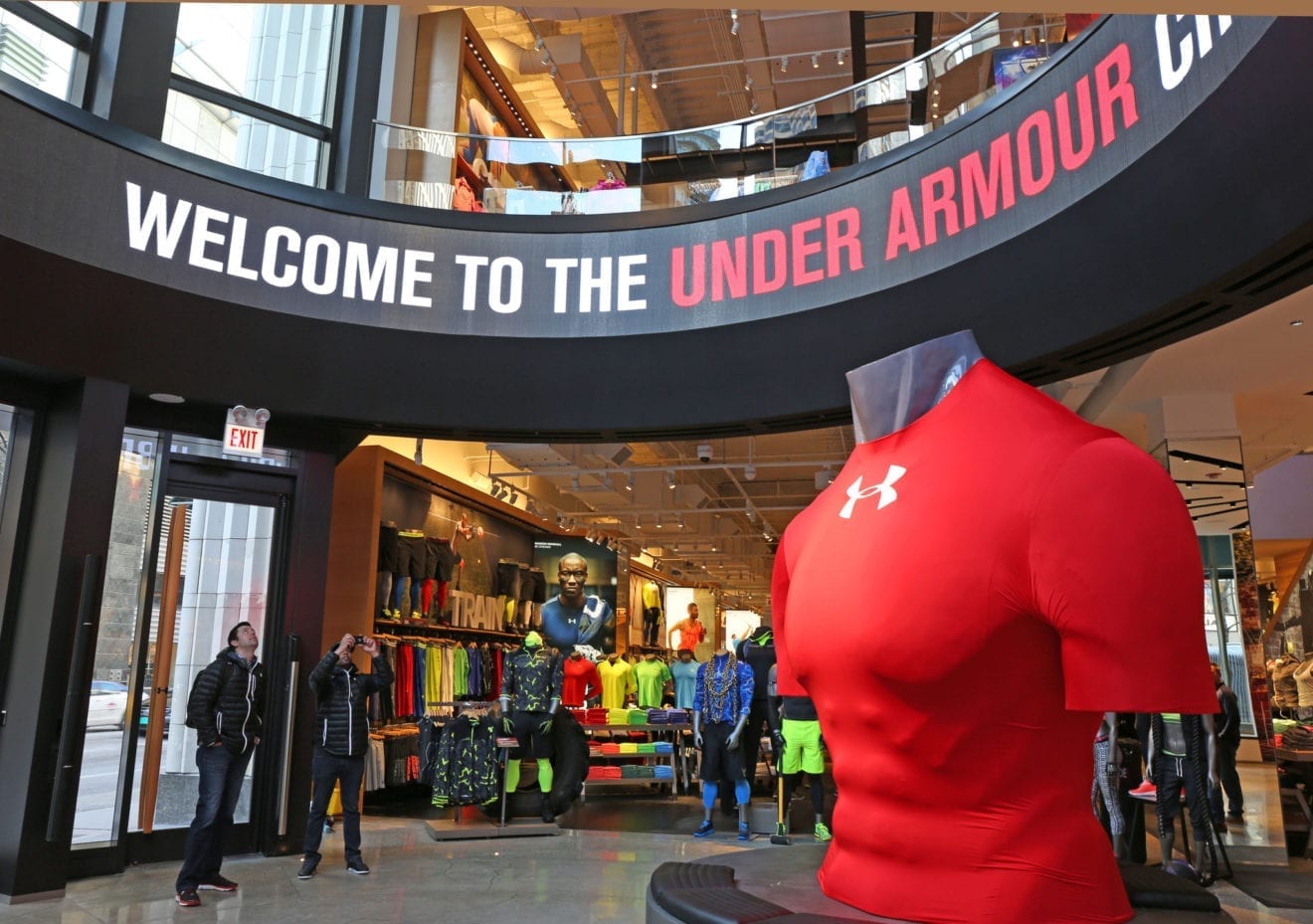
    The sportswear maker, in the midst of a convincing turnaround this year, blew away Wall Street estimates in third quarter earnings reported this week and injected a dose of optimism into the stock market. Under Armour shares were up an overwhelming 27.82 percent.

    The broader index seesawed for much of the day but a late afternoon rally lifted it to a gain of 1.55 percent.

    While few companies this quarter have been rewarded for good financial results, Under Armour scored the trifecta: It beat estimates on earnings and revenues, and it raised forward guidance on profits by nearly 20 percent.

    Akamai Technologies also soared today on strong earnings.

    The online content delivery company beat earnings estimates by more than 10 percent and revenues by more than 1 percent on the strength of demand from video-gamers and cyber-security customers.

    The stock was up 16.92 percent.

    Tech services provider Cognizant Technology, on the other hand, saw its stock fall 3.9 percent — the biggest decline on the index — after it lowered fourth quarter guidance because of weak demand from bank customers.

    The broader technology sector rallied strongly with Twitter (4.54 percent), Facebook (2.91 percent) and Alphabet Inc. (1.58 percent) posting gains while Amazon.com (-0.55 percent) and Adobe Systems Inc. (-0.56 percent) had small losses.

    Chipmaker NVIDIA Corp. continued to play the tech sector pinball. Down 6.39 percent then up 9.36 percent.

    Telecom giant Comcast continued to draft off its strong earnings report last week and what appears to be a shift in the market to more defensive stocks with dependable outlooks.

    The stock gained 4.78 percent and is up more than 10 percent since it reported earnings last week.

  • Vietnam’s gaming firm profits fall 52 pct in 9 months

    Vietnam’s gaming firm profits fall 52 pct in 9 months

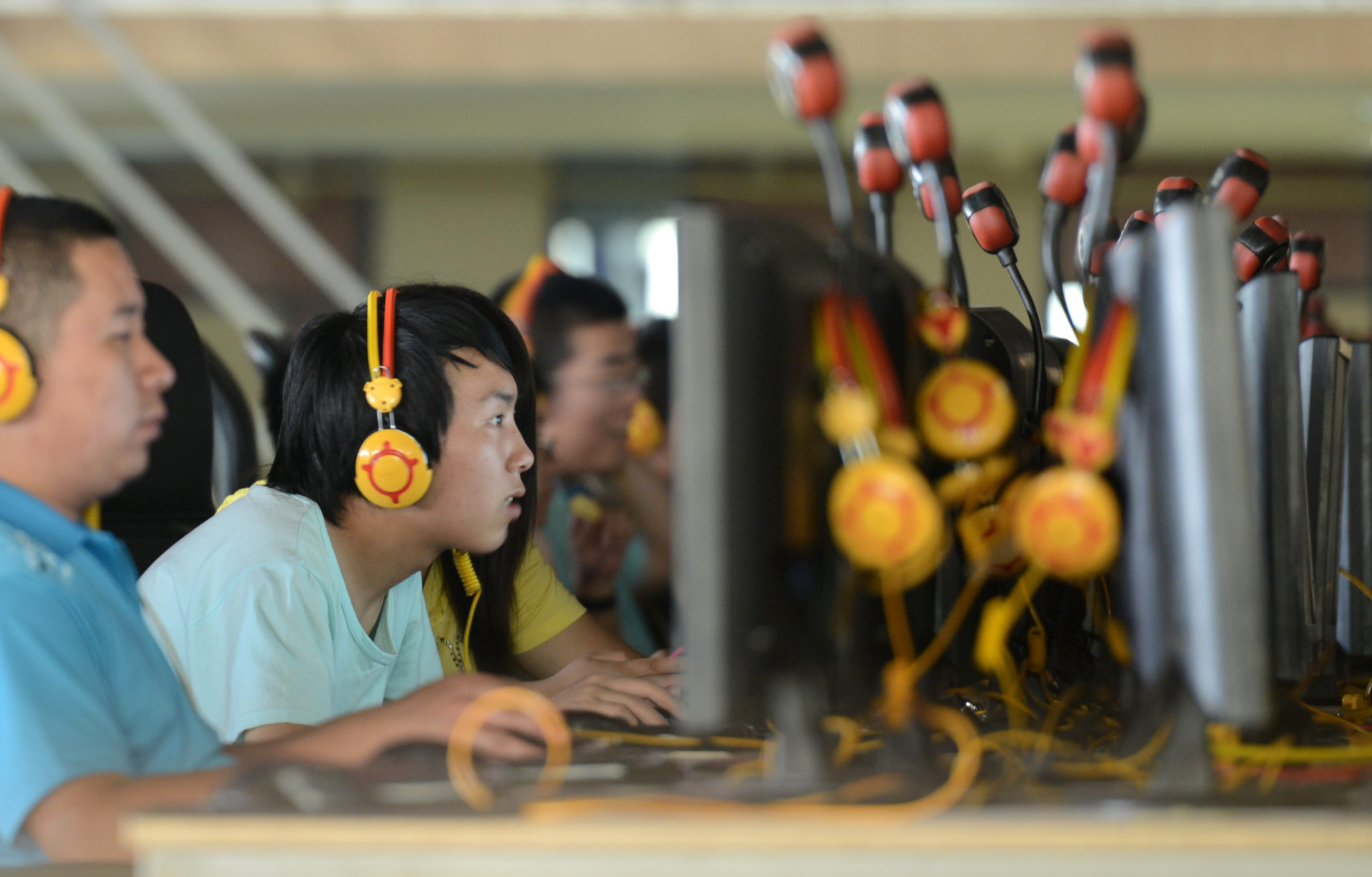
    Vietnamese online gaming giant VNG has reported Jan-Sept 2018 profits of VND152 billion ($6.5 million), a 52 percent year-on-year slump. The company has said in its third-quarter financial statement that higher expenditures have eaten into its profits.

    Selling and administrative expenses of VND853 billion ($36.7 million) and VND382 billion ($16.44 million) respectively in the nine-month period marked a 72 percent and 27 percent year-on-year surge.

    At its recent annual meeting, the company’s management board had predicted a sharp drop in profits compared to previous year as the company wanted to focus resources on investment in strategic products and diversify operations.

    The company focuses in four main areas: e-wallet, mobile product development, ecosystem building, and e-commerce.

    VNG has set a revenue target of over VND5 trillion (more than $215 million) for this year, 17 percent higher than in 2017.

    However, after-tax profit is expected to only reach VND549 billion ($23.62 million) compared to VND938 billion ($40.36 million) in 2017.

    VNG, which used to be known as VinaGame, also owns major news site Zing, popular music site Zing MP3, instant messaging app Zalo, and e-commerce site Tiki.

    Tiki, VNG’s largest investment in e-commerce, continues to suffer increasing losses. In the first half of this year, Tiki’s losses of VND102 billion (nearly $4.39 million) were more than double the same period last year.

    The cumulative loss of this e-commerce site has reached nearly VND600 billion (about $25.82 million) after seven years of operation, beginning in 2010.

  • V-Mart India appoints new Independent Director

    V-Mart India appoints new Independent Director

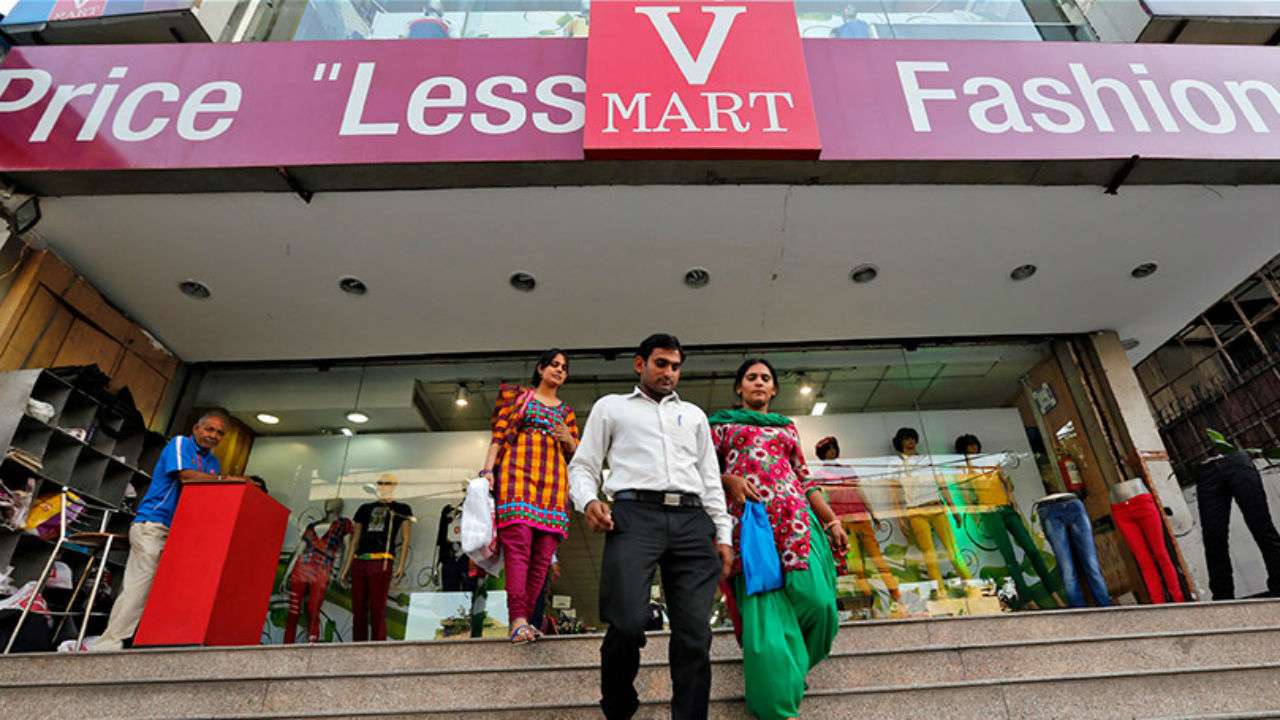
    V-Mart, the world’s best performing department store chain, has announced the appointment of Govind Shrikhande as an Independent Director of the company, effective Nov 2, 2018. Shrikhande possesses rich cross-functional experience in the textiles, apparel and retail industry. In his last professional role, he was the Managing Director of Shoppers Stop, where he started his stint in 2001 as the Vice President of Buying & Merchandising function, growing to the role of Chief Operating Officer role before being elevated as the MD.

    Prior to Shoppers Stop, he was associated with Mafatlal and Johnson & Johnson. He has the unique distinction of being part of the team that launched Arvind Denim and Arrow. Shrikhande has also worked with Bombay Dyeing.

    With this appointment, V-Mart’s current Board constitution is as follows: Lalit Agarwal, Chairman & Managing Director; Madan Agarwal, Whole Time Director; Aakash Moondhra, Independent Director; Murli Ramachandran, Independent Director; Sonal Mattoo, Independent Director; and Govind Shrikhande, Independent Director.

    Welcoming Shrikhande to the board, Lalit Agarwal, Chairman and Managing Director said, “We are excited to welcome Govind on the Board of V-Mart. His extensive experience in managing large scale organizational transformation to drive customer centricity, and successful adoption of enabling technology and processes will be a great asset to the value retailing ethos of the company.”

    “V-Mart has a strong brand as a value retailer, impressive connect with its customer base in Tier II and III towns, and is well-positioned to establish leadership in the affordable fashion segment,” commented Govind Shrikhande. “I am honored to join the Board during a time of opportunity driven by dynamic shifts in the Indian retail landscape, with millions of families in Tier II, III and IV towns transitioning to a modern retail and Omnichannel experience.”

  • LG, E-mart develops smart-cart robot

    LG, E-mart develops smart-cart robot

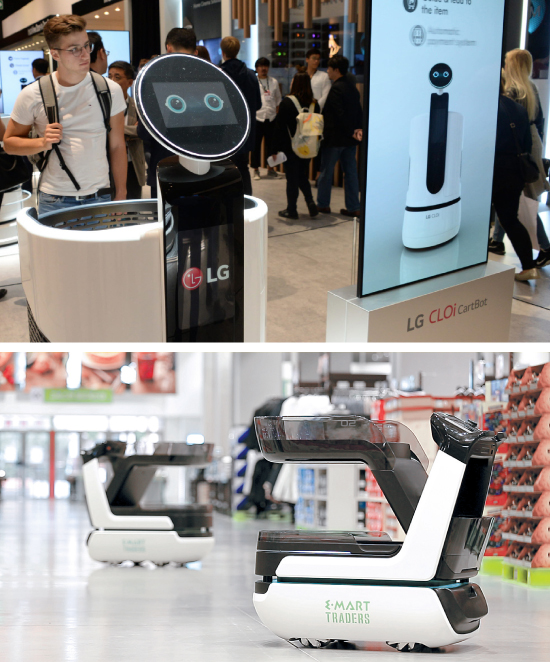
    LG Electronics has signed an agreement with E-mart to develop a new type of service robot that can assist shoppers at its South Korean supermarkets. Under the agreement, the two companies will develop what they call a smart-cart robot that can automatically identify obstacles and follow shoppers as they walk through aisles. LG said the new robot will free visitors from the hassle of pushing heavy carts by themselves.

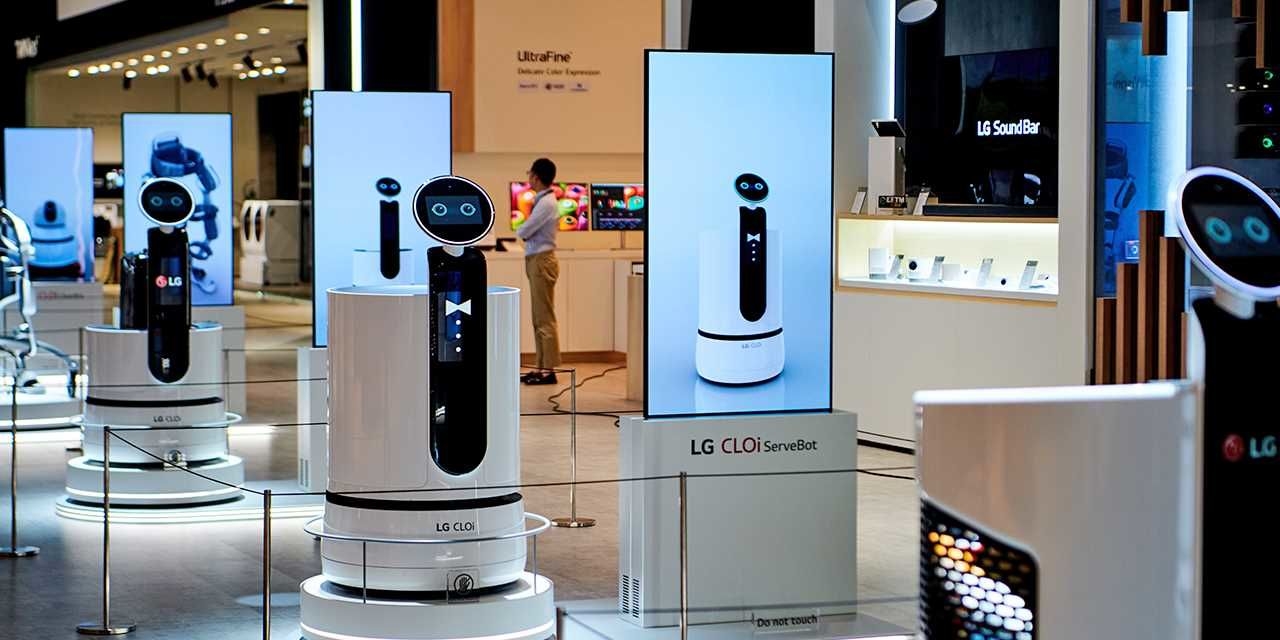
    The South Korean tech giant said the robot will be developed by its research lab, which has been releasing various robots under the CLOi brand.

    So far, LG has released eight different products under the brand, which are suited for different tasks, including guiding, cleaning and even mowing lawns. The company unveiled the CLOi SuitBot, which can help workers lift and move heavy objects easier as well.

    LG said it has been making efforts to bolster its robot business by joining forces with different clients, including airports, bakeries and retail shops.

    CLOi stands for clever, clear, close operating intelligence, LG said.

    The company has been making investments in robotic firms, including Robotis, AI startup Acryl and US-based robot maker Bossa Nova Robotics.