Retail News CRM

Tag: lifestyle

  • Kataoka’s First U.S. Store Opened

    Kataoka’s First U.S. Store Opened

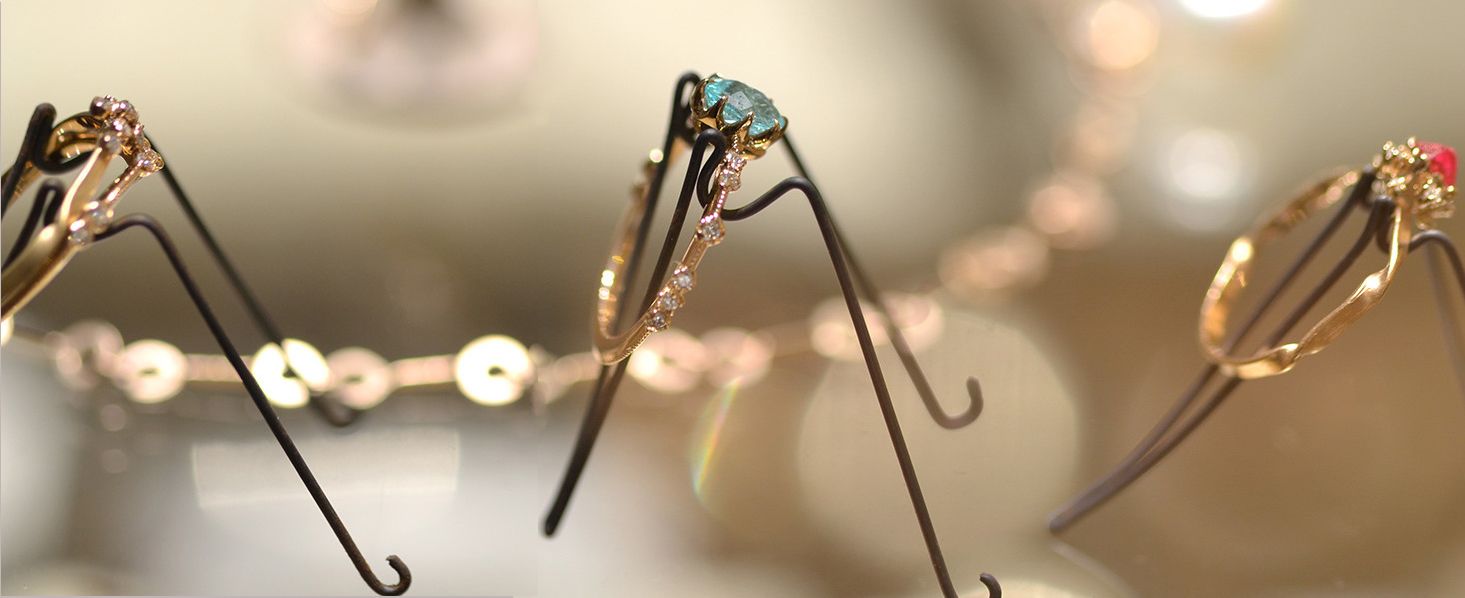
    Japanese jeweller Kataoka has opened its first store in the US. In stark contrast with the firm’s 700sqft shop in Tokyo, the new 1600sqft New York flagship has been located in the trendy Tribeca neighbourhood to reflect Kataoka’s brand identity with its historic look.

    The store has been distinctively designed with a blend of Japanese and Manhattan sensibilities to convey an exotic industrial context for the brand’s delicate jewellery designs, displayed in vintage Japanese casings.

    Company COO Anis Boudraa said the company founder and designer Yoshinobu Kataoka “only wanted display cases that are antique that have a beautiful patina… they really reflect the theory of Kataoka – working with something that’s old”.

    “Our designer hates fast fashion and everything that’s related to fast consumerism.”

    The firm makes its pieces using only recycled gold, which it salvages from the Japanese semiconductor industry. All pieces are hand made.

  • The Face Shop loses trademark battle with Louis Vuitton

    The Face Shop loses trademark battle with Louis Vuitton

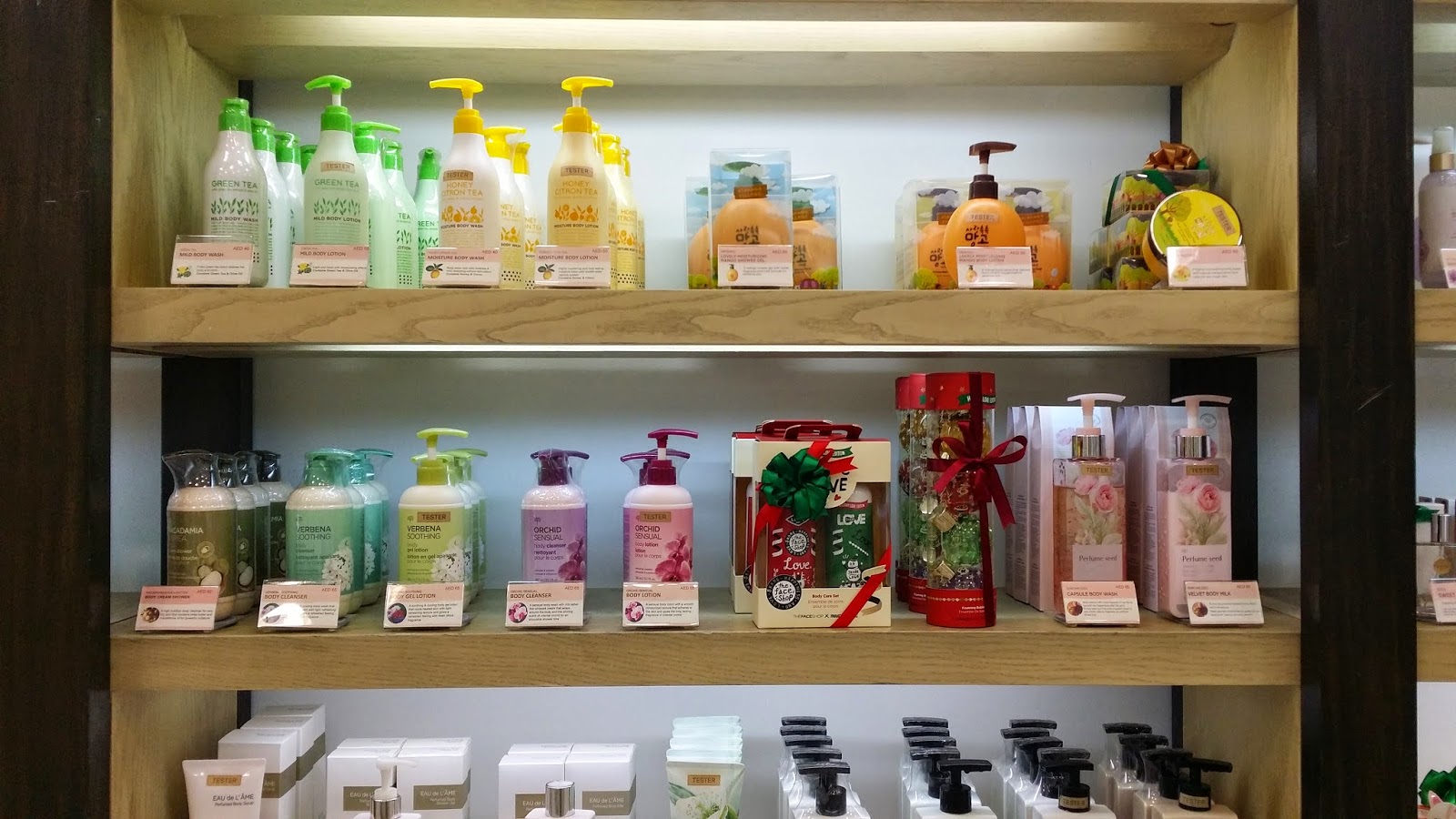
    Korean cosmetics firm The Face Shop has lost a trademark infringement case filed against it by French luxury brand Louis Vuitton. The infringement case relates to Face Shop’s collaboration with American brand My Other Bag, known for its parodies of luxury products. LV has unsuccessfully pursued My Other Bag for damages in American courts.

    Seoul’s Central District Court has ruled The Face Shop to cease trading in products featuring Louis Vuitton designs and pay KRW50 million (US$44,080) in fines.

    The Face Shop failed in its defense that their products were a parody due to the low market profile of My Other Bag in Korea and the difference in how The Face Shop used LV designs compared with My Other Bag’s parody products.

  • New Look to no longer selling in China

    New Look to no longer selling in China

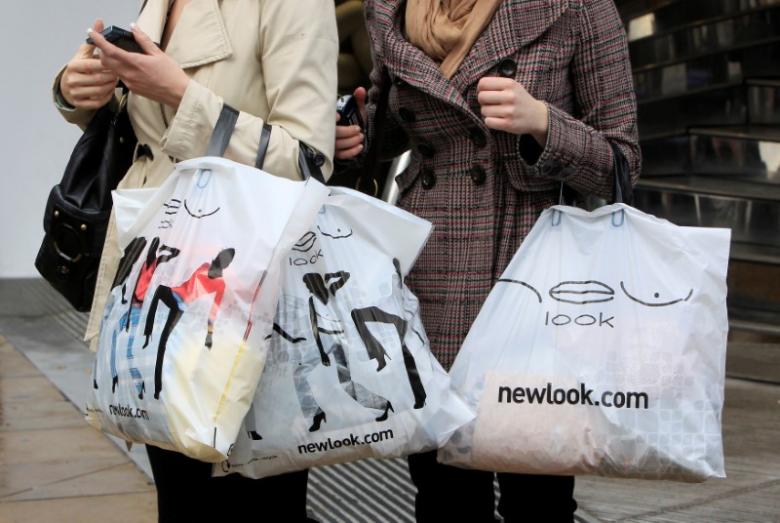
    Embattled UK fashion retailer New Look is to quite China, closing some 130 remaining stores. The move follows a strategic review of the China business announced back in June, when the company put the brakes on an ambitious 450-store rollout plan after opening just 148.

    New Look has appointed property specialist CBRE to find new tenants for the 130 remaining stores in the country.

    In March, South African-owned New Look signed a Company Voluntary Arrangement with its creditors and landlords in the UK allowing 60 stores there to be closed. Chairman Alistair McGeorge at the time cast doubt on the future of the China plans announced by former CEO Anders Kristiansen.

    New Look’s China exit comes two months after rival chain Topshop terminated a franchise agreement with local partner Shangpin “by mutual agreement”.

  • New fashion inspiration for young South Koreans

    New fashion inspiration for young South Koreans

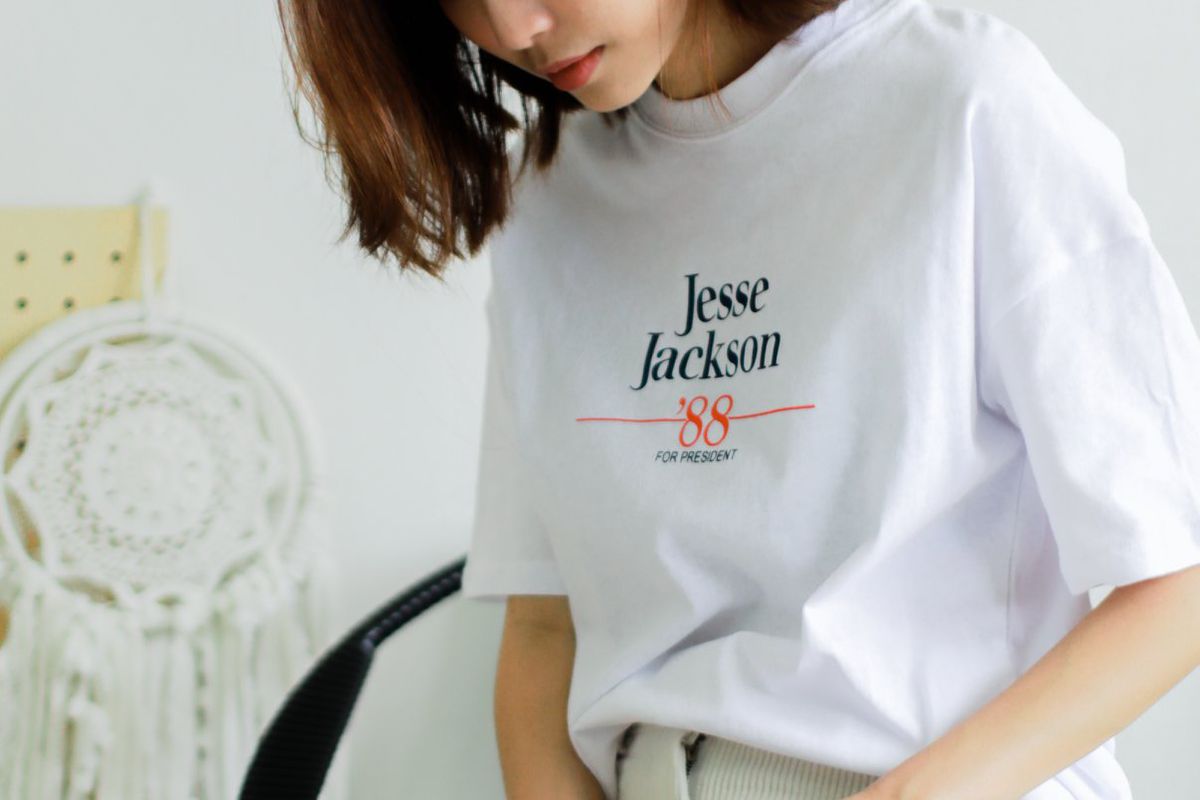
    Among young South Koreans, civic rights activist and Democratic presidential nominee Jesse Jackson’s 1988 campaign T-shirts and French fashion brand Balenciaga’s Bernie Sanders-inspired caps are some of the hottest fashion items at the moment. “What size is it?” “Has it been sold yet?” Comments like these quickly appear when well-kept secondhand Bernie Sanders caps are put up for sale in online communities, as a brand new one could cost nearly US$310.

    Celebrities like actor Ha Yeon-soo and singer HyunA have been seen sporting the Balenciaga cap, the design of which has been inspired by US politician Bernie Sanders’ 2016 presidential campaign logo.

    The Jesse Jackson-inspired T-shirts appear within reach for a wider demographic, as they are sold at a much cheaper price, ranging between 10,000 and 20,000 won.

    Other than being seen as fashionable, the two items share another thing in common. They are both inspired by progressive US presidential campaigns from the past, yet their origins receive little to no attention from South Korean consumers.

    The comments from major Web portal Naver speak volumes.

    “It hugs my body perfectly,” one comment about Jesse Jackson T-shirts read, while another said, “It goes well with my denim.”

    YouTuber Seni, who specializes in makeup and fashion, did a video on a hip-hop festival look in September, which she complete with the Bernie Sanders-inspired Balenciaga cap.

    During the video, the YouTuber got ready for a music festival but the background knowledge behind the cap’s design did not take center stage.

    Online fashion retailer Yuiiyuii, which sells Jesse Jackson T-shirts, says it’s mostly the design of the shirt that has gained popularity despite its originally political nature.

    “Not just Jesse Jackson but other T-shirts with similar fonts and colors gained popularity beginning around last summer.”

    While the two figures once contended for the leadership of the United States, their profile in Korea is not as strong as other US political figures such as President Obama and former Democratic presidential nominee Hillary Clinton.

    On a rare occasion in September, Jesse Jackson met with President Moon Jae-in during his visit to New York to attend the United Nations General Assembly.

    During the meeting, Jackson praised Moon’s North Korea policy and called the South Korean president a “breath of fresh air,” adding Moon was following in the footsteps of South African President Nelson Mandela and South Korean President Kim Dae-jung.

  • Amorepacific Group to expand in Australia

    Amorepacific Group to expand in Australia

    Amorepacific Group, the L’Oreal of Korea, is ramping up its presence in the Australian and New Zealand markets, as demand for Korean beauty products remains unabated. Over the last several months, the company has set up a head office in Melbourne under the direction of country manager Caroline Dunlop, launched its global luxury brands Amorepacific and Laneige at Mecca Cosmetica and Sephora, respectively, and opened two bricks-and-mortar stores under the banner of its popular natural beauty brand Innisfree in Melbourne. A third Innisfree store is due to open before the end of the year.

    Amorepacific Group said it will continue to further ramp up its expansion into the Oceania region after having closely studying the Australia and New Zealand beauty markets and their customers for several years. The company noted that Australia ranks among the the top five countries in the world for average cosmetics spending per person.

    “Australian and New Zealand customers are beauty conscious; taking great interest in global beauty trends and cosmetic ingredients. They also put a significant amount of time and effort into taking care of and protecting their skin against environmental factors in the region. In addition, their preference for natural makeup and healthy skin has led to a growing interest in K-beauty,” the group said in a statement.

    Amorepacific is far from the only beauty retailer moving to capitalise on the booming beauty sector, but it may be better equipped than most to do so. The company is Korea’s oldest and largest beauty business, recording around US$6 billion ($8.5 billion) in annual sales, and has a physical presence in Asia, North America, Europe and Oceania.

    “I am so pleased to introduce Amorepacific Group’s global brands … to Australia and New Zealand this year,” Dunlop said.

    “These much-loved brands have enthralled customers around the world, and K-beauty has grown into a beauty category in its own right. As a K-beauty leader, Amorepacific Group is driving innovative beauty trends globally. Through Amorepacific Group, customers will be able to experience and benefit from the long-established expertise and true essence of Asian Beauty.”

  • 18 hours queue for Jollibee London opening

    18 hours queue for Jollibee London opening

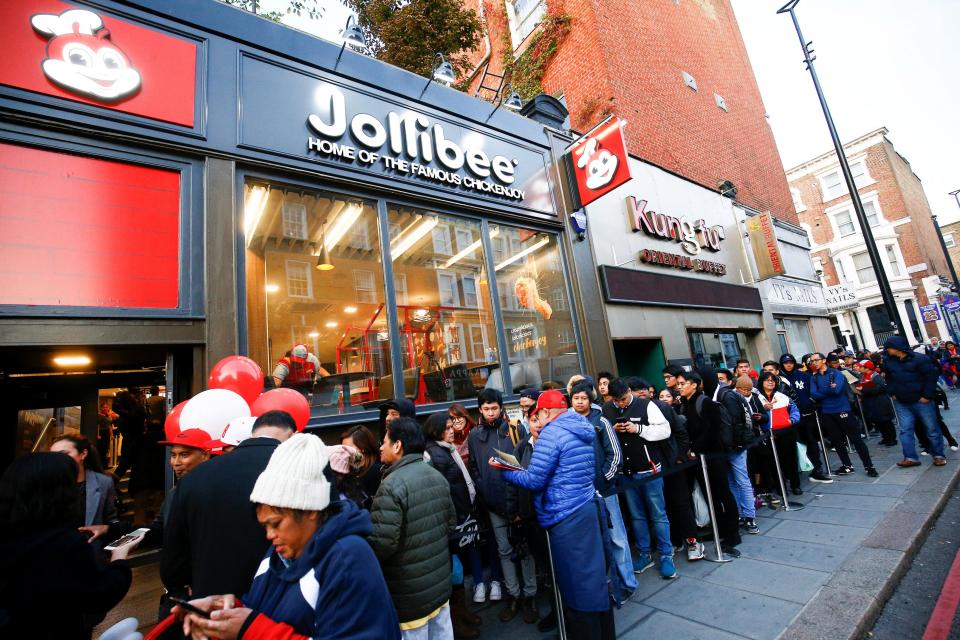
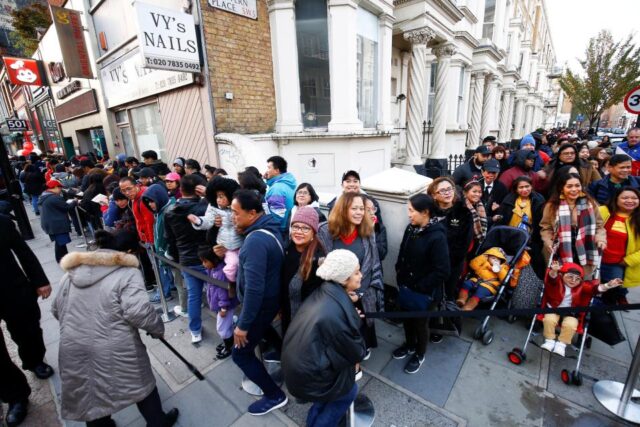
    Jollibee opened its first fast-food restaurant in London on Sunday, drawing queues of expat Filipinos who braved the autumn chill overnight to be among the first locally to savour Chicken Joy and burgers. According to mainstream news media, “thousands” of Filipinos visited the Jollibee London restaurant, located in Earl’s Court.

    Ernesto Tanmantiong, CEO of Jollibee Foods, said at a press briefing on the site that the crowds at the London store demonstrated the depth of customer loyalty to the brand which was helping the company reach its ambition of expanding all over the globe. He wants Jollibee to one day become the world’s largest fast-food operator.

    “Today, we are at number 11 or 12, depending on [our] stock price. To achieve that dream, we will require an aggressive expansion coming from strong organic growth and strategic acquisitions.”

    Jollibee plans to open 50 stores across Europe during the next five years, with Spain and Italy the priority markets after the UK, where it would target large cities.

    “We believe we can be successful in the UK because of two factors,” added Dennis Flores, head of international business in Europe, Middle East, Asia and Australia. “We know our flagship product is Chicken Joy and the UK is the largest fried chicken [market] in Europe.”

  • Positive trend for South Korean duty free sales

    Positive trend for South Korean duty free sales

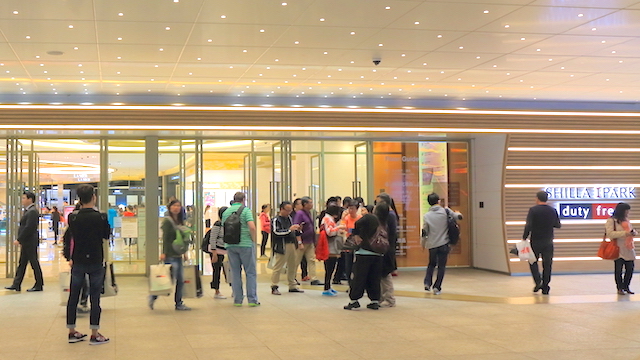
    South Korean duty free sales in the first nine months of 2018 have exceeded total sales for 2017. Sales hit an all-time high of US$12.9 billion between January and September, according to Korea Duty Free Shops Association. That figure exceeds the US$12.8 billion recorded for full year 2017.

    The performance comes despite a significant fall in the number of Chinese tourists to South Korea since the THAAD dispute erupted in early 2017, with a number of restrictions imposed by the Chinese government including a ban on group tours.

    As reported, the latest Korea Tourism Organization (KTO) figures showed that Chinese arrivals were up just +6.5 percent year-on-year (to 3,059,075) in the first eight months of 2018, reflecting a very tough first quarter before Korean-Chinese relations improved as the THAAD dispute eased.

    In the first eight months of 2016 – long before the THAAD crisis began– some 5,608,046 Chinese arrived in South Korea. That figure is +83% higher than the 2018 performance over the same timeframe, highlighting the scale of the drop in Chinese tourist numbers.

    A key factor driving sales is the daigou phenomenon.

    Daigou (also known as ‘shuttle traders’ in South Korea) buy goods abroad (predominantly cosmetics but also a wide range of accessories and other premium and luxury goods, as well as commodity items such as milk powder) and resell them (often through well-organised networks) on the Mainland.

    As reported though, a Chinese government crackdown on returning daigou shoppers after the Golden Week holiday (1-7 October) has raised serious questions about the future of a sector that has buoyed Asia Pacific travel retail in recent times.

    Many South Korean retailers expect China to continue to ease economic and travel restrictions, including a full lifting of the ban on group tours in the near future.

    The return of group tours would be a significant boost – and could mean the pendulum swings back from individual shuttle traders to large group tours and traditional FIT business in terms of being the key driver of duty free sales.

  • HTC Opens Flagship Vive Store in China

    HTC Opens Flagship Vive Store in China

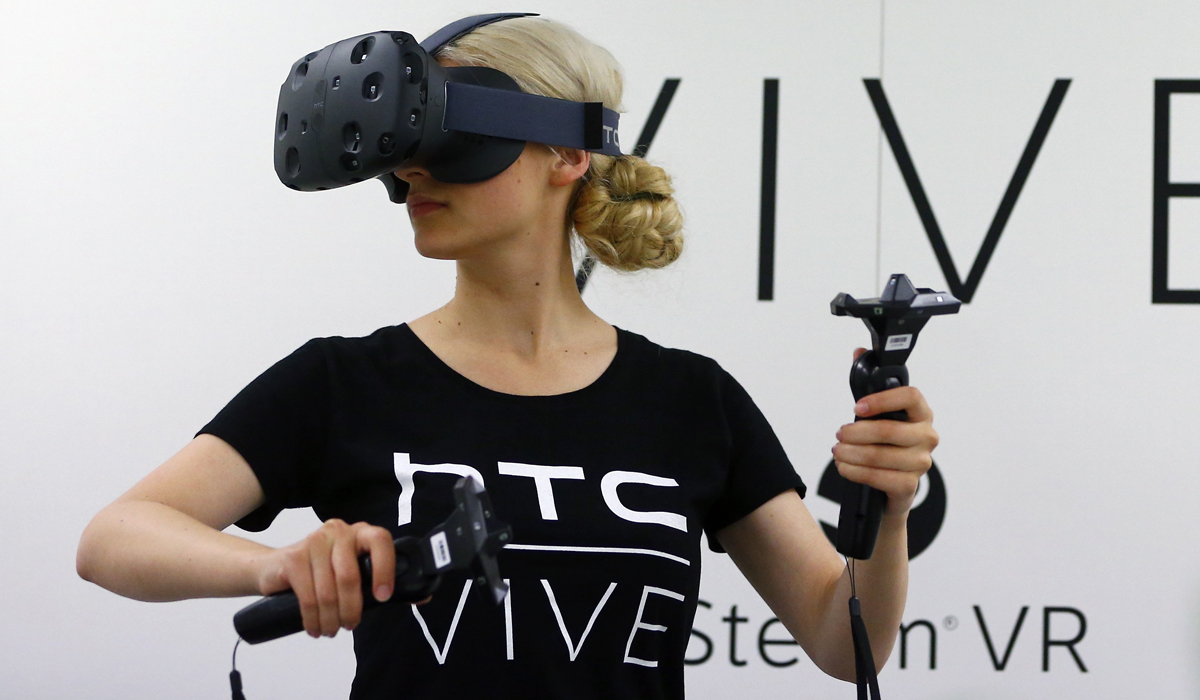
    Taiwanese smartphone maker HTC has opened the doors of its first global flagship store for its Vive VR headset. The Shenzhen store will offer consumers the chance to experience VR technology in a relaxed in-store environment. The brand wants consumers to build a better understanding of how VR works, the content available, and how it can enhance their lives – through entertainment and practical applications.

    HTC launched its first Vive headset three years ago and is now a predominant player in the Chinese VR market, claiming 82 per cent market share at one point last year.

    It is now partnering with video game maker Ubisoft Entertainment, Warner Brothers and the McLaren Formula 1 team to participate in the China Digital Entertainment Expo and Conference, nicknamed ChinaJoy, where it will have a VR gaming carnival.

    HTC has long been running at a loss as sales of its handsets fall in the highly competitive smartphone market and it sees VR technology as an opportunity to return to profitability.

  • Hobbs launches in Hong Kong soon

    Hobbs launches in Hong Kong soon

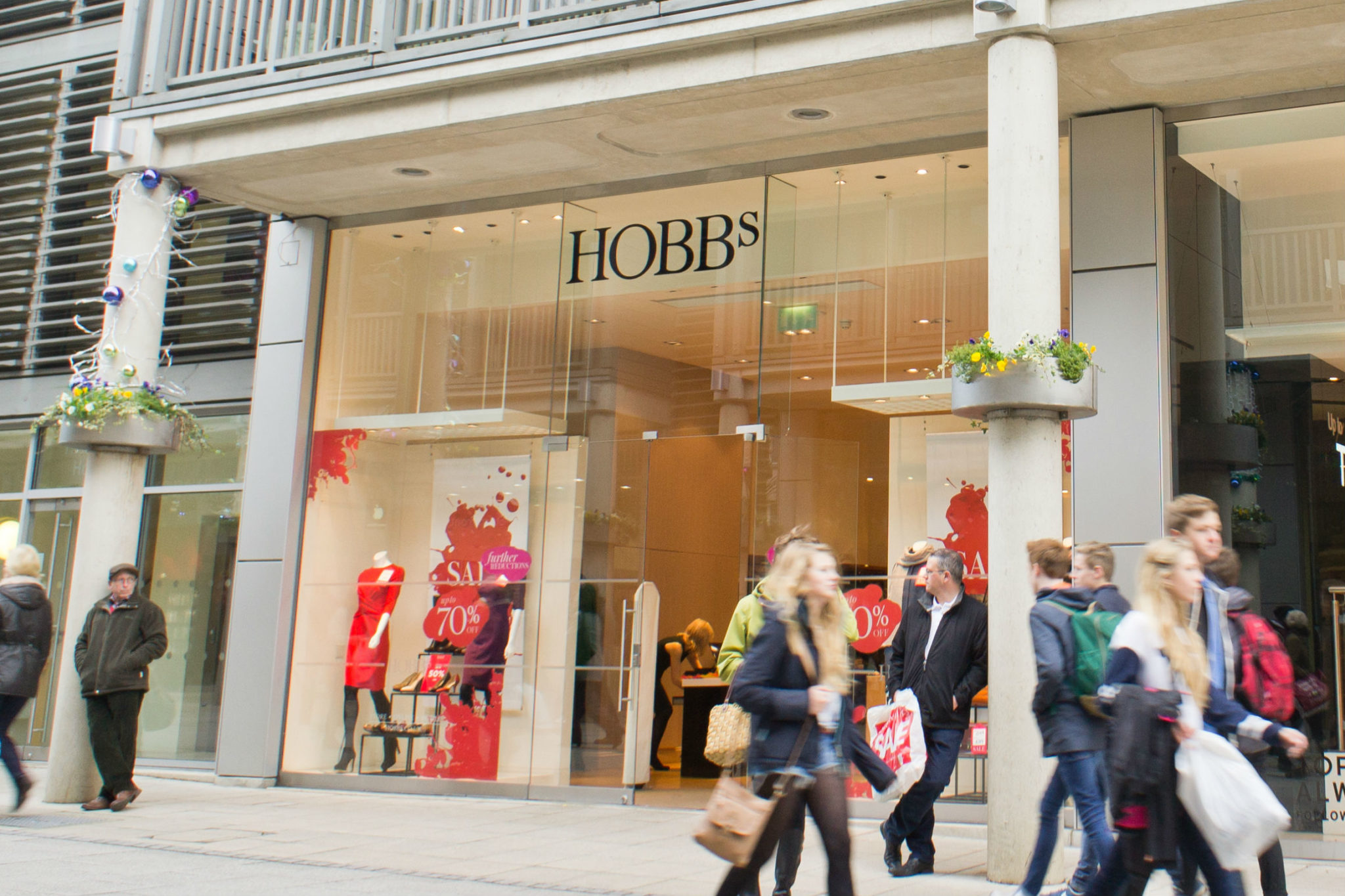
    Hobbs will open its first store in Hong Kong in December, inside IFC mall. The UK womens fashion label has set a rapid expansion program this year, with the Hong Kong store marking its seventh new international market. Founded in London in 1981, initially specialising in shoes before expanding into the clothing and accessories, it has expanded across the UK, US and Germany and sells online.

    This year it has already opened points of sale in Kuwait, Japan, Beijing, Singapore, Belgium and South Africa.

    Hobbs CEO Meg Lustman said in an interview the company has partnered with a local company to establish a joint venture for the Hong Kong business, someone “who has great relationships with the landlords”.

    Hobbs is a sister brand of Whistles, which opened a store in IFC mall in April. The two brands, along with Phase Eight, are owned by the UK subsidiary of South African retail company The Foschini Group.
    Lustman said Whistles was doing well in Hong Kong and she is confident Hobbs will follow suit.

    “We can see our customer exists out there. When we’ve visited over the years, we’ve seen how many women are dressed for professional work. This is supported by demand from customers on our website.”

  • BMW Luxury Lounge Showcases Future Products

    BMW Luxury Lounge Showcases Future Products

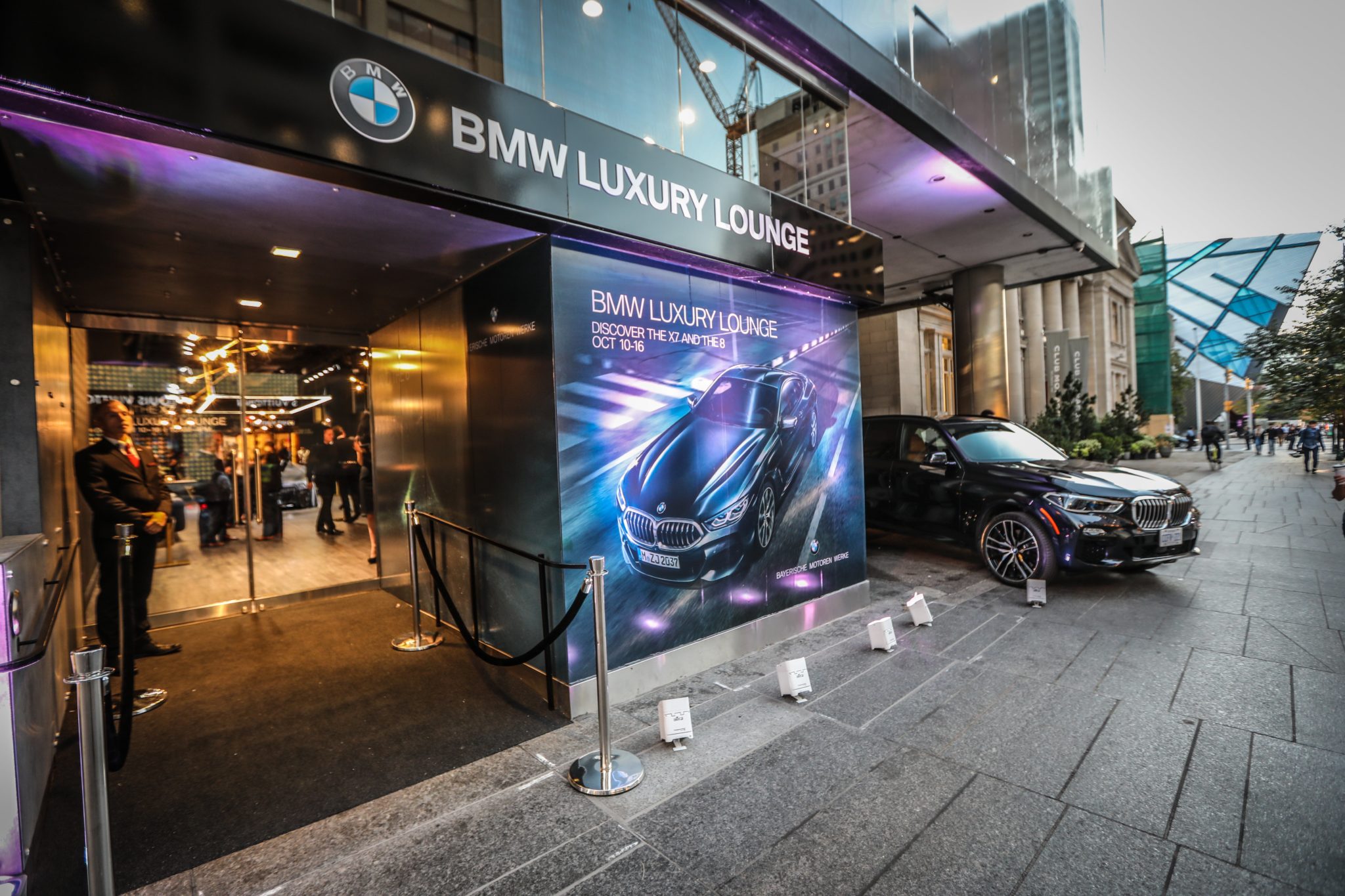
    In the midst of a product offensive that will see many new and refreshed models join its lineup in the coming months, BMW recently staged a limited-run brand experience in Toronto’s Yorkville neighbourhood to showcase two forthcoming models. The display, which has a pop-up feel to it, is known as the BMW Luxury Lounge, a venue open to the public during the day and invite-only events in the evening. As its name would suggest, the point is to generate interest in the brand and get attendees excited for a slew of new BMWs on deck.

    The site of the Luxury Lounge – Bloor St. W. near Avenue Rd. – is fertile ground not only for luxury automotive manufacturers but makers of other luxury goods as well, which is why BMW is partnering with Hugo Boss, Montblanc and Roche Bobois. These brands, along with Samsung Canada and art gallery LUMAS Canada have also contributed to furnishing the space which, with its black and glass walls, wood grain floors and leather sofa, has the feel of modern, minimalist luxury.

    “We’ve taken on this initiative because we believe customers’ expectations of luxury are evolving,” said Sebastian Beuchel, director, BMW brand management, said in a statement. “This beautifully designed space is a showcase for our interpretation of modern, contemporary luxury.”

    Last October, BMW hosted a similar limited engagement exhibit known as the Luxury Excellence Pavilion on Bay St. in the heart of Toronto’s financial district that not only showcased the Munich-based carmaker’s wares, but also those of other several other luxury brands. The feature attraction was the BMW X7 iPerformance, a concept vehicle first shown about a month earlier at the 2017 Frankfurt Motor Show.

    Fast forward a year, and it’s time for the Luxury Lounge, a similar exhibit but with some noteworthy differences.

    Whereas the Luxury Excellence Pavilion ran for almost two weeks (Oct. 16-29), the Luxury Lounge was around for just six days (Oct. 10-16) and there were no test drives from the BMW fleet available.

    In its place are two main attractions that represent the future of BMW and are bound to cause a bit of a stir.

    First up is a vehicle that can’t be discussed in detail but was available for viewing so long as visitors surrendered their mobile phones before entering the curtained-off backroom where it was being shown. A strict no-photo policy was in effect.

    I’m talking about the full-size, three-row 2019 X7 SUV, a vehicle BMW and its dealers are very excited about. The production X7 will make its world premiere at the Los Angeles Auto Show next month and will go on sale early next year. The one being shown in Toronto was an uncamouflaged pre-production copy. Getting it to Toronto took some doing, but its presence made a visit to the Luxury Lounge even more worthwhile.

    Now, in accordance with the wishes of BMW Canada’s communications team, I’ll move along… to the 8-Series coupe which is returning to the lineup after a 20-year hiatus. I have clearance to talk about this one freely.

    Centred in the middle of the Luxury Lounge floor plan was a Dravit (metallic) grey 2019 850i xDrive, trimmed in factory option carbon fibre accents (roof, mirror caps, lip spoiler, rear diffuser, etc.) and optional M Performance 20-inch wheels finished in a metallic gold tint.

    Conceived as a flagship model, the 8 Series is a design and technology carrier and, as such, has features that will eventually spread across the BMW family.

    On this front, a few things stand out. The first thing that caught my eye are the new LED headlights the 8 Series is wearing, which feature standard high beam LaserLight technology (to comply with North American laws they’ll only work at speeds above 60 km/h) along with a more angular shape with two separate elements that still look like BMW headlights when viewed from a distance. Clever.

    Other new design elements include a revised kidney grille that is attached at the centre, a callback to the grilles of 1970s-era BMWs. Also, a BMW rep told me that customized paintwork will be offered on the 8 Series though the company’s Individual program. While they can’t guarantee they’ll be able to match every paint chip or swatch a customer has, BMW aims to make the 8 Series available in more exciting colours than those offered on a traditional list of set finishes.

    Inside, the cabin receives some noteworthy advances headlined by the company’s all-new Operating system 7.0 software, which powers the infotainment and instrument cluster screens. My eye was also drawn to the available glass crystal shift knob and iDrive controller.

    Finally, I’d be remiss if I didn’t mention the powertrain. The 8 is being offered with an overhauled variant of BMW’s 4.4-litre twin-turbocharged V8, which packs 523 horsepower and 553 lb-ft. of torque that is mated to a standard 8-speed automatic and xDrive AWD system.

    Fast? You bet. BMW has the 8 Series’ 0-100 km/h time pegged at 3.7 seconds.

    The best part for consumers and interested auto journalists alike is the wait for the 8 Series arrival won’t last much longer. Customer orders begin on December 8, with deliveries likely to begin in the new year. Pricing info hasn’t been released but will be announced closer to on-sale.

    As for the X7, look for more info when it’s revealed during the media preview days at the Los Angeles Auto Show on Nov. 28-29.

  • AirAsia X’s 1Q passenger traffic up 13%

    AirAsia X’s 1Q passenger traffic up 13%

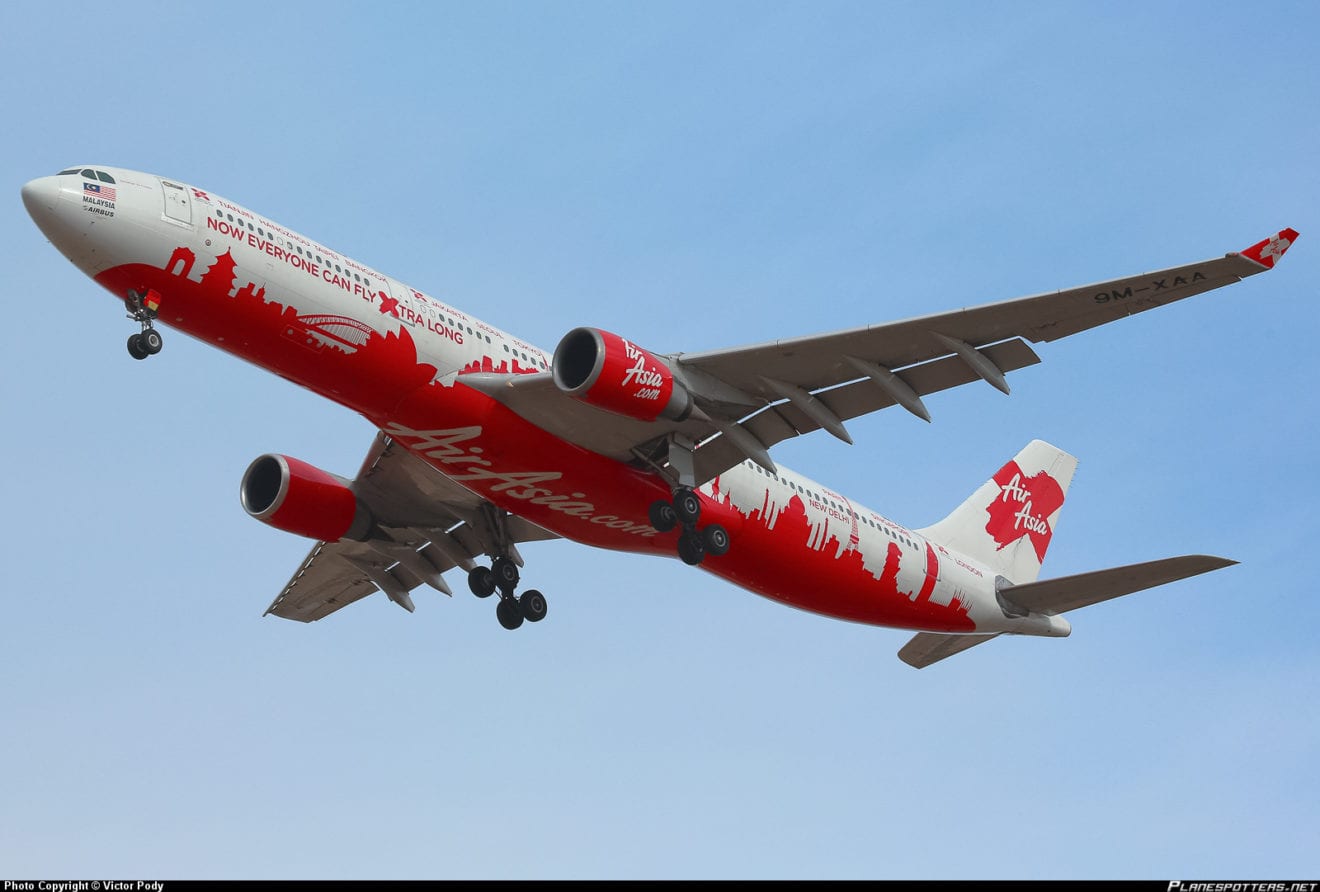
    AirAsia X Bhd (AAX) carried 13% more passengers to 1.59 million in the first quarter of 2018 (1Q18) from 1.4 million a year ago on the back of increased capacity as the airline catered to increased travel demand arising from the festive seasons and school holidays during the period.

    In a statement today, AAX said its capacity for 1Q18 increased 14% year-on-year (y-o-y), while passenger load factor remained static at 84%. Its available seat per kilometer and revenue passenger kilometres grew 10% and 9% respectively.

    “In the month of February, AAX Malaysia rotated some capacity from Australia to the Asian market, while we continue to build our brand in Australia.

    “The airline also increased its flight frequencies to Hangzhou and Taipei, further strengthening the North Asia market. AAX Malaysia began flying to Maldives and Jaipur in February,” it added.

    The fleet size of AAX Malaysia stood at 22 Airbus A330s as at end-March 2018.

    On the associates, AAX said its Thai unit carried 19% more passengers to 503,259 in 1Q18 from 423,404 passengers in 1Q17. Passenger load factor was unchanged at 94%.

    “No additional aircraft was added into AAX Thailand during the quarter under review. Hence, its fleet size at the end of March 2018 remained at six aircraft,” it added.

    AAX Indonesia, meanwhile, carried 124,874 passengers in 1Q18, up more than 100% y-o-y, and posted a load factor of 72%.

    AAX Indonesia’s fleet size stood at two aircraft, bringing AAX Group’s total fleet to 30 A330s.

    AAX shares closed 0.5 sen or 1.33% higher at 38 sen today, with 7.62 million shares done, bringing it a market capitalisation of RM1.57 billion.

  • Swiss Prestige incorporates Armin Strom watches

    Swiss Prestige incorporates Armin Strom watches

    Armin Strom has formed a distributor partnership with Swiss Prestige, which promotes Swiss watch manufacturers in Asia.

    Swiss Prestige CEO Jacqueline Ng says Armin Strom, with its distinctive designs featuring in-house movements, all made in small quantities, will be a “terrific” addition to the company’s curated selection.

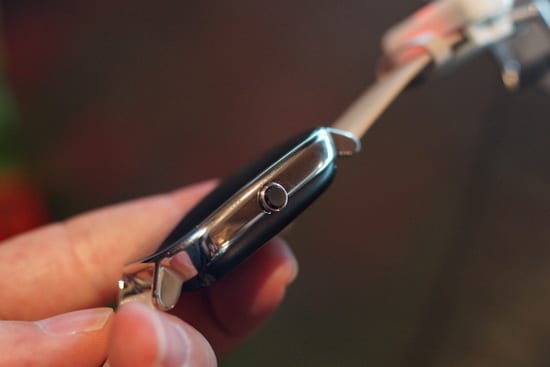
    Armin Strom watches are designed so the inner mechanics of the movement can be seen through the dial.

    This partnership is an extension of the Armin Strom’s business network. With 20 employees in its Bienne headquarters, the company designs and makes all its own movements and cases. Every watch is hand finished, and can be personalised.

    Swiss Prestige represents Swiss watch brands in Hong Kong, China, Taiwan and Australia.

  • Commune Lifestyle parent Koda reports solid rebuilding

    Commune Lifestyle parent Koda reports solid rebuilding

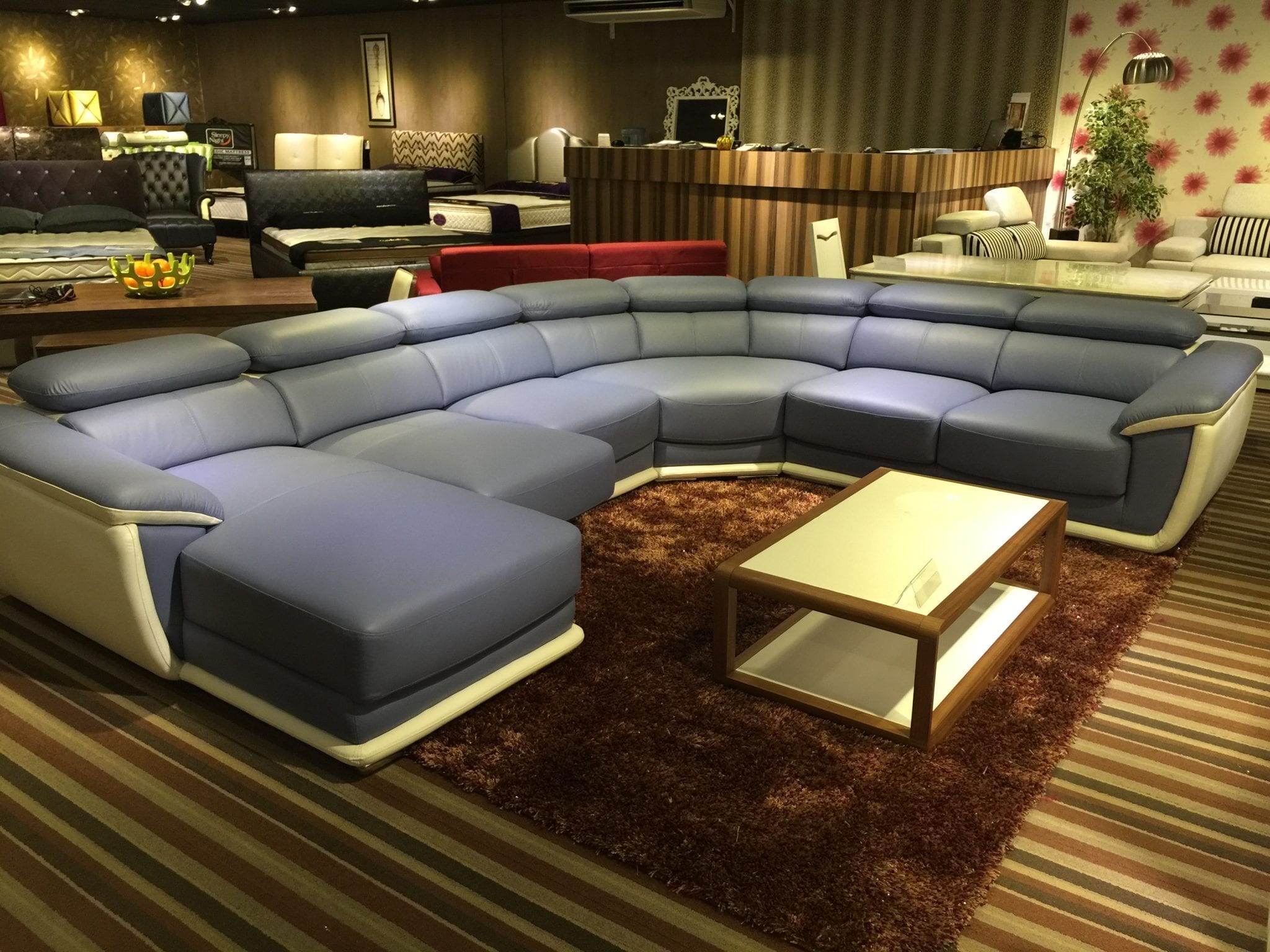
    Koda, the parent of furniture retailer Commune Lifestyle, has reported a net profit of US$2.2 million for the nine months to the end of March, a 66.9 per cent increase over the same period last year.

    And the group’s gross profit margin rose to 27.7 last year from 23.6 per cent in 2014, and reversing two years of losses, the group had a net profit of $1.6 million for the financial year to June 30 last year. It attributes this to marketing, revised business strategies and restructuring.

    Koda is an original design manufacturer specialising in design-intensive household furniture for the upper middle class. Commune Lifestyle, led by the third generation of the founding Koh family, is a wholly owned subsidiary of Koda that runs four stores in Singapore, three distributor-retail (DR) stores in Malaysia and 35 DR stores in China, as well as one brand-in-store presence in Australia. It is planning to expand its DR network and set up another hub in eastern China.

    During the year to June 30, Commune added 17 DR outlets in China. There are more than 40 outlets, mainly in China.

    Meanwhile, the group has been streamlining. It has consolidated its production units, relocated factories out of China, disposed of the loss-making retail business Rossano in Vietnam, and disposed of certain non-core assets for cash.

    Koda is headquartered in Singapore with manufacturing plants in Vietnam (Ho Chi Minh City) and Malaysia (Johor and Senai). It sells to more than 50 countries, mainly Asia and the US.

  • 2,000+ Buyers Visit First HKTDC Lifestyle Expo in New Delhi

    2,000+ Buyers Visit First HKTDC Lifestyle Expo in New Delhi

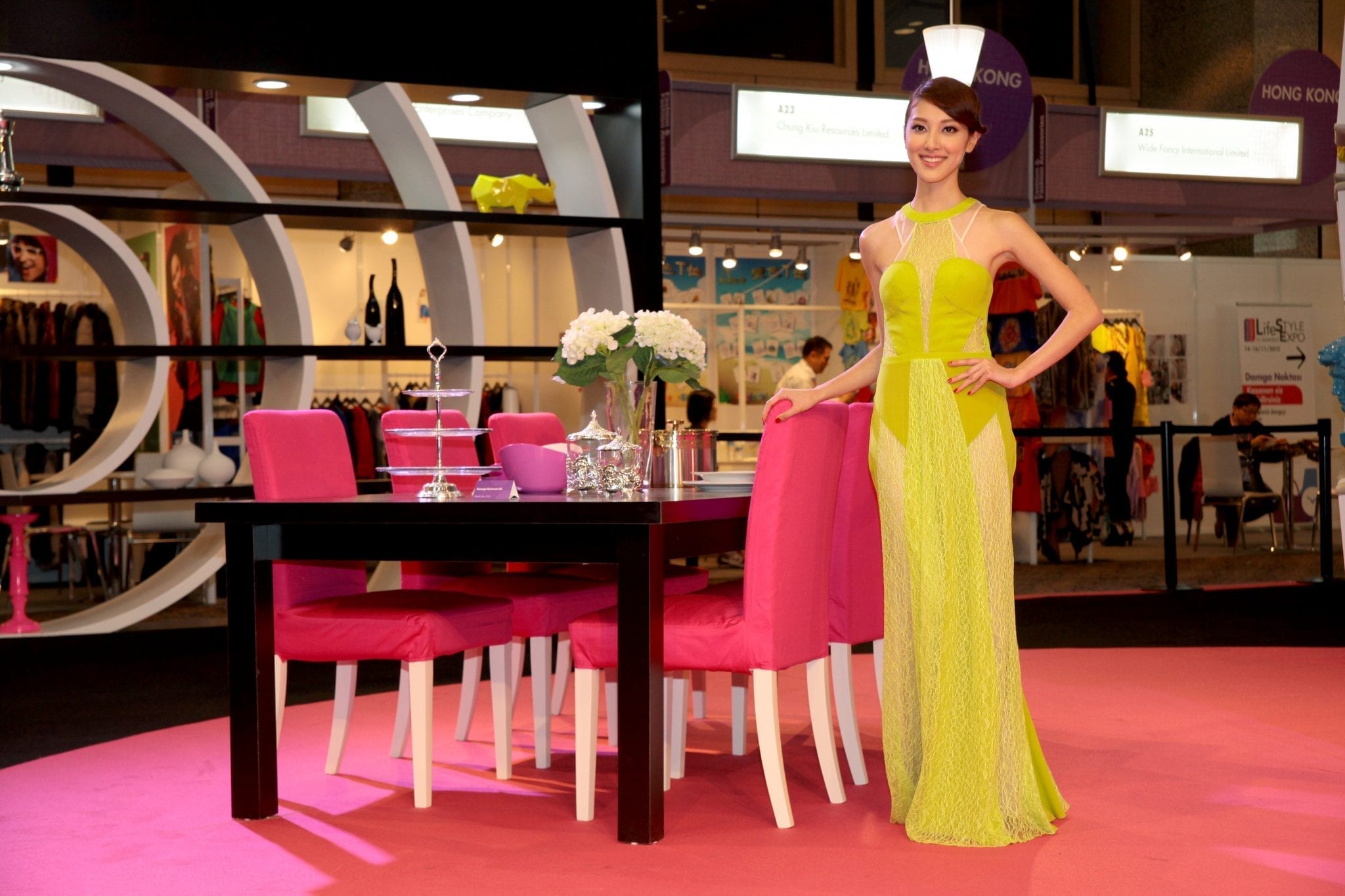
    The inaugural HKTDC Lifestyle Expo in New Delhi welcomed more than 2,000 trade buyers during its two-day run on 19 and 20 December 2016, as 120 Hong Kong and mainland companies showcased a range of trendy, high-quality products, reaffirming Hong Kong’s position as Asia’s lifestyle trendsetter and “super-connector” in business.

    Jointly organised by the Hong Kong Trade Development Council (HKTDC) and the Trade Development Bureau (TDB) of the Ministry of Commerce of the People’s Republic of China, the expo took place at The Lalit New Delhi.

    Apart from bringing a slice of Hong Kong lifestyle to India, the event also helped develop stronger bilateral trade relations between India and the Chinese mainland.

    The Opening Ceremony was officiated by LC Goyal, Chairman and Managing Director, India Trade Promotion Orgnisation, Stephen Liang, Assistant Executive Director, HKTDC, Jin Hong, Deputy Director-General, Trade Development Bureau, Ministry of Commerce, The People’s Republic of China, and Li Bai Jun, Commercial Counsellor, Economic Counsellor’s office of the Embassy of the People’s Republic of China in the Republic of India.

    Bridging India and China

    “We have very big hopes for the future of trade links between India and China, with Hong Kong serving as a ‘super-connector’ between two of the world’s most populous and fastest-growing large economies,” said Mr Liang.

    “India and China are two of the fastest-growing large economies on earth, with the IMF (International Monetary Fund) predicting GDP growth of 7.6 per cent and 6.2 per cent respectively in 2017. Together, they have a combined population of some 2.7 billion potential consumers,” he added.

    Individual buyers and buying missions came from New Delhi and other cities and regions including Mumbai, Chandigarh, Gujarat, Haryana, Jharkhand, Maharashtra and Punjab.

    At the Lifestyle Expo, the exhibitors paraded a variety of modern, high-calibre products including consumer electronics and ICT, gifts and premium, household products and electrical appliances, fashion and accessories and watches and clocks. The expo also featured trade-related services.

    These attracted buyers from different sectors, including importers, distributors, mass retailers, mail-order houses, department stores and specialised stores.

    Getting Connected

    The HKTDC arranged more than 1,600 one-to-one business matching meetings and various networking events during the expo to further connect Hong Kong and Chinese mainland suppliers with buyers.

    A brand new “Live Chat” service was offered at the Thematic Showcase Display zone, where staff connected buyers to off-site exhibitors via WhatsApp for real-time discussion of potential deals.

    The expo also featured the popular hktdc.com Small Orders showcase spotlighting 150 products available for orders in quantities of between five and 1,000 units. This allowed buyers to place small orders to test the market while minimising their risks. It also leveraged the growing trend of e-tailing that is changing the face of international trade.

    Business leads

    Exhibitors reported positive results from their participation in the event. Andy Lee, Managing Director of Hong Kong houseware supplier Star Express Asia Ltd. said he was happy with the quality of the Indian buyers. The company received about 25 serious enquiries, including a potential customer he had established contact with through the HKTDC Showcase Display at the China Products (Mumbai India) Exhibition 2016.

    Hong Kong LED lighting supplier Celex LED Technology Ltd Business Development Director Andrew Tsang said he was satisfied with the results, having been approached by “very good” Indian buyers including a lighting contractor and LED lighting distributors from Mumbai and New Delhi.

    Hong Kong online marketing services promoter CG Marketing Co Ltd, was keen to find local partners, and the company received more than 30 enquiries from various sectors, including online marketing, travel, toys and electronics products.

    The inaugural HKTDC Lifestyle Expo in New Delhi welcomed more than 2,000 trade buyers during its two-day run on 19 and 20 December 2016, as 120 Hong Kong and mainland companies showcased a range of trendy, high-quality products, reaffirming Hong Kong’s position as Asia’s lifestyle trendsetter and “super-connector” in business.

    Jointly organised by the Hong Kong Trade Development Council (HKTDC) and the Trade Development Bureau (TDB) of the Ministry of Commerce of the People’s Republic of China, the expo took place at The Lalit New Delhi.

    Apart from bringing a slice of Hong Kong lifestyle to India, the event also helped develop stronger bilateral trade relations between India and the Chinese mainland.

    The Opening Ceremony was officiated by LC Goyal, Chairman and Managing Director, India Trade Promotion Orgnisation, Stephen Liang, Assistant Executive Director, HKTDC, Jin Hong, Deputy Director-General, Trade Development Bureau, Ministry of Commerce, The People’s Republic of China, and Li Bai Jun, Commercial Counsellor, Economic Counsellor’s office of the Embassy of the People’s Republic of China in the Republic of India.

    Bridging India and China

    “We have very big hopes for the future of trade links between India and China, with Hong Kong serving as a ‘super-connector’ between two of the world’s most populous and fastest-growing large economies,” said Mr Liang.

    “India and China are two of the fastest-growing large economies on earth, with the IMF (International Monetary Fund) predicting GDP growth of 7.6 per cent and 6.2 per cent respectively in 2017. Together, they have a combined population of some 2.7 billion potential consumers,” he added.

    Individual buyers and buying missions came from New Delhi and other cities and regions including Mumbai, Chandigarh, Gujarat, Haryana, Jharkhand, Maharashtra and Punjab.

    At the Lifestyle Expo, the exhibitors paraded a variety of modern, high-calibre products including consumer electronics and ICT, gifts and premium, household products and electrical appliances, fashion and accessories and watches and clocks. The expo also featured trade-related services.

    These attracted buyers from different sectors, including importers, distributors, mass retailers, mail-order houses, department stores and specialised stores.

    Getting Connected

    The HKTDC arranged more than 1,600 one-to-one business matching meetings and various networking events during the expo to further connect Hong Kong and Chinese mainland suppliers with buyers.

    A brand new “Live Chat” service was offered at the Thematic Showcase Display zone, where staff connected buyers to off-site exhibitors via WhatsApp for real-time discussion of potential deals.

    The expo also featured the popular hktdc.com Small Orders showcase spotlighting 150 products available for orders in quantities of between five and 1,000 units. This allowed buyers to place small orders to test the market while minimising their risks. It also leveraged the growing trend of e-tailing that is changing the face of international trade.

    Business leads

    Exhibitors reported positive results from their participation in the event. Andy Lee, Managing Director of Hong Kong houseware supplier Star Express Asia Ltd. said he was happy with the quality of the Indian buyers. The company received about 25 serious enquiries, including a potential customer he had established contact with through the HKTDC Showcase Display at the China Products (Mumbai India) Exhibition 2016.

    Hong Kong LED lighting supplier Celex LED Technology Ltd Business Development Director Andrew Tsang said he was satisfied with the results, having been approached by “very good” Indian buyers including a lighting contractor and LED lighting distributors from Mumbai and New Delhi.

    Hong Kong online marketing services promoter CG Marketing Co Ltd, was keen to find local partners, and the company received more than 30 enquiries from various sectors, including online marketing, travel, toys and electronics products.

    Lifestyle trendsetter

    The Lifestyle Expo is one of the HKTDC’s signature international promotion events and has a successful track record in fostering trade between companies from Hong Kong and emerging markets worldwide including Russia, Poland, Turkey, Dubai, India and Indonesia. The Lifestyle Expo in Mumbai was successfully held in 2010.
    The Lifestyle Expo is one of the HKTDC’s signature international promotion events and has a successful track record in fostering trade between companies from Hong Kong and emerging markets worldwide including Russia, Poland, Turkey, Dubai, India and Indonesia. The Lifestyle Expo in Mumbai was successfully held in 2010.

  • Fitness, driver of consumer market

    Fitness, driver of consumer market

    Saturday mornings appear to be ideal for fitness-crazy Shanghai groups to have fun in the form of dance-like workouts outdoors.

    Some 500 lined up last Saturday to join a one-hour event. The venue was disco-like. Les Mills, one of the world’s largest developers of group workouts, kicked off its global tour for 2016 beside the shimmering Huangpu.

    On the dais, five coaches gave instructions to the fitness fanatics, who pushed up weight-laden barbells in sync with the beats of rock-and-roll music.

    “It feels more like a party than an early morning workout,” said Zhang Qiong, 26, who woke up at 6 am to attend the morning’s first class.

    Phillip Mills, CEO of Les Mills, said it is not surprising Chinese people are passionate about group workouts, given the proliferating gyms and fitness programs.

    Les Mills’ programs are provided to 8 million people by 90,000 teachers in more than 17,000 clubs around the world every week.

    The firm is eyeing fast growth in China. “Workouts have become a lifestyle. People believe they are good for work-life balance. As far as I know, China has more than 18,000 brands of gyms and workout programs. Les Mills has been popular around the world. Now, it’s getting increasingly welcomed across the nation,” said Phillip Mills.

    “China’s fitness market, including gyms and program developers, needs consolidation after the fast growth. In the long run, we’re confident the market size is really going to expand to a significant size.”

    According to a research note from Euromonitor International, demand for fitness in China has become one of the top ten drivers of the consumer market. Other drivers include clothing, leisure, entertainment, food and beverages.

    Joey Chio, senior associate director of Savills China Retail Tenant Representation, said that athletics-related leisure, also called “athleisure” by fitness fans, has been gaining market share in clothing in recent years. Brands such as Lululemon and Under Amour have become trendy in the retail landscape.

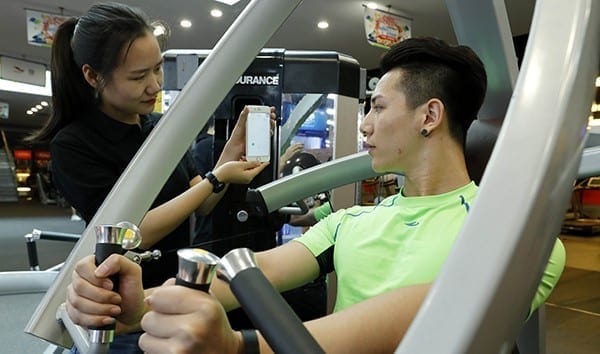
    Its spillover effect has been that opportunities arose for players in other sectors, like mobile application developers. Keep, a smartphone app which teaches workout tips and training programs through video clips, now boasts 50 million users. It received C round investments from, among others, technology giant Tencent Holding Ltd. This, just two years after launch.

    “Fitness has become popular due to many factors. There is government policy to develop the sports sector. Lifestyles are changing with more focus on health. There is a cultural trend toward sexy six-pack figures. There is middle-class anxiety about the costs of ill health and peer pressure to look better. You want to prove you can afford to hit a gym to stay active,” said Julian Chow, an analyst with Shanghai-based Tang Yue Culture and Communication.

    Fitness market insiders said China’s health clubs and gyms still face some challenges, and measures are needed to make the market more transparent and fair.

    “Piracy of choreography, unsafe exercise instructions given by untrained coaches, and poorly regulated membership pricing are hindering the development of the fitness market. As the market gets more mature and competition fiercer, consumers will have more options, which should improve standards,” said Michael Yip, a coach with Tera Wellness Club.