Tag: lifestyle

  • H&M Tested New Concept and Digital Developments

    H&M Tested New Concept and Digital Developments

    Global fast-fashion retailer H&M plans to introduce further digital services and features to improve its customer experience both in physical stores and online. The brand launched a series of tests in selected stores last year while rolling out digital features and services to boost its customer offer, experimenting with factors such as the interior and exterior, the product range and the overall look and feel of its stores. The firm also introduced technical solutions to make it easier for both staff and customers to navigate stores and identify fashion favourites.

    H&M plans to continue that work this year in line with the firm’s omnichannel strategy. Testing this year will include cafe concept It’s Pleat, a florist shop-in-shop, self-service checkouts, monogramming services and repair services as well as a digital wall where customers can share their H&M favourites under the #HMxME tag.

    “These stores give us a chance to try out and explore new concepts and activities to make our stores more inspiring and offer customers a great experience,” said H&M MD Fredrik Olsson.

    “We are looking forward to continuously evaluate these tests where we are exploring the strength of a global brand in combination with a more personal touch and local relevance. We are also rolling out digital services and features to offer fashion fans inspiring and seamless shopping in line with our omni-channel strategy.”

  • Uniqlo sales performs well globally, not in hometown

    Uniqlo sales performs well globally, not in hometown

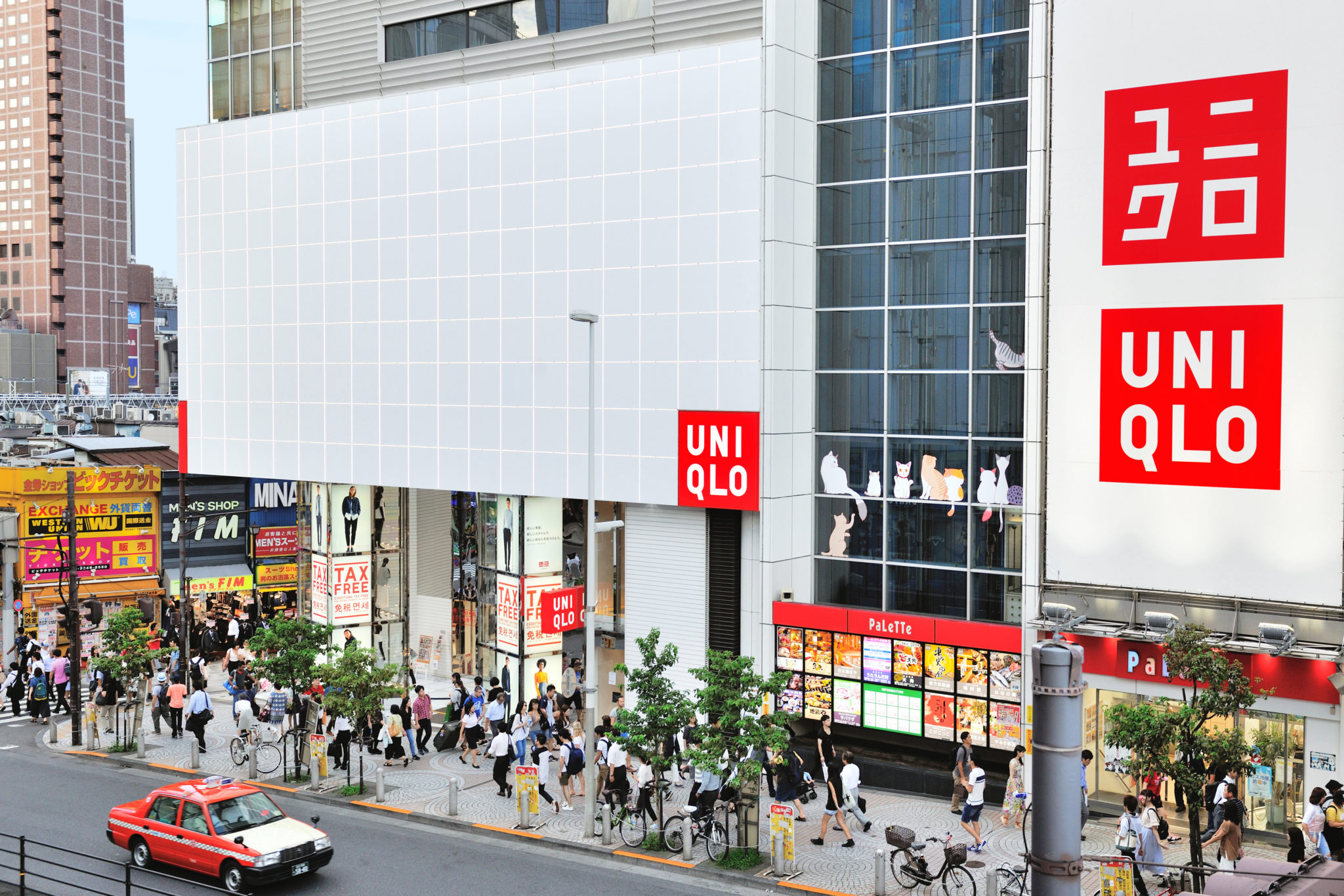
    Fast Retailing Group has reported a decline in revenues for Uniqlo Japan against broader successes internationally in its first quarter. A sharp profit decline on sluggish sales of seasonal ranges during a warm winter in Japan has given rise to disappointing results in the Uniqlo brand’s home territory. Uniqlo Japan posted revenues of ¥246.1 billion (US$2.27 billion), a decrease of 4.3 per cent year on year, with first-quarter profit before taxes of ¥111 billion ($1.03 billion), down 5.7 per cent; and profit attributable to owners of the parent firm of ¥73.4 billion ($678.4 million), down 6.4 per cent. Online sales expanded favourably in the market, however, showing an increase of 30.9 per cent.

    Uniqlo International saw an operating profit far exceeding that of Uniqlo Japan, with revenues at ¥291.3 billion (2.69 billion) up 12.8 per cent. Uniqlo Greater China and Uniqlo South Korea both reported higher sales and profits despite the dampening effect of the warm winter. Uniqlo Southeast Asia & Oceania continued to report significant revenue and profit gains.

    The report said Fast Retailing’s consolidated business estimates for the financial year ending August 31 remain unchanged from the initial forecasts released last October, predicting an 8 per cent expansion in revenue and 14.3 per cent increase in operating profits.

  • Ananth Narayanan steps down as Myntra Jabong CEO

    Ananth Narayanan steps down as Myntra Jabong CEO

    Fashion e-tailer Myntra Monday said its CEO Ananth Narayanan has quit, a development that ends months of speculation about his exit following a recent re-jig at its parent group Flipkart. In a statement, Myntra said Narayanan has decided to step down as CEO of Myntra and Jabongto pursue external opportunities. Amar Nagaram has been named as Head, Myntra and Jabong, and will report to Flipkart Group CEO Kalyan Krishnamurthy, it added.

    According to a report, there were speculations that Narayanan would quit after a new reporting structure was put in place when Binny Bansal — the then CEO at Flipkart Group (which owns Myntra and Jabong) — quit the company.

    As a part of the new structure, Myntra and Jabong were brought under Flipkart, with Narayanan reporting to Krishnamurthy.

    “Ananth has played an important role in making Myntra and Jabong into a formidable player in the fashion e-commerce market and steering the company towards sustainable growth,” Myntra said in its statement Monday.

    It added that over the last three and a half years, Narayanan and the management team have built a strong foundation for the company.

    “Myntra and Jabong are an important part of the Flipkart group serving our valuable customers. The company will continue to execute the growth strategy and leverage synergies with Flipkart as appropriate,” it said.

    The strong bench strength and new leadership at Myntra and Jabong will allow the business to continue on its strong and sustainable growth trajectory, the statement added. Nagaram, who recently moved to Myntra from Flipkart, has been working with the group for around seven years.

    “…(Nagaram) has played a pivotal role in making shopping accessible, delightful and affordable on every connected device. Most notably, he led the efforts on revisiting the boundaries of mobile web, making the experience on it as good as native,” the statement said.

  • L’Occitane adds Elemis to portfolio

    L’Occitane adds Elemis to portfolio

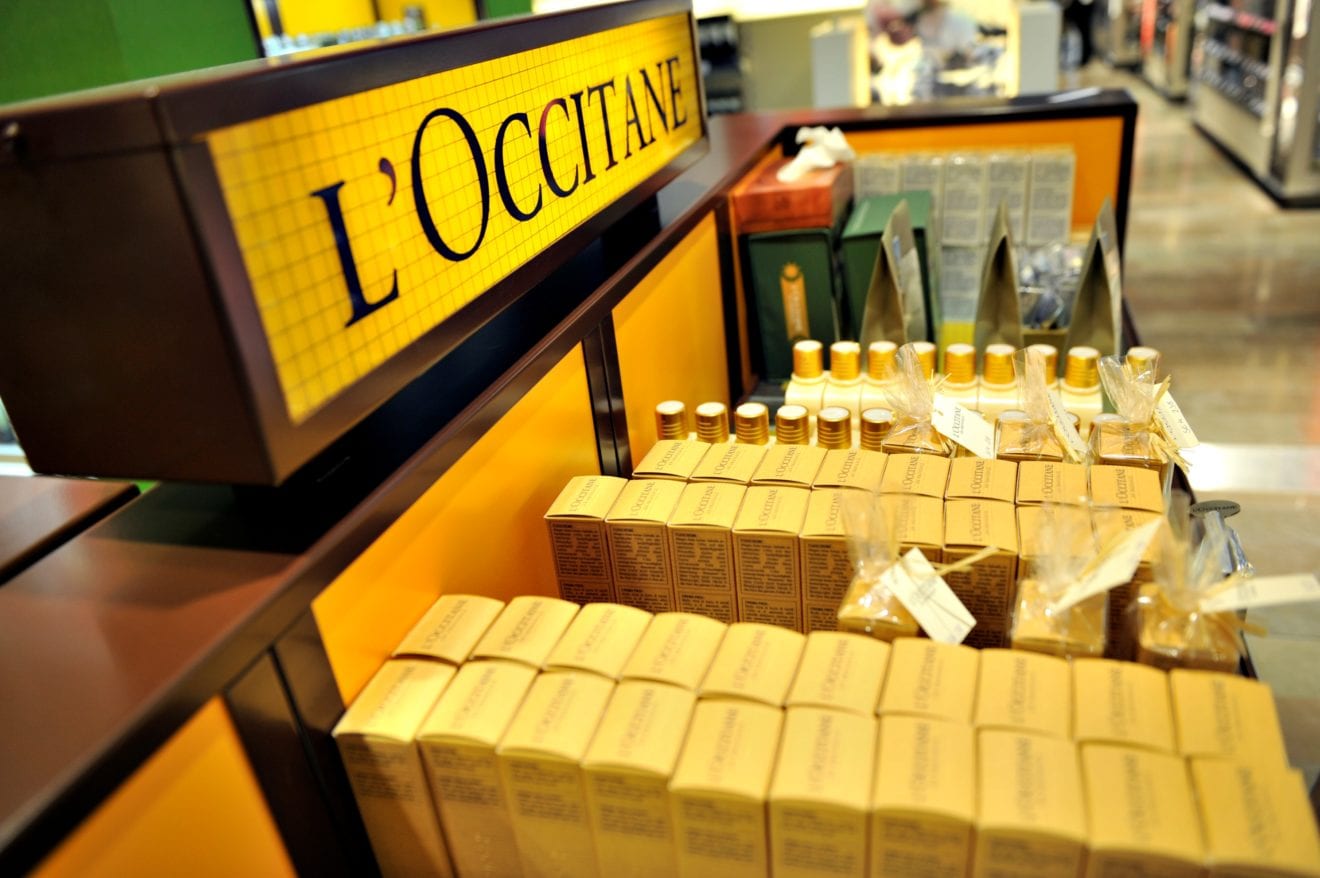
    Hong Kong-listed cosmetics retailer L’Occitane International is to buy privately owned beauty and skincare brand Elemis for about US$900 million. “This is L’Occitane’s largest acquisition since listing and a major step forward in building a group of premium beauty brands,” said CEO Reinold Geiger in a statement.

    The move is part of a strategy to boost L’Occitane’s sales in the UK and the US. In a statement, the company said the the deal will allow Elemis to expand into new markets and boost L’Occitane’s business in markets in which it is not so strong as yet.

    L’Occitane has agreed to buy the Elemis brand from Steiner Leisure, which owns the US business, and Nemo UK, which owns the European business.

    The deal, to be funded by cash and bank loans, will be closed in the first quarter of this year.

    L’Occitane, which listed in Hong Kong in 2010, currently has 3285 outlets in 90 countries, including 1555 stores it owns and operates directly. Last financial year it achieved a profit of €141 million on sales of €1.3 billion.

  • Vietnam digital media giant acquires US network

    Vietnam digital media giant acquires US network

    Media giant Yeah1 Group has acquired ScaleLab, a U.S. Youtube multi-channel network, for $20 million. ScaleLab is expected to receive $12 million upfront and another $8 million later if business targets are achieved two years after the merger. ScaleLab executives have said the company agreed to the sale because it requires an infusion of funds to expand operations and desired to integrate with Yeah1’s media ecosystem.

    ScaleLab plans to expand into Asia, where Yeah1 connects Asian talents and influencers with the international market.

    Tri Dao Phuc, CEO of Yeah1, said the strategy over the next three years is to “acquire premium social media brands, optimize our existing channels to boost viewership and performance.”

    Headquartered in Hollywood, the U.S., ScaleLab is best known as the Youtube partner of Jake Paul, Jimmy Donaldson, Mariale Marrero, Erika Costell, Katie Angel, and many other YouTube stars.

    It has a roster of 1,750 influencers and 400 million subscribers, and gets three billion Youtube views a month.

    The five-year-old company was recognized as the fastest-growing media company in the U.S. by Inc. Magazine last September.

    This is not Yeah1’s first acquisition in the social media field. Last year it had bought two multi-channel network (MCN) companies, SPRINGme of Thailand and Something Big of France.

    Founded in 2006 it is Vietnam’s largest multi-channel media ecosystem, operating TV channels, movie studios, Youtube networks, and digital news.

    It was also the first media company to list when it got into the Ho Chi Minh Stock Exchange (HOSE) last June.

  • Heytea opens store in Hong Kong

    Heytea opens store in Hong Kong

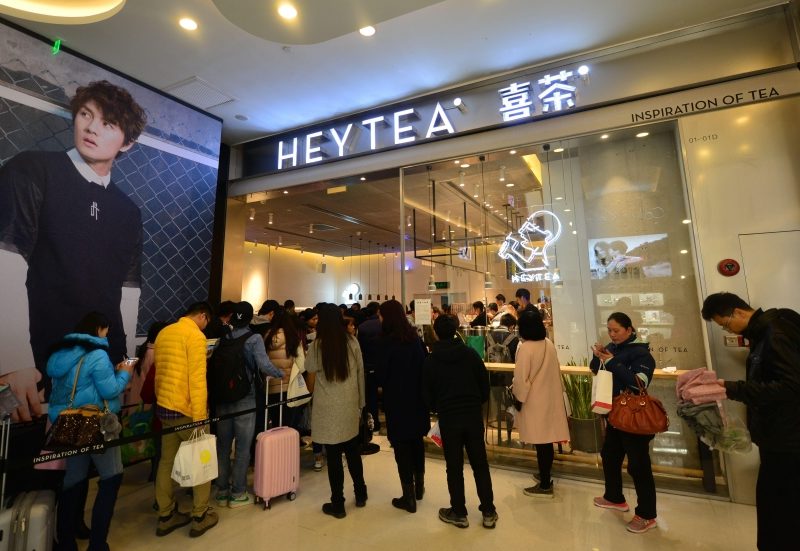
    On December, 24 Sha Tin New Town Plaza, in Hong Kong, welcomed Heytea. A huge crowd queuing up for more than 3 hours just to get a cup of Cheese Tea from the Chinese tea-drink brand Heytea was the protagonit that day. Due to the buy-one-get-one free promotion during the Christmas holidays, people started lining up as early as 6:00 am.

    Heytea officially announced that it had opened its first Hong Kong store only on january, 3. They chose to expand into Hong Kong’s market due to the city’s international status as well as its vibrant food and beverage scene. It helps to promote Heytea as a popular and innovative tea-drink brand among global consumers, especially younger generations.

    The store not only offers its signature cheese tea, but also a great variety of fruit tea and ice cream. The tea is imported from all over the world which aims to renew the traditional tea culture.

    Also, it introduces an exclusive product combined with Hong Kong local food culture, namely, the Eggette Roll Sundae, adding new vitality into the brand, according to its founder Nie Yunchen.

    He said “geographically, Hong Kong is adjacent to Guangdong Province and Shenzhen. Hong Kong people already know our brand and often buy our tea when they visit Shenzhen or other cities in Guangdong. In order to thank our supporters and cope with an increasing demand of our tea, we think it is the right time to extend our reach to the city.”

    Zhenglei, Development Director of Heytea, confirmed that Heytea opened its second Hong Kong store in Causeway Bay on 12 January 2019. “We are quite confident that our tea products will be very welcomed by our customers in Hong Kong.”

    In order to avoid a huge crowd like the last opening, Heytea planned to replace the traditional order and payment method by ordering through their mobile app.

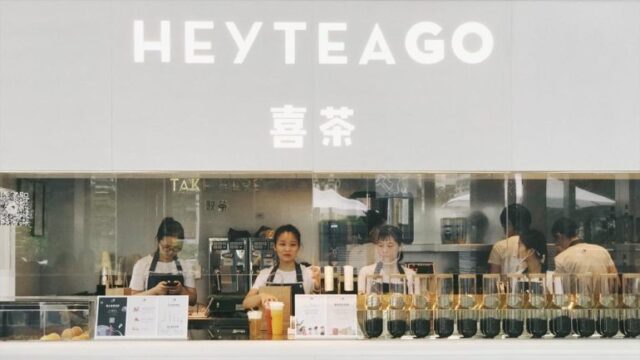
    The second shop of Heytea located in Causeway is named as “Heyteago”, their customer can order online in anytime, anywhere for a cup of tea-to-go. Therefore, cheese-tea lovers can save their time and no need to queue up for 3 hours outside Heytea again.

  • Bamboo Airways to begin flying next week

    Bamboo Airways to begin flying next week

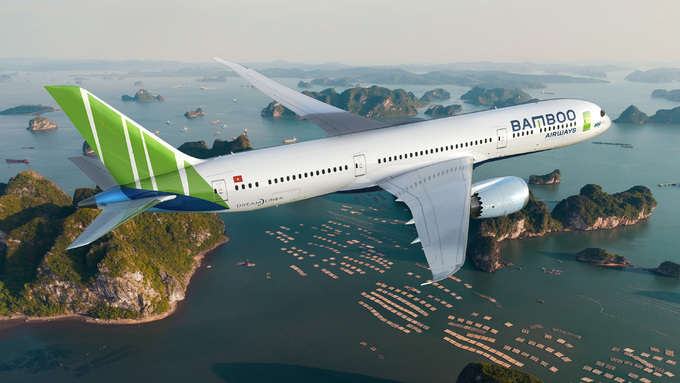
    Bamboo Airways, Vietnam’s newest airline, has begun ticket sales and its first flight is scheduled to take off next Wednesday. The airline has just officially opened ticket sales on Saturday. It has three ticket classes, Economy, Flexible Economy and Business Class, and unlike other low-cost carriers like VietJet and Jetstar Pacific, all passengers will be served hot meals or snacks.

    The carrier has announced a slew of promotions such as combining air tickets with hotel rooms at resorts owned by FLC Group, its parent company, and golfing.

    The airline’s vice president, said the first flights would be to Hanoi, HCMC, Danang and popular tourist destinations such as the central provinces of Quy Nhon, Quang Binh and Thanh Hoa and the northern province of Quang Ninh.

    Bamboo Airways start off with 60 domestic flights a day. Later this year it will fly to Japan, Korea and Singapore.

    Bamboo Airways was founded in mid-2017 with a charter capital of VND700 billion ($30 million), which it increased to VND1.3 trillion ($55.68 million) recently.

    The airline has signed deals to buy 24 Airbus A320neo and 20 Boeing B787-9 Dreamliner aircraft for around $8.6 billion.

    The four other carriers currently in Vietnam are Vietnam Airlines, Vietjet Air, Jetstar Pacific, and VASCO.

  • Samsung to introduce S10 on Feb. 20

    Samsung to introduce S10 on Feb. 20

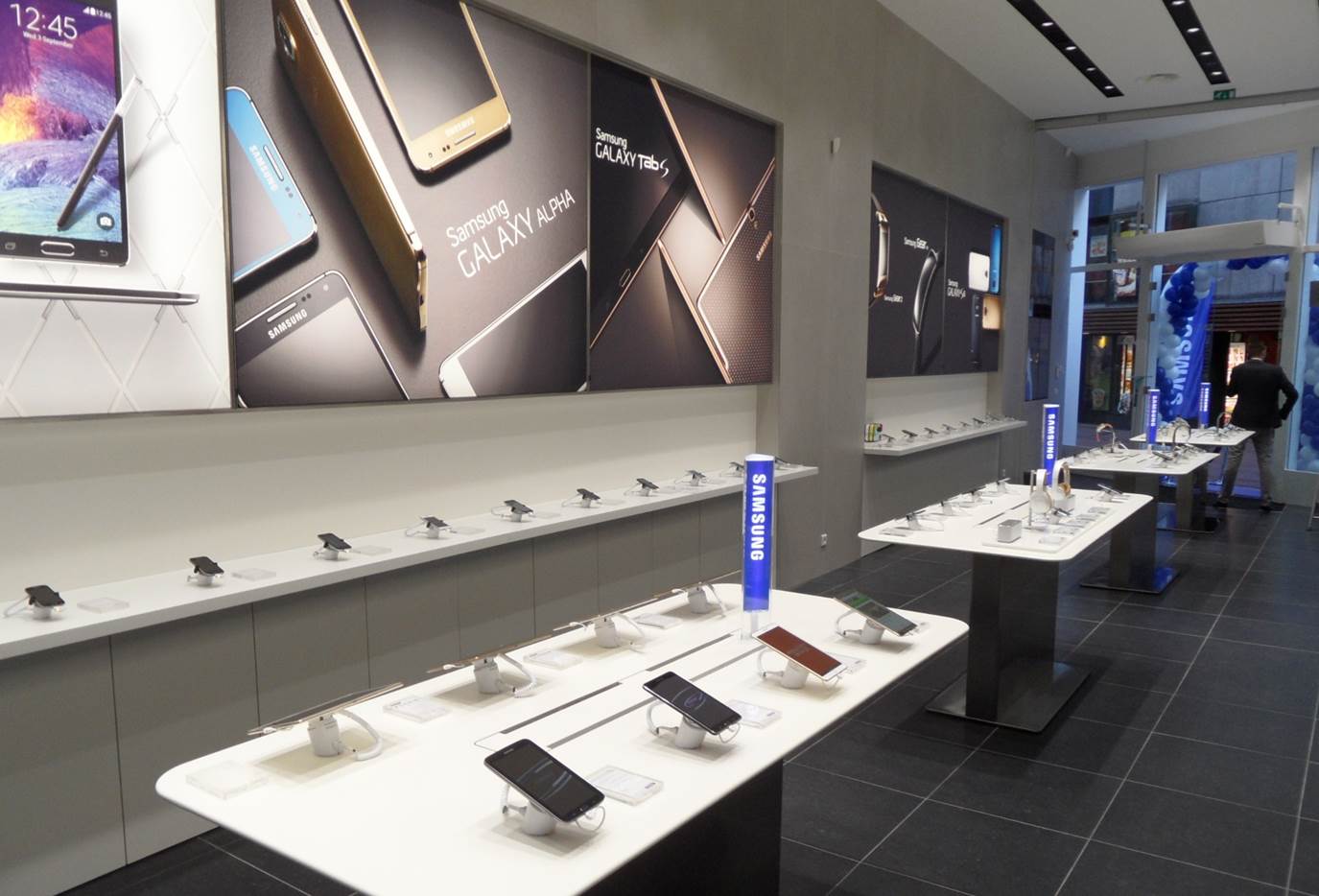
    Samsung Electronics on Friday sent out invitations to its next unpacking event, where it is widely expected to unveil the next model in its Galaxy S smartphone series, the S10. The event is taking place on Feb. 20 at 11 a.m. at the Bill Graham Civic Auditorium in San Francisco. Samsung noted that it will “unveil new devices that promise to usher in new Galaxy experiences based on 10 years of innovations” in a press release, without detailing what phones will be showcased.

    The major question is whether the phone maker will unveil details of the foldable phone that it has been developing for the last few years. According to an article by the Wall Street Journal, the tech company plans to show a “fully functional foldable-screen handset” during the unpacking event. Samsung declined to confirm the claim.

    There is a possibility that the model could be briefly shown, like at the Samsung Developer Conference in November last year. A proof-of-concept version of its foldable phone was briefly introduced on stage at the event. The phone is often referred to as the “Galaxy Fold” and “Galaxy F,” but the electronics giant has yet to confirm the actual name for the highly anticipated product.

    Some leaders of Samsung’s mobile carrier partners said they have already seen the company’s foldable phones in closed door meetings at the Consumer Electronics Show that ended Friday.

    SK Telecom CEO Park Jung-ho said during his press briefing at the electronics exhibition that “Samsung did not open up the foldable phone to general visitors, but showed the phone to me,” adding “the phone is in good shape.”

    Park said the phone will be able to offer an improved media consumption experience.

    LG U+ CEO Ha Hyun-hwoi also said he had seen two foldable phones during his visit to CES booths, though he did not say whether they were from Samsung. Ha said they come in “various shapes” and added that they seem to be “early stage phones that will enable customers to experience various video and gaming contents newly offered on the 5G network.”

    Some other media reports, however, suggest Samsung may only show off three variants of its Galaxy S10 and hold off on its foldable phones until the Mobile World Congress (MWC) in Barcelona, which kicks off five days after the unboxing event.

    The Galaxy S10 is expected to come in a basic 6.1-inch screen version, a plus model with a larger 6.44-inch screen and a budget model with a 5.8-inch screen. A fourth variant equipped with 5G connectivity is expected to hit the market later in the year. The 5G-connected model is rumored to come with four cameras on the back.

    The Korean electronics giant unveiled its latest Galaxy S series a day before the massive mobile trade show held in Spain, but this year’s event comes about a week earlier than usual.

    It may be a move to put the spotlight on its S10 models for a few days before they get drowned out by stories about the foldable model they may intend to show off at MWC.

    The unpacking event in San Francisco, where its rival Apple is based, is expected to attract 3,000 people from global companies and the media, according to Samsung. A localized unpacking event will also be held simultaneously in London.

    Attracting global attention by coming up with an innovative design and feature upgrades is crucial for Samsung, which reported a sharp decline in earnings in the fourth quarter last year.

    Its operating profit in the October-December quarter fell 28.71 percent on year to 10.8 trillion won ($9.6 billion), according to a tentative earnings report the company released earlier this month.
  • Starbucks opens its Coffee Sanctuary in Bali

    Starbucks opens its Coffee Sanctuary in Bali

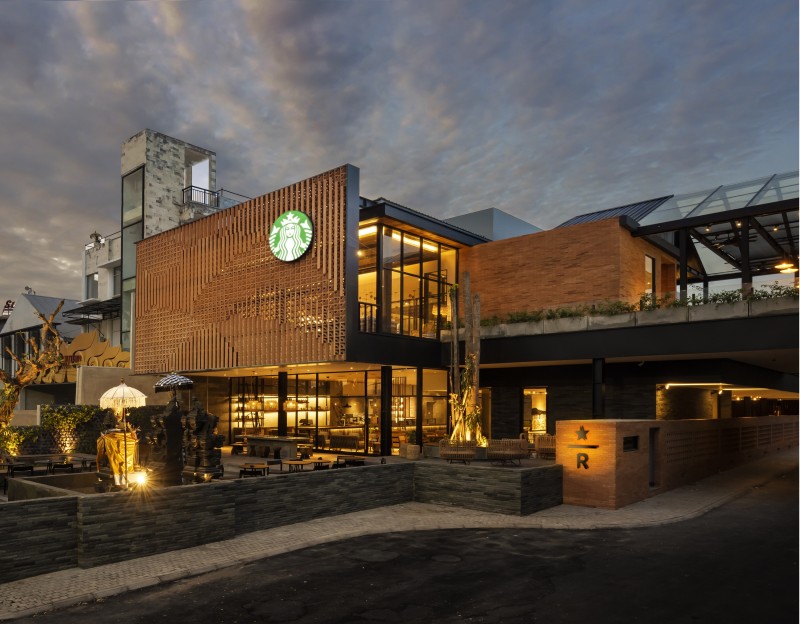
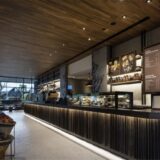
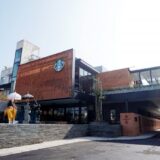
    Starbucks has opened its largest Southeast Asian location in Bali. The 20,000sqft Starbucks Dewata Coffee Sanctuary builds on 16 years of innovation in design, customer experience and community impact for the brand in Indonesia, where there are 370 Starbucks outlets nationwide. Customers can enjoy Starbucks handcrafted core and Reserve beverages within the store’s locally-inspired design that celebrates Indonesian tradition.

    The store pays tribute to the role that Indonesia, the fourth largest Arabica coffee-growing region in the world, plays in the Starbucks business. Sumatran coffee has been a staple offering at Starbucks since 1971.
    “We began sourcing Indonesian coffees more than four decades ago and have always been struck by the sense of community and care for the coffee journey at every step,” said Starbucks Coffee Company CEO Kevin Johnson.

    View the gallery of the new outlet below (8 images) :

    “The Starbucks Dewata Coffee Sanctuary amplifies our passion for the coffee journey, our ongoing commitment to Indonesia’s rich coffee culture, and our tireless pursuit of fostering moments of connection between our partners and customers. The Coffee Sanctuary marks the 10th Starbucks Reserve Bar store in Indonesia, one of 185 stores around the world, with the majority in Asia. This is Starbucks at its best, and we are proud to open the doors of this unique experience in one of Southeast Asia’s most dynamic markets.

    Visitors enter the store through an arabica coffee farm, try their hand at coffee bean de-pulping and washing during harvest season, dry and rake green coffee beans, visit budding seedlings in the nursery, take in the store’s locally-inspired design featuring traditional Balinese craft and Indonesian art, and enjoy the more than 100 Dewata-exclusive handcrafted beverages, food and merchandise, including the Lavender Latte.

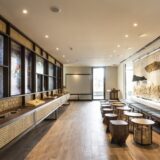
    The  Starbucks Dewata Coffee Sanctuary store’s expansive interior is inspired by traditional Balinese houses with free-flowing, connected rooms designed to promote discovery from one space to the next.

    “Bali has an envied reputation as one of Asia’s top travel destinations and Indonesia is one of coffee’s most extraordinary coffee origin regions,” said Starbucks Indonesia director Anthony Cottan said.

    “So we’re excited to invite customers here to ignite their senses and explore the seed-to-cup coffee journey at this unique Coffee Sanctuary. We’re very pleased to further strengthen the longstanding partnership between Starbucks and [licensee] PT Sari Coffee Indonesia with this truly one-of-a-kind Starbucks store, inspired by and filled with the finest examples of Indonesian art, design and craftsmanship.”

    To support the future of coffee, Starbucks Indonesia has committed to donating 100,000 coffee seedlings to farmers annually.

  • Look more inside to Shanghai Tang Pacific Place

    Look more inside to Shanghai Tang Pacific Place

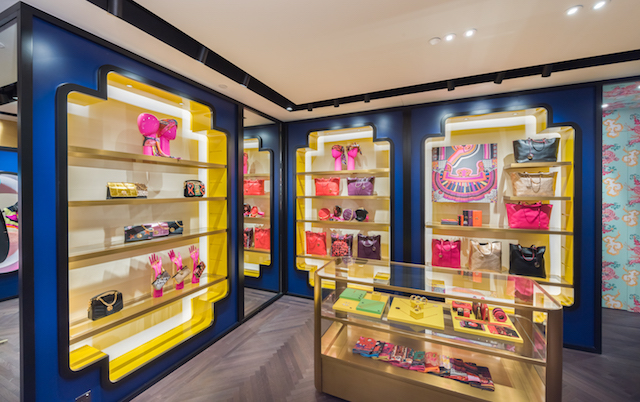
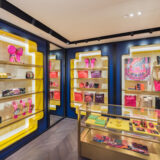
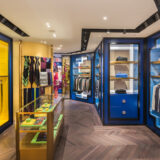
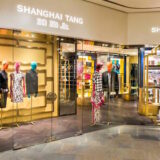
    A “plethora of paints and fabrics that radiate warmth” are at the core of the redesigned Shanghai Tang Pacific Place boutique. Design house Stefano Tordiglione Design (ST) oversaw the executive design and project management of the revamped 154sqm space, which opened last November. The project took six months to complete. Shanghai Tang is a privately owned, modern luxury brand which fuses current fashion design concepts with Chinese-inspired elements steeped in history. It is renowned for its use of bold colours, often contrasting, in fashion and homewares.

    Taking the lead in fine tuning the selection of materials, fabrics and colours, the design team created what creative designer Carlotta Turini describes as “a multi-sensory shopping experience to mirror the richness and beauty of Chinese culture”.

    Among the features are the changing rooms and home section, with the use of famed Jim Thomson wallpapers, giving the design an ‘Asiatic flavour’, with alternative wall coverings and racks fine tuned to create a sense of comfort within the shopping centre.

    The womenswear area has curved walls and a soothing beige fabric contrasted with bright paint, while the menswear area is elegant, warm and cozy, designed with dark brown wood and clean lines.

    These areas are united through a relaxed central seating area featuring art deco furniture.

    “To promote fluid movement through the space, the walls have niches features to provide attractions to the eye throughout the corridor as customers move between retail sections,” says Turini.

    The team had to interpret the original design drawings, developing a unique concept that is now demonstrated throughout the store.

    Efficient project management was vital to the success and on-time completion of the Shanghai Tang Pacific Place redesign.

  • The Indian Luxury Outlook 2019

    The Indian Luxury Outlook 2019

    As 2018 comes to a cold & wintry end, as political environment hots up, as new alliances, mergers and acquisitions take shape in business & politics, as GST corrections & FDI norms in ecommerce are tinkered, what is it that the Indian Luxury Industry can look forward to?

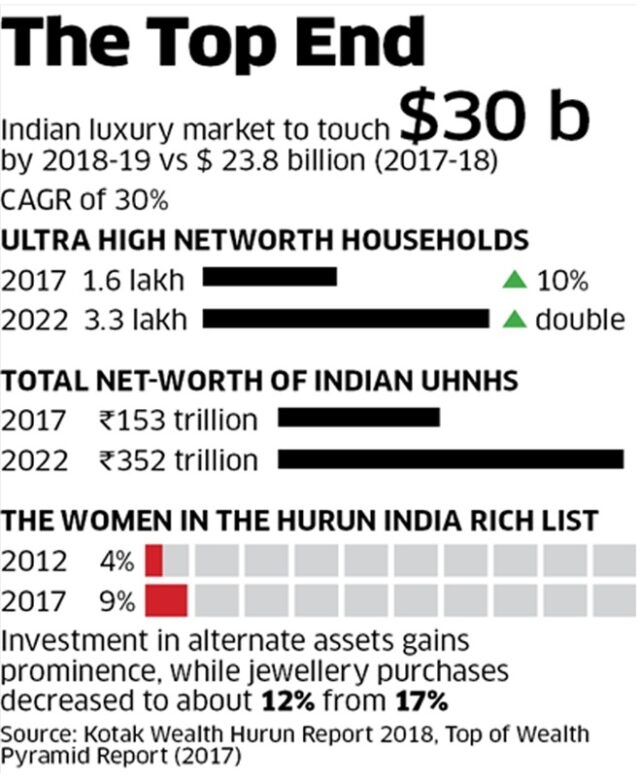
    Assocham figures continue to be optimistic and bullish. As per last projection, not only is the industry expected to be of a size of USD 30b by the year end 2018, but is also to continue its growth trajectory unhindered. But alas, the suddenly disturbed seemingly stable political applecart, the floundering rupee, the growing uncertainty, and the eminent global slowdown of 2020 looms large. Ground reality for luxury could be different. Industry insiders, trade analysts and brands all alike seek the pot of gold at the end of the rainbow.

    A seeming direction that the Indian Luxury Industry could take or adopt from the rest of the world appears as under:

    1. Consolidation is the key: With Reliance brands having taken over Genesis Retail in 2018, the largest fashion and accessory conglomerate of Indian Luxury and premium space has taken shape. With almost no competition, the all-powerful group is set to be the only point of entry into India. Surely independent brands and smaller groups continue to offer their wares, the sheer strength, negotiation powers and might of Reliance will perhaps be the single most driver of the fashion & Luxury space.
    2. Power of the Common Man: Someone wise enough once said ‘don’t underestimate the power of the common man’. Sure enough, luxury has slowly spread its wings to the hitherto sleepy tier I & tier II towns. The fast emerging Indian market is not only witnessing demand for luxury products from the Metros but also Tier I and Tier II cities which have a sizable number of HNIs (High Net-worth Individuals). Alongside, an increase in wealth for the middle class coupled with internet penetration has resulted in newer segments of first-time luxury buyers. This has given ample space for a whole lot of brands to set up shop in India, retail their brands through distribution networks. This surely will be the next growth driver for Luxury in India.
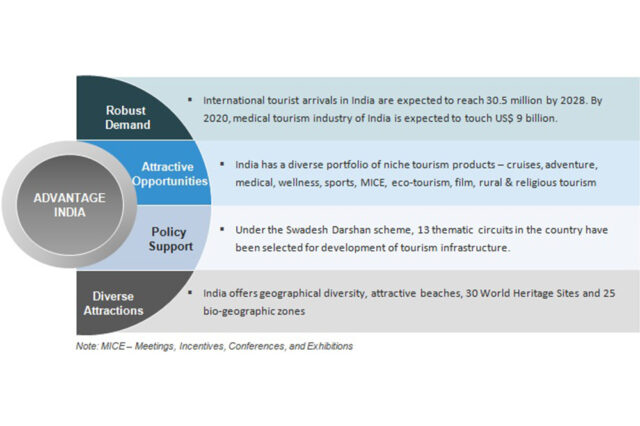
    3. Travel, Tourism &Hospitality will drive further growth to the value pie: With increased e-visa processing, faster on the ground arrival support, eye catchy Incredible India campaigns, the tourist inflow from within and outside is likely to further increase. Statistics according to a new report of the World Travel and Tourism Council (WTTC) reveal that India’s travel and tourism sector ranks 7th in the world in terms of its total contribution to the country’s GDP.During January-October 2018 FEEs from tourism increased 8.30 per cent year-on-year to US$ 23.54 billion.


      Source : www.ibef.or


    4. The Great Big Fat Indian Wedding carnivals will drive luxury: The wedding industry and the wedding service industry sets unprecedented benchmarks. According to a 2017 KPMG report titled Market Study of Online Matrimony and Marriage Services in India, the marriage services industry is estimated to be worth approximately US $53.77 billion (Rs 3, 68,100cr).This is one sector which adds incremental sales to all sectors of the industry – from beauty, fashion, accessories,  photography, jewellery, travel, hospitality, gifting to also the cuisine segment. With high standards being set by the likes of stars like Anushka Sharma – ViratKohli ; Priyanka Chopra – Nick Jonas& finally the Ambani weddings, the aspiration of average Indian to splurge on weddings is reaching a new peak. With Rolex watches as gifts to the entire wedding procession to bespoke clothing from super luxury brands to not only the entire family but the whole procession adds further fillip to the trade.
    5. Technology and Luxury: From high end home appliances such as Sub Zero Wolf to tech controlled homes like Home Automat, luxury and technology seem to marry and create an inseparable union. What was earlier restricted to high end laptops and computer systems demand has now invaded the mobile space, the home entertainment space besides the affluent kitchens. Super expensive mobiles from Iphone X to Hanmac are finding a demand que beyond their imagination in India.
    6. Technology and Retail: Omni-presence now means beyond just available everywhere to also be ‘Phygital’. A merger of the physical and digital retail is quietly invading the global retail. Amazon Go has already launched 8 number of cashier less stores& plans to ramp up to 3000 by 2021. Can India, the tech brain of the world be far behind? In Bangalore, Decathlon launched a similar store by introducing a ‘phygital experience’- an innovative mix of physical retail and digital touch points. From virtual reality to digital payments the intent is to create a fun, unique and immersive user experience designed to engage and add value to for them at every step of the way while choosing their favourite sports gear.On other hand, another concept store called ‘Watasale’ went further to create cashier less store, its first store in Kochi and have plans to expand to other cities including Bengaluru and New Delhi in the near future. Can Indian Luxury ignore this anymore?
    7. Predictive Analysis to Predictive Selling: The Indian fashion industry proudly receives its first futuristic analysis software, ‘Stylumia’. Created by ex Myntra founder Ganesh Subramanium, the software will assist in better buying to be able to improve efficiencies and sell through ratios. Most Luxury brands dependent on the human predictions of the buyer can now resort to technology and manage their budgets better. This coupled with predictive selling, could bring in the much needed correction in stocks over load with luxury brands.
    8. Experiential retail, Virtual Reality and Artificial Intelligence: These three aspects will come to the forefront: Brands like Arvind have introduced Magic Mirrors through its brand Creyate Custom Clothing. Also, Shoppers Stop has launched an innovative augmented reality-based dressing room: ‘The Magic Mirror’. It is an intelligent photo booth that gives customers the option to select and view apparel and accessories on themselves without having to physically ‘try on’ the desired products. Apart from this, ecommerce players such as Lenskart(Eyewear) and Caratlane (Jewellery) are already into Virtual trial of the products by customers.
    9. Rent a Luxury / Reusable Luxury are a reality: What started as a trickle two years back, is now a stream with more ventures offering specialised product categories arriving at the horizon.Websites such as Confidential Couture offer usable Luxury Goods while Ziniosa & Rent A Closet offer fashion on rent.And now, even the affluent women are renting high end jewellery for their wedding. The fashion rental market is becoming the biggest trend. A wedding suit or gown worth Rs. one lakh could be rented for as low as Rs. 2000 to Rs. 2500! It is estimated that the online wedding rental  business is worth Rs. 100 crore and the existing players have claimed a 25 to 50 per cent year-on-year surge in business (Black Book).
    10. Sustainable, Authentic and Responsible Luxury is being sought forGrassRootby Anita Dongre and Nicobar by Good Earth are few names that are famous for their Sustainable offerings.Slowly but surely, the well exposed Indian consumer seeks value over mere brand name. Value definitions are shifting rapidly in line with global shifts. A brand who pays heed to such demands will perhaps go a long way.
    11. SUVs take over the roads Various variants of SUVs have been introduced by automakers of all categories. From Mahindra XUV 500 to Lamborghini Urus, Rolls Royce Cullanin to Porsche Cayenne, almost all Luxury brands have come up with their SUV variant. Sale of SUVs grew seven times faster than that of passenger sedans. While small cars and sedans managed a growth of 3% in the last financial year, the sales of SUV grew 21%. The share of SUVs in overall passenger vehicle sales rose to nearly 30 % in 2017-18, compared to 14% recorded at the end of March 2017-18.According to numbers released by Society of Indian Automobile Manufacturers (Siam), 9.2 lakh SUVs were sold in 2017-18 against 7.6 lakh units in the previous year.
  • November Singapore retail sales stagnant

    November Singapore retail sales stagnant

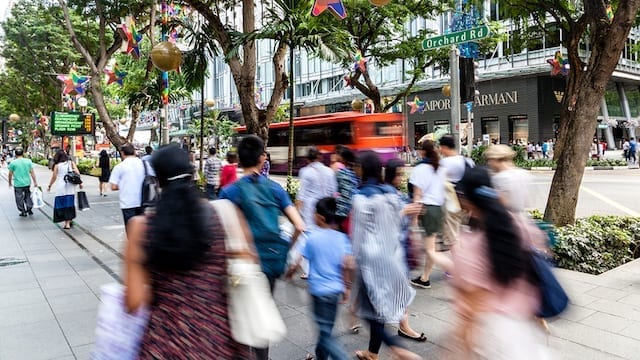
    November Singapore retail sales were static, rising just 0.2 per cent year on year after removing motor vehicles from the data. On a month-on-month basis, sales rose 1.4 per cent, again after disregarding motor vehicles. Perhaps the most interesting figure was the share of total retail sales which occurred online, reaching 6.6 per cent. In September, online accounted for 4.9 per cent of sales, in October 5 per cent. The November figure suggests the Singles Day shopping promotions on November 11 had a significant impact in Singapore.

    The worst-performing retail category in November Singapore retail sales was computers and telecommunications equipment, slumping 22.1 per cent year on year, which Statistics Singapore attributes to strong sales of phones in November 2017 due to the launch of new models.

    The optical goods and books categories posted sales declines of 4.6 per cent, while food retailers and supermarkets & hypermarkets fell by 3.7 per cent and 1.4 per cent, respectively.

    Department stores registered an increase of 8.7 per cent in sales, while medical goods & toiletries sales rose by 4.8 per cent.

    Turnover of fast-food outlets, restaurants and other eating places (such as cafes) increased between by 2.5 per cent and 4.5 per cent year on year in November. However, sales of food caterers decreased 2 per cent.

  • Grab appeals $208,000 Vinasun compensation ruling

    Grab appeals $208,000 Vinasun compensation ruling

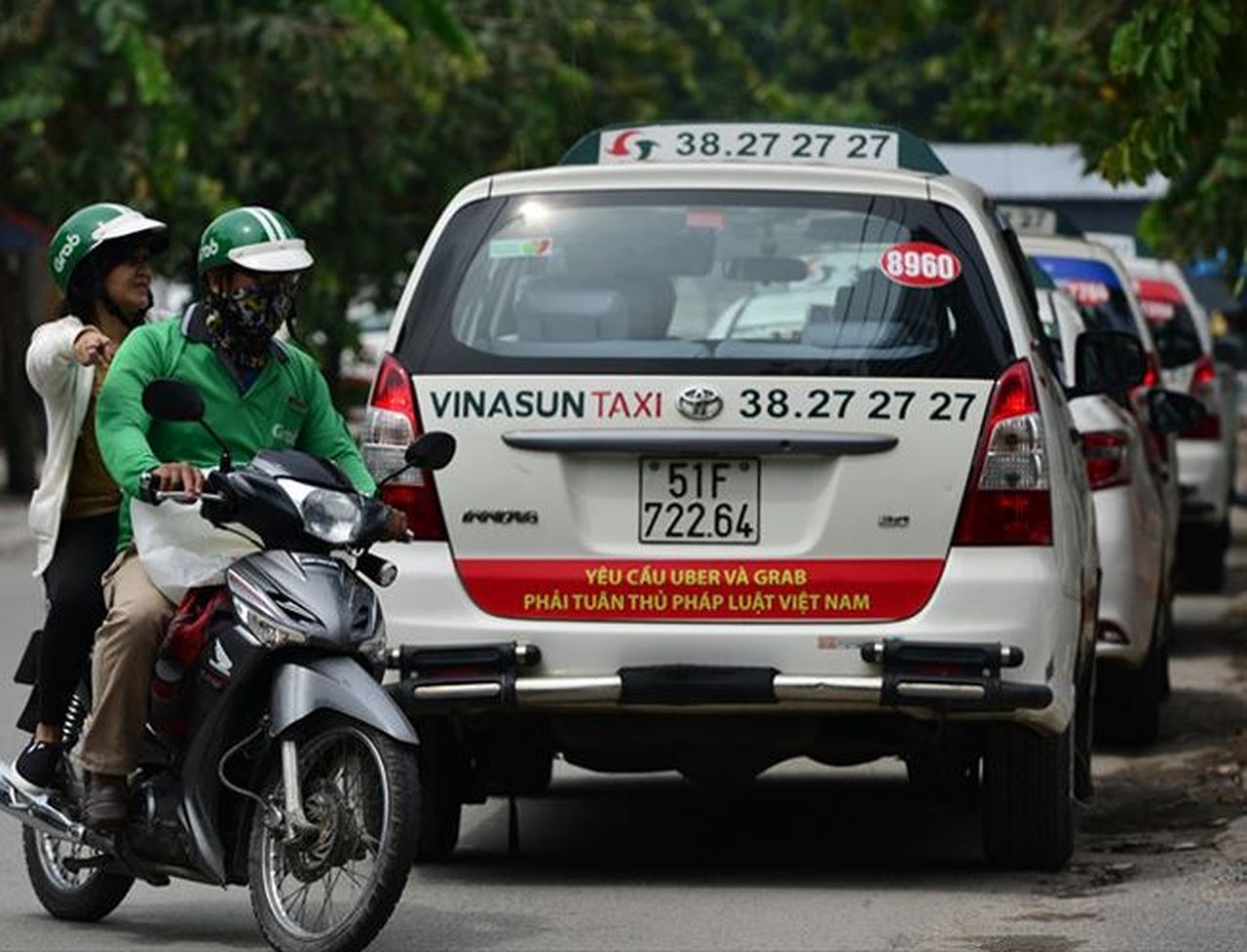
    Grab has appealed a verdict by a Vietnamese court to pay compensation to domestic taxi firm Vinasun for causing it losses. Arguing that the order to pay VND4.8 billion ($208,000) by the first instance court was unlawful, the Singapore-headquartered Grab has asked the appellate court to quash the case. It wants the court to quash the verdict on the ground that the HCMC People’s Court had seriously violated procedures and dismiss the case. The court had no jurisdiction to hear the case, handed a verdict that exceeded the scope of the lawsuit and did not summon the witnesses it had sought, the company said.

    The ride-hailing firm maintained it did not commit any wrong against Vinasun. If the appellate court is not willing to dismiss the case, it should at least amend the earlier ruling, ruling that Grab does not carry on a transportation business and has not violated any laws, and dismissing Vinasun’s claims.

    Grab said the court did not fully and objectively evaluate the facts and evidence of the case, but instead relied on biased information based on an inaccurate assessment of losses done by a court-appointed inspection company.

    “Vinasun could not prove its actual damages and/or the causal link between any of Grab’s alleged violations and Vinasun’s alleged damages,” Grab said in the statement.

    The court verdict came after an 18-month battle between Grab and Vinasun since last June when Vinasun filed a suit saying Grab’s illegal activities had caused it nearly VND42 billion ($1.8 million) in losses.

    The latest draft of a Ministry of Transport decree requires firms offering taxi services to register as taxi firms before they can apply ride-hailing technology.

    This means Grab and other ride-hailing firms have to register afresh as taxi businesses and comply with legal requirements related to operating licenses, drivers’ profiles and taxes.

  • Liho Singapore opens first outlet in Brunei

    Liho Singapore opens first outlet in Brunei

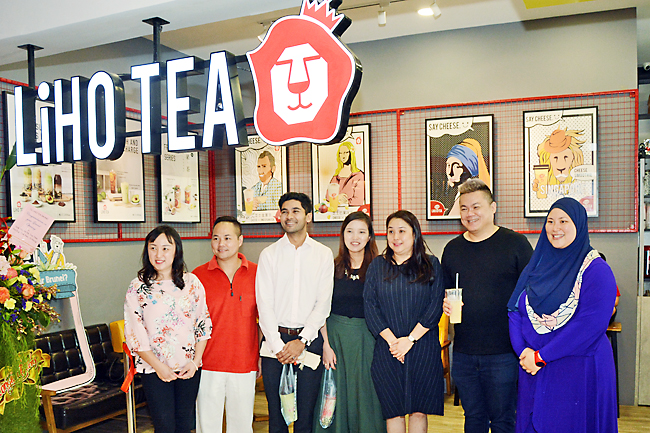
    Singaporean bubble tea brand Liho has launched in Brunei with its first outlet at Times Square Brunei Darussalam. The new Liho Brunei store is the result of a year’s preparation and is the first of 10 to 12 outlets planned across the country within the next year. The brand, popular for its brown sugar pearls, operates 93 locations across Singapore and already has a presence in Vietnam.

    “We are still growing and year to year outlook growth is around 20 per cent,” said Liho’s co-founder Rodney Tang. “As long as we understand the customers’ taste and needs, we can continue to grow. We intend to bring in more creative flavours to Brunei.”

  • LG teams up with Google to develop VR offerings

    LG teams up with Google to develop VR offerings

    LG U+ is partnering with Google to produce three-dimensional (3-D) virtual reality (VR) video, the company said Friday. Ha Hyun-hwoi, CEO of the mobile carrier, said augmented reality (AR) and virtual reality offerings demonstrate to customers the potential of next-generation 5G networks. He made the comments during a press briefing Wednesday at the Consumer Electronics Show in Las Vegas.

    He added that LG U+ is determined to become the leading player in AR and VR, and the partnership with Google is a stepping stone in achieving that goal.

    According to LG U+, the smallest mobile carrier in the country, with 3-D VR video, viewers feel they are actually at a sports stadium or a performance hall. The technology requires 10 times the bandwidth when compared with two-dimensional high-definition videos, which is why the faster and higher-capacity 5G network is crucial to the mass production and distribution of VR video, LG said.

    The two companies will first establish an equally-invested fund and develop 3-D VR video in the first half of this year. LG U+ will take charge of design and production. The mobile carrier will also have rights to local market distribution. Google’s YouTube will own retail rights globally. The Korean company said its collaboration with Google will continue following the development of pilot material.

    The first offerings will be centered on videos of globally-popular K-pop stars. A tour around K-pop star homes, following the star for the whole day and backstage tours are some of the ideas suggested so far, LG said.

    The video will run exclusively on YouTube and LG U+’s over-the-top (OTT) VR content platform. OTT refers to streaming entertainment that is delivered directly to users over the internet without going through intermediaries, like television.

    The move by LG U+ comes after SK Telecom inked partnerships earlier this month with three local broadcasters – KBS, MBC, and SBS – to create an OTT media service that can counter Netflix.

    It also announced during CES a partnership with Sinclair Broadcast Group to cooperate on media technologies.

    Ha said dependence on OTT will grow together with the commercialization of 5G and that SK Telecom has made a “good choice in partnering with local broadcasters.”

    LG U+ plans to fight competition with its partnership with Google as well as Netflix. Under an agreement reached in November last year, Netflix programing is aired exclusively through LG’s internet protocol TV platform.