Tag: lifestyle

  • The Coca-Cola Company completes acquisition of Costa

    The Coca-Cola Company completes acquisition of Costa

    The Coca-Cola Company has announced that it has completed the acquisition of Costa Limited from Whitbread PLC. The US$ 4.9 billion transaction follows approval from regulatory authorities in the European Union and China. The acquisition was first announced on August 31, 2018. Costa, which has operations in more than 30 countries, gives Coca-Cola a significant footprint in the global coffee business. Worldwide, the coffee segment is growing 6 percent annually. Costa has a scalable platform across multiple formats and channels, from the existing Costa Express vending system to opportunities to introduce ready-to-drink products.

    “We see great opportunities for value creation through the combination of Costa’s capabilities and Coca-Cola’s marketing expertise and global reach,” said James Quincey, CEO of The Coca-Cola Company. “Our vision is to use the strong Costa platform to expand our portfolio in the growing coffee category.”

    “We wish our friends and colleagues at Costa all the very best for their future success,” said Alison Brittain, Whitbread Chief Executive. “Whitbread acquired Costa 23 years ago, when it had only 39 shops. Costa has grown to become a leading, international coffee brand, and Coca-Cola is the right partner to take Costa to the next stage of expansion.”

  • BreadTalk, Song Fa JV launch first Beijing restaurant

    BreadTalk, Song Fa JV launch first Beijing restaurant

    BreadTalk and Song Fa have launched their first restaurant in northern China at Beijing’s APM Mall. Saturday’s opening follows the successful launch of the first Song Fa restaurant in Shanghai Jing An Kerry Center in January last year, where it averaged RMB1 million (US$145,570) in monthly sales. It is the fourth restaurant opened following the signing of the joint-venture agreement between BreadTalk and Song Fa Holdings in July 2017.

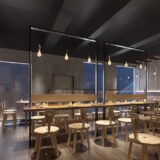
    The restaurant is located on level 5 of the mall, featuring a spacious interior accommodating close to 100 diners with Nanyang nostalgia decor and contemporary seating.

    “Since the opening of our first Song Fa outlet in Shanghai last year, we were encouraged and overwhelmed by the positive response from consumers in China,” said BreadTalk Group CEO Henry Chu. “This vote of confidence enabled us to open another three restaurants successfully in Shanghai last year.

    With the opening of our first restaurant in Beijing, we will continue to harness and leverage BreadTalk Group’s brand operations and management experience to bring the Song Fa brand to northern China and provide local consumers with high quality Teochew Bak Kut Teh cuisine.”

    “The Bak Kut Teh culture is one of the most iconic food cultures of Singapore,” added Song Fa’s second-generation helmsman and MD Yeo Hart Pong. “It is Song Fa’s mission to spread this culture and continue to serve generations of Bak Kut Teh fans. Besides our Singapore homeground and Indonesia, China is our most-valued market outside Southeast Asia. We feel very honoured to be able to collaborate with BreadTalk Group and introduce the Teochew Bak Kut Teh culture to epicures in China.”

  • South Korean convenience store openings slow down

    South Korean convenience store openings slow down

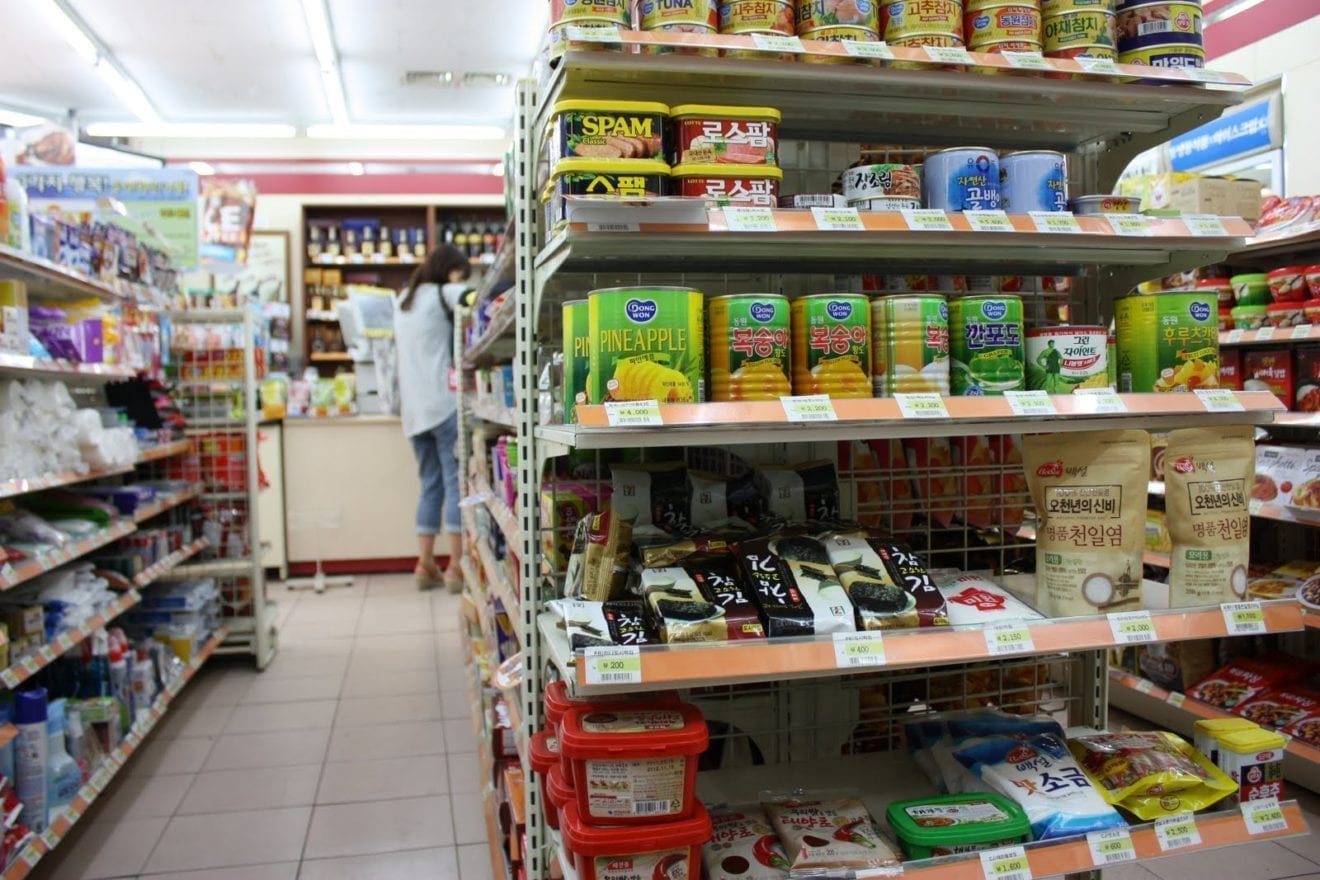
    South Korean convenience store openings in South Korea fell last year, according to industry data. Thought to be the effect of increasing labour costs and market saturation, the slowdown has manifested amongst several industry operators – including BGF Retail’s CU, which opened 980 fewer stores than the previous year’s total of 1646; and GS25, which opened 1023 fewer stores last year after launching 1701 outlets in 2017.

    A government advisory to chain stores to maintain more of a distance between competing branches signals a likely continuation of the downward trend, as well as new laws mandating higher levels of paid leave to staff and a higher minimum wage. The same pressures have seen 19 per cent of convenience stores closing at night rather than operate 24 hours, compared with 10 per cent in 2017.

    A statement issued by CU said that the firm is prioritising profitability of existing stores over opening new locations.

  • Singapore company seeks to increase stake in Vietnam’s largest dairy firm

    Singapore company seeks to increase stake in Vietnam’s largest dairy firm

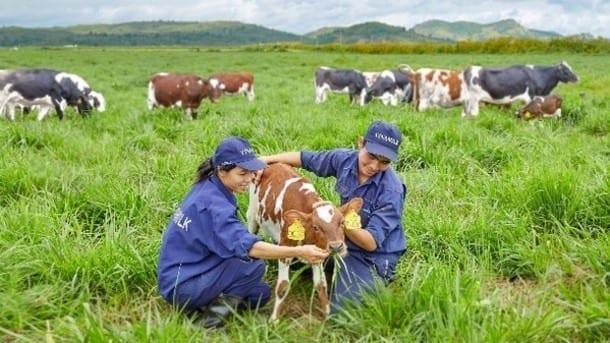
    A Singaporean shareholder in Vinamilk is seeking to increase its stake in Vietnam’s largest dairy firm. Jardine Cycle & Carriage Ltd has registered to buy 17.41 million shares between January 9 and February 7 through its wholly-owned local subsidiary, Platinum Victory, which will enable it to increase its ownership in Vinamilk from over 10 percent to 11.62 percent.

    At a proposed price of VND125,000 ($5.38) per share, the transaction will be worth VND2.17 trillion ($94.42 million).

    Last year Jardine, Vinamilk’s third largest shareholder, had registered on six different occasions to buy 14-17 million shares to increase its stake to above 11 percent, but was unsuccessful due to unfavorable market conditions.

    It first bought a 3.3 percent stake in Vinamilk in November 2017. Within a month it raised its ownership to over 10 percent.

    In April last year a representative of Jardine’s parent company, Jardine Matheson, became a Vinamilk board member.

    Hong Kong-based Jardine Matheson is one of Asia’s biggest conglomerates with interests in luxury hotels, motor vehicles, property, food retail, transport financial services, and agribusiness and revenues of almost $16 billion in 2017.

    F&N Dairy Investments, a subsidiary of Singapore-based Fraser & Neave Ltd, which is backed by Thai tycoon Charoen Sirivadhanabhakdi, owns a 17.31 percent stake in Vinamilk.

    Vietnam’s dairy industry reported revenues of more than VND100 trillion ($4.4 billion) in 2017, with Vinamilk commanding more than a 50 percent market share.

    According to a report by the EU-Vietnam Business Network, the market is expected to double in size by 2020 as the country’s population, personal incomes and dairy consumption increase.

  • Ramen Cubism makes debut in Hong Kong

    Ramen Cubism makes debut in Hong Kong

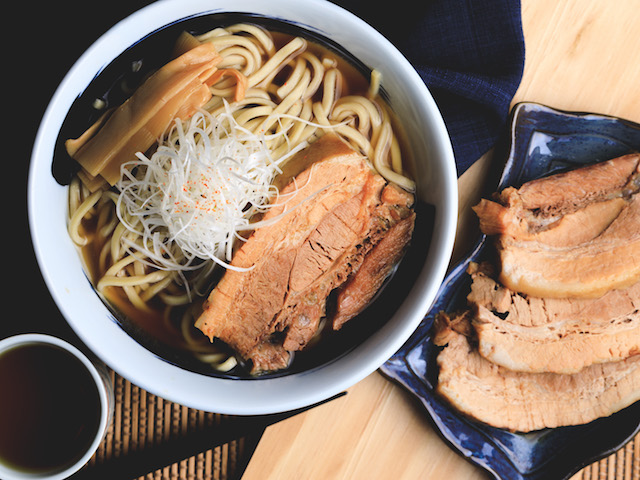
    Japanese celebrity chefs Hayashi Takao and Matsumura Takahiro are launching a new international noodle soup restaurant brand called “Ramen Cubism”. The brand’s flagship opens in a chic basement venue in Hong Kong’s Wellington Street tomorrow. It is the collaborators’ first overseas venture, launched in partnership with Hong Kong’s Bird Kingdom Group, of Lai Chi Kok’s D2 Place. It marks the first collaboration between Chef Hayashi and Bird Kingdom Group, slated for international expansion with branches across the region – including their hometown of Osaka, Macau (within the next quarter) and Mainland China.

    Ramen Cubism introduces Chef Hayashi’s signature ramen creations to Hong Kong, following the success of his Osaka restaurant that regularly attracts long queues of as many as 100 diners.

    Pictures gallery below (5 images) :

    Equally renowned as a ramen master and recipe developer, Chef Matsumura has previously established eight noodle brands in Osaka, including the newly-opened “The Most Hopeful Ramen Bar in the World”.

    In celebration of its launch, Ramen Cubism features Chef Hayashi’s new exclusive Hong Kong recipes, limited to 200 servings a day during opening time.

    “Ramen Cubism promises to be a magnet for lovers of this beloved specialty,” said Bird Kingdom Group CEO Eric Ting. “We look forward to building a new generation of followers in Hong Kong and worldwide for this traditional high quality and flavourful comfort food”.

  • Domestic, foreign e-commerce players should be treated alike: CUTS India

    Domestic, foreign e-commerce players should be treated alike: CUTS India

    The Government needs to create a level-playing field for both domestic and foreign e-commerce platforms through a comprehensive e-commerce policy, said Pradeep S. Mehta, Secretary General, CUTS International on Sunday. He noted that the current norms for the segment are applicable to foreign online retailers and this might create a discriminatory environment towards the domestic players.

    “The Government may not be wrong in its clarificatory policy on Foreign Direct Investment (FDI) in e-commerce, as it was a case of backdoor entry in multi-brand retail trade. But vital issues remain to be resolved to promote healthy economic democracy”, said Pradeep S Mehta, Secretary General, CUTS International.

    “However, the issue of creating a level-playing field between domestic and foreign players in retail sector is yet to be resolved, for which a comprehensive National E-Commerce Policy is need of the hour”, he said.

    The Department of Industrial Policy and Promotion (DIPP) recently had said that 100 percent FDI is permitted in the market place model of e-commerce and not in the inventory-based model or the multi-brand retail segment.

    The Commerce Ministry in December revised the FDI policy for e-commerce players whereby it barred online retail firms such as Amazon and Flipkart from selling products of companies in which they have stakes. It also prohibited e-tailers from mandating any company to sell its products exclusively on its platform only.

    Mehta said: “The new guidelines are stricter for e-commerce companies with FDI providing marketplace, but there are no such restrictions for companies without FDI.”

    He also observed that there is no need for a separate regulator for the e-commerce segment.

    “India does not need a separate regulator for e-commerce, which would be yet another parking place for retired babus who are generalists and turn into controllers.

    Most of the malpractices adopted by e-commerce platforms, for instance, discrimination among its vendors, deep discounts etc, can be dealt by the Competition Commission of India. If need be, the Competition Act, 2002 can be tweaked for which the process is going on,” he said.

    The Consumer Protection Bill, 2018, which is likely to be passed soon by the Rajya Sabha, also has specific provisions on e-commerce, he added.

  • JD driverless delivery vehicles up for test

    JD driverless delivery vehicles up for test

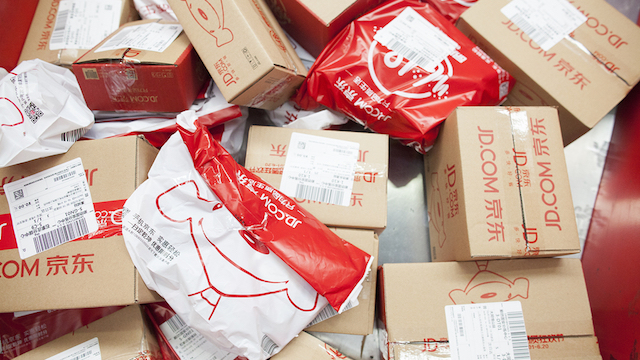
    JD driverless delivery vehicles have been deployed in live testing in two Mainland China cities. The technology-cum-e-commerce company has opened two smart-delivery stations in the cities of Changsha and Hohhot, strengthening its autonomous logistics capabilities. The stations are carrying out research and development testing and personnel training to solve issues related to last mile delivery.

    The JD driverless delivery vehicles can be loaded with up to 30 parcels before autonomously delivering them within a 5km radius. The vehicles can plan routes, avoid obstacles and recognise traffic lights.

    The vehicles have locked boxes so each customer’s purchases are kept separate. Once the robots reach their destination, facial recognition technology enables customers to easily and securely collect their parcels from the correct locker.

    When running at full capacity, the two delivery stations, operating with a half-half split between robots and human couriers, can deliver up to 2000 packages a day.

    The JD driverless delivery vehicles are part of the company’s Boundaryless Retail vision, in which consumers can buy whatever they want, wherever and whenever they want it.

    “As China’s largest retailer, JD is in the unique position of being able to research and develop, and commercially deploy, innovative new technology that is shaping the future of shopping worldwide,” said Chen Zhang, JD’s chief technology officer.

    “As JD opens its technology up to other companies and industries, the features that we’ve already rolled out in China from automated warehouses to virtual shopping are going to be enjoyed by consumers everywhere,” he said, referring to the company’s Retail as a Service strategy.

    CES debut

    The opening of the smart delivery stations comes days before JD attends its first Consumer Electronics Show in Las Vegas, Nevada – the world’s largest event for the latest technology, innovation and creative thinking.

    The company will showcase cutting-edge technology which is changing the way consumers shop in China, and which it says will revolutionise global commerce. Visitors will be able to see how JD uses its drones to deliver consumer goods and medical supplies to remote areas in China, and catch a glimpse of the world’s first fully-automated fulfillment centre. They will also see how underground urban logistics will make shopping more convenient than ever, and fundamentally alter how cities work.

    This year, CES attendees will be able to see JD’s futuristic technology up close and even try some of it for themselves at the company’s interactive booth.

    Aside from drones and delivery robots, visitors will be able to experience drone flights in virtual reality, as well as JD’s augmented-reality fitting and styling software. They will also see how JD is developing Internet of Things technology that enables consumers to remotely control the smart devices in their homes, even from their cars.

    JD will also give people the chance to try a special exoskeleton worn by staff in JD warehouses that makes lifting heavy objects easier.

  • Knows deeper Japanese lifestyle guru Marie Kondo

    Knows deeper Japanese lifestyle guru Marie Kondo

    Marie Kondo is the queen of organization. Her book, “The Life-Changing Magic of Tidying Up: The Japanese Art of Decluttering and Organizing,” reveals her instructions for organizing your space in one sitting, and then never having to do it again. Her methods have garnered a significant social media following with the hashtag #konmarimethod, and also landed her a spot on Time’s 2015 “Top 100 Influential People” list.

    Marie Kondo is a Japanese organizing consultant and author. She has written four books on organizing, which have collectively sold millions of copies and have been translated from Japanese into languages including Korean, Chinese, Spanish, Indonesian, French, German, Swedish and English.

    Ever since Netflix released Tidying Up With Marie Kondo on New Year’s Day, Twitter has been awash with Kondo memes.

    Marie follows the the Japanese way of living based on minimalism, and she applies to all objects in house.

    Marie is growing popularity on the web; however, some of her statements divide the internet.

    In the digital age, while experts maintain that influencer marketing is fading out, and some others opt for micro-influencers, Marie seems to belong to a complete new category that aims to make people’s life better through reducing possessions instead of accumulating goods.

    We are looking forward to see what’s next for influencer marketing.

  • Korean imported vehicle sales up 11.8 percent last year

    Korean imported vehicle sales up 11.8 percent last year

    Sales of imported vehicles in Korea continued to rise last year, aided by firm demand for foreign brands and the resumption of sales by Audi Volkswagen, industry data showed Friday. The number of newly registered foreign vehicles reached 260,705 last year, up 11.8 percent from a year earlier, the Korea Automobile Importers & Distributors Association said in a statement.

    The total number of imported cars sold in 2018 is an all-time record.

    The market share of foreign cars rose to a record high of 16.7 percent last year, shattering the previous all-time high of 15.5 percent in 2015, the data showed.

    The three best-selling models were the Mercedes-Benz E 300 (8,726 units sold) and E 300 4MATIC (9,141 units) and the Lexus ES300h (8,803 units).

    Mercedes-Benz became the first imported cars to sell more than 70,000 vehicles. It took the No. 1 spot among imported cars.

    BMW, despite controversy of its engine catching fire, kept its second spot by selling 50,524 vehicles.

    Toyota took third place with 16,774.

    Seven out of 10 imported vehicles sold in Korea last month were from Germany, the statement said.

    In December alone, however, the sales of foreign vehicles fell 8.7 percent on year to 20,450, it said.

    In 2017, imported vehicle sales reached 233,088 units, up from 225,279 a year earlier.

  • Experts express cautious optimism for Vietnam stock market

    Experts express cautious optimism for Vietnam stock market

    Last year’s uncertainties and unclear future scenarios are reflected in more cautious assessments than number crunching for 2019. Nguyen Duy Hung, chairman of SSI, a leading Saigon broker, said that with a drop of over 20 percent from its peak, when the VN-Index climbed to 1,204 points on April 9, 2018, Vietnam’s stock exchanges have entered a bear market.

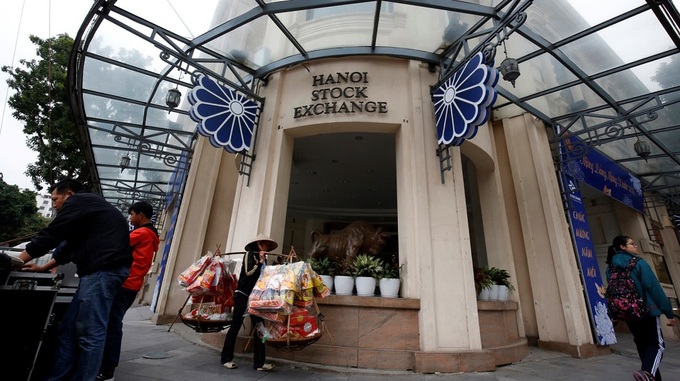
    The benchmark VN-Index on the Ho Chi Minh Stock Exchange lost 1.52 per cent to end Thursday at 878.22 points. On Friday afternoon, it rose to 880.9 points.

    Perhaps it will take between 8 to 11 months for the market to recover, Hung said. “Historical data suggests that it would take 21 months for a bear market to recover its old peak after hitting bottom.”

    But the SSI chairman said the main challenges facing the stock market in 2019 include worries posed by the escalation of the U.S.-China trade war, and increasing geopolitical risks.

    “At this point, no one can say how this war will unfold or predict how widespread the impact will be. Along with the decline in oil prices signaling difficulties of the world economy, the rise in geopolitical risks paint a picture of uncertainties for 2019,” Hung said.

    Also mentioning key challenges for 2019, Securities Commission chairman Vu Bang named the slowdown of Chinese and global economies, the escalating trade war and risks from expanding global debt.

    However, these challenges come with opportunities to be seized. The trade war, according to the SSI chairman, is a chance for Vietnam to increase its exports. This does not mean market share growth will happen immediately, he said, explaining that it was an opportunity to build a medium to long term strategy, innovating the country’s economic growth model based on production and commercial activities.

    Vu Bang also emphasized the advantages of macro factors, saying the continuous high growth rate in recent years was a factor that would increase the attractiveness of Vietnam’s market in the region.

    Vietnam’s GDP growth of 7.08 percent in 2018 retained its status as one of the best performing economies in the world. It was the highest growth the country has experienced since 2008 and compared with the median estimate of 6.9 percent in a Bloomberg survey of 12 economists.

    Offering a more optimistic view, Tran Le Minh, deputy general director of VietFund Management, said that the market in 2019 still holds several favorable factors, including the fact that the decline in VN-Index was relatively slower than in other parts of the world.

    “Why is the market declining more slowly? The reality must be seen in macro factors, growth and the fact that foreign institutional investors continue to invest in the market. Cash flow from foreign investors will continue to be a highlight this year,” said Minh, who predicted that the VN-Index will not fall below its current level by the end of 2019.

    Foreign direct investment disbursement in Vietnam reached a record $19.1 billion in 2018, a year-on-year increase of 9.1 percent, according to the Ministry of Planning and Investment.

    For the market players’ perspective, 2019 is not going to be an easy year, experts say.

    “With many unpredictable factors caused by geopolitical and commercial tensions, most analysts agree that the global economy is entering the end of a growth cycle and 2019 will be a difficult year for the stock market,” said an analyst team with Rong Viet Securities (VDSC).

    It will be difficult for Vietnam to buck the global trend, they felt.

    Bernard Lapointe, head of research of Rong Viet Securities said recently that he was optimistic but not too optimistic about the market this year. He expects the VN-Index to stay within the 900-1,000 points range until the end of 2019.

    Meanwhile, Michel Tosto, head of Institutional Sales and Brokerage of Viet Capital Securities, predicted that the VN-Index could reach 1,060 points at the end of 2019.
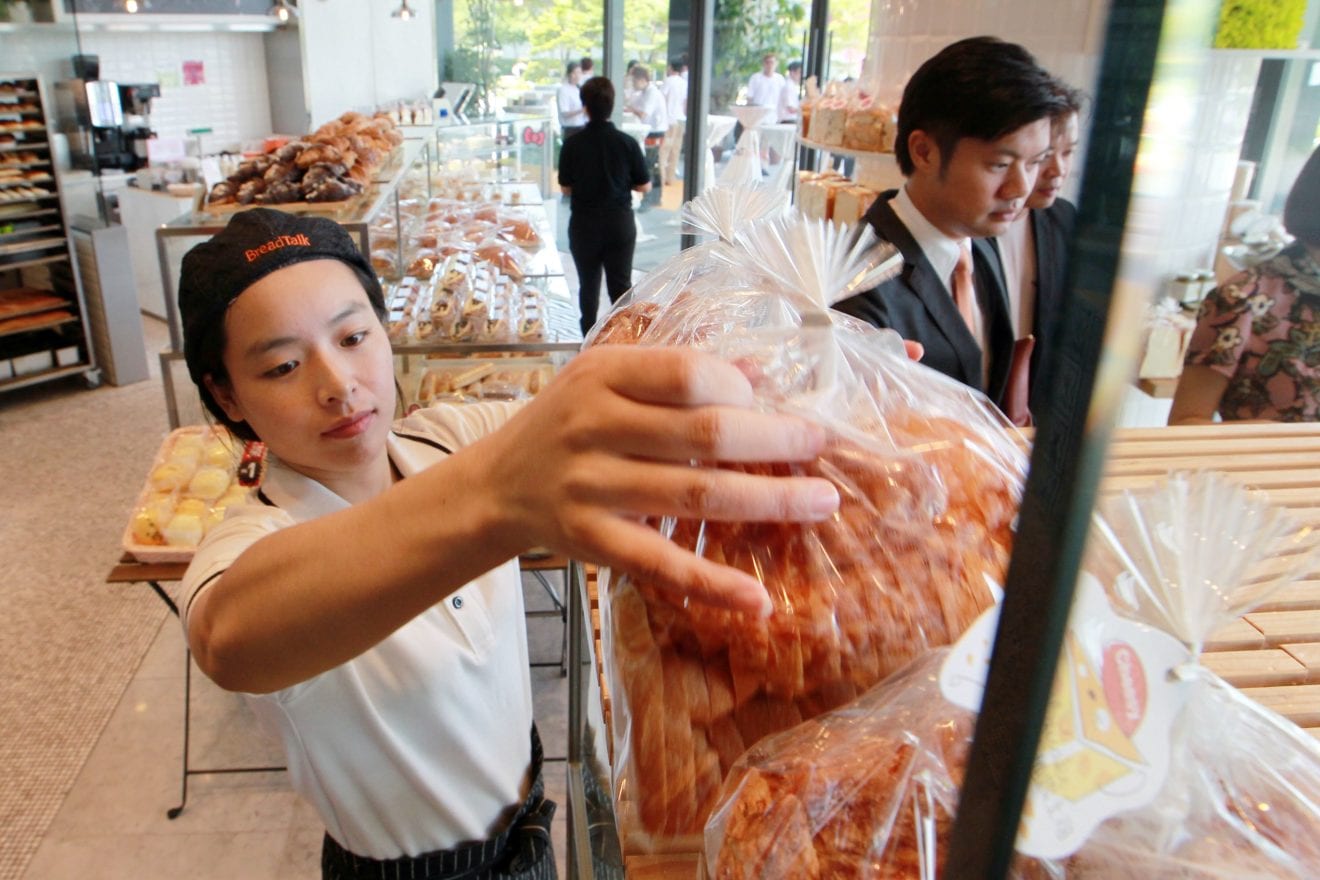
  • Vietnam’s largest brewer is now a foreign owned business

    Vietnam’s largest brewer is now a foreign owned business

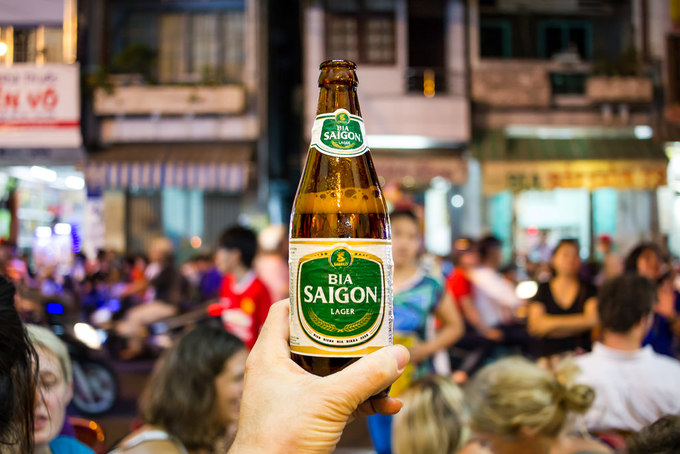
    After a $4.78 million debt restructuring, Vietnam’s largest brewer Sabeco is now owned by a Thai company. In December 2017, Thai Beverage (ThaiBev) acquired a 53.59 percent stake in Sabeco from Vietnam’s Ministry of Industry and Trade for $4.78 billion through a local entity, Viet Beverage (VietBev). VietBev, which had 100-percent Vietnamese ownership at the time with VND682 billion ($29.33 million) in charter capital, was loaned VND111.21 trillion ($4.78 billion) by ThaiBev to complete the transaction.

    VietBev was used as a financial vehicle to get around a 49 percent foreign ownership cap in place at the time.

    The $4.78 billion loan was then converted to shares under a debt-to-equity conversion agreement between VietBev and ThaiBev. As a result, VietBev now has a chartered capital of VND111.89 trillion ($4.81 billion), increasing ThaiBev’s ownership in VietBev to 99.39 percent.

    The adjustment in capital was approved by local authorities, and made possible after authorities raised Sabeco’s foreign ownership cap to 100 percent at the end of 2018. The conversion was completed a few days ago.

    ThaiBev has since announced it is committed to ensuring shareholders’ benefits on share prices and annual dividends after this restructure.

    With a charter capital of VND111.89 trillion, VietBev is among a few businesses in the country with chartered capital of hundreds of trillions of dongs, along with state-run oil & gas giant PVN (VND285 trillion or about $12.26 billion); Vietnam’s sole power distributor and biggest producer EVN (VND163.8 trillion or $7.04 billion); and telecoms provider Viettel (VND121.52 trillion or $5.23 billion).

    Recently, Sabeco was caught up in legal trouble with tax authorities, who blocked its bank accounts in order to withdraw VND3.1 trillion ($135.73 million) to collect overdue special sales tax from 2007 to 2015 and penalties for administrative violations. However, this enforcement action proved futile as accounts handed over to the tax authorities were empty.

    After the recent share conversion, the Prime Minister has directed the tax agencies to suspend their enforcement, in order to carefully consider regulations as it involves “foreign factors.”

  • Coupang to become an authorized Apple retailer

    Coupang to become an authorized Apple retailer

    Coupang, Korea’s top e-commerce platform, has been selected as an authorized retailer to sell Apple products, the company announced Friday. It said that the e-commerce giant was selected to become an authorized reseller of Apple products, and the service will begin sometime this month. The products that will be offered include iPad Pros, MacBooks and Apple Watches, as well as related accessories.

    Coupang said that its shoppers can get access to Apple products that carry a full Apple warranty and come with after-sales customer services from Apple.

    “Coupang will be an attractive purchase channel for customers who love or want to experience Apple products,” said Navid Veiseh, Coupang’s senior vice president of global e-commerce. “We will continue to expand the range of premium electronics brands like Apple, which, when combined with our Rocket delivery and RocketPay services, make Coupang the first place for customers to turn when shopping for premium electronics.”

    Coupang is known for its fast Rocket delivery service that sends items purchased the following day.

  • AirAsia abolishes KLIA 2 fee

    AirAsia abolishes KLIA 2 fee

    AirAsia Group Bhd will cease charging the RM3 klia2 fee for all flights departing from Kuala Lumpur International Airport 2 (klia2) starting today. The klia2 fee was introduced in May 2014 to cover the additional cost created at klia2 due to the use of mandatory facilities imposed by Malaysia Airports Holdings Bhd (MAHB) such as aerobridges and SITA check-in and boarding systems, compared to the low-cost carrier terminal previously.

    “Following our announcement last week, we have removed the klia2 fee. We have said from the very beginning that klia2 is not fit for low-cost carrier operations, and we will be going directly to MAHB for all the extra costs they’re costing us,” AirAsia Malaysia CEO Riad Asmat said in a statement.

  • Canada Goose opens store in Beijing

    Canada Goose opens store in Beijing

    Winter clothing firm Canada Goose has finally opened its first Mainland Chinese store in Beijing. In a launch rumoured to be delayed due to political tensions between China and Canada – and dismissed by the firm as the result of construction delays – extensive queues saw shoppers waiting for over an hour for the opportunity to purchase the CNY9000 (US$1300) parka jackets.

    The brand has previously enjoyed significant popularity in Hong Kong.

    An email from the firm to news agency Reuters read “We are proud of our newest store in China and look forward to welcoming our fans”.

    Calls to boycott the brand were made on social media following Canada’s arrest of Huawei Technologies’ CFO Meng Wanzhou, a situation that has sparked a 37 per cent drop in the value of Canada Goose shares in Toronto.

  • Hong Kong November retail sales almost stagnant

    Hong Kong November retail sales almost stagnant

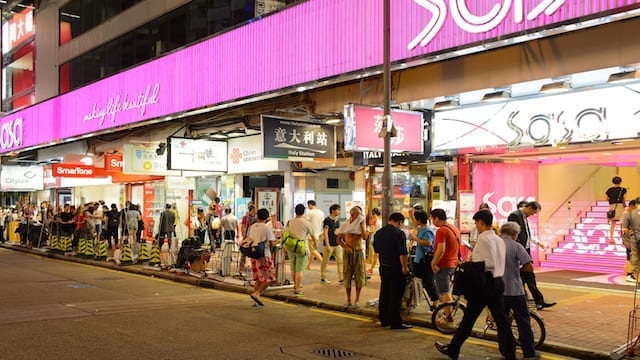
    The growth of Hong Kong retail sales in November slowed to a crawl according to Census and Statistics Department figures just released. After a 6 per cent year-on-year increase in October, the value of sales in November rose just 1.4 per cent to an estimated HK$39.2 billion. That is well below the 9.7 per cent year-to-date rise for the first 11 months of the year.

    And after netting out the effect of price changes over the same period, Hong Kong retail sales in November rose by just 1.2 per cent year on year.

    A spokesman for the C&SD said the “generally moderated growth in retail sales in recent months” reflected more cautious consumption sentiment in the face of various external uncertainties such as the US-Mainland trade tensions and volatilities in the global financial markets.

    “Looking forward, while the favourable local job and income conditions and continued expansion in inbound tourism should still provide some support to the retail sector in the near term, consumer sentiment could be affected by weaker asset prices and the external uncertainties.”

    The overall figure was affected by soft sales of the key jewellery and watches category, down by 3.9 per cent, and of electronics, down by 4.9 per cent. Clothing sales fell by 3.6 per cent.

    Countering those falls were department store turnover, up 3.9 per cent; medicines and cosmetics up 10.1 per cent; food, alcoholic drinks and tobacco up 1.9 per cent; and other consumer goods, not elsewhere classified by 14.3 per cent. Optical store sales rose by 5.4 per cent and books and stationery by 6. 2 per cent.

    Quarter on quarter, Hong Kong retail sales receded during the three months to November by 2.7 per cent, compared with the preceding three months, with the volume of sales (after factoring in inflation) falling 1.8 per cent.

    For the first 11 months of last year, the volume of retail sales increased by 8.4 per cent.