Tag: lifestyle

  • GSK plans to split into 2 as part of Pfizer joint venture

    GSK plans to split into 2 as part of Pfizer joint venture

    GlaxoSmithKline (GSK) plans to split into two businesses – one for prescription drugs and vaccines, the other for over-the-counter products – after forming a new joint venture with Pfizer’s consumer health division. The revamp is the boldest move yet by Emma Walmsley, the GSK chief executive who took over last year.

    It will lead to the creation of a consumer health giant with a market share of 7.3 percent, well ahead of its nearest rivals Johnson & Johnson, Bayer and Sanofi, all at around 4 percent.

    Walmsley has previously played down the idea of breaking up the group, something that a number of investors have called for over the years.

    On Wednesday, however, she announced that GSK and Pfizer would combine their consumer health businesses in a joint venture with sales of 9.8 billion pounds ($12.7 billion), 68 percent owned by the British company, in an all-equity transaction.

    GSK said the deal laid the foundation for the creation of two new U.K.-based global companies focused on pharma, vaccines and consumer health care within three years of the transaction closing.

    For Pfizer, the deal resolves the issue of what to do with its consumer health division, which includes Advil painkillers and Centrum vitamins, after an abortive attempt to sell it outright earlier this year.

    GSK – whose consumer products include Sensodyne toothpaste and Panadol painkillers – had withdrawn from that earlier Pfizer auction process, but Walmsley said the opportunity to strike an all-equity deal cleared the way for the new agreement.

    “It’s something we’ve been able to do quickly and quietly,” she said.

    “What this deal is all about is the opportunity to strengthen two businesses – a world-leading consumer health care business, and a new GSK that is focused on pharma and vaccines.”

    Shareholders welcomed the news and the shares jumped 7 percent, with Jefferies analysts saying the future separation could crystallize value.

    The new joint venture with Pfizer is expected to generate total annual cost savings of 500 million pounds by 2022 for expected total cash costs of 900 million and non-cash charges of 300 million. GSK plans divestments of some 1 billion pounds.

  • Cle De Peau Beaute opens first Malaysian store

    Cle De Peau Beaute opens first Malaysian store

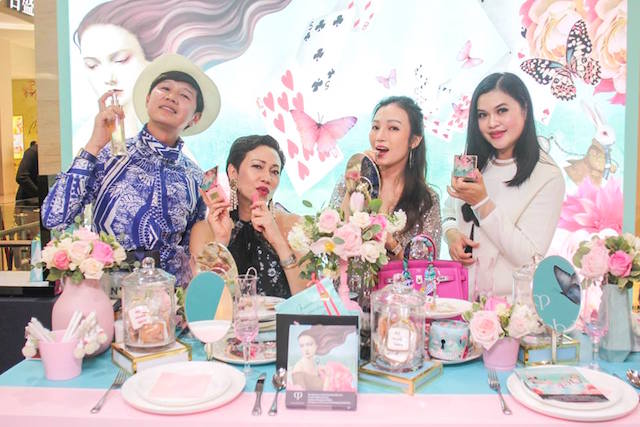
    Luxury skincare and makeup brand Cle De Peau Beaute Malaysia has opened its first boutique, at Pavilion Kuala Lumpur shopping centre. The store features a makeup gallery which tells the story of Pave-Diamond particles while a skincare gallery showcases La Creme.

    The store has consultation tables with personal beauty specialists available to help customers choose the most suitable products for their skin types.

    A VIP-consultation space at the back of the boutique hosts signature facial treatments, which incorporate massage techniques by aestheticians.

    “The retail landscape has changed tremendously in the past 15 years,” said Hiroyuki Maeda, Cle de Peau Beaute global director of business operations with the group. “This change is not specific to just Malaysia but on a global level. As a brand, we need to continuously innovate and transform to make ourselves relevant to our customers.”

  • AirAsia: High cost of unjustified PSC hike

    AirAsia: High cost of unjustified PSC hike

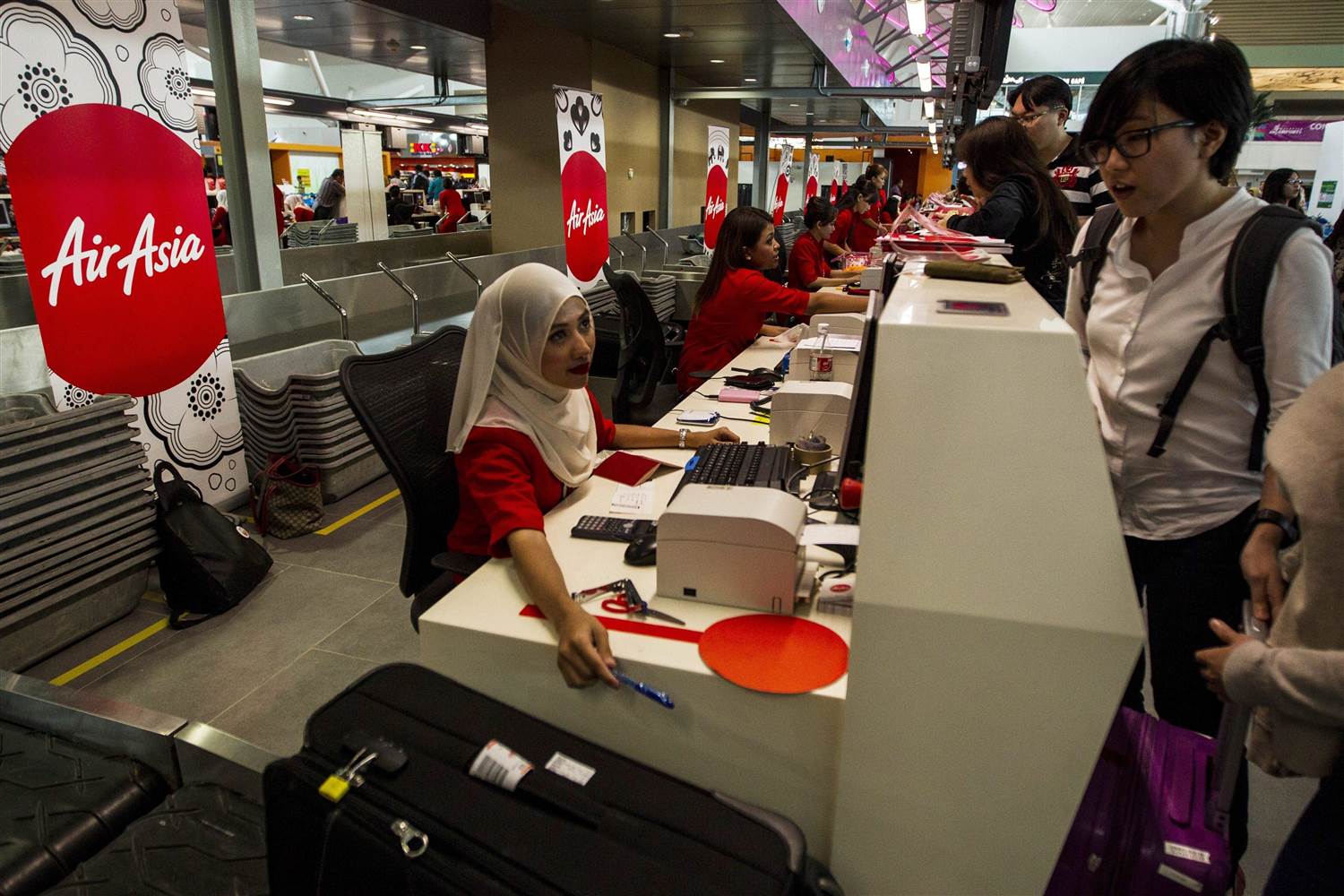
    Unjustified price increases such as the hike in passenger service charge (PSC) could result in airlines being squeezed out of business and subsequently affect tourism arrivals, said low-cost carrier AirAsia. In a strongly worded statement titled “MAHB’s record profits come at a cost to the Malaysian economy and tourism industry”, the airline said the PSC hike imposed by airport operator Malaysia Airports Holdings Bhd (MAHB) will lead to unintended consequences when MAHB’s clients, who have no choice but to use its services, are eventually squeezed out of business.

    “Then, everything will collapse – Malaysia’s tourism arrivals, billion in tourism receipts and revenues to MAHB’s own coffers (a fact it has failed to acknowledge). MAHB rewards itself with excessive monopoly profits, yet it provides the Malaysian public with embarrassingly low service levels,” it said.

    The two parties have been in a row over the additional PSC imposed by MAHB of RM23 per passenger at klia2, in a move to equalise the PSC rate at klia2 and Kuala Lumpur International Airport (KLIA).

    Last week, MAHB slapped AirAsia Group Bhd and AirAsia X Bhd (AAX) with a RM36.1 million lawsuit for refusing to collect the additional PSC and alleged arrears in PSC.

    AirAsia X Malaysia CEO Benyamin Ismail said more than 90% of the “millions” of passengers departing from klia2 who fly with AirAsia will attest to the long walks to the departure gates, labeling klia2 as a passenger-unfriendly airport with inferior facilities and unjustified high charges.

    He reiterated AirAsia’s complaints about the airport such as flight disruptions and cancellations due to major apron and runway defects, unscheduled closure of runways, ponding of water and fuel pipeline ruptures.

    “We were sued after we refused to collect the extra RM23 that MAHB has imposed for the sole benefit of its shareholders. We will vigorously fight this suit. We will not be part of this scheme to burden the travelling public by making them pay more for below par services,” he said.

    AirAsia noted that MAHB’s net profit more than tripled in 2017 to RM237 million from RM73 million in 2016, and estimates that MAHB’s returns on capital are well in excess of the level of the cost of capital set by regulators.

    AirAsia Malaysia CEO Riad Asmat urged regulators and policy makers to rebuff the “unfair and unreasonable” attempt by MAHB to use its monopoly to enrich itself further by revisiting and rescinding the decision to raise the PSC.

    “The overall tourism sector, one of Malaysia’s biggest revenue earners, and the interests of millions of Malaysians who have been able to fly because of the low fares pioneered by AirAsia, are being threatened by MAHB’s price hikes,” he said.

    He challenged MAHB’s argument of needing more profits to operate smaller loss-making airports on behalf of the government, noting MAHB’s “exponential” growth in profits over the last three years even after taking into account losses in its Turkish operations.

    “The additional RM23 to be collected will amount to more than RM100 million a year that will go straight to MAHB’s bottom line rather than to the government. MAHB will continue to be among the most profitable Malaysian companies for many years to come. But this will come at a cost to the wider Malaysian economy and at the expense of engines of growth such as AirAsia and AirAsia X,” he said.

  • FAO Schwarz Hong Kong store opens

    FAO Schwarz Hong Kong store opens

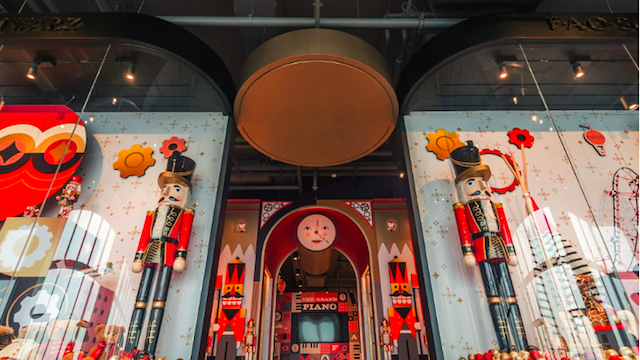
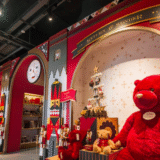
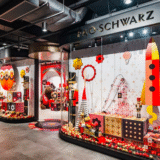
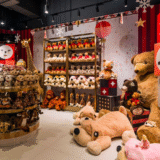
    New York toy retailer FAO Schwarz has opened a private, invitation-only store in Hong Kong, designed by Studio X. The 1150sqft FAO Schwarz Hong Kong store which quietly opened last month is a prototype retail concept for Asia where the company can test design elements and store features before it opens public stores in Mainland China and beyond.

    FAO Schwarz is the oldest toy store brand in the US and a New York City icon frequently referenced in popular culture with scenes in movies such as ‘Big’ in which Tom Hanks famously danced across the store’s giant floor piano. That store closed in July 2015, its turnover no longer sufficient to meet the high rentals of Manhattan, but the legend has lived on.

    Parent ThreeSixty has opened a new store in New York this year and early this month said it planned aBeijing store. The prototype FAO Schwarz Hong Kong store is located inside the newly opened ThreeSixty Group Hong Kong office, which was also designed by Studio X.

    A spokesperson for Studio X said the design is centred around the toy brand’s philosophy “Return to Wonder”, offering “a sense of theatre and occasion that the original New York store was renowned for”. Key design features include many of the original store’s memorable elements such as the giant floor piano and clock tower.

    Studio X oversaw the whole design, including visual merchandising, custom graphics and the shopfront. The company will work with FAO Schwarz to develop further flagship stores across the world next year.

    Studio X was founded in 2016 by Rufus Turnbull and Sam Bradley with a vision to offer a fresh approach to commercial design. Its clients include Ikea, Swire Properties, K11 and Aromatherapy Associates.

    View the gallery below (7 images) :

  • Hyundai Department Store offers higher price rice

    Hyundai Department Store offers higher price rice

    Hyundai Department Store is hoping to cash in on Korea’s growing preference for premium rice with Hyundai Rice House, its new chain rice stores. Hyundai Rice House, which opened inside four existing Hyundai Department Stores on Wednesday, offers around 20 different types of high-quality rice unfamiliar to the average rice eater, such as Youngho Jinmi and Golden Queen No. 3.

    Despite changing tastes in Korea that are seeing a growing preference for Western food and an overall decrease in demand for rice, premium rice is growing in popularity.

    Hyundai Department Store reported a 3.1 percent decrease in its rice sales growth figures through November this year compared to the previous year, but sales of premium rice such as Koshihikari and Hitomebore have increased by 15.7 percent over the same period.

    Hyundai is pulling out all the stops to satisfy Korea’s budding rice connoisseurs, and the new stores will also sell bags of rice that contain different varieties mixed together in combinations chosen by a “rice sommelier.”

    The expert, accredited by the Corporation of Rice-Cooking of Japan, will also visit stores once every month to conduct “rice taste consulting” for customers to help them find rice that best suits their tastes and nutritional needs.

    The department store is also going to stock more small bags of rice to address the increase in one or two-person households in the country.

    Hyundai will continue to increase its rice lineup next year by introducing other Korean regional specialties produced only in small quantities.

    “[We] planned Hyundai Rice House to target customers who want to eat well even for one meal as the convenience food market continues to expand with the increase of one and two-person households,” said a Hyundai Department Store official.

    Customers will have to shell out more cash for the pricey rice as the average cost is 15 to 25 percent higher than the existing rice sold at the department store.

    The specialty store is located at Hyundai Department Store’s branches in Mok-dong, western Seoul; Pangyo, Gyeonggi; Ulsan and Busan.

  • Copperwired adding .Life stores next year

    Copperwired adding .Life stores next year

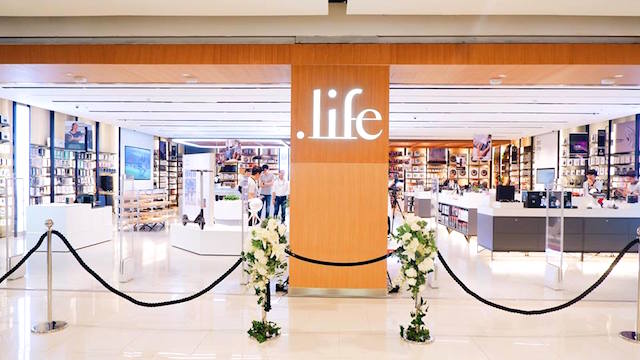
    Gadget retailer Copperwired is set to invest THB165 million (US$5.036 million) opening 30 new .Life stores by the end of next year. The new .Life stores include a new 310sqm flagship at CentralWorld, described as the “largest gadget lifestyle shop featuring Internet of Things (IoT) technology in Thailand”, which opened in September.

    The brand’s public listing on the Thai exchange is expected next year.

    “With the adoption of 5G, the number of connected devices will increase, and IoT in the form of connected toys, smart homes and smart transport and new demand for product categories will rise accordingly,” said Copperwired CEO Paramate Rienjaroensuk.

    The company expects .Life stores to boost its income by more than 20 per cent in the current financial year to more than THB800 million (US$24.414 million).

  • Why is Farfetch betting on sneakers?

    Why is Farfetch betting on sneakers?

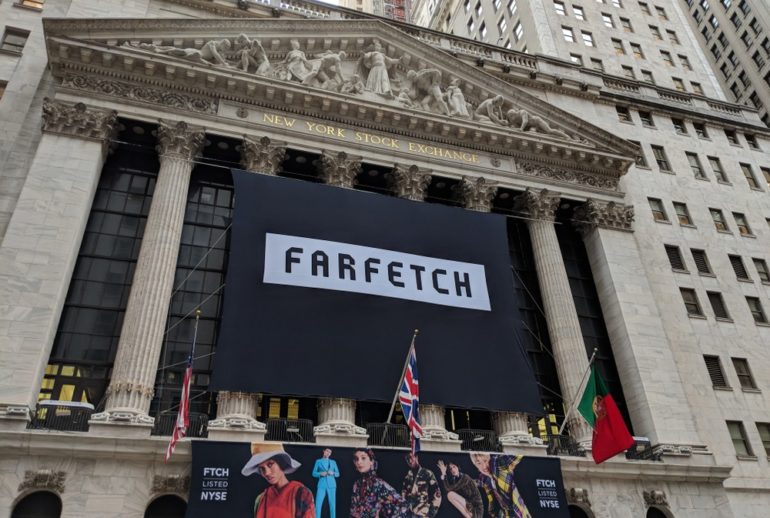
    In its first major move since going public in September, Farfetch announced Wednesday that it is acquiring sneaker and streetwear marketplace Stadium Goods in a deal that values the business at $250 million. The London-based fashion e-commerce platform is aiming to extend its reach in the growing luxury sneakers and streetwear market, as millennials account for a growing percentage of luxury sales and competitors are engaged in a digital land grab.

    Farfetch first partnered with Stadium Goods, a consignment reseller of rare and limited edition products, on a distribution deal in April of 2018, bringing a small selection of products sold on Stadium Goods to the Farfetch platform.

    After the deal closes, Stadium Goods’s full inventory  will be available to Farfetch users. Stadium Goods will continue to operate independently while tapping into Farfetch’s logistics and delivery capabilities.

    The world’s largest fashion e-commerce players, including Farfetch, MatchesFashion and Richemont’s Yoox Net-a-Porter, are locked in a race to add new services and technologies through investments, acquisitions and internal research and development in order to stay ahead of the pack, generate higher margins and become the go-to platform for consumers and brands.

    They’re all chasing a rapidly expanding online luxury market, which Bain & Co. sees growing from an estimated €26 billion ($30 billion) in 2018 to between €80 billion and €91 billion ($90.9 billion to $103 billion) in 2025.

    Sneakers are a key driver of the boom, outpacing overall luxury sales growth to reach $4 billion last year.

    Farfetch founder chief executive Jose Neves said that while his marketplace has built a following around high-end streetwear, “we did not have access to the rare sneakers, to the premium limited editions in the secondary market” that Stadium Goods Offers. The partnership has so far generated “phenomenal, immediate traction” from all of Farfetch’s markets, especially China, Japan, Russia and the Middle East.

    “[Sneakers] are growing faster than other categories and we see the same on Farfetch,” added Neves. “We now have the strongest secondary market brand, in our view.” Stadium Goods competes directly with other streetwear-focused platforms StockX, Grailed and GOAT.

    Stadium Goods co-founder and chief executive John McPheters said Farfetch’s international reach would be a major boost to the business.

    Most of Stadium Goods’ sales happen online, and the marketplace has partnered with larger digital retailers including Amazon, eBay, Zalando and Alibaba to scale its access to sneakerheads. Last year, it turned over $100 million in gross merchandise volume.

    Both Farfetch and Stadium Goods are focused on capitalising on China’s growing luxury market, but they have taken different approaches.

    JD.com, China’s second-largest e-commerce company, has a stake in Farfetch. Meanwhile, Stadium Goods started selling products on JD.com rival Alibaba’s Tmall in 2016, and the company has said the channel now accounts for 15 percent to 20 percent of total sales.

    McPheters said Stadium Goods’s relationships with its existing e-commerce partners will remain “business as usual,” batting away the suggestion of a potential conflict between the two company’s respective alliances with JD.com and Tmall.

    Neves said any re-evaluation of the partnership between Stadium Goods and Tmall would be up to Stadium Goods management.

    Farfetch, which went public on the New York Stock Exchange in September 2018, has aspirations to be the “Amazon for luxury,” adopting the e-commerce giant’s marketplace model. Third-party sellers, from tiny boutiques to global brands and retailers, list products on the site, with Farfetch processing sales and sometimes handling the logistics, but not taking inventory.

    Since going public, Farfetch has made clear its aggressive focus on new markets, pursuing more business in emerging economies such as China and the Middle East, as well as signing on additional retailers and brands. Neves told analysts in November that he wants Farfetch to take the “lion’s share” of new luxury spending online over the next decade.

    The company reported $310 million in sales on its platform in the third quarter, a 53 percent jump from the same time last year, and putting Farfetch on track to handle transactions worth well over $1 billion for the full year.

    Farfetch’s cut of each sale is around 30 percent. Losses are also growing, as it invests heavily in technology, hitting $77 million in the third quarter of 2018, up from $28 million during the same period the previous year.

    On Wednesday, Farfetch shares were up 5.9 percent at $23.90.

    Stadium Goods is Farfetch’s first acquisition since picking up Chinese digital marketing agency CuriosityChina in July. In 2015, it also acquired London boutique Browns.

    “We will continue to look only at world-class absolute leaders in specific markets or technologies or categories, and nothing else,” said Neves, describing his strategy around potential future acquisitions as case-by-case. “I believe first in deals that are win-wins.”

    Stadium Goods opened in New York’s Soho in 2015, reselling limited edition sneakers to a growing market of fans ready and eager to pay thousands of dollars for rare pairs. Founded by McPheters and Stiller, the business raised $4.6 million in January 2017 in a Series A funding round led by Forerunner Ventures. In February 2018, LVMH bought an undisclosed minority stake in the business.

  • Google launches ‘Shopping’ in India to woo online shoppers

    Google launches ‘Shopping’ in India to woo online shoppers

    Tech giant Google Thursday unveiled ‘Google Shopping’ in India that will allow users to easily filter through offers, review prices from multiple retailers and find products that they are looking for. According to a report: The personalised experience will be available across various Google products — a Shopping home page, Shopping tab on Google Search and through Google Lens. Customers will be able to see trending products across different categories, various deals, and compare prices using the new offering.

    For retailers, the company will offer its ‘Merchant Center’ in Hindi, which will allow the sellers to list their products for Google Shopping, without paying for ad campaigns.

    “India has over 400 million internet users. However, only one-third of these have shopped online and that number includes those buying railway tickets online. From seasoned desktop shoppers to first-time users with entry-level smartphones, we hope this new shopping experience will make finding what people are looking for just a little bit easier,” Surojit Chatterjee, Vice President – Product Management, Google said.

    Google Shopping will be a connector between retailers and consumers, and the transaction and delivery of products will be handled by the merchant, he added.

    “There are an estimated 58 million small and medium businesses (SMBs) in India, of which 35 per cent are engaged in retail trade. However, a very small number of them have an online presence, this is a huge opportunity for retailers to surface their merchandise to the millions of online consumers,” Chatterjee said.

    Google aims to support the entire retail ecosystem — from shopping sites and large retailers to small local shops — by giving them access to the tools, technology, and scale to thrive in the new digital economy, he added.

    Chatterjee said merchants will not have to pay any fee for listing their products for Google Shopping.

    Under the Shopping tab in Google Search, users can search for products and see prices from across multiple retailers. The ‘Style Search’ option in Google Lens will allow users to find products such as clothes, furniture, and home decor, by simply pointing the Lens app from their smartphones.

  • Vietnam to work on cheaper premium Japanese beef

    Vietnam to work on cheaper premium Japanese beef

    Vietnamese businesses are racing to raise upmarket Japanese cattle at home to produce cheaper Wagyu beef. Beef from cattle raised in Vietnam is 2-4 times cheaper than imported ones. Two years ago, Huy Long An Limited Company in the southern province of Long An imported thousands of Wagyu cattle, from which the famous Japanese beef is produced.

    Vo Quang Huy, the company’s director, said his company has signed a deal with Japan’s Sawai Farm to develop a farming model for Wagyu beef in Vietnam.

    “We are selling the beef on a trial basis to hotels and restaurants. The product will hit the markets in 2019, when production is stabilised. Although it’s difficult to raise them (Wagyu) in Vietnam, they’re worth a lot,” Huy said.

    He said a kilo of Wagyu beef can sell for VND700,000 ($30) to VND1 million ($42.84) a kilogram.

    Like the Huy Long An company, the Kobe Beef Vietnam company has also been breeding Wagyu cattle in the Central Highlands province of Lam Dong. Nguyen Tri Vu, general director of the company, said he imported genetic material for the Japanese breed from the U.S.

    The company is currently rearing 420 cows, and on average sells one every week. Each cow is worth VND200-250 million ($8,567- 10,708), many times higher than that of other cow breeds in the market today. Each kilogram of ‘Viet Wagyu’ sells for VND2-4 million ($85.67- 171.34) per kilogram.

    “This beef is mostly sold to restaurants, hotels and gourmets, mainly in Hanoi, Ho Chi Minh City and Da Lat. This is a premium breed. It costs VND150,000 ($6.43) a day to feed one cow. They are also fed some materials that have to be imported, hence the high price,” Vu said.

    Local beef now costs from VND100,000-500,000 ($4.4-22.02) per kilogram.

    Other Japanese farms have also announced their intention to start raising cattle in Vietnam.

    Speaking on the potential of the market, an agriculture expert said that demand for Japanese beef was increasing, but among those with high earnings.

    Import prices are relatively high, with the cheapest around VND1 million (($42.84)) per kilogram and the most expensive nearly VND19 million ($815.89), and the average ones at VND9 million ($386.47) per kilogram. On the other hand, beef from cattle raised in Vietnam have very competitive prices.

    However, if the local breeders do not establish good brands, they could lose market share to products of no clear origin, he said

    Vietnam’s cattle industry is failing to meet the country’s increasing demand for beef, forcing local consumers to turn to imported products, the expert added.

    Last year, the country imported more than 262,300 live cattle, and nearly 42,000 tons of beef and buffalo meat valued at more than $410 million, according to the Animal Husbandry Department under the Ministry of Agriculture and Rural Development.

    The deputy director of the department, Tong Xuan Chinh, said Vietnamese people’s diets have changed drastically in recent years, and they’re now eating more beef and buffalo meat.

    Average consumption has doubled to 5-6 kilograms of beef and buffalo meat per year in the past decade, but the cattle industry has been unable to keep up with the rise in demand. Local supplies of beef and buffalo meat only meet 80 percent of the current demand, he said.

  • Wearables are pivoting from fitness to wellness

    Wearables are pivoting from fitness to wellness

    The wearables market has grown over the past decade, and now a new generation of tech wearables is looking to differentiate itself by looking to the buzzy wellness industry for growth. The industry and definition of wellness has expanded to incorporate aspects of mental health, fitness and physical health, beauty and more, resulting in a new class of consumerism and ample opportunity for companies to tap into it.

    In the past few years, wearables brands Bellabeat, Oura and Motiv have launched, focusing more on a holistic approach to health and less on being performance-oriented.

    Instead of fitness bracelets, they’re packaged as necklaces, rings or water bottles. And, in addition to the usual sleep tracking, heart rate and pedometer functions, their features include guided meditation, menstrual-cycle tracking and integration with Amazon Alexa.

    “You see so many fitness and wellness [wearable] brands right now, and they are uniquely aware of their competitors. They are thinking outside the box in order to be the best,” said Aimee Gaudin, international head of marketing at Smartech stores.

    Smartech itself is designed to bridge the gap between lifestyle and technology.

    In store, it sits between Selfridges’ tech, home goods and lifestyle departments. Currently, Smartech is negotiating with Selfridges to display and sell Motiv rings in Selfridges’ beauty section as a marketing opportunity for the brand, Gaudin said.

    “A lot of high-end department stores focus on fashion and don’t have much tech, so I always [position] our products as a fashion product, but for Motiv, I will [position] it as a beauty product first,” she said.

    Motiv’s customer base runs the gamut from “tech nerds to trendy moms,” according to Tejash Unadkat, CEO of Motiv.

    The company had initially anticipated that it would attract a similar customer base to Fitbit, which is known for its fitness fanatics, but in fact the brand “rarely” attracts them, he said.

    Motiv has consciously marketed itself as a holistic device, with a strategy of being placed in mainstream stores, instead of fitness or early-adopter tech ones, in order to continue to expand its customer base. For example, last month the brand began retailing in Nordstrom in its seasonal health and wellness section, showcasing the sleep-tracking function of the device.

    “Internally, we say the Motiv ring is not a fitness ring but a smart ring that has features around security, convenience and health,” said Unadkat.

    Overall, the wearables market is expected to see $42 billion in sales in 2019, according to Gartner, with $16.2 billion specifically on smartwatches.

    Fitbit earned its first quarterly profit since the third quarter of 2016 in early November by focusing less on fitness and more on mainstream smartwatches.

    Bellabeat, the female-focused wellness wearable, is also delving into the watch category with the launch of Time on Dec. 6, which looks like a classic analog timepiece.

    Since the brand launched in 2013, it has primarily focused on associating itself as a beauty and wellness device, according to Urska Srsen, founder and CEO of Bellabeat.

    “It’s very much a beauty product because beauty is a strong component of women’s wellness,” she said. “We see beauty as a reflection of the love and self-care you invest in yourself.”

    The brand is sold through retailers like Neiman Marcus and John Lewis in the U.K., in addition to its own e-commerce site. Its other smart products include a water bottle and a clip-on device that can also be worn as a necklace or bracelet.

    Bellabeat markets itself to the average woman who is neither a tech early-adopter nor a gadget enthusiast, Srsen said. Instead, they look for women who are equally interested in fashion and beauty as they are in wellness.

    By focusing on the $4.2 trillion dollar wellness market, these brands are attempting to avoid the pitfalls that traditional fitness tracker companies like Fitbit have experienced in the past with slow growth due to a niche focus on performance-oriented devices.

    “This is something we have to make retailers understand,” Srsen said. “Our customers are shopping in wellness and beauty; they aren’t looking in the tech and fitness section. We aren’t just educating retailers on where they should be displayed, but we’re also educating them on a new category around the intersection of tech, beauty, wellness and fashion.”

  • LVMH acquires Belmond hotel group

    LVMH acquires Belmond hotel group

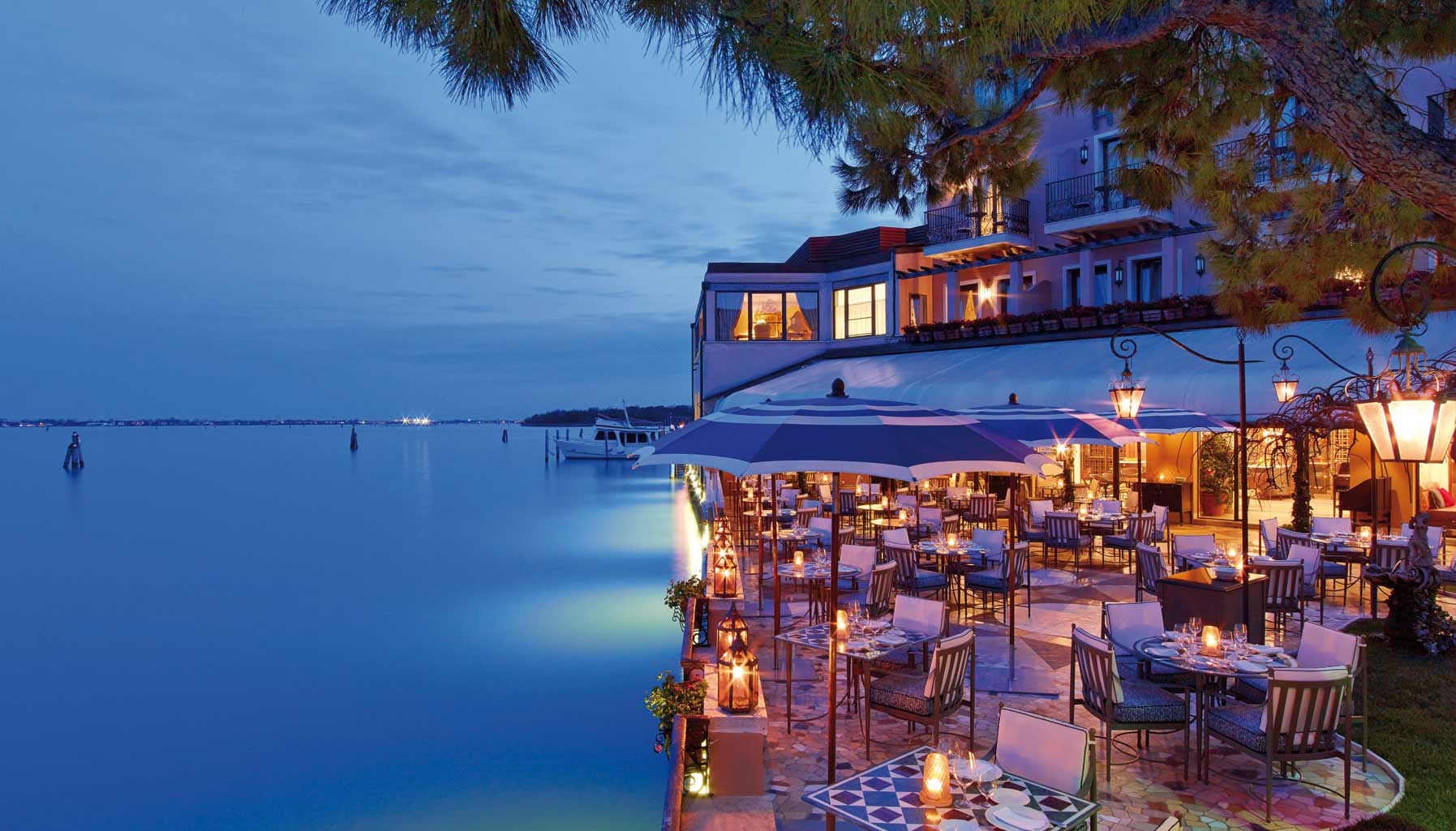
    The London-based owner of the Hotel Cipriani in Venice and the Orient Express train service is being acquired by LVMH for $3.2bn including debt, marking a return to dealmaking by the world’s largest luxury group by revenues. The acquisition of Belmond boosts the hotel portfolio of LVMH, which already has Cheval Blanc hotels in Courchevel, the Maldives, Saint-Barthélemy and Paris as well as owning Bulgari Hotel and Resorts.

    Belmond operates in 24 countries and its hotels include the Copacabana Palace in Rio de Janeiro and Hotel Splendido in Portofino. It also owns train services such as the Venice Simplon-Orient-Express and Belmond Royal Scotsman, and cruises including Belmond Afloat in France and Belmond Road to Mandalay.

    LVMH, which owns brands such as Christian Dior and Louis Vuitton, saw off interest from several other potential bidders for the deal, including private equity groups.

    Belmond, which used to be known as Orient-Express Hotels, had said in August it had hired Goldman Sachs and JPMorgan Chase for a strategic review.

    The acquisition of Belmond comes as companies seek to tap into a rising trend of so-called “experiential” luxury, with consumers buying fewer products and more experiences in areas such as high-end food and wine, luxury hotels and travel.

    “Our agreement today with the Belmond Group is entirely consistent with our continued investment in the field of experiential luxury,” Bernard Arnault said.

    He added that the deal will “bring us ever closer to our highly discerning customers”. “Bernard Arnault was one of the first to think hard about how best to attract and retain an increasingly volatile luxury customer,” said Thomas Chauvet, analyst at Citi. “Over the past decade, LVMH has expanded its reach beyond its traditionally boundaries with continued expansion of travel retail, the rollout of high-end hotels and spas,” he said.

    “While these activities have a limited impact on LVMH’s overall profit, these have been among the group’s fastest growing businesses over the past few years.” The global luxury hotel market was worth at $83.1bn in 2017 and is expected to grow at a compound annual growth rate of 4.3 per cent to reach $115.8bn by 2025, according to Grand View Research, a consulting firm.

    Paris-based LVMH said on Friday that it was buying Belmond for $25 per share in cash — a premium of more than $7 per share to the stock’s closing price on Thursday. That represents a value of $2.6bn for the overall equity of group.

    Including debt, Belmond is being valued at $3.2bn.

    In the year to September, Belmond made adjusted earnings before interest, tax, depreciation and amortisation of $140m on revenues of $572m.

    Its average price per room night ranges from $1,206 in Europe to $448 in Asia.

    The last substantial deal by LVMH chairman and chief executive Bernard Arnault was more than 18 months ago, when his family company Groupe Arnault paid €12.1bn for the minority stake that it did not already own in Christian Dior.

    At the time Mr Arnault said that LVMH was shunning external acquisitions because they were either unavailable or too expensive. “We’re not actively looking at external acquisitions, we’re focusing on internal growth,” said Mr Arnault in April 2017. “Given the current market, fewer and fewer assets are looking attractive to us. And the best assets are not for sale.”

    In 2016, LVMH also bought high-tech German suitcase maker Rimowa, which is headed by Mr Arnault’s son, Alexandre Arnault.

    The Belmond transaction is expected to complete in the first half of 2019.

  • Most Vietnamese graduates interested in startups: survey

    Most Vietnamese graduates interested in startups: survey

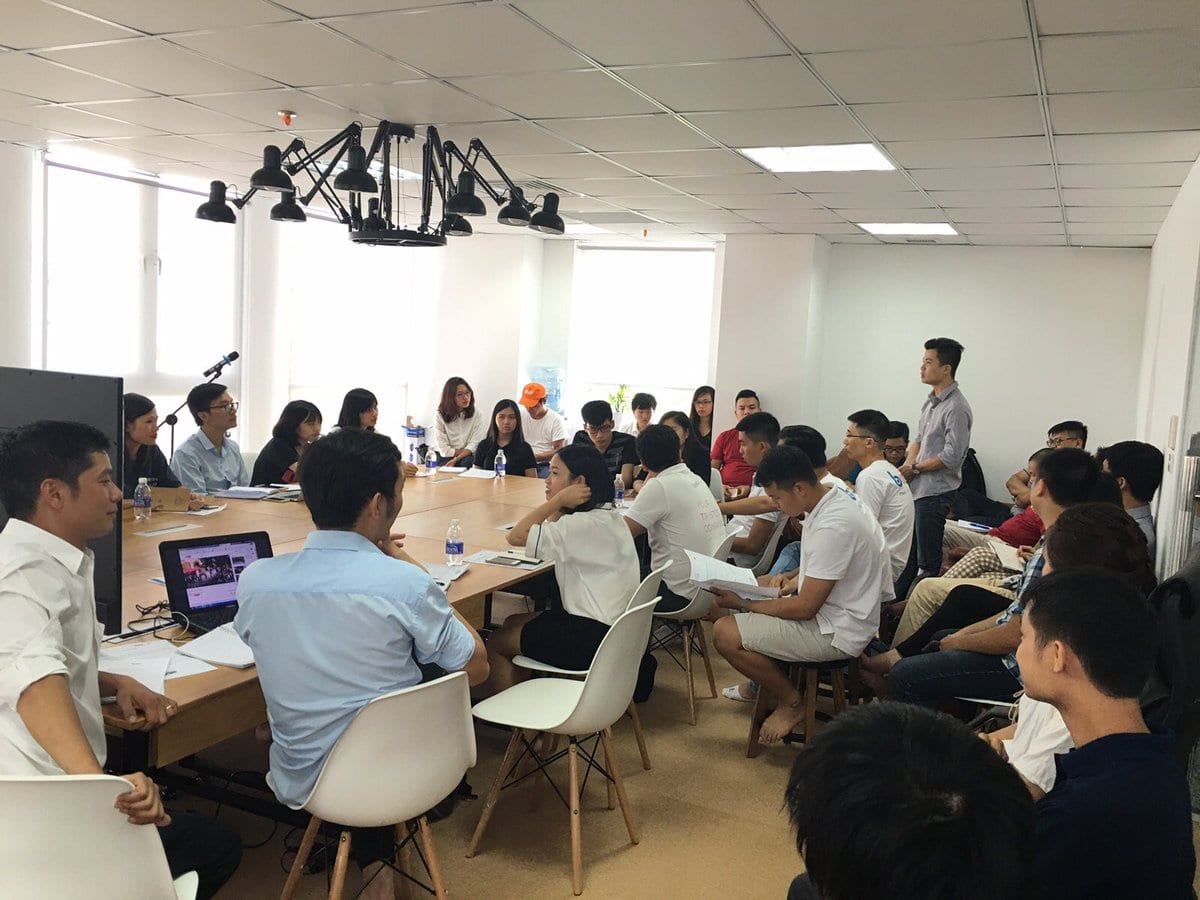
    About 75 percent of Vietnamese graduates have either started their own business or are interested in opening one. A survey released Tuesday by Navigos, a leading provider of executive search services in Vietnam, also found hat 52 percent of fresh graduates want to attempt a startup in the near future.

    One in five respondents, or 22 percent, said they have attempted a startup at least once before. Only 26 percent said that they have no plans for a start-up. The survey polled over 1,600 fresh graduates with less than two years of working experience.

    It found that a high number of fresh graduates are not satisfied with their current salaries, incentives and promotion opportunities.

    On a scale of five, they rated their satisfaction with salary at 2.95, and incentives at 2.99. Long-term development opportunities scored lowest at 2.88.

    Salaries and incentives are important factors for graduates in choosing their first jobs. Seventy percent of respondents selected “income and welfare policies” as one of the top criteria for job selection.

    Compatibility with personal strengths came second at 55 percent, while career prospects and opportunities for development come third and fourth at 53 percent and 52 percent respectively.

    The majority of fresh graduates, 34 percent, make VND5-7 million ($215-300) a month. Twenty-nine percent said their monthly salaries were VND7-10 million ($300-430). Only 12 percent made VND10 million ($430) or higher.

    The survey also found that candidates who are proficient in foreign languages have higher salaries. Only five percent of those whose jobs don’t require foreign language skills earn VND10 million ($430) or higher, while this figure is 37 percent among candidates who can speak another language.

    Young employees changed jobs more frequently, posing a retention challenge for employers. Eighty-one percent of the respondents said that “jumping jobs” helps them avoid wasting time on unsuitable or unsatisfactory positions.

    Forty-three percent claimed that switching jobs helped them gain diverse working experience and expand networks.

    Although young candidates value high salaries and benefit packages when choosing jobs, 57 percent said higher earnings was not the motivation for jumping jobs.

    Of the respondents who’d quit their jobs, 45 percent said the reason was personal plans like education or family issues.

    Four out of ten graduates said that they quit because they didn’t like their daily tasks, while almost one in four said they could not fit in with the corporate culture.

  • Decathlon Japan first full store opens next year

    Decathlon Japan first full store opens next year

    Decathlon Japan will open its first full-sized store next year as the French sporting goods retailer continues its rapid global expansion. The Decathlon Japan debut will come just a few months after the company opened its first store in South Korea.

    The company has taken a careful, measured approach to Japan, launching a website in 2015 to build brand awareness and gauge consumer demand. A small test store popped up in Osaka last year, under the Decathlon Lab banner, offering a limited range.

    The first full-sized Decathlon Japan store will be opened in the Hankyu Nishinomiya Gardens shopping mall, in the city of Nishinomiya, located between Kobe and Osaka. It will sell the company’s own house brands Domyos, Quechua and Kalenji, and provide space for consumers to test products before buying.

    Data from BPI France shows Japan is the world’s second largest sport market after the US, and was worth US$12.6 billion last year.

  • Valentino joins Tmall Luxury Pavilion

    Valentino joins Tmall Luxury Pavilion

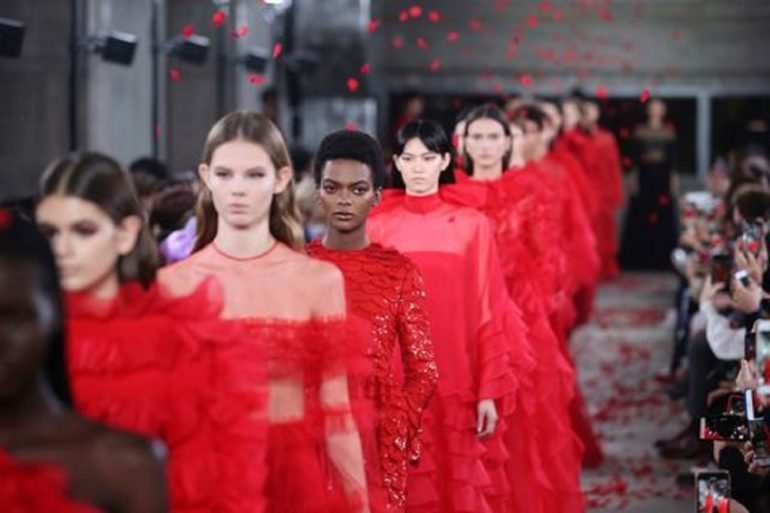
    Valentino, whose name is synonymous with high fashion across the globe, has opened a flagship store on Tmall Luxury Pavilion, Alibaba Group’s dedicated site for premium brands. The online store features selected products from the Rome-based fashion house’s womenswear and menswear lines, as well as five limited-edition items available only to Tmall shoppers including sneakers, pants and shirts.

    The launch late November coincided with Valentino’s 2019 Pre-Fall Runway show in Tokyo, which was livestreamed on the Pavilion.

    China’s Millennial and Generation Z shoppers are on track to make up 46% of purchases in the global personal luxury goods market by 2025, up from 32% in 2017, according to a November report from consulting firm Bain & Co.

    Online sales channels are becoming more critical than ever for luxury brands, with official sites and e-commerce platforms expected to account for 25% of the market’s value in 2025, up from the current 10%, Bain’s research showed.

    To create a shopping experience that stays true to the brand’s heritage and values, Tmall and Valentino worked together to design the storefront’s interface, adjusting the layout to enhance branding, boost audience retention and encourage deeper interaction with consumers.

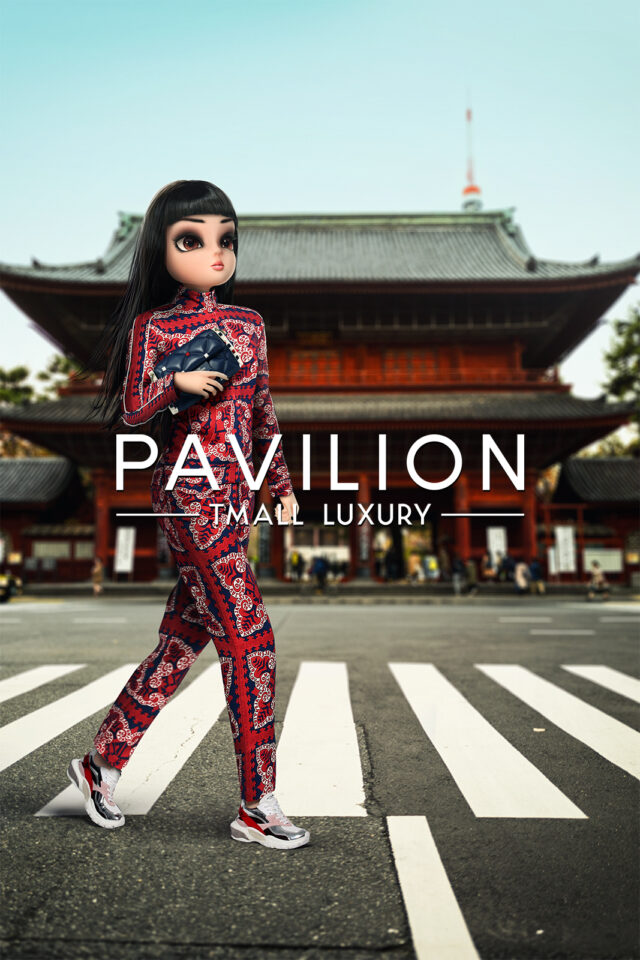
    Noonoouri, the Pavilion’s new CGI ambassador, also “attended” Valentino’s 2019 Pre-Fall Runway show, posting images of all of the behind-the-scenes action to her Instagram account.

    The digital avatar has already collaborate with luxury brands Chanel, Dior, Gucci and Saint Laurent.

    Before opening the new store, Valentino partnered with the Luxury Pavilion in April to launch a 3D virtual store that mirrors a brick-and-mortar pop-up store the brand has launched in Beijing.

    Shoppers can experience the physical location via the Tmall mobile app and browse a selection of Valentino’s collection.

  • Miniso Canada is collapsing

    Miniso Canada is collapsing

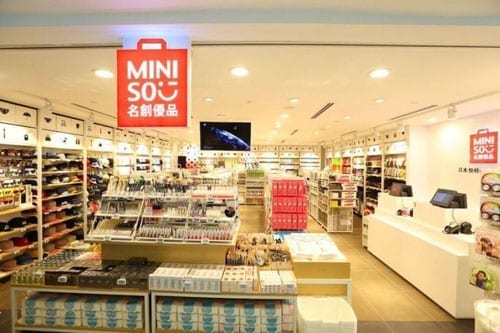
    Miniso Canada is on the brink of bankruptcy after an action brought against it by its Chinese parent company alleging fraudulent business dealings and the transfer and hiding of assets. The extraordinary situation was revealed by Canadian website which in its last update reported the Canadian subsidiary had reached a preliminary agreement with the Chinese company to avoid the move.

    Miniso China has declined comment.

    Citing court documents, Miniso China is owed C$20 million (US$14.7 million) and had retained a lawyer to commence legal action in British Columbia courts to recover the amount.

    Minso launched in Canada last year with plans for 500 stores within five years. To date it has opened 48.