Tag: liquor

  • Australian Spirits Industry Outraged as Tax Relief Measures Favor Beer Over Liquor

    Australian Spirits Industry Outraged as Tax Relief Measures Favor Beer Over Liquor

    In Australia, the spirits industry is set to miss out on tax relief measures currently extended to the beer industry, following a failed debate on alcohol taxation in the Senate.

    The Failed Amendment

    An amendment proposed to extend the excise freeze, currently applied to draught beer, to tap spirits was voted down by the Labor and Greens parties. In addition to this, the amendment suggested a review of the alcohol tax system. The proposed changes, which received support from the opposition and several independent senators, would have served as a cost-of-living measure for patrons of pubs and clubs if approved.

    Steven Fanner, executive director of Spirits & Cocktails Australia, expressed disappointment at the outcome, stating that the amendment had the backing of consumers and also encouraged a review of alcohol taxation in the country.

    He was quoted as saying, “To see the amendment voted down without its supporters even being provided the opportunity to debate it in the Senate is disappointing.” He found it perplexing that the Greens opposed a review of the alcohol tax, considering that tax reform has been part of their policy platform for years.

    Call for Tax System Review

    Industry representatives continue to advocate for a reevaluation of the tax system, highlighting the stark contrast in taxation between different types of alcohol. For instance, a consumer purchasing a gin and tonic is taxed almost three times more than a beer drinker, and up to eight times more than a wine drinker. Fanner believes this system reflects outdated consumption patterns and fails to align with the current market conditions.

    Spirits are increasingly becoming a significant part of the product mix offered in bars, clubs, and smaller venues. The excise on spirits is adjusted bi-annually, and after the most recent adjustment in February, the tax collected on a standard 700ml bottle of gin or whisky stands at about $32.

    During the promotion of the draught beer excise freeze, Government MPs stated that the policy was intended to alleviate cost-of-living pressures and support hospitality businesses. According to Fanner, however, the current measure is only applicable to beer, not all alcohol categories.

    Questions & Answers

    What was the proposed amendment to alcohol taxation in Australia?
    The amendment proposed to extend the excise freeze currently on draught beer to tap spirits. It also called for a review of the alcohol tax system.

    What was the outcome of the debate on the amendment?
    The amendment was voted down in the Senate, with the Labor and Greens parties opposing it.

    What is the current state of alcohol taxation in Australia?
    Currently, the excise freeze is applied only to beer. A gin and tonic consumer pays nearly three times the tax a beer drinker pays, and up to eight times more than a wine drinker. The excise on spirits, which is adjusted twice a year, currently stands at $32 on a standard 700ml bottle of gin or whisky. Industry representatives are calling for a review of this system.

  • DoorDash Expands Aldi Partnership: Liquor Delivery to NSW and Victoria, Special Buys Nationwide!

    DoorDash Expands Aldi Partnership: Liquor Delivery to NSW and Victoria, Special Buys Nationwide!

    Starting January 21, Aldi customers in New South Wales and Victoria will have the option to purchase the retailer’s exclusive range of alcoholic beverages via DoorDash. This new service is a part of the ongoing partnership between Aldi and DoorDash, which was established a year ago.

    Expanding Delivery Options

    In addition to alcoholic beverages, Aldi’s popular Special Buys will also be available for nationwide delivery from most store locations through DoorDash. This move is in line with the company’s efforts to make more of its products conveniently accessible to customers.

    Simon Padovani-Ginies, Group Director at Aldi Australia, has emphasized the company’s commitment to making as much of Aldi’s offerings as possible available for delivery. The inclusion of their exclusive liquor range for shoppers in New South Wales and Victoria, as well as the nationwide availability of Special Buys, means that more customers will be able to access Aldi’s high-quality, low-cost products from the convenience of their homes.

    Improving Customer Experience

    This move is not just about expanding product availability – it’s also about elevating the customer experience. With the current pandemic, online shopping has become the norm and businesses that offer home delivery services are increasing in popularity. By offering delivery of their exclusive liquor products and Special Buys, Aldi is catering to the evolving needs of its customers, making shopping more convenient and stress-free.

    Questions & Answers

    When will Aldi customers in New South Wales and Victoria be able to purchase liquor products via DoorDash?
    Starting January 21, Aldi will offer delivery of its exclusive liquor products to customers in New South Wales and Victoria through the DoorDash service.

    What other products will Aldi make available for delivery via DoorDash?
    In addition to its exclusive range of alcoholic beverages, Aldi will also make its popular Special Buys available for nationwide delivery from most store locations.

    What is the aim of this new service?
    The new service aims to make shopping more convenient for Aldi customers. It is also a part of the company’s efforts to cater to the evolving needs of consumers in the current pandemic climate, where online shopping and home delivery services have become increasingly relevant and popular.

  • Western Australia’s New Liquor Law Reforms: A Toast to Hospitality Growth and Enhanced Tourism Experience

    Western Australia’s New Liquor Law Reforms: A Toast to Hospitality Growth and Enhanced Tourism Experience

    The recently approved revisions to liquor laws in Western Australia are set to streamline processes, reduce bureaucratic hindrances, and inject vitality into the region’s liquor, tourism, and hospitality sectors.

    Enhancements to Alcohol Service and Trading Hours

    The legislation overhaul permits licensed establishments such as hotels, taverns, small bars, and alcohol manufacturers to offer alcoholic beverages with or without an accompanying meal on notable public holidays such as Good Friday and Christmas Day. Furthermore, the trading hours on these holidays, as well as on Anzac Day, will see an extension of up to four hours, permitting operation from 10 am to midnight.

    Introduction of Digital ID Checks

    In alignment with modern technological trends, the Liquor Control Act 1988 will also integrate digital ID checks into its enforcement mechanism. However, the law stipulates that digital evidence such as photographs or screenshots of IDs will not be deemed acceptable.

    Reducing Paperwork and Boosting Growth

    As part of the drive to slash red tape, the new laws will eliminate the need to renew extended trading permits, thus reducing paperwork and related costs for business operators. Small bars stand to benefit from these changes, as the legislation raises their patron capacity limit from 120 to 150.

    Expanding Product Range and Strengthening Penalties

    The reforms also broaden the scope for spirit producers, enabling them to produce a wider array of products, including ready-to-consume beverages like hard seltzers. To address potential alcohol-related issues, the Banned Drinkers Register (BDR) will become a permanent measure in Kimberley, Pilbara, Goldfields, Carnarvon, and Gascoyne Junction. The law will also amplify penalties for unauthorized alcohol sales and distribution.

    According to Racing and Gaming Minister Paul Papalia, these reforms echo the government’s dedication to facilitating business operations in Western Australia. He underscored the legislation’s dual benefit for businesses and customers, stating, “We’re backing growth in tourism, hospitality and the night-time economy with a modern liquor licensing system that works for both businesses and patrons.”

    Questions & Answers

    What are the key changes in Western Australia’s new liquor law reforms?
    The primary changes include extended trading hours on public holidays, introduction of digital ID checks, eradication of extended trading permit renewals, increase in customer capacity at small bars, and expansion of the product range for spirit producers.

    How will the reforms affect small bars?
    The reforms will ease administrative burdens for small bars by dispensing with the need for extended trading permit renewals. They will also allow for an increase in customer capacity from 120 to 150.

    What measures will be taken to address potential alcohol-related issues?
    The reforms will make the Banned Drinkers Register (BDR) a permanent feature in certain areas, and also strengthen penalties for illegal alcohol sales and distribution.

  • Metcash to invest $70 million in new Vic DC

    Metcash to invest $70 million in new Vic DC

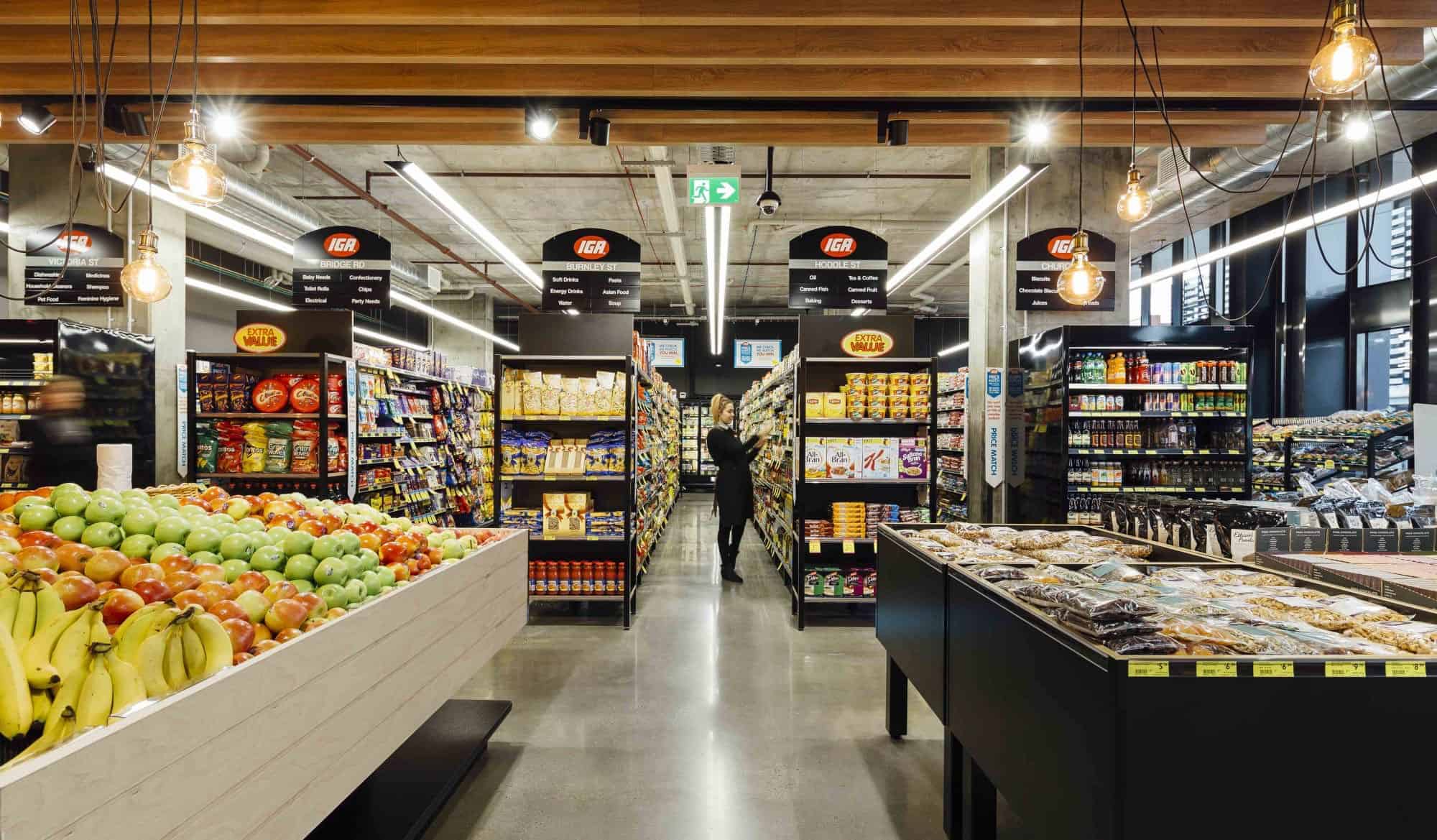
    Metcash, the Australian wholesaler and distributor for brands like IGA, Mitre 10, Foodland and more,  has today announced a new distribution centre (DC) planned for Truganina, Victoria alongside the release of its FY22 results detailing a rise in revenue and earnings.

    The approximately 115,000sqm DC will replace the company’s existing Laverton, Victoria facility and will cost Metcash around $70 million to set up, with $20 million scheduled to be incurred in FY23.

    Metcash, which signed a long-term lease with the Goodman Group (ASX: GMG) for the construction of the Truganina DC, says the facility will improve the competitiveness of its independent retailers in Victoria through delivery efficiencies and by providing them access to a wider range of products.

    The DC will house products for both MTS’ food and liquor pillars, and will be equipped with automation to suit the company’s retail network.

    “We are delighted to be able to announce this significant long term investment for our independent retailers in Victoria, which is a reflection of our continued focus on championing their success,” Metcash CEO Doug Jones said.

    “Supporting our decision to proceed was the success of our new DC at Gepps Cross in South Australia, which has been operational since December 2020, as well as strong growth in both our Food and Liquor pillars in Victoria and the recent renewal of a long term agreement to supply Foodworks stores.”

    The announcement coincides with the release of Metcash’s FY22 financial results, detailing an 18.6 per cent rise in underlying profit after tax to $299.6 million.

    In addition, earnings rose by 17.7 per cent to $472.3 million, while revenue grew by 5.9 per cent to $15.2 billion.

    On a statutory basis, MTS’ profit after tax was up by 2.7 per cent to $245.5 million which the company says was backed by strong sales and earnings in all divisions sustained by a shift in consumer behaviour.

    The large difference between underlying and statutory profit can be explained by $22 million for Project Horizon which includes refurbishing stores, expanding e-commerce and cutting costs, as well as $27.6 million in acquisition costs, primarily oriented towards the hardware division.

    Jones said he was pleased to present the FY22 results, his first as group CEO.

    “The results are outstanding, another record year, and represent continued progress on the exceptional performance in FY21,” Jones said.

    “The number of external challenges increased in the second half and our supply chain and retail operations, both our own and those of our retail partners, exhibited significant resilience and flexibility. There were more lockdowns due to the Omicron COVID variant, major supply chain challenges, flooding in South Australia, New South Wales and Queensland which resulted in supply route disruptions, and towards the end of the financial year challenges related to Russia’s invasion of Ukraine and lockdowns in China.

    “A strategic investment in inventory, the flexibility of our operations and the outstanding efforts of our people helped our retailers to keep their shelves stocked and continue serving their local communities through these challenges. A testament to our people and independent retailers is that our focus on keeping shelves stocked did not materially hinder the continued successful execution of our MFuture [growth project] initiatives.”

    Jones said the company’s retail networks in food, hardware and liquor performed well, with sales increasing approximately 3 per cent in the IGA retail network, 20.5 per cent across hardware (which includes Mitre 10, Home Hardware and Total Tools), and 8.7 per cent in the liquor network.

    “Importantly, retailers are increasingly reinvesting in their stores, further improving the quality of their network primarily through the various store upgrade programs we support,” Jones said.

    “We also further strengthened relationships with our independent retailers and were pleased to recently announce long term agreements to continue supplying Foodworks stores and Drakes Supermarkets in Queensland.”

    MTS says forward momentum going into FY23 has helped push group sales up 9 per cent in the first seven weeks of its new financial year commencing on 1 May, partly buoyed by the impact of inflation.

    “While elevated inflation has continued into 1H23, there is uncertainty over the level of inflation going forward, as well as how the impact of inflation and other cost of living increases may impact consumer behaviour in the retail networks of our pillars, and Metcash,” Metcash said.

    “We are continuing to work closely with our suppliers and retailers to help shoppers manage the impact of inflation by providing better value options through offering a wider range of products at competitive prices.”
  • Liquor industry wants tax increase delayed

    Liquor industry wants tax increase delayed

    Liquor companies want the proposed increase in special consumption tax put off until they recover from the effects of the Covid-19 pandemic. The government plans to hike the taxes on beer, liquor, and cigarettes from now until 2030 and is still considering by how much.

    The current rates are 65 percent on beer and 35-65 percent on liquor. Nguyen Van Viet, chairman of the Vietnam Association of Beer, Wine and Beverages (VBA), said the two years of Covid caused beer sales to drop by 20 percent or one billion liters.

    Around half of all breweries and distilleries saw revenues and profits fall in 2020 and 2021, according to a survey by the Central Institute for Economic Management (CIEM). Over 79 percent of them tried to cut costs, and 58 percent postponed expansion plans and laid-off employees.

    It is estimated that 4-7 percent of workers were laid off, and the rest saw their incomes reduce by 7-10 percent. Though the situation has improved thanks to the reopening of the economy this year, the industry is unlikely to see profits rise as input costs have risen to historic highs.

    Gasoline and malt prices have increased by 50 percent, and that of beer cans by 30-40 percent. Holly Bostock, corporate affairs director of Heineken Vietnam, said any increase in special consumption tax would add to the burden on the beverage and tourism industries, while what they need now are stability and support.

    Phan Tuan Khai, a lawyer for the VBA, said the government needs to come up with a new tax mechanism that would help businesses but also generate more tax instead of just increasing the rates. Economist Ngo Tri Long said a tax hike would exhaust businesses.

    Long said a new mechanism that taxes products with higher alcohol content more would be fairer and more transparent than the current tax mechanism and encourage people to drink responsibly. Taxation by alcohol content is done in Singapore and European Union countries.

    A study by the CIEM from 2010 to 2018 found that despite increases in alcohol tax, consumption actually rose from 6.6 liters per capita per year to 8.3 liters.

    A 2019 study by Lancet, a British medical journal, found Vietnam among the world’s top beer-consuming countries and a 90.2 percent rise in drinking per capita between 2010 and 2017.

  • Russian liquor pulled from shelves in response to invasion

    Russian liquor pulled from shelves in response to invasion

    British Columbia is removing Russian spirits from liquor store shelves, and putting a halt to importing more, in solidarity with Ukraine as Russia continues to wage war on the country.

    “Our province stands with those who understand Europe’s peace following two world wars depends on respecting international law,” Deputy Premier Mike Farnworth said in a media release Friday afternoon.

    Premier John Horgan says efforts are underway to help the people of Ukraine after the Russian invasion began this week.

    “My intergovernmental officials are working with Ottawa to see what we can do with respect to sanctions and what we can do with respect to providing safe harbour for those that are fleeing with the violence that’s been beset upon them by a government that has clearly lost its way.”

    Farnworth said the province is donating $1 million to the Red Cross campaign in support of Ukrainian people.

    Several provinces pulled Russian products from liquor store shelves Friday as a sign of solidarity with Ukraine.

    Opposition Leader Kevin Falcon called for the removal of Russian liquor from B.C. store shelves Friday morning.

    “What is going on in Ukraine is so totally unacceptable to all our democratic values and the things we hold dear,” he said.

    “I just think the province of British Columbia needs to do everything we can do to lend our support against those that are supporting Putin.”

  • DoorDash bets big on liquor deliveries

    DoorDash bets big on liquor deliveries

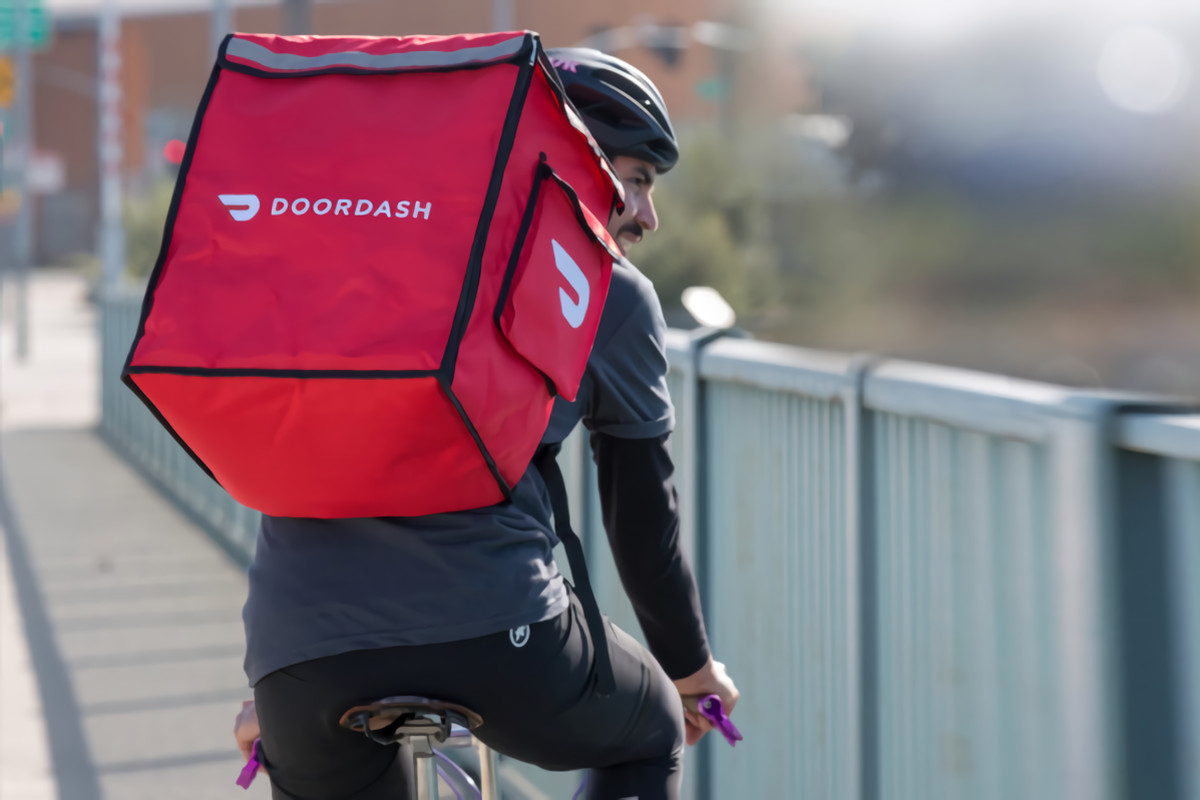
    DoorDash will offer beer, wine, and spirits through the DoorDash Marketplace in 20 U.S. states and Washington, D.C., as well as Canada and Australia, the company announced on Monday. Customers will be able to order alcohol offerings from grocery stores, restaurants and other local merchants through a new “Alcohol” tab in the DoorDash app.

    Alcohol delivery exploded during the pandemic as COVID-19 restrictions shifted happy hour from bars and restaurants to people’s homes. Lawmakers in many states temporarily relaxed regulations to make alcohol available for home delivery and pickup. E-commerce made up just 1% of U.S. alcohol sales by retailers in 2019 by volume but is expected to grow to 7% by 2024, according the Wine & Spirits Wholesalers of America, an industry trade group.

    The boom has created an opportunity for delivery giants like DoorDash and Uber Eats to capitalize on the higher-margin category. It’s also a boom for restaurants as adding alcohol could increase average order values by as much as 30%, according to DoorDash Chief Operating Officer Christopher Payne. “It’s a win-win for everyone. Customers have a wider selection, restaurants can achieve greater sales and Dashers can earn more,” he said.

    The San Francisco-based company commanded 57% of the food-delivery market as of August and has seen sustained growth across segments even as indoor dining has resumed. The dedicated alcohol operation, which counts more than 10,000 retailers, will also benefit from DoubleDash, a feature that lets customers shop from multiple stores and bundle them into a single order. DoorDash’s move heats up the competition with Uber, which purchased on-demand alcohol delivery app Drizly for $1.1 billion in February.

    Because regulations around alcohol delivery differ city-to-city, the new offering will be available only in select markets. DoorDash has ramped up its lobbying efforts alongside the restaurant industry and have seen “great traction” as legislators have been keen to help businesses that were battered when the pandemic shuttered eateries, Payne said.

    DoorDash will employ ID verification prior to checkout and by couriers before delivery to ensure customers are 21 years old or older, the company said in a statement.

    The company has been delivering alcohol from restaurants and through its Drive service, which handles orders from a merchant’s website rather than through the regular DoorDash Marketplace app.

  • Startup launches liquor delivery service in Christchurch

    Startup launches liquor delivery service in Christchurch

    Delivery startup Give Me Bread has added liquor delivery in Christchurch along with its restaurant food delivery services.

    To order, the Give Me Bread app allows customers to tap a photograph of what he or she wants and place an order in which the drivers will then deliver directly to the customer’s doorstep in 30 minutes. Orders can also be placed on the retailer’s site.

    Liquor orders can be made with or without meals.

    “Our customers love how easy it is to order their favorite drink in seconds,” said Abhay Pratap, Give Me Bread marketing manager. “We have repeat orders every week from busy professionals who want the simplicity of their favorite beverage arriving at the door – perfect for when visitors arrive unexpectedly.”

    Pratap started the business with Chandhi Jain, the company’s operations manager, in 2017

    “Many people are so busy that some days they just don’t want to spend half an hour making dinner, or another half an hour doing the dishes. That’s where we come in,” Jain said.

    Give Me Bread have dedicated drivers who deliver the liquor and meals all over the city.

  • Lotte Duty Free wins Changi Airport Group liquor & tobacco concession

    Lotte Duty Free wins Changi Airport Group liquor & tobacco concession

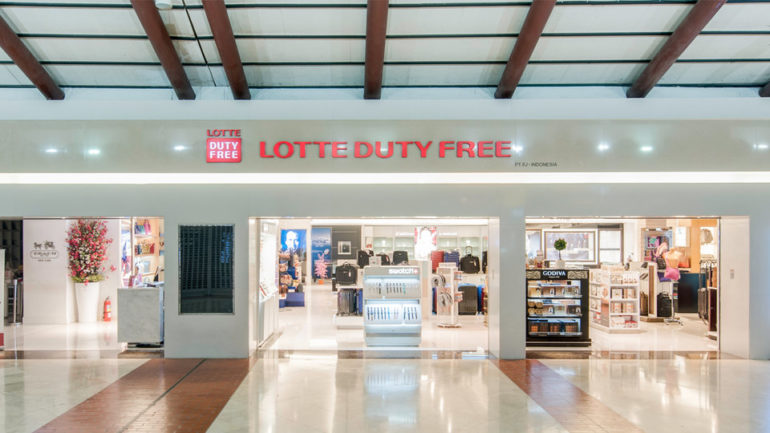
    Changi Airport Group has awarded its liquor & tobacco concession tender to Lotte Duty-Free. The company will succeed DFS Group when the concession contract expires next year.

    The awarding of the liquor & tobacco concession ends a fierce contest between some of the world’s leading travel retailers, including Gebr Heinemann and The Shilla Duty-Free.

    Changi Airport Group (CAG) said it undertook a detailed evaluation process after tenders closed on August 26.

    With experience operating concessions in markets including Australia, Japan, New Zealand, South Korea and Vietnam, Lotte Duty-Free is the first new operator to take what is a key CAG concession which was with DFS Group for 40 years. DFS decided not to bid to renew the business, saying it was not commercially viable, and following a similar withdrawal from Hong Kong International Airport two years ago.

    The contract awarded to Lotte is for a six-year term commencing on June 9. The tenancy contract covers all 18 liquor & tobacco stores across Changi’s four terminals, spanning more than 8000 sqm of retail space.

    “The Liquor & Tobacco concession is one of the largest at Changi Airport and it presents unique opportunities for marketing innovation and customer engagement,” said Lim Peck Hoon, executive VP, commercial at CAG.

    “Lotte put forth the strongest and most compelling proposal overall. It is aligned with CAG’s vision to offer passengers a seamless omnichannel retail experience and new retailtainment initiatives leveraging smart technologies. Lotte also demonstrated a keen understanding of the market environment with a sound business plan supported by a competitive financial bid and backed up by solid business fundamentals.”

    Lotte Duty-Free has promised to offer a wide selection of liquor products and brands to Changi’s passengers. All liquor and tobacco stores will be rejuvenated to attract both connoisseurs and new consumers. The company will also feature different boutique concepts and zones presenting the latest and exclusive products in the market.

    CEO of Lotte Duty Free, Kap Lee, said: “I express my deep gratitude to Changi Airport Group for acknowledging Lotte Duty Free’s strength and strategy. Winning the Changi Airport’s liquor & tobacco duty-free concession is of great significance in terms of establishing a bridgehead to achieve our vision of “Global No.1 Travel Retailer”. Lotte Duty Free will put its continuous efforts to grow as a global brand with Changi Airport.”

    According to CAG, the transition towards the start of the new concession will be planned carefully with both the incoming and outgoing tenants. Renovation works in the stores will be conducted in phases to ensure that customers continue to enjoy a high standard of service.

  • Changi Airport and DFS launching online liquor initiative

    Changi Airport and DFS launching online liquor initiative

    Changi Airport Group and DFS Group have launched the first luxury-focused Singapore online liquor store.

    Called iShopChangiWines.com, the store will offer duty- and GST-absorbed premium-priced wines, Champagnes, and sakes.

    Consumers can now purchase up to 30 liters of tax and duty-absorbed wines, Champagnes, and sakes even if they are not traveling. The new Singapore online liquor store offers more than 140 quality products from some of the world’s most sought-after brands, as well as DFS travel exclusives.

    “The launch of the new iShopChangiWines.com e-shopping site marks Changi Airport’s latest move in making shopping accessible to consumers even if they do not have a boarding pass to fly,” said airside concessions at Changi Airport Group senior VP Teo Chew Hoon. “Not only do they get to pick from a wide selection of premium products specially curated by DFS, they will also enjoy the privileges presented by Changi Rewards, the airport’s loyalty rewards program.”

    The new website and service kicks off with a series of on-ground activations around Singapore through a novel pre-teaser campaign titled #BestKeptSecretSG to spark curiosity. The campaign kicked off with a branded truck carrying empty wine bottles traveling around Singapore. Members of the public are encouraged to capture a photo of the truck and upload it on social media along with the hashtag: #BestKeptSecretSG. They can also participate in an ongoing contest on www.bestkeptsecret.sg to guess the number of empty wine bottles housed in the truck.

    “At DFS, we recognize that our consumers’ needs and shopping behavior continue to evolve and we are always seeking new ways to satisfy them,” said DFS Group GM Singapore Prashant Mahboobani. “The launch of iShopChangiWines.com is a significant milestone for DFS at Changi Airport as we bring our standards of quality and value, with added convenience to consumers.”

  • Online liquor sales boom in Vietnam

    Online liquor sales boom in Vietnam

    Vietnam has removed a proposed decree to prohibit online liquor sales, accepting that it goes against international trends. The bill, proposed by the Ministry of Health last year, would have prohibited online sales of beverages with an alcohol content of more than 15 percent. But legislators got into a heated debate over this regulation, with critics saying that it would go against international trends and challenge e-commerce development.

    The National Assembly (NA) Committee for Social Affairs on Thursday said it has removed the decree after listening to legislators’ views.

    Some new changes have been made in the latest version of the bill. The advertisement for beverages with less than 15 percent of the alcohol content will now be allowed on TV and radio.

    However, these advertisements must not be carried between 7-8 p.m. every day.

    The bill is set to be discussed and voted on at the end of the ongoing National Assembly session.

    Alcohol, especially beer, is widely consumed in Vietnam. Data collected by the Ministry of Health shows Vietnamese citizens consumed 305 million liters of liquor and 4.1 billion liters of beer in 2017, making it the biggest alcohol consumer in Southeast Asia and third biggest in Asia after Japan and China.

  • Supermarkets lose Liquor Sales

    Supermarkets lose Liquor Sales

    Independent liquor retailers took back around 130,000 customers from supermarket chains over the 12 months to December 2018, increasing their market share from 9.8 per cent to 12.9 per cent, according to research firm Roy Morgan.

    Supermarket-owned chains, including Woolworths Group’s BWS and Dan Murphy’s, Coles Group’s LiquorLand, First Choice and Vintage Cellars, as well as IGA and Aldi, lost around 1.8 per cent of the market over 12 month period, according to Roy Morgan’s Alcohol Retail Currency report.

    “While the big two supermarket chains are competing, it appears to be largely at the expense of Aldi, IGA and other supermarkets all of whom lost share over the last 12 months,” Norman Morris, industry communications director at Roy Morgan, said.

    “Our research shows a number of drivers of buying behaviour in this market, including proximity to other shops, low prices, an easily browseable range, special offers, expert staff knowledge and good service.”

    Coles Group bucked the trend as the only major retailer to gain share over the year, jumping from 16.5 per cent to 18.1 per cent.

    And while Woolworths Group remains the clear market leader, with almost half of the alcohol market (48.3 per cent), its Dan Murphy’s brand lost 4.2 per cent of share during the period.

    Woolworths said yesterday that while Dan Murphy’s sales momentum improved over the 13 weeks to March 31, 2019, it is still expecting its Endeavour Drinks group EBIT to be below the prior year as it focuses on improving its range, service and convenience for customers.

    Likewise, Coles noted its Liquorland brand has struggled with a subdued market and lower promotional intensity in the beer category, especially over the New Year’s Eve period, which it said underperformed.

  • Habitat by Honestbee expands choices

    Habitat by Honestbee expands choices

    Habitat by Honestbee has added two new outlets to its 15 existing eateries.

    The first, Hama Hama, is a seafood bar with Asian-centric small plates and a seasonal sharing menu, with oysters at its core.

    The second new offer is B Bar, located near the liquor aisle and serving classic drinks along with cocktails featuring local and Asian flavours. Mocktails are also available.

    Honestbee, the online grocery-delivery service, opened its 60,000sqft Habitat last November.  The full-scale supermarket hosts more than 20,000 Asian and global foods and ingredients as well as daily essentials, which can be purchased both online and offline.

  • The Macallan releases the first annual limited edition

    The Macallan releases the first annual limited edition

    The first in an annual, limited edition series, The Macallan Concept Number 1 was inspired by the whimsical world of surreal art, and celebrates world’s visionaries by daring to disrupt the whiskey making process. Following its Asia debut on 1st January 2019 in Singapore’s Changi International Airport, The Macallan Concept Number 1 will be made available in Hong Kong Hong Kong International Airport starting from 1st February 2019. Bringing together imagination and idealism to create a fantastical, sensorial world of whisky where anything and everything is possible, the label and packaging of The Macallan Concept Number 1 features a surrealistic interpretation of The Macallan’s Six Pillars -– the spiritual home, curiously small stills, the finest cut, exceptional oak casks, natural colour and peerless spirit.

    Created from whiskies matured first in sherry-seasoned oak casks and subsequently for an equal amount of time in ex-bourbon casks, The Macallan Concept Number 1 is a whisky crafted to explore maturation more imaginatively. Displaying characteristic notes of citrus fruits and ginger, it is a spirit that combines an unwavering passion for whisky with an unfailing mastery driven by bold and brave choices.

    Commenting on the uniqueness of this series, Macallan Master Distiller, Nick Savage says, “The Macallan Concept Number 1 is whisky reimagined, offering a compelling new sensory experience that rewards with every sip. The innovative process developed to produce this remarkable single malt pays tribute to the visionaries of the surreal art world and reflects our continuous search for excellence.”

    Adding further, Igor Boyadjian, Edrington Global Travel Retail Director, emphasises, “We’re proud to unveil the first release in The Macallan’s latest innovative travel retail-exclusive product range. By “breaking the norm”, The Macallan Concept Number 1 reinforces our commitment to offering exciting products to travellers and we’re confident this fresh innovation will prove attractive to travellers and collectors alike.”

    The Macallan Concept Number 1 is now available exclusively in Hong Kong, via duty free stores in Hong Kong International Airport, and in selected airports throughout Asia Pacific from February 2019 onwards.

  • Pernod Ricard Global Travel Retail announces new Vice President Marketing

    Pernod Ricard Global Travel Retail announces new Vice President Marketing

    Craig Johnson, currently Vice President Global Marketing, Absolut Vodka at The Absolut Company, is appointed to the position of Vice President Marketing of Pernod Ricard Global Travel Retail (PR GTR) from January 2019, reporting to Mohit Lal, CEO of Pernod Ricard Global Travel Retail. Johnson will be based in Pernod Ricard Global Travel Retail’s London headquarters and will also become a member of the PR GTR Executive Team.

    This organizational change will continue to build on the strong work achieved so far since the consolidation of the global travel team, by continuing to push category boundaries of what can be achieved within the channel and connect with travelers across the globe at different stages of the Travel Trail through innovative and meaningful communications.

    Craig Johnson, BA Engineering, Rochester Institute of Technology and MBA, The University of Connecticut, started his career at BIC in 1993, where he transitioned from engineering to marketing, before joining Allied Domecq Spirits USA in 1999 as Brand Director, Innovation & Advantage.

    Craig joined the Group at Pernod Ricard USA in 2004 as Brand Director and became Vice President Marketing, Spirits in 2010. He joined The Absolut Company in 2013 as Global Brand Director, Malibu, and was promoted to Global Marketing Director in late 2015.

    From January 2019 Craig is the Global Vice President Marketing for Global Travel Retail.