Tag: Living

  • Flood of new passengers to stoke demand for jet fuel in Vietnam

    Flood of new passengers to stoke demand for jet fuel in Vietnam

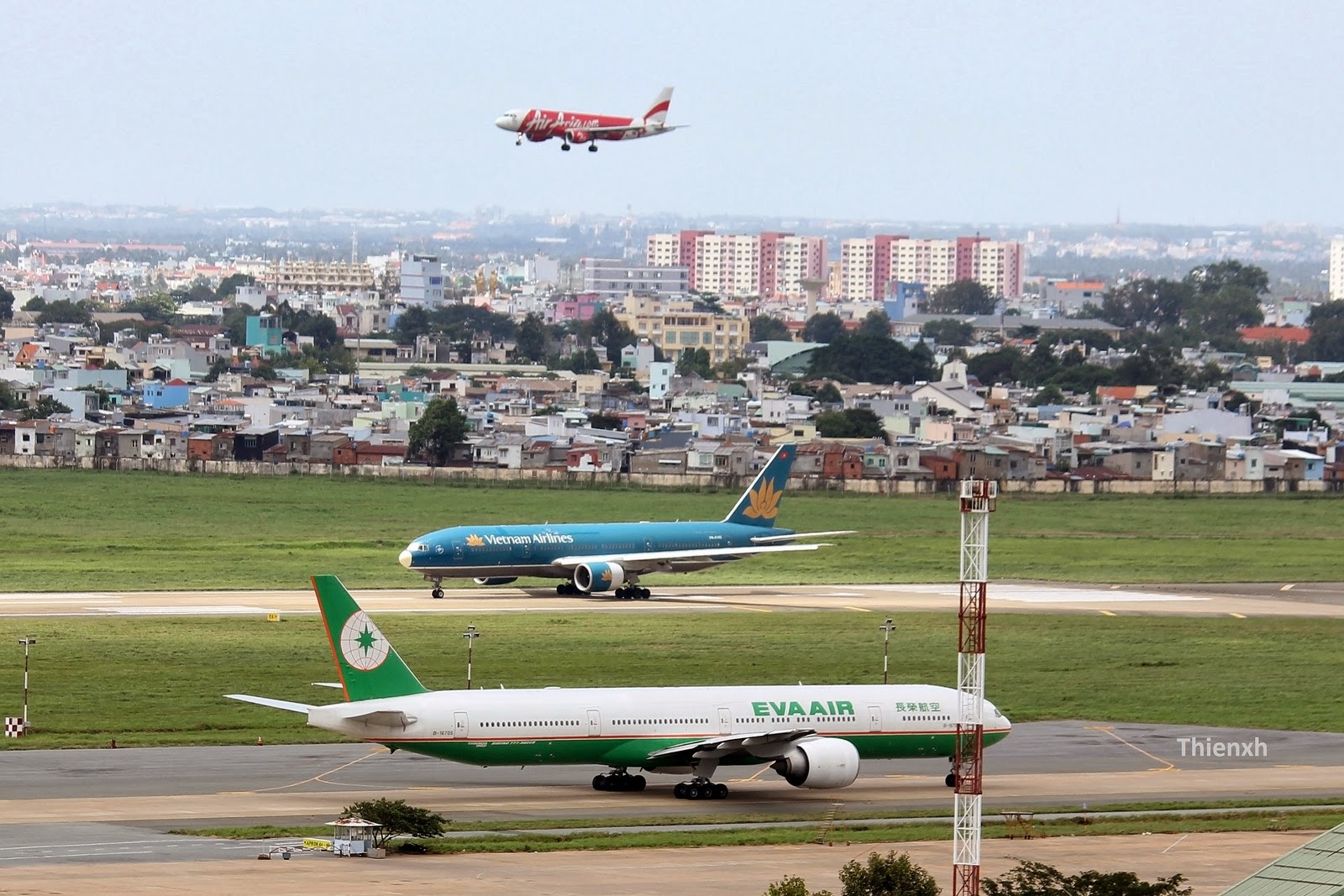
    Vietnam’s jet fuel demand will surge to a record this year as its tourism booms and the country’s airlines are rapidly expanding. The country is on track to have 38 million international passengers and 16 million visitors this year, according to data from CAPA Centre for Aviation. That is up from 18 million passengers and 8 million visitors in 2015, according to the data.

    “Aviation demand in Vietnam is booming… Fuel consumption in Vietnam will reach a record high this year and will keep rising for the years to come,” said Tran Hoai Nam, vice president of Vietjet, Vietnam’s biggest private airline.

    He added Vietnam’s growth in foreign arrivals was the highest in Southeast Asia, rising 8.7 percent annually.

    The surge in traffic has translated into a rush of jet fuel demand in Vietnam. Through November, the country has imported 1.87 million tonnes of the fuel, according to customs data, equal to 14.8 million barrels, and up 18 percent from the same period last year.

    “For 2018, jet fuel demand in Vietnam is estimated to be increased by about 20 to 25 percent in comparison with 2017, mostly due to the increase in consumption of the international flights,” said a Hanoi-based trader at one of country’s jet fuel suppliers, who asked to remain unidentified due to company policy.

    Vietnam currently consumes about 18 million barrels of jet fuel per year, according to data from Petrolimex Aviation.

    By 2035, Vietnam will have 150 million airline passengers per year, nearly four times what it was in 2015, according to a 20-year forecast from the International Air Transport Association (IATA).

    Over the same period, India will have 442 million passengers, 3.6 times what it was in 2015, while China will have 1.3 billion passengers, 2.7 times what it was in 2015, IATA said.

    In November, Vietnam issued an aviation licence to Bamboo Airways, which would be the country’s fifth airline after Vietnam Airlines, Jetstar Pacific Airlines, Vietjet Aviation VJC.HM and Vietnam Air Services Co.

    Bamboo is expected to launch its first flights within weeks. It signed a provisional deal in July to buy 20 of the wide-body 787-9 jets from U.S. manufacturer Boeing and agreed a memorandum of understanding with Europe’s Airbus for up to 24 of the narrow-body A320neo jets in March.

    VietJet, which currently operates 60 Airbus jets, has signed a $6.5 billion (5.2 billion pounds) agreement to buy 50 new jets.

    Vietnam’s jet fuel imports will continue to surge as the country only has two refineries, Dung Quat in the central province of Quang Ngai and Nghi Son in Thanh Hoa Province, near to the capital Hanoi, which only started operations this year.

    “Both Dung Quat and Nghi Son refineries are primarily catered towards the production of gasoline and diesel, and thus, jet fuel yield is relatively low at 5 percent,” said Peter Lee, an analyst at Fitch Solutions Macro Research.

    Nghi Son, once fully operational, will produce about 4.6 million barrels of jet fuel per year, said a source at the refinery. Dung Quat can produce as much as 2.3 million barrels per year, according to the company website.

    “Vietnam will be reliant on imports to meet most of its jet fuel demand going forward,” Lee added.

    Vietnam imports most its jet fuel from refineries in Singapore, Thailand and China, trade data showed.

    Despite the steep growth outlook for Vietnam’s aviation sector, passenger growth might may be uneven as the country grapples with capacity constraints at its airports.

    Vietnam’s biggest airport Tan Son Nhat, serving Ho Chi Minh city in the south, receives about 10 million more passengers per year than it is designed to serve.

    The government is planning a second international airport at Long Thanh, 40 km (24 miles) east of Ho Chi Minh City, that will serve 25 million passengers a year starting in 2025.

  • Nome Sweden revealed massive expansion plan in China

    Nome Sweden revealed massive expansion plan in China

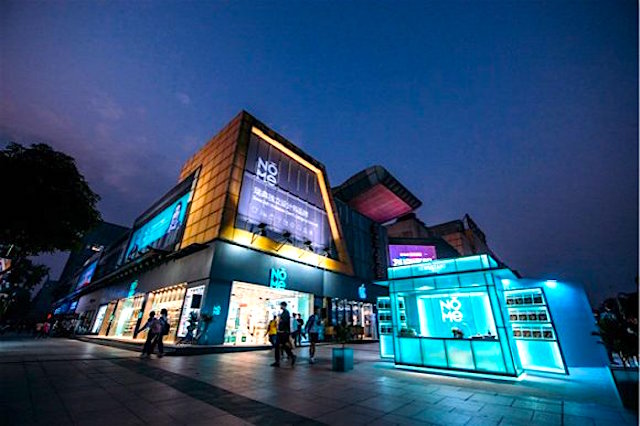
    Swedish designer brand Nome has launched a new store at Guangzhou Baiyun Wanda. The brand plans to open more than 300 stores in China’s most central shopping centres within a year, with a projected total turnover of more than RMB2 billion (US$290.6 million).

    In the next three to five years, Nome plans more than 2000 stores in China and in excess of 1000 stores overseas. The global business scale is planned to reach RMB50 billion ($7.265 billion), creating a global brand of home furnishing.

    To mark the Guangzhou launch, the brand installed a modernised version of a traditional Guangzhou postal kiosk outside the store. The reimagined newsstand featured a translucent shell emanating blue and white lights to evoke a Nordic style, perceived by the brand as having become more popular amongst Chinese consumers in recent years.

    Swedish designer brand Nome covers 10 categories and more than 3000 SKUs in store, including lifestyle, home, furniture, clothing, digital, beauty, food, shoes, luggage and travel items.

  • Popular Japanese ‘100-yen’ store Oomomo opens in Toronto Canada

    Popular Japanese ‘100-yen’ store Oomomo opens in Toronto Canada

    Japanese discount retailer Oomomo has launched in Canada with plans for stores in most major cities. The first store opened in West Edmonton Mall in Alberta last month and was followed by another in Toronto this week, which attracted queues of customers to check out its eclectic mix of homewares, stationery, snacks and beauty products.

    More stores are planned in Vancouver, Burnaby in British Columbia and North Edmonton and Markham in Ontario.

    Oomomo translates into “big peach” in English and in Japan the chain is one of a group of retailers commonly referred to ‘100-yen’ stores. Most of its stock is priced at less than C$3.

    Some of the stock is sourced from Japanese retailer Daiso.

    View the gallery of the new store below (6 images) :

  • Lotte brings in The Conran Shop to Korea

    Lotte brings in The Conran Shop to Korea

    ondon-based high-end furniture and home furnishing store chain The Conran Shop will open its first South Korean outlet in the second half of next year in partnership with the country’s leading department store chain Lotte Department Store.

    Lotte Department Store said on December 13 it has signed a contract to run Korean stores of The Conran Shop with Conran Retail and Brand Holdings. They aim to open The Conrad’s first local outlet in the second half of next year on an area of 2,314 square meters in the affluent Gangnam district of southern Seoul.

    Founded by British designer Terence Conran in 1974, The Conran Shop is a leading luxury retailer offering various home interior products from some of the most iconic designers of the world. It now runs 10 stores in the UK, France and Japan.

    The partnership with The Conran Shop is part of Lotte Department Store’s push to bolster its living goods and home furnishing business at a time when the home interior market is burgeoning in the country.

    Korea’s major conglomerates have recently turned aggressive in expanding their presence in the home furnishing market that has rapidly grown since Swedish furniture and home furnishing giant IKEA landed in the country in 2014.

    Lotte Department Store expects the Conran Shop’s Korean operation will position differently from other home furnishing chains with its luxurious items and plans to add more the Conran Shop outlets in Korea later, according to a company official.

  • Global grocery markets growth fuelled by Asia, says IGD

    Global grocery markets growth fuelled by Asia, says IGD

    Global grocery markets are likely to generate an additional US$1.9 trillion in sales by 2023, led by Asian countries, according to new research data. The IGD forecast, based on IMF, World Bank, UN and Oanda base data, predicts Asia will see the strongest real growth – from population growth or consumers spending more on grocery – and is set to account for 47 per cent of the additional spend between 2018 and 2023. The forecast anticipates that nearly half (44 per cent) of extra sales will be created in Asia, which will add more than Africa, Europe and Latin America combined.

    Asia as a region will contain seven of the largest global grocery markets by 2023, with a combined market size of US$3.8 trillion.

    On growth in Asia, Nick Miles, head of Asia Pacific at IGD said: “China’s grocery market is expected to continue growing over the next five years, establishing itself as the largest grocery market globally. While growth varies between markets across Asia, countries such as India, Indonesia, Pakistan and Vietnam will continue to grow in importance for retailers and suppliers given the large populations, improving levels of GDP per capita and the development of modern trade. Retail partnerships have also in some cases helped retailers accelerate growth ahead of the market, and we expect more of these relationships to emerge and develop over the next year.

    “Grocery growth in Asia continues to benefit from a rapidly growing middle class, fast development and adoption of new technology, improved infrastructure and logistics networks, plus improvements to retail standards. Modern trade retailers continue to expand their store networks and improve existing operations.

    Meanwhile, traditional trade still plays a role, with mom-and-pop stores modernising their offerings and tailoring services to local communities. In countries like China and India this is being aided by online retailers such as Alibaba and Amazon.

    “Across Asia the pace of development and focus of retailing varies by market. However, online is expected to be the fastest growing channel regionally over the next five years,” said Miles.

    “Online grocery retailing is already well established in countries like South Korea, Japan and China and we expect the share of sales accounted for by channel in these markets to increase to over 10 per cent by 2023.

    While online grocery retailing is growing rapidly across Southeast Asia we expect it to still account for less than 2 per cent of sales in most markets in five years’ time.”

  • Yamaha to invest $150 million in Grab Vietnam

    Yamaha to invest $150 million in Grab Vietnam

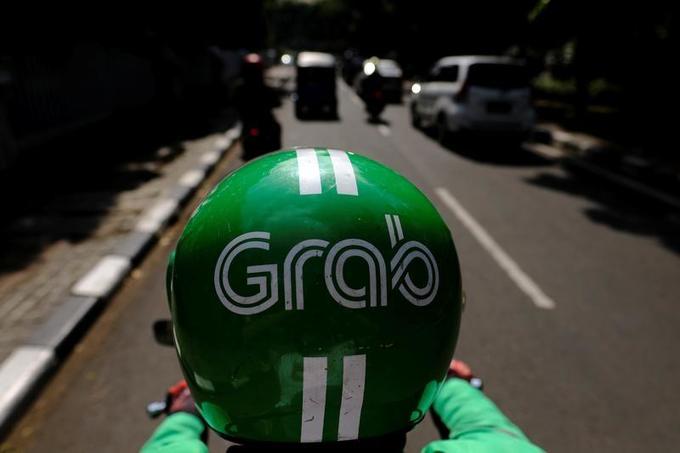
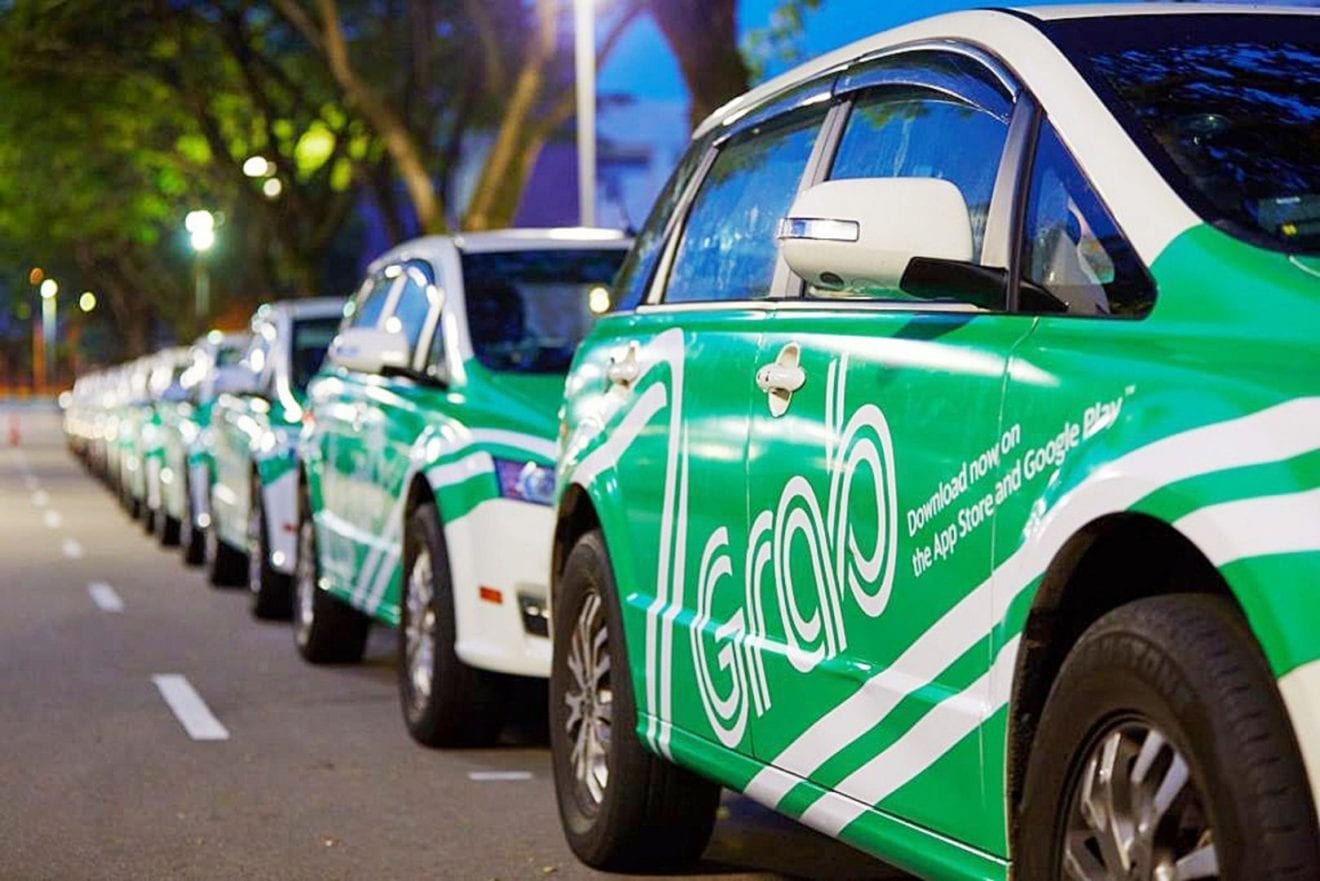
    Yamaha Motors has announced a $150 million investment in Grab to collaborate on motorcycle ride-haling. The collaboration will be for Southeast Asia in general and Indonesia in particular. Through this partnership, Yamaha Motors and Grab aim to “develop next-generation mobility services by implementing solutions and innovations,” Grab said in a press release issued Thursday.

    The two companies aim to leverage Yamaha Motor’s technology and knowhow to boost safety as well as make it easier for Grab’s driver partners to buy motorbikes.

    Yamaha Motors also aims to leverage Grab’s customer base in Southeast Asia and knowledge of the motorcycle ride-hailing business for future product development.

    The Southeast Asian ride-hailing firm is teaming up with global investors to expand its reach after forcing Uber out of Southeast Asia earlier this year.

    Toyota Motor Corp. had said in June it was investing $1 billion in Grab, and Hyundai Motor Co. last month agreed to put an additional $250 million into the company as well as sell Grab a fleet of electronic vehicles.

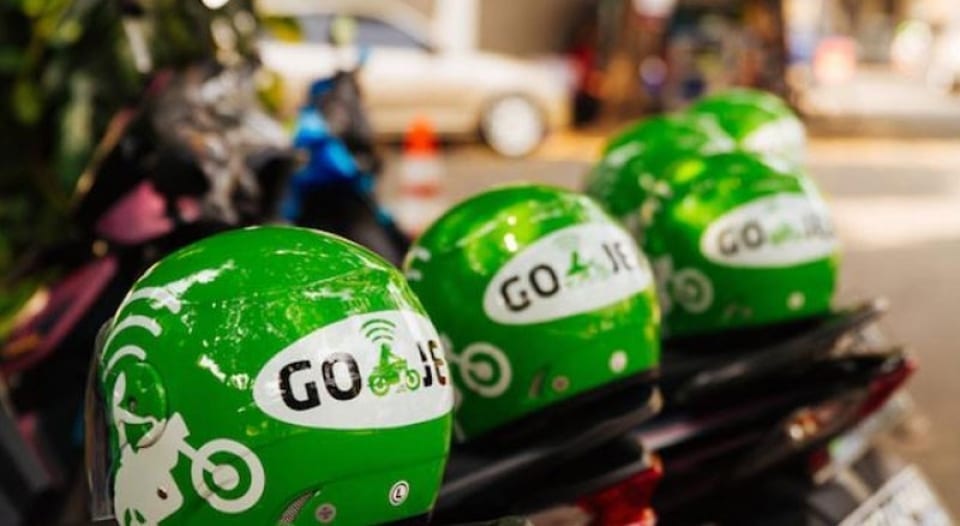
    The focus on Indonesia may mean that Grab is intensifying its push against local ride-hailing platform Go-Jek. Both companies now compete in the Vietnamese market after the Jakarta-based start-up commenced operations in Vietnam under the name Go-Viet some months ago.

    Grab entered Vietnam early in 2014, but is currently under an antitrust investigation after acquiring Uber’s services in March.

  • Grab Vietnam says Uber deal ‘no breach of competition laws’

    Grab Vietnam says Uber deal ‘no breach of competition laws’

    Ride-hailing firm Grab has asserted that it did not breach Vietnam’s competition laws, contesting authorities’ definitions and interpretations. The assertion was a response to the Ministry of Industry and Trade, which said Wednesday that it had evidence that Grab’s acquisition of Uber violated Vietnam’s Competition Law .

    In a statement released Thursday, Jerry Lim, country head of Grab Vietnam, said that the transaction between Grab and Uber earlier this year was conducted “in the good faith belief that there is no breach of competition laws, after diligent consultation with legal counsels.”

    Lim explained that the issue has become contentious because of differences in the authorities’ and Grab’s definitions of relevant market and what constitutes a competitive playing field.

    He said that the entrance of new ride-hailing companies into Vietnam shows that they believe there is a chance to succeed, with some of them claiming high market shares.

    In June, Vietnam’s first ride-hailing services FastGo and Aber were launched. Go-Viet, an affiliate of Indonesia’s Go-Jek, entered Vietnam in August, claiming to take 15 percent of the market share in Ho Chi Minh City within two weeks of launching.

    Vietnam’s top taxi operator Mai Linh and second-ranked Vinasun have also invested in a ride-hailing service to compete with Grab.

    Grab said that a ride-hailing app was just one of many options for customers. It cited a third-party survey, without revealing details, which said more than 59 percent of Vietnamese car ride-hailing users and 62 percent of motorbike ride-hailing users surveyed would switch to a different transport service other than ride-hailing if there was a 10 percent increase in prices.

    Lim also said that Grab was not the only ride-hailing company in the market, as the Vietnamese government has granted ride-hailing pilot licenses to nine other companies, including established taxi companies, to operate services in five cities and provinces.

    Both customers and drivers can respectively decide to switch to other forms of transport and join other companies if prevailing conditions such as pricing and income are not favorable to them.

    “The power of choice remains in the hands of customers,” Lim said.

    He said Grab has fully cooperated with the Vietnamese authorities for the purpose of a fair investigation and recommendation. “We fully understand that all governments seek to protect the best interests of consumers. Grab truly shares the same goals.”

    Lim said he hopes that the final verdict of the Vietnam Competition Committee will take into account the “vibrancy and contestability of the current Vietnamese market landscape and support the competitive business environment brought about by technology application and innovation.”

    Singapore-based Grab acquired Uber in Southeast Asia in return for a 27.5 percent stake in the U.S. company, with Uber CEO Dara Khosrowshahi joining Grab’s board.

    The 2004 Competition Law requires any merger or acquisition that results in a company gaining a 30 percent market share to be reported to competition authorities.

    If a company gains a 50 percent market share from the deal, it can only be implemented with express permission from the authorities.

    Preliminary investigations by Vietnamese authorities have found that Grab’s market share in Vietnam was in excess of 50 percent after Uber quit the market last April.

    But Grab has countered this, saying that since its combined market share with Uber in Vietnam was less than 30 percent, it did not have to “inform the competition authority before proceeding and completing this transaction in the country.”

  • HMV owes US$600,000 unpaid rental, face legal case

    HMV owes US$600,000 unpaid rental, face legal case

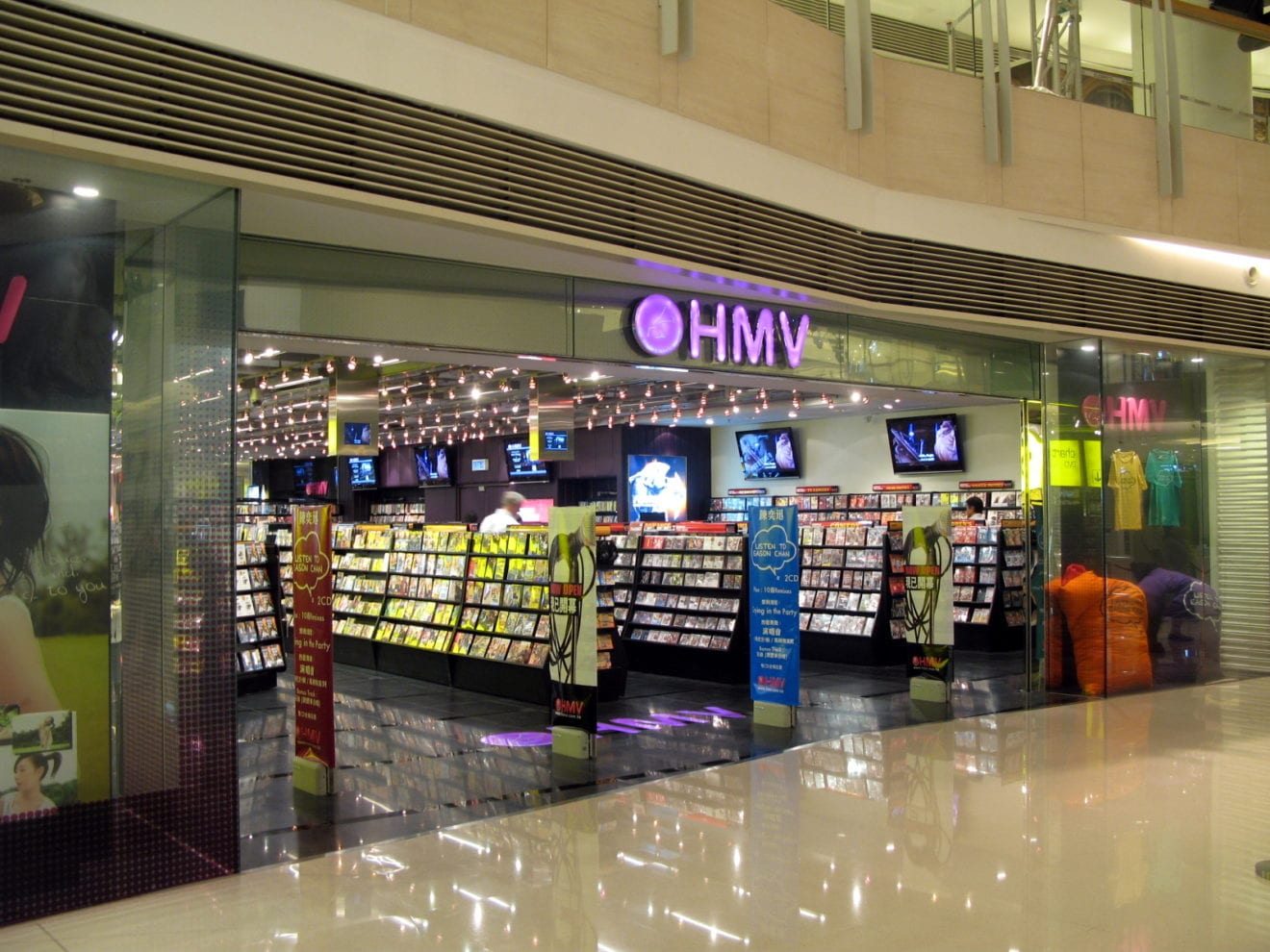
    Gadget, movie and music retailer HMV may face eviction from several of its Hong Kong store locations in coming weeks as landlords seek to recover unpaid rents and charges. Separate lawsuits have been filed relating to HMV stores in Causeway Bay, Central and Kowloon Bay, collectively seeking more than HK$5 million (US$640,000), according to court documents.

    The four-story HMV flagship store on Paterson Street in Causeway Bay was leased from Ever Light in July 2015 for four years at a monthly rent of $1.59 million for the first two years and $1.72 million for the ensuing two.

    Another store on Queen’s Road Central was leased in September 2016 from Pridemax for a term of six years at an initial monthly rent of $1 million.

    Those two landlords lodged legal action in the High Court of Hong Kong seeking payment of overdue amounts and vacation of the premises.

    About three weeks ago, MTR Corporation issued legal proceedings seeking to recover $273,300 in unpaid rent and charges and demanded the store vacate its space in Telford Plaza shopping mall.

    HMV was acquired by China 3D Digital Entertainment in March 2016 for $408 million, with the vendor, private equity company AID Partners retaining an approximate 18 per cent share.

    In 2015 AID received widespread acclaim for the restructure of the Hong Kong operations of what was once an iconic international brand name in music and movie retailing, but which collapsed in other markets with the advent of digital streaming undermining the popularity of DVDs and CDs.

    The Causeway Bay flagship, which incorporates a cafe and live music performance space, began specialising in lifestyle items including headphones, toys and even scooters, along with recognising the returning popularity of vinyl records.

  • Jysk Thailand to open 30 stores in five years

    Jysk Thailand to open 30 stores in five years

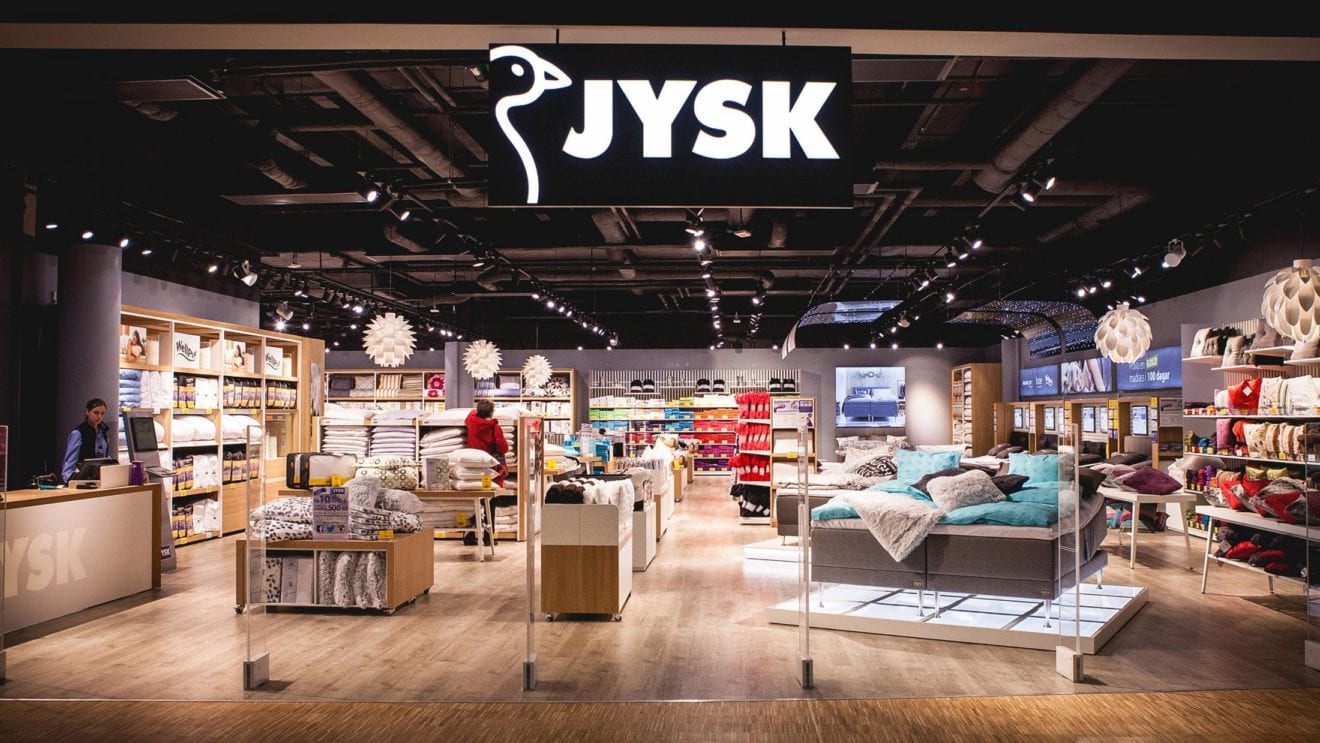
    Scandinavian furniture and homewares brand Jysk has launched its first store in Thailand with local franchise partner Boonthavorn Group. Located in a Ratchapruk shopping centre, the opening is the first of a planned six Jysk Thailand stores, with 30 anticipated to open within five years. A flagship and a small subway station outlet are among the stores scheduled to open shortly.

    Jysk Nordic’s franchise director Frederik Kare Kroun said one of the strengths of Jysk is its ability to be close to its customers by having a widespread network of stores.

    “That requires a good franchise partner, and by partnering up with Boonthavorn Group, I believe that we have an extremely strong foundation for the operation in Thailand.”

    Boonthavorn Group CEO Sitthisak Tayanuwat said: “Boonthavorn, with 40 years of experience with home styling products, will now place Jysk in its 51st country. To achieve this no less than 30 branches are planned to open all over Thailand within the coming five years.”

  • Lego opens its first official store in Thailand at Siam Paragon

    Lego opens its first official store in Thailand at Siam Paragon

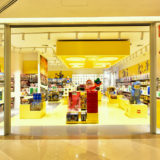
    The first certified Lego Thailand store has opened at Siam Paragon in Bangkok. The Danish building-toy manufacturer says the move is part of the brand’s strategic plan for Asian expansion. The new 170sqm Lego Thailand store has opened in a “co-sharing” partnership with DKSH (Thailand) Ltd. It  offers more than 300 Lego toys, 32 of which are exclusive to certified, branded Lego outlets.

    Lego Singapore GM for emerging Asia Atsushi Hasegawa said Thailand is an attractive market for Lego. “The country has an established economy, a large population and an established retail industry … We expect to see faster growth in Asia, including Thailand, and sustainable growth in Europe and America.”

    Hasegawa added that Lego’s targeting of the Asian market recognises that it is home to more than half of the world’s children. While Asia still has a low base for Lego toys compared to many established markets in the West, the company is seeing an opportunity to boost its sales by five or six times in the region.

    Gallery below (6 images) :

    According to Hasegawa, the company’s initial priority is not to increase the number of Lego stores, but to deliver the right brand experience to children at the right locations.

    DKSH’s director of commercial development Arden Feschuk said the company expects the Lego Thailand store will achieve THB100 million (US$3.05 million) in sales in its first year. There is also a plan to expand the number of Lego-certified stores in Thailand later.

    “During the first year of opening, more than 400,000 people are expected to visit the store, with Thais accounting for 60 per cent and foreigners 40 per cent. Due to the company’s one-price strategy, exclusive Lego sets will cost the same here as they do in neighbouring countries.

    “Due to this, Lego fans will no longer have to go overseas to buy Lego products. Also, new collections will be launched at the same time as in the US and Europe”.

    Sixty per cent of Lego’s Thailand sales are currently brought in via distribution in department stores, while more than 15 per cent is derived from specialist toy stores.

  • New Hanoi taxi merger to fight Grab on the streets

    New Hanoi taxi merger to fight Grab on the streets

    Three Hanoi operators have banded together to create the largest taxi business in the capital and compete with Grab. The union, named G7 Taxi, has been able to undercut the fares of Grab, at least over short distances, and it may be looking to bring still more players into its group.

    G7 was formed in October by Thanh Cong, Ba Sao, and Sao Hanoi. Together, they have about 3,000 cars, accounting for around 20 percent of taxis in the Hanoi area.

    The G7 base fare is VND9,900 (43 U.S. cents) for the first one km, while Grab charges VND20,000 (86 U.S. cents) for the first two km.

    The entrance of the new brand is expected to increase competition between traditional taxis and raid hailing firms like Grab.

    Earlier, Nguyen Cong Hung, chairman of the Hanoi Taxi Association, had said: “Traditional taxis, each with their own app, are now trying to compete with Grab. But we are divided, therefore we need to unite.”

    Before Thanh Cong, Ba Sao, and Sao Hanoi teamed up, annual sales at the three companies had declined by 10-15 percent on average over the past few years.

    The number of taxi companies in Hanoi has also fallen down to 70 taxi now, from 115 in 2010.

    Joining the fight

    The taxi trio is not alone in pushing back against the ride-hailing industry.

    In March, southern taxi firms ComfortDelgro Savico and Vinataxi had merged with the same purpose.

    Vinataxi, the third largest taxi firm in HCMC, was confident the merger would increase its growth six-fold this year.

    Mai Linh, Vietnam’s No. 1 taxi operator, has developed a smartphone app similar to that of Grab. Meanwhile, second-ranked Vinasun has launched a ride-hailing service using Facebook’s Messenger app, enabling customers to hail cars and make complaints and requests directly, much like Grab.

    But Grab, the dominant player in the ride-hailing business in Vietnam, is also working on strategies to compete better with local taxi firms.

    Several months ago, it introduced Grab for Business in Vietnam, a service that helps a company track the trips its employees make to limit unnecessary trips and control expenses.

    Grab is also deploying various policies to attract drivers by offering bonuses and opening stops with free wifi and coffee.

  • Kakao’s carpooling app goes live in beta test

    Kakao’s carpooling app goes live in beta test

    Kakao’s carpooling service was introduced Friday for beta testing and will be officially rolled out Dec. 17. The start of the service comes after months of battling fierce opposition from local taxi services. They staged a strike on Oct. 18, two days after the IT company started accepting applications from carpool drivers.

    With the beta service, the Kakao T mobile app, a platform for all of Kakao’s mobility services from taxi hailing to navigation, was upgraded to enable the “Carpool” button on its main screen. The beta service will not be accessible to everybody.

    “The beta service is aimed at increasing the stability of the technology and collecting opinions,” Kakao said in a statement. “For that reason, it will only be offered to some users.”

    The selection of testers will be random and independent of age and location. Anyone upgrading the Kakao T app Friday will see the new “Carpool” button, but only the selected users will be able to input words in the destination box. Those who weren’t selected will see an image with the words “This service will launch soon.”

    The base fare is set at 3,000 won ($2.68) for the first 2 kilometers (1.24 miles), the same as for regular taxis. After that point, the fare will increase proportional to the driving time and distance. The company did not disclose details, but a spokesman said the cost will be equivalent to around 70 to 80 percent of regular taxi fares.

    Kakao’s carpool drivers are allowed to offer carpooling services twice a day at any time of the day. The twice-a-day rule is due to the domestic law that limits carpooling to commuting purposes. More than 50,000 drivers who met Kakao’s requirements have been selected so far.

    A government-led task force composed of lawmakers from the ruling Democratic Party, public officials and taxi companies met Friday to discuss carpooling. Executives from Kakao Mobility, the affiliate in charge of the IT company’s transportation services, decided to launch the same day,

    Kakao acquired the Luxi carpooling app in February and completed preparations for its service later in the year.

    The official launch was postponed previously as the task force failed to reach an agreement on the service’s details, including the fare and limits on use. During a task force meeting held Thursday, some government officials opposed Kakao’s request to release the service that same day, demanding more time to find common ground.

    Korea has been a difficult place for carpooling. Uber closed down its service in 2014, and Seoul’s local government questioned the legality of carpooling app Poolus in 2017.

  • Ikea China biggest project revealed

    Ikea China biggest project revealed

    Swedish furniture group Ikea will build a US$1.2 billion, 430,000sqm shopping complex in Shanghai, to be completed by 2022. The new Ikea China centre will house an Ikea store and an additional 120,000sqm in retail area, hosting more than 300 businesses. It will also include 60,000sqm of office space.

    The move represents the largest single investment the firm has made in one location, and is its sixth complex to be announced or built in China. It will be constructed near the Hongqiao airport as the Shanghai Linkong Project.

    Ikea has completed three Livat-branded shopping centres in China, and has 26 stores across the country. Two other shopping center projects have been announced within the territory.

  • Indonesia’s Go-Jek Starts Trial Launch in Singapore, Challenges Grab

    Indonesia’s Go-Jek Starts Trial Launch in Singapore, Challenges Grab

    Indonesian ride-hailing firm Go-Jek kicked off a trial launch in parts of Singapore on Thursday and plans to roll out an array of services through its app in early 2019, challenging dominant player Grab in the small city-state. Both Go-Jek and Grab are raising billions of dollars and investing aggressively in the race to corner a bigger share of Southeast Asia, as more of the region’s 640 million consumers go online and use smartphones to shop, commute and make payments.

    Go-Jek, backed by the likes of Tencent Holdings, Alphabet Inc’s Google and Singapore state investor Temasek Holdings, is initially launching ride-hailing service in parts of Singapore after forming a partnership with DBS Group Holdings, the region’s biggest bank.

    “As this is a new product, we will obviously give promotions, but at the end of the day, it shouldn’t only be pricing that differentiates our services,” Go-Jek’s president, Andre Soelistyo said on Thursday.

    Grab, backed by Japan’s SoftBank and Chinese ride-hailing firm Didi Chuxing, bought Uber Technologies’ loss-making Southeast Asian business this year, marking the first big consolidation in the region.

    Following this, Singapore’s anti-trust watchdog slapped Grab and Uber with fines and imposed measures to open up the local market to competitors after concluding that their merger had driven up prices.

    Go-Jek’s executives declined to give any details on how many drivers it had signed up or a target for market share in Singapore but said payment services would be launched later.

    Started in 2011 in Jakarta, Go-Jek has evolved from a ride-hailing service to a one-stop app through which its customers can make online payments and order everything from food, groceries to massages.

  • 4FINGERS takes full ownership of Mex Out

    4FINGERS takes full ownership of Mex Out

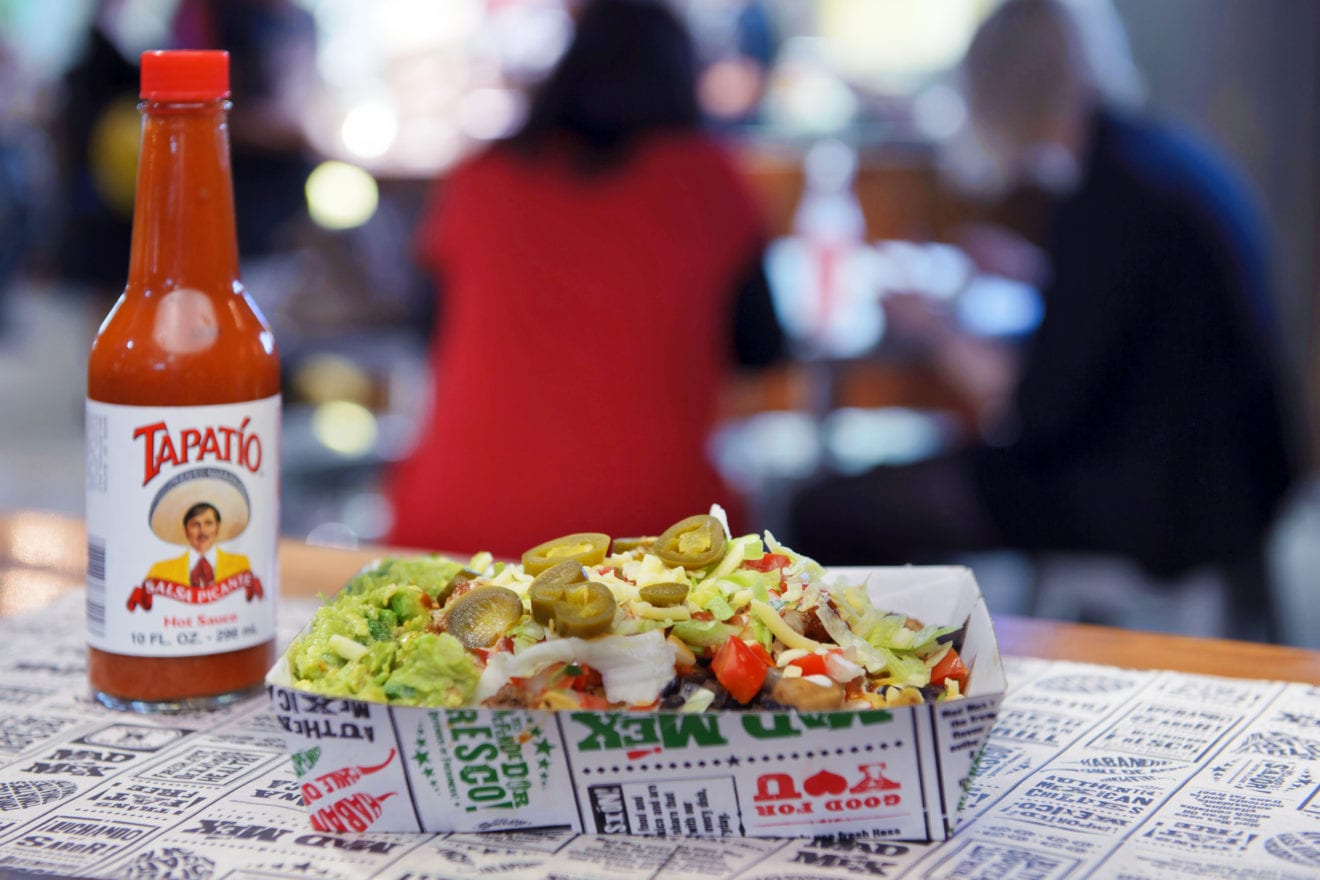
    4FINGERS Group, the group behind innovative fast-casual dining brand 4FINGERS,  announced its acquisition of Mex Out, one of Singapore’s leading Mexican food concepts. This acquisition is part of the group’s plan to accelerate Mad Mex’s roll out in Singapore, following its recent acquisition of a 50% stake in the leading Australian Mexican quick-service restaurant (QSR) brand.

    4FINGERS Group intends to re-brand the four Mex Out outlets into Mad Mex establishments from the first quarter of 2019, making Mad Mex one of the largest Mexican food and beverage concepts in Singapore by revenue.

    Until then, Mex Out will continue regular operations.

    This buyout continues the Group’s push into the growing fresh and healthy segment in the F&B industry and its commitment to bring Mad Mex to Southeast Asia.

    “We are excited to be able to so quickly establish Mad Mex’s presence in Singapore, and are entering an exciting new phase. With Mad Mex’s strong brand and proven track record, we are very confident of its growth in the region,” said Vijay Sethu, Director of 4FINGERS.

    This acquisition also enables the Group to further capitalise on menu innovation, shared services and other economies of scale.

    4FINGERS continues to grow their flagship brand, and with the current focus on growth outside of Singapore, the brand looks to close the year with 14 4FINGERS outlets in Malaysia.

    The brand is also continuing to spread its wings beyond Asia, with their maiden U.S. outlet set to open in Los Angeles in 2019, as well as three new outlets in Australia.