Tag: Living

  • Looking at Omnichannel presence in India: IKEA

    Looking at Omnichannel presence in India: IKEA

    Swedish home furnishings major IKEA Thursday said it plans to have an Omnichannel presence in India going forward, reiterating its long-term commitment to the country. Last year, the company opened its first store in Hyderabad, spread over 13 acres of land and has a built up area of 4 lakh sq.ft. “We are long term committed to India. We are planning to have omni-channel presence here. We will have three formats — big stores, online and smaller stores here,” Peter Betzel, CEO, IKEA India said.

    According to a report, the presence in three formats is to bring the customers closer, he added. The Hyderabad store is the first of 25 such outlets planned to be set up in India by 2025.

    The company will be opening big stores in India, starting with a store in Mumbai this year, followed by one in Bengaluru in spring-2021 and then in Delhi-NCR, Betzel said.

    However, he did not provide any timeline for the opening of the store in Delhi.

    IKEA will have its online presence in Mumbai and will also expand smaller stores category there, he added.

    When asked how the company plans to fund the expansion, Betzel said: “It will be through our own money.”

    In 2013, IKEA received nod from the government to invest Rs 10,500 crore in single-brand retail out of which it had invested Rs 4,500 crore in its different ongoing projects in India.

    IKEA has been present in India for 30 years, sourcing many different products for IKEA stores worldwide.

  • Nestle India plans up to 3-dozen product launches in 2019, eyes higher exports

    Nestle India plans up to 3-dozen product launches in 2019, eyes higher exports

    FMCG major Nestle India has lined up nearly two-three dozen products that it plans to launch in calender year 2019 across categories in the country to drive its aggressive growth plans, Chairman and Managing Director Suresh Narayanan said.

    According to a report, the company, whose 6 percent revenues come from exports, is now looking to tap more overseas markets by targeting countries with higher Indian diaspora such as SAARC and South East Asia.

    “In 2018, our core brands have performed well…We look forward for greater acceleration as we go forward….We have two-three dozen projects (products) in pipeline for launch in 2019. These products are across categories,” Narayanan said.

    Reiterating the company’s focus on the Indian market, he said, “As an organisation the one clarion call that we are working to is that we are in the business of growth to thrive and not to survive…It is not a survival mode that we look at the opportunity in India or the opportunity for growth..but a thriving mode.”

    While the domestic market has been driving its growth, Narayanan said Nestle India would now look at expanding its export basket.

    The company is looking at tapping overseas market with higher Indian diaspora such as SAARC and South East Asia to expand its exports, he added.

    Commenting on fake news on nutrition, Narayanan said it was affecting choices and lives of people.

    Therefore, Nestle India in partnership with Google, using a chatbot mechanism, will launch a personalised information dissemination website called ‘Ask Nestle’, he added.

    “Ask Nestle seeks to be a reliable and anchor platform for nutrition and lifestyle information for customers. India is the only market where this website is being launched,” he was further said.

    When asked if the company will in future also link Ask Nestle with its own e-commerce website for selling its products, he said it is a possibility.

    “…Going forward it could morph into something bigger in terms of linking up with our own e-commerce intentions, if at all it happens. But today it is only for information sharing, dissemination and helping,” he said.

    When asked if there has been any impact on sales of Maggi noodles after Supreme Court revived government’s case in the National Consumer Disputes Redressal Commission (NCDRC) against Nestle India seeking damages of Rs 640 crore for alleged unfair trade practices, false labelling and misleading advertisements, Narayanan said “No”.

    When asked if the company is looking for manufacturing capacity expansion, he said: “…This is a question that is coming up with active consultation. That exercise is on but I can not share more at this stage”.

    Typically, our approach is to augment (capacity) at our existing factories, but it does not rule out a new manufacturing facility, Narayanan said.

    Nestle India, at present, has eight factories across the country.

    The company also did not rule out evaluating inorganic growth in the country and said it may consider it if any opportunity arises.


  • Smaller duty-free alcohol allowance and GST relief for overseas shopping

    Smaller duty-free alcohol allowance and GST relief for overseas shopping

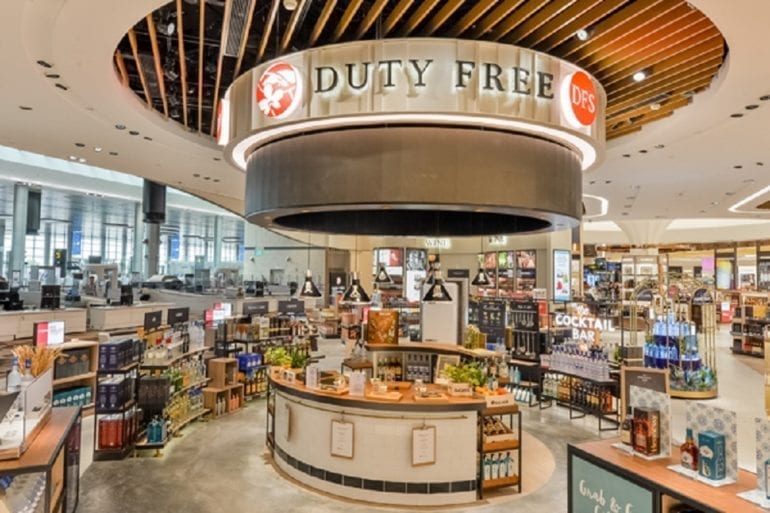
    From midnight tonight, Singapore duty-free allowances will be cut by about a third for returning travellers. Other allowances have also been reduced. Travellers staying outside of Singapore for fewer than 48 hours will be liable for 7 per cent GST on items bought overseas worth more than SG$100 – down from the previous threshold of $150. For travellers outside the country for a period longer than 48 hours, the $600 threshold will similarly be lowered, to $500.

    The changes were announced yesterday by Finance Minister Heng Swee Keat as part of the nation’s new Budget. From April 1, the alcohol concession will also be lowered from three litres of wine or beer to two litres. The spirits cap remains at one litre.

    According to the Inland Revenue Authority of Singapore and Singapore Customs, the cuts to Singapore duty-free allowances are designed to support the city state’s existing tax intake in the face of increasing international travel.

    Returning travellers are required to declare taxable items on arrival, and have been advised to keep purchase receipts to assist in calculating any taxes due. Advance declaration and payment is available via the Customs @ SG mobile app or web portal. Failure to declare or a false declaration can incur a fine of $10,000 as well as up to a year in prison.

  • Air purifier sales shoot up as fine dust worries shoppers

    Air purifier sales shoot up as fine dust worries shoppers

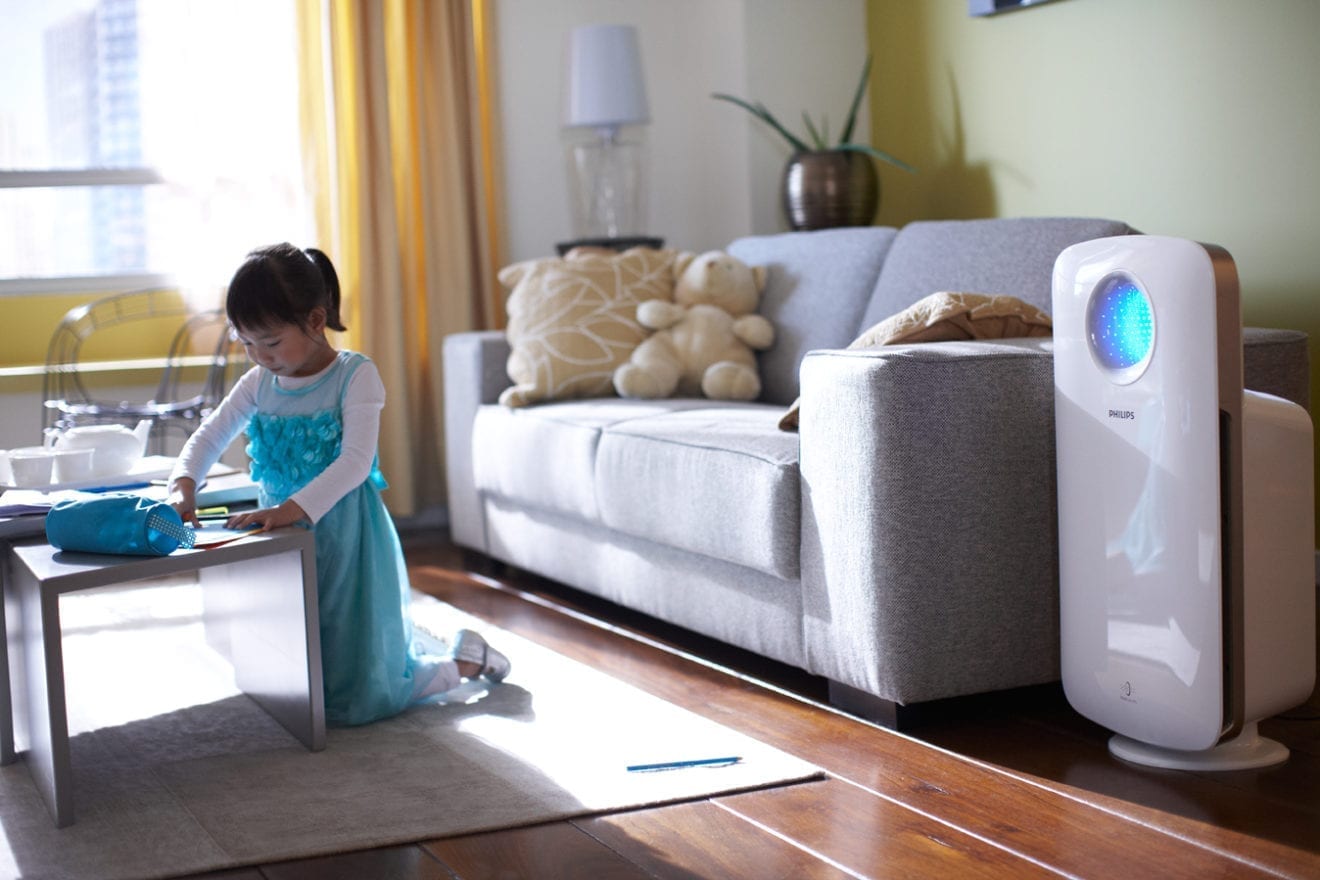
    Korea’s air purifier market has tripled since 2016 thanks to worsening fine-dust pollution levels and growing health concerns. Last year, Koreans bought 1.8 million air purifiers worth around 760 billion won ($676 million), according to market researcher GfK. In 2016, Koreans only purchased 698,000 purifiers for 220 billion won. The research company noted that, unlike previous years, consumers began buying purifiers year-round from 2018.

    The demand for purifiers was highest in March and April last year, when 260,000 and 290,000 appliances were sold. Spring is traditionally the high season for purifiers when pollution from fine dust and yellow dust – dust carried from the deserts of Mongolia and China – is at its worst.

    Throughout the rest of the year excluding August to October, over 180,000 purifiers were bought every month in 2018. In the late summer months, when air quality is usually better, around 50,000 purifiers were still purchased every month. In 2016 by contrast, purifier sales only exceeded 100,000 in April. Sales were considerably lower in other months, with August seeing only 15,000 sales.

    The average purifier price has also increased as consumers are willing to pay more for products that not only do the job, but do it well.

    Various factors like operation method, filter capacity and noise levels played a big role in purifier purchasing. The appliance’s coverage was also an important concern as consumers looked for purifiers that can clean the air in all corners of the home.

    Given the growing popularity of high-end purifiers with advanced functions and technology, the average price of a purifier came to 420,000 won last year, 30 percent higher than the 310,000 won average in 2016, according to GfK.

    The strong demand for purifiers in Korea has made the domestic market very attractive to foreign makers as well. While Korean manufacturers like Samsung and LG Electronics have traditionally been the most popular, overseas brands that offer innovative designs and advanced technology are now making gains.

    Sweden’s Electrolux and Japan’s Balmuda both chose to premier their newest purifiers in Korea last week.

    Electrolux, known for its cordless and robotic vacuum cleaners, launched the “Pure A9,” marketing the product as tested and designed to suit the needs of Korean consumers. The purifier, starting from 749,000 won, has wheels and a handle for improved mobility and is capable of removing 99.98 percent of particles one-eighth the size of ultra fine dust.

    Balmuda CEO Gen Terao introduced his company’s “The Pure” air purifier himself at a press briefing in Seoul last week, calling the Korean purifier market 10 times larger than Japan’s. The Pure, priced at 749,000 won, allows users to see how much dust is being sucked in at the mouth of the product.

  • Hotels in rural Vietnam struggle to recruit staff

    Hotels in rural Vietnam struggle to recruit staff

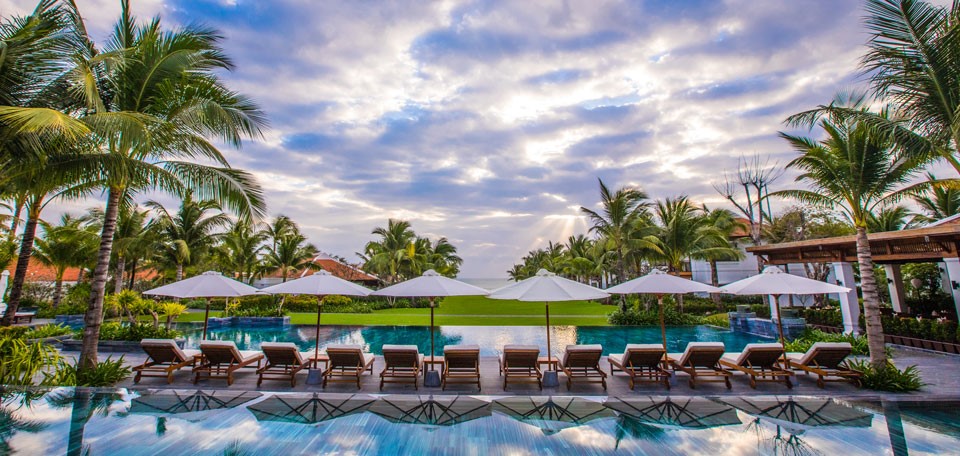
    Vietnam’s Con Dao Islands businesses are unable to hire staff despite flourishing tourism, with people preferring to work on the mainland. Almost a week after Tet, Vietnam’s longest holiday of the year, resorts and hotels in Con Dao, a 16-island archipelago off the country’s southern coast, are looking to hire hundreds of employees for various positions including managers, waitresses and tour guides.

    The Poulo Condor Resort on the island is looking for 33 new employees for 14 positions, while the Saigon Con Dao Resort and the Six Senses Con Dao Resort are looking for seven new staff each.

    Phuong Ly, head of recruitment at Saigon Con Dao Resort, said that more resorts and hotels are being built on the island but there are few experienced staff available to work in them.

    “The local authority does provide training courses, but not many participate. Most staff are young people, so they jump between jobs very often.”

    Smaller businesses are also looking for people. A café on Pham Van Dong Street is looking for 32 staff, offering bonuses, meals, accommodation, social insurance and annual travel to the mainland.

    Thuy, owner of a local seafood restaurant, said businesses start looking for staff in March when tourists start arriving in large number.

    “But this year, many businesses are already short-staffed so we are already searching for people as the number of tourists has been rising. Last year, a tour guide could earn up to VND30 million ($1,296) a month during peak season.”

    Con Dao is 180 kilometers away from the shores of southern Ba Ria- Vung Tau Province, and accessible by air and boat.

    Industry insiders said that attracting people from mainland to Con Dao to work is a challenging task given the long distance from the shores while most people don’t want lower income jobs like serving in restaurants, driving taxis or guiding tours.

    The high cost of living on the island is another reason that people prefer to work on the mainland, they said.

    Con Dao served as prison islands for political prisoners during the French colonial era, and in later years the Saigon regime imprisoned opponents of the regime in the infamous cells known as the “tiger cages”.

    The old prison buildings are still standing and are open to the public as is a small museum tracing Con Dao’s history.

    Con Dao also boasts pristine natural beauty with forested hills, sandy beaches and extensive coral reefs.

    Last year, Con Dao welcomed over 286,000 tourists, up 17.31 percent from 2017.

  • Struggling furniture retailer Otsuka Kagu forms tie-up with Yamada Denki

    Struggling furniture retailer Otsuka Kagu forms tie-up with Yamada Denki

    Struggling Japanese furniture retailer Otsuka Kagu has entered a partnership with electronics retailer Yamada Denki. The two firms have pledged to exchange sales knowledge in their respective industries as well as explore potential corporate sales opportunities. Otsuka Kagu will also sell 13.11 million new shares at ¥290.11 in an effort to raise ¥3.8 billion (US$34.39) in fresh capital. Funds will be earmarked for warehouse automation and optimising stores for e-commerce.

    Otsuka Kagu lost ¥3.24 billion ($29.32 million) last year, its third consecutive year of net losses.

    The company attracted attention over the past decade for its high-profile leadership struggle between brand founder Katsuhisa Otsuka and his eldest daughter Kumiko Otsuka, with their competing visions for the brand’s way forward.

  • Ikea Malaysia opens new store

    Ikea Malaysia opens new store

    Ikea Malaysia will next month open its first store in the northern region of Peninsular Malaysia – in Batu Kawan, Penang. Due to open on March 14, the brand’s fourth outlet in the country spans 43,600sqm of retail space and will feature more than 8000 products.

    “The store will also have 49 showrooms, a market, restaurants and a bakery. We expect it will attract about 50,000 visitors per week,” said Ikea Malaysia store manager Arumugam Pathmalingam.

    In advance of the grand opening, the store has already attracted excitement among Penangites, mainly on social media.

  • Furniture maker in Vietnam to meet younger customer taste

    Furniture maker in Vietnam to meet younger customer taste

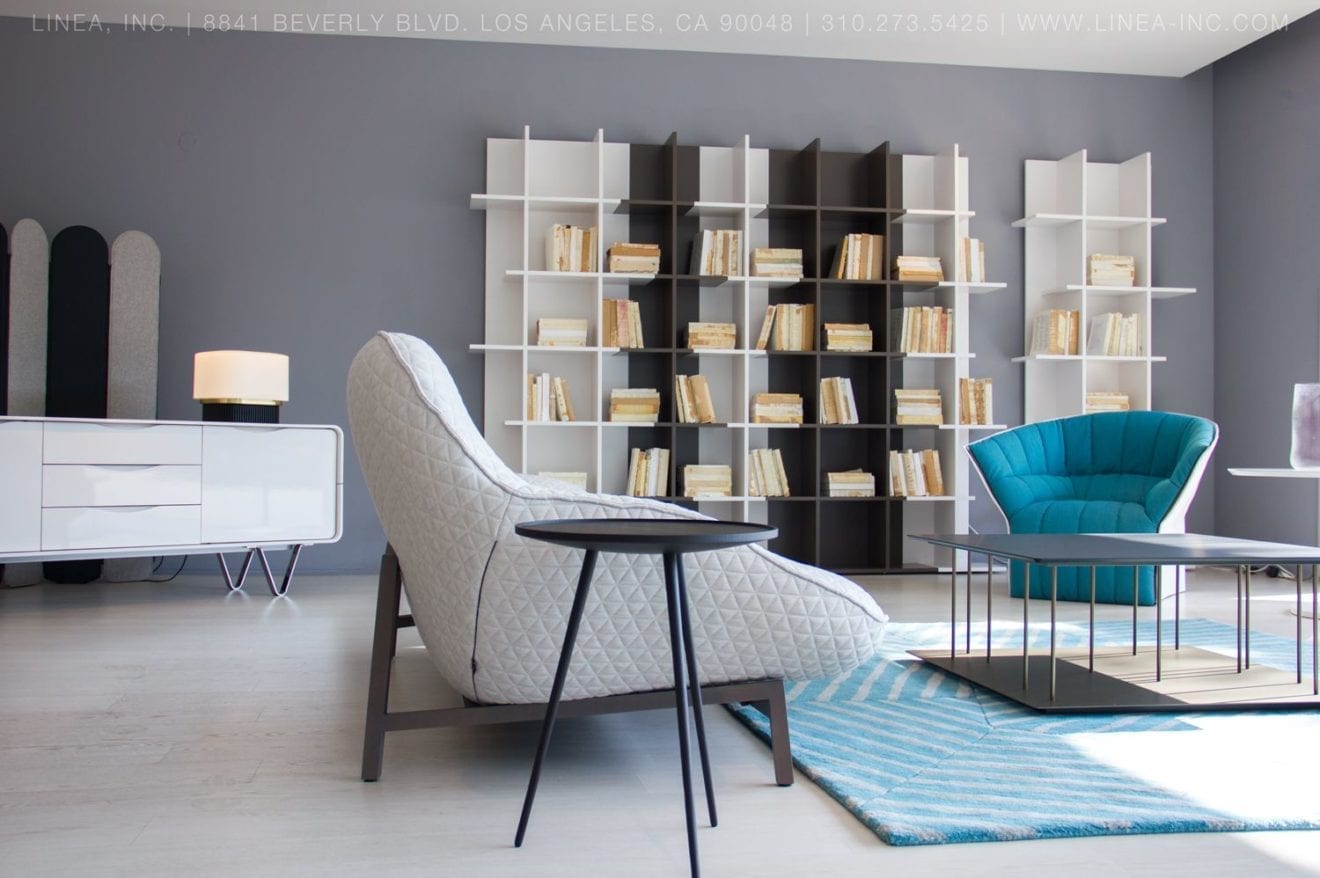
    Furniture manufacturers are striving to meet the changing tastes of young people, who have begun to value eco-friendliness and aesthetics. Nguyen Chanh Phuong, vice president and general secretary of the Ho Chi Minh City Fine Arts and Wood Processing Association (HAWA), said the furniture segment for small urban houses is abuzz in Vietnam, with its main customers being young adults born between 1980 and 2000.

    Unlike the previous generation, who preferred simple but durable furniture that could last 100 years, young people prefer to buy comprehensive interior packages based on their own aesthetic views, he explained.

    They see furniture as things that serve their needs and not assets to be passed down, and so products only need to last about 10 years, he said, pointing out this was why furniture makers like IKEA have been so successful.

    “There is a lot of opportunity arising from this group of customers alone. I estimate they only account for 15 percent in terms of number of buyers but account for 30-40 percent of spending.”

    Industry insiders said the market is seeing rapid growth in raw materials production, design and manufacture of furniture, and one can now find all types of international “fashionable” wood varieties from Germany, the U.S., France, Japan, Canada, and New Zealand.

    Vietnam’s furniture market was worth $4 billion in 2018, and is expected to grow to $5-7 billion by 2025, according to the Handicraft And Wood Industry Association of HCMC.

    Nguyen Quoc Khanh, HAWA chairman, said not only is the scale growing but also Vietnamese are increasingly demanding higher quality products.

    “I think ‘strong and durable’ is not the Vietnamese style; it was a need at a difficult time. Life is much better now, so people are allowed to express themselves.

    “The only regret is that the market has not yet created the necessary ecosystem for the business of interior design. That is, furniture manufacturers have not been able to work with designers and real estate companies to completely meet users’ needs.”

    Foreign home interior brands and designers are present in force and dominating the increasingly affluent market.

    According to the Vietnam Chamber of Commerce and Industry (VCCI), some 80 percent of luxury woodwork and interior decoration items is imported from Europe, with local players accounting for the rest.

  • India’s WoodenStreet eyes 15 stores by end of 2019

    India’s WoodenStreet eyes 15 stores by end of 2019

    In 2016, WoodenStreet entered the retail market with its first brick-and-mortar experience store in Bangalore. Established in 2015 as an online platform for quality custom furniture, WoodenStreet expanded its reach by opening 2 stores in 2017 and 9 stores in 2018, totalling to 12 experience stores. What’s next? 15 new experience stores by the end of 2019.

    Lokendra Ranawat, CEO, WoodenStreet expressed his aim to bring customization and quality a step closer to everyone’s home. “It’s not just about an online presence”, he elaborates, “but getting down there and interacting with our customers makes buying furniture a more personal experience, as it should be. We want people to not just visualize, but also feel the quality of furniture that we offer. We want them to see the limitless configurations, combinations and customization possibilities that they can actually get for themselves.”

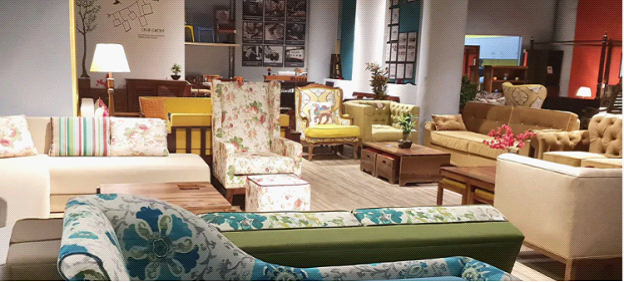
    2018 was a long but fruitful year for WoodenStreet. Mumbai and Jaipur stores have been established in the last quarters of 2017, and the overwhelming response from these two stores, combined with a financial push from US$ 1 million Series A funding from RVCF, hardened the resolve to expand into further cities. Hence came the first stores of Ahmedabad, Hyderabad, Chennai, Pune, Noida, Gurgaon and Indore, with two more stores in Bangalore and Jaipur. This set up a large Omnichannel network, enabling greater penetration into the furniture market with a promise of quality and flexibility.

    “Last year was challenging but fun.”, says Virendra Ranawat, COO of WoodenStreet.com, commenting on the rocking journey. “But this hasn’t stopped us. We want to ensure that 2019 sees the addition of 15 more stores to our ever-growing roster. Which means that by the end of this year, we’ll have 27 brick-and-mortar stores in total.”

    WoodenStreet.com is a custom furniture store, with more than 30 delivery hubs and 12 experience stores spread across India, bringing quality solid wood furniture and the flexibility of customization closer to people and their dream of setting up a home flavoured to their tastes.

  • Ikea services foray boosts loyalty and sales

    Ikea services foray boosts loyalty and sales

    Ikea is turning to services to increase turnover and boost engagement with customers. Moreover, partnering with specialist companies in such areas as delivery and assembly allow it to focus on product design and sales, leaving post-checkout experiences in the hands of specialists, rather than committing its own staff and training resources. An example of the new Ikea services initiative is US odd-jobs app TaskRabbit, which Ikea bought in late 2017. Ikea recommends the service to customers who lack the time or patience to assemble their own kitset furniture products.

    Ikea reports that the number of jobs handled by TaskRabbit staff since it acquired the business had doubled and 10 per cent of the jobs undertaken are now assembling kitset furniture – five times the pre-purchase rate.

    Since the acquisition, TaskRabbit has expanded coverage to all 48 US cities with an Ikea store, launched in Toronto, Canada, and expanded in the UK beyond London.

    In Hong Kong, where few customers own cars, Ikea now offers both a delivery and assembly service with fixed fees according to location. Previously, it partnered with an app-based third party contractor.

    In Australia, Ikea has partnered with Airtasker and in India with UrbanClap, to offer assembly services.

    Reuters describes the Ikea services strategy as “a major strategic shift that it has been forced to adopt to stay in the game as waves of new competitors in an increasingly online world erode its dominance”.

    TaskRabbit’s quick success is prompting Ikea in the US to consider expanding services offered through Ikea, to include such tasks as interior design and furniture repair which would in turn potentially boost sales from stores.

    Jesper Brodin, CEO of Ingka Group, which owns most US Ikea stores, says TaskRabbit’s customer data could also help Ikea come up with new ideas for furniture.

    “As this community grows, it’s not only about fixing one or two things but actually to add professionalism in interior decoration, into ‘life at home’ practicalities,” Brodin said in an interview.

    “TaskRabbit is a super interesting business case because it is scalable, not only geographically but also into services at home.”

    GlobalData Retail MD Neil Saunders says a services foray could help Ikea boost its market penetration in the US, which is currently just 2 per cent. Despite the low market share, the US represents Ikea’s second-largest international market behind Germany, where it enjoys as 12 per cent share. Rivals like Walmart and Wayfair in the US have started offering assembly through TaskRabbit’s rival app Handy.

    Brodin wants TaskRabbit to expand into more countries.

    “We are convinced this is a way to access new customers in our cities. The convenience customer today has so many more choices, and they are used to getting a quick answer.”

  • LG U+ expected to acquire CJ Hello this week

    LG U+ expected to acquire CJ Hello this week

    LG U+’s plan to acquire cable TV company CJ Hello could be finalized as early as this week. Progress with the deal has been slow since Korea’s smallest mobile carrier first began considering the acquisition early last year. Industry sources said Monday that the deal is mostly finalized and, with a board meeting scheduled on Thursday, is likely to be concluded this week.

    With the acquisition, LG U+ will become the second-largest player in the domestic paid TV market. KT, with both an internet protocol TV (IPTV) service and satellite subsidiary KT Skylife, is currently the market leader.

    Paid TV services in Korea include cable TV, satellite TV and IPTV.

    LG U+ will likely acquire a 53.92 percent stake in CJ Hello from CJ’s entertainment arm CJ ENM. The cost is expected to be around a trillion won ($888.6 million).

    The acquisition would give the mobile carrier more negotiating power when acquiring or producing content. The carrier could also be in a strong position to lure CJ Hello’s 4.16 million subscribers, as of the first half of 2018, to its mobile service by offering favorable rates.

    LG U+ is already using its partnership with Netflix to attract more customers to its mobile and IPTV service.

    Once the mobile carrier decides to go ahead with the deal, it then needs to be approved by the Fair Trade Commission (FTC), the Ministry of Science and ICT and the Korea Communications Commission. In 2016 when SK Telecom tried to acquire CJ Hello, then CJ HelloVision, the deal fell through as the antitrust body disapproved on the grounds that the acquisition could hurt fair market competition.

    This time, though, FTC head Kim Sang-jo hinted during a recent interview that the commission would take a more positive stance regarding the deal considering the rapid changes in the media market. Kim questioned whether broadcasting and telecommunications can be considered completely separate in a quickly changing market.

    It is still to be seen whether LG U+ will more explicitly announce its intent to acquire CJ Hello and expand its paid TV services. The carrier is holding a press briefing for the launch of a new IPTV service targeting senior citizens in Seoul. Many questions are expected to focus on the acquisition deal and future IPTV strategy.

    Competitors KT and SK Telecom are also considering acquiring cable broadcasting companies to counter LG U+’s move. KT is reportedly interested in acquiring cable broadcasting company D’Live, which has a 6.45 percent share of the Korean paid TV market as of the first half of 2018. KT and KT Skylife control more than 30 percent of the market while CJ Hello owns 13 percent and LG U+ has 11.41 percent.

  • Vietnam prosecutors support Grab appeal against Vinasun

    Vietnam prosecutors support Grab appeal against Vinasun

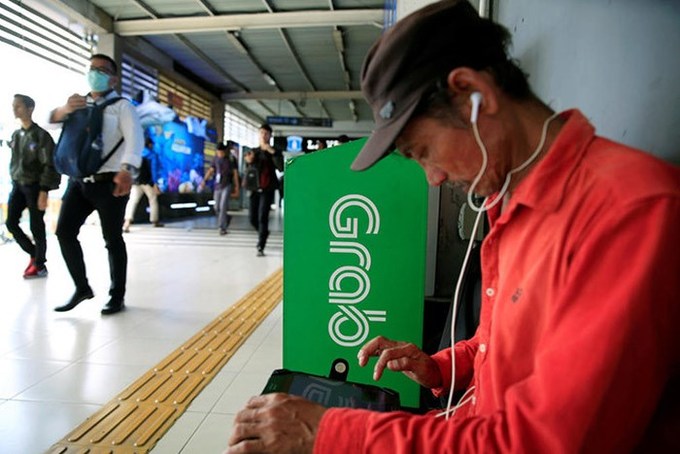
    Prosecutors in Ho Chi Minh City have appealed a verdict ordering Grab to pay compensation to domestic taxi firm Vinasun. They want the appeal court to quash the order requiring the Singapore ride-hailing firm to pay VND4.8 billion ($206,000) in compensation for alleged losses and reject all of Vinasun’s demands. Grab violated a pilot transport ministry scheme and government decree for ride-hailing services, according to the verdict.

    But the prosecutors argue this is groundless since Grab is a passenger transport firm licensed by competent authorities under the pilot scheme and its activities did not violate the law.

    They also dismiss the contention that Grab had caused Vinasun losses of nearly VND42 billion ($1.81 million) as one-sided with no practical or legal basis since it was based solely on an assessment by the court-appointed Cuu Long Inspection Company.

    “In reality, Vinasun’s decline in revenue involves many factors such as the corporate governance capability and the government’s policies and laws.”

    “Therefore, Vinasun’s demand for compensation from Grab is completely groundless.”

    They say Grab’s business activities are legal and Vinasun’s decline in revenues and profits have been partially due to consumers switching to Grab as they found the ride-hailing firm’s services to be superior to those provided by Vinasun and other traditional taxi firms.

    “Grab did not violate the law, there is no causal link between Grab’s allegedly illegal activities and Vinasun’s losses, Grab is not at fault.”

    Vinasun filed the suit against Grab at the HCMC People’s Court in June 2017, accusing it of abusing the Ministry of Transport’s pilot scheme and committing violations.

    The trial began last February, but was adjourned several times before the court last December accepted parts of Vinasun’s demands and ordered Grab to pay the compensation. Grab has appealed.

  • Kendall Jenner signed agreement with Penshoppe

    Kendall Jenner signed agreement with Penshoppe

    Global fashion retail brand Penshoppe has unveiled the latest addition to its roster of international ambassadors – 23-year-old world’s highest-paid supermodel and one of the most followed celebrities on social media, Kendall Jenner. The model initially appeared on Penshoppe’s DenimLab campaign in 2015, and is now headlining the brand’s Spring Summer 2019 Campaign with Zayn Malik, Paris Jackson, Nam Joo Hyuk and Sandara Park.

    “As we move from strength to strength, we couldn’t think of a better addition to our growing list of global ambassadors”, said Golden ABC’s VP for brand management Jeff Bascon. “It’s good to have you back, Kendall!”


    Penshoppe has more than 400 locations across Bahrain, Cambodia, Indonesia, Saudi Arabia, Myanmar, Thailand, Vietnam and the Philippines. The brand is available online in Singapore, Malaysia, Hong Kong, Taiwan and Indonesia.

  • Rimowa collaborates with Alex Israel for its latest suitcase

    Rimowa collaborates with Alex Israel for its latest suitcase

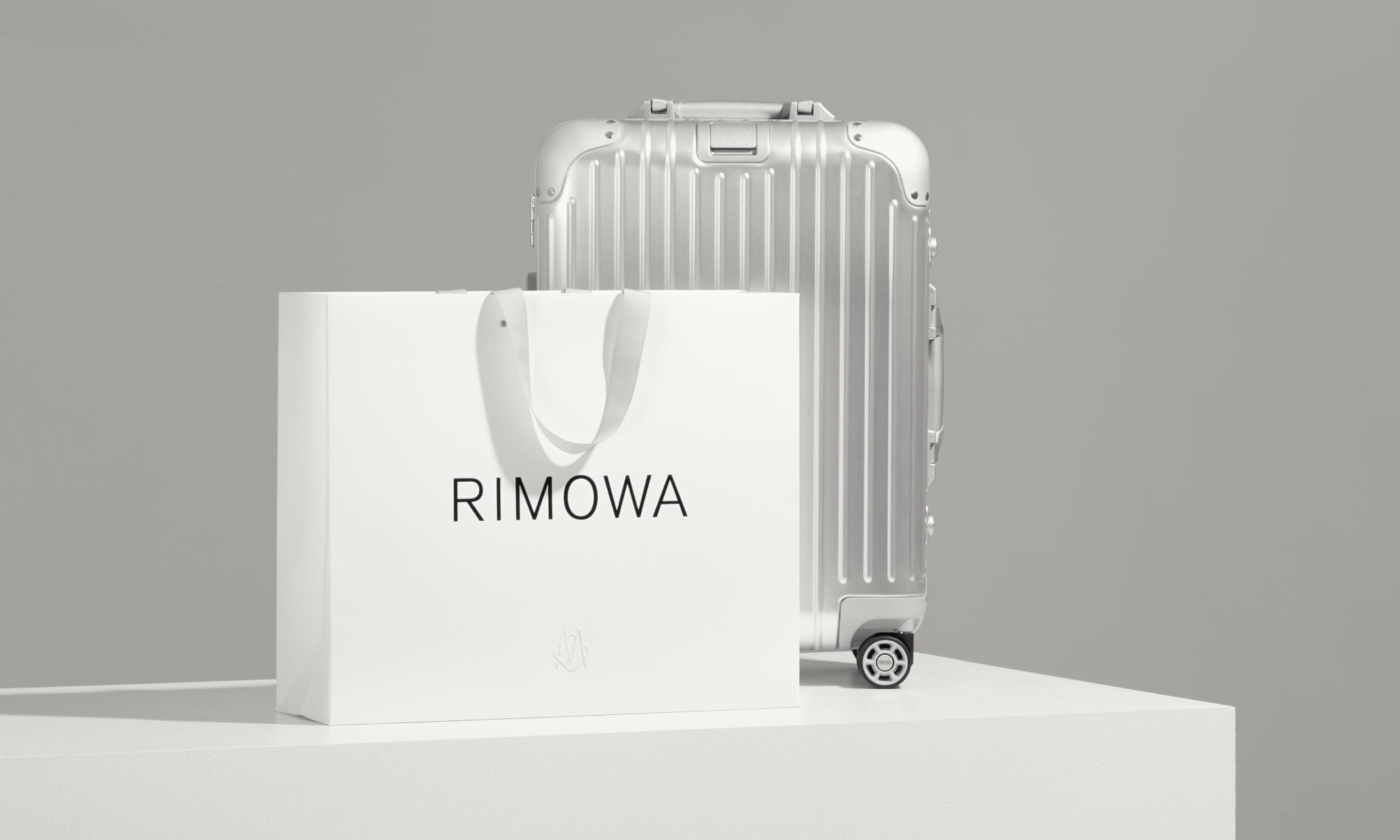
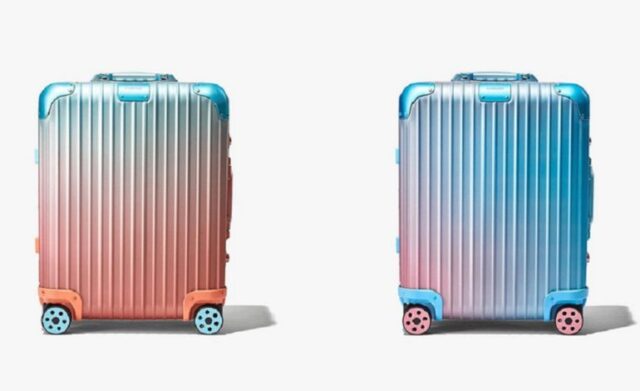
    Alexandre Arnault of Rimowa has just taken to Instagram to tease the luggage purveyor’s latest collaborative suitcase. Set for a full reveal at this year’s Frieze Art Fair, the suitcases are in collaboration with multimedia artist Alex Israel. Inspired by his home town of Los Angeles, the luggage sees the signature use of blue and red hues — inspired by the adored sunsets of the West Coast.

    The suitcases’ exterior shell and wheels are essentially treated with tones of blue, light purple, pink and light orange in a faded finish to reflect the colors of the vibrant sky in Los Angeles during sunset and sunrise.

    The suitcases will come in two color options. One will predominantly be in a gradient sky-blue – fading to flamingo-pink, while the other color option sees the complete opposite.

    Both suitcases will be officially unveiled at the Frieze Art Fair in Los Angeles via a pop-up beginning February 14.

  • French bakery Brioche Doree to debut in India

    French bakery Brioche Doree to debut in India

    French Bakery Brioche Doree on Saturday launched its first store in India in partnership with HR Bakers, promoted by Haldiram Managing Director (MD) Ashish Agarwal. The store is in Connaught Place. “Internationally acclaimed Parisian French Bakery Brioche Doree launched its first exclusive store in India with HR Bakers at Connaught Place, New Delhi,” the statement said.

    According to a HR Baker statement, the Haldiram MD entered into a “master franchise agreement” with the French brand.

    “Brioche Doree is known to be the second largest bakery/cafe chain in the world. The store of the brand in India has been curated in 100 percent vegetarian avatar,” it said.

    Agarwal has invested about Rs 4-5 crore in the brand and said HR Bakers is open to exploring more synergistic tieups with other brands.

    Agarwal said four more outlets in the National Capital Region and other markets are expected in the first year of operations.

    The outlet has started serving delicacies French Bakery is known for.