Tag: Logistics

  • JDA and SATO Partner to Deliver the Future of Warehouse Management

    JDA and SATO Partner to Deliver the Future of Warehouse Management

    JDA Software Group, Inc. and SATO today announced a new alliance representing JDA’s first Japanese hardware partnership as the company expands its presence in Japan. The technology partnership will combine JDA Warehouse Management and JDA® Warehouse Labor Management with SATO’s Visual Warehouse Solution to help customers take advantage of digitalization technologies such as the Internet of Things (IoT) and big data. The sales alliance will streamline the logistics process for customers leveraging JDA and SATO’s solutions together. JDA and SATO aim to deploy the solution in five leading food and beverage companies by March 2019.

    Japanese companies are facing labor shortages and increasing supply chain complexity due to rising consumer demands which require diverse product lineups to meet their needs. Meanwhile, Japan ranks poorly among the Organisation for Economic Co-operation and Development (OECD) nations (18 of 35) in terms of overall workforce productivity, even as nominal labor productivity hit a new high this year*1. This highlights the room for improvement Japanese companies can realize by fully unleashing the power of data in operations. Only six percent of large Japanese corporations utilize big data and 48 percent have yet to identify how to extract value from it.*2 Among Japanese manufacturers, only 45 percent utilize big data to drive operational efficiencies.*3

    “SATO is proud to have been selected as a partner by a cutting-edge solutions provider like JDA,” said Kaz Matsuyama, president and CEO of SATO Holdings. “We hold a mutual commitment to open innovation and user-centric value, so I am excited about the possibilities of our collaboration. We will strive to bridge the last inch of our customers’ last mile challenges to design the ultra-efficient, IoT warehouse of the future.”

    In today’s ever-complex unified commerce environment, companies need to do more than track labor productivity and warehouse processes, but to turn the warehouse into a performance-focused competitive advantage. JDA Warehouse Labor Management provides a real-time view into warehouse activities, improving planning and scheduling by ensuring the right number of workers with the right skills are available when and where they are needed to fulfill order demand. And companies can get real-time visibility into labor concerns before they become issues and shift workers where they are needed. Combined with JDA Warehouse Management, companies can address real-world disruptions to drive improved performance and predictable results by sensing these shifts in real-time to respond quickly and profitably.

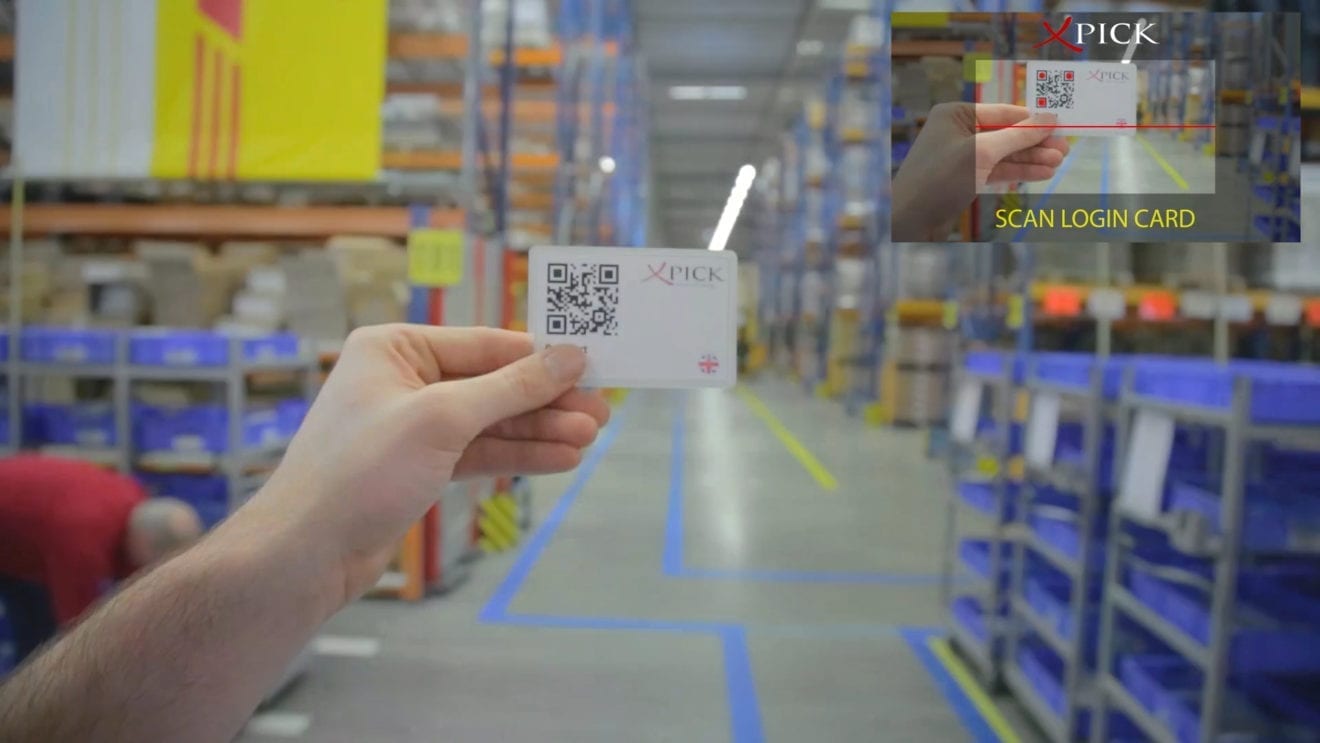
    The SATO Visual Warehouse solution is a virtual warehouse director that fully streamlines picking route navigation for enhanced logistics and labor utilization. An accompanying picking guidance system guides workers on the shortest possible route, with audio and visual instructions, to cut time spent and distance travelled per picking order by approximately half. The system allows inexperienced warehouse workers to achieve a similar efficiency level as more experienced workers.

    JDA and SATO seek to improve warehouse productivity by enabling actionable improvements based on data sets of real, specific operational data. By logging individual workers’ location over time, the combination of JDA and SATO will enable collection of real operational data. Accumulating this real-time data in the warehouse and linking it to JDA Warehouse Labor Management makes true visualization of labor possible, and empowers users to make data-driven decisions to streamline their operations, providing a 30 to 40 percent boost to operational productivity in the warehouse upon deployment.

    “This partnership will tap into SATO’s real-time visualization and tagging technology to gather all information in the warehouse related to labor efficiency that will improve productivity and take advantage of the latest cutting-edge innovations,” said Amit Bagga, regional vice president, sales, Asia-Pacific, JDA. “As we expand our presence in Japan, we are best addressing Japanese customers’ demand, and leveraging SATO’s IoT capabilities, combined with JDA’s advanced warehouse management solutions.”
  • DHL Express takes delivery of first new A330 converted freighter

    DHL Express takes delivery of first new A330 converted freighter

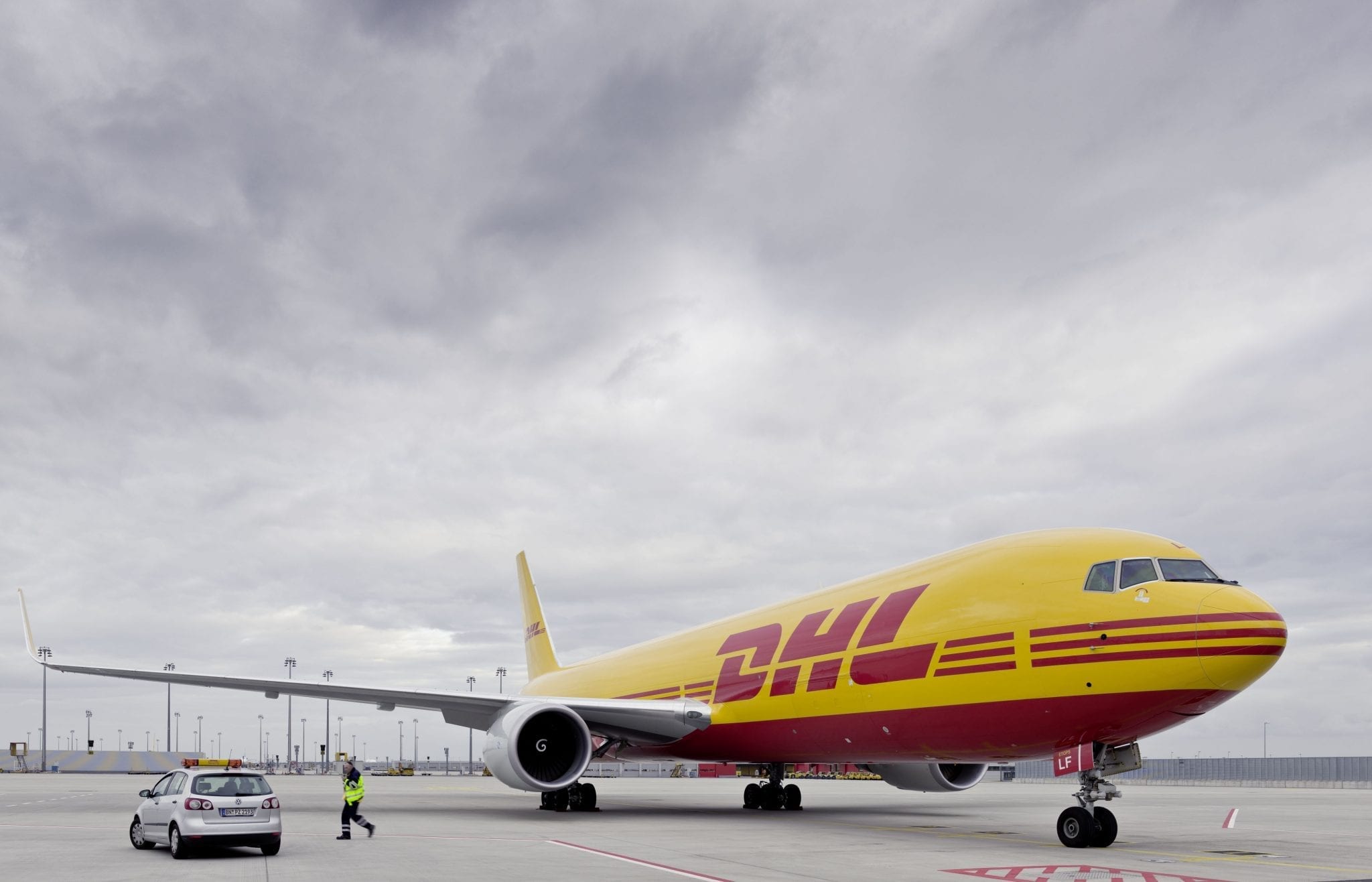
    Express freight specialist DHL Express has become the first operator to accept an Airbus A330-300 Passenger-to-Freighter (P2F) converted aircraft from Elbe Flugzeugwerke (EFW), the joint venture between Singapore-based ST Aerospace and Airbus.

    DHL Express has ordered eight A330-300P2Fs, with options for a further 10.

    The handover at EFW’s conversion facilities in Dresden, Germany followed the completion of test flights in October and award of a Supplemental Type Certificate (STC) by the European Aviation Safety Agency (EASA) in November.

    “The first aircraft is scheduled to strengthen our Asia-Pacific air network, bringing added capacity and increased efficiency to a market where we are seeing dynamic express volume growth,” DHL Express SVP- global air fleet management Geoff Kehr said.

  • FedEx ready for the Christmas rush

    FedEx ready for the Christmas rush

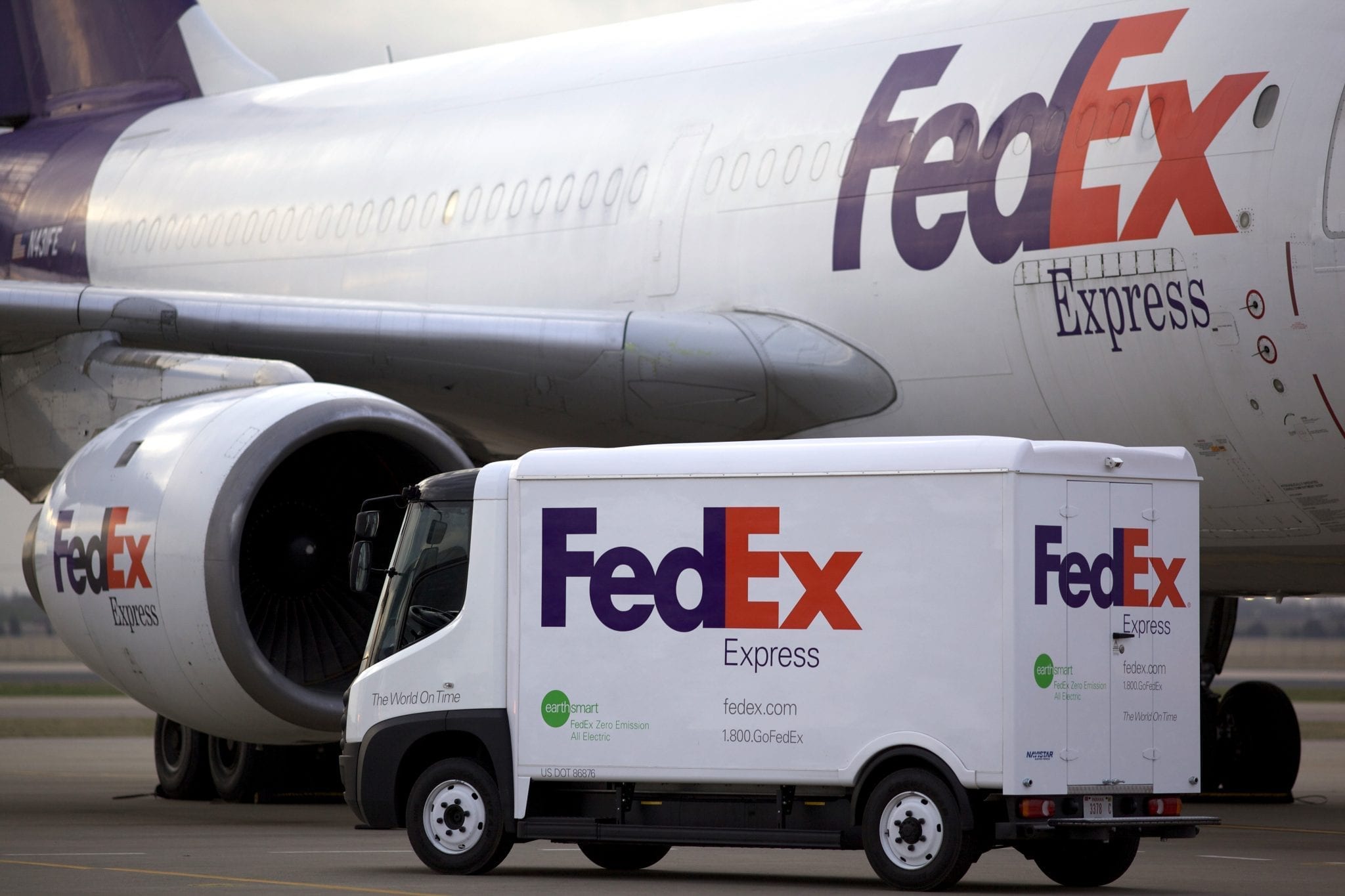
    FedEx expects says it expects to handle 380-400million packages on its global network between Black Friday (24 November) and Christmas Eve.

    It also predicts that it will more than double its average daily volume of 13 million shipments on three Mondays over the Christmas period.

    It attributes the surge to e-commerce-savvy consumers making more last-minute purchases.

    FedEx’s main European hub at Paris-Charles de Gaulle regularly handles over 300 aircraft per week and handles around 1,200 tonnes of freight per day. The Central and Eastern Europe hub in Cologne handles 58 weekly flights to and from Europe, the US, and Asia.

    Worldwide, over 400,000 team members are preparing for the peak season on the FedEx global network, which consists of more than 650 planes (the second largest airline in the world in terms of number of aircraft) and more than 150,000 motorised vehicles.

  • DHL invests $364 million to further develop Cyberjaya data center

    DHL invests $364 million to further develop Cyberjaya data center

    DHL expects to invest nearly RM 1.5 billion (US$364 million) between now and 2020 to further develop its IT Services Data Center in Cyberjaya, creating further opportunities for emerging IT talent in Malaysia and around the region.

    The IT Services Data Center has provided critical IT infrastructure, business application development and support initially for the company’s Asia Pacific and, subsequently, global operations over the past 20 years, with DHL investing more than RM 4.7 billion (EUR 941.1M) in its development since 1997.

    “Digitalization plays an increasingly strategic role in helping global logistics networks achieve the speed, reliability and accuracy needed to keep pace with today’s demands. The investment we have made in Cyberjaya demonstrates our commitment towards enhancing our capabilities — and helping our customers improve their market positions through best-in-class IT infrastructure and skilled talent,” said Alexander Pilař, Executive Vice President and Managing Director, IT Services, Deutsche Post DHL Group.

    Malaysia Digital Economy Corporation (MDEC), Chief Operating Officer, Dato’ Ng Wan Peng said, “We are heartened by the continued support from DHL, which reflects its unwavering commitment to Malaysia and its digital transformation agenda — as we race towards becoming a developed digital economy by 2020. In addition to employment creation, this move will greatly boost and strengthen the digital infrastructure and ecosystem crucial for a thriving innovation powered socio-economy. We look forward to the journey ahead with DHL, in our quest to make the digital economy a key engine of growth for Malaysia.”

    A team of more than 1,440 employees ensure the Cyberjaya IT Services Center, along with their counterparts in Prague, the Czech Republic and Mechanicsburg, Pennsylvania, deliver 24/7 IT support across all DHL divisions — DHL Express, DHL Global Forwarding, DHL Supply Chain, DHL eCommerce operations. It serves as platform through which DHL hopes to strengthen and level the playing field for talent, particularly for women looking to succeed in IT — which has traditionally been a male-dominated field. While the Malaysia team includes members from 27 different nationalities, the majority — nearly 70% — come from Malaysia, with women making up almost 40% of the total workforce.

    “We started our IT Data Center in Malaysia 20 years ago, occupying a floor in a suburban shopping mall with just 120 staff, facing risks of disruption from flooding to the building’s car park,” said Yogananthan S, Site Head of IT Services Cyberjaya, and VP Business Relations for IT Services, Asia Pacific, Deutsche Post DHL Group. “Since then, we’ve not only relocated to Cyberjaya but also established it as a key pillar in DHL’s regional and global logistics strategy, backed up by one of the most diverse and high-performing workforces in the country and globally.”

    “Over the past 20 years we’ve focused on not only building up the local IT talent market — including hiring almost 500 new graduates since 2006 — but doing so in a way that encourages diversity and equal opportunity for all,” added Yogan. “These values are not only at the core of DHL’s corporate culture — they also play a crucial role in how we effectively we serve our global ‘customer’ base in more than 220 countries and territories.”

    In addition to cultivating the local talent pool, DHL IT Services Cyberjaya plays an active role to give back to the local community and environment. Through the company’s “Living Responsibility” approach, staff volunteer time and expertise on sustainable projects that help address issues which go beyond the workplace.

    The IT Service Data Center in Cyberjaya plans to invest in a range of platform renewals and technical innovations through to 2020, including adoption of hybrid cloud, and higher-efficiency or renewable energy sources.

  • DHL invests $395M in Hong Kong freight hub

    DHL invests $395M in Hong Kong freight hub

    Global freight and logistics company DHL has confirmed its investment to the Airport Authority Hong Kong for the latter’s expansion plan for the Central Asia Hub, the Handy Shipping Guide reports. A plan foreseen to take years to complete, the amount invested is reported to be worth $395 million, bringing its total infrastructural investment to more than $613 million poured so far into the logistics project.

    The Central Asia Hub has reported an average 12% year-on-year growth in shipping volume since its founding 10 years ago. The Hub is DHL’s primary freight hub in the Asia Pacific region. With this area handling over 40% of the Asia Pacific-based shipment volumes, DHL has “committed to strengthening our global network and services,” according to DHL Express’ CEO Ken Allen.

    Allen attributed this growth to the “rise in international e-commerce and intra-Asian trade,” making the region significant to DHL’s vision of a stronger global network. “Based in a strategically important location to DHL, the expanded Central Asia Hub in Hong Kong will not only bolster our operational capacity in Asia Pacific, but also facilitate the rapidly-growing international trade demands in the region and around the world,” he said.

    Most of the investment is expected to expand the hub’s throughput capacity with an enhanced material handling system, increasing to 125,000 pieces per hour. Currently, the hub’s capacity is 75,000 pieces per hour.

    An air express cargo facility has been purposefully built right at the Hong Kong International Airport itself, making it ready for the expanded center to “handle six times more in terms of shipment volume than when it was first established in 2004,” according to the same report. With the Central Asia Hub including focal points like Bangkok in Thailand, Shanghai in China and the city-state of Singapore, it will serve as DHL’s proof of dominance in the region when it comes to freight and logistics.

    The Central Asia Hub was also described by Allen as the hub that connected “more than 70 DHL Express gateways in the region.” He mentioned the kind of facility upgrades that the hub will soon earn from the investment. “Equipped with fully automated X-ray inspection machines, it will increase the speed of our shipment inspection by three times – enabling us to expedite the processing speed of shipments that come through the Central Asia Hub.”

    The planned upgrades are expected to be operational by the first quarter of 2022. The timetable was set with the Pan-Pearl River Delta in mind as most of the shipments causing an increased influx of goods to the hub are traced from the heightened economic activity in this area. Other goods are expected to make their way to the upgraded Central Asia Hub once Hong Kong International Airport’s Three Runway System is completed. By that time, the Hub will have expanded its warehouse space to about 47,000 square meters.

  • DHL Express expanding Central Asia Hub

    DHL Express expanding Central Asia Hub

    DHL Express has announced a €335m expansion plan for its Central Asia Hub (CAH). The expansion will bring DHL’s commitment to the strategic hub to over €520m. As one of three global hubs for DHL, the expanded CAH will continue to act as the core hub of the DHL Express global and Asia Pacific regional network, handling more than 40% of its total Asia Pacific shipment volumes.

    In a statement issued today (14 November), Ken Allen, CEO of DHL Express, said: “Given the expected rise in international e-commerce and intra-Asian trade, DHL is committed to strengthening our global network and services. Based in a strategically important location to DHL, the expanded Central Asia Hub in Hong Kong will not only bolster our operational capacity in Asia Pacific, but also facilitate the rapidly-growing international trade demands in the region and around the world.”

    The expanded CAH will be equipped with an enhanced material handling system that will boost hub’s throughput capacity from the current 75,000 pieces of shipments per hour to 125,000 pieces per hour.

    When operating at its full capacity, the annual throughput of the expanded CAH is expected to go up by 50% to 1.06m tonnes a year.

    Ken Lee, CEO of DHL Express Asia Pacific, commented: “Connecting with more than 70 DHL Express gateways in the region, the Central Asia Hub plays a significant role in strengthening our existing network of hubs in Asia Pacific, including Shanghai, Singapore and Bangkok. The expansion will also help us capitalize the growth in intra-Asian trade lane that currently contributes to 40% of our revenue in Asia Pacific. Equipped with fully automated X-ray inspection machines, it will increase the speed of our shipment inspection by three times – enabling us to expedite the processing speed of shipments that come through the CAH.”

    The expanded CAH is expected to begin operations in the first quarter (Q1) of 2022.

  • DHL eCommerce launches ServicePoints networks in Asia

    DHL eCommerce launches ServicePoints networks in Asia

    DHL eCommerce has launched ServicePoints networks in key Asian markets. In a statement issued today (24 November), DHL eCommerce said that it has established a network of more than 200 ServicePoints in Thailand – which will enable commerce sellers to ship nationwide and for online shoppers to conveniently pick-up their orders. DHL added that over 1,000 ServicePoints will be launched over the coming months.

    “We are extremely positive about the e-commerce growth in Thailand, and have seen fantastic growth since we launched our domestic delivery network in Thailand in 2016. We will continue to enhance our existing solutions and launch new services to offer greater convenience and choice for sellers and shoppers across Thailand,” said Kiattichai Pitpreecha, Managing Director, DHL eCommerce Thailand.

    “We are really pleased to now be able to offer parcel drop-off and pick-up locations, all of which are easy to access, simple to use and provide a fantastic customer experience.”

    On Tuesday (21 November), DHL eCommerce also announced that it has launched a ServicePoints network in Vietnam.  The company statement said: “DHL eCommerce has already launched more than 100 ServicePoints and will continue to rapidly expand to more than 1,000 in the coming months.”

  • Why SingPost’s logistics segment is a drag to its growth

    Why SingPost’s logistics segment is a drag to its growth

    Intense pricing competition resulted in losses. Singapore Post’s (SingPost) logistics segment went into the red as operating profits turned into a loss of $4.2m in Q2.

    According to Maybank Kim Eng, even excluding provisions, the operating profit would have been $1m, which is much lower than the operating profit of $5m for 1Q2017.

    The segment was in bad debt for a key customer, Quantium Solutions HK.

    Intense pricing competition has also resulted in the loss of business.

    Further weakening of logistics segment could offset the turnaround of mail and logistics segments.

    Whilst the logistics business turned into a weight for the company’s earnings, the drag should still be manageable, the bank said. SingPost’s mail, e-commerce, and associate earnings could still gain momentum, Maybank Kim Eng said.

  • DHL announces HK$2.9 billion expansion for Central Asia Hub

    DHL announces HK$2.9 billion expansion for Central Asia Hub

    DHL Express has announced that it will launch an approximate HK$2.9 billion expansion plan for its Central Asia Hub (CAH), in partnership with Airport Authority Hong Kong. This multi-year expansion brings DHL’s commitment for this strategic hub to approximately HK$4.5 billion.

    The expansion follows the CAHs record of an average 12% year-on-year growth in its shipping volume in the past decade. As one of three global hubs for DHL, the expanded CAH will continue to act as the core hub of the DHL Express global and Asia Pacific regional network, handling more than 40% of its total Asia Pacific shipment volumes.

    It is expected to begin operations in Q1 2022, in time to capture strong demand in the Pan-Pearl River Delta (PPRD) region and completion of the Three Runway System for the Hong Kong International Airport in 2024.

    Ken Allen, CEO of DHL Express, said that given the expected rise in international e-commerce and intra-Asian trade, the company looks to strengthen its global network and services.

    The CAH thus plays a key role in DHL’s strategy to strengthen its existing network of hubs in Asia Pacific, including Shanghai, Singapore and Bangkok.

    “Based in a strategically important location to DHL, the expanded Central Asia Hub in Hong Kong will not only bolster our operational capacity in Asia Pacific, but also facilitate the rapidly-growing international trade demands in the region and around the world,” he said.

    The expanded CAH will be equipped with an enhanced material handling system that will improve productivity and increase the hub’s throughput capacity from the current 75,000 pieces of shipments per hour to 125,000 pieces per hour.

  • Logistics providers keen on locker network

    Logistics providers keen on locker network

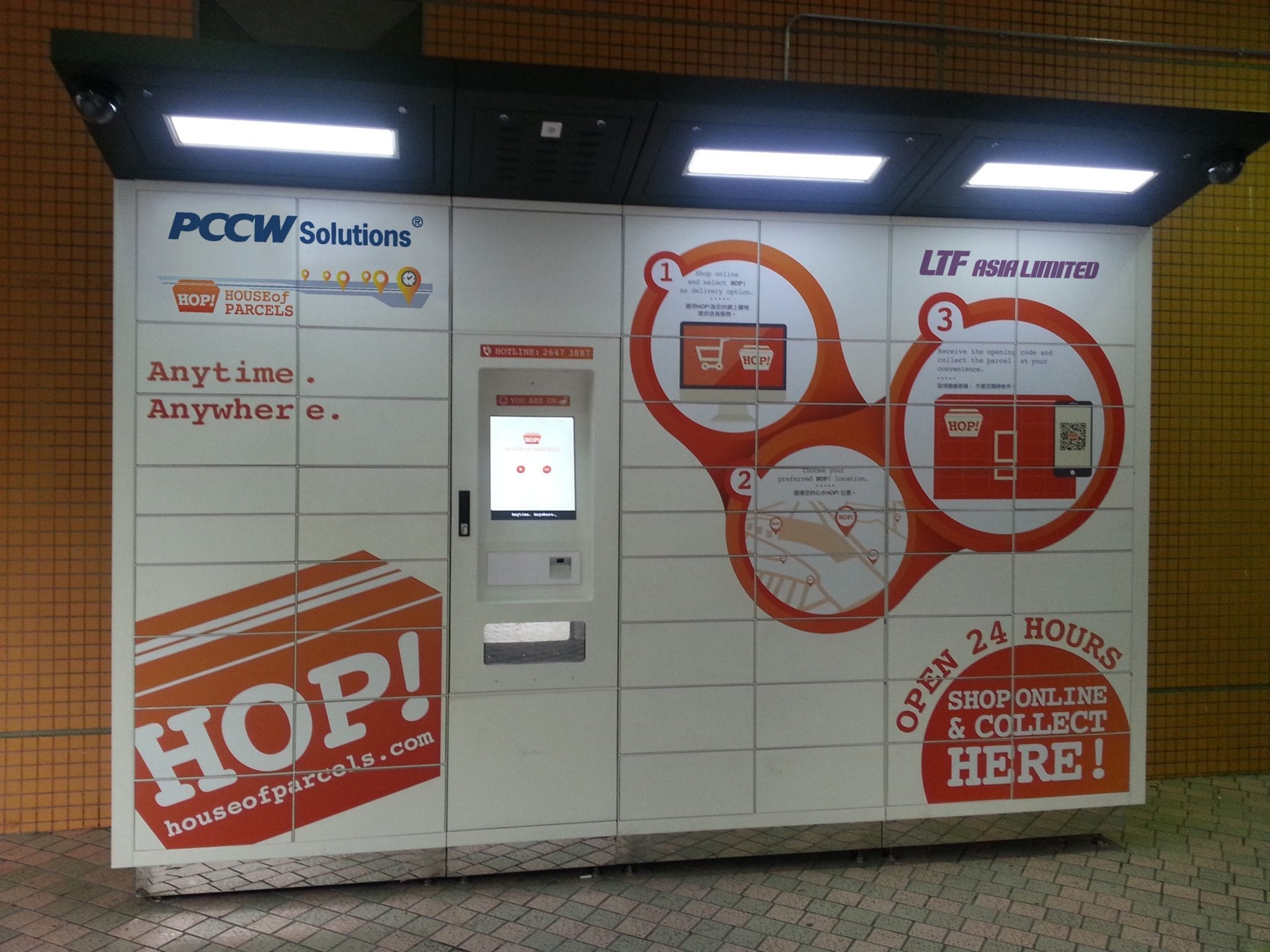
    At least four logistics providers, including the biggest player, Singapore Post, could be involved in the open network of parcel lockers that the Infocomm Media Development Authority (IMDA) called for yesterday in its plan to make deliveries more efficient.

    The pilot will go live in the second half of next year, involving some 75 lockers in public housing estates and train stations in Punggol and Bukit Panjang.

    IMDA will call for proposals for the six-to 12-month pilot from companies by the year end.

    The eventual system will allow logistics providers to operate this integrated network, which is expected to have some 760 lockers covering the whole island eventually. But the different operators have to provide a consistent user interface, much like how the Wireless@SG national Wi-Fi network works.

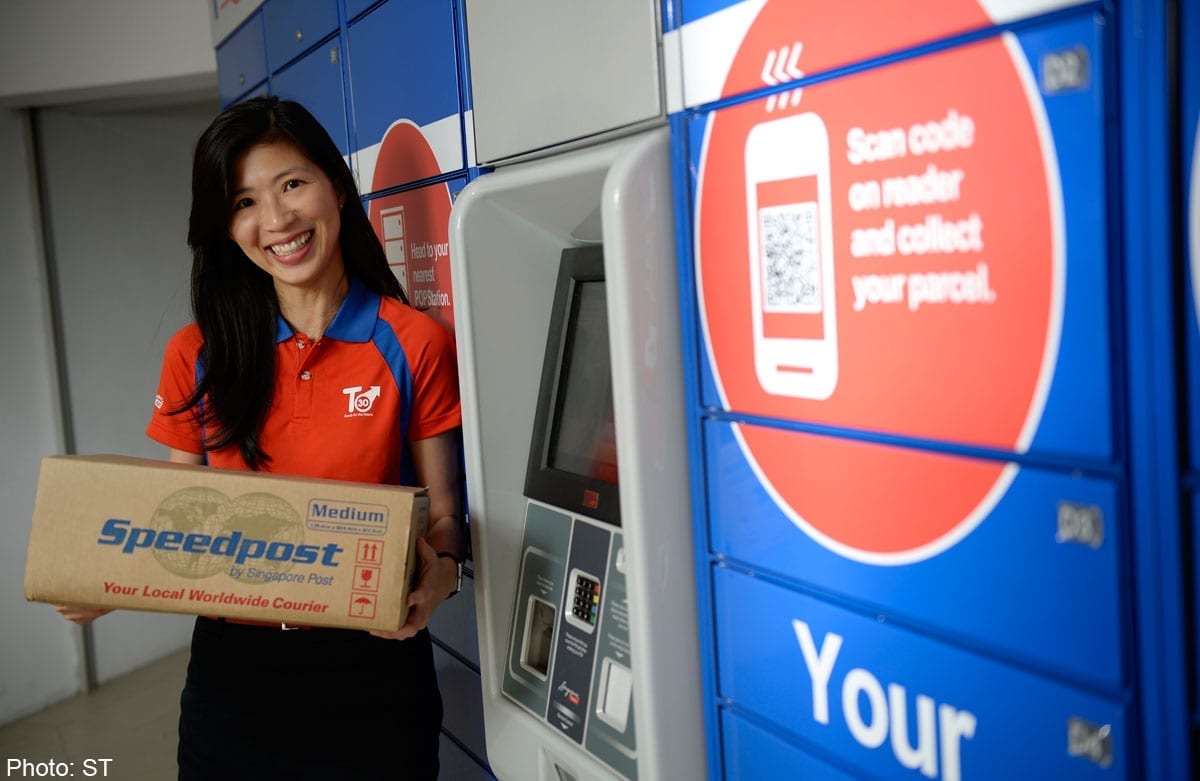
    SingPost, which operates the largest network of parcel lockers called POPStation at 153 locations, said it is keen to work with more players. It has since July last year been renting out locker space to those who want to use it to facilitate buying and selling on online marketplaces.

    “We would like to work with the Government to expand parcel locker use in Singapore,” said Mr Freddy Chang, head of SP Parcels, a subsidiary of SingPost. “Parcel lockers are an important solution to improving efficiency at the last mile of delivery.

    Local logistics start-up blu said the IMDA scheme is timely, given the increase in online shopping and urban congestion. It currently operates 49 bluPort lockers islandwide, mostly at petrol kiosks, malls and Cheers convenience stores.

    “Collaborating with IMDA allows us to explain and promote the benefits of a parcel locker network to both retailers and logistics sector stakeholders,” said Mr Cliff Lim, business development head at blu, which works with DHL and FedEx.

    Another local start-up, Go Plus, which has developed a parcel locker with biometric verification capabilities, and Ninja Van, which operates a handful of Ninja Boxes here, said they will consider taking part in the IMDA’s parcel locker network.

    For consumers and online shoppers, a nationwide network of lockers is a welcome development. Pre-school teacher Jasmine Kaur, 33, uses POPStation but there is none within walking distance of her home in Ang Mo Kio. “It would be great if consumers have more pickup points to choose from,” she said.

  • SingPost banks on e-commerce as Q2 net profit slips

    SingPost banks on e-commerce as Q2 net profit slips

    The e-commerce boom continued to prop up earnings at Singapore Post (SingPost), although it on Tuesday posted a fall in second-quarter profits, in the absence of a previous one-off gain.

    Net profit slipped by 9.5 per cent on the previous year, to S$28.47 million for the three months to Sept 30.

    But, with exceptional items excluded, underlying net profit was in fact up by 1.9 per cent, on the back of a 10.2 per cent rise in revenue to S$354.7 million. More than half of that sum – S$190 million, or 53.6 per cent – came from activities related to e-commerce.

    The postal service provider announced in August that it is going through a strategic review, and group chief executive Paul Coutts gave an update: “SingPost’s strategic vision of transforming from a postal provider to an e-commerce logistics player remains relevant and in the right direction.”

    Revenue was up by 16.9 per cent in the group’s postal segment, to S$148.3 million, on the back of more e-commerce deliveries. SingPost singled out China’s Alibaba Group – which owns marketplaces such as Taobao – as a key driver of international mail volume tied to online shopping.

    Meanwhile, logistics revenue increased by 7.6 per cent to S$165.9 million, spurred in part by higher last-mile e-commerce deliveries in Singapore and Australia, although profits were squeezed by the intense price competition in Hong Kong.

    The e-commerce division saw turnover dip by 0.8 per cent to S$63.48 million, largely from the poor performance of TradeGlobal, the United States firm that SingPost picked up in 2015 but has struggled to make money on.

    Mr Coutts said that SingPost is “fully focused on turning the company around”, particularly by drawing on best practices from its other American e-commerce unit, the “good-performing” Jagged Peak.

    This would include tapping automation to bring down manpower costs, he added: “We’re focused on moving from a labour-intensive organisation to being a technology-driven business.”

    Still, SingPost cautioned in its report that TradeGlobal is not expected to be profitable for the financial year ending March 31, 2018.

    Separately, cross-border e-commerce deliveries are expected to be hurt by upcoming changes in the international terminal dues system, although SingPost said that “mitigating measures” are under way.

    As margins are relatively low for international mail and domestic post drops amid a shift to electronic bills and statements, “blended postal margin is expected to decline”, it added.

    SingPost has declared an interim dividend of 0.5 Singapore cent a share, to be paid on Dec 8 – half the size of the one-cent dividend in the same period a year ago.

  • Global delivery service boosts investment in Central Asia hub

    Global delivery service boosts investment in Central Asia hub

    DHL has announced a £300 million expansion of its strategic Central Asia Hub in Hong Kong to bolster regional trade. The expansion brings DHL’s commitment to this strategic hub to over £465 million, making it the largest infrastructural investment by DHL Express in Asia Pacific to date.

    Its announcement comes as the Central Asian Hub (CAH) recorded an average 12 per cent year-on-year growth in its shipping volume in the past decade. As one of three global hubs for DHL, the expanded CAH will continue to act as the core hub of the DHL Express global and Asia Pacific regional network, handling more than 40 per cent of its total Asia Pacific shipment volumes.

    Ken Allen, CEO of DHL Express, said: “Given the expected rise in international e-commerce and intra-Asian trade, DHL is committed to strengthening our global network and services. Based in a strategically important location to DHL, the expanded Central Asia Hub in Hong Kong will not only bolster our operational capacity in Asia Pacific, but also facilitate the rapidly-growing international trade demands in the region and around the world.”

    Webinar: Addressing the challenges of Total Airport Management

    During this webinar, we’ll be discussing the role data plays in airport ecosystems, how operators can connect disparate data sources and the importance of deriving truly actionable intelligence.

    The expanded CAH will be equipped with an enhanced material handling system that will improve productivity and increase the hub’s throughput capacity – from the current 75,000 pieces of shipments per hour to 125,000 pieces per hour. When operating at its full capacity, the annual throughput of the expanded CAH is expected to go up by 50 per cent to 1.06 million tonnes per annum. As a dedicated and purpose-built air express cargo facility at the Hong Kong International Airport, the expanded CAH will handle six times more in terms of shipment volume than when it was first established in 2004.

    Ken Lee, CEO of DHL Express Asia Pacific, said: “Connecting with more than 70 DHL Express gateways in the region, the Central Asia Hub plays a significant role in strengthening our existing network of hubs in Asia Pacific, including Shanghai, Singapore and Bangkok. The expansion will also help us capitalise the growth in intra-Asian trade lane that currently contributes to 40 per cent of our revenue in Asia Pacific. Equipped with fully automated X-ray inspection machines, it will increase the speed of our shipment inspection by three times – enabling us to expedite the processing speed of shipments that come through the CAH.”

    The expanded CAH is expected to begin operations in 2022, in time to capture strong demand in the Pan-Pearl River Delta (PPRD) region and completion of the Three Runway System for the Hong Kong International Airport in 2024. The expansion of the CAH will deliver about 50 per cent increase in warehouse space to 47,000m2.

    Already a TAPA Class A-certified facility, the expanded CAH will boast a state-of-the-art security system with a total of 520 CCTV cameras and an advanced access control system. The CAH also features a quality control centre (QCC) which monitors flight uplift/landing times in real time, reporting any irregularities on the spot, which in turn enables DHL to proactively notify customers in the event of flight delays or cancellations. The QCC is linked to the Asia Pacific Network Control Centre in Hong Kong and more than 70 gateways and over 500 service centres in over 40 cities in other Asian countries.

    Strategically located in Hong Kong, within a four-hour flight time to major cities in Asia Pacific and in the PPRD region, the CAH is complemented by a well-established Asia Air Network which is served by over 800 commercial daily flights.

  • SingPost to invest S$16 mil in island-wide Smart Post Office network

    SingPost to invest S$16 mil in island-wide Smart Post Office network

    The redeveloped SingPost Centre in Paya Lebar was officially launched on Monday (Oct 9) with the first “smart” post office and a new FairPrice supermarket that will serve as a testing ground for new initiatives in retail technology.

    Located next to the Paya Lebar MRT station, the centre houses a shopping centre, the country’s largest post office and SingPost’s flagship Philatelic Store.

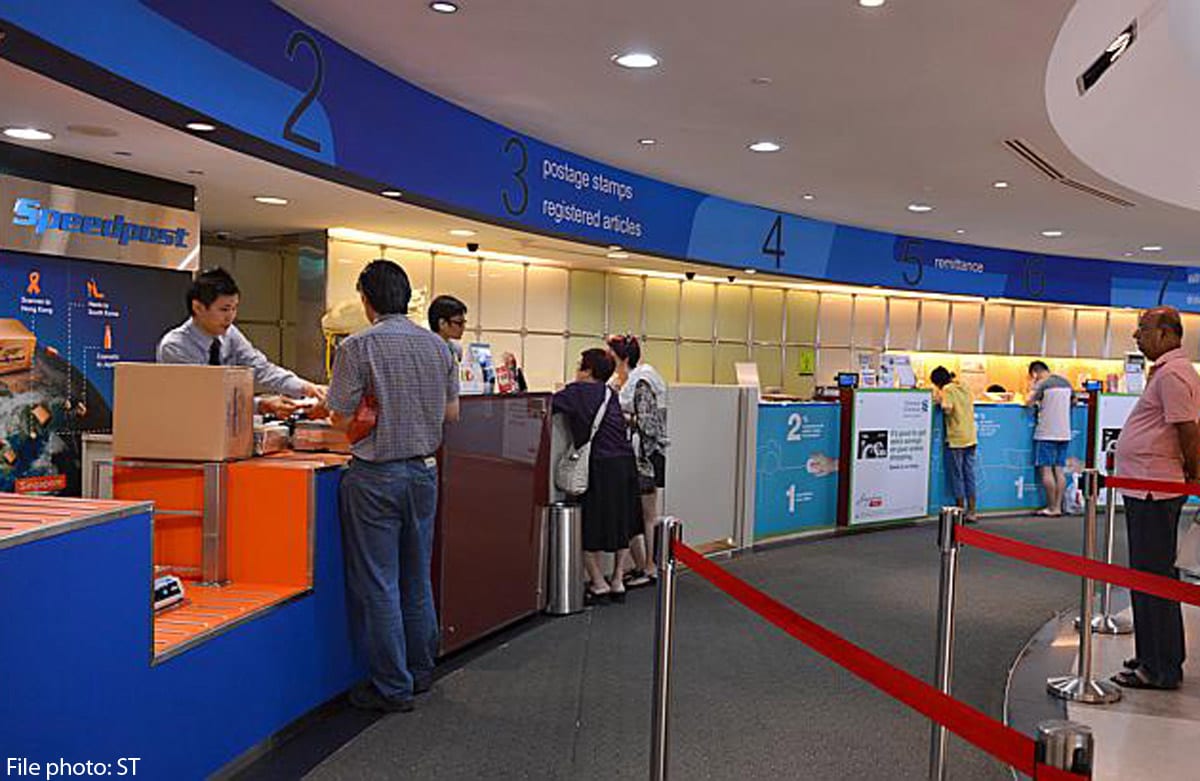
    The 5,328 sq ft General Post Office is the first of SingPost’s smart post offices, featuring a dedicated self-service area with POPStation lockers, upgraded SAM machines offering remittance and other postal services and a drop box for registered articles, accessible at all hours.

    The new drop box allows customers to skip the queue by weighing their parcels and printing labels at the SAM machines before depositing them, said SingPost head of post office network and digital services Bernard Leong.

    Unmanned smart post offices will be rolled out in estates with young families, such as Punggol and Sengkang, in the next one to two years, he added.

    Mr Mervyn Lim, SingPost’s deputy group chief executive (corporate services), said: “The launch of SingPost Centre underscores SingPost’s transformation for a future where technology is changing how people shop, dine and play.”

    The mall’s committed occupancy rate as at Sept 30 was about 80 per cent, he added.

    The five-storey mall, managed by CapitaLand, has 130 tenants including Golden Village, FairPrice, a Kopitiam foodcourt and a rock-climbing gym.

    Apart from bubble tea chain Gong Cha’s return to Singapore later this year (2017) with its flagship outlet in the mall, other new F&B concepts include a food hall designed to look like the old Tanjong Pagar Railway Station and Taiwanese hotpot chain Upot.

    FairPrice’s 22,000 sq ft supermarket, also launched on Monday, is piloting several new initiatives, including the FairPrice@SingPost mobile app that allows customers to locate products with in-store navigation and check stock availability.

    The app, available for download on Apple and Android app stores, also gathers data on shopping habits to deliver user-specific promotions.

    The store will integrate the Scan2Go system currently in use at its Bukit Timah Plaza outlet, where customers can scan purchases with a personal handheld scanner as they shop and pay at self-checkout counters.

    It is also the first supermarket to feature self-checkout counters that can be converted to cashier-assisted ones in under a minute, to accommodate crowd sizes.

    Refrigerated lockers will be piloted at the SingPost Centre branch for the self-collection of online purchases, while an “experiential corner” in the store will allow brands to engage customers using augmented and virtual reality, digital games and interactive booths.

    Speaking at the launch, FairPrice chief executive Seah Kian Peng said: “This technology-driven supermarket will serve as a “living lab” to pilot new and innovative retail technologies, designed to revolutionise the grocery shopping experience.”

  • Kerry Logistics receives Listed Enterprises of the Year Award

    Kerry Logistics receives Listed Enterprises of the Year Award

    Kerry Logistics Network Limited was named a winner of the Listed Enterprises of the Year 2017 by Bloomberg Businessweek/Chinese Edition for the second year running in recognition for its outstanding performance. Kerry Logistics is the only logistics company to receive this title.

    Organised by Bloomberg Businessweek/Chinese Edition, the award presentation ceremony was joined and supported by senior representatives of The Chamber of Hong Kong Listed Companies, The Hong Kong Institute of Bankers, The Hong Kong Institute of Chartered Secretaries, and InvestHK. Eighteen winners were selected by an independent panel of judges based on analytics from Bloomberg Terminal and a multitude of criteria in respect of company performance, corporate governance, investor relations, innovative strategies, and community engagement.

    “We are excited to receive this prestigious award for the second year in a row,” said Gary So, deputy managing director of Kerry Logistics.  “The pursuit of excellence and the commitment to offering best-in-class supply chain solutions have always been a promise we squarely adhere to.  We are thankful to the distinguished judges for acknowledging our continuous effort. Going forward, we will continue to further strengthen our unique strategic position as an Asia specialist supported by a global network.”

  • Vietnam Attends Passerelles numériques Graduation Ceremony

    Vietnam Attends Passerelles numériques Graduation Ceremony

    On October 14th, 2017, Bolloré Logistics Vietnam attended the graduation ceremony of Passerelles numériques (PN) Vietnam students.

    The Passerelles numériques Vietnam NGO program was launched in 2010 in Da Nang, a city identified as a high potential area for Information Technology (IT) sector development. Bolloré Logistics Vietnam is supporting the organization through donations since early 2017.

    Earlier this year in April, nine second-hand computers were provided to Passerelles numériques structure in Danang, after which it was decided to provide seven more prior to the graduation ceremony; as well as 10 keyboards and five computer mice.

    Bolloré Logistics Vietnam believes in social and educational development through Passerelles numériques’ actions and will continue to support students in Vietnam, for them to have a chance to gain a solid general knowledge and a better understanding of the world around them; in order to meet the job market skills requirements.

    Marc Moeschlin, Managing Director of Bolloré Logistics Vietnam, adds “With this very concrete CSR action, we not only contribute to give better IT education chances to these underprivileged students, but we are also eager to increase the pool of future tech-savvy talents in Vietnam; which will support Bolloré Logistics in a broader sense, as our industry is more and more driven by technology, algorithm decision making and digitization.”