Tag: Logistics

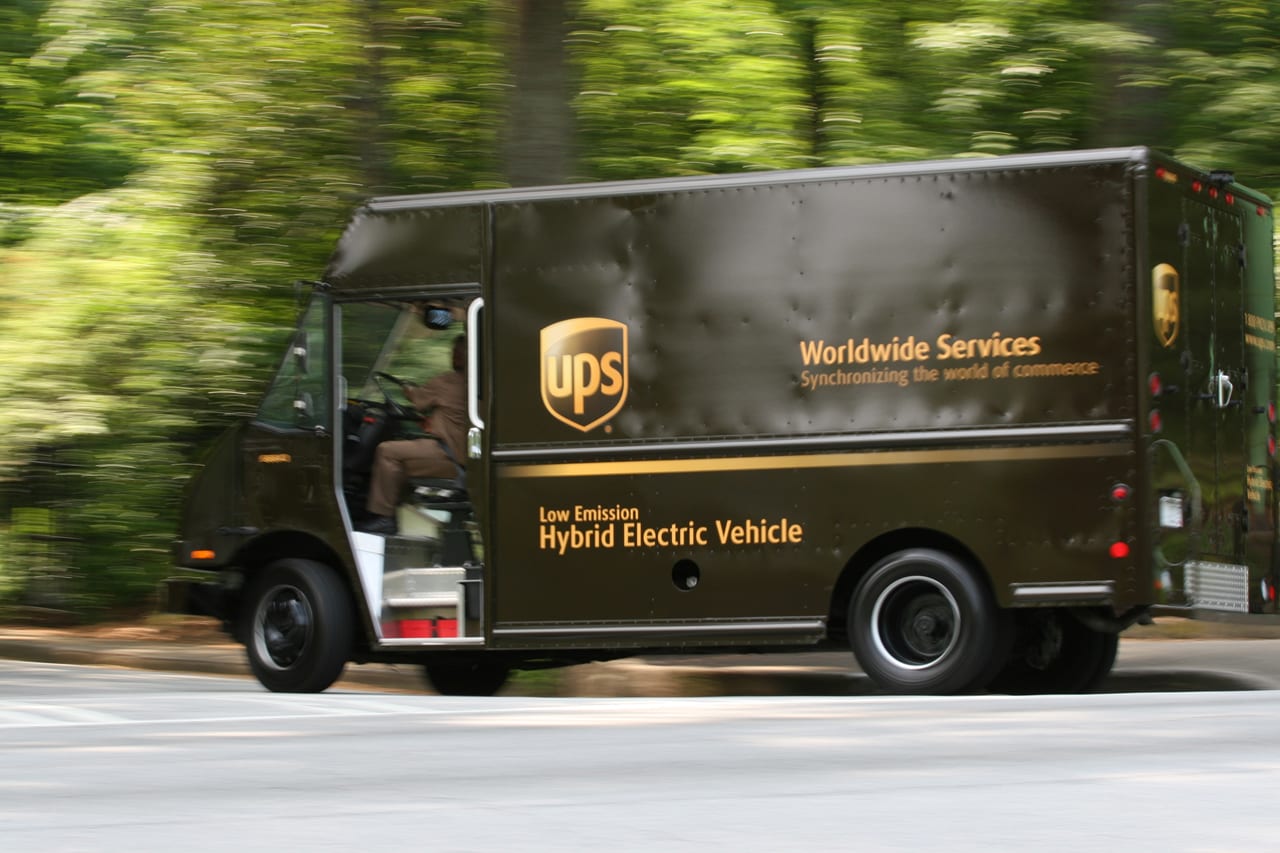
  • UPS appoints Harld Peters as new China president

    UPS appoints Harld Peters as new China president

    UPS announced the appointment of Harld Peters as the new president of UPS China. A UPS veteran with 18 years of logistics experience, Peters will be responsible for leading strategic initiatives across UPS’s package delivery and supply chain operations in China. Peters succeeds Richard Loi, who will be retiring after 26 years of dedicated service with UPS.

    “The Belt and Road Initiative (BRI) will continue to open new trade corridors between two of the world’s biggest traders,” said Ross McCullough, president of UPS Asia Pacific. “Harld’s extensive experience working closely with European customers across major industry segments positions him well to bolster UPS’s Chinese customers in their efforts to accelerate growth overseas.”

    “As China continues to transform with increased cross-border commerce and with the rise of global markets, I am confident that Harld’s leadership will take UPS to the next level of growth in China,” he added.

    “UPS has made significant strides since we started doing business in Asia over 25 years ago,” said Harld Peters, President of UPS China. “Customers demand more from their partners with China’s transformation from a low cost manufacturing model to an innovation-driven economy. I am excited about leading the next phase in our growth, and building upon Richard’s successes in this key market for UPS. Our commitment to helping China go global will be seen in our upgraded global transportation network, rich industry intelligence and expanded service enhancement.”

    UPS has set in place a multi-year investment and growth plan for China that is focused on widening and deepening its geographical presence, and improving the customer experience through differentiated service offerings. Earlier this year, the company announced the addition of six stations to its Preferred Full and Less-than-Container Load (FCL and LCL) multimodal rail service between Europe and China. It also announced a joint venture with S.F. Holding, the parent company of S.F. Express, to develop and provide international delivery services initially from China to the US, with expansion plans for other destinations.

    Peters formerly served as President of UPS West Europe District, where he led the successful integration of over 10,000 UPS Access Point™ locations, a network of neighborhood stores and businesses that make online shopping and delivery more convenient for customers. He joined UPS in 1999 as a Contract Manager of Supply Chain Solutions in the Netherlands and later assumed various management positions in the Express and Supply Chain Solutions business units throughout Europe, including Vice President of Contract Logistics.


  • Singapore logistics startup Yojee raised another S$3mn

    Singapore logistics startup Yojee raised another S$3mn

    Yojee is a Singapore publicly listed technology company which introduced the new ways of communication and collaboration across the entire supply chain. Raised over 10 million up to date with the last funding round of 3 million came in on the 8th of August via share placement. The company will use the proceedings to further funding long term technology, sales and marketing plan leveraging existing customers and expanding further.

    The company offers everyone an opportunity to join the ‘world’s first’ collaborative cross border logistics network which connects shippers, carriers and freight forwarders in seconds, with already tens of thousands of kilograms of freight moving through the network. For shippers and carriers, the route optimisation algorithms with machine learning capabilities suggest the best asset for each delivery job using both current and historical data, based on more than 30 criteria.

    SmartAssign
    Revolutionary Yojee SmartAssign allows companies to make smart job assignment decisions without touching a button. Fully powered by Yojee Ai (Artificial Intelligence) this mode dynamically determines and passes the job to the most suitable driver for each job based on many different criteria including proximity, available vehicle capacity, driver capacity, road conditions, and many others.

    Yojee aims for a 70% reduction in the headcount required in operations and customer service to manage a logistics business, creating substantial operational savings alongside freight efficiencies by introducing more features promoting autonomous operations.

    In addition to Yojee SmartAssign, Yojee Broadcasts (uberfied mode) can be chosen, this adds a third option for companies’ operational modes, Yojee AI pushes jobs to a number of most suitable drivers and allows them to accept or reject the job, broadcast options are fully configurable including number of drivers per broadcast, time interval before re-broadcasting, which will give additional opportunities to optimise the operations.

    Big data analytics dashboard
    Big data and predictive analytics gives logistics companies the extra edge they need to optimise and manage their operations giving managers the aggregated bird’s eye view to the top data points. Analytics dashboard with customisable display allows real time visualisations of key operational and financial metrics which in addition to seamless dispatch work helps automated systems to function through intelligently routing many different data sets and data streams.

    Control tower enhancement
    Enhancement of Control Tower – users of the Yojee platform software now able to move jobs across companies. fully connected, seamless transfer, networked ecosystem

  • DHL to be title sponsor of DR1 Drone Racing Series

    DHL to be title sponsor of DR1 Drone Racing Series

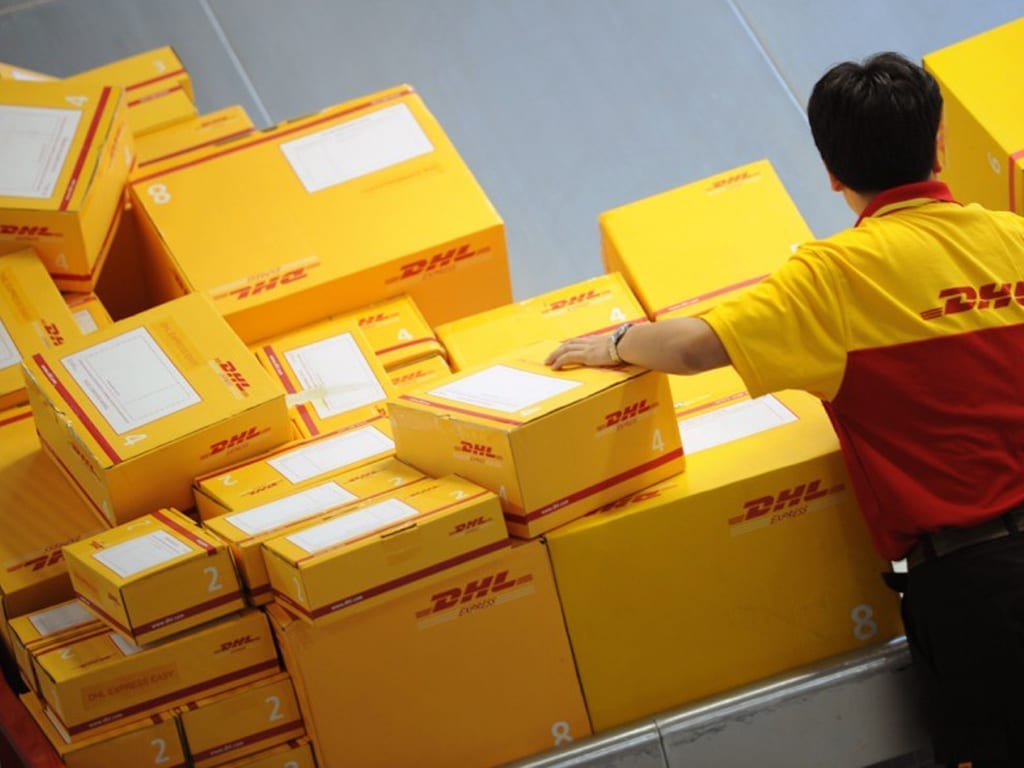
    DHL has signed on as the new title sponsor for a new racing series – DR1 presents the DHL Champions Series, Fueled by Mountain Dew. This new racing championship is organized by DR1 Racing, the premiere drone racing organization that is bringing together top pilots and racing teams to compete at exhilarating locations throughout the world, including the Post Tower in Bonn, Germany, the headquarters of Deutsche Post DHL Group. This October and November the races will be broadcast and streamed online globally by Eurosport, Fox Sports Asia and Twitch.TV, potentially reaching more than 300 million homes.

    This new racing series gives DHL the opportunity to continue to extend its leadership position in the development of drone technology, which has a vital part in the future of logistics, as well as elevate the DHL brand to a broader audience of businesses and consumers through a thrilling new sport. Locations for the first season of the DHL Champions Series are expected to include the United States, Germany and Ireland. DR1 events are already broadcast in more than 100 countries.

    “This new racing series is an exciting opportunity for DHL to showcase our passion for drone racing and illustrate our extensive history in developing innovative and sustainable approaches towards future logistics solutions,” said Ken Allen, CEO, DHL Express. “Similar to Formula E, drone racing represents an exciting new e-racing series, which is why DHL took the opportunity to engage as the logistics partner and title sponsor for DR1’s premier league racing series.”

    DHL has been developing and testing its Parcelcopter for more than four years for deliveries in geographically ambitious areas. It has successfully deployed the Parcelcopter for fully automated deliveries in severe, high-altitude and weather conditions in the Bavarian Alps as well as to remote locations on German North Sea islands, and as such integrated into the overall logistical processes of the DHL Parcel unit. For its engagement in this area of research the Group also received the “German Mobility Award 2016” (Deutscher Mobilitätspreis 2016).

    DHL Supply Chain has deployed drone in Mexico and Brazil for security surveillance, monitoring sites and assets for theft and damage. Drones can also be used as aid deliveries as part of disaster relief missions after natural disasters.

  • DHL to build life sciences distribution network

    DHL to build life sciences distribution network

    Shanghai Pharma, one of China’s largest listed pharmaceuticals groups, has signed a Memorandum of Understanding (MOU) with DHL Supply Chain to prepare its logistics infrastructure for rapid global expansion.

    Under the MOU, the pharmaceuticals giant – which generated revenues of more than US$18 billion (RMB121 billion) last year – will partner with DHL Supply Chain to enhance quality control measures, streamline distribution processes, and strengthen compliance with local and international food and pharmaceutical regulations. A range of recent government initiatives, including the “two-invoice” or fapiao policy which was rolled out earlier this year, have put greater onus on China’s pharmaceutical sector to improve the transparency and efficiency of local supply chains.[1]

    “The quality and resilience of our logistics infrastructure will determine not only how successfully we adapt to new legislation like fapiao – which seeks to cut down on multiple distributors and mark-ups by only allowing two invoices per goods shipment – but also our ability to capitalise on the huge international growth opportunity for high-grade Chinese pharmaceutical products and medical devices,” said Cho Man, president and executive director, Shanghai Pharma.

    “China’s national market for drugs has grown rapidly in recent years to become the world’s second-largest with an estimated growth to around US$167 billion by 2020 [2]. Our partnership with DHL will help Shanghai Pharma to become one of the world’s foremost pharmaceutical manufacturers – supported by a global distribution network that combines world-class quality control with fast, seamless delivery.”

    To facilitate this planned expansion, the MOU will grant Shanghai Pharma priority access to DHL’s global logistics network including temperature-sensitive life sciences services to Europe. DHL Supply Chain will also support Shanghai Pharma’s supply chain optimisation needs as the manufacturer ramps up its overseas distribution and retailing efforts.

    “China’s pharmaceutical industry has historically suffered from high levels of fragmentation amongst its local customers and distributors, [3] an issue which recent legislative changes like the ‘two-invoice’ policy have sought to combat,” said Yin Zou, CEO Greater China, DHL Supply Chain. “In this regulatory climate, end-to-end supply chain management plays an increasingly crucial role in determining how effectively Chinese pharmaceuticals firms not only maintain sales locally, but gain traction abroad in a cost-effective and sustainable manner.

    “Shanghai Pharma already holds a formidable reputation as one of China’s leaders in pharmaceutical development, manufacturing, distribution and retail. With this partnership, we look forward to applying our global life science expertise to help them establish an efficient and agile supply chain network to provide consumers with reliable and convenient access to medications.”

    “This agreement puts Shanghai Pharma in a strong position to stand out from China’s highly competitive and cost-conscious life sciences industry4 with access to DHL’s market-leading logistics and value-added services,” said Cho Man. “We believe that our partnership will not only greatly benefit both parties, but raise the bar for quality control and supply chain efficiency across China’s entire pharmaceutical industry.”

  • Air cargo experiences strongest first half year growth since 2010

    Air cargo experiences strongest first half year growth since 2010

    The International Air Transport Association (IATA) released data for global air freight markets showing that demand, measured in freight tonne kilometers (FTKs), grew by 10.4% in the first-half of 2017 compared to the first-half of 2016. This was the strongest first half-year performance since air cargo’s rebound from the Global Financial Crisis in 2010 and nearly triple the industry’s average growth rate of 3.9% over the last five years.

    Freight capacity, measured in available freight tonne kilometers (AFTKs), grew by 3.6% in the first half of 2017 compared to the same period in 2016. Demand growth continues to significantly outstrip capacity growth, which is positive for yields.

    Air cargo’s strong performance in the first half of 2017 was confirmed by June’s results. Year-on-year demand growth in June increased 11% compared to the same year-earlier period. Freight capacity grew by 5.2% year-on-year in June.

    The sustained growth of air freight demand is consistent with an improvement in global trade, with new global export orders remaining close to a six-year high. However, there are some signs that the cyclical growth period may have peaked. The global inventory-to-sales ratio has stopped falling. This indicates that the period when companies look to restock inventories quickly, which often gives air cargo a boost, may be nearing an end. Regardless of these developments, the outlook for air freight is optimistic with demand expected to grow at a robust rate of 8% during the third quarter of this year.

    “Air cargo is flying high on the back of a stronger global economy. Demand is growing at a faster pace than at any time since the Global Financial Crisis. That’s great news after many years of stagnation. And, even more importantly, the industry is taking advantage of this momentum to accelerate much-needed process modernization and improve the value it provides to its many customers,” said Alexandre de Juniac, IATA’s Director General and CEO.

  • Logistics startup aCommerce seeking further funding

    Logistics startup aCommerce seeking further funding

    Thailand-based end-to-end logistics startup aCommerce is seeking to raise more than US$30 million in a series-B funding round.

    Insiders say the company is in discussions with global and local private equity groups to raise funding before the last quarter of this year.

    Founded in June 2013, aCommerce is a regional full-service e-commerce software provider, delivering tailored product to global brands and retailers including Hewlett-Packard, Lazada, Line, L’Oreal, Matahari Mall, Nestle, Philips, Samsung and Unilever.

    In July last year the company raised a $10 million strategic venture round led by MDI Ventures, Telkom Indonesia’s corporate venture capital arm, making it one of the largest series-A rounds for a tech startup in Southeast Asia. Also in the round were Australian firm Blue Sky and Swiss-based services provider DKSH, which had invested in aCommerce previously.

    aCommerce, which has a presence in Indonesia, Malaysia, Singapore, Thailand and the Philippines, plans to expand to Vietnam by the end of this year. It is also expecting its Indonesia business to turn profitable in the same time frame.

    Proceeds from the latest funding round will be used to strengthen its position in Indonesia, Singapore, Thailand and the Philippines, as well as expand in Malaysia and Vietnam. Its services include marketing, fulfilment, store development, delivery, brand commerce and customer care. It launched a 7000 sqm warehouse in Cawang, Indonesia, last year and three months ago opened hubs in Bandung and Surabaya.

  • XPO Logistics announces Q2 2017 results

    XPO Logistics announces Q2 2017 results

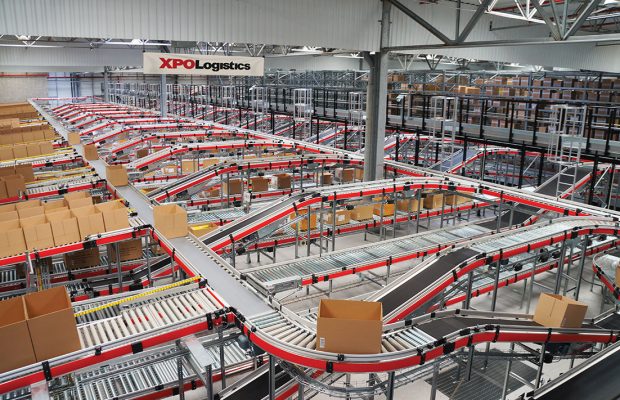
    XPO Logistics announced financial results for the second quarter 2017. Revenue was US$3.76 billion for the quarter, compared with $3.68 billion for the same period in 2016. Revenue increased year-over-year by $210.4 million, excluding the second quarter 2016 revenue from the North American truckload unit divested in October 2016. Net income attributable to common shareholders was $47.6 million for the quarter, or earnings of $0.38 per diluted share, compared with net income attributable to common shareholders of $42.6 million, or earnings of $0.35 per diluted share, for the same period in 2016.

    Adjusted net income attributable to common shareholders, a non-GAAP financial measure, was $75.0 million, or adjusted earnings of $0.60 per diluted share for the second quarter of 2017. This compares with adjusted net income attributable to common shareholders of $50.4 million, or adjusted earnings of $0.42 per diluted share, for the same period in 2016. The adjusted net income attributable to common shareholders for the second quarter 2017 excludes: $19.9 million, or $12.8 million after-tax, of integration and rebranding costs; $27.2 million, or $17.6 million after-tax, from non-cash unrealized losses on foreign currency contracts; and a loss on the conversion of convertible notes of $0.4 million, or $0.3 million net of tax. Reconciliations of non-GAAP financial measures used in this release are provided in the attached financial tables.

    Adjusted earnings before interest, taxes, depreciation and amortization (“adjusted EBITDA”), a non-GAAP financial measure, improved to $370.8 million for the quarter, excluding $19.9 million of integration and rebranding costs. This compares with $354.9 million of adjusted EBITDA for the same period in 2016, which included the North American truckload unit.

    XPO Logistics generated $216.0 million of cash flow from operations and $98.1 million of free cash flow in the quarter.

    Raises financial guidance
    The company raised its full year targets for adjusted EBITDA to at least $1.365 billion in 2017 and at least $1.6 billion in 2018.

    XPO Logistics reaffirmed its 2017-2018 cumulative free cash flow target of approximately $900 million, including at least $350 million of free cash flow generated in 2017.

    CEO comments
    Bradley Jacobs, chairman and chief executive officer of XPO Logistics, said, “Our strong start to the year accelerated in the second quarter, with record results for revenue, net income and adjusted EBITDA. The most notable growth came in last mile and contract logistics – two fast-growing parts of the supply chain where we hold leading positions in e-commerce. Importantly, we’re continuing to grow adjusted EBITDA faster than revenue in both transportation and logistics. In North American less-than-truckload, we increased volume while improving the adjusted operating ratio to 84.6%. This is the best quarterly adjusted operating ratio for our LTL business in at least two decades.”

    Jacobs continued, “The investments we’re making in sales and technology have already yielded a record $1.43 billion of new business through June, which is 62% higher than last year. Our global pipeline stands at over $3.3 billion, our cost initiatives have substantial runway, and the operating environment is favorable. Given these strong fundamentals, we raised our two-year guidance. Our new targets are for adjusted EBITDA of at least $1.365 billion in 2017 and $1.6 billion in 2018.”

    Second quarter 2017 results by segment
    Transportation: XPO Logistics’ transportation segment generated revenue of $2.41 billion in the quarter. This compares with $2.42 billion for the same period in 2016, which included $133.4 million of revenue from the North American truckload unit divested on October 27, 2016. Segment revenue was led by increases in truck brokerage and last mile, partially offset by a decrease in global forwarding revenue and unfavorable foreign exchange rates.
    Operating income for the transportation segment increased to $160.0 million in the quarter, compared with $153.2 million a year ago. Adjusted EBITDA for the segment was $282.7 million. This compares with $275.7 million a year ago, which included the truckload unit. The increases in operating income and adjusted EBITDA were primarily due to an improvement in adjusted operating ratio in the North American less-than-truckload unit, to 84.6%, partially offset by higher purchased transportation costs in truck brokerage and intermodal.

    Logistics: The company’s logistics segment generated revenue of $1.40 billion for the quarter, compared with $1.33 billion for the same period in 2016. The year-over-year increase in revenue was primarily due to strong demand for contract logistics in both Europe and North America, partially offset by a decline in managed transportation revenue and unfavorable foreign exchange rates. In Europe, contract logistics growth was led by e-commerce and cold chain contracts in the UK and the Netherlands. In North America, the largest gains came from the e-commerce and industrial sectors.
    Operating income for the logistics segment increased to $64.3 million, compared with $51.1 million a year ago. Adjusted EBITDA for the segment improved to $123.0 million, compared with $106.9 million a year ago. The increases in operating income and adjusted EBITDA were primarily due to revenue growth, productivity improvements and SG&A cost reduction.

    Corporate: Corporate SG&A expense was $39.3 million for the quarter, compared with $34.0 million for the same period in 2016. The increase in corporate expense primarily reflects an increase in share-based compensation expense tied to the increase in the share price of XPO stock.
    Six Months 2017 Financial Results

  • Odyssey expands facility for chemical sample fulfilment in Shanghai

    Odyssey expands facility for chemical sample fulfilment in Shanghai

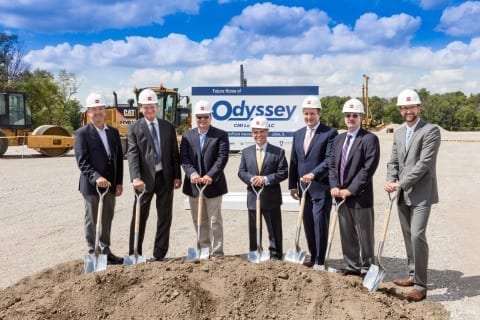
    Odyssey Logistics & Technology Corporation, a global logistics provider, has opened a newly expanded facility for chemical sample fulfilment in Shanghai Chemical Industry Park (SCIP), China. The new facility is strategically located near major chemical manufacturers, and can support increased throughput by up to 40 percent.

    “Chemical manufacturers in this region are paying closer attention to safety and are partnering with professional Dangerous Good (DG) logistics service providers for their sampling needs. Up to now this vital service has been a cottage industry,” said Lawrence Hu, senior vice president and president, Odyssey Logistics & Technology Asia-Pacific. “This is an investment in the future of this region and continues to strengthen our leadership position by providing our customers with innovative and responsible solutions to their chemical sample challenges.”

    Hu also noted that among manufacturers in Asia there is a growing trend toward increased awareness of the importance of safe handling and labeling of chemical products. “Odyssey not only has the expertise, but it also has the demonstrated processes and technology to provide this niche service to the chemical industry. This facility was designed to better serve our chemical sample customers and support growing demand for safe chemical handling,” said Hu.

    The new facility has DG class A, B and C storage and handling capabilities as well as large storage spaces to accommodate anticipated growth.

    Chemical Marketing Concepts LLC (CMC), a subsidiary of Odyssey Logistics & Technology, is the global leader for outsourced sample fulfillment and logistics services. More than 65 manufacturers use CMC to safely store, package and ship their sample and small revenue orders. CMC has processed more than 10 million sample shipments and has facilities in the United States, Netherlands and China.

  • UPS expands alcohol shipping to consumers around the world

    UPS expands alcohol shipping to consumers around the world

    UPS is expanding its ability to ship alcohol, wine and beer to consumers around the world. Using one of the UPS Express shipping services, wine connoisseurs can have their favourite cases of wine shipped directly from the vineyards to their home.

    UPS is helping wineries reach consumers living in 24 of the top 35 wine importing countries, and distilleries in 9 of the top 25 spirit importing countries. Depending on the destination, orders can arrive at the business or consumer’s home within 3 days. All alcohol shipments require an adult signature upon delivery.

    According to the International Organization of Vine and Wine, 43% of all wine is consumed in a country other than where it is produced. The global wine market is expected to reach US$380 billion by 2022.[1] The countries producing and exporting the most wine include Italy, Spain, France, Chile, Australia, South Africa and the United States.[2]

    Europe is the market leader in wine production and consumption. UPS will ship to 23 countries in Europe including these primary markets: Belgium, France, the Netherlands, Switzerland and the United Kingdom.

    Wine consumption is growing rapidly in Asian markets. By 2020, China is expected to surpass the U.S. as the world’s third-largest largest wine importer.[3] The fast growing middle class is driving the demand for premium alcohol. Last year, China imported US$890 million worth of spirits globally.[4]

    UPS will now ship wine, beer and liquor to consumers and businesses in 11 countries throughout Asia Pacific including: China, Hong Kong, Japan, Macau, New Zealand, Philippines, Singapore, South Korea, Taiwan and Thailand. In Malaysia, only businesses can import wine and beer.

    Mexico is earning its place at the table of major wine countries, as consumption has increased by more than 40% in the last 10 years.[5] UPS is shipping wine to Mexico, Argentina and the Dominican Republic. Mexicans are also thirsty for America’s beer, importing $187 million worth in 2016.6

    Canada and the U.S. are key trade partners and as more Canadians buy products online they’re also adding alcohol to their shopping carts. With the expansion, UPS can deliver to 5 of the Canadian Provinces covering 95% of all alcohol imports.[7] The Provinces include Alberta, British Columbia, Manitoba, Ontario and Quebec.

    Boeger, a small family-owned winery in Northern California, recently started global shipping. “It was hard telling our international visitors they couldn’t have our wine because we couldn’t get it to them,” said Tara De La Rosa, hospitality and logistics manager. “We are always looking for ways to expand globally and have our wines on tables around the world.”

    De La Rosa and her team use Paperless Invoice to simplify customs clearance. The UPS shipping system helps wineries, breweries and distilleries avoid delays by uploading all of the required alcohol-related documentation for each country electronically.

    UPS provides automatic tracking and visibility allowing the consumer to follow an order on its global journey. Boeger winery visitors will receive an email notification, in their own language, the day before the scheduled delivery.
    The UPS Express shipping portfolio features three unique service levels: UPS Worldwide Express Plus for early morning delivery, UPS Express for midday deliveries and UPS Express Saver for end-of-day deliveries.

  • DHL Supply Chain makes smart glasses new standard in logistics

    DHL Supply Chain makes smart glasses new standard in logistics

    DHL Supply Chain, the contract logistics specialist within Deutsche Post DHL Group, successfully completed its global augmented reality pilots and is expanding its “Vision Picking” solution in more warehouses around the globe, establishing a new standard in order picking for the industry. The smart glasses provide visual displays of order picking instructions along with information on where items are located and where they need to be placed on a cart, freeing pickers’ hands of paper instructions and allowing them to work more efficiently and comfortably. The international trials have shown an average improvement of productivity by 15 percent and higher accuracy rates. The user-friendly and intuitive solution has also halved on boarding and training times.

    “Digitalization is not just a vision or program for us at DHL Supply Chain, it’s a reality for us and our customers, and is adding value to our operations on the ground. Customers have been very happy about the productivity gains and are equally excited about using innovative technology at their warehouses,” says Markus Voss, chief information officer & chief operating officer, DHL Supply Chain.

    After having completed a pilot program across the U.S., Mainland Europe and the UK throughout different industries such as technology, retail and consumer, DHL has now established the Vision Picking solution for the long run. The technology has matured to become a standard, replicable solution for customers, allowing faster and easier implementation in their operations, helping them to benefit from productivity gains with increased speed of operations and better picking accuracy.

    Employees have been enthusiastic about being able to use state-of-the-art technology and are pleased with how light the smart glasses are, and how much more comfortable the process is now with hands-free picking. “We are very satisfied and happy that the pilot phase went so well and that we can now say augmented reality technology is one of our standard offerings at DHL Supply Chain,” Voss adds. “As one of the first logistics companies using the technology, we have truly established a new way of order picking in the industry.”

    DHL has been working alongside three partners in the pilot phase. Ubimax provided the augmented reality software xPick, whereas the recently announced Glass Enterprise Edition and Vuzix M100 and M300 glasses were used as hardware. Further proofs of concept running in Asia and Australia with other partners show similar promising benefits. Following the success of its Vision Picking program, DHL is looking into additional applications for augmented and virtual reality such as trainings, maintenance, dimension calculations and more.

  • DHL launches suite of semiconductor logistics solutions

    DHL launches suite of semiconductor logistics solutions

    DHL is revamping its logistics offering for the semiconductor industry by bundling individual solutions under DHL Semiconductor Logistics. This suite of services covers the entire value chain from inbound to manufacturing facilities through to final distribution to end users and provides end to end visibility of products, full compliance with international regulations and maximum security of sensitive and high value goods.

    “With more than 3,000 dedicated employees and 50 facilities worldwide, we have built extensive infrastructure and expertise for the semiconductor industry. With our new offer, we connect DHL’s broad capabilities, enabling us to individually service our customers along their complete supply chain in a cost-efficient way. This becomes crucial for an industry that requires special logistics to be a competitive differentiator,” said Rob Siegers, president, DHL Technology Sector.

    The semiconductor industry is undergoing significant changes due to the increased demand created through trending digitisation and Internet of Things applications. After a moderate growth in 2016, the market is expected to grow in revenues by 16.8 percent surpassing first time a market value of US$400 billion, mainly driven by shortages in the supply in the memory segment.

    In combination with increased merger and acquisition activities, growth coming from automotive and industrial applications as well as wearable consumer devices, changes in manufacturing and supply networks are common. DHL’s new suite of semiconductor logistics services addresses this development and is designed to improve flexibility and agility of semiconductor supply chains.

  • Bolloré Logistics Crowned Best Green Logistics Operator at the 2017 AFLAS Awards

    Bolloré Logistics Crowned Best Green Logistics Operator at the 2017 AFLAS Awards

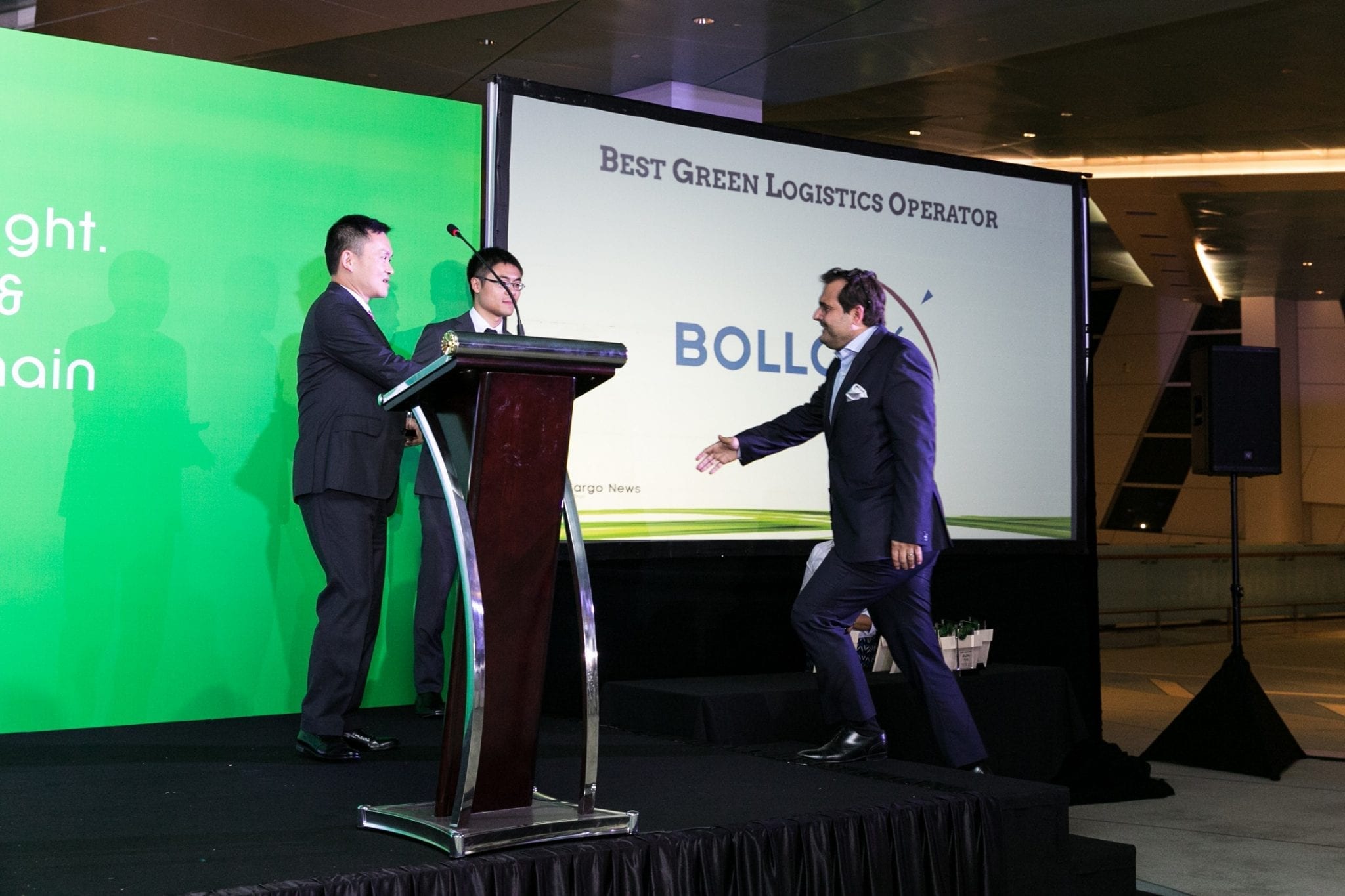
    Present on June 29th at the 2017 Asian Freight, Logistics and Supply Chain Awards (AFLAS) organized by Asia Cargo News and held in Singapore at the Marina Bay Cruise Centre, Bolloré Logistics received the Best Green Logistics Operator award in front of the transport and logistics community.

    Mr. Yves Laforgue, Chief Operating Officer at Bolloré Logistics Asia Pacific, was honored to receive the award on behalf of the company from the hands of Mr. Ian Kwok, Assistant General Manager of Aviation Logistics at the Airport Authority of Hong Kong. “Bolloré Logistics is honored to have been recognized as ‘Best Green Logistics Operator’ at the award presentation ceremony where many international transport and logistics companies gathered,” mentions Mr. Yves Laforgue. “This distinction rewards the steps taken by Bolloré Logistics in an effort to offer more eco-friendly solutions to its clients in the Asia Pacific region,” Mr. Yves Laforgue adds.

    Organized annually by Asia Cargo News – the only newspaper covering logistics and cargo supply chains in the Asia Pacific region – this event recognizes transport and logistics service providers for their excellence in service quality, innovation, customer relationship management and reliability. Thousands of shippers and customers voted for the 2017 AFLAS winners, therefore truly reflecting the opinion of the industry experts. The nomination criteria followed a technical evaluation. At first, the top eight firms in each category were short-listed; after which, the top three firms in each category made up the final shortlist.

    A Glance at Bolloré Logistics’ Green Projects in Asia Pacific

    As an effort to reducing greenhouse gas emissions in the Asia Pacific region, Bolloré Logistics introduced in 2015 its very first hybrid shuttle from its “Green Hub” in order to serve the fashion and luxury industry in Singapore.

    To pursue its commitments towards a more eco-friendly supply chain, Bolloré logistics is also continuing its actions for the setup of environmentally-responsible buildings. Since its “Green Hub” in 2013, logistics hub in Singapore to be Green Mark Platinum* and LEED Gold* certified, Bolloré Logistics launched two other green building initiatives in Asia. In 2016, Bolloré Logistics Australia moved to a brand new 5-Star Green*** rated warehouse and office spaces located at Melbourne Airport.

    More recently, Bolloré Logistics South Korea installed a 264-sqm urban farm on its office rooftop building in Seoul, South Korea, as part of the Group’s initiative to promoting “Green Projects” and protecting the biodiversity.

    Bolloré Logistics’ SAVE PROGRAM

    With SAVE PROGRAM, Bolloré Logistics supports its customers aiming at reducing GHG emissions and atmospheric pollutants along the supply chain, thus limiting environmental impact. SAVE PROGRAM acts on two levers: improving air quality in urban areas and fighting against climate change.

  • SM’s Logistics 2Go mulling e-commerce expansion

    SM’s Logistics 2Go mulling e-commerce expansion

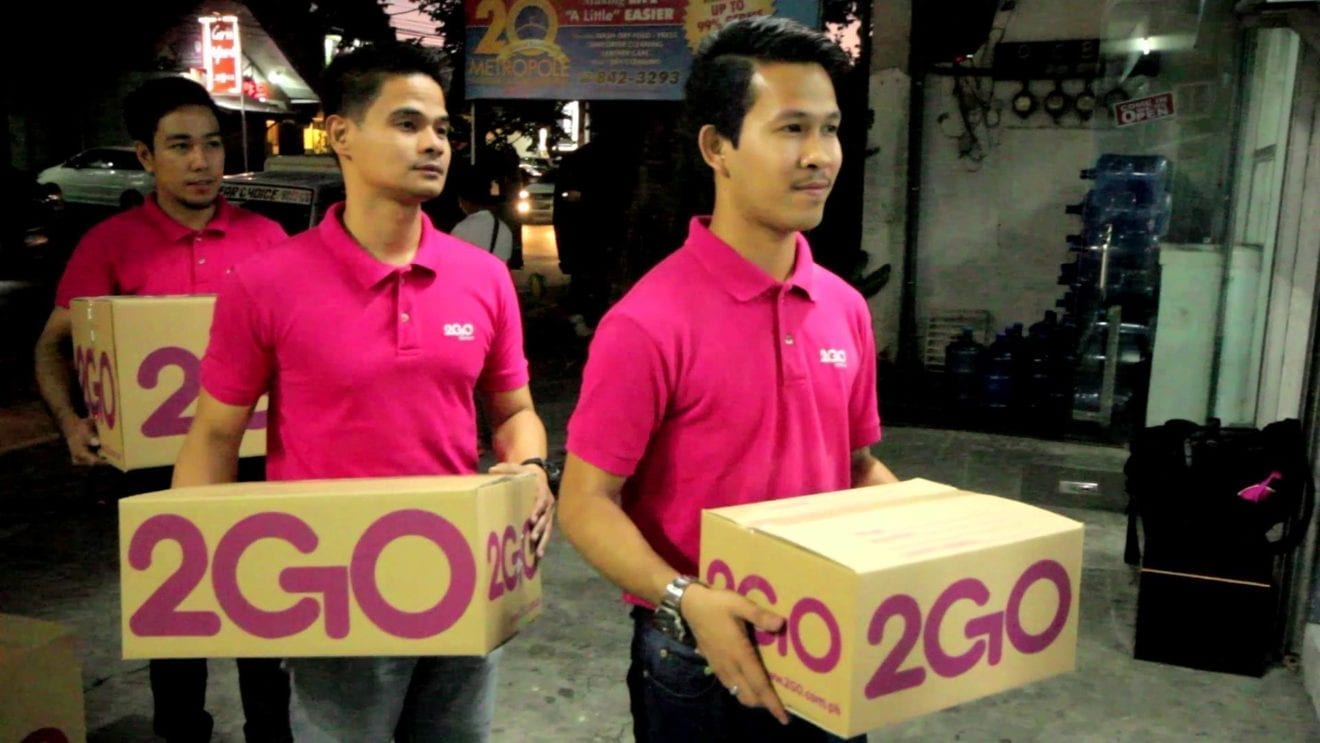
    Logistics 2Go Group, which has just been taken over by Chelsea Logistics Corporation and the SM Group, is studying a possible expansion into e-commerce.

    President Dennis Uy says there is nothing definite yet, especially with the cost being “quite high”.

    He says e-commerce would be the final link to its logistics business chain as 2Go is already fully integrated from warehousing to shipping to courier and door-to-door package-delivery services. It could either venture into the front-end of the e-commerce business in partnership with the SM group or just service companies already engaged in e-commerce.

    However, Uy says it is not easy, and “it is not necessary that we should be there”. But it could happen in the next two years.

    “As the country industrializes, we’ll have more options to shop. We won’t want to go to the mall. We’re very product-specific, and more people will be banked, using debit/credit cards.”

    He says the challenge is to make the expansion profitable.

    “In terms of e-commerce, we plan on partnering with SM because it is really strong in that field. It is already an established brand,” says Uy.

    The SM Group’s non-food retail unit The SM Store launched into e-commerce in 2014.

  • Samsung to heat up Vietnamese logistics market

    Samsung to heat up Vietnamese logistics market

    By teaming up with  MP Logistics, South Korean enterprise Samsung not only demonstrated its interest in the Vietnamese logistics sector, but its participation also heats up the market.

    On July 14, 2017, Samsung SDS, a subsidiary of Samsung Group, established a joint venture with MP Logistics with the aim of expanding its logistics business in Vietnam. The cooperation with MP Logistics is expected to help Samsung’s information and technology (IT) and logistics services access to the Vietnamese cargo transportation industry.

    “The logistics market in Vietnam has an annual growth rate of about 15-20 per cent due to the promotion of free trade agreements with South Korea, China, Japan, and the European Union (EU),” a leader of Samsung SDS said.

    Samsung SDS expected that this cooperation would expand its business in the Vietnamese IT-based logistics market, as well as other transportation services for consumer goods and food.

    “This new joint venture will give us the motivation to expand our business in the Vietnamese logistics market,” Kim Hyung-tae, vice chairman of Samsung SDS’s Smart Logistics Business Unit, said.

    The cooperation with MP Logistics is considered Samsung’s next step in the Vietnamese logistics market, because previously in 2016, Samsung SDS had established another joint venture with Aviation Logistics Corporation (ALS), one of the leading aviation logistics service providers in Vietnam. With this new joint venture, Samsung now has the right to manage the cargo terminals in Noi Bai International Airport.

    Thanks to the right to manage activities in this big airport, Samsung can ensure its delivery deadlines, gradually complete its supply chain, and cut down on expenses. Noi Bai is an important gateway to deliver Samsung exports from Samsung’s two Vietnamese complexes in the northern provinces of Bac Ninh and Thai Nguyen.

    Regarding MP Logistics, it is now one of the biggest providers of logistics services in air and ocean freight, warehousing, distribution, project cargo, and inland transportation in Vietnam. Its founder cum CEO, Dang Thi Minh Phuong, was highly complimented as the “Queen of Logistics” in Vietnam. Thus, teaming up with MP Logistics may be the best way for Samsung to join the domestic logistics market.

    Competition heating up

    In any economy, logistics always plays an important role. In Vietnam, the economic development has led to the expansion of the logistics market. According to statistics from Vietnam Logistics Association (VLA), there are over 1,300 logistics enterprises operating in the country, including foreign-invested enterprises. Logistics services in Vietnam currently have a value of $20-22 billion per year, accounting for about 20.9 per cent of the country’s GDP.

    As reported by newswire Enternews, due to the expansion of the logistics market, many foreign-invested enterprises have expanded their businesses in Vietnam, such as DHL Global, Maersk Logistics (Denmark), APL Logistics (Japan), Nippon Express (Japan), and Kerry Logistics (Hong Kong). Foreign-invested enterprises may dominate the segment of international deliveries, but Vietnamese enterprises still hold most of the domestic deliveries market share.

    “Currently, most domestic logistics services, including trucking transportation, cargo terminals, and seaports, are provided mainly by domestic enterprises,” Nguyen Tuong, deputy chairman of VLA said.

    However, the situation may change and many overseas logistics enterprises have entered Vietnam to gain more market share in this sector. Besides Samsung, previously, DHL Global and Kerry Logistics also established logistics joint ventures in Vietnam to develop their businesses. In addition, some Japanese enterprises, such as Yusen Logistics and Logitem, have also been present for a long time.

    In May 2017, Korea Economic Daily of South Korea reported that TaeKwang Industrial Co., Ltd., a South Korean enterprise in the textile and petrochemical industries, had expressed interest in holding a stake in Gemadept Corporation, one of the leading Vietnamese companies in its core business sectors, including port operation and logistics.

    If domestic logistics enterprises keep their old strategies without providing any new services, they may lose significant market share to foreign investors when the logistics industry in Vietnam sees a boom in the coming period.

  • DHL warns of supply chain talent shortage crisis

    DHL warns of supply chain talent shortage crisis

    DHL called upon industry leaders to recognize the growing talent gap crisis in the supply chain sector. The U.S. Bureau of Labor Statistics reports that jobs in logistics are estimated to grow by 26 percent between 2010 and 2020. Furthermore, one global study estimated that demand for supply chain professionals exceeds supply by a ratio of 6:1, with some predicting that ratio could be as drastic as 9:1.

    DHL surveyed more than 350 supply chain and operations professionals in five global regions. The findings revealed that there are a number of reasons contributing to the talent shortage crisis in a rapidly evolving field. The report ‘The Supply Chain Talent Shortage: From Gap to Crisis’ was commissioned by DHL and authored by Lisa Harrington, president of the lharrington group LLC. The report highlights the key supply chain talent challenges experienced today, and identifies opportunities for businesses to compete on a global stage.

    Harrington said, “Leading companies understand that their supply chains – and the people who run them – are essential to their ability to grow profitably. However, the task of finding people with the right skillsets required to run these highly complex operations is increasingly difficult – especially at the middle- and upper management levels. Unless companies solve this problem, it could threaten their very ability to compete on the global stage.”

    The survey revealed the top factors driving the talent shortage:
    – Changing skill requirements: Today, the ideal employee has both tactical/operational expertise and professional competencies such as analytical skills. 58 percent of companies say this combination is hard to find. But tomorrow’s talent must also excel at leadership, strategic thinking, innovation, and high-level analytic and technological capabilities.
    – Aging workforce: As much as a third of the current workforce is at or beyond the retirement age.
    – Lack of development: One third of companies surveyed have taken no steps to create or feed their future talent pipeline.
    – Perception that supply chain jobs lack excitement: The industry is still contending with the impression that other fields are more prestigious and offer more opportunities, fuelling lack of interest in the industry within the world’s future workforce.

    Harrington continues, “Companies are now recognizing that sourcing strategy has a large impact on their bottom line and ability to remain competitive. As one study recently found, companies that excel in talent management increased their revenues 2.2 times as fast and their profits 1.5 times as fast compared to ‘talent laggards.’ That’s a powerful advantage.

    Unfortunately, recruiting the right talent – especially at the critical mid-level and senior management levels – is proving very difficult in today’s environment. New technologies and fundamental areas of the supply chain have changed, meaning they now require that a person has a different and much larger skillset than required when most of the current workforce began their careers.”

    The report outlines numerous opportunities for the industry to start closing this talent gap. Offering clearer career paths and a visible commitment to the professional development of its supply chain staff combined with competitive remuneration packages are just a few ways to develop and retain their current talent. To attract talent, the industry needs to start emphasizing that the future workforce will need to have skills in robotic management, AI and AV control – job aspects that would be attractive to the younger demographic and help combat the negative perception of the sector.

    Louise Gennis, vice president talent management/acquisition, learning & development, DHL Supply Chain, said, “We recommend that companies start with prioritizing the development of their current talent pool to adapt to the changing job requirements through training programs, and then retaining staff through clear career paths. We strive to combat misconceptions surrounding working in the supply chain through highlighting the technological developments which are digitalizing the industry and that are attractive to younger demographics.”

    Gennis cites the success of DHL’s diverse recruitment and development initiatives as evidence that a long-term, well-informed talent management strategy can help businesses mitigate the potentially devastating effects of a shrinking talent pool. “The supply chain talent shortage is now critical enough that it’s on the minds of supply chain managers across all industries, but the gap didn’t develop overnight. Since supply chain solutions are our business, we’ve seen the issue developing over many years – and have used this time to adjust our approach toward attracting, developing and retaining talent accordingly. Our unique expertise helps ensure that job openings are filled by qualified experts wherever we and our customers operate, which will become an increasingly critical success factor as talent resources grow scarcer.”