Retail News CRM

Tag: Lotte Mart

  • Lotte Mart Vietnam expands in Hanoi

    Lotte Mart Vietnam expands in Hanoi

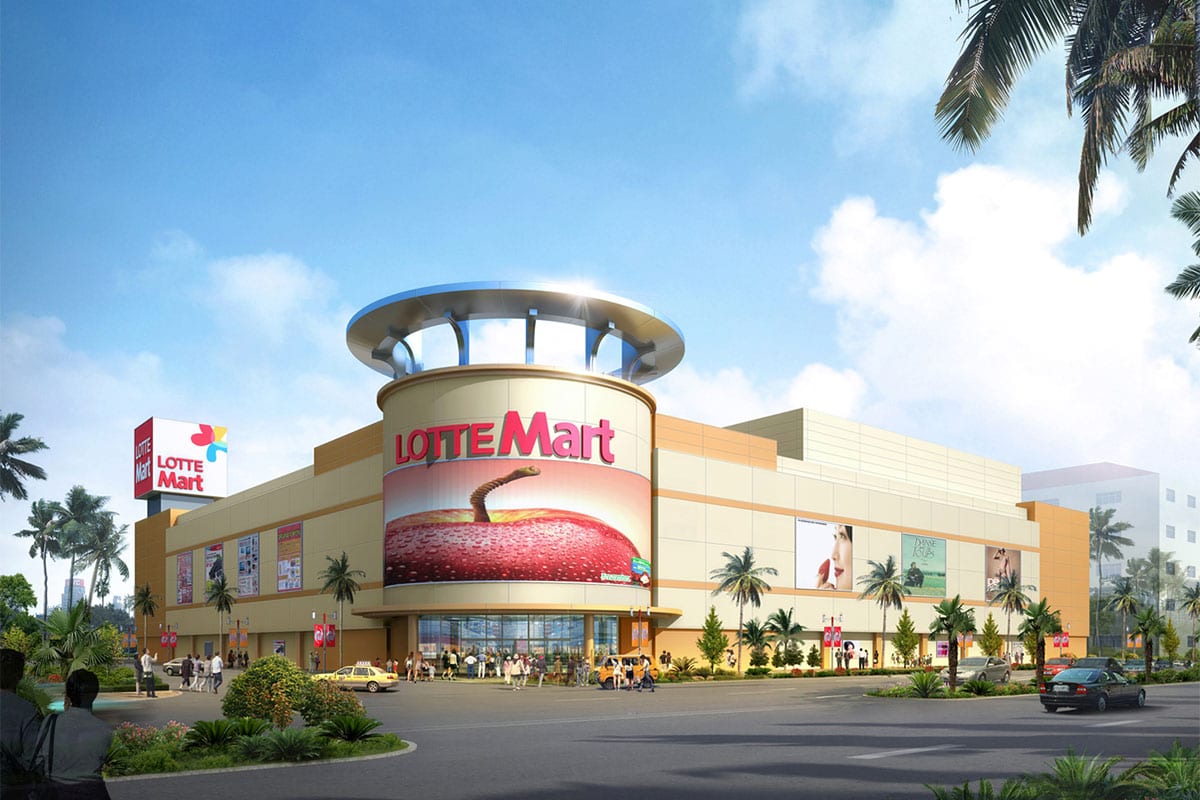
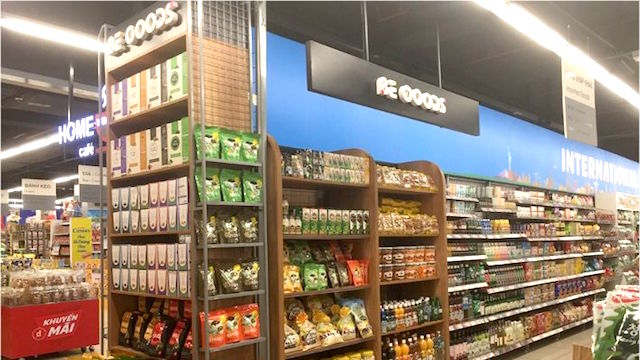
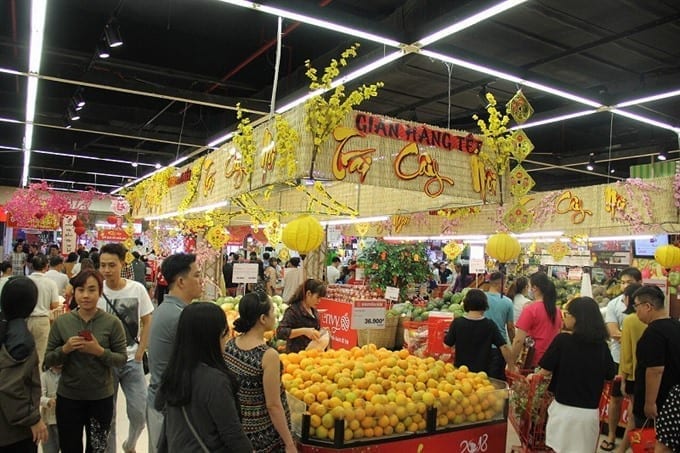
    Lotte Mart Vietnam has opened its third Hanoi store in Cau Giay District. The South Korean retailer’s new 2776sqm branch is located in the urban district, near seven local universities. Targeting local students, the branch will offer trendy but inexpensive products. There will be an international zone that sells products from Korea, the US and Europe and  a ‘Delica’ corner will offer baked goods and easy-to-cook food.

    About 35 per cent of the fresh-food products will include harvests from farms near Hanoi to maintain freshness.

    Lotte Mart Vietnam head of overseas business Kang Min-ho said the firm is planning to expand its business in the country, mainly focusing on Hanoi and Ho Chi Minh City.

    Lotte Mart now has 14 stores in Vietnam.

  • Korea firm to use greener packaging for this holiday’s gift set

    Korea firm to use greener packaging for this holiday’s gift set

    For many in Korea, Lunar New Year is a time to meet relatives and exchange elaborately-packaged gift sets that could contain anything from fruits and raw meat to cans of Spam. But one side effect to this approach to gift giving is the excessive waste – especially those originating from gift set packaging – which has been brought up as a major concern by Korea’s environment authorities in recent years.

    With growing government pressure and awareness about the environmental issues caused by excessive packaging, department stores and grocery franchises are trying to take the lead in adopting greener alternatives this year.

    Colored Styrofoam and gel-based ice packs, which are notoriously difficult to recycle, are the first things to get scrapped.

    Hyundai Department Store and Lotte Mart have both announced that they are replacing colored Styrofoam in gift sets with a plain white alternative starting from this holiday season. Previously, the companies added color to the material to add visual appeal. Colored Styrofoam materials are difficult to recycle because more money and manpower is required to create new Styrofoam products from them, making them unattractive to recycling companies.

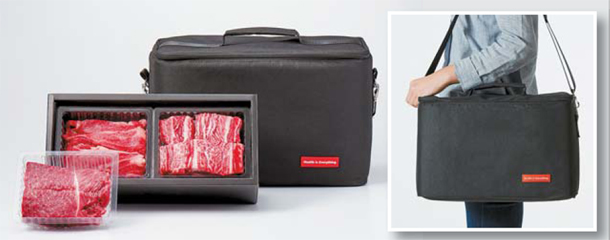
    Lotte Mart Thermal Bag

    Lotte Department Store is chilling gift sets of meat and fish with ice packs filled with water instead of gel-based ones for the first time this year.

    Competitor Shinsegae Department Store is also ditching the hard-to-recycle wooden boxes and cloth wrapping it had previously used to package gift sets. It will use paper boxes instead.

    Other retailers are collecting ice packs – both gel- and water-based – and recycling them themselves.

    Department store chain AK Plaza said it will collect ice packs from AK Plaza-bought gift sets across all its stores until Feb. 10 for recycling and disposal.

    Hyundai Home Shopping is taking it one step further and accepting ice packs regardless of their place of purchase. This year, it teamed up with Gangdong District office in eastern Seoul to install collection bins in 18 locations to allow customers to drop off used ice packs after the holidays.

    “We’ve collected ice packs from our online shopping members in the past and decided to install public ice pack collection bins this holiday season,” said a Hyundai spokesperson. “We will send out the ice packs that we collect to our partners in the food industry so they can be reused.”

    Lotte Mart is focusing on making gift bags more attractive and practical to encourage customers to use them even after the holidays end.

    The thermal bags that come with its beef gift sets now have shoulder straps and a sleek black design, making them practical and user-friendly. While the thermal bags have always been reusable, they were previously covered with large Lotte brand logos and difficult to carry around.

    The grocery chain is also going to package more fruit gifts this year in what it calls “recycle boxes.” The boxes, first introduced during last year’s Chuseok (harvest festival) holidays, are made of sturdy paper that can easily be reassembled into mini storage boxes.

    “We didn’t register any copyright for our fruit ‘recycle box’ design so that other retailers can also participate in recycling and reducing disposable waste,” a Lotte spokesperson explained.

    The businesses’ green initiatives follow the government’s consistent calls to reduce packaging and other waste during the Lunar New Year holidays.

    As has become customary every holiday season, the Environment Ministry announced last month that it will work together with local governments to inspect gift sets being sold across retailers in the country and fine violators up to 3 million won ($2,700) if they do not comply with packaging rules.

    Current regulations stipulate that gift sets can only be wrapped two times and that the volume of packaging must not exceed 25 percent of the product’s total volume.

    Last Lunar New Year, the Environment Ministry fined the manufacturers of 49 products that were in violation of these rules. The total fine combined came to 52 million won ($46,000).

    “We have seen a small decline in the number of products that violate excessive packaging regulations over the years,” said an Environment Ministry official in the recycling division. “The participation of companies to reduce packaging and comply with inspection is always a big help.”

  • Lotte Mart’s distribution fees scrutinized

    Lotte Mart’s distribution fees scrutinized

    Korea’s antitrust body is examining the practice of retailers unfairly shifting distribution costs to their suppliers. The Fair Trade Commission (FTC) has started evaluation proceedings against Lotte Mart for transferring this burden and charging an onward transportation fee after a product has been delivered. The regulator could fine the retailer 400 billion won ($353.92 million) if it is found to have violated the law. It has the authority to prosecute and punish companies that contravene the Fair Trade Act and other statutes related to anti-competitive practices.

    The FTC’s Distribution Division, which monitors the activities of retailers, submitted an evaluation report, equivalent to a prosecutor’s indictment, to the commission early last month. The document outlined Lotte Mart’s infractions over five years.

    Lotte Mart has until early February to respond.

    This will be the first time the FTC has taken action against a company for shifting distribution costs to suppliers. Lotte Mart’s practice of transferring the costs, commonly known as post-distribution costs, is widespread.

    The action comes amid FTC Chairman Kim Sang-jo’s drive to root out unfair practices in the retail industry.

    Lotte Mart’s shifting of post-distribution cost to suppliers is likely to have far-reaching implications in the industry as the practice is common.

    “When signing a contract, there are requests to supply products at a price three to five percent lower than the actual price to account for the post-distribution costs,” explained Mr. Lee, who operates a company that supplies to retail stores. “It’s not just Lotte. It is common for large retail stores such as Emart, Homeplus, department stores, convenience stores and even e-commerce companies, such as Coupang.”

    The 400 billion won fine, if charged, would be an unprecedented amount. If other companies are fined, the total sum could rise to the trillions.

    “Unlike sales promotion fees, distribution costs have to be paid,” said Mr. Kim, the president of a large food company. “We struggled as it’s impossible to know the exact figure, but the FTC took on this matter for the first time.”

    From the FTC’s perspective, large retail stores use distribution centers for their own benefit, and it is unfair to force suppliers to take on costs incurred after products are delivered to the centers.

    “Suppliers that just want to deliver to distribution centers are forced to deliver to branches,” explained a senior FTC official. “If the final delivery destination is a branch store, the supplier should be able to manage their products as they want at the distribution center, but that is not the case.”

    “From a common-sense perspective, distribution costs apply only until the delivery location, not costs after the delivery,” the official added.

    Other experts disagree with the FTC’s assessment.

    “If the retailer and supplier haven’t agreed on the location of the delivery, the supplier burdening the delivery cost abides by civil law,” said Lee Ho-young, a law professor who specializes antitrust law at Hanyang University.

    Lotte is going all out on its defense, hiring Kim & Chang’s fair-trade team to represent it.

    “In the past, when there weren’t distribution centers, suppliers used to be burdened with the distribution costs,” said a Lotte Mart official. “Post-distribution costs are paid after distribution centers were established.”

    The FTC is looking into other cases.

    “The retail business cannot work if post-distribution costs are shifted to retailers,” said an executive at a large retail company who is in charge of fair trade matters.

    The FTC could make a final decision as early as March.
  • Big success for Korean retailers during shopping festivals

    Big success for Korean retailers during shopping festivals

    South Korean retailers enjoyed a big sales boost from annual shopping extravaganza they launched in November to join the world’s major shopping events like Black Friday in the U.S. or Single’s Day in China. According to industry sources on December 2, Lotte Department Store, one of the country’s retail majors saw its sales from Nov. 1 to 29 grow 1.1 percent against the same period last year. Sales of its hypermarket affiliate Lotte Mart also gained 1.7 percent over the same period.

    Home appliance sold especially well during the big sales period, recording a 12.5 percent jump in revenue compared to the same period last year. High-end products were also showed sharp growth – sales of expensive hanwoo or Korean beef soared 25.8 percent on year and luxury fashion items up 9 percent.

    E-Mart., another leading big-box store chain also held a mega sales event in November, slashing prices of nearly 2,000 items worth 300 billion won (US$267.4 million). It sold 180 tons of hanwoo in just four days, doubling sales against the same period last year.

    Online retailers enjoyed even bigger growth in sales through major discount events. G Market and Auction hosted Big Smile Day sales event from Nov. 1 to 11 and their sales transaction amount more than doubled compared to the same period a month earlier.

    11st.com that runs its biggest sales event on Nov. 11 every year said its daily transaction amount on this year’s big sales day reached a record high of 102 billion won. Last year, it recorded 64 billion won through the same event.

    WeMakePrice Inc. also held bargain sales from Nov 1 to 11 this year. It said the transaction amount over the period jumped 77 percent to 230 billion won compared to the same period last year. By volume, it was up 15 percent on year. The company estimated transaction amount to hit a record high of 600 billion won in November.

  • Lotte Mart’s ‘Be Goods by Busan’ in Vietnam

    Lotte Mart’s ‘Be Goods by Busan’ in Vietnam

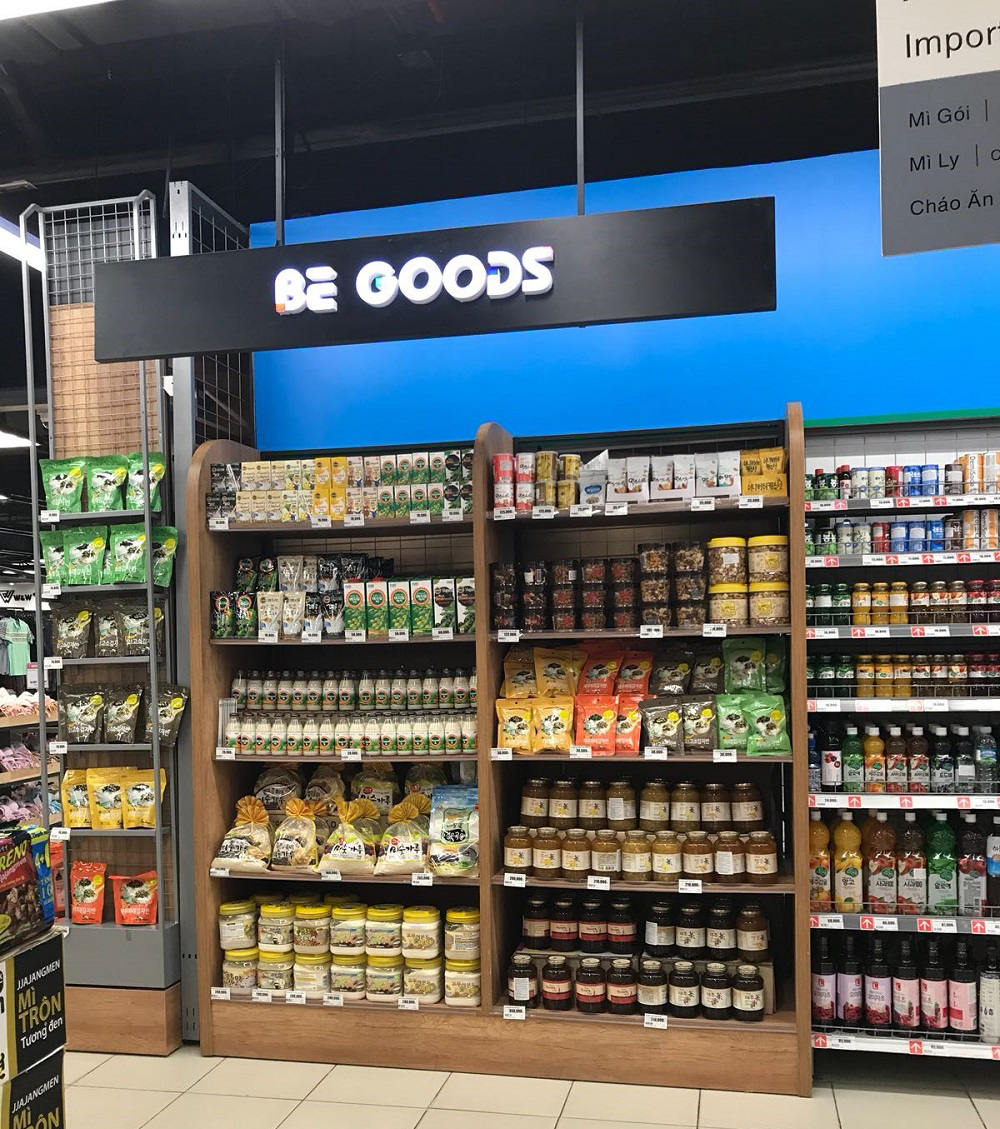
    Lotte Mart Vietnam will promote products from South Korean SMEs in its Go Vap outlet in Ho Chi Minh City.

    The retailer will add a special sales zone called Be Goods by Busan, to sell 70 products from 13 companies based in Busan.

    Lotte has selected products including fruit and vegetable drinks, frying pans and shampoos, items it believes will appeal to local Vietnamese consumers. More items are to follow.

    The retailer is also planning to provide online and offline marketing support for the products.

    This is the second time Lotte Mart has opened a Be Goods store.

    Last October, Lotte Mart Nguyen Van Linh hosted 196 products of 23 Korean SMEs, and earned 240 million won (US$215,827) in sales over seven months.

    Vietnam is Korea’s third largest export market and Lotte Mart believes it is the best place for Korean SMEs to test and export their products.

    Last month, another Korean retailer E-Mart also promoted Korean SME’s products in Singapore.

  • Lotte Mart begins selling menstrual cups today

    Lotte Mart begins selling menstrual cups today

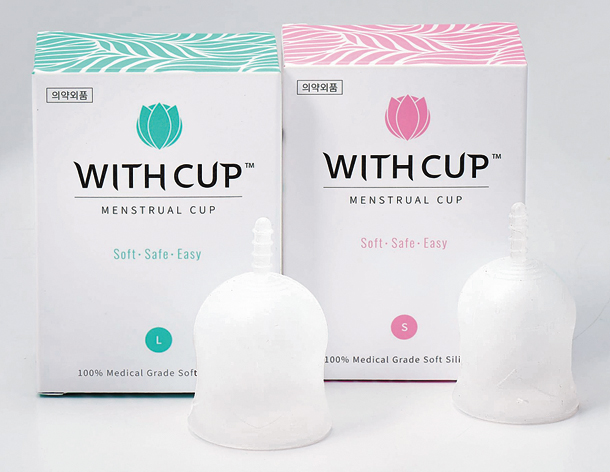
    Lotte Mart began selling menstrual cups at its online and brick-and-mortar stores today.

    The discount chain will sell two variations of “WithCup” in two different sizes, both priced at 39,000 won ($36.21). WithCup was the first menstrual cup made in Korea to receive safety approval from the Ministry of Food and Drug Safety last month. It is cheaper than the foreign products that consumers previously had to buy online.

    The launch makes Lotte Mart the first discount chain to sell menstrual cups. Menstrual cups rose as an alternative to sanitary pads last year when the safety of several sanitary products fell into question. But most of them had to be purchased through foreign shopping websites as menstrual cups were only approved to be officially imported into Korea in December.

  • Phuc Long Danang to open soon

    Phuc Long Danang to open soon

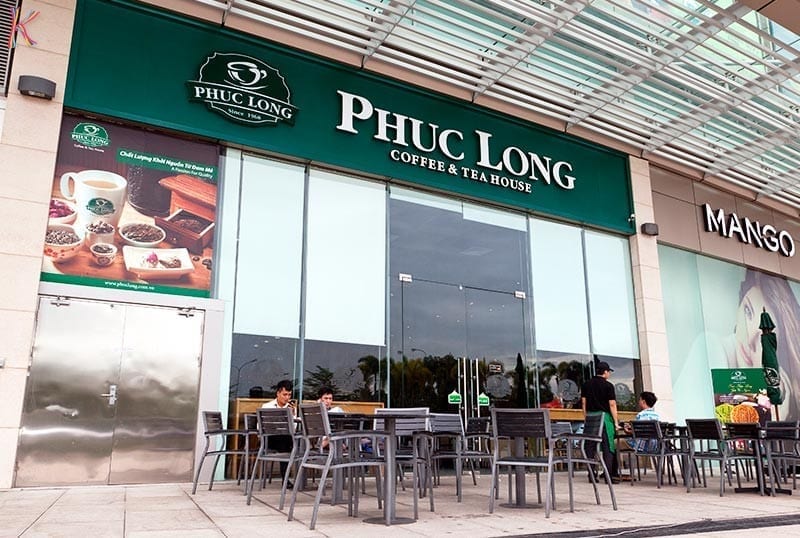
    Vietnamese coffee and tea chain Phuc Long is expanding into Danang next month.

    The brand will open two stores inside Lotte Mart and on Nguyen Van Linh Street in the city’s Hai Chau district.

    The chain has also enriched its food menu, offering traditional Vietnamese banh mi sandwiches alongside croissants, cookies, waffles and tiramisu.

    Targeting younger customers, Phuc Long is considered a competitor with international chain Starbucks and local rival The Coffee House.

    Established in 1968 in the highlands of Lam Dong, Phuc Long started by selling packaged Vietnamese traditional coffee and tea through retail stores. Phuc Long expanded to Ho Chi Minh City during 1980s with both retail stores and a coffee chain. The brand now has 25 stores across the city.

    Starbucks opened its first store in Danang last month.

  • Speed Lotte shopping app, Lotte Mart’s next move

    Speed Lotte shopping app, Lotte Mart’s next move

    Korean retailer Lotte Mart has launched its Speed Lotte shopping app in Vietnam.

    The app allows smartphone users to buy more than 1000 items from categories including fresh food, lunch boxes and Korean products as well as Lotte Mart’s Choice L home-brand products.

    Free delivery within a radius of 10km will apply for purchases over VND100,000.

    Both Lotte Mart members and non-members can shop through the app, although registered members can enjoy frequent promotions from the retailer.

    The first 1000 customers to spend more than VND200,000 via the app will get vouchers worth up to VND100,000.

    The app is being tested at Lotte Mart District 7 and Go Vap, in greater Ho Chi Minh City before being launched nationwide.

  • Lotte affiliate to raise 360 bln won to cope with THAAD fallout

    Lotte affiliate to raise 360 bln won to cope with THAAD fallout

    A unit of Lotte Group, a South Korean retail giant currently receiving the brunt of China’s apparent economic retaliation in protest over Seoul’s deployment of a U.S. missile defense scheme, said Friday that it plans to raise a total of 360 billion won (US$320 million) via stock sales and loans.

    In a regulatory filing, Lotte Mart, the operator of the group’s hypermarket chain, said its board of directors has decided on the proposal to sell stocks and borrow money.

    The proceeds from the stock offering and loans will be used to cover the costs of buying products and giving wages to its employees in China, according to company officials.

    The China-based retail outlet unit has been teetering on the brink of collapse as protracted business suspension by Chinese authorities is leaving the firm with snowballing losses.

    China has ratcheted up pressure against Lotte, South Korea’s fifth-largest family-controlled firm, since it handed over one of its properties to the Korean military so it can be used as a site for a U.S. Terminal High Altitude Area Defense (THAAD) battery.

    Seoul’s deployment of the THAAD on its soil has angered Beijing, who claims that it will be used to monitor its own military.

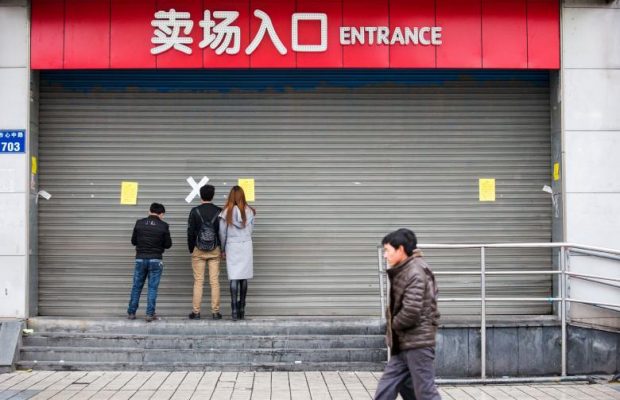
    According to Lotte, 90 Lotte Mart stores operating in China, Lotte’s hypermarket chain, have been placed under suspension or on voluntary suspension as some Chinese consumers continued to stage anti-Korea protests near the stores.

    That represents nearly 90 percent of 99 Lotte Mart outlets in China that have been forced to close down temporarily. Lotte has some 120 retail outlets operating in the neighboring country, including five department stores.

    Lotte is predicted to suffer some 116.1 billion in losses in its Lotte Mart revenue if the shutdown continues for a month. Last year, sales from China-based Lotte Marts reached 1.13 trillion won, or 94 billion won on a monthly basis, according to the firm.

    The profitability of Lotte’s retail outlet business has been expected to further worsen since it is required to pay full wages to local employees for the first month of the suspension.

    The suspension means a serious blow to Lotte, since its China-based business has long been running a deficit even though it has been in the world’s second-largest economy for some 10 years.

    In 2016, Lotte recorded a combined 207 billion won deficit in its department store and outlet divisions, of which about 80-90 percent came from its Chinese units.

    Industry watchers voiced concerns that Lotte may have to consider a pullout given that losses from the shutdowns are growing too fast for the firm to withstand.

    But, in an interview with foreign news media, Shin Dong-bin, chairman of Lotte Group, flatly denied such speculation saying that the company has no intention of pulling out of China.

  • Lotte Mart opens 46th store in Indonesia

    Lotte Mart opens 46th store in Indonesia

    Lotte Mart, a discount store chain operated by retailer Lotte Group, said Wednesday it has opened its 46th store in Indonesia in line with its global growth strategy.

    With floor space of 5,572 square meters, the Pramuka shop opened on the underground floor of a commercial-residential building in Jakarta with some 7,000 households.

    Lotte Mart’s 16th retail outlet in Indonesia has a health and beauty section, as well as young children and fresh food corners, the company said.

    Lotte Mart also operates 26 wholesale stores and two supermarkets in the world’s fourth most populous nation.

    Currently, Lotte Mart runs a total of 290 stores in South Korea, China, Indonesia and Vietnam, and plans to raise the number of shops to over 300 next year.

  • K-Market to expand network with VinGroup

    K-Market to expand network with VinGroup

    Korean chain K-Market is in talks with VinGroup to expand its network.

    K&K, the owner of K-Market supermarket chain and K-Food, wants to expand by opening inside VinGroup’s commercial centres.

    K-Market currently locates its retail stores inside Lotte Mart and Fivimart outlets.

    The retail operators plans to expand its network to 100 supermarkets by 2020, and eyes a turnover of  more than US$100 million in 2017.

    Ko Sang Goo, chairman of K&K, said the company has been researching the Vietnam retail market carefully.

    The group aims to add more services to its chain such as laundry and eateries and to import more Korean products to serve local needs.

    K-Market currently has four stores in Hanoi and nine in Ho Chi Minh City.

  • Vietnam’s retail lures foreign capital because of urban population growth

    Vietnam’s retail lures foreign capital because of urban population growth

    JLL released a brief report on Asian and European retailers ready to penetrate the market of more than 90 million people.The report pointed out evidence of the expansion of foreign retailers in Vietnam’s market.

    At the end of 2014, Berli Jucker Plc (BJC) acquired Metro Cash & Carry Vietnam at the cost of 655 million euros, the largest ever M&A deal at that time, which signaled the penetration into Vietnam’s retail market of Thai groups.

    Shortly after, another giant from Thailand – the Central Group – acquired Nguyen Kim – one of the leading electronics retailers in Vietnam and then Big C.

    In October 2015, Emart – Korean leading retailer – inaugurated a $60 million shopping mall in north Saigon, where another Korean retailer – Lotte Mart – has been successful with 11 supermarkets and expects to increase the number to 60 stores by 2020.

    Most Japanese investors see the success of Aeon in Vietnam as a positive sign for foreign projects. Aeon has opened four trade centers in Vietnam and aims to increase the number to 20 in 2020. By July 2016, another retail giant from Japan –  Takashimaya – opened at Saigon Centre.

    Simply Mart openedthree more stores in Saigon; AuchanSuper – the retail brand from France – also plans to launch another 17 supermarkets by the end of next year in HCM City and 20 stores by 2020 in the north.

    Major fashion brands like Gap, Mango, and Topshop have become the first choice of many young people in Vietnam. In early September this year, Zara opened its first flagship store in HCM City. At the same time, H&M is completing procedures to open its first store in Vietnam early next year.

    According to JLL, a young demographic and high growth potential are the factors attracting foreign investors to Vietnam’s retail market.

    With a population of over 90 million people and 70% of people aged from 15 to 64 and the anticipated annual growth rate of urban population of 2.6% in 2015 – 2020 period, the highest growth rate in Southeast Asia, Vietnam’s retail market is very attractive to foreign investors.

    Increasing disposable income, urbanization rate and living standards have made Vietnam one of the most most dynamic emerging economies in Southeast Asia.

    According to Boston Consulting Group, the upper and middle class in Vietnam are growing at the fastest pace in the region and this number is expected to double from 12 million in 2014 to 33 million in 2020. With income of VND15 million ($700)/month, the consumers of these classes are potential customers for retailers.

    In addition, Vietnam’s e-commerce boom has also contributed to the growth of the retail market.

    A Nielsen report said that that 9 out of 10 consumers in Vietnam (91%) owned smartphones, compared to 82% in 2014.

    Na Son

  • Việt Nam retail market attracts international investors

    Việt Nam retail market attracts international investors

    Việt Nam’s growing retail market has attracted the attention of foreign retailers. A series of famous retailers from Japan, Thailand, South Korea and France have flocked to the country, hoping to penetrate the market, a recent JLL Việt Nam report said.

    As penetration of foreign retailers into the country has increased, fierce competition in the retail space has become more intense. This will put the retail market to the test and only retailers with the right positioning to meet market demand will gain market share.

    In 2014, the Berli Jucker acquisition of Metro Cash & Carry Việt Nam for an enterprise value of 655 million euro (US$700 million) – the largest-ever Merger & Acquisition deal in Việt Nam at that point – signalled entry of the Thailand retailer into the country.

    Later, another Thailand giant, Central Group, acquired Nguyễn Kim Trading – Việt Nam’s top electronics retailer, and BigC Việt Nam- the second largest supermarket chain in terms of store number in the nation.

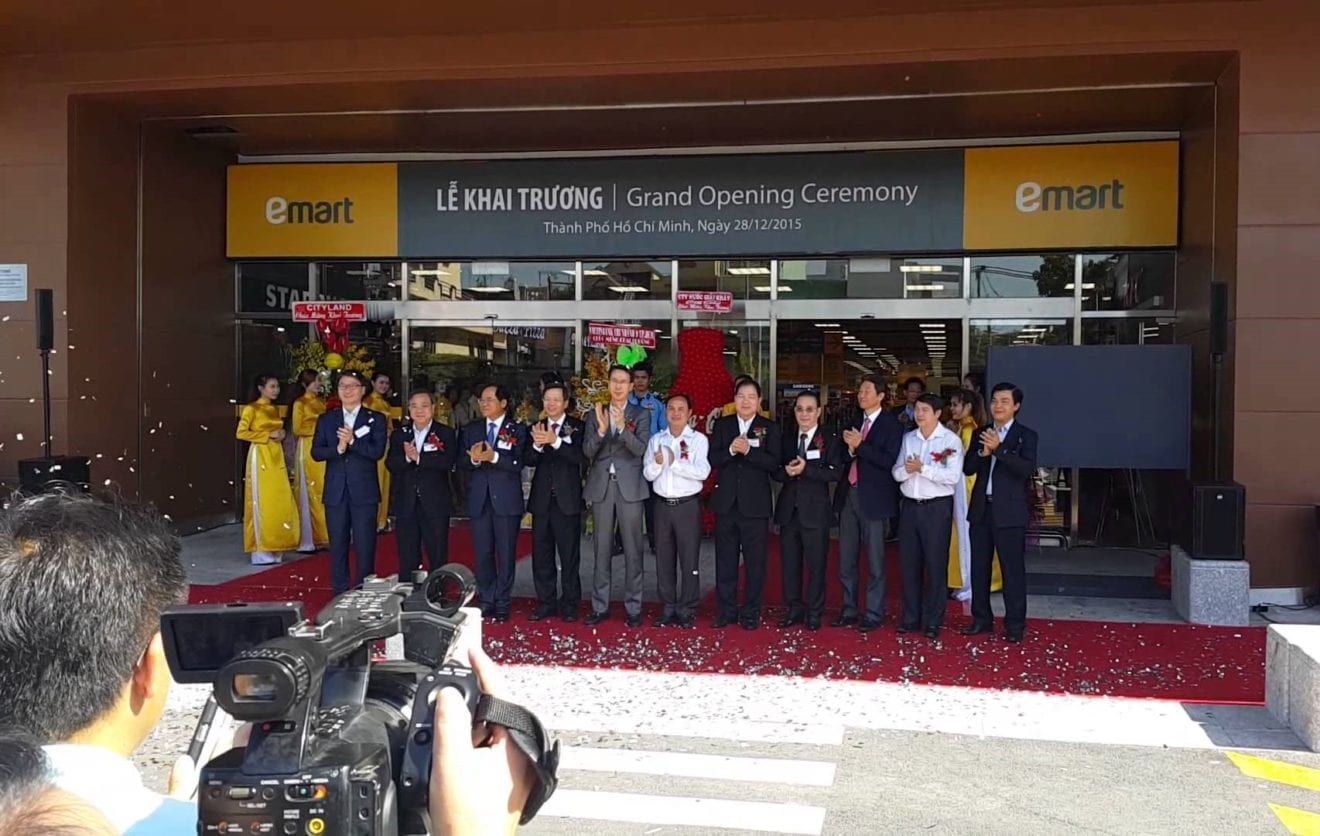
    In October 2015, Emart – the leading South Korean retailer – officially marked its entrance with a US$60 million shopping centre in north HCM City. Also from South Korea, Lotte Mart is quite successful with 11 supermarkets, a number expected to increase to 60 stores by 2020.

    Most Japanese investors consider the success of Aeon in Việt Nam a praiseworthy case in overseas investment. Aeon has four malls and expects to reach 20 malls before 2020. Also from Japan, Takashimaya arrived in July 2016 as anchor tenant of downtown HCM City’s Saigon Centre retail mall.

    Adding to three Simply Mart stores in HCM City, AuchanSuper, a major retail brand from France, is planning to open another 17 supermarkets by end-2017 in the city and 20 stores by 2020 in northern Việt Nam.

    Thanks to increasing disposable incomes, big fashion brands such as Gap, Mango and Topshop have become the top choice of many young Vietnamese. In September 2015, Zara opened its first flagship store in HCM City. H&M will reportedly enter Việt Nam early next year.

    With 90 million people, Việt Nam has attracted retailers with its relatively young population – 70 per cent are aged between 15 and 64 years – who promise to be a key driver of robust market growth. Việt Nam’s urban population is expected to grow 2.6 per cent annually from 2015 to 2020, the highest rate among regional peers.

    “Increasing disposable incomes, rapid urbanisation and rising living standards make Việt Nam one of the most dynamic emerging economies in South East Asia,” says Bùi Trang, Commercial Leasing Director at JLL Việt Nam.

    According to the Boston Consulting Group, Việt Nam has the fastest growing middle and affluent class (MAC) in the region, which will double in size between 2012 and 2020, from 12 million to 33 million. MAC consumers, whose income is VNĐ15 million (US$700) or more a month, will be a key group of potential customers for retailers.

    Việt Nam e-commerce is set for strong growth thanks to its growing consumer and online population. According to the Nielsen’s report, nine out of ten consumers in Việt Nam (91 per cent) own smartphones, compared to 82 per cent in 2014, and the rapid up-take of connected devices, especially smartphones and tablets are instrumental in media consumption shifting.

    “Significantly increasing the amount of the credit card holders has also had an impact on the change in consuming behaviour. It is observed that people now are more willing to spend as they can afford more with credit and it tends to make shoppers less canny,” she said.

    Additionally, increasing international arrivals and continuously improving infrastructure are also factors that make Việt Nam an alluring market for retailers.

  • Korean retail sales rise

    Korean retail sales rise

    Korea retail sales rose in June according to government data measuring major department stores and discount chains.

    The government said the year-on-year increase was fuelled by more holidays.

    The combined sales of three department stores – Hyundai, Lotte and Shinsegae – increased 11.8 per cent on-year in June, while those of major discount retailers – E-Mart, Lotte Mart and Home Plus – edged up 0.9 per cent during the same period, according to the data compiled by the Ministry of Trade, Industry and Energy.

    The ministry said sales went up as the number of holidays increased by one day from a year earlier.

    Sales at convenience stores jumped 18 per cent on-year last month, boosted by “a dramatic rise in food sales”, mostly of instant food. Convenience stores have retained double-digit growth rates since the last quarter of 2014 amid rising single-person households.

    The number of single-person households was estimated at 5.06 million in 2015, 7.7 times higher than the 661,000 households of 1985, according to the report by the state-run Korea Institute for Health and Social Affairs.

    Meanwhile, sales at hypermarkets, mostly run by large retailers, slid 7.8 per cent on-year.


  • E-Mart and Lotte enter Vietnam

    E-Mart and Lotte enter Vietnam

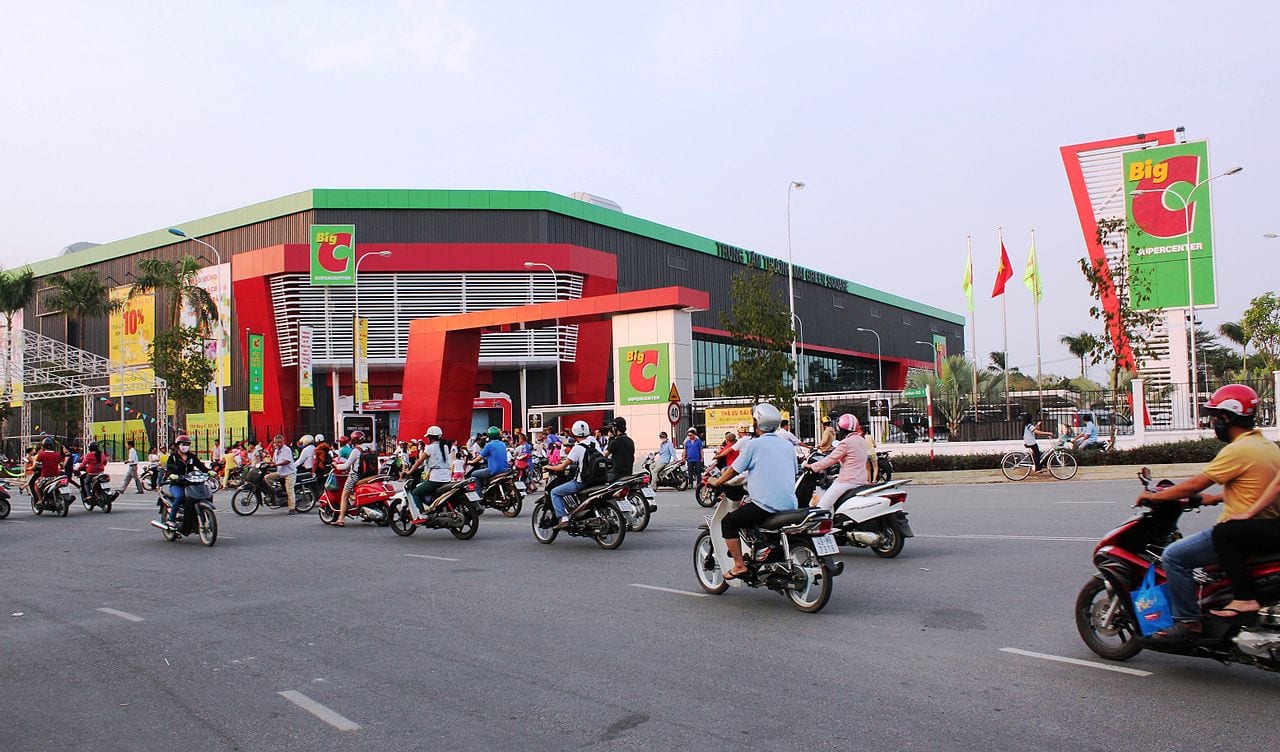
    The Go Vap district near Tan Son Nhat International Airport and part of Ho Chi Minh City in Vietnam are widely known as special to the Korean retail industry. This is because despite the fact that there are not many Koreans residing in the area, Korean retail giants are competing fiercely in the region. E-Mart, Lotte Mart and Vietnam’s second largest retailer Big C all have stores competing in a four kilometer (2.5 mile) radius.

    E-Mart and Lotte Mart are competing for dominance in the young Vietnamese market. More than half of Vietnam’s population of 93 million is less than thirty years old. The large market industry is also undeveloped in Vietnam, with 75 percent of shopping being done at traditional markets, so there is great potential for growth. This potential attracts big retailers like E-Mart and Lotte Mart. Go Vap is particularly attractive because its residents are middle class, well-earning couples. Lotte Mart established itself in Vietnam in 2008 and has 12 stores, which is the third highest in Vietnam for a retailer. E-Mart leapt into the Vietnamese market last December with its store in Go Vap and it is planning to expand its operations.

    The E-Mart store in Go Vap is no different from the ones in Korea. There were the iconic yellow shopping carts as well as No Brand products displayed in the center of the store. No Brand products, modeled after the Japanese company Muji, are relatively cheap because they have no branding and packaging costs, but their quality remains unaffected. E-Mart’s membership card has the phrase “Korea’s No.1 Mart.”

    “We have set up our stores to reflect the Korean lifestyle,” Chang Yun-suk of E-Mart said. “The reasonably priced No Brand products are considered Korean luxury products in Vietnam.”

    E-Mart also operates an Electro Mart, which specializes in electronic goods, in Vietnam. Even on a weekday afternoon, there are plenty of Vietnamese customers flying drones and enjoying the action figures on show, as well as singing karaoke. E-Mart showcased the Electro Mart when it opened its E-Mart Town last June and it only has them in a few places in Korea, including in Yeongdeungpo in Seoul and in Pangyo, Gyeonggi.

    The Korean lifestyle theme is felt in the food available in the area, with Starbucks and Korean pork belly, or samgyeopsal, restaurants in the store. It is unusual to have a Starbucks in a large mart like E-Mart in Vietnam but Shinsegae Group, which operates Starbucks in Korea, persuaded the Vietnamese authorities to have a Starbucks in the store like they do in Korea. Vietnam normally only has Starbucks in hotels, department stores and luxury shopping malls.

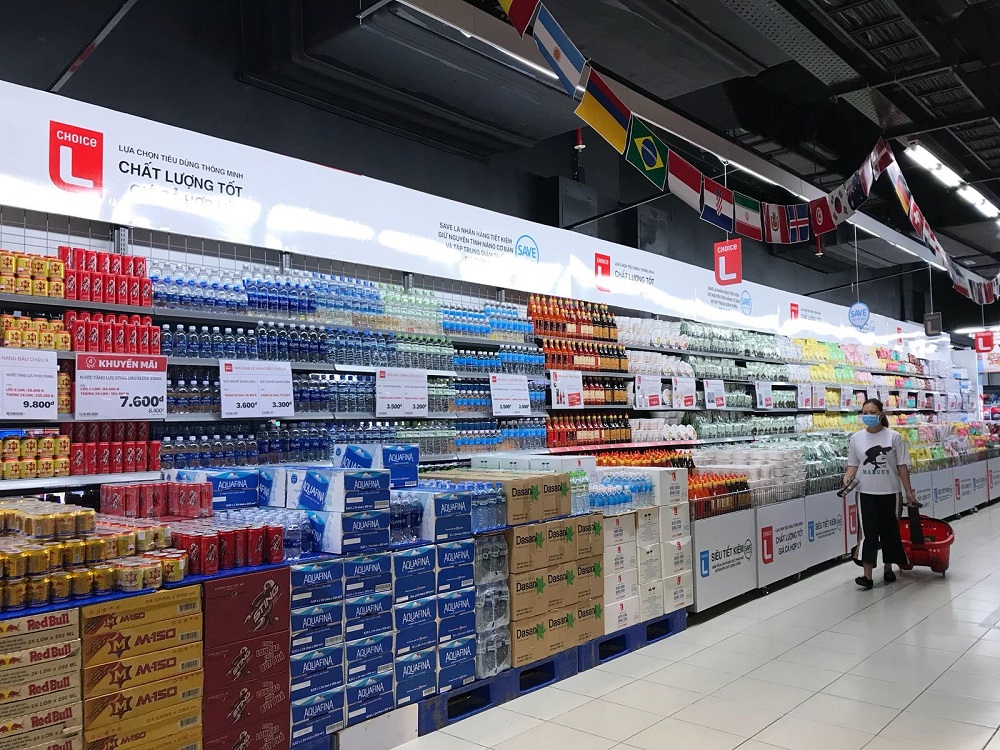
    On the other hand, the Lotte Mart store in Go Vap, located only three kilometers from its rival E-Mart, has a Vietnamese feel. The store is filled with a thousand types of Vietnam Choice L products, which are developed and produced in Vietnam. Lotte Mart aims to offer products based on the Vietnamese lifestyle. The traditional rice noodles and cookies are all made in Vietnam. At the end of this year, Lotte Mart will release a point system for all of its subsidiaries in Vietnam known as Vietnam L. Point.

    Lotte Mart even exports Vietnamese products to Korea. Lotte Mart stores in Korea offer various Vietnamese goods including Vietnamese G7 coffee and hosts a special program onVietnam every summer. This is because Lotte Group is very well established in Vietnam with its many subsidiaries based there, including top restaurant business Lotteria, Lotte Hotel and Lotte Department Stores. Lotte wants to project a positive image of itself to the Vietnamese people.

    In fact, the Lotte Mart enjoys so much export success in the Vietnamese market that even Vietnamese politicians and media often jokingly ask their domestic companies, “Do you know how much Vietnamese products Lotte Mart export?”

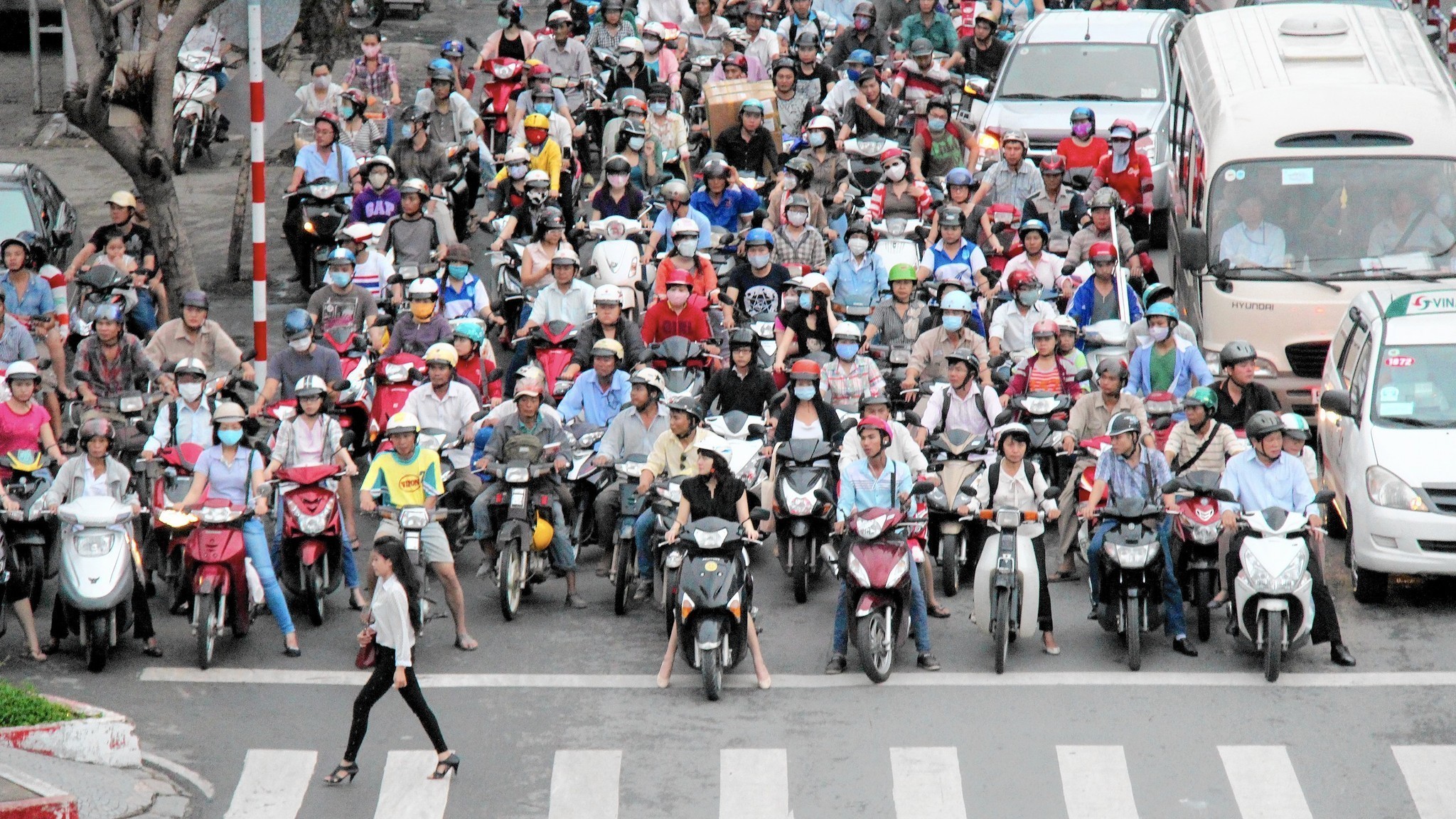
    The E-Mart and Lotter Mart stores differ greatly, but their large size and strategy for entertainment are compatible. The E-Mart store is 10,579 square meters in size while the Lotte Mart store is 13,223 square meters. Both stores welcome between 10,000 and 15,000 customers every day and both have large motorbike/scooter parking lots capable of holding 1,500 such vehicles to cater to Vietnamese customers, whose main method of road transport is either motorbikes or scooters.

    Both stores also target couples with children, hence they both have large children’s cafes, each measuring 990 square meters. Lotte Mart’s entertainment stores, including its bowling arena and cinema, cover a considerable area of 6,600 square meters, while E-Mart’s occupies 4,628 square meters.

    “Vietnam does not have many amusement parks and cinemas so families often come to large marts to enjoy leisure activities,” Hong Won-sik, general director of Lotte Mart Vietnam, said. “Also, considering the business side, Vietnam has such low consumer prices that it is common to make profits through external store rents rather than from selling fresh products.”