Retail News CRM

Tag: Lotte Mart

  • Lotte Mart Vietnam sales grow to $221m

    Lotte Mart Vietnam sales grow to $221m

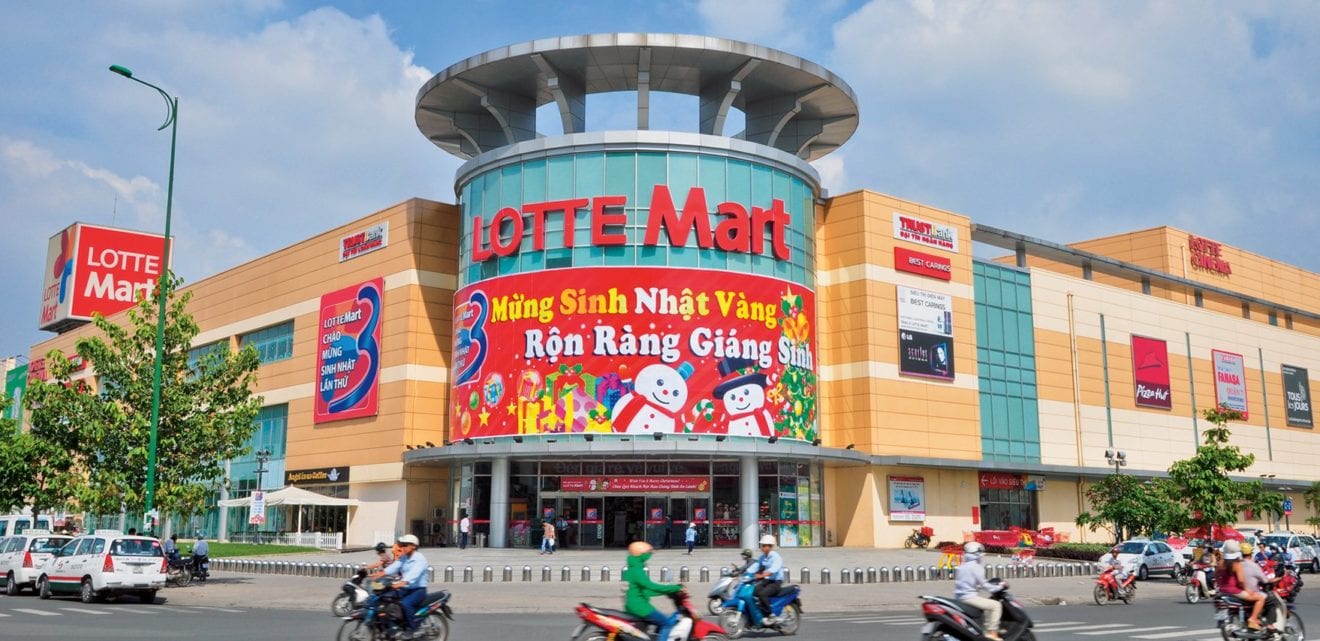
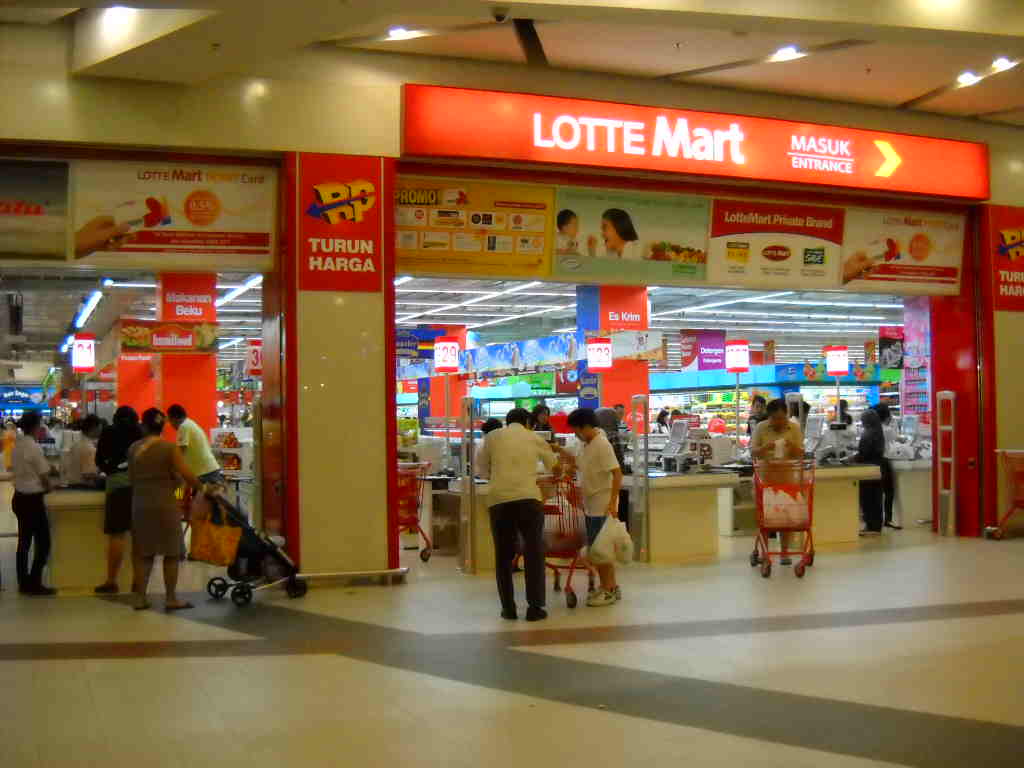
    With 12 stores, hypermarket chain Lotte Mart Vietnam chalked up sales of VND5 trillion (US$221.58 million) last year – 30 per cent growth year-on-year.

    Foot traffic also grew 20 per cent, says CEO Hong Won Sik.

    Its latest outlet opened late last month, and the South Korean company is looking at more mergers and acquisitions so it can achieve its target of 60 stores by 2020, says Hong.

    He says Lotte Mart Vietnam also plans to expand to convenience stores and eCommerce.

    With more than 20 subsidiaries in Vietnam, Lotte has invested more than $2 billion, and is set to double the total investment with plans to build an urban area in the east of Ho Chi Minh City.

  • Jucker votes for Big C buy

    Berli Jucker shareholders have voted in favour of the US$6.2 billion acquisition of a majority stake in Big C Thailand.

    The vote – virtually unanimous – followed news the listed company had secured funding for the purchase from a syndicate of 15 banks and means the deal is now all but complete. Settlement is expected late this month.

    But while the future of Big C Thailand now appears to be resolved, negotiations continue over the fate of Big C Vietnam, a smaller, less profitable business controlled by France-based Casino Group, which is shedding overseas assets to reduce its debt exposure.

    Casino has a 58.6 per cent controlling interest in Big C Thailand, which Berli Jucker will now acquire.

    In Vietnam, Thai tycoon Charoan Sirivadhanabhakdi, through another business, has recently purchased the Metro hypermarket business from Metro AG of Germany, to bolt on to Berli Jucker’s B’Smart convenience store network.

    Charoan was thus a favourite to acquire the Big C Vietnam operations to build even greater critical mass, and lodged a bid prior to the first round deadline with his soon to be Big C Thailand partner, Central Group.

    But sources within Asia’s business community are now confident Korea’s Lotte and Japan’s Aeon are frontrunners. Lotte runs the market leading Lotte Mart hypermarket business in Vietnam and would gain a significant foothold in the nation if it could secure Big C as well.

    Aeon, which is building shopping centres in Vietnam main cities, reportedly submitted an offer that valued the business at more than US$800 million according to sources quoted in Vietnam media.

    Lotte also submitted a bid prior to the first round deadline.

    Casino has declined comment on the Vietnam sale other than to say it was “progressing well” when it reacted to ratings agency Standard & Poor’s decision to cut its credit rating to junk status  on Monday

  • Women now running the stores at Lotte Mart

    Women now running the stores at Lotte Mart

    Lotte Group believes that women know what women want. As a result, it’s moving more women into executive positions.In fact, its retail arm, Lotte Mart, has the largest number – six – which is 30 percent of the 19 women executives in the group: Julia Han, head of the home furnishing division; Kate Song, head of the babies and kids division; Kim Yoon-kyung, head of the marketing division; Seo Hyun-sun of the space merchandising innovation division; Jeong Seon-mee, head of the human resources development division; and Kim Hee-kyoung, head the Gyeonggi Nambu sales division.There’s more “women power” at Lotte Mart than at any other company in the industry, the company said Sunday.

    Decision makers from the beginning of the whole retail process to the end – product selection, marketing, consumer management and on-site sales – are women.

    The idea is that of 53-year-old Lotte Mart CEO Kim Jong-in, who was looking for a unique way to grow sales and profits. While most hypermarkets compete by opening more stores or slashing prices, Kim felt he could bring the level of competition to a new level and ultimately outperform E-Mart and Homeplus.

    “It’s true that we weren’t concerned enough about the major customers of our stores, which are women in their 30s and 40s,” Kim said. “By having women in charge at our company, we will transform from a place people go to for cheaper food products to a place where all sorts of things related to a more enjoyable life await shoppers.”

    The women executives hold a brainstorming session twice a month, dubbed Women’s Pick Cafe, a speedy discussion that deal with more than 10 topics at a time. Conclusions reached at the meeting are implemented in all stores.

    Here are the kind of ideas they come up with:

    Han (Home furnishing) – “When we publish product information on flyers, we should focus on showing actual ‘scenes’ rather than the product itself, so that customers can associate the advertisement with their own homes. Let’s show them a dinner table with food than showing them the food itself.”

    Kim (Marketing) – “When we visited neighbors 10 years ago, we used to bring canned tuna or ham products, but now we bring aromatic candles, wine or flowers. We have to bring that change in custom into our mart as well.”

    Seo (Merchandising innovation) – “What people want these days is not a luxury lifestyle but rather, a cool one. That means the supermarket has to carry a more diversified set of products.”

    Song (Babies and kids) – “For busy working moms, we opened an online version of Toys ‘R’ Us, and in the future, there will be more multibrand shops for men, because these days, men are very lonely.”

    Kim (Sales) – “When I was a store manager, I created separate rest areas for men, and they were really popular. Let’s listen to what employees are having difficulty with and figure out solutions.”

    Jeong (Human resources) – “A leader that works with the passion of a mother can change corporate culture. If more suggestions are conveyed from the bottom up, customer service can only get better.”

    The change to a more women-centered management at Lotte Mart is only three months old, but the impact is already visible. The biggest change is how products are arranged in the store. The layout is transforming as specialized brands are clustered together. Room by Home (home interior shop), Yorihada (home meal solution), Toys ‘R’ Us and Pet Garden (pet shop) are examples of such clusters.

    Even in the fresh food areas, which are pretty much the same at all hypermarkets, Lotte Mart is using lighting to differentiate product displays.

    The flow of people is also being improved in stores. Displays are raised to a height of 30 to 60 centimeters (1 to 2 feet) so customers don’t have to bend over.

    Following suggestions that too much information disturbs customers’ shopping, various advertisements that once filled the walls have been cleared out.

    The Yangdeok branch of Lotte Mart in South Gyeongsang, which opened last December and implemented all the listed changes described above, actually saw 40 percent more revenue in home furnishing and 47 percent in fashion accessories through February compared to the Guro branch in Seoul, which is of a similar size.

    Stores in Gunsan, Pangyo and Yeongjong Island have all jumped in sales by 10 to 20 percent year on year after remodeling.

    Lotte Mart plans to renew an additional 30 branches this year. It is also planning to train more than 100 female store managers and actively solicit female customers’ suggestions.
     

  • HappyFresh Indonesia optimistic

    HappyFresh Indonesia optimistic

    Indonesia’s middle- and upper-class consumers are set to propel the trend of online grocery shopping, according to Jakarta-based grocery-shopping app HappyFresh.

    “The outlook has never been more promising,” says CEO Markus Bihler.

    “Opportunities abound in this region with its sophisticated, food-loving consumers, growing wealth and rapid urbanisation. The continued increase in mobile adoption and broadband penetration has helped boost our online grocery sales.”

    Adding to the mix is traffic congestion, particularly in Jakarta and Surabaya, which HappyFresh Indonesia says is a big factor in enticing people to shop for groceries online.

    Bihler says the market for online grocery shopping in Indonesia and other Asian countries could see double-digit growth in market turnover by 2020 to reach S$19 billion (US$13 billion) by 2020. He says it is being driven by the rise of a young, working-class population in urban areas.

    Working mothers outnumber all other HappyFresh customers, with dairy products such as milk and eggs among the top purchases. They are followed by young professionals and expatriates who mainly buy tomatoes, spaghetti and chicken breast.

    Securing $12 million in funding as a start-up last year, led by Singapore’s Vertex Venture and Sinar Mas Digital Venture, HappyFresh allows users in Malaysia and Thailand as well to shop for groceries through an app. In Indonesia, HappyFresh partners with Lotte Mart and Ranch Market.

    “As a differentiator, HappyFresh partners with supermarket retailers, particularly small and medium-sized enterprises that do not have the capacity or ability to invest in technology and reach out to new set of customers,” says Bihler.

  • Korea to release online price index

    Korea to release online price index

    South Korea plans to unveil a new index tracing online retail prices this year by using big data from private sector to reflect actual economic sentiment, according to Statistics Korea on Tuesday.

    The state-run agency plans to release an online price index that will complement the consumer price index by the end of this year, the agency reported in its 2016 plan to President Park Geun-hye.

    To develop the new indicator, Statistics Korea is currently collecting price data from six major online shopping malls and discount store chains — E-Mart, Homeplus, Lotte Mart, Lotte Supermarket, 11st and Interpark.

    “The online price index will be calculated based on the prices of a sample of representative items being sold online,” an official at the agency said.

    He added that the index will show the average price change on a daily basis unlike the consumer price index which shows monthly data.


  • Lotte Mart faces pork probe

    Lotte Mart faces pork probe

    Lotte Mart, South Korea’s No. 2 discount chain, is under investigation for allegations of unfairly pressuring a supplier into selling pork bellies below production cost, Korea’s antitrust watchdog said Tuesday.

    A source at the Fair Trade Commission (FTC) said investigators have been checking the retailer since December after a local pork producer raised complaints that Lotte Mart not only forced suppliers to sell at below the cost of production, but insisted on covering shipment and credit card payment-related expenses.

    Lotte Mart has been engaged in a so-called ‘pork belly day’ sales promotional event for some time that boosted demand for the meat cut.

    “A supplier claimed that Lotte’s unfair demands resulted in 10 billion won (US$8.3 million) in damages since it had to sell the meat at 30-50 per cent discounts,” the official said.

    In August, Lotte Mart contested a ruling by the Korea Fair Trade Mediation Agency (Kofair) that called on the discount store to pay 4.8 billion won (US$3.96 million) to the supplier.

    Under existing rules, if a company rejects Kofair’s verdict, the matter has to be forwarded to the FTC.

    Lotte Mart argued that while it did cut prices during the promotional event, it immediately marked up prices to reimburse suppliers for any losses incurred.

    “Kofair only accepted the allegations raised by the supplier when it ruled on the size of the fine,” a Lotte Mart spokesperson said. “The company will provide all information being requested by the FTC and cooperate fully with the probe.”

    Market watchers said that even if the corporate regulator rules against Lotte Mart, the suppliers will still have to engage in a court battle to get compensation.

    Lotte Mart, meanwhile, was fined 1.38 billion won in late 2014 for passing on the cost of a product promotion campaign to a supplier.’

  • Lotte Mart Vietnam in supermarket rollout

    Lotte Mart Vietnam in supermarket rollout

    Lotte Mart Vietnam plans to open 50 new supermarkets by 2020.

    The South Korean company’s Vietnam subsidiary operates just 11 supermarkets currently. Besides opening its own hypermarkets, the company has taken a strategic investment in local grocery retailers Citimart in Ho Chi Minh City and Fivimart in Hanoi which are now being co-branded and essentially operate as large convenience stores.

    Lotte Mart’s plans were revealed by the ViceConsul of the Republic of Korea, Hoong Soon Chang at a scholarship ceremony.

    Lotte also operates hotels in Vietnam, has a growing network of Lotteria fast food restaurants, is making property investments, including a half stake in shopping centre and office tower Diamond Plaza, and runs cinemas there.

    Lotte Mart Vietnam director general Hong Won Sik said the group is planning to boost its investment in the country because of its high growth rate.

    Vietnam’s GDP rose 6.81 per cent during the third quarter of this year, one of the fastest rates in Asia.

    According to Vietnamese news media, Korea is the largest source of foreign investment in Vietnam, with more than 4000 businesses now based there and a capital inflow of US$32.8 billion in the six months to July.

  • Lotte Signs Five-year Exclusive O2O Deal In China

    Lotte Signs Five-year Exclusive O2O Deal In China

    Chinese B2C e-commerce website JD.com and South Korean retail giant Lotte.com have signed a strategic cooperation agreement and an exclusive agreement under which JD.com will become the sole strategic partner of Lotte.com in the Chinese mainland for five years.

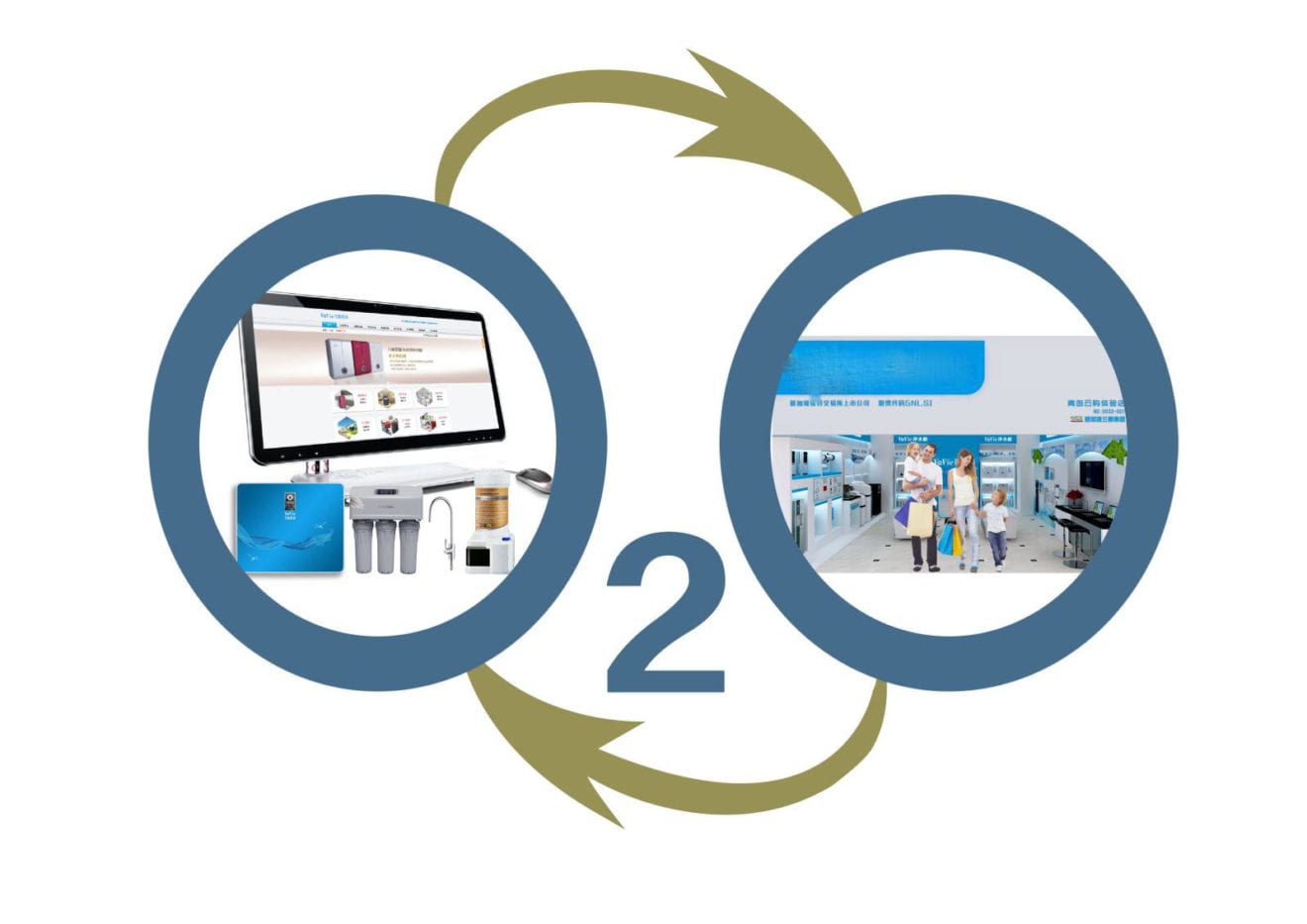
    JD said that with the strategic cooperation agreement, Lotte Group’s products and services will enter the Chinese market via JD’s global shopping platform. In the future, the two parties will implement cooperation in tourism and service O2O.

    Global strategy is currently an important reason for Chinese e-commerce providers to team with international retailers. Lotte.com is responsible for the online sales of products and services of all subsidiaries of Lotte Group. Lotte.com will integrate Lotte Group’s branches to establish a “Lotte hall” on JD.com, covering Lotte Department Store, Lotte Mart, Hi-Mart, Lotte Duty Free, Lotte Hotel, and Lotte World.

    The “Lotte hall” will not only sell infant products, cosmetics, and fashion products, but also will offer household products and home appliances. Over the next three years, the two parties aim to expand their cooperation range to about 200,000 kinds of products.

  • Lotte China loses a trillion

    Lotte China loses a trillion

    Reports from Korea suggest Lotte Group has lost more than 1 trillion won (US$853 million) in China in just three years.

    Data assembled by CEO Score shows Lotte China made heavy losses between 2011 and 2014 as South Korea’s fifth largest company struggled to understand the Chinese consumer and build market share.

    Last month, Lotte said it would close four loss-making stores in its Mainland China network – all in in East China’s Shandong Province.

    Lotte is said to be losing market share in Mainland China unable to differentiate itself in the middle ground between local retail chains and the growing power of online retailers such as Alibaba and JD.com.

    CEO Score’s data shows the losses are growing, not narrowing. It started with 92.7 billion won in 2011, reached 250.8 billion won in 2012 and a massive 580.8 billion won in 2014.

    Lotte Mart has 120 stores in China, 116 in Korea, 39 in Indonesia and 10 in Vietnam.

    The company is family owned with the leadership locked in a bitter power struggle and two brothers compete to take control from their 93 year old father.

  • Wumart Stores sales surge

    Wumart Stores sales surge

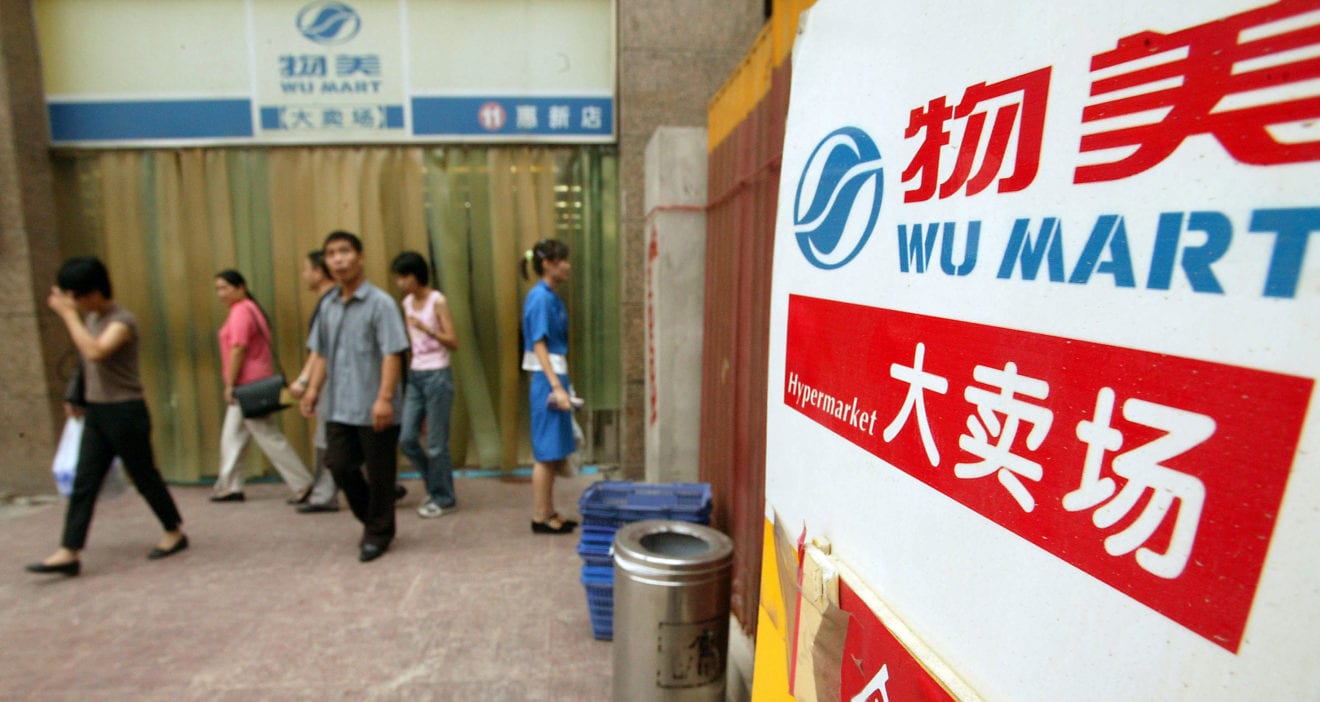
    Wumart Stores, the Beijing-based, Hong Kong-listed grocery retailing giant, has today reported an 11.9 per cent increase in sales in the first six months of the year.

    Total revenue topped RMB11.6796 billion at a time when foreign box box food and hypermarket retailers are feeling the pressure. Lotte Mart this week said it was closing four China stores, and Walmart and Carrefour are both struggling to achieve growth and profitability.

    The company says its continuing growth is being driven by new store openings, same store sales increases, higher revenue from suppliers and increased rental income.

    During the Reporting Period, comparable store sales of the Group increased by approximately

    4.2 per cent, recording an increase of approximately 3.3 percentage points in growth as compared to the corresponding period of last year.

    The group’s consolidated gross profit amounted to about RMB2,265 billion, up about 6.8 per cent on the same period of 2014. Consolidated gross profit margin was 19.4 per cent.

    Wumart says it will prioritise its business expansion in Beijing, Tianjin, Hebei and Zhejiang.

    As at June 30, Wumart had 586 stores – 42 more than at the same time last year.

  • Lotte China closes stores

    Lotte China closes stores

    South Korea’s Lotte is finding the Chinese retail market tough to crack.

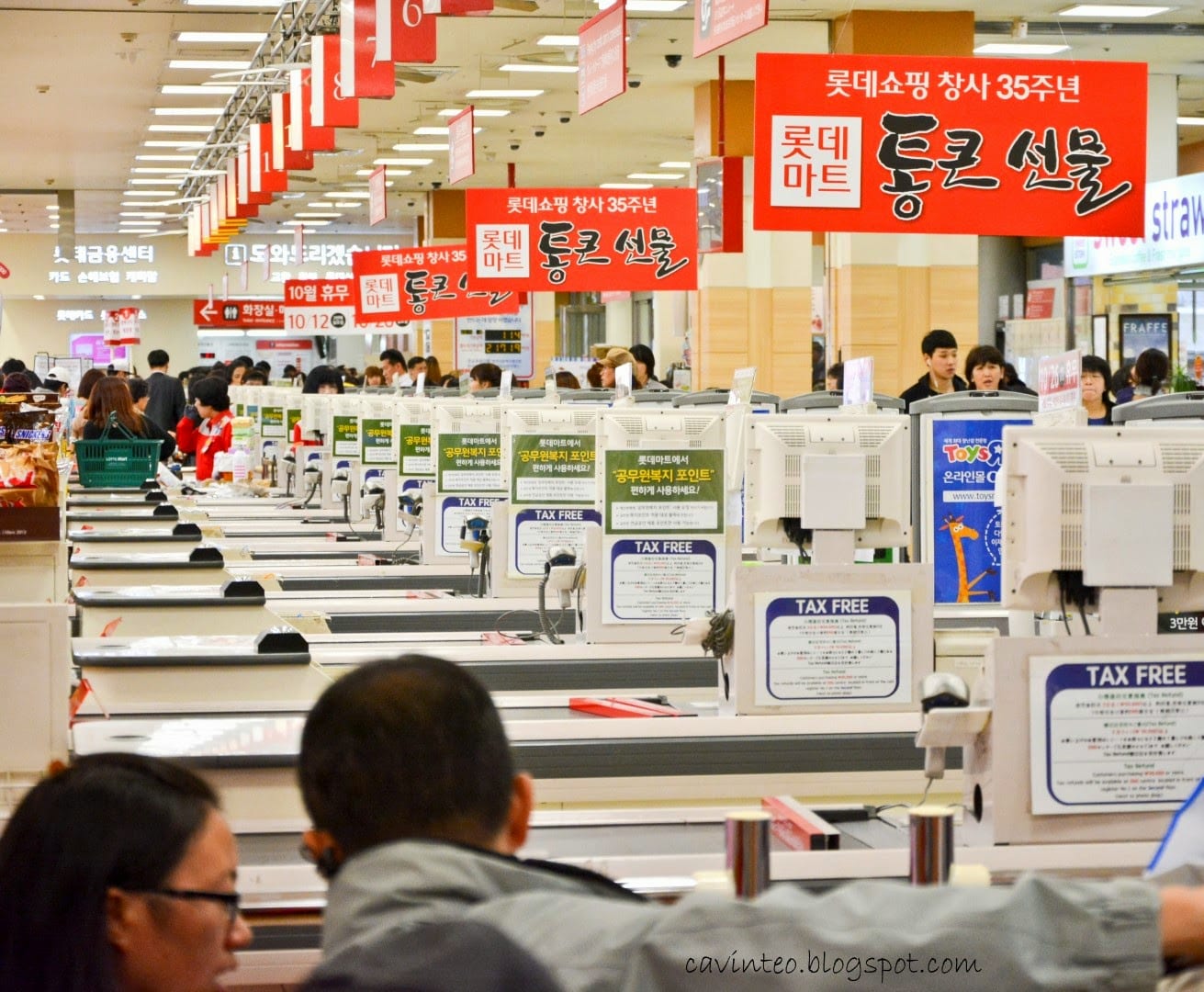
    Lotte Mart, the supermarket arm of South Korea’s Lotte Group, is to close four underperforming supermarkets in East China’s Shandong Province, according to the China Business Journal newspaper.

    Lotte is said to be losing market share in Mainland China unable to differentiate itself in the middle ground between local retail chains and the growing power of online retailers such as Alibaba and JD.com.

    Two of the stores to close are located in Qingdao, a second tier city located on the coast. A third is located in Weihai and the fourth in Weifang, an industrial city in central Shandong.

    Another source observed Lotte Mart did not provide a compelling food offer with its supermarkets.

    “For young people, Lotte Mart is not a good choice if they want to eat out as well as shop. There are not many fancy restaurants in Lotte Mart compared with other markets,” the customer told The Global Times on Sunday.

    Lotte Mart has 120 stores in China, 116 in Korea, 39 in Indonesia and 10 in Vietnam.

  • Lotte Indonesia tipped to purchase malls

    Lotte Indonesia tipped to purchase malls

    Korea’s Lotte Group is reportedly planning to purchase a number of purchasing malls in Indonesia to broaden its operations within the fast-growing Southeast Asian financial system.

    A Lotte spokesman has successfully confirmed discussions however advised media in Korea that “nothing has been determined but”.

    In line with information reviews, Lotte Indonesia engaged Samil PricewaterhouseCoopers to purchase a constructing in Jakarta’s south. The tower, on a 48,000 sqm website, features a seven story excessive finish shopping center, workplace tower and a lodge presently operated underneath the Sofitel model. (Lotte has its personal lodge community underneath the Lotte model).

    In response to the stories, the acquisition is considered one of a number of involving buying malls in Indonesia which is at present underneath negotiation.

    Lotte, which can also be making vital investments in resorts, retailing and quick meals in Vietnam, entered Indonesia in 2008. It now has 39 Lotte Mart grocery hypermarkets there, a division retailer, 33 Lotteria burger eating places and, in Jakarta, an obligation free retailer.

    Lotte chairman Shin Dong-bin is main an aggressive worldwide enlargement program, investing US$6.7 billion in retailing, motels and development. It just lately acquired a lodge in Manhattan.

    “We should always not maintain again on investments to hunt progress regardless of the worsening enterprise setting,” he stated again in February.

  • Shinsegae opens big mall

    Shinsegae opens big mall

    Korea’s Shinsegae Group is about to open an enormous purchasing centre northwest of Seoul which it hopes will take the battle to Ikea for homewares buying.

    Shinsegae, one of many nation’s largest division retailer operators, will open E-Mart City on June 18, on a website adjoining to the Kintex conference centre in Ilsan, within the Gyeonggi province.

    The corporate is banking on Seoul residents heading out to the centre for a day’s buying, eating and leisure – a serious drawcard being carparking, which shoppers should queue for in downtown locations.

    E-Mart City, stated to be the dimensions of about 10 soccer fields, will inventory furnishings, house home equipment, homewares, groceries and meals. It can function an E-Mart grocery store and a wholesale warehouse.

    Shinsegae believes three branded retail areas will create some extent of distinction from its rivals: an upmarket foodcourt referred to as Peacock Kitchen that includes 14 meals manufacturers and seating for 300 individuals; residence furnishing retailer The Life providing some 5000 merchandise; and multi-brand equipment retailer Electro Mart.

    “We’ve got put all our assets into the mall as a way to set a brand new development in retail enterprise,” stated Shinsegae vice chairman Chung Yong-jin in a press release.

    “The E-Mart City is a cluster of trend-setting shops and good eating places. Individuals will be capable of have a high-quality one-stop purchasing expertise within the city.”

    Ilan is about to be a battlefield for main retailers, with Ikea planning to open its second Korea retailer there in 2017, and Shinsegae’s rivals Lotte, Tesco Residence Plus, Lotte Massive Market, Costco and Hyundai Division Retailer all inside a brief drive.

  • MERS fears drive Koreans on-line

    MERS fears drive Koreans on-line

    South Koreans are more and more turning to on-line channels for grocery purchasing as they eschew their traditional visits to grocers amid the continued unfold of Center East Respiratory Syndrome (MERS), business knowledge exhibits.

    South Korea has reported 150 MERS infections because the first case was confirmed on Might 20, the most important outbreak outdoors of Saudi Arabia the place the respiratory sickness was first reported in 2012. As of Monday morning (June 15) 16 individuals have died from the illness.

    Knowledge by the nation’s three largest grocers — E-mart, Residence Plus and Lotte Mart – exhibits well being considerations are driving Koreans on-line, with eCommerce orders and order quantities rising within the double digits as MERS infections and MERS-related deaths rise.

    Market chief E-mart noticed its on-line gross sales soar 63.1 per cent between June 1 and June 11, in contrast with the identical interval a yr earlier. The variety of orders additionally jumped 51.9 per cent.

    By product class, ready-to-cook house meals gross sales shot up 90.1 per cent adopted by a 83 per cent rise in recent meals and 69.9 per cent improve in processed meals.

    Tesco’s House Plus reported a 48.1 per cent improve in on-line gross sales and a 37.5 per cent rise when it comes to order worth. Lotte Mart noticed its on-line gross sales develop 26.eight per cent in contrast with a 10 per cent gross sales stoop at its brick-and-mortar branches.

    The unprecedented unfold of the doubtless lethal virus has emerged as a bugbear for Asia’s fourth-largest financial system that’s already grappling with limping exports.

    Final week, the central financial institution slashed the coverage price to a brand new low of 1.5 per cent as a part of “pre-emptive” efforts to stop MERS from adversely affecting sentiment and consumption.

  • Lotte.com opens Tmall storefront

    Lotte.com opens Tmall storefront

    Korean retailer Lotte Mart has opened a shop front on China’s Tmall.

    The Lotte Mart store on Tmall Global, is the first Korean discount store to have an online presence on the popular Chinese online shopping mall.

    Lotte Mart has launched with an offer of 16 selected Korean products popular with Chinese customers, including beauty products such as shampoo and bathing goods, ginseng and Tongkeun Oxford blocks.

    The range will be expanded to between 100 and 120 products by the end of March.

    Lotte.com will manage the Tmall site operations and marketing while Lotte Mart will manage product sourcing.

    Tmall Global Mobile Lotte Mart page 315

    Lotte Mart will monitor sales to Chinese tourists in its offline department stores and duty free outlets to guide product selection for the new Tmall store.

    Lotte.com opened a Global Lotte.com site in February 2014, serving overseas purchasers. Chinese shoppers account for 75 per cent of the Global Lotte.com sales, despite the site serving 19 international markets. Sales to Chinese shoppers are increasing by an average of 40 per cent each month this year.

    Lotte.com says Chinese shoppers trust the quality of Korean products with the most popular categories Korean cosmetics and baby products such as diapers and wet tissues.

    Tmall is a business to consumer online store managed by Alibaba, China’s largest eCommerce group. Tmall Global specialises in foreign brands and foreign companies targeting Chinese residents.