Tag: Lotte

  • Lotte launches smartphone app for Chinese tourists

    Lotte launches smartphone app for Chinese tourists

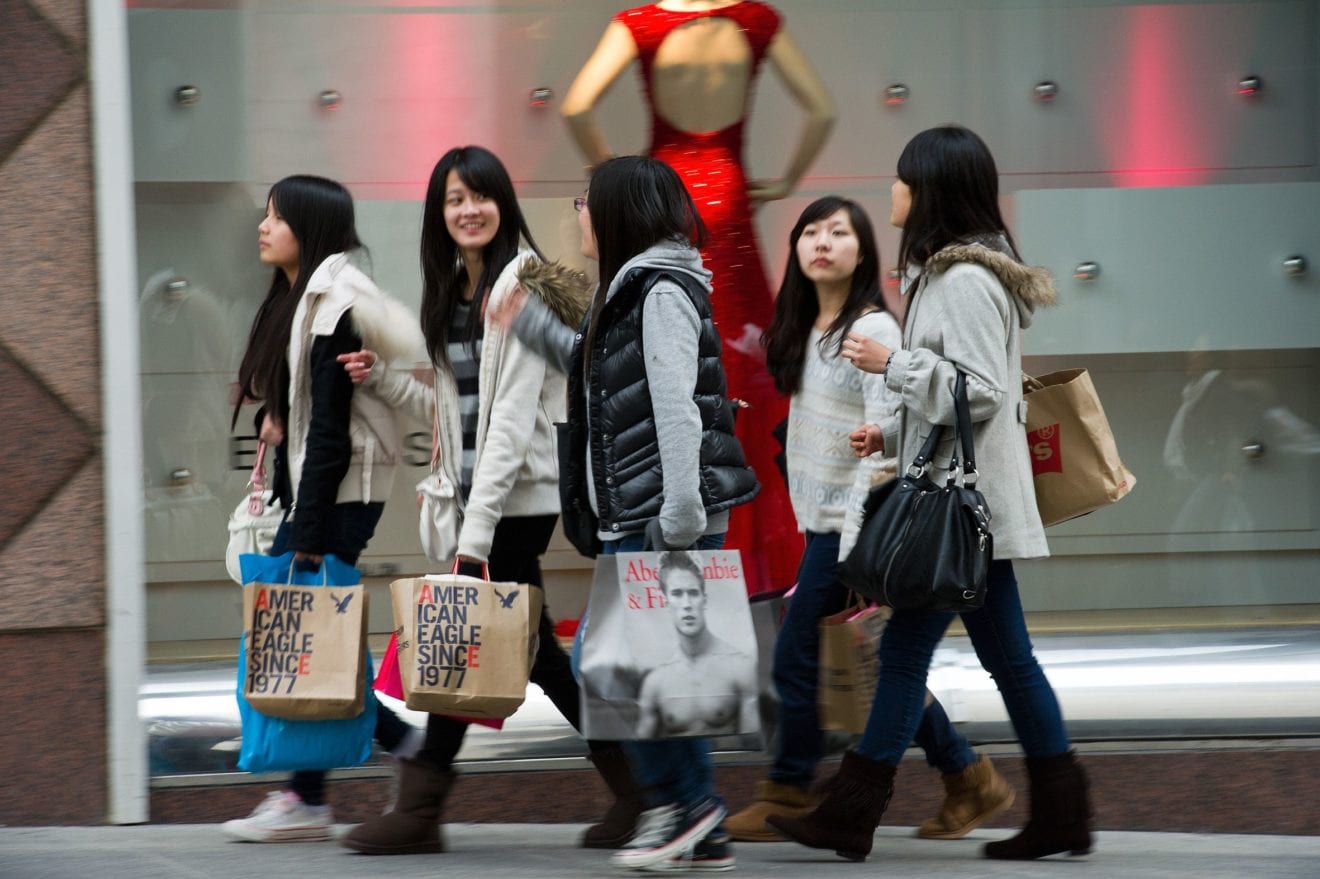
    Lotte Group has launched a smartphone app for Chinese tourists visiting Korea.

    The application is called ‘TianTianLeTian’, and provides visitors with information on shopping, tourism, and other services offered by Lotte companies.

    Department stores and large discount stores have already launched mobile solutions for Chinese tourists, but Lotte Group’s new software marks the first time an app was developed by an entire group.

    In addition to tourism information, TianTianLeTian also provides users with mobile coupons for Lotte Members, Lotte Duty Free Store, Lotte Department Store, and Lotte World.

    The app also provides suggestions for places to dine, popular tourist spots, the latest travel information and content from Hallyu stars. Maps are provided in Chinese, and translation services are also provided.

    In collaboration with Zai Seoul, a startup company specialising in travel information targeting Chinese tourists, the location and information of 1800 small shops are listed.

    Lotte will provide small businesses who subscribe to its service with big data related to keywords frequently used in searches by Chinese tourists, human traffic, and shopping habits, helping companies develop marketing strategies to attract Chinese tourists.

    Lotte’s decision to develop a new app was the result of a change in travel habits for Chinese tourists, and a move towards independent travel instead of group packages.

    According to data from the Korea Tourism Organization, the number of Chinese tourists visiting Korea individually nearly doubled in 2015 to 3.5 million compared to the 1.64 million visitors in 2013. The organisation expects 5.5 million individual Chinese tourists to visit this year.

    To target individual travelers who get most of their information through mobile devices while traveling, Lotte started development of the application in April 2015. The beta version was released on January 6, and the number of downloads has already reached 40,000.

  • Lotte launches Paul & Shark in Korea

    Lotte launches Paul & Shark in Korea

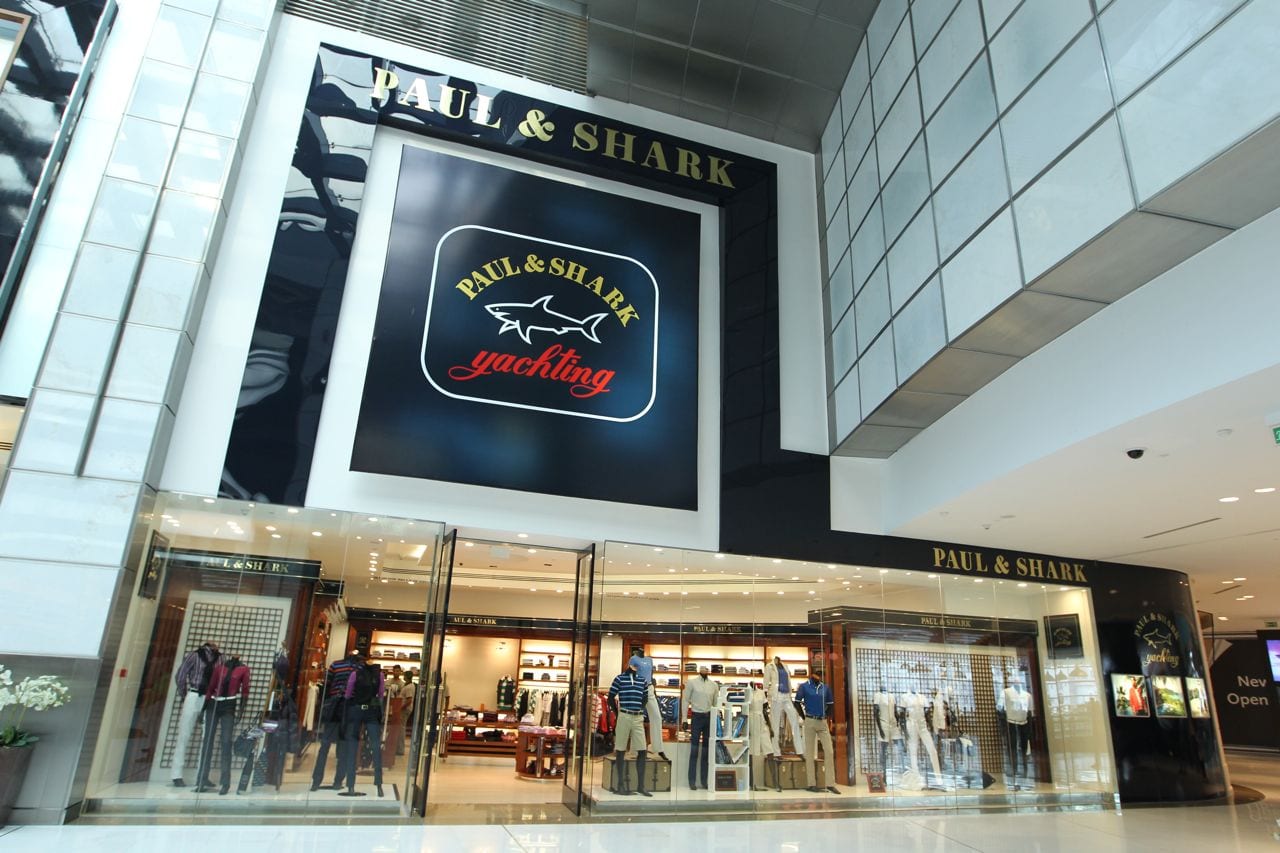
    Italian lifestyle brand, Paul & Shark, has opened its first boutique in South Korea, at Incheon International Airport (ICN) in partnership with Lotte Duty Free – with a further two on the way.

    Commenting on the mid- December opening: Catherine Bonelli, Global Travel Retail Director at the brand, says: “This store makes a wonderful first step into the South Korean travel retail market for Paul & Shark.”

    “In the first quarter of 2016 another two openings are planned in Seoul, which will truly cement Paul & Shark’s presence in Korean travel retail. I would like to thank Lotte Duty Free for their support with the opening of this new store, which looks amazing.”

  • Asian retail giants mull Big C bids

    Asian retail giants mull Big C bids

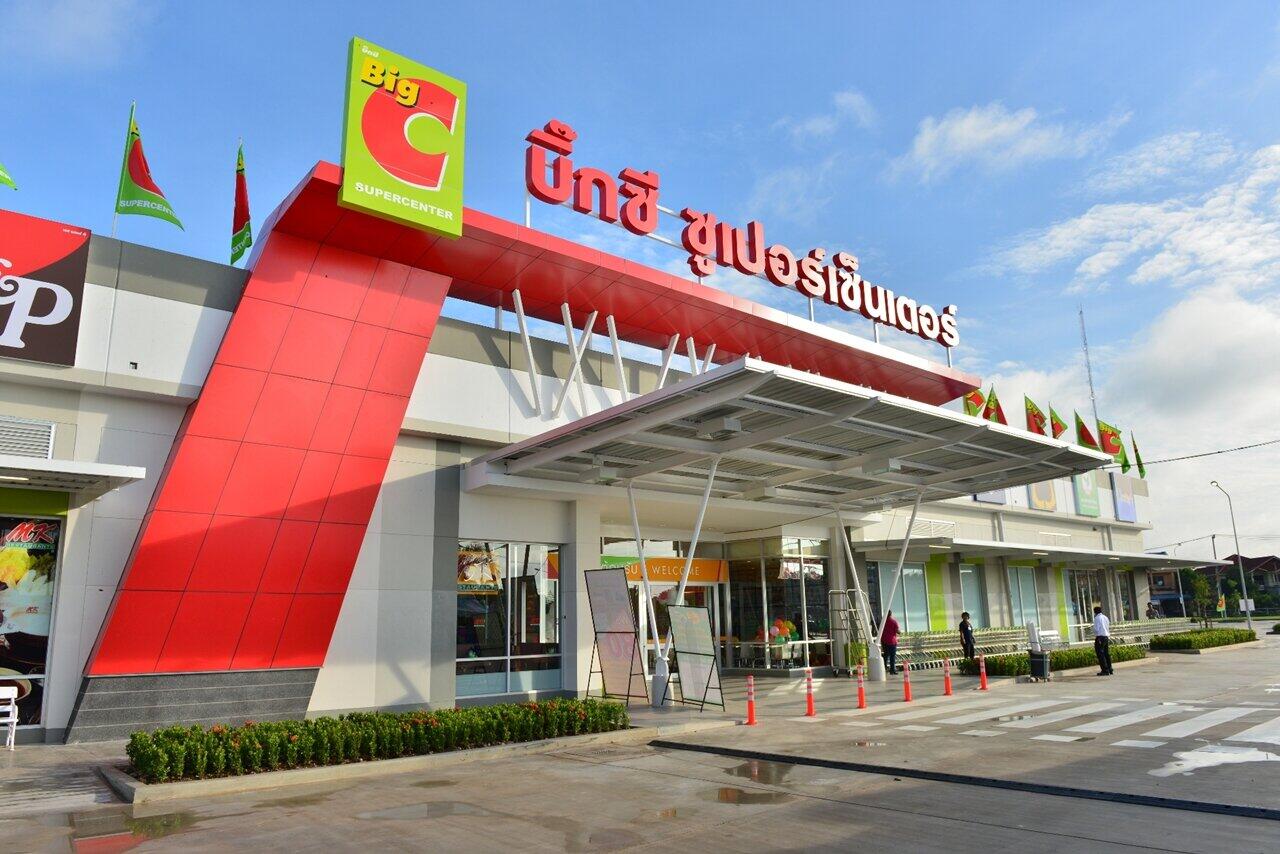
    At least three major Asian retailers are mulling bids for control of the Big C businesses in Thailand and Vietnam.

    But they all start as rank outsiders behind Thailand’s Central Group, which already has a 25 per cent share of the Thai Big C business.

    In a surprise move, France’s Casino group announced earlier this month it would sell its 58.6 per cent stake in the Thai hypermarket business in a bid to reduce debt. It had already put its struggling Vietnam business on the market in December.

    Reuters reports Hong Kong headquartered Dairy Farm International and Korea’s Lotte are in talks with their bankers about potential bids. Japan’s Aeon is also running the numbers.

    But as Reuters says, all three would need “punchy bids” to fight off frontrunner, Thailand’s Central Group.

    Casino Group will sell both businesses in an auction process – and has indicated it would prefer to sell the two operations to a single buyer.

    With a cornerstone stake in the Big C operation, Central would have to be frontrunner to secure Casino Group’s share. The company has already publicly declared its interest.

    “Whoever is going to buy this will have to pay a high price to get Central out or they will have to co-exist,” Reuters quoted an unnamed banking source “familiar with the matter”.

    The Thai stake is estimated to be worth about US$3.1 billion. The value of the Vietnam operation is less clear – bankers put it at between $800 million and $1 billion, although the business is not thought to be particularly profitable, despite recent media commentary to the contrary.

    Aeon, Lotte and Dairy Farm all declined to comment on the matter.

  • Lotte aims for $109m with new Osaka DWT store

    Lotte aims for $109m with new Osaka DWT store

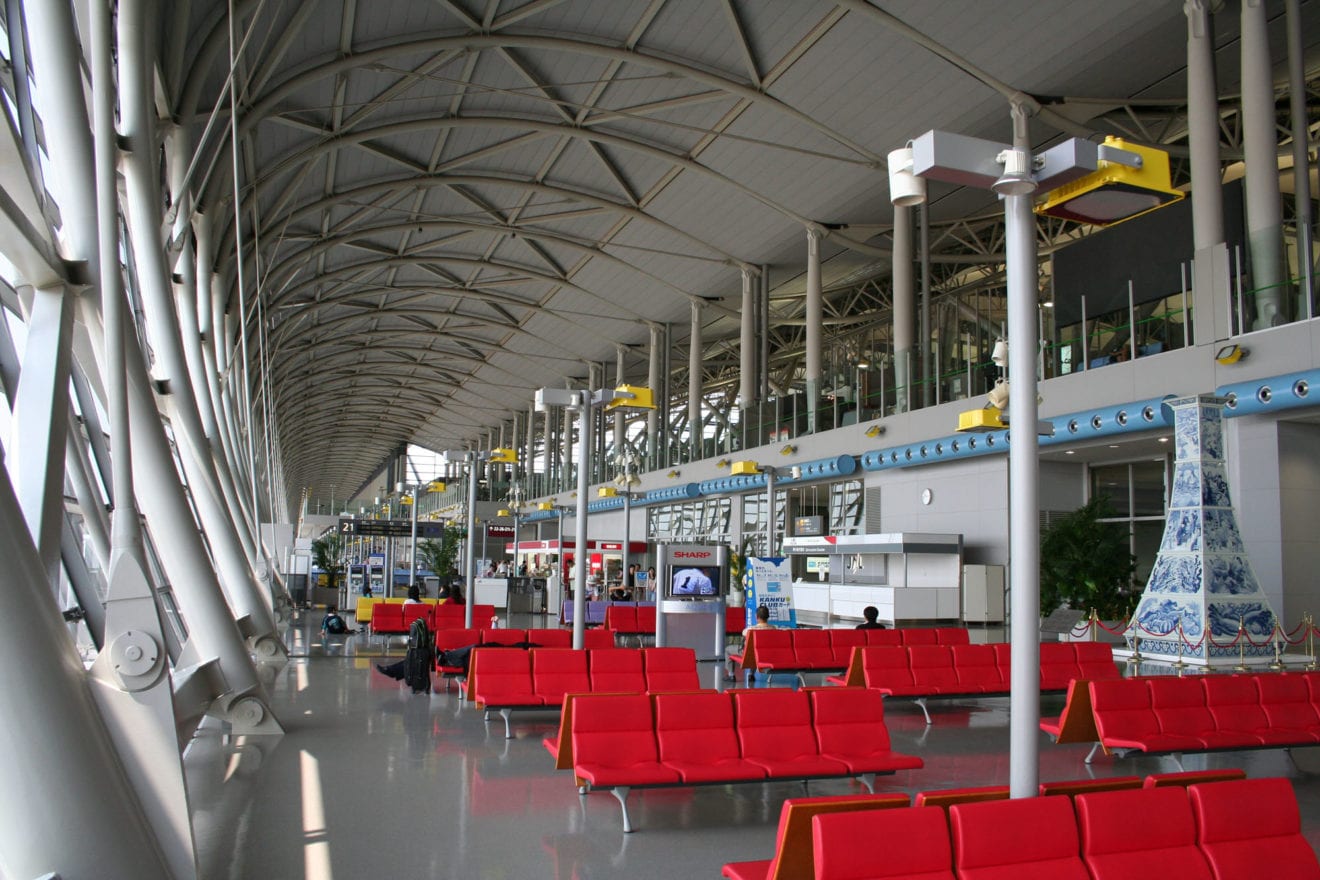
    This new store will have a sales turnover target of W130bn ($109m) in the first year and will also complement Lotte’s existing small joint-venture retail presences at Kansai Airport and also at the Tokyo Ginza Mitsukoshi downtown store – as reported back in September 2014.

    Lotte Duty Free said it will now open its Osaka downtown duty free shop next year, as it also unveiled the basic details yesterday at a press conference alongside its partner, New Kansai International Airport Company and KAA, its Kansai Airport Agency retail subsidiary company.

    The new 4,400sq m store will be located on the sixth and seventh floors of the Big Camera Namba, in Namba, Osaka and will feature ‘global luxury brands, cosmetics, perfumes, fashion accessories’.

    Lotte said that the attraction of Osaka’s Namba district is its large transient population where shopping malls and restaurants that tourists prefer are ‘concentrated’.

    For its part, the NKIAC Company said it is working with Lotte because it is a major player. The company said: “Lotte Duty Free is the leading duty free company in Korea; [it] is equipped with the successful know-how and experience in operating downtown duty free shops as a global top three duty free shop [player]; and is the duty free shop brand which Asian customers like the most.”

    Sunwook Jang, President of Lotte Duty Free added: “Based on the successful experience to operate the duty free shops in Korea, we are expanding our shops in Asian countries like Japan, Thailand and Indonesia.

    “We will do our best to globalize the Korean duty free shop by global expansion, to help the Korean brands to expand overseas and to induce foreign tourists to Korea by making connection with the stores in Korea.

  • Korea retail sales slide

    Korea retail sales slide

    Korea retail sales took a surprise turn for the worst in December after three consecutive months of solid growth.

    Reported sales by department stores run by Hyundai Department Store, Lotte Shopping and Shinsegae Co show a 5.7 per cent fall year-on-year, according to figures released by the the Ministry of Trade, Industry and Energy on Tuesday.

    For the whole 2015 year, department store sales fell a modest 1.2 per cent, mainly due to the outbreak of Mers mid-year, and a rise in online shopping.

    The government attributed the December fall to warmer weather compared with the previous year, which may prompt one to speculate on January’s figures given the unusual cold snap hitting the country this month. The warmer climate meant fewer sales of winter clothing.

    Sales of luxury watches, jewellery and household electronics also fell.

    The December fall was the largest monthly year-on-year drop since 6.5 per cent last August. Sales rose by 1 per cent in November.

    Sales at South Korea’s major discount department stores fell 5.1 per cent, the third consecutive monthly decline and the largest since August.

    For the whole of 2015, discount department store sales fell 2.1 per cent.

    The Ministry said discounters’ December performance was affected by the warm weather and softening demand for food products.

  • South Korea’s discount store sales fall at fastest pace in 4 mths

    South Korea’s discount store sales fall at fastest pace in 4 mths

    Sales at South Korea’s top department stores snapped three months of rises in December and marked their biggest annual fall in four months due to warmer weather compared with the previous year, government figures showed on Wednesday.

    Combined sales at department stores run by Hyundai Department Store, Lotte Shopping and Shinsegae Co fell 5.7 percent on-year, finalised data from the Ministry of Trade, Industry and Energy showed on Tuesday.

    This compared with a rise of 1.0 percent in November and was worse than a 3.8 percent decline estimated by the finance ministry. December’s drop was the biggest since a 6.5 percent fall in August last year.

    Warmer weather resulted in poor apparel sales as customers bought less winter clothes, the trade ministry said. High-end watches, jewellery and household electronics sales capped the decline.

    The average temperature in Seoul was 1.6 degrees Celsius (34.88°F) in December, compared to an average negative 2.9 degrees a year prior. The same data showed annual sales at South Korea’s major discount stores fell 5.1 percent in December in their third straight month of declines and the biggest fall since August.

    It was worse than a 2.1 percent fall estimated previously.

    Discount store sales also suffered from warm weather as well as softened demand for food products, the trade ministry said. On a whole for 2015, sales at department stores and discount stores fell 1.2 percent and 2.1 percent, respectively, mainly due to an outbreak of a deadly virus in the middle of the year and surging online shopping, according to the ministry.

    The trade ministry data came a day after fourth-quarter GDP slowed by more than half from the third quarter of 2015, as growth from private consumption was offset by poor construction investment.


  • Lotte World Tower wins awards in challenging times

    Lotte World Tower wins awards in challenging times

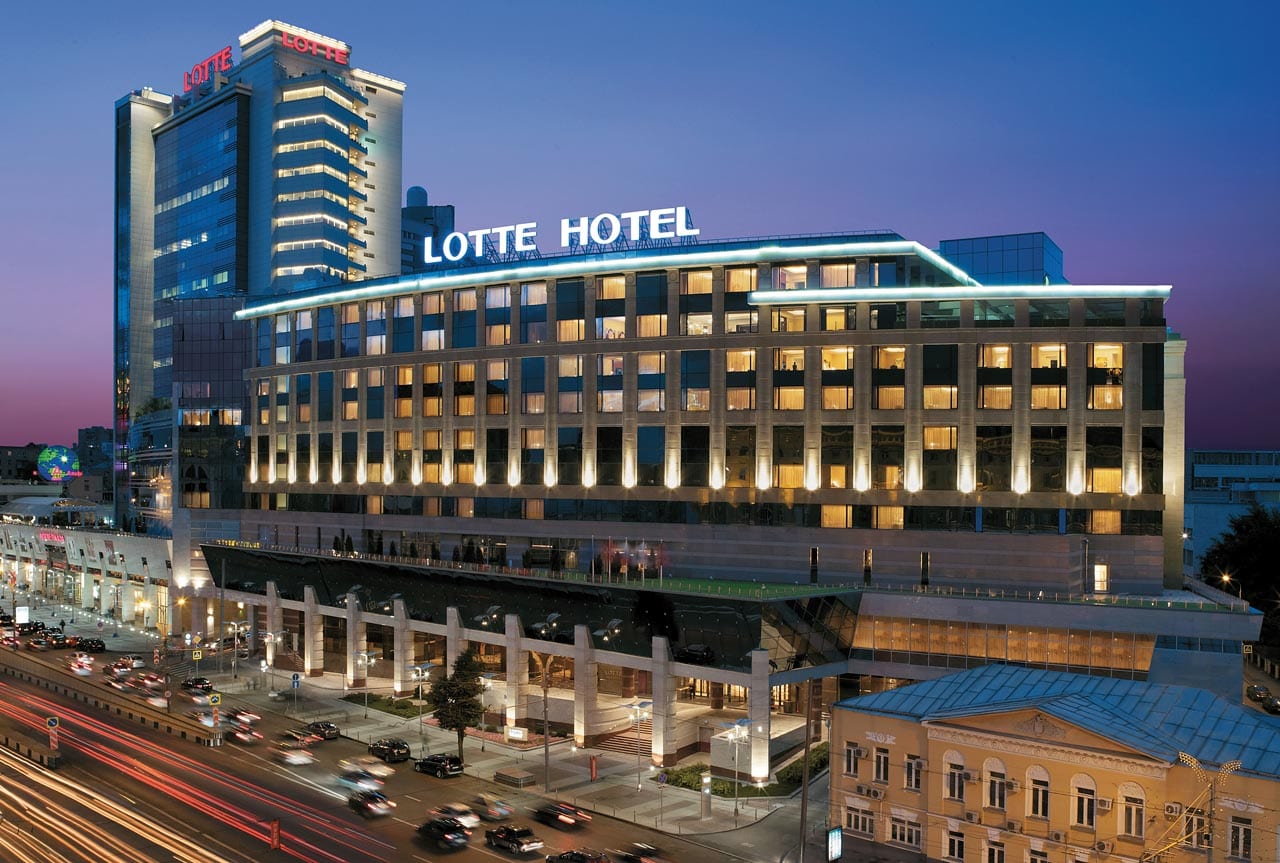
    Lotte Duty Free’s $3bn 555m World Tower duty free store in Seoul has won three globally recognised and prestigious design awards for the first time in the Korean duty free business.

    Besides winning the ‘2015 Good Design Awards’ in the Environments category, the retailer also swept the board with three world-class prestigious design awards in the USA.

    Sun-wook Jang, President of Lotte Duty Free said: “Lotte Duty Free World Tower has contributed a lot in promoting the new duty free shopping environment. I’m so glad that we won the prestigious global design awards for the first time as a Korean duty free shop.”

    The retailer says it is the first duty free shop in Korea to win the Good Designs Awards prize, although it should be said that celebrations related to this high recognition are doubtless a little less than normal, considering Lotte actually lost its duty free licence back in November of last year.

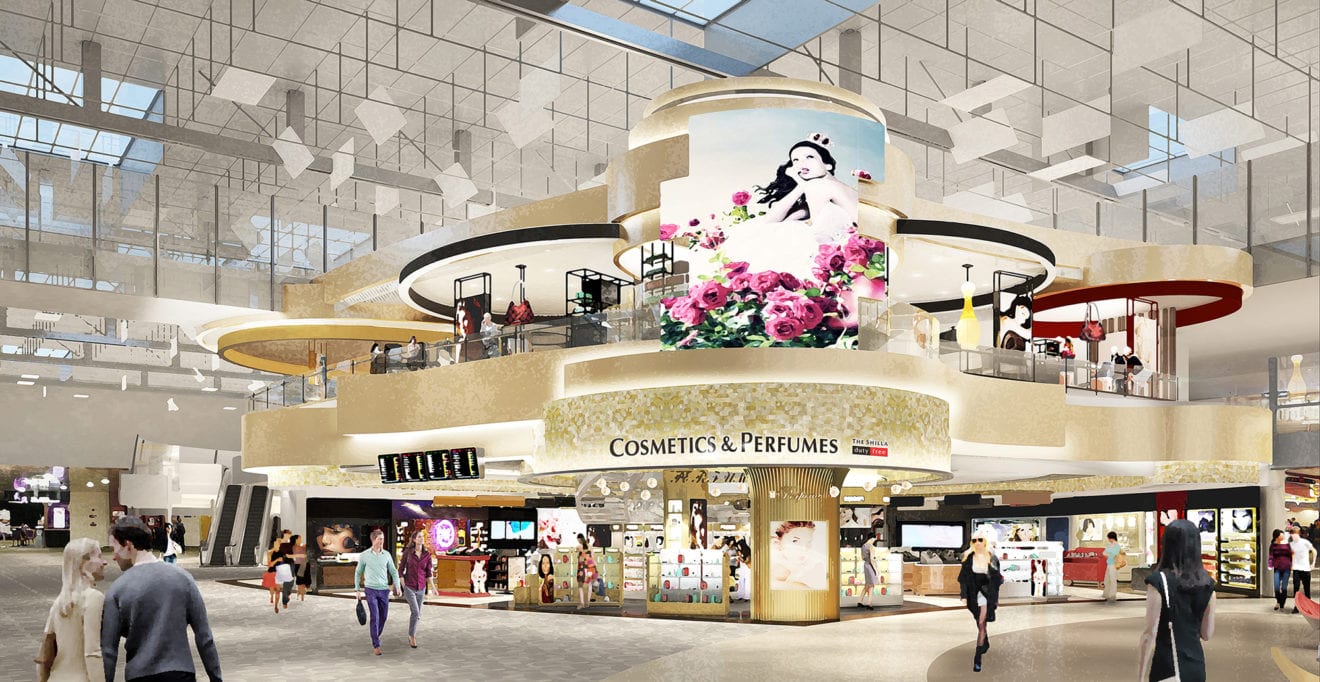
    [Lotte Duty Free] Interior of the Worldtower store (3)

    [Lotte Duty Free] Interior of the Worldtower store (2)

    Lotte Duty Free opened its $3bn World Tower branch in the southern Seoul Chamshil area of Gangnam on October 16, 2015

    The duty free industry in Seoul was shocked at the time, although we understands that Lotte has since been investigating whether it will be possible to transfer one of its other Seoul duty free retail licences to the World Tower 11,000sq m operation to maintain its ‘downtown duty free’ status which it still holds at this time.

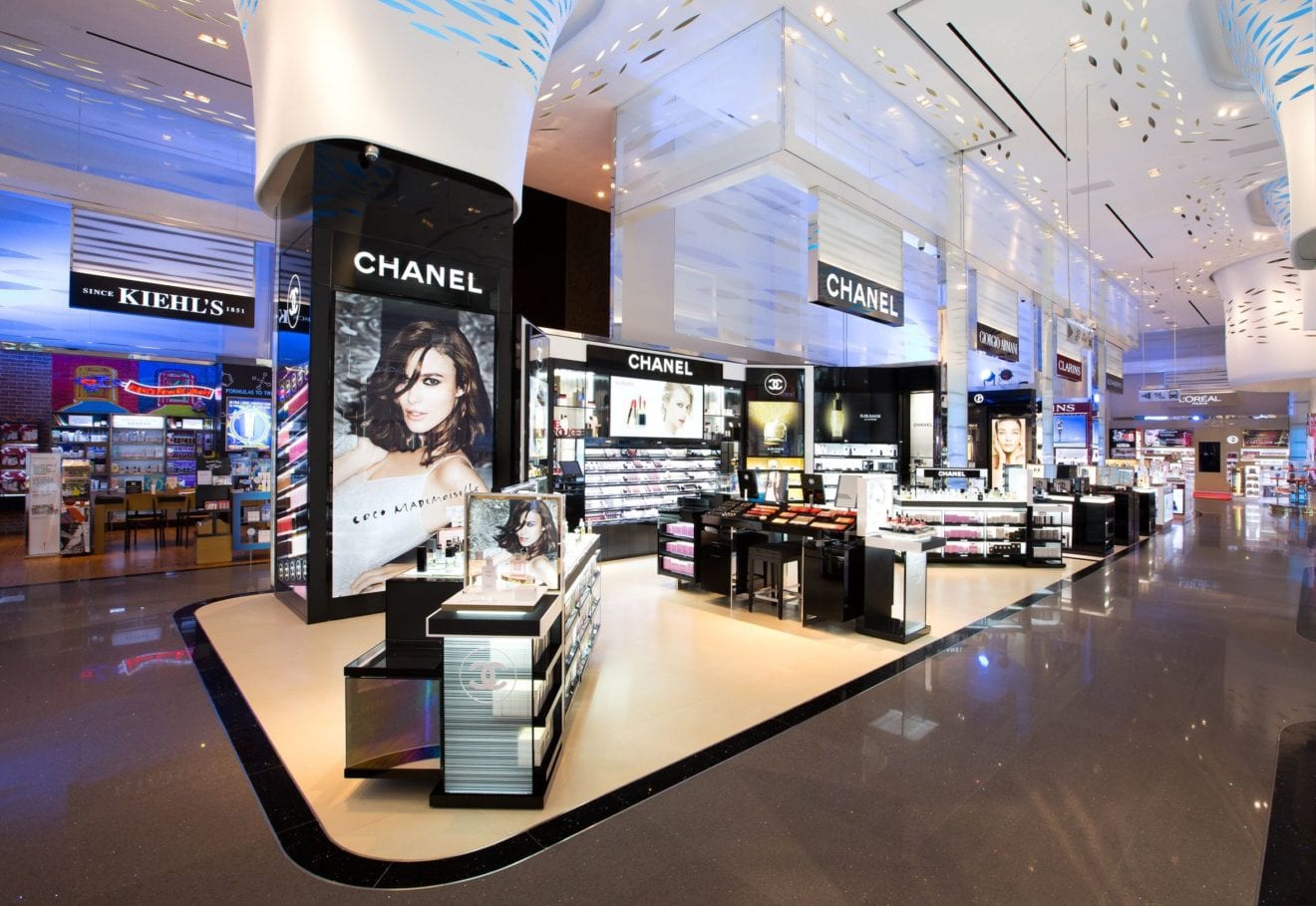
    But this aside, few could argue that the building itself is not a huge achievement and this has been recognised with these latest awards. South Korea’s largest duty free retailer says that the interior design was optimised for shopping right from the very beginning, with high ceilings to allow brands to express offers and cultures.

    In addition, the retailer has installed ‘world-class’ LED screens to support the environmental design in harmony with the digital era.

    In a statement, the retailer said: “The Media Wall (large LED screens), the Column (cylindrical LED screens surrounding the columns) and the Cylinder (LED screens hanging on the ceiling) make the place new and trendy.

    [Lotte Duty Free] Interior of the Worldtower store (1)

    [Lotte Duty Free] Interior of the Worldtower store (4)

    Within the store, chiffon and indirect lighting has been used to create an effect of ‘the sun shining through white clouds’. Other features include a large number of HD TV screens located around the store, providing details of products and special promotions. At the opening these featured exclusive promotional advertisements featuring the top model Su Hyun Kim.

    “The company has invested more than three thousand million Won ($2.4m) for installation [and] six hundred million Won ($498,174) for the initial stage of content development, which needs a steady investment.”

    Lotte adds that the three LED installations are integrated throughout the shop space, with the video content alternating throughout the day to offer entertainment, local heritage and natural environmental content.

    The company concluded: “The distinct shopping experience of [the] Lotte Duty Free World Tower store which presents the new cultural experience beyond shopping has been highly valued in terms of design by the awards.

    “Besides, the company has won the Bronze prize of HUB Prize (USA) in [the] Brand Experience category and [the] Merit award of Graphis Competition (USA) in Innovative Environment category.”

  • Korea duty free operations offered

    Korea duty free operations offered

    Two international airports in are set to review operational licenses for South Korea duty free shops.

    But the upcoming bids are unlikely to become competitive due to sluggish profitability, industry sources told Yonhap on Wednesday.

    Gimpo International Airport in western Seoul is expected to open a bid for tax-free shops later this month as the current operating rights expire in May after five years of operation.

    Currently, Hotel Lotte Co. and Hotel Shilla Co. have duty-free shops at the airport.

    Gimhae International Airport, west of the southern port city of Busan, also has to select a new operator as Shinsegae Co, a major retailer, shut down its store in December to focus on its city outlets.

    Shinsegae won a right to open a new duty-free shop in Myeondong, a popular tourist destination in downtown Seoul.

    While several local retailers threw hats into the ring for licenses in downtown Seoul last year to attract affluent Chinese shoppers, the upcoming bid is not likely to fuel competition as current shops at the airports have had difficulty making ends meet.

    Sales at the Gimpo and Gimhae outlets stood at 140 billion won (US$116 million) and 130 billion won, respectively, last year, according to their financial reports.

    Hotel Lotte said it plans to renew its license for Gimpo and decide on the Gimhae store after considering potential profitability.

    The unit under retail giant Lotte Group lost its license in southern Seoul in a tightly contested bid amid a bitter succession feud between the founder’s two sons.

  • Lotte Mart faces pork probe

    Lotte Mart faces pork probe

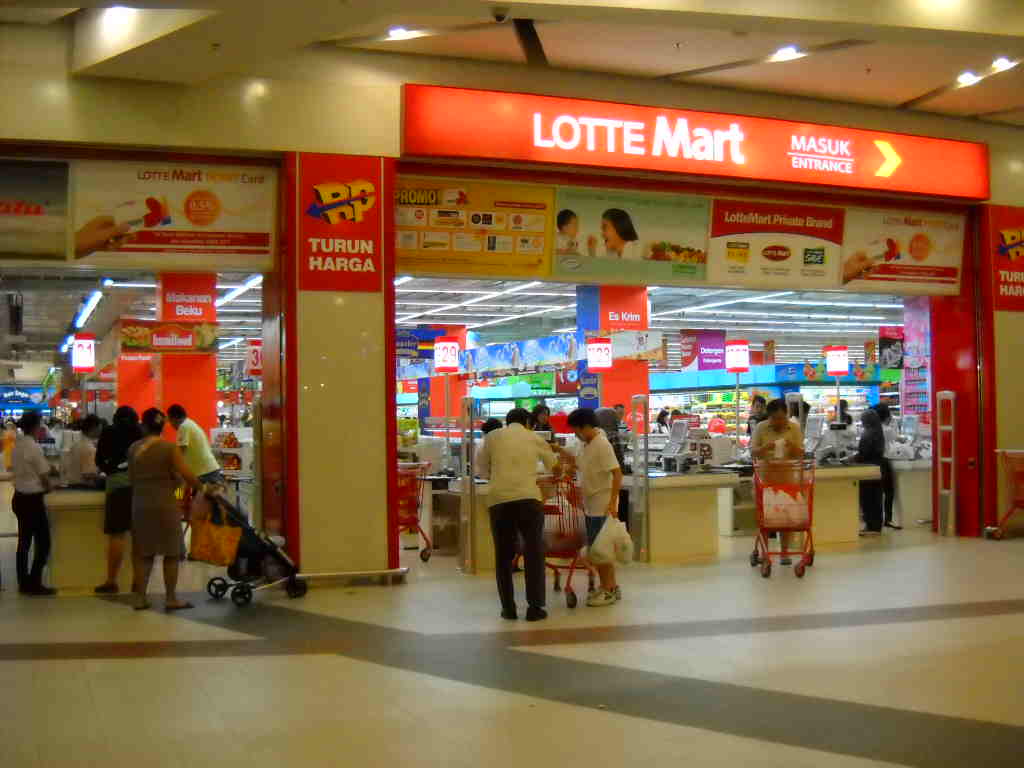
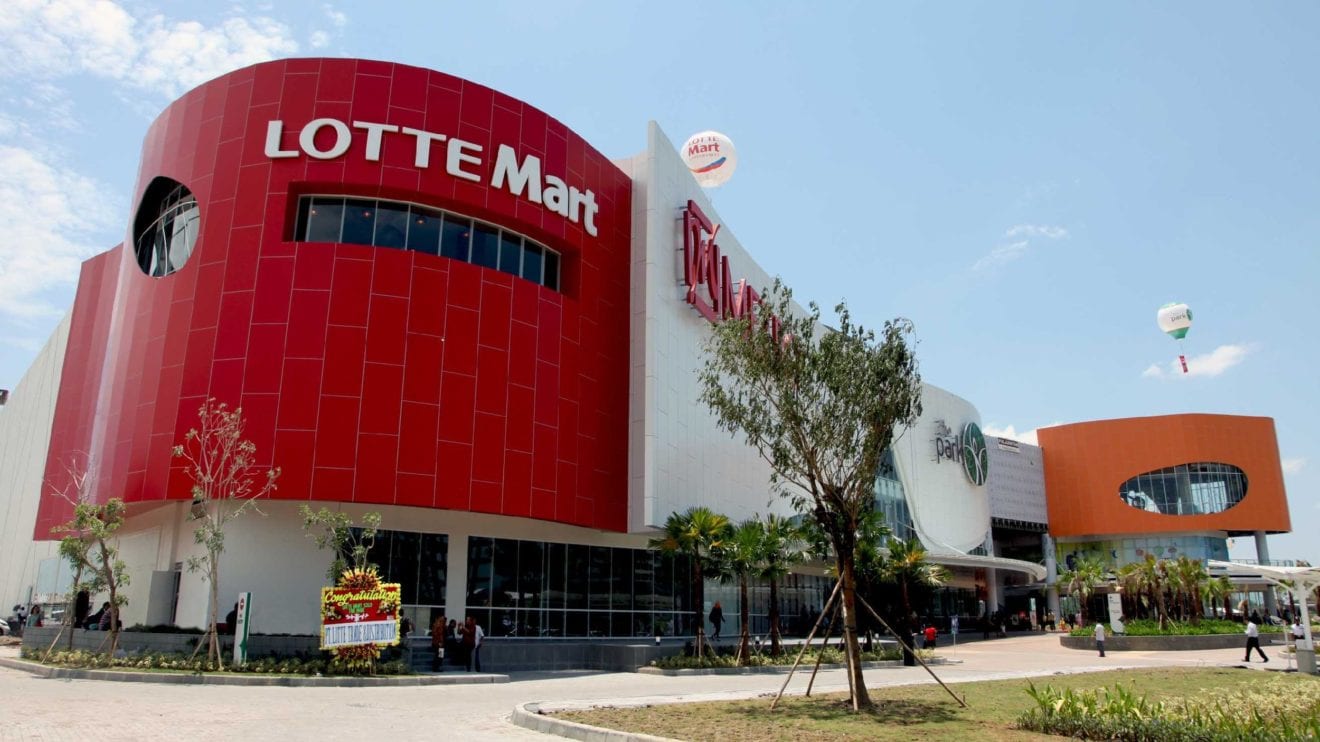
    Lotte Mart, South Korea’s No. 2 discount chain, is under investigation for allegations of unfairly pressuring a supplier into selling pork bellies below production cost, Korea’s antitrust watchdog said Tuesday.

    A source at the Fair Trade Commission (FTC) said investigators have been checking the retailer since December after a local pork producer raised complaints that Lotte Mart not only forced suppliers to sell at below the cost of production, but insisted on covering shipment and credit card payment-related expenses.

    Lotte Mart has been engaged in a so-called ‘pork belly day’ sales promotional event for some time that boosted demand for the meat cut.

    “A supplier claimed that Lotte’s unfair demands resulted in 10 billion won (US$8.3 million) in damages since it had to sell the meat at 30-50 per cent discounts,” the official said.

    In August, Lotte Mart contested a ruling by the Korea Fair Trade Mediation Agency (Kofair) that called on the discount store to pay 4.8 billion won (US$3.96 million) to the supplier.

    Under existing rules, if a company rejects Kofair’s verdict, the matter has to be forwarded to the FTC.

    Lotte Mart argued that while it did cut prices during the promotional event, it immediately marked up prices to reimburse suppliers for any losses incurred.

    “Kofair only accepted the allegations raised by the supplier when it ruled on the size of the fine,” a Lotte Mart spokesperson said. “The company will provide all information being requested by the FTC and cooperate fully with the probe.”

    Market watchers said that even if the corporate regulator rules against Lotte Mart, the suppliers will still have to engage in a court battle to get compensation.

    Lotte Mart, meanwhile, was fined 1.38 billion won in late 2014 for passing on the cost of a product promotion campaign to a supplier.’

  • Korea’s E-Mart Vietnam launches

    Korea’s E-Mart Vietnam launches

    As a first step in a Southeast Asian rollout, Korean discount store E-Mart has opened its first outlet in Vietnam.

    It goes head-to-head with rival Korean chain, Lotte Mart, which has been in Vietnam since 2011 and now has 11 stores. The E-Mart Vietnam launch follows four years of researching the Vietnamese retail market.

    Run by retail giant Shinsegae, the new two-storey E-Mart hypermarket is worth US$60 million and is on a 3ha site in the busy Go Vap District of Ho Chi Minh City, nearby the airport. It is the brand’s first overseas store since it shifted focus to Southeast Asia in 2011 after a lacklustre foray into China. The company regards the new store as a foothold for expansion throughout Vietnam and into such neighbouring countries as Indonesia, Laos and Myanmar, reports the Korea Herald.

    E-Mart’s Ho Chi Minh City store has been tailored for Vietnamese consumers, and offers several features new for Vietnam. About 95 per cent of the employees (about 300) are Vietnamese, including the manager, and the parking lot has been designed to cater for 1500 motorcycles and 150 cars to reflect the city’s vehicle preferences

    As well as featuring Korean products popular with Vietnamese tourists to Korea, the hypermarket has imported items sourced by its operator. Korean dishes such as kimbap, tongdak and grilled chicken are made in-store, as well as baked goods adapted for Vietnamese tastes. On its shelves customers can also find fast-moving consumer goods, household utensils, electronics, and clothing from about 1000 local suppliers, plus a wide range of Korean and Emart-branded products. About 95 per cent of the goods will be locally made.

    Unusual for stores in Vietnam, the new E-Mart has such concepts as a diversified food court, a children’s sports club, games centre, book store and an English club, plus its flagship customer services include immediate refund and exchange policies and compensation for checkout errors.

    Its mix of food and entertainment is aimed at turning the store into a “happy hypermarket” for Vietnamese consumers, reports VNS. E-Mart Vietnam general director Choi Kwang-Ho says it is hoped these concepts will “sweep the Vietnamese retail market”.

    “After successfully building up a sizeable presence in Ho Chi Minh, we plan to expand into the rest of the country,” he said.

    According to the Korea Herald, E-Mart has already bought land for a second branch. An E-Mart press release says the company plans to open another hypermarket in Hanoi – a first for the capital – and expand the chain to 52 stores across Vietnam by 2020.

    Meanwhile, in co-operation with the Viet Nam National Traffic Safety Committee, E-Mart has donated hundreds of helmets each to seven primary schools in Go Vap. It plans to gift 50,000 quality helmets for primary-school students by 2020.

    E-Mart is the largest retailer in South Korea with 160 stores. Founded in 1993 by department store franchise Shinsegae, E-Mart reported global sales of $13.2 billion last year.

  • Lotte celebrates topping-out of Korea’s tallest building

    Lotte celebrates topping-out of Korea’s tallest building

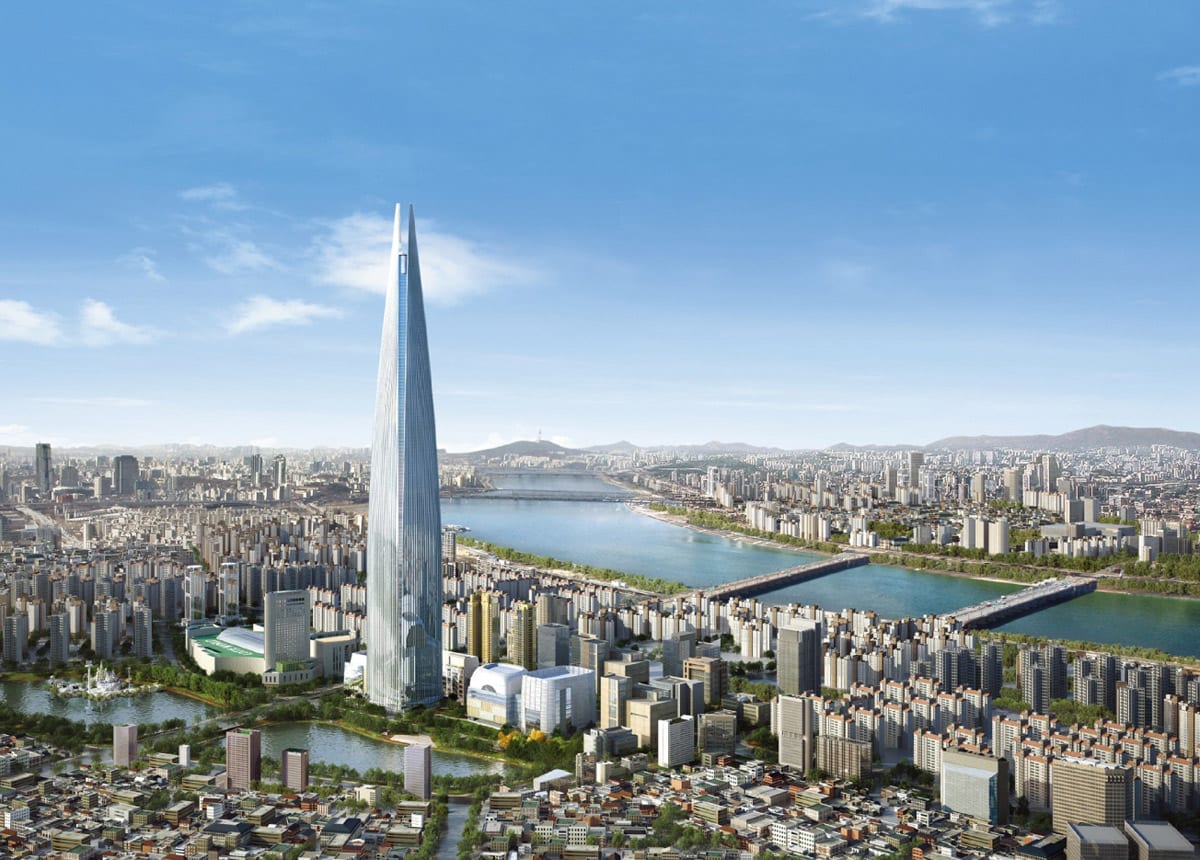
    South Korea’s retail giant Lotte Group held a symbolic topping-out ceremony Tuesday afternoon to mark the approaching completion of the Lotte World Tower, the tallest building in the country located in Jamsil, southeastern Seoul.

    Lotte Corp. placed the last crossbeam on the top floor of the 123-story skyscraper amid much fanfare with some 200 high officials in attendance, including Lotte chairman Shin Dong-bin and Seoul City mayor Park Won-soon.

    The Lotte World Tower currently stands at 508 meters as the world’s fifth tallest building in the world. It will reach 555 meters in height once the spire is placed and the interior construction is concluded next year.

    “Offering panoramic views of Seoul, the Lotte World Tower will be able to attract some 2 million tourists every year,” said the Lotte chairman in his congratulatory speech.

    Mindful of public concerns about safety, Shin emphasized that Lotte would “work to ensure that the tower becomes a safe location that can welcome all visitors” and to “successfully wrap up the remaining construction procedures.”

    The supertall skyscraper stands at the center of Lotte’s 3.8 trillion won ($32 billion) project envisioned by Lotte founder Shin Kyuk-ho to build an unparalleled legacy for the company in Jamsil.

    Located adjacent to the tower is the Lotte World Mall, a mega shopping complex featuring shops, restaurants, a movie theater and aquarium. The tower is set to house a six-star hotel, office space and an observatory once it is completed next year.

    “The Lotte World Tower has been constructed in line with my father’s wish to establish a landmark building in Korea,” said the Lotte chairman, also the eldest son of the Lotte founder.

    “The tower will become a structure beloved by people from all over the world.”


  • Hotel Lotte set to submit IPO application next week

    Hotel Lotte set to submit IPO application next week

    Hotel Lotte plans to submit the application to the Korea Exchange (KRX) on Monday for a preliminary regulatory review of its initial public offering (IPO), after clearing uncertainties surrounding the conglomerate’s management and other issues.

    The listing of Hotel Lotte is one of the reform pledges that Lotte Group Chairman Shin Dong-bin has made to assuage public disgust over a bitter family feud for control of the retail-focused conglomerate, which has sprawling businesses both in South Korea and Japan.

    Earlier this month, Lotte said its Japanese shareholders support the current leadership despite the ongoing succession feud. Japan-based Lotte Holdings is the largest shareholder of Hotel Lotte with a 19.1 percent stake.

    The KRX earlier said it is considering simplifying the screening process to facilitate its listing, using a “fast-track” system that cuts the review period to about a month.

    To take advantage of the speedy process, applicants should have over 400 billion won in equity capital and 700 billion won of annual sales for three years, along with other requirements.

    “If Hotel Lotte submits the application, we would be able to confirm the result by January,” a KRX official said, asking for anonymity.

    Hotel Lotte is pushing for the IPO despite the group losing one of its two duty-free stores in Seoul last month.

    Lotte kept a location in Myeongdong, a popular shopping district in downtown, but lost the operational license for another at Lotte World Tower in southeastern Seoul.

    The conglomerate earlier said Hotel Lotte is expected to have a market capitalization of around 10 trillion won ($8.6 billion) when it is publicly traded, but market watchers say losing one of its duty-free stores in Seoul in the recent competition could lead to that re-evaluation of its market value.

  • Lotte Duty Free in shock Seoul licence loss

    South Korea’s Lotte Duty Free has lost the licence to operate one of its large stores in downtown Seoul.

    Beleaguered Lotte – in the midst of a family feud over its management and on the eve of a planned IPO of its Hotels unit – has been displaced by heavy industries company Doosan Co in the 10,990 sqm store in South Korea’s tallest building – the Lotte World Tower and Mall.

    Lotte has had the licence to run the store for five years and sunk US$255 million into the site.

    “The customs agency decision has shattered its ambitions to grow it into the world’s largest duty-free outlet over the next decade,” reported Japan Today newspaper in Tokyo.

    “The setback was particularly badly timed given the preparations for an initial public offering of shares in Lotte’s hotel unit, which runs the group’s duty-free business.”

    Lotte’s duty free business is a subsidiary of Lotte Hotels, contributing 80 per cent of the operation’s revenues.

    Park Jong-Dae, analyst at Hana Financial Securities, said investors are concerned the loss of the licence will hurt Hotel Lotte’s overall profits.

    “As a result, the company’s valuation may fall when it goes public,” he said.

    Lotte Duty Free’s flagship Myeong-dong store is unaffected.

  • Duty-free industry in crisis of stagnation

    Duty-free industry in crisis of stagnation

    Thousands of jobs are under threat in the wake of the Korea Customs Service’s shock decisions last Saturday in awarding duty-free licenses in Seoul.

    Two major players had their licenses revoked. Lotte Group plans to close its World Tower branch in Jamsil, southern Seoul, that posted 500 billion won ($430 million) revenue last year, and SK Networks’ Walkerhill duty-free shop is being forced to cease operations after 23 years.

    The selection process for duty-free outlets has been criticized as it mandates renewal every five years. Some observers feel this goes against the Park Geun-hye administration’s creative economy drive, which has a key premise of creating jobs by letting companies freely enter promising industries.A total of 2,200 workers are on the verge of losing their jobs at the two operators.

    Regardless of the commitments, a sense of insecurity lingers among new and old duty-free store operators because of the uncertainty over duty-free license renewals in five years.Other affiliates under the Lotte Group umbrella have guaranteed that they will hire workers from the duty-free stores, and new operators – Doosan, Shinsegae and Hanwha (selected in the summer) – have promised to absorb those from SK.

    Han Gyeong-ran, 49, has worked at Lotte’s World Tower branch for 17 years. She is a sales manager at a small-size jewelry brand inside the outlet, but now that the entire store is shutting down in six months, she will lose her job because the jewelry brand is housed at the Jamsil outlet and not the Sogong branch, which will remain intact.

    “I am just at a loss, not knowing what to do to provide for my old age,” she said.

    “I don’t know how you could say getting rid of a company that has invested 300 billion won for a single duty-free outlet and depriving those employees of jobs is what the government describes as job creation.”

    Last year, when Lotte lost its duty-free license at Gimhae International Airport in Busan to Shinsegae and shut down the store, only half of the 390 Lotte employees were transferred to Shinsegae.

    “There are many lawmakers who have remained silent over the verdict this time on the duty-free shop licenses for fear of being mistaken as defending those companies that failed,” said Lee Hahn-koo, a lawmaker with the ruling Saenuri Party. “After proclaiming it would produce more jobs, the government is actually doing the opposite, which is preposterous.”

    Before the Park government introduced a new system in 2013 that put each license up for open competition every five years prior to expiry, renewal for downtown duty-free shops was a semi-automatic, rubber-stamping process for 10 years at a time.

    Martin Moodie, chairman of the Moodie Report, a U.K.-based online publication devoted to the global travel retail and duty-free sector, told some Korean media outlets in 2013 that weakening duty-free shops in their home market “seems a misguided and short-sighted step.”

    “The five-year deal is a disaster and will kill what little quality there is. The margin pressure on brands will get far worse, too,” a senior executive for one of the world’s leading luxury brands was quoted as saying by the Moodie Report on Sunday.

    He added that some leading brands may opt in the future to position themselves in Korean domestic stores with permanent high-quality environments rather than facing a potential change in duty-free retail partners every five years, given there is “no difference between Korean duty-free and tax-refund pricing [depending on foreign exchange rates].”

    Companies that had their license renewed or newly issued may not have time to celebrate as stumbling blocks lie ahead.

    A group of lawmakers led by Rep. Hong Jong-haak from the main opposition New Politics Alliance for Democracy has proposed a revision of a bill that will force duty-free store operators to pay 100 times the licensing commission they are paying now – from 0.05 percent of annual revenue to 5 percent.

    That means the Sogong branch of Lotte Duty Free will have to pay 10 billion won in commission to the Korea Customs Service each year after the revision, when it currently pays 1 billion, or 0.05 percent of the 2 trillion won annual revenue.

    If approved, the move will inevitably force duty-free shops to hike the prices of goods, which will lead to Korea becoming less attractive to tourists, particularly big-spending Chinese, and shrinking tourism to Korea.

    The Korean government’s process goes against systems in Europe and neighboring countries such as China, Japan and Taiwan, which have been ramping up their duty-free industry as its golden goose that draws huge foreign currencies.

    The Korean duty-free business has grown exceptionally in the last five years. Earnings from duty-free have exceeded that of China and the United States and held the No.1 spot since 2012. According to a survey by the Korea Tourism Organization, the biggest reason foreigners visit Korea was to shop. In fact, 72 percent of the poll picked shopping. As a result, the Korean duty-free business raised $7.78 billion last year.

    But a change in duty-free licensing regulations will force companies to become very cautious in their investment strategies and wary of business expansion.

    Lotte was not alone in heavily investing in expanding its duty-free business. Walkerhill recently invested 100 billion won in doubling the size of its duty-free stores. It was scheduled to open up next month.

    The licensing regulation is also likely to affect future plans, even for newcomers such as Doosan.

    “It takes a huge amount of investment when starting a duty-free business, and it takes a minimum of 10 years before it settles,” said Choi Young-soo, former chairman of the Korea Duty Free Association and former vice president of Lotte Hotel in charge of the duty-free business. “If you have to get government approval every five years, who would invest a large amount and even hire regular employees?

    “When doing business whose main customers are foreigners, whether a company monopolizes is meaningless. If we continue with such a policy, we will loose the Chinese tourists to the Japanese.”

    Han Enny, CEO of Enny Trading Corporation, which supplies cosmetics to duty-free stores including Lotte and Walkerhill, was frustrated at the recent licensing decision.

    “We have products shipping in that we plan on supplying to the duty-free stores next spring, but it seems we would have to cancel those orders,” Han said. “We have built our credibility for years just to get a contract with foreign companies, but it seems it’s all going to crumble.

    “Luxury companies’ products that have high demand from Chinese consumers make trade relations based on long-term trust, but if this continues, they wouldn’t be interested in opening up stores in Korean duty-free stores.”

    Other countries have been taking the opposite direction in their strategies as they have realized how lucrative duty-free businesses can be.

    Swiss duty-free retailer Dufry was ranked No. 2 in the world in 2013. But it recently became the biggest in the industry, bumping off previous No. 1 DFS, after buying another Swiss duty-free retailer that was ranked the world’s No. 7, Nuance Group, last year and adding Italy’s World Duty Free in August. LS Travel Retail, the French duty-free retailer and world’s No. 4, expanded further when it bought North American duty-free business Paradises in August.

    As of last year, the world’s top four duty-free companies accounted for 25 percent of the duty-free market, a sharp increase from the 16 percent in 2010.

    “The duty-free business in a core pillar in a country’s tourism industry development,” said Kim Seung-wook, a economics professor at Chung-Ang University. “The customs service agency needs to focus on lowering the entry level of duty-free stores and think more on ways to help foreign tourists open up their wallets, rather than focusing on regulations.”

  • South Korea retail sales rise

    South Korea retail sales rise

    Preliminary data from leading department and discount stores in October reveals South Korean retail sales are recovering post-Mers.

    Combined sales last month at department stores run by Hyundai Department Store, Lotte Shopping and Shinsegae Co jumped 17.4 per cent year on year.

    That’s a huge improvement on the 2.8 per cent department stores achieved in September and the seven per cent rise in discount department stores.

    The preliminary data from the Finance Ministry shows clearly a bounce back following the Middle East Respiratory Syndrome (Mers) scare which caused tourists to travel elsewhere and locals to stay at home in fear of catching the viral epidemic.

    Figures released by Statistics Korea last week show South Korea retail sales rose to their highest level in four months in September, up 4.1 per cent on September 2014.

    Department store and discount store sales started to slide in June when the Mers crisis peaked.