Tag: loyalty

  • KFC Loyalty Program Captivates China: 590 Million Members and Counting

    KFC Loyalty Program Captivates China: 590 Million Members and Counting

    Yum China, the parent company of KFC in China, reported a significant expansion in its digital loyalty programs which now boast over 590 million members, accounting for over 40% of the country’s population.

    Growth in Loyalty Programs

    According to Yum China’s 2025 earnings report, unique membership in loyalty programs across KFC and Pizza Hut experienced a growth of 13% from the previous year. The report also revealed that 55% of the company’s sales were made through these programs.

    David Slavick, the founder of Ascendant Loyalty Marketing, a US-based consulting firm, referred to the achievement as “the largest loyalty program in the world”.

    Yum China’s Rapid Expansion

    Yum China Holdings, an offshoot of Yum Brands based in Shanghai, owns and franchises more than 18,000 stores across the country. This includes approximately 13,000 KFC locations, which the company claims is the largest restaurant chain in the country.

    The company has pursued a strategy of quick expansion in a market where consumers utilize digital payment apps more extensively than in other consumer markets such as the United States, a trend which has sped up in recent times.

    Impact on Yum China’s Business

    On Wednesday, Yum China’s CEO, Joey Wat, informed investors that the KFC loyalty program was “really helping our long-term and short-term business”. He attributed this to the growth in the popularity of the KPRO brand, a healthier and more upscale version of KFC, which was launched in 2017. Wat revealed that 80 to 90% of KPRO’s sales come from KFC loyalty members.

    Wat also mentioned that the company’s new AI ordering assistant for KFC app users, which was rolled out across the country in January, has been used by two million members so far, mainly by diners ordering breakfast and coffee.

    Increasing Trend of Digital Ordering

    Industry experts indicate that consumers in China use digital ordering apps more frequently than their counterparts in the United States. The market for loyalty programs in China was worth nearly $20 billion in 2025 and is projected to reach almost $33 billion by 2029.

    Yum China reported that 265 million users are active, meaning they have used the program in the past year. The company’s brand-specific loyalty apps, similar to the ones in the US, allow users to order meals and deliveries digitally, and also offer discounts and personalized recommendations. Unlike most restaurant brands in the US, Yum China’s KFC app also has paid and invitation-only tiers in its membership program that provide free deliveries and prioritization in delivery queues.

    Questions & Answers

    What is the scale of Yum China’s digital loyalty programs?
    Yum China’s digital loyalty programs have over 590 million members, which represents over 40% of the population of China.

    How much of Yum China’s sales are made through their loyalty programs?
    According to the company’s report, 55% of their sales are made through their digital loyalty programs.

    What is special about Yum China’s KFC app?
    Unlike most US restaurant brands, Yum China’s KFC app has paid and invitation-only tiers in its membership program. These tiers provide benefits such as free deliveries and prioritization in delivery queues.

  • Revolutionizing Retail: How Meta, L’Occitane and Omnichat are Using WhatsApp to Drive Customer Loyalty

    Revolutionizing Retail: How Meta, L’Occitane and Omnichat are Using WhatsApp to Drive Customer Loyalty

    Omnichat, a notable omnichannel AI platform, recently conducted the third iteration of the Commerce Leadership Forum at Meta Singapore’s facility. The forum saw an assemblage of high-ranking leaders across various sectors, arranged to discuss the transformative influence of AI-empowered business messaging in retail, beauty, and lifestyle industries in the Asia Pacific.

    The Impact of WhatsApp on Commerce

    Prominent leaders from Meta and L’Occitane spoke about the swift adoption of WhatsApp as a crucial commercial platform, underscoring its evolution from a simple customer support tool to an engaging platform catering to committed customers, driving conversions, and establishing long-lasting loyalty.

    L’Occitane disclosed that WhatsApp has become the primary mode of customer communication across Asia Pacific markets, accounting for over 80% of inbound and outbound customer interactions. The brand further revealed that personal, conversational interactions have resulted in profitable outcomes compared to traditional channels. This increase in commercial success, coupled with real-time engagement, has enabled L’Occitane to extend relationship-building beyond transactional interactions, resulting in lasting brand loyalty.

    Terrence Siu, chief information officer of APAC at L’Occitane, stated, “Loyalty begins the moment a customer chooses to stay connected with the brand. Using WhatsApp as a unified touchpoint allows us to move customers smoothly from online discovery to in-store engagement without losing context. Customers receive a consistent and personalized experience wherever they interact with us, be it on Facebook, Instagram, or WhatsApp.”

    L’Occitane has extended this seamless experience into a complete loyalty journey by utilizing Omnichat and WhatsApp to deliver sample products, VIP privileges, and post-purchase experiences. This ensures that customers feel guided and appreciated long after their initial transaction. The distribution of samples and exclusive VIP offers directly through WhatsApp has elevated their coupon redemption rate to 87%.

    Messaging-led Commerce and Loyalty

    Messaging-led commerce has been further reinforced by YouGov’s new regional insights. The data showed that 32% to 43% of Asia Pacific shoppers now utilize business messaging to track orders, complete purchases, and maintain contact with brands throughout the sales cycle. WhatsApp has effectively become the default loyalty channel for high-intent engagement in Asia.

    Vicky Yiu, APAC strategic partnership manager for business messaging at Meta, asserted, “WhatsApp is increasingly becoming the commerce layer for brand engagement in Asia. When businesses move to a messaging-led experience, they shift from campaigns to relationships – and that is where long-term loyalty is earned.”

    Omnichat, powering these loyalty journeys, has illuminated how brands can evolve membership from a static database into an active relationship engine. By consolidating multi-channel identity into a unified customer profile and harnessing AI to trigger personalized re-engagement flows, Omnichat aids brands in converting one-time buyers into loyal members.

    CEO and founder of Omnichat, Alan Chan, emphasized, “Loyalty only works when it’s active, not passive. By linking QR codes to product samples, in-store touchpoints, and messaging-based rewards, brands can proactively engage members in real time. This is the difference between a loyalty database and a loyalty journey.”

    Questions & Answers

    How is AI-powered business messaging transforming the retail and lifestyle sectors?
    AI-powered business messaging is transforming these sectors by personalising customer interactions, driving profitable outcomes, fostering long-term loyalty, and reducing customer acquisition cost.

    How has WhatsApp influenced L’Occitane’s customer engagement?
    WhatsApp has become L’Occitane’s primary mode of customer communication. It has enabled the brand to provide a seamless experience, from online discovery to in-store engagement and beyond. It also allows L’Occitane to distribute samples and VIP offers directly, resulting in a high coupon redemption rate.

    What role does Omnichat play in this transformative process?
    Omnichat powers the loyalty journeys of brands, transforming membership from a passive database into an active relationship engine. It helps brands remain present in the customer’s daily routine, enabling real-time rewards and VIP benefits, and consolidates multi-channel identity into a unified customer profile.

  • Puma’s Data-driven Approach Boosts Customer Loyalty In Southeast Asia

    Puma’s Data-driven Approach Boosts Customer Loyalty In Southeast Asia

    In the retail and branding sector, data reigns supreme. It provides valuable insights that can be employed to boost personalisation and foster customer loyalty. Sportswear retailer Puma provides a case study for this, as it navigates customer relationship management (CRM) and lifecycle marketing in Southeast Asia.

    Understanding the Data Challenge

    A one-size-fits-all CRM strategy won’t suffice, especially in Southeast Asia’s diverse market. The key to any successful CRM strategy is the development of a robust database. Ankit Madhogaria, Puma’s director of e-commerce Southeast Asia, emphasizes the importance of gathering accurate consumer data both online and in physical stores. This data can then be integrated into software platforms to provide a comprehensive view of all customer interactions, transactions, and touchpoints.

    However, Puma has experienced difficulty in procuring data from its offline customers, with Madhogaria noting that customers are less inclined to share information unless they are given a compelling reason to do so. The data required can be categorized into three types: communication data (like phone numbers or emails), personal data (such as birthdays or purchase anniversaries), and behavioral data, which includes the channels customers use to make purchases. Madhogaria suggests that capturing these data types can present robust opportunities for future campaign creation and customer engagement.

    The Power of Personalisation

    Puma has been redefining personalisation at scale with the assistance of SAP Emarsys’ customer engagement platform. The platform has enabled Puma to execute smart lifecycle strategies customized to suit each market within the region, resulting in impactful omnichannel engagement.

    Madhogaria believes that successful personalisation is achievable with the right tools and an effective data capturing strategy. Using these tools, Puma can generate product recommendations that can be integrated into emails, thus driving increased click-through and conversion rates.

    Successful Campaigns and Strategies

    Madhogaria highlighted several successful campaigns driven by their data-driven approach. Puma has implemented cross-sell promotions in transaction-related emails, which generally have a higher open rate. For instance, if a customer purchased running shoes, Puma recommended complementary items such as a t-shirt or shorts. This strategy resulted in a 3% increase in returning customers within a month, translating to a near 20% rise in efficiency and a substantial boost in revenue.

    Puma’s Birthday Bash campaign was another major success, particularly in Southeast Asia. The campaign, celebrating Puma’s birthday with significant discounts, resulted in a nearly 60% uplift in offline revenue and nearly triple the online revenue. Notably, almost 60% of the campaign’s revenue came from repeat customers.

    Building Loyalty in Southeast Asia

    Understanding the nuances of different markets and consumers’ preferred communication channels is crucial for building loyalty. For instance, Viber is significant in the Philippines, Line in Thailand, and Zalo in Vietnam.

    Madhogaria stresses the importance of continuous experimentation to understand what strategies work best in each market. Puma’s approach demonstrates that successful CRM in Southeast Asia involves more than just data collection; it requires testing, learning, and delivering campaigns that resonate with local consumers.

    Questions & Answers

    What are the three types of data Puma gathers from customers?
    Puma gathers three types of data: communication data (like phone numbers or emails), personal data (such as birthdays or purchase anniversaries), and behavioral data, which includes the channels customers use to make purchases.

    How has Puma personalized its marketing strategy?
    Puma uses SAP Emarsys’ customer engagement platform to implement personalized lifecycle strategies tailored to each market. The tool also generates product recommendations that can be integrated into emails to customers.

    What successful campaigns have Puma executed in their CRM journey?
    Puma has executed several successful campaigns, including the Birthday Bash campaign that resulted in a nearly 60% uplift in offline revenue and nearly triple the online revenue. Another strategy involved integrating cross-sell promotions into transaction-related emails, which led to a 3% increase in returning customers within a month.

  • Diverse Product Options Shift Brand Loyalty Landscape in Vietnam

    Diverse Product Options Shift Brand Loyalty Landscape in Vietnam

    Kantar data shows Vietnam’s surge in options fuels consumers’ shifting brand preferences.

    In Vietnam, brand loyalty is becoming a relic of the past as consumers grow increasingly price-sensitive, a trend fueled by inflation and an explosion of choices. Peter Christou, General Manager of Kantar Vietnam’s Worldpanel Division, notes that shoppers are re-evaluating their brand allegiances, complicating efforts for companies to win their hearts.

    “Brand loyalty is being challenged not because consumers don’t care, but because they wield more power, face greater pressure, and encounter an unprecedented array of options,” Christou remarked. As economic pressures intensify, Vietnamese shoppers are opting for budget-friendly decisions, making it imperative for retailers to pivot.

    Kantar’s analysis reveals that the number of products on the market has doubled in the past decade, yet the success rate of these new offerings has plummeted by half. This paradox underscores the need for retailers to rethink their strategies in a landscape where standing out is tougher than ever.

    The evolution of online, offline, and hybrid shopping channels has transformed the way consumers engage with the market. “I can now explore so many shopping avenues—online and offline—which makes comparing deals and prices incredibly easy,” Christou emphasized.

    Retailers are now navigating a reality in which brand loyalty is elusive. Christou offers a roadmap for survival in this “low loyalty environment,” suggesting that retailers prioritize a data-driven approach, a deep understanding of consumer needs, and the delivery of personalized value.

    Looking into the future, Christou identifies key e-commerce trends that retailers must monitor closely. He highlights the burgeoning realm of social commerce platforms like TikTok, the significance of hyper-personalization driven by AI, the increasing appetite for quick commerce, and the prospective impact of augmented and virtual reality on the retail experience.

    In a world where shoppers are armed with options like never before, the question remains—how will retailers evolve to keep pace?

    Questions & Answers

    What is driving the decline in brand loyalty in Vietnam?
    The decline in brand loyalty is primarily driven by inflation, price sensitivity, and an explosion of choices available to consumers.

    What does Kantar’s data indicate about the proliferation of products in Vietnam?
    Kantar’s data suggests that while the quantity of products has doubled in the last decade, the success rate of these products has halved, indicating fierce competition for consumer attention.

    What future e-commerce trends should retailers in Vietnam be aware of?
    Retailers should monitor the rise of social commerce, the importance of hyper-personalization via AI, the demand for quick commerce, and the potential of augmented and virtual reality in the shopping experience.

  • 5 Reasons for Loyalty Program from Small Business

    5 Reasons for Loyalty Program from Small Business

    Several businesses have implemented a loyalty program, and for a healthy reason. They increase purchases volumes, improve customer loyalty, encourage repeat clients, and much more.

    According to studies, it costs five times as much to attract a new client than retain an existing one. That’s why small firms need to turn a one-time customer into a loyal, repeat customer.

    And yes, a loyalty program from small business is your secret weapon. According to statistics, 40 percent of customers are likely to buy again from businesses and brands that reward loyalty.

    Here are the main reasons why small businesses should invest in loyalty programs for their customers.

    1. Gather Customer Data

    Yes, a customer loyalty program gives you a high quality of data associated with having their purchases synched into an organized system. Rather than play a guessing game about how new and existing customers are spending money with your firm, the loyalty program provides insightful information on their shopping habits.

    The valuable data helps you make market-specific products or promotions to the existing clientele. All this will be based on their spending habits.

    1. Helps You Retain Existing Customers

    Yes, retaining an existing customer is exponentially easier, less costly, and more beneficial than attracting new ones. According to studies, increasing the retention rate by five percent increases profits by anywhere from 25 to 95 percent. But that’s not all, attracting a new customer will cost your firm 5 times more than retaining an existing one. And yes, existing customers are known to spread the gospel about the quality of your products, services, and loyalty program to their friends and relatives. All this helps grow your business.

    1. Increase in Sales

    A customer is always looking for a better deal in terms of quality and price or both. So, why would a customer pay more for a deal when they can pay less or get loyalty perks for buying the same products or services in your store?

    According to statistics, over 70 percent of buyers are likely to purchase products from a business that offers a loyalty reward program. Therefore, a loyalty program is a perfect tool to increase sales and revenue for a business.

    1. Increases Brand Awareness

    Yes, brand awareness is among the major factors driving customer’s buying decisions. Markets are extremely competitive and overcrowded, therefore, customers are likely to stick with a company or brand they know.

    The market instability –previous and current- makes the price a major factor when buying products. This creates a gap in the market for firms that give back to their customers allowing them to stand out from the rest.

    And yes, customers share their experiences with their friends and relatives, therefore don’t underestimate the power of referrals. If a client is receiving a discount or cashback from your purchase, there’s a probability they’ll share the information with their friends and relatives.

    1. Measure Customer Loyalty Value

    Other than gathering data for customer loyalty programs, it is also providing you an opportunity to measure how valuable an individual customer is to your firm. For instance, you can gather data on how much data they spend annually or how frequently they shop in your stores.

    All this information helps you connect and relate with your most engaged fans. The continuous data feed helps you refine the loyalty program to reach the repeat top customers as efficiently as possible.

    Conclusion

    As a small business owner, you want to grow your business to greater heights. Well, investing in loyalty programs may help you realize this dream. It does so by increasing your building customer loyalty, which in turn results in higher sales. And yes, you can use the program to measure the loyalty value and tailor your programs to reach the top customers as efficiently as possible.


  • AirAsia to swap stock for full ownership of loyalty programme

    AirAsia to swap stock for full ownership of loyalty programme

    Malaysia’s AirAsia Group and Aimia Holdings UK II have signed a memorandum of understanding (MoU) for a $25 million stock-swap deal, for the latter’s 20% equity interest in the airline group’s loyalty program.

    The parties inked a share sale and purchase agreement for Aimia to sell 1.67 million ordinary shares in BigLife to AirAsia Group for a $25 million consideration. This will be satisfied by 85.9 million new ordinary shares in AirAsia Group, issued at MYR1.20 ($0.29) each, the company said in a 22 March Bursa Malaysia disclosure.

    AirAsia Group and Aimia Holdings UK II have signed a memorandum of understanding (MoU) for a $25 million stock-swap deal, for the latter’s 20% equity interest in the airline group’s loyalty program.

    If it materializes, the deal will increase Aimia’s stake in AirAsia Group to approximately 3.1%, the investment holding company said in a separate, same-day statement.

    AirAsia Group recently raised over MYR330 billion for short-term cash needs, from a private placement of 470 million new shares. These were issued across two tranches in February and March, at MYR0.675 and MYR0.865 per share, respectively.

    A stock exchange filing shows the company had over 3.8 billion issued shares as at 17 March, upon the conclusion of the private placement, with MYR8.36 billion in issued share capital.

    Under the MoU with Aimia, the consideration shares issued by AirAsia Group will rank pari passu with existing shares at the point of completion. The issue price reflects the company’s recent volume-weighted average market prices and represents a 0.84% premium over the last close on 19 March, before the signing of the MoU.

    AirAsia Group states that the purchase consideration takes into account, among others, a 2014 valuation that Aimia paid for its initial stake, which put a 100% equity interest in BigLife at $109 million.

    The MoU is governed by the laws of Malaysia, AirAsia Group states. The terms have yet to be finalized.

    While the company can execute the MoU without shareholder or regulatory approval, the requisite resolutions to complete the deal will need to be passed at a general meeting. Issue of the consideration shares is subject to approval by AirAsia Group shareholders as well as Bursa Malaysia.

    The remaining 80% stake in BigLife is held by AirAsia Digital, a wholly-owned subsidiary of AirAsia Group.

    The company states in its filing: “BigLife is principally engaged in the business of managing customer loyalty schemes whilst its subsidiaries are involved in the marketing and distribution of loyalty programs.”

    It envisages greater synergies across the group from full ownership of BigLife, which it says will give it better control of the entity.

  • Alibaba expands 88 VIP prestige loyalty program

    Alibaba expands 88 VIP prestige loyalty program

    Alibaba Group has rolled out an upgraded 88 VIP membership program, adding new perks and privileges to its prestige loyalty program.

    The new offerings range from discounts at more online flagship stores, memberships for Alibaba’s various services, and wider access to other platforms within the Alibaba ecosystem.

    This year’s package extends the 5-per-cent 88 VIP member discount to 300 brands on Tmall, adding to the 88 brands introduced when the club launched last year. Each 88 VIP member will also be automatically entitled to global travel membership with Alibaba’s travel service platform Fliggy, giving them additional benefits when booking international hotels and flights throughout the year.

    “The upgraded membership program demonstrates we are committed to enhancing the customer experience and delivering benefits that cover all aspects of our customers’ lives,” said Alibaba Group chief marketing officer Chris Tung.

    “Discounts on a wider range of brands and products and deeper engagement with the Alibaba ecosystem have helped us enhance customer loyalty, as well as strengthen our capabilities in cross-selling and generating consumer insights, benefiting customers and brands alike.”

    An 88 VIP member spends an average of RMB100,000 annually on services within the Alibaba ecosystem. These VIP members are often the first to discover what later become best-selling items on Alibaba’s platforms. Their purchases usually cover a wider range of categories than typical members. Moreover, these VIP members are more likely to have memberships on multiple services on Alibaba’s platforms.

    Launched in 2018, the 88 VIP program has created immense growth opportunities for both brands and merchants, according to Alibaba. For example, Marriott International, the global hospitality group that joined the 88 VIP program last December, has received twice as many hotel room bookings from 88 VIP members than from non-members. The land, a New Zealand dairy brand, has generated around 90 per cent of its sales on its Tmall flagship store from 88 VIP members.

  • Flybuys tops loyalty programs

    Flybuys tops loyalty programs

    Flybuys remains the top ranked loyalty program according to Australians, though the distance between it and second-place Woolworths Rewards narrowed significantly in 2019, according to the 7th annual For Love or Moneyreport.

    Flybuys dropped from a 35 per cent share to 30.4 per cent in the latest report, while Woolworths Rewards grew from 20.2 per cent to 21 per cent, based on survey respondents stating the programs were “doing a very good job.”

    While much of the list of top loyalty programs appears the same, there are some notable additions and subtractions, with Myer One and Commbank Awards falling off the list to make room for Event Cinema’s Cinebuzz Rewards, and Mecca’s Beauty Loop program.

    The most important considerations by program members surrounded how secure their data is, how it’s being used, and the reputation of the company itself – with 57 per cent of survey respondents noting they are worried they will be hacked or subjected to fraud based on information gathered by a loyalty program.

    “With numerous data breaches being reported world-wide… loyalty programs are at a pivotal point with member data protection, collection and use,” report author and chief executive of The Point of Loyalty Adam Posner said.

    “To maintain members’ trust and ongoing engagement with their loyalty programs, brands with programs should prioritise a proactive and transparent approach to clearly highlight to their members how their data is being protected and used.”

    Despite concerns surrounding the use of data, 62 per cent of loyalty program members take advantage of the rewards and benefits available to them. Millennials were the most likely to utilise these rewards, with 68 per cent indicating they utilise the advantages of a loyalty program.

    Additionally, the report found that loyalty programs tend to stimulate extra purchases from its members, with 28 per cent of members indicating purchased something they didn’t need in order to earn points, or maintain program benefits – an increase on the 16 per cent first measured in 2015.

    “The incremental purchases that a well-structured loyalty program can stimulate is where business who invest in loyalty programs really succeed,” Posner said.

  • Deliveroo Hong Kong launches loyalty program

    Deliveroo Hong Kong launches loyalty program

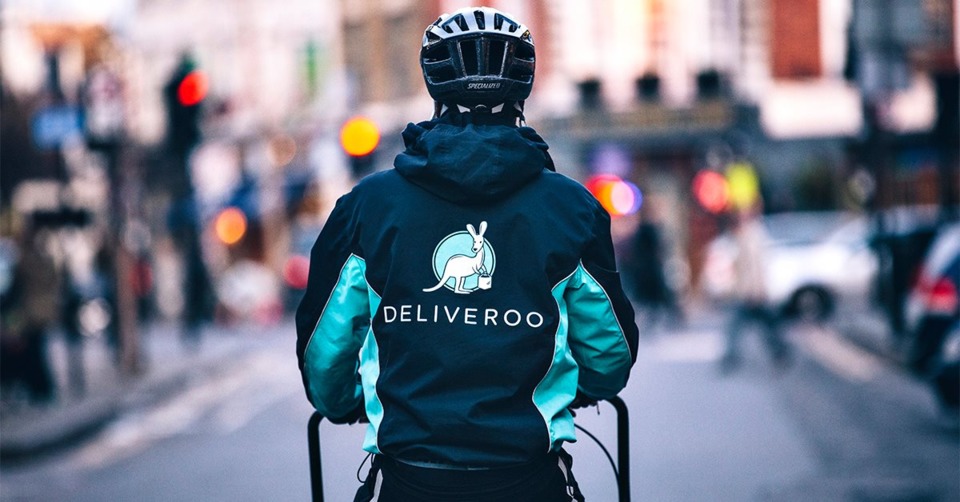
    Deliveroo Hong Kong believes a new loyalty program it has launched will drive retail-order growth by 75 per cent and increase order frequency by 85 per cent.

    Launched yesterday at the company’s Food Market in Sai Ying Pun, the program rewards customers who order food with an e-stamp for every HK$50 spent at Food Market. After they collect 10 stamps they can redeem a $100 coupon redeemable in store. Or they can save 20 stamps for a $150 in-store cash coupon; 30 stamps for $200. Members of the program can also enjoy birthday rewards of 10 per cent off any purchase during their birthday month.

    “Our aim is to reward customers with more opportunities to enjoy a delicious meal, support our restaurant partners via a new platform for sales, brand love and publicity; and to bolster Deliveroo’s bold expansion plans,” said Brian Lo, GM of Deliveroo Hong Kong.

    Food Market was launched last December, as the food-delivery service’s first direct-to-consumer location, letting customers walk in off the street and order their food for takeaway. Food Market also prepares food orders for delivery via the Deliveroo platform.

    Lo says the market has brought an additional 50 per cent in order volume and 26 per cent in new customer acquisition within the area during the past six months.

    It is currently home to five restaurant partners offering 15 dining concepts, including new virtual restaurant brands which are exclusively available via Deliveroo. Chinese restaurant Crystal Jade launched the delivery-only virtual brands Lao Er and Brother Kwok aimed at younger consumers. Other new brands launched through Food Market include The Pasta Project by Pizza Express, Shaka, Kai and Blazed by Pololi Group, and Leaves & Liberty and The Dogg Pound by Beef & Liberty.

    Deliveroo is now planning to expand Food Market, exploring new partnerships with student unions and looking at ways to further scale the concept’s success across the territory.

  • McDonald’s China Teams up loyalty program with Ele.me app

    McDonald’s China Teams up loyalty program with Ele.me app

    McDonald’s customers in China can now earn loyalty points when they order a Big Mac or Filet-o-Fish through Ele.me, Alibaba Group’s on-demand delivery platform.

    Ele.me users can activate a McDonald’s membership card with just one click on the app to earn loyalty points for purchases and receive vouchers worth up to RMB 88.5 (US$12.80). The fast-food giant attracted nearly 20,000 new members on its first day of launching the service on May 20, while single-day orders increased about 20 per cent week-on-week, McDonald’s China said.

    McDonald’s China is one of the first restaurant chains to pilot the new Ele.me service, one of the app’s latest tools to help the food-and-beverage sector seamlessly connect their online and offline operations.

    “McDonald’s is an important strategic partner for us, and we are thrilled to fully integrate their loyalty program with our platform. We look forward to continuing to work together to improve the delivery experience for consumers and provide even more services, benefits and perks,” said Hu Xiaoyu, VP of Ele.me.

    There are more than 3100 McDonald’s restaurants in Mainland China, more than 2000 of which also have a virtual presence on Ele.me. McDonald’s China launched its membership program last year, rewarding members for purchases made in-store or via its app and mini-program. It now counts more than 75 million members.

    “Integrating our loyalty program with Ele.me helps us provide more customers with a complete set of membership services and benefits, which ultimately enhances the delivery experience,” said Emily Pang, head of brand extension at McDonald’s China.

    Also among the first batch of global restaurant chains to bring their membership program to Ele.me are Burger King, Dairy Queen and Papa Johns, all of which reported higher sales in the 30 days that followed their launch. Burger King was the first to opt in last November, and has since attracted 2 million new members, with members contributing to nearly 40 percent of its gross merchandise volume on Ele.me.

    Ele.me plans to roll out even more features, such as birthday perks and member-only sales campaigns, to “bring more value to every purchase,” Hu said.

  • Watsons loyalty program Expanding for Travellers

    Watsons loyalty program Expanding for Travellers

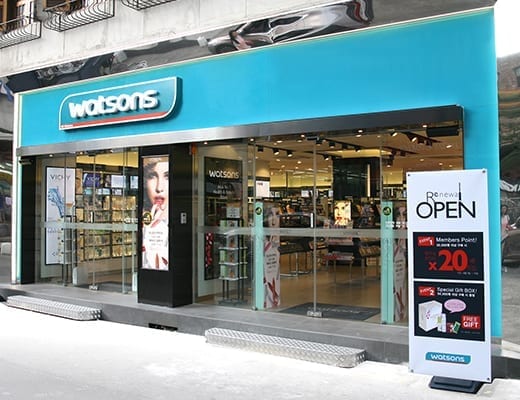
    Watsons is about to expand its loyalty program cross-border with 8 million members in 11 cities in the Greater Bay Area the first to benefit.

    “Watsons operates in many popular travel destinations worldwide, and our customers also tell us that they would like to shop in Watsons overseas,” said group COO Malina Ngai. “Therefore, in order to bring more excitement to our members, it is logical our loyalty program goes international.”

    Members of the Watsons loyalty program in Watsons Hong Kong and Watsons China (in particular Greater Bay Area members) will be able to upgrade their membership to the One Pass-level program to enjoy benefits when they shop in any of the 660 Watsons stores in the 11 cities: Hong Kong, Macau, Guangzhou, Shenzhen, Zhuhai, Foshan, Zhongshan, Dongguan, Huizhou, Jiangmen and Zhaoqing.

    The cross-border program will be launched in other Asian markets including Singapore, Malaysia, Thailand, Taiwan and Indonesia in July.

    “Watsons has been the No.1 Pharmacy/ Drugstore brand in Asia for 10 consecutive years with more than 90 million loyalty club members, and the majority of them are frequent travellers,” said Ngai.

    Indeed, recent research of 14,000 consumers in seven Asian regions showed the average frequency of cross-border Asian travelling is 1.7 per year. Hong Kong people travel 2.2 times yearly, ranking second across Asia, preceded only by Singaporeans, who travel 2.7 times per year.

  • Google Pay update brings Gmail integration

    Google Pay update brings Gmail integration

    Google is trying to build an entire ecosystem that will allow users to access any important information from just about every Google app. Gmail has been integrated with many other Google apps, but other developers noticed the benefits and added integration with the email app.

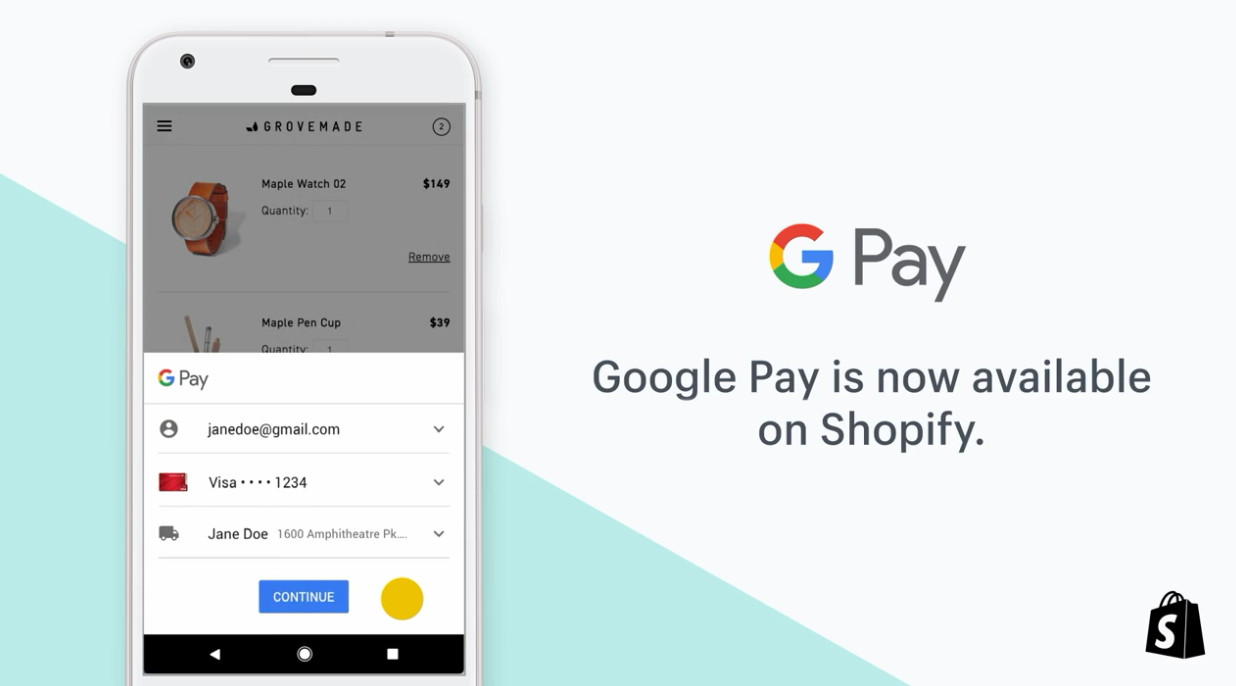
    The newest app that benefits from Gmail integration is Google Pay, which doesn’t come as a surprise since the changes were spotted a few months ago. Now, Google Pay has been updated with Gmail importing, which means that the mobile payment app will browse through your emails and add the relevant information to its system.

    For example, whenever you receive loyalty cards, movie tickets, and boarding passes in the Gmail inbox, they will be automatically added in Google Pay. Keep in mind though that if you delete the email containing the information, it will disappear from Google Pay as well.

    The improvement makes it easier to access loyalty cards, tickets, and more without having to go through your emails every time you want to know something about them. It’s also easier to find coupons and boarding passes that are being sent to your Gmail inbox and make use of them.

    It’s worth mentioning that the new Gmail import feature is disabled by default, so you’ll have to enable it in Google Pay by heading to Settings / General / Gmail Imports and using the toggle available after the latest update.

  • Thai Airways revamps Royal Orchid Plus frequent flyer program

    Thai Airways revamps Royal Orchid Plus frequent flyer program

    Thai Airways is making significant changes to its Royal Orchid Plus frequent flyer program from October 1 2019, affecting how miles are both earned and redeemed on Thai Airways and Star Alliance flights across the globe.

    On the one hand, business class and first class passengers travelling with Thai Airways stand to earn more miles from the same flights – as do Silver, Gold and Platinum Royal Orchid Plus members – but in turn, the number of miles needed to book a flight or secure an upgrade is increasing dramatically: more than doubled in some cases.

    Here’s an outline of what’s changing, and how it affects you, the traveller.

    Earn extra Royal Orchid Plus miles on first class, business class travel

    Passengers travelling with Thai Airways on all paid first class fares, some business class tickets and the highest-priced flexible economy fares will earn more miles when they fly from October 1.

    Of the fare types that will award more miles, here’s a look at today’s earn rate – given as a percentage of the number of actual miles flown in the sky – compared to the earn rate coming into place for flights taken on and from October 1:

    Class of service
    Fare letter
    Today’s earn rate
    Earn from October 1
    First class
    F 150% 250%
    First class
    A, P 150% 200%
    Business class
    C, D 125% 150%
    Flexible economy
    Y, B 100% 110%

    For example, a non-stop flight from Sydney to Bangkok measures up at 4,679 miles, which today would provide first class travellers booked onto an ‘F’ fare approximately 7,018 Royal Orchid Plus miles at the 150% rate, being the distance flown (4,679 miles) multiplied by the 150% earning rate.

    Fast forward to October, and that same one-way journey would instead generate a higher 11,697 miles, when the earning rate climbs from 150% to 250% on the same fares.

    All other fare types, including J- and Z-class business class tickets, will continue earning miles at the same rate as today.

    Silver, Gold and Platinum Royal Orchid Plus status gets easier to earn

    Thai Airways uses ‘qualifying miles’ to determine which travellers have earned Silver, Gold and Platinum status in Royal Orchid Plus: and as travellers earn ‘qualifying miles’ at the same rate as spendable miles above, passengers booked on those higher-end fare types will reach the lofty heights of status faster than before.

    For instance, Royal Orchid Plus Silver status – equivalent to Star Alliance Silver – is awarded after earning 10,000 qualifying miles in a rolling 12-month period, or 15,000 qualifying miles over a rolling 24-month time frame.

    Using the same example above, that would be achievable with a single first class flight from Sydney to Bangkok, while the airline’s Royal Orchid Plus Gold level (Star Alliance Gold) would be unlocked after a single return first class flight from Sydney to London via Bangkok with Thai Airways.

    Royal Orchid Plus Platinum – a level that provides access to Thai Airways’ first class lounge in Bangkok regardless of fare type, complimentary flight upgrades and more – would also be achievable from two return treks between Sydney and London, flying first class (F class) on one trip and business class (C or D class) on the other.

    It’s not that the requirements for reaching Silver, Gold and Platinum status are being lowered, of course: it’s simply that the airline’s highest-priced fare types will earn more qualifying miles from October, being the Thai equivalent to status credits, which brings these memberships within easier reach of passengers booking those premium fare types.

    New ‘tier bonus’ for Royal Orchid Plus members on Thai Airways flights

    From October 1, Silver, Gold and Platinum Royal Orchid Plus cardholders will earn even more miles on Thai Airways flights, through the introduction of a ‘tier status bonus’.

    Silver members will earn 5% more miles, Gold members get 10% more miles and Platinum travellers will pocket 20% more miles, year-round.

    This bonus is calculated upon the full overall earning rate from each Thai Airways flight, making it highly rewarding for first and business class flyers, although the extra points awarded via this ‘tier bonus’ aren’t also counted as qualifying miles: merely, extra miles to be spent on flight bookings and upgrades.

    As an example, a return flight from Sydney to Bangkok clocks in at 9,358 miles flown, which would earn a base-level member 14,037 miles from October 1 when flying on a C or D business class fare, given the 150% earning rate applied to those fares.

    The tier bonus is then added on top, giving top-tier Platinum members a further 20% boost on that initial haul of 14,037 miles, for an all-out gain of 16,844 miles.

    More Royal Orchid Plus miles needed to book Thai Airways flights

    Currently, the number of miles needed to book a Thai Airways flight differs, depending on whether you’re making a one-way reservation or flying return, with return-trip points bookings presenting the best value, requiring fewer points than booking the journey as two one-way flights.

    However, that pricing difference is being removed as part of these changes – the cost of a return flight to become twice as many miles as a one-way ticket – with the overall number of miles needed also being amended, for new bookings made from October 1 2019.

    For passengers taking return trips, here’s how that plays out across a range of routes, including flights from Australia (Sydney, Melbourne, Brisbane and Perth) to Bangkok and beyond:

    Route, flying return
    First class *
    Business class
    Economy class
    SYD/MEL/BNE-Bangkok (today)
    150,000 miles 98,000 miles 55,000 miles
    SYD/MEL/BNE-Bangkok (1/10-)
    180,000 miles (+20%) 130,000 miles (+33%) 55,000 miles (no change)
    Perth-Bangkok (today)
    N/A 75,000 miles 45,000 miles
    Perth-Bangkok (1/10-)
    N/A 130,000 miles (+73%) 55,000 miles (+22%)
    Australia-Bangkok-Europe (today)
    230,000 miles 170,000 miles 90,000 miles
    Australia-Bangkok-Europe (1/10-)
    450,000 miles (+96%) 350,000 (+105%) 160,000 miles (+78%)
    Bangkok-Europe (today)
    185,000 miles 130,000 miles 70,000 miles
    Bangkok-Europe (1/10-)
    250,000 miles (+35%) 180,000 miles (+38%) 85,000 miles (+21%)

    * On Australian routes, first class only available to/from Sydney.

    Curiously, Thai’s new Royal Orchid Plus reward pricing makes it more attractive to plan a stopover in Bangkok than to merely connect through the airport, booking the Australia-Bangkok and Bangkok-Europe legs on separate tickets.

    For example, book a return business class trip from Australia to Europe after October 1 and you’d part with 350,000 Royal Orchid Plus miles – but book a return business trip between Australia and Bangkok (130,000 miles), and separately, a return business class trip between Bangkok and Europe (180,000 miles) and you’d pay only 310,000 miles overall: an easy saving of 40,000 miles, by booking your flights across two reservations instead of one.

    This works best when you’re genuinely breaking the journey in Bangkok, and shouldn’t be used for tight flight connections when you don’t plan to leave the airport, as the airline may not be able to check your bags all the way through, and if the first flight of your journey is delayed, you may not be ‘protected’ should you miss an onward flight, as would be the case when all flights are on a single ticket.

    Notably, the number of miles needed to fly solely between Perth and Bangkok also comes into line with the rates from Sydney, Melbourne and Brisbane as part of these changes.

    Booking Star Alliance flights also requires more miles

    Similarly for passengers using Royal Orchid Plus miles to book flights with Thai Airways’ Star Alliance partners, the number of miles needed is increasing across the board, with some flights requiring more than twice as many miles to book from October 1 as are needed today.

    While the changes impact travel in all classes, here’s how the increases shape up on a range of popular routes for passengers booking business class, based on a return trip for one person:

    From Australia to (return) Business class (today) Business class (1/10-) Increase in miles
    NZ, Fiji, Samoa, Tahiti, Vanuatu
    50,000 100,000 50,000 miles (+100%)
    China – Beijing
    150,000 210,000 60,000 miles (+40%)
    China – Shanghai 150,000 190,000 40,000 miles (+27%)
    India 127,000 210,000 83,000 miles (+65%)
    Japan, South Korea 150,000 210,000 60,000 miles (+40%)
    Canada, US mainland
    150,000 400,000 250,000 miles (+167%)
    Europe + Turkey
    170,000 350,000 180,000 miles (+106%)
    Middle East + Egypt
    140,000 210,000 70,000 miles (+50%)
    South America 175,000 400,000 225,000 miles (+129%)
    South Africa 180,000 350,000 170,000 miles (+94%)

    Travellers jetting from Australia to the United States and Canada are hardest-hit, requiring an extra 250,000 miles per return business class trip over and above today’s rates, meaning you’ll need a staggering 400,000 frequent flyer points to book a single return business class ticket, even on non-stop flights with the likes of Air Canada and United Airlines direct from Australia.

    Interestingly, the table above also mirrors how many miles will be needed to book Thai Airways international connecting flights from October 1 – 350,000 miles for return business class to Europe, for example – so there’s no difference in price whether you choose to fly with Thai Airways or a Star Alliance airline on these tickets, except when flying Thai Airways through Bangkok and breaking the journey, as previously described.

    Star Alliance round-the-world tickets also hiked

    Currently, you can fly round-the-world with Thai Airways and its Star Alliance partners for 480,000 Royal Orchid Plus miles in first class; 340,000 miles in business class or 220,000 miles in economy: but come October 1, those rates also jump astronomically.

    From that date, a round-the-world first class ticket will set you back a whopping 950,000 miles – almost twice as many miles as are needed today – while business class also climbs to 725,000 miles, more than double today’s rates.

    Booking an economy round-the-world ticket is similarly increased to 350,000 miles.

    To put it another way, with 350,000 Royal Orchid Plus miles in your Thai Airways account today, you could comfortably circle the planet in business class: but make that same booking from October 1 and you’d be stuck back in economy, and paying even more miles for the privilege!

    More miles needed to upgrade Thai Airways, Star Alliance flights

    Passengers flying Thai Airways from Sydney to Bangkok on the most common J, C and D business class airfares can currently secure a coveted first class upgrade for 52,000 Royal Orchid Plus miles, pending availability: but from October 1, that climbs to 81,000 miles for the same one-way upgrade.

    On longer legs such as between Bangkok and London, or most other European cities where Thai Airways’ first class service is available, that same first upgrade increases from 58,000 miles today to 112,500 miles from October 1, being almost twice as many miles needed to upgrade the same one-way flight.

    Using Royal Orchid Plus miles to upgrade Star Alliance partner flights will also require more miles from October, with most business-to-first-class upgrades from Asia to Europe bumped from 80,000 to 115,000 miles, such as from Hong Kong to Frankfurt aboard Star Alliance member Lufthansa.

    Similar increases apply when upgrading from economy and premium economy to business class with Thai Airways, and from economy to business class with Star Alliance partners.

    For further information about these and other Royal Orchid Plus changes, visit the Thai Airways website.
  • AEON and Robinson present “ROBINSON SUMMER FREE.VER” Songkran celebration campaign

    AEON and Robinson present “ROBINSON SUMMER FREE.VER” Songkran celebration campaign

    Mr. Tula Pharuehaspailin (right), Assistant Vice President Marketing Credit Card Promotion of AEON Thana Sinsap (Thailand) Public Company Limited together with Mr. Miti Chanyawong (left), General Manager Sales Promotion of Robinson Public Company Limited, announced the “ROBINSON SUMMER FREE.VER” campaign in celebration of the upcoming Songkran festival. Special promotions include the best prices on summer items, along with a discount coupon of up to 40% off. Exclusively for AEON credit cardholders, receive cash back up to 30,000 baht, with 10 chances to win a gold necklace, when spending up to 1,000 baht. The special offer is valid from today until 2 June, 2019 at all Robinson Department Store nationwide.

  • Telstra launches tiered loyalty program

    Telstra launches tiered loyalty program

    Australia’s Telstra has announced a new tier-based loyalty program designed to allow customers to earn points for every dollar they spend with the operator.

    The Telstra Plus program will be available to both prepaid and postpaid customers. Members will accumulate points they will be able to exchange for discounts on new devices and accessories.

    Through partnerships, Telstra will also offer access to benefits such as discounted sport and movie tickets and complementary extras.

    Membership to the tiered system will be calculated based on spend over the previous 12 months. The higher tier services include benefits such as priority call handling and 24×7 tech support, as well as yet to be announced entertainment bonuses.

    Telstra CEO Andy Penn said Telstra plans to extend the new offering to its roughly 8 million customers from May.

    “Every service, subscription or hardware repayment will see customers earn points towards new technology, and we think that’s a pretty powerful offer,” he said.

    “The first 5G devices will be available with Telstra soon, opening up even more opportunities for Australians to get more out of life through technology and helping our customers take advantage of all our network has to offer… In addition to the better value we provide our customers through our larger network coverage and data speeds, we’re upping the ante through rewarding our customers for their loyalty over time.”