Tag: loyalty

  • Best Mart 360 launches loyalty app for customers

    Best Mart 360 launches loyalty app for customers

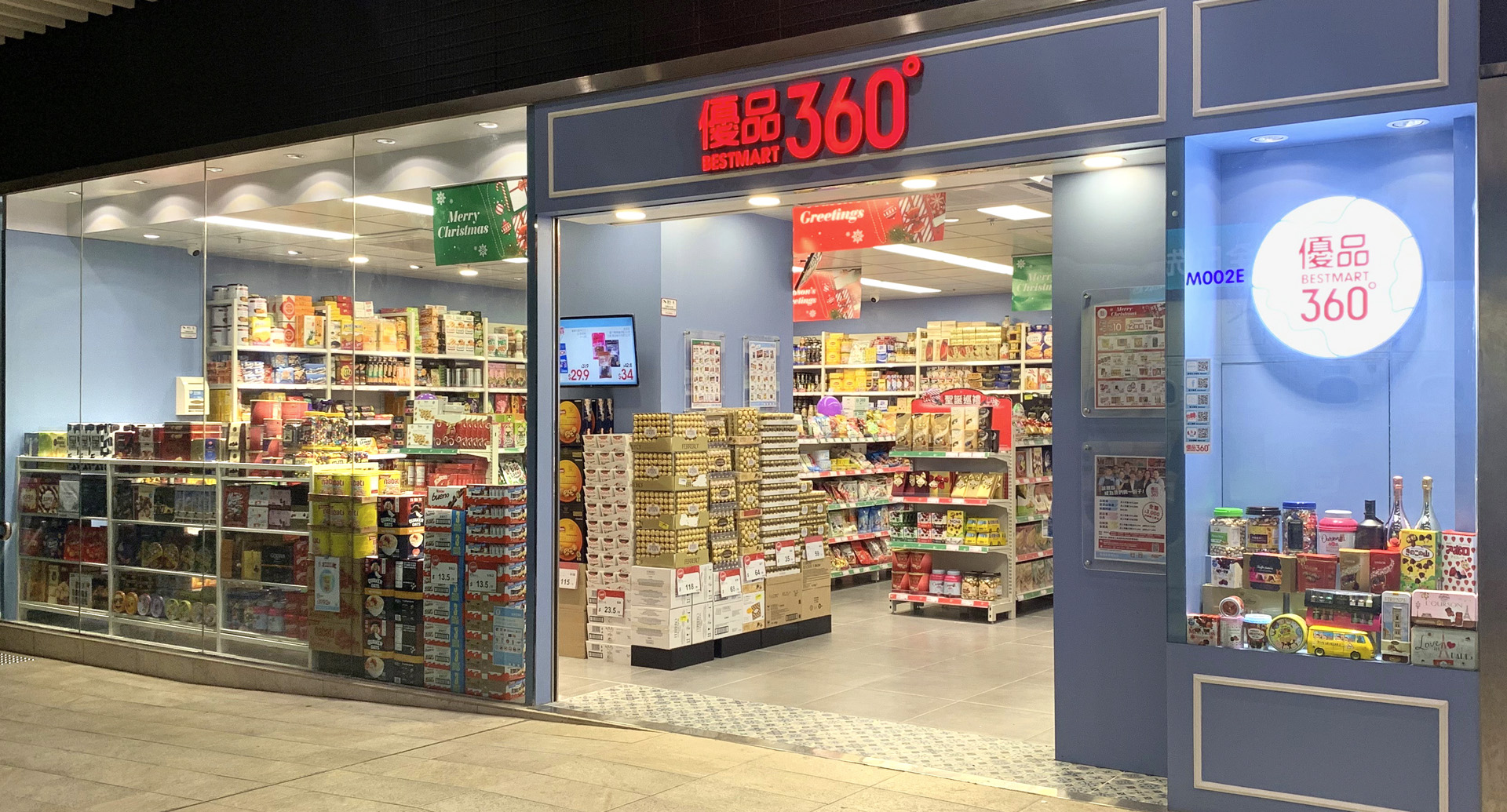
    “Leisure-food retailer” Best Mart 360 Holdings has launched a member mobile app.

    The new app is offering a range of promotions, member privileges and a reward points scheme, and enables members to view the group’s latest product information anytime and anywhere.

    The group, which operates 88 retail stores in 18 districts in Hong Kong, established its membership scheme in April 2015 in order to promote consumer loyalty, stimulate sales at retail stores and further expand its customer base. As of December, the group had more than 1 million members.

    “We intend to further expand our member base by offering additional member benefits and enhance our communication channels with our members,” said Best Mart 360’s CEO Hui Chi Kwan.

    “We believe that by expanding our member’s coverage, we are in a favorable position to secure recurring business and maintain sustainable growth of our business. Our membership scheme also allows us to collect purchasing information and data of our frequent customers for surveying and analysing customers’ purchasing preferences, needs and habits that are significant for enriching our product portfolio, determining our pricing strategy for individual products and providing better customer services.”

    The new app aims to enhance members’ consumer experience by providing information on latest promotional offers, selective products, the retail shop network, member privileges and reward points record, as well as accumulating e-coupons for future purchases.

  • Hyundai Motor starts its monthly car subscriptions

    Hyundai Motor starts its monthly car subscriptions

    Hyundai Motor on Monday introduced a car-subscription program with a monthly fee of 720,000 won ($646).  Under the program, dubbed Hyundai Selection, three models are available for users and subscribers can change models on a limited basis. The vehicles currently being offered are the Sonata sedan, the Tucson SUV and the Veloster hatchback.

    Users can use the Hyundai Selection app to apply and pay for the service. Cars will be delivered. The company is testing the subscription service business model as car sharing and rental are popular with younger customers who tend to avoid ownership and embrace more transactional business relationships.

    Hyundai said it is running the program on a 10-month pilot basis this year. As the program is still in test mode, only 50 drivers will be able to enroll. Car delivery will be limited to Seoul.

    The service was launched in collaboration with domestic rental-car companies and Deal Car, a Hyundai Capital enterprise.

    A Hyundai spokesperson said the subscription program greatly reduces the burden of car maintenance

  • Starbucks South Korea offers incentives using own cups

    Starbucks South Korea offers incentives using own cups

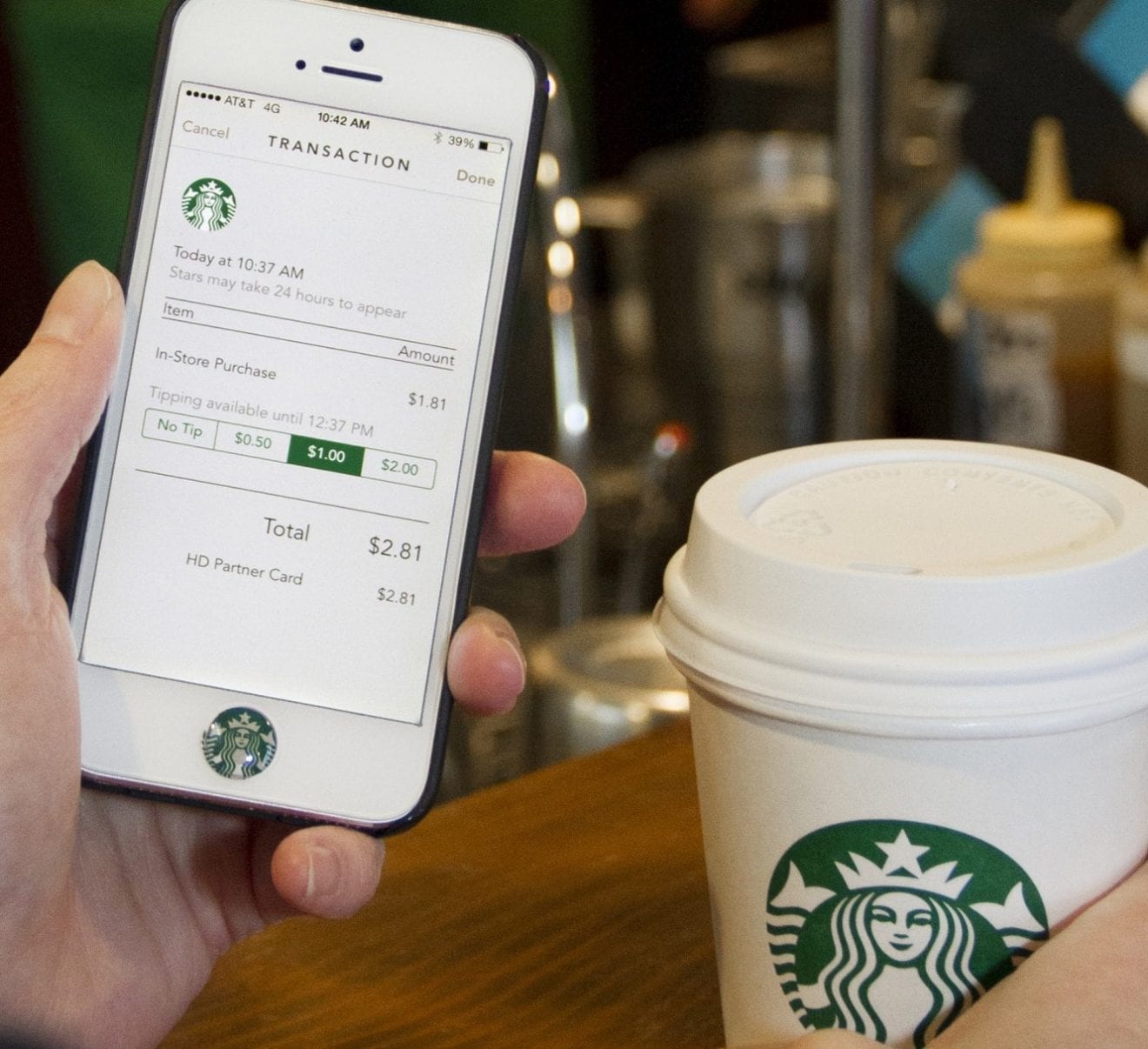
    Starbucks South Korea says the number of customers bringing their own cups to the store leapt 24 per cent in just one month. The boost is the result of its ‘Eco Bonus Star Program’ aimed at reducing waste and improving consumer awareness of sustainability issues. Through the Eco Bonus Star Program, customers of Starbucks South Korea can collect additional ‘stars’ – or bonus points – by bringing their own cups to cafes. The stars can be used for discounts and other benefits.

    Customers can choose to receive an immediate discount of 300 won (US27 cents) if they don’t want to collect stars.

    Starbucks said that, compared to 970,000 customers who brought their own cups in October, more than 1.21 million customers brought their own cups in December, the first full month of the program.

    Two-thirds of customers chose to save up stars, rather than receive the discount.

    “More than 1.81 million additional stars were given to customers just 50 days after the Eco Bonus Star program was implemented,” said Starbucks.

    “Gold members for My Starbucks can get a free drink for 12 stars, which also likely encouraged more customers to bring their own cups.”

    More than 8 million customers have brought their own cups this year, twice as many as last year.

  • Starbucks Plans To Step Up Digital Marketing Efforts

    Starbucks Plans To Step Up Digital Marketing Efforts

    The coffee chain added 1.6 million new U.S. members to its Starbucks rewards program. In addition, Starbucks discovered that members of Starbucks rewards were buying more: Over the quarter, their spend increased to 39 percent of U.S. company-operated sales.

    Beyond its loyalty program, Starbucks noted that customers were taking advantage of opportunities to skip the counter: Mobile Order & Pay represented 12 percent of U.S. company-operated transactions during the quarter.

    Overall, Starbucks also saw growth in comparable store sales in both the U.S. and abroad. Global comparable store sales rose by 2 percent, essentially in line with analysts’ estimates of 1.9 percent. Americas and U.S. comp store sales also increased 2 percent, while China comp store sales rose at the slightly higher rate of 4 percent.

    In terms of financials, Starbucks reported better-than-expected sales: The coffee chain beat revenue estimates by $100 million, with revenues of $6 billion, and met analysts’ earnings estimates at $0.53 per share. Starbucks President and CEO Kevin Johnson said the company reported solid results for the quarter.

    “Starbucks Q2 of fiscal 2018 represented another quarter of record financial results, highlighted by accelerating momentum across our Americas business — particularly in the U.S. — continued strong performance in China and our strongest comp growth in Japan in five quarters,” Johnson said in a press release.

    Digital Expansion

    One of Starbucks’ key priorities is to expand its digital interactions with customers.

    “Establishing digital relationships with many more customers represents a significant growth opportunity, as we have proven that a direct communications channel combined with personalization enhances the customer experience and drives customer engagement,” Johnson said during the call.

    To expand its digital relationships, Starbucks is implementing new ways to attract digitally registered customers beyond the rewards program. For example, the coffee chain is offering its Mobile Order & Pay to all customers and leveraging Wi-Fi sign-ins at its brick-and-mortar stores. In addition, Starbucks is reinventing Frappuccino Happy Hour through the use of single-use digital coupons. Johnson said these efforts are already yielding results and will generate a few million more registered users by the year’s end.

    This difference is driving a shift in Starbucks’ marketing strategy. In the past, Starbucks has offered a drumbeat of promotional offers that have not necessarily led to sustained sales. For example, the company offered a Frappuccino Happy Hour to all of its customers over a short period of time. But that strategy didn’t work: The deal didn’t improve sales of other drinks in 2017. The promotion saw “a lower-than-expected lift in non-discounted Frappuccino beverages following Happy Hour,” Chief Financial Officer Scott Maw explained on a July 2017 conference call.

    As a result, the company is taking a new approach. Starbucks’ updated program will sign customers up for direct digital relationships and promote a variety of beverages throughout the year. In essence, the goal behind the shift is to transition from a short-term, one-and-done approach for promotions to more sustained marketing efforts. Through this strategy, the company is expanding its digital reach beyond its loyal rewards members to connect with as many non-rewards customers as possible. Starbucks can now personalize its communications to customers while also gaining direct access to them.

    China Expansion

    Starbucks already has 3,200 company-operated stores in 141 cities across Mainland China, but the coffee chain anticipates a larger potential market there.

    “The opportunities for Starbucks in China, which are significant, are growing along with the size and scale of our business,” Johnson said on the call.

    To that end, the company is holding a China Investor Tour. Of course, the company is no stranger to China: It’s been in the Chinese market for 20 years. According to Johnson, the middle-class population in China stands around 600 million people, which could provide an expanded market for the company.

    “No Western company or brand is better positioned to benefit from the rapidly expanding Chinese middle class than Starbucks,” Johnson said.

  • Only 57% of consumers feel rewarded with their loyalty programmes

    Only 57% of consumers feel rewarded with their loyalty programmes

    And here are three ways on how financial firms can improve their loyalty services. A research from Collinson Group research revealed three things ways on how financial services loyalty programmes could be improved.

    Three in five, or 60% of respondents in Singapore said they want a simpler user experience, whilst 52% noted that they would want the ability to combine points with cash. Forty-nine percent indicated that they want a larger selection of rewards.

    “This indicates that usability and accessibility of rewards are top of mind for financial services loyalty programme members,” Collinson Group said.

    The study said the two of the strongest categories of reward that are most popular with global financial services customers are travel and leisure.

    It added, “In Singapore, customers consistently place a high value on benefits such as airport lounge access, concierge services and unique social and cultural leisure experiences. Collinson Group research reinforces that customers value products and experiences offered outside of company core inventory as part of a financial services loyalty programme.

    Meanwhile, the research also revealed that only 57% of bank and financial service loyalty programme members in Singapore feel rewarded for their custom. Customers are looking for more opportunities to earn loyalty currency and more choice when redeeming their points.

    Here’s more from Collinson Group:

    Reward and recognition are becoming increasingly important for customer retention and revenue growth. As regulators encourage greater competition in the financial services market, new competitors emerge and consumers are given more opportunities to compare and switch services. Brands must consider how best to remain attractive to this sophisticated set of consumers who have a greater access to information and are always after the best value for money.

    The Collinson Group research with 2,250 consumers across the United States, United Kingdom, Singapore and the UAE revealed that more than three quarters of respondents (77 percent) look for loyalty programmes with a greater choice of rewards. Furthermore, four in five respondents (82 percent), said that the value of a programme decreases when there is only a limited range of rewards available.

    An enhanced redemption experience is delivered through a programme that offers the customer the ability to redeem in retail outlets and leisure stores, as well as an e-commerce platform. Survey respondents were clear that the value of a loyalty programme decreases if points cannot be redeemed in physical retail outlets, with 49 percent in Singapore agreeing.

    Chris Rogers, Director at Collinson Group said: “Traditional financial services models continue to evolve, with a focus on improved digital services and experiences, but a key area brands need to consider is how they recognise and reward existing customers. Other sectors such as travel and retail are demonstrating new ways of offering more personalised, timely and relevant rewards.

    “A key element in enabling this is providing customers with more ways to earn and redeem loyalty currency. Offering the opportunity to ‘spend’ points against non-financial products such as travel, leisure or more altruistic rewards is increasingly attractive to programme members. The chance to redeem points in physical stores such as retailers and to part-pay with loyalty points and cash all make programmes more relevant and therefore more valuable to consumers.”

  • 3 in 4 shoppers demand loyalty rewards from retailers

    3 in 4 shoppers demand loyalty rewards from retailers

    They want more personalised reward programmes, not just the traditional point-based ones. Amidst Singapore’s retail doldrums, more than 75% of Singapore consumers indicate that the will buy more from retailers if they are better rewarded for their loyalty.

    According to a study by ICLP, this is despite the fact that many consumers are currently lukewarm about their relationships with brands and retailers, giving average to low scores in terms of passion, commitment, and intimacy.

    The study noted that only 3% of consumers considered themselves to be devoted to their preferred brands.

    The research suggested that in order for retailers to take their relationships with customers to the next level, they have to go beyond just giving traditional-points based reward programmes.

    “Much like in a relationship with friends and loved ones, they would engage more when they receive genuine gestures that surprise and delight them,” the study explains.

    ICLP country manager Bruno Tay said many Singaporean consumers still relate to brands and retailers at a transactional level, so when times are uncertain, they easily resort to the myriad of choices that are at their disposal.

    “It’s not too late to turn things around, though. In fact, retailers now have a chance to truly stand out if they appeal to the heart too – by approaching communication, reliability, consistency, reward and recognition from a human perspective,” he noted.

  • First Cross-Border Rewards Platform UTU Launches

    First Cross-Border Rewards Platform UTU Launches

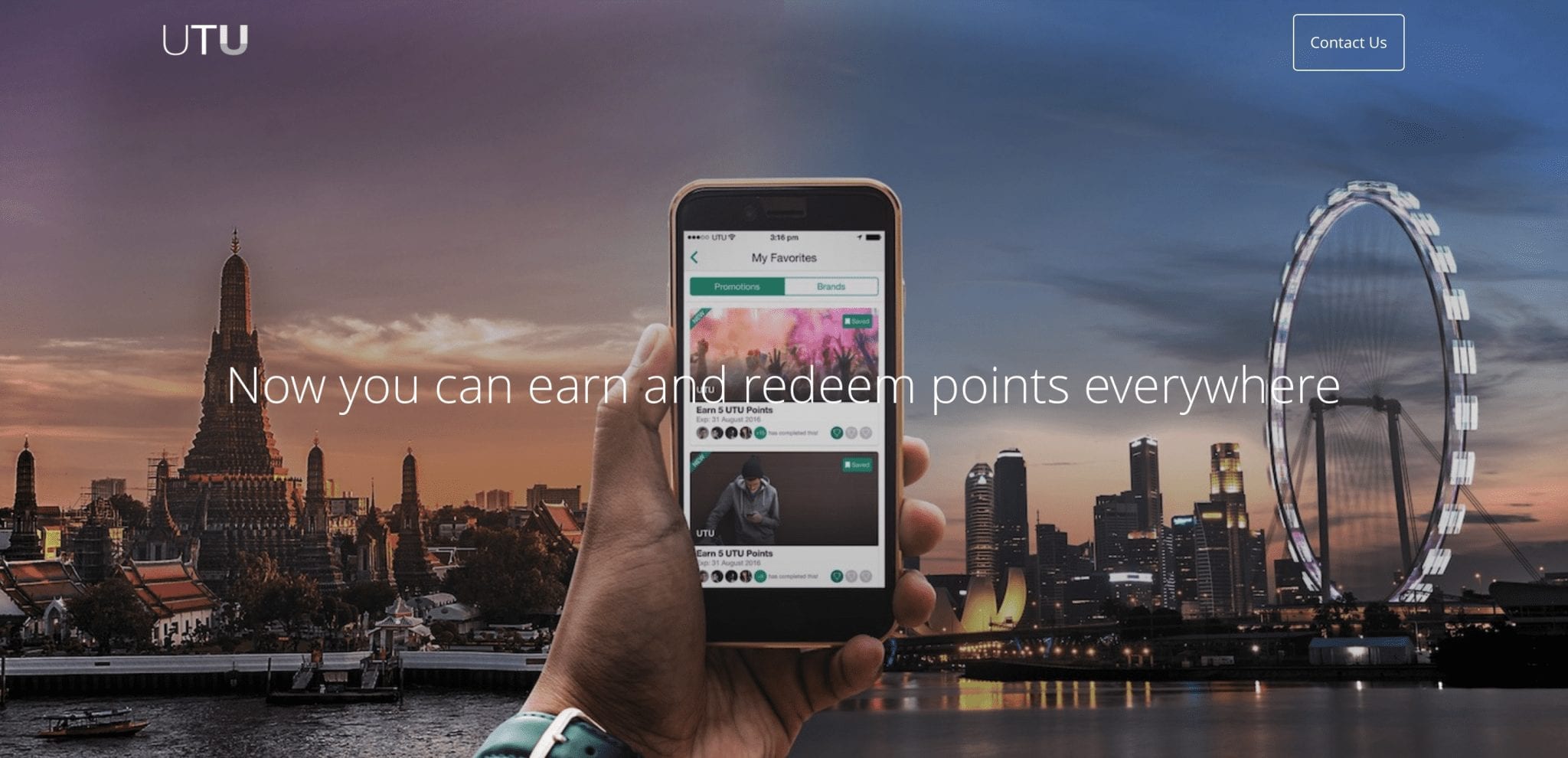
    Father and son team Asad and Ameer Jumabhoy from tourist VAT refund and payments technology company The Scotts Group, and Jeremy Tan, an expert in financial technology, mobile payments and loyalty platforms from Korvac Holdings, announce the launch of UTU, a cross-border loyalty and rewards platform that enables people to convert, earn and redeem points in real time at any UTU merchant outlet worldwide through their smartphone.

    UTU consolidates rewards points from multiple credit and debit cards; eliminates the time it takes for those points to be processed; removes the barriers to cross-border loyalty; and offers shoppers a new kind of consumer model – one that enables them to earn rewards points now and pay with them at point of sale. The platform also features a merchant portal that allows brands to set up their own promotions, optimize campaigns and track their return on engagement.

    “UTU’s potential lies in its ability to engage merchants with consumers, acquirers with merchants and issuers with their consumers on a single integrated platform,” says Asad Jumabhoy, an entrepreneur and pioneer in the digitization of global tax-free shopping. “Real innovation minimizes the gap between process and people. With UTU, we’re bringing it all together in the retail, travel and rewards space at home and away, online and instore.” 

    UTU launches in Thailand in November, with further roll out happening in Asia in 2016/2017. The choice of Thailand as a launch location is attributed to the country’s deep loyalty culture, and presents UTU the opportunity to fill an immediate need (e.g. as of August 2016 over 70 million credit and debit cards were in circulation in the country; Thais carry an average of seven loyalty cards each; and brand rewards programs are the country’s most popular Google search category). Brand partners at launch include Visa Thailand, the Tourism Authority of Thailand, RSH Limited and Singapore’s NTUC Link. Availability in the UK, Europe and US is anticipated in 2017. 

    “We are excited to be working with UTU on the expansion of the Plus! Partners network beyond Singapore and is in line with our vision to provide gratifying experiences for members of the Plus! Rewards Program,” says Tony Tan, CEO of NTUC Link. “This synergistic partnership allows Plus! Members to maximize the mileage of their overseas expenditure as points earned during their travels can be converted and redeemed for rewards when they return home. The growing number of leisure and business travelers in our membership base will definitely benefit from the enriched array of options UTU will make available around the world.”

    “UTU promises to enhance everyday retail experiences by providing greater seamlessness between customers and brands across borders,” says Indranu Hati, CEO of RSH Thailand Group. “UTU is the perfect loyalty service partner for us, given our growing footprint in nearly a dozen countries across Pan Asia.” 

    UTU is a response to the observation that the tourist today is a local tomorrow, and a local today is a tourist tomorrow. With more than one billion people travelling to foreign countries a year, locals and tourists want integrated loyalty programs, greater ease in managing their rewards points and more relevant deals from merchants. With UTU, shoppers continue to be rewarded, regardless of geography, through the one piece of technology they use every day – their mobile phone. 

    To use UTU, users download the free mobile application; register up to five credit or debit cards on to the UTU app; earn rewards points when they shop; convert those points through the UTU platform; and spend them at thousands of participating redemption outlets. Users can also gift points, select to receive promotions and earn extra points through merchant engagement.

    The global loyalty industry is estimated to reach US$20 billion by 2020. Loyalty management today is an expensive and segmented process which has resulted in a plethora of programs delivering incremental advantages to the consumer. Merchants bear the cost of loyalty systems and front line education and training. Shoppers are burdened with physical cards and are responsible for monitoring their points and merchant offers through separate portals. UTU eliminates the inconvenience for all parties and provides a streamlined experience. 

    “We congratulate UTU on launching this global loyalty rewards program and choosing Thailand as its springboard,” says Suripong Tantiyanon, Country Manager, Visa Thailand. “Through Visa Direct, UTU taps the push payment capability of Visa’s global payment system to redeem points and rewards.” 

    “Loyalty is the key to brand success in a digital world, yet we’re still limited in how we are rewarded for how we choose to spend our money,” says Ameer Jumabhoy, a second-generation student at MIT Sloan School of Management involved in MIT’s Digital Currency Initiative. “What we’re working to achieve with UTU is to remove those boundaries and give people the freedom to get more.”

  • Loyalty Program Pointo Aims to Manage Points Across Region

    Loyalty Program Pointo Aims to Manage Points Across Region

    “For points issuers, the Pointo system will help them limit their budget on marketing and add more value to its customers. Meanwhile for point receivers, it would help them generate more revenue as it would increase transactions,” Pointo Point Exchange chief executive Ari Stefanus said on Wednesday.

    Pointo now registers issuers including grocery stores Ranch Market and Farmers Market, home appliances retailer Electronic Solutions, national flag carrier Garuda Indonesia, Lippo Group’s theater chain Cinemaxx, ice cream shop Haagen-Dazs and many more.

    In the near future, Pointo targets to have at least 150 brands collaborate with them, including merchants in Asia, such as Universal Studios and Gardens by the Bay in Singapore, Ocean Park and Disneyland in Hong Kong and Japan.

    The company also wants financial companies, such as banks, flight carriers and telecommunication operators to join Pointo.

    Loyalty Program Indonesia is an information technology developer established in 2008. It built expertise on customer loyalty programs, serving clients from the retail sector, including convenience store chain operator Indomaret, retailer Centro Department Store, as well as shopping malls Grand Indonesia and Pacific Place.

  • Ribbit.me Rebrands as Loyyal

    Ribbit.me Rebrands as Loyyal

    Ribbit.me announces that it has renamed as Loyyal, in order to better reflect the underlying industry and the Company’s business objectives.

    Loyyal has built the first universal loyalty and rewards platform using distributed ledger and smart contract technology, introducing frictionless interoperability to the currently fragmented industry.

    “As our company has evolved in such a short period of time, we feel that the name Loyyal better represents who we are and what we do,” said Greg Simon, Loyyal CEO and co-founder.

    “We seek to increase loyalty program operator’s ability to dynamically incentivize each customer uniquely by removing technological barriers, so a twist on the word loyal is a perfect way to reinforce our message,” said Sean Dennis, COO and co-founder.