Retail News CRM

Tag: luckin coffee

  • Luckin Coffee worth $2.2 billion in quite short time

    Luckin Coffee worth $2.2 billion in quite short time

    Fast-growing Chinese cafe chain Luckin Coffee has raised US$200 million in its latest funding round, effectively valuing the company at a stunning $2.2 billion. That’s up to $700 million more than its value was estimated just one month ago when the quest for funding was announced.

    Launched only in January, the company had already opened more than 1700 outlets in 21 Mainland China cities by last month. Its rapid growth is based on an inexpensive delivery service concept and online ordering system.

    An aggressive competitive strategy involves an IT-focused approach whereby all customers must purchase coffee via an app, with which they can then monitor brewing progress via livestream. Its pricing is considerably less than Starbucks.

    Luckin said the latest funding round was led by Singapore Government sovereign wealth fund GIC and China International Capital Corp. They were likely attracted by a mid-term plan for an IPO of the Luckin business in either Hong Kong or New York. GIC was a participant in a similar capital raising in July.

  • China’s Luckin Coffee worth $2 billion after just less than a year

    China’s Luckin Coffee worth $2 billion after just less than a year

    Fast-growing Chinese coffee chain Luckin Coffee is seeking a new round of funding which would value it at US$1.5–2 billion. Launched only this year, the company has already opened more than 1400 outlets in 21 mainland locations, its rapid growth based on its inexpensive delivery service concept and online ordering system. Luckin’s aggressive competitive strategy involves an IT-focused approach whereby all customers must purchase coffee via an app, with which they can then monitor brewing progress via livestream.

    Its expansion has been backed by multiple investors, including Singapore’s GIC. It is currently seeking up to US$300 million in additional funding to continue its momentum.

    Starbuck currently operates 3400 stores in China, which is its second-largest market worldwide. It intends to increase that number to 6000 stores within three years. The brand recently partnered with Alibaba to establish a coffee delivery service, foreshadowing Luckin’s own recently-signed partnership with Alibaba rival Tencent.

    Some reports have suggested that Luckin may be in discussion with investment banks to launch an IPO overseas, most likely in either New York or Hong Kong.

  • Starbucks and Alibaba form New Retail Partnership in China

    Starbucks and Alibaba form New Retail Partnership in China

    Starbucks China and Alibaba have announced an alliance that stretches way beyond the latter’s online delivery platform Ele.me.

    The two companies describe their pact as “a deep, strategic New Retail partnership” that will enable a seamless Starbucks experience and transform the coffee industry in China.

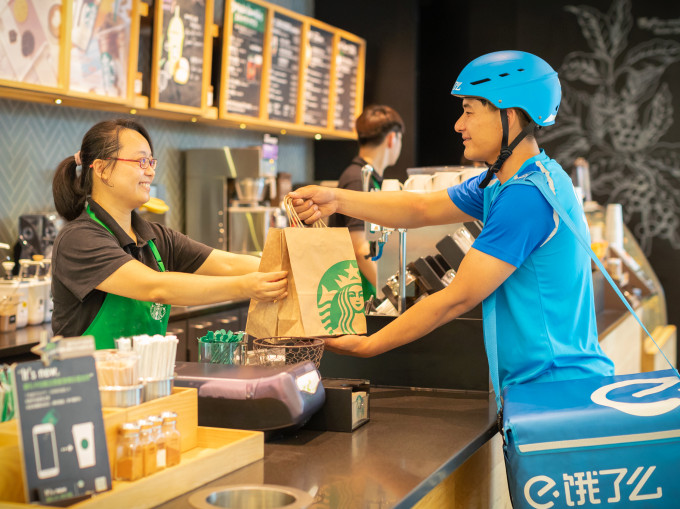
    The partnership spans Ele.me, the food delivery platform acquired by Alibaba last month, Hema supermarkets, Tmall, Alipay and Taobao. Pilot delivery services by Starbucks China will start next month with the coffee company opening delivery kitchens to fulfil orders and “co-create an unprecedented virtual Starbucks store”.

    Starbucks China CEO Belinda Wong says the partnership with Alibaba breaks the physical and virtual barriers between the home, office, in-store and digital space.

    “It will make China the first Starbucks market to deliver a seamless Starbucks experience across all facets of our customers’ lives.”

    Alibaba CEO Daniel Zhang said Starbucks is more than a destination for premium coffee “and we share the same vision to pioneer a new coffee culture and lifestyle through innovation and technology”.

    It starts with Ele.me

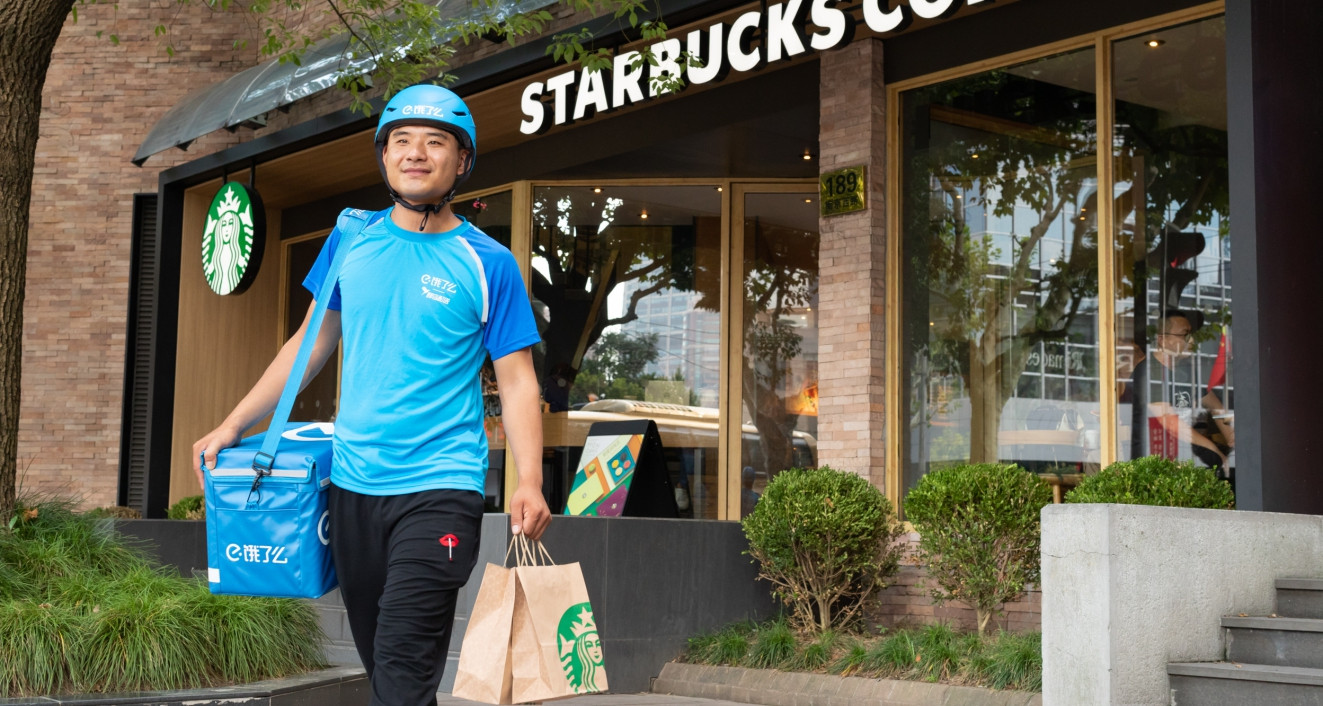
    Ele.me, China’s largest on-demand food delivery platform with 3 million registered delivery riders, will start delivering Starbucks orders from 150 stores in key trading zones in Beijing and Shanghai next month. By the end of the year, that service is expected to expand to more than 2000 Starbucks stores across 30 Chinese cities.
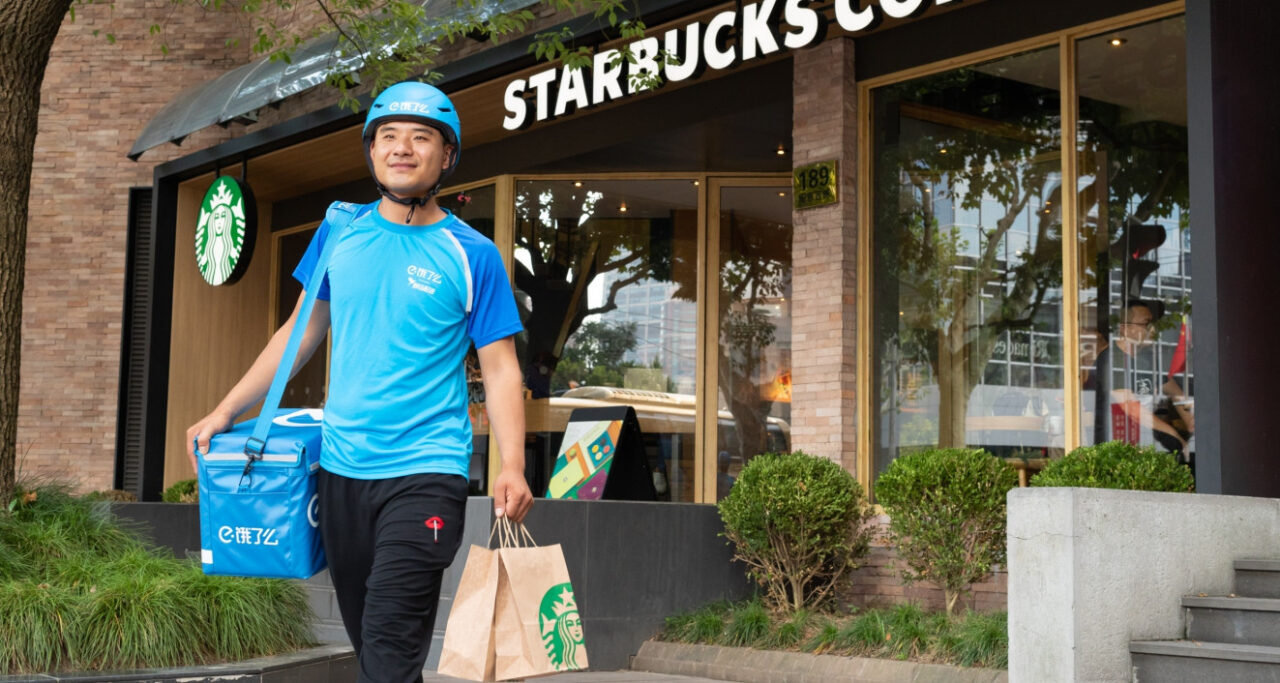
    The two companies have worked together to develop what they describe as “a unique, customised delivery infrastructure” including dedicated delivery riders, precise delivery times, and custom carriers. They believe they will be able to offer “a best-in-class coffee delivery service standard for Chinese customers” which could well be interpreted as a challenge to local startup Luckin Coffee which has grown into a US$1 billion company in less than a year, based on a mixed delivery and in-store model.

    Starbucks will partner with Hema supermarkets to open dedicated “Starbucks Delivery Kitchens” within stores. The kitchens will use Hema’s fulfillment and delivery capabilities to complement the delivery of Starbucks beverages offered through existing Starbucks stores. Starbucks will also use Hema’s consumer insights and fulfillment expertise to reach more communities across China.

    Data from Hema stores will be used to help plan the location of future Starbucks cafes, combined with delivery kitchens. The first delivery kitchens will open in selected Hema supermarkets in Shanghai and Hangzhou next month.

    Digital transformation

    Starbucks China and Alibaba say the creation of a ‘virtual Starbucks store’ in China is a key strategic initiative under the partnership.

    Alibaba will develop a centralised online management hub, with the capability to integrate and deliver a consistent Starbucks experience across multiple digital platforms. “This innovation will transcend the traditional limitations of a single-app visit by providing the consumer an elevated, and even more personalised Starbucks digital experience across the Starbucks app and Alibaba’s customer-facing mobile apps, including Taobao, Alipay, Tmall and Koubei,” the companies said in a statement.

    “This latest innovation will revolutionise the traditional offline-to-online model by effectively extending the reach of the Starbucks experience into the everyday lifestyle ritual of the Chinese consumer, regardless of time or place. Whether it is at home or in the office, within a Starbucks store or online, Starbucks customers will be able to access and enjoy a one-stop Starbucks experience when purchasing merchandise online, buying a Starbucks handcrafted beverage to be delivered to a friend or sending a Starbucks gift of love on the “Say it with Starbucks” social gifting platform.”

    Starbucks will progressively integrate its Starbucks Rewards membership platform onto the centralised system to use its consumer insights to deliver a personalised experience to customers.

    “Starbucks China and Alibaba are trusted business partners who share common values in the spirit of innovation and the unrelenting pursuit of product and service excellence,” the statement said.

    “Thanks to the elevated customer experience delivered by our more than 45,000 partners, Starbucks is growing and innovating faster in China than anywhere else in the world,” said Kevin Johnson, president and CEO at Starbucks Coffee Company. “Our transformational partnership with Alibaba will reshape modern retail, and represents a significant milestone in our efforts to exceed the expectations of Chinese consumers. Starbucks China is one to watch, and I have full confidence in the team that will bring the new innovation behind the Starbucks Experience to life.”
  • A startup challenging Starbucks in China is now worth $1 billion

    A startup challenging Starbucks in China is now worth $1 billion

    Starbucks’ second-largest market after the US is China, where it has over 3,300 stores and operates with virtually no serious competition.

    A Beijing-based startup could change that. Luckin Coffee has opened 525 outlets across China’s major cities less than nine months after its launch (link in Chinese). Today the fast-growing company confirmed it’s closed a $200 million funding round giving it a $1 billion valuation. Investors include Centurium Capital, a private equity fund founded by the former China head of Warburg Pincus, and GIC, Singapore’s sovereign wealth fund.

    In domestic Chinese media, Luckin has aggressively courted comparisons to the world’s best-known coffee chain. In May, it even wrote an open letter accusing Starbucks of “monopolistic behavior” (Starbucks called the move a “publicity stunt”). But Luckin isn’t a Starbucks copycat—rather, it meshes trends in China’s tech industry with the coffee-shop model mastered by its rival.

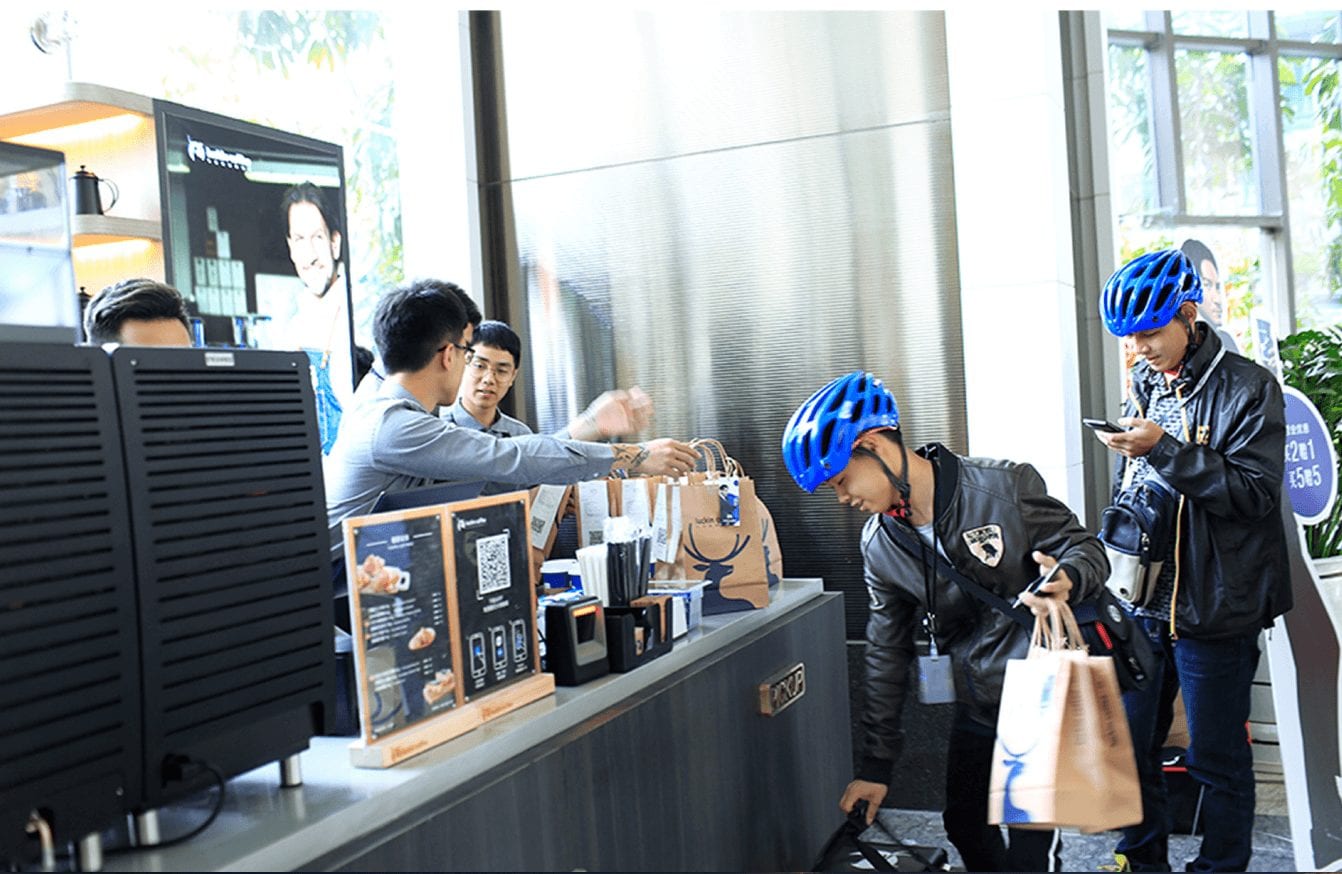
    First, Luckin Coffee revolves around the smartphone. When customers walk into one of its blue-and-white shops, they’re immediately asked to download the Luckin app to order coffee (assuming they haven’t done so already). They can pay using WeChat payments or Luckin’s own “coffee wallet”—but not cash. This fits into China’s so-called “new retail” trend, in which tech giants like Alibaba and Tencent partner with supermarkets and convenience stores on mobile payments, analytics, and inventory management.

    Luckin has also aggressively promoted its delivery services—of its 525 outlets, 231 are kitchens dedicated exclusively to filling orders placed in offices, homes, or elsewhere. This mimics China’s boom in e-commerce and food delivery, which has thrived on the back of low-wage couriers.

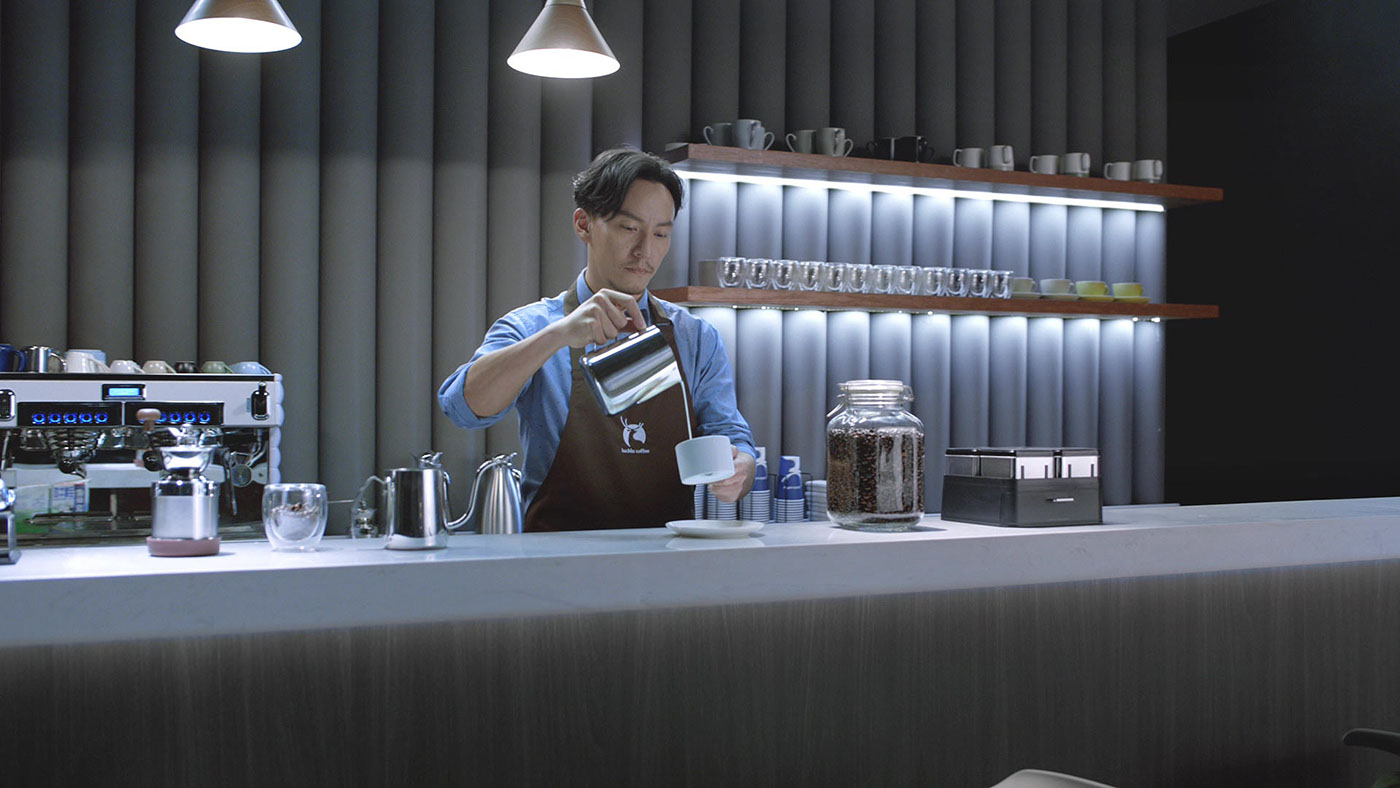
    When it comes to marketing, Luckin has more in common with a Chinese gadget company than with its Seattle-based coffee rival. Whereas Starbucks typically shuns traditional advertisements, Luckin has plastered China’s cities with billboards featuring popular actors Chang Chen and Tang Wei holding blue-and-white coffee cups. Chinese smartphone makers Oppo, Vivo, and Xiaomi employ similar tactics, using celebrities to pose with products.

    Finally, Luckin’s beverages are relatively cheap. In Beijing, a large Americano costs 21 yuan ($3.15), a matcha latte 21 yuan, and a Hawaiian pineapple wrap 9 yuan. That’s roughly 20%-30% lower than comparable items from Starbucks in China (which is more expensivethan Starbucks in the US).

    Despite the company’s early emphasis on delivery, it insists that bricks-and-mortar retail is the future—a spokesperson said that the company expects delivery kitchens will make up just 15% of its locations in the future.

    But with such low prices and rising expansion costs, can the company justify its valuation and take on the world’s coffee retail giant?

    Jeff Towson, who teaches investment at Peking University in Beijing, says that Luckin Coffee is “easily worth $1 billion if it can execute on the business—but that’s a big if.” A large part of Starbucks’ success globally has to do with real estate—many of its stores are placed in expensive, high-traffic locations that rivals can’t afford. Most Luckin outlets are not in such spots, Towson notes. The company uses the app to draw people to less-bustling locations that are cheaper to rent. “It may be that that real estate power can be overcome if you’ve got a really sticky hold on people’s smartphones,” he adds.