Retail News CRM

Tag: Lunar New Year

  • China duty free push

    China duty free push

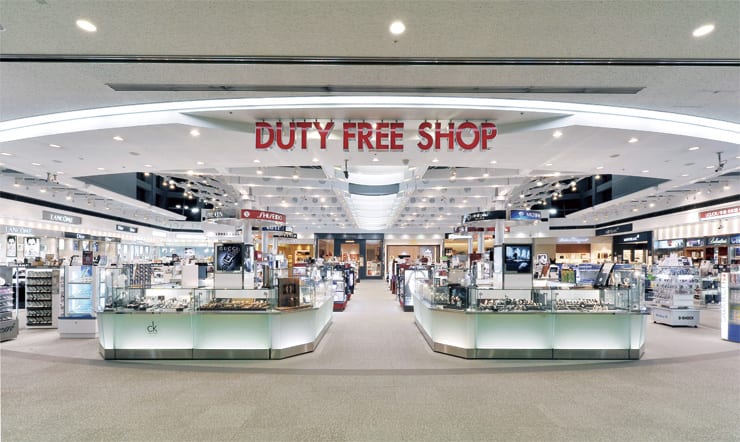
    Nineteen inbound China duty-free shops have opened to serve domestic travellers returning home.

    The state’s Ministry of Finance announced the stores have been built in 13 airports including Guangzhou Baiyun, Hangzhou Xiaoshan and Qingdao Liuting, as well as six sea ports.
    Passengers can carry up to 8000 yuan ($1230) worth of duty-free goods, up from the previous 5000-yuan limit, when clearing customs, the ministry said, claiming that the shops feature more products than existing inbound duty-free outlets.

    Isetan Mitsukoshi Holdings says its stores served about 50 per cent more international duty-free shoppers from February 7 to 13 compared with the same holiday week last year, thanks to a spike from mainland China – but customer spend was 15 per cent less this time.

    Visitors from mainland China doubled to five million, helping Japan’s overall tourist numbers reach nearly 20 million – a target the government had hoped to achieve by 2020.

    Shopping by Chinese tourists at department stores and electronics shops last year created a buzzword, “bakugai”, or “explosive buying”, and came as a boon for Japanese retailers smarting from decades of sluggish demand from domestic consumers. However, China’s economy has since sagged to a 25-year low, with stock markets slumping mid-year.

  • Hong Kong’s Chow Tai Fook, Sa Sa saw sales fall over Lunar New Year

    Hong Kong’s Chow Tai Fook, Sa Sa saw sales fall over Lunar New Year

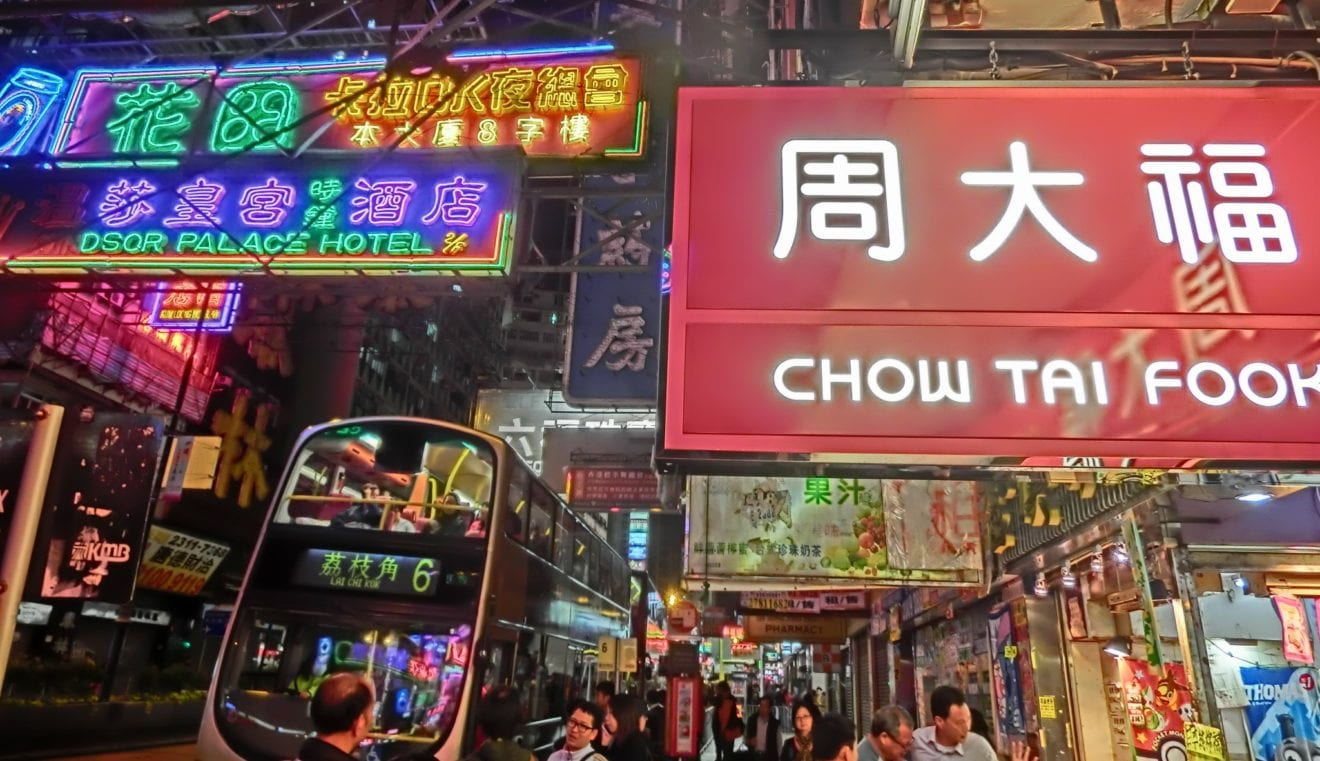
    Hong Kong’s top jewellery firm Chow Tai Fook and cosmetics retailer Sa Sa saw sales declines of at least 20 percent during the key Lunar New Year shopping season, as China’s slowing economy weighed on consumer spending.

    Chow Tai Fook Jewellery Group Ltd, Hong Kong’s largest jewellery firm by market value, saw its retail sales drop by almost a third in mainland China and by 23 percent in Hong Kong and Macau between Jan. 25 and Feb. 14, compared with the previous year’s Lunar New Year period. The buying spree usually happens a week or more before the start of Lunar New Year, which fell on Feb. 8 this year.

    Same-store sales were down 31 percent in mainland China and down 22 percent in Hong Kong and Macau, Chow Tai Fook said in a filing to the Hong Kong stock exchange on Wednesday.

    “The management anticipates the retail business environment will continue to be challenging for the fourth quarter and the sales performance will be worse than that of the third quarter,” the jeweller said.

    China’s economy, which posted the slowest growth since 2009 in the fourth quarter, and the government’s crackdown on corruption have stifled spending among Chinese consumers, who typically flock to Hong Kong to shop for everything from handbags to milk powder.

    On Wednesday, another prominent retailer in Hong Kong also reported dismal sales. Sa Sa International Holdings Ltd, which has a store in almost every corner of Hong Kong, posted a 20 percent drop in retail sales in Hong Kong and Macau over Feb. 8-14, compared with the previous year’s Lunar New Year period. Sa Sa’s same-store sales fell 19 percent over the same period, it said in a filing to the Hong Kong stock exchange. The announcements came after Hong Kong’s market closed on Wednesday. Chow Tai Fook’s shares ended 6 percent lower, while Sa Sa’s stock was down by 0.9 percent, versus the main Hang Seng index’s 1 percent fall.


  • Spring Festival retail gloom

    Spring Festival retail gloom

    Fortune seems to have favoured Macau over Hong Kong during last week’s Spring Festival.

    But both territories suffered from the ongoing change in Mainland Chinese travel habits.

    Data from the Macau Government Tourism Office showed 548,536 tourists arrived in Macau between February 7 and 10 – which equates to a 5.2 per cent increase over last year’s holiday season. Some 70 per cent of them came from Mainland China.

    However, anecdotal reports from Macau shopkeepers say the increased visitor numbers during the Spring Festival retail break did not translate into higher spending in stores.

    According to the Macau Daily Times “a majority” of retailers it spoke to reported “a drastic drop in business” from mainland visitors.

    One – a fireworks vendor – reported a 50 per cent decline in sales, and other retailers selling apparel and beauty products also reported a decline.

    One cosmetics retailer said sales rose 10 per cent, and snack food stores reported trading was on a par with last year.

    In Hong Kong, where retail sales estimates have yet to be reported, the number of Mainland Chinese visitors fell by about 10 per cent – and the number of groups by an alarming 70 per cent, to about 120 groups per day. So clearly, there will have been a negative impact on retail sales for the week.

    Shopkeepers in Mong Kok, where a violent riot erupted on Monday, reported far fewer tourists in the area.

    “From Monday till now, no one would like to come to this area,” one retailer told local news media.

    “There are more police than tourists. My business is not even half as good as last year, what can I do? What should I do after the holiday?”

    But on the mainland, Ministry of Commerce data shows retail sales rose 11.2 per cent during the Lunar New Year ‘Golden Week’ from February 7 to 13. According to the data, sales by retailers and catering firms grew to about 754 billion yuan, or US$114.879 billion.

  • Why red-packet retailers are popping up in prime locations

    Why red-packet retailers are popping up in prime locations

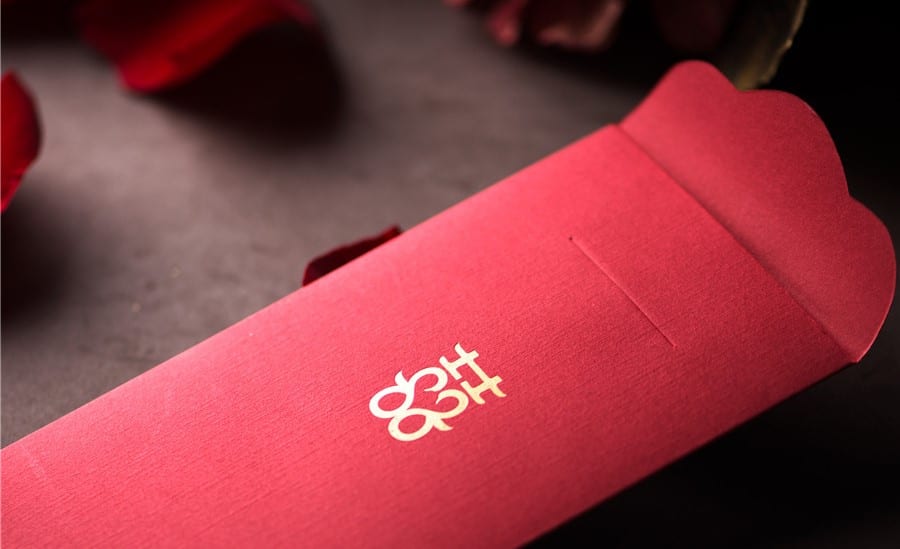
    During the Lunar New Year period, most Hongkongers would need some red envelopes to put in lucky money for kids, for young unmarried colleagues or for doormen.

    The envelopes are often obtained free as they are given away by banks, corporate houses or business counterparties. Hence, not many people would actually want to, or need to, pay for the items.

    So, it’s a bit surprising that in prime districts such as Tsim Sha Tsui, Causeway Bay and Mongkok, we have seen some new red packet outlets opened by a specialist retailer, Chinese Red Packet.

    The Tsim Sha Tsui outlet is located on premises where a Chow Tai Fook store once stood. The jewelry shop, which used to pay HK$2.6 million a month as rent, decided not to extend the lease due to a general slowdown in Hong Kong’s luxury retail segment.

    The Hong Kong Economic Journal talked to some real-estate agents to find out how the red packet vendor is able to afford that premium retail space.

    The truth is that there have been rising vacancies in street-level shops due to the lackluster sales. Landlords are more willing to accept short leases while waiting for long-term tenants.

    While some spots have been successfully leased out to long-term tenants, there is still a time lag before the new lease starts. Owners don’t mind offering the shops for a month or two on the cheap to at least get some income during the period.

    Still, we are talking something like HK$200,000 monthly rental. Are sales enough to cover that?

    Locals who want their red packets printed with unique or funny blessing words don’t mind forking out a small sum. There are also locals who want their surname on the envelopes to differentiate the gift packets from those of others.

    Meanwhile, the items are also said to be very popular with visitors who buy them as souvenirs, as the products come in all kinds of designs and colors including gold, pink, and purple.

    Going for about HK$100 a small pack of 50, the pricing is actually quite high and the profit margin pretty fat.

  • Alibaba Lunar New Year retail blitz planned

    Alibaba Lunar New Year retail blitz planned

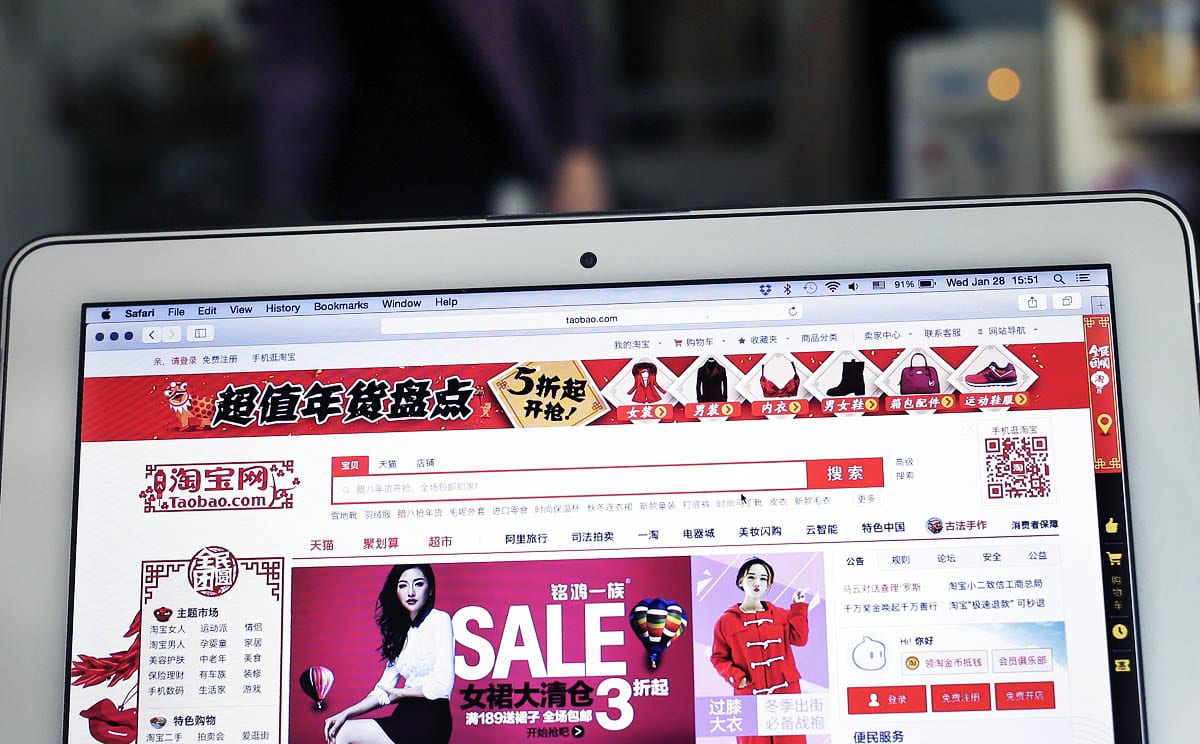
    Alibaba plans to piggyback on the biggest celebration on the Chinese calendar – Lunar New Year – in the hopes of establishing another e-shopping tradition.

    Set to start in mid-January in the run-up to Chinese New Year, which falls on February 8 this year, theAlibaba Lunar New Year blitz – dubbed Ali Chinese New Year Shopping Festival – will have a different (and arguably less feverish) feel to it compared with the sprawling and competitive 11.11 sale, according to Alibaba.

    The company says its goal for the event is to use eCommerce to encourage two-way trade between China’s urban and rural areas, featuring discounted holiday products for the home, gifts, clothing and particularly food and agricultural products, in keeping with the spirit of a time when family members come together once a year for a celebratory feast.

    “Chinese New Year is the most significant celebration through the year and is a time to maintain traditions,” said Alibaba Group CEO Daniel Zhang at a recent kick-off event.

    By hosting the sale, “we aim to enable rural customers to access an extensive range of New Year goods from home and abroad, while making agriculture products from rural China more available among urban customers.”

    To that end, the event will be promoted heavily by Rural Taobao, an arm of Alibaba Group which focuses on rural eCommerce, as well as main Alibaba shopping marketplaces Taobao Marketplace,Tmall.com and Juhuasuan. During the sale, Alibaba will for the first time bring more than 500 premium overseas brands to China’s hinterlands via Rural Taobao, which facilitates online shopping and home delivery through more than 10,000 rural service centers in villages across China. Rural customers in some villages will be able to buy foods from 25 countries, including American crawfish, Alaska black cod, Russian king crab, Canadian lobster, Australian beefsteak, French wine and British tea.

    Meanwhile, Alibaba’s cross-border shopping channel, Tmall Global, will work with eight country pavilions (online shops offering national specialty products) and eight major supermarkets, department stores and duty-free shops to provide quality goods from around the world. International retailers including Macy’s, Costco, Metro and King Power will join the promotion.

    Alibaba Group executive chairman Jack Ma said the festival is geared not only to offer rural Chinese a chance to buy merchandise that is unavailable in their local shops. It is also meant to boost regional economies by helping farmers generate more income by selling their produce directly to consumers over the Internet.

    “The 11.11 Shopping Festival is designed for netizens,” Ma explained, “while the Chinese New Year Shopping Festival is created for farmers.”

    During the sale, Alibaba will promote local specialties from farmlands and pastures to urban online shoppers looking for healthy foods. Juhuasuan, Alibaba’s flash sales platform, has stored 150 tons of Jinhua ham, 100 tons of beef from Inner Mongolia, four million organic eggs, 10 million packs of Cantonese sausages, 50,000 kilograms of pork from the Dabie Mountains, and 30,000 grain-fed hens from Shuanglian in Hubei province.

    In addition to facilitating rural-urban commerce, Alibaba is using the sale to showcase innovations in O2O eCommerce and financial technology. For example, Rural Taobao developed a mobile app so that migrant workers unable to return home for the holiday can use their smartphones to purchase gifts for faraway parents and loved ones.

    Tmall Global recently partnered with the Tianjin Free-trade Zone to open a brick-and-mortar store near Beijing where customers can check out a wide range of products, from snacks to cosmetics, available from overseas merchants and order them by scanning QR codes using their phones. Built to facilitate cross-border eCommerce, the “Alibaba experience center” will offer special discounts during the CNY sale.

    Alibaba e-payments affiliate Alipay is again putting a high-tech spin on the Chinese New Year practice of giving red envelopes stuffed with cash to friends and family. Alipay this year is the exclusive partner of China’s Spring Festival Gala, an annual TV program hosted by CCTV that is watched by millions. During the show, viewers armed with the Alipay app will be able to receive virtual red packets distributed by Alipay and participating merchants. Alipay said it has landed more than 100 corporate sponsors, including taxi-hailing firm Didi and handset maker Huawei.

    Advance sales for the Ali Chinese New Year Shopping Festival are set to start January 14. The actual shopping festival will begin January 17 and will last for five days.

    Other Festival initiatives include:

    • Alibaba in cooperation with local governments has chartered trains to provide free transportation to migrant workers to return home for the holiday. The trains will run from Guangzhou to Guiyang and from Shanghai to Xi’an.
    • Alibaba will organize free Chinese opera performances in rural communities.
    • The company will provide assistance to 13,000 rural service center managers so they can host 10,000 New Year’s Eve dinners for the elderly, left-behind children and disabled people.
    • Taobao Marketplace is featuring “time-honored brands” that are widely recognized in China for their connection to Chinese New Year and staying power through generations. Mobile Taobao plans to launch related location-based services to help users find nearby stores carrying these brands.
    • Alitrip, Alibaba’s online travel service platform, has designed several tour routes along which tourists can experience folk customs such as floating lotus-shaped lanterns on rivers in the city of Lijiang in Yunnan Province.