Tag: luxury

  • Singapore Airlines to Invest S$2 Billion in Long-Haul Cabin Upgrades

    Singapore Airlines to Invest S$2 Billion in Long-Haul Cabin Upgrades

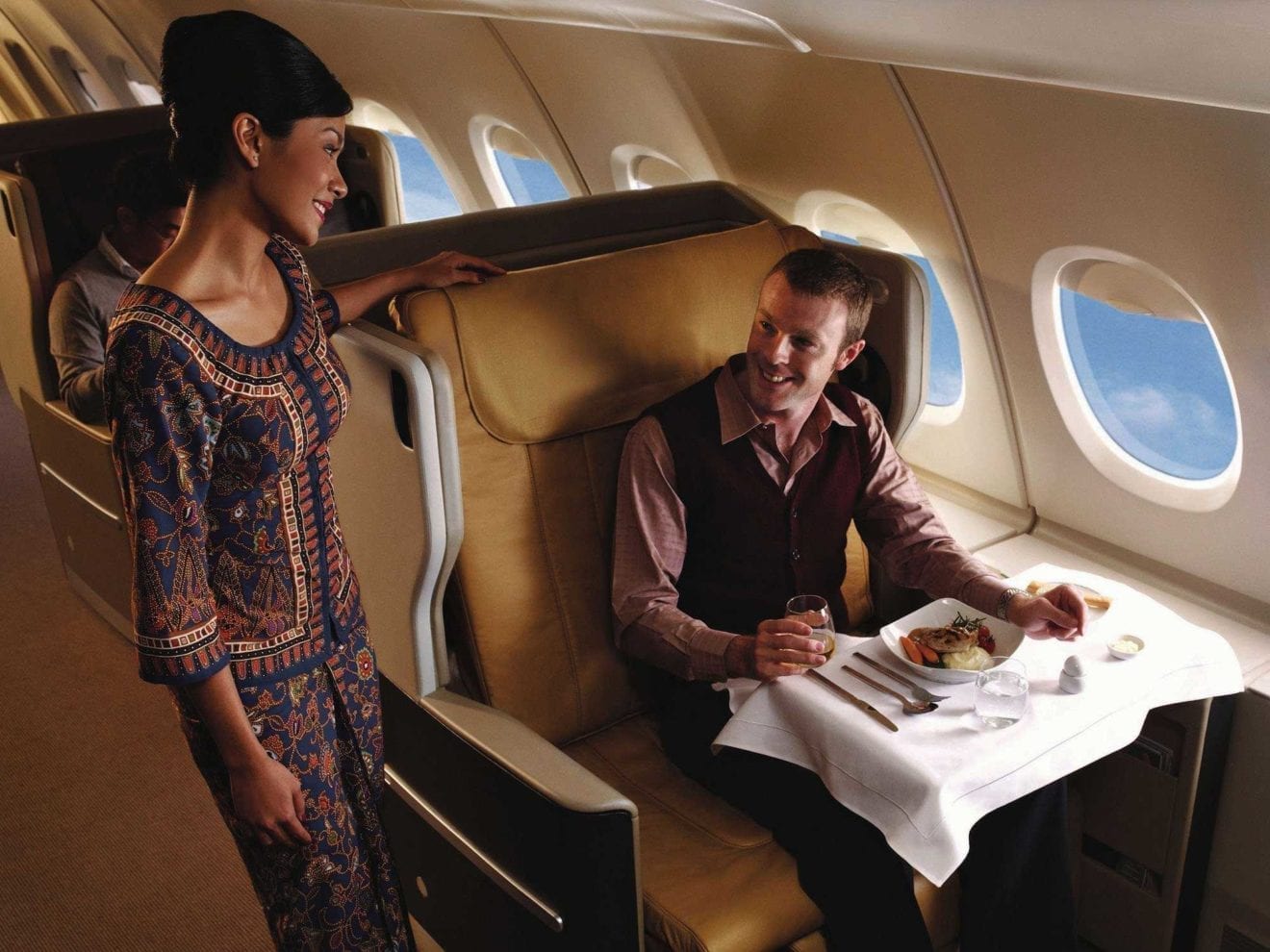
    Singapore Airlines will spend more than S$2 billion (US$1.6 billion) to upgrade long-haul cabins across 72 widebody aircraft, introducing sliding doors to business class and larger double-bed suites to first class.

    The carrier unveiled the multi-class overhaul on Friday, covering its incoming Boeing 777-9 fleet alongside retrofits for existing Airbus A350-900 jets. Chief Executive Officer Goh Choon Phong presented the plan ahead of the new cabins’ targeted debut in the second half of 2027.

    Under the investment programme, centre seats in first class will convert into what the airline calls the largest double bed in commercial aviation. Business class will feature fully flat beds and sliding privacy doors for the first time in the company’s history, alongside refreshed premium economy and economy sections.

    Funding and Fleet Allocation

    Chief commercial officer Lee Lik Hsin confirmed the carrier is funding the capital expenditure entirely from internal reserves, supported by a cash balance of S$9.1 billion recorded at the end of June. The package includes a S$1.1 billion retrofit plan for the A350 fleet that management first cleared in 2024, absorbing that budget into the wider long-haul fleet overhaul.

    Management has declined to place a ceiling on future cabin capital expenditure. Lee stated that unit costs for premium seating hardware outstrip economy outlays by wide margins, keeping the carrier’s capital allocation tilted toward the front of the aircraft where passenger yields remain highest.

    The Premium Yield Battle

    Rivals across the Asia-Pacific transit corridor and the Middle East continue to direct billions into corporate and leisure travel cabins. Rising jet fuel expenses have squeezed operating margins and lifted base ticket prices, dampening demand among economy class ticket holders while high-end bookings have sustained their revenue contribution.

    David Flynn, editor-in-chief of Executive Traveller, observed that the curved first-class architecture positions Singapore Airlines near the top tier globally, while the business-class cabin serves to close a competitive gap with Gulf carriers. Flynn noted that while Qatar Airways continues to lead the category with its Qsuite format, the new hardware gives Singapore Airlines an operational edge over regional peers such as Cathay Pacific and Emirates in functional seat layout.

    Certification Hurdles Across Boeing and Airbus

    Delivery timelines remain exposed to manufacturing bottlenecks and technical approvals. The bespoke interior fixtures were drafted primarily for the Boeing 777-9, an airframe originally slated for delivery in 2020 that has faced engine trouble, regulatory oversight delays and production halts that pushed launch deliveries out to 2027.

    Those delivery slips forced management to widen the retrofit schedule across its existing Airbus A350 fleet. Regulatory certification has emerged as the main operational constraint: while the seating units hold technical clearance for the delayed 777-9, regulators have not yet certified the hardware for the A350 airframe, adding an estimated six-month delay to the installation cycle.

    The Long-Haul Flagship Transition

    The capital expenditure marks a transitional phase for the airline’s long-haul network as it prepares for the eventual retirement of its double-decker Airbus A380 fleet. Those superjumbos introduced the carrier’s original double-bed concept, but higher fuel burn and ageing airframes make modern twin-engine jets such as the 777-9 and A350-900 the core of its operating economics.

    The next concrete operational test arrives in 2027, when German flag carrier Lufthansa is scheduled to take delivery of the first commercial 777-9, providing the regulatory benchmark Singapore Airlines needs before receiving its own airframes and flying the new seats.

  • Chow Tai Fook Dawn Line Reaches HK$2.8 Billion in Sales

    Chow Tai Fook Dawn Line Reaches HK$2.8 Billion in Sales

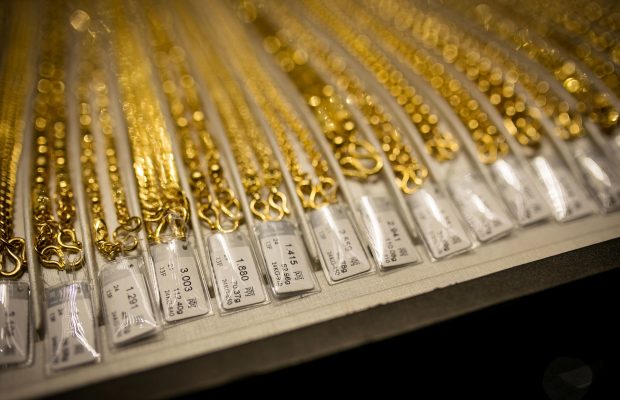
    Chow Tai Fook Jewellery generated approximately HK$2.8 billion in retail sales from its new signature collection, Dawn, by the end of September. The line, launched in April, brought in more than HK$870 million in its initial three months before adding nearly HK$2 billion in the following quarter.

    The product success unfolded alongside an ongoing contraction of the company’s retail network. Total retail value slipped 0.5 per cent year on year for the three months ended September 30, even as group profit for the fiscal first half jumped between 90 per cent and 100 per cent.

    Accounting adjustments drove the bottom-line expansion: fair value gains recognized on gold loan contracts replaced losses recorded during the prior-year period. These paper gains on bullion hedge positions offset an uneven retail performance across regional channels.

    Pruning Doors Across Mainland China

    The jeweller ran 5,192 points of sale at the end of September, down net 242 locations from June. Across mainland China, the company opened 23 retail points and shut 263, pushing ahead with an estate consolidation plan that discards underperforming doors.

    Directly operated stores in the mainland managed a 2.2 per cent rise in same-store sales during the second fiscal quarter. Franchised locations told a different story, falling 2.9 per cent by the same measure.

    Mainland sales volumes dropped 9.7 per cent on a same-store basis. Higher ticket sizes absorbed part of the traffic decline. Mainland average selling prices for weight-based gold jewellery rose to HK$10,200 from HK$9,500 a year earlier.

    Hong Kong and Macau Rebound

    Mainland operations generate more than 83 per cent of group retail value, leaving total group turnover exposed to domestic mainland demand. Retail value in the mainland dropped 5.3 per cent during the quarter, pulled down by shuttered doors and cautious discretionary spending.

    Hong Kong, Macau and overseas territories counterbalanced that drag. Retail value across those offshore markets grew 33.2 per cent, contributing nearly 17 per cent of group retail value.

    Same-store sales in Hong Kong and Macau gained 29.6 per cent, helped by returning tourists and steady foot traffic. Macau expanded 47.3 per cent on a same-store basis, while Hong Kong climbed 24.0 per cent. Same-store transaction volumes in both cities grew 14 per cent, even as the average selling price for weight-based gold softened from HK$16,800 to HK$15,400.

    New Product Lines Take the Strain

    Product repositioning shielded cash receipts from deeper erosion. The Dawn signature collection, introduced in April, generated more than HK$870 million in its initial three months.

    Demand accelerated through the summer. The Dawn line generated roughly HK$2 billion more across the September quarter, producing approximately HK$2.8 billion in retail sales during its first six months on shelves.

    For mall landlords across secondary Chinese cities, the estate culling signals persistent pressure on jewellery tenancy margins. Chow Tai Fook is abandoning aggressive physical door expansion, a playbook shared by regional peers that flooded lower-tier shopping centres.

    The group added one high-end boutique during the quarter, lifting its mainland total of that format to 13.

    Targeting High-End Formats

    Gold price volatility creates an earnings paradox for jewellery retailers across Asia. Rapid price spikes yield non-cash revaluation windfalls on hedging tools, yet steep metal prices squeeze consumer appetite for physical gram-based ornaments.

    Chow Tai Fook is addressing that squeeze by directing capital toward design-led collections that sell on fixed retail prices rather than strict weight metrics.

    Management retains an active rollout plan for 50 high-end image boutiques in mainland China by the end of fiscal 2027.

  • Chinese Luxury Gold Jeweler Lamchiu Generates 10 Million Yuan on Nanjing Debut

    Chinese Luxury Gold Jeweler Lamchiu Generates 10 Million Yuan on Nanjing Debut

    Lanzhou gold jeweler Lamchiu generated over 10 million yuan during the first day of its soft launch at Nanjing Deji Plaza on Sept. 25.

    It is the third-generation family business’s first retail store outside its home city in northwestern China. The jeweler generated more than 500 million yuan in sales from its sole Lanzhou location in 2025.

    Handmade Production and Delayed Rollouts

    Lamchiu pushed back the Nanjing opening twice from its initial July target to finish handcrafted architectural elements. The basement space in Deji Plaza features handmade Suzhou floor bricks alongside interior walling of Quyang marble and Jingdezhen ceramics. Workers spent twelve months assembling a barrel-vaulted ceiling from mother-of-pearl scales.

    Handcrafted techniques account for more than 90 percent of the brand’s output, spanning filigree, chasing, and fine carving across original designs. Production bottlenecks forced the company to halt order intake twice in 2024. Lamchiu raised retail prices by 10 to 20 percent in 2025 as lead times stretched to twelve months. Customer orders still outpaced workshop capacity.

    Rethinking Expansion Models for Chinese Luxury

    High-end shopping center operators see slow-craft domestic jewelers shifting the leasing equation away from fast-turnover international fashion. Landlords such as Deji Plaza now place domestic fine gold houses including Lamchiu, Laopu Gold, and Junpei directly beside European legacy labels on premium concourses. These brands secure strong sales densities and demand lower marketing allowances from property managers. Affluent domestic shoppers readily place prepaid orders months in advance.

    Institutional investors face clear trade-offs between pricing power and operational scaling. Handcrafted gold items cannot scale on automated manufacturing lines, creating a hard ceiling on quarterly unit volume. The investment thesis hinges on margin retention, bespoke ticket sizes, and cultural resonance among high-net-worth buyers rather than physical footprint growth.

    Cultural Commerce Across Eastern Hubs

    A parallel shift toward low-velocity, heritage-driven commerce is surfacing across eastern Chinese retail districts. In Hangzhou’s Xihu district, municipal developer West Lake Construction Investment Group curated the Liuxia 1129 historical zone around Song Dynasty cultural activities rather than standard retail tenancies. Chinese incense house Kongshan Shi staged a multi-month series of private literati gatherings and tea banquets in the district through autumn, avoiding overt point-of-sale promotions.

    Hangzhou reported a gross domestic product exceeding 2.3 trillion yuan in 2025, yielding a per-capita GDP of approximately $24,000. That regional wealth gives commercial operators room to trade rapid lease turnover for distinctive heritage positioning.

    The most extreme beauty in this world is kindness, and business is the same. Growth and revenue matter, of course. But we are willing to give patience and space, so in choosing tenants we have made the trade-offs we should.

    Capital Follows Heritage Craft

    Venture funds and private equity firms poured capital into heritage-focused luxury operators over the past twelve months. Lamchiu closed a strategic funding round of more than 100 million yuan at the end of 2025 to finance store construction and workshop expansion. Hangzhou-based gold label Baolan secured a Series A round exceeding 100 million yuan led by Challenger Ventures, with backing from Kering and Shunwei Capital.

    Store designs are now underway for Lamchiu’s planned openings in Shanghai and Shenzhen, testing whether bespoke regional flagships can sustain order backlogs as store counts rise.

  • Fashion Leaders from over 60 Countries Gather in Moscow for BRICS+ Summit

    Fashion Leaders from over 60 Countries Gather in Moscow for BRICS+ Summit

    Fashion industry leaders from more than 60 countries gathered in Moscow on Sept. 28 for the BRICS+ Fashion Summit. They sought direct trade links across emerging consumer markets.

    The event ran through Sept. 30 alongside Moscow Fashion Week, bringing delegations from across Asia, Africa, and the Arab world.

    Building South-South Trade Channels

    Delegates focused on commercial ties between regional production hubs and consumer markets across Asia and the Middle East. Talks covered cross-border logistics, textile supply chains, and retail distribution networks that bypass traditional Western wholesale channels.

    For Asian apparel manufacturers and brand owners, the summit offered an alternative path into non-Western markets. Operators face shifting global trade patterns. They also contend with higher tariffs in mature markets and changing consumer demand in traditional export destinations.

    Shifting Market Focus

    The gathering reflects a wider pivot toward emerging market alliances. Chinese cashmere producer Erdos and Indian jewellery retailers preparing for initial public offerings are targeting regional market depth rather than relying on European or North American partners.

    European luxury groups face their own headwinds. Kering reported a 39 per cent decline in first-half recurring operating income to €969 million. Brands such as Saint Laurent are lifting select prices to protect margins against trade friction and tariff pressures.

    Next Steps for Regional Brands

    Domestic apparel sectors across Asia and partner markets want higher-value retail positioning. Broadening bilateral distribution agreements allows manufacturers to retain higher margins than contract manufacturing affords.

    Participating delegations will review bilateral trade arrangements and regional retail partnerships before the close of the current fashion market season.

  • The Peninsula London Wraps Six Fleet Vehicles in Art Ahead of Frieze

    The Peninsula London Wraps Six Fleet Vehicles in Art Ahead of Frieze

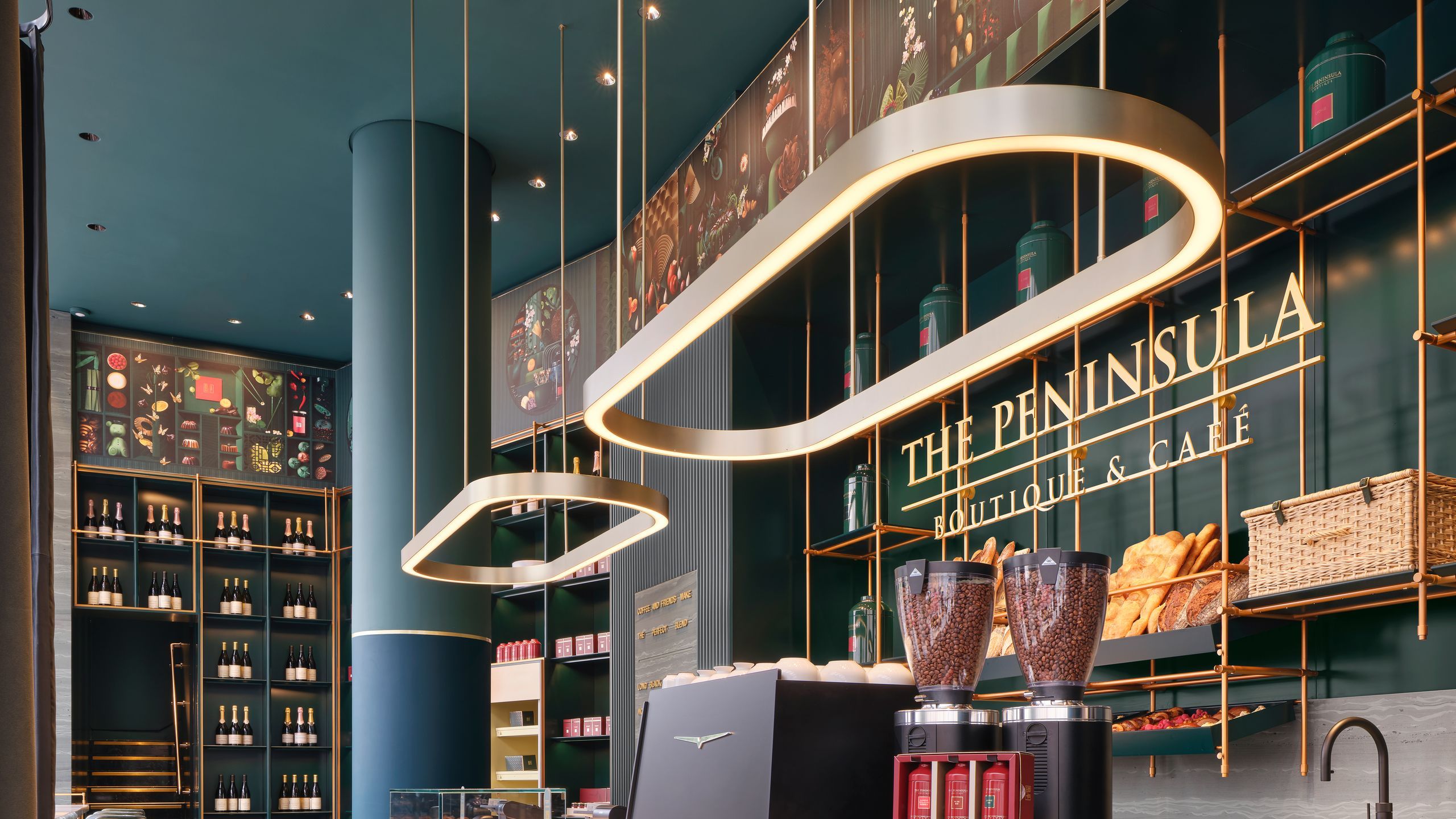
    The Peninsula London transformed six fleet vehicles into moving art installations for October. The hotel partnered with Brooklyn artist Eden Kozokaro ahead of the Frieze London art fair.

    Custom vinyl wraps now cover two Rolls-Royce Phantom IIs and a Bentley Bentayga. The lineup also includes an electrified Austin Taxi, a BMW i7 and a London Electric Vehicle Company hybrid model.

    Custom wraps across six vehicle models

    Kozokaro, known professionally as Kozo, designed original scenes depicting British pastoral landscapes beneath an illustrated torn-paper exterior. The visuals simulate peeled pages of Peninsula stationery. Parklands, rivers, wooded hills and country estates show across the green coachwork.

    Detailing specialists at Topaz adapted the artwork to each model’s dimensions before applying the bespoke wraps. Preparation took three months. Work began with digital sketches aligned with the contours, doors and reflectors of each vehicle.

    “The collection brings past and present into conversation, creating unexpected juxtapositions that allow history and myth to feel alive again,” said Kozokaro.

    Extending a signature Hong Kong tradition

    Art consultancy Cart Department organized the collaboration between the hotel and the artist. Founder Larry Warsh linked the installation directly to the brand’s long record of bespoke luxury transport.

    The Peninsula brand built its identity around distinctive green vehicle fleets, starting at its Hong Kong flagship with record fleet purchases of Rolls-Royce Phantoms. Replicating that visual asset in London ties the newer European property to the operating playbook developed across Asian capitals.

    Connecting hospitality fleets with seasonal art traffic

    Vehicle fleets serve as prominent mobile advertising for luxury hoteliers during major cultural weeks when high-net-worth visitors arrive in concentration. Wrapping working guest transport turns routine airport runs and city transfers into visible brand statements without disrupting fleet operations.

    Operators rely on this mix of brand heritage and contemporary art patronage to capture international travelers during premium event weeks. Competing brands face higher marketing hurdles when attempting to stand out around major auctions and exhibitions in mature European markets.

    The rollout schedule for October

    All six wrapped vehicles will operate throughout London during the October art season, ferrying hotel guests and appearing outside exhibition venues across the city.

  • Global Luxury Set to Grow 2 to 5 Percent as Burberry and Kering Reset

    Global Luxury Set to Grow 2 to 5 Percent as Burberry and Kering Reset

    Global luxury spending is set to grow between 2 percent and 5 percent this year following a three-year malaise, according to Boston Consulting Group data presented at an executive roundtable last Thursday.

    The projected rebound is driven by an 8 percent increase in North America and a 2 percent to 3 percent recovery in China, while Middle East sales are expected to drop by double digits.

    Executives from Burberry and Kering told the gathering that brands are overhauling strategies and price points, as a BCG survey of 12,000 luxury shoppers revealed that 70 percent have avoided purchases due to price increases.

    Shifting Price Points and Product Lines

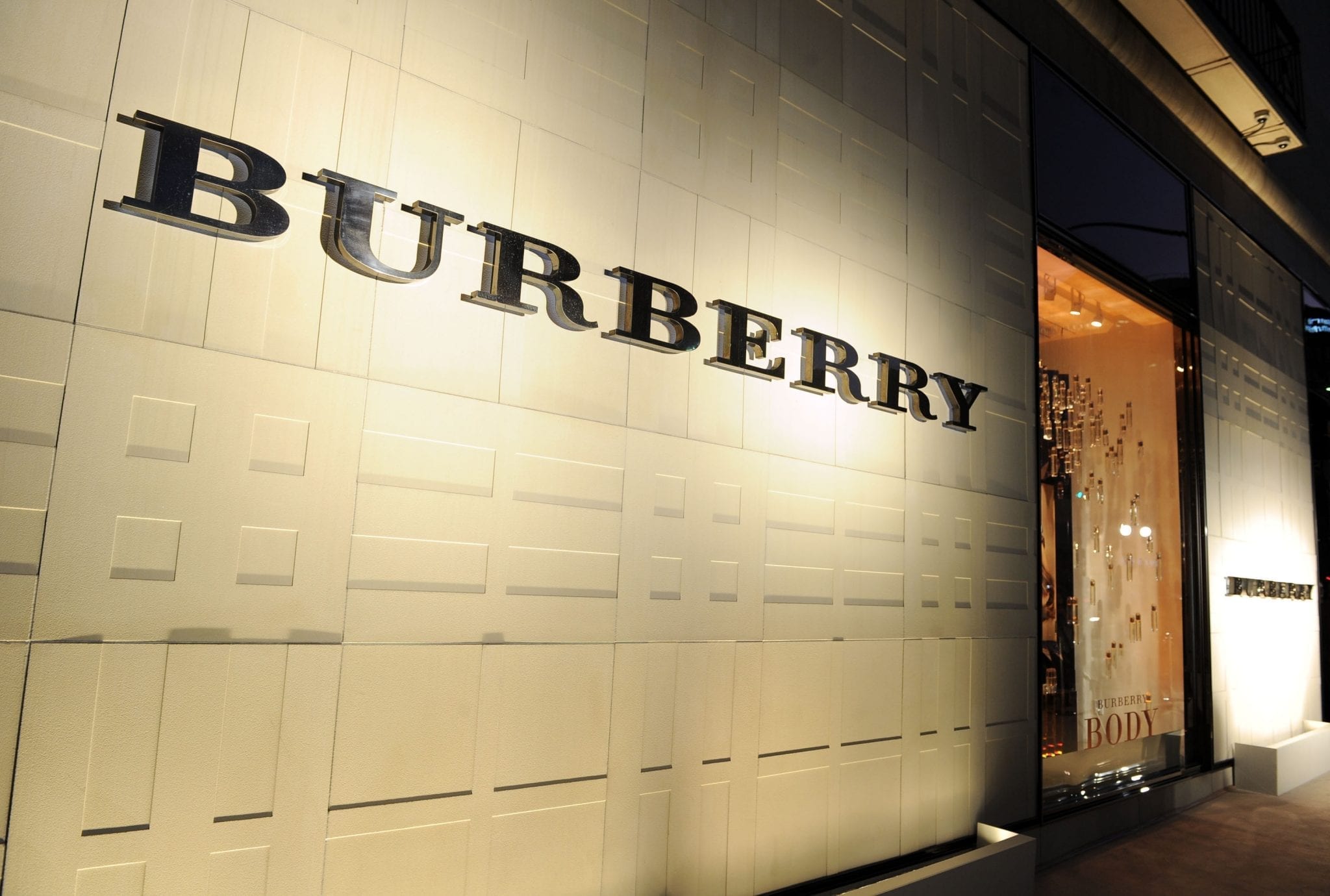
    Burberry is running a turnaround plan called Burberry Forward, focused on brand identity, client engagement, core merchandise, and store distribution. Laura Dubin-Wander, Americas president for the brand, said it is refocusing on heritage outerwear and accessible entry products. To draw new shoppers, the house set up dedicated trench coat areas, scarf bars, and displays for $400 polo shirts.

    Its store network is also under review. The company plans to downsize or exit unproductive sites while adding pop-ups in affluent resort towns and growing its womenswear athleisure range. On the marketing side, it added American athletes like Carmelo Anthony to build wider recognition.

    Across Asia-Pacific, landlords and department stores must rebalance their floor space. Retailers that gave prime ground-floor square footage to high-priced ready-to-wear collections now see lower sales densities. Operators in hubs like Shanghai, Tokyo, and Singapore are shifting space toward beauty counters, eyewear concessions, and fragrance boutiques where sales volumes hold up.

    Brand margins are shifting as sales move from runway lines to entry-level accessories. Labels must sell far more low-ticket units to offset slowing ready-to-wear purchases. That puts direct pressure on boutique staffing and stock management.

    Price Sensitivity Bites Top Spenders

    Affordability concerns now reach well beyond entry-level shoppers, according to an annual survey of 12,000 luxury consumers by BCG and Altagamma. Roughly 70 percent of respondents walked away from a planned purchase at least once due to a price increase. Most redirected that money into luxury cosmetics and skincare.

    Kering is splitting its commercial strategy to handle this divide between wealthy clients and aspirational buyers. Ewa Abrams, Americas president at Kering, said top-tier clients expect private, personalized service. Aspirational shoppers, by contrast, respond to cultural partnerships in entry categories such as eyewear and fragrances.

    It’s important to stimulate them with the right product categories such as eyewear or fragrance.

    Channel Synergies and Technology Steps

    A shared operational platform now runs across the French group’s houses, including Gucci, Saint Laurent, Balenciaga, and Bottega Veneta. The setup streamlines administration. It also uses artificial intelligence to accelerate commercial decisions.

    Social commerce is another testing ground. Tim Chai, head of product strategy at TikTok Shop, said digital luxury consumers favor unpolished, direct brand communication over rigid corporate campaigns. Burberry adopted fast-paced video clips to show British heritage to younger online shoppers.

    Customer discovery is increasingly driven by artificial intelligence. The BCG survey found 90 percent of luxury shoppers use AI tools daily or weekly to find products, compare prices, and get recommendations. Those shoppers also trust AI comparison tools more than traditional social media influencers.

    Regional Exposure and China Trajectory

    Recent restructuring follows a painful financial stretch across the European luxury sector. London-listed Burberry posted full-year revenue of $2.42 billion and net income of $21 million, leaving an operating margin of 0.87 percent. Paris-based Kering generated trailing twelve-month revenue of 14.46 billion euros and recorded a net loss of 322 million euros as demand slowed in key Asian shopping cities.

    Investors will get their next check on November 12, 2026, when Burberry reports interim results. Those numbers will show whether lower price points and store cuts can stop margin erosion.

  • Sydney Fashion Label Asta Resort Opens Permanent Flagship in New York

    Sydney Fashion Label Asta Resort Opens Permanent Flagship in New York

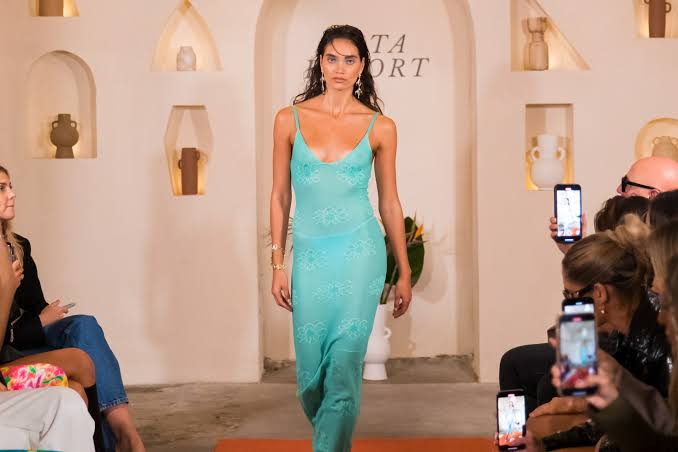
    Sydney luxury label Asta Resort opened its first permanent US flagship in Manhattan’s SoHo. Helena and Jasmine Ammitzboell founded the brand in 2021. The permanent boutique converts an earlier New York pop-up trial into a long-term presence.

    The retail launch coincides with a back-office buildout in Williamsburg, designated as the operational base for North American distribution.

    From Sydney Harbour to Manhattan

    Designers Joel Harding and Yuria Kailich of Studio of Enso planned the SoHo space around a Mediterranean resort aesthetic. The boutique features a quartz-clad champagne bar and a dedicated bridal podium. Ceramic plates hand-painted by the founders line one wall.

    Sydney is where Asta Resort began. New York is where we are laying down roots for our North American home.

    Wholesale Bypass and Direct Retail

    High digital customer acquisition costs push Australian resortwear labels toward physical flagships in global hubs. Securing permanent SoHo space lets independent brands bypass wholesale intermediaries. It also captures higher direct margins from affluent shoppers who first discovered the label online.

    Operating in New York brings steep lease commitments in a commercial market far costlier than Sydney. Operators expanding abroad also face inventory exposure across two hemispheres with opposing seasonal apparel demands.

    Building the US Operations Base

    Asta Resort opened its first permanent flagship boutique in Sydney in December. That domestic store served as the testbed for translating its online catalogue into an experiential physical space.

    Centralising regional management in Brooklyn gives the label direct control over inventory dispatches, styling appointments and client services across North American time zones.

    RetailNews Asia will track whether the label follows Manhattan with dedicated resort outposts in Florida or California retail corridors.

  • Fairmont and Asset World Corp Open 474-Room Hotel in Bangkok

    Fairmont and Asset World Corp Open 474-Room Hotel in Bangkok

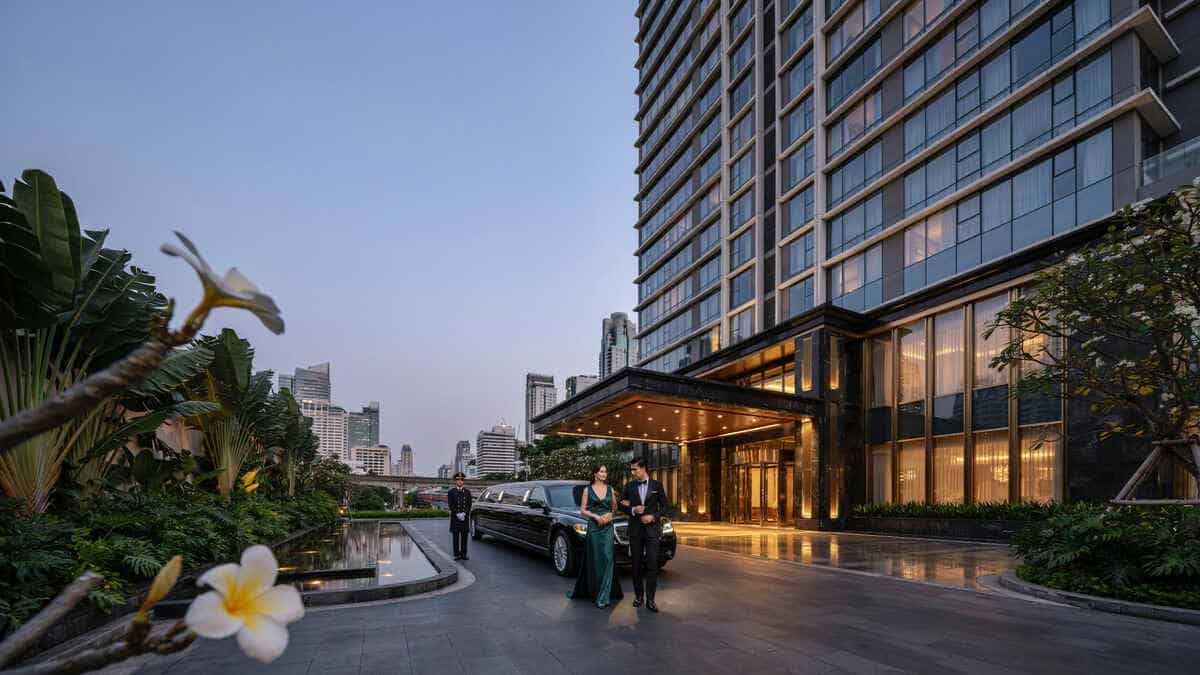
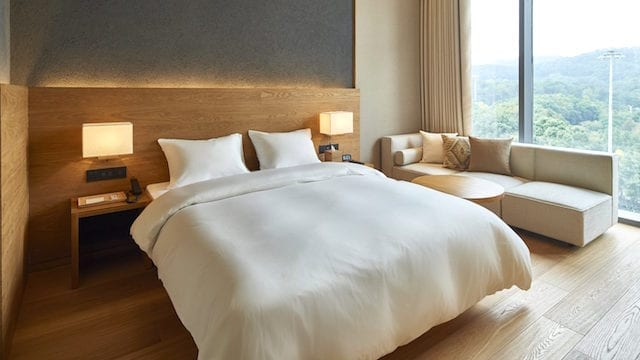
    Fairmont Hotels & Resorts and Asset World Corp have opened the 474-room Fairmont Bangkok Sukhumvit in Thailand. The property expands the luxury footprint of Accor’s heritage brand along Bangkok’s busiest commercial corridor.

    Located in the heart of Sukhumvit, the new property targets corporate travel, large-scale conferences and upscale leisure guests. Asset World Corp, the hospitality and property arm of Thai billionaire Charoen Sirivadhanabhakdi’s TCC Group, partnered with Fairmont to deliver the project.

    Sukhumvit pipeline gains scale

    Sukhumvit continues to draw major international operators. Hilton introduced its lifestyle banner nearby with the opening of the 174-room Canopy Bangkok Sukhumvit on Sukhumvit Soi 12, adding direct competition in the central retail and business district.

    Developers across Southeast Asia are accelerating high-end inventory deliveries. Luxury operators in Thailand are chasing high-spending regional visitors, relying on established global brands to lock in corporate accounts and loyalty program members.

    Regional network expansion

    The Bangkok addition mirrors broader hospitality development across Asia. Hilton opened the 170-room Conrad Nagoya in Japan with Mitsubishi Estate, while bringing its Tapestry Collection brand into Vietnam with the NHAAN Resort & Spa in Hoi An.

    Asset World Corp will monitor ramp-up metrics and room yield across its prime Bangkok portfolio through the upcoming high season.

  • New Home for Luxury: Van Cleef & Arpels Unveils Stunning Alexandra House Boutique in Hong Kong

    New Home for Luxury: Van Cleef & Arpels Unveils Stunning Alexandra House Boutique in Hong Kong

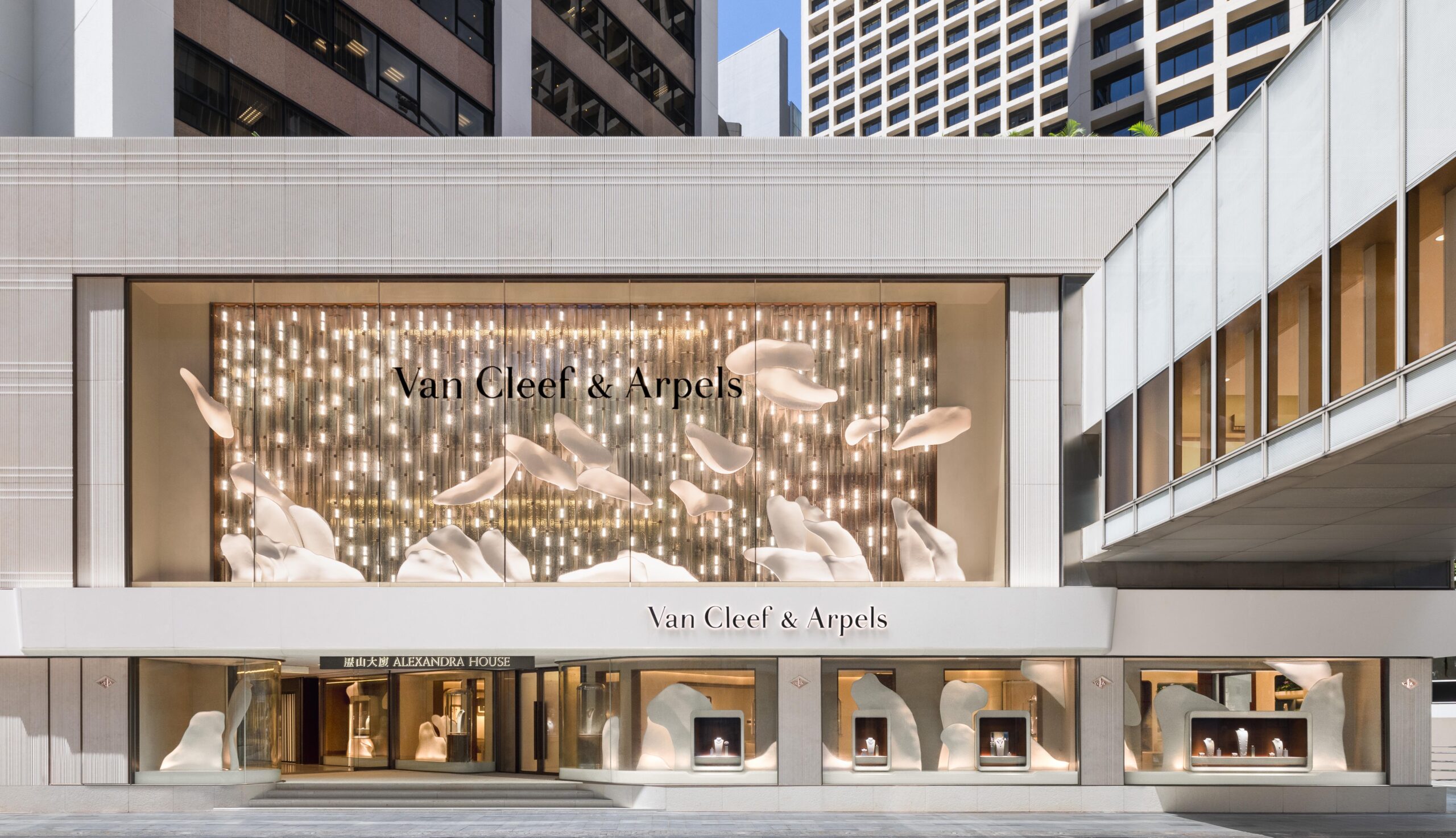
    Van Cleef & Arpels, a luxury French jewelry, watch, and perfume company, has recently relocated its Hong Kong boutique from Landmark Prince’s to Alexandra House. The new two-story space spans an expansive 564 square meters and is a marvelous blend of nature and architecture, designed by the acclaimed Studio Jouin Manku.

    The Interior Design

    Upon entering the boutique, visitors are welcomed by an oak-paneled circular room on the ground floor. The centerpiece is a grand staircase, masterfully crafted from light limestone and oak. Display cases and glass columns feature the maison’s exquisite High Jewelry, Jewelry, and Watchmaking collections. A dedicated heritage room, which will host four exhibitions each year, is also located on the ground floor.

    The upper floor houses salons dedicated to watchmaking, fragrance, and private appointments. The watchmaking salon boasts a relaxing palette of midnight blue, beige, and wood tones. The fragrance salon, inspired by traditional perfume organs, showcases the Collection Extraordinaire in alcoves.

    Unique Features of the Boutique

    Unique to this boutique is a tea ceremony space, featuring rose-coloured stone derived from locally sourced mineral powder. This innovative element is a result of research conducted in collaboration with L’École, School of Jewellery Arts, in Hong Kong.

    A well-crafted event space at the foot of the central staircase is designed to host a variety of occasions. The ceiling of the event space showcases a pattern inspired by the white petal motifs on the boutique’s façade, and is hand-embroidered entirely by French artisans.

    Van Cleef & Arpels has been a fixture in Hong Kong since 1981 when Jacques Arpels initiated the opening of the brand’s first boutiques in the city.

    Questions & Answers

    When did Van Cleef & Arpels first establish its presence in Hong Kong?
    Van Cleef & Arpels first entered the Hong Kong market in 1981.

    What are some unique design elements of the new boutique?
    Some unique design elements include a tea ceremony space featuring locally sourced rose-coloured stone, a heritage room for exhibitions, and the ceiling of the event space which showcases a white petal motif hand-embroidered by French artisans.

    Which collections are showcased in the new boutique?
    The new boutique showcases the maison’s High Jewelry, Jewelry, and Watchmaking collections, as well as the Collection Extraordinaire in the fragrance salon.

  • Singapore’s Sentosa Cove: Once a Luxury Haven, Now a Hotspot for Residential Resale Losses

    Singapore’s Sentosa Cove: Once a Luxury Haven, Now a Hotspot for Residential Resale Losses

    Over the past three years, approximately 64.5% of residential resale transactions in Singapore’s exclusive Sentosa Cove district have resulted in losses, according to data from local real estate platform, Mogul.sg. This figure marks a rise from the 62.8% recorded between March 2020 and April 2023. The lackluster performance of this affluent enclave, once hailed as a haven for the wealthy, has been attributed to diminished demand from both foreign and local buyers.

    Performance of Property Types and Loss Analysis

    The study found that landed properties fared marginally better than condominiums, with around half of the resales since 2023 yielding a profit. The average loss on unprofitable resales decreased by 18% to S$1.28 million (US$1 million), however, the gross gains on profitable sales also dipped significantly, approximately 62%, to S$655,590. These figures do not account for additional costs such as stamp duties, property taxes, legal fees or agent commissions.

    Property consulting firms Cushman & Wakefield and Newmark similarly noted a trend towards loss-making resales in the area.

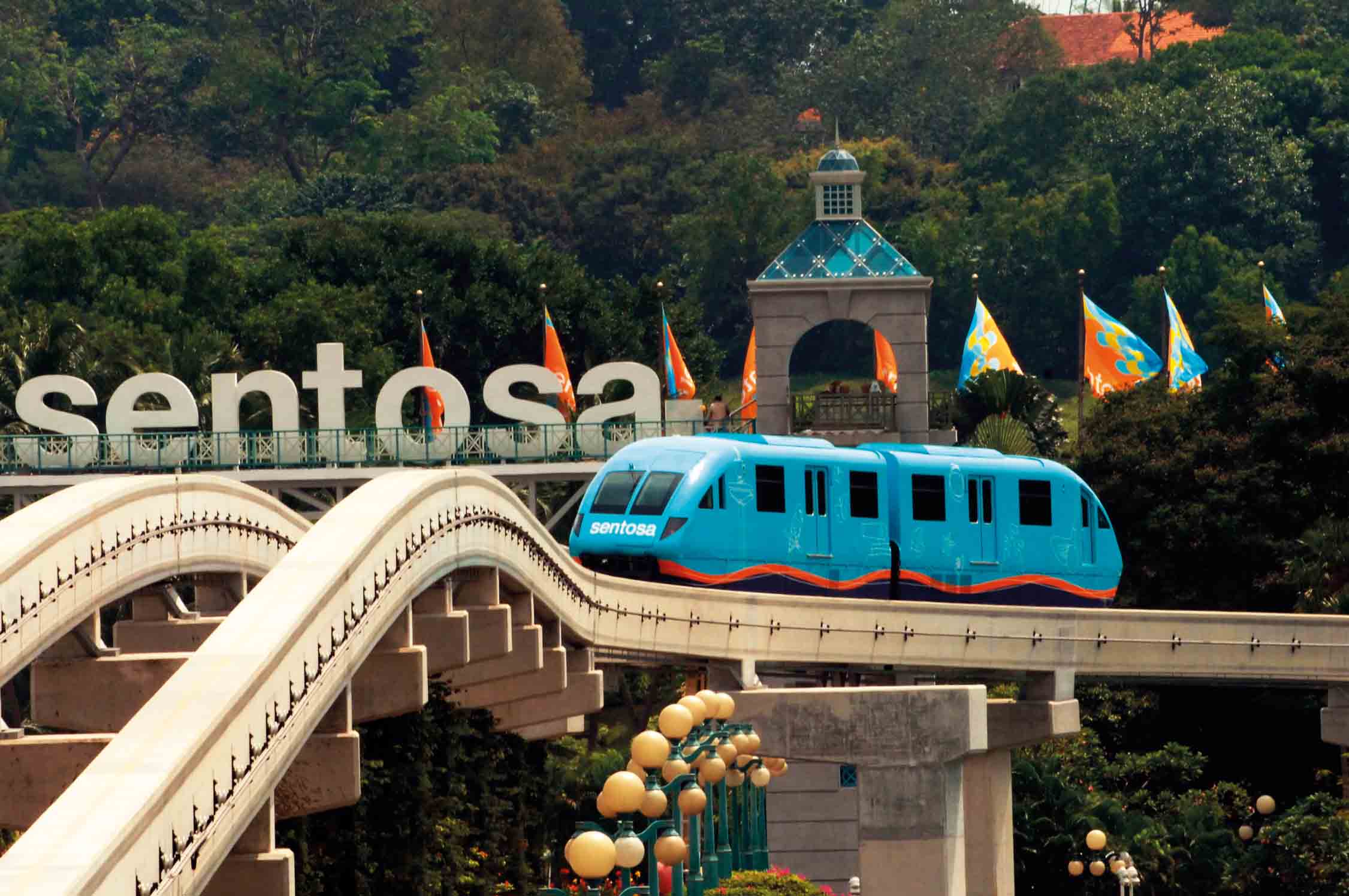
    Located on the eastern end of the 5-square-kilometer Sentosa Island, Sentosa Cove was transformed from a military outpost into a leisure and tourism hub in the 1970s. The enclave, which was developed primarily on reclaimed land and consists of five man-made islands (namely Coral, Paradise, Treasure, Sandy, and Pearl), was initially conceived as a high-end residential hotspot for affluent foreigners.

    Once marketed as Singapore’s answer to Monte Carlo or Dubai’s Palm Jumeirah, the enclave used to enjoy robust sales, driving up property prices. This was partly due to exemptions from mainland property restrictions and the unique provision allowing foreigners to purchase landed homes, albeit with government approval.

    Declining Demand and Current Challenges

    Since the 2008 global financial crisis and subsequent increases in Singapore’s additional buyer’s stamp duty, demand for properties in the enclave has dwindled. The tax, imposed on top of the standard buyer’s stamp duty, was raised to 60% in April 2023 for most foreign buyers, contributing to the decline in demand.

    Nicholas Mak, chief research officer of Mogul.sg, attributed the waning interest in Sentosa Cove to several factors. These include a halt in new residential developments, limited accessibility, and harsh coastal conditions. Moreover, no residential land parcels in Sentosa Cove have been sold since 2008.

    Further compounding the issue is a stipulation preventing foreign owners from leasing out their standalone homes. Consequently, several properties have been left vacant for extended periods, as their owners reside abroad or occupy other residences on the mainland.

    The lack of amenities such as shopping malls, wet markets, and hawker centers has also been identified as a reason for the enclave’s lack of appeal among Singaporeans.

    Questions & Answers

    What is the current state of residential resale transactions in Sentosa Cove?
    Approximately 64.5% of residential resale transactions in Sentosa Cove have resulted in losses over the past three years.

    What factors are contributing to the declining demand for properties in Sentosa Cove?
    The declining demand can be attributed to several factors including increased buyer’s stamp duty for foreign buyers, lack of new developments, limited accessibility, and harsh coastal conditions.

    How has the rule that prevents foreign owners from renting out their standalone homes impacted the Sentosa Cove property market?
    This rule has resulted in numerous properties being left vacant for extended periods, thereby reducing the attractiveness and vibrancy of the enclave.

  • Moncler Soars High: Luxury Retailer Rides the Wave of Asia Market Expansion With Robust Sales Growth

    Moncler Soars High: Luxury Retailer Rides the Wave of Asia Market Expansion With Robust Sales Growth

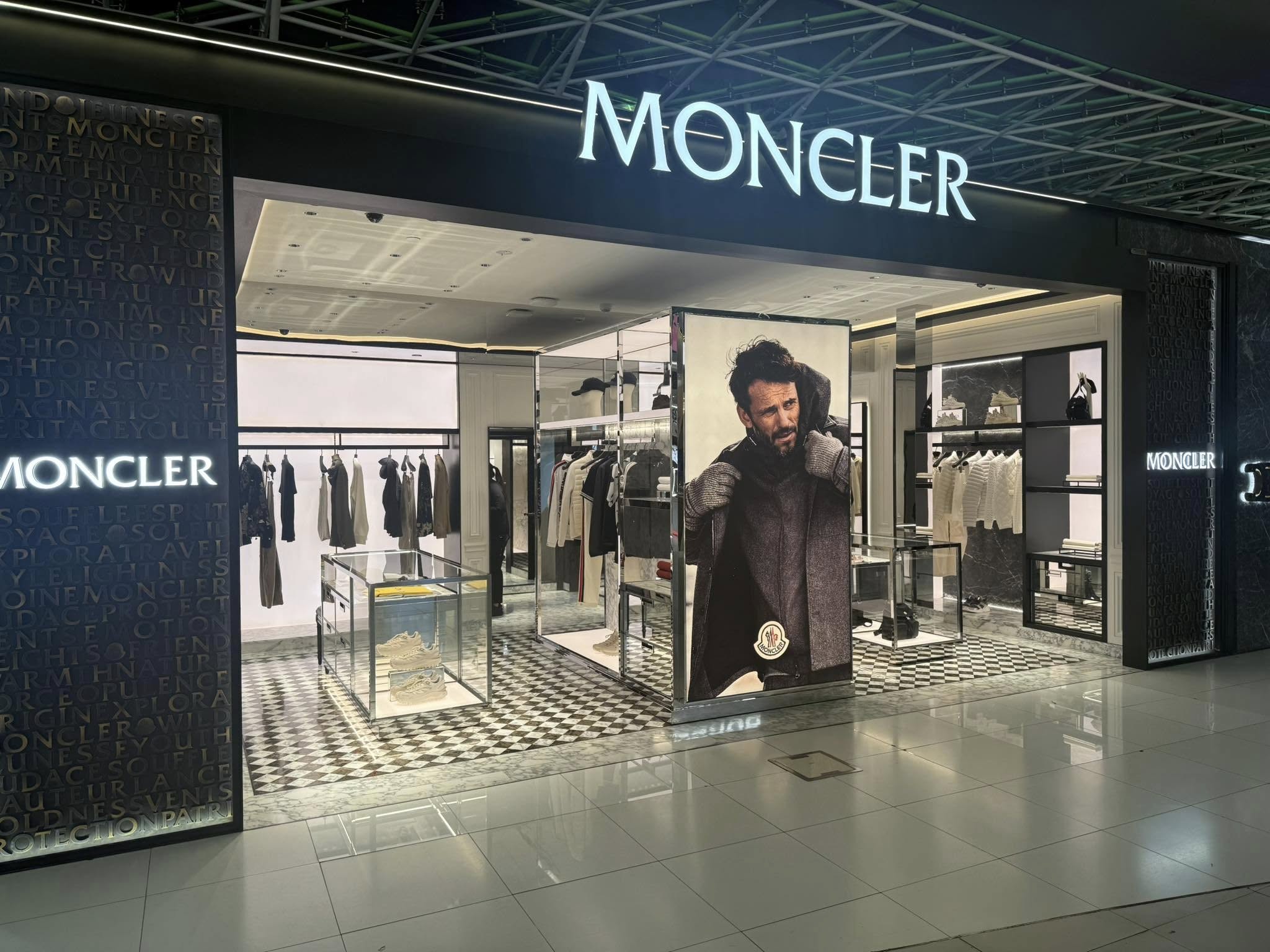
    Luxury fashion retailer Moncler has reported a strong momentum in sales growth, driven predominantly by its expanding presence in Asia.

    Strong Performance Across Moncler and Stone Island Brands

    The first half of their financial year saw a significant rise in revenues across its Moncler and Stone Island brands, with increases of 9% and 11% respectively. This strong performance for both brands contributed to a combined first-half group revenue of $1.47 billion and earnings before interest of $280 million.

    Remo Ruffini, Moncler’s Executive Chairman, is of the view that the group’s resilience stems not solely from its ability to swiftly adjust to changes, but also from staying true to its identity and maintaining close ties with the communities they serve. “In the first half of the year we delivered solid growth and profitability across both our brands, staying focused on our products, the creativity that characterizes our brands and the collective energy we share with our audiences,” he said.

    Moncler’s Rapid Growth in Asia

    Asia has proven to be the fastest-growing market for Moncler Group, now representing 54.4% of total sales. In comparison, the share of sales in Europe, the Middle East, Africa, and the Americas has seen a decline.

    Ruffini added that the group is continuously seeking innovative ways to remain relevant throughout the year, beyond the core season. Despite the complex and unpredictable operating environment, he believes these challenging times test their ability to be sharper, bolder, while maintaining discipline and staying grounded. “We approach the second half of the year and the opportunities ahead with this same spirit, and with a clear sense of direction,” he concluded.

    Questions & Answers

    What has driven Moncler’s recent sales growth?
    Moncler’s sales growth was primarily driven by its expansion in Asia, contributing to 54.4% of total sales.

    How did Moncler and Stone Island brands perform in the first half of the year?
    Both brands showed significant growth with their revenues increasing by 9% and 11% respectively, leading to a combined first-half group revenue of $1.47 billion.

    What strategy does Moncler implement to stay competitive in the market?
    Moncler strives to remain relevant throughout the year by continuously seeking innovative ways to engage audiences, focusing on their products and the creativity that characterizes their brands while staying true to their identity and maintaining close ties with the communities they serve.

  • Chloé Debuts First Luxury Boutique in Vietnam, Enriching Ho Chi Minh Citys Shopping Landscape

    Chloé Debuts First Luxury Boutique in Vietnam, Enriching Ho Chi Minh Citys Shopping Landscape

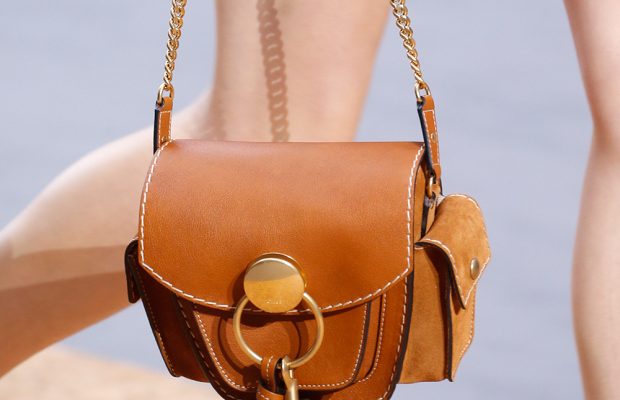
    Chloé, an esteemed French luxury fashion house, has recently established its first store in Vietnam, nestled within a bustling shopping complex in the heart of Ho Chi Minh City. The brand, recognized for its romantic, free-spirited and distinctly feminine aesthetic, was a pioneer in the luxury ready-to-wear sector since its conception in 1952 by Gaby Aghion. Today, Chloé is part of the impressive portfolio of the Swiss luxury conglomerate Richemont.

    First Footprints in Vietnam

    In mid-June, Chloé made its debut in the Vietnamese market, facilitated through an exclusive distribution agreement with Duy Anh Fashion and Cosmetics (DAFC). Situated on the first floor of the Saigon Centre, the new boutique sports the brand’s signature Parisian elegance juxtaposed with its free-spirited femininity. The store offers a carefully curated selection of Chloé’s iconic products, including leather goods, footwear, and ready-to-wear collections.

    In Vietnam, DAFC is recognized as a leading luxury retail distributor, controlling more than 70% of the high-end fashion and cosmetics market. The company manages the distribution of products from over 60 international luxury fashion and cosmetic brands, operating more than 50 stores throughout the country.

    Questions & Answers

    What is Chloé known for?
    Chloé is renowned for its romantic, free-spirited, and feminine aesthetic, and is a pioneer in the luxury ready-to-wear fashion sector.

    Where is Chloé’s first Vietnam store located?
    Chloé’s first Vietnam store is located on the first floor of the Saigon Centre, a prominent shopping complex in Ho Chi Minh City.

    Who is the distributor for Chloé in Vietnam?
    Duy Anh Fashion and Cosmetics (DAFC) is the exclusive distributor for Chloé in Vietnam.

  • Hong Kong’s Luxury Hotels Triumph in Recovery, Surpassing Pre-Pandemic Levels

    Hong Kong’s Luxury Hotels Triumph in Recovery, Surpassing Pre-Pandemic Levels

    The luxury hotel sector in Hong Kong has shown remarkable resilience, bouncing back stronger than the broader hospitality industry in the city. According to the property consultancy JLL, room rates have even surpassed those of 2018, indicating a significant rebound in demand.

    A Robust Recovery for Luxury Hotels

    JLL reports that luxury properties were the only hotel segment to return to their 2018 average daily rates by 2025, reaching HKD2,169 (US$277). This figure represents a 1% increase over rates recorded before 2019 and during the Covid-19 pandemic.

    Meanwhile, the general hotel market in Hong Kong recorded average daily rates of HKD1,263, an 8% decrease from the 2018 level. In the first quarter of this year, luxury hotels maintained their strong performance, with average daily rates rising 12.3% year-on-year to HKD2,452. In contrast, non-luxury segments posted increases between 7% to 8.7%.

    Cleavon Tan, Senior Vice-President of JLL’s Hotels and Hospitality Group in Hong Kong, notes that the luxury hotel segment’s recovery in 2025 was more robust than that of the broader hotel market. He attributes this to the combination of improved demand in conjunction with a constrained supply environment, which allowed luxury hotels to rebuild occupancy while maintaining pricing power.

    Tan suggests that Hong Kong’s hotel recovery and long-term growth prospects will depend on specific segments and assets. Luxury hotels may experience slower physical-supply growth but potentially stronger pricing power, whereas selected mid-market hotels may capture broader visitor growth if their location, product, and cost structure remain competitive.

    Demand Drives Transaction Volumes Across Asia-Pacific

    The demand for luxury hotels across the Asia-Pacific region has also significantly increased. JLL’s report noted that this surge in demand has driven transaction volumes, including sales and acquisitions, up 77% between 2017 and 2025, totalling about US$2.1 billion.

    Luxury hotel transactions accounted for almost 20% of all hotel deals in the region in 2025, a sharp increase from 8% in 2017 and surpassing the previous pre-pandemic peak of 16%.

    In Hong Kong, prime luxury hotel assets are primarily held by local conglomerates, family offices, strategic long-term owners, and high-net-worth investors, resulting in a limited supply. Recent market activity has predominantly focused on refurbishments, repositioning projects, and reopenings rather than adding new supply.

    Noteworthy developments include the 2023 return of The Regent in Hong Kong, the launch of Mondrian Hong Kong, the upcoming Andaz Hong Kong Central, and the recent reopening of The Landmark Mandarin Oriental.

    Questions & Answers

    Why are luxury hotels in Hong Kong experiencing a stronger recovery than the broader hotel market?
    The stronger recovery in the luxury hotel sector is attributed to increased demand in tandem with a constrained supply environment, enabling these establishments to increase occupancy rates while retaining their pricing power.

    What does the future look like for Hong Kong’s hotel industry?
    The long-term outlook for Hong Kong’s hotel industry will vary depending on specific segments and assets. Luxury hotels may see slower growth in physical supply but potentially stronger pricing power. In contrast, selected mid-market hotels could capture more extensive visitor growth if their location, product, and cost structure remain competitive.

    What are some notable developments in Hong Kong’s luxury hotel market?
    Significant developments in Hong Kong’s luxury hotel sector include the 2023 return of The Regent, the launch of Mondrian Hong Kong, the upcoming Andaz Hong Kong Central, and the recent reopening of The Landmark Mandarin Oriental.

  • Bang & Olufsen Unveils Asias Largest Flagship Store in Singapore: A New Era of Luxury Electronics Experience

    Bang & Olufsen Unveils Asias Largest Flagship Store in Singapore: A New Era of Luxury Electronics Experience

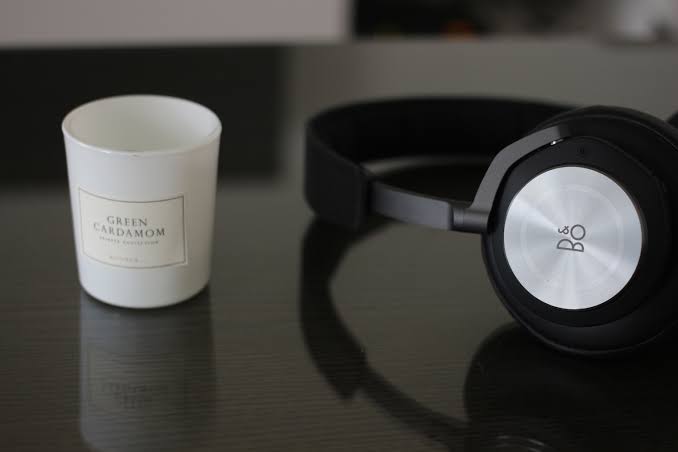
    Established Danish electronics manufacturer, Bang & Olufsen, recently unveiled its flagship store at Singapore’s Scotts Square shopping complex. With a retail area of approximately 2853 square feet, this site represents the company’s first Culture Store in Southeast Asia and the grandest in the Asia Pacific region. The inauguration follows their centennial celebration in the previous year.

    The innovative store design mirrors a high-end home, offering patrons the unique opportunity to explore Bang & Olufsen’s product range in a realistic setting, rather than on traditional display shelves. Amongst the features of this space are exclusive listening suites and personal consultation areas. These have been specifically designed for customers to assess the products in various acoustic conditions.

    Why Singapore?

    Bang & Olufsen’s CEO, Nikolaj Wendelboe, stated that Singapore was chosen as the location for their flagship store due to its status as a design, cultural, and commercial nexus in the region. The store was established through a collaborative effort with Design Collection Denmark. This partnership has been a key part of Bang & Olufsen’s operations in Singapore for the past two decades.

    Originally founded in 1925 in Struer, Denmark, Bang & Olufsen has made a name for itself with its premium audio equipment, televisions, and headphones. Globally, the brand has a commercial presence extending over more than 70 countries.

    Questions & Answers

    What is the significance of the new Bang & Olufsen store in Singapore?
    This store is the first Culture Store in Southeast Asia for Bang & Olufsen and is the largest of its kind in the Asia Pacific region.

    What differentiates this store from traditional retail spaces?
    Instead of standard display shelves, the store is designed to resemble a luxury home, allowing customers to experience the products in realistic living environments. There are also dedicated listening rooms and private consultation spaces.

    Why was Singapore chosen as the location for this flagship store?
    According to the CEO of Bang & Olufsen, Nikolaj Wendelboe, Singapore’s position as a regional hub for design, culture, and commerce made it an ideal location for their flagship store.

  • Miu Miu Expands Luxury Fashion Footprint with New Boutique at K11 Musea, Hong Kong

    Miu Miu Expands Luxury Fashion Footprint with New Boutique at K11 Musea, Hong Kong

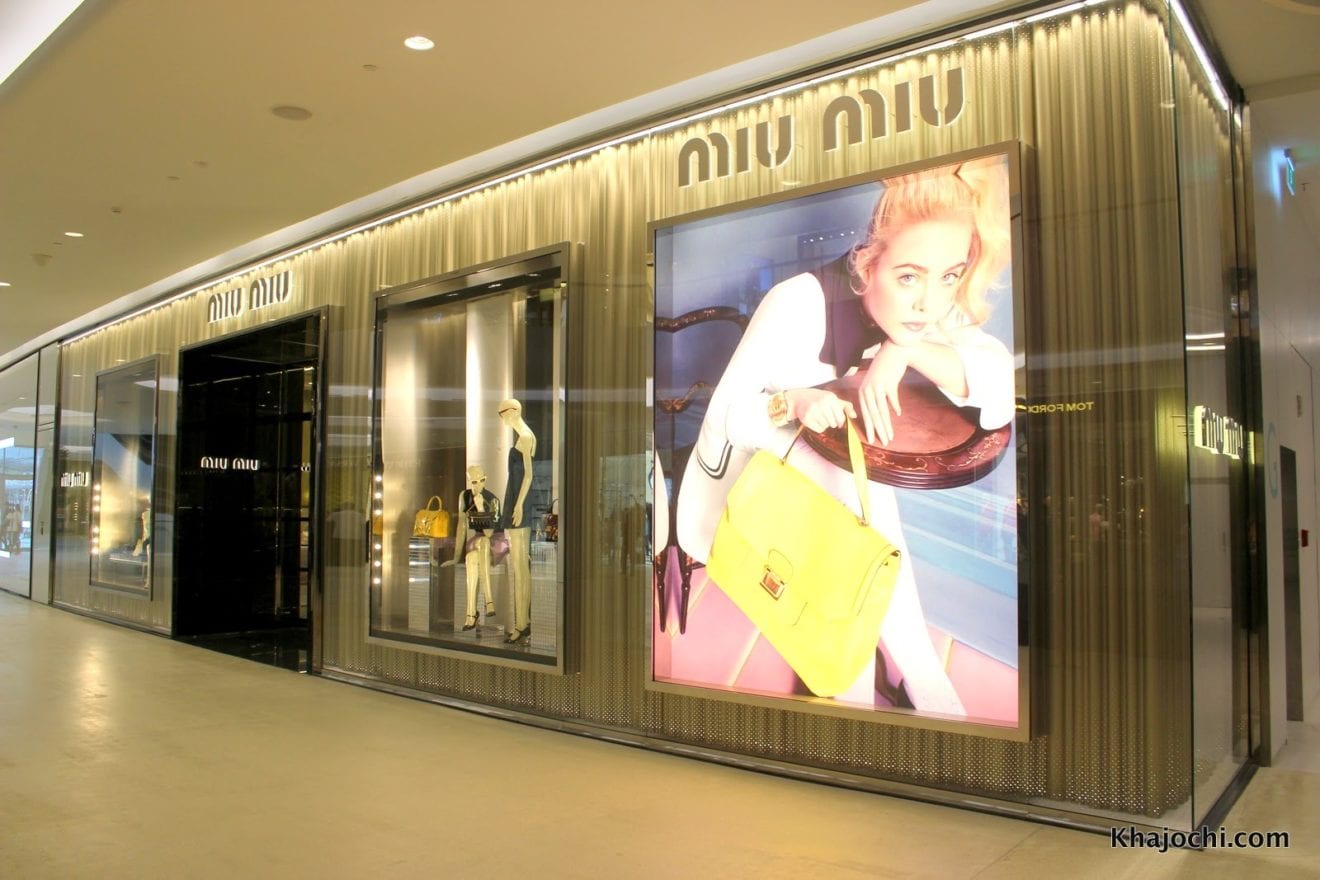
    High-end fashion house Miu Miu has inaugurated a new boutique in Hong Kong’s K11 Musea, further enhancing the luxury retail location’s high-grade fashion repertoire.

    The 161 square metre boutique showcases ready-to-wear collections, handbags, footwear and accessories, alongside Miu Miu’s L’Eté and Upcycled lines. The boutique also features a range of K11 Musea-exclusive styles, presented in a minimalist interior that boasts blue canvas walls, oak wood and limestone finishes.

    This new opening is part of the ongoing multi-stage refurbishment of K11 Musea that was announced earlier this year. This large-scale renovation has introduced over 60 luxury and premium brands while revamping more than 30 per cent of the mall’s retail space.

    Horace Lam, CEO of K11 Hong Kong, highlighted that Miu Miu’s addition aligns perfectly with the mall’s strategy of boosting its appeal to luxury shoppers through carefully curated brand experiences.

    “Miu Miu’s new boutique offers a sophisticated, design-oriented environment that resonates with our culturally discerning, luxury clientele who are in pursuit of immersive retail experiences,” said Lam.

    Additionally, Lam indicated that this latest opening is a testament to K11’s dual-mall strategy. K11 Musea is primarily focused on luxury retail, while the adjoining K11 Art Mall targets a younger demographic and recently welcomed Saucony’s first flagship in Hong Kong.

    “Collectively, these new additions underscore the complementary positioning of our portfolio in the vibrant Tsim Sha Tsui district: Two malls, two unique identities, both operating at close to full capacity with sustained growth in traffic and sales,” Lam further remarked.

    Questions & Answers

    What does the new Miu Miu boutique add to K11 Musea?
    The boutique enhances the mall’s luxury fashion offerings with its curated selection of ready-to-wear collections, handbags, footwear, and accessories, as well as exclusive styles only available at K11 Musea.

    How does the new Miu Miu store align with K11 Hong Kong’s strategy?
    The addition of Miu Miu aligns with K11’s strategy of attracting luxury shoppers through carefully curated brand experiences, thereby strengthening its appeal.

    What is K11’s dual-mall strategy?
    K11 operates two malls with distinct identities. K11 Musea focuses on luxury retail, while the neighbouring K11 Art Mall caters to younger consumers. Both malls are operating at near-full occupancy with continuous growth in traffic and sales.