Tag: luxury

  • Golden Goose Leaps Forward: Chinese and Singaporean Investments Fuel Luxury Brands Global Expansion

    Golden Goose Leaps Forward: Chinese and Singaporean Investments Fuel Luxury Brands Global Expansion

    Italian luxury brand, Golden Goose, has recently gone through a significant change in ownership. A majority stake in the company is now held by Chinese private equity firm HSG, while Singapore’s investment firm, Temasek, has also joined as a minority shareholder. This move followed the necessary regulatory approvals, and while the financial specifics remain undisclosed, existing investor Permira has retained a minority stake.

    A New Chapter for Golden Goose

    The revamped ownership structure is poised to support the next phase of Golden Goose’s worldwide expansion, faithfully retaining the company’s focus on Italian craftsmanship and its direct-to-consumer retail model. Silvio Campara will maintain his position as CEO, managing the company in association with the existing management team. Effective immediately, former Gucci CEO, Marco Bizzarri has been appointed as the non-executive chairman of the company.

    Campara expressed his confidence in the new investors, stating that their vast experience in scaling international luxury brands and driving innovation will propel Golden Goose in achieving its global aspirations. He is anticipating benefiting from their expertise as they advance towards realizing their international ambitions and introducing Golden Goose to more “Dreamers” around the world.

    Campara added, “This investment is a testament to our unique model and the global appeal of our brand. It will aid us in unlocking Golden Goose’s full potential, establishing it as a leading Next Gen luxury brand.”

    Golden Goose’s Expansion over the Years

    Golden Goose has witnessed remarkable growth under the ownership of Permira, with its global retail presence now spanning 232 stores across Asia-Pacific, Europe, and the Americas. The brand has also boosted its direct-to-consumer business and invested in experiential retail concepts, including its signature in-store co-creation services, as it continues to expand its international presence.

    Questions & Answers

    What is the new ownership structure of Golden Goose?
    The luxury brand Golden Goose is now primarily owned by the Chinese private equity firm HSG, with Temasek, a Singaporean investment firm, and Permira as minority shareholders.

    Who will lead Golden Goose under the new ownership?
    Silvio Campara will continue to serve as CEO of Golden Goose, working alongside the existing management team. Marco Bizzarri, former Gucci CEO, has been appointed as the non-executive chairman.

    What are the future expansion plans of Golden Goose?
    Under the new ownership, Golden Goose plans to further expand its worldwide presence while maintaining its focus on Italian craftsmanship and its direct-to-consumer retail model. The company also plans to leverage the experience of its new investors to scale the brand and drive innovation.
  • Experience Luxury Dining: Tiffany & Cos Inaugural Blue Box Cafe in Southeast Asia to Open in Singapore

    Experience Luxury Dining: Tiffany & Cos Inaugural Blue Box Cafe in Southeast Asia to Open in Singapore

    Tiffany & Co, the prestigious luxury jeweller, announced their plans to launch their first-ever Blue Box Cafe in Southeast Asia. Set to make its debut in Singapore’s flagship store next month, this move is meant to elevate the brand’s presence within the region.

    Details of the Blue Box Cafe

    Slated to open its doors in mid-July, the Blue Box Cafe will take over the top floor of the recently revamped Ion Orchard store. Taking inspiration from its original New York-based Blue Box Cafe, the Singaporean outpost will boast an American-French menu. This gastronomic offering is the brainchild of Julien Royer, renowned chef and owner of Odette, a three-Michelin-starred restaurant.

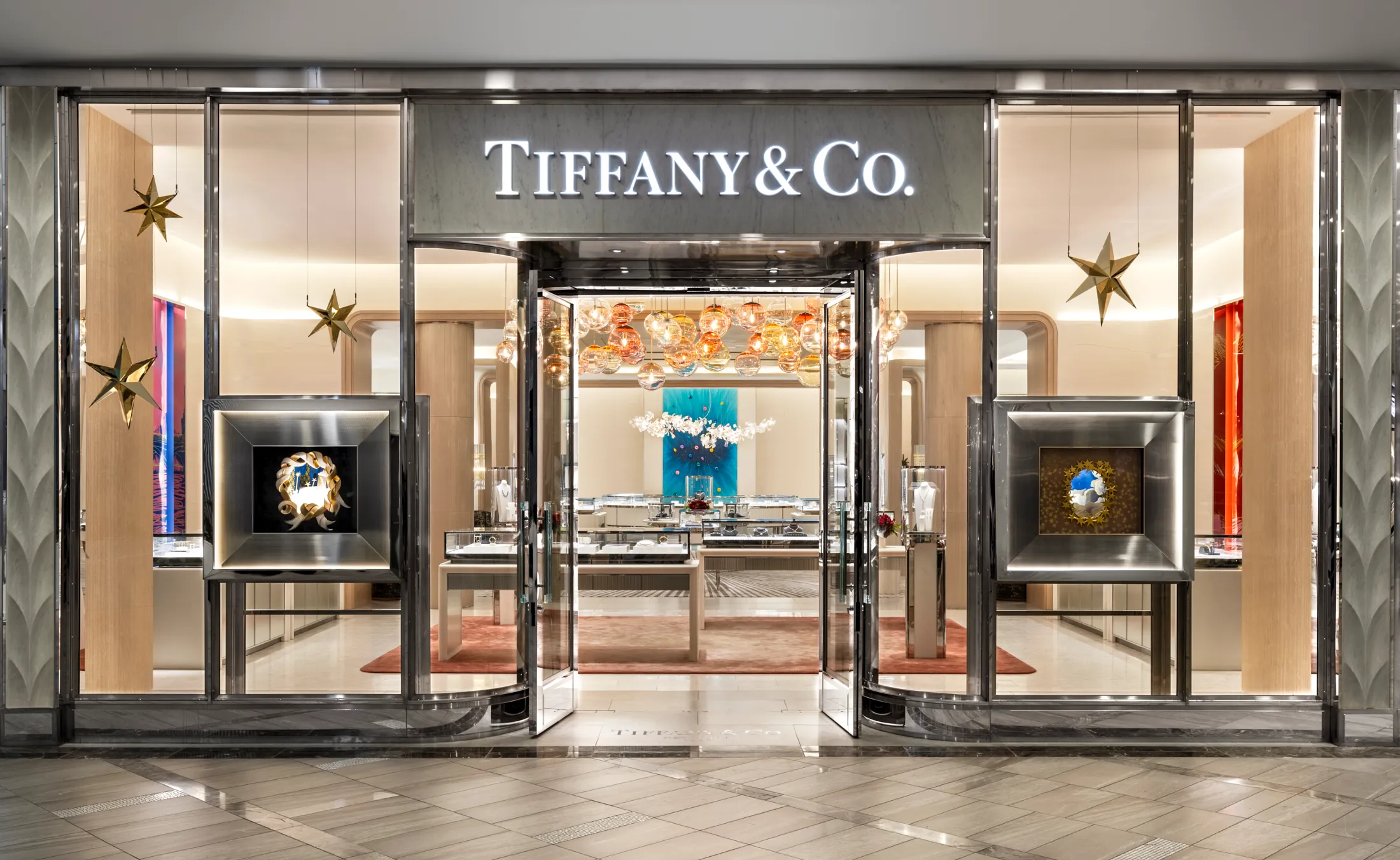
    The Ion Orchard branch of Tiffany & Co has recently undergone a significant facelift and is now the only triplex boutique of the brand in Singapore. The store’s refurbishment began in September of the previous year. Its design shares similarities with Tiffany’s Landmark flagship store in New York, featuring a dynamic light installation by British architect, Hugh Dutton, gracing the store’s facade.

    Highlights of the Renovated Store

    This boutique not only houses the first Tiffany watch salon in Singapore, but it also encompasses private VIP suites, and the Schlumberger Gallery. This exclusive space showcases the works of notable jewellery designer, Jean Schlumberger.

    In addition to these offerings, the store also features artworks by ceramic artist Peter Lane and exhibits the Monumental Bronze-Mounted Vase. This historic masterpiece, created in 1898, is the work of Louis Comfort Tiffany, after whom the brand is named.

    Yeo Mui Hong, CEO of Orchard Turn Developments, expressed his pride in housing the first Blue Box Cafe in Southeast Asia at Ion Orchard. He affirmed the company’s commitment to enhancing the shopping experiences of its patrons and members. This introduction of the Blue Box Cafe follows the successful opening of a similar cafe earlier this year at Tiffany & Co’s Lee Gardens boutique in Hong Kong.

    Questions & Answers

    What is the Blue Box Cafe?
    The Blue Box Cafe is a dining concept by luxury jeweller Tiffany & Co. The cafe is designed to complement the shopping experience with a unique gastronomic offering.

    Where will the first Blue Box Cafe in Southeast Asia be located?
    The first Blue Box Cafe in Southeast Asia will be located on the top floor of the Tiffany & Co store in Ion Orchard, Singapore.

    What unique features does the renovated Ion Orchard store offer?
    The renovated Ion Orchard store houses Singapore’s first Tiffany Watch Salon, private VIP suites, and The Schlumberger Gallery, showcasing creations by jewellery designer Jean Schlumberger. It also features a kinetic light installation on its facade and several noteworthy art pieces.

  • Chow Tai Fook Unveils Chic Redesigned Boutique in Vancouvers Luxury Retail Hub, Oakridge Park

    Chow Tai Fook Unveils Chic Redesigned Boutique in Vancouvers Luxury Retail Hub, Oakridge Park

    Chow Tai Fook, a leading Chinese jewelry retailer, recently unveiled its revamped boutique in Oakridge Park, Vancouver, Canada. This follows the successful refurbishment of numerous other stores across the globe, including locations in Singapore, Thailand, Australia, and Hong Kong.

    A Showcase of Chinese Craftsmanship

    The Oakridge Park location was chosen for its status as a luxury retail hub, presenting an ideal setting to display the exquisite craftsmanship and design of Chinese jewelry. The redesigned store melds contemporary design with traditional Chinese aesthetics. The exterior is adorned with the brand’s distinctive ‘Timeless Red’ facade, while the interiors sport luxurious finishes of walnut veneers and champagne-gold accents, all aimed at accentuating the displayed jewelry collections.

    Chow Tai Fook’s boutique features a broad selection of its core collections, along with designs crafted exclusively for the Canadian market. The offerings include the celebrated Dawn Collection, which is inspired by floral motifs and geometric shapes.

    Exclusively Canadian Designs

    The boutique also carries a range of accessories that are exclusive to the Canadian market. These designs incorporate national symbols such as the maple leaf and are available across various forms of jewelry, including pendants, necklaces, and earrings.

    Chow Tai Fook spoke about the collections, stating, “Each collection represents cultural heritage, blending tradition and contemporary elegance to create shared connections that transcend time and space.”

    Questions & Answers

    Why was Oakridge Park chosen for Chow Tai Fook’s redesigned boutique?
    Oakridge Park was selected due to its status as a luxury retail destination, providing an ideal backdrop to showcase the Chinese craftsmanship and design.

    What differentiates the store’s interior design?
    The store combines contemporary and Chinese-inspired design elements with walnut veneers and champagne-gold accents to highlight the jewelry collections.

    What collections does the boutique offer?
    The boutique features a variety of Chow Tai Fook’s core collections and exclusive designs for the Canadian market, including the Dawn Collection and accessories featuring national symbols such as the maple leaf.

  • OTB Amplifies Luxury Portfolio with Complete Acquisition of Fashion Powerhouse Viktor&Rolf

    OTB Amplifies Luxury Portfolio with Complete Acquisition of Fashion Powerhouse Viktor&Rolf

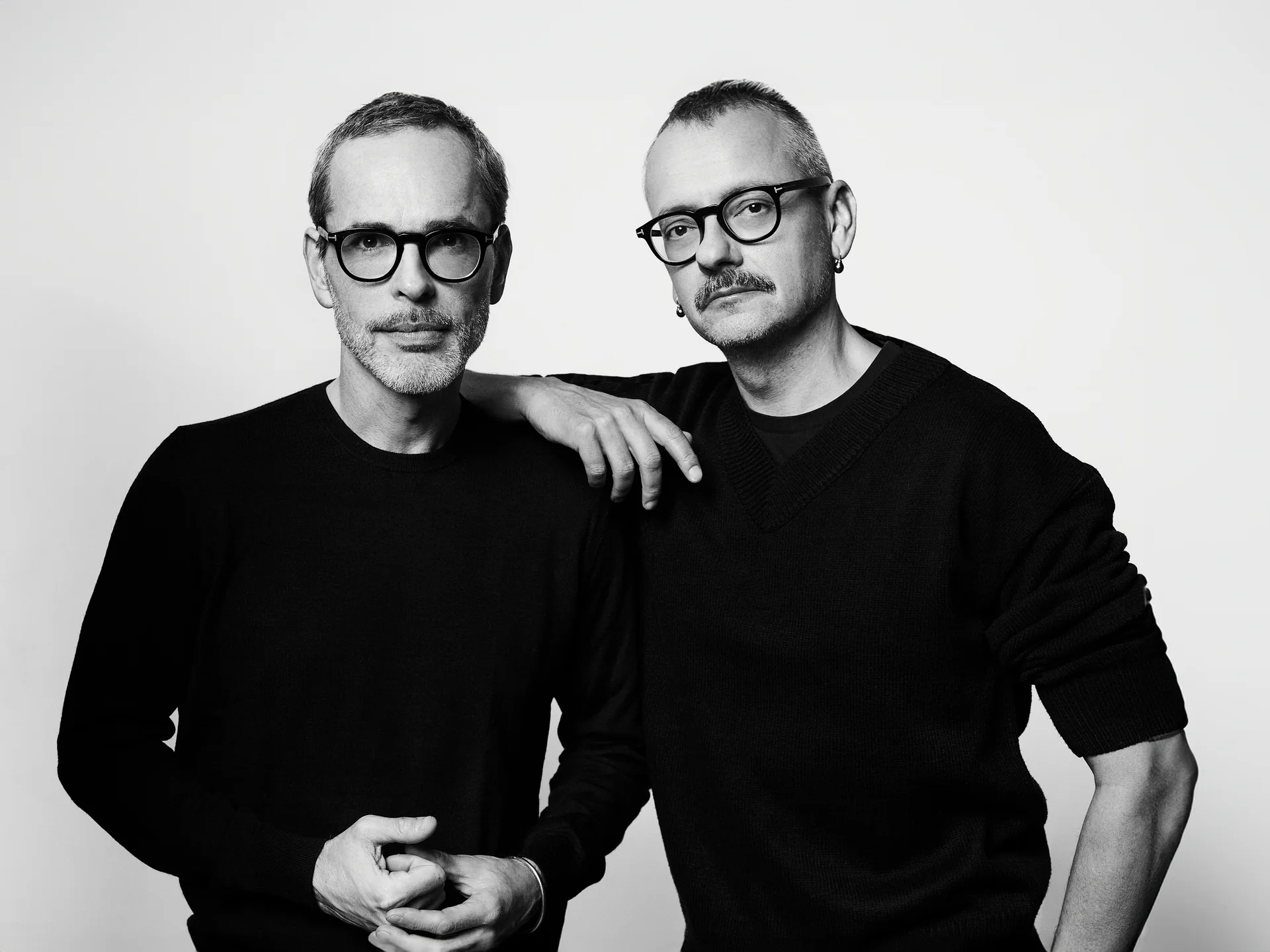
    OTB Group, a prestigious Italian luxury conglomerate, has recently procured the remaining shares of Dutch fashion house Viktor&Rolf, thereby securing complete ownership of this innovative label. This acquisition comes after OTB’s initial investment in 2008 and two decades of a partnership marked by shared creative vision and commercial growth.

    Strengthening Creative Ties

    Originally, OTB increased its stake from an initial 51% to 70%, and now, with full ownership, the partnership between the two entities is set to deepen even further. Viktor&Rolf, established in 1993 by Viktor Horsting and Rolf Snoeren, is celebrated for its unconventionally creative take on haute couture, incorporating elements of art, fashion, and theatrical storytelling. The brand has since diversified, extending its reach into ready-to-wear, bridalwear, eyewear, and fragrances.

    Renzo Rosso, the founder and chairman of OTB Group, expressed his elation over the strengthened partnership. He praised Viktor&Rolf for its unique presence in the international luxury market, known for its emphasis on creativity, artistic research, and cultural relevance, values that accord with OTB Group’s own.

    Securing the Future

    This strategic move follows an agreement signed last year, which confirmed the continuation of Horsting and Snoeren as creative directors for an additional five years. They will continue to shape the creative and strategic direction of Viktor&Rolf, maintaining the brand’s signature innovative style.

    OTB Group, owner of renowned labels including Diesel, Maison Margiela, Marni, and Jil Sander, has progressively concentrated on constructing an assortment of distinctive creative brands. This recent acquisition further solidifies its commitment to fostering creative development and expanding its luxury portfolio.

    Questions & Answers

    What is the significance of OTB’s acquisition of Viktor&Rolf?
    The acquisition represents the strengthening of a long-standing partnership, with OTB taking full ownership of Viktor&Rolf after being a shareholder for nearly two decades. Furthermore, it cements OTB’s commitment to developing a portfolio of distinctive, creative brands.

    Who are the founders of Viktor&Rolf?
    Viktor&Rolf was established in 1993 by designers Viktor Horsting and Rolf Snoeren. The pair will continue to shape the creative and strategic direction of the brand as Creative Directors.

    What is Viktor&Rolf known for within the fashion industry?
    Viktor&Rolf is renowned for its experimental approach to haute couture, blending elements of fashion, art, and theatrical storytelling. It has diversified its offerings into ready-to-wear, bridalwear, eyewear, and fragrances.

  • Barbara Werschine Takes the Helm at Lanvin: A Luxury Brands New Era Begins

    Barbara Werschine Takes the Helm at Lanvin: A Luxury Brands New Era Begins

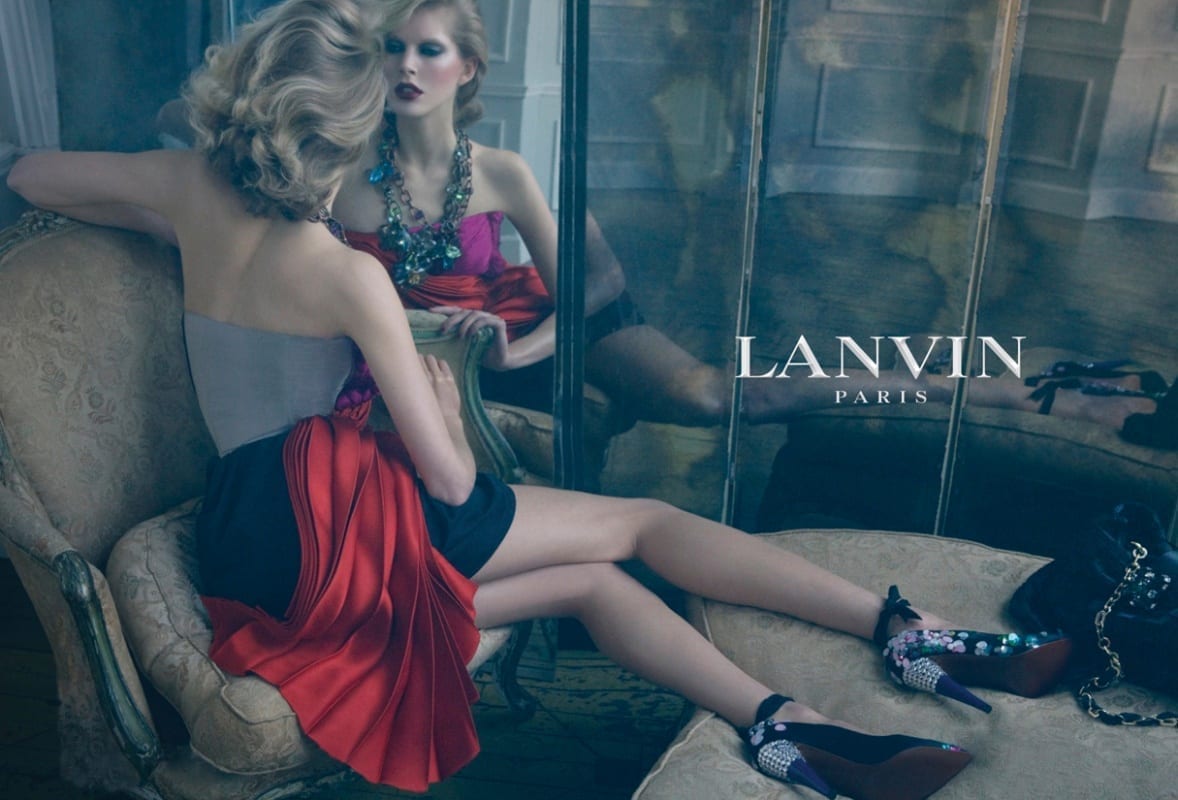
    Lanvin Group has announced the appointment of Barbara Werschine as the new Chief Executive Officer (CEO) of Lanvin. This strategic decision is part of the luxury fashion group’s initiative to bolster Lanvin’s global standing and promote growth.

    Barbara Werschine Heading Lanvin’s Strategic Direction

    Werschine will take charge of Lanvin’s strategic guidance, steering its international growth and enhancing the brand’s status in the global luxury marketplace. With over two decades of experience in the luxury industry, Werschine has previously occupied high-ranking positions at several renowned fashion establishments.

    She transitions to Lanvin from her prior role as CEO of Eric Bompard, a French cashmere specialist brand. During her tenure there, she streamlined the brand’s modernization efforts while also enhancing its financial performance. Earlier in her career, Werschine was a part of the executive committee at Hermes, as director of leather goods collections. Her professional journey also includes leadership and product development roles at Celine, Louis Vuitton, and Zadig & Voltaire.

    Building on Heritage and Driving Growth

    Lanvin Group’s decision to appoint Werschine reflects its aspiration to capitalize on the house’s legacy while implementing a contemporary growth strategy and expediting its international expansion. With headquarters in Shanghai and Milan, Lanvin Group controls a range of luxury brands, including Lanvin, Wolford, Sergio Rossi, and St John Knits.

    The executive shift comes amid the group’s navigation of a challenging luxury market. Lanvin Group registered a revenue of €240.5 million (US$277.4 million) from continuing operations for FY25, marking a 17.6% decrease year-on-year. The group attributed this downturn to reduced consumer demand and continued instability in primary markets.

    The group earlier this year strategically divested the Italian luxury menswear brand Caruso. This was a step towards streamlining focus on its core brands and enhancing operational efficiency in the face of persistent instability in the global luxury sector.

    Questions & Answers

    Who is the new CEO of Lanvin?
    Barbara Werschine has been appointed as the new CEO of Lanvin.

    What are the responsibilities of Barbara Werschine in her new role?
    Werschine will be in charge of Lanvin’s strategic direction, leading its international expansion and efforts to enhance the brand’s presence in the global luxury market.

    Why did Lanvin Group’s revenue decrease in FY25?
    The decrease in revenue was due to weaker consumer demand and ongoing market volatility.

  • Siam Piwat Elevates Luxury Ecosystem with Global Giants: A Bid to Become Thailands Hub for High-Net-Worth Clients

    Siam Piwat Elevates Luxury Ecosystem with Global Giants: A Bid to Become Thailands Hub for High-Net-Worth Clients

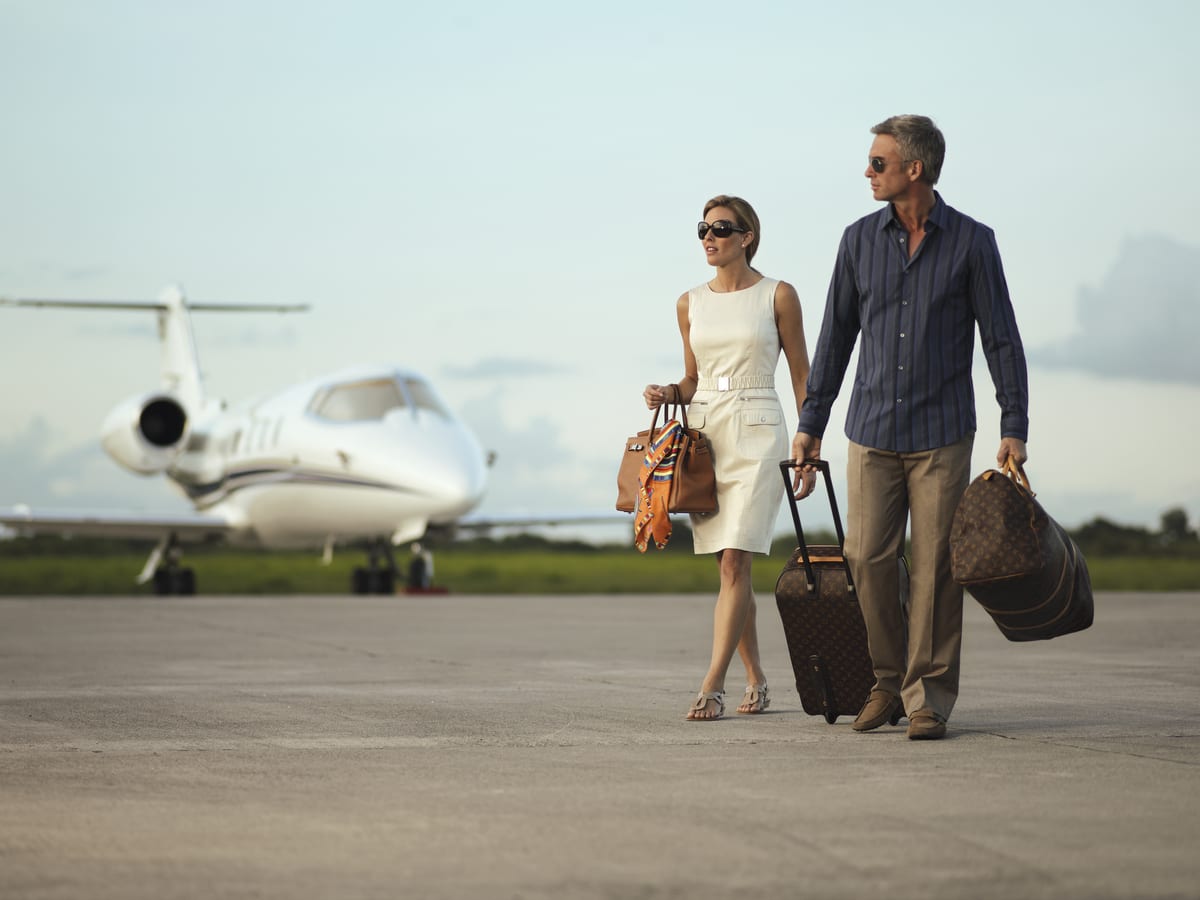
    Siam Piwat Group, a leading Thai developer and operator of renowned shopping outlets like Siam Paragon, Siam Center, and Siam Discovery, has announced a strategic alliance with four major luxury brands: Belmond, Galeries Lafayette, Insignia, and MJets. The partnership aims to establish a “borderless” ecosystem, providing high-end travel, shopping, and lifestyle services for their affluent clients. This collaboration is expected to reinforce Siam Piwat’s Global Privilege Partnership and take its ‘Global Luxury Ecosystem’ to the next level.

    Strategic Collaboration for Luxury Market

    The group, which controls over 70% of Thailand’s luxury market, aims to connect private aviation, ultra-luxury hotels and resorts, premier department stores, and bespoke lifestyle services, all under a single network of privileges available both domestically and internationally. Saruntorn Asaves, the first executive VP of customer centricity and relationship at Siam Piwat, outlined the group’s strategy as being centered on “co-creation and collaboration” with global partners to create unique experiences for both Thai and international customers.

    Siam Piwat’s expertise in serving high-net-worth individuals is demonstrated through its OneSiam membership base. Asaves reported that, in 2025, high-net-worth members spent over 1 million baht per transaction, with their annual spending exceeding average customers by 35 times. She emphasized this as proof of the “immense and unrivalled purchasing power” of their top-tier clients.

    Introducing New Partnerships

    The newly onboarded partners in the Global Privilege network contribute their expertise in various fields. Belmond, an LVMH Group member, provides an assortment of ultra-luxury properties and train journeys; Galeries Lafayette offers its flagship Paris Haussmann department store; Insignia contributes high-end lifestyle and membership services; and MJets offers private aviation and airport lounge access.

    These collaborations promise to offer unique services to OneSiam members. For instance, Belmond will provide personalized travel planning and VIP welcoming at their hotels and trains. Insignia will offer 24/7 bespoke services, including access to exclusive events and hard-to-obtain restaurant reservations. MJets aims to offer private jet services, premium lounges, and chauffeur transfers from the runway to Siam Piwat’s properties. Lastly, Galeries Lafayette will extend exclusive hospitality to Siam Piwat members, including complimentary gifts, VIP lounge access, and expedited tax refunds with qualifying purchases.

    Questions & Answers

    What is the main purpose of Siam Piwat’s strategic collaboration with Belmond, Galeries Lafayette, Insignia, and MJets?
    The main goal of this alliance is to create a “borderless” ecosystem that combines high-end travel, shopping, and lifestyle services for their affluent clients, both in Thailand and internationally.

    What special offers will be available to OneSiam members as a result of these partnerships?
    OneSiam members will have access to personalized travel planning, VIP welcomes at hotels and trains, 24/7 bespoke services, private jet services, access to premium lounges, chauffeur transfers, and complimentary gifts and VIP lounge access at Galeries Lafayette with qualifying purchases.

    How does Siaw Piwat plan to serve high-net-worth individuals?
    Siam Piwat plans to connect private aviation, ultra-luxury hotels and resorts, premier department stores, and bespoke lifestyle services under a single network of privileges, thereby providing a holistic luxury lifestyle experience to high-net-worth individuals.

  • Unlock Luxury: Tiffany & Co Launches Expanded Flagship Store and Blue Box Cafe in Hong Kongs Lee Gardens

    Unlock Luxury: Tiffany & Co Launches Expanded Flagship Store and Blue Box Cafe in Hong Kongs Lee Gardens

    Tiffany & Co, esteemed luxury jewellery brand, has broadened its reach in Hong Kong with the inauguration of a flagship store at Lee Gardens, introducing a fresh retail experience.

    The boutique, situated in Causeway Bay, extends over two floors and more than 770 square meters. It boasts specialized areas for high jewellery, watches, home accessories, and exclusive client appointments.

    Upon entering the 414 square meter ground floor, customers are greeted with an impressive display of Tiffany’s esteemed jewellery collections. These include the HardWear, Lock, Knot, and T ranges. Adding a touch of exclusivity, a dedicated high jewellery salon is also housed on this floor.

    The boutique’s interior exudes elegance, featuring metallic finishes, soothing color palettes, and bespoke design elements. A particularly eye-catching highlight is the exquisite orchid mural, which adorns a private salon space.

    The first floor, spanning 359 square meters, provides a multi-faceted experience for the clientele. It encompasses a watch salon, a home & accessories section, and the novel Blue Box Cafe which is set to open its doors next month. The brand also revealed the integration of artworks by notable artists Gregor Hildebrandt, Shim Moon Seup, Vik Muniz, and Sho Shibuya.

    The upcoming Blue Box Cafe will serve as a culinary treat for the customers, offering a unique, Japanese-inspired dining experience. The cafe will utilize local ingredients in its offerings, which will span across breakfast, teatime, and an all-day menu.

    The Causeway Bay store follows the opening of the first Tiffany Blue Box Cafe in Asia, which was launched in Hong Kong’s Tsim Sha Tsui last year. This marks the brand’s second cafe venture in the market.

    Questions & Answers

    **What does the new Tiffany & Co boutique in Causeway Bay offer?**
    The new boutique offers dedicated spaces for high jewellery, watches, home accessories, and private client appointments. The store also houses a new Blue Box Cafe and features artwork from renowned artists.

    **What will the new Blue Box Cafe offer to customers?**
    The Blue Box Cafe will provide a Japanese-inspired dining experience, featuring local ingredients across breakfast, teatime, and an all-day menu.

    **How many Blue Box Cafes does Tiffany & Co have in Hong Kong?**
    With the opening of the Blue Box Cafe in the Causeway Bay boutique, Tiffany & Co now operates two cafes in Hong Kong; the first one is located in Tsim Sha Tsui.

  • Matthieu Blazys Fresh Spin Sparks Chanels Comeback in Luxury Market

    Matthieu Blazys Fresh Spin Sparks Chanels Comeback in Luxury Market

    The Paris-based luxury fashion brand Chanel has experienced a significant surge in demand, piquing the interest of first-time buyers. This increase has been attributed to the reimagined versions of classic items such as bags, shoes, and jackets by the brand’s creative director, Matthieu Blazy. As a result, Chanel’s demand has exceeded supply, signaling a rebound in growth.

    Revamping Classics Fuels Growth

    Chanel recently reported a 2% increase in currency-adjusted revenues for 2025, amounting to US$19.3 billion. The brand experienced a 4.3% reduction in revenue the previous year, a period when high-end fashion labels struggled with demand following significant price increases in the wake of a post-pandemic luxury boom.

    Last year, Matthieu Blazy assumed the role of creative director, succeeding Virginie Viard. His maiden collection, launched in October, infused fresh life into the brand with innovative designs. Notable among these are the slouchy leather maxi flap bag retailing for $8,500, and brightly colored, frayed interpretations of the traditional Chanel tweed jacket.

    Chanel’s CEO, Leena Nair, attributes the brand’s recent success to “a creative momentum across all our business activities,” further noting that investments made in the previous year laid the groundwork for this sales rebound. The brand’s operating profit also experienced growth, recording a 5% increase to hit $4.7 billion.

    New Trends Attracting New Customers

    The brand’s revamped collection has been well-received by consumers, resulting in a substantial increase in new clientele for Chanel. High-demand pieces such as new handbags, mint green and black two-tone pumps (priced at $1,450), and multicolored tweed jackets are flying off the shelves.

    As for the brand’s performance relative to its competitors, Chanel’s growth rate fell short of Hermès at 9.8%, but outperformed LVMH’s fashion and leather goods division, which recorded a 5% decline.

    America, despite enduring tariffs, contributed the most to Chanel’s growth, with a sales increase of 7.2% in currency-adjusted terms in the Americas region. Meanwhile, sales in the Asia-Pacific region — Chanel’s largest market — fell by 0.8%, and Europe recorded a growth of 2.5%.

    Chanel has plans to increase prices by 3% overall and 2% for fashion products this year, according to CFO Philippe Blondiaux. He also noted the Middle East’s market resilience, which accounts for approximately 4% of the brand’s revenue, despite the ongoing conflict in Iran.

    The company plans to continue expanding its retail presence, intending to launch 30 new stores this year, including nine fashion boutiques in locations such as Boca Raton, Florida, and Palo Alto and San Diego in California.

    Questions & Answers

    What has been the impact of Matthieu Blazy’s designs on Chanel’s performance?

    Blazy’s redesigns of classic Chanel pieces have resulted in increased demand, attracting many first-time buyers and contributing to significant growth for the brand.

    How does Chanel’s recent growth compare with that of other luxury fashion brands?

    Chanel’s growth rate in 2025 was slower than that of Hermès but exceeded the growth rate of LVMH’s fashion and leather goods division.

    What are Chanel’s future plans for expansion?

    Chanel plans to open thirty new stores this year, including nine fashion boutiques in locations such as Boca Raton, Florida, and Palo Alto and San Diego in California.

  • Alaia Boosts Southeast Asia Presence with First Luxury Boutique in Bangkok

    Alaia Boosts Southeast Asia Presence with First Luxury Boutique in Bangkok

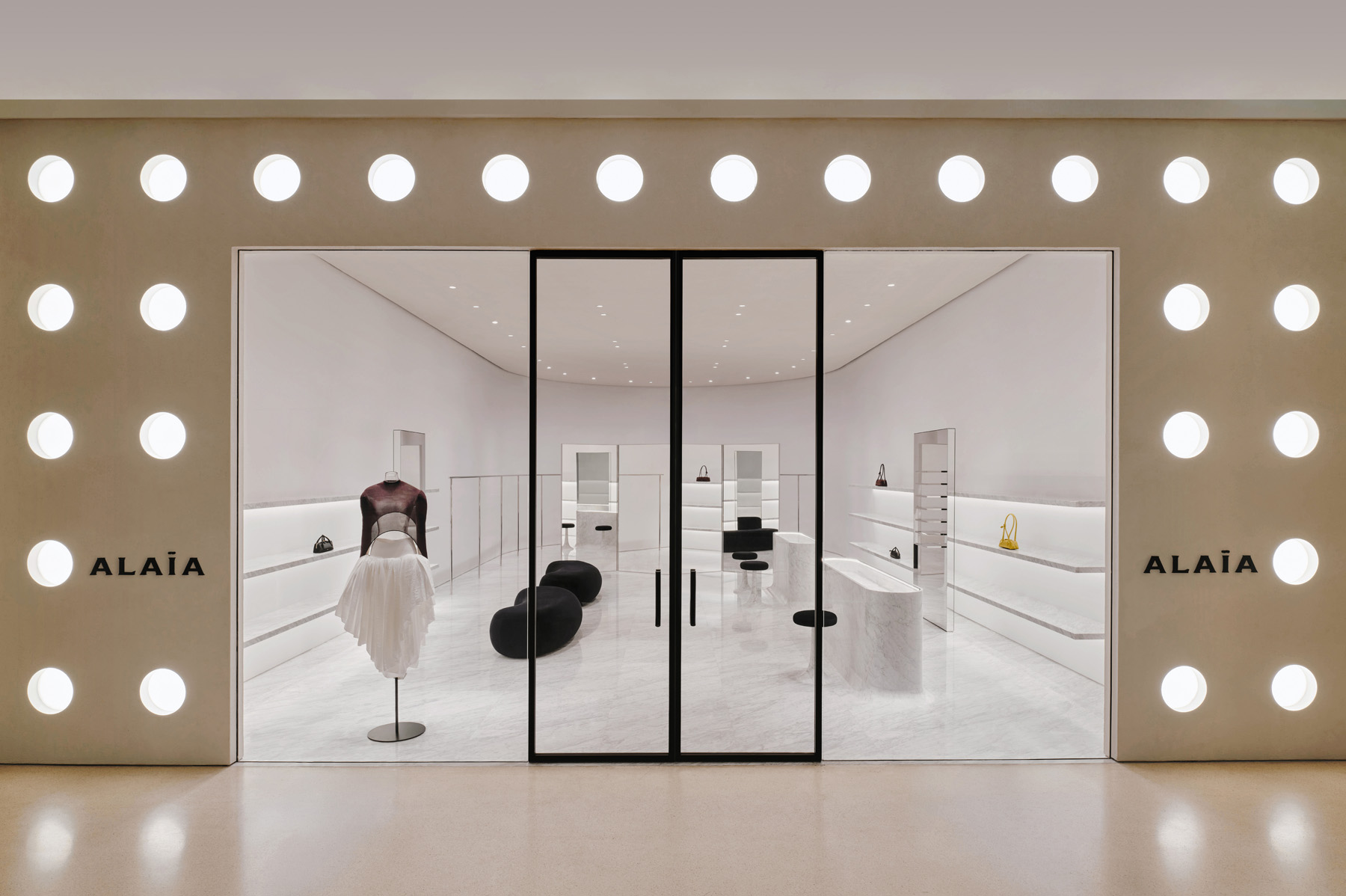
    Thai shoppers can now enjoy the elegant and sculptural designs of Alaia, as the brand has expanded its Southeast Asian presence by opening its inaugural boutique in Bangkok.

    The luxury retail venue, Central Embassy, is host to the new store. The boutique carries a robust product line consisting of ready-to-wear clothing, handbags, footwear, and accessories. These items reflect Alaia’s commitment to craftsmanship, style, and meticulous attention to detail.

    Architectural Design Enhances Shopping Experience

    The award-winning architecture firm, Halleroed, was tasked with designing the store’s interior, which showcases a minimalist aesthetic that enhances the shopping experience. The firm masterfully incorporated sculptural interiors and curved forms, with a color scheme marked by a neutral palette. The aesthetic choices are punctuated by the use of marble, stainless steel, and leather finishes throughout the store.

    The goal of this design strategy was to create a retail environment that stands as a testament to Alaia’s design philosophy and Parisian heritage. According to the brand, this immersive retail experience is meant to echo the maison’s design ethos, inviting shoppers into a space that feels as meticulously crafted as the products themselves.

    Alaia was first established in 1964 by Azzedine Alaia, a Tunisian couturier who made Paris his home. Since its inception, the brand has experienced a significant uptick in its global retail expansion, particularly throughout Asia. The brand was purchased by Richemont in 2007, marking another milestone in its growth trajectory.

    Questions & Answers

    What products does Alaia’s new boutique in Bangkok offer?
    The newly opened Alaia boutique in Bangkok offers a wide range of products, including ready-to-wear clothing, handbags, footwear, and accessories.

    Who designed the store’s interior and what style elements were used?
    The boutique’s interior was designed by the architecture firm Halleroed. The design highlights a minimalist aesthetic featuring sculptural interiors, curved forms, and a neutral color palette. Marble, stainless steel, and leather finishes were used to accent the space.

    What was the aim of the store’s design according to the brand?
    Alaia states that the purpose of the store’s design was to create an immersive retail environment that reflects the brand’s design philosophy and its Parisian heritage.

  • SSI Group Sees Profits Plunge as Luxury Spending Goes Out of Style in the Philippines

    SSI Group Sees Profits Plunge as Luxury Spending Goes Out of Style in the Philippines

    In the first quarter of 2021, SSI Group, a leading luxury retailer in the Philippines, witnessed a significant drop in profits. The company reported a decrease of 58.5 per cent in net income to US$2.4 million (PHP$152.9 million), even though revenue increased by 11.4 per cent to $123.8 million. This decline in earnings is attributed to consumers prioritizing essentials over luxury goods.

    Financial Performance and Consumer Behavior

    A more promotional business environment impacted SSI’s profitability, shrinking the merchandise gross margin from 44.6 per cent the previous year to 42.6 per cent. The main reason for this change is the growing price sensitivity among consumers due to inflation and escalating living costs. Operating expenses also increased by 15.8 per cent to $48.3 million, due to inflationary pressures and store network expansion, which led to a decrease in EBITDA by 18.4 per cent to $12.3 million.

    During this same period, consumer demand was primarily focused on the essential and lifestyle categories with a 48.5 per cent sales increase in SSI’s ‘others’ segment, which includes personal care, food, and home products. Footwear, accessories, and luggage also experienced a 32.7 per cent increase in sales. However, the group’s core luxury and bridge segment witnessed a 1.7 per cent drop in sales, indicating decreased spending on premium discretionary items.

    Online Sales and Store Operations

    E-commerce sales reached $9.1 million, making up 7.4 per cent of total revenue, while rental income from its Central Square property saw an 8.1 per cent increase to $387,270.

    SSI Group also made adjustments to its physical stores. The company closed 14 underperforming stores permanently, opened five new locations, and renovated 12 stores during the quarter. At the end of the quarter, SSI Group operated 631 stores nationwide.

    SSI Group’s portfolio includes a broad range of brands, from luxury labels like Hermès, Cartier, and Salvatore Ferragamo to fashion and lifestyle brands such as Zara, Bershka, Stradivarius, Pull&Bear, Gap, Old Navy, Lacoste, and Muji. The retailer also offers beauty brands like Mac, Lush, and Beauty Bar; home retailers like Pottery Barn and West Elm; and dining concepts like Shake Shack, SaladStop!, and Venchi.

    In February, the retailer announced the termination of its franchise agreement with Marks & Spencer, which had been in operation since 1980.

    Questions & Answers

    What contributed to the decline in SSI Group’s profits for the first quarter of 2021?
    Consumers shifting their priorities from luxury goods to essentials, coupled with inflation and increased living costs, resulted in the decline of SSI Group’s profits.

    How has SSI responded to this change in consumer behavior?
    In response to changing consumer behavior, the group has focused on promoting essential and lifestyle categories more. It has also optimized its physical store network by closing underperforming stores and opening new ones.

    What is the future of SSI’s relationship with Marks & Spencer?
    SSI Group has decided to end its franchise agreement with Marks & Spencer, which had been operational since 1980. The future of this relationship is not clear at this point.

  • Balenciaga Unveils First Duplex Flagship Store in Hong Kong: A New Level of Luxury at K11 Musea

    Balenciaga Unveils First Duplex Flagship Store in Hong Kong: A New Level of Luxury at K11 Musea

    Balenciaga, the luxury fashion brand, has launched its first ever two-level flagship store at K11 Musea, located in the bustling Tsim Sha Tsui district of Hong Kong.

    Details of the New Store

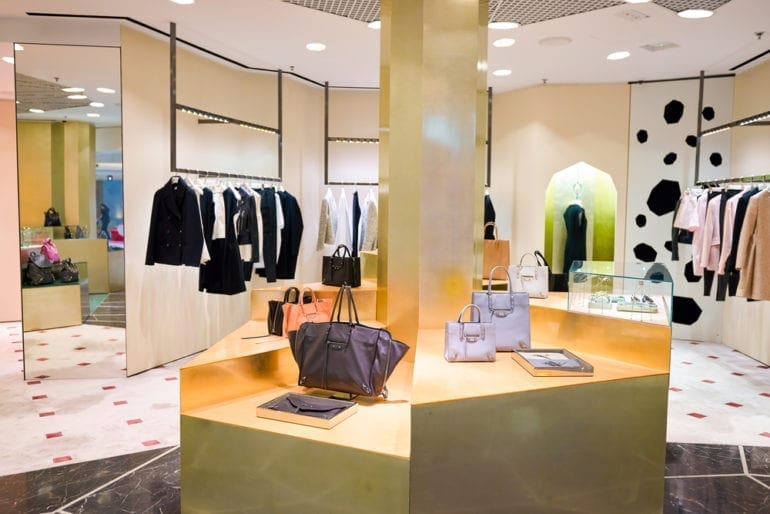
    Occupying a generous 461 square meters of retail space spread over two levels, the store offers a vantage point over Salisbury Road. The interior design cleverly juxtaposes industrial materials with high-end luxury finishes, a design concept that the brand refers to as its ‘Raw Architecture’ aesthetic.

    The store’s extensive inventory includes both men’s and women’s ready-to-wear collections, footwear, bags, accessories, jewelry, and eyewear. It also features products exclusive to this store.

    Innovative Features

    In addition, the new flagship store includes an exclusive area for Very Important Clients, designed for private appointments. This is a first for Balenciaga in Hong Kong. The design of this area takes inspiration from the fitting rooms of Balenciaga’s Paris Couture Store.

    Part of a Wider Luxury Brand Upgrade

    This launch comes as part of a larger luxury brand upgrade program at K11 Musea. In recent times, the retail complex has seen significant store upgrades from other high-end brands including Audemars Piguet, Van Cleef & Arpels, and Dior Beauty.

    Furthermore, K11 Musea has recently become home to the Delvaux Hong Kong flagship store and the largest Tory Burch store in the city, as part of its ongoing efforts to enhance its luxury brand portfolio.

    Questions & Answers

    What is unique about the new Balenciaga store in Hong Kong?
    The new store is Balenciaga’s first two-level flagship store in Hong Kong. It also introduces a private appointment area for Very Important Clients, a first for Balenciaga in the city.

    What is the ‘Raw Architecture’ aesthetic?
    ‘Raw Architecture’ refers to Balenciaga’s signature design style that combines industrial materials with high-end luxury finishes.

    What is the significance of the store’s location at K11 Musea?
    The store’s location at K11 Musea is significant as the retail complex is currently undergoing a luxury brand upgrade program. The complex is home to a number of high-end brands and is actively enhancing its luxury brand portfolio.

  • Vivaia Amplifies US Expansion with Offline Stores, Catering Sustainable Luxury Footwear to New Markets

    Vivaia Amplifies US Expansion with Offline Stores, Catering Sustainable Luxury Footwear to New Markets

    Vivaia, a footwear brand originating from China, is extending its footprint in the United States with the launch of two new retail locations, highlighting the company’s ongoing commitment to increasing its physical availability globally.

    The first location was recently inaugurated at the Roosevelt Field Mall in Long Island, while the second store is scheduled to commence operations in late May at the Garden State Plaza in New Jersey.

    The Long Island outlet, encompassing 650 square feet, is architecturally fashioned after the ‘wabi-sabi’ principles. An inherent Japanese philosophy, wabi-sabi underscores minimalistic and pared-down aesthetics. The store boasts an ambiance marked by light wood finishes and soothing illumination, aimed at facilitating a serene shopping experience for the customers.

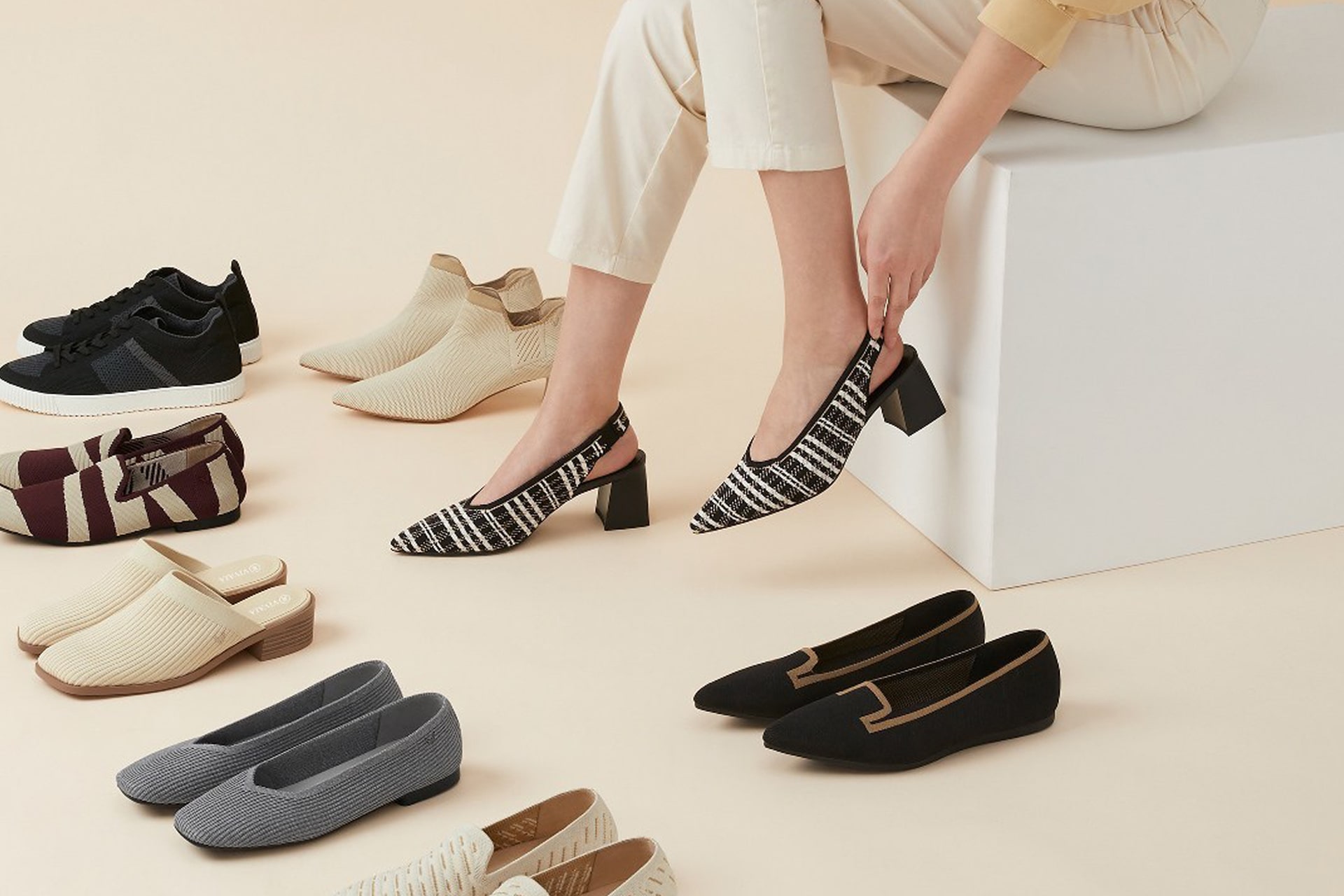
    Each store will showcase a handpicked assortment of Vivaia’s footwear offerings. The product line-up includes the Margot Mary Jane, Healing Garden Slingback Heels, and the Satin Sneakerina.

    Jeff Chan, Vivaia’s Co-founder, shared his insights on the brand’s US expansion strategy. He said, “Given that the United States constitutes our principal market and fuels our online growth, branching out beyond New York was a logical progression for us.” He added, “By synergising our robust digital presence with tangible retail outlets, we can better cater to our customers and make our comfort-centric, environmentally-friendly merchandise more accessible to them.”

    Established in 2020, Vivaia has garnered recognition for its footwear that seamlessly melds comfort and sustainability. The brand employs recycled materials in its manufacturing process, such as yarns derived from PET bottles, and leverages 3D knitting technology to minimise waste.

    Questions & Answers

    What is Vivaia’s expansion plan in the US?
    Vivaia plans to increase its US presence by opening two new retail outlets. The first store has already opened in Long Island’s Roosevelt Field Mall, and the second one is set to launch in late May at the Garden State Plaza in New Jersey.

    What are the principles behind the design of Vivaia’s Long Island store?
    The Long Island store is designed following ‘wabi-sabi’ principles, a Japanese philosophy that embraces minimalism and simplicity. The store is characterized by light wood finishes and soft lighting to provide a tranquil shopping experience.

    What is unique about Vivaia’s product offerings?
    Vivaia is known for its comfort-based and sustainably produced footwear. The brand uses recycled materials, including yarns made from PET bottles, along with 3D knitting technology to decrease waste.

  • Experience Luxury Reimagined: Hermès Unveils Its Revitalized Boutique at Elements Mall, Hong Kong

    Experience Luxury Reimagined: Hermès Unveils Its Revitalized Boutique at Elements Mall, Hong Kong

    Following a comprehensive redesign and expansion, the Hermès store located at Elements mall is once again open for business. The refreshed retail space is a significant upgrade from its original construction in 2009.

    Store Design

    The store revamp was spearheaded by RDAI, presenting a unique concept inspired by nature and Chinese cosmology. The design of the store’s façade is particularly eye-catching, featuring ceramic tiles shaped like feathers in a nod to the mythical phoenix. This theme is extended to the display windows, which are adorned with whimsical landscapes designed by artist Claire Detallante.

    Store Layout

    Inside the boutique, the retail sections are strategically planned and organized. A mosaic flooring pathway guides customers through various collections, from silk and home goods to jewelry and watches positioned at the rear of the store.

    The store layout strategically segregates merchandise based on gender, with women’s ready-to-wear, leather goods, and beauty products located on one side, while men’s items are presented in a separately defined section, differentiated by contrasting materials and colors.

    Art and Craftsmanship

    The store also serves as a mini-gallery, displaying various artworks from the Emile Hermès collection and the Hermès Collection of Contemporary Photographs. Art pieces from other renowned artists, including Aline Honoré, Luciano Perna, and Denis Polge, are also showcased throughout the store.

    In the words of the luxury house: “We invite our customers to visit our newly renovated, light-filled store and discover timeless creations and craftsmanship in a bold new setting.”

    Questions & Answers

    When did the Hermès store at Elements mall first open?
    The Hermès store at Elements mall first opened in 2009.

    What is the main concept behind the store’s redesign?
    The redesign presents a concept inspired by nature and Chinese cosmology, featuring a façade that references a phoenix and display windows that showcase illustrated fantasy landscapes.

    What collections can customers expect to find in the store?
    Customers can explore various collections, such as silk and home goods, jewelry and watches, women’s ready-to-wear, leather goods, beauty products, and men’s items.

  • Beatrice Monguidi Steps Up as New CEO of LVMH’s Rimowa: A New Chapter for the Luxury Luggage Brand

    Beatrice Monguidi Steps Up as New CEO of LVMH’s Rimowa: A New Chapter for the Luxury Luggage Brand

    Beatrice Monguidi has been named the new CEO of Rimowa, the renowned suitcase brand, by LVMH. She will officially assume her duties starting June 1. Monguidi will directly report to Pietro Beccari, who holds the dual roles of Chairman and CEO of both the LVMH Fashion Group and luxury fashion house Louis Vuitton.

    Experience and Expertise

    Monguidi’s appointment is indicative of LVMH’s strategy to leverage internal talent, recognising her vast experience across several of the group’s premier brands. Her professional journey includes stints at Fendi and Christian Dior Couture, both high-profile LVMH companies.

    In her most recent role, Monguidi excelled as the Zone President for EMEA (Europe, Middle East, and Africa) at Louis Vuitton. She was responsible for supervising one of the brand’s most intricate regions. Her efforts to cultivate a culture centred around people while maintaining robust commercial performance and operational discipline across varied markets did not go unnoticed.

    Beccari lauded Monguidi’s leadership skills, stating, “Monguidi has demonstrated a remarkable ability to unite and guide teams towards common goals within the multifaceted and complex EMEA ecosystem. Her commitment to the collective and to nurturing talent makes her the perfect fit to steer Rimowa’s vision into the future.”

    LVMH’s Current Financial Standing

    Monguidi’s appointment coincides with the release of LVMH’s first-quarter revenue report. The figures reflect a revenue of €19.1 billion (US$22.4 billion), marking a 6% decline. This drop is attributed to ongoing geopolitical tensions impacting trade. However, the brand’s strong performance in key markets, notably the US and Asia, helped mitigate the disruption caused by larger economic instability and conflict in the Middle East.

    Questions & Answers

    Who has been appointed as the new CEO of Rimowa?
    Beatrice Monguidi has been appointed as the new CEO of Rimowa.

    Who will Beatrice Monguidi report to in her new role?
    She will report to Pietro Beccari, the Chairman and CEO of the LVMH Fashion Group and Louis Vuitton.

    What is LVMH’s latest reported revenue?
    LVMH’s latest reported revenue for the first quarter is €19.1 billion or US$22.4 billion.

  • Gucci’s Rebranding Challenge: Kering CEO Maps Out Strategy for Sophisticated Chinese Luxury Market

    Gucci’s Rebranding Challenge: Kering CEO Maps Out Strategy for Sophisticated Chinese Luxury Market

    Kering’s flagship brand, Gucci, is focusing on rebuilding its market position in China following years of stagnation. The luxury company’s complacency resulted in an underwhelming retail experience and poorly situated stores, according to Kering CEO Luca de Meo.

    China: A Changed Landscape

    China has been a significant growth driver for the global luxury sector, worth approximately US$400 billion, for over a decade. Gucci, like many of its competitors, capitalized on this expanding market. However, the brand failed to take advantage of a brief shopping surge following the pandemic and couldn’t recover when Chinese consumer spending slowed.

    De Meo, speaking at Kering’s first investor day since he assumed his role in September, expressed that Gucci needs to reevaluate its strategy in China. He emphasized the necessity to cater to the discerning clientele with high-quality retail experiences and to move away from relying on off-price outlets offering goods at discounted rates.

    “Gucci needs a comeback,” de Meo asserted, criticizing the brand’s previous approach to China as an easy revenue source.

    The Evolving Chinese Consumer

    The retail landscape in China has transformed significantly over the years. De Meo noted that Chinese consumers are now motivated by quality, design, and experience rather than logo-driven purchases, a trend seen in markets like Japan, South Korea, and Europe.

    The CEO stressed the importance of a consistent brand message and an enhanced in-store experience to revive growth in China. Kering also revealed plans to acquire a minority stake in the Shanghai-based Icicle Fashion Group.

    Learning from the Auto Industry

    De Meo, who previously served as CEO of Renault, drew parallels between the luxury sector and the auto industry. He warned luxury brands not to underestimate domestic competition and acknowledged China’s innovative capabilities.

    Other brands in Kering’s luxury portfolio, such as Bottega Veneta and Saint Laurent, have already begun reaping the benefits of a more finely-tuned China strategy. However, he indicated that Gucci’s recovery would be a more prolonged process.

    “For Gucci, the verdict is still out. This transformation won’t be instantaneous, but we anticipate seeing measurable progress within the next few months to a year,” he stated.

    Questions & Answers

    What is Kering’s plan for Gucci in China?
    Kering plans to reinvent Gucci in China by focusing on higher quality retail experiences and catering to discerning clientele. The company is moving away from off-price outlets and is focusing on a consistent brand message and enhanced in-store experience.

    How has consumer behavior changed in China’s luxury market?
    Chinese consumers are now motivated by quality, design, and experience rather than logo-driven purchases. This shift mirrors trends seen in other markets such as Japan, South Korea, and Europe.

    How long will Gucci’s recovery take according to Kering’s CEO?
    Kering’s CEO, Luca de Meo, anticipates that Gucci’s recovery in China will be a prolonged process, with measurable progress expected within the next few months to a year.