Tag: luxury

  • Miu Miu Unveils Stunning Redesign at Landmark Atrium Flagship Store, Ushering New Era of Luxury Retail in Hong Kong

    Miu Miu Unveils Stunning Redesign at Landmark Atrium Flagship Store, Ushering New Era of Luxury Retail in Hong Kong

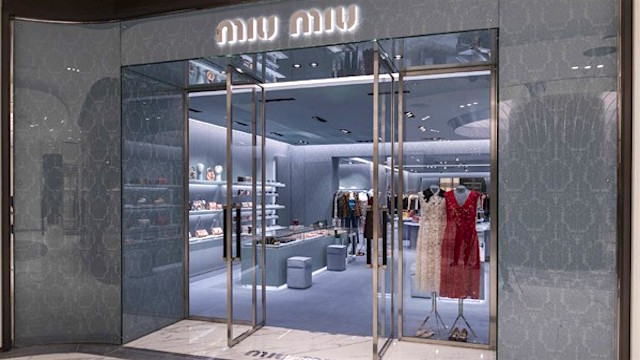
    Miu Miu, the renowned luxury brand, recently christened its revamped flagship store located at the Landmark Atrium. This opening not only showcases a fresh store design concept but also aims to fortify the brand’s presence in the region.

    The New Store Design Concept

    The store now spans about 220 square meters, distributed over two levels. This revamped space mirrors the brand’s latest worldwide retail layout, encompassing dedicated zones for various product categories including ready-to-wear, handbags, footwear, and accessories.

    In addition, the store now houses a private salon for exclusive appointments. This feature underscores Miu Miu’s constant commitment towards providing personalized service and fostering a more intimate connection with its clientele.

    Landmark Portfolio Upgrades

    This reopening aligns with ongoing upgrade efforts from the landlord, Hongkong Land, across its Landmark portfolio. This is part of an overarching strategy aimed at bolstering the precinct’s standing in the high-end retail market of Hong Kong.

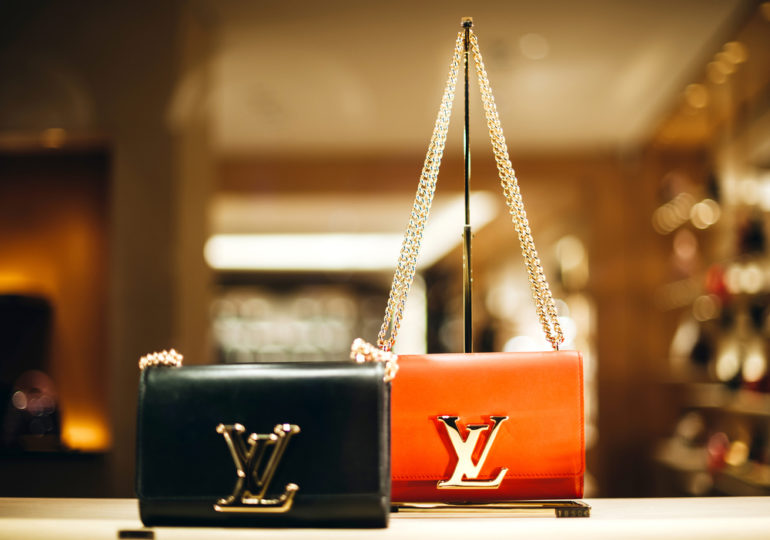
    Looking ahead to 2024, an assortment of premier luxury brands like Louis Vuitton and Prada have pledged their participation in a luxury redevelopment project worth US$1 billion, spearheaded by Hongkong Land. The project is slated for a phased roll-out over the forthcoming three years.

    Questions & Answers

    What is the size and layout of the newly redesigned Miu Miu store at the Landmark Atrium?
    The store covers approximately 220 square meters across two floors, with sections dedicated to different product categories like ready-to-wear, handbags, footwear, and accessories.

    What new feature has been added to the Miu Miu store to enhance customer service?
    A private salon has been introduced for personalized appointments, aiming to deepen engagement with clients.

    What is the future plan for the Landmark portfolio of Hongkong Land in terms of luxury retail?
    In 2024, a luxury redevelopment project worth US$1 billion is planned, with commitments from major luxury brands like Louis Vuitton and Prada. This project is expected to further reinforce the precinct’s status in Hong Kong’s high-end retail market.
  • Japan’s Takashimaya Set to Unveil Luxury Shopping Mall in Hanoi’s Priciest Starlake Urban Area

    Japan’s Takashimaya Set to Unveil Luxury Shopping Mall in Hanoi’s Priciest Starlake Urban Area

    Japanese retail behemoth, Takashimaya, has announced plans to inaugurate a fresh shopping mall in the latter half of the impending year. The site for this new venture is the Starlake urban area, renowned for having the highest land rates in Hanoi.

    Construction Details

    The proposed shopping centre, stationed on plot C1-CC1 within the Tay Ho Tay (Starlake) urban expanse, will sit on a significant space of over 17,240 square meters. The construction plan is to have the mall feature 10 floors above ground and three basement floors, raising expectations of a spacious and well-planned shopping experience.

    According to predictions, the doors of this new mall could swing open to the public as early as the third quarter of 2027. Starlake’s reputation as the urban region with the highest land rates in Hanoi is expected to amplify the mall’s appeal. Current land prices in prime locations within the Tay Ho Tay urban area are valued upwards of VND114 million (US$4,392) per square meter.

    Previous Plans and Operations

    Takashimaya had previously hinted at its intention to launch a shopping mall in Hanoi, with plans being in place since as early as 2026. Takashimaya Chairman Yoshio Murata has been open about the company’s plans to invest approximately 2 billion yen (US$13 million) in the venture.

    This is not Takashimaya’s first foray into Vietnam. The company has been operating a high-end department store in the erstwhile central District 1 of Ho Chi Minh City since 2016. In addition to this, Takashimaya also runs a shopping complex known as The Loop, which was previously named Indochina Plaza Hanoi.

    Questions & Answers

    Where will Takashimaya’s new shopping mall be located?
    The new shopping center will be situated within the Starlake urban area in Hanoi, recognized for having the highest land prices in the city.

    What is the planned structure of the new Takashimaya shopping mall?
    The mall is expected to consist of 10 floors above ground and three basement floors, promising an expansive shopping area for consumers.

    Does Takashimaya have other operations in Vietnam?
    Yes, Takashimaya has been running a high-end department store in the central District 1 of Ho Chi Minh City since 2016. They also operate a shopping complex in Hanoi, known as The Loop.

  • Lanvin Group Sharpens Focus with Strategic Spin-off of Italian Luxury Brand Caruso

    Lanvin Group Sharpens Focus with Strategic Spin-off of Italian Luxury Brand Caruso

    The Lanvin Group has recently completed the strategic divestment of the Italian luxury menswear brand, Caruso. This move is a part of the group’s plan to concentrate on their primary brands, especially in light of the ongoing instability in the luxury market.

    Caruso has now been procured by MondeVita Italy, which is a constituent of the Mondevo Group based in Abu Dhabi. This marks the end of the Lanvin Group’s proprietorship of the esteemed tailoring house. The financial details related to this transaction have not been made public.

    Caruso: A Brief Overview

    Caruso, established in 1964 and based in Soragna, Italy, is famed for its superior tailoring skills and manufacturing proficiency. The brand primarily functions through wholesale channels and has chosen retail collaborations across Europe, Asia, and the U.S.

    Lanvin Group’s Alignment With Broader Strategy

    The Lanvin Group has stated that this divestment is in agreement with its expansive strategy to streamline operations and channel resources towards its fundamental luxury labels. This transaction is part of a larger restructuring endeavor aimed at enhancing operational efficiency and boosting long-term profitability.

    The Fosun Group, which has recently rebranded itself as the Lanvin Group, became the principal shareholder of Caruso in 2017 through a capital increase. This was subsequent to its acquisition of a 35 per cent stake in 2013.

    In the early part of the previous year, the group, which is based in China, reported a substantial drop in annual sales whilst continuing to put its revitalization strategy into action.

    Questions & Answers

    What is the Italian luxury menswear brand that Lanvin Group has divested?
    The brand is Caruso, an esteemed tailoring house established in 1964 and known for its superior tailoring skills and manufacturing proficiency.

    Who has now acquired Caruso?
    Caruso has been procured by MondeVita Italy, a subsidiary of the Mondevo Group based in Abu Dhabi.

    What is the reason behind Lanvin Group’s divestment of Caruso?
    This divestment is part of the Lanvin Group’s strategy to streamline operations and focus resources on their core luxury labels, amidst ongoing market instability.

  • Bacha Coffee Brews Global Expansion with Luxury Launches in Beijing and Saudi Arabia

    Bacha Coffee Brews Global Expansion with Luxury Launches in Beijing and Saudi Arabia

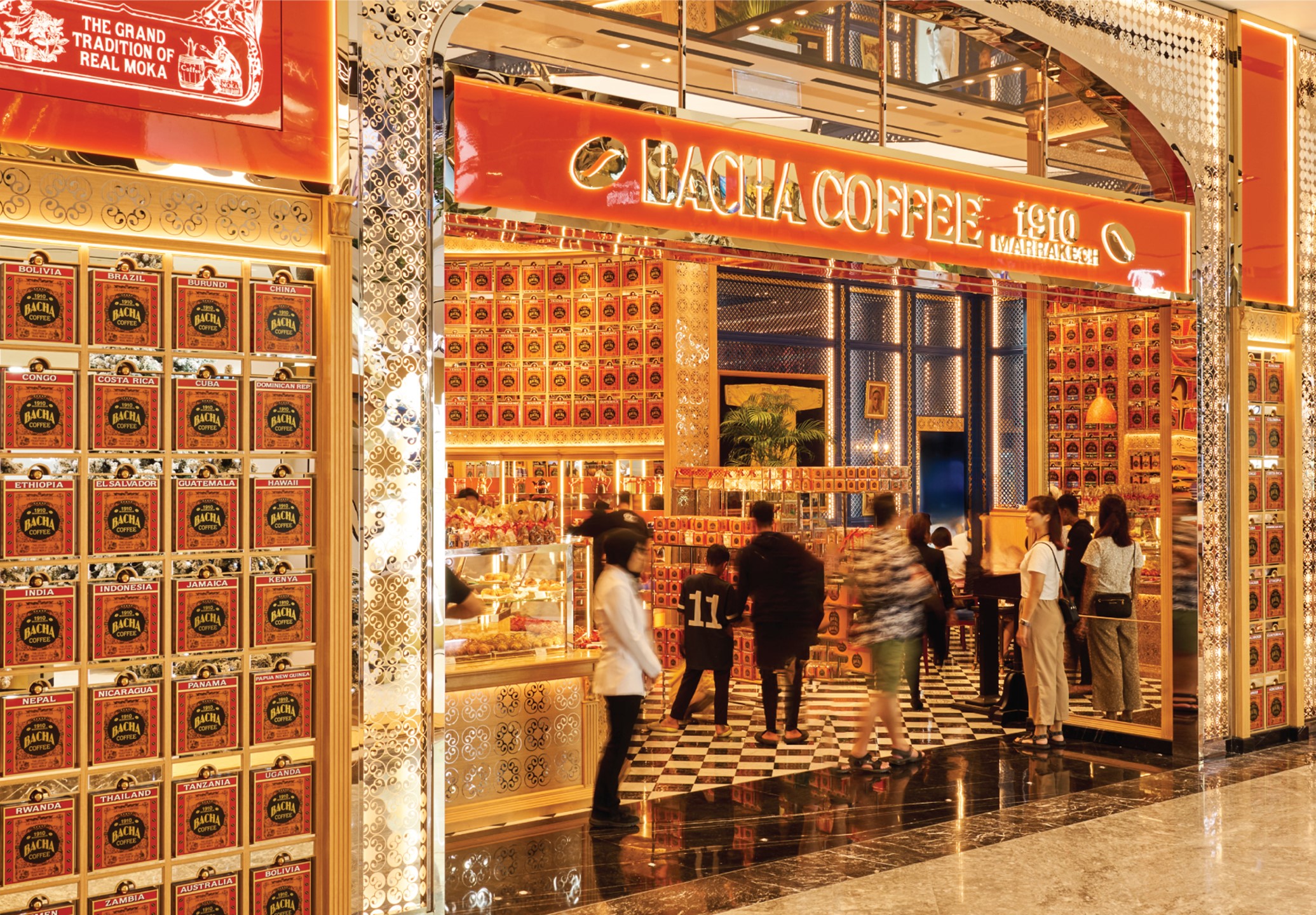
    Bacha Coffee, a Moroccan coffee house established in Marrakech in 1910, has further expanded its global footprint with its entry into two new markets, Beijing and Saudi Arabia. This development is a part of the brand’s consistent international growth trajectory.

    In Beijing, the brand has set up shop at the China World Mall, offering a multi-dimensional experience that integrates retail, takeaway, and a cozy Coffee Room seating area. This location showcases the brand’s extensive selection of over 200 specialty coffees, all of which are brewed using 100% Arabica beans sourced from 35 coffee-growing regions worldwide.

    The 210-square-meter Beijing store features a boutique that sells loose and packaged coffees, gift boxes, and accessories. Coffee Masters are readily available to assist customers and grind coffee beans on demand. The store also includes a 25-seat Coffee Room, featuring design elements inspired by the brand’s Moroccan heritage.

    Taha Bouqdib, President and CEO of V3 Gourmet, expressed his excitement over this latest expansion. “Our new location is designed to spark the curiosity of our guests, much like how coffee takes us on journeys to distant locales,” he said. “We’ve blended the old with the new in a single experience, honoring our past while paving the way for the future, with 100% Arabica specialty coffee taking center stage in this vibrant scene of life.”

    The latest openings in Beijing and Riyadh are part of Bacha Coffee’s extensive expansion across Asia, Europe, and the Middle East. The brand currently operates 42 stores in 16 cities globally, including Paris, Tokyo, Seoul, Dubai, Singapore, Hong Kong, and Taipei. In addition, the brand made its debut in Thailand last year.

    Questions & Answers

    How many specialty coffees does Bacha Coffee offer?
    Bacha Coffee offers an extensive selection of over 200 specialty coffees.

    Where are the newest Bacha Coffee stores located?
    The newest Bacha Coffee stores are located in Beijing, China, and Riyadh, Saudi Arabia.

    How many locations does Bacha Coffee operate worldwide?
    Bacha Coffee currently operates 42 locations in 16 cities worldwide.

  • Malaysia’s Luxury Car Crackdown: Over 1,050 High-End Vehicles Seized Amid Traffic Violation Storm

    Malaysia’s Luxury Car Crackdown: Over 1,050 High-End Vehicles Seized Amid Traffic Violation Storm

    Since July 2025, Malaysia’s Road Transport Department has confiscated over 1,050 high-end vehicles, including brands such as Rolls-Royce, Lamborghini, Mercedes-Benz, and BYD. The total value of these seized vehicles exceeds RM200 million (US$50.9 million). The operation aimed to address traffic violations committed by luxury car owners, including unpaid road taxes, lack of sufficient insurance coverage, and expired or invalid driving licenses.

    Strict Enforcement of Traffic Rules

    The Road Transport Department launched the ‘Ops Luxury’ operation to underscore its commitment to enforcing traffic regulations without exceptions. The department emphasized that owning an opulent vehicle does not exempt one from adhering to traffic rules.

    Datuk Muhammad Kifli Ma Hassan, the department’s Senior Enforcement Director, stated that the enforcement actions have heightened awareness among vehicle owners. He highlighted a decrease in the number of luxury vehicles found with invalid road taxes, indicating improved compliance. The strict operations have led to fewer vehicles being seized in recent times.

    Ongoing Surveillance

    Hassan noted that some owners have cited forgetfulness or financial limitations as reasons for their failure to renew their road taxes, even with cars that have a market value of RM3 million to RM5 million.

    He added that the department’s monitoring efforts persist, especially in Kuala Lumpur and Penang, and several vehicles remain under the department’s watchful eye.

    Previously, the department would only issue fines as low as RM300, which proved ineffective as a deterrent. However, since the department began seizing vehicles and requiring owners to clear their outstanding road tax dues, compliance rates have significantly improved. According to a local news source, about 90% of vehicle owners have settled their arrears.

    Questions & Answers

    What was the focus of the ‘Ops Luxury’ operation launched by Malaysia’s Road Transport Department?
    The operation targeted high-end vehicle owners who were in violation of traffic regulations, such as unpaid road taxes, lack of insurance coverage, and expired or invalid driving licenses.

    What impact has the operation had on compliance with road tax regulations among luxury vehicle owners?
    The operation has led to improved compliance, with fewer luxury vehicles found with invalid road taxes. Since the department started impounding vehicles, about 90% of vehicle owners have settled their outstanding road tax dues.

    What was the approach of the Road Transport Department towards traffic violations before the operation?
    Before launching the operation, the department would only issue fines as low as RM300 for traffic violations, which proved ineffective as a deterrent.

  • Zegna’s Power Duo: Brothers Edoardo and Angelo Take the Helm as Co-CEOs of Luxury Fashion Giant

    Zegna’s Power Duo: Brothers Edoardo and Angelo Take the Helm as Co-CEOs of Luxury Fashion Giant

    Italian luxury fashion label Zegna recently appointed Edoardo and Angelo Zegna as its co-CEOs. The appointment is effective immediately and represents a significant shift in the company’s leadership structure.

    Former CEO Gildo Zegna has transitioned into an executive chairman role in the company. In this new capacity, Gildo Zegna will oversee the management of the three major brands under the company’s umbrella: Zegna, Thom Browne, and Tom Ford Fashion. His responsibilities will also include supervising the textile division, the general counsel’s office, which includes internal audit, as well as the external relations department. The latter encompasses sustainability, investor relations, and corporate communications.

    Gildo Zegna expressed his confidence in the new co-CEOs, stating, “Edoardo and Angelo’s complementary strengths and clear vision will make them a highly effective team to lead the Zegna brand. They continue the family legacy and have demonstrated their business leadership in recent years. Together, they will not only carry forward the brand’s timeless heritage but will further strengthen it.”

    In his role as co-CEO, Edoardo Zegna, who previously served as the group’s chief marketing and digital officer and group chief sustainability officer, will now lead the brand’s strategy. His responsibilities will include overseeing everything from brand image to marketing, as well as looking after design elements, including store design, alongside artistic director Alessandro Sartori.

    Angelo Zegna, the former CEO of Zegna’s Emea region and global client strategy director, will handle product development, merchandising, and commercial strategy as a co-CEO.

    Regarding their new roles, the brothers commented, “Our father passed the baton to lead a brand and protect its integrity, values, and long-term vision. As the fourth generation, our role is not to rewrite this story, but to move it forward with clarity, respect, and ambition.”

    Zegna, established in 1910 in Trivero, Italy, is celebrated for its high-quality tailoring and textiles. The brand is also recognized for its innovative fabrics, such as the Oasi cashmere and Trofeo wool.

    Questions & Answers

    Who are the new co-CEOs of Zegna?
    Edoardo and Angelo Zegna have been named as the new co-CEOs of the Italian luxury fashion brand.

    What role will Gildo Zegna play in the new leadership structure?
    Gildo Zegna will now serve as the executive chairman of the group, overseeing multiple brands and departments including sustainability, investor relations, and corporate communications.

    What is Zegna known for?
    Established in 1910 in Italy, Zegna is renowned for its premium tailoring and textiles, and for producing innovative fabrics like Oasi cashmere and Trofeo wool.

  • China’s Luxury Market Primed for Modest Rebound in 2026: A Bain & Company Insight

    China’s Luxury Market Primed for Modest Rebound in 2026: A Bain & Company Insight

    China’s personal luxury goods market is anticipated to experience moderate growth in 2026, according to global management consulting firm, Bain & Company. However, they also caution that this recovery may be unstable and variegated across various brands and product categories.

    A Fragile Recovery

    In 2025, China’s luxury market contracted by 3-5%, showing some recuperation after a decline of 17-19% in 2024. Bain & Company forecasts that China, as the world’s second-largest economy, will persist as a crucial contributor to the growth of the luxury market.

    Brands that cater to the affordable luxury and ultra-premium segments have thrived, providing what the consultancy perceives as ‘true value’.

    China’s consumer confidence, which comprises approximately 25% of luxury expenditure, has been impacted by an extended property crisis and employment concerns. These factors have compelled luxury brands to reassess their strategies within the world’s second-largest economy.

    Despite consumer sentiment appearing cautious for much of 2025, the luxury sector indicated signs of stability from the third quarter onwards. Bain & Company cites a stronger stock market and improved consumer confidence, recovering from the weak economic base of 2024, as catalysts for this stabilisation.

    Future Outlook

    The firm anticipates a ‘modest’ expansion in 2026, facilitated by a burgeoning middle class, escalating consumer confidence, and policy measures intended to boost domestic consumption. However, Bruno Lannes, a senior partner, stated that this growth will remain ‘segment-specific’.

    2025 was viewed as a year of ‘recalibration’ for the world’s second-largest luxury market, with consumers becoming more discerning and gravitating towards items offering ‘true value’.

    Emerging Local Brands

    The study also reveals a preference for travel and wellness experiences over material purchases. The consultancy further highlighted the rise of local players as a significant trend in 2025. Emerging Chinese brands are attracting the attention of consumers with innovative and culturally relevant offerings, positioning them as robust competitors.

    Performance varied across different categories, with beauty being the most resilient, rebounding to growth of 4-7%. Conversely, demand for fashion declined by 5-8%, while the demand for leather goods dropped by 8-11%, partly due to price increases.

    Demand for watches plummeted by an estimated 14-17% as consumers shifted towards investments or second-hand alternatives. The jewellery sector’s decline narrowed to up to 5%.

    The Resilience of Desirable Brands

    Brands that preserve strong desirability and provide clear value through innovation and targeted pricing strategies have proven to be more resilient, according to the report.

    Domestic spending made up 65% of Chinese luxury consumption in 2025, which signifies a reversal of the recovery in overseas demand observed over the previous two years.

    A weaker currency and narrowing global price differences have driven more purchases back to the domestic market, despite a recovery in outbound travel.

    The secondhand luxury sector witnessed growth of 15-20%. Meanwhile, ‘daigou’ sales, a term referring to purchases made on behalf of others and a long-standing pillar of Chinese luxury spending abroad, showed signs of slowing as brands tightened control over unofficial channels.

    Questions & Answers

    How did China’s luxury market perform in 2025?
    In 2025, China’s luxury market experienced a contraction of 3-5%, showing signs of recovery from a more significant decline of 17-19% in 2024.

    What factors are expected to support the growth of China’s luxury market in 2026?
    The expected growth in 2026 is predicted to be supported by an expanding middle class, increasing consumer confidence, and policy measures aimed at stimulating domestic consumption.

    What trends were observed in China’s luxury market in 2025?
    In 2025, a significant trend was the rise of local players, with emerging Chinese brands capturing consumer attention through innovative and culturally relevant offerings. Additionally, consumers showed a preference for travel and wellness experiences over material purchases.

  • Damiani Debuts First Flagship Store in Seoul: A Taste of Italian Luxury in Korea’s Gangnam District

    Damiani Debuts First Flagship Store in Seoul: A Taste of Italian Luxury in Korea’s Gangnam District

    Damiani, the esteemed Italian jewellery manufacturer, has proudly unrolled its first flagship store in South Korea. This exciting new venture is nestled in the bustling Gangnam District of Seoul.

    The Essence of Casa Damiani Seoul

    The boutique, christened Casa Damiani Seoul, draws its inspiration from the warmth and charm of traditional Italian homes. The space has been thoughtfully designed to foster a hospitable and inviting atmosphere, where customers can explore and appreciate fine jewellery in a relaxed and comfortable setting.

    The exterior of the store is marked by a series of vertical frames that encapsulate the structure, all bathed in a sophisticated champagne-gold hue.

    The Interior Design

    Inside, the boutique boasts a distinctive selection of Italian materials. Among these are Calacatta marble, leather, and various textile finishes. The décor is further enhanced by geometric designs that are reminiscent of the Maison’s Belle Epoque collection, serving as a recurring motif throughout the interior.

    Moreover, exquisite glass creations and chandeliers, crafted by Venini—an entity within the Damiani Group—infuse an extra touch of artistry into the space.

    Celebrating the Flagship Store

    In celebration of the store’s opening, Damiani showcased the Belle Epoque Marea Cross necklace, an exquisite piece adorned with Paraiba tourmalines. The name ‘Marea’, which translates to ‘the movement of the sea’ in Italian, serves as an ode to the ocean-like hues that Paraiba tourmalines are renowned for.

    Questions & Answers

    What is the inspiration behind Casa Damiani Seoul?
    The boutique is inspired by the warmth and charm of traditional Italian homes, providing a hospitable and inviting atmosphere for its customers.

    What unique design elements are incorporated in Casa Damiani Seoul?
    The store’s design incorporates a selection of Italian materials, including Calacatta marble, leather, and textile finishes. Geometric designs inspired by the Maison’s Belle Epoque collection serve as a recurring motif.

    What is the Belle Epoque Marea Cross necklace?
    The Belle Epoque Marea Cross necklace is an exquisite piece adorned with Paraiba tourmalines. The name ‘Marea’ references the ocean-like hues for which Paraiba tourmalines are known.

  • “LVMH Shatters Q4 Sales Predictions: Luxury Sector Sees Hope with China’s Uptick”

    “LVMH Shatters Q4 Sales Predictions: Luxury Sector Sees Hope with China’s Uptick”

    LVMH, the conglomerate which owns luxury brands Louis Vuitton and Tiffany, outperformed fourth-quarter sales projections on Tuesday. This development has raised expectations of a revival within the luxury sector, despite challenges including trade conflicts, a depreciating dollar, and elevated gold prices impacting profit margins.

    In the final quarter, the leading luxury firm posted overall sales of 22.7 billion euros (US$27.1 billion). This represents a 1 per cent increase on a comparable basis, outperforming predictions of a 0.3 per cent decrease as per Visible Alpha’s consensus forecast.

    Signs of Recovery in Asia

    The France-based conglomerate revealed indications of resuming growth in Asia, with domestic Chinese sales seeing an uptick in the quarter. This supports the trend of recovery that the retail giant has been witnessing over the last few months.

    The watches and jewellery division of LVMH experienced a sales growth of 8 per cent in the quarter, surpassing expectations. However, revenue from its main fashion and leather division, which contributes most to the overall profits, saw a 3 per cent decline when adjusted for currency fluctuations – a figure that was in line with projections.

    The luxury sector is slowly recovering from a prolonged slump, and recent positive results from industry peers Richemont and Burberry, bolstered by a rebound in China, have been encouraging.

    Caution Moving Forward

    However, despite the promising results, LVMH’s CEO and billionaire owner, Bernard Arnault, signaled caution for the future, stating plans to restrict costs and expenses. Arnault cited ongoing geopolitical crises, economic uncertainty and certain state policies, including those in France, aimed at maximizing taxation, as reasons for adopting a cautious approach.

    The conglomerate’s operating profit for 2025 dropped by 9 per cent, with margins affected by a range of factors including currency movements, US tariffs impacting alcohol exports, and record gold prices escalating import costs for jewellery.

    Strategies Amid Challenges

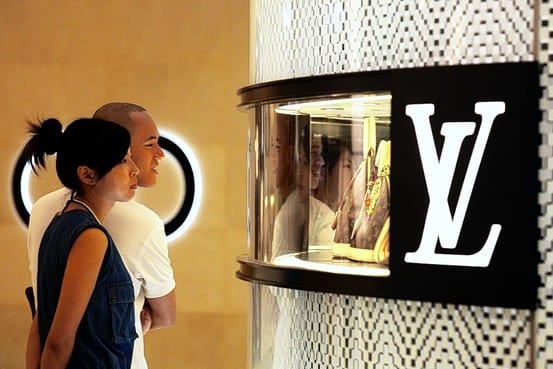
    Amid a real estate crisis and stiff local competition in China, LVMH has been strategically leveraging its financial strength to gain an edge. This approach has seen the opening of a large, ship-shaped Vuitton store in Shanghai and a new Dior flagship store in Beijing, among other initiatives.

    The ship-shaped store has proven to be a “great success” for the prominent Louis Vuitton brand, according to Arnault. Chinese customers, including international tourists, comprise nearly one-third of LVMH’s fashion and leather sales, as per UBS estimates.

    During its last trading update, LVMH’s positive remarks about slightly improved Chinese demand led to a rally in the luxury stock market, adding nearly $80 billion to combined company valuations.

    The company stated that the weaker dollar had resulted in US tourists spending less in Europe, with regional sales dropping 2 per cent last quarter. Conversely, US sales rose by 1 per cent in the same period. Sales in Asia, including China, increased by 1 per cent.

    Questions & Answers

    What was the overall sales of LVMH in the fourth quarter?
    The company recorded overall sales of 22.7 billion euros (US$27.1 billion).

    How did the sales of LVMH’s watches and jewellery division perform?
    The watches and jewellery division experienced an 8 per cent growth in sales in the quarter.

    What factors are affecting LVMH’s operating profit?
    The operating profit was impacted by a range of factors including currency movements, US tariffs impacting alcohol exports, and record gold prices escalating import costs for jewellery.

  • Breguet Breaks New Ground with First Luxury Watch Boutique in Thailand

    Breguet Breaks New Ground with First Luxury Watch Boutique in Thailand

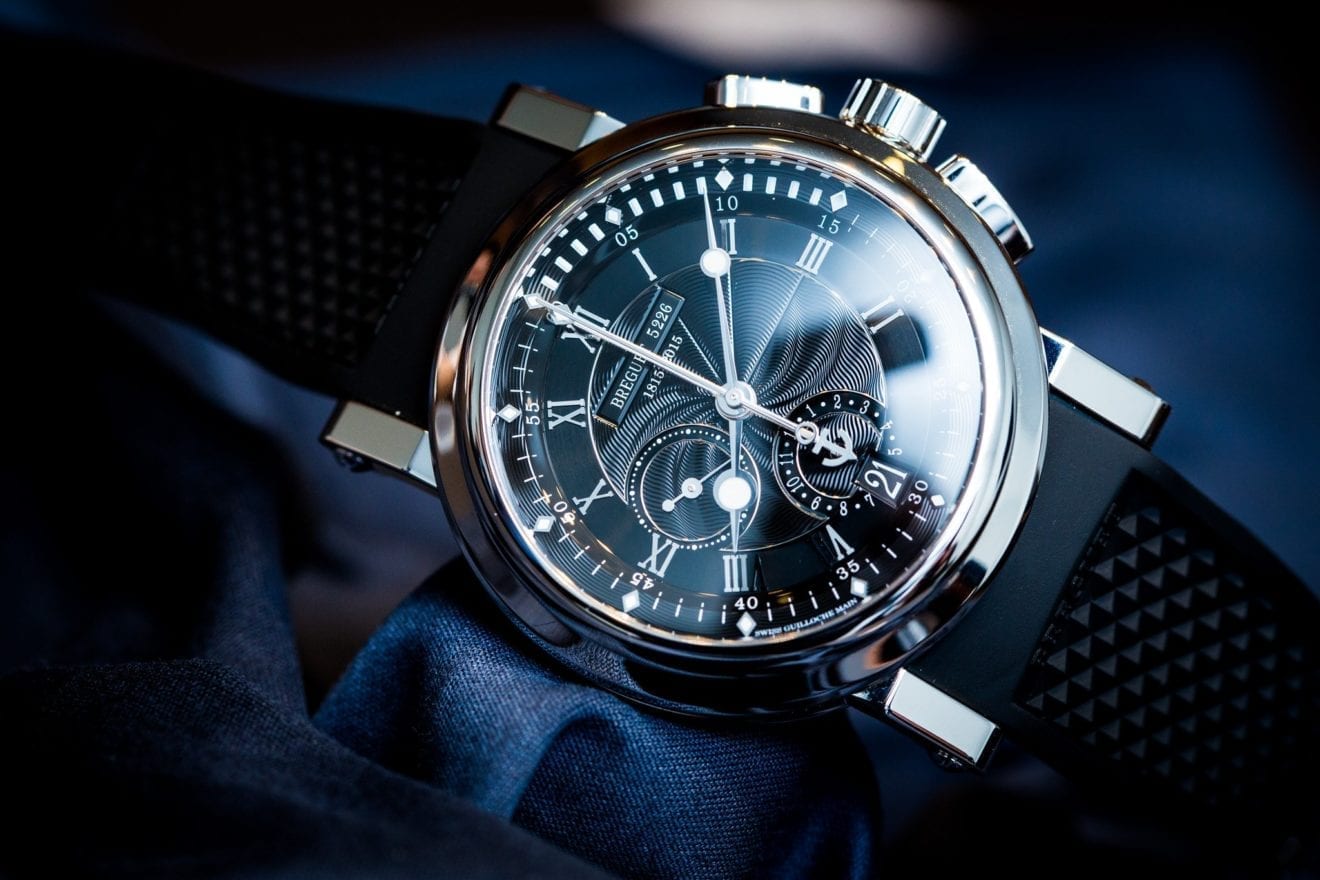
    Swiss high-end watch manufacturer, Montres Breguet, has made its debut in Thailand with the launch of a boutique at IconSiam in Bangkok.

    Store Design

    The newly minted boutique showcases a unique design aesthetic, incorporating luxurious elements such as American walnut wood and marble finishes. The core architectural concept revolves around smooth, flowing lines. This is evident in the guilloché-inspired patterns on the carpets and the furniture edges, which reflect the shape of the watch cases. Additionally, the boutique is adorned with the brand’s distinctive ‘Breguet Blue’ hue.

    Customer Experience

    Montres Breguet has placed a particular emphasis on customer service within the boutique. The space includes private service areas, as well as a dedicated consultation zone. These areas are designed to create a unique, personalized customer journey through the store.

    Breguet’s Collections

    The Bangkok boutique features a selection of timepieces from Breguet’s renowned collections. Displayed prominently is the Breguet Experimentale No 1, marking the first offering in the brand’s new Experimentale collection. This watch, a product of Breguet’s research and development team, is characterized by a high-frequency tourbillon that operates at 10 hertz, ensuring impeccable timekeeping precision.

    In addition to this new collection, the boutique also offers timepieces from Breguet’s staple ranges. These include the Classique, Marine, Tradition, and Type XX collections. Notably, the Type XX watch is a mechanical chronograph originally designed by Abraham-Louis Breguet himself for the French Air Force.

    Questions & Answers

    What design elements characterize the Montres Breguet boutique in Bangkok?
    American walnut wood, marble finishes, guilloché-inspired carpet patterns, and the brand’s signature Breguet Blue color are all design elements that characterize the new boutique.

    What special features does the Breguet Experimentale No 1 watch have?
    The Breguet Experimentale No 1 watch features a high-frequency tourbillon operating at 10 hertz, ensuring outstanding timekeeping precision.

    Which collections from Montres Breguet are available at the new boutique?
    The newly opened boutique in Bangkok features timepieces from the brand’s core collections, including the Classique, Marine, Tradition, and Type XX collections.

  • CTG Duty Free Acquires DFS: LVMH’s Strategic Luxury Retail Sale Boosts China’s Travel Market

    CTG Duty Free Acquires DFS: LVMH’s Strategic Luxury Retail Sale Boosts China’s Travel Market

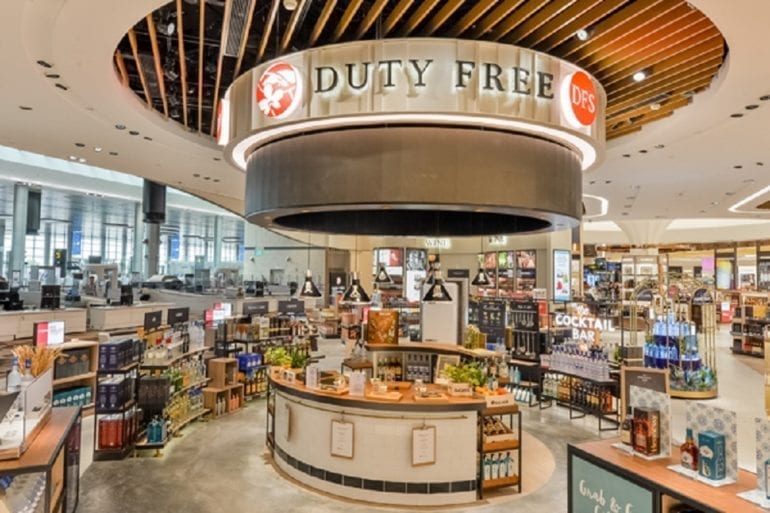
    Global luxury travel retailer DFS, which is owned by LVMH and Robert Miller, DFS’ co-founder and shareholder, has revealed they are set to sell their retail business across Greater China to the China Tourism Group (CTG) Duty Free. According to the agreement, CTG Duty Free is set to acquire businesses in Hong Kong, Macau, and Greater China.

    Acquisition of DFS Brands

    Aside from acquiring businesses, CTG Duty Free will also obtain a variety of DFS brands and intellectual properties exclusively for usage across Greater China. The proceeds from this transaction will be received in cash. Post-transaction, DFS will maintain operations of its other luxury travel retail businesses worldwide.

    Luke Chang, executive director and president of CTG Duty Free, shared that this move is expected to broaden the service network of CTG Duty Free across the Greater Bay Area. The goal is to establish a platform for promoting China-influenced brands globally while setting up an international business mid-platform.

    Chang also emphasized CTG Duty Free’s commitment to provide superior travel retail experiences to both domestic and international tourists. This aligns with their responsibility as a central state-owned enterprise-controlled listed company to facilitate the high-quality development of the retail economy in Hong Kong and Macau.

    A Significant Step for DFS

    DFS has described the sale as a significant step for the company. Ed Brennan, chairman and CEO of DFS, stated that the company is proud of its well-established presence and operational excellence in Hong Kong and Macau. The DFS shopping experience is expected to improve and progress with the fresh skills and perspectives that CTG Duty Free will introduce.

    Michael Schriver, president of LVMH for North Asia, expressed that the move highlights LVMH’s confidence in the long-term potential of the Chinese market. The transaction is anticipated to be finalized in approximately two months.

    Questions & Answers

    What is the agreement between DFS and CTG Duty Free about?
    The agreement is about the sale of DFS’ retail business across Greater China to CTG Duty Free.

    What will CTG Duty Free acquire from DFS?
    CTG Duty Free will acquire businesses in Hong Kong, Macau, and Greater China as well as a series of DFS brands and intellectual properties for exclusive use in Greater China.

    What will be the impact of this transaction on DFS?
    After the transaction, DFS will continue to operate its other luxury travel retail operations worldwide. The sale is seen as an important step for DFS and is expected to enhance the shopping experience they offer with new skills and perspectives from CTG Duty Free.

  • Aussies Embrace Daily Luxury: Surge in Everyday Premium Ice Cream Indulgence Revealed

    Aussies Embrace Daily Luxury: Surge in Everyday Premium Ice Cream Indulgence Revealed

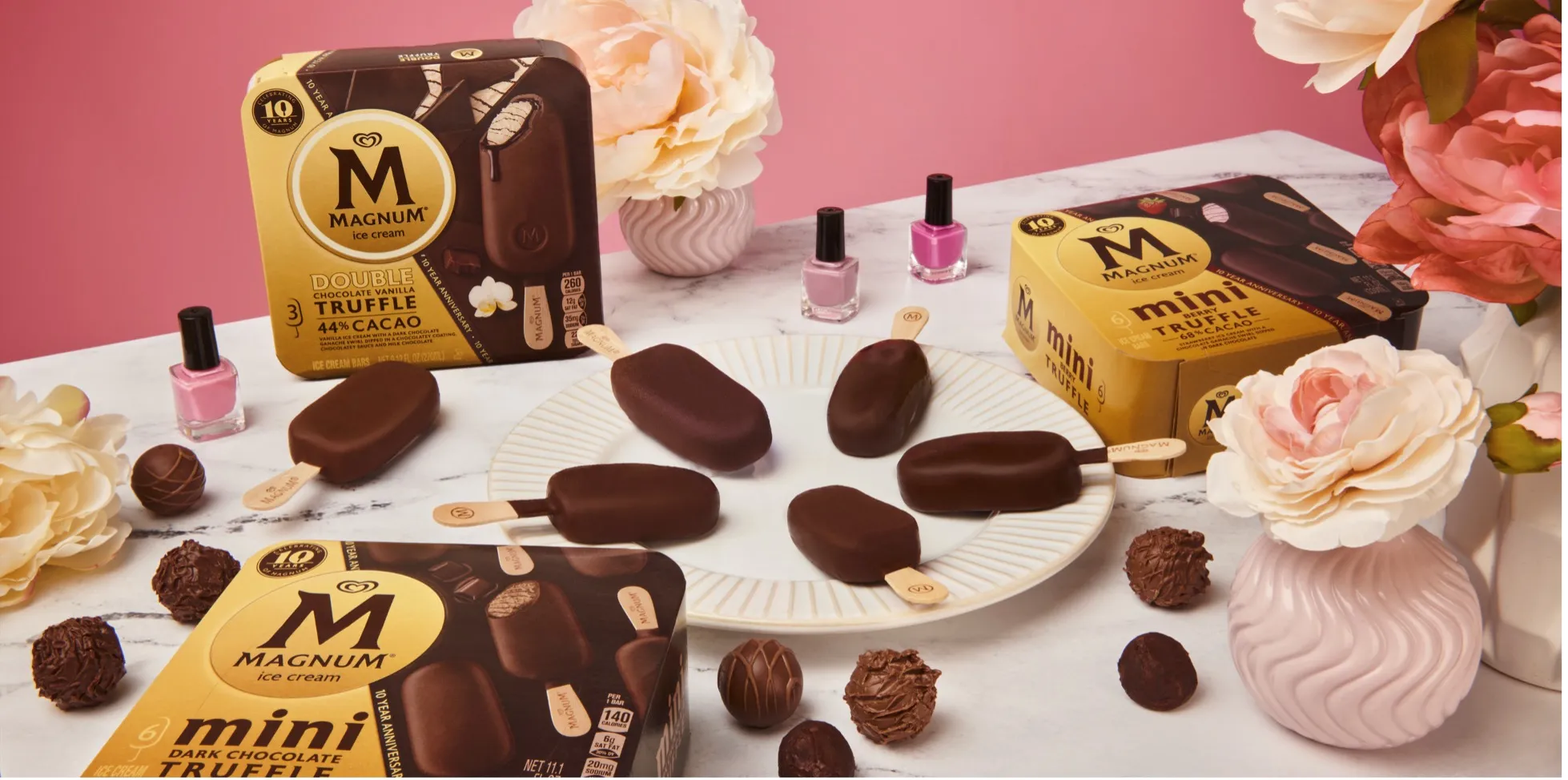
    Australia is witnessing a shift in the perception of premium ice cream, from being an occasional luxury to an everyday delight, according to recent research conducted by Haagen-Dazs.

    Ice Cream as an Everyday Indulgence

    The research found that nearly three out of every ten Australians, approximately 28 percent, now view premium ice cream as a regular indulgence. This trend is particularly noticeable in Victoria and New South Wales. Millennials and men are spearheading this increase, with 40 percent of Millennials and 33 percent of male respondents admitting to indulging in premium ice cream on a daily basis.

    Sacrificing Other Delights for Ice Cream

    Interestingly, the study reveals that four out of every ten Australians would rather forgo sweet beverages than give up ice cream, while three in ten would skip pastries and baked goods in favor of ice cream.

    Ice Cream and the Convenience Channel

    The study also emphasizes the growing importance of convenience stores as the preferred destination for consumers desiring quality, speed, and satisfaction from a single scoop of ice cream. Approximately 42 percent of respondents, predominantly those belonging to the Gen Z, Gen X, and Baby Boomers demographics, prefer to enjoy their ice cream in solitude.

    Changing Perceptions of Luxury

    Cavan Brady, the head of ice cream at Haagen-Dazs Australia, suggests that these findings denote a significant cultural shift in Australians’ understanding of luxury. He notes that consumers aren’t giving up on indulgence, but rather, they are reshaping it. He implies that the conventional ‘little treat’ has transformed into a pocket-sized form of self-care that people prioritize even in the face of tight budgets.

    Brady further explains that for retailers, this indicates that premium ice cream has evolved beyond being an optional treat. The rise of portion-controlled, single-serve, and impulse formats reflects the new pattern of daily indulgence, presenting an enticing growth opportunity for petrol and convenience stores.

    Questions & Answers

    What is the new perception of premium ice cream in Australia?
    Premium ice cream is being seen as an everyday delight rather than an occasional luxury in Australia.

    Who are mainly driving this increase in daily indulgence of premium ice cream?
    Millennials and men are primarily driving the daily indulgence in premium ice cream.

    What has the classic ‘little treat’ evolved into, according to Cavan Brady?
    According to Cavan Brady, the classic ‘little treat’ has evolved into a pocket-sized form of self-care that people prioritize, even when budgets are tight.

  • Vietnam Authorities Crackdown on Counterfeit Luxury Goods: Over 1,800 Fake Gucci, Hermes Items Seized

    Vietnam Authorities Crackdown on Counterfeit Luxury Goods: Over 1,800 Fake Gucci, Hermes Items Seized

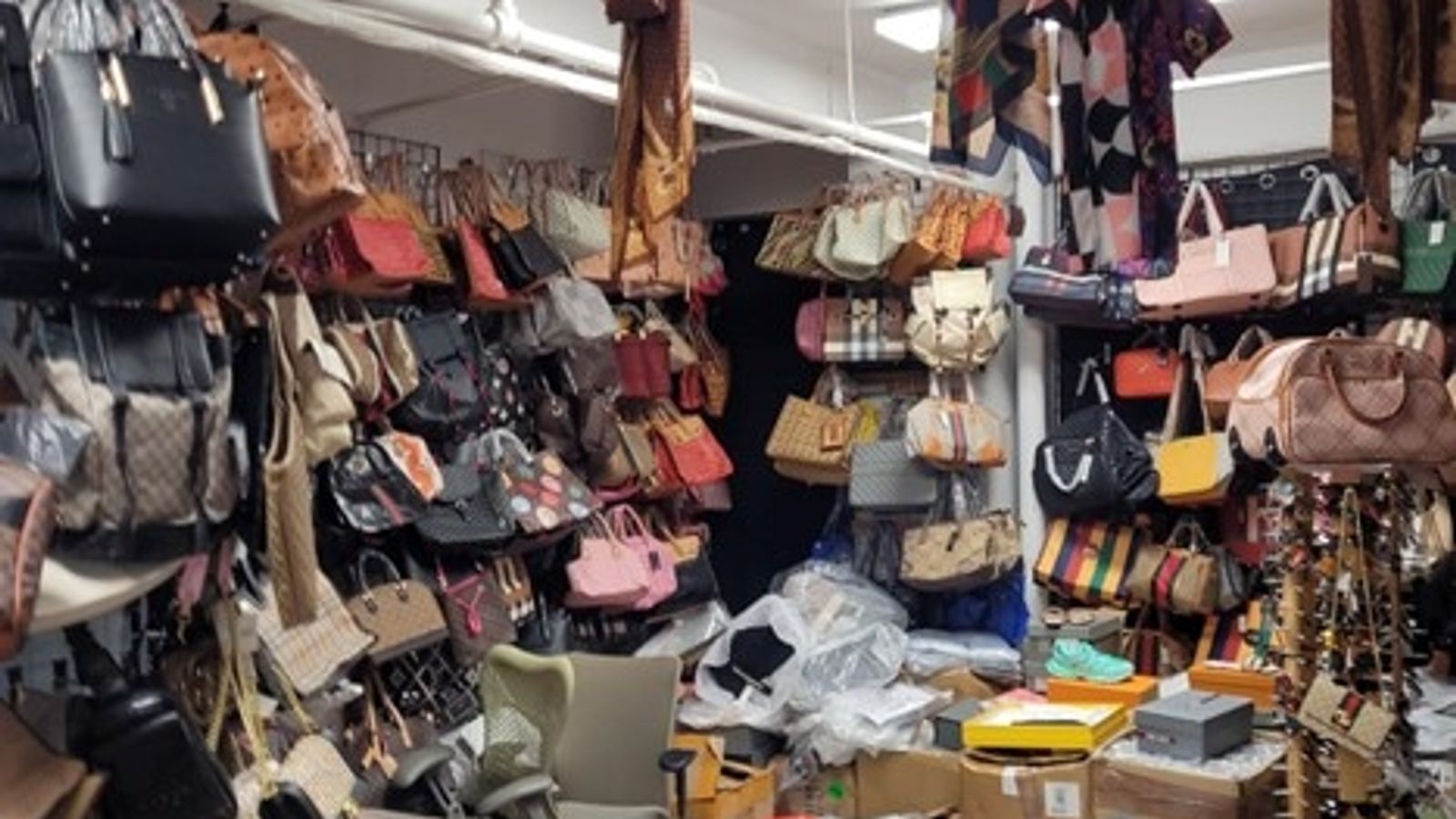
    A significant crackdown operation in Vietnam resulted in the seizure of over 1,800 counterfeit luxury items, including fake Gucci glasses and Hermes watches. The operation targeted a store specializing in the sale of counterfeit branded merchandise.

    Vendor Fined for Counterfeit Goods

    The Market Surveillance Department in Quang Ngai Province revealed that a 35-year-old vendor in Tinh Khe Commune faced a hefty fine of VND102.5 million (US$4,200) for showcasing and selling 1,000 counterfeit Gucci glasses and 800 counterfeit Hermes watches. All seized items were confiscated and are slated for destruction.

    The authorities stated that the trademarks in question enjoy legal protection in Vietnam. The imposed penalties form part of a wider initiative to clamp down on the circulation of counterfeit, imitation, and substandard goods in local markets.

    Effects of Counterfeit Goods on the Market

    Market surveillance officials stressed that selling counterfeit branded items not only breaches intellectual property laws but also poses the risk of misguiding consumers and damaging the reputation and operations of genuine businesses.

    Additional Enforcement Operations

    In a separate enforcement initiative, a market surveillance team, in conjunction with the police, discovered a substantial amount of goods that lacked the necessary documentation. In one instance, a distributor was found in possession of 675 water filter cartridges branded as “A Qua” and “OCB” without any invoices or evidence of legal origin.

    Another business, engaged in the trading of electric bicycles and electric motorbikes, was flagged for violating labeling regulations, including the omission of compulsory details like manufacturing dates. The total value of the improperly labeled goods amounted to an estimated VND34.5 million.

    Strict Penalties for Commercial Fraud

    Market surveillance officers and local police appealed to businesses to sell only merchandise with verifiable origins and comprehensive documentation. They warned that commercial fraud for profit would be subjected to stringent penalties, and enforcement actions would only escalate.

    Questions & Answers

    What were the counterfeit items discovered in the operation?
    The operation uncovered over 1,800 counterfeit items, including 1,000 fake Gucci glasses and 800 counterfeit Hermes watches.

    What is the impact of selling counterfeit goods on the market?
    Selling counterfeit branded goods not only infringes on intellectual property laws but also risks misleading consumers and undermining the operations of legitimate businesses.

    What measures are being suggested to businesses to avoid legal issues?
    Market surveillance officers and local police encourage businesses to sell only goods with clear origins and complete documentation. Businesses are also urged to comply with labeling regulations.

  • CTG Duty Free Acquires DFS Retail Business, Expanding Luxury Travel Retail Footprint in Greater China

    CTG Duty Free Acquires DFS Retail Business, Expanding Luxury Travel Retail Footprint in Greater China

    DFS, the global luxury travel retailer owned by LVMH and co-founder Robert Miller, has announced that it will sell its retail business across Greater China to the China Tourism Group (CTG) Duty Free. The deal includes the acquisition of DFS’ businesses in Hong Kong, Macau, and Greater China.

    Acquisition of DFS Brands

    In addition to the business transactions, CTG Duty Free will also acquire a series of DFS brands and intellectual property rights for exclusive use within Greater China. The proceeds from this transaction will be paid in cash. Following this deal, DFS will continue its luxury travel retail operations worldwide.

    The Impact of the Deal on CTG Duty Free

    Luke Chang, executive director and president of CTG Duty Free, has expressed his belief that this move will extend CTG Duty Free’s service network across the Greater Bay Area. The aim is to construct a platform for promoting Chinese brands globally and establish an international business mid-platform. Chang added that CTG Duty Free is committed to providing superior travel retail experiences for both domestic and international tourists, and supporting the high-quality development of the retail economy in Hong Kong and Macau.

    DFS’ Statements on the Sale

    DFS views the sale as a significant move for the company. Chairman and CEO Ed Brennan stated that DFS is immensely proud of their established presence and operational excellence in Hong Kong and Macau. He expressed confidence that the DFS shopping experience will be enhanced by the new skills and perspectives that CTG Duty Free will bring to the table. Michael Schriver, president of LVMH for North Asia, said the move demonstrates LVMH’s faith in the long-term potential of the Chinese market.

    The deal is predicted to be finalized in approximately two months.

    Questions & Answers

    What businesses are included in the DFS and CTG Duty Free deal?
    DFS’ businesses in Hong Kong, Macau, and Greater China are included in the deal.

    What will happen to the DFS brands under the deal?
    CTG Duty Free will acquire a series of DFS brands and intellectual property rights for exclusive use in Greater China.

    What does this transaction mean for DFS?
    DFS views the sale as a crucial step for the company, expressing confidence that CTG Duty Free will bring new skills and perspectives that will enhance the DFS shopping experience.

  • Hermes Unveils Upscale Boutique in Hanoi’s Heart: A New Chapter in Luxury Retail Expansion in Southeast Asia

    Hermes Unveils Upscale Boutique in Hanoi’s Heart: A New Chapter in Luxury Retail Expansion in Southeast Asia

    Hermes, the renowned French purveyor of luxury goods, has revitalized its presence in Hanoi by relocating its boutique to a fresh, new spot on Trang Tien Street.

    Moving to a Classic Setting

    Having been in its previous location for several years, the Hermes store has now found a new home within an impressive Art Deco structure situated in the heart of Hanoi’s commercial hub. The multi-level space is set up to elegantly display the full gamut of Hermes’s 16 distinct business areas, including leather goods, fashion, and accessories.

    The interior design of the relocated store has been masterfully executed by RDAI, a renowned architecture firm based in Paris. The building’s architectural features, such as large windows and an open layout, have been utilized to their full capacity to ensure maximum natural light penetration.

    Hermes’s Growth in Southeast Asia

    Hermes first ventured into the Vietnamese market in 2008 and has been operating several additional stores, including one in Ho Chi Minh City’s Union Square. This recent boutique relocation is part of Hermes’s strategy to augment its expansion in Southeast Asia.

    In a similar vein, Hermes has recently reopened its store in Bangkok’s IconSiam mall. The newly designed, larger store space reflects the escalating demand for luxury retail in the Thai capital.

    Questions & Answers

    When did Hermes first enter the Vietnamese market?
    Hermes first made its entry into the Vietnamese market in 2008.

    What are some of the features of the new store location in Hanoi?
    The new Hanoi store, housed in an Art Deco building, boasts large windows and an open layout, designed to maximize the use of natural light. It showcases the full range of Hermes’s 16 métiers, or business areas across several floors.

    What is Hermes’s overall strategy in Southeast Asia?
    Hermes’s strategy in Southeast Asia involves expansion and growth, reflected in the relocation and redesign of its stores in high-demand areas such as Hanoi and Bangkok.