Tag: luxury

  • Chow Sang Sang Joins Forces With Nuvei For North American Market Expansion

    Chow Sang Sang Joins Forces With Nuvei For North American Market Expansion

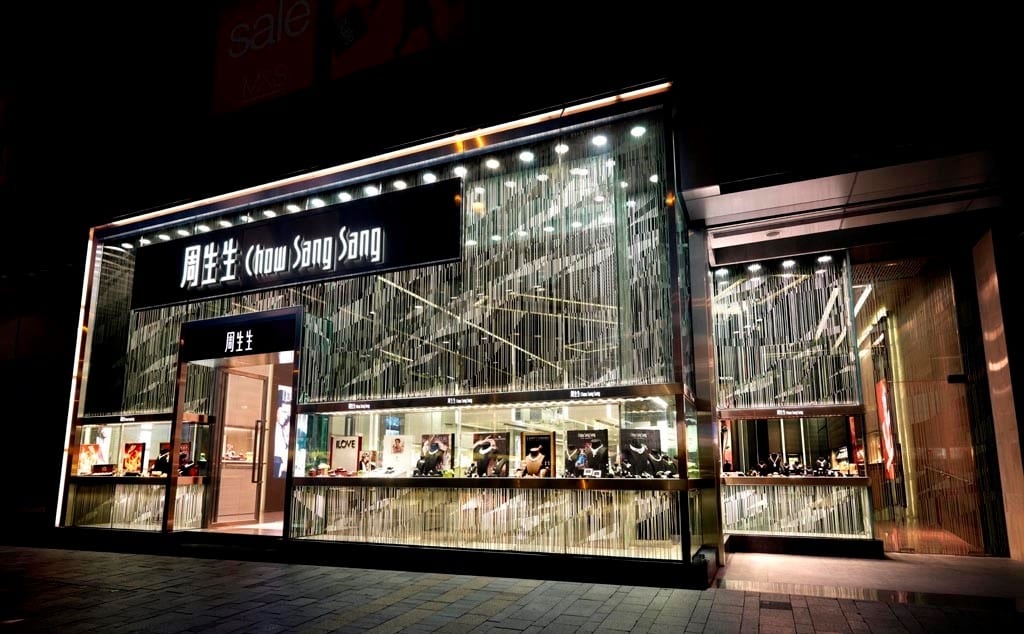
    Hong Kong’s renowned luxury jewellery brand, Chow Sang Sang, has announced its foray into the North American market. This expansion is made possible through a strategic partnership with Nuvei, an international payments company.

    Genevieve Chow, the Chief Brands Officer at Chow Sang Sang, shed light on the decision to collaborate with Nuvei. She explained that the company was chosen for its localised, secure and seamless payment system. “As we embark on our international expansion, particularly targeting North America, it’s crucial for us to have a payments partner that upholds our commitment to excellence,” she said.

    Nuvei’s platform is set to provide Chow Sang Sang with opportunities to penetrate into 50 markets. It also extends support for over 150 currencies and 720 alternative payment methods. This comprehensive system directly connects to global card networks, enhancing the approval rates and minimising payment friction.

    “Nuvei’s cutting-edge technology, local expertise, and global reach equip us to provide the premium experience our customers anticipate, both online and in-store,” Chow further stated.

    Nuvei’s recent attainment of a Money Services Operator (MSO) license in Hong Kong strengthens its position. The license enables Nuvei to offer local acquiring and settlement services in the market. This significant move supports Nuvei’s broader expansion goals in the Asia-Pacific region, including Greater China, Japan, Singapore and Australia.

    Phil Fayer, CEO of Nuvei, expressed his outlook on the partnership with Chow Sang Sang. He said, “Luxury brands like Chow Sang Sang are destined for global growth. With our MSO license and the expanding footprint in the APAC region, we’re excited to support the region’s most promising companies with payment technology designed for scalability.”

    Chow Sang Sang is a significant player in the luxury jewellery market, operating over 900 self-run stores spread across Mainland China, Hong Kong, Macau, and Taiwan. Its portfolio includes notable brands such as Chow Sang Sang, Promessa, MintyGreen, and Emphasis.

    Questions & Answers

    What is the significance of Chow Sang Sang’s partnership with Nuvei?
    The partnership enables Chow Sang Sang to expand its operations into North America, backed by Nuvei’s seamless and secure payment system.

    What advantages does Nuvei’s platform offer to Chow Sang Sang?
    Nuvei’s platform provides access to 50 markets, supports over 150 currencies and 720 alternative payment methods, and directly connects with global card networks, improving approval rates and reducing payment friction.

    What does Nuvei’s recent acquisition of a MSO license mean for the company?
    The MSO license empowers Nuvei to offer local acquiring and settlement services in the Hong Kong market, supporting its broader expansion in the Asia-Pacific region.
  • Iconsiam Expands Luxury District With Addition Of High-end Brands Amid Rising Luxury Goods Demand

    Iconsiam Expands Luxury District With Addition Of High-end Brands Amid Rising Luxury Goods Demand

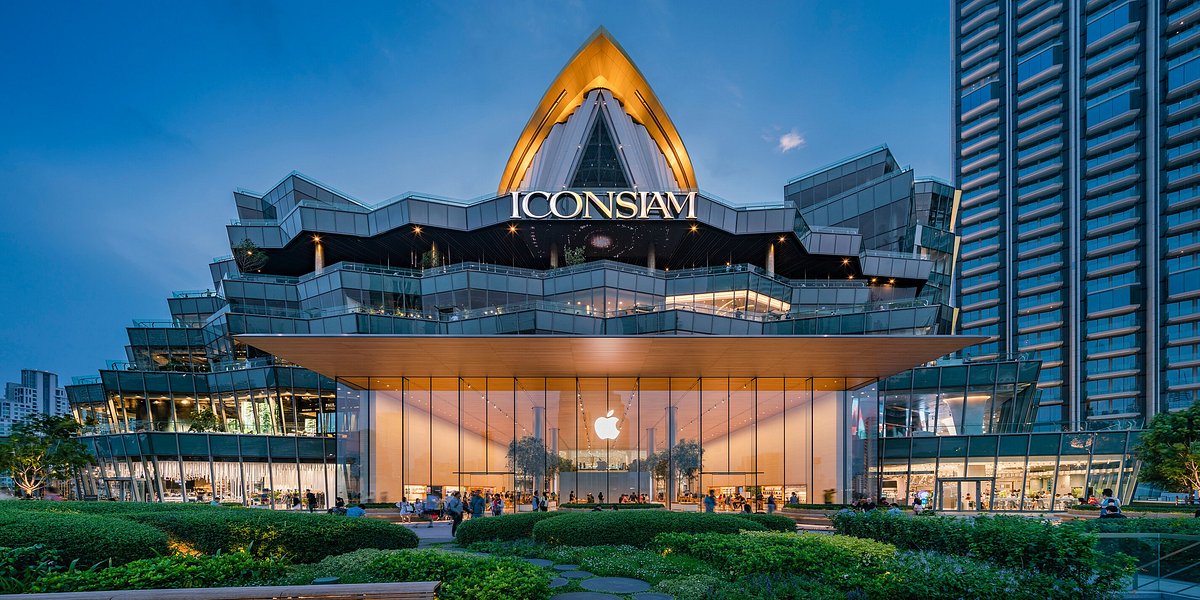
    Bangkok’s premier shopping destination, IconSiam, has announced the addition of four high-end brands to its luxury district. These additions are part of the mall’s strategic initiative to capitalize on the rising demand for luxury goods among both locals and tourists.

    New Luxury Brands at IconSiam

    The labels joining the IconLuxe fashion district are Balenciaga, Fendi, Loewe, and Loro Piana. IconLuxe is a dedicated 25,000sqm zone that offers visitors a curated collection of 30 international fashion, watch, and accessory brands.

    IconSiam’s Managing Director, Supoj Chaiwatsirikul, stated that Thailand continues to be a strategic hub for worldwide luxury brands looking to make their debut in the region. He added that IconSiam has been successful in gaining the trust of some of the world’s most prestigious luxury brands. These brands recognize the potential of Thailand and Southeast Asia as key markets for high-end consumers.

    “International tourists, in particular, are seeking premium, distinctive experiences,” Supoj continued.

    Future Brands and Collaborations

    Supoj also revealed that more brands, including Burberry, Miu Miu, and Giorgio Armani, will be joining the precinct later this year. He confirmed that IconSiam will continue to work closely with brands to host pop-ups featuring exclusive collections, in-store private events, international fashion shows, and contemporary art exhibitions.

    “IconSiam is not just a shopping mall; it’s a platform that connects global luxury brands with discerning consumers in the region,” he explained. According to Supoj, IconSiam’s mission is to provide exceptional, unique experiences. The business model successfully combines the best of Thailand with the world’s finest offerings, all while promoting Thailand’s cultural identity.

    IconSiam is a collaborative venture between Siam Piwat Group, Charoen Pokphand Group, and Magnolia Quality Development Corporation.

    Questions & Answers

    What are the new brands joining the IconLuxe fashion district at IconSiam?
    Balenciaga, Fendi, Loewe, and Loro Piana have been added to the IconLuxe tenant list.

    What is IconSiam’s strategy for attracting luxury brands and consumers?
    IconSiam’s strategy is to offer a platform for luxury brands to reach high-spending consumers in the region. They do this by providing unique shopping experiences and hosting exclusive events, international fashion shows, and contemporary art exhibitions.

    What is the future plan for IconSiam’s luxury precinct?
    More high-end brands, including Burberry, Miu Miu, and Giorgio Armani, will join the precinct later this year. IconSiam will continue to collaborate with brands to host a variety of exclusive events and exhibitions.

  • Southeast Asia Emerges As Preferred Destination For Luxury Homebuyers, Boasting High Rental Yields

    Southeast Asia Emerges As Preferred Destination For Luxury Homebuyers, Boasting High Rental Yields

    Phnom Penh is rapidly emerging as a hotspot for the discerning investor, boasting impressive rental yields of 8% to 10%. In a telling shift, luxury homebuyers across Asia are increasingly looking closer to home, with a notable uptick in investments directed towards regional properties, particularly in Southeast Asia.

    Andrew Grimley, head of Global Distribution at International Property Alerts, shared insights during the Global Property Expo in Singapore, held from July 18 to 20. He noted, “While buyers are still purchasing homes in Europe, North America, and some parts of the Middle East, there’s a marked rise in investment activity for Southeast Asian real estate.”

    Among the standout markets in Southeast Asia are Cambodia, Thailand, the Philippines, and the picturesque island of Bali, Indonesia. Grimley enthusiastically described Cambodia as a captivating marketplace, thanks to its lack of capital gains tax, robust rental yields, and notable potential for capital appreciation.

    “Established markets like Thailand are still performing exceptionally well, and we’re witnessing significant growth in Bali, while the Philippines is drawing increasing interest,” he elaborated.

    Grimley highlighted that both Bali and Thailand are top picks for rental yield seekers, with Phnom Penh also making its mark as an emerging contender. Beyond Southeast Asia, he pointed to Sydney and Melbourne as reliable options for investors keen on solid rental income.

    For those considering property investments, Grimley emphasized the importance of collaborating with reputable management companies and focusing on capital appreciation alongside rental income. “It’s essential to pay attention to market growth—both from a tourism perspective and overall economic performance,” he advised.

    With Southeast Asia becoming a focal point for property investments, it seems the region is ready to not just attract attention, but to hold it, like the promise of a sunny beach day after a long week.

    Questions & Answers

    What is driving luxury homebuyers toward Southeast Asian real estate?
    Luxury homebuyers are drawn to Southeast Asian properties due to attractive factors such as high rental yields, capital appreciation potential, and favorable tax conditions like the absence of capital gains tax in markets like Cambodia.

    Which Southeast Asian countries are becoming popular among investors?
    Countries such as Cambodia, Thailand, the Philippines, and Indonesia—particularly Bali—are gaining traction among investors for their growth and investment prospects.

    What should investors prioritize when purchasing properties in these markets?
    Investors should seek reputable management companies and focus on both capital appreciation and rental yields, considering overall economic growth in addition to tourism growth in these regions.

  • Prada Sees 9% Revenue Boost, Credits Rising Star Miu Miu Amid Tough Luxury Market

    Prada Sees 9% Revenue Boost, Credits Rising Star Miu Miu Amid Tough Luxury Market

    Prada, a family-owned group known for its luxury fashion, recently reported a 9% spike in first-half net revenues at constant currencies. The company’s lesser-known yet rapidly growing Miu Miu brand played a significant role in this upswing, potentially signaling a positive shift in an otherwise sluggish sector.

    In terms of figures, Prada’s net revenue reached a substantial 2.74 billion euros ($3.16 billion), mirroring analysts’ expectations. This growth can be attributed to supportive performance across all regions.

    Brand Performances

    Despite the group’s overall success, the Prada brand experienced a 3.6% drop in retail sales in the second quarter. In contrast, the Miu Miu label saw a remarkable 40% increase in sales, accounting for a quarter of the group’s total revenues last year.

    Prada’s second quarter was adversely affected by reduced tourist influx into Europe and Japan, as well as unfavorable comparisons to last year’s performance. Company executives shared these insights during a conference call held after the results were announced.

    Andrea Guerra, the Chief Executive, informed analysts that he anticipates tourist traffic levels to rebound by the end of August.

    Management Changes

    In a noteworthy development, the Italian firm recently separated from Prada’s brand CEO, Gianfranco D’Attis. Guerra has temporarily assumed the additional responsibilities, with plans to retain them for an extended period. He stated, “If it is an interim (arrangement), it’s a long one.”

    Operating Profit and Future Acquisitions

    The group’s adjusted operating profit climbed 8% to 619 million euros in the first six months, falling slightly short of the 636 million euro operating EBIT projected by analysts.

    Prada Chairman Patrizio Bertelli commented on this solid performance, stating it was achieved amidst a challenging backdrop, somewhat unprecedented in our industry.

    In terms of upcoming developments, the group anticipates finalizing the acquisition of Versace from Capri Holdings between September and November this year.

    Luxury Industry Outlook

    Despite these positive developments for Prada, a robust recovery for the luxury industry remains uncertain. For instance, Gucci’s parent company, Kering, reported a 15% fall in quarterly revenues. Additionally, LVMH recorded a 4% drop in quarterly sales, and Hermes, despite a 9% sales surge, showed signs of being affected by the broader luxury downturn.

    Questions & Answers

    What accounted for Prada’s 9% increase in first-half net revenues?
    Prada’s growth in the first half was largely due to supportive performance across all regions and the exceptional growth of the Miu Miu brand.

    How has Prada’s management changed recently?
    Prada recently parted ways with its brand CEO, Gianfranco D’Attis. The company’s Chief Executive, Andrea Guerra, has taken on these additional responsibilities for the foreseeable future.

    What is the current outlook for the luxury industry?
    The luxury industry faces uncertain times. While some brands like Prada and Hermes have shown growth, others, such as Gucci and LVMH, have reported decreases in revenue. A robust recovery for the industry remains elusive.

  • Hermes Records Impressive Growth With €8 Billion Revenue In First Half Of Year

    Hermes Records Impressive Growth With €8 Billion Revenue In First Half Of Year

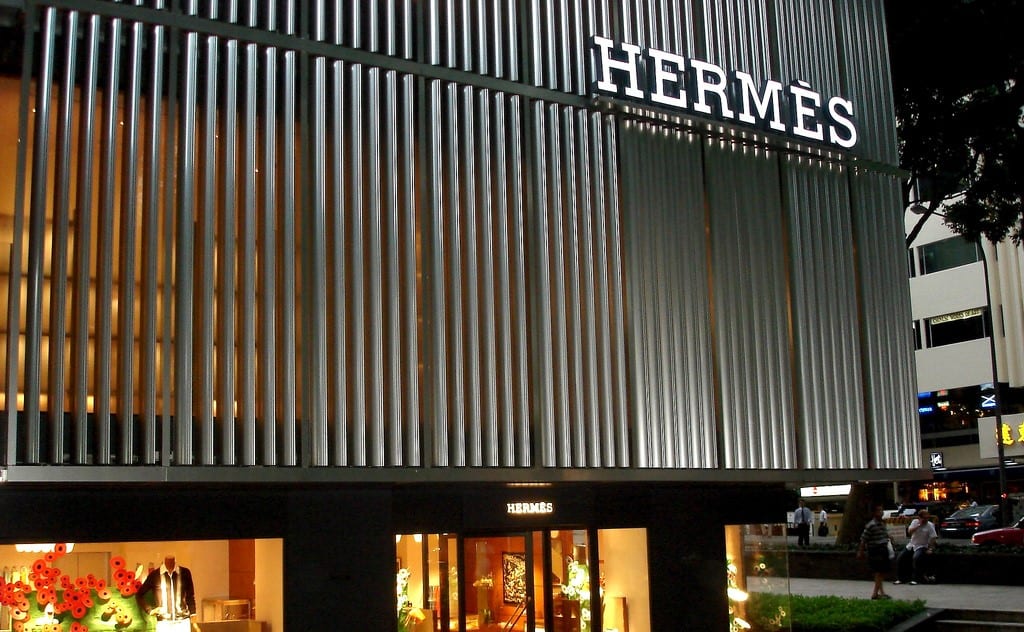
    Hermes, the esteemed French luxury brand, has demonstrated impressive sales growth in the first half of the current year. This surge in revenue was experienced across all regions as affluent customers continued their patronage of the brand’s distinguished leather products.

    The brand recorded a revenue of €8 billion (US$8.78 billion) for the half-year period concluding on June 30th. This performance marks an 8% increase in profits, calculated at a constant exchange rate when compared to the same timeframe in the previous year.

    Sales saw a 9% rise in the second quarter itself, which was bolstered by an excellent performance in the markets of the United States, Japan, and the Middle East.

    According to Hermes, the growth was widespread across all geographical regions, with each one reporting gains. Japan led the way with a robust 16% increase, followed by the Americas with a 12% rise. Sales in France experienced a 9% increase while Europe, excluding France, witnessed a 13% acceleration.

    Axel Dumas, the Executive Chairman of Hermes, has expressed his satisfaction, attributing the firm’s first-half success across all regions to the strength of the Hermes model.

    On behalf of the company, he expressed gratitude to all their customers for their continued trust and to all the employees for their dedication, adding, “We will continue to invest and recruit to ensure the group’s sustained success.”

    The primary driver of growth for Hermes is its core leather goods and saddlery division, which includes the highly coveted Birkin and Kelly bag lines. The brand also reported significant increases in the sales of jewellery and homeware. However, the sales of watches and perfumes exhibited a decline.

    Hermes has laid out plans to persist with investments in craftsmanship, to broaden production, and to reinforce its global retail presence in order to meet the escalating demand for its exclusive merchandise.

    Questions & Answers

    What was the revenue of Hermes for the first half of this year?
    The French luxury brand Hermes recorded a revenue of €8 billion (US$8.78 billion) for the first half of the year.

    Which regions showed significant growth for Hermes?
    Every geographical region posted gains for Hermes. Japan led with a 16% increase, followed by the Americas with a 12% rise. Sales in France experienced a 9% increase, whilst Europe, excluding France, witnessed a 13% rise.

    Which product categories drove the growth for Hermes?
    The primary growth driver for Hermes was its core leather goods and saddlery division, including the popular Birkin and Kelly bags. The brand also reported double-digit increases in jewellery and homeware.

  • Kering Reports 16% Revenue Drop Amid Gucci’s Struggling Sales In First Half Of 2021

    Kering Reports 16% Revenue Drop Amid Gucci’s Struggling Sales In First Half Of 2021

    Kering, the renowned French luxury merchandise corporation, has disclosed a significant sales drop for the initial half of the year. The company’s performance continues to be impacted negatively owing to a consistent decline in sales from Gucci.

    Semi-Annual Performance Analysis

    During the six months ending on 30th June, the conglomerate experienced a 16% fall in revenue, descending to EUR 7.6 billion (equivalent to US$ 8.7 billion). This figure incorporates a 14% decrease in the first quarter and an 18% fall in the second.

    The primary contributor to this downward trend is Gucci, with a substantial 26% reduction in sales. Other luxury houses also saw drops in their performance, including Yves Saint Laurent with an 11% decrease, and other associated houses posting a 15% decline.

    However, it was not all gloomy for Kering. Bottega Veneta reported a 1% increase in sales, while the Kering Eyewear and Corporate segment, inclusive of Kering Beaute, witnessed a growth of 2%.

    Geographical Sales Trends

    Despite the overall downturn, Kering reported a minor upward trend in sales for Asia-Pacific and North America during the second quarter. In contrast, Western Europe and Japan saw an acceleration in their sales decline, largely attributed to a significant drop in tourism.

    Chairman and CEO Francois-Henri Pinault, while acknowledging the challenging market conditions, emphasized the company’s commitment to streamlining distribution and controlling costs. He pointed out the decisive steps taken to fortify the company’s financial structure.

    Financial Indicators

    In terms of net income attributed to the company, the figures stood at EUR 474 million, a significant decrease from the EUR 878 million reported in the same period the previous year.

    Despite the lower than expected numbers, Pinault expressed optimism for the company’s future. He believes that the strategic efforts undertaken by the company over the past two years have laid a robust foundation for the next phase of Kering’s growth and development.

    Questions & Answers

    What was Kering’s reported revenue for the first half of the year?
    Kering reported a revenue of EUR 7.6 billion (US$ 8.7 billion) for the first half of the year, representing a 16% decrease compared to the corresponding period last year.

    Which brands under Kering experienced a decline in sales?
    Gucci was the primary underperformer with a sales drop of 26%. Yves Saint Laurent and other associated brands also experienced declines in sales, with decreases of 11% and 15% respectively.

    What were the key contributing factors to the sales decline?
    The sales decline was primarily attributed to reduced tourism, impacting sales in Western Europe and Japan. Additionally, specific brands like Gucci significantly underperformed.

  • Nicole Kidman Announced As Global Brand Ambassador For Japanese Luxury Brand Cle De Peau Beaute

    Nicole Kidman Announced As Global Brand Ambassador For Japanese Luxury Brand Cle De Peau Beaute

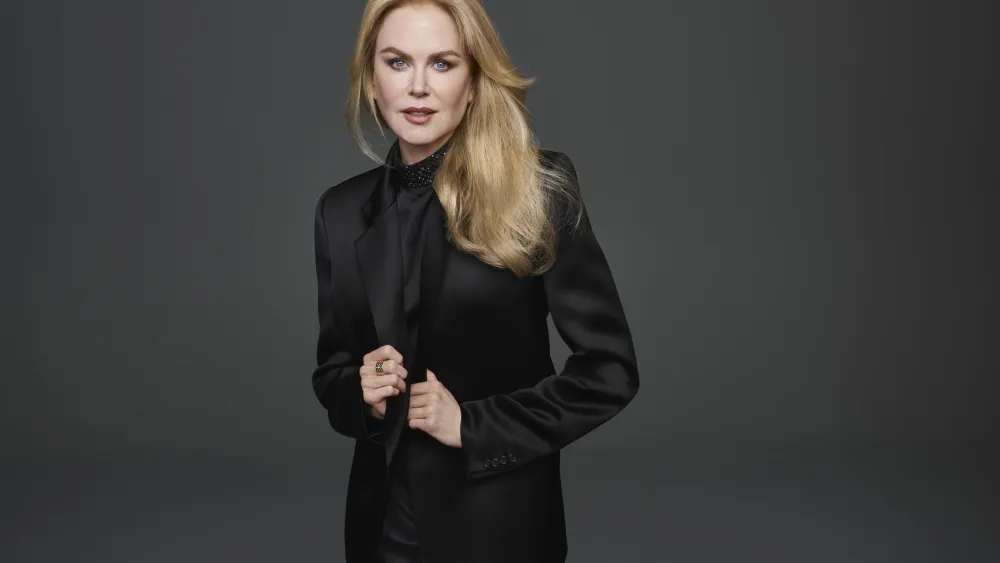
    Nicole Kidman, recognized worldwide for her acting prowess and staunch advocacy for women’s rights, has been announced as the new global brand ambassador for Cle de Peau Beaute, a renowned Japanese luxury skincare and makeup brand.

    Kidman’s appointment aligns seamlessly with Cle de Peau Beaute’s values, which revolve around intelligence, sophistication, and an uncompromising attitude, according to the company. Kidman’s embodiment of these values throughout her personal and professional life is what cemented her as the ideal figure to represent the brand on a global scale.

    Mizuki Hashimoto, the chief brand officer of Cle de Peau Beaute, elaborated on this, stating, “Radiance is about more than just physical appearance; it’s also about the inner strength that fuels positive transformation.” Hashimoto lauded Kidman for her inspiring journey, stating that it embodies the brand’s belief in the power of passion and purpose to unlock a radiant inner strength that can inspire and empower others.

    Kidman is not just known for her extensive acting career of over 40 years, but also for her dedicated humanitarian work. Her role as a UN Women Goodwill Ambassador has seen her actively promote women’s empowerment, especially in areas of education, economic opportunities, and the prevention of gender-based violence.

    Reacting to her appointment, Kidman expressed her excitement about joining the Cle de Peau Beaute family. “I am inspired by the brand’s commitment to celebrate individual beauty across all aspects of life,” she commented. “I look forward to what we can create together.”

    Cle de Peau Beaute, established in 1982, is considered a prominent brand in the luxury skincare and makeup industry. It is owned by the cosmetic giant, Shiseido.

    Questions & Answers

    Who is the new global brand ambassador for Cle de Peau Beaute?
    Nicole Kidman, the acclaimed actress and women’s rights advocate, has been appointed as the new global brand ambassador for Cle de Peau Beaute.

    What values of Cle de Peau Beaute does Nicole Kidman embody?
    Nicole Kidman aligns with Cle de Peau Beaute’s values of intelligence, sophistication, and an uncompromising attitude. Her inspiring journey also resonates with the brand’s belief in the power of passion and purpose to unlock a radiant inner strength that can inspire and empower others.

    What is Nicole Kidman’s opinion about joining Cle de Peau Beaute?
    Nicole Kidman has expressed her excitement and inspiration about joining Cle de Peau Beaute. She admires the brand’s commitment to celebrate individual beauty across all life’s aspects and is looking forward to what they can create together.

  • LVMH Sees Sales Dip: Fashion And Wine Departments Hit Hardest Amid Economic Uncertainty

    LVMH Sees Sales Dip: Fashion And Wine Departments Hit Hardest Amid Economic Uncertainty

    LVMH Moet Hennessy Louis Vuitton experienced a decrease in sales during the first half of the year, primarily due to weaker performance in its fashion and wine departments.

    Decreased Revenue

    The distinguished luxury conglomerate reported a 4 per cent decline in revenue, which totaled EUR39.8 billion (US$46.7 billion) over a six-month period. This figure represents a 3 per cent decrease in sales on an organic basis, including a 3 per cent decrease in the first quarter and a 4 per cent reduction in the second quarter.

    Impact on Different Divisions

    The major contributors to this decline were an 8 per cent drop in sales in both the fashion and leather goods division and the wine and spirits division. The group attributes the dip in fashion revenue to the strong growth it enjoyed last year, which was largely spurred by increased tourist spending in Japan, owing to a weaker yen. As for the wine segment, it suffered due to the influence of trade tensions impacting the critical markets of the US and China.

    Furthermore, perfume and cosmetics and watches and jewellery departments also reported a 1 per cent decline in sales. In contrast, the selective retailing segment remained flat, a result of continued growth at Sephora and the streamlining of operations at DFS.

    Profit Decline

    In terms of profit, there was a 15 per cent slide in profit from recurring operations which amounted to EUR9 billion, and the net profit was down 22 per cent to EUR5.6 billion.

    Despite these figures, the group maintains its confidence in the prevailing uncertain geopolitical and economic climate. It plans to continue focusing on bolstering the appeal of its brands.

    Questions & Answers

    What were the major contributors to LVMH’s decline in sales?
    The major contributors were an 8 per cent drop in sales in both the fashion and leather goods division and the wine and spirits division.

    What factors affected the fashion and wine segments?
    The dip in fashion revenue can be attributed to the strong growth it experienced last year due to increased tourist spending in Japan, owing to a weaker yen. The wine segment suffered due to trade tensions impacting the crucial markets of the US and China.

    What are LVMH’s plans moving forward amidst the economic downturn?
    The group plans to maintain its focus on enhancing the desirability of its brands, expressing confidence in the prevailing uncertain geopolitical and economic environment.

  • Louis Vuitton Set to Unveil Stunning Megastore in Luxurious Global Retail Hub

    Louis Vuitton Set to Unveil Stunning Megastore in Luxurious Global Retail Hub

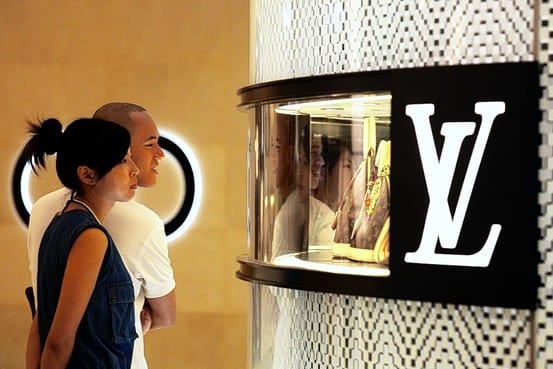
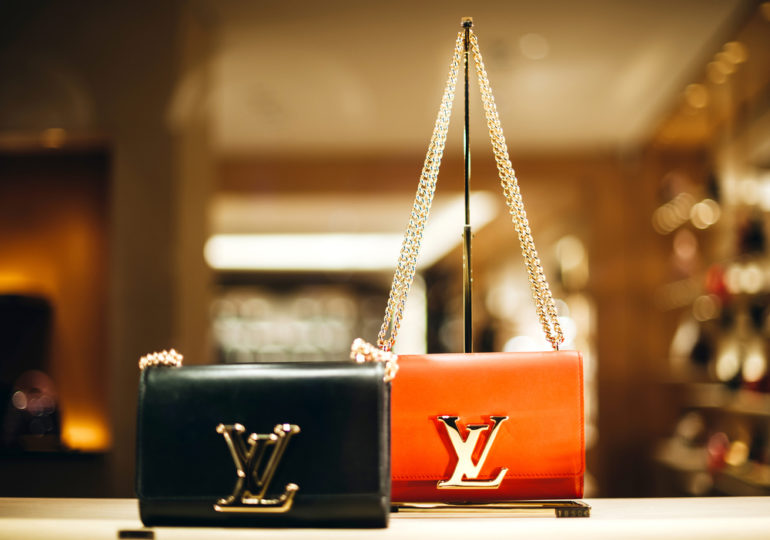
    Scaffolding has emerged around the latest project from Louis Vuitton, poised at K11 Musea and overlooking the Avenue of Stars—a scenic promenade that showcases breathtaking views of Victoria Harbour and the vibrant Hong Kong skyline. As the luxury brand prepares for its next chapter in this prime location, whispers of its plans have started to circulate, although official confirmation remains elusive.

    Reports suggest that the new outlet will encompass approximately 40,000 square feet, mostly dedicated to non-retail features. The anticipated offerings include a museum, a café, and a luxurious lounge reserved for VIP clientele. This flagship store is expected to be one of the largest in Asia, with a projected opening by the end of 2026, as indicated by Bloomberg during the initial agreement announcement.

    A Blueprint for Immersive Shopping

    Industry experts, speaking to the South China Morning Post, hint that the store’s design will mirror that of the recent three-level, ship-shaped retailer unveiled in Shanghai. This indicates a strategic approach aimed at creating a multi-experience hub rather than simply a retail outlet, aligning with a trend toward immersive shopping environments.

    Luxury Amid Record High Rents

    Louis Vuitton’s bold move into this space comes as Tsim Sha Tsui claims the title of the most expensive retail market globally. As of the fourth quarter of 2024, prime rents soared to an astonishing 17,132 euros (roughly US$20,177) per square meter annually, outpacing renowned shopping streets like Madison Avenue in New York and Bond Street in London, according to property consultancy Savills. The developer, New World Development, helmed by the billionaire Cheng family, is reportedly setting rental terms partly based on the store’s turnover—talk about a high-stakes game of luxury leasing!

    Navigating Shifting Consumer Habits

    This new endeavor arrives at a time when global luxury brands are recalibrating their strategies in China, a market grappling with economic uncertainty that has nudged consumers toward a more careful approach to spending. Despite challenges, the appetite for high-end experiences—think five-star hotels, extravagant dining, and fine travel—is undimmed among affluent individuals. In response, brands like Louis Vuitton are capitalizing on the opportunity to create physical spaces that deliver personalized experiences, luring customers who crave more than just products.

    Strategically located near popular tourist destinations, K11 Musea has quickly become a favorite among both locals and visitors alike. Adding to its allure, Louis Vuitton recently hosted a fashion show at the mall in late 2023, showcasing its menswear pre-fall 2024 collection, further solidifying its presence in this bustling cultural hub.

    Questions & Answers

    What unique features will the new Louis Vuitton store at K11 Musea offer?
    The store will include a museum, a café, and an exclusive lounge for VIP customers, aiming to provide an immersive shopping experience rather than just retail space.

    Why has Louis Vuitton chosen Tsim Sha Tsui for its new flagship store?
    Tsim Sha Tsui is recognized as the world’s priciest retail market, making it an appealing location for luxury brands seeking high visibility and foot traffic.

    How are luxury brands adapting their strategies in China amid economic fluctuations?
    Brands are focusing on creating brick-and-mortar experiences that emphasize personalization and unique offerings in response to consumers becoming more selective with their spending.

  • Patek Philippe Unveils Grand Store In Hong Kong With Unique Themed Zones And Local Art

    Patek Philippe Unveils Grand Store In Hong Kong With Unique Themed Zones And Local Art

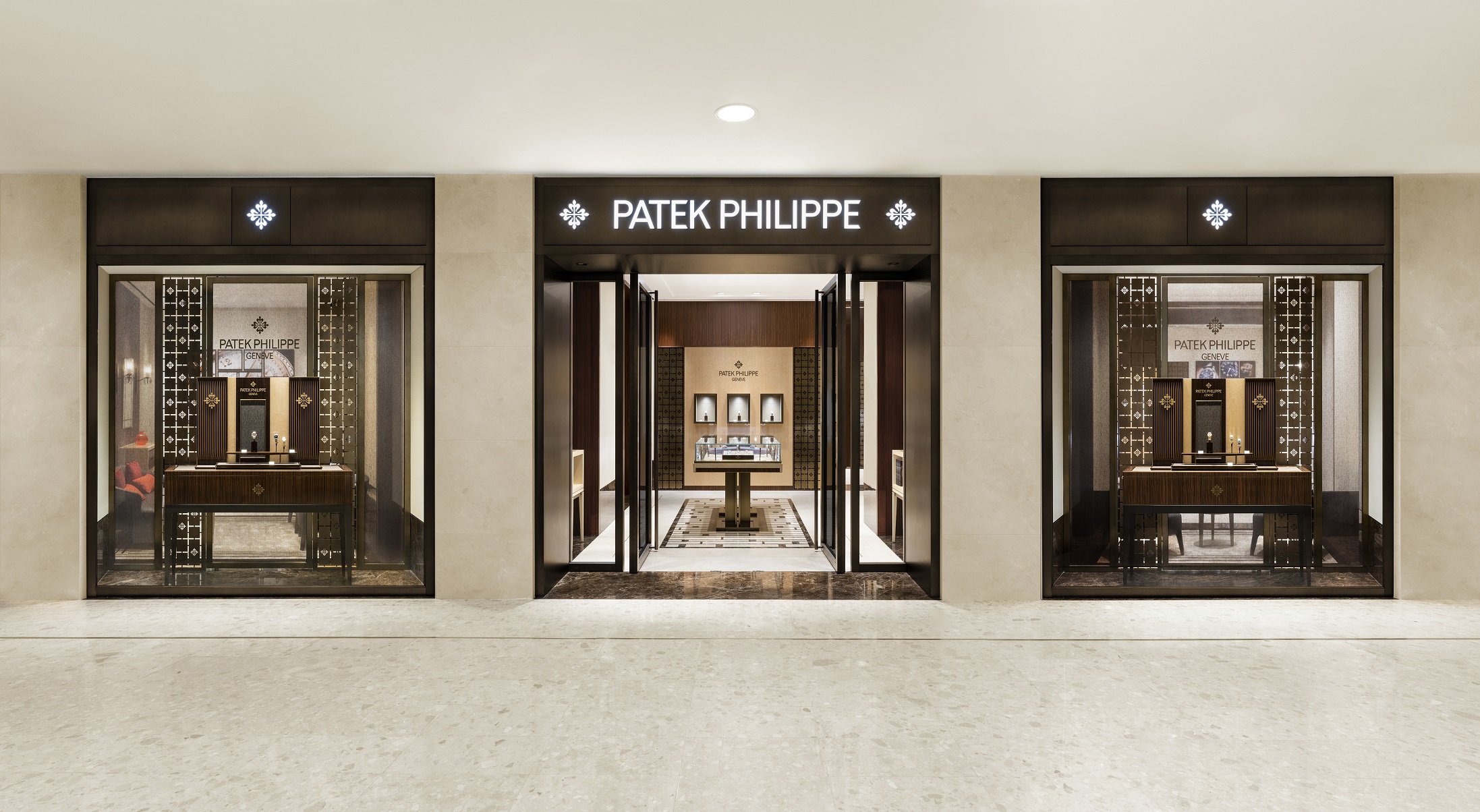
    Patek Philippe, the notable luxury watchmaker, has recently launched its grand store in the heart of Hong Kong, specifically at Queen’s Road.

    The Store’s Design and Features

    Stretched over an area of more than 3000 square feet, this new store is designed with meticulous attention to details. The shop features seven uniquely themed zones to provide a distinctive experience for its visitors. Among these zones, there is a museum dedicated to collectors, an elegant bar lounge, a private dining room, and a special ‘gold-leaf room’, a feature meant exclusively for the Hong Kong store.

    To incorporate a local flavor into its global brand, Patek Philippe has included a tailor-made art piece in the store design that is inspired by the scenic Victoria Harbour. This addition demonstrates the brand’s acknowledgement and appreciation of local aesthetics.

    Customer Experience

    This new store of Patek Philippe in Hong Kong is more than just a regular retail outlet. Rather, it is designed to provide an immersive experience for its customers and collectors. The aim is to transform the shopping experience into a memorable event, where customers can interact with the brand’s prestigious history, innovative design process, and superior craftsmanship.

    About Patek Philippe

    Patek Philippe, originally located in Geneva, is a family-owned, independent watch manufacturer. The brand is renowned for its innovative approach to watchmaking, which is evident from its ownership of more than 80 patents. The company takes pride in its commitment to the creation of timeless pieces that push the bounds of traditional watchmaking.

    Questions & Answers

    Where is Patek Philippe’s new store located?
    The new store is located at 12 Queen’s Road, Central Hong Kong.

    What unique features does the new Patek Philippe store offer?
    The store has seven themed zones including a collectors’ museum, a bar lounge, a private dining room, and a ‘gold-leaf room’ exclusive to the Hong Kong store.

    What sets the Patek Philippe brand apart from other luxury watchmakers?
    Patek Philippe, a family-owned company, is recognized for its focus on innovation. The brand has more than 80 patents and is dedicated to crafting timepieces that defy the limits of traditional watchmaking.

  • Shangri-La Asia Welcomes New CEO: Daughter of Malaysia’s Wealthiest Tycoon Takes the Helm

    Shangri-La Asia Welcomes New CEO: Daughter of Malaysia’s Wealthiest Tycoon Takes the Helm

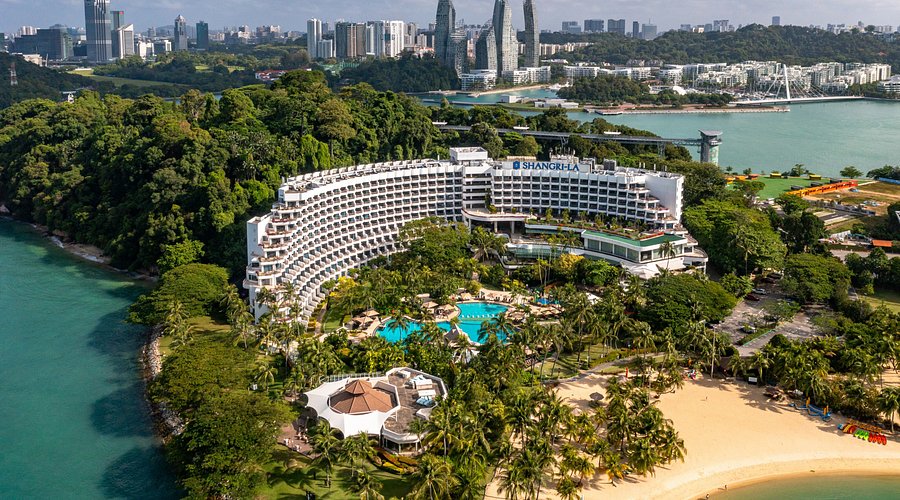
    Shangri-La Asia, a leading player in the Asian hospitality sector, has named Kuok Hui Kwong as its new chief executive officer, effective August 1. Kuok is the daughter of Robert Kuok, who stands as Malaysia’s wealthiest individual.

    Solid Leadership Experience

    At 47 years old, Kuok has been a pivotal figure within Shangri-La, having served as executive director since June 2016 and as chairperson since January 2017, as noted by Business Times. Holding a distinguished background, she boasts a degree in East Asian Studies from Harvard University and was previously managing director and CEO at SCMP Group, the publisher behind the South China Morning Post.

    Generous Compensation Package

    Her new role comes with considerable compensation: a monthly base salary of $73,377, along with potential discretionary bonuses and pension benefits, according to The Straits Times. Yet, it’s not just about the dollars; Kuok’s impressive business acumen has propelled her to 40th place on Fortune’s 2024 list of Asia’s most powerful women — a fitting title for someone stepping into the CEO role of one of Asia’s largest hotel chains.

    A Thriving Hotel Empire

    Shangri-La Asia’s recent 2024 annual report highlights the company’s robust portfolio, comprising 81 of the more than 100 hotels it operates across four prominent brands: Shangri-La, Kerry, Hotel Jen, and Traders. These properties hold a combined net asset value of $10.83 billion, reflecting not just a legacy of luxury, but also a definitive foothold in the competitive hotel landscape.

    Questions & Answers

    What experience does Kuok Hui Kwong bring to her new role as CEO?
    Kuok has been involved with Shangri-La Asia for several years as both an executive director and chairperson, and she previously held the position of managing director and CEO of SCMP Group, showcasing her extensive leadership experience.

    How is Kuok’s salary structured in her new position?
    Kuok’s compensation includes a monthly base salary of $73,377, complemented by discretionary bonuses and pension benefits, positioning her as one of the well-compensated leaders in the hospitality sector.

    What does Shangri-La Asia’s hotel portfolio look like?
    The company operates over 100 hotels under its four main brands, with a significant portion owned by the group, amounting to a robust net asset value of $10.83 billion, solidifying its strong market presence.

  • LOEWE’s 4th store in Korea opens

    LOEWE’s 4th store in Korea opens

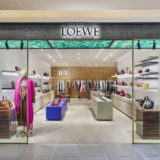
    Spanish brands LOEWE opened a women’s store on the second floor of the Hyundai Department Store. LOEWE is a Spanish leather brand with over 170 years of history and is now attracting the attention of global fashion people, led by designer Jonathan Anderson.

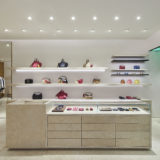
    According to LOEWE, the store is the 4th one to open in Korea, and Loewe plans on developing women’s bags, clothing, accessories and eye-wear in its newly opened store. In addition, the brand will present exclusive products for Hyundai Department Store in commemoration of the store opening.

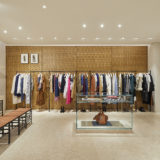
    The concept of this store is known as ‘Casa Loewe’, designed by Brand Creative Director Jonathan Anderson, using materials such as Spanish limestone, walnut wood and concrete to feature strong mood.

    Eye-catching furniture exclusive to the store are displayed around the space. The brand had a specially-made carpet to show the LOEWE DNA “craftsmanship”.

    With the upcoming holiday season, LOEWE plans on releasing its “Mackintosh” capsule collection. Some items of the collection are exclusive to the Hyundai department store.

    While the newly opened store is one for women, LOEWE opened the men’s store in Galleria department store last October.

    View gallery below for pictures (5 images) :

  • Luk Fook sales drop 10 per cent in latest quarter

    Luk Fook sales drop 10 per cent in latest quarter

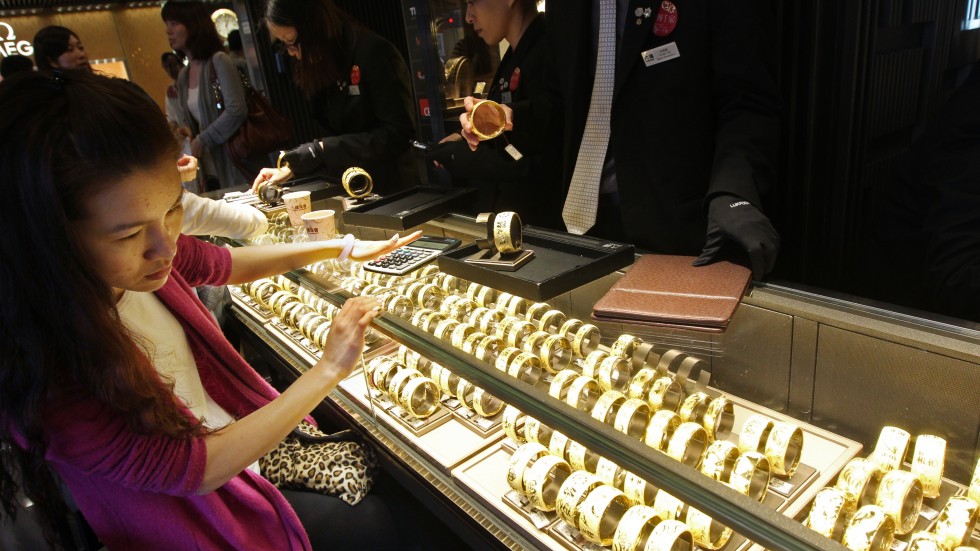
    Luk Fook sales in the third quarter fell 10 per cent on a same-store basis. “Recent market sentiment has been adversely impacted by the US-China trade war, the depreciation of Renminbi, and downward pressure in the stock and property markets,” said chairman Wai Sheung Wong ina  stock exchange filing. Luk Fook says same-store sales of gold products fell by 9 per cent and of gem-set jewellery by 8 per cent.

    The company’s disappointing figures come in the same week as rival jeweller Chow Tai Fook reported an 11 per cent decline in sales across Mainland China, Hong Kong and Macau.

    Wong said the Renminbi’s depreciation led to higher tendency for customers to purchase lower-value items, resulting in a double-digit drop in the average selling price of gem-set jewellery products.

    Same-store Luk Fook sales in Mainland China fell by 14 per cent, with gold products down 16 per cent and gem-set jewellery down 5 per cent.

    As at December 31 the company operated 221 of its own Lukfook stores, including 150 on the mainland, 49 in Hong Kong, 11 in Macau and 11 overseas. It supplied 1573 licensed shops on the mainland, one in Cambodia and one in the Philippines, making a total of 1796 worldwide.

  • agnès b. brings art to Hong Kong

    agnès b. brings art to Hong Kong

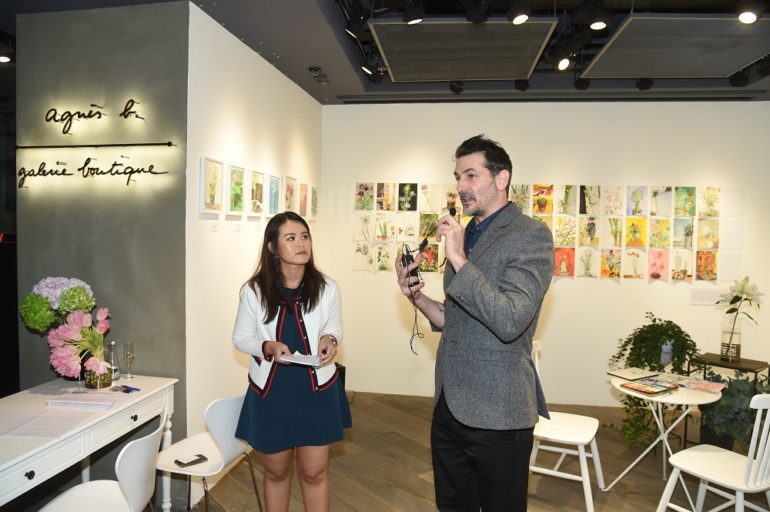
    agnès b. Galerie Boutique has always brought beautiful and artistic works to Hong Kong. In January, agnès b. Galerie Boutique was pleased to welcome renowned, published Belgian cartoonist turned artist, François Olislaeger, who has participated in exhibitions at the Contemporary Art biennal in Le Havre in France, at the Cité de l’Architecture and at the Gaité Lyrique.

    In Hong Kong for the first time, François exhibits his Une Fleur Par Jour (A flower a day) project inspired by his obsession with heavenly flowers.

    In 2016, François Olislaeger turned himself into a florist crafting an incredible herbarium of Cacti, Bougainvillea, Lysis, Daisies and Tulips with the utmost care and attention to detail. It is here that he honed in on his craft using gentle, pastel watercolours to depict “simply” feeling the power of flowers and paint.

    Through each flower’s lifecycle François focused on the emerging blossoms, changes of colour palettes, the variation of gestures and movement from each unique bloom, he then reinterpreted it through soft watercolours onto canvases with a sense of artistic freedom and playfulness.

    François Olislaeger’s flowers don’t have the precision of botanic boards – it is not his vocation. They don’t have the radicalness of those of Ellsworth Kelly yet. The creativity is somewhere else, in the context, in the setting, some details more or less noticeable – a colour, an incongruous presence, and petals hanging. François Olislaeger’s flowers are innocent. For the moment, they talk mainly about love – of art, of life, of a father for his young daughter Lila – and about the transformation of a very talented cartoonist becoming a painter.

    agnès b. Galerie Boutique is showcasing more than 80 pieces of François’s collection in this exhibition, some of the artworks were previously exhibited in agnès b. Galerie du jour in Paris, however for the majority of his collection – this is their first showcase and the exhibition is now open to public until 30 June 2019.

    agnès b. Galerie boutique was delighted to welcome François Olislaeger to the vernissage of his exhibition at the agnès b. Galerie Boutique on the night of 31 January 2019.

    Media and KOL friends were treated to a personal recollection of what inspired him to create his artwork as well as witness François live paint the Lily and two other artworks exclusively for the Hong Kong exhibition. agnes b. Galerie Boutique also designed 7 styles of temporary tattoo stickers that guests were about to take home a memory of his art.

  • Luxury Market Growth Anticipated to Taper Off in 2025 Amid Economic Shifts

    Luxury Market Growth Anticipated to Taper Off in 2025 Amid Economic Shifts

    The luxury goods sector, a dazzling stalwart of economic growth that typically thrives at about 7% annually, is bracing for a slowdown in 2025, according to insights from Morgan Stanley. This promising world of high-end fashion and lavish accessories is finding itself tangled in a web of challenges—rising macroeconomic pressures, constrained pricing power, and plummeting demand from vital markets threaten its golden sheen.

    Challenges from Major Markets

    After a spectacular sales jump of over 80% between 2019 and 2024—boosted by COVID-era savings, U.S. stimulus, and an influx of new consumers—the luxury market is now facing a more uncertain horizon. Key consumer markets such as China, the U.S., and Europe, which cumulatively represent a staggering 75% of the industry’s spending, are showing signs of weakening demand.

    The Post-Pandemic Reality Check

    The industry is grappling with the normalization of growth post-pandemic, compounded by U.S. tariffs, soaring interest rates in Western nations, and widespread expectations of a slower global economy. “We are in a very different environment today,” asserts Edouard Aubin, Morgan Stanley’s Head of European Luxury Brands Research. “Luxury pricing power has eroded following steep price increases after the pandemic, and Chinese demand is likely to remain stagnant at best this year.”

    Shifting Consumer Sentiment

    The once-vibrant spending habits of Chinese consumers, who are typically the biggest patrons of luxury goods, have significantly dialed back. A recent Morgan Stanley AlphaWise survey of over 2,000 Chinese shoppers conducted in April reveals that 60% plan to cut back on spending in the coming six months due to job instability and income worries stemming from new U.S. tariffs.

    Fading Hopes for Recovery

    The outlook for U.S. consumers stepping in to fill the gap appears dim, with hopes for a 2025 rebound rapidly diminishing after a brief surge in April fueled by seasonal buying and pent-up demand. While some companies managed to evade tariff repercussions by shipping their products early, Morgan Stanley warns that the looming risk of recession and declining consumer confidence is a far greater threat to the sector.

    In the short term, demand is projected to remain lackluster, with a flicker of hope that recovery might materialize if U.S. markets continue their climb or if stability returns to China’s beleaguered real estate sector. As the luxury industry faces these turbulent waters, it’s a reminder that even the glitziest of markets must sometimes contend with unpredictable tides.

    Questions & Answers

    What is Morgan Stanley predicting for the luxury goods industry in 2025? They forecast a slowdown in growth, citing rising macroeconomic pressures and weakened demand from key markets.

    Which markets are contributing to the decline in luxury spending? Major consumer markets such as China, the U.S., and Europe are experiencing softer demand, collectively responsible for 75% of the industry’s spending.

    What factors are affecting consumer behavior, especially in China? According to a survey, 60% of Chinese consumers plan to reduce spending due to concerns about job stability and income levels influenced by new U.S. tariffs.