Tag: luxury

  • Singaporeans Embrace Affordable Luxury in China’s Flourishing High-End Hotel Scene

    Singaporeans Embrace Affordable Luxury in China’s Flourishing High-End Hotel Scene

    The high-end hotel landscape in China is undergoing a vibrant transformation, with a flurry of new establishments rising from the urban skyline to serene natural retreats. This dynamic boom is creating fresh opportunities for travelers, especially those from Singapore.

    Hilton’s Ambitious Expansion

    Take Hilton, for example. The hospitality giant has expanded its footprint to over 840 hotels across China and Mongolia, officially recognized as the “fastest-growing international hospitality company” in the region by Wendy Huang, senior vice-president and commercial director for Greater China and Mongolia. Between now and 2024, Hilton plans to open more than 100 new hotels each year. Currently, it boasts 17 luxury properties and aims to double that number within the next decade.

    Marriott’s Growing Portfolio

    In a similar vein, Marriott International has over 600 properties scattered across approximately 140 locations in China. The company operates 70 luxury hotels and has 40 more under development, further enriching the high-end lodging options for international travelers.

    Revival of Interest Among Singapore Travelers

    The flourishing luxury hotel scene is reviving interest in Chinese destinations among Singapore travelers, as reported by The Straits Times. Flight searches from Singapore to Lijiang in Yunnan province skyrocketed by 410% year-on-year in the first half of 2024, according to Skyscanner’s 2025 Travel Trends report.

    Paralleling this trend, Hilton’s 2025 Trends Report highlights China as a top choice among Singapore-based travelers during the holiday season from late December to early January. Notably, searches for Shanghai and Guangzhou surged by 81% and 87%, respectively, with 23% of Gen Alpha and Gen Z travelers expressing significant interest in visiting China.

    Significant Arrival Increases

    This renewed curiosity is translating into increased arrivals. Last year, approximately 535,000 travelers from Singapore visited China, more than doubling from 260,000 in 2023, according to Oxford Economics. While still shy of pre-pandemic levels of over a million visitors annually, this surge indicates a robust recovery in travel demand, as reported by the South China Morning Post.

    Yunnan: A Hot Destination for Singaporeans

    Nitesh Pandey, chief operating officer for Asia Pacific at hotel management company The Lux Collective, noted that the number of Singapore tour groups to China spiked fivefold between June 2023 and June 2024, particularly highlighting Yunnan-Guizhou-Sichuan as a favored route. “Yunnan is quickly becoming one of the most desired destinations for Singaporeans, celebrated for its scenic beauty and the rich cultural tapestry of 25 of China’s 56 minor ethnic groups,” Pandey remarked to TTG Asia.

    Affordable Luxury

    The affordability of these luxury hotels is a major draw for Singaporeans, bolstered by a strong exchange rate and fierce competition among China’s vast hotel offerings. The Singapore dollar has appreciated against the yuan from 4.61 in December 2021 to 5.55 this past Thursday, making lavish accommodations much more accessible. For instance, a night at Hilton Shanghai City Center in September is priced at around S$211 (US$162), significantly less than Hilton Osaka’s rate of S$408.

    “When comparing four- to five-star hotel prices in China with other destinations, you’re often getting much more value for your money,” stated Edmund Ong, senior regional director for Southeast Asia at the online travel agency Trip.com. Many Singaporeans returning from trips to China echo this sentiment about the country’s affordable luxury.

    Take cybersecurity professionals Lionel Wee, 34, and Joanna Lee, 27; they enjoyed four nights at the InterContinental Haikou Seaview for just S$421 in April. “For an upscale hotel, this is a steal, even if it’s considered on the pricier side for China,” remarked Lee. The duo had also stayed at Glenview ITC Plaza Chongqing last October, spending S$700 for six nights. “I now want to visit China at least once a year; it’s becoming my go-to like Bangkok or Bali—relaxed and easy,” shared Wee.

    Jordy Cheah, who has visited China seven times in the last year, cited affordability as a major allure, alongside the country’s captivating nature, convenience, and vibrant local culture. “It’s close to mountains and lakes, has great weather, delicious fresh produce, and a slower pace of life—all while enjoying plentiful lodging options that are generally cheaper than in Singapore,” mentioned Cheah, a 28-year-old tech sales representative.

    Questions & Answers

    What makes China an attractive destination for Singaporean travelers?
    China offers a rich blend of scenic beauty, cultural diversity, and affordable luxury accommodations, making it a compelling choice for travelers from Singapore.

    How much has travel interest from Singapore to China increased?
    Flight searches from Singapore to various Chinese cities have surged significantly, with a notable 410% increase in interest towards Lijiang.

    What does the current hotel pricing in China look like compared to other destinations?
    Luxury hotel prices in China are generally viewed as more affordable than those in destinations like Japan, with many travelers expressing satisfaction with the value they receive during their stays.
  • Filipino Billionaires’ Wealth Soars by $7.6B Amid Retail Growth

    Filipino Billionaires’ Wealth Soars by $7.6B Amid Retail Growth

    In a landscape marked by resilience and growth, the wealth of Filipino billionaires has captured the attention of the retail and investment sectors alike. As these influential figures expand their businesses and adapt to emerging consumer trends, their stories exemplify the dynamic nature of the Philippine economy.

    Manuel Villar: The Visionary Behind Villar Land Holdings

    Manuel Villar, 75, reigns as the wealthiest among Filipino billionaires, with an estimated net worth of $17.2 billion as of March 7, up from $11 billion the previous year, according to Forbes. Leading Vista Land & Lifescapes, Villar’s empire includes retail chains like Vista Malls and AllHome, alongside Golden MV Holdings, which focuses on mass housing and memorial parks.

    In a significant move last September, Golden MV acquired multiple firms holding 366 hectares of prime real estate within Villar City, a visionary 3,500-hectare township south of Manila. This strategic acquisition reinforces Villar’s commitment to developing a legacy that melds community and commerce, culminating in the recent name change to Villar Land Holdings Corp., approved by shareholders in December.

    Enrique Razon Jr.: Driving Growth in Shipping and Beyond

    At the helm of International Container Terminal Services, Enrique Razon Jr., 65, is a force in the shipping industry. The company, which processed over 13 million twenty-foot equivalent units of cargo in 2024, is enhancing its global footprint through strategic investments. In 2024 alone, the firm allocated $517 million for modernization projects in ports across Mexico and Brazil, with plans to invest a record $580 million for further expansion this year.

    Razon’s diverse interests extend beyond logistics; he also holds significant stakes in the casino sector with Bloomberry Resorts and in infrastructure through Prime Infrastructure Capital, managing essential assets in energy and water. His net worth rose to $10.9 billion, reflecting a $900 million increase from last year.

    Ramon Ang: The Multinational Conglomerate Leader

    Ramon Ang, 71, stands as chairman and CEO of San Miguel Corporation, a titan in the Philippines with roots dating back to 1890. Originally a brewery, the company now boasts a vast portfolio that spans food, beverages, packaging, fuel, and infrastructure.

    In a testament to its robust market performance, San Miguel’s core net income surged 22% to PHP52.3 billion (approximately $929 million) last year, fueled by strong sales across various sectors. Ang’s wealth climbed to $3.7 billion, signaling continued confidence in the company’s growth trajectory.

    Lucio Tan: Innovating Across Industries

    Lucio Tan, 90, has marked his presence in the industry since 1982 with Asia Brewery. As founder of LT Group, he has diversified into tobacco, liquor, banking, and real estate. In 2024, LT Group reported a 12% revenue increase to PHP129 billion, bolstered by improvements across core businesses. Tan’s fortune has now reached $3 billion, a notable 20% rise from last year.

    Henry Sy Jr.: Navigating New Challenges

    As the eldest son of late billionaire Henry Sy Sr., Henry Sy Jr., 71, represents the legacy of SM Investments, the Philippines’ colossal conglomerate. From a 1958 shoe store to today’s diversified empire, which includes SM Prime Holdings and BDO Unibank, the firm reported a net profit of PHP82.6 billion last year, an increase of 7% from 2023.

    However, shares of SM Investments experienced a 15% decline in early 2024, impacting the wealth of Sy and his siblings. As of March 7, Henry Jr. has a net worth of $2.3 billion, a decrease from $2.5 billion last year.

    Looking Ahead: The Retail Sector’s Vibrant Future

    The upward trajectories and diverse investments of these prominent figures showcase not just their individual successes but also the evolving landscape of the Philippine retail and real estate sectors. As these billionaires continue to expand their empires, the potential impacts on consumer trends and market dynamics remain significant, suggesting a promising future for both investors and consumers alike.

  • Prada brings Versace home to create Italian luxury contender

    Prada brings Versace home to create Italian luxury contender

    Prada’s deal to buy Versace revives hopes for a ‘made in Italy’ luxury champion after many other family-founded brands ended up in French, Swiss or US hands, and comes as many Italian groups are outperforming the struggling sector.

    The US$1.375 billion deal brings one of fashion’s best-known Italian labels back under Italian control after it was sold to US-listed Capri Holdings, then known as Michael Kors, for $2.15 billion including debt in 2018.

    Despite Italy accounting for 50 per cent to 55 per cent of global personal luxury goods production, according to consultancy Bain’s estimates, the country lacks a group with a scale that matches up to French players such as LVMH and Gucci-owner Kering.

    Milan-based Prada, controlled by designer Miuccia Prada and husband Patrizio Bertelli and listed in Hong Kong with a market capitalisation of about $15 billion, is the largest Italian luxury fashion group by revenue.

    But the group, which also includes the fast-growing Miu Miu label, has been a relative minnow in terms of stock market valuation compared with the likes of Louis Vuitton-owner LVMH.

    The Versace deal comes after Andrea Guerra became Prada’s CEO in 2023 to bridge a change in generation, with Lorenzo Bertelli, the son of the company’s main owners and its chief marketing officer, regarded as the heir apparent.

    “Prada’s ambition to become a leading Italian luxury conglomerate is a significant move in a market that is dominated by French groups. It’s exactly what many Italians have been hoping for”, said Achim Berg, a fashion and luxury industry adviser.

    The combined revenue of the five biggest Italian-owned listed luxury groups – Prada, Moncler, Ermenegildo Zegna, Brunello Cucinelli and Ferragamo is still well below Kering’s roughly $19 billion, even after a big fall in sales at the French group last year.

    Company founder Brunello Cucinelli summed up the difference in approach on the two sides of the Alps in typically colourful fashion.

    “Our esteemed French counterparts are great financiers,” he told the Milano Fashion Global Summit 2024 last October.

    “But we Italians regard our ‘tiny big’ companies as if they were our little children, so we want to look after them and hand them down to a next generation,” he added.

    While LVMH and Kering have swallowed many Italian brands, even the larger Italian groups have until now been comparatively reluctant to make big acquisitions.

    “This acquisition represents Prada’s serious attempt to build a group – and a much more ambitious one compared to their past ventures with Helmut Lang and Jil Sander,” Berg said.

    Prada’s chairman and co-owner Patrizio Bertelli defined the acquisition of those two brands – which were bought at the turn of the century and sold a few years later – as “strategic mistakes”. The group has since focused mainly on organic growth, with the exception of acquisitions of suppliers.

    Both Prada and Versace have their roots in Milan and still have headquarters there, just four kilometres (2.5 miles) apart.

    Milan-based Moncler, the mountain gear brand that was bought and revived by Italian entrepreneur and current main shareholder Remo Ruffini in 2003, has also shown some interest in dealmaking, buying Italian streetwear brand Stone Island in a $1.3-billion deal agreed in late 2020.

    Moncler’s net cash position of $1.5 billion has fuelled analyst talk of more deals, but the group has denied such speculation.

    Jil Sander is now part of Italian entrepreneur Renzo Rosso’s OTB Group, which also includes brands such as Diesel and Maison Margiela. But with annual sales of $1.9 billion, it remains relatively small.

    The big Paris-based groups, meanwhile, have continued to make forays into Italy, underscoring the challenge an enlarged Prada would face to compete with them.

    In the latest deals, Kering bought a 30 per cent stake in Italian maison Valentino in 2023, and LVMH last year helped to take Tod’s private and took a 10 per cent stake in Moncler’s top shareholder.

    In the longer-term, eyes are on companies such as Milan-based Armani and Dolce & Gabbana, among the few in Italy that are still fully family-owned and unlisted.

    Their ultimate fates could be decisive in any effort to create a true Italian powerhouse in global fashion.

  • Hermes achieves double-digit sales growth in fourth quarter

    Hermes achieves double-digit sales growth in fourth quarter

    Hermes has posted double-digit sales growth for the fourth quarter and the full fiscal year, which management described as a solid performance in an “uncertain” environment.

    The company’s revenue surged 18 percent to €4 billion (US$4.2 billion), both on a reported and constant currency basis, during the quarter ended December 31. This extended the 11.4 percent uplift in the third quarter.

    Sales in Asia excluding Japan were up 10 per cent despite the downturn in traffic in Greater China. In Japan, sales jumped 20 per cent driven by the loyalty of local clients.

    The Americas rose 21.4 percent, while Europe increased 16.9 percent.

    For the full year, revenue rose 13 percent (15 percent in constant currency) to €15 billion, and consolidated net profit increased 7 percent to €4.6 billion.

    “In 2024, in a more uncertain economic and geopolitical context, the solid performance of the results attests to the strength of the Hermes model and the agility of the house’s teams,” said executive chairman Axel Dumas.

    “While preserving the group’s major balances and its responsibility as an employer, the house is staying the course, attached more than ever to its fundamental values of quality, creativity and savoir-faire,” he added.

    The company expects to record continued revenue growth in the medium-term despite the economic, geopolitical and monetary uncertainties.

  • Thailand’s luxury auto sales drop 25% in 2024

    Thailand’s luxury auto sales drop 25% in 2024

    Luxury auto sales in Thailand plunged 25% to 30,000 units last year as a struggling economy hurt buyers.

    The slow economic expansion rate (projected to be 2.4-2.7%) and banks’ tighter criteria for auto loans have resulted in a negative impact across the the automotive industry, said Teeraphong Rodloy, country manager of Wearnes Automotive Thailand.

    “Overall sales in the luxury car segment were affected by these economic circumstances,” he said.

    Wearnes Automotive Thailand, the importer of British sports car maker Lotus Cars, said that prospective buyers have been affected by the impact of the sluggish economy.

    The slowdown extended beyond luxury vehicles. Pickups was among the segments with steepest declines.

    In the first 10 months last year sales of pickups dropped 39.5% to 137,456 units, according to the Federation of Thai Industries.

    Sales hit the lowest in 23 years, said Ratthakarn Jutasen, managing director of Ford Thailand.

  • LVMH buys into Swedish label Our Legacy

    LVMH buys into Swedish label Our Legacy

    LVMH has acquired an undisclosed minority stake in Swedish fashion brand Our Legacy, The Business of Fashion reported.

    The transaction comes following Our Legacy posting sales of €40 million (US$42.9 million) in the year ended June 30.

    Our Legacy will use the proceeds of the transaction to strengthen operations and open flagship stores in key cities such as Paris, New York, Los Angeles, Tokyo, Shanghai, and Hong Kong.

    Currently, Our Legacy has two stores in Stockholm, one in London and one in Berlin. It also has three stores in South Korea, in partnership with local distributor Handsome Corp.

    The brand is set to open a new store in Paris in late next year.

    “It’s not like we needed the investment from a cash-flow perspective – our revenue figures doubled three years in a row and we achieved really healthy profitability,” Jockum Hallin, Our Legacy co-founder, told the BOF.

    “It’s more to look to the future as we build the next era.”

  • Dior opens reinvented Galaxy Macau boutique

    Dior opens reinvented Galaxy Macau boutique

    Luxury fashion house Dior has launched its revamped Galaxy Macau boutique, offering more exclusive shopping experiences.

    The store, located at one of the finest shopping locations, Galaxy Promenade, has two floors and offers a varied range of items such as ready-to-wear and accessories designed by Maria Grazia Chiuri and Kim Jones, as well as watches and jewellery.

    The venue also features the My Dior fine jewellery line, the Dior autumn-winter 2024-2025 ready-to-wear collection with 30 Montaigne models, and Victoire de Castellane’s Rose des Vents and My Dior designs.

    The second store features men’s clothes from the Dior Winter 2024-2025 collection, as well as the Lifestyle Capsule, which focuses on board sports.

    In addition, the boutique offers VIP private shopping spaces.

  • Hermes reopens Lee Gardens store in Causeway Bay

    Hermes reopens Lee Gardens store in Causeway Bay

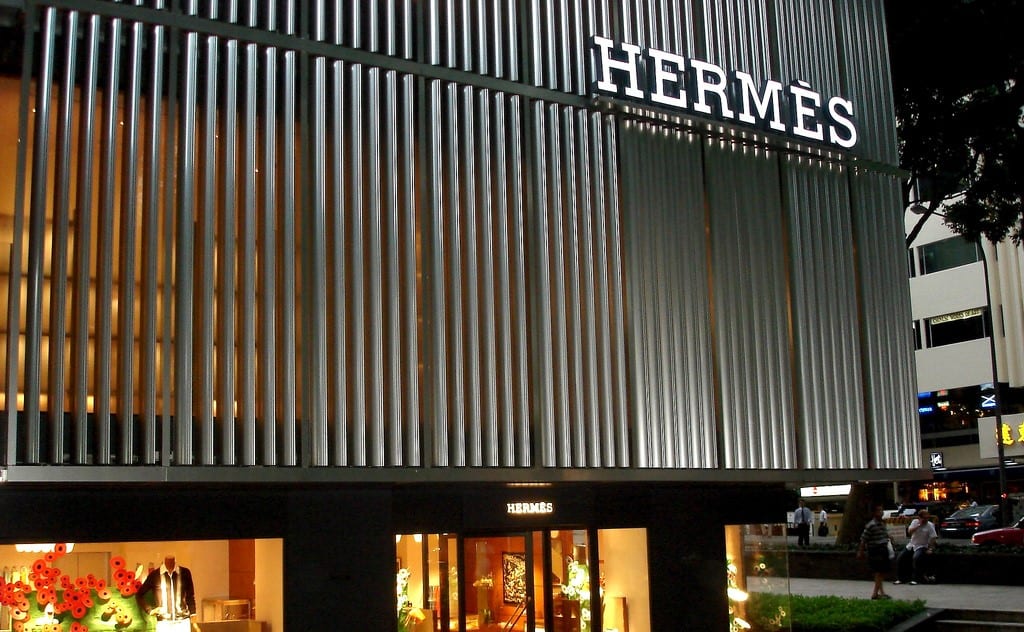
    Hermes has reopened its expanded store at Lee Gardens in Causeway Bay, Hong Kong.

    The store first opened in 1997 and is one of the luxury brand’s six stores in the metropolis.

    Hermes partnered with Parisian architecture agency RDAI for the expanded store’s design, which draws inspiration from nearby natural landscape.

    The expanded store now features three storeys, with its curves and ridges inspired by Hong Kong’s masonry wall trees and the interior showcasing metallic panels.

    A triptych of horses in motion by Japanese artist Ryu Mitarai is displayed at its three windows, which can be seen from the outside.

    The lower floor flaunts Hermes’ men’s and women’s ready-to-wear items, equestrian goods, home collection, and has two private rooms.

    A wooden cocoon on the first floor presents leather, watches, and jewellery metiers.

  • Hermes beats rivals with record sales growth and net profit

    Hermes beats rivals with record sales growth and net profit

    French luxury house Hermes has reported a 16 percent growth in revenue to $14.46 billion for last year, with net profit surging 28 percent to $4.64 billion despite global demand for luxury goods slowing down.

    Sales in the fourth quarter ended December 30 reached $3.56 billion, up 13 percent.

    “These solid results reflect the strong desirability of our collections and the commitment and talent of the house’s women and men,” said Axel Dumas, executive chairman of Hermes.

    The group’s sales in America and Europe increased by 21 percent and 20 percent, respectively, and in Asia (excluding Japan), by 19 percent, with sales growth in all the region’s markets. Sales in Japan surged 26 percent.

    “In the medium-term, despite the economic, geopolitical, and monetary uncertainties around the world, the group confirms an ambitious goal for revenue growth at constant exchange rates,” the company said in a statement.

    Further reading, Gucci’s parent company, Kering Group, reported a revenue of $21 billion for last year, down 4 percent against 2022.

  • Luxury car dealer allegedly sells customer’s $1M Brabus 800

    Luxury car dealer allegedly sells customer’s $1M Brabus 800

    Without his knowledge, luxury car dealer Phan Cong Khanh has been accused of selling a customer’s luxury car for VND24.5 billion ($1.04 million).

    A person named Manh from the southern province of Kien Giang has complained to the police that he had lent his Brabus 800 to Khanh in early June to put on display at the launch of his dealership in Ho Chi Minh City.

    But a few weeks later he found out that Khanh had sold the car to a buyer in HCMC for VND24.5 billion.

    Brabus is a German high-performance automotive aftermarket tuning company.

    The Brabus 800 is the upgraded version of the Mercedes AMG G63, and costs around VND30 billion in Vietnam.

    Some vendors have also complained that Khanh owes them money for services they provided for the launch of K Supper, his luxury car dealership in District 1.

    They include VND100 million for bouquets, VND25 million for renting a crane and some money for construction.

    Mohamach Da Pha’s employee has also been accused of mortgaging a person’s car without consent.

    The police said that in April Pha borrowed a VND1.8-billion BMW from a man named Son and offered to sell it.

    But Son found out recently he had mortgaged his car for VND1 billion.

    The HCMC police are investigating.

    Khanh, a native of the Mekong Delta province of Ben Tre, has the reputation of selling the most luxurious cars in Vietnam.

    In June, he entered the car dealership business in 2017 and opened his K Supper showroom in HCMC’s District 1.

    He regularly posts photos of himself standing next to Rolls-Royce, McLaren, Lamborghini, Ferrari, and Porsche cars on social media, and writes about how young people can start a business and make money.

  • Luxury giants bank on Chinese return as Western shoppers sober up

    Luxury giants bank on Chinese return as Western shoppers sober up

    The focus of the luxury industry is shifting back to China, with hopes that its high-end spenders will once again splurge on designer goods during Lunar New Year festivities as Beijing relaxes Covid curbs after three long years.

    Quarterly results from LVMH and Europe’s other luxury goods companies will offer glimpses of the toll of last year’s Covid-related disruptions in China, even as the companies roll out pricey new collections tied to the Year of the Rabbit.

    They are expected to see a deceleration in sales growth over the quarter as the post-pandemic splurge on designer fashions begins to ease in the United States and Europe.

    Consensus estimates cited by UBS are for fourth-quarter sales growth of 7 per cent at LVMH, which releases full-year results on Thursday, and for a sales decline of 2 per cent at Kering, which reports results on February 15. Hermes, which reports fourth-quarter results on February 17, is expected to show sales growth of 17 per cent, a decline from 24 per cent in the third quarter.

    The industry’s showing in China will highlight the hit from lockdowns and its subsequent exit from a zero-Covid policy, which has spurred a surge of infections in the world’s second-largest economy. Luxury spending by Chinese nationals had dipped from 33 per cent of the global personal luxury goods market in 2019 to as little as 17 per cent last year, according to estimates from consultancy Bain.

    “We do believe they will come back to the luxury sector in a heavy way, to catch up on what they couldn’t do in 2022,” said Caroline Reyl, head of Premium Brands at Pictet Asset Management, referring to Chinese consumers.

    End-of-year trading updates last week from Britain’s Burberry and Cartier-owner Richemont gave investors a peek at the knock.

    Richemont missed market estimates after sales in China plunged by a quarter. Customer traffic at its stores dwindled and staff at times were not available. Many stores reduced hours or closed temporarily. Burberry’s like-for-like sales growth slowed sharply to 1 per cent in the quarter to the end of December after a 23 per cent fall in mainland China.

    But Burberry said it was optimistic consumers in China would start spending again and Richemont saw a rebound there before the holiday, adding to rising expectations for the months ahead.

    China is forecast to become the luxury industry’s biggest market by 2025. The luxury sector is among the largest expected winners from China’s loosening of restrictions that kept shoppers out of stores for months, with shares at LVMH, Europe’s most valuable listed company worth about US$433.1 billion and Hermes recently hitting historic highs.

    At Paris fashion shows, which run through the end of this week, Chinese buyers, a staple at such events before the pandemic hit, still haven’t returned in droves.

    Although the Chinese are expected to initially resume travelling within Asia, Europe is a region that particularly stands to benefit from a return of Chinese tourists. Reyl told Reuters she believes Chinese shoppers may begin to return to Europe in a noticeable way at the end of the second quarter or during the second half of this year.

    In the United States, some Americans are cutting back discretionary spending due to decades-high inflation. Credit card data from Citigroup showed that luxury spending in the United States in December was down 10 per cent year-on-year and, compared to 2019, turned negative, down 2 per cent, largely due to weaker business in department stores and online platforms.

    However, travelling Americans likely continued boosting the fortunes of luxury labels in Europe, with US nationals leading a recovery in tax-free shopping in Europe, according to December data from Global Blue.

  • Multi-million dollar apartments catch super-rich’s eyes

    Multi-million dollar apartments catch super-rich’s eyes

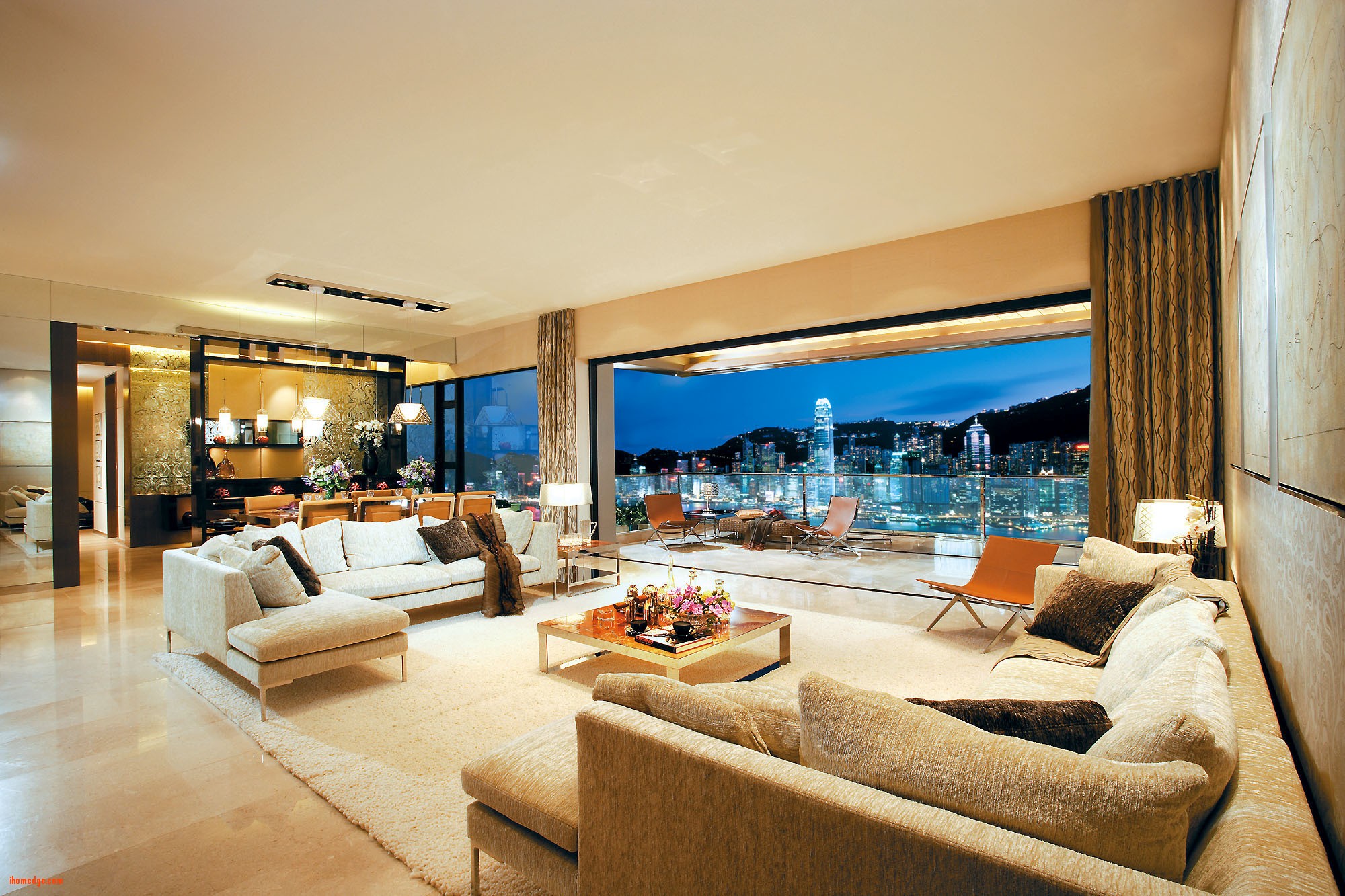
    Wealthy people are splurging millions of dollars to buy ultra-luxury apartments mostly as second homes. Hoa, owner of a house and a villa in HCMC’s Thu Duc City, said she recently bought a VND30-billion (US$1.3 million) apartment.

    Located on the 27th floor of a luxury project, the 200-square-meter unit offers unobstructed views of the Saigon River.

    It had four bedrooms, but Hoa took one down to expand the kitchen and living space.

    She topped it off with bespoke interiors at a cost of over VND5 billion, including a VND1 billion lighting system imported from Italy, two exotic paintings that cost hundreds of millions of dong and a $20,000 speaker system.

    It took her over a year to finish decorating, she said.

    “The apartment’s beautiful views, convenient car parking and relaxing atmosphere make it the ideal place for me to entertain friends and guests,”

    A broker has asked to buy her apartment for VND35 billion, but she refused.

    “I want to keep it for myself,” she said.

    Truong, an experienced investor, bought a penthouse in the heart of District 1 as a second home besides his 300 sq.m villa in the south of the city.

    The 200-sq-m unit cost him VND25 billion and another VND8 billion for decoration and interiors, he said.

    “I spent VND33 billion on this unit because of its amenities, security and views. I can watch firework displays right from here, something that townhouses and villas cannot provide.”

    Rising trend

    Luxury apartments have recently become very popular with successful businesspersons, NeloDécor, an architecture and interior design firm specializing in high-class properties, said.

    The company has just finished decorating a $2-million sky villa for an entrepreneur for VND12 billion.

    Previously it designed and built the interiors for a penthouse for an affluent family, which cost $2.5 million to complete and another $1 million for interiors and smart devices.

    It is not uncommon for affluent people to spend $1-2 million for buying an apartment in the central business district and hundreds of thousands or millions of dollars more for decorating and doing the interiors, NeloDécor CEO Le Duy Van said.

    They are mostly super rich and already own multiple properties, and so have extensive demands, he said.

    Amenities, security and views are key factors for them while choosing to buy, he said.

    Most of them hire designers, but some design on their own, and are ready to knock down and rebuild multiple times until they are happy.

    Pham Lam, CEO of property consultancy DKRA Vietnam, agreed that demand for luxury apartments is rising.

    In some cases, properties serve the same purpose as expensive jewelry and supercars, he said.

    Rising supply

    Consultancy Cushman & Wakefield expects supply of luxury apartments in HCMC to rise this year, especially in the central business districts and Thu Thiem Peninsula.

    Their prices will surge, too, with new projects constantly rising to record levels, it said.

    Average price tags for luxury apartments surged by 23 percent year-on-year to VND143.6 million per square meter in the last quarter of 2021. For ultra-luxury properties, they went up to VND400 million.

    Eddie Lim, CEO of real estate developer Viva Land, said the number of rich people in Vietnam is rising faster than the global average.

    Vietnam is expected to have 1,551 ultra-high net worth individuals (UHNWIs) by 2026, compared to 1,234 last year, according to an estimate contained in a Wealth Report released by U.K. property consultancy Knight Frank.

    The company also predicts that the number of rich people, or those with a net worth of $1 million or more, including their primary residence, will rise sharply by more than 59 percent from last year to 114,807 in 2026.

    The Vietnamese luxury apartment market is also promising for foreigners, especially rich Asians, thanks to the country’s rapid economic growth and more competitive pricing than Singapore, Hong Kong, Japan and China.

  • Amazon tipoff leads to Chinese seizure of counterfeit luxury belts

    Amazon tipoff leads to Chinese seizure of counterfeit luxury belts

    Chinese authorities have seized hundreds of counterfeit belts bearing the Salvatore Ferragamo brand with the aid of Amazon’s Counterfeit Crimes Unit (CCU).

    The belt is one of Ferragamo’s most known accessories – its link-shaped buckle is used by the brand as a logo for many other products – and it sells for more than US$320.

    The investigation was part of a worldwide probe by Amazon and Ferragamo in identifying bad actors who are trying to sell fake products. Amazon bans the sale of fake goods on its platform globally and in 2020 invested more than $700 million to reduce the incidence of it happening.

    The two companies reported the fake vendor to the Market Supervision and Administration (MSA) authority in Yiwu City, located in China’s Zhejiang Province.

    MSA and CCU said they subsequently seized hundreds of counterfeit belts and buckle accessories which may have been sold throughout retail channels around the world.

    Both companies say they will continue to focus on law enforcement and preventing counterfeit products from entering the global supply chain.

    “This should serve as a reminder that bad actors will be held accountable, as Amazon collaborates with both brands and law enforcement agencies around the world to stop inauthentic products from being sold across the retail industry,” said Kebharu Smith, head of Amazon’s CCU.

    Salvatore Ferragamo last year ran a series of offline and online anti-counterfeiting measures to protect its customers and its brand, removing more than 22,000 products and profiles on social media platforms and over 130,000 product listings on online shops.

    In February last year Amazon and Ferragamo jointly filed two lawsuits in the US against manufacturers who had allegedly used Ferragamo’s registered trademarks to deceive customers over the authenticity of the products.

    The Organization for Economic Cooperation and Development has estimated the global trade in counterfeit products was worth as much as $464 billion in 2019 and said a boom in e-commerce in 2020-21 led to massive growth in the supply of counterfeit goods online.

  • Mercedes dealer to operate luxury car rental service

    Haxaco, a major Mercedes-Benz dealer, will focus on developing luxury car rental service this year besides its core business of car retail.

    In a recent annual meeting, its chairman Do Tien Dung said the firm has almost gained monopoly status in luxury car rental across Ho Chi Minh City and Hanoi, as competitors had been driven out of business due to the pandemic.

    Haxaco posted VND205 billion ($9 million) in profits in 2021, and it targets raising that by 3.4 percent this year.

    Besides being the dealer of Mercedes in Vietnam, it has also distributed MG, a UK car brand, since 2020.

    Dung said the MG reselling segment saw some achievements but has yet to meet the expectations of the company and its shareholders.

    Haxaco eyes becoming an exclusive distributor of a new car brand in Vietnam, but its chairman also noted that such ambitions need time and planning.

    It also plans to issue shares worth VND595 billion this year to raise funds for opening new Mercedes-Benz showrooms.

    Such investment is vital to maintain competitiveness against larger contenders, Dung added.

  • Inside Swarovski’s first Asian flagship store, at Shanghai

    Inside Swarovski’s first Asian flagship store, at Shanghai

    Swarovski has just opened its first Asian flagship store in HK Plaza, Shanghai. On the heels of the brand opening its Instant Wonder pop-up boutiques in 27 key locations around the world earlier this year, the Shanghai flagship will welcome customers into Swarovski’s world on a more permanent basis.

    “Throughout the journey of our transformation, we have been working towards a moment like this,” notes CEO Michele Molon, “The moment where guests can not only explore Swarovski products, but immerse themselves in our point of view, our personality, and the experience of intimately understanding the sense of joy and innovation from which each item is created.”

    As one of the key markets of Swarovski — and luxury as a whole — China, in particular the creative hub of Shanghai, feels like the natural place to open the brand’s first flagship in Asia. And this is no normal flagship. Creative Director Giovanna Engelbert sought to create in Wonderlab a place that transports customers into the imaginative world of Swarovski.

    Rooted in brand codes, colors, packaging, and heritage, the Swarovski Wonderlab does just that. “I am incredibly excited to unveil this beautiful space, inspired by the forward-moving landscape of China and her people. It’s the biggest, most ambitious store we’ve made, centimeter by centimeter thought through and brought into reality,” commented Englebert.

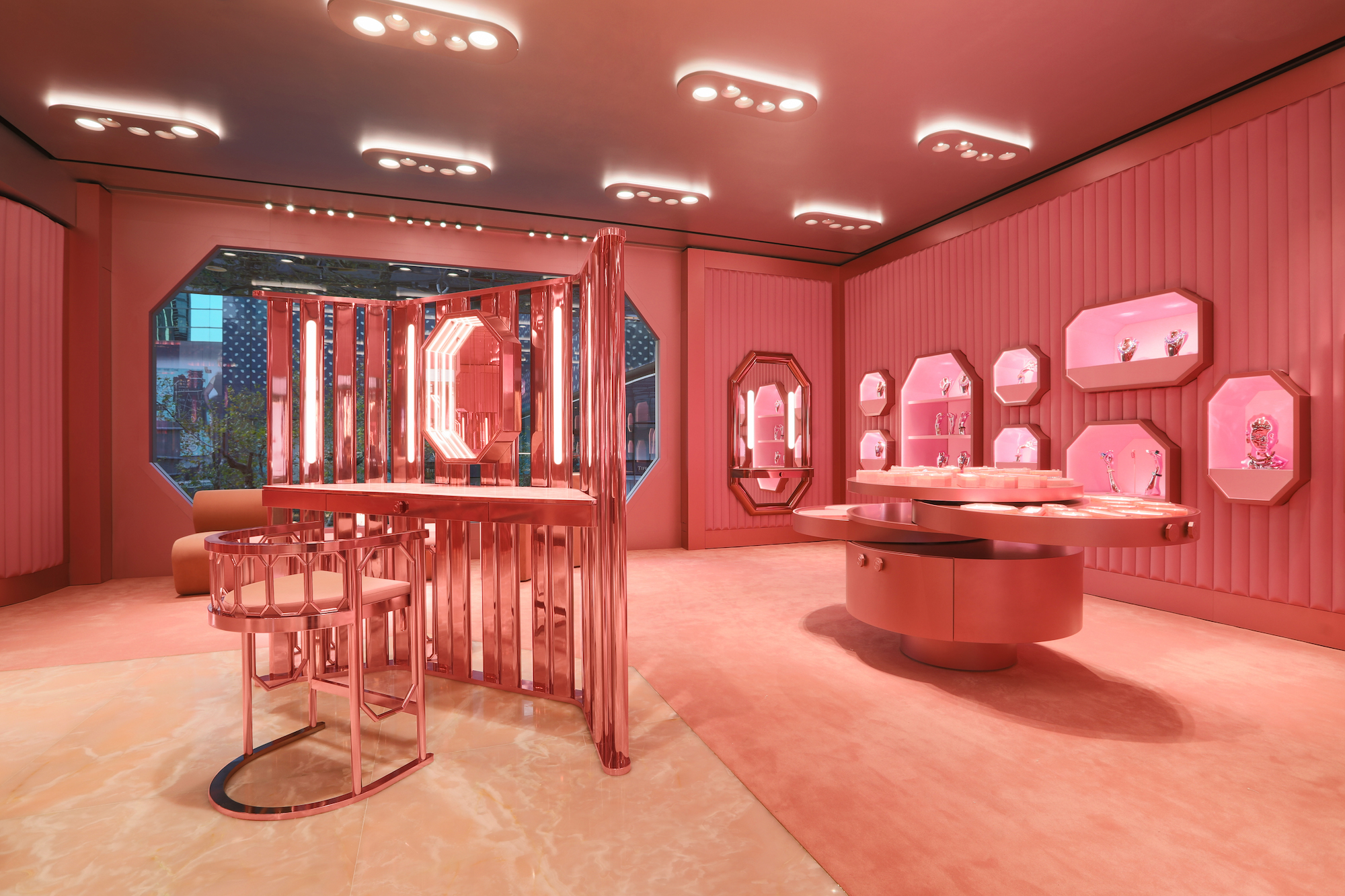
    Ambitious isn’t even half of it. Take in the metallic pink of the Wonder Room with a rotating central display and custom Swarovski Swan chairs or the Lucent stairwell which climbs to the Dream Room. Robotic arms nod to the innovation behind Swarovski’s developing offering, standing in stark contrast to the pastel pinks and mesmerizing crystals that define the rest of Wonderlab. The Swarovski Wonderlab is nothing short of a dreamscape in the heart of Shanghai.

    Swarovski’s Shanghai flagship opened on December 10, so be sure to visit for a taste of the future of retail if you’re in Shanghai.