Tag: luxury

  • Experience Nature and Luxury: Dior’s Botanical Pavilion Debuts in Tokyo

    Experience Nature and Luxury: Dior’s Botanical Pavilion Debuts in Tokyo

    Dior, a renowned luxury fashion brand, is poised to establish an immersive, botanical-themed pavilion in Tokyo. This development is in line with the brand’s previous initiatives of similar nature in Bangkok and Seoul.

    A Glowing Facade with a Parisian Touch

    The exterior of the new store takes its cues from Dior’s Paris flagship location, integrating elements of the original design into a stunning, bamboo-inspired golden facade. This captivating design not only embraces the brand’s roots but also assimilates local aesthetics, creating a harmonious blend of French elegance and Japanese simplicity.

    Embracing Nature and Art

    This project’s heart lies in a massive 19,000 square feet indoor green space, conceptualized by floral artist Azuma Makoto. The space features a tranquil Zen garden by landscape architect Seijun Nishihata, alongside a terrace and a pond populated with luminous glass koi carp. The interior design includes Versailles parquet flooring, washi paper-clad walls and ceilings, and lanterns that pay homage to the iconic Lady Dior bag.

    A Showcase of Dior Collections

    Within the pavilion, visitors will have the chance to explore Dior’s women’s and men’s collections, crafted under the direction of creative director Jonathan Anderson. The range extends from ready-to-wear clothing to leather goods, shoes, accessories and jewellery. An exclusive area will also be set up for customers to personalize their Lady Dior and Book Tote bags.

    More than Retail: A Gastronomic Experience

    In addition to offering a shopping experience, the pavilion will feature Café Dior, where visitors can dine on an exclusive menu curated by Michelin-starred chef Anne-Sophie Pic.

    Art and Design Collaborations

    The boutique will also serve as a gallery, showcasing works by contemporary designers and studios such as Takt Project, Sho Ota, Ayumi Shibata, We+, Hana Mitsui and Chikaken.

    Questions & Answers

    What is the theme of the new Dior store in Tokyo?
    The store will have a botanical theme, with design elements inspired by bamboo and a large indoor green space.

    What unique features does the store offer aside from retail?
    Apart from shopping, visitors can enjoy a meal at Café Dior, which features a menu developed by Michelin-starred chef Anne-Sophie Pic. The store also features works from contemporary artists and designers.

    What special services will be available for customers?
    Customers will have the opportunity to personalize their Lady Dior and Book Tote bags in a dedicated space within the store.

  • Prada Unveils Asia-Pacific’s Largest Store at Landmark Hong Kong: A New Era of Luxury Retail

    Prada Unveils Asia-Pacific’s Largest Store at Landmark Hong Kong: A New Era of Luxury Retail

    Prada, the iconic Italian fashion house, has inaugurated a new flagship boutique at Landmark Hong Kong. This development comes as a part of the brand’s ongoing mission to refine its tangible presence in the city and within the Landmark retail complex.

    Grand Opening

    Sprawling over an impressive 1300-square-meter expanse, the newly opened store arranged over three levels stands as the brand’s biggest outlet in the Asia-Pacific region. This prime location at the intersection of Des Voeux Road and Ice House Street boasts conspicuous street-facing windows and a striking off-white steel facade.

    The exterior design showcases Prada’s signature triangular motif and is adorned with a sophisticated Porto Bianco stone finish, enhancing the overall aesthetic appeal of the store.

    Inside The Flagship

    The store’s interior carries forward the quintessential Prada design elements that are seen in other boutiques worldwide. A tasteful combination of a black-and-white checkered marble floor, green wall finishes, and black metal detailing lends a luxurious and contemporary vibe to the space.

    The store’s first floor is dedicated to women’s ready-to-wear pieces, while the second floor primarily caters to menswear. A limited selection of women’s items can also be found on this floor. The ground floor offers an exclusive shopping experience with private rooms specifically designed for fine jewellery consultations and personalisation services.

    The Larger Retail Landscape

    Prada’s relocation is indicative of the persistent demand for large-format stores in premium locations among international luxury brands. This is in spite of the shifting tourism dynamics and changes in consumer spending patterns in Hong Kong’s retail market.

    Questions & Answers

    What does the new Prada store’s relocation signify?
    The move signifies the ongoing demand for large retail spaces in prime locations by international luxury brands, despite changes in consumer spending and tourism in Hong Kong.

    What are the distinguishing features of the new Prada store?
    The new store is characterized by its street-facing windows, an off-white steel facade featuring Prada’s triangular motif, and Porto Bianco stone finishes. The interior boasts a black-and-white checkered marble floor, green wall finishes, and black metal detailing.

    What does the layout of the new Prada flagship store look like?
    The 1300-square-meter store is spread over three levels. The first floor is dedicated to women’s ready-to-wear, the second floor primarily houses menswear along with some women’s items, and the ground floor includes private rooms for fine jewellery appointments and personalisation services.

  • Louis Vuitton Revolutionizes Luxury Shopping with Visionary Journeys Concept Store in Seoul

    Louis Vuitton Revolutionizes Luxury Shopping with Visionary Journeys Concept Store in Seoul

    Louis Vuitton is embracing a fresh approach to brick-and-mortar retail with the unveiling of a multi-faceted concept space in the heart of Seoul. This innovative project, known as Visionary Journeys Seoul, blends retail, exhibition, and culinary experiences, demonstrating a significant shift away from the conventional flagship model.

    The Space and Its Purpose

    Situated within LV The Place Seoul, located inside Shinsegae The Reserve in Jung-gu, Visionary Journeys Seoul expands over six floors. This distinct venue has been meticulously designed to foster a chronological, immersive journey. It seamlessly integrates product showcases with carefully selected items from Louis Vuitton’s rich archives.

    Three of the floors are dedicated to exhibitions. Curated by Shohei Shigematsu from OMA, these areas provide visitors with a comprehensive overview of Louis Vuitton’s illustrious history and its evolution as a prominent design house.

    More than Just Retail

    In addition to the retail and exhibition spaces, Visionary Journeys Seoul houses Le Café Louis Vuitton and a full-service restaurant, JP at Louis Vuitton. The café is helmed by renowned pastry chef Maxime Frédéric, while JP at Louis Vuitton is under the culinary direction of acclaimed chef Junghyun Park.

    This opening in Seoul is part of a wider trend for Louis Vuitton. The luxury brand has previously launched similar experiential concept spaces in various cities, including Shanghai and Bangkok.

    Questions & Answers

    What is Visionary Journeys Seoul?
    It’s a multi-level concept space launched by Louis Vuitton, combining the experiences of retail, exhibition, and dining. It’s a part of Louis Vuitton’s new approach to physical stores and is located in Seoul.

    Who designed the exhibition floors at Visionary Journeys Seoul?
    Shohei Shigematsu from OMA curated the three exhibition floor levels, presenting an overview of Louis Vuitton’s history and design evolution.

    What culinary experiences does Visionary Journeys Seoul offer?
    The venue houses Le Café Louis Vuitton, where pastry chef Maxime Frédéric showcases his creations, and a full-service restaurant, JP at Louis Vuitton, under the direction of chef Junghyun Park.

  • Chinese Equity Firm HSG Acquires Majority Ownership of Luxury Sneaker Giant Golden Goose

    Chinese Equity Firm HSG Acquires Majority Ownership of Luxury Sneaker Giant Golden Goose

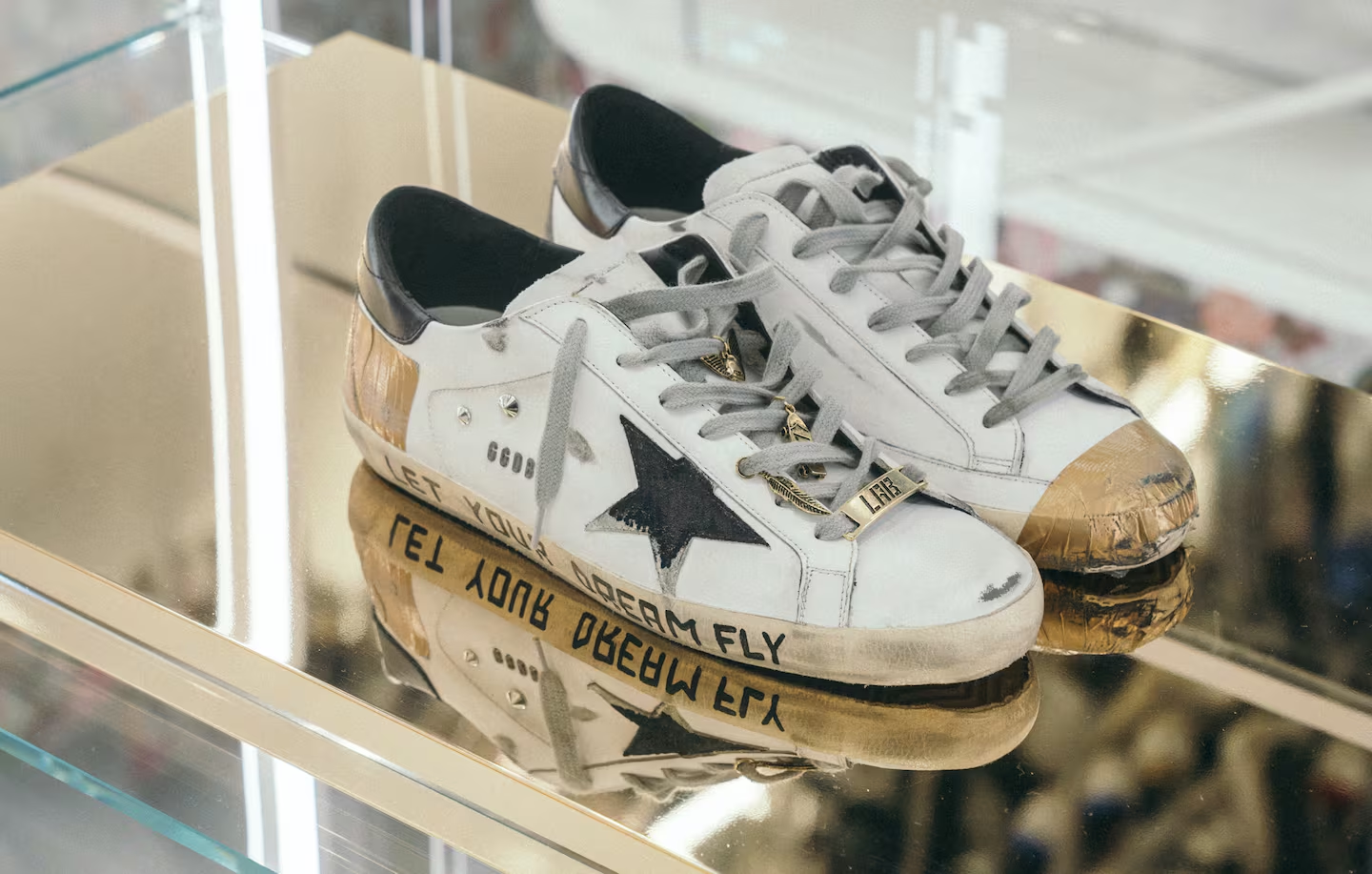
    Golden Goose, an Italian luxury sneaker manufacturer, announced on Friday that HSG, previously known as Sequoia Capital China, has become its main shareholder. The Chinese private equity firm acquired its stake from the current owner, Permira.

    Additional Investments

    Simultaneously, Temasek, Singapore’s investment firm, along with its subsidiary True Light, has purchased a minor stake in the Venice-based sneaker company. Golden Goose’s sneakers begin retailing at 500 euros a pair.

    This agreement values Golden Goose at approximately 2.5 billion euros (US$3 billion), including debt. The announcement did not disclose further financial specifics.

    Previous Ownership

    Permira, which bought Golden Goose in 2020 for 1.28 billion euros, will maintain a minor stake along with other existing shareholders, including Carlyle.

    Silvio Campara will remain the brand’s chief executive, while former Gucci CEO and current board member, Marco Bizzarri, will assume the role of non-executive chairman.

    Finalization of The Sale

    This sale concludes a process initiated by Permira in 2024. The British-owned private equity firm had attempted to publicly list Golden Goose on the Milan stock market but was compelled to withdraw the initial public offering due to market conditions.

    The transaction is anticipated to be finalized in the third quarter of next year. Earlier this year, HSG purchased a majority stake in the Stockholm-based audio equipment group, Marshall.

    In 2024, Golden Goose reported a revenue increase of 13% to 655 million euros, along with adjusted earnings before interest, tax, depreciation, and amortisation of 227 million euros.

    Questions & Answers

    Who is the new majority shareholder of Golden Goose?
    Chinese private equity firm HSG, formerly known as Sequoia Capital China, has become the majority shareholder of Golden Goose.

    Who are the minor stakeholders in Golden Goose?
    Permira, Carlyle, Singapore’s investment firm Temasek, and its subsidiary True Light hold minor stakes in Golden Goose.

    Who will lead Golden Goose after the change in ownership?
    Silvio Campara will continue as the brand’s chief executive, and Marco Bizzarri will become the non-executive chairman.

  • Laura Burdese Ascends to Bulgari’s Top Spot: A New Era Dawns for Iconic Luxury Brand

    Laura Burdese Ascends to Bulgari’s Top Spot: A New Era Dawns for Iconic Luxury Brand

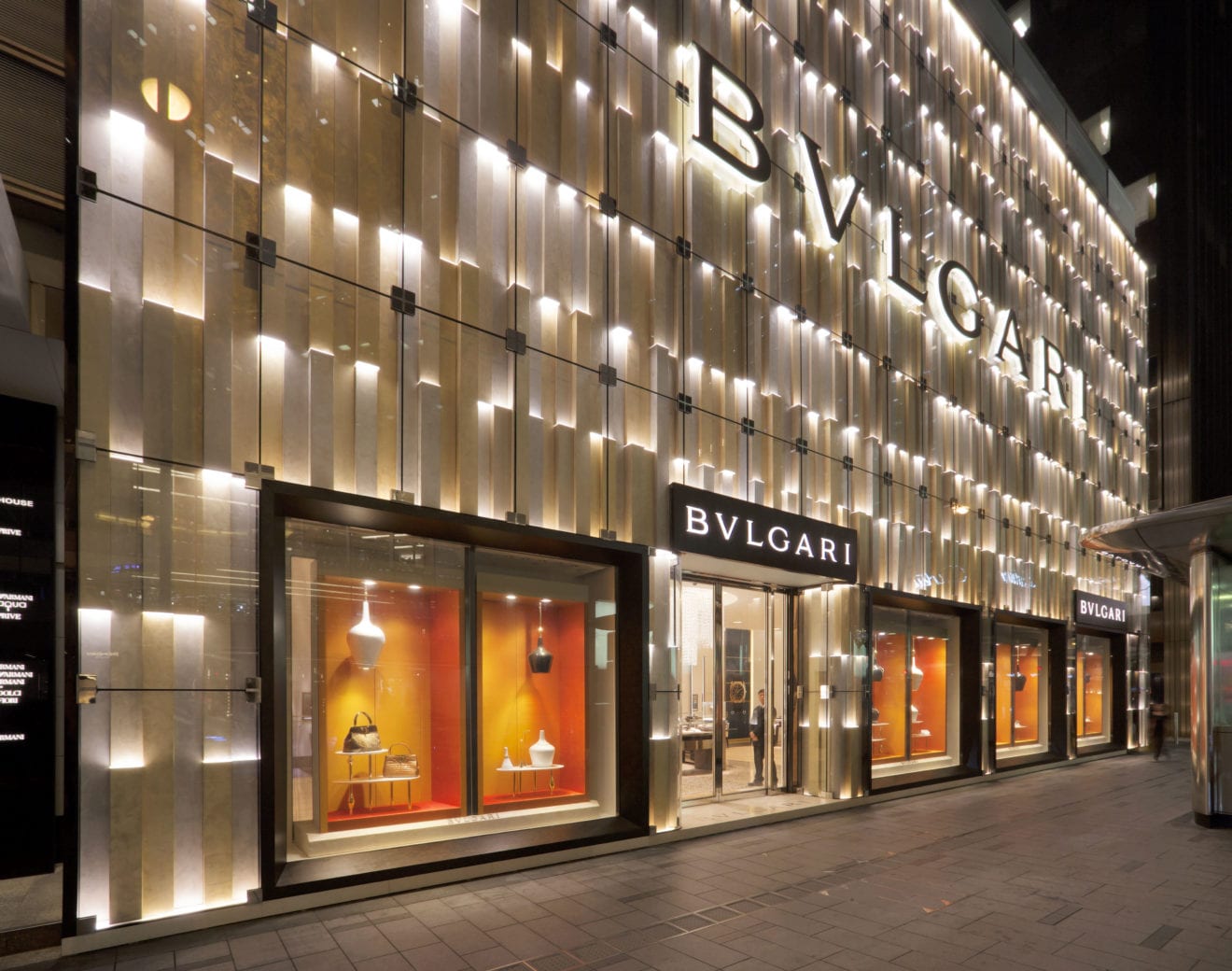
    LVMH, the esteemed French luxury consortium, has announced the appointment of Laura Burdese as the Chief Executive Officer (CEO) for the renowned Italian high jewellery brand, Bulgari. Her tenure is slated to begin in July of the coming year.

    Transition in Leadership

    Jean-Christophe Babin, who is currently serving as the CEO, will be relinquishing his role. However, he will maintain his connection with the company by continuing as Chairman of the Board, Chief of Bulgari’s hotel business unit, and President of the Bulgari Foundation.

    Burdese is not a new face at LVMH. She joined the luxury group in 2016, initially undertaking the role of CEO for the Italian fragrance brand, Acqua di Parma. She transitioned to Bulgari three years ago, taking charge of marketing and communications. Her exceptional performance led to her promotion to Deputy CEO last year.

    Honoring Excellence

    Stephane Bianchi, Group Managing Director and CEO of LVMH Watches and Jewelry, lauded the efforts of both Burdese and Babin, acknowledging their major contributions to expanding the brand. He affirmed that the appointment of Laura Burdese signals the start of a fresh chapter for Bulgari, a testament to her substantial accomplishments at the company.

    Bianchi also extended high praise to Babin, who has translated his senior leadership roles at Tag Heuer and Bulgari into over a quarter-century of success. Babin’s tenure has allowed both companies to carve out unique paths in their respective industries.

    Bianchi firmly believes in Babin’s continued influence in his new roles, expressing confidence that Babin’s vision and energy will persist in driving LVMH and its brands forward.

    Questions & Answers

    Who has been appointed as the new CEO of Bulgari?
    Laura Burdese has been appointed as the new CEO of Bulgari, effective from July of the coming year.

    What roles will the current CEO, Jean-Christophe Babin, continue to hold post-transition?
    Jean-Christophe Babin will continue as the Chairman of the Board, Chief of Bulgari’s hotel business unit, and President of the Bulgari Foundation.

    What was Laura Burdese’s role at Bulgari before her appointment as CEO?
    Laura Burdese served as the Deputy CEO of Bulgari, leading the brand’s marketing and communications.

  • LVMH Battles Billion-Euro Lawsuit: Luxury Leader Denies Claim of Misappropriating Hermès Heir’s Shares

    LVMH Battles Billion-Euro Lawsuit: Luxury Leader Denies Claim of Misappropriating Hermès Heir’s Shares

    Luxury conglomerate LVMH has publicly denied allegations that it illicitly acquired shares now valued in the billions of euros from Hermès heir, Nicolas Puech. LVMH has been named in a lawsuit alongside its CEO, Bernard Arnault, and ex-wealth manager Eric Freymond.

    The Allegations

    Puech has claimed that he was wrongfully deprived of Hermès shares, now worth billions of euros, due to the actions of Arnault, LVMH and Freymond. He has lodged a civil lawsuit against these parties, leading to an ongoing criminal investigation in France.

    In response to Puech’s claims, LVMH released a statement stating, “LVMH and its (controlling) shareholder firmly reaffirm that they never, at any time, misappropriated shares of Hermès International, in any way whatsoever or without anyone’s knowledge, and that they do not hold any ‘hidden’ shares, contrary to what Mr Nicolas Puech suggests.”

    Puech, previously one of Hermès’ largest individual shareholders, shared in a recent interview that he was unaware of any movement of Hermès shares in his name, purportedly for Arnault’s advantage.

    The Investigation

    Reports have circulated that Arnault will soon be questioned by investigative judges in Paris. However, no specific date has been provided, and Arnault’s spokesperson has not responded to requests for comment.

    The Paris public prosecutor’s office has clarified that, to date, only Freymond has been formally placed under investigation. Neither Arnault nor his companies have been subjected to a formal investigation.

    Questions & Answers

    What are the allegations against LVMH?
    Nicolas Puech, an heir to Hermès, has claimed that LVMH, its CEO Bernard Arnault, and former wealth manager Eric Freymond wrongfully deprived him of Hermès shares worth billions of euros.

    Has LVMH responded to these claims?
    Yes, LVMH has denied any wrongdoing, stating that they have not illicitly acquired any shares of Hermès International.

    Who is currently under formal investigation?
    At this time, only Eric Freymond, the former wealth manager, has been formally placed under investigation. The Paris public prosecutor’s office has confirmed that neither Bernard Arnault nor his companies are currently under formal investigation.

  • French Luxury Chocolatier La Maison du Chocolat Expands Korean Presence with New Pop-Up in Seoul’s Lotte Department Store

    French Luxury Chocolatier La Maison du Chocolat Expands Korean Presence with New Pop-Up in Seoul’s Lotte Department Store

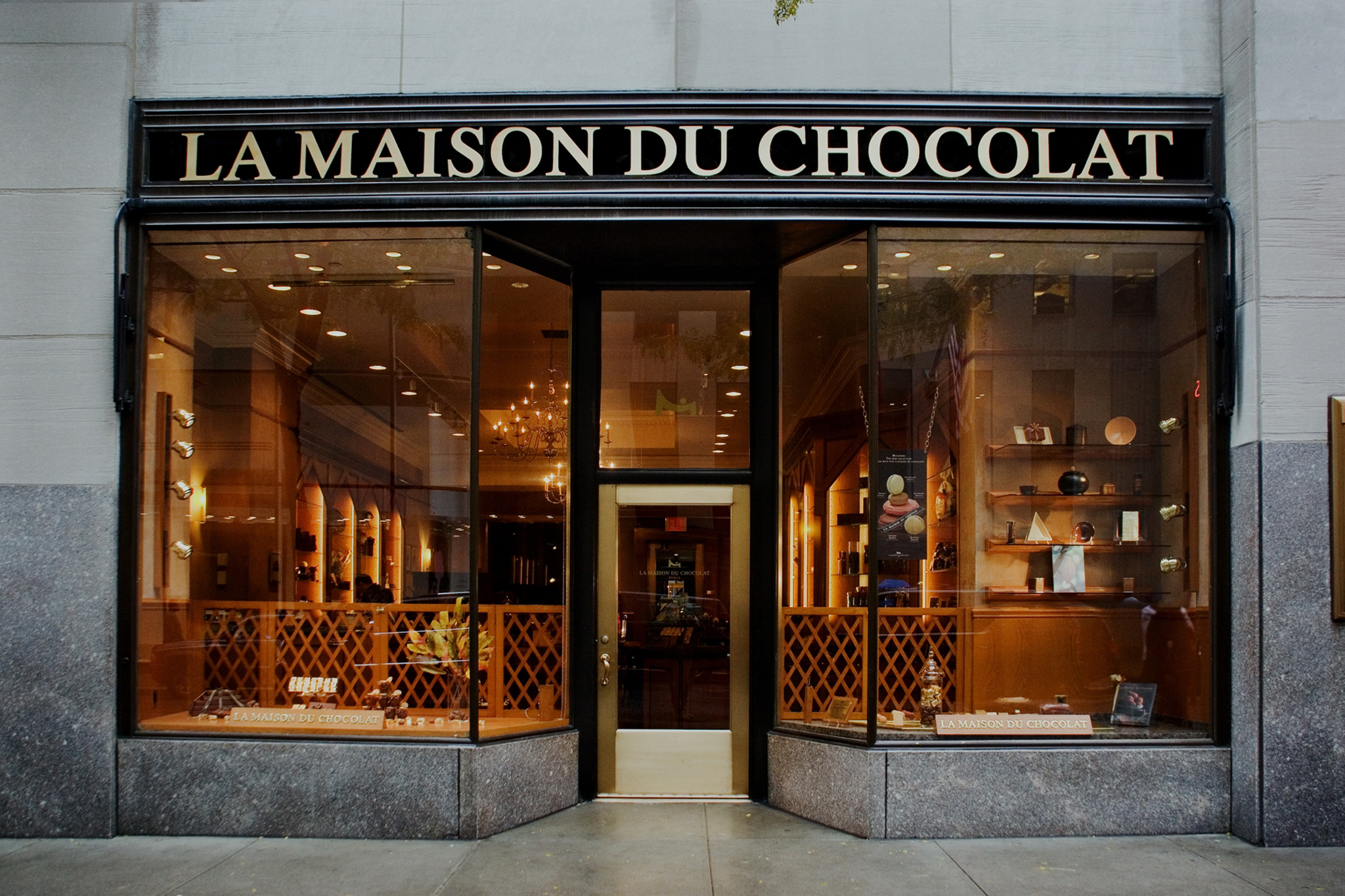
    La Maison du Chocolat, a renowned French luxury chocolatier, is expanding its presence in South Korea, launching a new pop-up boutique in the central Seoul location of the Lotte Department Store Main B1.

    Expanding Partnership with Bluebell Korea

    This latest venture is in cooperation with Bluebell Korea, a notable distributor recognized for handling an assortment of luxury and premium labels throughout the broader Asian region. The partnership serves to introduce La Maison du Chocolat’s revitalized branding and retail design to the Korean market, using the pop-up boutique as an experimental platform for potential future growth.

    Exquisite Chocolate Selection

    The temporary store will exhibit a curated selection of La Maison du Chocolat’s signature offerings. Their variety of products range from truffles, chocolate tablets, and macarons, to a host of seasonal creations, offering a tantalizing treat for all chocolate connoisseurs.

    Brand History

    Established in 1977 by chocolatier Robert Linxe, La Maison du Chocolat has since been spearheaded by Nicolas Cloiseau, who stepped into his role as creative director in 2011. The brand made its debut in the Korean market in 2015, opening a boutique in the main branch of Shinsegae Department Store situated in Sogong-dong.

    Questions & Answers

    Who is the current leader of La Maison du Chocolat?
    Nicolas Cloiseau has led La Maison du Chocolat as its creative director since 2011.

    When did the brand first enter the Korean market?
    The brand made its first foray into the Korean market with a boutique in Shinsegae Department Store’s main branch in Sogong-dong in 2015.

    What products does the new pop-up boutique in Seoul offer?
    The boutique offers a range of La Maison du Chocolat’s offerings, including truffles, chocolate tablets, macarons, and seasonal creations.

  • Hermes Unveils Lavish Expansion at IconSiam: A Testament to Bangkok’s Rising Luxury Retail Scene

    Hermes Unveils Lavish Expansion at IconSiam: A Testament to Bangkok’s Rising Luxury Retail Scene

    Hermes, the renowned French luxury brand, has announced the reopening of its renovated store at Bangkok’s IconSiam mall. The new upscale space responds to the rapidly increasing demand for luxury retail in Thailand’s capital city.

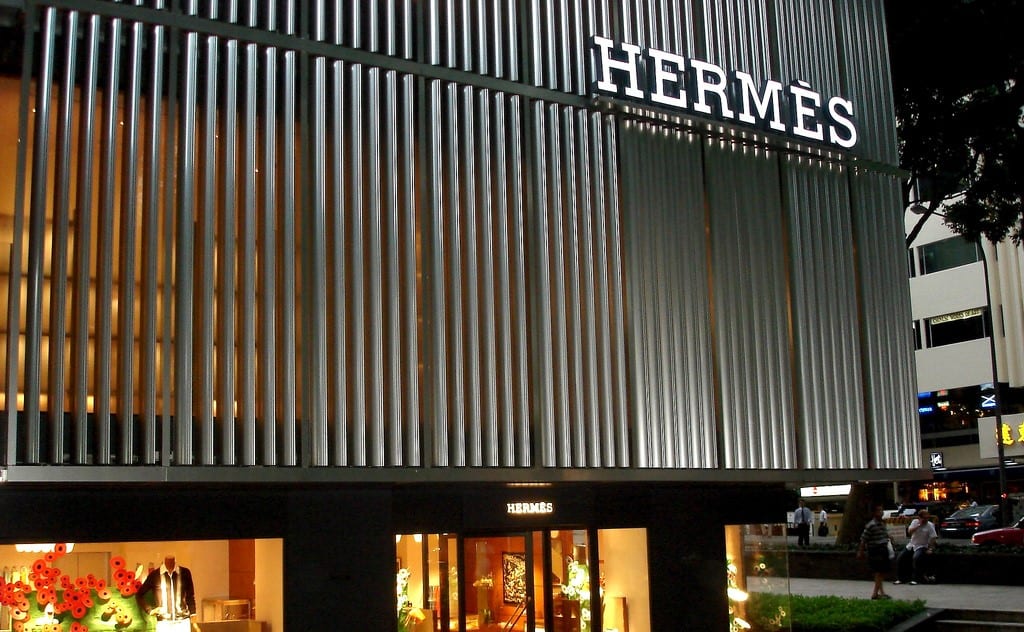
    The Hermes boutique in IconSiam, initially introduced in 2018, is one of three Hermes outlets in Bangkok. The redesigned store features a double-height layout, accentuated by a full-glass facade that presents a scenic view of the Chao Phraya River.

    The store now houses all 16 categories of the French luxury brand’s offerings. The first floor of the store displays women’s silk and jewelry, men’s silk, beauty products, ready-to-wear apparel, and footwear. The ground floor is designated for watches, jewelry, equestrian items, leather goods, and homeware.

    The renovation process was spearheaded by the esteemed Paris-based architecture firm RDAI. The updated design thoughtfully integrates local Thai craftsmanship, showcased through rattan columns and bespoke carpets, creatively representing the flow of the nearby river.

    The revamped store also features curated artwork selections from the Emile Hermes collection and contemporary photography, including “Nocturne 3” by Marie Joubert. Additionally, the store exhibits rattan-and-metal horse sculptures crafted by Thai artist Terawat Teankaprasith.

    The reopening of this Hermes store signals the brand’s ongoing expansion in Thailand’s luxury sector. It underscores the targeting of Bangkok’s affluent consumers and the city’s burgeoning tourist traffic by international luxury brands.

    Questions & Answers

    What does the redesigned Hermes store in Bangkok’s IconSiam mall entail?
    The store has a double-height layout with a full-glass facade overlooking the Chao Phraya River. It houses all 16 categories of Hermes products, with different sections of the store dedicated to different types of goods.

    Who was responsible for the redesign of the store?
    The Parisian architecture firm RDAI led the redesign of the store, incorporating local Thai craftsmanship in the form of rattan columns and custom carpets.

    What does the reopening of this store signify for the Hermes brand?
    The reopening highlights Hermes’s continued expansion in Thailand’s luxury retail sector, targeting the city’s high-spending consumers and growing tourist traffic.

  • Savor Italy in Thailand: Dolce & Gabbana Launches First Luxury DG Caffe in Bangkok’s Siam Paragon Mall

    Savor Italy in Thailand: Dolce & Gabbana Launches First Luxury DG Caffe in Bangkok’s Siam Paragon Mall

    Luxury fashion house Dolce & Gabbana has established its first DG Caffe in the heart of Bangkok, housed within the bustling Siam Paragon shopping complex.

    Design Details

    Designed to exude elegance and sophistication, the cafe is adorned with Dandong Green marble flooring and walls. The marble features are complemented by Carretto Siciliano decorative panels and a background of white checkerboard wallpaper, a signature pattern for the brand.

    Adding an extra touch of luxury, tables and bar counters are constructed from Indian Green marble. These striking features are paired with plush emerald green velvet seating, adding a rich, opulent appeal to the space. Custom pendant lights and wall sconces are strategically placed to illuminate the dining and bar areas, bringing a warm, welcoming glow to the establishment.

    Italian Meets Local Cuisine

    The DG Caffe menu is a celebration of the fusion between traditional Italian and Sicilian flavours and local Thai cuisine. Patrons can look forward to an array of offerings from breakfast items to light lunches and main courses. For those with a sweet tooth, the cafe also serves a variety of pastries and desserts.

    Bridge Between Cultures

    According to Dolce & Gabbana, the DG Caffe in Bangkok is envisioned to function as a cultural bridge. The establishment aims to pay tribute to the ‘Made in Italy’ concept and the brand’s dedication to craftsmanship, while also embracing the local culture of its new Thai home.

    Questions & Answers

    Where is the first DG Caffe by Dolce & Gabbana located?
    The first DG Caffe by Dolce & Gabbana is located in the Siam Paragon shopping mall in Bangkok.

    What design elements are featured in the DG Caffe?
    The DG Caffe showcases Dandong Green marble flooring and walls, Carretto Siciliano decorative panels, Indian Green marble tables and counters, emerald green velvet seating, and custom pendant lights and wall sconces.

    What can customers expect from the DG Caffe menu?
    The DG Caffe menu offers a fusion of Italian and Sicilian flavours with Thai influences, with options ranging from breakfast dishes to light lunches, main courses, pastries, and desserts.

  • Hang Seng Bank Coo Vivien Chiu Breaks Record With $5.14 Million Hong Kong Luxury Apartment Purchase

    Hang Seng Bank Coo Vivien Chiu Breaks Record With $5.14 Million Hong Kong Luxury Apartment Purchase

    Vivien Chiu, the Chief Operating Officer of Hang Seng Bank, has recently acquired a deluxe apartment in Hong Kong for HK$40 million, equivalent to around US$5.14 million. The cost per square foot of the 1,651 square-foot property amounted to HK$24,228, or US$33,517 per square meter, making it a record-setting purchase for the property in the current year.

    Property Details

    The luxury apartment is situated in the Beverly Hill project located in the Happy Valley area of Hong Kong. The property last changed owners in 2014 for a sum of HK$16 million. The recent handover took place on Monday, as per the Land Registry records.

    Chiu previously held positions in various departments at HSBC prior to her tenure at Hang Seng, which began in 2022.

    In a similar vein, Diana Cesar, the CEO of Hang Seng at the time, bought a flat in the upscale Flora Garden complex located in the Tai Hang Mid-Levels area in August, for a sum of HK$26.63 million.

    HSBC to Acquire Hang Seng

    Recently, HSBC announced its plans to acquire Hang Seng Bank for a staggering sum of HK$106.1 billion. Despite the bank’s recent struggles, Hang Seng will retain its own license, governance, and brand after the acquisition.

    This move comes as Hong Kong’s banking sector battles the most significant real estate slump since the late 1990s. Home prices in the city have dropped by approximately 30% from their peak in 2021.

    Housing Sector Recovery

    Despite the downturn, the housing sector has shown promising signs of recovery. According to data from the Rating and Valuation Department (RVD), the official index for second-hand home prices has increased by 1.26% since April. The index saw its fifth consecutive month of growth in August, reducing the overall decline in the year to just 0.24%.

    In August, some 5,291 homes changed ownership, representing an 8.2% decrease from July, but a 44.8% increase compared to the same period in the previous year. The total transaction value reached HK$42.2 billion, a decrease of 8.9% from the previous month but an increase of 48.2% year-over-year.

    Between January and August, the combined sales of new and existing homes increased by 10% from the previous year to 42,379 units. This is the highest level for this period in the past four years, as reported by property agency Midland Realty.

    Questions & Answers

    What is the total cost of the luxury flat purchased by Vivien Chiu?
    The total cost of the flat purchased by Vivien Chiu is HK$40 million, equivalent to around US$5.14 million.

    Who is the former owner of Hang Seng Bank, and what are the terms of the bank’s acquisition by HSBC?
    HSBC is the new owner of Hang Seng Bank. Despite the acquisition, Hang Seng will retain its own license, governance, and brand.

    What are the recent trends in Hong Kong’s housing sector?
    Home prices in Hong Kong have seen significant declines, but recent data shows signs of recovery with the index for second-hand home prices increasing by 1.26% since April.

  • Carousell Enters Brick-and-mortar Retail With Luxury Handbag Store In Singapore

    Carousell Enters Brick-and-mortar Retail With Luxury Handbag Store In Singapore

    The Singapore-based e-commerce platform, Carousell, is set to launch its first physical store dedicated to second-hand luxury handbags in the city-state.

    Carousell Luxury Store Opening

    Carousell will debut a 1,400 square foot retail space, christened as Carousell Luxury, at The Centrepoint later this week. The move marks the firm’s first foray into brick-and-mortar retailing under its own brand.

    The store will offer an array of handbags and accessories from high-end labels such as Louis Vuitton, Chanel, Gucci, and Yves Saint Laurent.

    Business Model and Pricing Strategy

    Tresor Anne Tan, the director of client relations at Carousell Group, explained that the store will operate using a “net-earnings model”. In this approach, sellers agree in advance on the amount they will receive once an item is sold.

    Despite the overheads associated with running a physical store, the items will still be priced around the usual market rates. However, Carousell will retain a portion, approximately 25-30%, of the consignment price. This fee helps cover costs such as digital marketing, product photography, and other services that the platform provides.

    Questions & Answers

    What is Carousell’s new venture?
    Carousell is opening a physical retail store named Carousell Luxury, which will sell second-hand luxury handbags and accessories.

    What is the business model for Carousell Luxury?
    The store will operate on a “net-earnings model”, where sellers agree upfront on the earnings they will receive once an item is sold.

    How does Carousell cover the additional costs of running a physical store?
    Carousell will take a cut of about 25-30% from the consignment price of each item sold to cover additional costs such as digital marketing and product photography.

  • Client data exposed in Gucci, Balenciaga and McQueen cyberattack

    Client data exposed in Gucci, Balenciaga and McQueen cyberattack

    Luxury brands Gucci, Balenciaga, and Alexander McQueen have fallen victim to a cyber attack, leading to the potential theft of millions of customer’s private details. The assault targeted Kering, the French corporation that owns these prestigious labels.

    Kering recognized and confirmed the breach but did not publicly name the brands impacted. In a statement made in June, they reported that “an unauthorized third party momentarily gained access to our systems and accessed limited customer data from some of our Houses”.

    This incident is not an isolated event but seems to be part of a broader trend impacting luxury brands and retailers throughout the year. Other brands that suffered similar breaches include Cartier, owned by Richemont, and labels under LVMH. In July, a data leak affecting approximately 419,000 customers at LVMH’s Louis Vuitton was being investigated by Hong Kong’s privacy watchdog.

    The stolen customer data reportedly includes names, email addresses, phone numbers, addresses, and the total amounts spent at the brands’ stores. Notably, Kering has reassured that no financial information, such as credit card or bank account numbers, was stolen during the attack.

    The hackers, referring to themselves as “Shiny Hunters,” allege to have data associated with 7.4 million unique email addresses.

    In response to the breach, Kering stated that its brands promptly reported the incident to the relevant authorities and notified customers in accordance with local regulations. However, Kering did not provide a response when questioned about the countries impacted by the cyber attack.

    Questions & Answers

    What brands were affected by the cyber attack?
    The affected brands include luxury labels Gucci, Balenciaga, and Alexander McQueen, all owned by French parent company Kering.

    What kind of customer information was stolen during the breach?
    Reportedly, the stolen client data includes names, email addresses, phone numbers, addresses and the total amounts spent at the brands’ stores. However, no financial information like credit card or bank account numbers were compromised.

    How did Kering respond to the cyber attack?
    Kering reported that its brands immediately disclosed the breach to relevant authorities and notified customers as per local regulations. However, they did not comment on the specific countries affected by the attack.

  • Dolce & Gabbana Reports 4% Revenue Growth Despite Retail Challenges; Sets High Ambition For Beauty Division

    Dolce & Gabbana Reports 4% Revenue Growth Despite Retail Challenges; Sets High Ambition For Beauty Division

    Dolce & Gabbana, the revered Italian luxury fashion brand, has unveiled financial figures for the fiscal year that came to a close on March 31. The company saw its revenue climb by 4 per cent, translating to a total of US$2.2 billion.

    Revenue Drivers and Losses

    The primary catalyst behind this revenue growth was an 11 per cent surge in wholesale sales, accounting for 46 per cent of the brand’s total revenue. Unfortunately, the company also witnessed a 3 per cent decline in retail sales, indicative of challenges in crucial markets such as Europe and Asia.

    Despite the increase in revenue, Dolce & Gabbana’s net loss expanded to $136 million from the previous fiscal year’s figure of $15 million.

    Department Specific Performance

    Notably, the fashion and home division of the company experienced an 8 per cent revenue drop to $1.4 billion. This downturn is attributable to weakened demand in Europe and China, with the effect partially mitigated by gains in the Middle East, South America, and South Africa.

    On the other hand, the beauty segment posted strong figures, with sales escalating by 30 per cent year-over-year to approximately $699 million.

    Expansion and Future Endeavors

    From 2022 onwards, Dolce & Gabbana has broadened its makeup offerings to encompass more than 100 products. The brand plans to further expand this range to a complete line of 350 SKUs and has recently launched a skincare line, the Fresh Skin Collection.

    In terms of future goals, the company has set its sight on achieving $1.1 billion in annual beauty sales by the end of fiscal 2027. This objective emerges as part of their strategic shift from licensing to direct management of the beauty division.

    Additionally, Dolce & Gabbana has obtained $116 million in medium-term financing and has extended the maturity of a $345 million term loan to 2030.

    Questions & Answers

    What was the primary driver behind Dolce & Gabbana’s revenue growth?
    The primary driver was an 11 per cent increase in wholesale sales, which now account for 46 per cent of the brand’s total revenue.

    How did Dolce & Gabbana’s beauty segment perform in the past fiscal year?
    The beauty segment performed exceptionally well, with sales seeing a 30 per cent year-over-year increase to approximately $699 million.

    What are Dolce & Gabbana’s future plans for their beauty division?
    The company plans to achieve $1.1 billion in annual beauty sales by the end of fiscal 2027, following its strategic shift from licensing to direct management of the beauty division.

  • Tokyo Welcomes Three Sophisticated Luxury Hotels Set to Launch in Late 2025

    Tokyo Welcomes Three Sophisticated Luxury Hotels Set to Launch in Late 2025

    Tokyo’s hospitality landscape is in for a makeover, with an exciting lineup of luxury hotels poised to make their debut. A recent report by JLL reveals that while there were no new international hotel openings in the Japanese capital during the second quarter of 2025, the second half promises to be bustling with activity as major brands prepare to enter the market.

    A Luxury Surge on the Horizon

    Notable names like Fairmont, JW Marriott, 1 Hotel, and Caption by Hyatt are gearing up for launches, indicating strong confidence among international brands to tap into Tokyo’s upscale travel market. This comes on the heels of a recovery in the city’s hotel sector, which has shown remarkable growth across all segments. The surge in inbound visitors has led to a steady rise in average daily rates (ADR), while hotel occupancy continues to rebound steadily.

    Positive Trends and Room for Growth

    According to the JLL report, Tokyo’s luxury and upper upscale segments witnessed notable improvements compared to the previous year. Year-to-date figures through June show that both ADR and occupancy have increased year-on-year, contributing to a substantial rise in revenue per available room (RevPAR). However, the city’s occupancy rates still trail behind levels seen in the vibrant Q2 of 2019.

    Staying Vigilant Amid Global Uncertainty

    Looking ahead, the buoyant trends observed in the first half of 2025 may face some turbulence due to rising geopolitical risks and global instability. JLL cautions that these factors could significantly influence hotel performance in the latter half of the year. While exchange rate fluctuations haven’t yet affected hotel metrics, a continuous decline in department store revenues, which fell year-on-year for five consecutive months starting February, suggests a shift in consumer spending habits among international visitors to Japan. It appears that tourists may be opting for memorable dining experiences and local attractions over traditional shopping sprees.

    In an industry where maintaining a balance between luxury and experiential offerings is crucial, Tokyo is set to redefine its hospitality narrative in the coming months—making it an exciting moment for both investors and travelers.

    Questions & Answers

    What luxury hotel brands are planning to open in Tokyo by late 2025?
    Fairmont, JW Marriott, 1 Hotel, and Caption by Hyatt are among the international brands set to debut in Tokyo during the second half of the year.

    How has Tokyo’s hotel sector performed in 2025 so far?
    The sector has seen continued growth across all segments, with improvements in average daily rates and occupancy rates compared to the previous year, though overall occupancy is still below pre-pandemic levels.

    What challenges could impact Tokyo’s hotel performance in the latter half of 2025?
    Rising geopolitical risks and global instability could create uncertainty, potentially affecting hotel performance as both exchange rates and consumer spending change.

  • Coconut Oil Prices Skyrocket In Asia: Exploring The Causes And Impact On Global Market

    Coconut Oil Prices Skyrocket In Asia: Exploring The Causes And Impact On Global Market

    Coconut oil prices are soaring in Asia, spearheaded by India—the largest consumer of the product—which has witnessed a tripling in prices within two years. This is attributable to a combination of supply shortages and burgeoning demand for the nutrient-filled water found within the coconut, elevating this common kitchen ingredient to a luxury commodity.

    Consumer Adjustments

    The escalating prices have put coconut oil beyond the reach of many budget-conscious consumers. As such, those who were once fond of its unique flavor, deeply entrenched in regional cuisines, are now exploring alternatives. For instance, Leelamma Cherian, a resident of Kerala in southern India, has stated intentions to switch to the more affordable refined sunflower oil for day-to-day cooking, reserving coconut oil for dishes where its flavor is critical.

    Price Surge Contributions

    The price increase, which began in the second half of 2024, was further propelled by production interruptions across many of the main producer nations, from India to Southeast Asia. These interruptions were due to seasons marked by decreased rainfall, extended heat, and increased damage from pests and diseases. Prices in India have nearly tripled in less than two years, reaching a record high of 423,000 rupees (US $4840) per metric ton, while global prices have swelled to an unprecedented $2990 per ton over the same period.

    Predictions by the International Coconut Community

    The International Coconut Community (ICC), a consortium of producer nations, predicts that the increasing demand amid production restrictions will maintain second-half global prices within the US $2500 to $2700 range, far exceeding the 2023 figure of approximately $1000.

    Effects of Price Surge

    This price surge is also impacting green coconuts harvested for their electrolyte-rich water, and other products such as copra, milk, and powder. It is putting pressure on manufacturers of shampoo and skincare items, who value the oil for its high lauric acid content.

    Challenges to Coconut Oil Production

    Worldwide, coconut oil production is declining as trees age, replanting efforts fall short, and plantations struggle with a scarcity of superior seed varieties. Weather conditions veering from hot, dry spells to sudden heavy rainfall are also disrupting coconut production. Additionally, the neglect of plantations and unfavorable weather in recent years are likely to hinder a broader production recovery, especially when supplies of other similar lauric oils are limited.

    Global Demand

    While coconut oil is a favorite among Asian consumers, other coconut products such as copra, coconut cream, and milk, are in high demand in Britain, China, Europe, Malaysia, the United States, and the United Arab Emirates. To seize the opportunity presented by this burgeoning demand, Indonesian farmers are increasingly exporting whole coconuts instead of processing them for their oil.

    Questions & Answers

    What has been the impact of the coconut oil price surge?
    The price surge has affected a range of related products, including green coconuts harvested for water, copra, milk, and powder. It has also put pressure on manufacturers of hair and skincare products, who value the oil for its high lauric acid content.

    Why is coconut oil popular in the market?
    Coconut oil is popular for its unique flavor, deeply embedded in regional cuisines, and its high content of lauric acid, which is prized by the hair and skincare industry.

    What measures are being taken to stabilize the price of coconut oil?
    To stabilize prices, the Association in Indonesia has urged for a suspension of coconut exports for six to 12 months. In India, the Solvent Extractors’ Association has appealed to New Delhi to permit imports of coconut oil and copra.