Retail News CRM

Tag: Macau

  • Macau casinos reopen – how bad was the damage?

    Macau casinos reopen – how bad was the damage?

    Coronavirus hit the world out of the blue and as for now, more than 75,000 people are infected with the deadly virus worldwide. The death toll currently stands at 2012, as France recorded the first one in Europe last week. Macau, one of the world’s largest gambling hubs is also under a great threat due to its proximity to China. In total, 10 people were infected in the city after the outbreak began. However, there has not been a newly recorded case after February 4th.

    The government pushed for the suspension of the casino operations of February 5th in an attempt to stop the spread of the virus in the city. The decision was made after it turned out that 2 out of 10 infected in Macau were casino employees. However, it was now announced that the casinos will be able to go restart operations on Thursday, after an unprecedented 15 day-long shutdown. The ban remains in place for a number of entertainment venues, including cinemas, pubs and karaoke bars. At the same time, casino visitors will have to wear facemasks before entering and will also be scanned for the temperature at the entrances.

    A shutdown is a historical event since the industry generates a significant portion of wealth in the city. Besides being the longest in history, it will likely have a major economic impact on Macau.

    In fact, the shutdown was such a major event for the whole gambling industry that betting options started appearing on multiple foreign platforms on how much the city would lose before the re-opening.

    One of the weirdest platforms that these options appeared on were Norwegian bookmakers, or NYE bookmakere as they’re originally referred to in the Nordics. Due to the extremely restricted environment in the country about sports betting, a wagering option for Macau’s closing was perceived as a small loophole. Similar cases can be seen almost all over the world.

    It was indeed a big hit

    The City’s 41 casinos along with the gaming industry employ an estimated 56,000 people, 8% of its population. Besides them, non-resident workers commuting from mainland China are affected as well. The estimates

    A member of the legislative assembly of Macau Au Kam-san asserted on the matter, stating that the end of suspension was anticipated: “Gaming industry is too important to Macau. The government could not afford to let it close for too long. There could also be pressure from the casino operators. Because they are still paying the staff while the casinos are closed.”

    It has also been said that the workers from mainland China will have to go through special procedures before re-entering Macau. This again is to reduce the risks of further spread of coronavirus. However, the long incubation period requires a 14-day long quarantine, which is very unfeasible for every side. On this, Kam-san commented: “Some 60,000 to 70,000 people travel across the border every day to work in Macau. Your business just can’t operate if they have to be quarantined for 14 days when they enter Macau”.

    high profile Macau health officials also stated that the city’s residents would also have to go through similar procedures if the risks arise. Under such circumstances, the city’s gambling industry would be even under a bigger threat, since the shortage of Chinese workers is already making an outstanding economic impact on Macau’s economy.

    Macau’s casinos took in roughly $37,6 billion in 2018 as total revenues hit historic records. Gambling tourism represents up to 50% of the city’s economy, making it a crucial field for its financial stability. It is difficult to project an exact impact of a 15-day long closure on Macau and its residents, but it is clear that the final outcome will not be positive for the city’s gambling industry this year.
     

  • Macau closing casinos as coronavirus outbreak widens

    Macau closing casinos as coronavirus outbreak widens

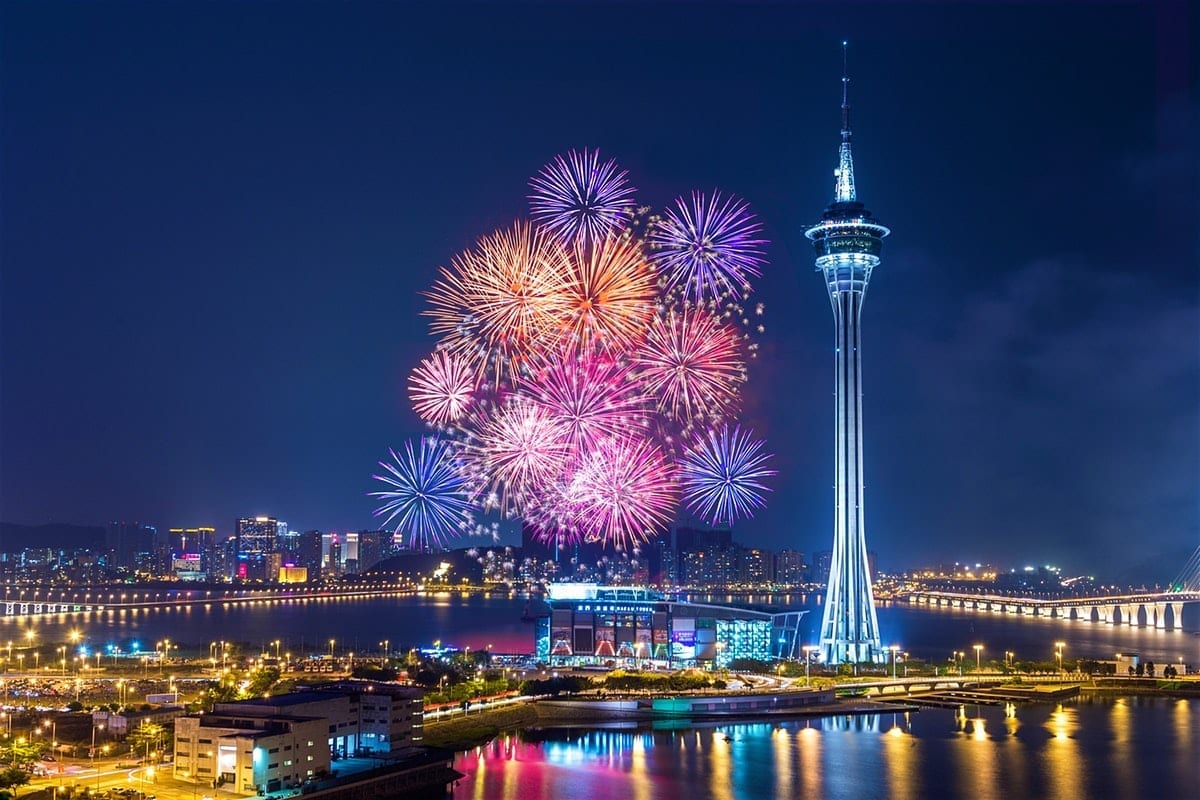
    Macau’s government has ordered the closure of the territory’s casinos for at least two weeks over fears coronavirus might be spread through venues.

    The closures followed a reduction of some 87 percent in the numbers of mainland Chinese visiting Macau during recent weeks, the result of the mainland government banning outbound group tours.

    The casino closure is likely to decimate sales at the territory’s malls, most of which are located in the same mixed-use resorts housing the largest of the casinos.

    As at 10 am ICT Wednesday, 24,503 cases of coronavirus had been reported, the vast majority in Mainland China. To date, 492 have died, all but two of those on the mainland, the other being in the Philippines and Hong Kong.

    Meanwhile, in Hong Kong, tourist destinations Disneyland and Ocean Park have been closed indefinitely and Shanghai Disneyland has also been closed due to the coronavirus outbreak. Disney said in a statement that it expects its theme parks in Shanghai and Hong Kong to be shut for two months, resulting in a US$175 million hit to its operating income this quarter.

    Retailers across Mainland China continue to close stores. Ralph Lauren says it has now closed about half of its 110 stores on the mainland. Tiffany has closed an undisclosed number in areas worst affected by the virus crisis. Hugo Boss has also closed an undisclosed number of stores in the market, where it experienced double-digit growth in the last quarter of last year.

  • New financial policies in Macau

    New financial policies in Macau

    China is supposedly set to report new financial arrangements in Macau in potential scorn to protest-stricken Hong Kong. Xi Jinping will visit Macau next Monday to recognize the city’s twentieth jubilee come back to China. The President’s visit and the revealed monetary motivations are intended to throw a “sign to HK,”. The capital is set to disclose a huge number of arrangements including the foundation of a Yuan-designated stock trade in the Chinese exceptional authoritative area. The new impetuses likewise incorporate the speeding up of a Yuan settlement focus that is now underway, and the assignment of more land in terrain China for Macau to create.

    Both cities are considered as semi-self-governing areas of the country that have their own lawful, authoritative and legal structures from the continent. Since July, the megapolis has been injured by across the board manifestations as a part of its residents’ campaign for increasing the quality of freedom from the terrain. The conceivable money related motivating force is an endeavor to put pressure on HK, and in the more drawn out term, to develop Macau.

    Not a viable replacement for Hong Kong

    McGregor brought up that it is improbable for Macau or some other Chinese city to supplant Hong Kong’s centrality sooner rather than later. “If they could have recreated the city, somewhere else, and every one of the things HK can do, especially in money-related operations, China would have done it as of now,” he stated. It used to be colonized by Great Britain, and later that came back to China ‘97. Under the “one nation, two structures” formation, its residents have conceded some level of money related and legitimate autonomy from the territory. A similar type of structure applies to neighbor Macau, a previous Spanish settlement that came back to be under the Chinese control in October ‘99. What’s more, from the point of view of Beijing, the city is the token example of overcoming adversity of the strategy working out, said McGregor. Macau’s financial dynamic quality is completely reliant on the Casino business “at the mercy of Beijing,” expert clarified, taking note of that gaming business is banned in the terrain. Macau has been the Gaming Capital of the continent for a long long time. But back in the beginning of the Millenium casinos were controlled and monopolized by S.Ho. In 2002 a new era of Macau began because businesses used the strategy similar to casino deposit bonus offers in Norway. The capital has the ability to switch the tap up and down and stop hot shots coming there, so Macau is satisfying its capacity, and China is truly content with it.

    One nation, two structures

    Beijing has been attempting to sell the “one nation, two structures” thing to Taiwan for quite a long time, yet the ongoing social turmoil in HK has undermined the validity of that guideline, as experts explained. In November, the President, who is looking for a second term in this year’s elections, has totally dismissed the “one nation, two structures’ recipe. China sees his Country as a maverick territory and has recently recommended the island should go under Chinese jurisdiction in a comparative course of action.

    “Obviously it’s not working in HK, and unmistakably it isn’t appealing in Taiwan,” as it was stated about the arrangement.  As Taiwan officials prepare for the forthcoming surveys, it shows up likely that Tsai will win once more. “That is a major issue for the capital,” he stated, bringing up that she was “hostile to them.” The president is at present under a great deal of weight on numerous fronts. Indeed, even as continuous fights in HK keep on compromising the president’s hold on power, Taiwan’s decisions may likewise help hostile to China notions. On the U.S. front, there’s the exchange war, and locally, there is a financial log jam in China.  However, he said he is certain that Xi won’t be “avoided” locally, yet he may be left with no decision yet “to share power more than he has been eager to do hitherto.”

  • Luk Fook upbeat despite plans to trim Hong Kong store network

    Luk Fook upbeat despite plans to trim Hong Kong store network

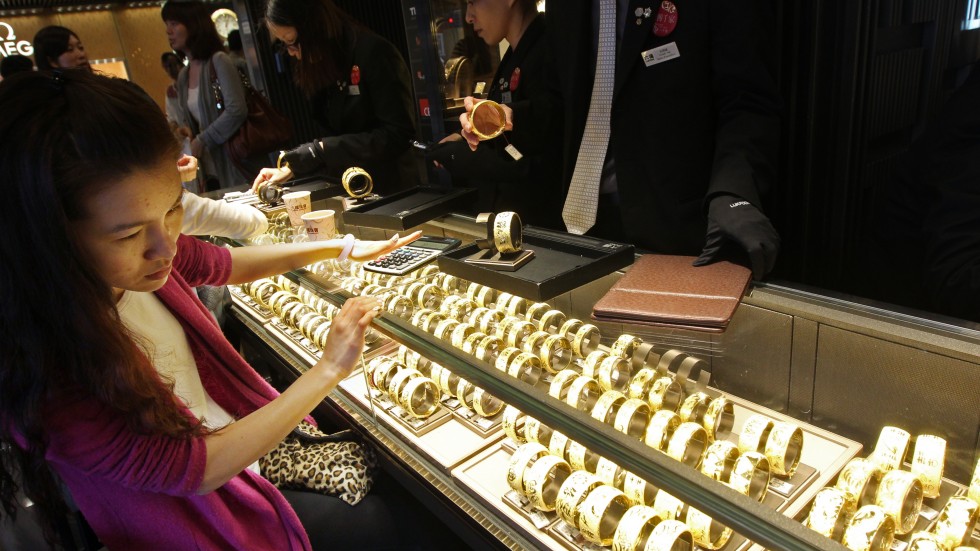
    Hong Kong-headquartered Luk Fook group has followed its archrival Chow Tai Fook in revealing plans to shutter stores in the territory’s tourist areas – but it sees growth opportunities in Macau.

    “The group will reduce the number of shops in areas which are considerably impacted by the social incidents in Hong Kong, and search for opportunities for opening new shops in Macau market,” chairman Wai Sheung Wong advised shareholders in a stock exchange filing.

    However, unlike Chow Tai Fook, which plans to close about 15 stores in Hong Kong when leases come up for renewal from this coming April, Luk Fook still expects to achieve a net gain of three stores this financial year in Hong Kong and Macau.

    “Rental renewal depends very much on whether profit is expected for the relevant shop under new rental,” said Wong. “A single-digit drop in the rental renewal is predicted for the current financial year and a double-digit drop for the next financial year.”

    The continuing impact of the strong gold price, US-China trade war and social incidents in

    Hong Kong on market sentiment saw same-store sales for the jeweler fall by 25 percent during the December quarter. Same-store sales of gold products fell by 20 percent and of gem-set jewelry by 32 percent.

    On a positive note, the overall decline eased when compared to the previous quarter. Sales in Hong Kong and on the mainland fell by a lower rate than in the September quarter, while the Macau market returned to growth since October. Sales in Hong Kong and Macau fell by 27 percent, which the group attributed to a high gold price and a “substantial decline” in the number of visitors to Hong Kong contributed by the recent ongoing social activities.

    In the first two weeks of January, the same-store sales decline gradually narrowed in Hong Kong and there was continued growth momentum in Macau.

    Luk Fook has responded to falling sales by reducing staff, however this has been achieved by natural turnover without the need for a redundancy scheme.

    As of December 31, the group had 1969 Lukfook shops, 45 Goldstyle shops, three Dear Q stores and three 3D-Gold shops operating on the mainland – 2020 in all.

    “Apart from actively seeking expansion opportunities in Macau, the group will also speed up expansion in Mainland, with the target of at least 300 net shop additions there for the 2020 financial year, most of which would be licensed shops at low-tier cities,” said Wong.

  • First Best Mart 360 Macau store opens

    First Best Mart 360 Macau store opens

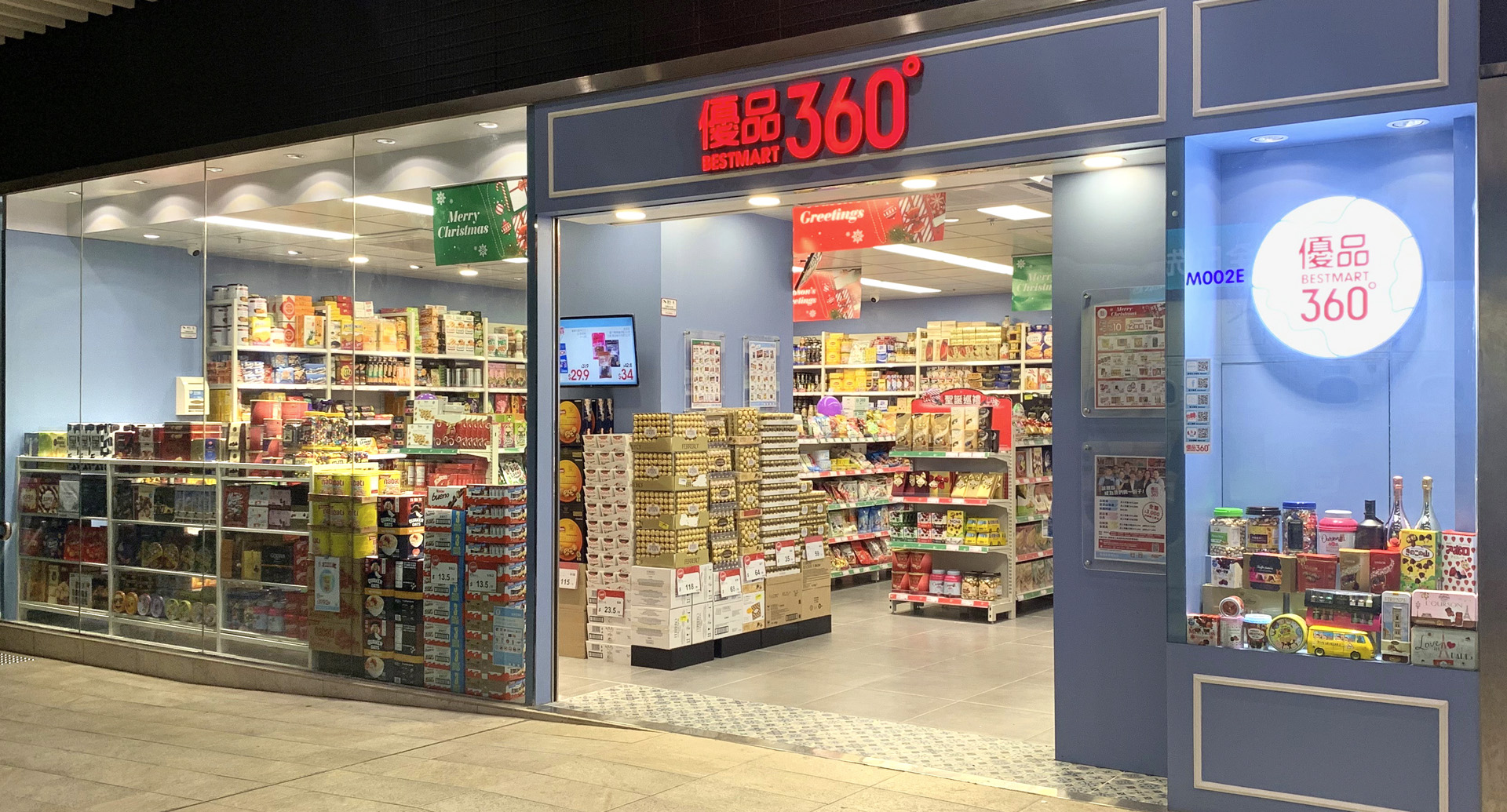
    Best Mart 360, the Hong Kong-listed ‘leisure-food retailer’ opened its first store in Macau yesterday.

    The company – which has suffered vandalism to some 75 of its Hong Kong stores during recent protest activity – believes there is potential for as many as 15 stores in Macau.

    In an interview with the South China Morning Post, chairman and co-founder Lin Tsz-fung said the expansion into the new territory was planned many years ago.

    “We hope to diversify our markets to Macau and Mainland China. We think Macau has a lot of tourists,” he said.

    A significant expansion in Best Mart 360’s store network helped boost sales in the first half of this year, despite the company being heavily impacted by protests since June.

    As at the end of September, Best Mart 360 operated 98 stores, a net 21 more than the same time a year earlier. Most of the new outlets are on the mainland.

  • China Wants Macau as Financial Hub

    China Wants Macau as Financial Hub

    Beijing has directed state-owned banks and enterprises to help set up infrastructure in Macau to aid financial diversification, and to serve as a contingency plan if the situation in Hong Kong worsens.

    Two officials who helped develop the Shanghai stock exchange moved to Macau to help establish its yuan-based stock exchange, one of the sources told «Reuters». Chinese officials, and bankers in Hong Kong, say the push to develop financial infrastructure in Macau is part of a plan to avoid any major market disruption in Hong Kong that could impact Chinese businesses.

    The financial industry used to be an idea that we reserved for Hong Kong. We used to give all the favorable policies to Hong Kong. But now we want to diversify it, said one Chinese official who requested anonymity.

    The idea is not for Macau to replace or undermine Hong Kong but for China to have a contingency plan in case the situation in Hong Kong worsens, sources at Reuters added.

    The slew of new policies for Macau is aimed at diversifying the city’s casino-dependent economy into a financial center. Macau’s casino operators, which have been hit by slowing economic growth and the Sino-U.S. trade war could look forward to the development opportunities in Hengqin, casino executives who were interviewed said.

    Xi Jinping has made very clear that he wants a diversified Macau economy, said one Chinese official. The future focus will be on tourism and finance, to make it a center to host international meetings like Singapore.

    Besides establishing a yuan-denominated stock exchange and speeding up a yuan settlement center which is currently being developed, the policies will also be looking at land allocation in Macau. As part of that effort, Macau will be allocated more land on the mainland island of Hengqin to develop in areas such as education and healthcare.

    These policies also mark the 20th anniversary of the former Portuguese colony’s return to Chinese rule, as Xi plans a visit to Macau next week. There, Xi is expected to announce policies to further integrate Macau with mainland cities in the Greater Bay Area, the region around the Pearl River Delta that also includes Hong Kong, according to Chinese officials and Macau executives.

  • Macau’s biggest industry and its various marketing practices

    Macau’s biggest industry and its various marketing practices

    Macau is facing one of the toughest years ever in its presence in China. The enterprise is facing the first time a decline in annual gaming revenues during the last 3 years. Macau first came to  China 20 years ago. Macau has managed to revolutionize the gambling scene and has long been hailed as the world’s biggest gambling hub. But this seems to be changing with the economic slowdown in China, and the migrations of high-rollers towards Vietnam.

    Some of the experts are saying that Macau has now reached its peak and the downfall is inevitable. The gambling hub will have to put in a lot more work than it previously had to promote itself and to secure its existing status in China. The analysts at Bloomberg are saying that Macau’s growth will swing from 14% growth in 2018 to 3% in 2019. According to them, things might turn around in the following year but it’s unlikely that the casino will see the same revenue it saw in the year 2010-2013.

    Macau will probably need to upgrade or better since their various marketing techniques that are quite unique across the industry. When it comes to gambling the marketing has its own perks and little details that you usually don’t have to think about when advertising other services and there are some upsides to this as well.

    Gambling venues often use very modern and less adopted ways of marketing their services and with the growing popularity of online casinos, there’s a whole new realm of advertising technologies that online casinos can use that get very impressive results. Here we’ll break down some of the basic marketing strategies that Macau has used in the past that can help the gambling hub get back to the equilibrium.

    Affiliate marketing

    In this day and age, affiliate marketing is one of the most modern and easy to manage ways to advertise your products. Casinos that usually have a harder time collaborating with traditional advertising agencies or getting their ads on all sorts of content across the web affiliate marketing can be one of the most efficient ways to market.

    You can rely on the best casino affiliate programs to deliver outstanding results. Macau has used this technique as well and it might consider going in more heavily of affiliate marketing since it proves to have a high response rate, it is less over the top and the users are less likely to ignore it and considering some of the past challenges that Macau has faced it is easy to see why this would be a perfect way to go about promoting their service in the time of decline. There is a lot to dissect when we talk about the situation in Macau and why it is now having the worst time it has had as a company in probably decades. As mentioned above some of it has to do with the fact that Macau has been around long enough for it to start feeling a little less exciting and innovative. Introducing affiliate marketing more heavily into the routine could greatly boost the image of the casino and possible even unfold a whole new, yet untapped demographics of users that could help bring the gambling hub back to its prime.

    Promoting the experience rather than a single service

    Macau got used to being the only gambling venue but now the landscape is changing with the regional gaming hub attracting more and more of Macau’s previous clientele. But the inherent advantage that Macau has is that it is more than just a gambling hut.

    It has a rich history of being the top destination for successful Asian people looking to entertain themselves with gambling and they could get the prime experience exclusively in Macau. Macau is no just gambling, it’s nice dinners expensive shops and overall luxurious experience. If Macau only focuses on gambling it’s selling point won’t really strike a chord with the users because they can get gambling in other places too.

    What they cant get is the exclusivity, the high quality of the hotel experience and the luxury of experience Macau fully. If this gambling hub wants to recover from a bad year it is obvious that it needs a different approach so it can still rival the emerging local casinos by offering users something these fresh venues can not, which is the rich history, the idea behind it and the luxurious experience of it all.

    It’s important to consider other factors as well as the Chinese economic slowdown and the reemergence of other, similar experience-based gambling venues for high-rollers. But Macau might be able to recover even easier from this than anticipated because the newness of these other venues will wear off sooner than it did for Macay because the gambling landscape and the customer standards and expectations were completely different then.


    Macau needs to ride out this wave of decline through improved marketing techniques and showing resilience to the newcomers with is unique history, glamorous resorts and the luxurious dinners that have seen the gambling hub through a variety of challenges before. The Gambling industry isn’t going anywhere so if Macau manages to get back on its feet it will then fully secure its spot as the leader and innovator in the field.

  • First Ikea Macau store scheduled to open in first quarter of next year

    First Ikea Macau store scheduled to open in first quarter of next year

    Ikea says it plans to open in Macau in the first quarter of next year.

    Located in Taipa, the Ikea Macau store will occupy an area of 90,000sqft, offering a wide range of home furnishing products. The new store will feature several showrooms, an Ikea cafe, and a Swedish food market.

    The store will be opened by Ikea’s partner for Hong Kong, Taiwan, and Indonesia, Singapore-listed Dairy Farm Group.

    “Marking a major milestone in Ikea’s long-term commitment to Macau, the new Ikea store will offer well-designed, affordable and practical home furnishing solutions to Macau consumers,” said Adrian Worth, MD of Dairy Farm Group Ikea North Asia. “By offering a range of amazing value-for-money home furnishing products, together with our famous Swedish food, we hope to make that vision a reality for the people of Macau.”

    The company is recruiting more than 100 co-workers for the development and operation of the new Ikea Macau store.

  • DFS Group enables WeChat facial-recognition payments in Macau

    DFS Group enables WeChat facial-recognition payments in Macau

    DFS Group has become the first international retailer to activate WeChat facial-recognition payment outside Mainland China.  Authorized by the government of Macau, DFS Group has trialed 10 WeChat facial-recognition devices at T Galleria DFS.

    After Macau success, T Galleria Beauty by DFS in Hong Kong’s Causeway Bay will be the next store to enable the new payment system.

    “WeChat facial-recognition payment has become the predominant form of digital payment amongst key retail market players in Mainland China, further closing the gap between the online and offline experience,” said Zac Coughlin, a chief financial officer at DFS Group. “We are immensely proud to become the very first global merchant outside Mainland China to enable WeChat Facial Recognition Payment, as part of our commitment to constantly adapt to the ever-evolving needs of our customers.”

    With the facial-payment technology, DFS and WeChat aim to enhance their customers’ experience by doing away with QR codes.

    WeChat facial-recognition payment is only available to customers with a valid Chinese form of identification.

  • The Cheesecake Factory to open at Sands Cotai Central, Macau

    The Cheesecake Factory to open at Sands Cotai Central, Macau

    American upscale casual-dining restaurant The Cheesecake Factory in Macau is set to open in Sands Cotai Central.

    The more than 8500sqft restaurant, which will be operated by a subsidiary of Maxim’s Caterers Limited, will offer fresh from-scratch dishes and more than 30 cheesecakes and specialty desserts from the US.

    The venue is sized to accommodate more than 220 guests and is decorated with hand-painted wall murals and artistic lighting features, keeping a consistent look with The Cheesecake Factory restaurants all over the world.

    The Cheesecake Factory in Macau will also feature a Macao-only limited-edition dish with Macao culinary characteristics: Portuguese Chicken, a portion of a half roasted chicken with coconut curry and peanut sauces and crispy potatoes.

    The opening of The Cheesecake Factory in Macau follows launches regionally in Hong Kong, Shanghai, and Beijing.

  • Sands Macao Fashion Week 2019 insights

    Sands Macao Fashion Week 2019 insights

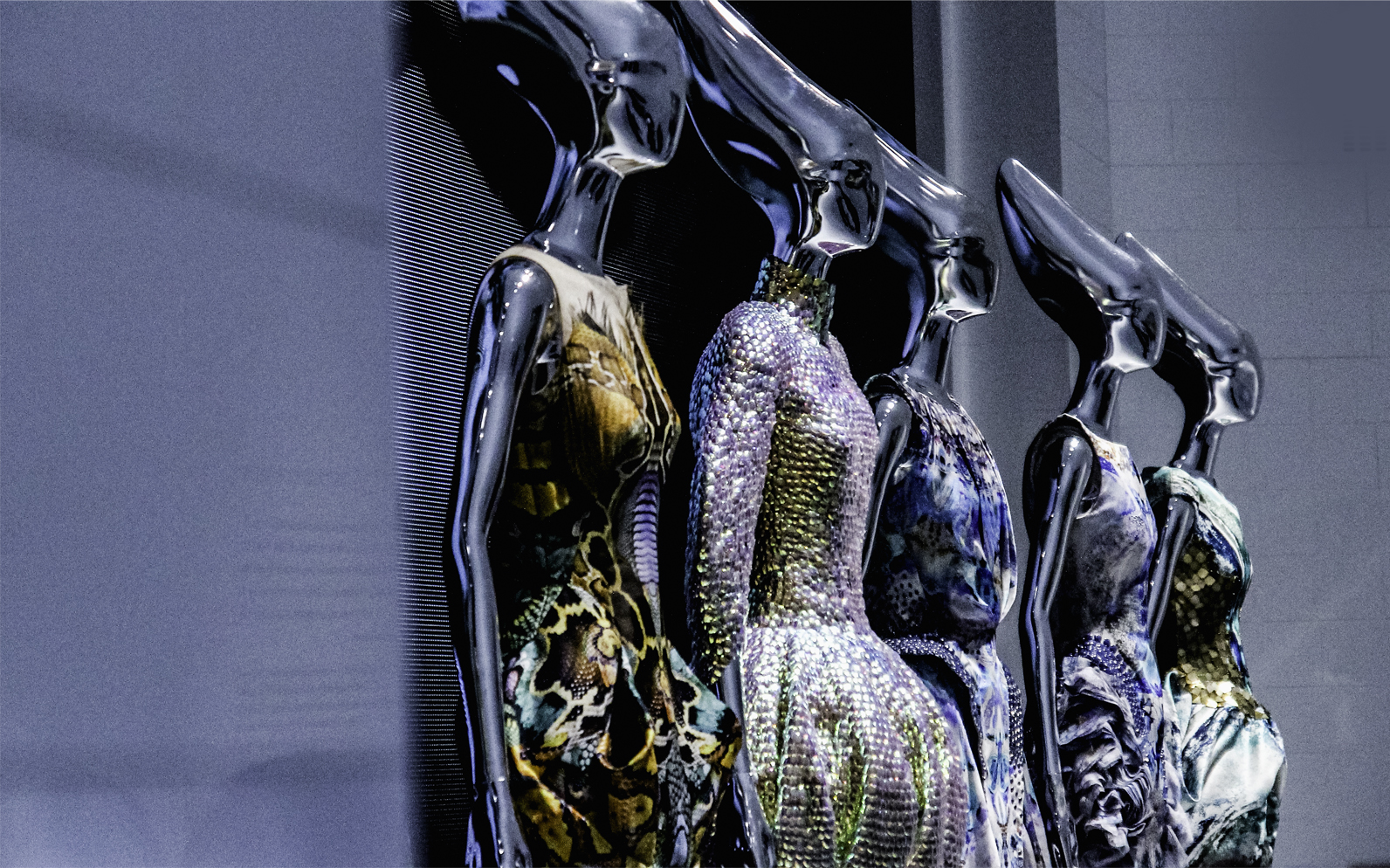
    Sands Resorts Macao will host the Sands Macao Fashion Week 2019 from October 17 to 23 with a week of fashion shows, exhibitions and promotions.

    The event, being held for the third time, is designed to showcase the many retail outlets at Sands Shoppes Macao and the upcoming autumn/winter collections. Apart from the opening night invitation-only event, all other events are free and open to the general public. With approximately 850 stores, Sands Shoppes Macao is the territory’s largest duty-free luxury-shopping experience.

    Sands Macao Fashion Week 2019 will feature a packed program, showcasing leading luxury and lifestyle brands across The Shoppes at Venetian, The Shoppes at Four Seasons, The Shoppes at Cotai Central and The Shoppes at Parisian. The week will be launched with a glamorous event for VIP guests, media and key industry influencers.

    Aimed at both the fashion industry and the general public, Sands Macao Fashion Week 2019 will present a series of ready-to-wear group runway shows spotlighting current collections together with various retail workshops and initiatives across the integrated resort.

    As with the two previous events, outstanding local designers hosted by the Macau Productivity and Technology Transfer Center (CPTTM) will again be invited to participate in Sands Macao Fashion Week 2019 as part of Sands China Ltd.’s ongoing campaign to support Macao’s cultural and creative industries.

    “Following its launch two years ago, Sands Macao Fashion Week continues to go from strength to strength,” said Las Vegas Sands Corp’s executive VP of global retail, David Sylvester.

    “As with the previous editions, this year’s SMFW will represent a celebration of all things fashion, taking in some of the biggest brands alongside boutique labels, with a spotlight on Macao’s homegrown fashion industry. We’re anticipating a thrilling week.”

    Sands Macao Fashion Week 2019 will also feature offers and exclusive promotions on a wide range of products.

  • Panerai reopens Macau Galaxy boutique

    Panerai reopens Macau Galaxy boutique

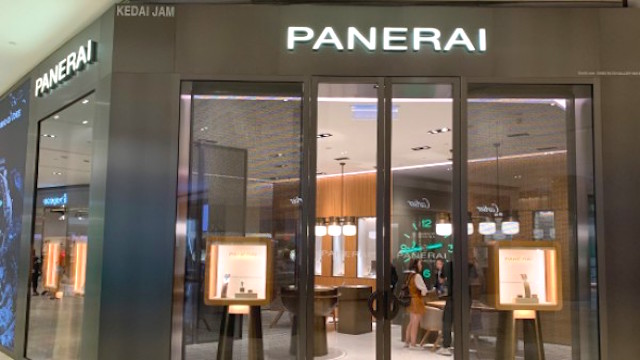
    Italian high-end watchmaker Panerai has opened its renewed Galaxy boutique in Macau.

    The 42sqm store joins the existing locations in Wynn Macau and Wynn Palace and is located at the Galaxy Macau resort on Cotai Strip, where the most prestigious local hotels and entertainment areas are based.

    The concept of the design and materials used for the Panerai area reflects its Italian tradition with an underwater theme. Panerai supplied the Italian Navy with precision instruments for many decades, in particular its specialist diving corps.

    Panerai now has 87 boutiques throughout the world, three of which are in Macau.

  • Emperor Watch & Jewellery sales slowing down in Hong Kong, Macau

    Emperor Watch & Jewellery sales slowing down in Hong Kong, Macau

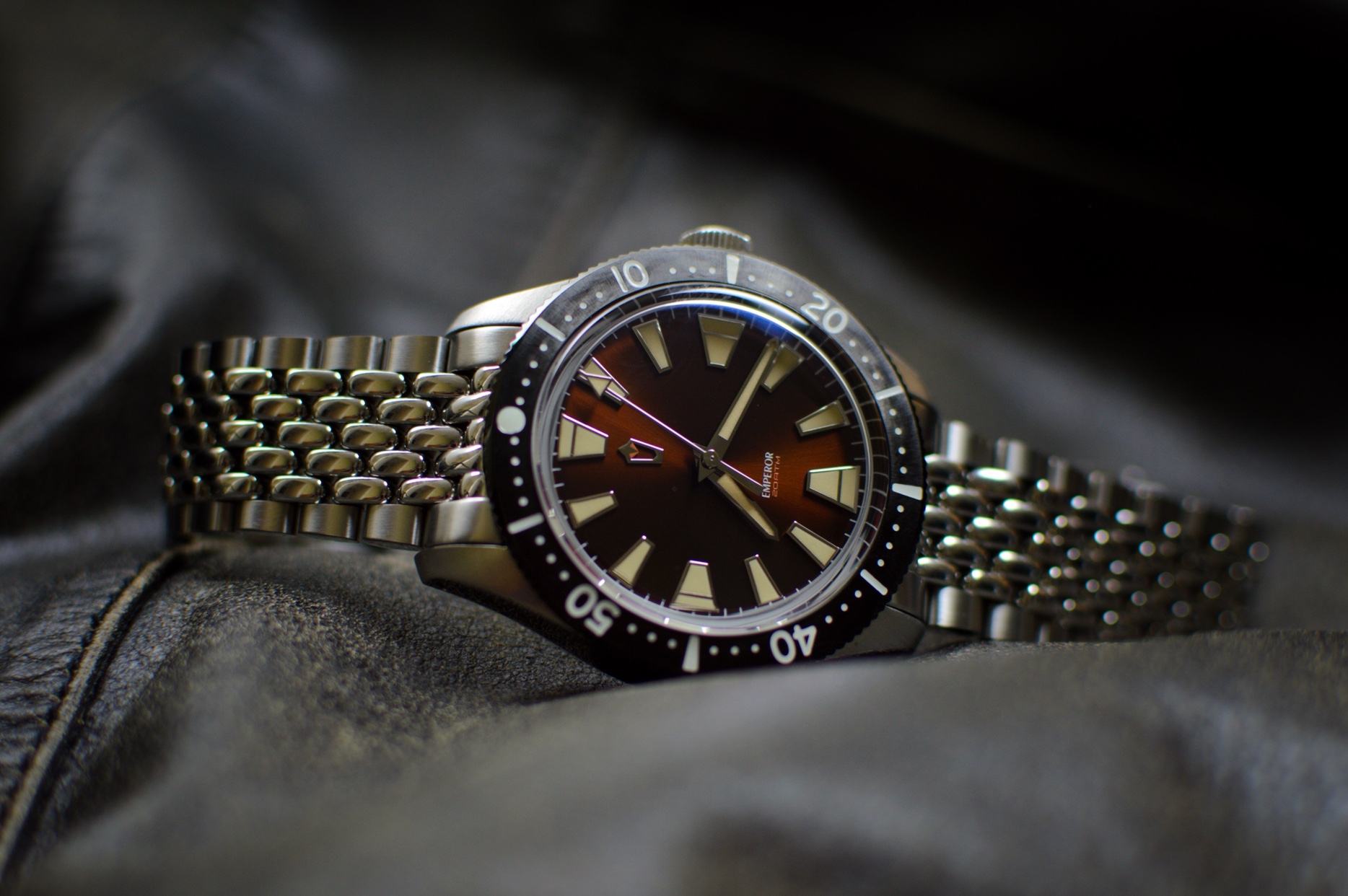
    Emperor Watch & Jewellery sales rose strongly in Hong Kong and Macau last year, due to a rebound in tourism in the first half and the opening of new stores.

    Hong Kong remained the group’s core market, with sales there up 19.6 per cent. In Macau, sales rose 224 per cent, according to the company’s latest results.

    Adjusted net profit of $269 million represented a 68.1 per cent improvement over the preceding year.

    Emperor Watch & Jewellery sales in Singapore and Mainland China were broadly stable year on year.

    The company ended the year with 95 stores, a net gain of 15. Six of the new stores were jewellery shops opened in Hong Kong, all in shopping malls with heavy foot traffic, such as Telford Plaza I in Kowloon Bay, APM in Kwun Tong and Mostown in Ma On Shan.

    In Malaysia, the company opened its first store, a 2000sqft site in Pavilion Kuala Lumpur.

    Sales of watches grew 13.1 per cent to HK$3.664 billion, accounting for 77.6 per cent of group sales. Jewellery sales rose by 25.5 per cent to $1.058 billion, thanks to an expanded store network and greater marketing activity.

    In its results, Emperor Watch & Jewellery described last year as one “of contrasts”.

    “The first half of the year was marked by encouraging growth for the luxury consumption market in general. However, this growth was not sustained and the second half was punctuated by a fall-off in market sentiment in the shadow of a prolonged Sino-US trade dispute.”

    It said the macro-economic headwinds such as the trade dispute, a cooling Chinese economy and swings in currencies present “formidable business challenges in the near term”.

    “Over the past decades, the group has witnessed many ups and downs, and has emerged stronger after each cycle. As such, the group will continue to execute responsive and flexible strategies while fine-tuning its priorities to stay competitive. The group will also strive to optimise its cost structures across each level of business and remain vigilant regarding uncertainties on the horizon.”

  • Sportswear brands Merrell and Saucony heading to China

    Sportswear brands Merrell and Saucony heading to China

    Chinese sportswear retailer Xtep has signed a deal with Wolverine World Wide to distribute Merrell and Saucony products in Mainland China, Hong Kong and Macau.

    The joint venture plans to start operating in the second half of this year.

    “We are delighted to have Wolverine, a global company with a portfolio of premium brands, as our partner,” said Ding Shui Po, Xtep chairman and CEO. “We look forward to working shoulder-to-shoulder with them to seize the numerous business opportunities we see in these key Asian markets.”

    New stores will trade under the Merrell and Saucony banners, with the majority slated for shopping malls in China’s larger cities. Xtep plans an expanded presence for both brands in Hong Kong and Macau.

    “Wolverine is extremely pleased to partner with Xtep to accelerate the growth of two of our best-known global brands – Saucony and Merrell – in the critical markets of mainland China, Hong Kong and Macau,” added Blake W. Krueger, chairman, CEO and president of Wolverine.

    “We have seen incredible sportswear growth in these markets, and our brands are now poised to excel as we engage Xtep’s significant retail presence and regional expertise to tap into the booming running and outdoor sectors.”

  • Sands China mall sales increase when land-based visitors return

    Sands China mall sales increase when land-based visitors return

    Sands China mall revenue rose 5.8 per cent last year as Mainland China visitor numbers rebounded. Sands China owns The Venetian Macao, Sands Cotai Central, The Parisian Macao and The Plaza Macao shopping centres which boast a combined 1.87 million sqft of retail-mall space. They form a key part of the company’s giant gaming and resorts business in the territory, which combined posted US$8.67 billion in sales last year, up more than 14 per cent, and achieved a post-tax profit of $1.87 billion, up 17 per cent.

    The company says mall revenues for the year increased 5.8 per cent overall to $507 million, compared to $479 million the previous year.

    The increase was primarily driven by higher turnover fees from Shoppes at Four Seasons, Shoppes at Venetian and Shoppes at Cotai Central, and from additional retail space becoming available at Cotai Central.

    The strongest-performing mall complex was the smallest of the four, The Plaza Macao, which has the 241,548sqft gross leasable area (GLA). It achieved 99 per cent occupancy with a base rent of $460 per sqft and tenant sales of $4373 per sqft, contributing $145 million in revenue, up 10.7 per cent year on year.

    The weakest-performing mall was The Parisian Macao, with 89.8 per cent occupancy of its 295,915sqft GLA. Base rent per sqft was $156 and tenant sales per sqft $649. Revenue there fell 13.6 per cent year on year to just $57 million.

    The company’s largest Macau property, and its first, The Venetian Macao, has 813,376sqft of GLA. It achieved total mall revenues of $233 million last year – up 6.4 per cent – with 90.3 per cent occupancy, a base rent of $263 and tenant sales of $1746.

    Sands Cotai Central, with 519,681sqft GLA, achieved $69 million in revenue – up 9.5 per cent – and achieved 91.5 per cent occupancy. Base rent was $108 and tenant sales $892.

    Sands China said its food and beverage revenues rose 4.1 per cent last year to $304 million, driven primarily by increased foot traffic.

    Chairman Sheldon G Adelson said Macao’s development and evolution as Asia’s leading tourism destination accelerated during the year, with market-wide visitation from China reaching a record 25.2 million visits, an increase of 14 per cent compared to last year.