Tag: Macau

  • Panerai reopens Macau Galaxy boutique

    Panerai reopens Macau Galaxy boutique

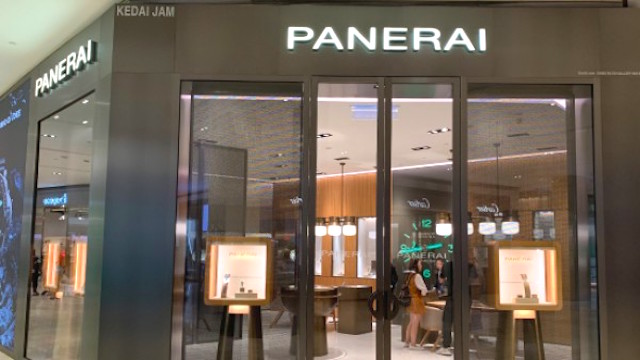
    Italian high-end watchmaker Panerai has opened its renewed Galaxy boutique in Macau.

    The 42sqm store joins the existing locations in Wynn Macau and Wynn Palace and is located at the Galaxy Macau resort on Cotai Strip, where the most prestigious local hotels and entertainment areas are based.

    The concept of the design and materials used for the Panerai area reflects its Italian tradition with an underwater theme. Panerai supplied the Italian Navy with precision instruments for many decades, in particular its specialist diving corps.

    Panerai now has 87 boutiques throughout the world, three of which are in Macau.

  • Emperor Watch & Jewellery sales slowing down in Hong Kong, Macau

    Emperor Watch & Jewellery sales slowing down in Hong Kong, Macau

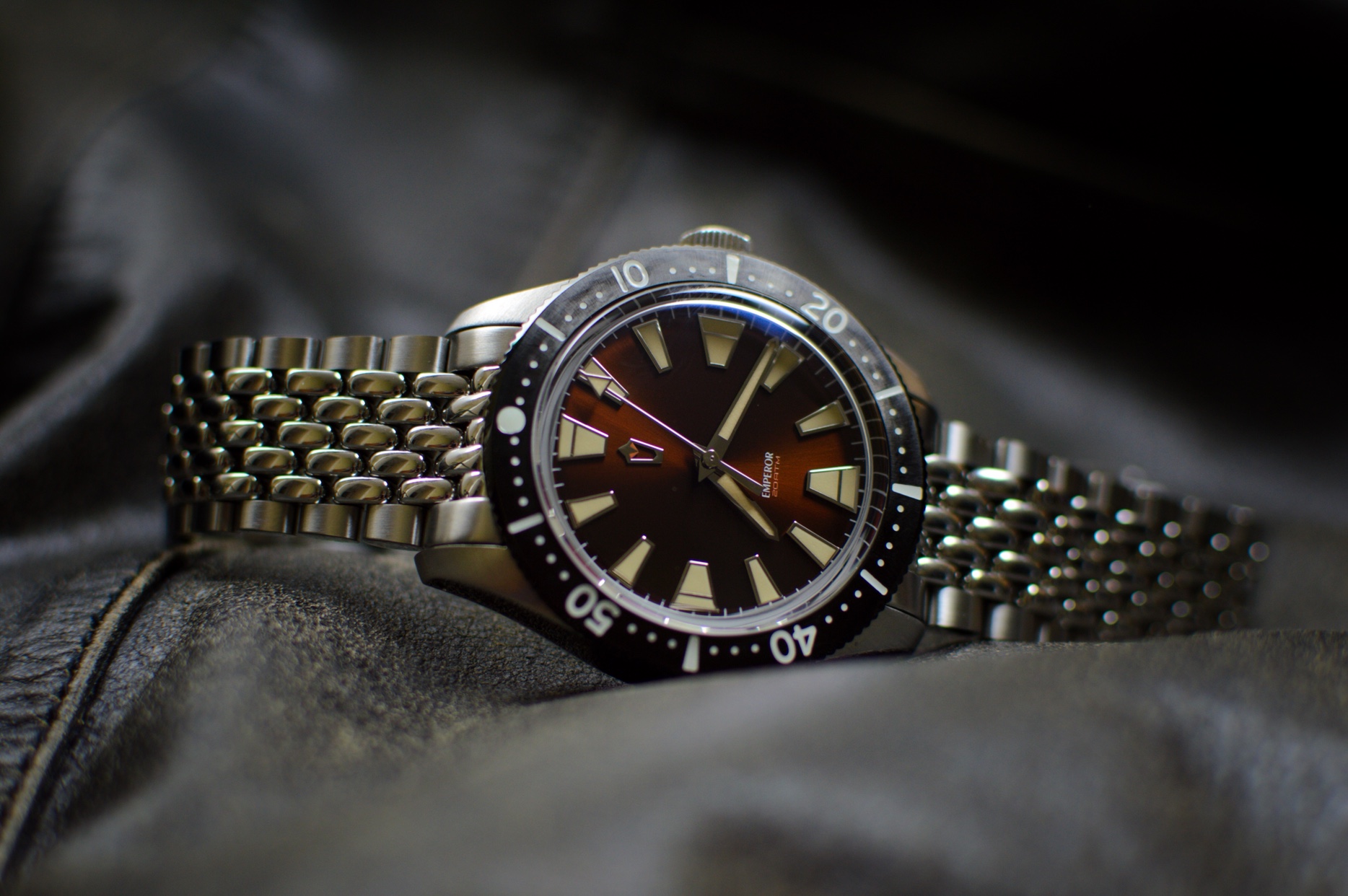
    Emperor Watch & Jewellery sales rose strongly in Hong Kong and Macau last year, due to a rebound in tourism in the first half and the opening of new stores.

    Hong Kong remained the group’s core market, with sales there up 19.6 per cent. In Macau, sales rose 224 per cent, according to the company’s latest results.

    Adjusted net profit of $269 million represented a 68.1 per cent improvement over the preceding year.

    Emperor Watch & Jewellery sales in Singapore and Mainland China were broadly stable year on year.

    The company ended the year with 95 stores, a net gain of 15. Six of the new stores were jewellery shops opened in Hong Kong, all in shopping malls with heavy foot traffic, such as Telford Plaza I in Kowloon Bay, APM in Kwun Tong and Mostown in Ma On Shan.

    In Malaysia, the company opened its first store, a 2000sqft site in Pavilion Kuala Lumpur.

    Sales of watches grew 13.1 per cent to HK$3.664 billion, accounting for 77.6 per cent of group sales. Jewellery sales rose by 25.5 per cent to $1.058 billion, thanks to an expanded store network and greater marketing activity.

    In its results, Emperor Watch & Jewellery described last year as one “of contrasts”.

    “The first half of the year was marked by encouraging growth for the luxury consumption market in general. However, this growth was not sustained and the second half was punctuated by a fall-off in market sentiment in the shadow of a prolonged Sino-US trade dispute.”

    It said the macro-economic headwinds such as the trade dispute, a cooling Chinese economy and swings in currencies present “formidable business challenges in the near term”.

    “Over the past decades, the group has witnessed many ups and downs, and has emerged stronger after each cycle. As such, the group will continue to execute responsive and flexible strategies while fine-tuning its priorities to stay competitive. The group will also strive to optimise its cost structures across each level of business and remain vigilant regarding uncertainties on the horizon.”

  • Sportswear brands Merrell and Saucony heading to China

    Sportswear brands Merrell and Saucony heading to China

    Chinese sportswear retailer Xtep has signed a deal with Wolverine World Wide to distribute Merrell and Saucony products in Mainland China, Hong Kong and Macau.

    The joint venture plans to start operating in the second half of this year.

    “We are delighted to have Wolverine, a global company with a portfolio of premium brands, as our partner,” said Ding Shui Po, Xtep chairman and CEO. “We look forward to working shoulder-to-shoulder with them to seize the numerous business opportunities we see in these key Asian markets.”

    New stores will trade under the Merrell and Saucony banners, with the majority slated for shopping malls in China’s larger cities. Xtep plans an expanded presence for both brands in Hong Kong and Macau.

    “Wolverine is extremely pleased to partner with Xtep to accelerate the growth of two of our best-known global brands – Saucony and Merrell – in the critical markets of mainland China, Hong Kong and Macau,” added Blake W. Krueger, chairman, CEO and president of Wolverine.

    “We have seen incredible sportswear growth in these markets, and our brands are now poised to excel as we engage Xtep’s significant retail presence and regional expertise to tap into the booming running and outdoor sectors.”

  • Sands China mall sales increase when land-based visitors return

    Sands China mall sales increase when land-based visitors return

    Sands China mall revenue rose 5.8 per cent last year as Mainland China visitor numbers rebounded. Sands China owns The Venetian Macao, Sands Cotai Central, The Parisian Macao and The Plaza Macao shopping centres which boast a combined 1.87 million sqft of retail-mall space. They form a key part of the company’s giant gaming and resorts business in the territory, which combined posted US$8.67 billion in sales last year, up more than 14 per cent, and achieved a post-tax profit of $1.87 billion, up 17 per cent.

    The company says mall revenues for the year increased 5.8 per cent overall to $507 million, compared to $479 million the previous year.

    The increase was primarily driven by higher turnover fees from Shoppes at Four Seasons, Shoppes at Venetian and Shoppes at Cotai Central, and from additional retail space becoming available at Cotai Central.

    The strongest-performing mall complex was the smallest of the four, The Plaza Macao, which has the 241,548sqft gross leasable area (GLA). It achieved 99 per cent occupancy with a base rent of $460 per sqft and tenant sales of $4373 per sqft, contributing $145 million in revenue, up 10.7 per cent year on year.

    The weakest-performing mall was The Parisian Macao, with 89.8 per cent occupancy of its 295,915sqft GLA. Base rent per sqft was $156 and tenant sales per sqft $649. Revenue there fell 13.6 per cent year on year to just $57 million.

    The company’s largest Macau property, and its first, The Venetian Macao, has 813,376sqft of GLA. It achieved total mall revenues of $233 million last year – up 6.4 per cent – with 90.3 per cent occupancy, a base rent of $263 and tenant sales of $1746.

    Sands Cotai Central, with 519,681sqft GLA, achieved $69 million in revenue – up 9.5 per cent – and achieved 91.5 per cent occupancy. Base rent was $108 and tenant sales $892.

    Sands China said its food and beverage revenues rose 4.1 per cent last year to $304 million, driven primarily by increased foot traffic.

    Chairman Sheldon G Adelson said Macao’s development and evolution as Asia’s leading tourism destination accelerated during the year, with market-wide visitation from China reaching a record 25.2 million visits, an increase of 14 per cent compared to last year.

  • Warm weather blamed for worsening Bossini International loss

    Warm weather blamed for worsening Bossini International loss

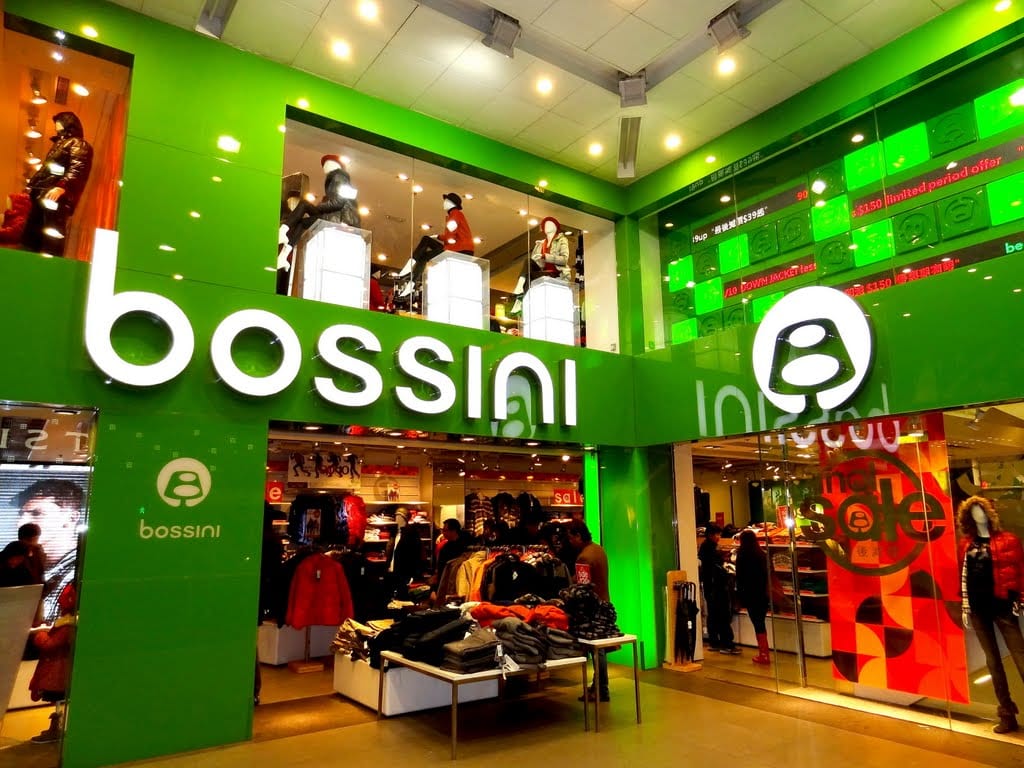
    An unseasonably warm winter and weak consumer sentiment in core markets has been blamed for a more than doubling of losses for Bossini International in the six months to December. The casual-fashion retailer reported a 10 per cent decline in group revenue to HK$875 million (US$111.5 million) and a 5 per cent drop in same-store sales for the period. Gross profit fell 11 per cent and the loss attributable to shareholders ballooned from $12 million in the same period a year earlier to $26 million (US$3.3 million).

    Operating profit in the key Hong Kong and Macau market, where Bossini has 39 stores, improved, despite a 5 per cent decline in same-store sales.

    In Singapore, sales plummeted 23 per cent due to store closures. Same-store sales there fell by 6 per cent, in Taiwan by 7 per cent and in Mainland China by 3 per cent. Group-wide same-store sales fell by 5 per cent, worse than the 2 per cent of the December 2017 half.

    As at the end of last year, Bossini International had a total net retail floor area for directly managed stores of 362,000sqft, about 4000sqft less than a year earlier, across 295 stores, (11 more than a year earlier). It opened 114 franchised stores in markets outside Hong Kong and Macau, taking the total franchised network to 768.

    Hong Kong challenge

    Bossini chairman Man Kuen Bess Tsin said the significant decline in retail sales growth in Hong Kong since July and the negative impact of the devaluation of the Renminbi had impacted on the company’s sales in its home market, which accounts for 66 per cent of group revenue.

    “The Hong Kong retail market presented a cautious optimism if not a mixed picture. Strong inbound tourism, especially from Mainland China, was recorded in Hong Kong. Nevertheless, the consumption per capita started to drop in the third quarter, despite the annually increasing numbers of tourist arrivals in Hong Kong.”

    The group’s total net retail floor area in Hong Kong and Macau reduced from 125,800sqft to 121,600sqft, a decrease of 3 per cent, while sales per square foot slipped 5 per cent to $7200 (from $7600). Operating profit in Hong Kong and Macau was $17 million, up from $12 million for an operating margin of 3 per cent (compared with 2 per cent a year earlier).

    Mainland China revenue decreased 2 per cent.

    Bossini Singapore posted an operating loss of 5 million, 20 per cent more than the comparable period and the operating margin was negative 9 per cent.

    Cautious outlook

    Tsin said Bossini International management is “cautiously optimistic” about the year ahead.

    “However, in face of the complex and volatile global economy and geopolitics, the outlook is full of uncertainties. As an open economy, Hong Kong is particularly vulnerable to the impact of the global situation. At the same time, the local economy and consumption structure are also gradually changing.

    Challenges and opportunities coexist. The group is fundamentally strong with a healthy financial position, which is capable of facing the potential challenges.”

    Tsin said the export franchising business is a main focus of the group.

    “We will further expand and optimise the distribution network, leveraging the economy of scale in market reach and profitability.”

    The company will focus on introducing more new products and designs, with a focus on functionality at the core of its product strategy. Alongside the young adult segment, the company will develop more childrenswear lines to broaden its customer base and it will strengthen supply chain management to improve operational efficiencies.

  • Greater China helps ease Tod’s Group European challenge

    Greater China helps ease Tod’s Group European challenge

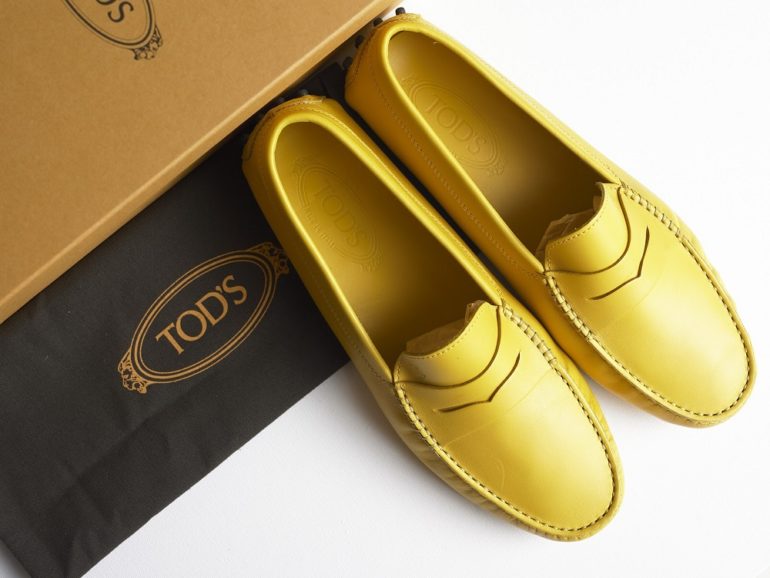
    Luxury fashion retailer Tod’s says Greater China sales rose 3.2 per cent last year, to reach €218.7 million. Releasing annual sales results, the Italian-based company said Greater China sales growth accelerated during the fourth quarter, especially on the mainland which now accounts for 60 per cent of its Asian turnover. Hong Kong and Macau also performed well, although the company did not disclose detailed figures for the two territories.

    Tod’s consolidated global sales reach €958.2 million at constant exchange rates, which was essentially the same as for 2017. Tod’s and Roger Vivier were affected by currency fluctuations.

    Retail sales reached €622.3 million, with wholesale revenue comprising the rest. However same-store sales fell by 3 per cent, due to declines across Europe which erased the China growth. In Italy, consumers were spooked by political and economic uncertainties and greater Europe by lower sales to tourists.

    “Last year’s sales results were substantially in line with our expectations, despite the growing international economic and political uncertainties,” said chairman and CEO Diego Della Valle.

    By label, Hogan sales rose 1.8 per cent, Tod’s and Roger Vivier held steady and Fay slipped 3.4 per cent.

  • Mainland China, US and Japan fuel I.T Group sales growth

    Mainland China, US and Japan fuel I.T Group sales growth

    I.T Group sales slipped in the company’s home market, but the fashion retailer is achieving high growth in Mainland China, the US and Japan. Unaudited sales data for the three months to November show an 8.5 per cent year-on-year improvement in Japan and the US and 6.8 per cent growth on the mainland. Hong Kong and Macau sales slipped by 1.8 per cent in the same period.

    Figures for the nine months to November are even better in the US and Japan, up 11.1 per cent, while sales growth in the home market reached 4.8 per cent and on the mainland 1 per cent.

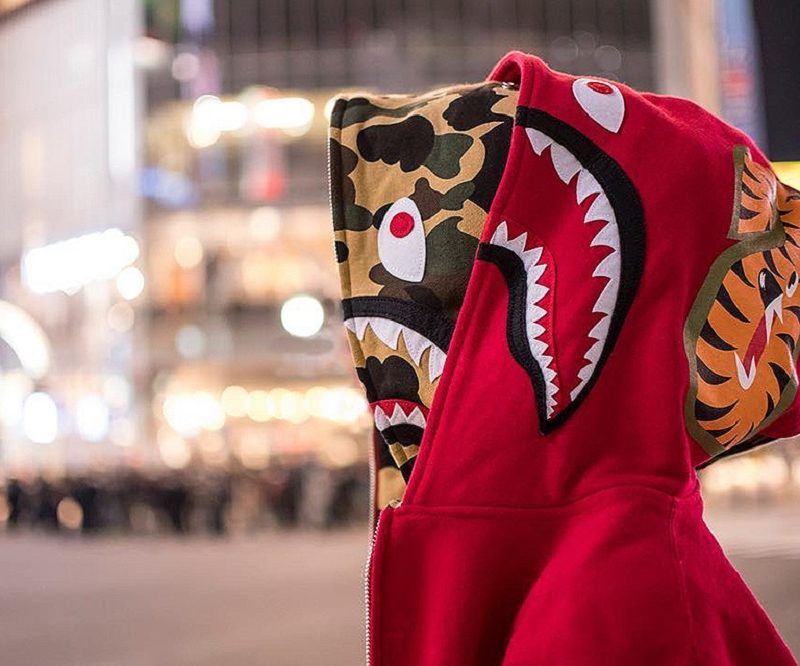
    I.T Group operates its own brands, including Chocoolate and 5cm, concept stores Izzue and Double-Park; international brands it has local licences for including Kurt Geiger and Camper; and A Bathing Ape, which the company rescued from Japanese owners in 2011.

    Chairman Sham Kar Wai said “complex macroeconomic conditions” affected the business in all three regions during the third quarter.

    “Our Hong Kong and Macau operations registered negative same-store sales growth as a result of multiple typhoons, and weaker consumption appetite during the period. In contrast, our Mainland China business delivered positive same-store sales growth, and our Japan and  the US regions continued to progress on a positive trend.”

    He said the group continued to execute measures to safeguard its gross margin, including holding back discounting.

    “However, enhancements to gross margin was overshadowed by the negative impact of the depreciation of currencies of our merchandise purchase. As a result, gross margin decreased during the period.”

    Sham Kar Wai said the company has been even more cautious about the overall operating environment over the last few months, as the recent escalation of trade dispute between Mainland China and the US has cast “greater uncertainties on the future economic outlook”. “Moreover, the warm weather in Hong Kong and Macau may further weigh negatively on the consumer spending momentum across the region.”

  • Beijing approves blueprint for ‘Greater Bay Area’

    Beijing approves blueprint for ‘Greater Bay Area’

    Chinese Vice-Premier Han Zheng, the point man on Hong Kong and Macau affairs, recently gave the green light to the official document on the “Greater Bay Area” following extensive consultations with local governments, a Beijing source said. “No party or agenda, including even environmental protection, will be left behind by this all-inclusive blueprint,” the official said.

    More than three years in the making, the Greater Bay Area was first mentioned in a development action plan jointly outlined by China’s top authorities on economic planning, commerce and foreign affairs to create a new economic growth engine by pooling together Hong Kong, Macau and nine neighbouring cities in Guangdong province.

    The mega zone covers 56,500 square kilometres, has a combined population of about 67.6 million and accounted for 12.5 per cent of the country’s gross domestic product in 2016.

    Hong Kong leader Carrie Lam Cheng Yuet-ngor has taken part in discussions on the scheme since August last year, becoming the city’s first chief executive to join a leading group under China’s cabinet, the State Council.

    Authorities were now working on the implementation plan, Zhang said in an interview with state broadcaster CCTV which was aired on Saturday night.

    Hong Kong, Macau, Guangzhou and Shenzhen would be the central cities in the bay area, and each had their own unique positioning, he said.

    Hong Kong will be the international finance, navigation and trade centre, as well as a transport hub. It will have the role of pushing finance, trade, logistics and professional services towards the high-end market.

    Macau will be an international tourism city and a platform for trade with Portuguese-speaking countries. Guangzhou will take a leading role as a national central city while Shenzhen will take a leading role as a special economic region and an innovative city, he said.

    The planners hope the advantages these four cities enjoy can complement each other and offset the challenges brought by gaps in the legal and economic systems.

    The international network and mature market economy of Hong Kong and Macau could have big potential when combined with the vast hinterland and market Guangzhou enjoyed, he said.

    “Under the new circumstances, Hong Kong and Macau still have their unique position and advantages that cannot be replaced,” Zhang said.

    He revealed for the first time that there were almost 100,000 Hong Kong residents and nearly 20,000 Macau residents who had applied for a new identity card that would grant them access to a wide range of social and public services on the mainland. The arrangement was introduced on September 1 last year.

    There were high expectations that Beijing would reveal the blueprint when Premier Li Keqiang said in March last year there would be an announcement soon. But the central government has since been embroiled in a trade war with its biggest trading partner, the United States.

    Sources said that the tussles over political interests and dominance among the Greater Bay Area parties was a reason behind the delay and meant the central government had to step in to coordinate.

    “But the most important question here is whose model to follow and whether the tussle is about Hong Kong converting mainland cities or the other way around?” said an academic who has direct knowledge of the blueprint’s planning.

    “Mainland cities are hesitant to follow Hong Kong’s model in case they lose official powers.”

    An internal study by an official think tank seen by the Post said the crux of the Greater Bay Area integration was about putting “one country, two systems” into practice but differences in economic, tax, customs and legal systems that would ensure Hong Kong and Macau’s high degree autonomy have remained key challenges.
  • Sa Sa sales drops in HK, Macau

    Sa Sa sales drops in HK, Macau

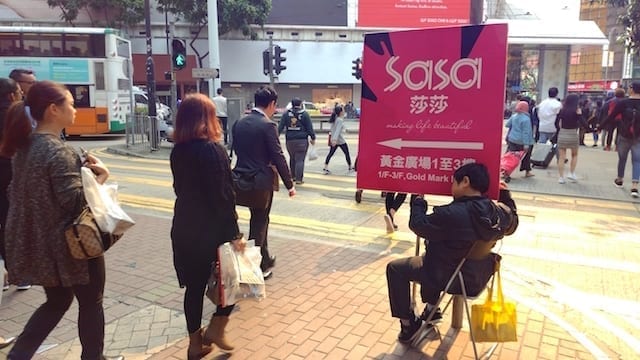
    Sa Sa International sales slipped 2.2 per cent in the latest quarter, with same-store sales in Hong Kong and Macau down 3.7 per cent. The company says that while the transaction volume of mainland tourists rose 5.8 per cent in the three months to December 31, transactions by locals fell 5.2 per cent. However the average sale to tourists fell by 6.1 per cent and just 0.2 per cent to locals.

    Sa Sa International’s retail and wholesale turnover in markets outside Hong Kong and Macau (including Mainland China, Singapore, Malaysia and e-commerce) increased by 1.3 per cent in the third quarter.

    “[Hong Kong] consumer sentiment remained sluggish due to the weaknesses in RMB exchange rate and stock market under the continued shadow of the Sino-US trade war,” said chairman and CEO Simon Kwok in a stock exchange filing.

    “In addition, the new e-commerce law passed by the Chinese government in August came into force early this year and made daigou traders more cautious in running their businesses. The group’s sales performance was affected and negative growth was recorded in both retail sales and same store sales in the Hong Kong and Macau markets in November and December.”

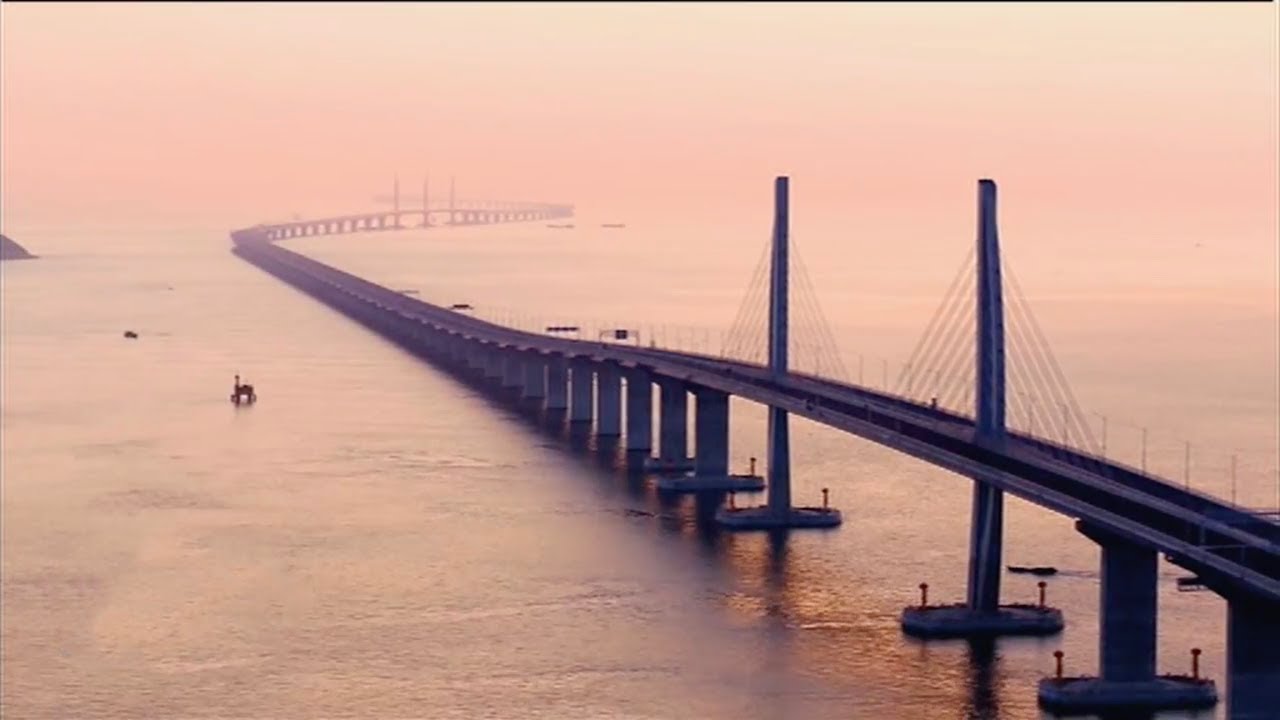
    Kwok said that since the launch of the Hong Kong section of the Express Railway Link, the Group’s SaSa stores located in the Hong Kong West Kowloon station and the neighbouring Tsim Sha Tsui district have been reporting satisfactory sales performance. However, the increased influx of mainland tourists via the new Hong Kong-Zhuhai-Macau Bridge were mainly sightseeing trippers with limited purchasing power and barely contributed to the group’s overall sales in Hong Kong.

    “Nevertheless, the group believes the two mega infrastructure projects will attract more mainland travellers with higher consumption when they are gradually consummated. The group remains optimistic towards the outlook of Hong Kong and Macau markets in the middle to long run under the favourable development of the Greater Bay Area.”

    Kwok said Sa Sa International will strengthen promotional efforts to boost traffic and sales in physical stores to offset a decline in the online-driven daigou business.

    “Digitalisation and information technology enhancement will be sped up to improve operational efficiency and shopping experience. In addition, the group will seize the opportunities brought by the Greater Bay Area to achieve sustainable business development for the group,” he said.

  • Lululemon opens first store in Macao

    Lululemon opens first store in Macao

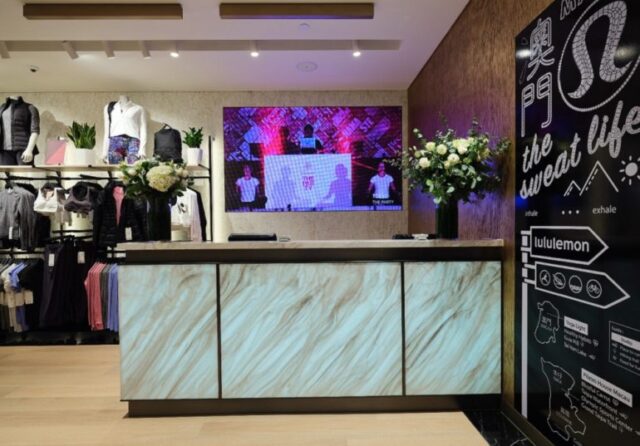
    Located in Macao’s bustling premier leisure resort, The Venetian Macao, which is home to world-class casinos, hoteliers and luxury shopping. The store is set to transform the traditional shopping experience with 2,110 square feet of retail, fitness, and community experience unlike any other in Macao. The overall aesthetic of the store is classic and refined. Inspired by the blue sky and the grand canal in Venetian Macao, with touches of golden tone and sun elements throughout the store. The fitting room area also features blue tone to highlight the color of local Macao, as well creating a separated and private area for guests.

    The retail space showcases the premium athletic apparel retailer’s full collection of innovative technical products for run, cycling, yoga, water pursuits and everything in between. The store also features our signature pant wall, designated to help customers find the right pair based on different sensations.

    Behind the cash desk features large digital screens showcasing product stories and the store ambassador films. Next to the cash desk is a community board where guests can find information on complimentary workshops they can partake in, as well discover local fitness and cultural points of interest curated by lululemon’s local team.

    A space to stretch, sweat, connect and enjoy the latest collections, lululemon’s Venetian Macao store has been created to offer you retail space with a difference, helping you escape from the buzz of the city and find stillness, happiness, and above all fun.

  • Starbucks to open two stores in Macau Airport

    Starbucks to open two stores in Macau Airport

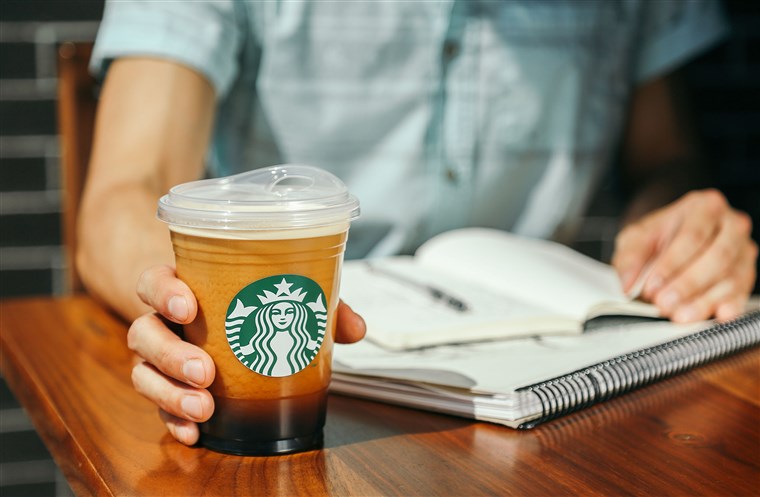
    Starbucks has expressed interest in seeking further opportunities to expand within Macau.

  • Chow Tai Fook Jewellery Group, WeChat signed agreement deal

    Chow Tai Fook Jewellery Group, WeChat signed agreement deal

    Chow Tai Fook Jewellery Group has signed a memorandum of understanding with Chinese online platform Tencent to allow jewellery purchases using WeChat Pay. In a move to promote “seamless cross-border intelligent consumption”, the agreement allows Hong Kong WeChat users to use the platform’s digital payment solution to make purchases at specified Chow Tai Fook jewellery stores in Mainland China.

    The group is planning steps to activate WeChat Pay HK within more Chow Tai Fook Jewellery stores in the Greater Bay Area, as well as other cities throughout Mainland China. It is also seeking to extend the payment agreement to its other brands.

    “Striving for innovations and breakthroughs, we are committed to providing seamless and exceptional consumer experience through a wide range of innovative projects,” said Chow Tai Fook executive director Bobby Liu. “The introduction of advanced technology has made the convenience in offering cross-border consumption, online payments and an integrated online-to-offline shopping experience available to customers from Hong Kong.”

    Tencent Financial Technology VP Royal Chen said the collaboration with Chow Tai Fook Jewellery Group will fully make use of the available mobile payment technology.

    “Tencent Technology will vigorously promote cross-border financial cooperation. Leveraging financial and technological advancements, we aim to build a truly integrated service platform for those living in both Hong Kong and Mainland China.”

    Tencent Fin-Tech and Chow Tai Fook will also jointly explore and research proposals for ID verification in order to ease the flow of capital and manpower resources across the border.

  • The world’s most expensive retail street is not in NYC anymore

    The world’s most expensive retail street is not in NYC anymore

    Russell Street in Hong Kong’s Causeway Bay district has replaced New York’s Upper 5th Avenue as the world’s most expensive retail street by rental value, according to property consultants Cushman & Wakefield. For the first time in five years, the city has regained the crown, with average annual rents of US$2,671 per square foot (HK$20,953) despite a small decline of 1.5 per cent in average rents, according to the company’s annual Main Streets Across the World report.

    This was also the sixth time Causeway Bay has had the distinction of being named the world’s most expensive retail location.

    The report, now in its 30th year, tracks 446 of the top retail streets around the globe, ranking them by their prime rental value as of the second quarter of 2018.

    Upper 5th Avenue in New York slipped to second place globally, with average annual rents of US$2,250 per sq ft compared with US$3,000 per sq ft in the previous 12-month period as vacancy increased. The report said rents had fallen by 25 per cent because of the increased vacancy.

    London’s New Bond Street meanwhile is the most expensive European location and third globally. Annual rents here were broadly flat year-on-year at US$1,744 per sq ft, underlining the fact that luxury and high-end retailers still see the UK’s capital as a key retail destination.

    Beijing’s Wangfujing has become the most expensive street in China, with rents on average costing US$482 per sq ft a year, ranking 11th worldwide.

    “The retail market in Hong Kong has experienced a rebound over the last year, driven mainly by a return of mainland Chinese tourists,” said Kevin Lam, Cushman & Wakefield’s head of retail services for Hong Kong.

    Maureen Fung Sau-yim, executive director of Sun Hung Kai Real Estate Agency, said the number of mainland tourists would remain high if the yuan fell further.

    Fung manages 38 shopping malls with a gross floor area of 10 million square feet in Hong Kong and mainland China.

    One of them, APM, in Kwun Tong, was among the first to introduce round-trip direct buses from the mall to Zhuhai and Macau.

    “Since the opening of the Hong Kong-Zhuhai-Macau Bridge on October 24, APM has been running 780 round-trip direct buses to Zhuhai and Macau, serving 25,000 passengers, in which 80 per cent of them are Macau tourists who came for a one-day tour,”she said on Wednesday.

    Each of these visitors spends between HK$500 and HK$800, mainly on dining, cosmetics, and personal care.

    “APM aims to draw as many as 100,000 monthly visitors to the mall. Extra part-time staff are being hired to support the new demand,” adds Fung.

  • Halt to Hong Kong and Macau one-day trips

    Halt to Hong Kong and Macau one-day trips

    Travel agencies across Guangdong have been ordered to halt all one-day trips to Hong Kong and Macau on weekends via the cross-border bridge to reduce the nuisance suffered by the cities’ residents. The move comes about a week after Guangzhou tourism authorities issued an urgent notice asking travel agencies in the provincial capital to avoid taking groups of visitors across the Hong Kong-Zhuhai-Macau Bridge at weekends.

    Since the crossing opened to traffic on October 24, large numbers of mainland visitors have descended on the usually quiet neighbourhood of Tung Chung, on Lantau Island, crowding bus stops and emptying shop shelves.

    Between October 17 and November 1, more than 1.78 million visas to Hong Kong and Macau were issued to applicants across Guangdong – mostly retirees – making for a year-on-year increase of 26.6 per cent, according to the province’s public security department.

    Aside from Tung Chung residents and activists being upset by the large crowds, there have also been allegations that illegal tour operators were flouting employment laws that prevent mainlanders from working in Hong Kong.

    The Guangdong Provincial Culture and Tourism Department said that it had taken three measures to “further reduce the pressure on the ports and the surrounding areas”.

    In halting short weekend trips to Hong Kong and Macau via the bridge, it had encouraged travel agencies to arrange “quality trips that last two days or more”.

    The other two measures were to get tourism authorities at municipal and lower levels to monitor the agencies closely, and control passenger flow through an online ticketing system for cross-border buses.

    “After our department and other related authorities carried out the control measures, traffic on roads to the bridge’s port in Zhuhai has become smooth, and the number of passengers heading to Hong Kong from Zhuhai has been effectively contained,” the department said.

    According to the Travel Industry Council in Hong Kong, the number of registered tour groups coming over the bridge fell to 340 last weekend from 430 the weekend before.

    Hong Kong’s Immigration Department reported that last weekend, 76,473 passengers entered Hong Kong via the bridge, down from 102,749 the weekend before, a 26 per cent drop.

    The marketing representatives of two major travel agencies in Guangzhou, Guangzhilv and Nanhu, claimed they were not aware of the latest orders.

    On Nanhu’s website, 13 one-day trips to Hong Kong and Macau via the bridge were still available as of Wednesday evening, including weekend trips.

    Guangzhilv’s four one-day trips to Hong Kong all depart on weekdays.

    Alice Chan Cheung Lok-yee, executive director of Hong Kong’s Travel Industry Council, welcomed the new measures by Guangdong, and said it would make further cuts to the number of one-day tours.

    Chan said there was no need to ban all one-day trips if the mainland visitors arrived in properly managed groups led by local tour agents.

    She said the council would monitor the situation and stay in touch with the Guangdong authorities.

    Tourism sector lawmaker Yiu Si-wing expected Guangdong travel agencies to comply with the orders of their provincial authorities and organise more two-day tours.

    This would help relieve pressure on the port-to-port shuttle bus services at the bridge, the border clearance facilities and the local districts that visitors go to, he added.

  • Q3 Macau retail sales rise

    Q3 Macau retail sales rise

    Third-quarter Macau retail sales surged 12.8 per cent year on year to 18.19 billion patacas (US$2.26 billion), according to data from the SAR’s Statistic Department. However, possibly reflecting the timing of typhoons last year and this year, sales rose only 1 per cent quarter on quarter. Watches and jewellery accounted for 21 per cent of total spending during the quarter. Department stores accounted for 16.3 per cent of the market and apparel 13 per cent.

    The increase in third-quarter Macau retail sales was driven by department stores, up 23.1 per cent, communications equipment (up 19.8 per cent) and pharmacy goods, up 19.4 per cent.

    For the first nine months of this year, Macau retail sales rose by 20.8 per cent.

    However the Statistics Department’s data suggests retailers have modest expectations for the rest of the year. Just 16 per cent of retailers questioned expect an increase in sales for the three months to December, compared with 38.2 per cent who expect a decline and 45.8 per cent who expect sales to remain steady.