Tag: Macau

  • Apple is opening second store in Macau

    Apple is opening second store in Macau

    Construction crews have begun assembling a green facade at the site of the second Apple Macau store, to be located next to the Sands Cotai Central casino resort.

    A sign says the shop is “coming soon”, but the facade sports a wave pattern and a chrome-like logo, signalling that Apple considers it an important outlet (the company often uses a plain black facade for smaller openings).

    The first Apple Macau store opened in June 2016 at Galaxy Macau.

    Apple’s store in Causeway Bay, Hong Kong, is also undergoing renovations as the tech retailer rolls out an updated store model across the region.

    And in Beijing,  the Apple store on Wangfujing Road will close on June 24 for a makeover, with no date set for re-opening.

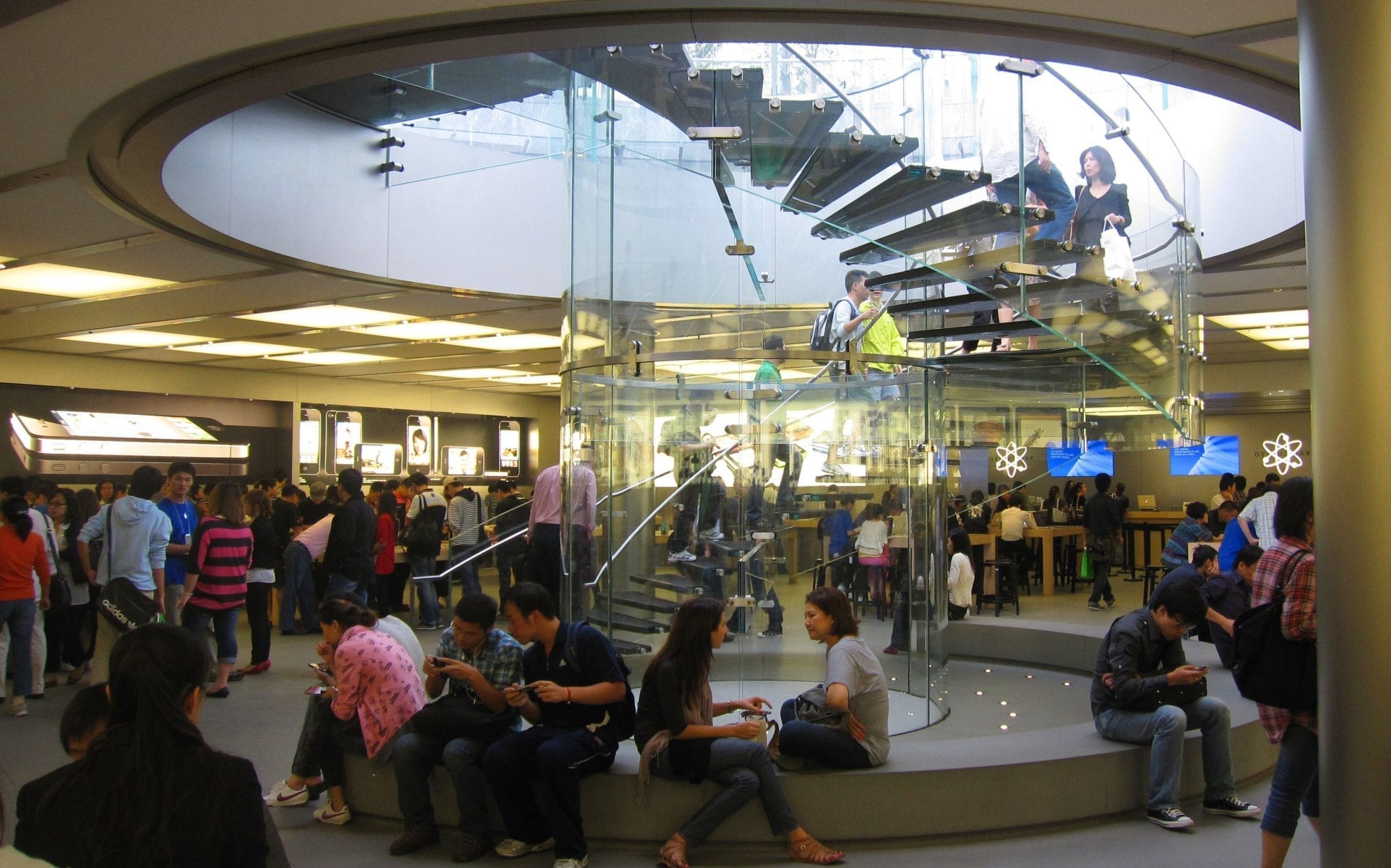
    Opened in 2012, it is one of Apple’s older stores in China, a two-floor outlet with a round glass facade.

    Apple’s remodelled stores often gain extra space to accommodate both more products and customers. A larger floor gives room for Today at Apple sessions related to photography, coding, exercising with the Apple Watch, and other topics.

    Apple’s latest retail design, introduced in 2015, typically includes glass doors, video screens for product marketing and in-store events, and sequoia wood shelves on the walls for accessories.

    Its flagship Covent Garden store in London will also be closed from June 27 for renovations. This location became Apple’s largest store when it opened in 2010.

  • Are Macau’s glory days back?

    Are Macau’s glory days back?

    Macau’s gaming sector rebounded in 2017 with total visitor arrivals growing 5.1% year-on-year. With increasing visitors, gaming and retail sales has rebounded dramatically however distribution of these gains has not been equal.

    During the fourth quarter of 2017, Macao has experienced record sales with an increase by 12.6% compared to the previous year. This impressive recovery takes place just two years after the 2015 crisis during which sales dropped by 80%.

    Operators, retailers and the government seem to have found the good recipe to attract people and make them stay in Macao.

    Macao’s hotels have become attractions by themselves. They propose a wide range of accommodations and a large variety of facilities such as swimming pools, restaurants, fitness centers, shopping centers… “40% of visitors choose their place to stay in Macao based on retail and dining options” said Olivier Tong, Head of Retail at JLL.

    On top of that, the average 5-stars hotel price in Macao is 45% cheaper than Hong-Kong.

    These two strategies definitely improve customers’ experience in Macao and clearly have the same objective: make visitors stay longer in Macao. And it seems to work because Macao has recorded an increase of 22.2% of overnighters compared with 2015.

    Casino operators are diversifying their business by offering more shopping options to their clients. The highest revenue growth rates have been recorded in casinos with the highest retail surface.

    The government is also aware of its past as a destination for one-day trippers. This is why it encourages developing nightlife and non-gaming activities. Every year, the Government is involved in the organization of important events such as the Light Festival or the Macao International Parade.

    It also would impose non-gaming commitments to casinos to enable them to renew their gambling license. For instance, non-gaming revenue must reach 9% of total revenue to meet the government’s commitment. This new rule would offer great opportunities for many brands to make business in casinos like the recent Prada pop-up at Galaxy Macau.

    Thanks to all that, Macau is experimenting a strong economic recovery with a VIP-gaming, which is “much healthier” according to Olivier Tong, representing 56% of overall gaming. But operators, retailers and government still need to make this recovery sustainable.

    Contributor: Quentin Mauriac

    Quentin Mauriac is a EDHEC Business School Grande Ecole Program student. He is currently an intern for Financial Planning & Analysis at Bluebell Group. Prior to Bluebell, he was an intern at Credit Mutel – CIC bank as Investment Advisor Assistant, and Internal Controller at Cdiscount, a leading e-commerce retailer in France. During his studies at EDHEC, he also had the opportunity to manage a 36-members team as President of EDHEC Jobs Management, a provider of marketing and business services to large companies such as LVMH, Danone, P&G, etc. Following his internship at Bluebell, Quentin will pursue his international experience in Germany where he will complete his Master degree and take the CFA certificated examination.

  • BA&SH to have more stores in Asia

    BA&SH to have more stores in Asia

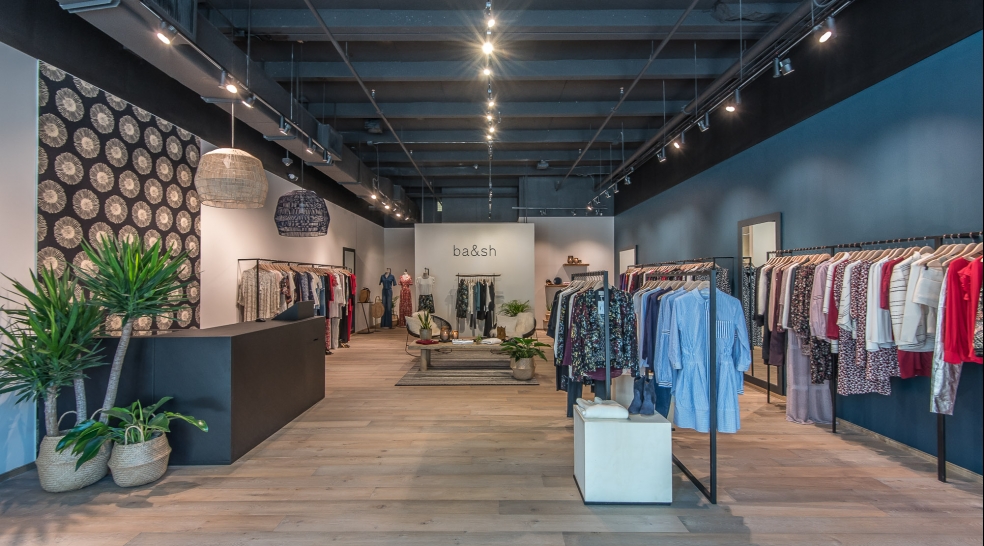
    French label BA&SH is planning to open more stores in China, Hong Kong and Macau.

    Since December the label has been planning to grow is retail network by a third including its 200 monobrand stores and department-store concessions.

    L Catterton investment fund acquired a 50 per cent stake in the label in 2015, with Pierre-Arnaud Grenade being appointed GM.

    BA&SH landed in Asia and the US last year, setting up two subsidiaries. By the end of last year, the label had 130 stores in Europe, the US and Asia.

    As well as further openings in Asia (three stores in Hong Kong, seven in China and two in Macau), BA&SH is planning to open another shop in New York. BA&SH says it has outgrown its original business model, which relied on wholesale distribution, and now 80 per cent of its revenue is generated via department-store concessions and its monobrand stores.

    Meanwhile, the label has set up a direct-to-consumer team in New York working on all aspects of e-commerce. It has launched e-commerce sites in various languages and currencies (nine so far in total) and has also started working with Tmall.com in China.

    In June last year, BA&SH chose Hong Kong for its first stores in Asia, and within five months was considering ramping up its Asia presence.

  • Le Saunda sales continues to fall

    Le Saunda sales continues to fall

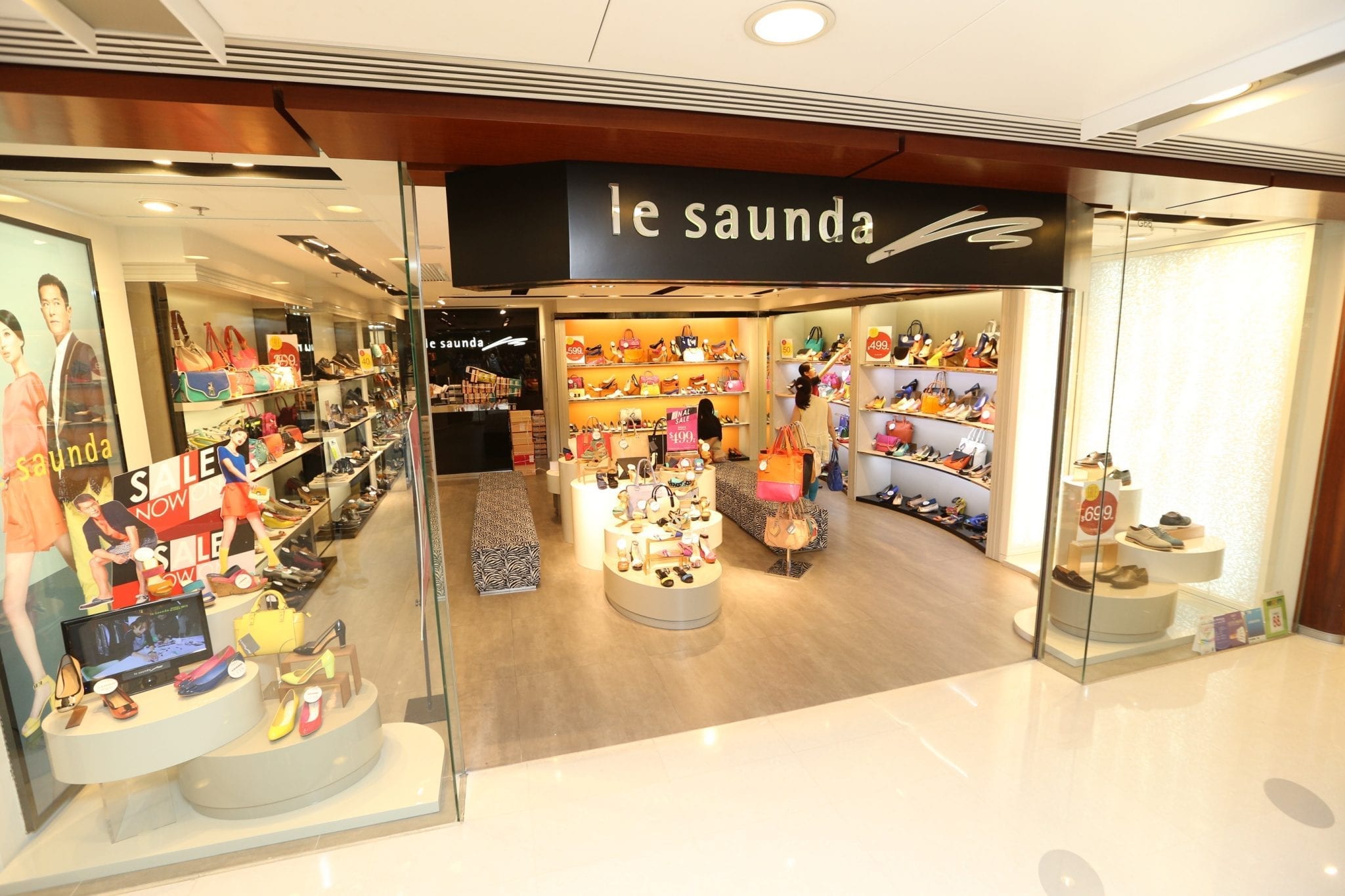
    It has been a year of losses for fashion group Le Saunda Holdings, which designs, develops, makes and retails women’s and men’s footwear handbags and accessories.

    Total Le Saunda sales fell by 17.2 per cent for the year ended February 28, reaching RMB1.13 billion (US$176 million), while consolidated gross profit dropped by 18.1 per cent to RMB743.5 billion.

    During the year, the retail channel through department stores in Mainland China remained feeble, says the group. Both topline Le Saunda sales and like-for-like sales fell. The group recorded a gross profit of RMB743.5 billion, a decline of 18.1 per cent, while the gross profit margin shrank to 65.8 per cent, down 0.7 points.

    The company sells in Mainland China, Hong Kong and Macau, its major proprietary brands being Le Saunda, Le Saunda Men, Linea Rosa, Pitti Donna and CNE.

    ‘Many challenges’

    During the year, the group initiated a series of promotional and brand marketing campaigns to mark its 40th anniversary. It also launched online leisure brand Pitti Donna.

    Le Saunda says the growth of total retail sales on consumer goods slowed down in China during the year, still presenting many challenges for traditional retail businesses.

    “In particular, the rapid development of e-commerce posed the greatest threat, and the fierce competition among traditional retail businesses resulted in extensive close-downs and tenancy surrenders.

    Because of the economic challenges, the group adjusted its strategy to close down low-profitability stores and re-adapted the e-commerce model. At the end of the year, the group had a retail network of 687 stores in Mainland China, Hong Kong and Macau, a net reduction of 109 outlets. The number of self-owned stores dropped by 101, while the number of franchised stores decreased by eight.

    At year-end, there were 493 core brand Le Saunda stores and 35 Le Saunda Men stores,
    representing net reductions of 70 and 17 stores respectively. There were two fewer stores for its high-end fashion brand Lina Rosa, taking the total to 72 stores, while there was a 21 drop in CNE stores, ending up with just one.

  • SMCP Opens 100th Store in Mainland China

    SMCP Opens 100th Store in Mainland China

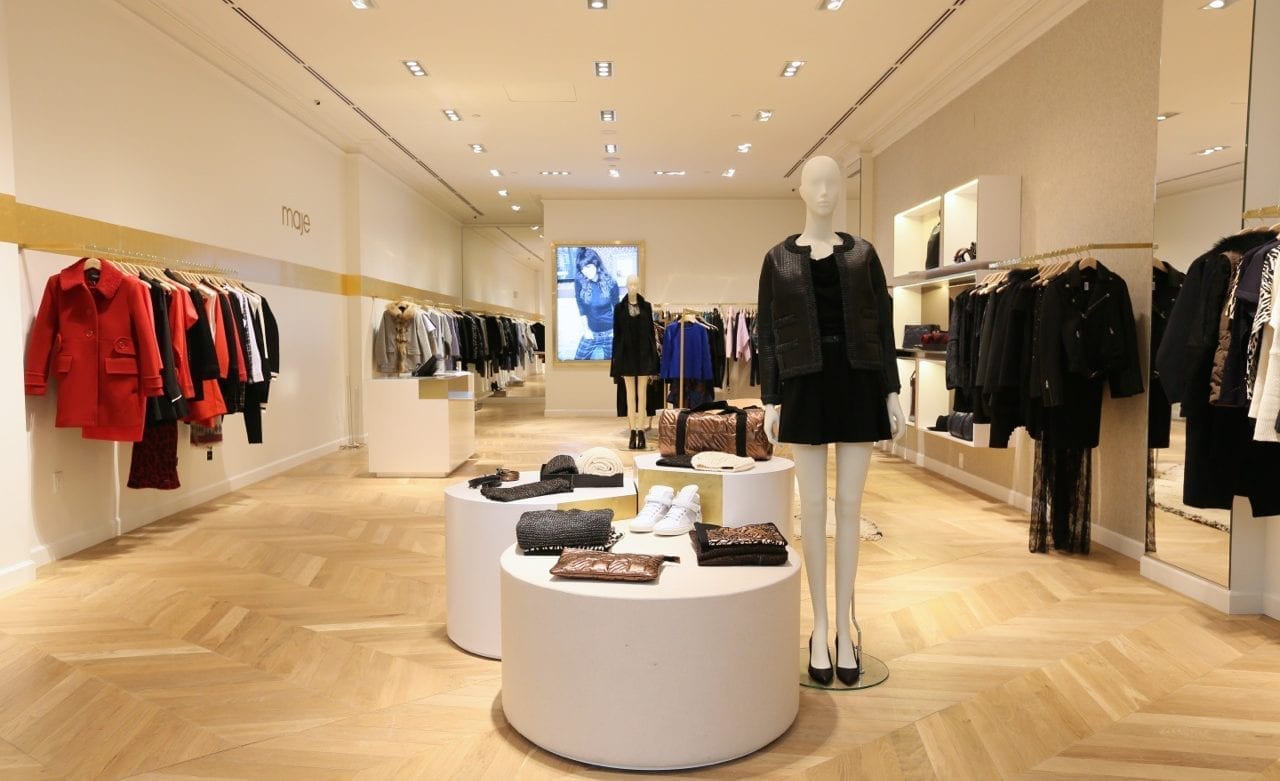
    Apparel group SMCP China has opened its 100th physical store on the mainland, the Maje, in Beijing’s Chaoyang Joy City mall.

    Since its debut in Hong Kong in 2012, the French group has built up a presence in Greater China with stores in 22 cities, including Hong Kong, Macau and Taipei. Its stores can be found in such malls as Shin Kong Place (SKP) in Beijing, IFC in Shanghai and Taikoo Li in Chengdu.

    In April 2016, SMCP initiated a partnership with T-mall, closely followed by the launch of its own online stores in September last year.

    Over the coming years, the group plans to continue draw on the popularity of its three brands in Greater China, Sandro, Maje and Claudie Pierlot, to expand.

    Overall, the Asia Pacific region today accounts for more than 20 per cent of group sales, with 276 points of sale. At the end of last year, SMCP brands were available at more than 1300 points of sales in 38 countries.

  • Asia helps boost Richemont sales

    Asia helps boost Richemont sales

    Double-digit growth in Mainland China, Hong Kong, Korea and Macau have helped boost sales for Swiss luxury goods group Richemont.

    Results for the year to the end of March show Richmont sales grew by 3 per cent at actual rates and by 8 per cent at constant rates to €10.9 billion (US$12.8 billion).

    Richemont’s brands include A. Lange & Sohne, Baume & Mercier, Cartier, Chloe, Dunhill, IWC Schaffhausen, Lancel, Jaeger-LeCoultre, Montblanc, Officine Panerai, Piaget, Purdey, Roger Dubuis and Vacheron Constantin.

    Excluding the impact of exceptional inventory buy-backs, sales grew by 7 per cent at constant rates, with a strong retail performance reflecting solid jewellery and watch sales.

    An improved macroeconomic environment, steady progress on Richemont’s transformation agenda and a mixed currency environment marked the year, says the company.

    Sales were driven by high single-digit growth in retail and double-digit growth in Asia Pacific, with particular strength in the main markets of China, Hong Kong, Korea and Macau.

    Strong overall retail performance reflected solid jewellery and watch sales, says chairman Johann Rupert.

    Asia Pacific sales were strong, with the region accounting for 40 per cent of group sales.

    Japan had a 6 per cent rise in sales, thanks to more tourism purchases.

    Also beneficial were softer comparative figures and the full-year contribution from the reopened Cartier and the new Piaget and Van Cleef & Arpels flagship stores, all in Ginza.

  • Department stores boosts retail in Macau

    Department stores boosts retail in Macau


    Department stores have led the way in retail in Macau, with 89 per cent reporting better sales (up 11 points) for March.

    They were followed by cosmetics and sanitary articles (67 per cent), down 33 points. About 15 per cent of retailers saw their sales decline, up eight points from February.

    Retailers interviewed were cautious about their business performance last month, most expecting a drop.

    Most eating establishments in Macau had a buoyant March, with a small slice reporting a decline in income, according to the latest DSEC Catering and Retail Business Survey.

    Of the restaurants and similar establishments surveyed by the Statistics and Census Service, 59 per cent reported an increase in receipts in March while 19 per cent had a year-on-year decline.

    The data was taken from the value of receipts based on a sample of 167 restaurants (53 per cent of the industry’s receipts) and 135 retailers (70  per cent of receipts).

    Of the restaurants surveyed, a record 82 per cent of Chinese outlets led the charge, while the share of Japanese and Korean restaurants with higher receipts surged 53 points to 73 per cent.

    There was a 16-point drop in restaurants with depressed sales to 19 per cent, while 13 per cent of Japanese and Korean restaurants fell by 33 points.

    Restaurants interviewed said they expected business to weaken last month, with 17 per cent anticipating a 6 per cent drop in year-on-year growth in receipts.

    Among surveyed retail outlets, 80 per cent of leather goods retailers expected their turnover to grow, up 20 points from March. On the other hand, 21 per cent of retailers surveyed expect their turnover to decline.

  • Giordano International sales boost by online sales

    Giordano International sales boost by online sales

    E-commerce has helped boost the first-quarter bottom line for Hong Kong-based clothing retailer Giordano International, particularly in China.

    Unaudited figures for the three months to the end of March show Giordano’s overall e-business generated HK$81 million (US$10.3 million) in revenue, representing a year-on-year increase of 44.6 per cent. Of this, Mainland China accounted for 87.9 per cent, with sales growth of 28.9 per cent.

    Giordano says growth momentum continued for the mainland. “The development of the two strategic channels of e-commerce and franchising were on track and will continue to be our growth drivers in the medium term.”

    Same-store sales (CSS) rose by 16.7 per cent despite 30 non-performing stores being closed in the past 12 months.

    A decline in gross margin by 1.3 points can be attributed to greater sales contribution from e-business, says the company.

    In Hong Kong and Macau, sales for the first quarter increased by 3.8 per cent, resulting from same-store sales growth of 9 per cent partly offset by the closure of a major non-performing store. Gross margin was down by 0.9 points as a result of a longer promotion period for the late Chinese New Year.

    In a rebound since last year’s second quarter, Taiwan grew same-store sales by 19.6 per cent and comparable store gross profit (CSGP) by 25.1 per cent.

    In the rest of Asia Pacific, sales increases mainly came from store expansion in Indonesia and the acquisition of its Vietnam business since July, which contributed to 5.9 per cent of the region’s sales.

    Despite a tough macro environment, other Southeast Asia markets delivered stable sales growth. Excluding the Vietnam acquisition, gross margin would have dropped by one point.

    South Korea – a 48.5 per cent JV under an independent management team – continued to deliver positive CSGP growth.

    “Inventory rationalisation and lower product costs through shared sourcing have contributed to a substantial gross margin improvement.”

    Overall, group sales for the quarter rose by 13.4 per cent to $1.4 billion while group gross profit grew by 12.5 per cent. Same-store sales and CSGP for the quarter grew by 9.5 and 8.7 per cent respectively.

    As at the end of March, the group had a network of 2414 outlets, of which 1271 were standalone stores – an increase of 40.

  • Macau Customs raids two stores selling counterfeit products

    Macau Customs raids two stores selling counterfeit products

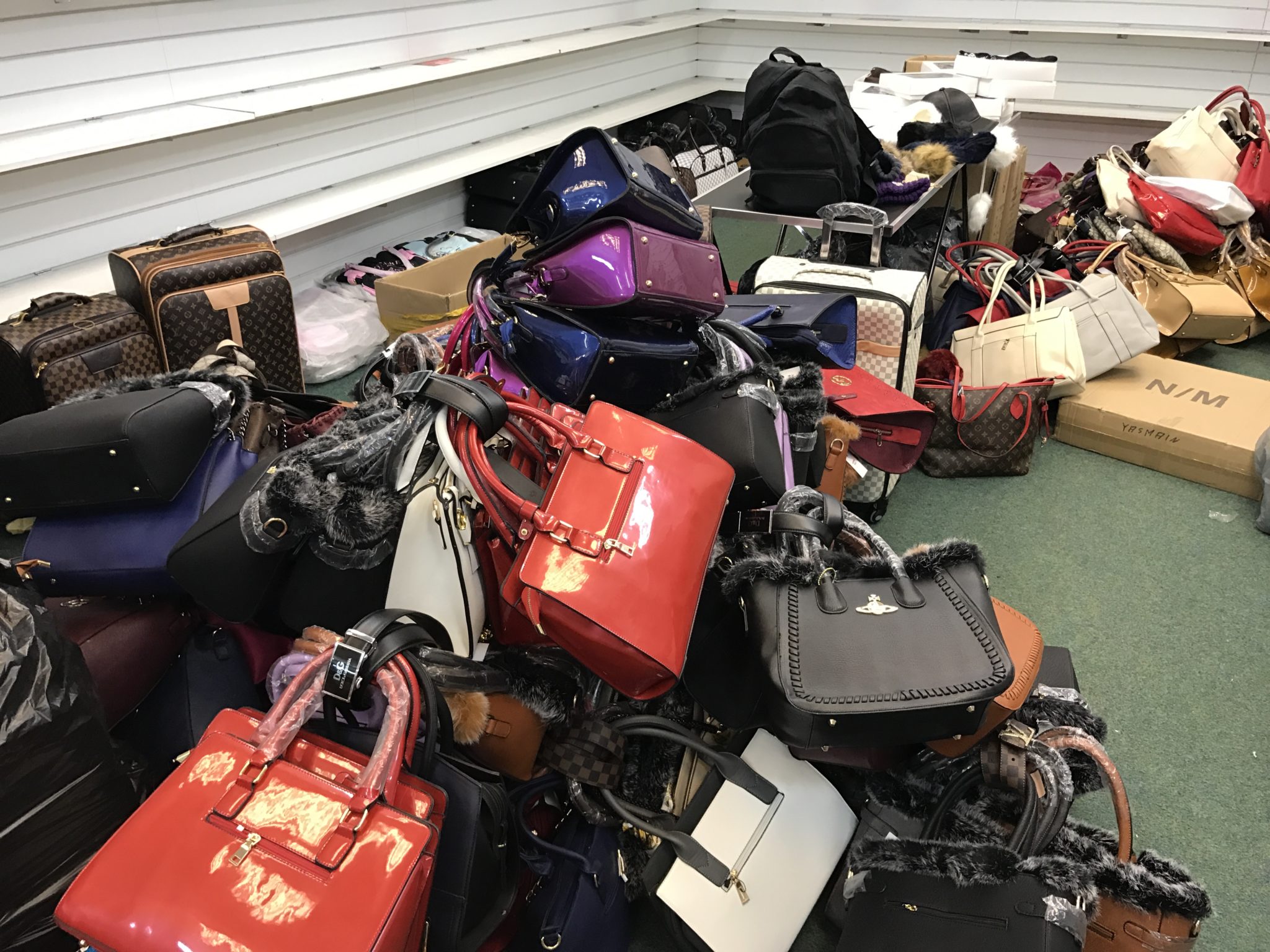
    Macau Customs officers have arrested five local residents after busting a luxury counterfeit-goods retailing business in the territory.

    Nearly 500 fake items of clothing, handbags, belts shoes and watches carrying brand names including Prada, Gucci, Louis Vuitton, Cartier, Chanel and Hermes were seized in raids. Officers suspect the goods had a street value of MOP3.65 million (US$451,445).

    The Customs action followed complaints by the brand owners. Two retail stores located in the NAPE and Central districts of Macau were raided, Customs announced this week.

    The goods were brought in from the mainland and were being sold in shops at retail prices matching those of genuine products on sale in the city.

    People caught selling counterfeit goods in Macau face jail terms of up to six months.

  • DFS and Bally To Launch Exclusive New Galaxy Sneaker for Men and Woman

    DFS and Bally To Launch Exclusive New Galaxy Sneaker for Men and Woman

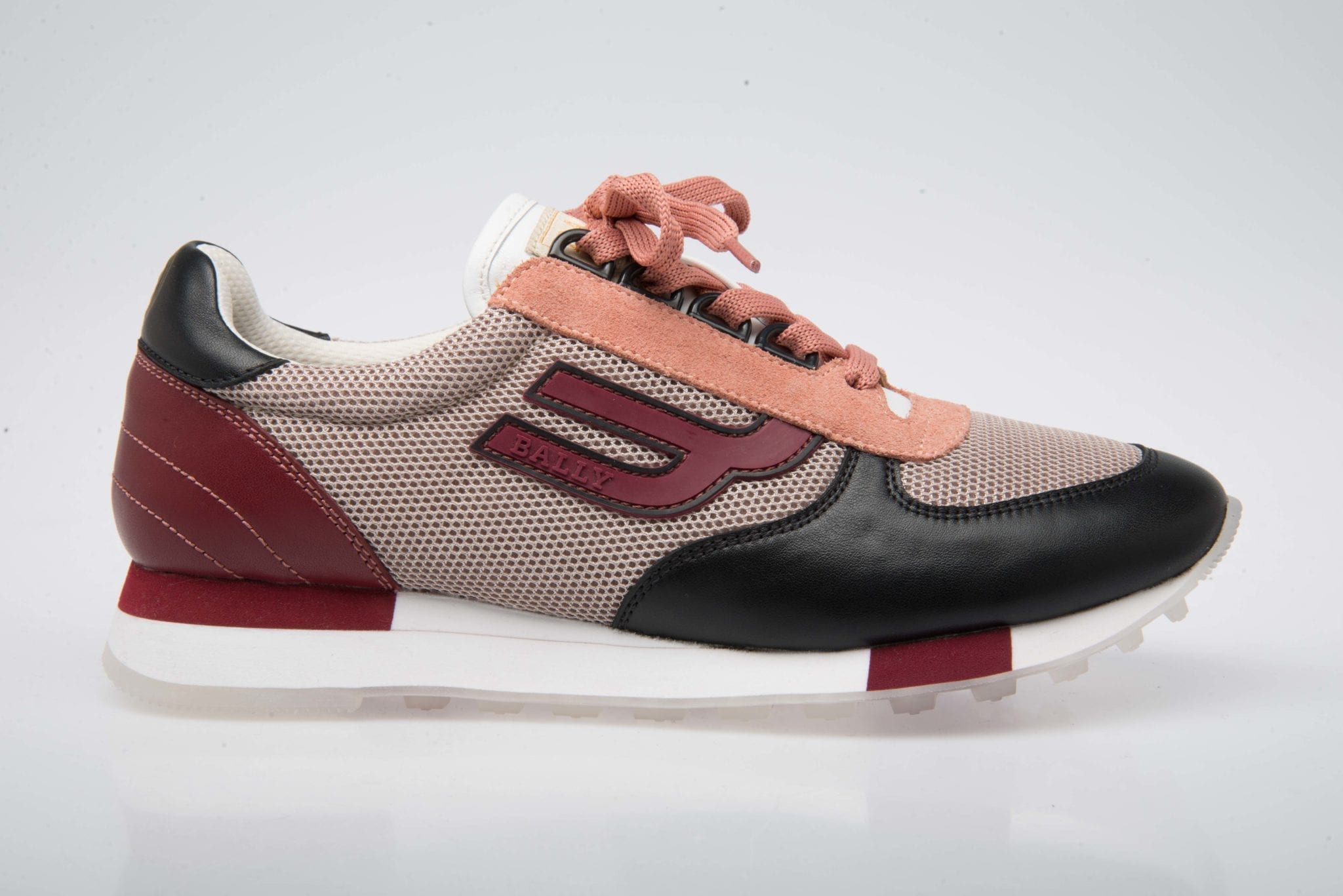
    DFS Group, the world’s leading luxury travel retailer, and Swiss luxury brand Bally are bringing back classic 1980s design with the launch of the new DFS x Bally Galaxy sneaker for men and women.

    A replica of one of Bally’s most iconic products, the new Galaxy is the company’s lightest sneaker yet. Available in two versions, a maroon for men and a blush derivation for women, both pay tribute to Bally’s origins in elevated sportswear, mixing luxury suede and leather detailing with a more breathable canvas and a new sporty treaded sole that provides greater traction.

    “At DFS, newness and innovation are hallmarks of our approach to delighting our customers. We are thrilled to be partnering with Bally on this exciting rendition of the Galaxy sneaker, and to introduce yet another product to our customers that is available only at DFS stores worldwide,” said Sibylle Scherer, DFS President Merchandising and Consumer Marketing.

    “Born in 1983 and recently relaunched, Bally’s Galaxy remains as modern and stylish as ever, whether you’re hitting the track or walking the city streets. We are delighted to be partnering with DFS to share this iconic sneaker with a whole new generation of Bally lovers,” said Frédéric de Narp, CEO Bally Group.

    The Galaxy is part of Bally’s Retro Sneaker Collection, a re-release of some of the company’s most iconic sneaker styles from the past four decades. The new collection includes four replicas of the most successful lace ups, from hip-hop era classics to tennis shoes and sporty runners.

    DFS and Bally will officially launch the new Galaxy sneaker on Saturday May 12 at T Galleria by DFS, Macau, City of Dreams. Following its release, the sneaker will be available exclusively at T Galleria by DFS stores worldwide.

  • Macau to include 5G in technology-neutral licenses

    Macau to include 5G in technology-neutral licenses

    The Macau SAR government does not plan to have a separate license for 5G services, and will instead include 5G in its planned new technology neutral licenses for mobile service providers.

    The director of Macau’s Post and Telecommunication Bureau Derby Lau Wai Meng told that its proposed new communications convergence legislation will include 5G.

    The new legislation would replace Macau’s current basic telecommunication law as well as by-laws governing the various telecoms licenses that have been allocated in the city.

    In addition, the regulator has prepared changes aimed to provide infrastructure support for operators pursuing 5G deployments and redefined some service standards, with the goal of providing more favorable conditions for 5G operators.

    According to the report, the new changes will give more powers for operators to deploy 5G as well as more powers to the government to supervise these deployments.

  • Macau the cornerstone for Cartier

    Macau the cornerstone for Cartier

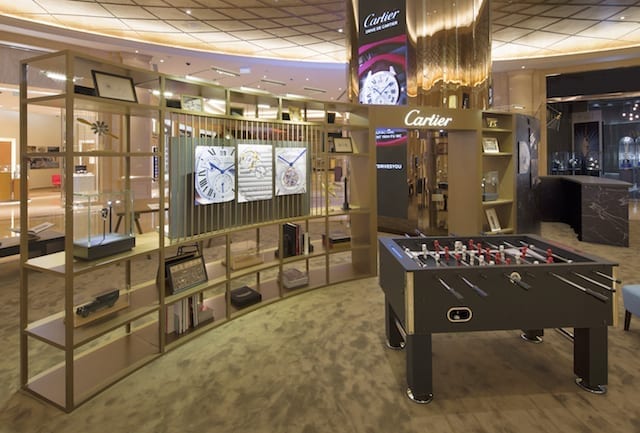
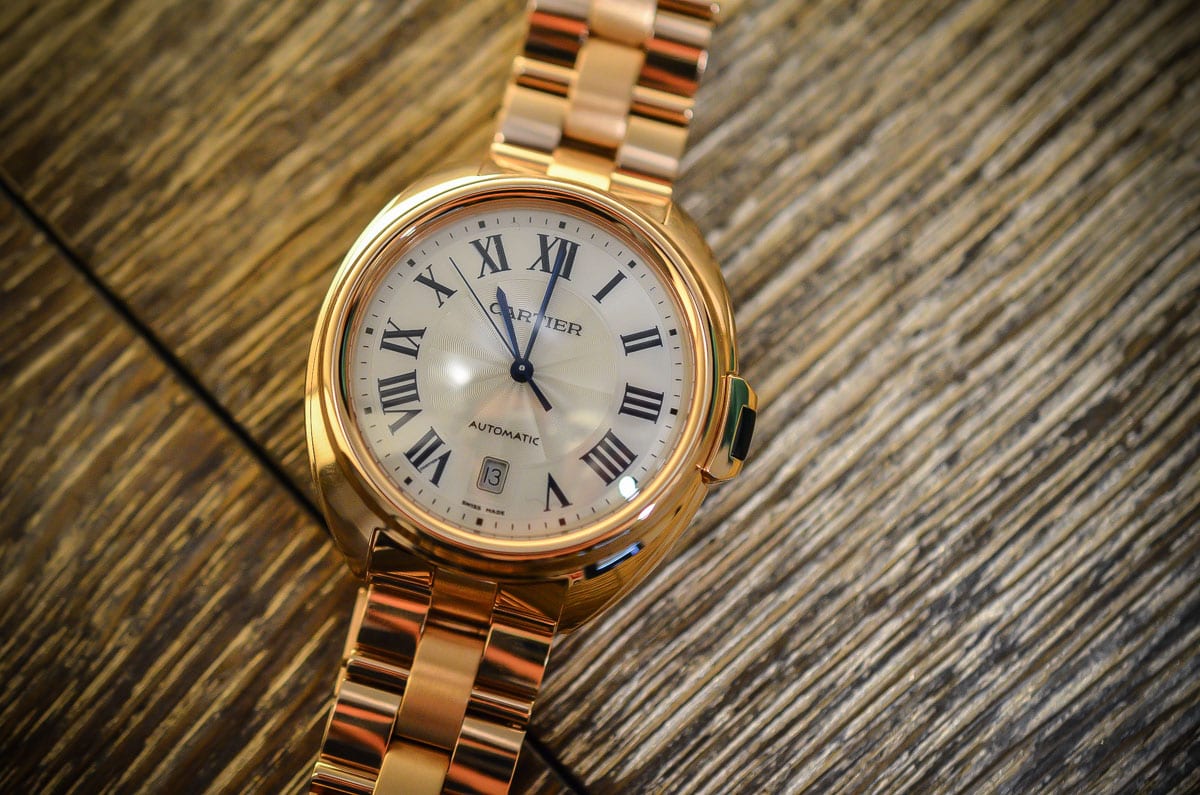
    Cartier jewellery company and luxury travel retailer DFS Group are jointly hosting an exhibition at T Galleria by DFS, Macau, Shoppes at Four Seasons to showcase Santos de Cartier timepieces.

    Running until the end of next month, the exhibition involves lighting effects and contrasting textures, with an emphasis on lacquered black and brushed metal. It has two spaces, with the Santos de Cartier watches in one while the other has a data hub with LED lighting and digital screens.

    Santos de Cartier revolutionised watchmaking when launched in 1904. It came four years after master jeweller Louis Cartier met aviation pioneer Alberto Santos-Dumont, who spoke about the difficulty of checking the time on his pocket watch while flying. Cartier invented the first purpose-designed wristwatch for his friend.

    A feature of the watches today is the strap, with steel, gold, calfskin or alligator skin options. All versions are interchangeable thanks to the Cartier QuickSwitch system, an invisible mechanism that blends into the structure of the case making it easy for the wearer to activate. Another feature is the SmartLink self-fitting technology, which enables the length of the metal bracelet to be adjusted to the nearest link without the use of a tool.

  • Sales starts to pickup for China Dongxiang

    Sales starts to pickup for China Dongxiang

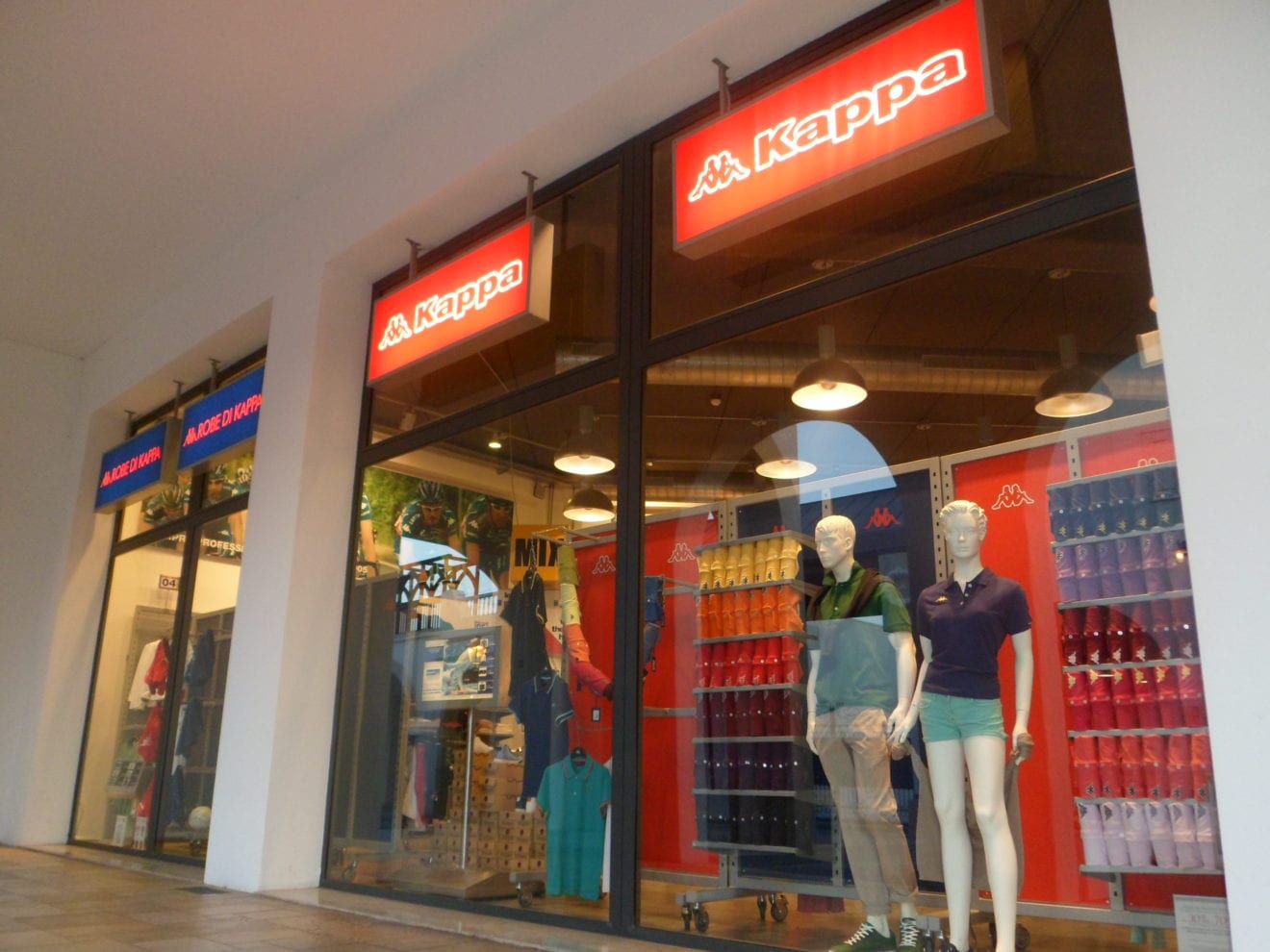
    First-quarter growth has been reported by sportswear company China Dongxiang Group, which owns all rights to the Kappa brand in China, Macau and Japan.

    Same-store sales, excluding the Kappa Kids and Japan businesses, achieved “mid-to-high” single-digit growth year on year, while the retail performance saw high single-digit growth.

    “The retail performance of Kappa stores for the overall offline platform is recovering,” says executive director/CEO/president Zhang Zhiyong.

    The group designs, develops, markets and wholesales branded sportswear in China.

  • Sa Sa International going uphi

    Sa Sa International going uphi

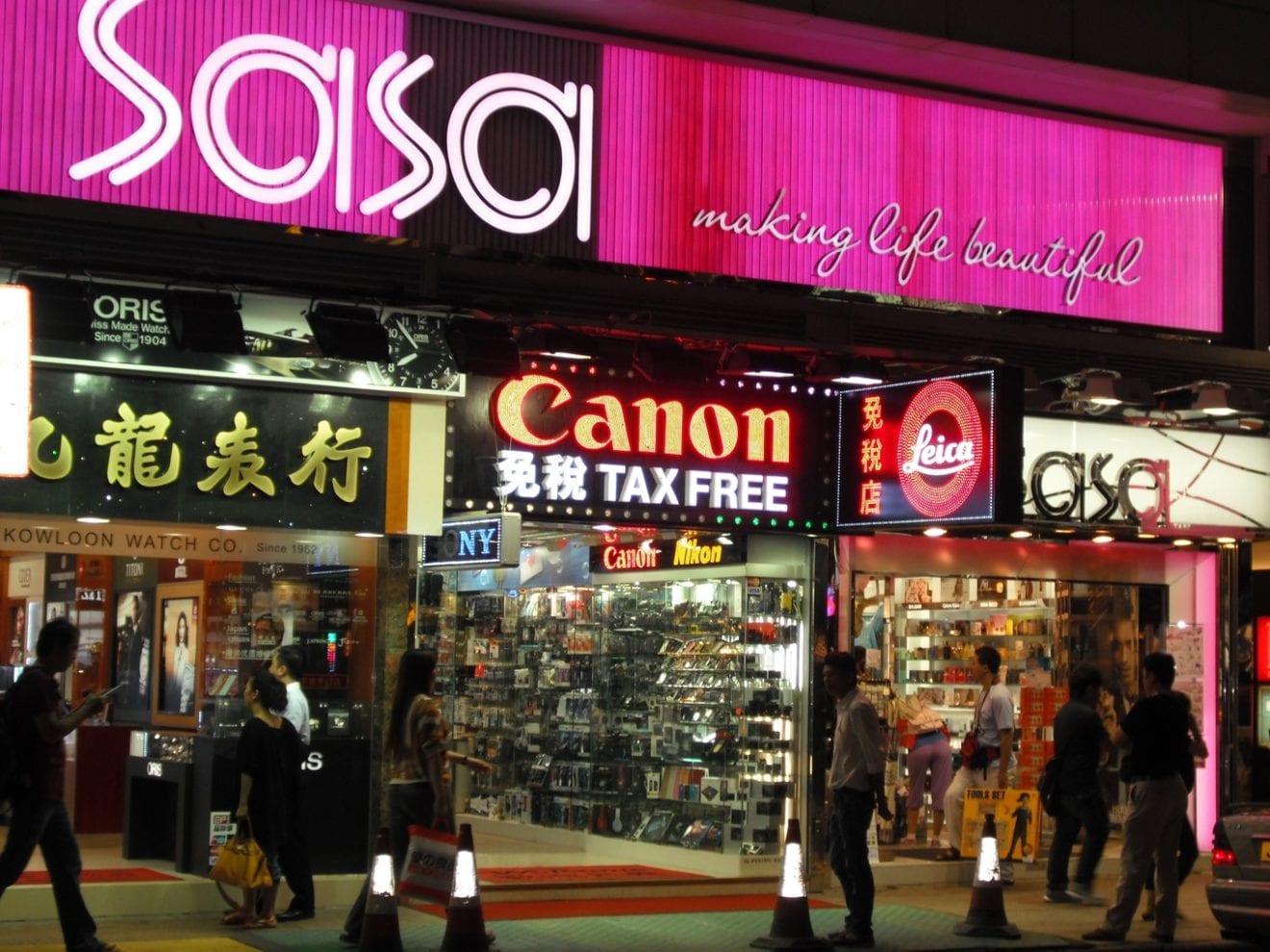
    Retail sales in Hong Kong and Macau had continuous positive growth for cosmetics retailer Sa Sa International Holdings throughout its latest fiscal year.

    Releasing its unaudited sales updates  for the fourth quarter to the end of March, the group says the upward momentum was mainly driven by increased in-store traffic and consumer consumption.

    Benefitting from the retail market recovery, Sa Sa says it remains optimistic about the Hong Kong and Macau markets and will continue to optimise product offerings and enhance
    the shopping experience for customers in the fast-changing markets.

    On a year-on-year basis, the group’s turnover grew by 14.4 per cent. The turnover in Hong Kong and Macau increased by 17.8 per cent, while same-store sales rose 15.1 per cent.

    Sa Sa says the sales performance was in line with expectations and was mainly driven by the 12.1 per cent growth in transactions. Local and mainland tourist transactions increased by 7.9 and 17.3 per cent respectively, while the average sales per transaction grew by 5.1 and 3.6 per cent respectively.

    In other markets (including Mainland China, Malaysia, Singapore, Taiwan and Sasa.com) turnover had a marginal increase of 0.8 per cent.

    At the end of the quarter, Sa Sa had a total 275 stores and counters, down from 288 at the same time a year earlier. Hong Kong and Macau, which each have a single-brand store, had two fewer stores at 118, while China lost one to end the quarter with 55. Singapore was steady with 20 outlets, while Malaysia gained one for a total of 72.

    In February, the group announced it would close all its stores in Taiwan. It had 10 at the end of the quarter compared with 25 a year earlier.

  • a Second Apple China store in Macau?

    a Second Apple China store in Macau?

    Apple China is planning a second shop in Macau, according to Apple Insider.

    Quoting StoreTeller, it says the IT brand’s store will be at Sands Cotai Central casino resort.

    Unlike Apple Galaxy Macau, the outlet is external, and is likely to open this quarter.

    Globally, its latest all-new store is in Vienna.