Tag: Macau

  • 50 more Chow Sang Sang stores to be launched this year

    50 more Chow Sang Sang stores to be launched this year

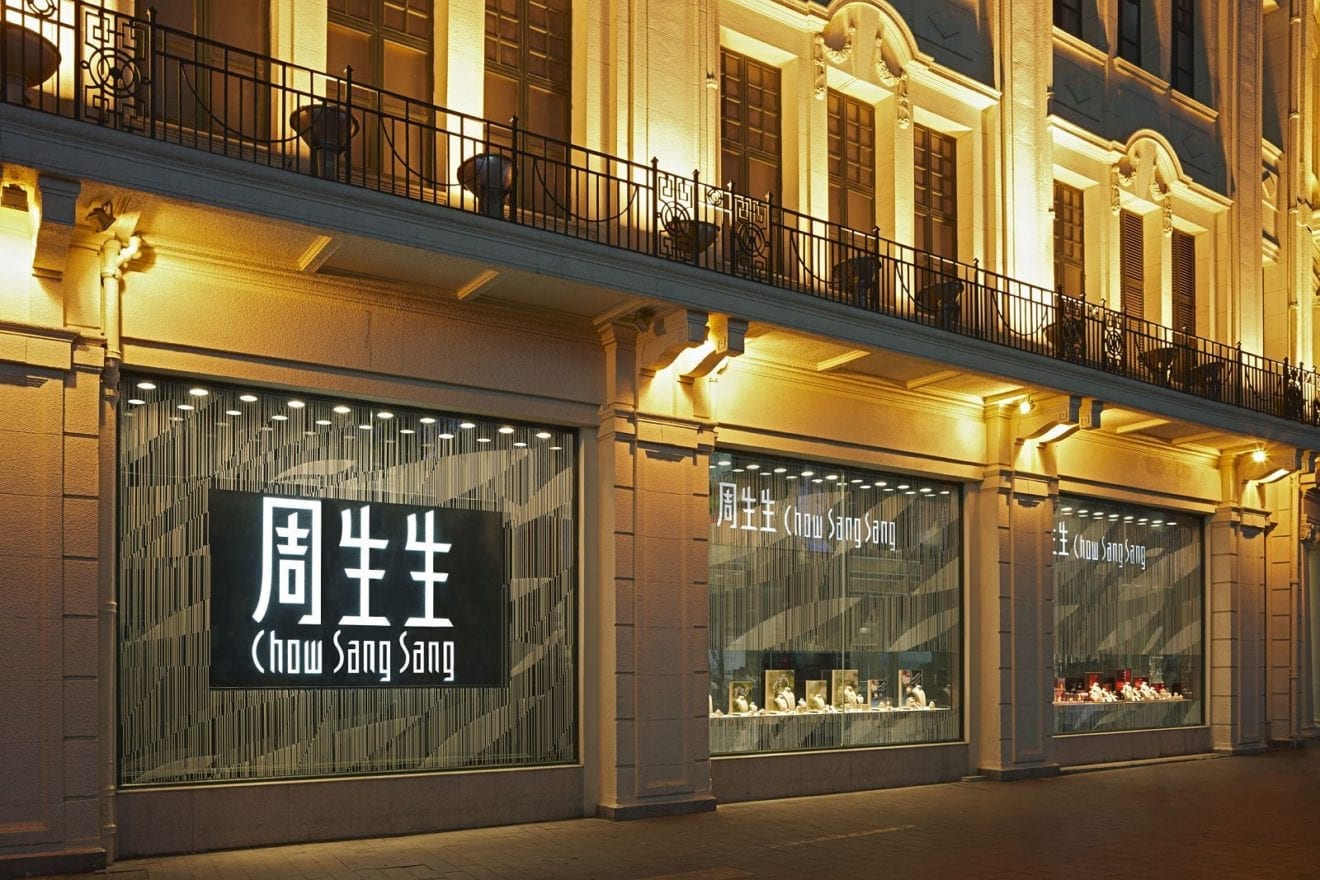
    With a focus on urban markets, Chow Sang Sang Holdings International plans to open around 50 stores this year.

    While consumer sentiment improved in the second half of last year for the jewellery retailer, it says a strong recovery is yet to be seen, especially in Hong Kong. Meanwhile, global markets are already anticipating an interest rate rise, and international trade disputes seem to be looming.

    In Hong Kong, the company will continue with the realignment of its network to match the change in consumer patterns and preferences. Overall, it expects to reduce the amount of floor space with no significant changes in the number of shops.

    “In China, increasing sophistication in consumer behaviour provides opportunity for growth via product and brand differentiation. As our online competition heats up, we are putting more effort into offering a seamless customer experience.”

    Turnover last year grew 3 per cent to HK$16.6 billion (US$2.1 billion). The disposal of a part of a long-term holding of shares in Hong Kong Exchanges and Clearing resulted in a gain of $114 million. Including this amount, the group’s overall profit attributable to equity holders increased by 18 per cent to $876 million.

    After dropping for three consecutive years, jewellery retail turnover returned to positive growth, rising 3 per cent. Jewellery retail accounted for 87 per cent of the group’s turnover.

    Operating profit fell by 5 per cent to $902 million, because of an extra gain of $176 million in 2016 resulting from a movement in the price of gold.

    Sales slipped per cent in Hong Kong and Macau, affected by shop closures. Same-store sales growth was down 2 per cent, mainly because of soft turnover of gold in the fourth quarter.

    Sales of gem-set jewellery improved in the second half, and in the last quarter reversed its downward trend since 2016.

    During the year, four Chow Sang Sang shops and one watch branch in the tourist district were closed. However, three new shops and one new watch branch were established in non-tourist districts.

    Despite Macau’s tourist traffic improving, shops in the shopping arcades performed worse than the main-street shop.

    Total turnover in Mainland China rose 9 per cent year-on-year to $8 billion. In RMB terms, this was 11 per cent growth, and same-store sales rose 5 per cent.

    Online sales continued to grow, accounting for about 14 per cent of China sales. Gold products dominated the sales mix.

    At the end of the year, the group had 422 shops in 119 cities. Of these 63 were new outlets, and there were 15 closings. Of the new stores, 28 were set up in shopping malls.
  • Hong Kong retail rents prepare to move into ‘early upswing’

    Hong Kong retail rents prepare to move into ‘early upswing’

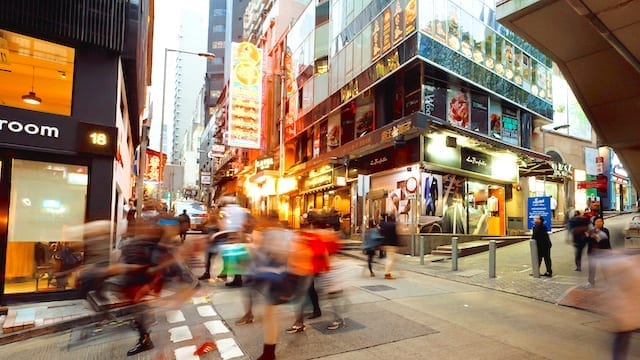
    Hong Kong retail rents are expected to move into an “early upswing cycle” this year according to a regional real estate market briefing prepared by Savills.

    The report details commercial and residential property leasing trends across major Asian markets and as the accompanying tables show, compares occupancy costs of space as well.

    It groups major cities by upswing and downswing, late and early, showing that Hong Kong is at the end of its downswing in retail rental rates. Cities currently in early upswing are Manila, Guangzhou, Jakarta and Singapore. Hong Kong is grouped with Taipei, Hanoi, Ho Chi Minh City and Seoul, suggesting all those markets are about to turn.

    Savills says regional prime retail rents moved by between a decline of 1.8 per cent in Beijing and an increase of 5.9 per cent in Guangzhou last year.

    “Strong local retail consumption growth of 9.5 per cent year on year in the second half of the year following 10.5 per cent in the first half of the year supported the Guangzhou leasing market, while prime shopping malls began to re-position and upgrade, focusing more on entertainment and food & beverage,” said Savills in a brief commentary.

    “Again, Hong Kong’s prime shopping mall rents are considerably ahead of all other Asia-Pacific markets and are expected to move into an ‘early upswing’ cycle this year.”

    Savills says economic growth across Asia-Pacific continued to picked-up moderately in the second half of last year and the International Monetary Fund estimates that the “Emerging and Developing Asia” economies grew by 6.5 per cent over the year as a whole while China grew by 6.8 per cent and Japan’s economy grew by 1.8 per cent last year, from 0.9 per cent in 2016.

    “The improving global economic outlook and an accommodative monetary policy created momentum for business expansion,” said Savills.

  • Natuzzi S.p.A. Signs a Joint Venture Agreement

    Natuzzi S.p.A. Signs a Joint Venture Agreement

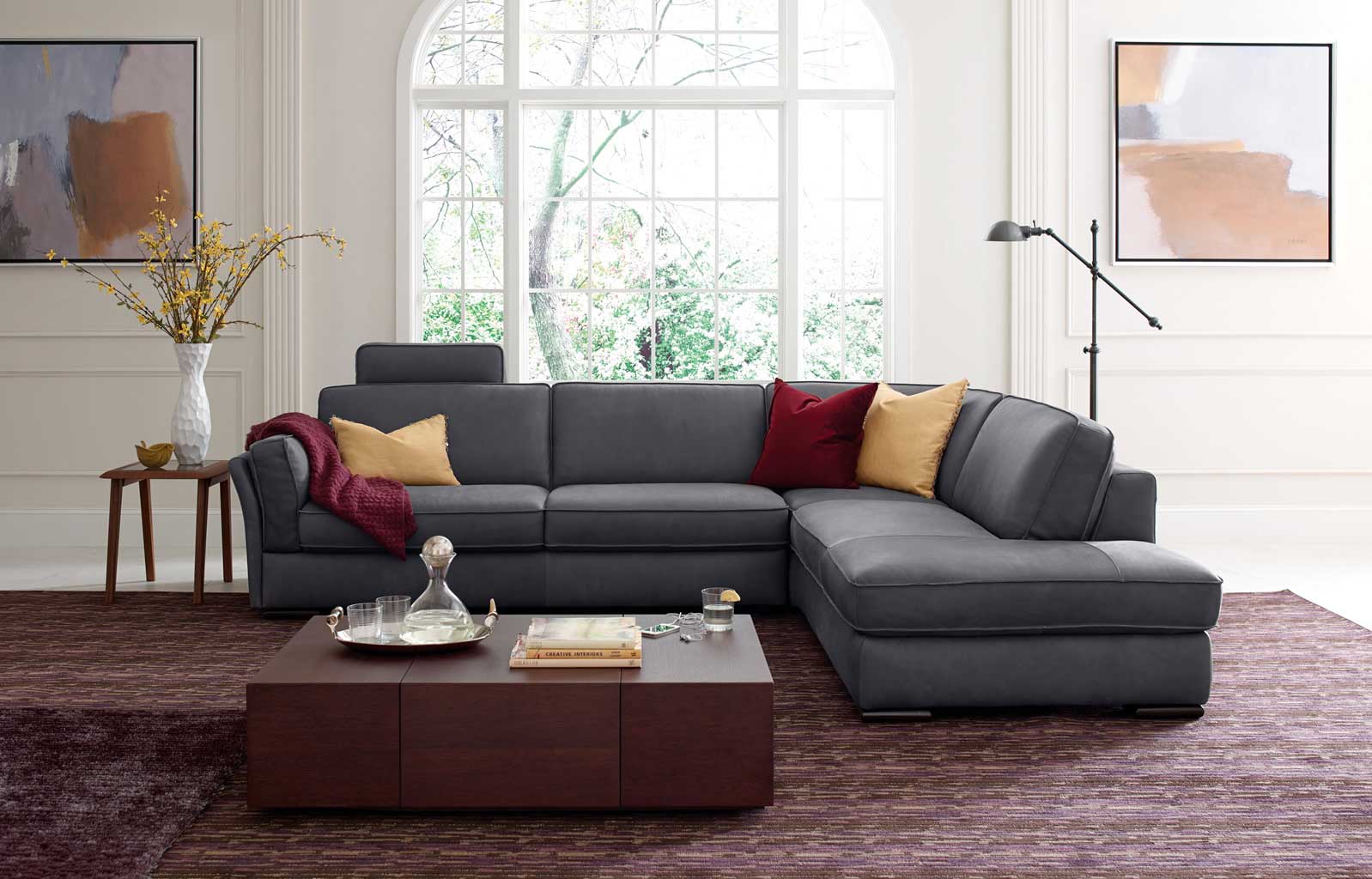
    Italian furniture brand Natuzzi and China’s Kuka furniture company have agreed to make the company’s wholly owned Chinese subsidiary Natuzzi Trading (Shanghai) a joint venture.

    The JV agreement is aimed at expanding the company’s retail network in Mainland China, Hong Kong and Macau. The company, the JV and Kuka have also entered into an agreement for the sale and purchase and subscription of shares In Natuzzi Trading (Shanghai).

    The agreements follow the execution of a preliminary agreement last month. Under the agreements, Natuzzi and Kuka will own, respectively, a 49 and a 51 per cent stake in the JV, which will distribute Natuzzi Italia and Natuzzi Editions branded products through a network of single-brand directly run stores and franchised stores in China, Hong Kong and Macau, as well as through online stores.

    Kuka will invest a total of €65 million (US$80 million), of which €35 million will be contributed to the JV for the subscription of a capital increase of US$567,869, and €30 million will be paid to the company as consideration for the transfer of US$486,744 of registered capital interest from the company to Kuka.

    The JV will be granted the perpetual and exclusive distribution licence for the Natuzzi Italia, Natuzzi Editions and other relevant trademarks for a consideration of €15 million.

    The transaction is subject to applicable authorisations, regulatory filings and approvals. Assuming these conditions are met, it is expected the closing will occur by August 22.

  • Cosmo Lady Says Unit To Form JV With Kappa

    Cosmo Lady Says Unit To Form JV With Kappa

    Cosmo Lady has formed a joint venture with Shanghai Kappa to develop and sell intimate apparel in China.

    The partnership – 75 per cent owned by Cosmo Lady and 25 per cent by Shanghai Kappa – will focus on men’s underwear and women’s sports underwear products.

    Shanghai Kappa and the JV company will enter into a licensing agreement giving the JV the exclusive right to use the Kappa trademarks on its intimate wear products in China for eight years.

    Shanghai Kappa, incorporated in China, is a wholly-owned subsidiary of China Dongxiang, which owns the rights to the Kappa sportswear brand in China and Macau.

  • Strong sales growth posted by Hermès Asia

    Strong sales growth posted by Hermès Asia

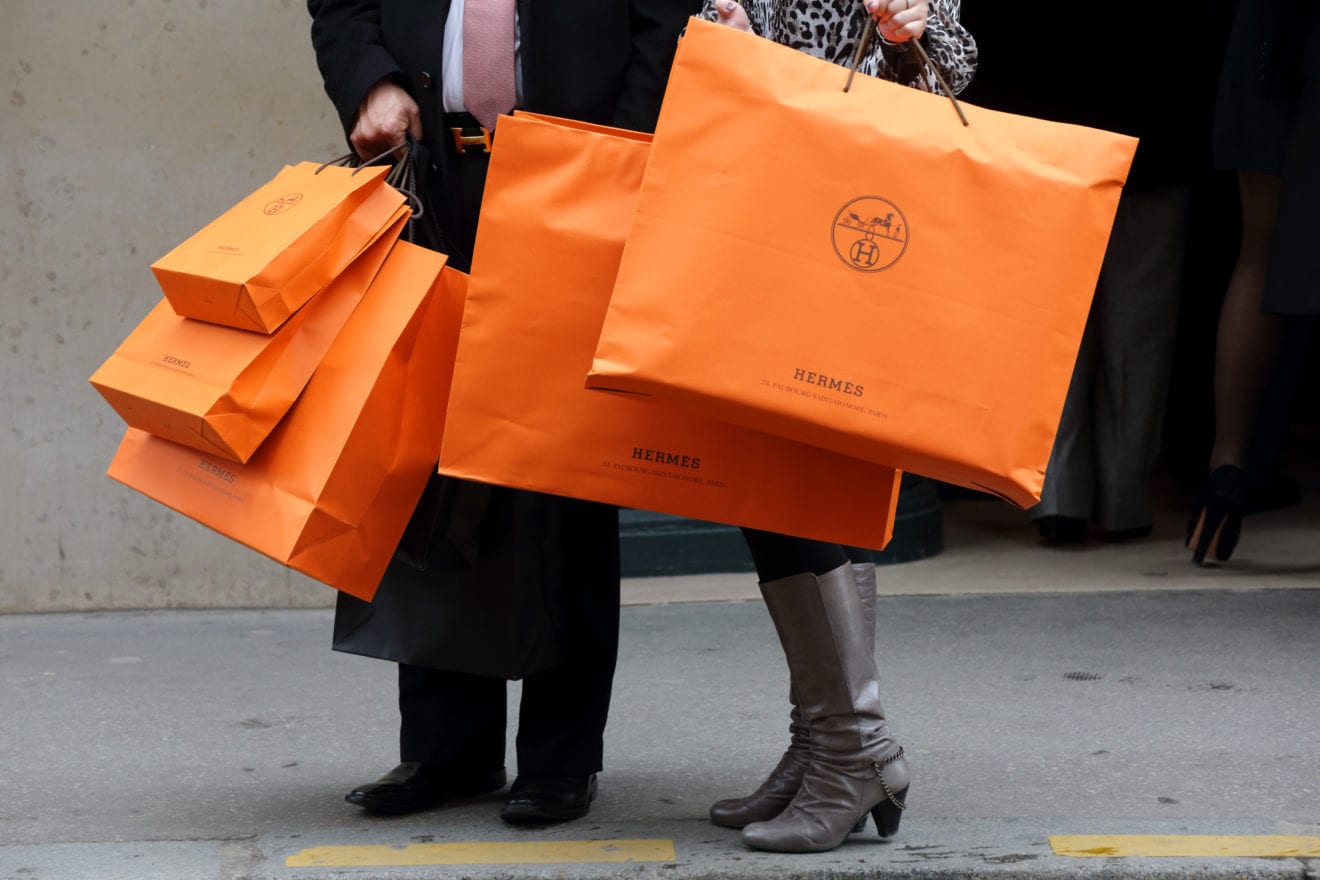
    Hermes Asia sales grew 11.3 per cent last year to €1.946 billion (US$2.4 billion) as the luxury retailer set a new record for gross retail margin.

    The company said the retail market was improving in Hong Kong and Macau, with the Asian market “pursuing its upward curve” and positive outlooks in Mainland China and South Asian countries.

    Growth was aided by store revamps at Sogo Fuxing in Taiwan, Elements mall in Hong Kong and at Kuala Lumpur.

    Sales in Japan (separated from Asia results) rose 4 per cent to €724.1 million, despite a high comparison figure from last year, which the company described as “a sustained increase” in what is a mature market, citing a selective distribution network.

    Group sales totalled €5.549 billion (US$6.863 billion), up 9 per cent at constant exchange rates. Operating income rose 13 per cent, to €1.922 billion, representing a record 34.6 per cent gross margin, while net profit rose 11 per cent to €1.221 billion.

    “Hermes achieved a new year of historic results, thanks to the quality of our know-how, the success of our creations and especially the incredible commitment of the women and men of Hermes,” said executive chairman Axel Dumas.

    Hermes will ramp up its online offer in the region this year, with a new website scheduled to go live in China at the end of this year.

    Meanwhile, the company said the sale of the Galleria building in Hong Kong’s Central district, which previously housed its flagship store, would likely generate a net capital gain of €50 million this year.

    Leather drives growth

    By category, Hermes’ leather goods proved the strongest performer last year, sales rising 10 per cent globally, reflecting increased production capacity as demand rose for its handbags.

    The ready-to-wear and accessories division grew 9 per cent, driven by the success of new collections, fashion accessories and particularly shoes.

    Sales of silk and textile products grew 6 per cent and of perfumes by 10 per cent, largely due to the successful launch of Twilly d’Hermes.

    Watch sales grew just 1 per cent with what Hermes described as “good sales” in company-owned stores. Other Hermes business lines- jewellery, Art of Living and Hermes Table Arts, grew sales by 11 per cent.

  • Buccellati opens new store in Macau’s MGM Cotai Mall

    Buccellati opens new store in Macau’s MGM Cotai Mall

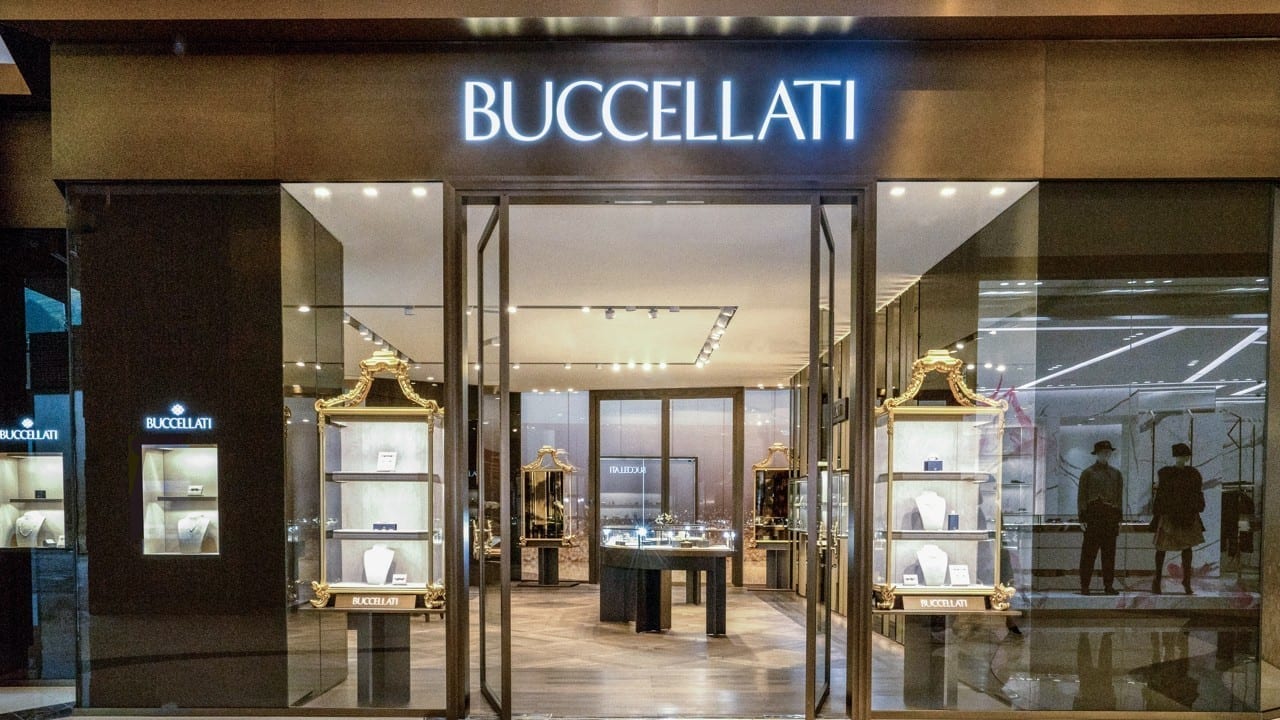
    Buccellati Macau has opened a store at the new MGM Cotai Mall as a step forward in its global expansion.

    This follows the acquisition of 85 per cent shareholding of the Italian jewellery brand by China’s Gansu Gangtai Holding last year, and the opening of several stores in China, including its first boutique at Plaza 66 in Shanghai.

    Buccellati plans to open 88 stores in the next five years, 18 of which will be in Chinese cities.

    Founded in Milan in 1919, the brand is known for its traditional engraving techniques and Italian Renaissance-inspired designs. Buccellati also has stores in Japan, Europe and the US.

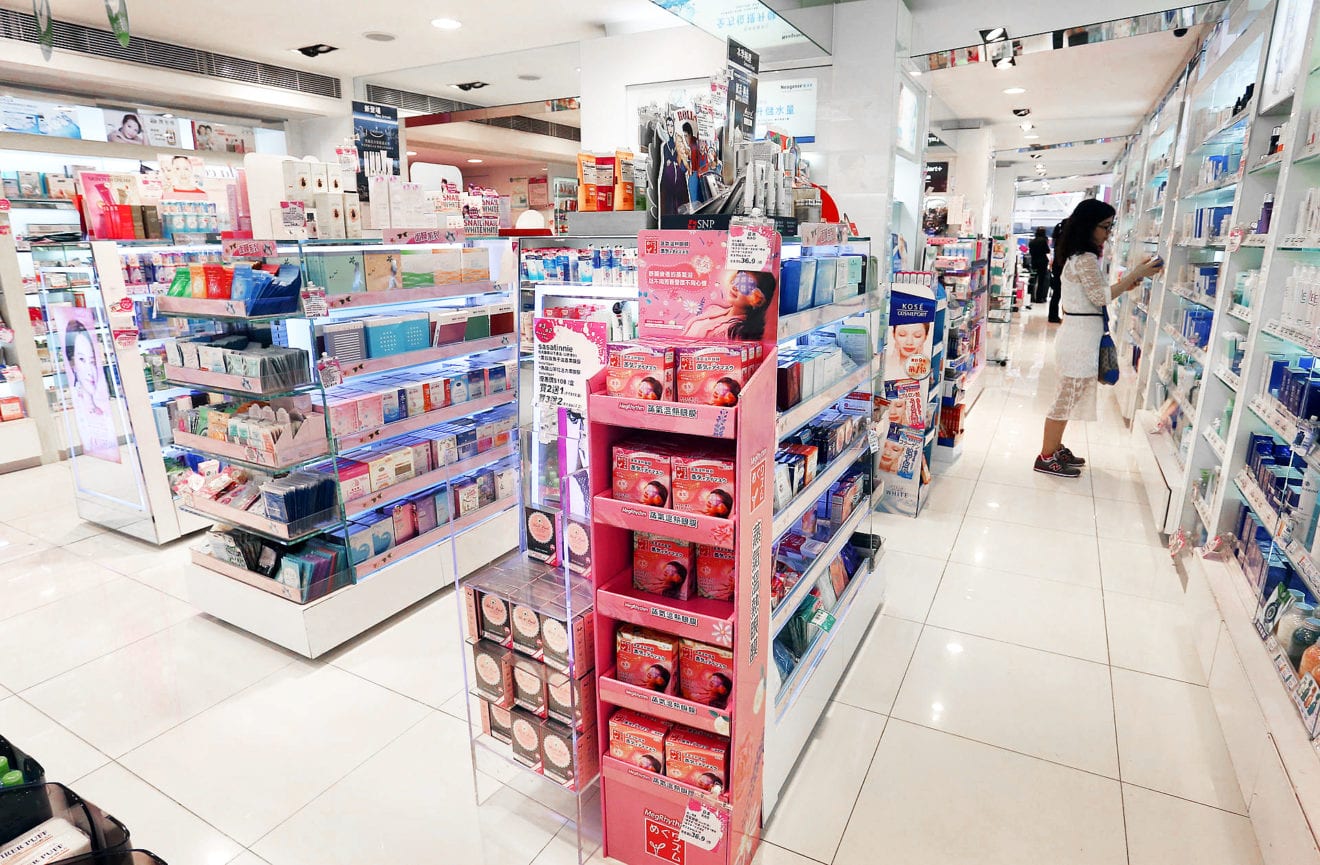
  • 2018 is looking good for Sa Sa sales

    2018 is looking good for Sa Sa sales

    Sa Sa International has released sales figures combining January and February – the first true indicator of how the Hong Kong retail market is performing so far this year.

    Sa Sa sales in Hong Kong and Macau surged 14.6 per cent during the period, and same-store sales rose 11.1 per cent.

    Official government figures show Hong Kong retail sales rose 4.1 per cent in January, compared to last year, but that figure was relatively meaningless given the timing of Lunar New Year, which fell in February this year and in January last year, preventing a true comparison. A government spokesman said at the time of the data’s release that, after taking the Lunar New Year factor into account, the figures suggested consumer sentiment was “rather robust” entering 2018.

    These Sa Sa sales figures suggest a positive rebound from January 1 to February 28.

    Chairman and CEO Simon Kwok said the number of transactions through Sa Sa stores rose 9 per cent and the average sale per transaction by 5.2 per cent.

    “The overall performance was in line with our expectations. Sales growth was mainly driven by the increase in store traffic and consumer consumption. The number of transactions with locals and mainland tourists increased by 6.3 per cent and 12.5 per cent respectively, while

    their average sale per transaction also increased by 4.6 per cent and 3.6 per cent respectively.”

    Kwok says Sa Sa is benefitting from Hong Kong’s retail market recovery, and  is “cautiously optimistic” about the outlook of Hong Kong and Macau markets.

    “We will continue to optimise product offerings and enhance customers’ shopping experience to cater for consumer demand in the fast changing markets,” he said in a stock exchange filing.

  • Dairy Farm International’s plan after hitting bottom line

    Dairy Farm International’s plan after hitting bottom line

    Poor trading by Dairy Farm International’s Southeast Asian grocery business hit the company’s bottom line last year, with underlying profit falling 13 per cent.

    But every other one of the company’s divisions traded strongly throughout the year, according to the results just released.

    Full-year profit was US$403 million, after allowing for $64 million of costs relating to business restructuring. Sales by Dairy Farm’s wholly-owned subsidiaries totalled $11.3 billion, largely unchanged from 2016’s $11.2 billion. But total sales, including 100 per cent of associates and joint ventures, at $21.8 billion were up 7 per cent year on year, reflecting strong growth at both supermarket operator Yonghui and cafe-restaurant operator Maxim’s, which owns the Starbucks business in Hong Kong, Vietnam, Cambodia and now Singapore.

    “After a disappointing year… for our food businesses in Southeast Asia, actions are being taken to improve their long-term performance,” explained chairman Simon Keswick. “All of the group’s other formats and markets are trading well and growth opportunities are being pursued, in Mainland China and elsewhere.”

    In Dairy Farm’s food division, sales were down and profits were “significantly lower” than in 2016, primarily due to poor performances in the supermarket and hypermarket businesses in Malaysia, Singapore and Indonesia.

    “A number of underperforming stores are being closed and prices lowered to clear or write off discontinued and slow moving stock.

    “In Hong Kong, sales were more resilient, although profits were marginally down due to increasing rents and labour costs. Positive sales growth seen in the Philippines reflected the ongoing investments being made to improve the business,” said Keswick.

    Elsewhere in the company there was brighter news.

    The convenience store format (including 7-Eleven in Hong Kong and Singapore) produced increased sales and profit. “In part, this reflected a consumer shift to more convenient retail formats, as well as a positive reception to the service and range enhancements introduced for customers,” said Keswick.

    The convenience stores division reported $2 billion in sales, an increase of 4 per cent over the previous year – but operating profit surged 16 per cent to $85 million.

    In the health and beauty division, (led by Guardian and Mannings), sales and profit were higher, principally due to strong performances in Hong Kong, Macau and Indonesia, together with improvements in Mainland China.

    Keswick said this was led by an increasing focus on the beauty category and the continued development of the division’s house brands.

    The home furnishings division (Ikea in Hong Kong, Taiwan and Indonesia) recorded higher sales and trading profit, but the reported profit declined, mainly due to costs associated with the opening of the fourth Ikea Hong Kong store in October. Sales and profits increased in Taiwan and Indonesia and there was solid growth in the e-commerce business.

    Maxim’s enjoyed good sales growth and profit expansion during the year, in large part due to strong performances from its branded products, particularly mooncakes, and its business in Mainland China. The company also acquired the Starbucks Singapore business last year.

    The group’s 19.99 per cent-owned associate in Mainland China, Yonghui Superstores, opened a net 292 new stores last year, which underpinned a 19 per cent growth in revenue. Ongoing supply chain optimisation and shrinkage improvement resulted in improved margins, which together with better capital use, led to a 45 per cent growth in profit.

    Convenience focus

    Keswick said Dairy Farm International will focus on increasing its convenience store operations in the year ahead through expansion and enhancement of the store network. New smaller-store formats are being piloted in some markets.

    The group will also continue to develop its e-commerce presence, focusing on a number of initiatives in its home furnishings, food, and health and beauty operations introduced last year.

    Dairy Farm International added a net 633 stores last year. At year end, it had 7181 stores in operation in 11 countries and territories, including its interest in 779 Yonghui stores in mainland China and 1210 Maxim’s stores.

    Besides the Starbucks Singapore deal, Maxim’s also acquired the existing businesses and franchises of Genki Sushi in Singapore and Malaysia. It opened its first The Cheesecake Factory in Hong Kong in May, which Keswick said is trading well, and this year will introduce American casual restaurant format Shake Shack in Hong Kong and Macau.

    In the Philippines, Rustan became a wholly-owned subsidiary following the acquisition of the remaining 34 per cent interest from the group’s joint venture partner.

  • Circle K Hong Kong parent focused on digital to boost growth

    Circle K Hong Kong parent focused on digital to boost growth

    Despite a challenging business environment, Circle K Hong Kong parent Convenience Retail Asia reports comparable-store sales growth last year driven by digital initiatives.

    Leading the way were O2O customer-relationship management (CRM) programs, with membership for “OK Stamp It” (Circle K) and “Cake Easy” (Saint Honore) exceeding 1 million and 300,000 respectively.

    Group revenue was up 4.6 per cent to HK$5.09 million. The core operating profit rose 7.4 per cent to $182,594 while net profit grew by 7.7 per cent.

    During the year, the group’s O2O digital retailing platform FingerShopping.com saw moderate growth in gross merchandising volume (GMV). It also achieved high pick-up and payment rates at Circle K stores in Hong Kong and Macau. Beauty and personal care continued to be the anchor category, representing about 70 per cent of total GMV.

    Turnover for the convenience-store business grew 5.4 per cent to $4.05 billion, with comparable store sales up 4.2 per cent. Turnover for the bakery business increased 1.9 per cent to $1.09 billion, with comparable store sales in Hong Kong growing 5.2 per cent.

    Gross margin and other income as a percentage of turnover increased 0.3 points to 36.9 per cent despite keen competition in the retail market and high manufacturing costs.

    At the end of December the group had 332 Circle K stores, with 10 opening in Hong Kong and nine being closed.

    Eighteen months after its launch, “OK Stamp It” has attracted more than 1 million members and won industry awards for excellence.

    At the end of December, the group had 102 Saint Honore cake shops in Hong Kong and Macau. Thirteen stores were opened and nine closed during the year. There were also 41 Saint Honore locations in Guangzhou and Shenzhen.

    The digital CRM program “Cake Easy” had more than 300,000 members by the end of the year.

    During the year the group obtained the franchise for Japan’s fast-fashion eyewear chain Zoff, opening the brand’s first store in Hong Kong.

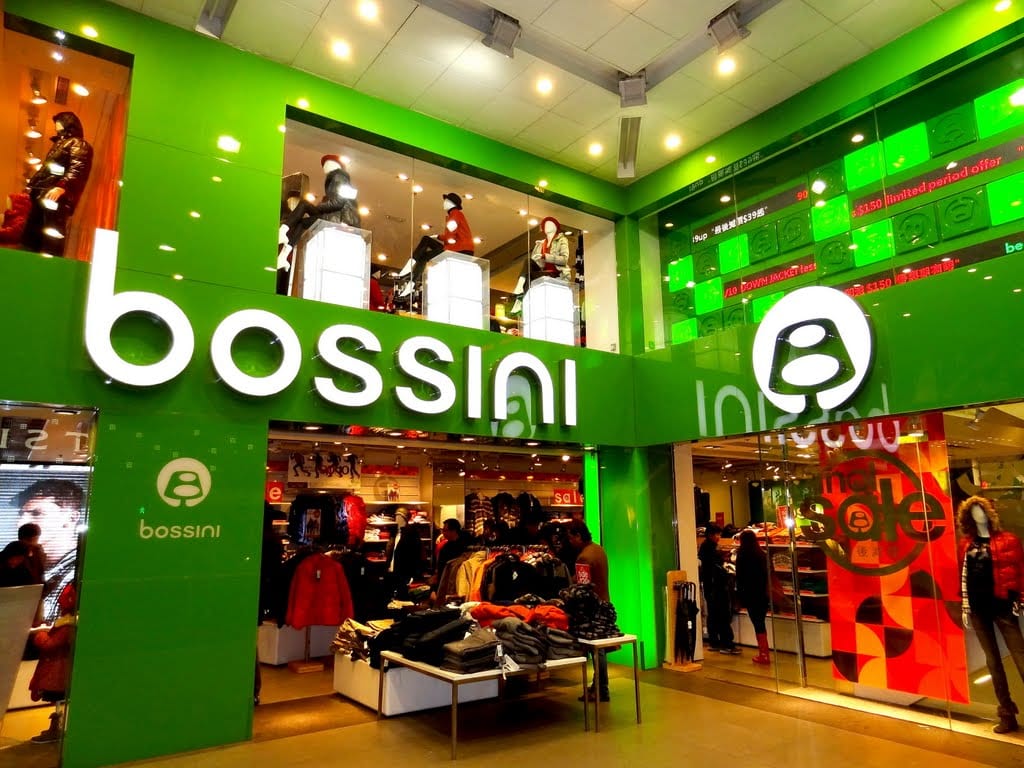
  • Bossini reports Bossini $12m interim loss

    Bossini reports Bossini $12m interim loss

    Apparel brand Bossini International Holdings remains optimistic despite a slip in revenue and profit turning to loss for its six months to the end of December.

    It says growth is projected to continue rising in emerging markets and developing economies, supported by a favourable global financial environment and a concomitant recovery in advanced economies.

    “The regional picture is particularly encouraging as expansion in Mainland China and other parts of Asia remains solid, reflecting the strength of a broad-based upturn that saw global growth reaching its strongest rate since 2011. Mainland China is spearheading this long-overdue regional expansion, its economy having grown following two years of decline.

    “Hong Kong’s apparel retailing industry seems to have bottomed out after shrinking for consecutive years. Nonetheless, various downside risks remain evident, including geopolitical tensions, sudden capital outflows, policy indecisiveness and a sharp adjustment in Mainland China.”

    Bossini’s revenue for the six months fell by 5 per cent to HK$974 million (US$124 million), with gross profit slipping 1 per cent to $512 million.

    The group’s operating loss was $10 million with a -1 per cent operating margin, down from a positive 2 per cent a year earlier. Loss for the period attributable to the owners was $12 million, a switch-around from a $17 million profit 12 months earlier.

    Economic backlash

    Bossini says it weathered economic backlash from the China government’s “one trip per week” policy, more in-depth travel instead of retail shopping, and changes in tourist buying patterns. These factors hit retail sales in Hong Kong and Macau, which accounted for more than half of the group’s consolidated revenue.

    The drop in profit attributable to the owners was mainly because of the decrease in the profit derived from the retail and export franchising business in the Hong Kong and Macau segment. There was a 5 per cent drop in overall revenue and a 2 per cent decline in same-store sales for the period. However, same-store sales rebounded in the second quarter, particularly in China and Taiwan.

    Gross margin improved by two points to 53 per cent.

    Same-store sales in Hong Kong and Macau and Singapore declined by 4 per cent, an improvement over a 6 per cent decline the previous year, and 8 per cent (no change) respectively. Same-store sales in Mainland China and Taiwan grew 9 and 5 per cent (both had 2 per cent declines previously).

    Overall, same-store sales slipped by 2 per cent, an improvement on the previous period’s 6 per cent decline.

    At the end of the six months, the group had a presence in 29 countries and regions with  total 940 stores, the same as at June 30. The number of directly managed stores dropped by two to 282, while the number of franchised stores was 658, up two.

    Hong Kong/Macau remained the group’s core market and major contributor to the total revenue. A new outlet lifted the overall total number of stores to 41 while the export franchising business added five stores to the global network, taking the total to 656 across 25 countries.

    Mainland China had 166 stores (down two) comprising 164 directly managed stores and two franchises. Two non-performing stores in both Taiwan and Singapore were closed, giving both markets 16 outlets.

    During the six months, the group continued to launch its “on-the-go” collection to ride on the athleisure trend.

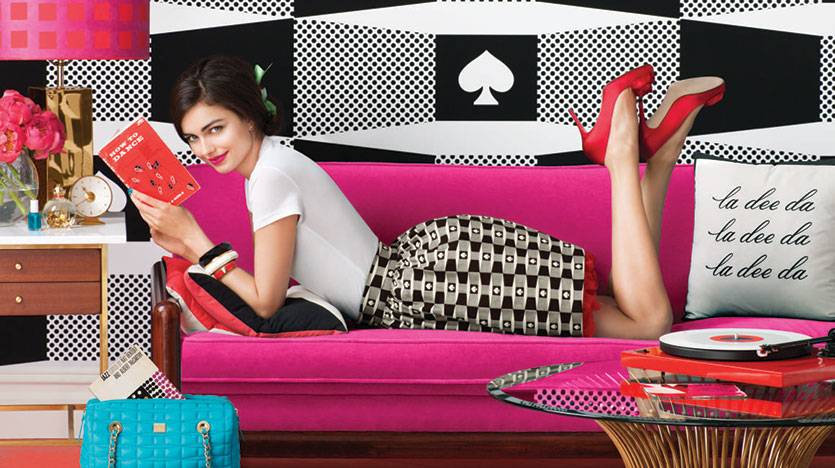
  • Tapestry takes back Kate Spade China business

    Tapestry takes back Kate Spade China business

    Tapestry, the fashion retailer formerly known as Coach, has taken back operational control of its Kate Spade China joint ventures in Hong Kong, Macau, Taiwan and the mainland.

    CEO Victor Luis described the move as “an important business development initiative” and part of a plan by the group to assume greater direct control over its international distribution.

    The company has also entered into a purchase agreement to acquire the Stuart Weitzman business in Northern China from its distributor.

    “These transactions are in keeping with our strategic priority to maximise the opportunity with Chinese consumers globally across our brands,” said Luis.

    “In addition, we are excited to announce the buyback of the Coach business in Australia and New Zealand from our distributor, with an expected closing in the third fiscal quarter. As a result, we will be creating a Tapestry hub and center of excellence in Sydney to drive growth across our portfolio, further unlocking the value of a multi-brand operating model.”

    The news was included in the company’s second quarter results announcement in which Tapestry revealed a 35 per cent increase in sales, largely fuelled by the addition of the Kate Spade operations to its figures after its acquisition last July.

    Net sales totalled $1.79 billion for the second quarter, up from $1.32 billion in the prior year, while net income was $63 million.

    Luis said the second quarter performance exceeded the company’s expectations, with a return to growth for Coach, improved sales at Stuart Weitzman and the contribution of Kate Spade which continued to make progress after its integration into the business.

    A “significant step forward”

    Neil Saunders, MD of GlobalData Retail, said after removing the Kate Spade data from Tapestry’s comparable sales numbers, a modest growth rate of 2.2 per cent was achieved, which was still a “a significant step forward for the group”.

    “Most pleasing is the return to growth of the Coach brand which has, for some time, seen revenue slide as the result of a pullback from a number of sales channels, including department stores. The 2.2 per cent increase signals that this period of painful adjustment is mostly over and that Coach has a stable platform from which to expand. A more disciplined approach to discounting and promotions helped margins at the brand, which flowed through to some healthy gains in operating income. In short, Coach’s game plan of becoming less ubiquitous and selling more at higher price points is now delivering.”

    Saunders said Coach deserves credit for an on-trend holiday line up, a compelling marketing campaign, and great in-store execution.

    “However, we also believe that gains were aided by a confident consumer and flattered by a very soft prior year comparative. Both factors were particularly influential in the key North American market.

    This leads us to be a bit more cautious about prospects over the upcoming quarters, especially as comparatives become tougher and gifting sales are less significant.”

    But he said any softness in the North American market can be offset by a more aggressive and coordinated approach to international expansion.

    “On this front, we are encouraged that Tapestry is taking back direct control of the Coach business in Australia and New Zealand and believe that this will help to improve the brand’s presence and influence in the region.”

    Looking beyond Coach, Tapestry’s newest brand, Kate Spade performed less well. Global comparable sales declined by 7 per cent over the period, driven in part by a fall in e-commerce.

    “As much as this looks disastrous, the dip is mostly the result of a deliberate change in strategy, with Tapestry pulling back from the flash sales and heavy discounting that Kate Spade previously used to drive revenue. Predictably, this has resulted in a dramatic volume decline and waning interest among some consumer segments.

    “The intention is clear: Tapestry wants to take Kate Spade through the same process used to rebuild Coach. This is a necessary step to bolster brand value as Kate Spade had become too value-oriented and overly reliant on excessive, and margin depleting, promotions to drive results. We are conscious that weaning Kate Spade off the discounting drug will be far from easy and better numbers will only come through over the medium to longer term.”

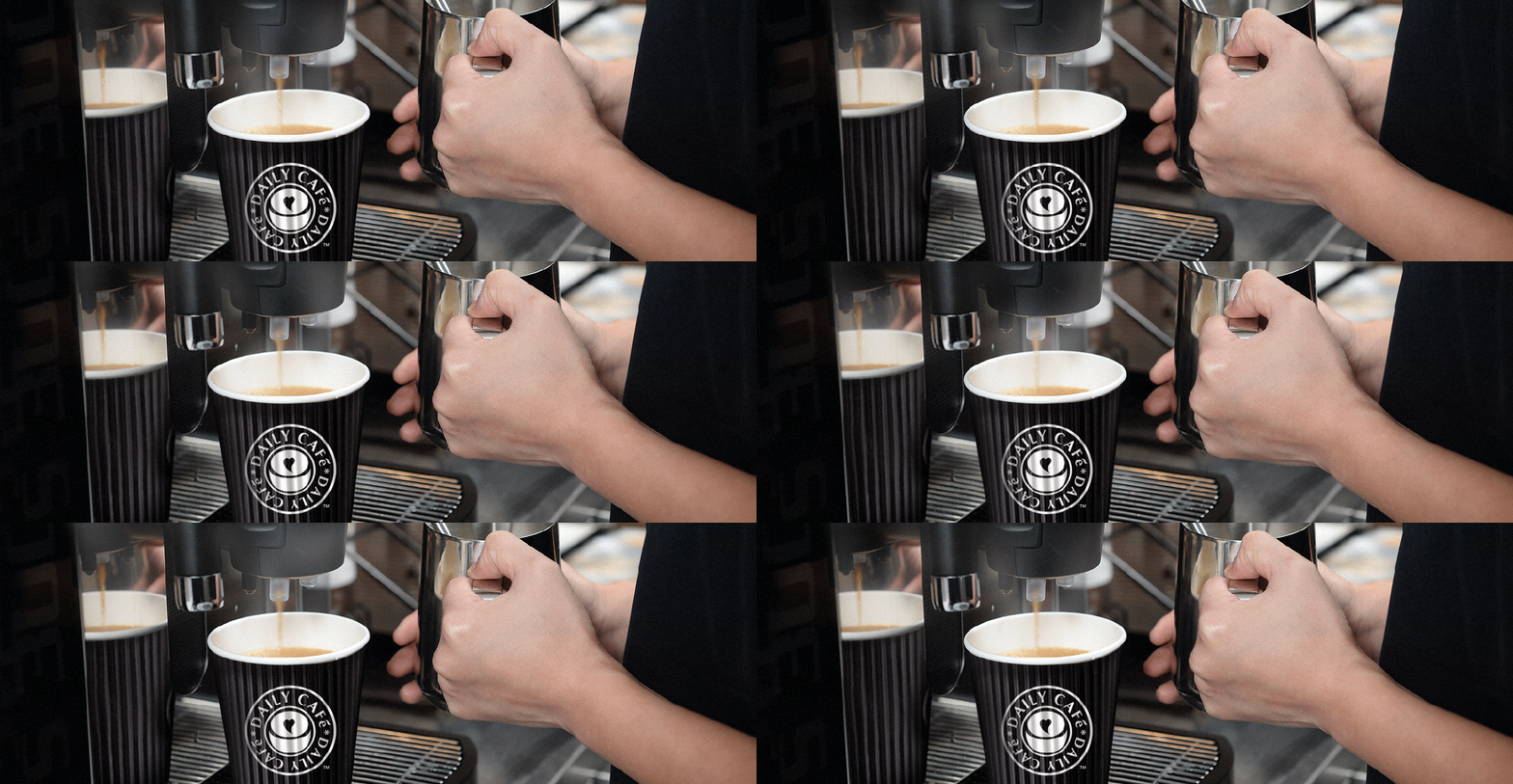
  • Dairy farm and 7-eleven to sell premium coffee

    Dairy farm and 7-eleven to sell premium coffee

    Dairy Farm is launching a multimillion-dollar campaign to introduce a premium coffee blend in its 260 7-Eleven Daily Cafe kiosks.

    With its cappuccinos and lattes just $14 to go, it is staying well below the prices of established coffee shops like Pacific Coffee or Starbucks.

    “We identified different segments in the coffee market in Hong Kong and we found this is a ripe opportunity,” says 7-Eleven sales and marketing director for Hong Kong and Macau Elman Lee.

    “They’re not looking for a barista to serve them, or for coffee art. They want accessibility, grab-and-go, but a quality coffee.”

    Lee says the coffee venture is actually a strategic move. “With the trend of current lifestyles we want to build more signature products for our brand.”

    Already 7-Eleven is working on a signature ice-cream product and is looking to add more signature ready-made snacks. For now, coffee is the focus, with new store designs moving the Daily Cafe kiosk machines next to the cash registers.

    While 7-Eleven does not often run media campaigns, it is bolstering its coffee offer with transit ads on bus seats, exteriors and MTR windows along with print ads and store promotions throughout Hong Kong and Macau.

    Hip hop group FAMA is fronting the campaign, with support on Facebook and WeChat from other local celebrities, including Everest climber John Tsang and even a cat, Brother Cream, from a Kowloon convenience store.

  • DFS Group Announces Exclusive New Bvlgari Collection

    DFS Group Announces Exclusive New Bvlgari Collection

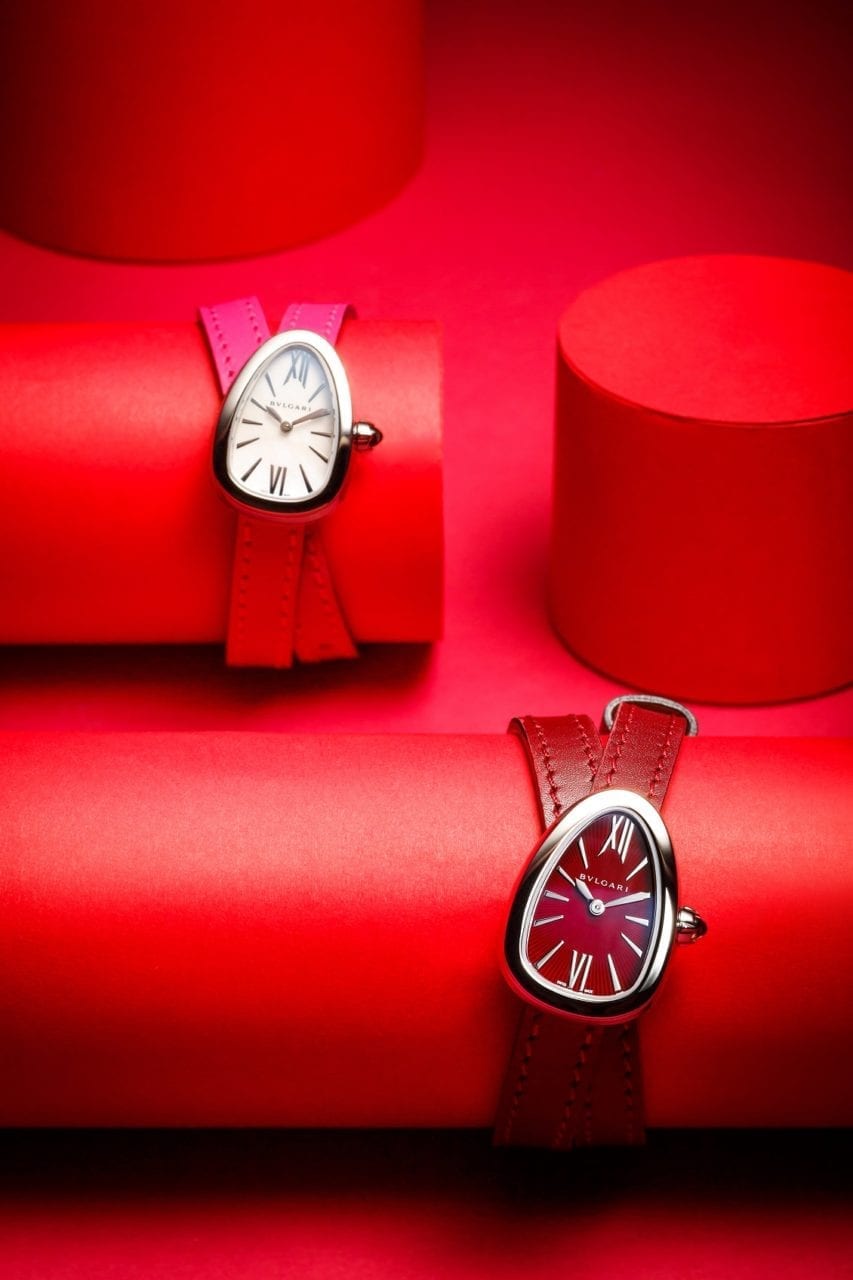
    DFS Group, the world’s leading luxury travel retailer and the magnificent Italian High Jeweler, BVLGARI, are delighted to introduce the new Serpenti Passion Red collection, available exclusively at DFS airport stores and T Gallerias from January 1, 2018.

    This exclusive collection introduces four new brilliant BVLGARI pieces, immediately recognizable by their
    unmistakable Italian design reflecting 2,700 years of Roman history, and embracing stylistic audacity and a
    penchant for rich, vibrant colour.

    The collection features two Serpenti Twist Your Time watches with interchangeable straps crafted in calf and
    Karung leather in pink and red or burgundy and black, a Serpenti Seduttori pendant with a ruby eye, and a
    Serpenti Forever ruby red handbag in brushed metallic calf leather with a red and white Serpenti head and onyx
    eyes.

    Christophe Chaix, DFS Group Senior Vice President Fashion, Watches, Jewelry and Accessories said the introduction of the new collection symbolizes DFS Group’s appreciation of BVLGARI’s unrivalled commitment to high-end quality.

    “We are delighted to continue our unique partnership with BVLGARI, whose name is synonymous with a luxurious lifestyle,” said Christophe. “These stunning new designs are a perfect complement to DFS’ belief that
    life should be lived beautifully. We are sure our discerning traveling customers will be thrilled to find Serpenti
    and Seduttori in our collection of fine watches and jewelry.”

    Lelio Gavazza, Executive Vice President Sales and Retail BVLGARI, said the new collection signifies what
    BVLGARI is and has always been about; homage to legacy, and the grace of uniquely designed jewelry,
    watches and bags.

    “BVLGARI is pleased to present this exclusive capsule collection to DFS. This premium network represents the
    ultimate luxury retail shopping experience in travel retail channel. With BVLGARI‘s unique products combined
    with DFS expertise in delivering customized customer experience, we are certain to satisfy various travelers’
    needs, especially during the coming Chinese New Year holiday. ”

    DFS brings BVLGARI’S new Serpenti Passion Red range to global travelers, luxury shoppers and particularly
    to customers in Hong Kong, China, Macau and Japan who value high-quality luxury fashion and jewelry.
    BVLGARI’sSerpenti Passion Red will be available for purchase at T Galleria by DFS stores worldwide until 31
    December 2018.

    Details of the new BVLGARI Serpenti and Seduttori range:

    • BVLGARI Serpenti Twist Your Time 27mm Watch with Pink and Red Interchangeable Straps in calf and Karung leather: Watch size 27 mm in steel case, Mother of Pearl dial sourced from Australia and Indonesia, pink bracelet calf with two loops, hour/minute display, quartz stones, waterproof up to 30 metres and Crown with Rubellite

    • BVLGARI Serpenti Twist Your Time 27mm Watch with Burgundy Red and Black Interchangeable Straps in calf and Karung leather: Watch size 27 mm in steel case, red dial, bordeaux bracelet calf with two loops, hour/minute display, quartz stones, waterproof up to 30 metres and Crown with Rubellite

    • BVLGARI Seduttori Pink Gold Pendant with Ruby: Pink gold necklace with .24 ct pear ruby in a round mounted setting

    • BVLGARI Serpenti Forever Nappa Handbag Ruby Red Limited Edition: Flap Cover, Serpenti Forever
    Accessories, brushed metallic calf leather in ruby red and light gold with 100% Nappa Ruby Red lining.

  • Prada’s new concept Spirit pop-up Bar in Macau Galaxy Mall

    Prada’s new concept Spirit pop-up Bar in Macau Galaxy Mall

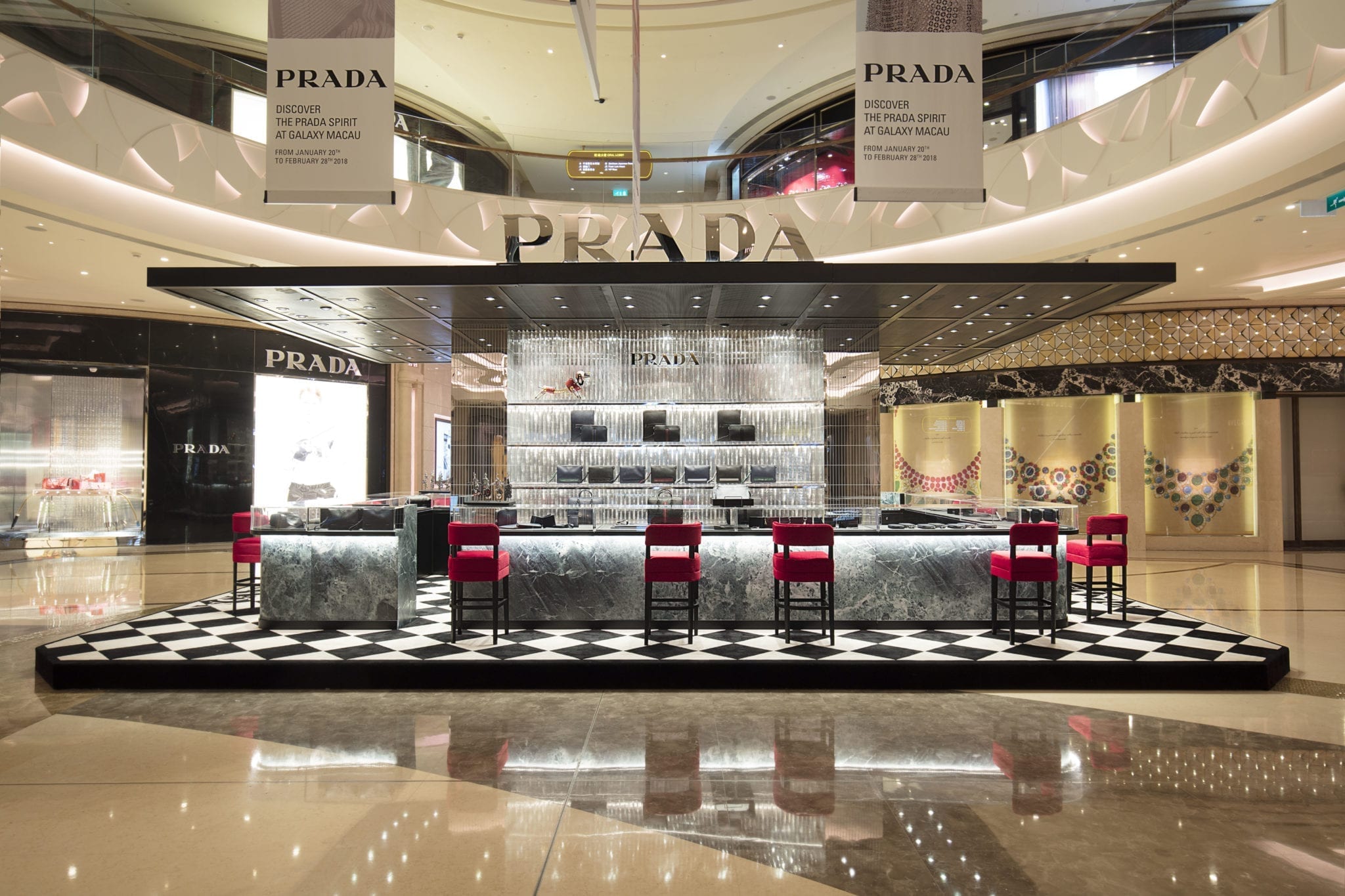
    Just in time for the Lunar New Year, Galaxy Macau and Italian fashion house Prada have introduced the Prada Spirit retail project, running until the end of next month.

    Following the success of the Prada Station pop-up with it railway theme, the project offers exclusive products in a concept location, allowing shoppers to socialise in a relaxed, luxurious atmosphere.

    Premiering at The Promenade Shops of the Galaxy Macau, Prada Spirit will later travel to other major cities in Asia including Beijing, Shanghai, Hong Kong, Taipei, Singapore and Seoul.

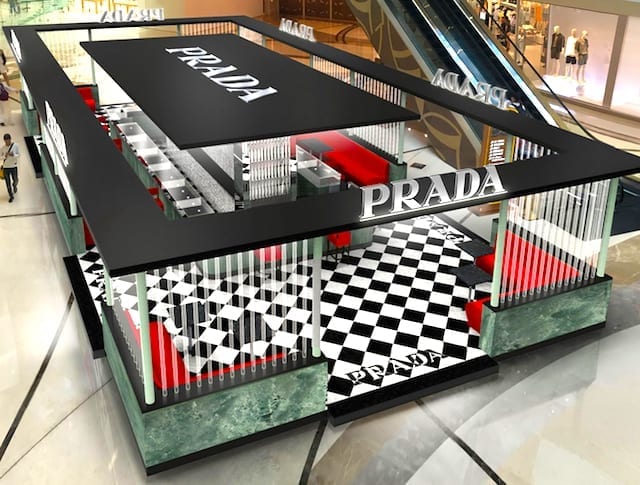
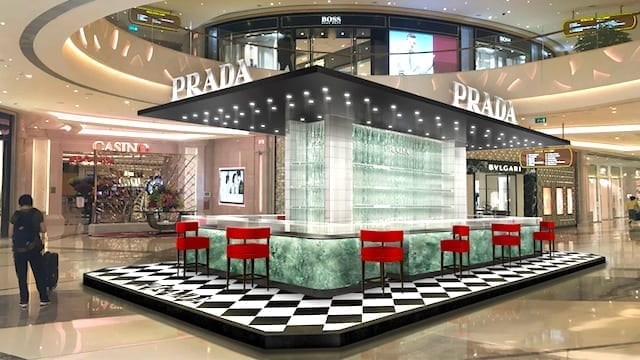
    With a setting inspired by traditional Italian cafes, it displays an exclusive collection of leather bags and accessories. Lounge corners feature red velvet sofas and small black tables. A central, squared counter is lined with display cases, while a wall-chandelier with multi-faceted Perspex blades makes a contrast with the black-and-white marble checkered flooring. High wooden stools complete the space.

  • Sa Sa International looking good, thanks to tourists

    Sa Sa International looking good, thanks to tourists

    Stronger store traffic drove overall sales for cosmetics retailer Sa Sa International for its third quarter to the end of December.

    This was in line with expectations, says the company.

    Total transactions increased by 5 per cent year on year to 5.1 million, while the number of transactions with local and mainland tourists grew 6.6 and 4.1 per cent respectively. The average transaction value also rose, by 4.2 and 2.8 per cent (to reach $367) respectively.

    The group’s total turnover grew by 6.5 per cent to HK$2.2 billion (US$281 million), led by Hong Kong and Macau where the growth was 8.1 per cent to reach $1.8 billion, while same-store sales increased by 3.7 per cent.

    Overall retail sales and same-store sales had 9.5 and 5.6 per cent growth respectively during December.

    Turnover in Mainland China, Singapore and Malaysia grew 13, 3.6 and 3.9 per cent respectively, while the turnover for Taiwan and e-commerce dropped by 5.5 and 21.9 per cent.

    Total turnover for the nine months to the end of December was $5.9 billion, up 3.4 per cent. For Hong Kong and Macau the figure was $4.8 billion, up 4.5 per cent.

    Same-store sales were flat for the nine months, while the average sales per transaction rose 3.3 per cent for to $343. There were 14 million transactions, up 1 per cent.

    At the end of December the company had 290 stores, no change from a year previously. However, the number of stores increased in Hong Kong and Macau (from 115 to 119), while there was a drop in Singapore (from 21 to 19) and in Taiwan (from 25 to 21). China and Malaysia had no change with 56 and 73 stores respectively.