Tag: macroeconomics

  • Indonesia’s Annual Inflation Eased to 3.23% in October

    Indonesia’s Annual Inflation Eased to 3.23% in October

    Indonesia’s annual inflation eased slightly to 3.23% in October 2026 from 3.28% in September, Central Statistics Indonesia (BPS) reported on Monday. The result keeps price growth within the government’s target band of 2.5% ± 1%, with food, transportation and personal care costs driving the index.

    Addressing reporters at a hybrid press conference at agency headquarters, BPS Deputy for Distribution and Services Statistics Ateng Hartono noted that the national consumer price index climbed to 112.56 in October 2026 from 109.04 a year earlier. Across the provinces, annual inflation ranged from a low of 2.52% in Jakarta to a peak of 8.07% in North Sulawesi.

    By expenditure group, food, beverages and tobacco added 1.4 percentage points to headline inflation as prices climbed 4.82% year-on-year. Ateng identified bird’s eye chilli, fresh fish, rice, cooking oil, broiler chicken, machine-made kretek cigarettes and beef as the primary upward drivers within the basket.

    Food and Household Staples Drive Index Gains

    Expenditure on food, beverages and tobacco delivered the biggest push to the national headline rate, climbing 4.82 per cent year-on-year and contributing 1.40 percentage points to the total figure. Within this basket, agency officials identified bird’s eye chilli, fresh fish, milled rice, cooking oil, broiler chicken, machine-made kretek cigarettes and beef as the primary upward drivers.

    The volatile food basket advanced 5.81 per cent on an annual basis, contributing 0.96 percentage points to the headline reading. That rate outstripped both core and administered components, underlining persistent retail price friction in basic wet-market and supermarket perishables.

    Core inflation registered at 2.56 per cent, accounting for 1.64 percentage points of the national total. Beyond food staples such as cooking oil and rice served with side dishes, core baskets reflected price increases across gold jewellery, mobile phones, laptops and engine lubricants.

    Logistics and Personal Care Add Broad Pressure

    Transportation recorded the second-largest category contribution, rising 4.87 per cent annually and adding 0.59 percentage points to the aggregate print. Higher domestic outlays for gasoline, air passenger fares, engine lubricants, motorcycles, private vehicles and workshop maintenance services drove the sector upward.

    Administered prices regulated by public authorities advanced 3.24 per cent year-on-year, contributing 0.63 percentage points. Gasoline tariffs, commercial aviation tickets, kretek cigarettes and domestic household fuels drove the bulk of that index basket.

    Personal care and miscellaneous services advanced 4.52 per cent, contributing 0.32 percentage points to the annual print. Central Statistics Indonesia Deputy for Distribution and Services Statistics Ateng Hartono noted that higher retail prices for gold jewellery underpinned gains across the personal goods category.

    “The annual inflation rate in October 2026 stood at 3.23%, with the consumer price index rising from 109.04 in October 2025 to 112.56 in October 2026,”

    Regional Divergence Across the Archipelago

    Price trends fractured across island markets. North Sulawesi posted the steepest annual inflation rate in the country at 8.07 per cent, driven by elevated regional distribution costs and local food price increases. Jakarta recorded the lowest annual figure among all provinces at 2.52 per cent, benefiting from tighter supply-chain integration and dense modern grocery retail infrastructure.

    For consumer goods manufacturers and retail chains, persistent inflation across staple groceries and vehicle running costs constrains discretionary purchasing power outside top-tier urban centres. While top-line inflation sits within official macroeconomic thresholds, the sticky 5.81 per cent climb in volatile food forces middle-income households to divert cash from apparel, electronics and dining toward fundamental pantry items.

    The factory side of the domestic economy showed counterbalancing strength. Indonesia’s Manufacturing Purchasing Managers’ Index rose to 54.0 in October from 52.4 in September, indicating expanding factory output and rising order volumes across consumer goods producers.

    Preceding Trajectory and Factory Output

    The October print marks a fractional deceleration after two straight months of accelerating cost pressure. Annual inflation had risen to 3.19 per cent in August before quickening to 3.28 per cent in September on food and fuel adjustments.

    Broader external trade data also reflected shifting domestic demand. Indonesia logged a merchandise trade surplus of $3.36 billion in September, based on exports of $27.59 billion and imports of $24.23 billion.

    Consumer product groups and retail operators now track the upcoming November harvest yields and regional logistics fuel costs to determine whether volatile food inflation eases back toward the central bank’s midpoint target.

  • Japan Nominal Wages Rise 4.6% in September in Fastest Gain Since 1997

    Japan Nominal Wages Rise 4.6% in September in Fastest Gain Since 1997

    Japanese nominal wages grew 4.6% year-on-year in September, recording the fastest growth rate since 1997 as widespread staffing shortages forced employers across the country to pay higher rates.

    Base pay climbed 3.7%, while a benchmark stripping out bonuses, overtime, and sampling distortions rose by a record 3.1% for full-time staff, according to data from the Labour Ministry released on Nov 6.

    Inflation-adjusted real cash earnings, excluding rent, increased 2.2% from a year earlier. That beat consensus forecasts of 1.3% and accelerated past the revised 1.6% rise logged in August, despite fewer working days during the month.

    Central Bank Tightening on the Horizon

    The acceleration gives the Bank of Japan clear room to raise its benchmark rate at its next policy meeting on Dec 18. More than 80% of surveyed economists anticipate a hike at that session.

    Median forecasts project the terminal policy rate will hit 1.75%, requiring two quarter-point increases. Other institutions, including BNP Paribas and J.P. Morgan Securities, forecast the rate will peak at 2.5%.

    Bank of Japan governor Kazuo Ueda confirmed underlying inflation sits broadly in line with the official 2% target, asking company management and labour groups to build that figure into upcoming negotiations.

    Squeezing the Small Business Operating Margin

    Consumer brands face a divergent operating environment across Japan. Higher take-home pay creates real purchasing power for urban workers who absorbed two years of sticky grocery and utility bills, lifting floor spending at major supermarket chains and suburban convenience stores.

    The cost side tells an entirely different story for independent shopkeepers, franchise operators, and logistics suppliers. Retailers cannot absorb an annual 3% to 4% base salary increase without hiking shelf prices, yet passing those costs along risks alienating cash-sensitive shoppers.

    The financial strain already shows up in business mortality tables. Tokyo Shoko Research counted 240 labour-linked corporate insolvencies in the first half of the fiscal year, a record high. More than half of those cases cited higher labour costs.

    Union Demands for the Next Shunto Round

    The September numbers follow three consecutive years in which Japanese trade unions secured wage increases topping 5%, breaking three decades of flat compensation that followed the asset bubble collapse of the early 1990s.

    The country’s largest labour union federation advised affiliates in October to demand wage increases near 6% for 2027. That stance sets a higher opening bid than the target established for 2026.

    Mitsubishi Research Institute researcher Yasunari Tanaka projected settlements in the next round will settle near 5%, matching the 2026 pace. Sustained pay gains at that level keep upward momentum behind consumer service costs.

    Subsidies and the Winter Retail Basket

    Prime Minister Sanae Takaichi faces a balancing act between supporting household spending power and protecting public finances. The government plans to taper petrol subsidies starting in December while restoring targeted relief for winter electricity and heating gas bills.

    The Bank of Japan’s October Tankan survey confirmed that corporate labour shortages match the tightest conditions on record. With open jobs outnumbering applicants across distribution hubs and retail shop floors, companies have little choice but to bid higher for shift workers.

    The central bank convenes to decide its benchmark borrowing rate on Dec 18.

  • Tokyo Stocks Breach 70,000 as Tech Gains Drive Nikkei Rally

    Tokyo Stocks Breach 70,000 as Tech Gains Drive Nikkei Rally

    Japanese equities jumped on Monday morning as the benchmark Nikkei Stock Average crossed the 70,000 threshold during intraday trading for the first time in three months.

    Technology shares led the surge in Tokyo after renewed optimism surrounding artificial intelligence boosted investor demand across the sector.

    Macroeconomic Data Eases Rate Pressure

    Cooling economic data from the United States provided immediate support for equity valuations. The September U.S. Jobs report showed slower-than-expected employment growth, prompting market participants to scale back expectations for a Federal Reserve interest rate increase this month.

    Lower rate expectations in the United States relieve valuation pressure on high-multiple technology counters across Asia, giving institutional buyers room to rebuild equity positions.

    Technology Sector Leads Market Rebound

    Capital flows into hardware, semiconductor, and artificial intelligence-related names provided the bulk of the index momentum during the morning session. Tokyo equity markets had spent the past three months trading beneath the 70,000 mark following earlier volatility.

    For portfolio managers and corporate treasuries in the region, the recovery above 70,000 sets a firmer valuation floor for Japanese listed corporations. Technology suppliers and capital equipment manufacturers benefit directly when broader risk sentiment stabilizes.

    What to Watch Next

    Trading desks now turn their focus to upcoming central bank meetings and subsequent corporate earnings reports across the Asian tech hardware supply chain to gauge whether intraday index levels hold through the close.

  • Japan Service Sector Growth Cools to 51.3 in September as Orders Slow

    Japan Service Sector Growth Cools to 51.3 in September as Orders Slow

    Japan’s service sector expansion slowed in September. Business activity lost momentum, export demand weakened, and earthquake disruptions cut foot traffic across regional consumer hubs.

    The final S&P Global Japan Services Purchasing Managers’ Index fell to 51.3 in September from a five-month high of 52.5 in August. That missed the preliminary flash estimate of 51.6. Still, the index remained above the 50-mark threshold separating sector expansion from contraction.

    Domestic Demand Carries Sales as Exports Slump

    New orders across service providers rose for a 27th consecutive month, supported by domestic customer traffic and local consumption. Overall order growth moderated from August. Fresh export business dropped at the second-steepest rate recorded since January 2021.

    Earthquake disruptions during the month forced temporary pauses in regional travel and hospitality bookings, reducing transactions across retail and leisure locations. Local shoppers continued to buy. In contrast, foreign client orders dried up across business-to-business and cross-border services.

    “PMI survey data pointed to a softer expansion of Japan’s service sector as the third quarter drew to a close, with businesses signalling slower increases in business activity and new orders,” said Annabel Fiddes, Economics Associate Director at S&P Global Market Intelligence.

    Labour Shortages Drive Backlogs to Seven-Month High

    Hiring across service businesses rose for a 13th straight month to log its quickest pace of workforce expansion since February. Service operators added staff aggressively to fill floor vacancies and build operational capacity ahead of the final quarter.

    Despite faster recruitment, backlogs of outstanding work climbed at the sharpest rate in seven months. Hospitality, food service, and transport providers in urban centres continued to struggle with customer volumes on existing staffing levels.

    Input Price Pressures Ease to Six-Month Low

    Operating expenses climbed again in September, but the rate of input cost inflation cooled to a six-month low. Service firms reported that procurement budgets remained squeezed by elevated prices for food ingredients, raw materials, energy, and wage increases.

    Charges levied on diners and shoppers increased during the month. The pace of those price hikes softened from August as merchants weighed customer resistance against wholesale costs.

    Divergence Across Manufacturing and Services

    The broader Composite PMI, which tracks combined output across both manufacturing and service companies, dropped to 52.3 in September from 53.5 in August. It was the composite index’s lowest reading since May.

    That slowdown reflects the Bank of Japan’s quarterly tankan survey, which showed sentiment among non-manufacturers soured in the July to September quarter even as factory sentiment reached an eight-year high. Retailers and consumer service operators now look to fourth-quarter wage negotiations and central bank policy decisions to gauge domestic spending power.

  • Japan Recalibrates Messaging to Reassure Markets on Reflation Stance

    Japan Recalibrates Messaging to Reassure Markets on Reflation Stance

    Japan has begun recalibrating its economic messaging to reassure financial markets that Prime Minister Sanae Takaichi is not pursuing reflationary policies, Finance Minister Satsuki Katayama said in an interview with broadcaster TV Tokyo on Saturday, Oct 3.

    The policy adjustment followed discussions with US Treasury Secretary Scott Bessent over whether Tokyo was communicating its fiscal direction clearly to international investors.

    Recalibrating Tokyo’s Market Strategy

    Katayama explained that the administration concluded in late August that it needed to address market perceptions that the Takaichi government planned an aggressive return to reflationary spending and loose monetary coordination.

    Tokyo made the decision to change its public posture in late August. Officials determined that clearer explanations were necessary to prevent unhelpful market speculation and currency volatility.

    Feedback from the US Treasury

    Bessent indicated to Japanese officials that Takaichi’s economic policies match current economic conditions. However, the US Treasury chief questioned whether the Japanese government communicated its strategy with sufficient precision to global funds and domestic institutions.

    Katayama noted that Washington’s feedback helped prompt the shift. “So we concluded around late August that we need to communicate that message more clearly to financial markets,” Katayama said, addressing market perceptions that the administration’s policies are reflationary.

    Managing Investor Sentiment

    Market analysts have closely tracked Takaichi’s fiscal and structural reform targets since she took office. For consumer businesses, retail operators and institutional investors across Asia, clarity on Japanese fiscal discipline dictates borrowing costs, currency stability and import price pressures.

    Aggressive reflationary policies risk weakening the yen further, which raises import costs for Japanese retailers while squeezing household purchasing power. By pushing back against the reflationary label, the administration aims to anchor long-term bond yields and stabilize business planning assumptions.

    The Policy Stance Ahead

    Tokyo previously faced scrutiny over whether new spending initiatives would widen government debt issuance or complicate the Bank of Japan’s rate normalization plans. The messaging overhaul formalizes a more cautious stance designed to preserve policy flexibility without alarming debt markets.

    Japanese finance ministry officials are scheduled to roll out the updated policy framework across upcoming investor briefings and international economic summits this autumn.

  • Australian Retail Spending Climbs 7% as Stronger Dollar Eases Import Costs

    Australian Retail Spending Climbs 7% as Stronger Dollar Eases Import Costs

    Australian retail spending grew 7.0 per cent year on year in July, driven by consecutive monthly gains across all major discretionary merchandise categories.

    Monthly household expenditure expanded 1.1 per cent in July, marking a third straight monthly advance and providing merchant relief ahead of fourth-quarter trade.

    Official Australian Bureau of Statistics data showed apparel and footwear leading the monthly lift with a 1.6 per cent increase, while recreation and culture gained 1.5 per cent. Discretionary spending climbed 7.8 per cent compared to July 2025, even as higher price points accounted for part of the top-line dollar expansion.

    Currency Relief on Sourced Inventory

    Landed costs across consumer electronics, toys, apparel and homewares have eased as the Australian dollar moved above 70 US cents in late September. That contrasts with an average exchange rate near 64 US cents throughout 2025, lowering procurement expenses on goods invoiced in US currency.

    For regional supply chains and Asia-based manufacturers supplying Australian retail networks, a stronger local currency alters order timing and pricing use. Importers that locked in inventory during early 2026 faced compressed margins, whereas buyers placing late-year purchase orders now capture direct landed savings.

    GDP Expansion and Capital Investment

    Broader economic output expanded by 0.4 per cent during the June quarter, bringing annual gross domestic product growth to 2.1 per cent. Across the full 2025-26 financial year, the economy grew 2.4 per cent, outpacing performance recorded across the prior two fiscal periods.

    Capital allocations also widened during the period. Private business investment reached 12.7 per cent of gross domestic product, the highest level recorded in a decade, underpinned by capital outlays in data centres, renewable power installations and commercial aircraft fleets.

    Labour Market Resilience and Household Buffers

    Consumer cash reserves showed slight replenishment as the household saving ratio ticked up to 6.5 per cent in the June quarter from 6.4 per cent. Total employment expanded by approximately 39,000 positions in August, while the national participation rate stood at 67.1 per cent.

    Unemployment rose to 4.6 per cent as additional jobseekers entered the market, a level Reserve Bank of Australia Governor Michele Bullock noted sits within a range capable of cooling lingering price pressures. Headline inflation tracked at 3.5 per cent in July, with the trimmed mean indicator registering at 3.6 per cent.

    Interest Rate Pressures Heading into Peak Season

    Monetary policy remains the primary headwind for merchant balance sheets and household debt servicing. The central bank entered its late September policy review with the cash rate target at 4.35 per cent, having already executed three rate hikes earlier in 2026.

    Department store operator Myer flagged persistent market uncertainty, with executive chair Olivia Wirth noting consumer behaviour is likely to stay volatile across the coming 12 months. Australia’s four largest domestic commercial banks forecast a 25 basis point cash rate increase to 4.60 per cent at the next monetary policy determination.

  • Australia Central Bank Raises Cash Rate to 4.6 per Cent in Fourth 2026 Hike

    Australia Central Bank Raises Cash Rate to 4.6 per Cent in Fourth 2026 Hike

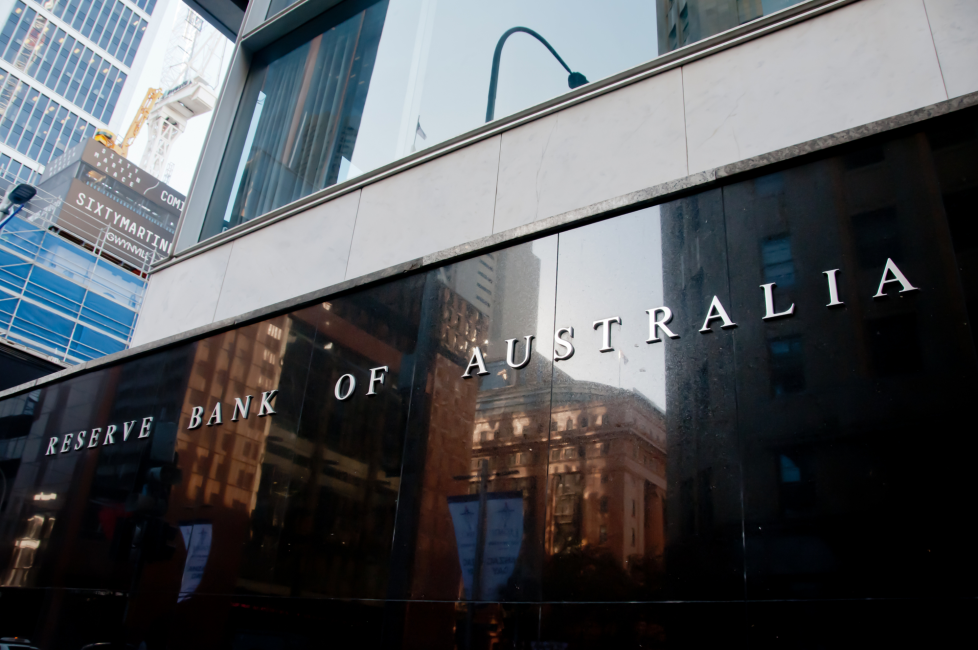
    The Reserve Bank of Australia lifted its cash rate target by 25 basis points to 4.6 per cent on Tuesday. The benchmark is now at its highest level since 2011.

    This is the central bank’s fourth rate hike of 2026, decided unanimously by its monetary policy committee. Higher borrowing costs take effect immediately across the banking sector. Household discretionary budgets across the country now face fresh pressure.

    Energy Costs and Inflation Drivers

    Persistent inflationary pressures and climbing global energy prices triggered the tightening, officials said. Several upside risks identified during the August meeting have now materialised. Conflict in the Middle East also pushed oil markets above baseline projections. The committee said its priority is stopping elevated inflation from becoming permanently embedded in price-setting behaviour.

    Market intelligence firm Circana warned that the rate rise will alter household buying habits immediately. Shoppers will reduce visit frequency and trade down to cheaper goods. They will also concentrate purchases around discount events.

    Tighter Margins Ahead of Peak Season

    Store operators and brand owners face this policy squeeze at a vulnerable time. Discretionary retail chains rely on the fourth quarter, particularly Black Friday and the weeks before Christmas, to generate cash flow and rebuild financial reserves. Higher debt servicing costs and elevated transport fuels directly erode retail operating margins.

    Passing cost increases to value-conscious shoppers is difficult. Merchants must absorb rising logistics and operational expenses through compressed margins, or risk losing transaction volume to cheaper rivals.

    Productivity and Regulatory Debate

    Industry groups are challenging the macroeconomic policy mix behind the repeated rate adjustments. Top-line retail turnover held up through mid-2026, according to the Australian Retail Council. Spending momentum is now showing signs of fatigue under concurrent rate and fuel increases.

    Lagging domestic efficiency is driving inflation rather than demand alone, the Business Council of Australia said. The group called for a 25 per cent cut in regulatory compliance costs. Returning productivity growth to historical averages would provide substantial long-term relief to household budgets.

    The Trajectory Leading to 4.6 Per Cent

    Tuesday’s adjustment follows three consecutive rate increases earlier in 2026, designed to cool domestic price pressures without triggering an outright contraction. Previous policy statements in August had assumed stabilizing energy import prices. Subsequent global supply disruptions invalidated that assumption.

    Analysts will now track fourth-quarter retail sales volumes and November promotional discounting data to determine whether consumer demand can withstand the 4.6 per cent benchmark.

  • Indonesia Middle Class Shrinks to 7.1 Percent as Graduate Joblessness Rises

    Indonesia Middle Class Shrinks to 7.1 Percent as Graduate Joblessness Rises

    Indonesia’s pool of middle-class earners shrank to 7.1 percent of the workforce last year, down from 14.5 percent in 2018, as hiring across major corporate sectors stalled.

    The contraction leaves approximately one million university graduates without employment as commercial enterprises halt capital expenditure and delay operational expansion in Jakarta and regional hubs.

    Corporate Expansion Freezes

    Companies across key commercial sectors have postponed new investments, responding directly to elevated regulatory uncertainty. The freeze has hit white-collar hiring tracks that previously absorbed waves of university leavers entering the formal economy.

    High-skill employment opportunities have contracted sharply across metropolitan centers. Even experienced media and tech staff face extended redundancy periods following broadcast and enterprise budget cuts.

    Middle-Class Purchasing Power Drops

    For consumer brands and retailers, the collapse in middle-class workforce participation reshapes demand across discretionary categories. When salaried positions vanish, household spending pivots immediately toward basic necessities and value formats.

    Operators in apparel, electronics, and specialty food and beverage face thinner margins as middle-income traffic recedes. The risk sits squarely with mid-tier retail chains that expanded footprints on assumptions of steady purchasing power growth.

    Labor Realities Pressure Targets

    Official economic growth ambitions confront deteriorating employment fundamentals across Java and outer provinces. Public job fairs in Jakarta continue to draw thousands of applicants competing for a shrinking roster of entry-level openings.

    The earlier economic trajectory that lifted millions into formal salaried roles during the mid-2010s has reversed. Rising living costs and corporate headcount rationalization now drive skilled workers toward the informal economy or overseas labor markets.

    Regulatory Revisions to Watch

    Enterprise operators are tracking upcoming government policy adjustments on investment rules and labor compliance schedules. Market recovery hinges on whether policy clarity can unlock stalled private sector capital before the next annual graduation cycle adds hundreds of thousands more job seekers to the registry.

  • Singapore Core Inflation Quickens to 2.2% in August

    Singapore Core Inflation Quickens to 2.2% in August

    Singapore core inflation accelerated to 2.2 percent in August from 2.0 percent in July, driven by higher costs for services, retail merchandise, and prepared food.

    The reading marks the fastest pace of core price growth for the city-state since September 2024, when the measure climbed 2.8 percent.

    Headline consumer price inflation also edged higher, rising to 2.3 percent year-on-year from 2.2 percent in the previous month, according to official data published by the Department of Statistics. The pickup in core prices, which excludes private road transport and accommodation, exceeded the 2.1 percent median expectation projected in market surveys.

    Retail and Food Drive Core Gains

    Retail goods registered one of the sharpest cost accelerations during the month. Inflation across retail and other manufactured products climbed from 1.4 percent in July to 1.8 percent in August, reflecting price adjustments across apparel, footwear, and personal care lines.

    Food inflation crept up to 2.3 percent year-on-year from 2.2 percent. Faster price increases in catering and commercial food services drove the category higher, offsetting a slight easing in the cost of raw, unprocessed groceries. Electricity and gas tariffs held flat at an elevated 8.7 percent, while housing cost growth remained steady at 0.8 percent.

    Transport Costs Show Divergent Paths

    Services inflation stepped up from 1.7 percent to 2.0 percent, propelled by rising airfares and higher charges for point-to-point transportation networks. Higher travel activity across the region added immediate pressure to commercial service pricing.

    Private road transport countered that trend. Private transport inflation moderated to 7.5 percent in August from 8.0 percent in July, chilled by slower increases in passenger car retail prices after months of rapid climb.

    Supply Pressures on Consumer Margins

    For consumer brands and retail operators across Singapore, the price data indicates that wholesale input costs continue to filter directly into point-of-sale pricing. Elevated commercial utilities and transport charges are eroding retail operating margins, forcing operators to pass costs to shoppers.

    Importers and foodservice groups face compounding hurdles as unpredictable weather patterns threaten agricultural yields across regional suppliers. With domestic economic growth projections for 2026 tracking between 4.5 percent and 5.5 percent, steady consumer spending continues to give merchants room to lift menu prices and shelf tags without immediately sacrificing volume.

    Import Costs and Policy Outlook

    In a joint assessment, the Monetary Authority of Singapore and the Ministry of Trade and Industry warned that persistent global energy costs continue to lift utility and freight expenses across the domestic supply chain. The authorities noted that imported goods and services face upward price pressure over the coming quarters as upstream supplier costs work through regional distribution routes.

    The central bank expects domestic core inflation to remain elevated into early next year. Retailers and consumer goods distributors are now watching wholesale import price indices and the scheduled fourth-quarter monetary policy review for adjustments to currency band parameters.

  • Bangladesh Taka Strengthens Against US Dollar After 5.5 Years

    Bangladesh Taka Strengthens Against US Dollar After 5.5 Years

    The Bangladeshi taka has strengthened against the US dollar, ending a continuous depreciation trend spanning five and a half years, according to a report from Bangladesh Bank.

    Between August 30 and September 17 this year, the local currency appreciated by 0.77 percent against the greenback as the dollar rate dropped from a record high of Tk 123.95 to Tk 123.00.

    On a point-to-point basis from June last year to June this year, the taka gained 0.06 percent, reversing an unbroken slide from 2021 that had devalued the currency by 45.05 percent.

    Reversing a Five-Year Downward Spiral

    Dhaka saw its first sustained currency recovery since late 2020. That year, lower pandemic import bills and solid remittances allowed the taka to firm slightly to Tk 84.80.

    Import pressures resumed in 2021, pushing the dollar to Tk 85.80 by year-end. Post-pandemic commodity shocks and the war in Ukraine accelerated the slide in 2022, lifting the dollar rate 23.37 percent to Tk 105.85. The taka fell further to Tk 110.00 in 2023, Tk 120.00 in 2024, and Tk 122.33 by December 2025.

    Over the five-year span, the greenback climbed by Tk 38.20. That loss squeezed corporate margins across manufacturing hubs. It also inflated domestic retail prices on consumer staples.

    Divergence from Regional Currencies

    Trends across South and East Asia diverged from Bangladesh during the same period. Between June 2025 and June 2026, the South Korean won dropped around 11 percent against the greenback. The Sri Lankan rupee shed more than 10 percent.

    India’s rupee weakened by nearly 9.5 percent over the 12-month period, while the Indonesian rupiah lost about 9 percent. Modest gains appeared elsewhere. Both the Malaysian ringgit and Chinese yuan gained nearly 4 percent, and the Pakistani rupee firmed by about 2 percent.

    These divergent currency paths reshape cross-border sourcing costs for regional retailers and consumer goods manufacturers. Retailers buying finished goods and packaged foods from India face lower dollar procurement costs. Meanwhile, Bangladeshi factories buying dollar-denominated raw materials gain immediate relief on input invoices.

    Relief for Importers and Retail Supply Chains

    Lower landed import bills directly benefit buyers of refined fuel, edible oils, industrial chemicals, and wheat. Importers spent the past three years absorbing double-digit depreciation that pushed landed costs to records.

    Steady foreign exchange pricing removes the immediate need for emergency shelf-price increases at retail. Lower import costs ease pressure on household purchasing power. That buying power had contracted under cumulative double-digit retail inflation.

    Local-currency balance sheet losses will narrow for domestic conglomerates holding dollar-denominated commercial debt. Servicing foreign loans grew far more expensive as the dollar climbed from Tk 85 to nearly Tk 124 over five years.

    Trade Balance and Reserve Targets Ahead

    Maintaining currency stability now rests on managing import demand and keeping remittances flowing through official channels. Bangladesh Bank has relied on targeted dollar purchases to rebuild gross reserves. It avoided defending fixed pegs through emergency dollar sales.

    Corporate treasurers and retail supply directors are tracking import volumes heading into the final quarter. Any surge in capital goods orders or energy demand will test the central bank’s ability to hold the exchange rate near Tk 123.

  • China Tech Boom Fuels August Factory Output as Domestic Spending Stalls

    China Tech Boom Fuels August Factory Output as Domestic Spending Stalls

    China’s industrial sector showed renewed strength in August as an AI-driven tech boom fuelled factory output, according to data reported by Reuters this week.

    The readings highlighted deepening imbalances in the world’s second-largest economy, where resilient manufacturing and exports are sustaining growth even as sluggish consumption and a worsening investment slump weigh on domestic demand.

    Factory gains split from retail demand

    Industrial production accelerated through August on higher orders for computing equipment, semiconductors, and automated factory machinery. Tech supply chains absorbed high component volumes, keeping coastal industrial belts busy throughout the month.

    Consumer-facing businesses saw none of that momentum. Retail cash registers recorded sluggish turnover across apparel, home furnishings, and department stores, extending a pattern where consumers withhold discretionary spending while property values slide.

    Property drag hits consumer sentiment

    Household wealth remains tied up in residential real estate, where falling prices continue to deter family spending on non-essential goods. Shoppers in major metropolitan areas have shifted budgets toward essentials and discounted product lines rather than big-ticket purchases.

    For retail landlords and store operators across tier-one and tier-two cities, this split complicates leasing and store expansion plans. Brand owners face rising warehouse inventories because finished goods leave assembly lines faster than domestic retail networks can clear them.

    The export reliance risk

    The gap between manufacturing capability and domestic retail absorption leaves consumer goods makers dependent on overseas shipments to balance their books. That trade balance face headwinds if external import demand slows or overseas tariffs tighten on Chinese-made goods.

    Retailers across the country now look to third-quarter national retail sales totals and upcoming autumn trade figures to gauge whether household demand will stabilize before the year-end shopping season.

  • Japan Core Inflation Holds at 1.7% as Central Bank Prepares Rate Increase

    Japan Core Inflation Holds at 1.7% as Central Bank Prepares Rate Increase

    Japan’s core consumer price index rose 1.7 per cent year-on-year in August, holding steady near the central bank target ahead of an expected policy rate hike to 1.25 per cent.

    The reading slipped from a 1.8 per cent gain in July and came in just below the median market forecast of 1.8 per cent. Stripping out both fresh food and fuel, the narrower core-core index tracked by policymakers climbed 1.9 per cent from a year earlier, pointing to steady domestic price momentum across goods and consumer services.

    Subsidies mask underlying price growth

    Core inflation remained below the Bank of Japan’s 2 per cent threshold for an eighth straight month. State utility subsidies cushioned household electricity and gas bills, neutralizing broad price increases applied across shelf goods, processed foods and consumer durables.

    Without government intervention on utility tariffs, headline consumer pricing would sit well above current readings. Manufacturers and supermarket operators continue to pass higher raw material and transport expenses onto retail shoppers.

    Currency pressure hits import bills

    A weak yen and rising shipping expenses tied to Middle East supply disruptions have pushed import costs higher for consumer brands. The central bank warned that sustained currency weakness creates risks of an inflation overshoot if overseas procurement costs stay elevated through the second half of the year.

    Importers and specialty retailers face shrinking gross margins unless they adjust shelf prices further. Higher procurement expenses leave retail operators little room to absorb future currency depreciation without passing costs directly to consumers.

    Borrowing costs squeeze retail margins

    For commercial operators and property groups, higher borrowing costs will raise debt servicing expenses on store fit-outs, logistics infrastructure and warehouse expansions. Department store operators and retail real estate developers that relied on ultra-low funding to carry inventory and upgrade flagships face tighter capital discipline.

    Consumer finance and retail credit providers will see immediate interest rate repricing. While higher rates improve returns for retail banks, elevated borrowing expenses risk dampening discretionary spending on electronics, fashion and lifestyle goods across metropolitan centers.

    Projected trajectory through 2027

    The Bank of Japan lifted its benchmark rate to 1 per cent in June after assessing that durable inflation had taken hold across the domestic market. Policymakers kept rates unchanged in July while preparing markets for further tightening if underlying price trends remain elevated.

    Financial markets anticipate policy rates will climb to 1.5 per cent by the end of March next year, before reaching 1.75 per cent in the second quarter of 2027.

  • Japanese Yen Drops to 156 Against Dollar Following Hawkish Federal Reserve Rate Hike

    Japanese Yen Drops to 156 Against Dollar Following Hawkish Federal Reserve Rate Hike

    The Japanese yen fell past 156 against the US dollar in Tokyo on Thursday morning after the Federal Reserve raised interest rates. Fed officials paired the hike with a hawkish outlook. The US Dollar Index climbed above 100 as Asian currencies retreated.

    This sell-off pushed the currency back toward multi-month lows against the greenback after earlier rallies had lifted it to 152 and 154. The reversal resets the cost floor for Asian supply chains. Most settle energy, raw materials and consumer electronics components in dollars.

    Widening Rate Gap Hits Asian FX

    Washington provided the catalyst. The Federal Reserve confirmed further tightening to curb stubborn inflation. Higher yields on US debt continue to draw capital away from Asian fixed income assets, penalising currencies tied to low or negative real interest rates.

    Consumer brands and retailers importing inventory across Asia face immediate margin hits. Importers of packaged food, apparel and tech hardware face higher wholesale landed costs. Export manufacturers gain a temporary translation boost, but it masks weak domestic consumer sentiment.

    Squeeze on Margins and Import Costs

    Retail operators cannot easily pass currency fluctuations to shoppers without dampening foot traffic. Department stores, specialty chains and supermarket networks across East Asia face a hard choice. They must absorb higher procurement invoices or risk volume drops by raising shelf tags.

    Japan’s Ministry of Finance and corporate treasurers lost the breathing room they had earlier in the week. The market had watched the yen strengthen toward 152. The Federal Reserve quickly extinguished bets on an early monetary pause.

    Bank of Japan Decision in Focus

    Earlier trading saw the yen swing between 152 and 154 to the dollar as desks weighed domestic inflation against global bond yields. Japanese land prices and tourism spending showed resilience. Still, imported input inflation continues to squeeze local business margins.

    Traders now look to the Bank of Japan’s upcoming policy meeting. Officials face rising pressure to consider domestic rate adjustments to arrest further currency depreciation.

  • China August Exports Surge 25% as Real Estate and Retail Slump

    China August Exports Surge 25% as Real Estate and Retail Slump

    Slower consumption and a sharper fall in property investment in August 2026 pushed the Chinese economy deeper into difficulty, showing pressure on policymakers to deliver more stimulus.

    The twin drag from sluggish domestic retail demand and falling real estate outlays left the country dependent on foreign shipments, where outbound trade surged 25 per cent during the month.

    Property Slump Weighs on Household Demand

    Unfinished housing developments in Hebei province, documented by Reuters, illustrate how the property downturn continues to suppress asset values and prompt households to curb discretionary spending.

    Retail operators face a challenging operating environment as domestic shoppers hold back purchases. Brands that expanded floor space across secondary and tertiary cities now confront weaker footfall, leaving store networks with higher inventory overheads and compressed operating margins.

    Export Strength Offsets Domestic Drag

    External trade provided the single major counterweight to weakening internal activity. China’s trade surplus topped $800 billion for the year following the August export surge, keeping industrial assembly lines active even as domestic order books thinned.

    Relying on overseas demand presents clear operational risks for manufacturers and retail suppliers. Export strength cannot replace broad-based retail consumption across China’s tier-one and tier-two metropolitan centers, where commercial landlords and department stores remain exposed to cautious tenant leasing.

    Policy Measures Under Scrutiny

    State planners have approached broad monetary easing with caution, preferring targeted injections rather than wide-scale consumer subsidies. State bank and insurer shares retreated after a proposed $54 billion capital injection plan failed to revive wider market confidence.

    RetailNews Asia sees consumer-facing businesses adjusting expansion budgets across the mainland while monitoring national retail sales prints and property start data scheduled for release in October.

  • State Bank of Pakistan Holds Benchmark Interest Rate at 11.5%

    State Bank of Pakistan Holds Benchmark Interest Rate at 11.5%

    The State Bank of Pakistan kept its benchmark interest rate at 11.5 per cent on Monday, pausing monetary adjustments after a divided committee vote.

    Seven of the ten Monetary Policy Committee members backed the hold. They resisted calls for an increase after annual headline inflation accelerated to 11.1 per cent in August from 9.2 per cent in July.

    Officials attributed the decision to Middle East geopolitical friction, which lifted global oil prices and strained supply chains. Domestic core inflation came in slightly below central bank expectations. Remittance flows and external financing helped stabilize the balance of payments.

    Inflation Pressures and Factory Output

    Consumer and corporate sentiment deteriorated heading into September as both groups reported higher price expectations. Industrial production softened at the end of the fiscal year. Large-scale manufacturing output fell 3.5 per cent in June, capping cumulative growth for the year ended June 2026 at 5 per cent.

    For retail chains and consumer goods manufacturers in Pakistan, elevated borrowing costs continue to weigh on inventory financing and store expansions. Policy settings remain adequate to steer inflation toward the medium-term target band of 5 to 7 per cent, the central bank said.

    High interest rates and rising energy tariffs continue to squeeze household disposable incomes in urban retail centers. Consumer businesses face an ongoing margin crunch. Production and transport expenses are climbing faster than shelf prices can adjust.

    Foreign Reserves and Fiscal Buffers

    State finances found temporary relief through higher non-tax revenue and sovereign debt operations. Moody’s upgraded Pakistan’s sovereign credit rating to B3 with a stable outlook after a 3 billion dollar Eurobond issuance lifted foreign exchange reserves above 21 billion dollars.

    Fiscal consolidation beat initial targets after the central bank transferred 1.9 trillion rupees in profit to the federal government, against a budgeted 1.4 trillion rupees. Revenue collection by the Federal Board of Revenue also met targets during July and August.

    Shifting Policy Trajectory

    Monday’s pause follows a 100-basis-point rate hike in April, the central bank’s first monetary tightening in nearly three years. Before that increase, the benchmark rate held at 10.5 per cent through the first quarter after a surprise 50-basis-point cut in December 2025.

    The benchmark rate sits well below the peak of 22 per cent recorded in June 2023. That reflects 1,050 basis points of cumulative easing since mid-2024 as price spikes receded from record highs.

    Committee members will review the policy stance again at the next meeting, tracking crude import bills and the September consumer price index.