Retail News CRM

Tag: macy’s

  • US$1 billion in first five minutes of 11.11

    US$1 billion in first five minutes of 11.11

    Alibaba Group says more than US$7 billion (RMB 47.5 billion) of gross merchandise volume (GMV) was settled through Alipay on Alibaba’s China and international retail marketplaces within the first two hours of the 2016 11.11 Global Shopping Festival.

    And more than $1 billion was transacted in the first five minutes – from 12 midnight.

    “Chinese consumers purchased more in the first hour of 11.11 this year than the entire 24 hours in 2013, reflecting the incredible evolution of our global shopping festival,” said Daniel Zhang, Alibaba Group CEO. “This unprecedented level of engagement demonstrates both the consumption power of Chinese consumers and their embrace of online shopping as a lifestyle.”

    In the hours leading up to the official midnight start of November 11, millions of viewers watched the Alibaba Group 11.11 Global Shopping Festival Countdown Gala live online and on mobile devices via Youku Tudou, and the Tmall and Taobao apps. The gala was televised live across China through Zhejiang Satellite TV, as well as in Hong Kong and Macau for the first time.

    “This year, we innovated new ways for consumers watching the live broadcast of our countdown gala. Viewers were able to influence the production of the show in real-time through their mobile phones,” said Chris Tung, chief marketing officer, Alibaba Group. “Consumers in front of their televisions were shaking, tapping, scanning, chatting, browsing and buying with their mobile devices, creating a seamless and truly immersive entertainment experience.”

    VR drives surge

    International think tank Fung Global Retail & Technology predicts sales of $20 billion during the full 24 hours, up an extraordinary 40 per cent over last year’s total of $14.3 billion, thanks in part to the introduction of Buy+, the world’s first-ever end-to-end virtual reality (VR) shopping experience.

    “Buy+ will enable global retailers (even those without a physical presence in China) to offer an engaging, virtual in-store experience to Chinese consumers,” writes Fung Global Retail & Technology MD Deborah Weinswig in Singles’ Day Online Shopping Festival Could Also Benefit Retailers’ Physical Stores, a new report.

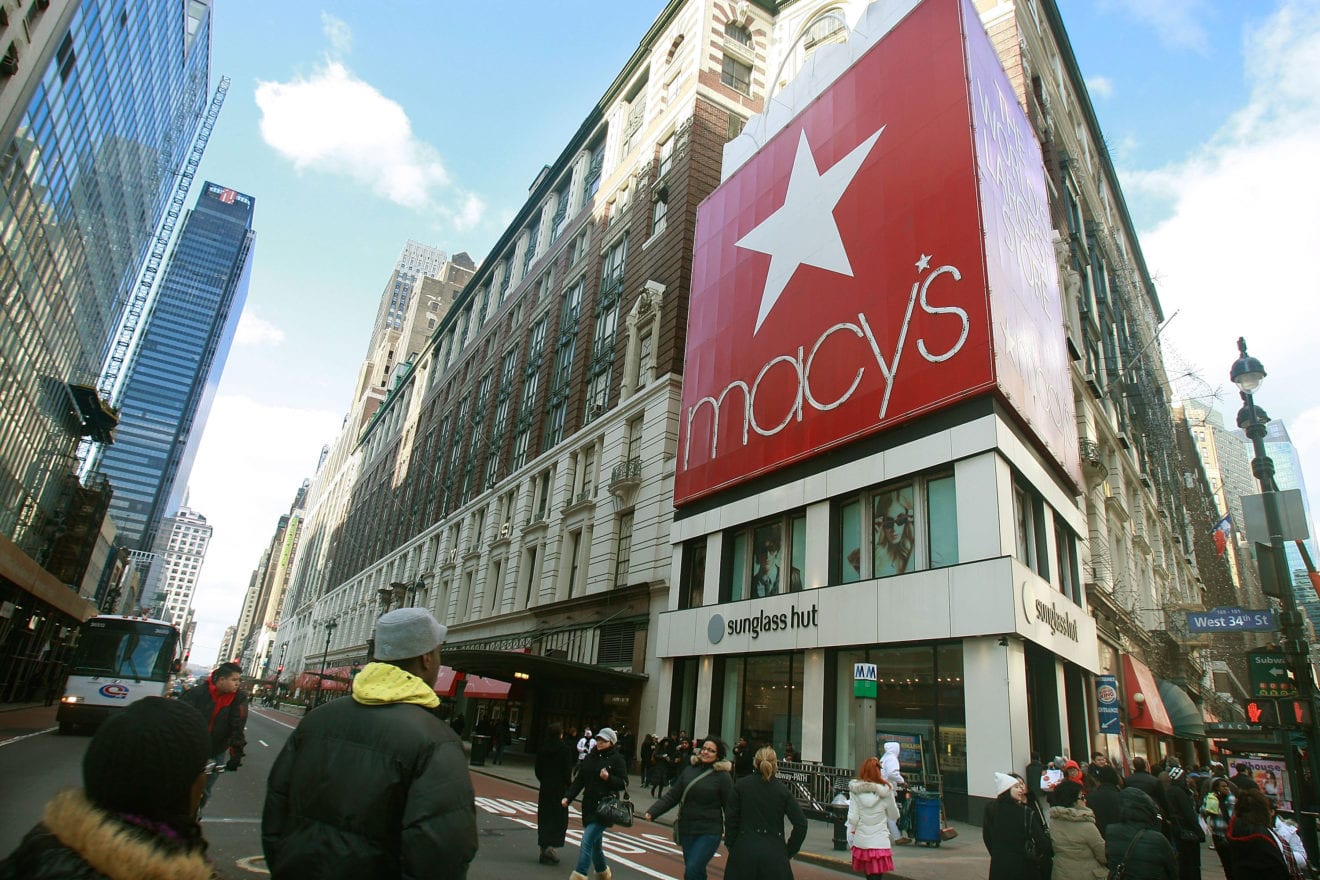
    The platform features eight virtual stores: Macy’s, Target, Costco, P&G, Chemist Warehouse, Freedom Foods, Tokyo Otaku Mode and Matsumoto Kiyoshi. Using cardboard VR headsets distributed in October, consumers can virtually walk around Macy’s Herald Square flagship in New York City to find products and, with just a nod of the head, confirm payment to purchase an item they see.

    “One of Alibaba’s strategies for Singles’ Day is to merge gamification with online shopping. The company will leverage its media and entertainment assets to drive increased online consumption,” says Weinswig.

    These include a televised countdown gala event and fashion show that was held last evening. In addition, the company is promoting products on TV screens, allowing viewers to scan QR codes for a real-time purchase.

    The concept has expanded beyond Alibaba, with chief rival JD.com, Gome and Suning also creating promotions. International retailers will target Chinese shoppers, and Chinese retailers target international shoppers. In 2015, Newegg, OTTE New York and Nasty Gal, all launched Singles’ Day promotions.

    “A year ago, Alibaba promised that Singles’ Day will be a true omni-channel event, and this year the company seems dedicated to continue delivering on the promise, armed with more technological innovations that bridge the gap between the virtual and physical worlds,” Weinswig writes.
  • Alibaba Group promises to redefine retail as it sets the clock ticking for Singles Day shopping festival

    Alibaba Group promises to redefine retail as it sets the clock ticking for Singles Day shopping festival

    Alibaba Group has started the clock on the Global Shopping Festival it will hold on November 11, which is known as Singles Day in the Chinese market where it dominates online shopping.

    The retailer, which trades through marketplace sites including Alibaba.com and TMall, has unveiled its plans for a festival that’s set to include a countdown gala, an eight-hour live streamed fashion show, virtual reality shopping, interactive games and more.

    These are all innovations aimed at enabling almost 100,000 merchants to build their brands, as well as engage with and sell to the hundreds of millions of Chinese consumers it predicts will shop on its marketplaces during the festival.

    Last year’s event, saw goods worth £9.3bn sold via the group’s websites.

    The press launch alone was attended by brands from Macy’s and Costco through to Swisse and eMart. There, Daniel Zhang, chief executive officer of Alibaba Group, said, “11.11 Shopping Festival has become the global retail benchmark over the past seven years, and we have raised the bar again this year to redefine the retail experience for consumers together with our merchants from around the world.”

    Zhang continued, “11.11 has evolved far beyond a 24-hours sales event. From today through November 11, consumers will discover, explore, play, watch, comment, share, recommend and shop across our entire ecosystem with our merchants both online and offline. Leveraging our robust infrastructure, global merchants have been empowered with unprecedented capability to seamlessly engage and serve customers through new technology and new environments.”

    Highlights of the Global Shopping Festival will include a Tmall eight-hour fashion show in Shanghai in which 50 international brands and 160 models will take part. It will be streamed live via Tmall and Taobao mobile apps that viewers can use to pre-order items as they appear on the catwalk.

    Shoppers will be able to use virtual reality to buy, as Alibaba pilots Buy+, billed as the world’s first complete virtual reality (VR) shopping experience. Those who use it will be virtually transported to select retail stores internationally, where they can experience the entire shopping process from product selection to payment, all via VR.

    In the run-up to the event, more than 600 international brands are streaming live broadcasts on Tmall to tell consumers about their brand and the deals and products they’ll be offering on 11.11.

    Katy Perry will headline the 11.11 Global Shopping Festival Gala on November 10.

    The event will link online and offline: Alibaba believes the future of commerce is not online only but will integrate the online and offline experience. A location-based augmented reality mobile, to be released two weeks ahead of the festival, will enable consumers to follow the Tmall Cat across the online and offline retail ecosystem: offline partners include shopping malls in Beijing and Shenzen, Shanghai Disneyland, KFC and Starbucks. Alibaba is also working with more than a million offline shops to present consumers with a joined-up experience.

    The retailer also promises each consumer a personalised shopping experience, thanks to the use of big data that will drive tailored product recommendations, search results, and user-generated content.

    The retailer is also focusing on going global, and aims within 10 years to serve two billion consumers, while supporting 10m small businesses, brands and retailers. The 2016 11.11 Global Shopping Festival includes a ‘buy globally, sell globally’ initiative that focuses on making Alibaba a gateway for international brands and merchants to sell to consumers in China. Meanwhile, it is also piloting approaches to supporting global retailers and brands as they sell beyond China. It is taking its infrastructure, including logistics and payments to Hong Kong and Taiwan – the first steps in its expansion strategy.


  • Macy’s plans to launch an e-commerce site in China in 2017

    Macy’s plans to launch an e-commerce site in China in 2017

    Macy’s Inc. says it will launch a Chinese e-retail site in 2017 in order to increase its digital presence in the world’s largest e-commerce market. The department store chain announced the plan last week in Shanghai.

    Macy’s began selling online in China last November when it opened a storefront on Tmall Global, a web shopping site for imported products operated by Alibaba Group Holding Ltd. While the retailer did not disclose its sales on Tmall Global, it said more than 300,000 consumers have taken advantage of the social media-like features of Tmall Global to follow Macy’s so they can learn about new products and other information.

    Alibaba says Macy’s has become one of the most popular sellers on Tmall Global where Macy’s sells 1,500 fashion products from such brands as Kipling, Anne Klein, Tommy Hilfiger and Fossil.

    Macy’s also has explored several ways to connect online with young Chinese consumers. For example, the retailer has broadcast live shows online to explain its history and introduce its U.S. stores to Chinese consumers. A Macy’s live online broadcast about last month’s New York Fashion Week attracted about 100,000 Chinese viewers and resulted in some 150 million posts to Chinese social network Weibo, according to Macy’s.

    Many Chinese consumers shop in Macy’s stores when they travel to the U.S. and China is important for the company, the retailer says. However, the Chinese and U.S. markets are very different, Dustin Jones, Macy’s managing director for China, said at the news conference. “Chinese consumers want to know many details, while U.S consumers only want to check out quickly,” Jones said. “We are still learning in China and we will speed up our expansion next year.”

    Macy’s only sells online in China, and does not operate physical stores. Macy’s did not comment on any plans to open stores in China, although Jones said it’s hard to reach Chinese consumers without physical locations.

  • Ralph Lauren sales tumble

    After a slight uptick in performance at the close of last year, Ralph Lauren sales have tumbled.

    Compared to 2015 – when total revenues declined by 5 per cent, wholesale by 9 per cent, and retail by 3 per cent – the latest sales figures are decidedly weak.

    In the first quarter of the new fiscal year, net revenues fell for a fifth straight quarter, dropping 4 per cent to US$1.6 billion

    The wholesale numbers are wholly understandable and are thanks, in large part, to the car-crash that is the American department store channel. While Ralph Lauren has representation in stores like Macy’s the fact that its sales areas look like a flea-market do nothing to help the brand or its revenues. This is further exacerbated by the generally weak customer traffic at department stores across the past few months.

    The retail numbers are much more of a disappointment, and a concern given that this division delivers the largest chunk of revenue. Ralph Lauren has been keen to emphasise its Way Forward Plan, which it says is changing the operational structure of the business so that it can deliver growth. As much as many of the actions are prudent, it feels like the company has been turning itself around in perpetuity. At some point, these actions need to deliver growth – something they are currently failing to do at either the sales level, or on the bottom line where the company posted a $31 million operating loss for the quarter.

    Decisive action is needed to put the brand on the right track. This includes withdrawing from department stores like Macy’s which are now actively damaging the Ralph Lauren brand, and focusing only on more upscale department stores like Nordstrom and Neiman Marcus as sales channels.

    A proper brand review is also needed as Ralph Lauren has become muddled and confused and is simply not competing effectively against brands like Vineyard Vines, which have good traction with younger, high spending consumers. Some action has already been taken to simplify the brand structure but much more clarity is needed in communicating the various parts of the offer to consumers. At present the various parts of Ralph Lauren are too hit and miss.

    Reconnecting with younger consumers is also a priority. Rather like Tiffany, Ralph Lauren is seen as an older, established brand that, while not actively disliked, is less relevant than it was a generation ago. Spin-offs like Club Monaco and RRL have helped to remedy this, but the company needs to put more energy and effort around extending and expanding their reach.

    That said, current plans should deliver some cost savings over the course of this fiscal as operations are streamlined. However, expect the plan’s impact on revenue to be negative across at least the next quarter.

    • Håkon Helgesen is a retail analyst at Conlumino.
  • Lady Gaga & Elton John launch Macy’s line

    Lady Gaga & Elton John launch Macy’s line

    Lady Gaga, Elton John and department store chain Macy’s have launched a limited edition clothing range for charity.

    Love Bravery is described as “a high-spirited, limited-edition line of clothing and accessories that inspire compassion and combat prejudice”. Available as part of Macy’s American Icons campaign, Love Bravery spans several categories, including shirts, sweats, outerwear, clutches, backpacks, scarves, beanies, keychains, pins, and even speakers, water bottles and skateboards, all rendered in vibrant graphic prints and designs that fuse both artists’ renowned musical talent and style.

    love-bravery-gaga-elton-04

    “It’s an honor to team up with Sir Elton John to create this line with Macy’s,” said Lady Gaga. “We need to make the world a kinder and braver place where men and women everywhere are empowered to live with compassion. That’s what Born This Way Foundation is all about, that’s what the Elton John AIDS Foundation is all about, and that’s what Love Bravery is all about.”

    “I love the idea of fusing who you are on the inside – your passions and dreams – with what you wear on the outside,” said Sir Elton John.

    “Love Bravery is about the compassion on the inside to understand someone’s fears, and the bravery on the outside to stand up for them, and for yourself: to accept others for who they are and to be who you want to be. It’s what I’ve tried to do in my life, my career and with the Elton John AIDS Foundation, and it’s a passion Lady Gaga and I share. So I’m thrilled we are collaborating on this project and delighted Macy’s understood our dream to connect with people this way.”

    Created in collaboration with Lady Gaga’s sister, Natali Germanotta, and designer Brandon Maxwell, the limited line boasts fresh crop tops and sleeveless tees in stark black-and-white, while heather sweatshirts with tonal graphics and tops with metallic lettering are edgy updates to the athleisure trend. Oversized scarves with piano key prints and artistic interpretations of Lady Gaga’s face are stylishly offbeat, and neoprene backpacks that say “Love” and also have piano key prints are super cool must-haves. With enamel pins and patches in the shape of moto jackets, electric guitars, microphones, platform shoes and Lady Gaga’s infamous claw, the options to show off your inner little monster are endless. Clutches in the shape of sunglasses, pianos and hearts are unapologetically fun and sassy.

    “In addition to being deeply talented musical artists, Lady Gaga and Sir Elton John are champions of self-love, courage, empathy and kindness, and Love Bravery represents all of those tenets,” said Martine Reardon, Macy’s chief marketing officer.

    “We are so proud to present a line that is not only fun and bold, but also stands for something so meaningful and important. The work they do through Born This Way Foundation and the Elton John AIDS Foundation is invaluable and truly changes lives, and Macy’s is honored to partner with them to spread the message of love and acceptance.”

    Born This Way Foundation is committed to supporting the wellness of young people and empowering them to create a kinder and braver world by shining a light on real people, supporting quality research, and fostering meaningful partnerships focused on social emotional learning (SEL) and mental health awareness and resources. The Elton John AIDS Foundation raises much-needed funds for evidence-based programs that give people the information and tools to protect and care for themselves and those they love – challenging stigma, reducing the spread of HIV and preventing people from getting sick or dying of AIDS.

    The foundations brought together a diverse array of young people to showcase the Love Bravery apparel and will be sharing content from that campaign this spring. The limited-edition line with Macy’s is the first in a series of activations which are planned for the coming months to make people feel proud of who they are.

    Love Bravery will be sold exclusively at Macy’s this spring, with 25 per cent of the purchase price benefiting Born This Way Foundation and the Elton John AIDS Foundation, and will be available globally later this year. All donations from the limited-edition line, on sale through August 30, will be made to Born This Way Foundation, which will use 50 per cent to support the Elton John AIDS Foundation.

  • China’s Top Boutique Openings in 2015

    China’s Top Boutique Openings in 2015

    IMG_2022

    Last year is yet another in a line of several that proved tough for the luxury retail industry in China. The anti-graft campaign has continued in full force, causing some shoppers to steer clear of flashy, high-cost purchases, while online shopping has driven many malls around the country to close. Still, 2015 was a big year for several international high-end labels, independent boutiques, and department stores that entered China for the first time or were revamped to give consumers an updated look. Here are six brands that made headlines in the style sector this year.

    Fei Space

    _DSC0251

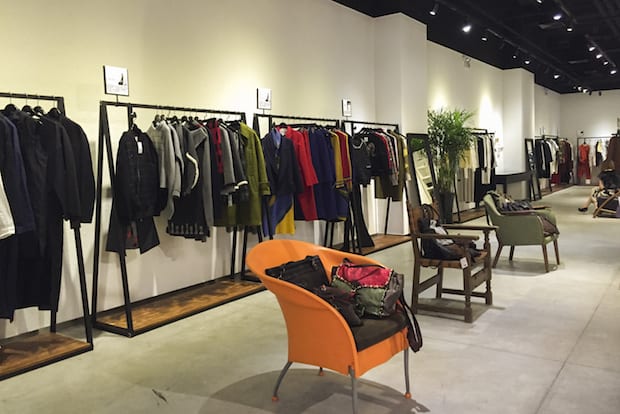
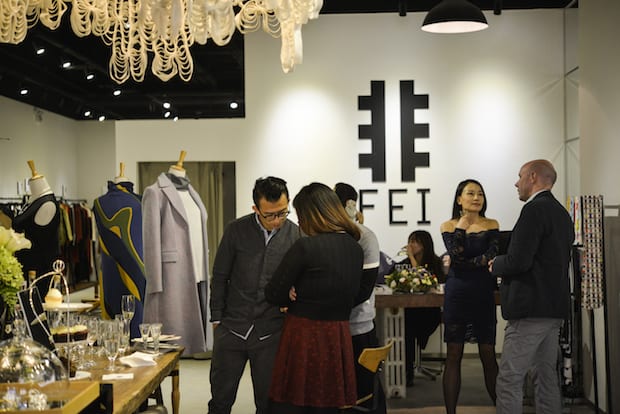
    Formerly located in 798 Art District, Fei Space is a culmination of local designers and stylish brands from around the world. Shoppers may also recognize the boutique for its pop-up store in Beijing’s U-Town mall that featured past-season collections from Topshop and Topman. Now that the official Topshop has opened in Galeries Lafayette (see below), the new Fei Space now is primarily focused on Chinese independent designers and some casualwear, such as Beijing-based American workwear brand Taciturnli and Shenzhen designer VMajor. It’s located in the Grand Summit mall, an evolving shopping center in the capital’s embassy district that includes a multitude of high-end Chinese boutiques and local health food chains aimed at the discerning shopper.

    Triple Major Beijing

    triple_major

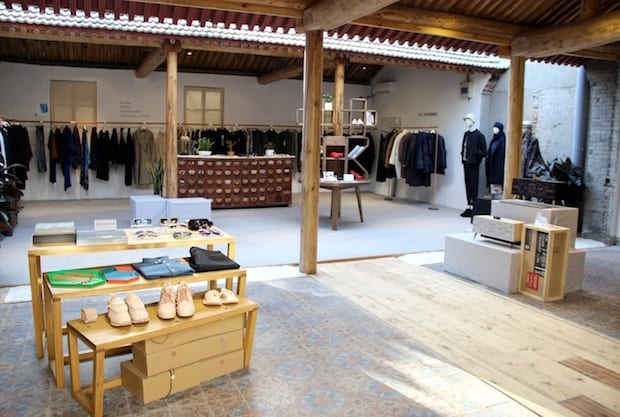
    The year was off to a good start as far as openings go—Triple Major wowed media with its expansive new store in Beijing’s developing Dashilar district, which was designed in part to reflect the building’s former use: a Chinese pharmacy. Owner Ritchie Chan moved the concept store featuring both international and local brands from its home in Beijing’s central hutongs to an area that’s quickly transforming into a hub for young creatives with no shortage of locally-owned third-wave coffee shops, art galleries, and small, artisan boutiques.

    Topshop at Galeries Lafayette

    The new Topshop location at Galeries Lafayette in Beijing. (China Daily)

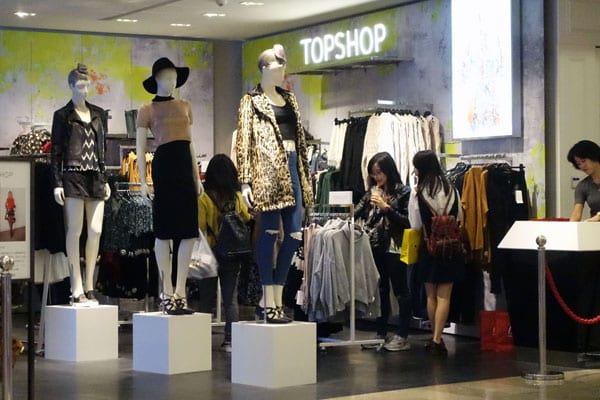
    The new Topshop location at Galeries Lafayette in Beijing. (China Daily)

    Topshop has been open in Hong Kong for a few years, but only this year has the brand decided to put roots in the mainland, namely in the French department store Galeries Lafayette, a mall that has been struggling to attract shoppers in Beijing’s Xidan area. This version is tiny compared to its flagship and blends in on a floor mainly reserved for Asian independent labels.

    Tommy Hilfiger

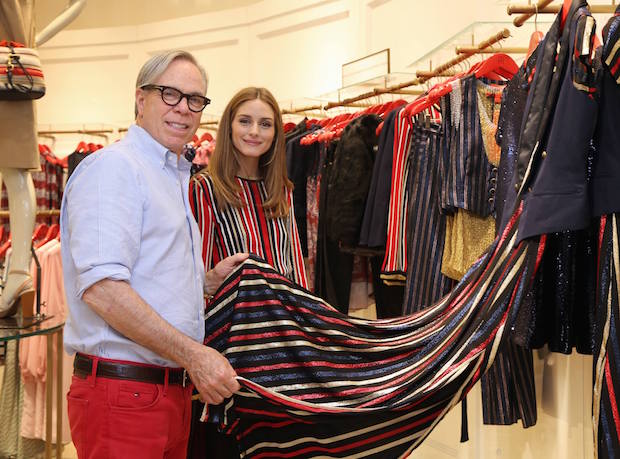
    Tommy Hilfiger (L) with socialite Olivia Palermo (R) at the brand's new store opening in Beijing. (Tommy Hilfiger/Facebook)

    Tommy Hilfiger (L) with socialite Olivia Palermo (R) at the brand’s new store opening in Beijing. (Tommy Hilfiger/Facebook)

    Tommy Hilfiger kicked off opening its largest store in Beijing’s In88 shopping center with a football-themed runway show in the spring, hoping to gain Chinese fans by pushing an all-American aesthetic.

    JNBY Concept Store

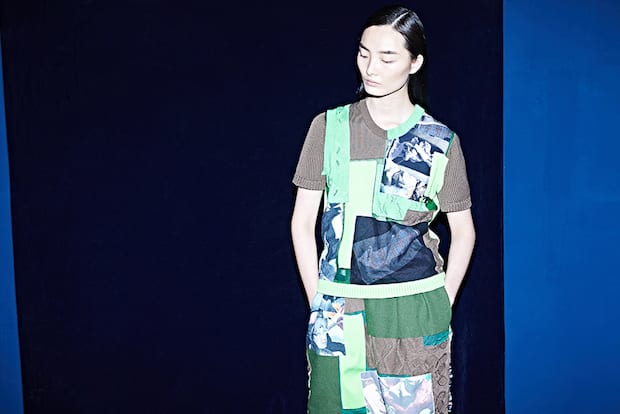
    A look from JNBY's latest collection. (Courtesy Photo)

    A look from JNBY’s latest collection. (Courtesy Photo)

    The JNBY Concept Store is nothing new outside of China, but Beijing gained its first in the new Grand Summit mall this year along with an art exhibit in cooperation with Beijing’s UCCA to kick things off. Fans of the international, Hangzhou-born brand that’s known for supporting independent Chinese designers with high-end clothing for adults and children also get a selection of contemporary jewelry and handbags and artisan chocolate.

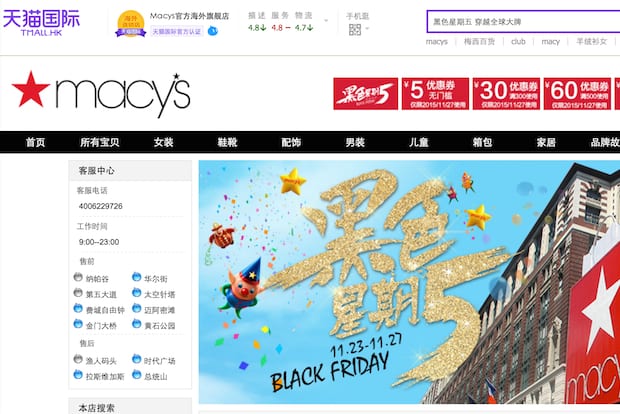
    Macy’s (Tmall)

    Macys

    Macy’s entered China this year on more official terms when it opened its shop on Alibaba Group’s Tmall, becoming the first U.S. department store to do so. It steered away from opening a brick-and-mortar shop, unlike its competitors who have done so and struggled, like the UK brand Marks & Spencer. M&S closed a chunk of its stores in Shanghai and instead opened a brand new space in Beijing’s business district shopping center, The Place.

    Michael Kors

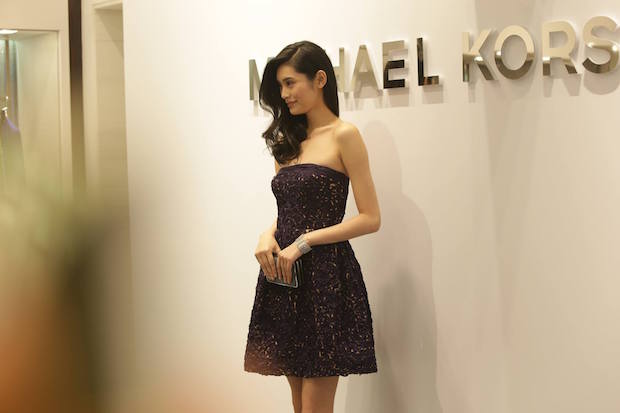
    Model Ming Xi makes an appearance at the Michael Kors opening in Beijing. (Michael Kors/Facebook)

    Model Ming Xi makes an appearance at the Michael Kors opening in Beijing. (Michael Kors/Facebook)

    Huamao Shopping Center in Beijing acquired a 9,000-square-foot Michael Kors flagship store last month, which was celebrated with a photo exhibition done in collaboration with Vogue China. The new shop is now the largest in Asia, followed by the Shanghai flagship that opened last year alongside a high-profile campaign to attract jet-set Chinese consumers.

  • Pitney’s Borderfree Expands Online Catalog to Woo China

    Pitney’s Borderfree Expands Online Catalog to Woo China

    Pitney Bowes Inc. subsidiary Borderfree is expanding its online shopping catalogue for Chinese online customers to serve their penchant for America-based consumer products. The company intends to provide these customers with more options for American brands in fashion, sports apparel and lifestyle accessories ahead of the upcoming holiday season.

    In particular, Borderfree has extended its partnership with China’s e-commerce giant Alibaba Group Holding’s subsidiary company, Ant Financial’s Alipay (an online payment services provider). This will allow China-based consumers to purchase directly from the retailer’s websites using localized payments. Borderfree’s collaboration with Ant Financial helps obliterate currency and logistics barriers, allowing leading global retailers to explore the Chinese soil.

    Borderfree realizes that customer security is paramount in online transactions and hence, is working closely with payment and marketing platform “Alipay ePass” (which allows U.S. merchants to gain access to Chinese consumers with an Alipay account), to woo in major crowd this holiday season. On the other hand, this deal also enables Alipay’s 400 million registered customers to access the products of a wide range of international retailers including Aéropostale, MotoSport, Bloomingdale’s, Macy’s and Saks Fifth Avenue at comparable prices.

    In our opinion, the incredible growth of online shopping in China, which likely accounts for over 40% of the world’s retail e-commerce according to EMarketer, is enough to bank on the profitability of this particular deal. Moreover, the fact that the U.S. happens to be the leading e-shopping destination of the world further brightens the commercial attractiveness of Pitney Bowes.

    Earlier in June, Pitney Bowes completed the acquisition of Borderfree to complement its e-commerce business. Encouragingly, this gave the company a first-mover advantage for exploring a multibillion-dollar market, which enjoys a double-digit growth rate. Notably, company sources suggest that the rapidly growing Chinese e-commerce sector is emerging as the key driver of the nation’s overall economic growth, primarily fueled by increased Internet penetration and surge in smartphone ownership.

    We believe the approaching holiday season will witness colossal growth in online purchase data, and this bodes well for Pitney Bowes’ profitability. Moreover, integration of the Borderfree business with its global e-commerce business will help the company reap significant cost-synergies in the long run.

    Pitney Bowes currently has a Zacks Rank #3 (Hold). A better-ranked stock in the industry is Advanced Emissions Solutions, Inc., that holds a Zacks Rank #2 (Buy).


  • Macy’s to shutter 5% of its stores in early 2016

    Macy’s to shutter 5% of its stores in early 2016

    Macy’s says it will close 35 to 40 stores in early 2016, or as much as 5 per cent of its namesake department stores.Macy’s said Tuesday it hasn’t selected all of the stores that will be closed yet. It expects the locations will have about $300 million in combined revenue. The company says employees who work at the closing stores may be offered positions at nearby locations, and workers who are laid off will be offered severance benefits.

    The Cincinnati-based company says it closes a few underperforming stores every year. The company runs 770 Macy’s stores and has closed 52 locations over the last five years while opening 12.

    Macy’s and other retailers are looking for new ways to boost their sales as middle-class customers try to keep their spending down, looking for deals and doing more of their shopping online. The company is preparing to open six lower-priced Macy’s Backstage stores later this year and intends to open more of them in 2016.

    Over the last few quarters Macy’s has been hurt by the strong U.S. dollar, which has cut into spending by tourists, as well as a labour dispute that slowed down ports on the West Coast. The company reported $28.11 billion in revenue in 2014, up less than 1 per cent from the year before.

    Macy’s is also getting ready to test selling goods online in China through a joint venture with a retailer based in Hong Kong.

    Macy’s Inc. also runs the Bloomingdale’s chain, and earlier this year it bought upscale beauty retailer Bluemercury. It has a total of 885 locations.

    On Tuesday the company said it will experiment with selling consumer electronics, as it will open Best Buy shops inside 10 of its stores in November. Those departments will be staffed by Best Buy employees.

  • Macy’s coming to China via Alibaba

    Macy’s coming to China via Alibaba

    One of America’s most iconic fashion retailers is coming to China.

    A new joint venture agreement between Macy’s Inc. and Hong Kong-based Fung Retailing Limited was signed on Tuesday in Hangzhou to form Macy’s China Limited.

    The new company will launch an exclusive online flagship store on Alibaba’s Tmall Global in late 2015., providing authentic, high-quality Macy’s merchandise to shoppers in China. It will be the first US department store to join Alibaba’s Tmall Global.

    Tmall Global, on the other hand, will be the first and only third-party e-commerce platform in China providing apparel, fashion accessories and home products directly from Macy’s to consumers across China.

    “Millions of Chinese tourists have come to know and love Macy’s when they travel to New York, San Francisco, Chicago and other American destinations,” said Terry J. Lundgren, chairman and chief executive officer of Macy’s Inc. “By making Macy’s accessible in China through Alibaba’s Tmall Global, we have an opportunity to deepen our relationship with international customers and to grow sales.”

    Fung Retailing’s chairman, Dr. Victor K. Fung, said that with its affiliates, including LF Logistics, the company will fully support the activities of the Macy’s-Fung Retailing joint venture.