Tag: Malaysia Airlines

  • Malaysia Airlines offers up to 30% savings in mid-year marvels sale

    Malaysia Airlines offers up to 30% savings in mid-year marvels sale

    Malaysia Airlines (MAS) is offering customers up to 30% savings on both international and domestic routes starting from Tuesday until May 15, 2017 under its “Mid-Year Marvels” promotion.

    The national carrier said on Monday  the offers were up for grabs on all Malaysia Airlines’ distribution channels for travel from May 19 to Oct 31, 2017 on business and economy class on all international destinations.

    MAS said all-inclusive return fares on economy class from KL International Airport starts from RM 1,469 to Sydney, from RM 1,379 to Narita and from RM 1,079 to Beijing.

    The airline is also offering all-in, one-way promotions from RM99 to all domestic destinations, during selected periods throughout the year.

    The economy class fares come with no hidden charges or credit card fees for online ticket purchases and includes a generous baggage allowance of 30kg and complimentary meals.

    MAS added the Mid-Year promotion includes business class fares, starting from RM999 to Denpasar, from RM2,799 to Xiamen and from RM11,399 to London. As for domestic routes, such as Kota Kinabalu and Labuan, the fares are from RM 839 and RM1, 455 respectively. The promotion on business class to domestic destinations is valid for travel from May 11 to July 31, 2017.

    Its chief commercial officer, Arved Nikolaus von zur Muehlen said the fantastic deals start from as low as RM 99 all-in, one way on all its domestic routes.

    He said customers could also choose a business class trip to Denpasar, Bali from only RM999 all-in, return.

  • Malaysia Airlines and AirAsia, once contrasting, now face same crisis

    Malaysia Airlines and AirAsia, once contrasting, now face same crisis

    Struggling flag carrier Malaysia Airlines’ previous attempt turn itself around collided with low-cost local rival AirAsia Group’s rise. Now, both companies have run into the same turbulence.

    Malaysia Airlines, which has yet to recover from two 2014 tragedies that made global headlines, faces a growing risk of being forced to halt flights unless it secures aid. But the state has frowned on the idea of another bailout.

    A group of creditors recently rejected a proposal by Malaysia Airlines to restructure its 16 billion ringgit ($3.85 billion) in liabilities. This comes after the company made deep pay cuts for management and pilots, as well putting staff on unpaid furloughs to reduce costs as the coronavirus pandemic paralyzed global air travel.

    This disruption has also clouded the prospects for leaner AirAsia Group, which together with the flag carrier holds a majority market share in the country.

    “Our partners and creditors will have to sacrifice for the better of the future,” Izham Ismail, group CEO of Malaysia Airlines, told The Edge Malaysia newspaper in mid-October. “If they don’t want to help themselves to survive, I have no choice but shut it down.”

    Malaysia Airlines revealed that it entered into debt restructuring negotiations with creditors in early October. The airline called on leasing companies and suppliers to cooperate with the turnaround effort. If the creditors had agreed, the restructuring would have been completed within the next few months, according to Malaysia Airlines’ plan.

    The government has expressed its unwillingness to embark on another public-sector bailout of the national carrier, which is fully owned by the sovereign wealth fund Khazanah Nasional.

    “The Ministry of Finance will not be injecting any cash or any capital into Malaysia Airlines through Khazanah,” said Finance Minister Tengku Zafrul Aziz. A proposal has been floated to liquidate the airline and transfer a portion of the assets and staff to Firefly, the group’s low-cost carrier.

    Khazanah first took over Malaysia Airlines in 2001 following the ravages of the Asian financial crisis, holding a stake of 69%.The carrier’s fortunes turned again in 2014, when flight MH370 disappeared mysteriously en route from Kuala Lumpur to Beijing. This was followed months later by flight MH17 being shot down over Ukraine.

    The two tragedies drove away passenger traffic, prompting Khazanah to acquire the remaining shares in Malaysia Airlines and fully nationalize the carrier. Malaysia Airlines laid off roughly a third of its staff in a bid to revive its earnings.

    This previous restructuring effort never bore fruit because of competition from powerful rival AirAsia. The budget carrier made great strides in the 2000s with its low fares, eventually gaining control of half the domestic market.

    Malaysia Airlines, meanwhile, has lost money since 2011. Part of the problem is Malaysia’s unstable political situation. Former Prime Minister Mahathir Mohamad’s government sought capital and operational tie-ups with foreign carriers after determining that Malaysia Airlines could not heal itself. Japan Airlines was seen as a leading candidate to sponsor a turnaround due to the company’s experience recovering from bankruptcy.

    But Mahathir abruptly resigned and was succeeded by Muhyiddin Yassin this March. Not only has the pandemic sapped the finances of any potential sponsors, but Muhyiddin has his hands full maintaining his hold on power. Malaysia Airlines’ restructuring took a back seat.

    “None of the restructuring went deep enough,” said Brendan Sobie, an independent analyst. He added that it is too early to tell if the proposed debt restructuring plan would be sufficient.

    “All airlines face an incredibly challenging outlook,” Sobie said. “A lot will depend on how quickly the market recovers and if it fully recovers.”

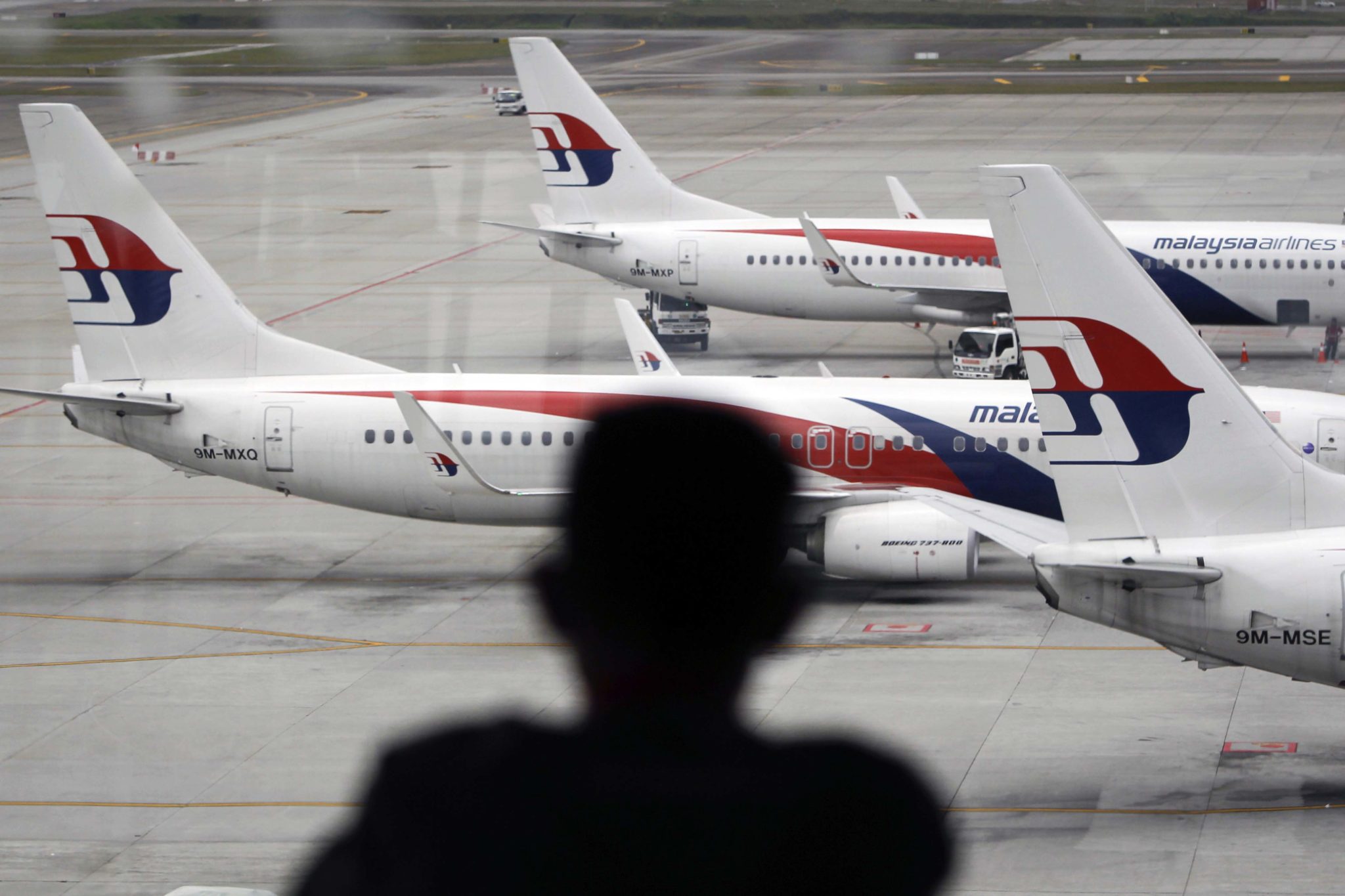
    AirAsia planes sit at Kuala Lumpur International Airport on Oct. 6. The budget airline has not been immune to the effects of the pandemic   © Reuters

    Because Malaysia Airlines is the flag carrier, observers believe the government will ultimately be forced into a new bailout. But the damage to corporate value may have already been done by the drawn-out restructuring process.

    Other flag carriers in the region have been faster to rehabilitate. Singapore Airlines, which is majority-owned by government investment group Temasek Holdings, came out with a $10.5 billion fundraising plan in March that leans on existing shareholders. Thailand, which holds 51% of Thai Airways International, signed off on a court-supervised rehabilitation process for the carrier in May.

    Long profitable private-sector carrier AirAsia has not been immune to the effects of the pandemic, and it has sought to steer out of its slump.

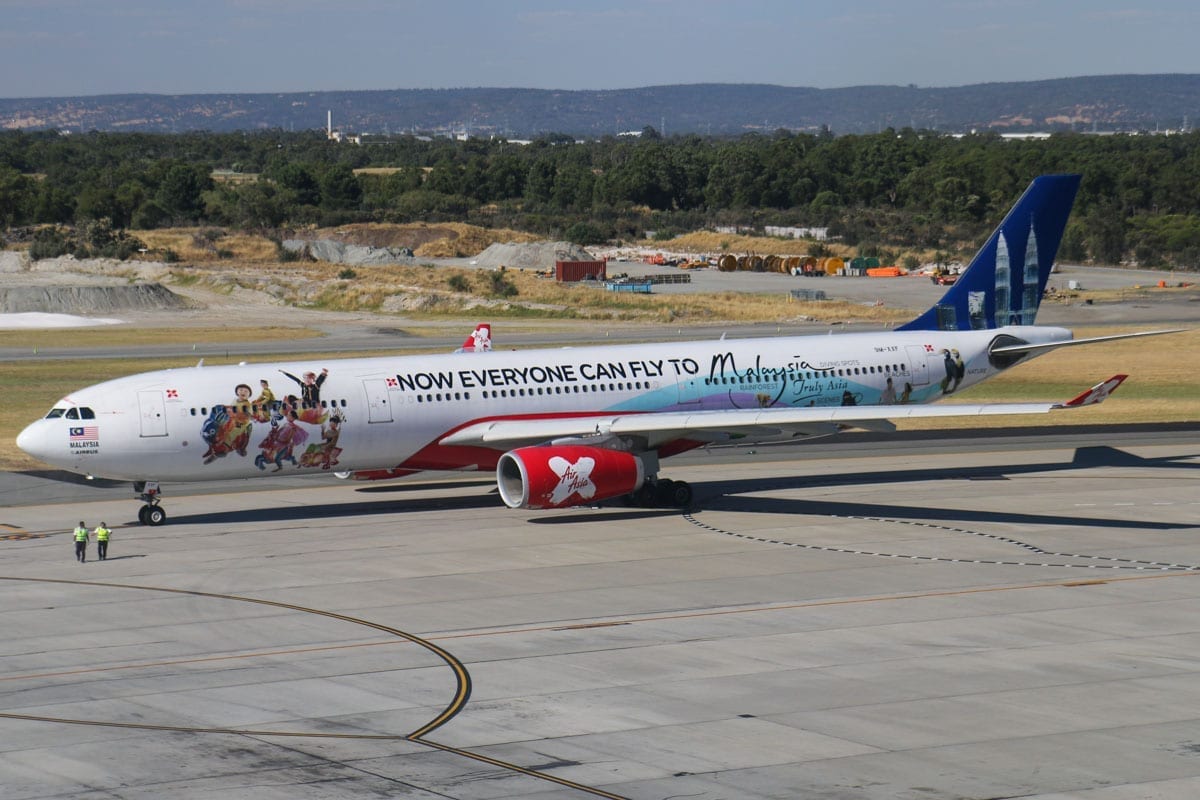
    The group founded by CEO Tony Fernandes won Malaysian state backing of a 1 billion ringgit loan in October. Early that month, the group’s long-haul carrier AirAsia X applied in court for a debt forgiveness plan that would slash 63.5 billion ringgit in liabilities, including aircraft purchase commitments, to just 200 million ringgit.

    The plan still needs the approval of creditors holding 75% of the debt. AirAsiaX said the debt relief is needed “to avoid a liquidation and to allow the airline to fly again.”

    AirAsiaX — which offers flights to Australia, Hawaii and other Asia-Pacific destinations — operated at a loss in the most recent two years.

    AirAsia Group said in October it would end its Japan operations, and analysts expect further cutbacks in scale. The group posted a 992 million ringgit net loss for the April-June quarter on a 96% plunge in revenue.

    “AirAsia was a profitable airline and was potentially sustainable had it not added capacity rather recklessly,” said Nungsari Ahmad Radhi, ex-executive chairman of the Malaysian Aviation Commission. “It got to the point where the seat growth probably outstripped demand growth. The pandemic was a fatal blow.”
  • Malaysia Airlines and AirAsia limit number of flights till March 31

    Malaysia Airlines and AirAsia limit number of flights till March 31

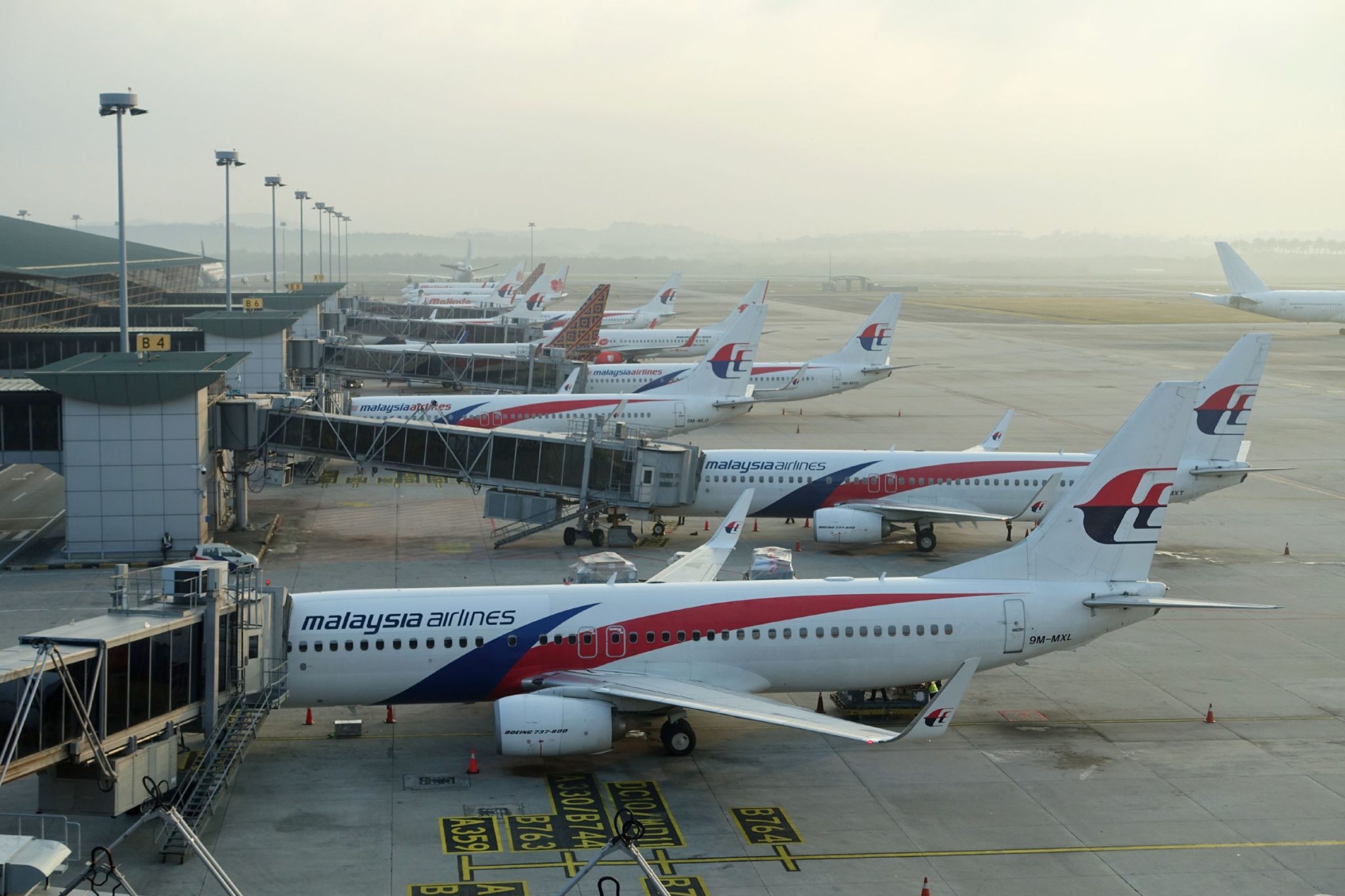
    Malaysia Airlines will significantly reduce its overall network, following the nationwide movement control order from March 18 to 31.

    International flights to India are suspended until the end of the month and flights to the Philippines are suspended between March 21 and 31, following the respective governments’ ban on travel to and from Malaysia.

    Malaysia Airlines group chief executive officer Captain Izham Ismail said the situation has been “rather fluid” since the airline has had to make last-minute cancellations to abide by the restrictions.

    “We are doing our best to re-route passengers via reallocation onto other carriers. We are also adjusting our low-load flights by canceling and merging them to manage costs while managing our customer expectations, ” he said.

    Prior to the order, Malaysia Airlines has suspended services to Saudi Arabia, South Korea, and parts of China (Beijing and Daxing), as well as the Kota Kinabalu-Shanghai route due to border controls.

    The carrier also reduced capacity to Australia and New Zealand due to the self-isolation policy of the two countries.

    To date, the company has canceled over 4,000 flights.

    “Our Global Contact Centre has been at the brunt of this situation with the number of calls peaking at 25,000 daily and up to 2,000 e-mail daily in the past three weeks, ” Izham said.

    He added that it will take the company longer to process refunds due to the sheer volume of requests.

    “I assure them that we are not here to take advantage of the situation. In fact we are one of few airlines that have offered unlimited flexibility in travel date change and waiver of certain fees, ” Izham said.

    Due to the significant capacity cut, Malaysia Airlines and all sister companies under the Malaysia Aviation Group’s back-office operations have also been reduced alongside flight and airport operations.

    A majority of its workforce globally are working from home in line with various governments’ requirements.

    Passengers with bookings may initiate changes online via the Covid-19 waiver assistance form available on the carrier’s website.

    Meanwhile, AirAsia has also significantly cut down its number of domestic and international flights.

    “AirAsia will be operating a limited number of domestic and international flights from today until 31 March, which are subject to change due to the fluidity of the current situation.

    “Affected guests will be promptly notified via email or SMS. AirAsia strongly encourages guests to update their contact details using the “My Bookings” feature on airasia.com to ensure that they receive timely notifications,” the airline said in a statement.

    For further and latest information regarding options and eligibility related to COVID-19, AirAsia guests can visit the Covid-19 Customer Guide on its website.

    A quick look at their booking page shows that there are only two flights a day from Kuala Lumpur to Kota Kinabalu, Kuching and Penang (and vice versa). Flights to other cities and towns including Johor Baru, Kota Bharu, Alor Setar, Kuala Terengganu, Sibu, Miri and Bintulu have all been suspended until April 1.

    Currently, there is one flight a day to Sandakan, Tawau and Labuan from KL but even these routes may be suspended within the next few days.

  • Malaysia Airlines launches business suite

    Malaysia Airlines launches business suite

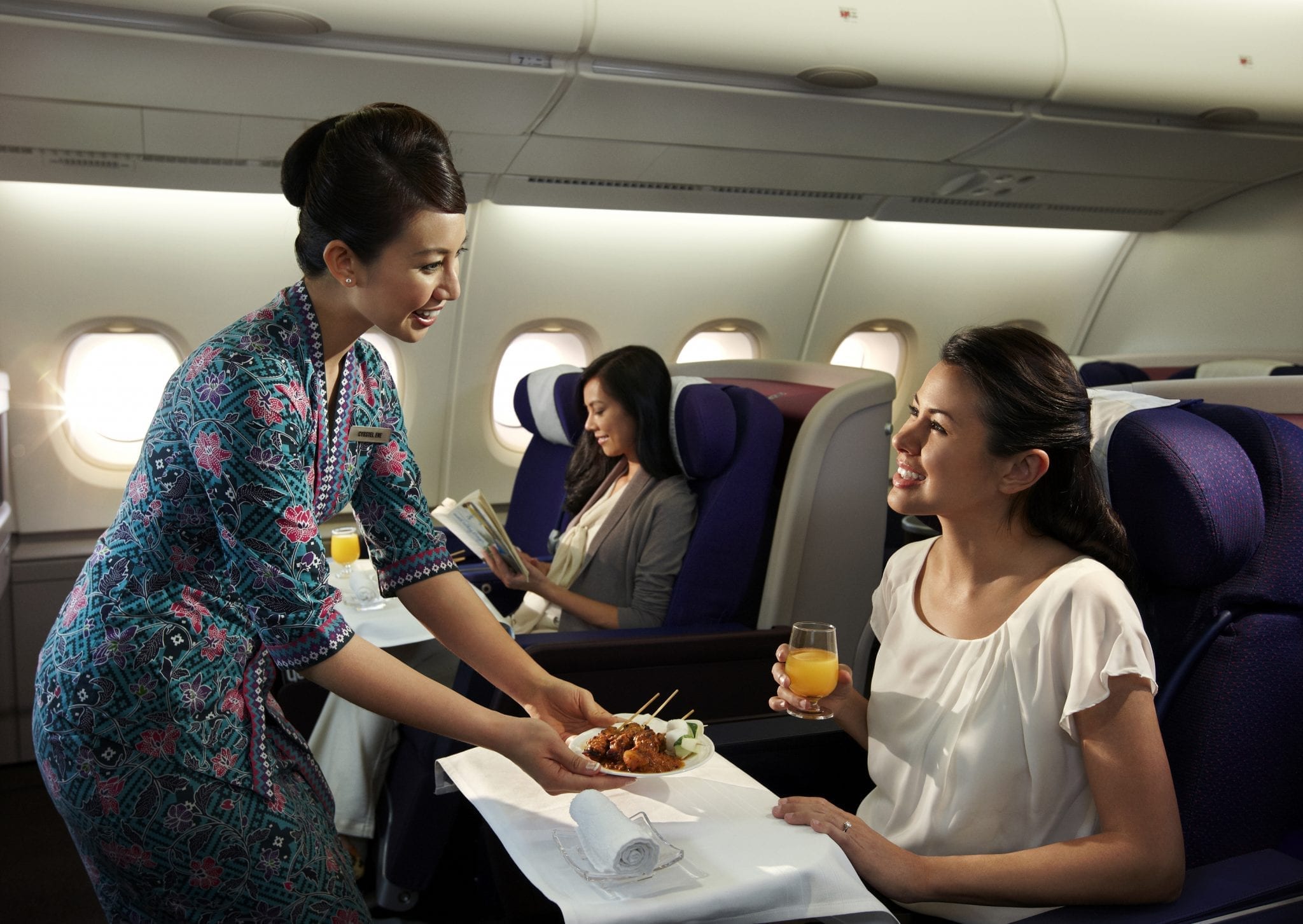
    Malaysia Airlines announced the rebranding of its First Class cabin to Business Suite offering passengers new levels of luxury with ample cabin space and privacy. “The new Business Suite was introduced in response to the growing demand of our guests. Our target is to enable the frequent flyer, looking for enhanced comfort, to now be able to enjoy a premium experience at competitive prices,” Malaysia Airlines group CEO Captain Izham Ismail said in a statement.

    “We are confident that our new Business Suite will change the way people travel in business class,” Izham added.

    Starting Dec 12, 2018, the Business Suite will be available on all of the airline’s A350-900 and A380-800s.

    The suite comes with a dedicated check-in counter, access to Malaysia Airlines premium First Class Lounge, 50kg baggage allowance as well as fine-dining experience onboard.

    The Business Suite cabin will be available on the London, Tokyo, Osaka route and on the Sydney and Seoul route during the winter season.

  • Malaysia Airlines’s progress in line with recovery plan

    Malaysia Airlines’s progress in line with recovery plan

    Although relatively little is being said and publicised about Malaysia Airlines Bhd’s (MAB) recovery plan, a substantial amount of progress has actually been achieved in its business operations in line with the plan, which aims to revive the country’s national carrier and sustain its profitability.

    Group CEO Captain Izham Ismail said improvements in terms of cost base, productivity, information technology (IT) systems and customer experience were among the achievements chalked up by the company, thanks to the five-year Malaysia Airlines Recovery Plan.

    In an interview with Bernama, he said plans had been put in place to address the airline’s performance going forward and this had yielded improved performance for the first half of this year.

    The airline performed stronger in the first six months of this year than in the same period of 2017, adding that the key focus for the airline in financial year 2018 included driving revenue.

    “This will be underpinned by continuous improvement in customer experience, product quality and operational excellence while maintaining a productive and competitive cost base,” he said.

    According to Izham, MAB’s cost base has been significantly changed to bring it in line with its peer network airlines.

    As of today, the group has one of the lowest cost bases among its peer network airlines on a cost per available seat kilometre basis.

    The company has also seen material gains in productivity with a more competitively sized workforce, which is further complemented by a commitment towards continuous talent development.

    “A stronger local talent pool has now been established,” he said.

    On the group’s IT system, which is an integral part of overall airline operations, Izham said the complete overhaul had now been completed.

    He said the new Passenger Service System and migration to a cloud-based data centre had improved reliability and cyber security, as well as enhanced agility and better time-to-market.

    He said customer experience had also improved with market-driven metrics based on the company’s customer survey and net promoter measures showing significant positive gains over the last two financial years.

    On the operational front, Izham said the supply chain in engineering had been significantly tightened, which had helped the airline’s on-time performance, although it was still impacted by external factors beyond its control.

    “Since the set up of NewCo (MAB, which took over the operations, assets and liabilities of Malaysian Airline System Bhd or MAS) in 2015, we are showing progress and have recorded a double-digit compound annual growth rate growth (of 21%) over the last three years.

    “That is improvement straight to the bottomline,” he explained.

    MAB managed to record “steady year-on-year (y-o-y) performance” in the second quarter of 2018, with a marginal yield improvement, while revenue per available seat kilometre remained steady with a growth of 2% y-o-y.

    Going forward, Izham said MAB would continue to focus on the customer while making sure to deliver a strong schedule and great service for its customers.

    The airline also aimed to build a diverse Asia-Pacific network with a simplified fleet structure and operations to ensure consistency, and removing complexity in service delivery as well as pursuing a gradual and progressive growth strategy across markets, he said.

    Commenting on Khazanah Nasional Bhd’s plan to relist the national carrier as part of the recovery plan sometime from now until 2020, he said “the plan has always been to re-list Malaysia Airlines”.

    “We are working hard to stabilise the company and return it to profitability before any initial public offering plans can be considered,” he added. Khazanah owns 100% equity interest in MAB.

    In 2014, the sovereign wealth fund had injected investments amounting to RM6 billion to support the airline’s five-year turnaround plan with the aim of returning MAB to profitability by late 2017 and to relist the company by 2018 or 2019.

    Khazanah de-listed MAS from Bursa Malaysia on Dec 31, 2014.

  • Malaysia Aviation appoints Philip See as Firefly CEO, as Ong out

    Malaysia Aviation appoints Philip See as Firefly CEO, as Ong out

    Malaysia Aviation Group (MAG) has appointed Philip See as the new CEO of Firefly, effective Jan 1, 2019. Philip will replace Ignatius Ong who joined Malaysia Airlines as group chief revenue officer in June 2018. Ignatius has been double-hatting as CEO of Firefly and group chief revenue officer.

    Philip, whose appointment was announced internally earlier, is currently the Head of Strategy and Network for Malaysia Airlines, reporting directly to the group CEO. He joined the airline in 2015 from consulting firm McKinsey & Company, where he was an associate.

    He is however, no stranger to the group having previously served in the Turnaround Management Office (TMO) in Malaysia Airlines, back in 2004. Under the TMO he was responsible for implementing the Business Turnaround Plan and consequently the Business Transformation Plan. Philip left the airline in 2010 and rejoined Malaysia Airlines in 2015 as a Network Planner.

    In his role as group chief revenue officer, Ignatius oversees Sales and Revenue Management for the entire group. Ignatius has almost 15 years of professional experience in the aviation industry and is no stranger to revenue management having previously covered route and revenue under the then Turnaround Management Office. He has also headed the whole portfolio of Sales, Distribution and Marketing under the Project Management Department of Malaysia Airlines.

    Other changes in the management also include Ibrahim Mohamed Salleh as CEO of MABKargo effective Sept 1, 2018 and Hazman Hilmi Sallahuddin as CEO of Project Amal effective Oct 1, 2018.

    Ibrahim has over 20 years of experience in various fields within Cargo Handling with the company. Prior to his appointment as CEO MABKargo, he was COO of PT Jasa Angkasa Semesta (a subsidiary of SATS Limited, Singapore).

    Hazman was with Khazanah Nasional Bhd where he served in various roles across the organisation. This included Senior Vice President of Khazanah Europe Investment Limited based in London.

    Malaysia Aviation Group CEO Izham Ismail said, ”I am confident that the new leadership will bring new energy and purpose to the business. The diversity of our new leaders, their backgrounds and experience will help us reach our goals as a group.”

  • Malaysia Airlines, Jet Airways expand codeshare agreement

    Malaysia Airlines, Jet Airways expand codeshare agreement

    Malaysia Airlines and Jet Airways have expanded their codeshare agreement to offer consumers a wider network of destinations effective Sept 24.

    Malaysia Airlines said in a statement that the wider network covers new routes with departures from Mumbai and Hyderabad to cities in India as well as Southeast Asia destinations including Hong Kong, Bangkok and Singapore.

    The agreement is an extension from existing codeshare with Malaysia Airlines on Malaysia Airlines routes from Kuala Lumpur to Mumbai, Bangalore, Hyderabad, Delhi and Chennai.

    “We are delighted to announce the codeshare expansion with Jet Airways to broaden our global reach into India, the third largest market in the aviation industry. Together with Jet Airways, we will be offering seamless connectivity to fast growing cities in India including Aurangabad, Dabolim (Goa), Ahmedabad, Kochi and Kolkata,” said Malaysia Airlines’ chief revenue officer Ignatius Ong.

    “This codeshare agreement serves as an important element towards Malaysia Airlines’ proposition of being the preferred way to fly to, from and around Malaysia,” he said.

    Malaysia Airlines’ codeshare on Jet Airways services include flights from Hyderabad to Bangalore as well as flights from Mumbai to Ahmedabad, Aurangabad, Bangalore, Chennai, Delhi, Goa, Hyderabad, Jaipur, Kochi and Kolkata.

    Meanwhile, Jet Airways codeshare on Malaysia Airlines services include flights from Kuala Lumpur to Bangkok, Hong Kong and Singapore.

  • Malaysia’s MAS’ 787 deal lapses, considering future widebody purchases

    Malaysia’s MAS’ 787 deal lapses, considering future widebody purchases

    Malaysia Airlines Bhd said a provisional deal to purchase eight Boeing Co 787 jets had lapsed and the airline was in talks with planemakers about the future of its widebody fleet.

    The national carrier last year signed a memorandum of understanding (MoU) with Boeing to purchase the 787 jets valued at US$2.25 billion (RM9.3 billion) at list prices during a visit to Washington by former prime minister Datuk Seri Najib Abdul Razak.

    In April, It is reported the carrier had expressed interest in buying 20 to 30 widebody jets from either Boeing or its rival Airbus SE that could expand or replace the Boeing MoU.

    The lapse of the MoU was confirmed by a Malaysia Airlines (MAS) spokesman today. A Boeing spokesman declined to comment on ongoing discussions with customers.

    Malaysia Airlines CEO Captain Izham Ismail said that the airline had issued a request for information from aircraft makers for new generation widebody jets, without specifying how many it intended to buy.

    It was open to the advice of the manufacturers on the fleet size the airline would need for further network development, he said, adding any order decision would be made in the fourth quarter at the earliest.

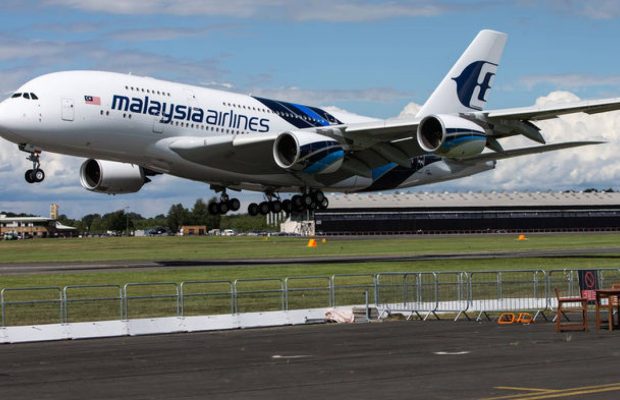
    The airline currently has an all-Airbus widebody fleet including A330s, A350s and A380s.

    Sources said in July that the airline was tapping banks to fund about nine Boeing 737 MAX planes in what would be the airline’s first jet financing with lenders since it was restructured more than three years ago.

    The airline last month said in a quarterly update that it was facing pressure from higher fuel prices, foreign exchange volatility and overcapacity in the domestic market, as well as a shortage of pilots, but it was putting in place strategies to return to a profit next year.

  • Malaysia Airlines to capture 50% moslem market share in Malaysia, Indonesia

    Malaysia Airlines to capture 50% moslem market share in Malaysia, Indonesia

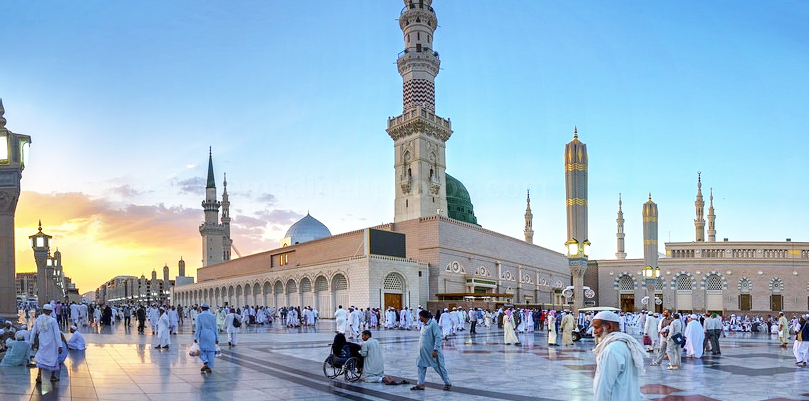
    Malaysia Airlines Bhd (MAB) aims to tap into 50% of the umrah pilgrimage market in Malaysia and Indonesia with 270,000-290,000 umrah pilgrims projected to make their pilgrimage to the holy land in the upcoming pilgrimage season.

    The national carrier entered into a charter service deal with a coalition of four umrah tour operators comprising KRS Travel Sdn Bhd, ATS Global Travel & Charter, Ecoriths Leisure Travel &Tour and Rayhar Travels Sdn Bhd to provide air charter services during the umrah season beginning October 2018 until June 2019.

    MAB group CEO Captain Izham Ismail said all the 149 flights will be operated via its Airbus A380-800 aircraft. The agreement will see the carrier transporting 70,000 pilgrims from Malaysia and neighbouring countries such as Indonesia.

    The direct flight are from Kuala Lumpur to Jeddah and Madinah in Saudi Arabia.

  • Malaysia Airlines Q1 revenue up 2%, rising fuel prices a concern

    Malaysia Airlines Q1 revenue up 2%, rising fuel prices a concern

    Malaysia Airlines Berhad (MAB) reported a 2% year-on-year growth in revenue for the first quarter (Q1) ended March 31, 2018 with 6.6% yield improvement despite the significant competition in both international and domestic sectors.

    Despite improvements in the quarter, Malaysia Airlines Group CEO Izham Ismail said the airline is preparing itself for a tough year ahead with competition and exchange rate volatility.

    “Escalating fuel prices remain a particular concern, up almost 100% from early 2016.”

    Its revenue per available seat kilometre (RASK) also grew 3.5%, but load factor declined to 75.4% from 79.4% in the same quarter a year ago on the back of a moderation in domestic load factor due to its focus on higher yield passengers.

    A total of 3.2 million passengers were carried in Q1 2018, 11.1% lower than the 3.6 million achieved in Q1 2017.

    Izham said MAB continues to see better yield and RASK after a challenging 2017, which saw the adverse exchange rate swing.

    “Nevertheless, taken on aggregate, the company has made progress on the execution of the Malaysian Airlines Recovery Plan (MRP). This includes an improved cost base for the airline, bringing it in line with its peer network airlines.”

    Moving forward, he said the group will continue to drive yield by focusing on the premium segment to cushion the airline from rising costs.

    “Overall, we expect to see improvements in our performance in the later part of this year and against this backdrop, we are working hard to deliver sustained profitability in 2019.”

  • Malaysia Airlines sees decline in Q4 load factor, passengers carried

    Malaysia Airlines sees decline in Q4 load factor, passengers carried

    Malaysia Airlines Bhd’s (MAB) passenger load factor for the fourth quarter (Q4) ended Dec 31, 2017 dipped to 77% from 81% a year ago with a 10.5% drop in the number of passengers carried from 3.8 million to 3.4 million.

    Despite that, Q4 passenger yield was the highest during the year at 23.6 sen, which offset the slight reduction in load factor and also resulted in a 2% improvement in revenue per available seat kilometre (RASK) from 21.6 sen to 22.1 sen.

    Domestic and international passenger load factor stood at 70.5% and 78%, respectively.

    Malaysia Airlines Group (MAG) CEO Izham Ismail said in a statement that the group is firmly anchored to the MAS Recovery Plan and he is happy to see steady progress continue in the fourth quarter.

    “A concerted focus on yield in the second half of the year has seen an overall improvement in yield and RASK bucking the general downward trend of other regional players.”

    Overall he said the airline underperformed against budget compared to the previous year, due to a weaker first half impacted by a weak pricing strategy as well as the hike in exchange rates and fuel.

    “MAB did recover in the second half with closer oversight on yield management and ended the year in a stronger position. Moving forward, we will continue to focus on and drive yield to cushion the group from rising fuel costs and forex volatility,” he added.

    On outlook, Izham said Southeast Asia has strong traffic growth, but overcapacity remains a challenge, pressuring yields.

    “MAB maintains its cautious outlook in the fiscal year of 2018. While the economy is anticipated to be resilient, MAG anticipates that supply and capacity pressure will continue to put a stress on yields although the effect for 2018 is expected to be moderate. The group will continue to be prudent and agile in controlling capacity and has already scaled back on domestic route frequencies allocating aircraft where the best potential returns are seen.”

  • Malaysia Airlines moves fully to the cloud

    Malaysia Airlines moves fully to the cloud

    Tata Consultancy Services has implemented an industry-first transformation project to migrate Malaysia Airlines’ data center to a 100% hybrid cloud model.

    To better enable a competitive-edge and future readiness for the airline, TCSorchestrated the large and complex project to migrate the airline’s core mission-critical data center infrastructure and myriad applications to a hybrid-cloud model operating 80% on Microsoft Azure and 20% on a private cloud.

    The pioneering move makes Malaysia Airlines the world’s first full-service airline to completely replace its existing data centers and adopt full-scale cloud solutions for its entire range of nearly 200 applications running mission critical commercial, operations and corporate systems.

    “We set out with an ambitious goal to digitally transform core IT operations to an as-a-service model, to achieve a quantum leap in cost savings, scalability, efficiencies, agility, and other key factors,” Malaysia Airlines CIO Tan Kok Meng said.

    The cloud-centric model is achieving exemplary results, including a 51% cost reduction forecast over the a 5-year period from mid-2016; productivity improvements up to 80% for core applications; application delivery times accelerated from days to hours in some cases; enhanced security and compliance capability and reporting.

    TCS Asia Pacific president Girish Ramachandran said this industry-first transformation not just drives improved value and enhanced operational efficiencies, but equally important, it enables Malaysia Airlines to deliver a better customer experience that results from a digitally-reimagined all-cloud IT model.

    As primary service partner, TCS collaborated with Microsoft, SAP, and numerous other vendors to ensure Malaysia Airlines’ current phase of digital evolution is seamless and cost-efficient and delivered without business disruption.

    The project scope included re-platforming of legacy applications for cloud compatibility and network service provisioning for large and complex airline operations. See the cloud transformation story in a single snapshot here.

  • New routes to help Malaysia Airlines turn around next year

    New routes to help Malaysia Airlines turn around next year

    The expansion of new routes to China, India and North Asia, which is expected to happen in the second half of financial year ending Dec 31, 2018, would be the key to the turnaround story of Malaysian Airlines Bhd (MAB), said chief executive officer Peter Bellew.

    Bellew said MAB was making good progress in its restructuring and the airline just needed another few percentage upside on the yield to be into profit.

    “Our recovery plan is half-way through. In fact, we can say we are little bit ahead (of schedule). And it’s all about revenue and cost control.

    “Taking the right routes, improving the sales and marketing and by increasing the load factors, we should increase the revenue. Next year, we are expected to be able to break even across some of the quarters, start making profit and to show consistent profit in the following year,” Bellew told reporters on the sidelines of Malaysia Aviation Group’s Hari Raya celebration in Sepang on Monday.

    The group comprises its ground-handling unit, AeroDarat Services Sdn Bhd and MAB’s units -–MASWings Sdn Bhd, Firefly Sdn Bhd and MASkargo Sdn Bhd.

    Bellew said expansion of selected new routes throughout this year till 2019 would be a significant step forward for the airline, capitalising on a booming population, increasing middle class and incredible growing economies of China, India, as well as in Japan, South Korea and Taiwan.

    “We are quite optimistic our fleets would increase a little bit next year and we should improve products on board as well, and overall, would result in beneficial impact to the airline,” he said.

    MAB was reportedly half-way through its US$1.39bil (RM6bil) restructuring exercise which is likely to be completed in five years.

    The exercise was put into place in 2015 during the time of Bellew’s predecessor, Christoph Mueller.

    Bellew took over as MAS CEO on July 1, 2016, after Mueller left citing personal reasons.

    The second phase of the MAB’s restructuring, according to Bellew, involved adding new routes, including 11 routes to China. It launched new routes to Nanjing and Fuzhou last month.

    The coming routes include Chengdu, Chongqing, Wuhan, Tianjin, Shenzhen and Shanghai from Penang, Kuala Lumpur and Kota Kinabalu, while the expansion of other new routes are also being considered.

  • Malaysia Airlines Extends Cooperation With AFI KLM E&M

    Malaysia Airlines Extends Cooperation With AFI KLM E&M

    Malaysia Airlines has decided to extend its long-running component support contract with AFI KLM E&M covering its fleet of Boeing Next-Generation 737-800 aircraft. The initial agreement was intended to cover 35 aircraft. The support provided by AFI KLM E&M today covers 54 aircraft and will involve a wider range of Part Numbers (P/N). The Malaysian Carrier has also extended the contract duration for the coming years.

    The component support solutions supplied to Malaysia Airlines are implemented via the Component Services Program (CSP) operated jointly by AFI KLM E&M and Boeing. Services include component repair and access to the local and main AFI KLM E&M spares pools located respectively in Kuala Lumpur and Amsterdam.
    The high quality of CSP, which combines the complementary expertise of an Airline MRO and the Airframer, along with the component availability solutions deployed in close proximity to the Malaysia Airlines facilities, have hitherto given the airline complete satisfaction.

    Paul Kear, Technical Director Malaysia Airlines, said: “The support implemented by AFI KLM E&M for our fleet of 737-800s stands out both for its service quality and its responsiveness. The Group has deployed tailored solutions, guaranteeing our operational continuity, so it was a logical decision to extend our cooperation.”

    Ton Dortmans, Executive Vice President KLM E&M, added: “We are delighted to see that Malaysia Airlines has maintained and even extended its trust in AFI KLM E&M services. This testifies to the quality of our services and foregrounds our ability to provide services backed by a global logistics network built around local facilities on our clients’ doorsteps.”

  • Malaysia Airlines closes Kuala Lumpur lounges for upgrades

    Malaysia Airlines closes Kuala Lumpur lounges for upgrades

    Malaysia Airlines is temporarily closing two of its home hub lounges in Kuala Lumpur as it completes extensive refurbishment works to breathe new life into the spaces.

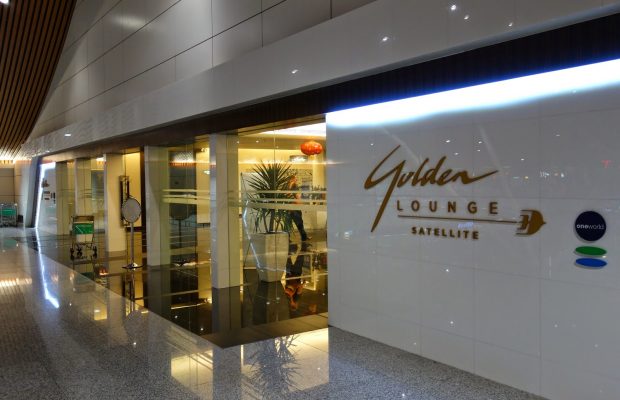
    MAS’ regional Golden Lounge in KLIA’s Main Terminal is up first – primarily used by passengers on shorter international flights such as to Singapore – closing its doors from May 12 until August 15 2017, with eligible passengers instead directed to the airport’s Satellite Terminal for lounge access.

    There, business class guests and Oneworld Sapphire/Emerald frequent flyers (including Qantas Gold and Platinum cardholders) can choose to visit either Malaysia Airlines’ international Golden Lounge (open 24 hours) or the Malaysia Airport CIP Lounge near gates 31-37 (open 6am-10am and then 6pm-10pm).

    Under Oneworld’s lounge access rules, a third option is also available in the Cathay Pacific First and Business Class Lounge: again found in the Satellite Terminal, which is accessible from the Main Terminal via Aerotrain.

    Malaysia Airlines’ domestic Golden Lounge will also be shuttered from June 2 until August 15 2017, but as these passengers cannot access the airport’s international departures area where the other lounges are located, a temporary lounge space will be created at gate B3.

    There, lounge-eligible travellers will find light refreshments available along with dedicated seating, wireless Internet, newspapers, magazines and flight information screens.

    Toilets, showers and prayer rooms won’t be offered within this temporary space, although the nearest restrooms can be found just outside the gate area, with the closest prayer room aside the Malaysia Airlines Gate A transfer desk.

    Refurbishments to these lounges were originally due for completion by “late 2016”, being approximately eight months behind schedule.

    Qantas partner Malaysia Airlines will reinvigorate its business class and first class airport lounges in Kuala Lumpur and at London’s Heathrow Airport over the coming year with an all-new design and premium amenities for business and high-end leisure travellers.

    Central to the Golden Lounge upgrades are new demonstration kitchens, where chefs will whip up Malaysian and international gourmet dishes while interacting with guests and customising meals to their personal tastes.

    Joining that is a “bistro service” in the business lounges and a revamped fine dining experience in the Kuala Lumpur first class lounge, with all locations also receiving faster wireless Internet and additional universal power sockets, allowing visitors to easily recharge their devices without an adaptor.

    Adopting a design created by internationally-renowned firm Duoz – the same company behind the Ritz-Carlton Kuala Lumpur and the Marriott Sydney Harbour at Circular Quay – guests will notice patches of greenery for a touch of colour throughout.

    “Delivering a holistic experience for our guests which starts from the lounge lies at the heart of the redesign,” said Malaysia Airlines’ CCO Paul Simmons.

    “We want the space to encapsulate the richness of travel with the airline, a luxurious contemporary Malaysian style that our guests will be able to experience when they enter any Malaysia Airlines Golden Lounge around the world,” Simmons added.

    Malaysia Airlines’ regional and domestic lounges at Kuala Lumpur will be first with the new design and amenities by late 2016, followed by the international business and first class lounges in the KLIA Satellite terminal and also the airline’s London Heathrow lounge in mid-2017.

    The carrier’s ambitious lounge overhaul follows the debut of all-new business class seats on Malaysia Airlines’ Airbus A330 flights between Australia and Kuala Lumpur, with the fully-flat seats fitted to all MH A330s by late September this year.