Retail News CRM

Tag: Mall

  • Starfield Korea opens dog lounges for shoppers

    Starfield Korea opens dog lounges for shoppers

    Starfield, a shopping and theme park franchise operated by South Korean retail giant Shinsegae Group, has opened the country’s first ‘dog lounges’ for customers and their pets. The dog lounges offer specially designed sofas for pets as well as their owners, restrooms for pets, and dog hooks where customers can temporarily leave their pets when they have to go to the restroom themselves.

    The lounge also provides separate resting areas for customers and pets divided by a glass wall. Resting areas for pets have house-shaped sofas, authentic grass floors and restrooms.

    “Starfield was South Korea’s first shopping mall chain to allow pets, but we were always aware of the lack of convenience facilities for customers and pets,” said Choi Jae-kyun, operations manager at Shinsegae Property.

    “Now, we can proudly present ourselves as a pet-friendly shopping mall that both customers and pets can enjoy.”

  • Lotte opens premium outlet in Giheung

    Lotte opens premium outlet in Giheung

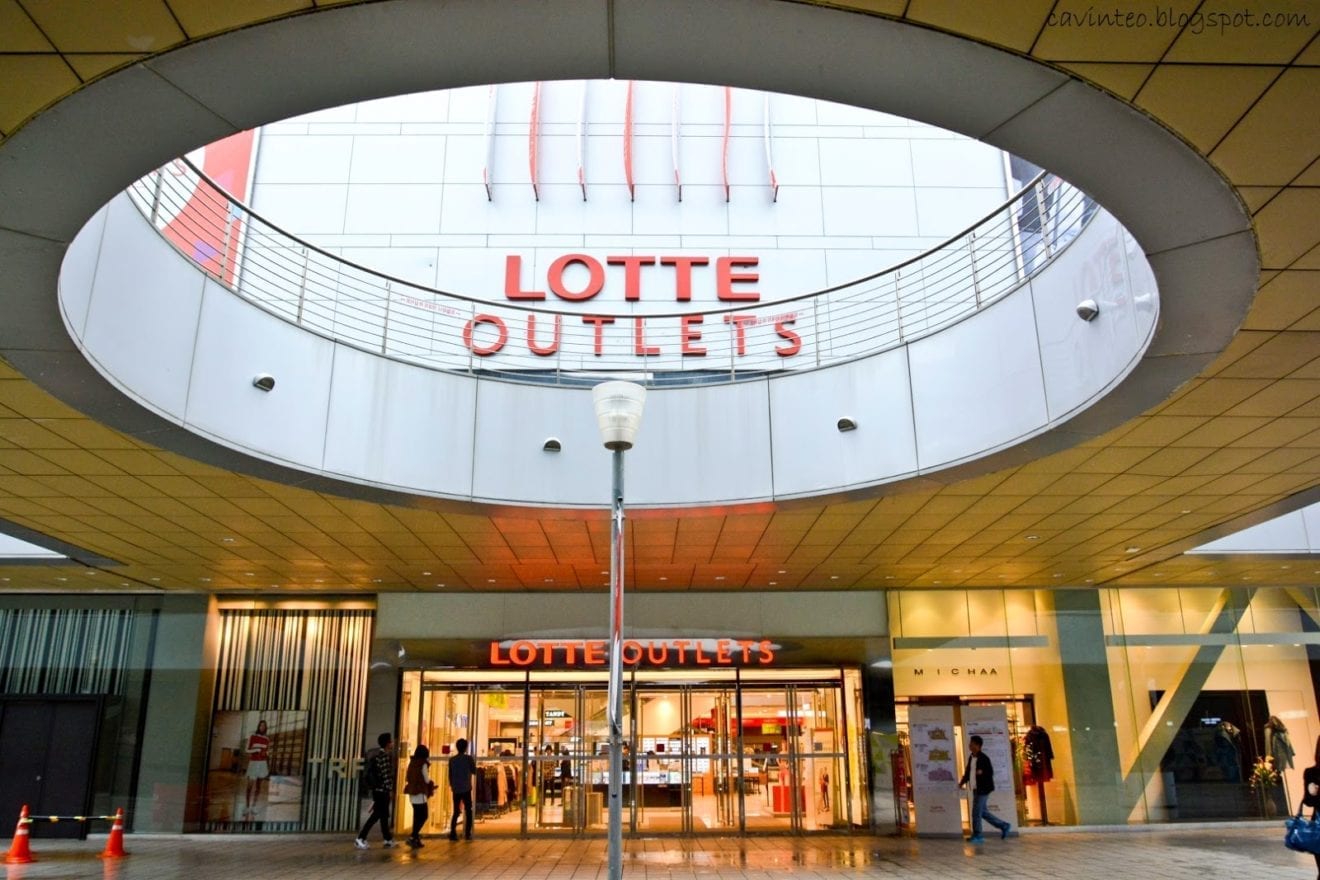
    South Korean retail giant Lotte opened this week a new premium outlet in Giheung, Gyeonggi Province – the second-largest among its branches nationwide and the latest addition to large-scale malls launched by retailers here in hopes of raising offline sales. Lotte is pinning hopes on the latest outlet’s location, citing three highways and five major roads passing through Giheung.

    It aims to attract some 25 million shoppers in and around the region including Yongin, Suwon, Dongtan and Bundang in Gyeonggi Province.

    Chung Hoo-sik, an official in charge of the Giheung outlet, said that the shopping mall is geared toward consumers in their 30s and 40s who have children and live in southern Gyeonggi Province.

    “We found that 30- and 40-something customers from those areas have strong spending power. To attract them, we put entertainment facilities like an outdoor playground and entertainment zones for their kids (inside the outlet),” said Chung at a press conference on the launch.

    Built on 150,000 square meters of land, Lotte’s premium outlet in Giheung features 300 brands and is equipped with 3,000 parking lots. It is Lotte’s sixth premium outlet.

    The outlet has an indoor surf shop, Flow House, spanning 490 square meters. Lotte said it also houses Asia’s biggest Nike store in a 1,983-square-meter space.

    With an increasing number of people visiting multiplexes or shopping malls, retail giants like Shinsegae and Lotte have been opening large-scale malls in the outskirts of Seoul.

    Lotte opened a premium outlet in Goyang, Gyeonggi Province, in October last year, two months after Starfield Goyang was launched. Lotte opened its premium outlet in Paju in 2011, nine months after Shinsegae opened its store.

    “We see it as an industry trend to open a mega mall or a premium outlet because there are consumer needs for convenient shopping and enhanced lifestyle,” said Lee Jung-hye, who designed the outlet, adding that Korea’s premium outlet market is valued at 20 trillion won (US$17 billion won).

  • Central i-City to open on Jan 12

    Central i-City to open on Jan 12

    Central i-City is scheduled to open on January 12 as the largest shopping mall in Selangor’s state capital of Shah Alam, Malaysia. A joint venture between Thai retail property developer CPN Ventures and Malaysian developer I-City Properties, the 940,000sqft mall was constructed on an investment of RM850 million (US$204 million) and features 350 lettable stores, three levels of basement parking and six retail levels. Some 73 per cent of available retail space has already been leased, with the remaining stores expected to be taken up by early next year.

    CPN Ventures assistant VP of marketing Siegfried Shaun Dela Pena Tan said: “The mall is expected to transform retail experience for Malaysians. [It caters] to a more affluent target segment attracting shoppers who will spend more, appreciate better and be driven by quality. We expect that the mall will serve more than 900,000 residents in Klang and a further 700,000 in Shah Alam.”

    Central i-City Shopping Centre is CPN’s flagship project in Malaysia and first international project.

    I-Berhad executive chairman Tan Sri Lim Kim Hong said: “We are bullish about the retail market.

    People are unfazed by the economy. They are still shopping and dining out. The mall has a good tenant mix and 25 per cent of the total number of retail shops comprises food and beverage outlets.”

  • Thai flagship store opened in Coupang

    Thai flagship store opened in Coupang

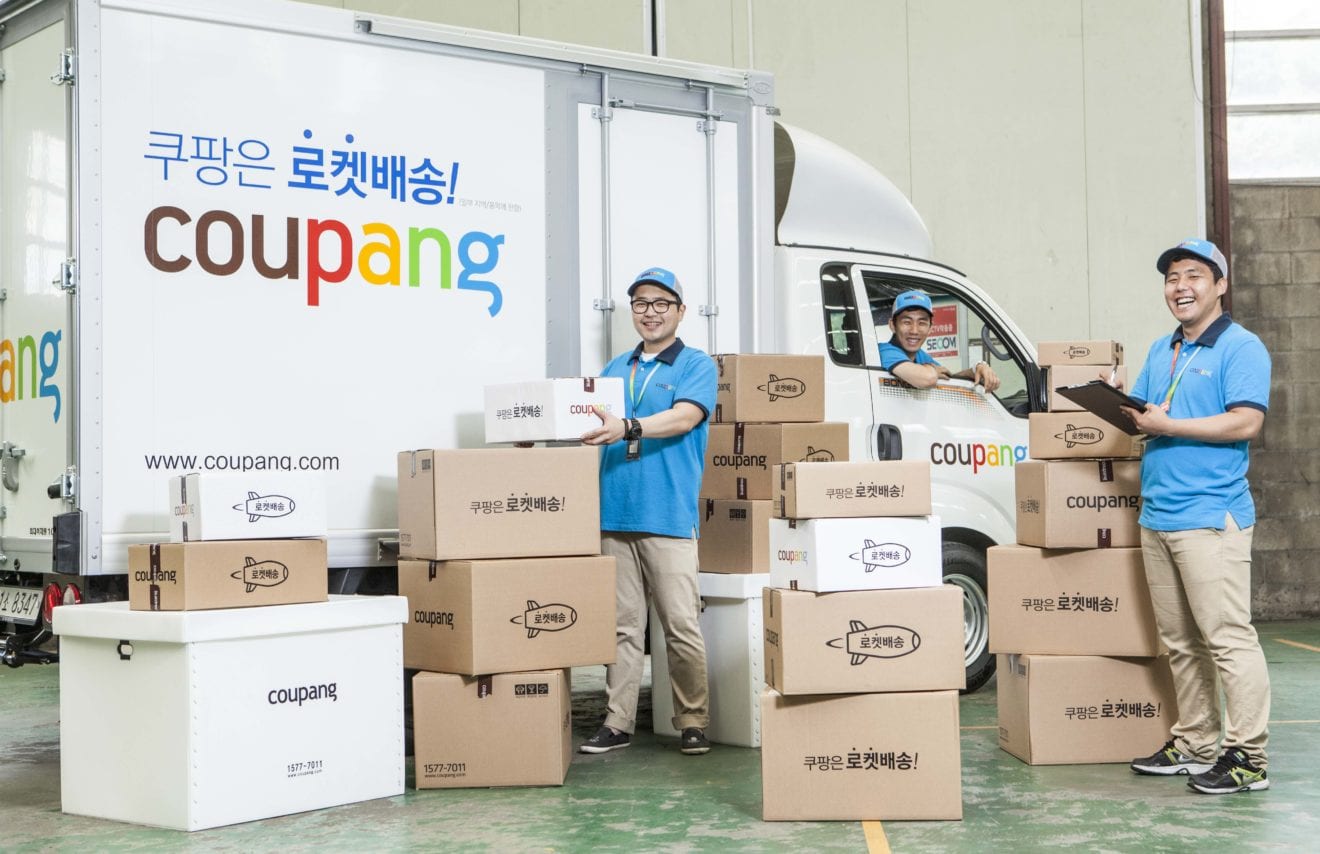
    South Korean e-commerce firm Coupang is planning to launch a flagship store in Thailand to boost the online sales of Thai-sourced products. Thailand’s Ministry of Commerce has been promoting Thai products on the platform since August, which has brought in more than THB118 million (US$3.57 million) for mostly food and beverage items. The ministry has just met with Coupang executives to seal an agreement to expand cooperation, resulting in the establishment of a Thai Mall on the platform.

    It is expected that the new partnership could result in an increase in sales to more than THB 200 million (US$6.06 million) over the coming year, a rise in export volumes to Korea by 7 per cent. Thailand’s total exports to South Korea were valued at $4.66 billion last year, an increase of 14.4 per cent from the year previous.

    Commerce Minister Sontirat Sontijirawong said “South Koreans know Thai brands from travelling here”, with 1.5 million of them visiting Thailand annually.

    Coupang is South Korea’s largest and fastest-growing e-commerce firm. It recently received an investment of US$2 billion from the SoftBank Vision Fund. It offers more than 120 million items for sale and 4 million available for guaranteed one-day delivery.

  • Tealive makes debut with opening first store in China

    Tealive makes debut with opening first store in China

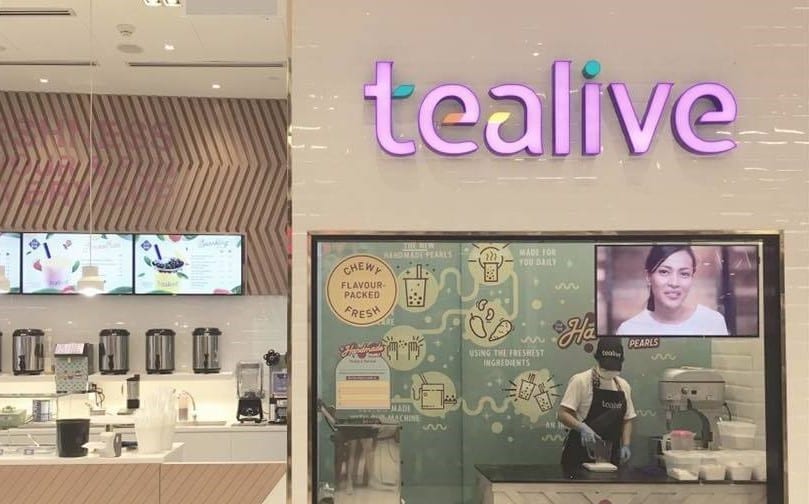
    Malaysian bubble-tea brand Tealive has launched the first of 500 stores planned for China. Located inside SML Center in Shanghai’s Huangpu district, the store attracted long queues on the opening day. “With China being the world’s largest tea market and the fourth overseas market for Tealive, we decided to create a specific menu for China to showcase Southeast Asian ingredients including durian, cempedak, gula melaka, Bentong ginger and Sabah-origin tea,” said Tealive’s parent company Loob CEO Bryan Loo.

    “More outlets will be opened in Shanghai and we plan to have 20 outlets in China by June next year,” he added.

    Loob had entered into a joint venture with two Chinese companies, Zhejiang Boduo International Trade and Shanghai Panfei International Trade to open 500 stores in China within three years.

    After the dispute with Chatime, Tealive has expanded to overseas markets. It entered Vietnam last October, and now has six stores in the country, with two more planned by the end of this year.

    The brand also expanded into Australia in July, with its first store opening in Melbourne.

    In India, Loob has appointed a master franchisee with the target of opening 200 outlets within five years.

  • Bangkok’s IconSiam launches tonight

    Bangkok’s IconSiam launches tonight

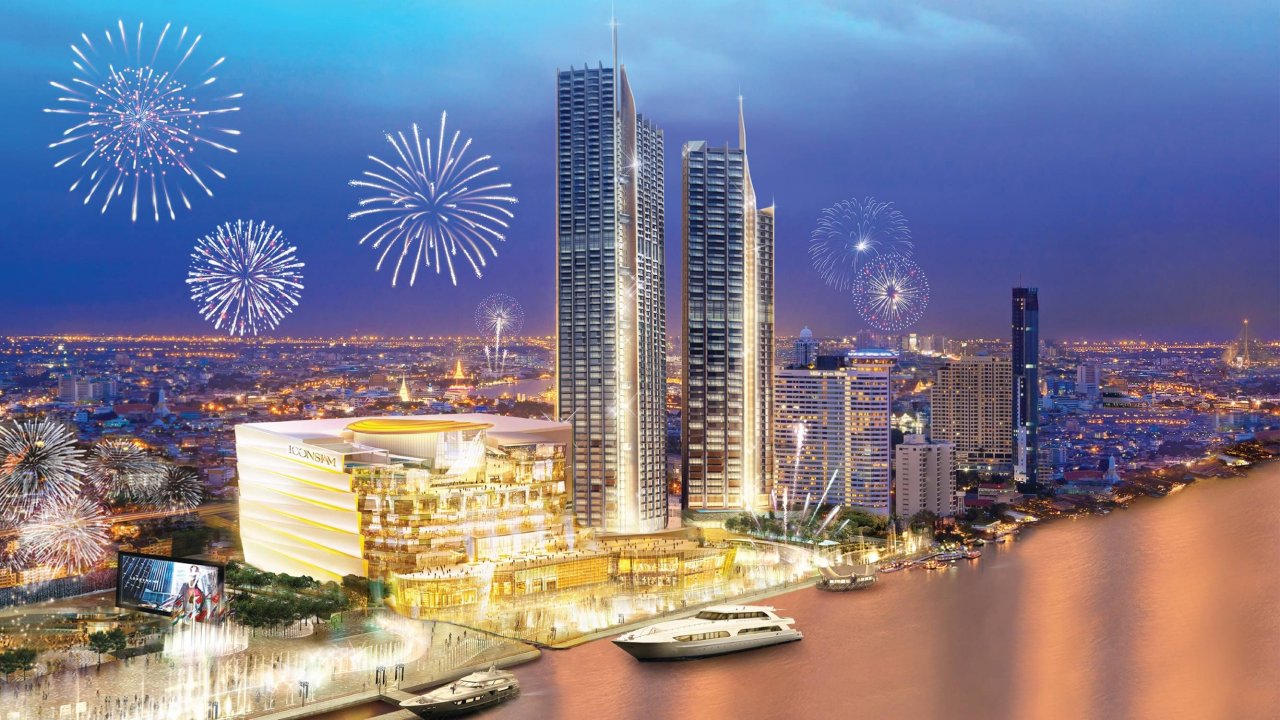
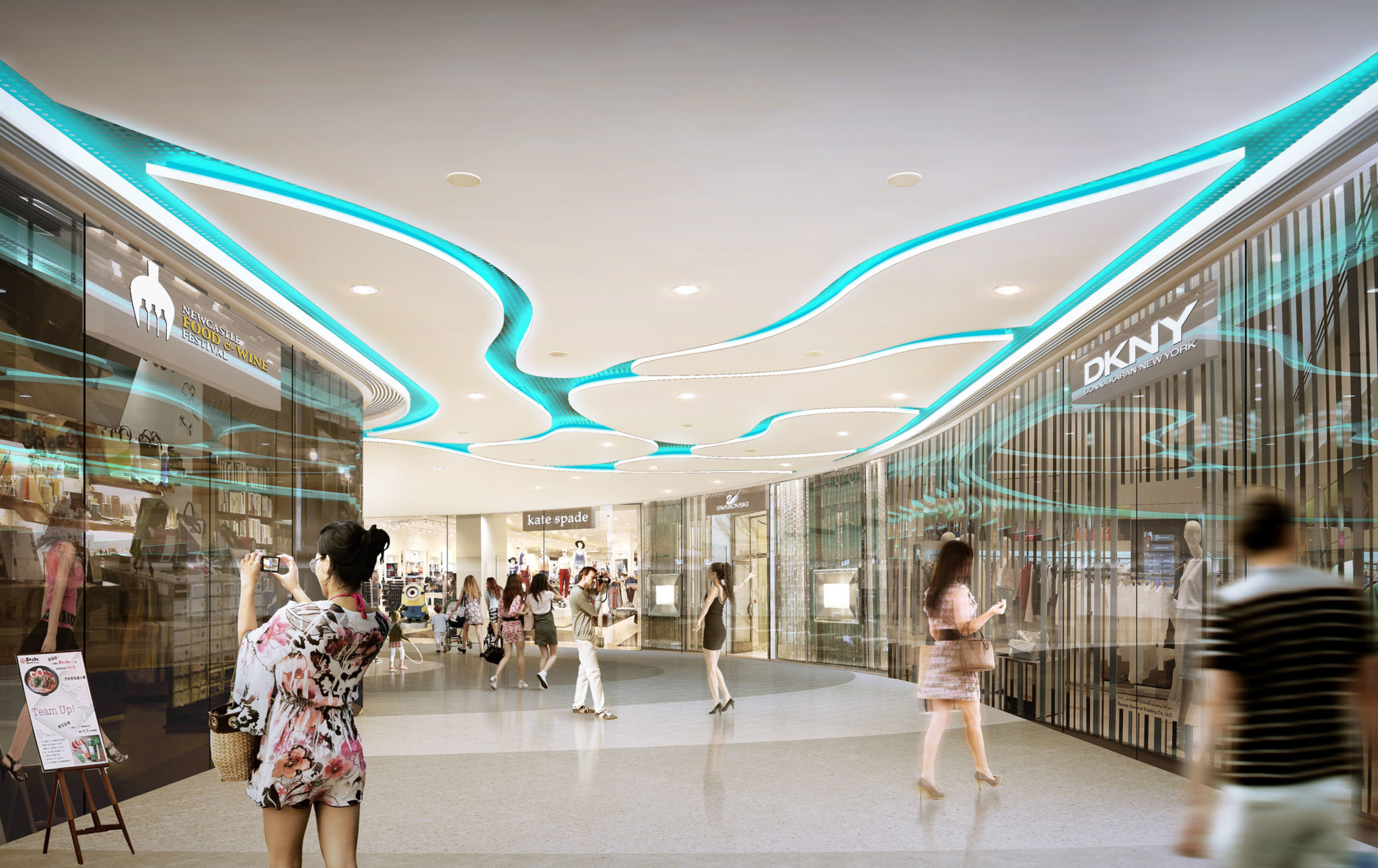
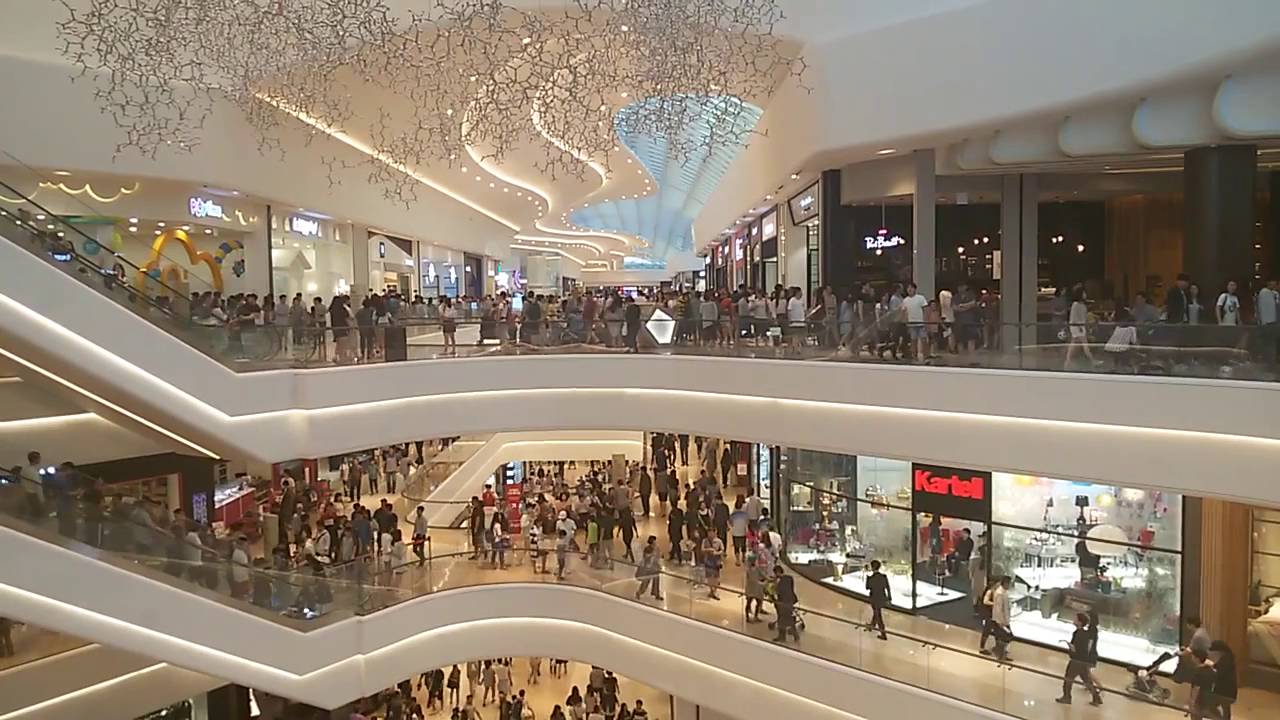
    Six years in design and construction, Bangkok’s US$1.6 billion IconSiam development will finally be officially launched tonight before opening its doors to the public tomorrow morning. With 500 stores, more than 100 restaurants and 14 cinema screens, a luxury apartment tower and a Mandarin Oriental hotel, the ambitious development is probably the most significant addition to Asia’s retail landscape in decades.

    Tonight, 10,000 businesspeople, retailers, media and guests have been invited to an opening ceremony which kicks off a weekend of festivities costing US$30 million. A fleet of 1500 drones organised by Intel will take to the sky above the Chao Phraya River and a “famous US singer” whose identity is being kept a closely guarded secret, will perform on stage somewhere along the 400-metre riverfront promenade of the building.

    Tickets to the invitation-only event, which also features a raft of Asian entertainers, fireworks, light and water shows, have been trading online for 10,000 THB (US$300), despite never being sold in the first place.

    Tomorrow, thousands of Thais are expected to visit the 750,000sqm venue, with stores offering rewards for early customers – like H&M issuing a 20,000 THB voucher to its first – and Apple is expected to draw long queues for its first official retail outlet in Thailand.

    About 80 per cent of the stores at IconSiam will be open for business tomorrow, the balance opening in ensuing weeks as fitouts are completed and approved by offshore head offices. But the project is still not complete. Several stories above the retail and dining area remain under construction, scheduled to open in July. They will house a world-class 6500sqm River Museum, a 3000-seat concert hall and other community facilities.

    Defining IconSiam is not easy.

    “It’s not a mall. It’s not a mixed use project,” IconSiam MD Supoj Chaiwatsirikul said last night. “It’s a destination.”

    The story of how IconSiam investors acquired the 8.8 hectare riverfront site gives an insight into how the project evolved into much more than a shopping centre. The owners of the land had been approached many times over the years, including by cashed up foreign developers. But they wouldn’t sell – until Siam Piwat CEO Chadatip Chutrakul talked to them, promising to create something that could showcase Thai culture and history to the world and be something all Thais could be proud of.

    Since then, IconSiam’s operational team have worked with Thais literally the length and breadth of the country to involve them in the project. Artworks and sculptures have been selected from 100 artists, mostly Thai, to appear throughout the complex, a 1.6 hectare space called SookSiam (“a city of Thai happiness”) will feature products and cultural heritage of the nation’s four regions, showcasing their handicrafts, performing arts, food, beverages “and local wisdom” in a single destination promised as “immersive, emotional and entertaining”.

    “IconSiam inaugurates a globally innovative model for destination development that moves the project away from being a mall or a mixed-use complex to being an inspiring destination,” explains Chutrakul.

    “It’s a place to regenerate and refresh, to be inspired and seek new ideas, and a place to discover the best of Thailand and the best on offer from around the world.”

    Unprecedented coordination has taken place with city and government authorities to enhance the transport system surrounding the site. A new skytrain track – aptly called the Gold Line – is under construction linking two other rail routes and which ultimately will make it a 20-minute railway journey from downtown Bangkok to the river. The company has built its own wharf in front of the building and worked to enhance a network of 73 river piers making it easier to reach the venue. Some 45,000 Thais travel along the river using public transport every day and they are starting to find that more convenient than ever.

    Work is continuing with landowners and hotel properties along the waterfront to create a public walkway, opening up the riverfront to the people for the first time in centuries.

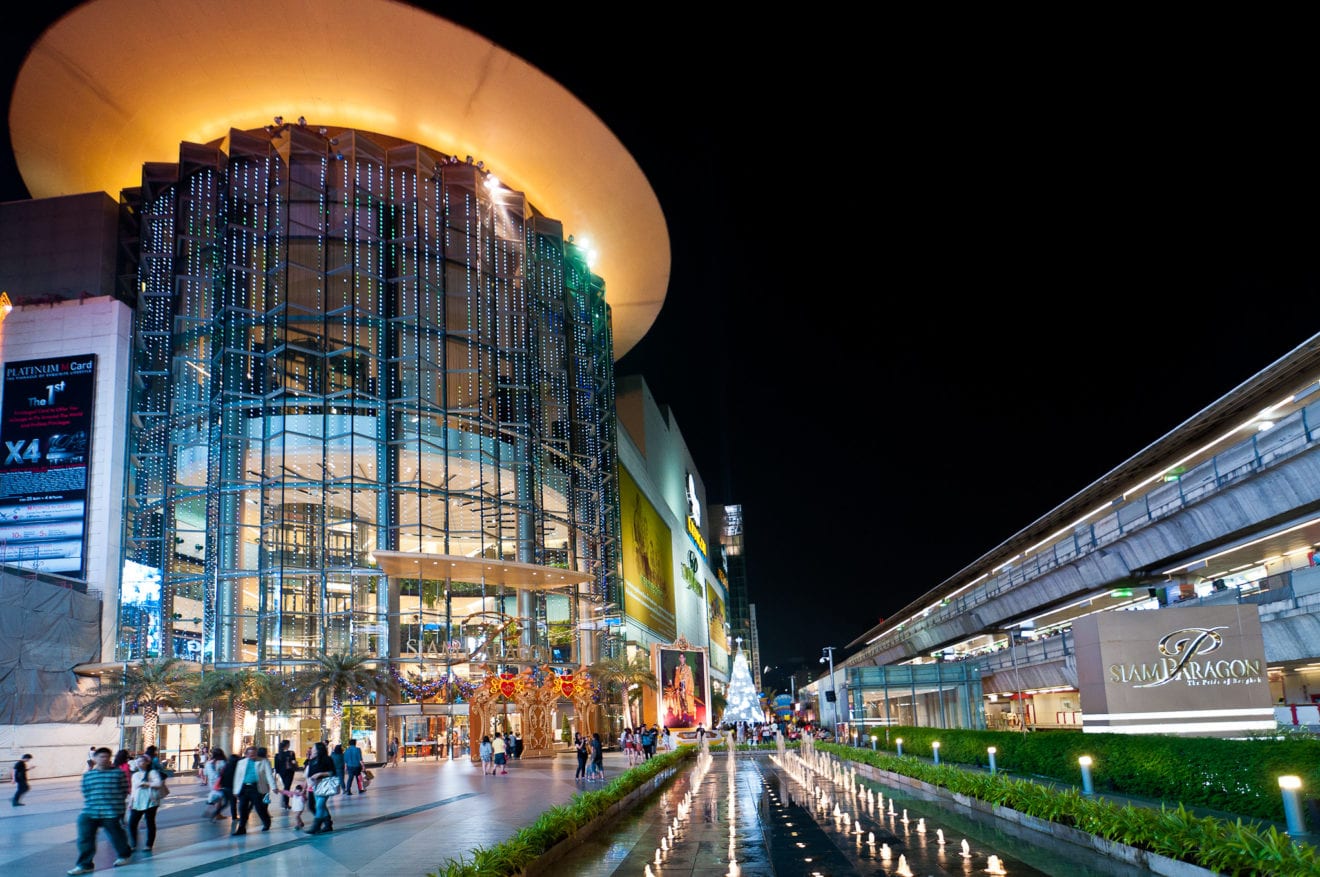
    SiamPiwat’s Siam Paragon shopping centre which, when neighbouring properties Siam Center and Siam Discovery are added, create the city’s largest single shopping destination, attracts about 250,000 visitors on a typical weekend day. The company expects IconSiam to draw as many as 400,000 once the project is fully operational. About 60 per cent of those will be Thais, the balance tourists, although it is obvious from the size and scale of the luxury duplexes facing the river – bearing brand names including Louis Vuitton, Gucci, Cartier and Hermes – that the ratio will be quite different zone-by-zone: This part of the project is very clearly designed to appeal to the growing legions of Chinese tourists heading to Thailand.

    Another key retail drawcard of IconSiam will be the country’s first Takashimaya department store spread over several levels and including a comprehensive food and grocery offer as well as fashion and accessories.
  • China’s Mosaic Xi’an mall opened door

    China’s Mosaic Xi’an mall opened door

    Pradera Retail Asia has opened Mosaic Xi’an mall in China’s Xi’an city.

    The new 120,000sqm mall is Pradera’s fourth retail asset in China and targets the 20-45 age group with international fashion tenants and entertainment/F&B providers. Already 80 per cent leased, it will hold a one-year promotional program to establish the location in the local market.

    “Mosaic Xi’an creates an innovative shopping experience, so as to satisfy consumers’ booming demand for situating more creative means of entertainment in malls,” said Pradera’s CEO Alison Rehill-Erguven.

    The accents on entertainment are designed to draw customers from the surrounding region who may otherwise shop online.

    “Experiential business is critical for the overall industry,” said Rehill-Erguven. “When more and more shopping centers are transforming into ‘one-stop’ shopping experience centres, we go further to provide the latest advancements in entertainment, F&B and fashion, as well as events, customer service and technology, leading young customer groups on an unforgettable, entertaining journey.

    “Technology has inevitably changed the retail industry; consumers still want to shop in the stores to feel and touch the products … We must not underestimate the power of human interaction and the need for it.”

    Renowned as China’s ancient capital, Xi’an is located in the central Chinese province of Shaanxi. It is surrounded by 14th century city walls, an architectural feature that has been reflected in the design of the new mall.

    Pradera already operates three Mosaic retail properties in Shanghai, Qingdao and Chongqing respectively.


  • High occupancy pays off for CapitaLand China malls

    High occupancy pays off for CapitaLand China malls

    High occupancy rates of the CapitaLand China malls portfolio helped deliver a 10.5 per cent increase in distributable income in the three months to September. CapitaLand Retail China Trust Management Limited (CRCTML), the manager of CapitaLand Retail China Trust (CRCT), says income reached S$23.6 million this year, compared with $21.4 million the same quarter last year.

    CRCTML CEO Tan Tze Wooi said China’s retail sales rose 9.3 per cent year on year during the first nine months of this year to RMB 27.4 trillion (US$3.93 trillion), while urban disposable income and expenditure per capita grew 7.9 per cent and 6.5 per cent respectively.

    “China is now growing from a larger base and its long-term fundamentals remain strong,” he said. “With our quality portfolio of malls offering holistic lifestyle experiences, CRCT will stand to benefit from China’s improving household income and rising consumer aspirations.”

    During the latest quarter, CRCT achieved a 2.2 per cent increase in net property income to $36.7 million, driven by broad-based rental growth and effective cost management.

    Wooi said the trust’s portfolio achieved an occupancy rate of 97.7 per cent at the end of September and rental reversion was “a robust 12.1 per cent”.

    “Our active asset management strategy with a tailored approach for each mall is progressing well. Rock Square registered a strong positive rental reversion above 20 per cent for the third consecutive quarter by bringing in 25 prominent international and domestic brands, many of which are new-to-market in Haizhu District.

    “To differentiate CapitaMall Qibao’s offerings, we increased its exposure to the resilient learning and education sector by more than three times over the last five years. We also expanded the rooftop playground to host more interactive activities that are popular with children, further enhancing CapitaMall Qibao’s attractiveness to young families.”

    CRCT is the first China shopping mall Real Estate Investment Trust (Reit) in Singapore, with a portfolio of 11 shopping malls: CapitaMall Xizhimen, CapitaMall Wangjing, CapitaMall Grand Canyon, CapitaMall Shuangjing in Beijing; Rock Square in Guangzhou; CapitaMall Xinnan in Chengdu, Sichuan Province; CapitaMall Qibao in Shanghai; CapitaMall Minzhongleyuan in Wuhan, Hubei Province; CapitaMall Erqi in Zhengzhou, Henan Province; CapitaMall Saihan in Hohhot, Inner Mongolia; and CapitaMall Wuhu in Wuhu, Anhui Province.

  • Malaysia to reach 700 malls by end of the year

    Malaysia to reach 700 malls by end of the year

    Malaysia can expect to have close to 700 shopping malls trading by the end of next year, according to Malaysia Retail Chain Association (MRCA) president Datuk Seri Garry Chua. The malls will represent a net lettable area of 170 million sqft in total, potentially higher than current market demand.

    In an report, Chua said: “Currently we have about 560 Malaysian malls operating nationwide with total net lettable area of about 135 million sqft. The occupancy for majority of the malls in Klang Valley is between 85 and 87 per cent and that is considered okay if compared with neighbouring countries like Singapore.

    “One way to fill the malls, both new and existing, is tourism. The government has to do a lot more in getting tourists from around the world to come here, especially from China.

    “Chinese tourist spend about US$260 billion globally. They are the biggest spenders.”

    Chua added that tourism is likely to be the largest contributor of GDP worldwide by the 2030s. Its impact on Malaysian retail could contribute to industry growth from the current 10 per cent of GDP to 15 per cent within the next five years.

    The MRCA is estimating an average growth of 6.1 per cent during the third quarter of this year compared to the same time last year.

    “There is huge potential in the local retail industry, despite concerns of a glut in retail space,” said Chua.

    “For future retail, it will have to encompass a lot of digital and concept stores. The malls must be interactive. It must have things like artificial intelligence where you have robots moving around and interacting with people.

    “There should be new dynamics in shopping. Mall owners must keep abreast with latest trends. Pricing and design must be right, especially for fashion brands.

    “Malls are also adding more and more food and beverage (F&B) outlets. Previously, tenant mix comprised 20 per cent of F&B but today, it is 30 per cent,” he said.

  • Shiqi Metro Mall golden egg for Dasin

    Shiqi Metro Mall golden egg for Dasin

    Acquired on June 19 last year, Shiqi Metro Mall has proved a profit booster for Dasin Retail Trust, according to its financial results for the three months to the end of March.

    Dasin is the only China retail property trust providing direct exposure to the growth of the Guangdong/Hong Kong/Macau Bay Area, and has an initial focus on retail malls. Its four present malls each had 100 per cent occupancy at the end of March.

    Largely because of the contribution of the Shiqi mall in Zhongshan, net property income year on year increased by 85 per cent. This was 3 per cent higher than forecast.

    Opened 10 years ago, the regional mall’s anchor tenants include Gome Electronics, Jane Eyre Furniture Mall, Jinyi Cinemas, KFC, RT Mart, Starbucks, Superior City Department Store, Watsons and Xin Xuan Hotel Restaurant.

    Other Dasin malls include Xiaolan Metro Mall, with tenants including Bank of China, Chow Tai Fook, KFC, McDonald’s, Pizza Hut and Sunning.

  • South Korean department stores chase men from now onwards

    South Korean department stores chase men from now onwards

    South Korean department stores are ramping up efforts to attract male customers, whose growing numbers are changing the retail landscape.

    According to data from Shinsegae Department Store, male customers, which accounted for 28.1 per cent of customers in 2010, now represent just over 34 per cent of the major department store’s customer base.

    Sales at male-oriented shops at the main branch of Shinsegae Department Stores in Myeongdong and the Gangnam branch also jumped from 8.2 per cent to 10 per cent over the same period.

    Against this backdrop, South Korean department stores are continuing efforts to revamp their men’s departments, as well as introducing various products catering to family in an attempt to attract male customers of all age groups.

    Shinsegae Centum City opened a renovated men’s department on the fifth floor last month, featuring experience stores that appeal to not only men, but also women and family members.

    Street 5 is a select shop modeled after a European-style city-center plaza, packed with local brands from Busan and Daegu, differentiating itself from other stores.

    Apart from a wide selection of men’s clothing stores, a photography studio specializing in black and white photography and a premium select pet shop will also welcome visitors with various interests.

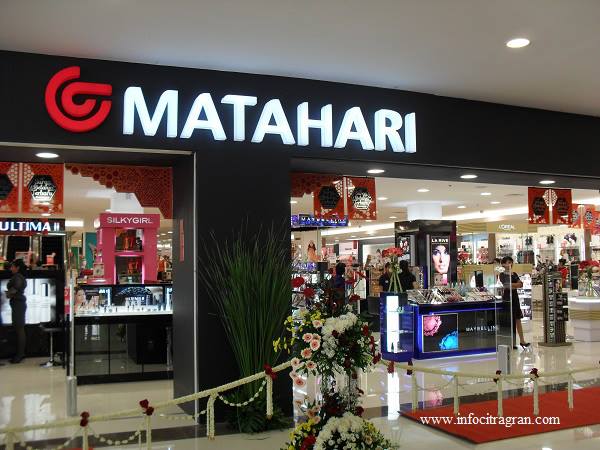
  • Massive loss for Indonesia’s Matahari Putra Prima Mall Group

    Massive loss for Indonesia’s Matahari Putra Prima Mall Group

    Indonesian hypermarket chain Matahari Putra Prima was apparently so ashamed of its financial performance last year it issued a press release about its results without a single financial detail included.

    A little sleuthing online reveals the struggling giant – whose interests also include fashion stores – reported a loss of 1.24 trillion rupiah last year (US$86.8 million), compared to a net profit of 38.48 billion rupiah last year ($2.7 million).

    In its media statement, MPP described last year as a “challenging yet successful” period of consolidation for the company, amidst what continues to be a challenging macroeconomic and competitive landscape.

    “This consolidation and cost restructuring is a part of the company’s efforts to transform its business and will position itself strongly for the year to come. The macroeconomic condition in 2017 continued to be challenging, especially for the retail sector.”

    MPPA blamed its misfortunes on factors including the removal of electricity subsidies from 19 million Indonesian households and relatively low inflation-adjusted minimum wage increase which adversely affected Indonesian consumers’ spending power.

    “Furthermore, the company experienced increasing competition from local supermarkets across Indonesia.”

    In response, the company launched “a bold pricing strategy” and re-examined its cost structure to support a lower merchandise-margin environment by looking at a number of operational efficiencies.

    “These include headcounts, assortment reviews with a goal to focusing on fast moving and productive SKUs, a review of operational costs including a shift of marketing spend from expensive nationwide media advertising to more cost-effective community based marketing and the development of a low-cost store format.”

    Without stating figures, the company said those initiatives placed considerable pressure on its performance in 2017 with some once-off costs being accounted for in that period.

    “The company expresses optimism for 2018. The new strategy along with all actions taken in 2017 should begin to pay off, allowing the company to strengthen its market leadership in food retailing business in Indonesia. The company has built a reputation for entrepreneurship and leadership, and is obsessed with customer satisfaction, innovation and excellence in operations.”

  • Thai mall operator profits up 47 percent on tourism boom

    Thai mall operator profits up 47 percent on tourism boom

    Thai retail property developer Central Pattana Pcl (CPN) reported net profit of 13.6 billion baht ($432.3 million) for its 2017 fiscal year on Wednesday, up 47 percent from a year earlier.

    CPN beat estimates of 12.1 billion baht based on a survey of 11 analysts.

    CPN, which operates 32 shopping malls in Thailand, has been one of the main beneficiaries of the country’s tourism boom, led by Chinese arrivals.

    More direct flights from China, a visa fee discount and waiver incentives led to strong inbound tourism, CPN said in a statement.

    Thailand received 35 million tourists in 2017 and expects 37.55 million arrivals this year.

    Revenue from rent and services were up 3.2 percent from the year earlier, reaching 26 billion baht.

    Average occupancy rates in its retail properties stood at 92 percent, lower than 94 percent a year earlier due to major renovations.

    CPN, part of Central Group, owned by the billionaire Chirativat family, plans a compound annual growth rate of at least 13 percent until 2022 focusing on mixed-use and residential developments, increasing rental rates and new malls in Southeast Asia.

    Hotel revenue grew 10 percent to 1.1 billion baht, with an average occupancy rate of 93 percent, up from 83 percent a year ago, due to a higher number of tourists, it said.

    CPN expects its new mall on the tourist island of Phuket to open by mid-year and another mall in Malaysia to open by year-end.

  • Bitcoin to be accepted in Seoul Mall

    Bitcoin to be accepted in Seoul Mall

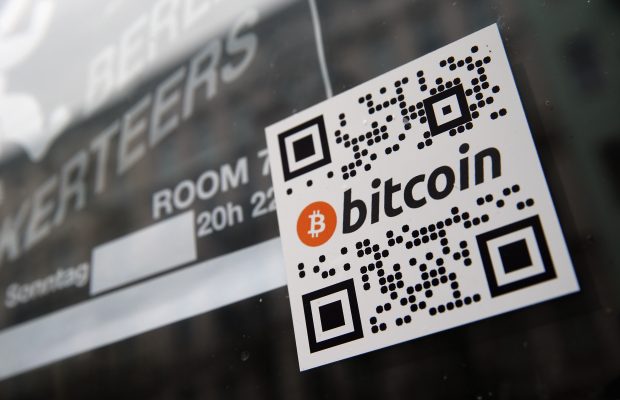
    Seoul’s giant Goto Mall has partnered with a Korean cryptocurrency exchange to enable its retail tenants to accept bitcoin as payment.

    The exchange, HTS Coin, launched in October and developed a smart payment system using cryptocurrencies before launching a mobile app.

    Goto Mall – also known as the Gangnam Terminal Underground Shopping Centre – has 620 tenants and hosts nearly 500,000 shoppers daily. Stores will begin accepting bitcoin payments by the middle of December, reports Bitcoin.com.

    “I think it is very meaningful to be able to settle the bitcoin used by foreigners and young people at Goto Mall,” said mall CEO Chung Gwi Yeon.

    Some stores in the mall have been accepting bitcoin payments directly in a trial, but Bitcoin.com reports there were problems with store owners losing their passwords and unable to spend the bitcoins they had accepted.

    Newspaper Bridge Economy observed that when the new World Duty-Free store opens in Gangnam Central City next year, Goto Mall can expect to further increase its foreign customer base. “Goto Mall is expected to turn into a bitcoin mecca.”

    Bitcoin will join cash, credit cards and Alipay is primary payment options at the shopping centre.

  • I’m Startice takes Korea to BigBox Mall

    I’m Startice takes Korea to BigBox Mall

    It is the global chain’s first outlet in Singapore and the third in Southeast Asia. On the mall’s second floor, its products range from cosmetics to food and household wares. Online buyers can also pick up their products at the store.

    BigBox says the store is an initiative by the South Korean government to promote the nation’s goods internationally. I’m Startice also has outlets in China, Indonesia, the US and Vietnam.

    Many cosmetic brands not available in other Singapore shops feature at I’m Startice, such as Dr Young, Klayuu and Mogong Dodook, reports Yahoo! Lifestyle.

    Beauty and food products are among the store’s bestselling items, says store manager Jenna Sim.